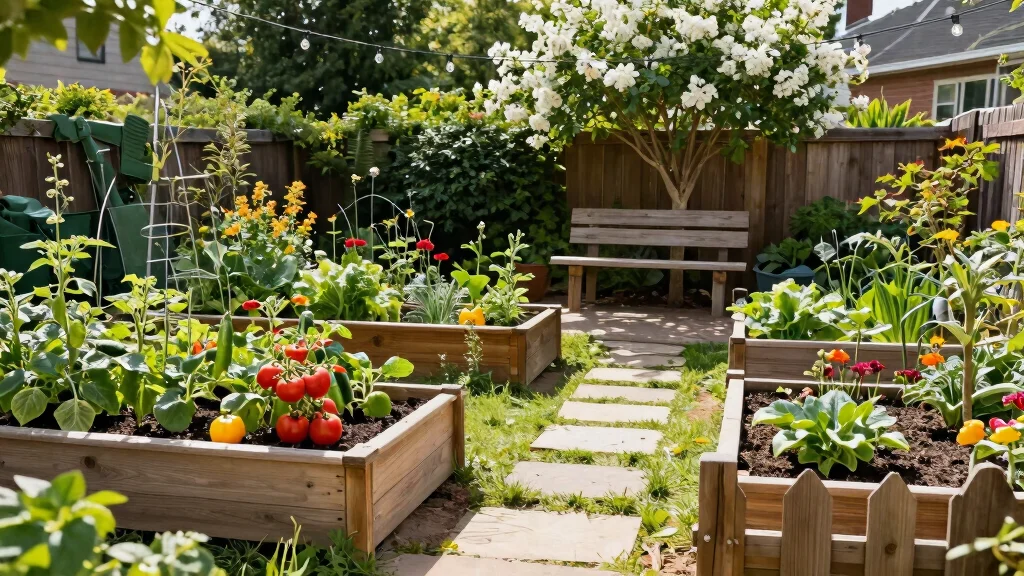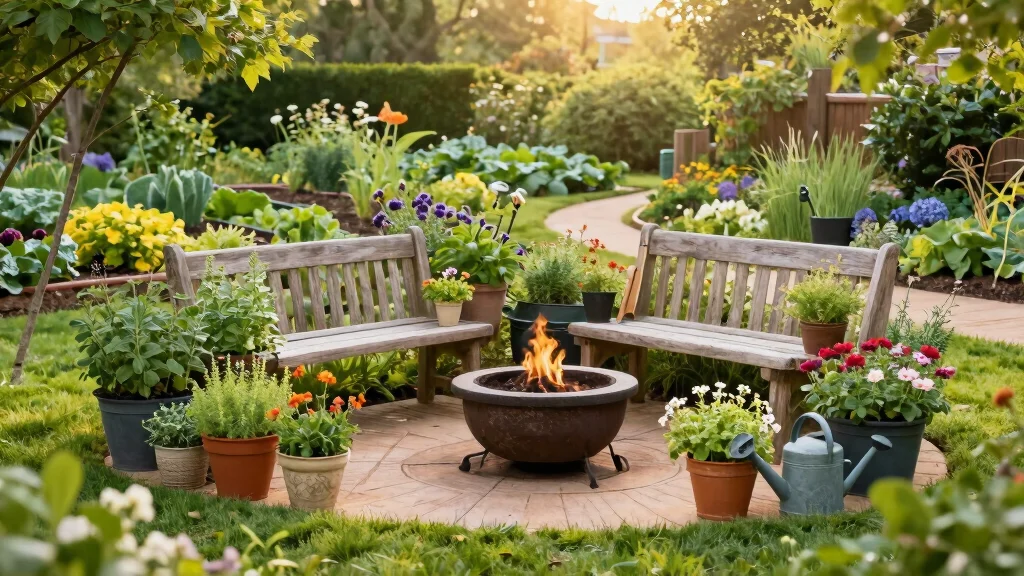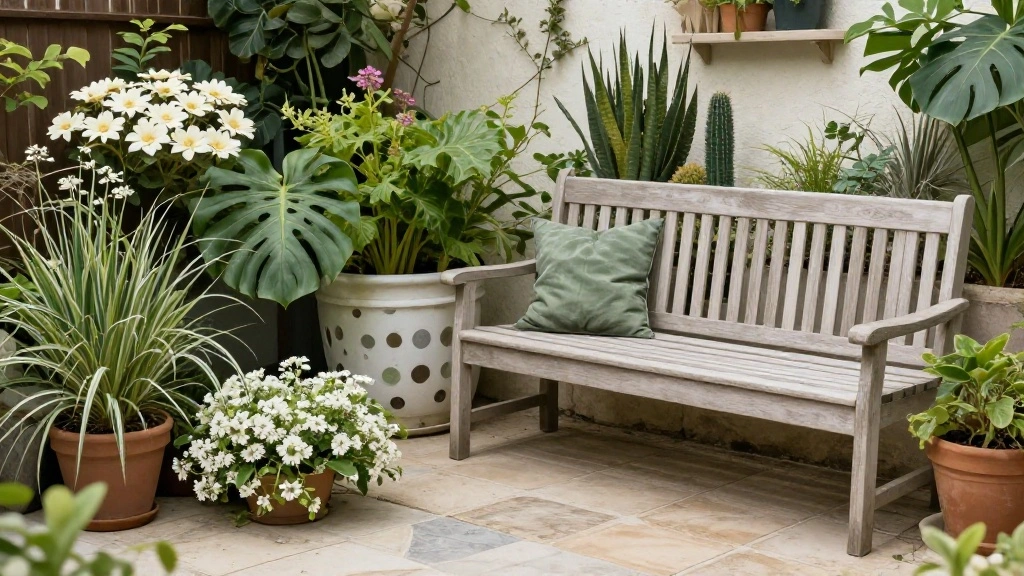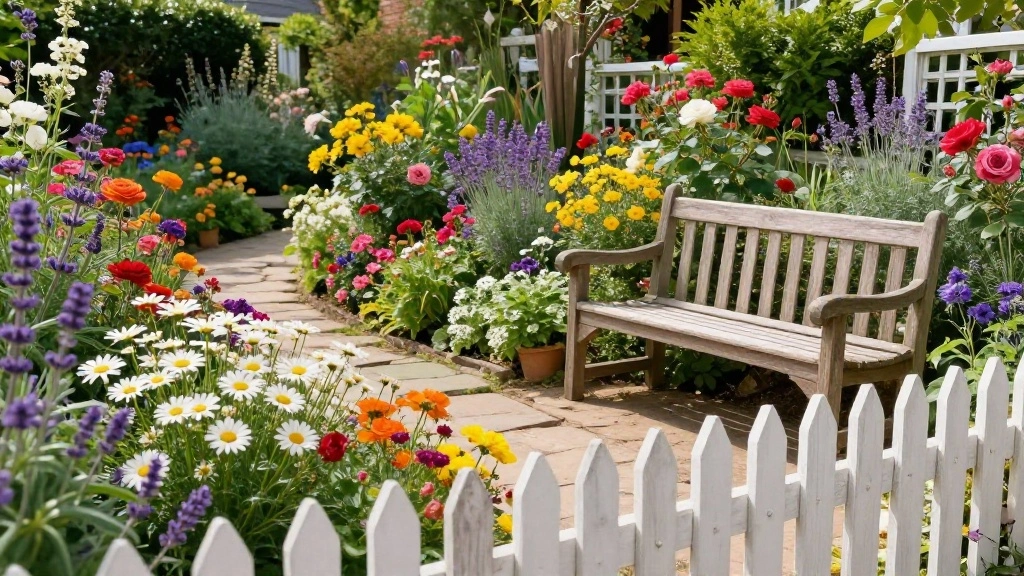

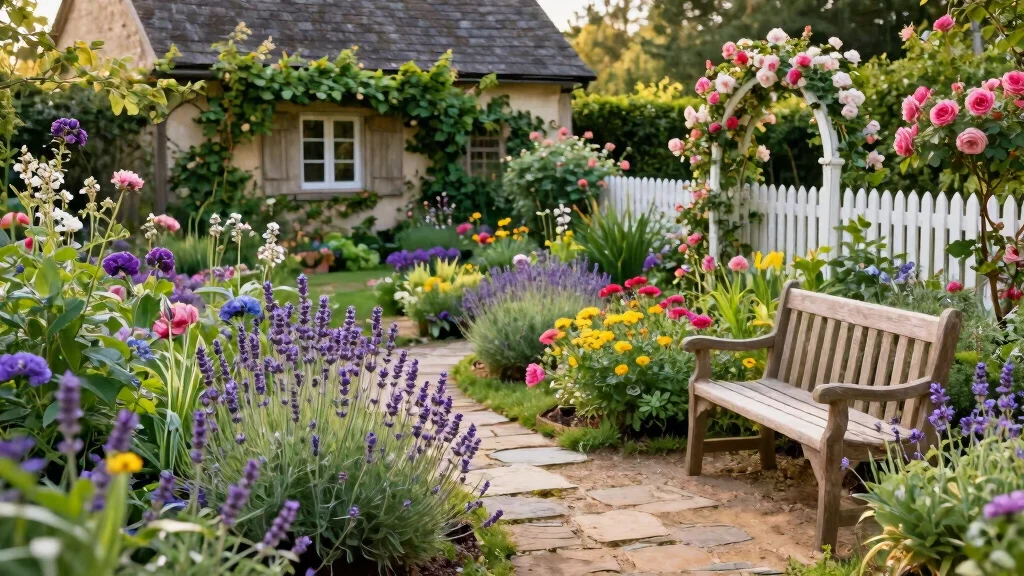


Creating a beautiful outdoor space can often feel overwhelming, especially when you’re yearning for that dreamy French cottage garden vibe. I’ve been in the same boat, scrolling through images of lush herbaceous perennials and quaint pathways, thinking, “How do I make this happen in my own yard?” That’s why I put together this guide. I want to share some classic tips that not only reflect the charm of French cottage garden landscaping but also make it accessible for everyone.
If you’re someone who loves gardening, whether you’re a seasoned pro or just starting out, this post is for you. You might be looking for ways to add a touch of rustic beauty or simply enhance your space with growth and color. You’ll find practical, easy-to-follow tips here that can help you create that enchanting garden atmosphere. With these 14 landscaping tips, you’ll be well on your way to transforming your yard into a picturesque retreat where you can unwind and enjoy nature.
From embracing a mix of herbaceous perennials to incorporating cozy nooks for relaxation, this guide offers a variety of ideas that are charming, practical, and sure to bring joy to your gardening experience. Let’s dig in and discover how to cultivate your dream yard!
Key Takeaways
– Embrace a mix of herbaceous perennials to create a lush and colorful garden that blooms throughout the seasons.
– Design charming pathways that guide visitors through your garden, enhancing both functionality and aesthetics.
– Incorporate rustic garden décor like vintage pots and wooden benches to amplify that inviting, countryside feel.
– Layer your plant heights for visual interest, mixing tall, medium, and low plants to create a sense of depth.
– Maintain a personal touch by including unique elements that reflect your style, making your garden truly yours.
1. Embrace a Mix of Herbaceous Perennials
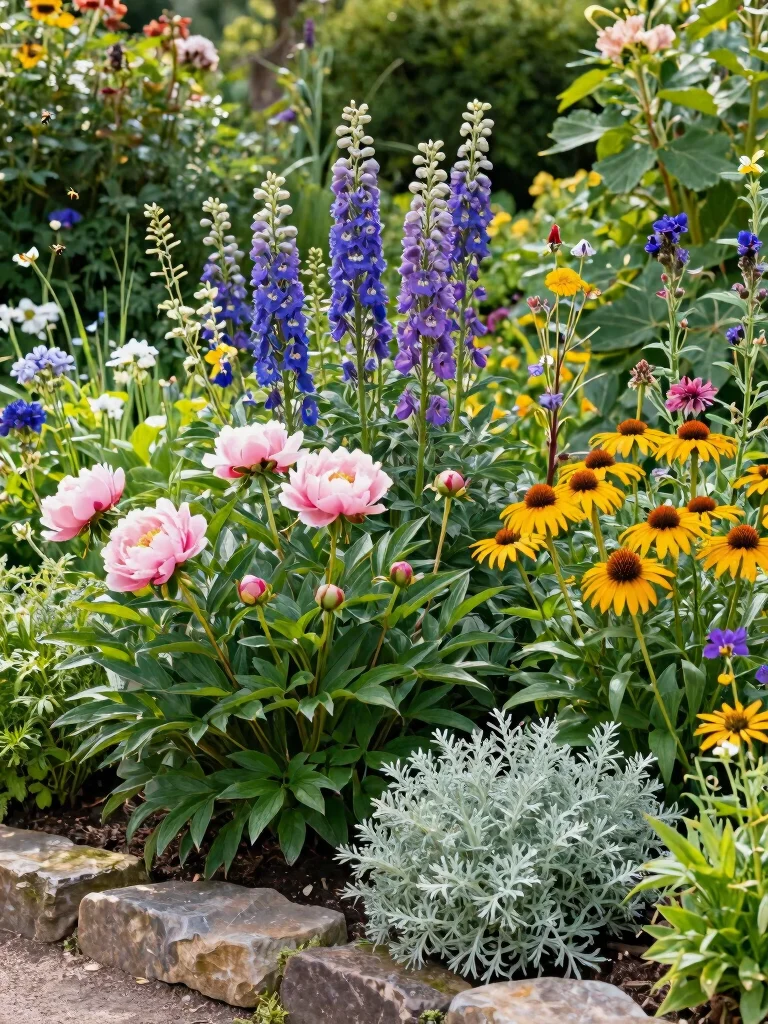
A vibrant mix of herbaceous perennials can transform your garden into a lively wonderland. These plants bloom in a riot of colors, offering a captivating display throughout the seasons. Imagine peonies, coneflowers, and delphiniums painting your garden with hues that attract buzzing bees and fluttering butterflies.
When choosing your perennials, aim for diversity in height and color to create a layered, dynamic look. Position taller plants at the back and shorter ones in the front, mixing textures like fluffy blooms with sleek leaves. Opt for low-maintenance varieties if you prefer a garden that thrives with minimal effort.
Key tips for selecting perennials:
– Choose native plants suited to your climate.
– Mix early, mid, and late bloomers for continuous color.
– Consider foliage textures for year-round interest.
By thoughtfully integrating a variety of herbaceous perennials, you’ll cultivate a garden that delights you with changing beauty throughout the year.
2. Create Charming Garden Pathways
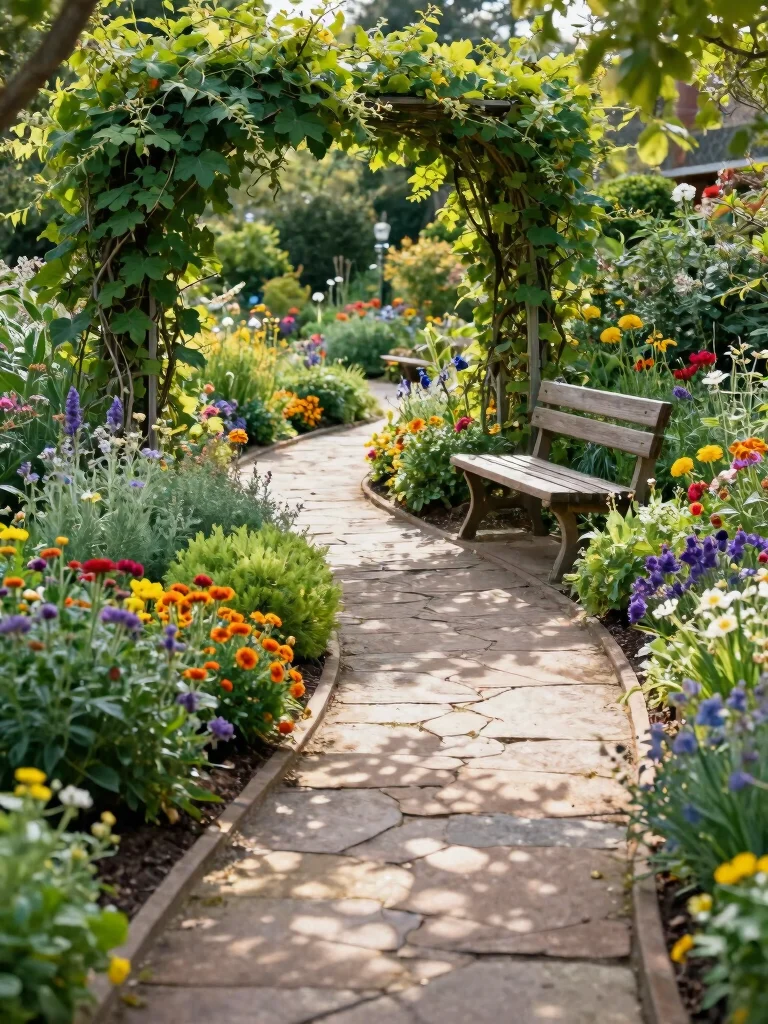
Garden pathways invite exploration and add an enchanting touch to your landscape. Using natural materials like gravel, stone, or reclaimed wood, you can craft winding paths that guide guests through your floral oasis. These pathways not only define garden spaces but also enhance the rustic charm of your outdoor retreat.
Opt for meandering paths instead of straight lines to spark curiosity. Curved routes lead to hidden corners filled with blooms, while low-growing perennials or seasonal flowers can soften the edges, bringing color and life to your walkways.
Pathway ideas:
– Lay stepping stones surrounded by moss or creeping thyme.
– Build a rustic wooden boardwalk through flower beds.
– Add arches or trellises draped in climbing plants to frame pathways.
A well-designed pathway transforms your garden into an inviting sanctuary, encouraging visitors to wander and admire its beauty.
Fun fact: in french cottage garden landscaping, winding paths made from gravel or stone encourage visitors to linger, boosting perceived space by about 20%. Curved routes reveal hidden blooms and scent trails, turning every stroll into a tiny, fragrant discovery.
3. Utilize Vertical Gardening Techniques
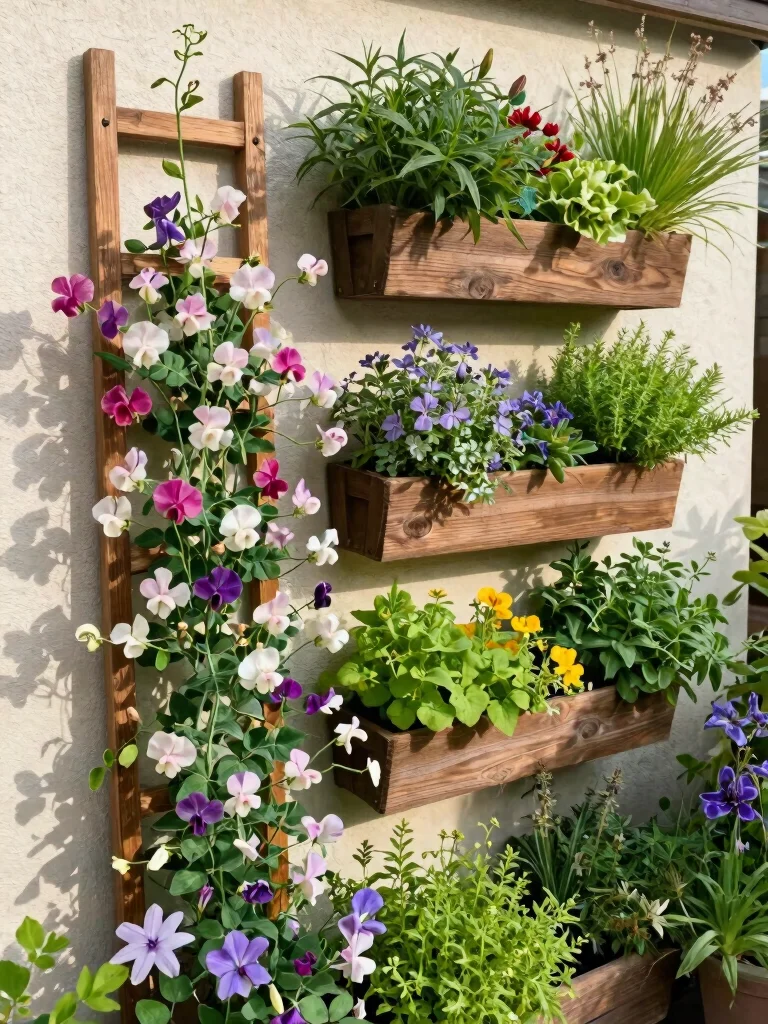
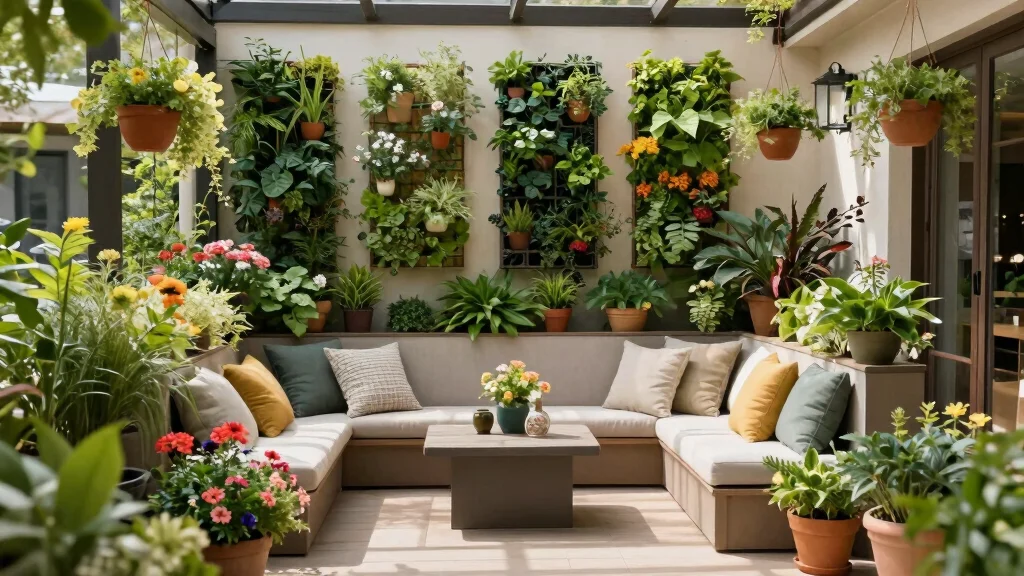
Vertical gardening maximizes your space and adds captivating layers to your garden. By training plants to climb trellises, walls, or fences, you introduce stunning visual interest while making the most of your area. Vining plants like sweet peas, clematis, and morning glories are excellent for this technique.
Add wall-mounted planters or hanging pots to draw the eye upward and create a tidy, organized display. Incorporate fragrant herbs like basil or mint in vertical setups for both beauty and functionality.
Vertical gardening tips:
– Choose lightweight planters to protect walls.
– Position plants for optimal sunlight exposure.
– Mix flowers and herbs to enhance scents and colors.
Using creative vertical gardening methods, even a small garden can feel expansive, bursting with vibrant life and delightful fragrances.
4. Incorporate Rustic Garden Décor
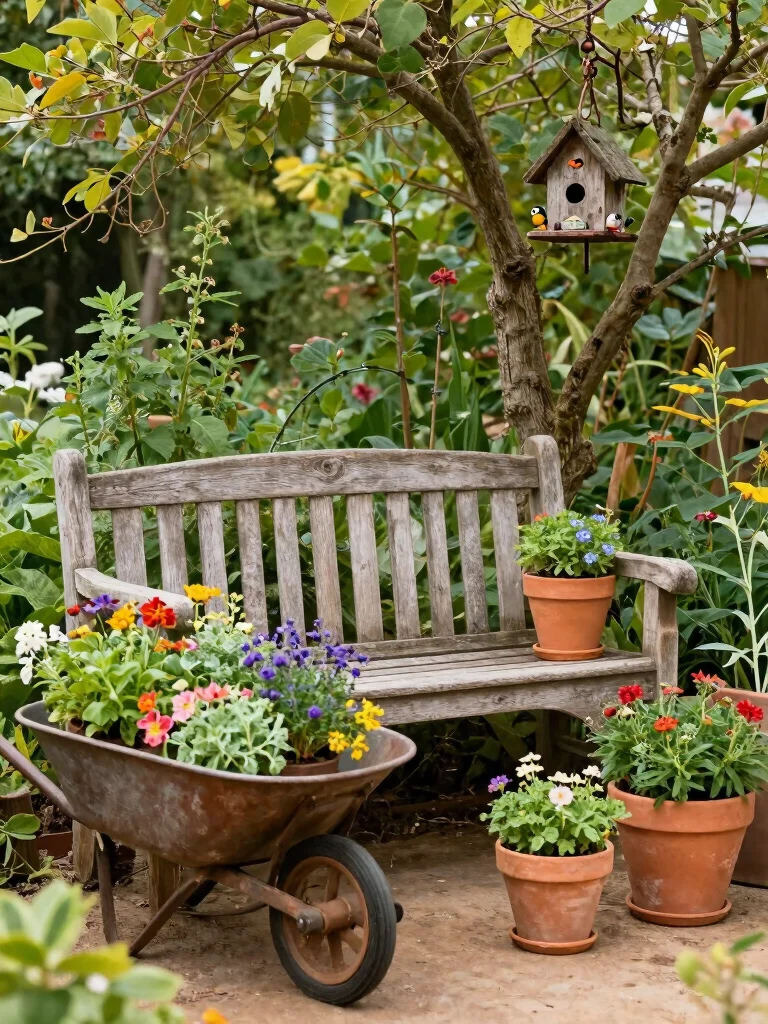
Rustic décor brings a timeless charm to your garden, creating a cozy and inviting atmosphere. Elements like weathered wood, wrought iron, and vintage finds work beautifully alongside your plants. Look for unique items like old wheelbarrows, wooden fences, or antique pots that can serve as creative plant holders.
A rustic bench or swing provides a perfect spot for relaxation, while birdhouses and feeders attract feathered visitors, enhancing the lively ambiance. Bright terracotta pots or painted furniture add cheerful splashes of color to your garden display.
Decor ideas:
– Use reclaimed wood for raised beds or trellises.
– Integrate vintage garden tools as charming accents.
– Arrange clusters of potted plants on weathered crates for character.
By weaving rustic décor into your garden, you create a delightful space that feels warm and inviting, a perfect retreat for enjoying the outdoors.
5. Layer Your Plant Heights
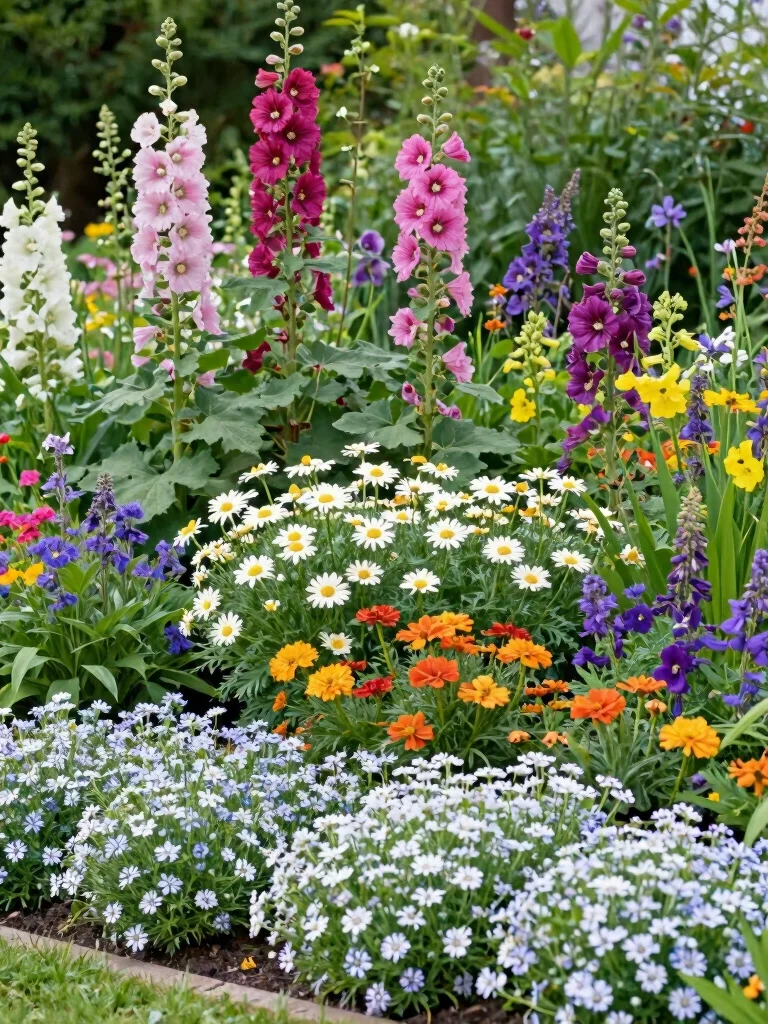
Layering plant heights adds depth and dimension to your garden, ensuring every bloom gets its moment in the spotlight. Arrange taller plants in the back and shorter varieties in the front, creating a natural flow that enhances visual appeal. This technique encourages exploration, drawing the eye across the garden.
Varying heights allows you to showcase diverse flowers, ensuring stunning displays from all angles. Use low-growing plants like creeping phlox or sedum in the foreground, while larger blooms like hollyhocks stand proudly at the back.
Layering tips:
– Choose plants with contrasting heights for added drama.
– Fill gaps with medium-sized perennials.
– Ensure similar sunlight and water needs for easier maintenance.
With skillful layering, you’ll cultivate a lush, vibrant garden that feels alive and inviting.
6. Choose the Right Color Palette
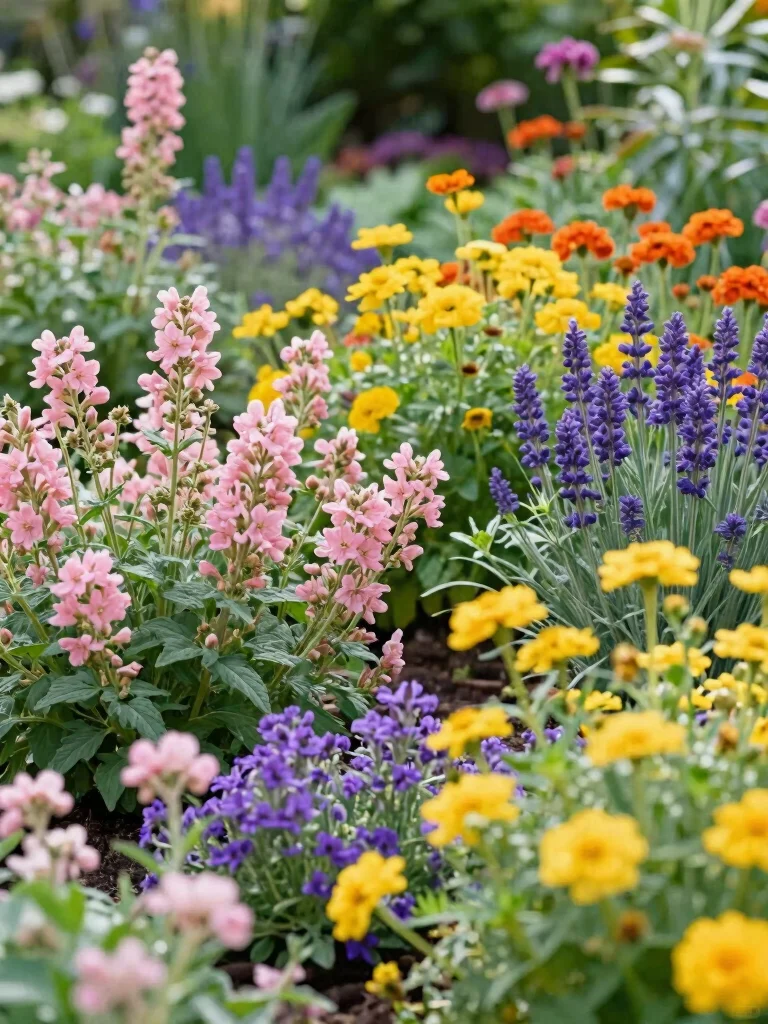
A thoughtfully chosen color palette can elevate your garden from lovely to breathtaking. Soft pastels and vibrant jewel tones set different moods, while complementary colors create harmony throughout your outdoor space. Pair soft pinks with deep purples and whites for a romantic atmosphere or vibrant yellows and oranges for a lively feel.
Incorporating foliage colors like dark greens or silvers enhances contrast against your blooms, enriching the overall aesthetic. Keep the view from your home in mind to ensure the scheme works beautifully both inside and out.
Color selection tips:
– Stick to a limited palette for consistency.
– Include seasonal colors for a dynamic display.
– Consider how the colors appear from your windows.
By carefully selecting your color palette, you’ll design a garden that feels cohesive and visually stunning.
You might also like
7. Implement Companion Planting
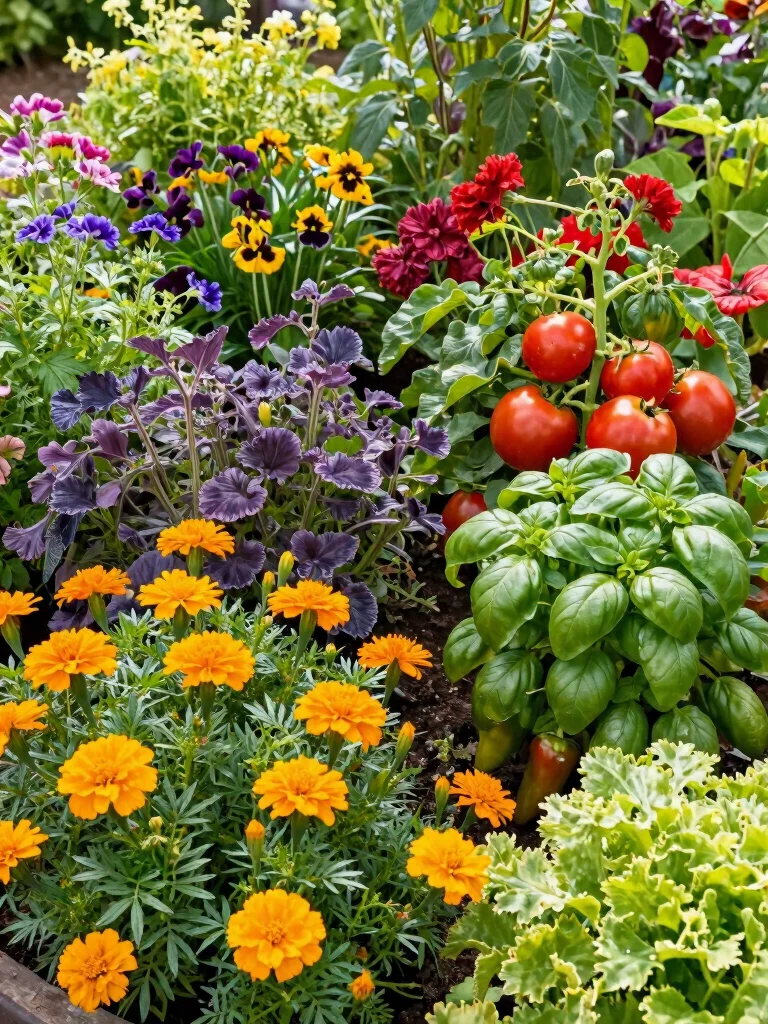
Companion planting is a gardening strategy that boosts aesthetics while promoting plant health. Some plants thrive together, supporting each other’s growth and naturally repelling pests. For instance, marigolds paired with tomatoes deter aphids, while basil alongside peppers can enhance flavor.
In a French cottage garden, you can create visually appealing combinations that offer practical benefits. Picture colorful flower beds and vegetables growing side by side, fostering a healthy ecosystem.
Companion planting benefits:
– Maximizes garden space with compatible plants.
– Reduces reliance on chemical pest control.
– Enhances flavor and yield of edible crops.
By embracing companion planting, your garden flourishes as a vibrant ecosystem, reflecting the natural balance of a cottage garden.
How To Choose French Garden Plants
Choosing the right plants is crucial for creating your dream French cottage garden. With an abundance of options available, it’s essential to consider specific criteria that will help you achieve that charming rustic aesthetic. Here are some key points to guide you in selecting the perfect French garden plants.
1. Climate Compatibility
Know your local climate before making plant choices. French gardens thrive with a range of plants suitable for temperate climates. Research plants that can withstand your region’s temperatures, rainfall, and sunlight. For example, lavender and roses are beloved in French gardens and do well in sunny, well-drained areas.
2. Soil Type
Understanding your soil type will help you select plants that will flourish. French gardens often feature well-draining soil rich in organic matter. Consider getting a soil test to check pH levels and nutrient content. For clay soils, look for plants like asters that can handle moisture, while sandy soils may suit succulents and herbs better.
3. Seasonal Interest
A French cottage garden is not just about one season; it should bloom beautifully throughout the year. Choose a mix of plants that offer different colors and blooms across seasons. For spring, daffodils and tulips provide a cheerful start. In summer, hydrangeas and coneflowers can add vibrant splashes of color, while autumn favorites like chrysanthemums ensure your garden remains lively.
4. Plant Sizes
Incorporating various plant heights creates visual interest in your garden. Choose a mix of tall perennials, like delphiniums, medium-sized flowers, such as peonies, and low-growing ground covers like creeping thyme. This layering effect draws the eye and makes your garden feel full and inviting.
5. Companion Planting
Utilizing companion planting can enhance growth and repel pests. This technique involves pairing plants that support each other. For instance, planting marigolds alongside vegetables can help deter pests. Consider adding herbs like basil or dill near your flowering plants to attract beneficial insects.
6. Personal Preference
Ultimately, the best plants are those that resonate with your personal taste. Think about your favorite colors, scents, and textures. Do you love the smell of roses? Or perhaps the relaxed feel of wildflowers? Choosing plants that you connect with will ensure that spending time in your garden is a joyful experience.
Pro Tip: When starting your garden, visit local nurseries or botanical gardens to see plants in person. This way, you can assess their size and growth habits before committing to them in your own garden.
By paying attention to these selection criteria, you can create a beautiful and productive French cottage garden that reflects your style while ensuring your plants thrive in their environment. Happy planting!
8. Make Use of Edging and Borders
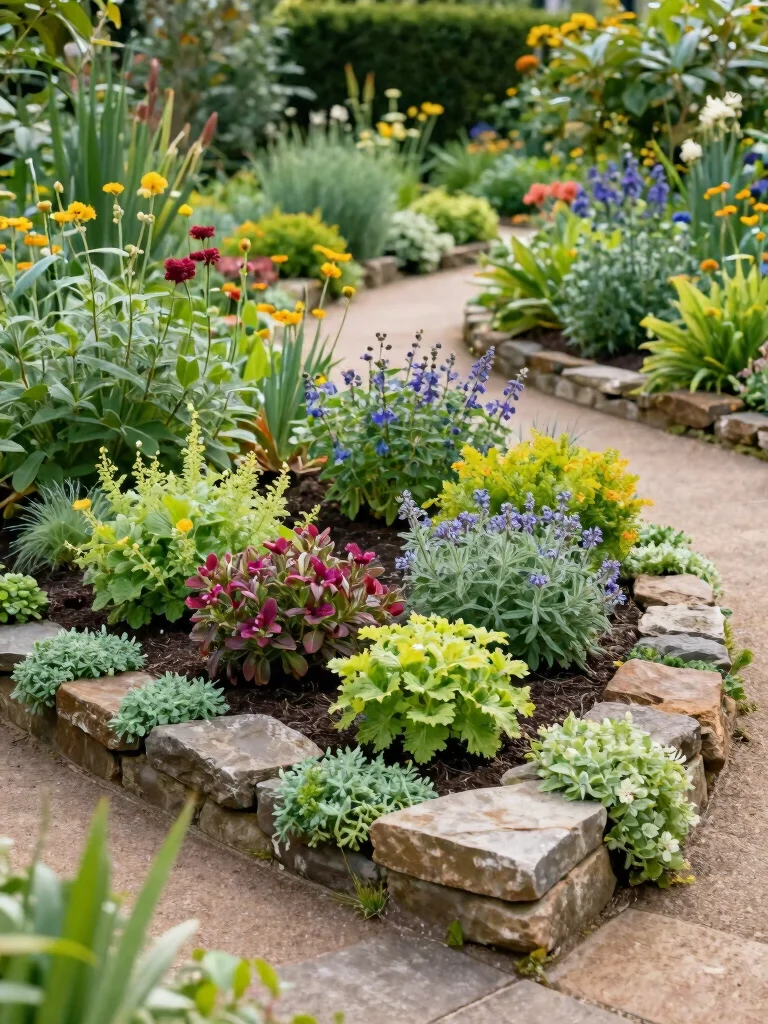
Edging and borders provide definition to your garden, creating a polished yet natural appearance. Using materials like bricks, stones, or natural wood helps delineate pathways and garden beds, guiding visitors through your landscape. Edges can also be adorned with low-growing plants or ground covers to introduce additional color and texture.
Colorful flowering plants or fragrant herbs can frame borders beautifully, enhancing the overall appeal of your garden. Opt for arrangements that draw the eye and invite exploration.
Edging ideas:
– Create a rustic stone edge around flower beds.
– Use reclaimed wood for an organic border.
– Plant dwarf perennials along pathways for added charm.
Thoughtful edging and borders lend a tidy, inviting look to your garden, emphasizing its beauty and allure.
Did you know that a simple brick or stone border can define 30% more garden area visually? In french cottage garden landscaping, well-edged beds guide the eye and keep herbs and perennials feeling deliberate and inviting.
9. Choose a Focal Point
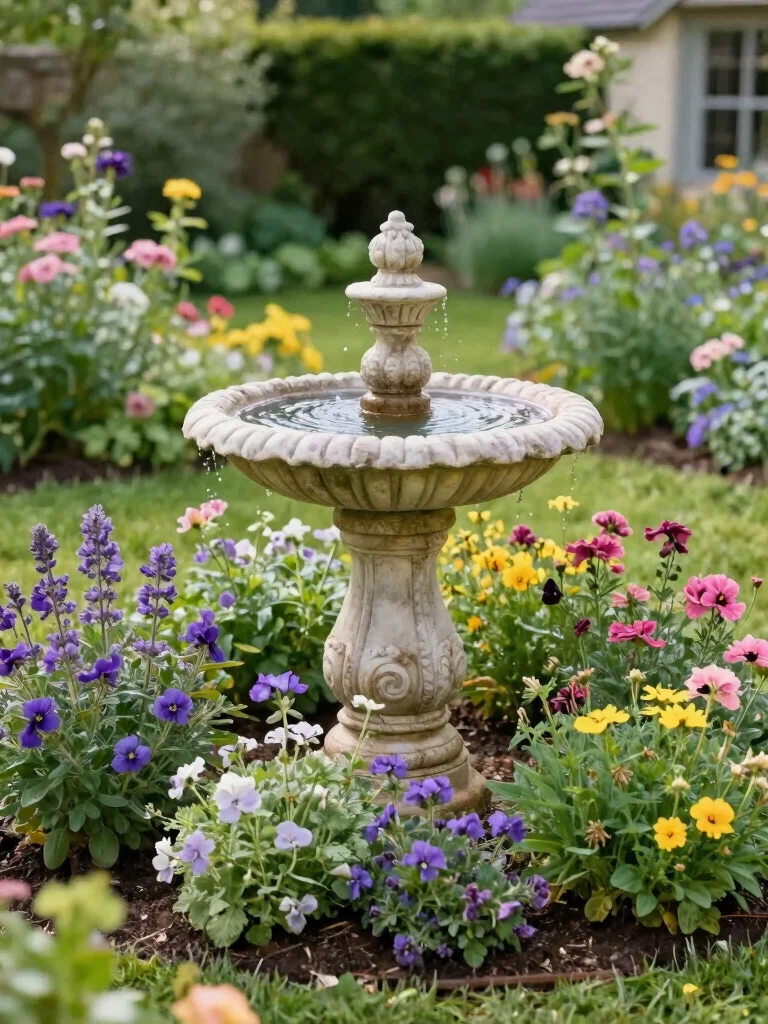
Every captivating garden needs a focal point to capture attention and provide structure. A focal point might be a stunning sculpture, a beautiful tree, or an elegant fountain that adds charm to your outdoor space. Position it at the end of a pathway or at the center of a flower bed to draw the eye naturally.
Surround your focal point with complementary plants that enhance its allure without overshadowing it. For example, tall sunflowers can beautifully frame a whimsical garden statue, creating a picturesque scene.
Focal point ideas:
– Install a charming birdbath or fountain as a centerpiece.
– Use trellises or arches adorned with climbing flowers.
– Feature a unique garden sculpture or rustic bench as a main attraction.
A well-placed focal point transforms your garden into an enchanting space that invites visitors to linger and appreciate its beauty.
10. Create Cozy Nooks
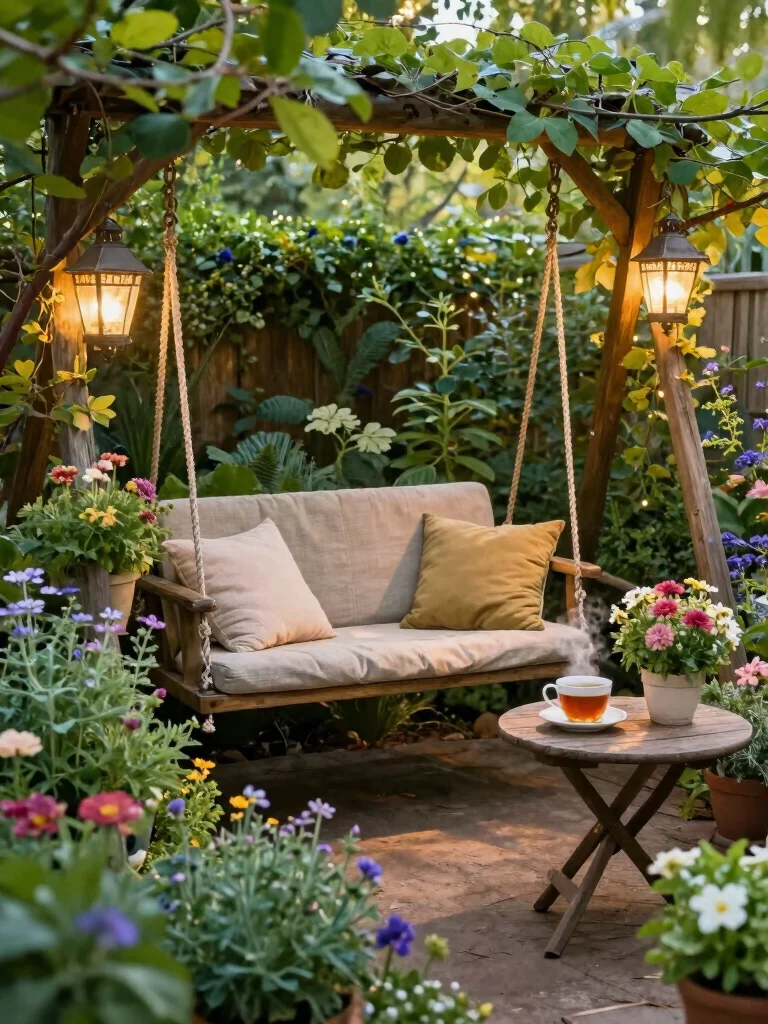
Designing cozy nooks in your garden adds charm and encourages relaxation, inviting you to unwind in nature’s embrace. Consider placing comfortable chairs or a swing amidst fragrant flowers and greenery to create intimate spaces. These areas invite appreciation of the landscape, providing a tranquil retreat.
Enhance your nooks with trellises draped in climbing plants, creating a secluded and inviting atmosphere. Add pillows and throws for comfort, making it an ideal spot for sipping tea or curling up with a good book.
Nook ideas:
– Create a shaded area with a pergola covered in vines.
– Incorporate a small bistro table for al fresco dining.
– Add decorative lanterns or fairy lights for evening magic.
By designing cozy nooks, your garden becomes a peaceful escape, turning ordinary outdoor space into a cherished retreat.
11. Incorporate Seasonal Blooms
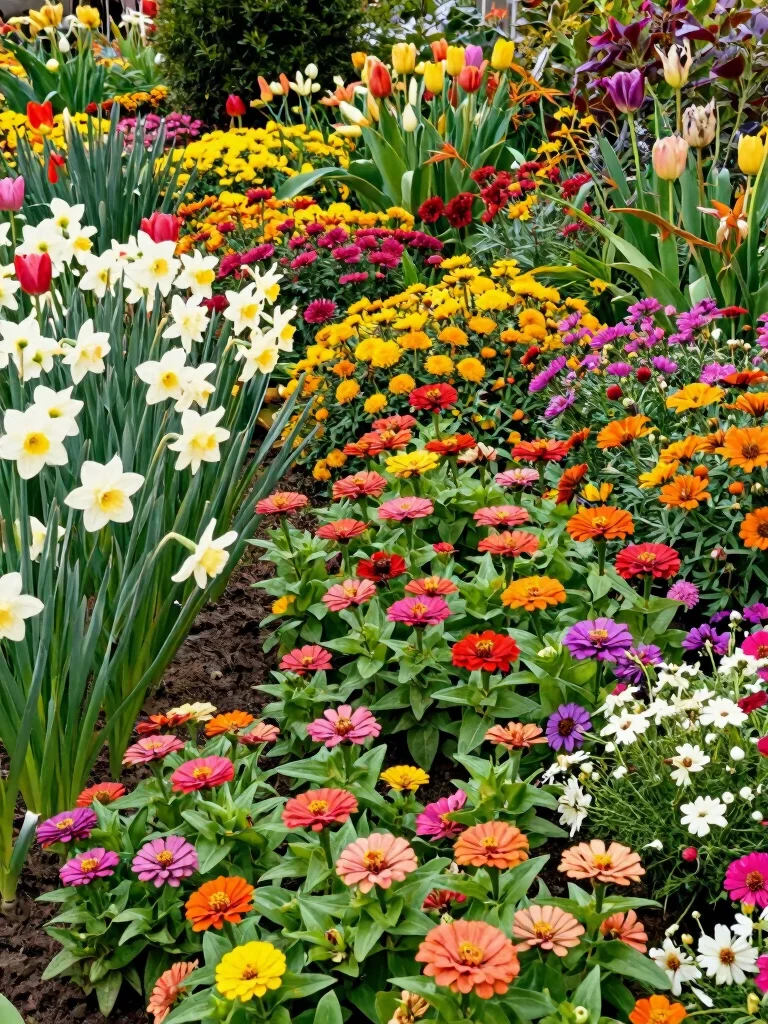
Incorporating seasonal blooms ensures your garden remains visually stunning throughout the year. Planting spring bulbs like tulips and daffodils alongside summer favorites such as zinnias and echinacea creates a breathtaking transition as seasons change. Adding autumn blooms like asters and chrysanthemums keeps your garden vibrant as the weather cools.
By selecting plants that bloom at different times, you cultivate a garden that showcases fresh colors and textures all year long. This variety keeps your outdoor space lively and engaging.
Seasonal planting tips:
– Plan your layout to include a mix of bloom times.
– Combine perennials and annuals for ongoing color.
– Consider fall foliage for added interest when blooms fade.
With seasonal blooms, your garden remains dynamic and vibrant, offering endless beauty and enjoyment throughout the year.
Did you know a well-planned mix of bulbs and perennials can deliver color from spring through autumn in french cottage garden landscaping? Plant tulips, daffodils, zinnias, and asters for seamless bloom transitions. Consistency turns plans into season-spanning color.
You Might Also Like
12. Maintain a Natural Look
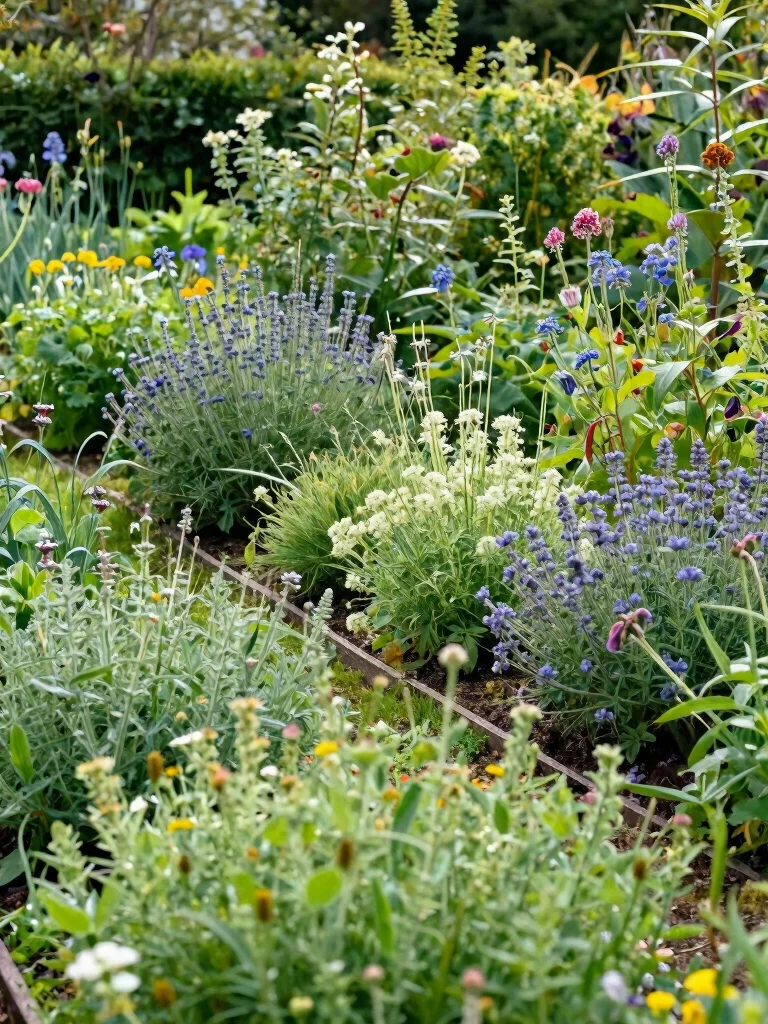
To achieve the authentic charm of a French cottage garden, maintaining a natural look is essential. Instead of overly manicured spaces, embrace a slightly wild appearance that mimics nature. Allow some plants to self-seed and grow freely, creating an organic feel that enhances the garden’s character.
Utilize the natural contours of your land to guide plant placement and design. Avoid rigid lines and symmetrical patterns for a more relaxed and inviting atmosphere, encouraging harmonious interactions among plants.
Natural gardening tips:
– Avoid excessive pruning, letting plants grow naturally.
– Group plants in clusters for a casual feel.
– Designate areas to grow wild for a natural effect.
By upholding a natural look, your garden will capture the effortless beauty of a true French cottage garden, resulting in a space that feels alive and brimming with character.
13. Focus on Sustainable Practices
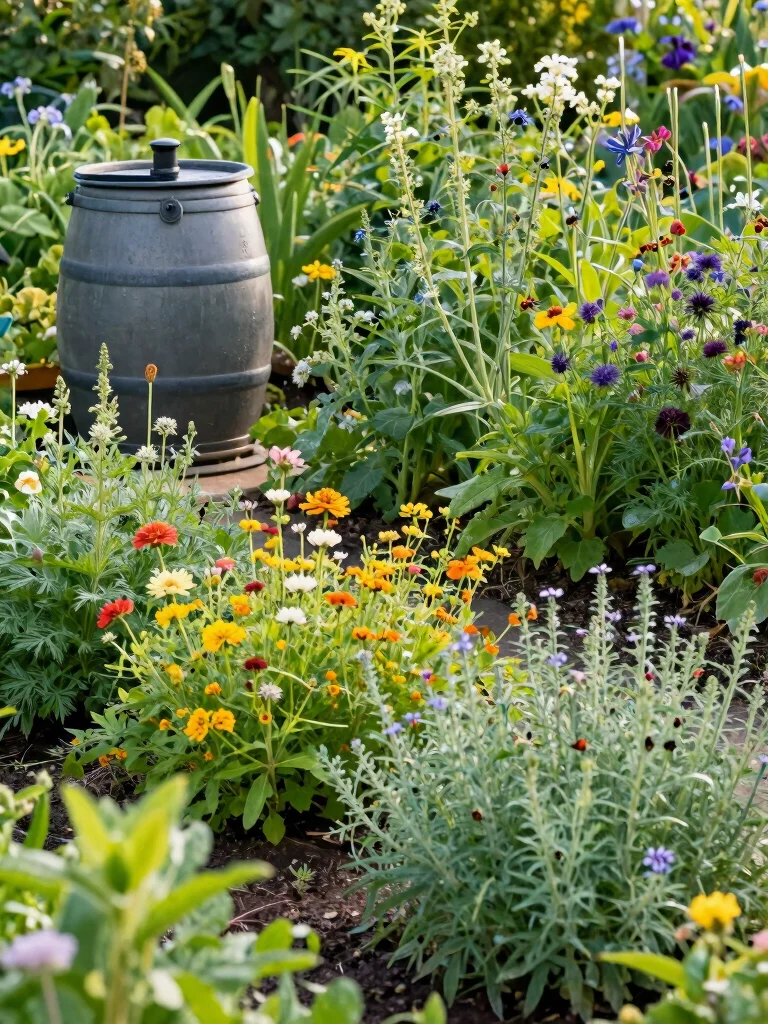
Sustainability in gardening is essential and rewarding. Implementing eco-friendly practices not only benefits the environment but also enhances the health of your garden. Using organic fertilizers, rainwater collection, and composting fosters healthier plants and soil while reducing your carbon footprint.
Opt for native plants that thrive in your local climate, which require less water and maintenance. Create habitats for beneficial insects with native flowers and avoid chemical pesticides to nurture a balanced ecosystem.
Sustainable gardening practices:
– Use mulch to retain moisture and suppress weeds.
– Incorporate rain barrels for efficient water collection.
– Plant diverse species to promote biodiversity.
By focusing on sustainable practices, you create a flourishing garden that is not only beautiful but also kind to the planet.
14. Keep It Personal
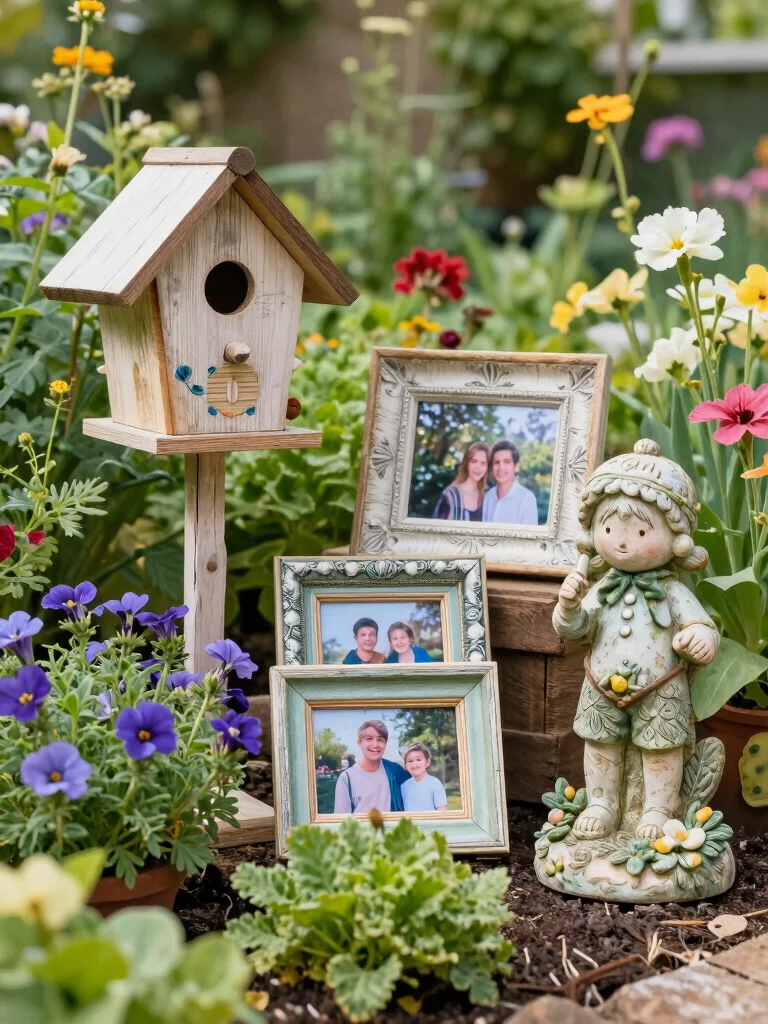
Make your garden personal by infusing it with elements that reflect your unique style and story. Whether it’s a cherished sculpture, a handmade birdhouse, or family heirlooms displayed among the blooms, these touches make your garden truly yours.
Incorporate colors, materials, and styles that resonate with you, transforming your garden into a heartfelt expression of who you are. Personalizing your space enhances its charm and creates a soothing escape for contemplation and joy.
Personalization ideas:
– Display family photographs in decorative frames within the garden.
– Use garden art that showcases your interests or travels.
– Incorporate meaningful quotes engraved on stones or wooden signs.
By keeping it personal, your garden becomes a cherished haven where memories are made and nature is celebrated.
Conclusion
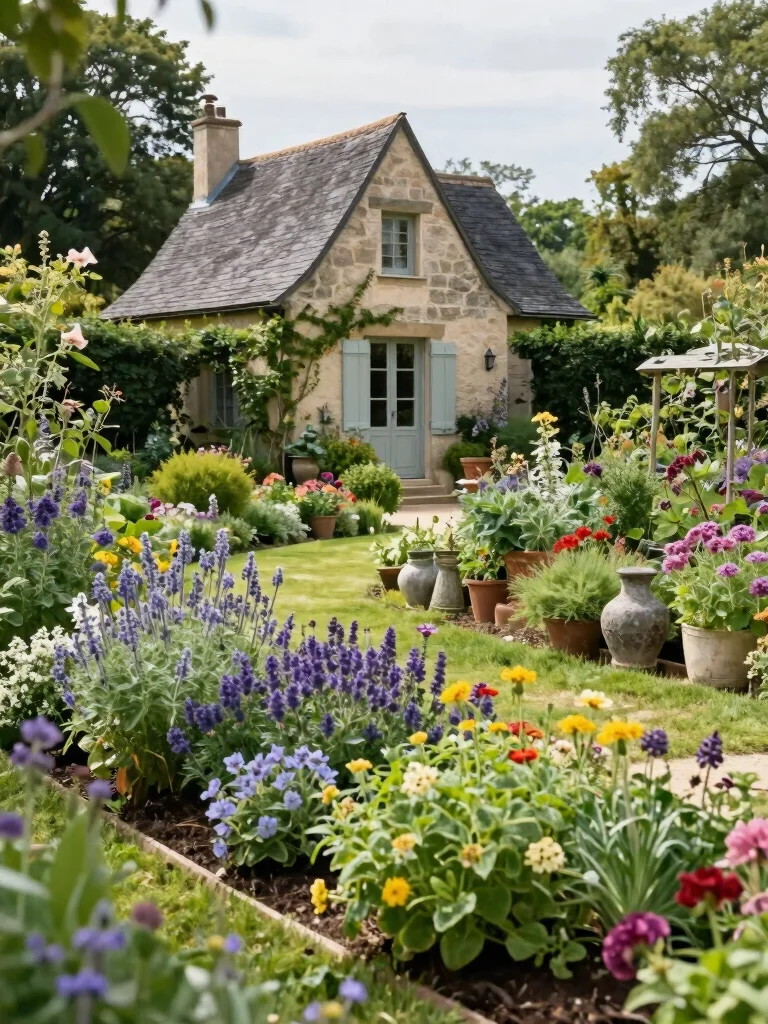
Your dream French cottage garden is within reach. With these 14 classic landscaping tips, you can cultivate a lively and beautiful space that reflects your personality and brings joy throughout the seasons. Embrace the charm and creativity that comes with embracing herbaceous perennials and rustic aesthetics. Dive into your gardening journey, and don’t forget to enjoy every moment in your blossoming paradise.
Frequently Asked Questions
Question: What Defines the French cottage garden landscaping style and how do I start with herbaceous perennials?
French cottage garden landscaping blends romantic curves, soft color palettes, and lush borders that mingle ornamentals with practical herbs.
To begin with herbaceous perennials, pick a simple color story, such as lavender, rose, and cream, and plant in loose drifts rather than rigid blocks.
Aim for layered height: low groundcovers in front, midsize perennials in the middle, and tall blooms toward the back.
Choose French garden plants that thrive in your climate, including lavender, peony, delphinium, catmint, and echinacea.
Create gentle curves in borders, add a simple gravel or brick path, and use mulch to retain moisture. With these steps you’ll begin your journey in french cottage garden landscaping that feels timeless and welcoming.
Question: Which French garden plants are best for cottage garden design and beginners?
For beginners diving into french cottage garden landscaping, start with hardy, low maintenance perennials.
Top picks include lavender for scent and color, peony for lush blooms, hollyhock and foxglove for vertical interest, and echinacea and catmint for long lasting color through summer.
Mix in hardy geraniums and delphinium for cooler season drama. Place sun loving plants in bright spots and use a few shade tolerant options like heuchera and aster for variety. These choices align with cottage garden design and fit the landscaping tips for beginners mindset to keep things simple and colorful.
Question: How can I incorporate rustic garden aesthetics into a French cottage garden landscaping project?
Achieve rustic charm by mixing natural textures and gently worn elements.
Use weathered wood accents, wrought iron features, terracotta pots, and stone edging to echo rustic decor.
Plant in informal drifts with curved borders, allow self seeding or biennial favorites, and include fragrant herbs like rosemary and lavender among perennials.
Add a timber gate, a simple wooden bench, and a gravel or brick path that meanders.
Finish with outdoor garden decor such as antique containers or a rusty watering can to enhance the french cottage garden landscaping vibe.
Question: What are practical steps to plan and execute a cohesive french cottage garden landscaping project on a budget?
Start with a simple plan and a budget. Sketch curved borders, pick your french cottage garden landscaping color story, and choose 6 to 8 core French garden plants that bloom at different times.
Prioritize perennials over annuals for long term savings, and use layered planting to maximize impact in small spaces.
Reuse containers and propagate divisions from existing plants to fill beds. Mulch to reduce weeds, install drip irrigation to save water, and use inexpensive edging like brick or stone.
This approach fits landscaping tips for beginners and keeps the look cohesive without breaking the bank.
Question: How do I maintain year round interest in a French cottage garden with herbaceous perennials?
Plan for year round interest by combining bloom succession, foliage texture, and winter outlines.
Deadhead spent blooms to encourage more flowers, and divide crowded clumps every 2 to 3 years to keep plants vigorous.
Include evergreen or semi evergreen elements and structure, like a stone path, a bench, or a lattice for climbers.
Replace tired plants with fresh divisions, collect seeds for next season, and add dried seed heads for winter interest. Regular watering and feeding during dry spells keep the garden vibrant, while outdoor garden decor adds charm during every season. All of this supports healthy french cottage garden landscaping year after year.
Related Topics