
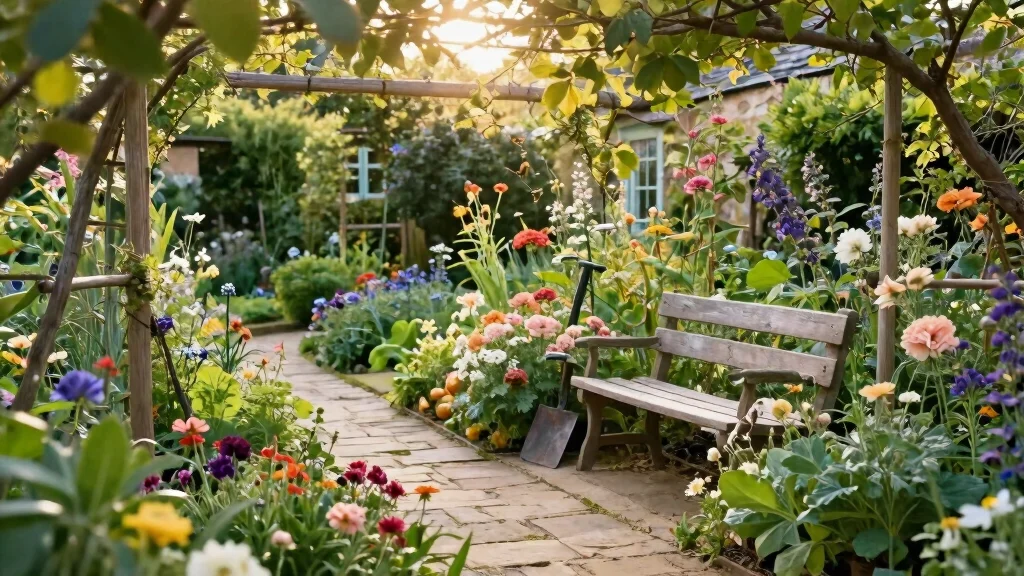


Creating a beautiful French country cottage garden feels like stepping into a postcard from the South of France. This time of year, I find myself drawn to the rustic charm and vibrant colors that these gardens offer. They blend herbs and flowers in a way that not only looks lovely but also invites you to dig in and enjoy the fruits of your labor. If you’ve been daydreaming about transforming your outdoor space into a cozy retreat, this post is just what you need.
If you’re a gardening enthusiast, a home chef wanting fresh ingredients, or simply someone looking for some rustic garden inspiration, you’ve come to the right place. This guide is tailored for anyone eager to sprinkle some French flair into their gardens. With 15 beautiful French country cottage garden designs, you’ll discover ideas that are not only practical but also bursting with charm. From herbs that elevate your cooking to colorful flower beds that bring joy, each design is a chance to create your own little slice of country paradise.
Get ready to explore a variety of designs that are cozy, colorful, and perfect for your gardening needs. Whether you’re looking to create a cozy herb spiral or a charming garden seating area, you will find plenty of inspiration here. Dive into these garden ideas that celebrate the beauty of country living and give your space the enchanting touch of a French garden.
Key Takeaways
– Discover 15 unique designs for a French country cottage garden that incorporate both herbs and vegetables, making your garden both beautiful and functional.
– Learn how to create cozy features like herb spirals and raised beds, which not only save space but also enhance your gardening experience.
– Explore colorful options like edible flower borders and vegetable container gardens that add both beauty and flavor to your meals.
– Find tips on integrating rustic elements, such as garden arbors and charming seating areas, to make your garden an inviting haven.
– Enjoy practical advice on seasonal planning and plant selection to ensure your garden blooms beautifully throughout the year.
1. Cozy Herb Spiral
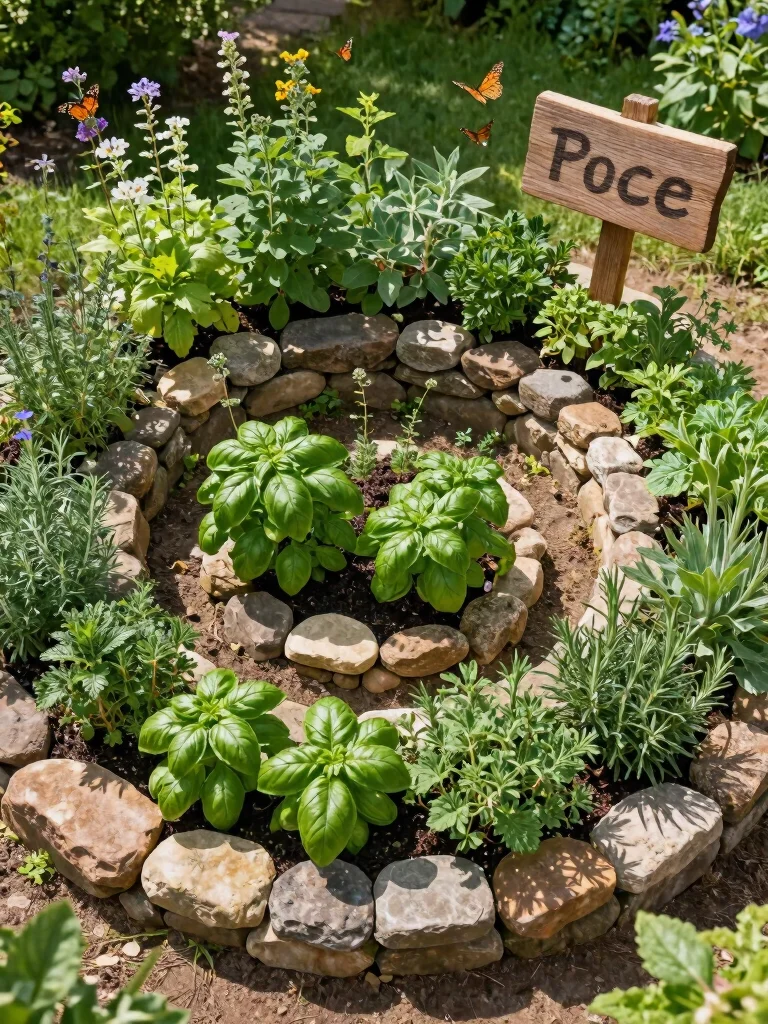
Imagine stepping into your garden and being greeted by a spiral of fresh herbs, each thriving in its own unique microclimate. This herb spiral is not only a feast for the eyes but also a practical way to maximize space while inviting biodiversity. You can grow basil, thyme, and rosemary, each flourishing in conditions tailored just for them.
The benefits are plenty: the variety of herbs brings a burst of flavor to your dishes, enhances your cooking, and offers a nutritious addition to your meals. Plus, it’s a breeze to create and care for!
Ingredients:
– Stones or bricks for the spiral
– Well-draining soil
– A selection of herbs (basil, thyme, rosemary)
– Optional: organic mulch for moisture retention
Instructions:
1. Start by laying stones or bricks in a spiral shape, creating a raised bed.
2. Fill the structure with well-draining soil, making sure it’s evenly distributed.
3. Plant your chosen herbs, placing taller ones at the top and shorter ones at the bottom.
4. Water thoroughly and add mulch if desired.
5. Enjoy the beauty and flavor of your herb spiral!
FAQs:
– Can I use different herbs? Absolutely! Just ensure they have similar water and sunlight needs.
– Can I make it smaller? Yes, adjust the size to fit your space while maintaining the spiral shape.
2. Edible Flower Border
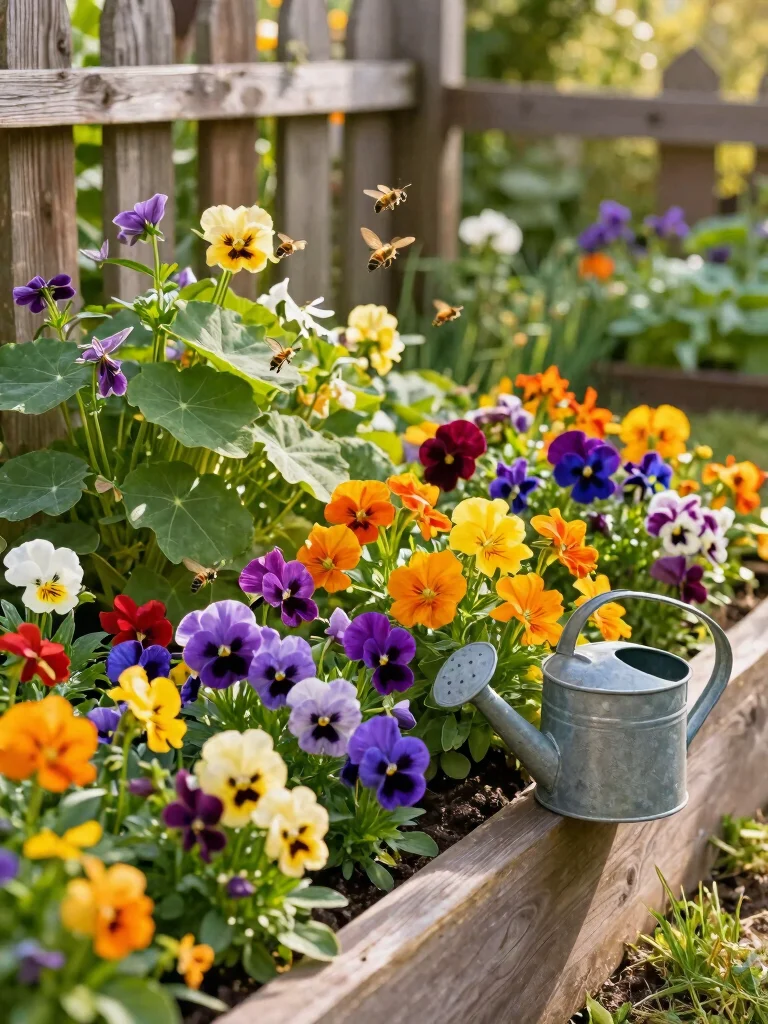
Are you looking to add a splash of color and flavor to your garden? An edible flower border is a delightful way to enhance your meals while beautifying your landscape. Imagine pansies, nasturtiums, and marigolds blooming along your pathways, ready to be tossed into salads or used as garnishes.
This design not only attracts pollinators but also adds vibrant hues and textures to your outdoor space. Plus, it’s a fun way to experiment with flavors in your dishes.
Ingredients:
– A mix of edible flowers (pansies, nasturtiums, marigolds)
– Quality soil
– Organic compost for nourishment
Instructions:
1. Choose a sunny spot along your garden path.
2. Prepare the soil by mixing in compost.
3. Plant the flowers in clusters for a bold look.
4. Water regularly and keep them pesticide-free.
5. Enjoy fresh flowers in your salads and dishes!
FAQs:
– Can I use flowers from my garden? Only if they are pesticide-free and safe to eat!
– Can I grow them in containers? Yes, they thrive in containers too, just ensure they have enough sunlight.
3. Vertical Garden Trellis
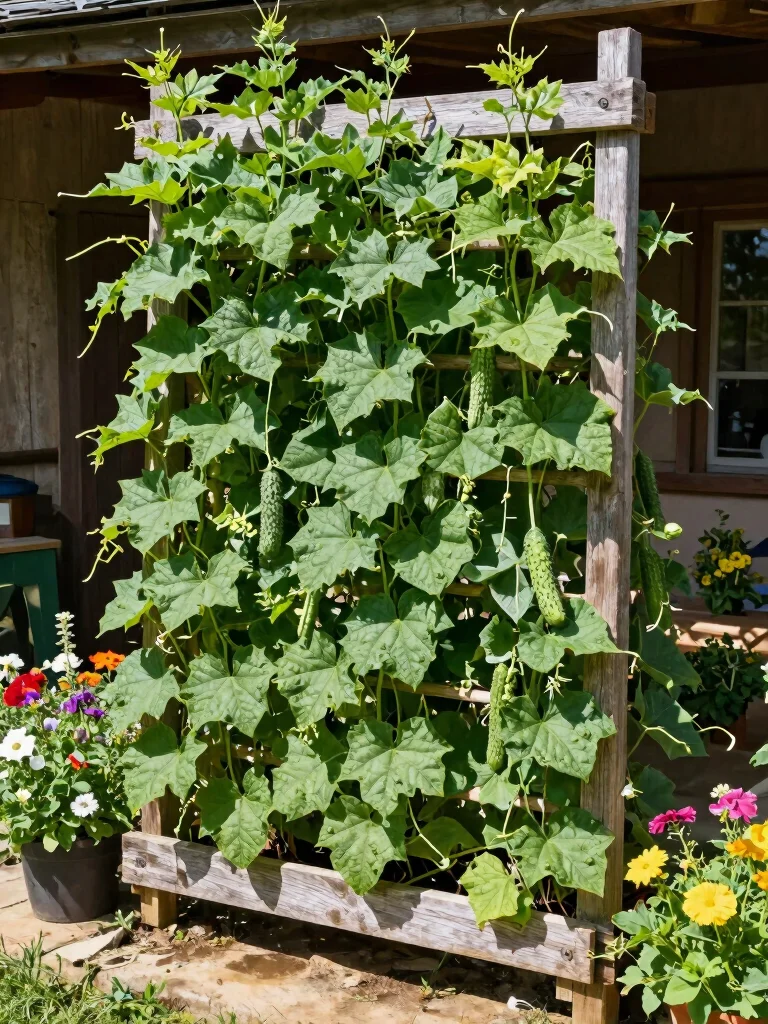
Do you want to elevate your gardening game while saving space? A vertical garden trellis allows you to grow climbing vegetables like peas and cucumbers, turning your garden into a stunning vertical display. This setup adds height and visual interest while making harvesting a breeze.
The benefits are clear: vertical gardening improves air circulation, boosts light exposure, and helps prevent soil-borne diseases. Plus, it transforms your garden into a multi-layered masterpiece!
Ingredients:
– A sturdy trellis (wood or metal)
– Climbing vegetable seeds (peas, cucumbers, beans)
– Fast-growing flower seeds for added beauty
Instructions:
1. Install the trellis securely in your garden.
2. Plant climbing vegetables at the base, ensuring they have room to grow.
3. Water regularly and monitor for growth.
4. Add flowers around the base for color and pollinator attraction.
5. Enjoy easy harvesting as your veggies climb!
FAQs:
– Can I use any trellis? Yes, just ensure it’s sturdy enough to support the plants.
– Can I plant flowers with my veggies? Absolutely, they can enhance beauty and attract beneficial insects.
4. Rustic Potager Garden
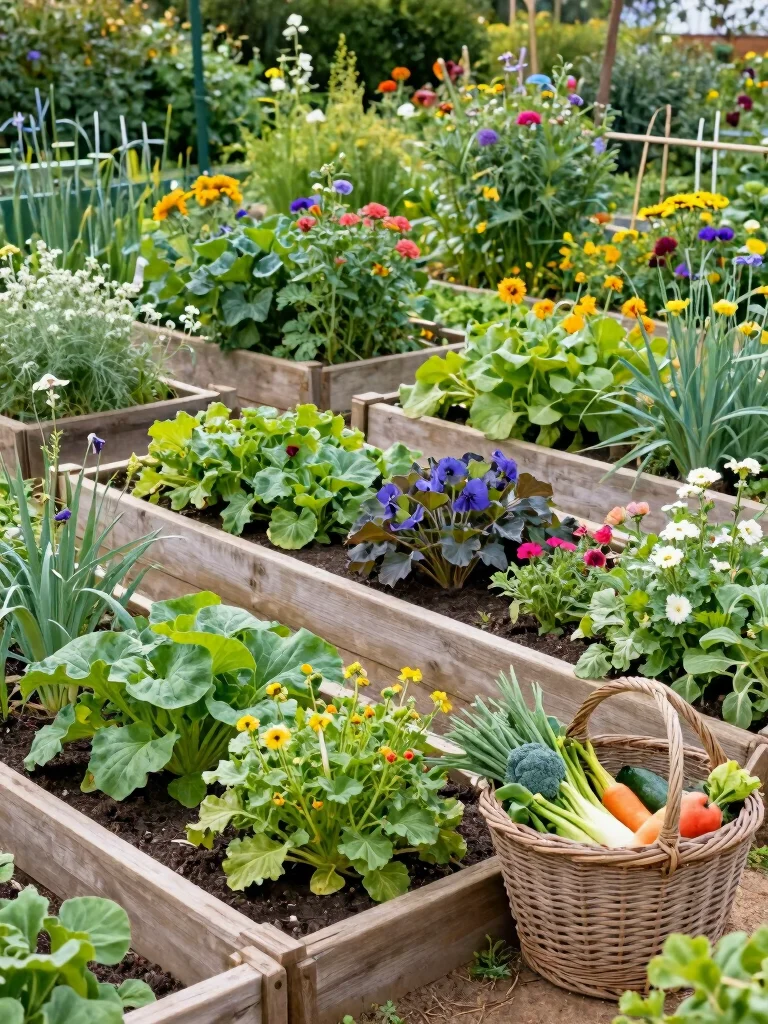
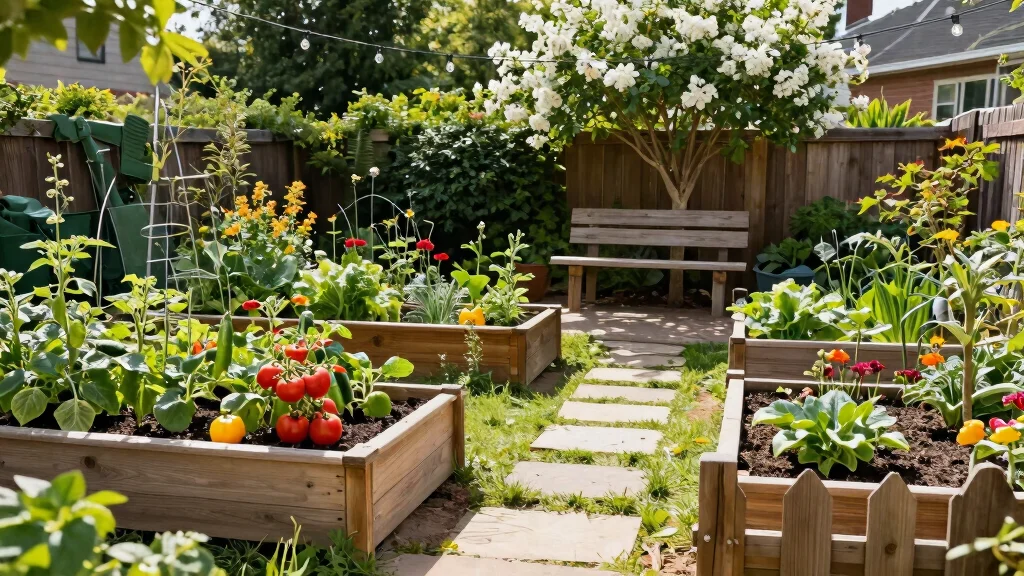
Dreaming of a garden that combines beauty and functionality? A potager garden, with its harmonious mix of vegetables, herbs, and flowers, offers a picturesque setting reminiscent of old-world charm. This design is not only practical but also incredibly appealing, providing a feast for the eyes and the palate.
The beauty of a potager lies in its chaotic yet charming aesthetics, where colorful blooms surround your veggies, promoting biodiversity and deterring pests effortlessly.
Ingredients:
– A variety of vegetables (tomatoes, lettuce, carrots)
– Herbs (basil, parsley)
– Flowers (zinnias, sunflowers)
– Raised bed materials (wood or stone)
Instructions:
1. Define your garden area using raised beds.
2. Mix vegetables, herbs, and flowers in each bed for a stunning display.
3. Create pathways for easy access and maintenance.
4. Water regularly and rotate crops as needed.
5. Enjoy the beauty and bounty of your potager!
FAQs:
– Can I plant everything together? Yes, interplanting enhances growth and diversity.
– Can I use containers for this? Yes, container gardening works well for a potager too!
Pro tip: In a rustic potager, aim for a 1:1:1 mix of vegetables, herbs, and flowers—your french country cottage garden stays productive, chic, and welcoming. Combine colorful blooms with leafy greens to draw pollinators and deter pests naturally.
5. Lavender Pathway
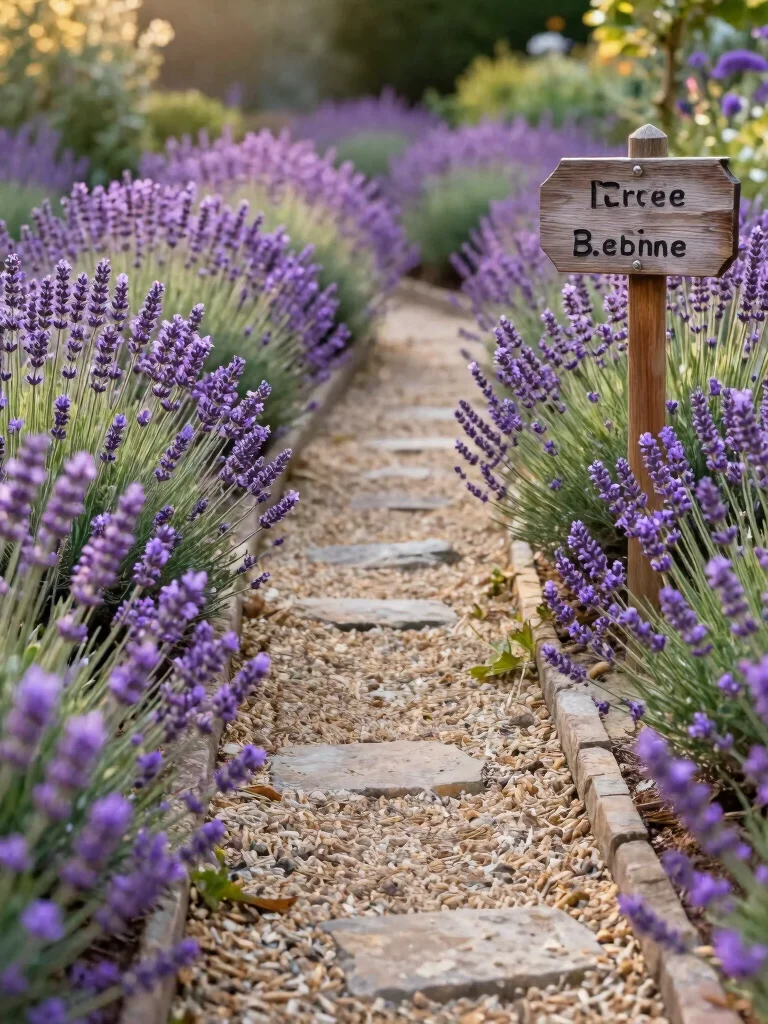
Craving a garden that smells as good as it looks? A lavender pathway is the perfect solution. With its beautiful purple blooms and soothing fragrance, lavender thrives in sunny, well-drained areas and makes a stunning border for any path. This design not only enhances your garden’s aesthetics but also attracts beneficial insects while repelling pests.
The calming scent creates an inviting atmosphere, making your outdoor space even more enjoyable.
Ingredients:
– Lavender plants (varieties like English or French)
– Quality soil
– Mulch for moisture retention
Instructions:
1. Choose a sunny spot for your pathway.
2. Prepare the soil, ensuring good drainage.
3. Plant lavender in clusters for maximum visual impact.
4. Water lightly and trim back post-blooming for bushier growth.
5. Enjoy the aromatic beauty of your lavender pathway!
FAQs:
– Can I mix lavender with other plants? Yes, it pairs well with many other herbs and flowers.
– Can I grow lavender in pots? Yes, just ensure they have enough sunlight and drainage.
6. Vegetable Container Garden
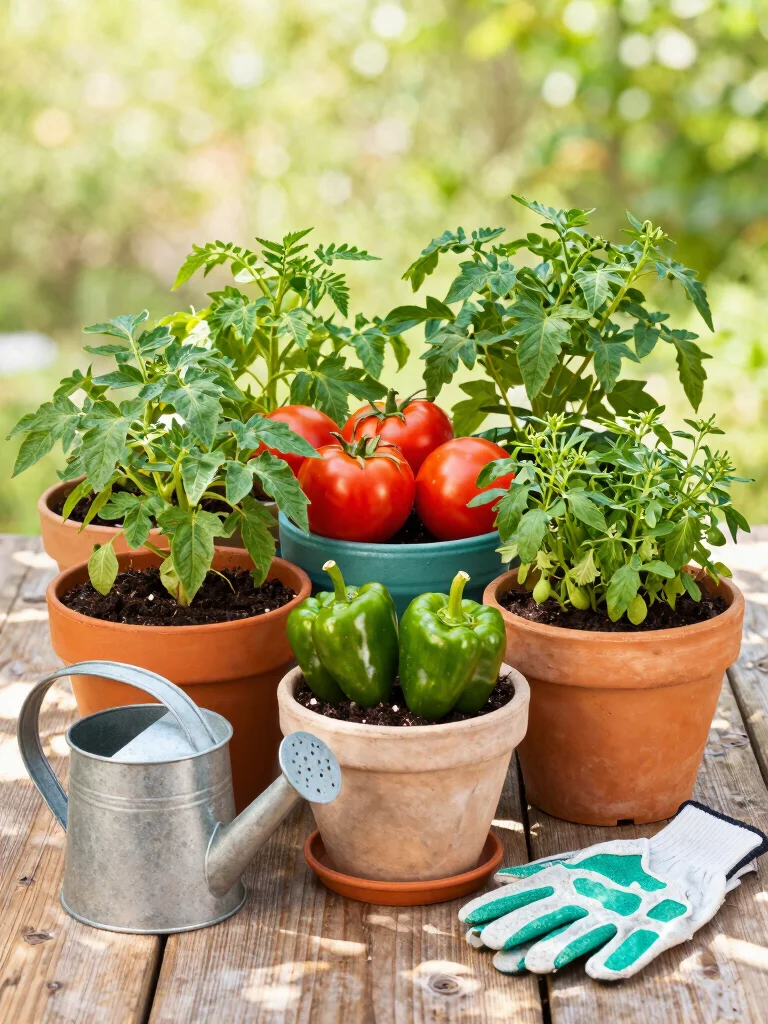
Do you have limited space but still want to grow your own food? A vegetable container garden is the ideal solution, allowing you to cultivate fresh produce without the need for a large plot. With a variety of pots and planters, you can create a stunning display of tomatoes, peppers, and herbs like basil and parsley.
This method provides flexibility in placement, maximizing sunlight exposure while adding character to patios and balconies.
Ingredients:
– Assorted pots (plastic, ceramic, or wooden)
– High-quality potting soil
– Vegetable seeds or seedlings (tomatoes, peppers, herbs)
Instructions:
1. Choose containers with drainage holes for healthy plants.
2. Fill pots with potting soil, leaving space for planting.
3. Plant your chosen vegetables and water thoroughly.
4. Move pots to sunny spots to maximize light exposure.
5. Harvest your delicious produce regularly!
FAQs:
– Can I grow vegetables in any container? Yes, just ensure it has drainage and is large enough for the plant’s roots.
– Can I use old containers? Yes, as long as they’re clean and safe for planting.
Fun fact: even a small balcony can yield a bountiful harvest with a well-planned vegetable container garden. In a french country cottage garden, 6–8 pots of tomatoes, peppers, and herbs like basil and parsley can transform sunlight into flavor on your patio.
7. Wildflower Meadow
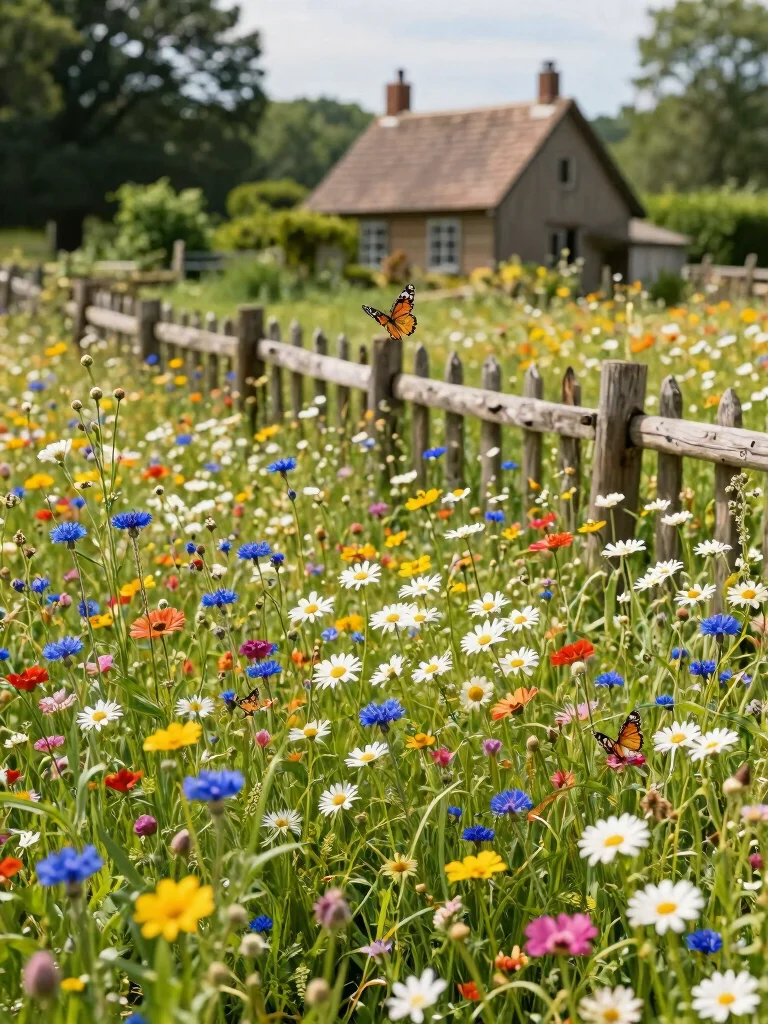
Looking for a low-maintenance garden that bursts with color? A wildflower meadow can transform your space into a beautiful habitat for wildlife while creating a stunning visual display. This design requires minimal upkeep and rewards you with a riot of colors each spring and summer.
Wildflowers are not only low-maintenance but also support pollinators and enrich the biodiversity of your area, making them an excellent choice for any garden.
Ingredients:
– Wildflower seeds (native species preferred)
– Quality soil
– Mulch (optional)
Instructions:
1. Choose a section of your garden to transform into a meadow.
2. Prepare the soil by clearing debris and loosening it.
3. Scatter wildflower seeds evenly and lightly rake them in.
4. Water gently to establish growth.
5. Enjoy the vibrant blooms that attract bees and butterflies!
FAQs:
– Can I sow seeds in the fall? Yes, fall sowing can lead to a beautiful spring bloom.
– Can I mix wildflowers with regular flowers? Yes, just ensure they complement each other in growing conditions.
You might also like
How To Choose the Right French Country Cottage Garden Design
Choosing the perfect design for your French country cottage garden can feel overwhelming. With so many charming options, it’s important to focus on what suits your needs and space best. Here are some essential criteria to help you select the right design for your garden:
1. Space & Size
Before you start, assess the space available in your garden. Is it large or small? Do you have open areas or nooks? Measure the dimensions of your garden to understand how much room you have for planting. Remember, some designs, like a cozy herb spiral, work well in smaller spaces, while larger gardens can accommodate features like a wildflower meadow or a rustic potager garden.
2. Sunlight Exposure
Observe how much sunlight your garden receives throughout the day. Full sunlight (6-8 hours) is ideal for most vegetable plants and flowers, while partial shade (3-6 hours) suits herbs and shade-loving blooms. If your garden has varying light levels, consider integrating a mix of plants that thrive in both conditions. This balance will deliver a vibrant floral display and ample herbs or veggies for your kitchen!
3. Soil Quality
Good soil is the foundation of any successful garden. Test your soil’s pH and nutrient levels before planting. French country cottage gardens typically thrive in well-drained, loamy soil rich in organic matter. If your soil lacks nutrients or is too sandy or clay-heavy, consider adding compost or organic fertilizers to improve its quality. This step will help your plants flourish and yield a bountiful harvest.
4. Plant Selection
Think about the types of plants you want to incorporate into your garden. French gardens often feature herbs, vegetables, and colorful flowers. Do you prefer vibrant colors or muted, rustic tones? Consider planting a mix of edible flowers, like nasturtiums or pansies, alongside traditional veggies like tomatoes and lettuces. This combination not only looks beautiful but also enhances your cooking.
5. Maintenance Level
Evaluate how much time you can dedicate to gardening. Some designs, like a vertical garden trellis or a vegetable container garden, require more attention, while others, such as a wildflower meadow or raised herb beds, are more low-maintenance. If you have limited time for upkeep, opt for a design that suits your lifestyle. Remember, incorporating native plants can also reduce maintenance needs!
6. Aesthetic Appeal
Lastly, envision the overall look you want for your garden. French country cottage gardens are known for their rustic charm and romantic feel. Consider adding charming touches like garden arbors, rustic fences, or decorative seating areas that invite relaxation. Look for inspiration online or in gardening books to find designs that resonate with your vision and style.
Pro Tip: Create a mood board with images, colors, and textures that inspire you. This visual guide will help you maintain focus on your chosen design as you plan your garden. By staying organized and inspired, you’ll be well on your way to creating a beautiful French country cottage garden that brings joy and beauty to your home.
8. Raised Herb Beds
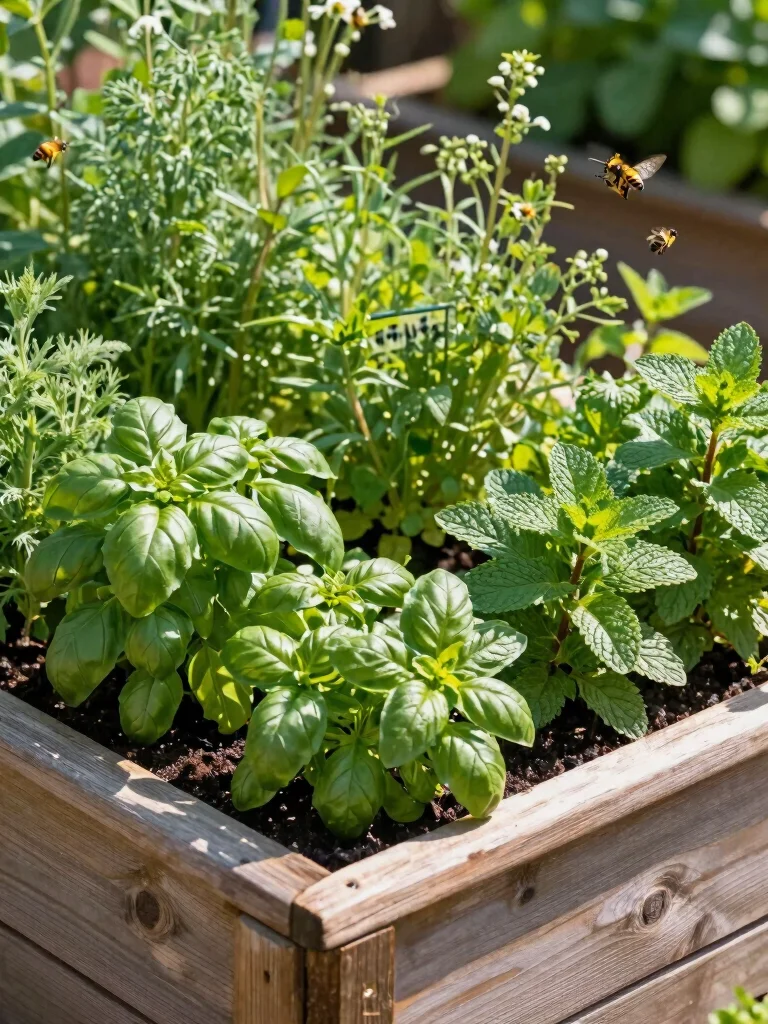
Are you looking for a stylish way to grow your favorite culinary herbs? Raised herb beds are both practical and visually appealing, providing an organized space for your herbs to thrive. You can fill these beds with fragrant options like mint, chives, and oregano, creating a beautiful herb garden right outside your kitchen.
These structures improve drainage and soil quality, making it easier to maintain vibrant herbs while adding a lovely focal point to your garden.
Ingredients:
– Untreated wood for the raised beds
– Quality soil
– A selection of herbs (mint, chives, oregano)
Instructions:
1. Build raised beds from untreated wood to avoid chemicals.
2. Fill with quality soil, ensuring it’s well-draining.
3. Plant herbs according to their growth habits and sunlight needs.
4. Water regularly and apply mulch to retain moisture.
5. Enjoy fresh herbs for your culinary creations!
FAQs:
– Can I use treated wood for raised beds? No, it’s best to avoid chemicals that can leach into the soil.
– Can I grow herbs indoors? Yes, many herbs thrive indoors with sufficient light.
9. Cottage-Style Flower Beds
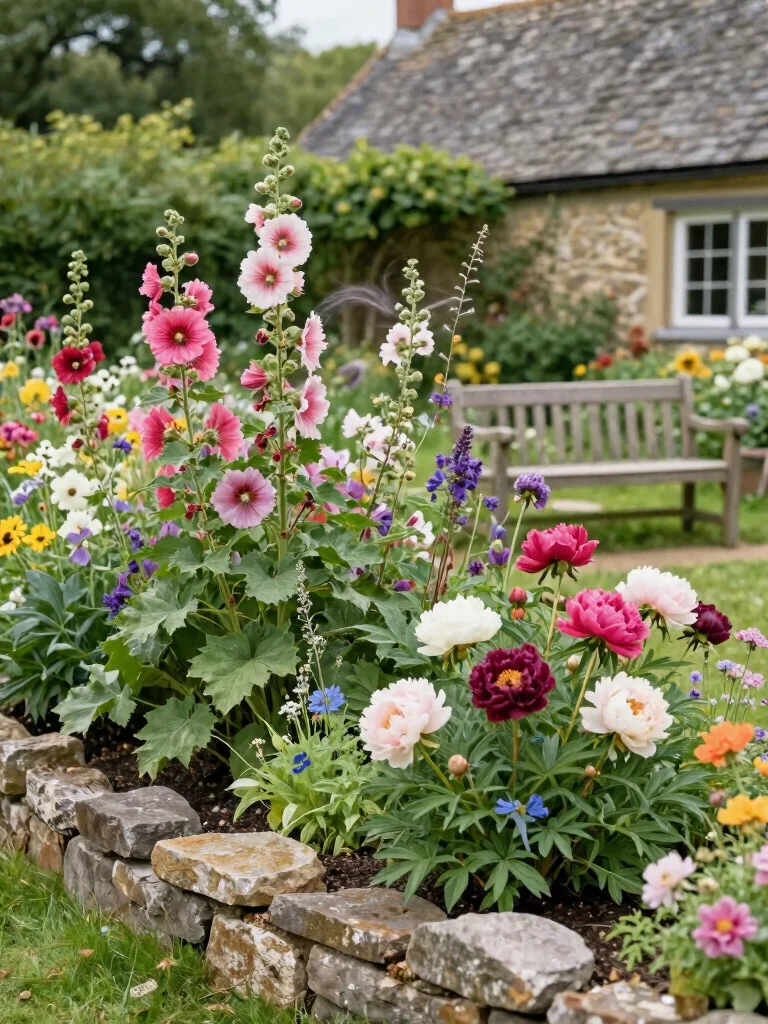
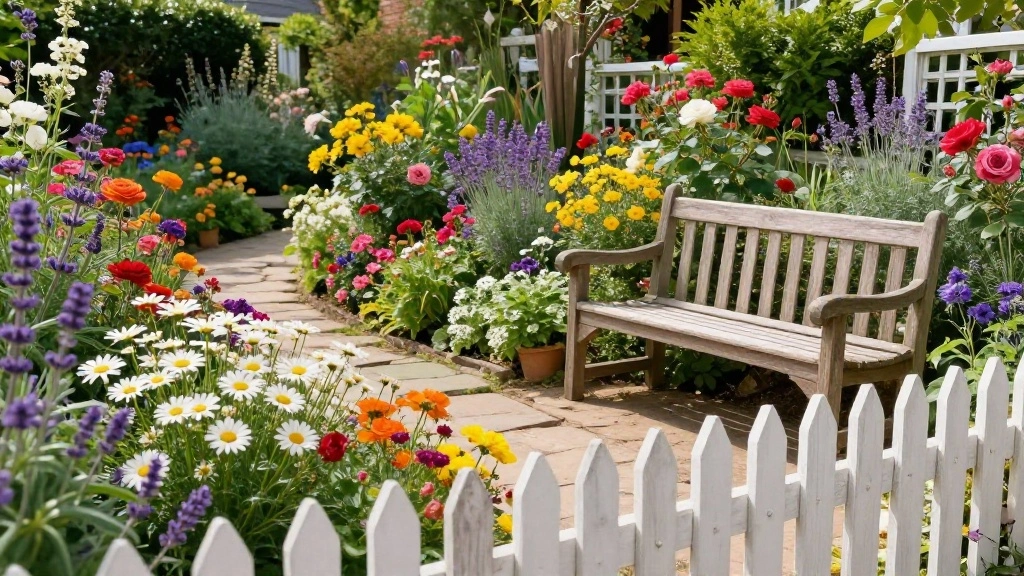
Do you adore the classic charm of a cottage garden? Embrace the carefree beauty of cottage-style flower beds, where colorful blooms are planted in a relaxed, informal arrangement. With a mix of perennials and annuals, you can ensure your garden bursts with color all year round.
Incorporate plants like hollyhocks, peonies, and delphiniums for stunning height and depth, creating a whimsical yet welcoming atmosphere.
Ingredients:
– A variety of flowers (perennials and annuals)
– Quality soil
– Organic compost for nourishment
Instructions:
1. Choose a sunny area for your flower beds.
2. Prepare the soil by mixing in compost.
3. Plant flowers in staggered heights for visual interest.
4. Water regularly and deadhead to encourage blooms.
5. Enjoy the vibrant display throughout the seasons!
FAQs:
– Can I mix annuals and perennials? Yes, this creates a dynamic and colorful display.
– Can I allow flowers to self-seed? Absolutely, it can add delightful surprises each year.
10. Fruit Tree Espalier
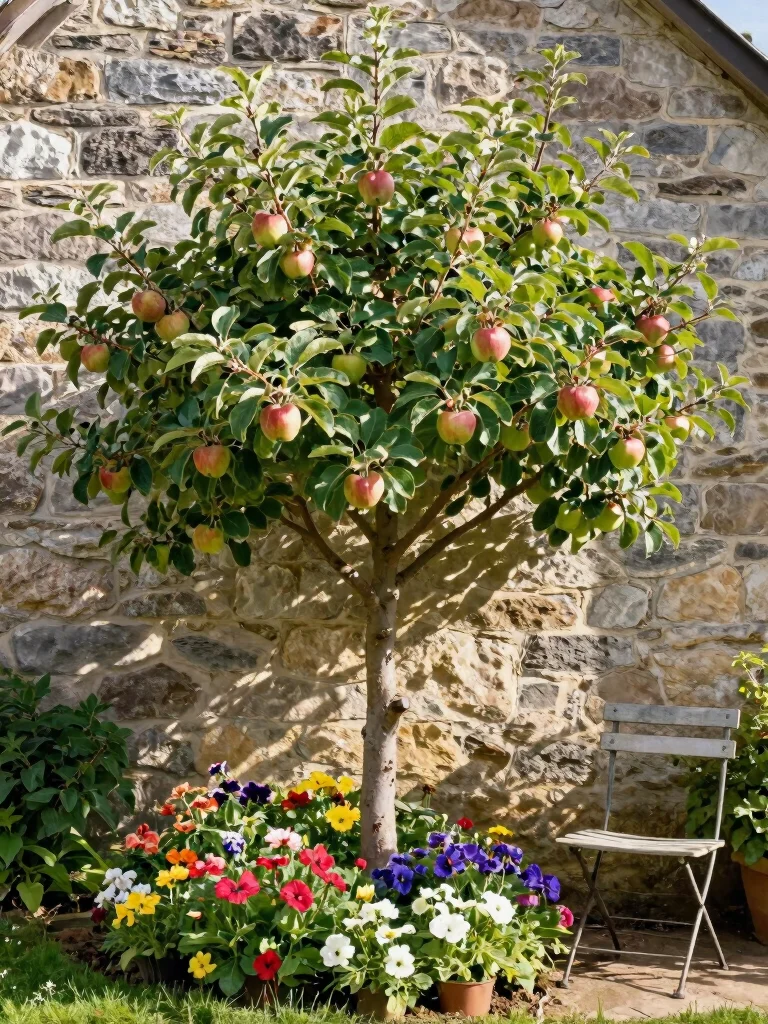
Do you want to grow fruit trees in a way that saves space while adding beauty? Espaliering is a method of training fruit trees to grow flat against a wall or trellis, creating a stunning piece of living art in your garden. You can cultivate apples, pears, or peaches while enhancing your landscape.
This technique maximizes space and adds elegance, acting as both a functional and decorative element in your garden.
Ingredients:
– Fruit tree saplings (apple, pear, peach)
– A sturdy trellis or wall
– Soft ties for training branches
Instructions:
1. Choose a sunny spot against a wall or trellis.
2. Plant your fruit tree, ensuring it has enough space to grow.
3. Train the branches to the desired shape using soft ties.
4. Regularly prune to maintain the shape and health.
5. Enjoy the beauty and fruit of your espaliered trees!
FAQs:
– Can I espalier any fruit tree? Not all varieties are suitable; choose those that can handle the technique.
– Can I plant flowers with my espalier? Yes, adding flowers can create a beautiful layered effect.
11. Colorful Vegetable Rows
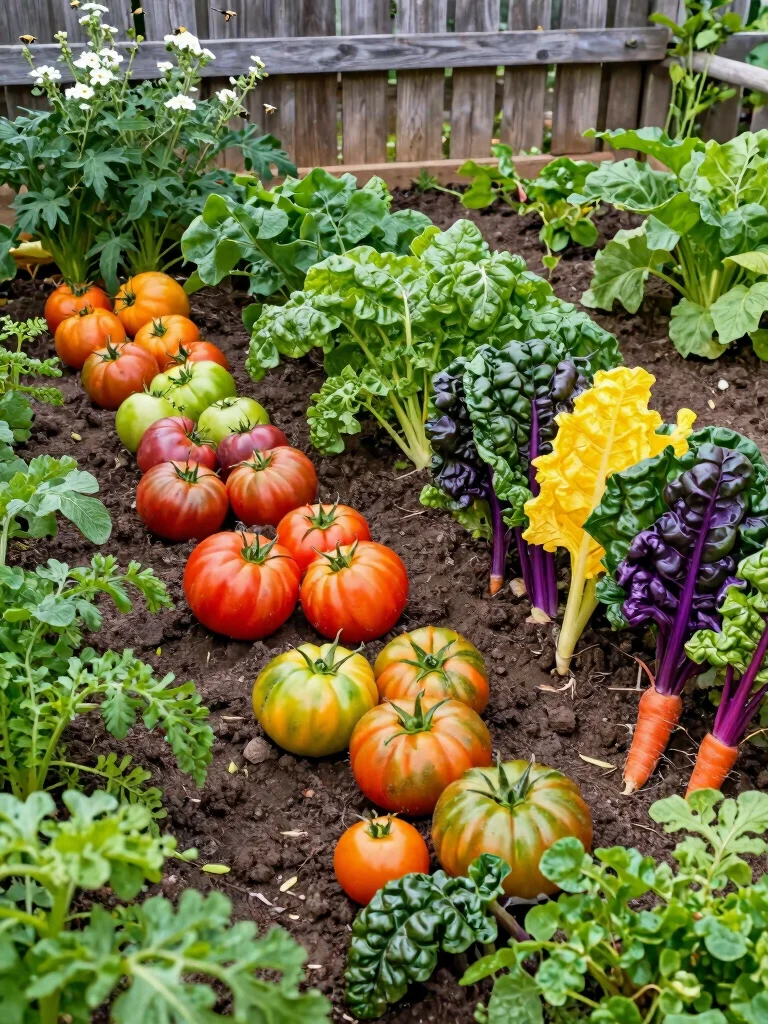
Are you ready to organize your vegetable garden while adding a pop of color? Designing your garden in rows allows for easy maintenance and a visually appealing landscape. Incorporate colorful varieties like purple carrots, rainbow chard, and heirloom tomatoes to create a stunning tapestry in your garden.
This method promotes efficient planting and harvesting while providing a structured aesthetic that enhances your outdoor space.
Ingredients:
– Vegetable seeds (purple carrots, rainbow chard, heirloom tomatoes)
– Quality soil
– Organic compost for nourishment
Instructions:
1. Prepare your garden bed by loosening the soil.
2. Space rows appropriately for easy access.
3. Plant colorful vegetable seeds in rows, mixing varieties for interest.
4. Water regularly and monitor growth.
5. Harvest your vibrant vegetables as they mature!
FAQs:
– Can I plant different vegetables in the same row? Yes, but ensure they have similar growing conditions.
– Can I use raised beds for rows? Absolutely, raised beds work well for organized planting.
12. Charming Garden Arbors
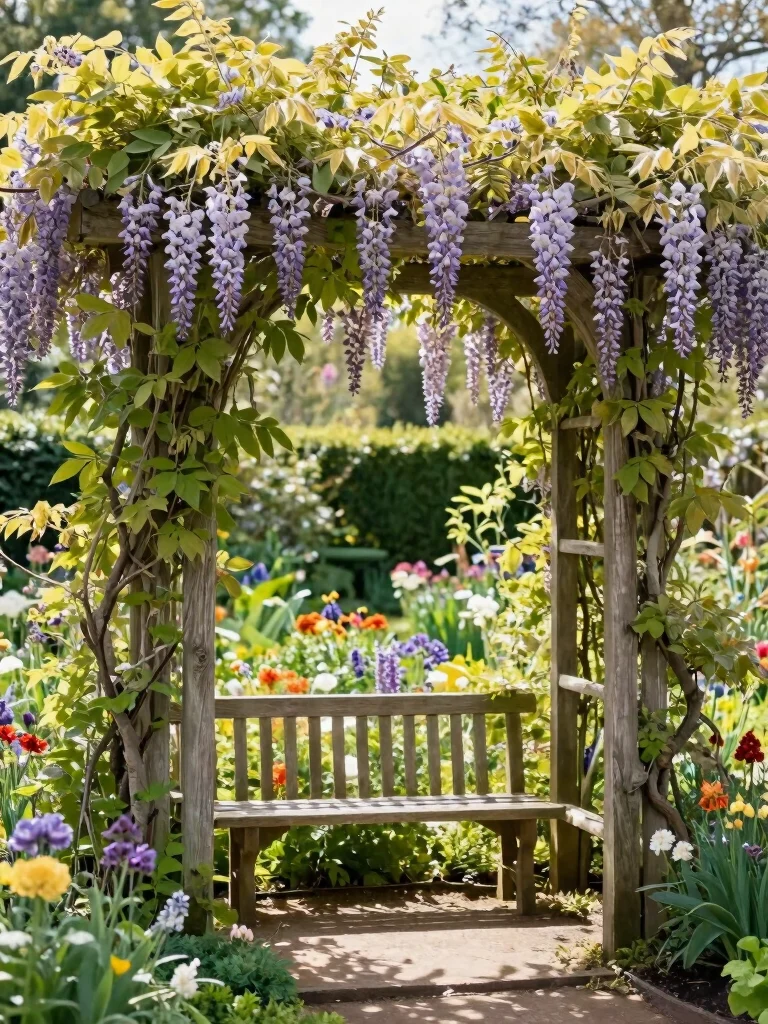
Do you want to create a stunning focal point in your garden? A charming garden arbor not only provides shade but also serves as an enchanting entryway. Adorn it with climbing vines or wisteria to add a romantic touch, creating a beautiful structure that enhances your outdoor space.
Arbors can separate sections of your garden while inviting climbing plants to create a lush canopy effect, perfect for cozy gatherings.
Ingredients:
– Arbor structure (wood or metal)
– Climbing plants (vines, wisteria)
– Optional: seating for added charm
Instructions:
1. Position the arbor where it can be appreciated from various angles.
2. Train climbing plants to grow along the structure.
3. Decorate the base with flowers for added beauty.
4. Consider adding seating underneath for relaxation.
5. Enjoy your enchanting garden nook!
FAQs:
– Can I build my own arbor? Yes, DIY arbors can be a fun project!
– Can I plant flowers at the base? Absolutely, it adds color and attracts pollinators.
You Might Also Like
13. Seasonal Herb Garden
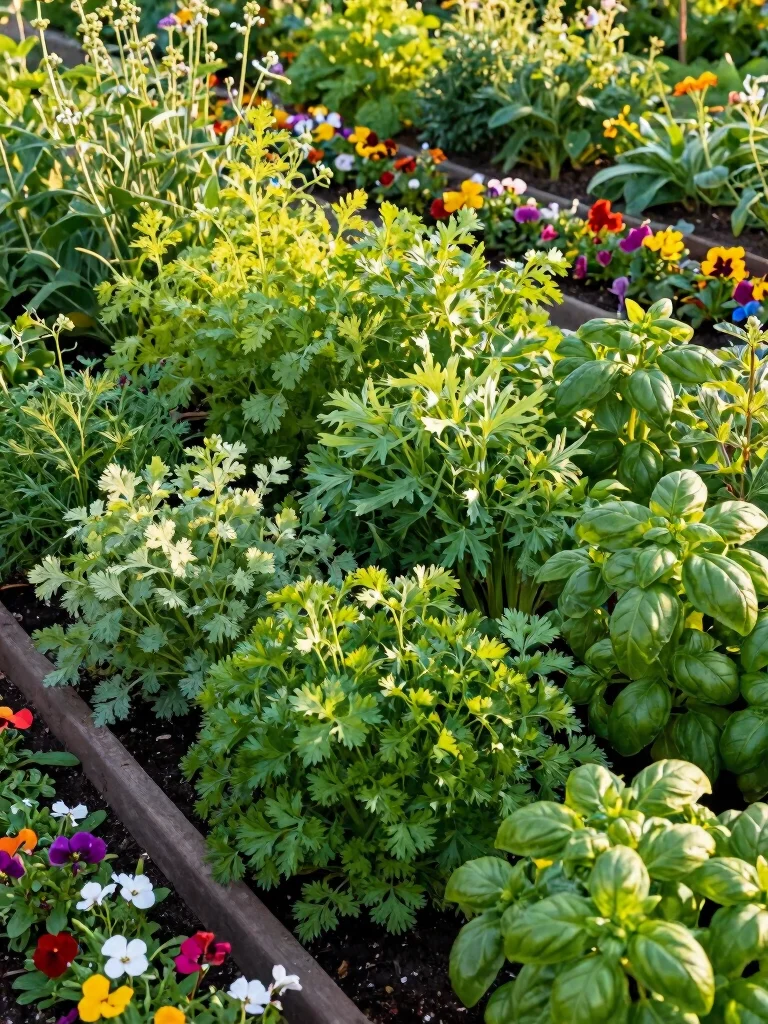
Do you want fresh flavors available throughout the year? Creating a seasonal herb garden allows you to enjoy a variety of tastes as the seasons change. Plant cool-season herbs like cilantro and parsley in spring, then switch to warm-season favorites like basil and dill in summer.
This dynamic approach not only keeps your cooking exciting but also maximizes your garden’s potential and productivity!
Ingredients:
– Cool-season herb seeds (cilantro, parsley)
– Warm-season herb seeds (basil, dill)
– Quality soil
Instructions:
1. Prepare your garden area by clearing and loosening the soil.
2. Plant cool-season herbs in early spring.
3. As the weather warms, replace them with warm-season herbs.
4. Water regularly and monitor growth.
5. Enjoy fresh herbs in your cooking year-round!
FAQs:
– Can I interplant flowers with my herbs? Yes, it adds beauty and attracts pollinators!
– Can I grow herbs indoors? Many herbs thrive indoors with the right light conditions.
14. Rustic Garden Shed Integration
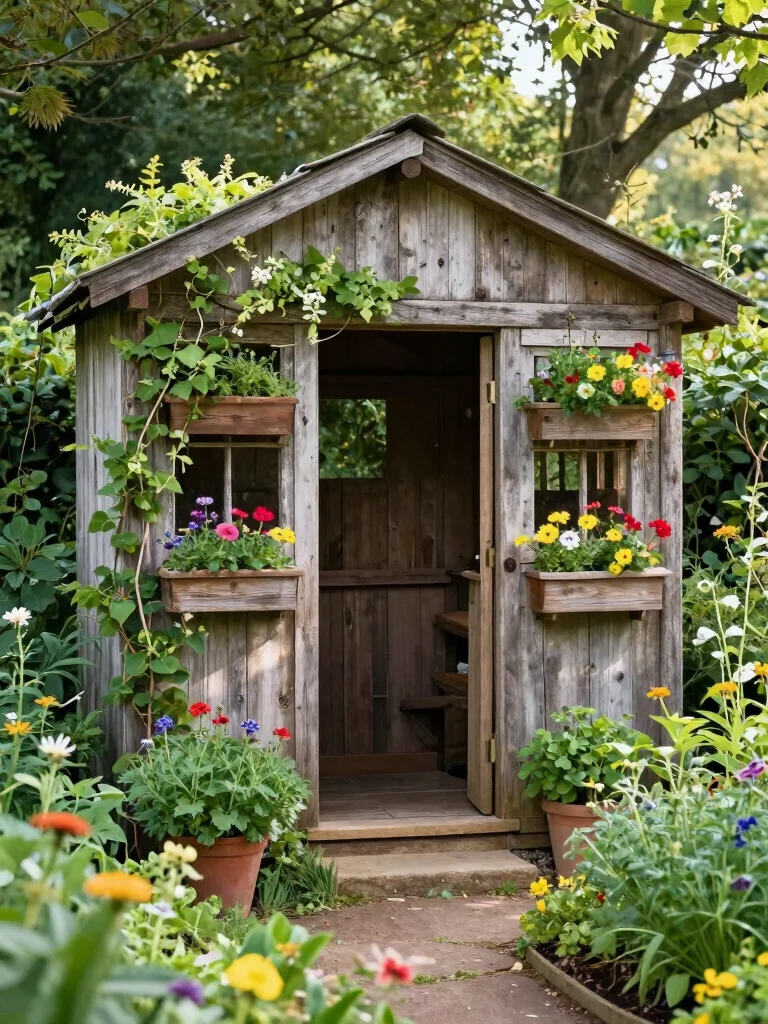
Are you looking to blend functionality with charm in your garden? Integrating a rustic garden shed can provide both storage and aesthetic appeal. Choose weathered materials that harmonize with your surroundings and use it as a backdrop for climbing plants or colorful flower beds.
A garden shed not only stores tools and supplies but also acts as a charming focal point that enhances the beauty of your landscape.
Ingredients:
– Rustic shed materials (wood or reclaimed materials)
– Climbing plants (vines or flowers)
– Flower boxes for added charm
Instructions:
1. Build or place your shed in a strategic location.
2. Plant climbing plants around it to enhance its charm.
3. Add flower boxes to the windows for color.
4. Use the area around the shed for additional planting.
5. Enjoy the enchanting scene your garden creates!
FAQs:
– Can I paint the shed? Yes, choose a color that complements your garden.
– Can I use the shed for anything besides storage? Yes, it can be a cozy retreat or potting area too!
15. Garden Seating Areas
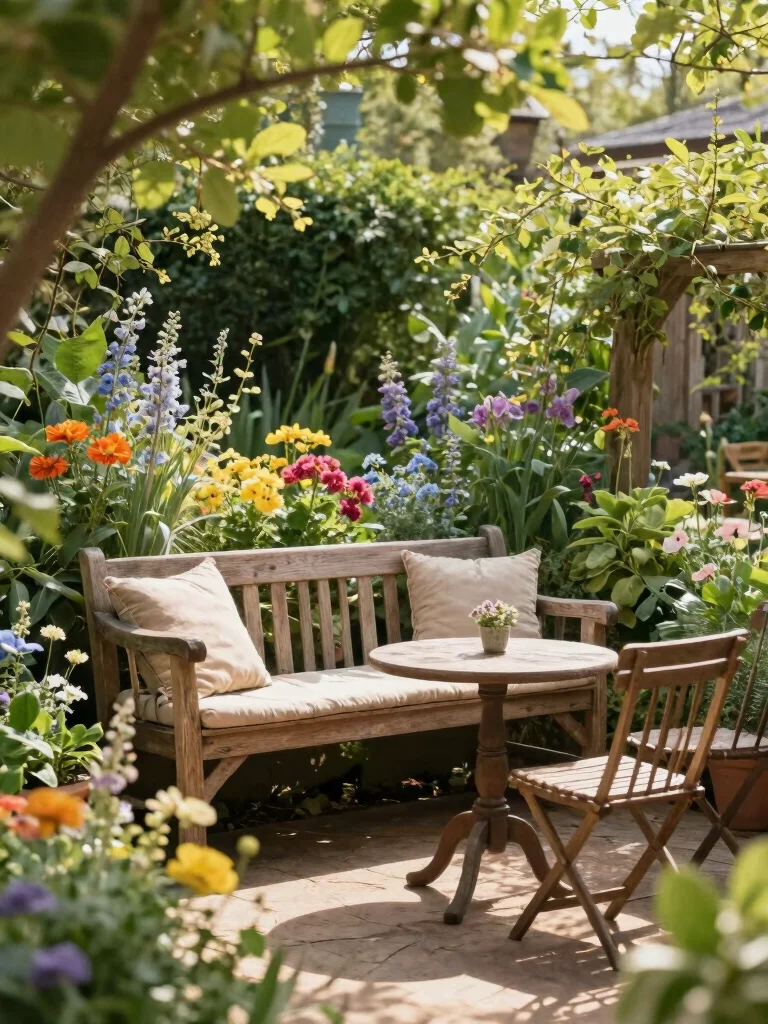
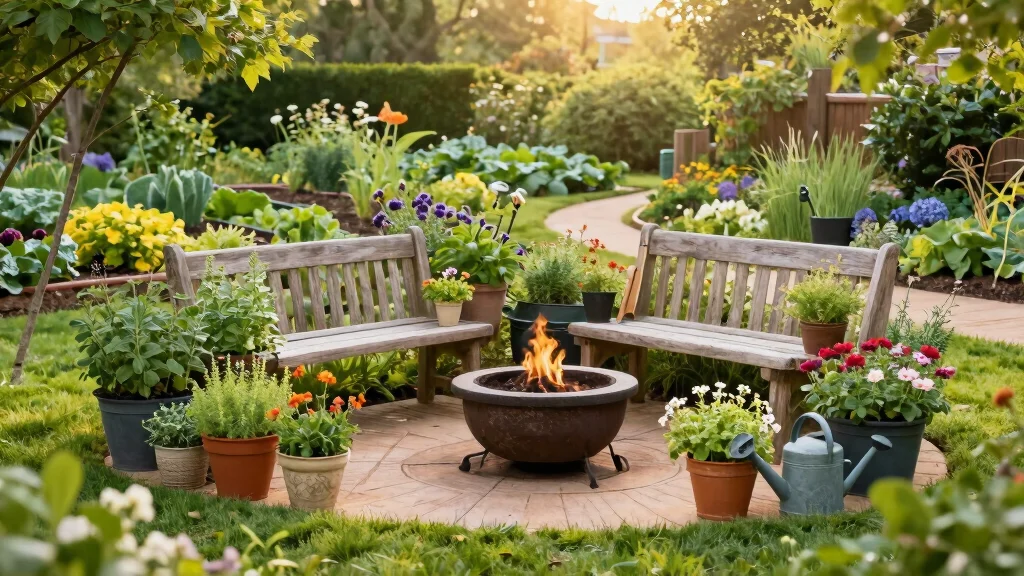
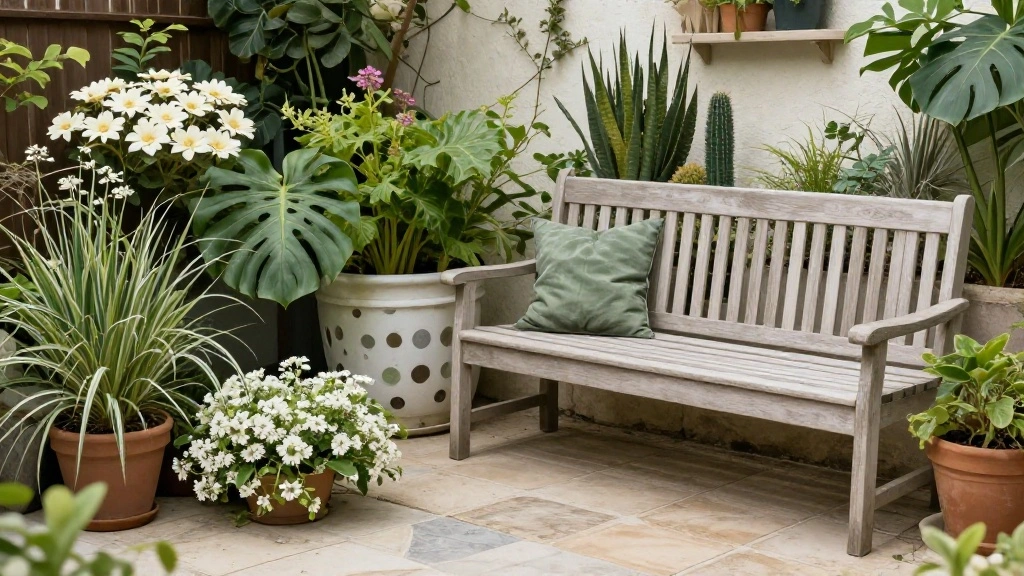
Do you want to create inviting spaces in your garden for relaxation? Cozy seating areas can enhance your enjoyment of the outdoors, making it easy to soak in the beauty of your surroundings. Consider adding a rustic bench, a swing, or a small café table with chairs, surrounded by vibrant flowers and greenery.
These areas provide a charming retreat for you and your guests, encouraging you to linger and enjoy the fruits of your labor.
Ingredients:
– Seating options (bench, swing, café table)
– Comfortable cushions
– Surrounding plants (flowers and greenery)
Instructions:
1. Choose a lovely spot with a great view.
2. Arrange your seating to create a cozy atmosphere.
3. Add cushions and throws for comfort.
4. Surround with flowers for beauty and privacy.
5. Enjoy your serene garden retreat!
FAQs:
– Can I have a fire pit nearby? Yes, it adds warmth for evening gatherings!
– Can I use vintage furniture? Absolutely, rustic pieces enhance the garden’s charm.
Make your french country cottage garden a true retreat: add a rustic bench, a swing, or a cozy cafe table. When you linger, you notice the herbs and blooms thriving together, and your garden becomes a practical, daily reward.
Conclusion
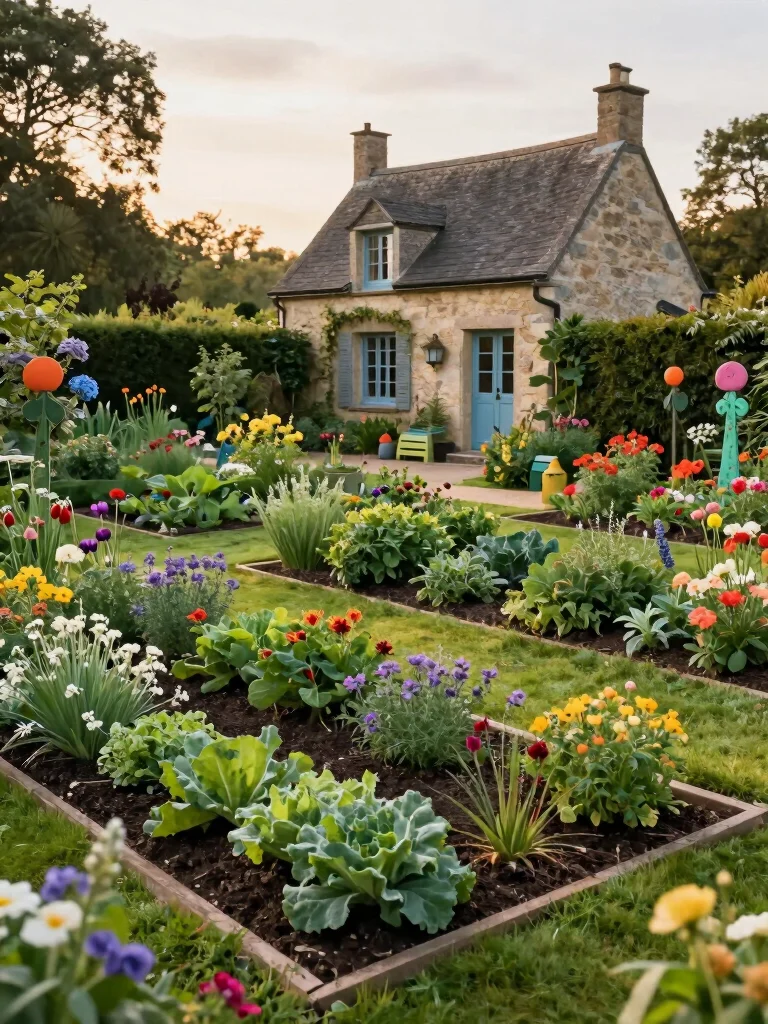
Designing a French country cottage garden is all about embracing both beauty and practicality. By integrating herbs and vegetables into these charming landscapes, you can create a haven that is as visually stunning as it is functional. Each idea shared in this article invites you to cultivate a unique space that reflects your style and love for gardening.
Embrace the trends that resonate with you, and let your garden flourish with creativity and personality. Happy gardening!
Frequently Asked Questions
How can I create a french country cottage garden that blends herbs, vegetables, and flowers?
To create a french country cottage garden that blends herbs, vegetables, and flowers, start with a simple plan and a romantic color story. Map out edible beds near the kitchen and borders for scent and color. Plant perennial herbs like thyme, lavender, and rosemary along paths and edges, with vegetables tucked into raised beds or defined islands. Use cottage garden ideas—drifts of old-fashioned blooms mingle with herbs for fragrance. Add a few vertical features (trellises, espalier fruit) to maximize space. Finish with mulching and a light irrigation routine for easy maintenance. This approach aligns with classic French garden design while staying productive.
Which herbs and vegetables work best for a french country cottage garden and how should I arrange them?
Great choices for a french country cottage garden include herbs like thyme, lavender, rosemary, sage, oregano, and chives, plus vegetables such as lettuce, spinach, peas, radishes, carrots, and tomatoes in sunny, well-drained beds. Arrange them in small, mixed beds near the kitchen or in raised boxes so you can harvest with ease. Companion planting boosts disease resistance: plant basil with tomatoes, marigolds for pest deterrence, and keep herbs at the borders for easy access. Use a loose, romantic layout inspired by cottage garden ideas while keeping paths clear for maintenance.
What are practical country gardening tips to achieve a rustic garden design while keeping maintenance manageable?
For a rustic, low-maintenance french country cottage garden, start with curving borders and a restrained palette that echoes French garden design. Choose long-lived perennials and hardy grasses for instant structure, and fill gaps with seasonal annuals. Mulch generously to cut weeds and conserve moisture, and install a simple drip irrigation or soaker hose. Use containers and a few vintage pots to keep the look cohesive yet flexible. Keep plant groupings loose and repeating to achieve rustic garden inspiration without high upkeep. Schedule two quick maintenance sessions per week, plus seasonal tasks like pruning, dividing, and composting.
Which plants deliver rustic garden inspiration and floral landscape designs in a french country cottage garden?
Create layers of texture with a mix of fragrant blooms and bold foliage. Choose roses, peonies, lavender, hydrangeas, delphiniums, foxgloves, hollyhocks, yarrow, and echinacea for a classic look, then weave in edible flowers like nasturtium and calendula for color and harvest. Use a few floral landscape designs plants as focal points and repeat them along borders to create rustic garden inspiration. Finish with a lavender hedge or espalier fruit trees to reinforce the French garden design theme.
How should I plan for year-round beauty and productivity in a french country cottage garden?
Plan for year-round charm by layering seasonal interest into your french country cottage garden. In spring, plant bulbs and early herbs; in summer, sow quick greens and tomatoes; in late summer, harvest herbs and keep blooming with annuals. Build a soil-first approach with compost and mulch, rotate crops, and use succession planting to maintain harvests. Protect against cold snaps with cloches or protective nets, and keep a small tool station and containers for mobility. A well-thought-out plan supports cottage garden ideas and maintains steady country gardening tips for beauty and productivity throughout the year.
Related Topics