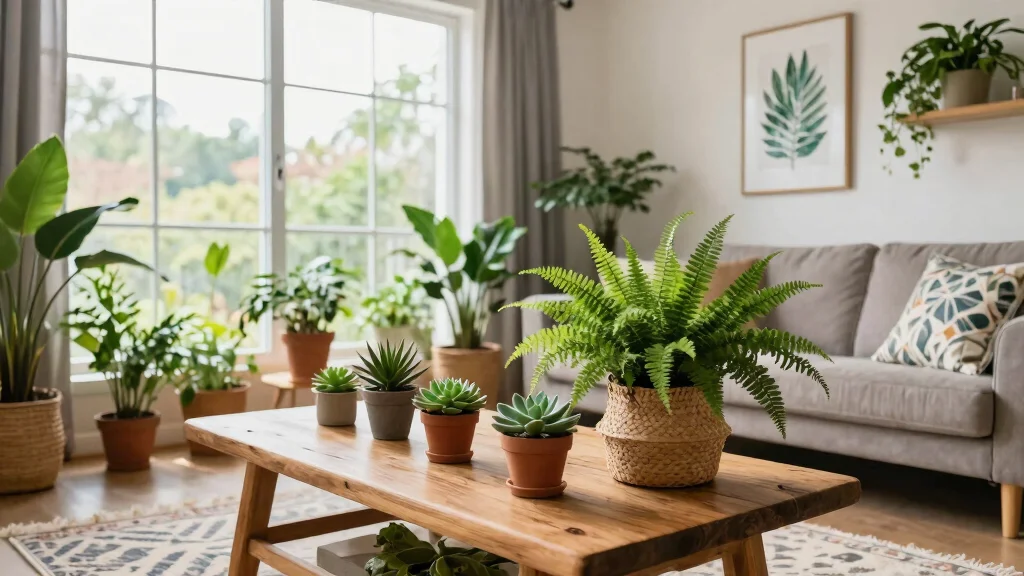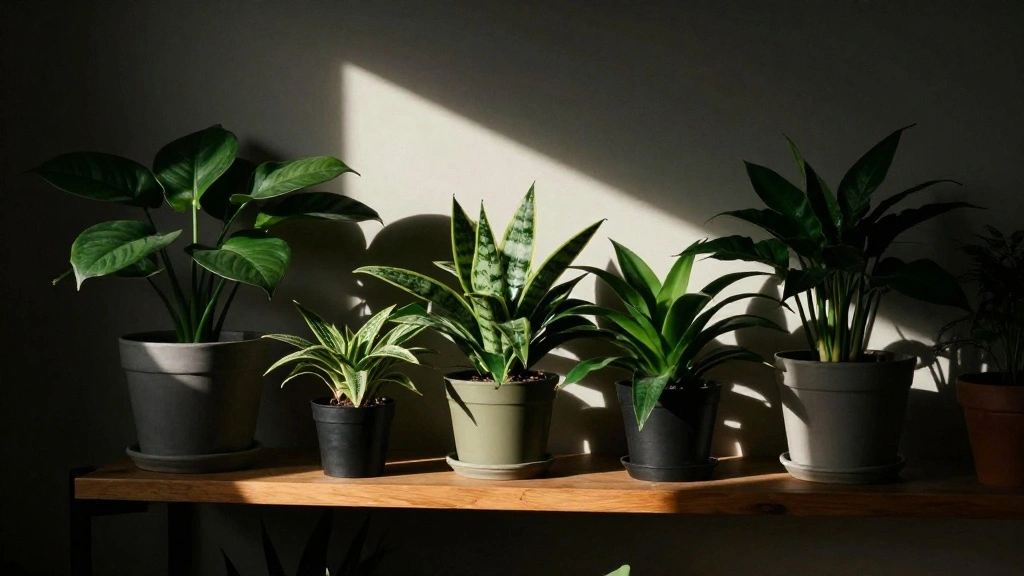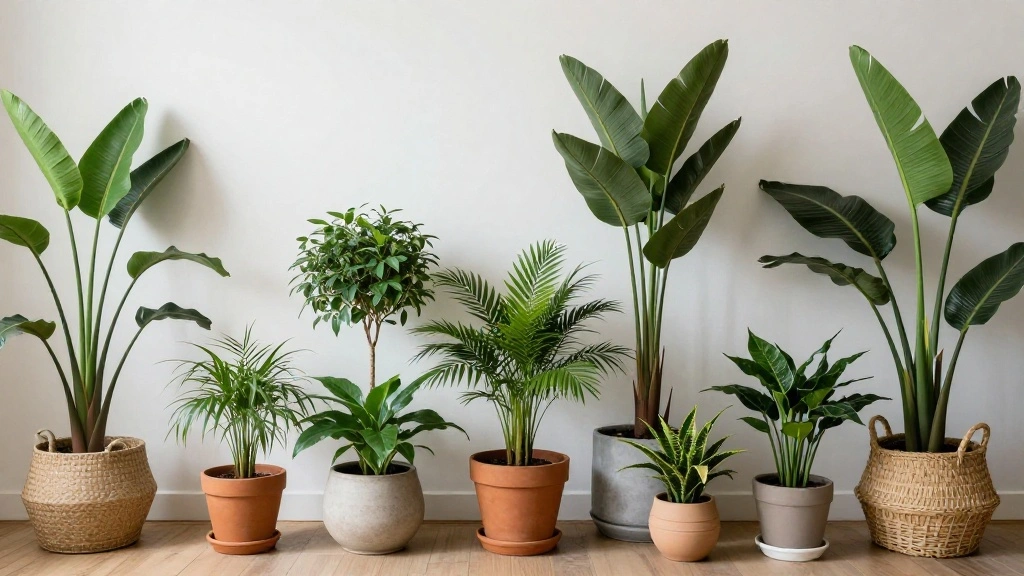



Indoor greenery has a way of breathing life into any space. If you’ve been craving that fresh and vibrant feel in your home or office, you’re not alone. Many of us find ourselves looking for ways to enhance our interiors, especially in small living areas where every square foot counts. With the right choice of indoor tree plants, you can create a stunning atmosphere that feels both cozy and refreshing.
This post is for fellow plant enthusiasts, busy professionals, and anyone who loves a touch of nature indoors. Whether you’re a seasoned indoor gardener or just starting out, you’ll find useful information tailored to your needs. I’ve gathered a list of 15 indoor tree plants that not only look beautiful but are also perfect for low-light conditions. They are easy to care for, air-purifying, and will add an elegant touch to your interior decor.
You’ll discover plants that fit right into your small spaces while making a big impact. Each selection offers unique benefits, from enhancing air quality to being aesthetically pleasing. Get ready to dive into a world of decorative greenery that will transform your home into a serene oasis.
Key Takeaways
– Indoor tree plants are a great way to enhance aesthetics and air quality in small spaces.
– Low-light trees like the Snake Plant and ZZ Plant thrive in less sunlight, making them ideal for various rooms.
– Many of these plants require minimal care, perfect for those with busy lifestyles.
– Incorporating houseplants can reduce stress and boost your mood, creating a more inviting environment.
– Discovering the right indoor tree for your space can be a fun and rewarding experience, bringing nature indoors.
Recommended Products

Designed for Large & Tall Indoor Plants:Perfect for large indoor plants, tall plants, and indoor trees that require wider and stronger light coverage. Ideal for floor plants and big planters. Provides full spectrum light (380nm–800nm) to support healthy growth in low-light areas like living rooms, corners, and offices.

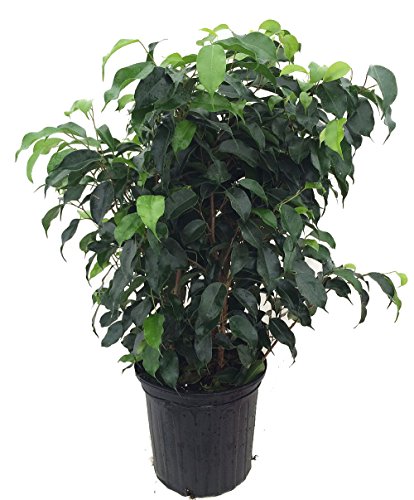
Distinctive Foliage: The Heptapleurum Arboricola, commonly known as the Dwarf Umbrella Tree, showcases lush, glossy, and segmented green leaves that form a striking, umbrella-like canopy, adding an elegant touch to any indoor space.
1. Fiddle Leaf Fig (Ficus lyrata)
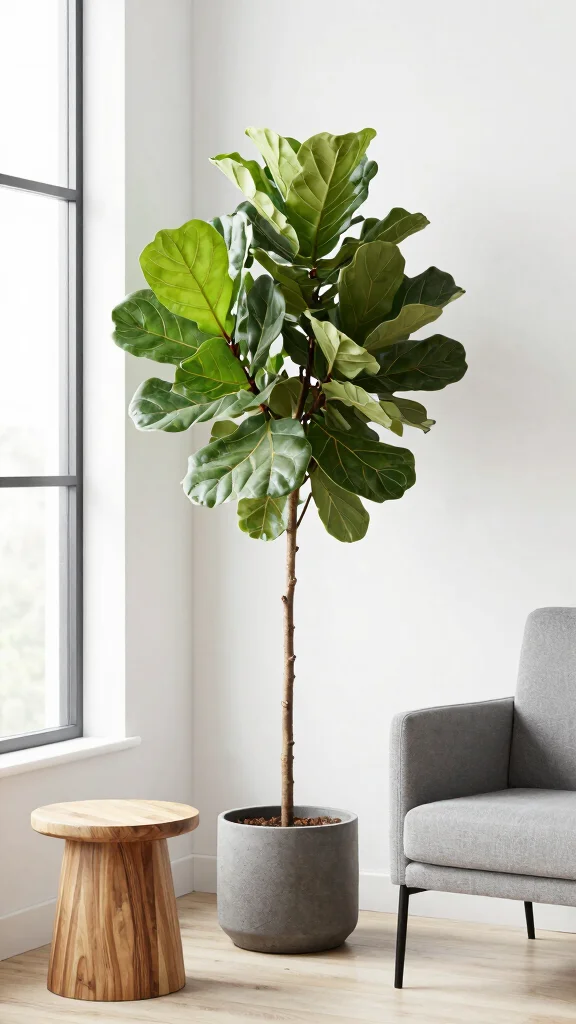
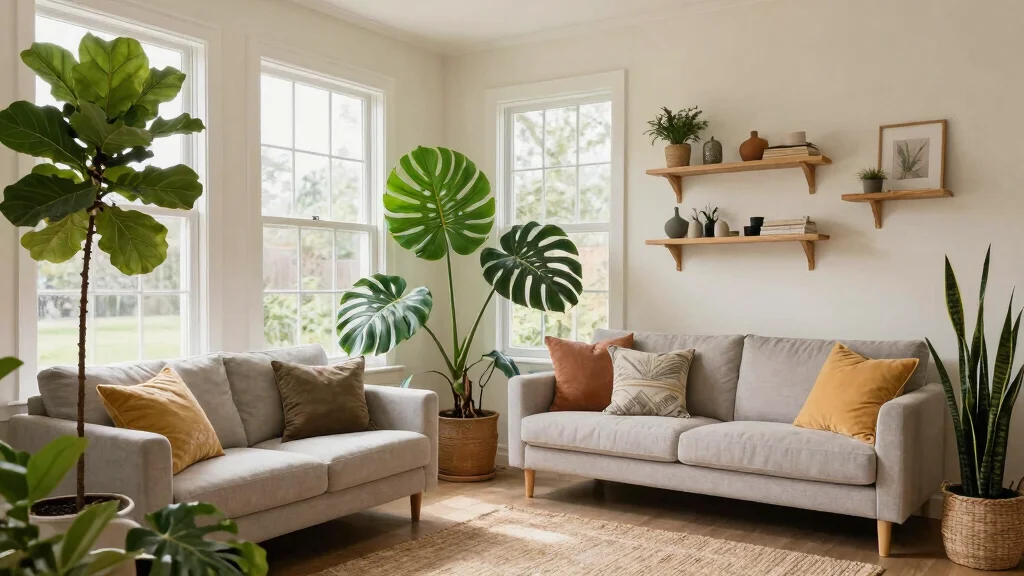
The Fiddle Leaf Fig stands out with its large, violin-shaped leaves, creating a striking focal point in any room. This tree’s glossy, vibrant foliage brings a sense of nature indoors, enhancing visual harmony and adding life to your decor. Whether you choose a single specimen or a cluster, its dramatic presence is sure to impress.
To keep your Fiddle Leaf Fig thriving, place it in a bright spot with indirect sunlight. Water it regularly, allowing the top inch of soil to dry between drinks, and consider misting the leaves to maintain their luster. This adaptable plant is not only beautiful but also helps purify the air, promoting a healthier environment in your home.
Consider these tips to elevate your space with this stunning tree:
– Pair with a sleek white planter to highlight its lush greenery.
– Use as a statement piece near large windows for optimal light.
– Incorporate in a corner for a dramatic vertical accent.
By embracing this tree, you’ll enjoy a sophisticated aesthetic that breathes warmth into your living space. The texture of its leaves adds depth and character, enhancing the overall design.
Recommended Products

Air Purifying Rattlesnake Calathea: Perfect addition to your living room decor, office decor, or garden decor. This live Calathea Rattlesnake plant not only brings color but also acts as an air purifier.
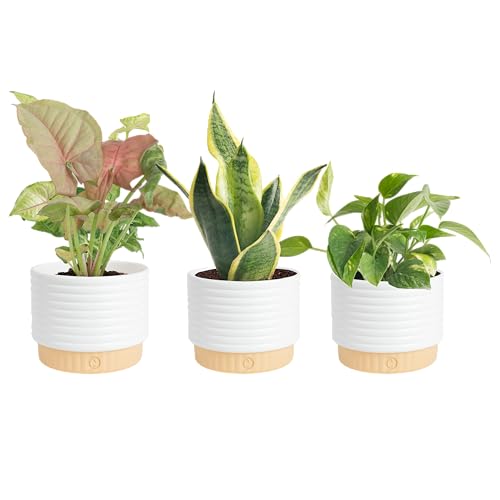
DECOR-READY LIVE INDOOR PLANTS: This 3-pack of houseplants offers incredible value to gift or instantly upgrade any space. Perfect for shelf, tabletop, or office desk. Varieties will vary — examples include Peace Lily, Snake Plant, Fern, and Pothos

LIVE SNAKE PLANTS: Sansevieria Laurentii (mother in law plant) is an easy low-maintenance houseplant
2. Snake Plant (Sansevieria)
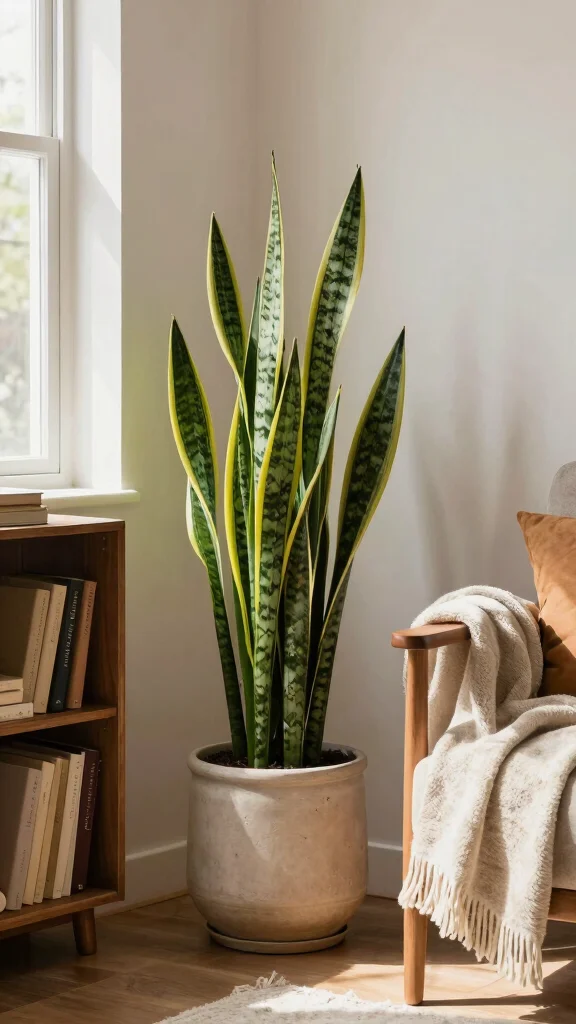
The Snake Plant, often known as mother-in-law’s tongue, brings a chic, modern touch to any decor with its tall, sword-like leaves. This hardy plant’s striking vertical growth creates a sense of elegance and structure, making it a favorite for both beginners and seasoned gardeners. Its unique appearance adds a bold element to your interior design.
This plant thrives in a variety of lighting conditions, from low light to bright indirect light, making it incredibly versatile. Watering is minimal, so it’s perfect for those with busy lifestyles. In addition to its stylish look, the Snake Plant acts as an air-purifier, absorbing toxins and improving air quality for your well-being.
Here are some ways to incorporate this beauty into your home:
– Use in a decorative pot to enhance its sculptural form.
– Pair with other plants for a lively indoor garden.
– Install on a shelf or table for a striking vertical element.
This plant not only beautifies your home but also contributes to a healthier atmosphere. Its strong lines and varying leaf patterns create visual interest, complementing various design styles.
❝ The Snake Plant is one of the best indoor tree plants, thriving on neglect and low light—perfect for small spaces. Water sparingly and let the soil dry between drinks; its sturdy leaves keep interiors calm and stylish, while purifying air. ❞
Recommended Products
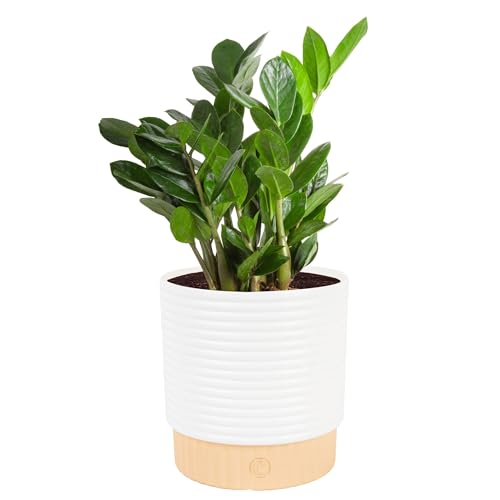
STYLISH ROOM DECOR: The architectural upright leaves of the live ZZ Plant provide a modern, sleek look that defines minimalist home decor. An excellent, stylish real plant choice for an office desk, plant shelf, or tabletop

Zamioculcas zamiifolia

STRIKING LIVE HOUSEPLANT: The Everlasting ZZ features bold, upright architectural foliage that transitions in color as it matures, making it a dynamic, eye-catching addition to any modern home or office decor
3. Rubber Plant (Ficus elastica)
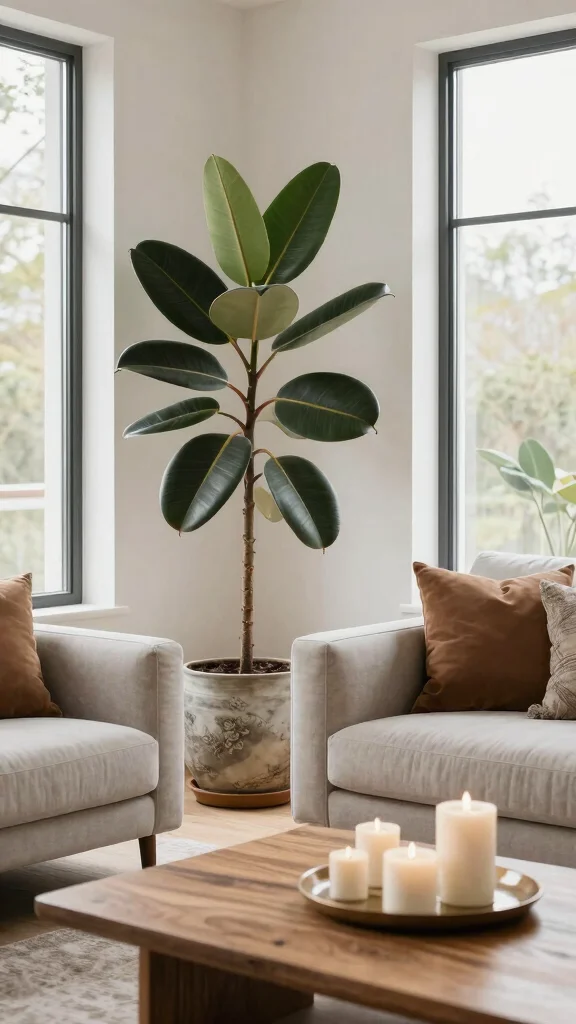
The Rubber Plant is a showstopper, celebrated for its large, glossy leaves that can range from deep green to rich burgundy. This striking tree adds a pop of color to your home while conveying a modern aesthetic that blends beautifully with various decor styles. Its bold presence makes it an essential addition for anyone looking to enhance their indoor space.
Best suited for indirect light, the Rubber Plant is adaptable enough to thrive in lower light conditions as well. Regular watering is essential, but be cautious not to overwater, as this can lead to issues like leaf drop. Besides its beauty, this plant also serves as an air purifier, helping keep your indoor environment fresh and clean.
Utilize these tips to showcase your Rubber Plant:
– Incorporate in a large planter for a dramatic effect.
– Use as a focal point beside furniture to draw the eye.
– Position in a bright corner to maximize its growth potential.
This stunning tree adds sophistication to your decor while textures and colors enhance your home’s overall ambiance.
Recommended Products

Made for Fiddle Leaf Fig Plants – Specially formulated fiddle leaf fig fertilizer designed for ficus trees and indoor plant care.

Innovative Patent-Pending Design: Our moss poles feature a unique, patent-pending design that enhances support and promotes growth for your climbing plants. This innovative approach creates the perfect environment for your plants to thrive, making plant care more effective and enjoyable

All Purpose Mix; Nutrient Enrichment & Drainage Control for Fiddle Leaf Fig Trees & All Other Indoor Houseplants
4. ZZ Plant (Zamioculcas zamiifolia)
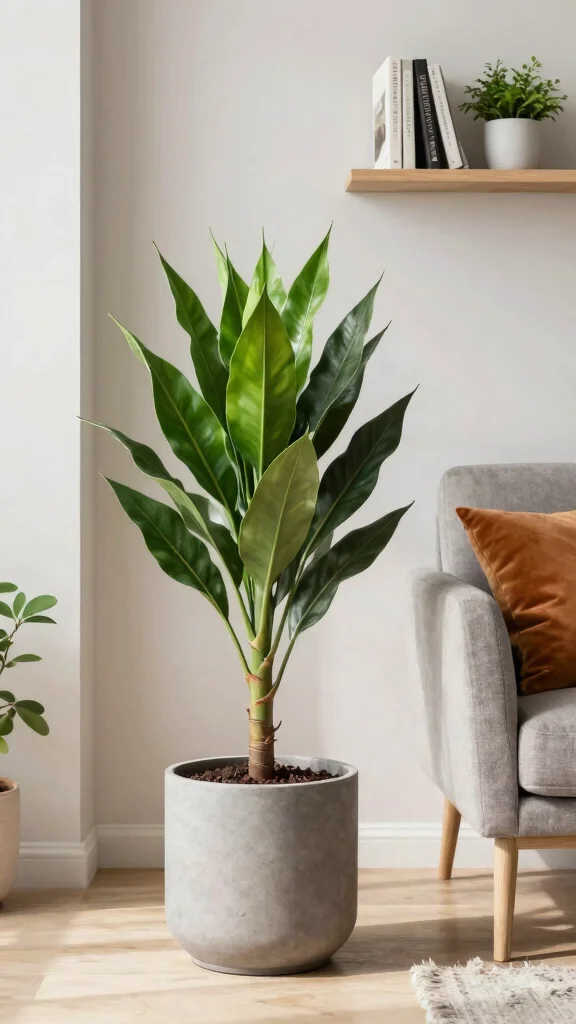
The ZZ Plant is a resilient gem in the plant world, known for its shiny, thick leaves that thrive in nearly any environment. Its unique, upright growth habit brings a modern flair to your space, making it an ideal choice for those looking to add greenery without demanding too much attention. This plant is perfect for busy lifestyles or novice gardeners.
ZZ Plants flourish in low-light areas and require watering just every few weeks, making them incredibly easy to care for. Not only do they look stylish, but they also act as an air purifier, enhancing the quality of the air you breathe. With the right conditions, your ZZ Plant can thrive for years, making it a fantastic long-term investment.
Consider these approaches to integrate the ZZ Plant into your decor:
– Use in a decorative pot to accentuate its glossy leaves.
– Place in a corner to create a clean, modern look.
– Incorporate with other low-maintenance plants for a serene arrangement.
This plant’s durability and style make it a perfect choice, enhancing your home while providing quality air. Its sleek shape and texture contribute to a contemporary design aesthetic.
Recommended Products

FREE EXTRA SEEDS!! Avergo’s bonzie starter kit comes with additional seed packets just in case you’ll need more

Everything You Need in One Box - This complete bonsai tree starter kit includes 5 bonsai seed varieties (Blue Jacaranda, Flame Tree, Crape Myrtle, Black Pine and Black Locust), 5 bonsai tools, 5 expanding soil discs, 5 marked planters, 5 planting pots, a watering bottle, and a wooden box. Perfect for first-time bonsai enthusiasts.
5. Dracaena Marginata (Dragon Tree)
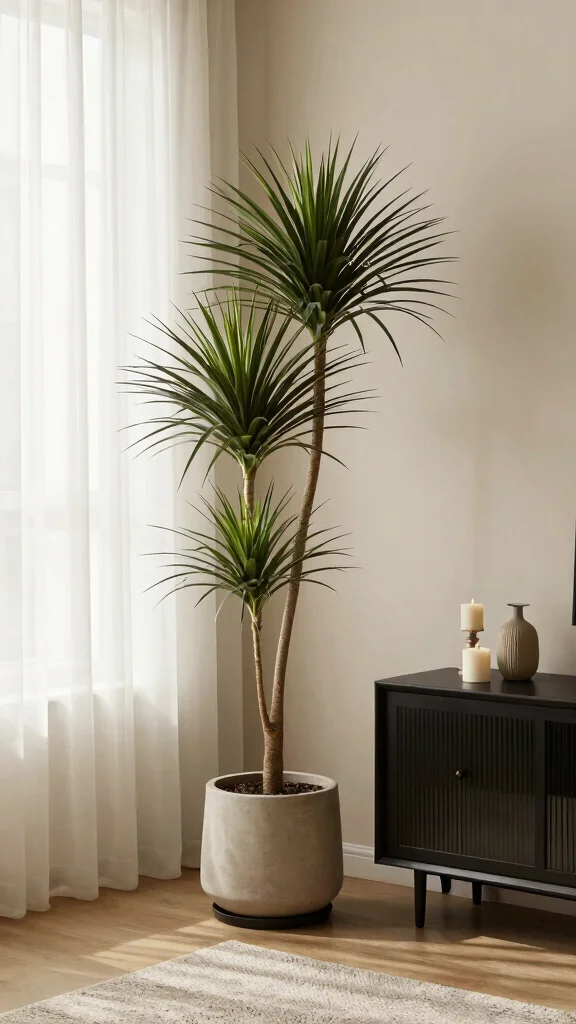
The Dracaena Marginata, or Dragon Tree, features slender trunks and striking, spiky leaves, offering a unique and dramatic look for your interiors. This elegant tree is perfect for adding height and interest, making it a stunning centerpiece in any room. Its graceful form complements both modern and eclectic styles beautifully.
Thriving in low light, the Dragon Tree is forgiving and can endure some neglect, making it a great pick for busy households. With proper care, it can reach impressive heights of up to 6 feet, enhancing your decor with its vertical presence. Additionally, this plant is an air purifier, helping to keep your indoor environment fresh and inviting.
Enhance your living space with these tips:
– Position in a tall pot to showcase its height.
– Use as a focal point in open spaces for dramatic effect.
– Incorporate with other greenery for a lush look.
This tree not only contributes a touch of drama to your home but also improves air quality. Its textures and forms create a dynamic atmosphere, elevating your overall design.
Recommended Products

Designed for Large & Tall Indoor Plants:Designed specifically for large indoor plants and tall plants that need stronger and wider light coverage. Helps big plants thrive even in low-light areas like living rooms, corners, or offices.Provides full spectrum light (380nm–800nm) to support every stage of plant growth. A perfect sunlight replacement for indoor plants.

Designed for Large & Tall Indoor Plants:Perfect for large indoor plants, tall plants, and indoor trees that require wider and stronger light coverage. Ideal for floor plants and big planters. Provides full spectrum light (380nm–800nm) to support healthy growth in low-light areas like living rooms, corners, and offices.
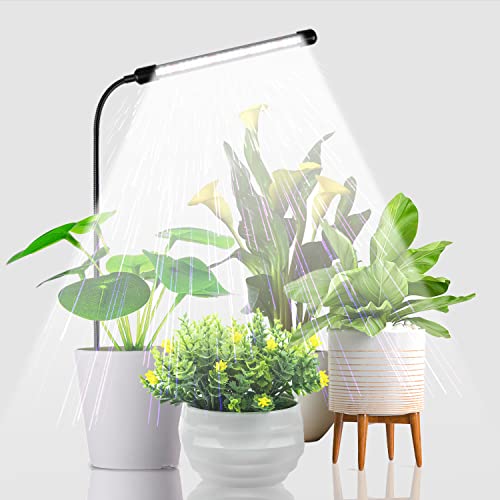
6000K Sunlight Full Spectrum - With 40pcs White & 8pcs Red LED, just like natural daylight, professionally designed for flowers, herbs, peppermint, succulents, seed starting, or any type of locations (hanging, trellis, floor, potted, bonsai plants).
6. Areca Palm (Dypsis lutescens)
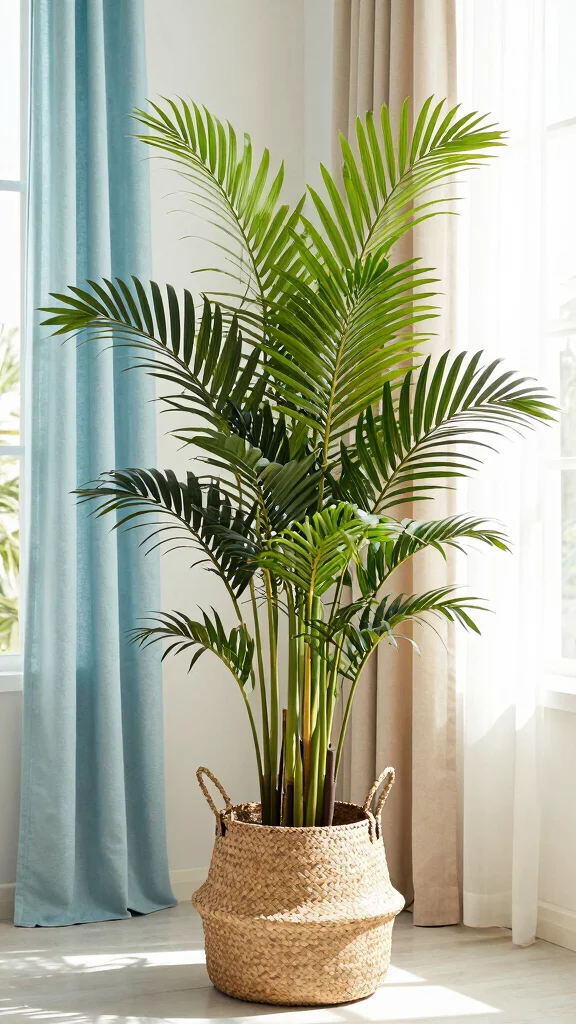
If you’re seeking a touch of the tropics, the Areca Palm is an excellent choice. With its feathery, arching fronds, this plant brings a relaxed and inviting vibe to your home. Its lush foliage instantly transforms your space into a serene oasis, perfect for creating a cozy retreat.
Best suited for bright, indirect light, the Areca Palm can tolerate some low light, making it a versatile addition to various rooms. Water it regularly while ensuring good drainage to avoid waterlogging. This palm also acts as an air purifier, removing toxins and contributing to a healthier indoor atmosphere.
Incorporate this palm into your decor with these ideas:
– Position prominently in a spacious living room for a statement piece.
– Pair with colorful decor to enhance its tropical feel.
– Use in entryways to create an inviting atmosphere.
This palm adds beauty and vitality to your home while its textures and colors enhance the overall decor.
Recommended Products

LIVE SNAKE PLANTS: Sansevieria Zeylanica (mother in law plant) is an easy low-maintenance houseplant

HARDY INDOOR PLANT: Sansevieria Laurentii is a drought tolerant, durable, and adaptable houseplant for beginners

Ongoing Maintenance & Care Guide
Maintenance Schedule:
Daily/Weekly Tasks:
– Water your indoor tree plants when the top inch of the soil feels dry. Typically, this takes about 5-10 minutes. Adjust based on the season and humidity levels.
– Check for dust on the leaves. A quick wipe with a damp cloth can take around 5 minutes but helps the plant breathe better and looks nice.
– Rotate your plants weekly to ensure even growth. This can be done in about 2-3 minutes.
– Monitor for any signs of pests or disease. Spend 5 minutes checking leaves and soil for any issues, especially in warmer months.
Monthly/Seasonal Tasks:
– Fertilize your indoor tree plants once a month during the growing season (spring and summer). Use a balanced liquid fertilizer. This task takes about 10-15 minutes.
– Prune dead or yellowing leaves to encourage healthy growth. This may take around 10 minutes depending on the size of your plant.
– Repot your plants if you notice roots growing out of the drainage holes. Aim for once every 1-2 years, which can take about 30 minutes.
– Inspect and replace any old or damaged pots to maintain a healthy environment. This task could take around 15 minutes.
– Clean your plant’s leaves every month to remove dust and enhance photosynthesis. This can take about 10 minutes.
Maintenance Summary Table:
| Task | Frequency | Difficulty | Time Needed |
|——————————|——————–|————|————–|
| Watering | Daily/Weekly | Easy | 5-10 minutes |
| Dusting Leaves | Weekly | Easy | 5 minutes |
| Rotating Plants | Weekly | Easy | 2-3 minutes |
| Pest Inspection | Weekly | Easy | 5 minutes |
| Fertilizing | Monthly | Medium | 10-15 minutes|
| Pruning | Monthly | Medium | 10 minutes |
| Repotting | Every 1-2 years | Medium | 30 minutes |
| Replacing Pots | As needed | Medium | 15 minutes |
| Cleaning Leaves | Monthly | Easy | 10 minutes |
Common Issues to Watch For:
⚠️ Leaves Turning Yellow: This can be caused by overwatering or insufficient light. Check your watering schedule and ensure your plant is in the right light.
⚠️ Dropping Leaves: This may indicate stress, possibly from temperature changes or pests. Inspect the plant carefully.
⚠️ Wilting: If your plant looks droopy, it might need more water. Check the soil moisture level.
⚠️ Brown Tips: This usually means low humidity or underwatering. Increase humidity or adjust your watering routine.
⚠️ Pests: Look for tiny webs or spots on leaves. If you spot pests, treat them quickly with insecticidal soap or neem oil.
Care Tips:
💡 Group Your Plants: Keep similar plants together to create a humid microclimate. This benefits moisture-loving plants.
💡 Choose the Right Spot: Place your indoor tree plants in areas with indirect light. This helps them thrive without burning the leaves.
💡 Use Quality Potting Mix: Invest in a good potting mix that drains well. This is key for preventing root rot.
💡 Encourage Growth: Rotate your plants every few weeks. This helps them receive sunlight evenly and grow straight.
💡 Stay Observant: Regularly check your plants for changes. Early detection of issues makes it easier to address them before they become bigger problems.
Recommended Products

Zamioculcas is genus of flowering plants in the family Araceae, containing the single species Zamioculcas zamiifolia.

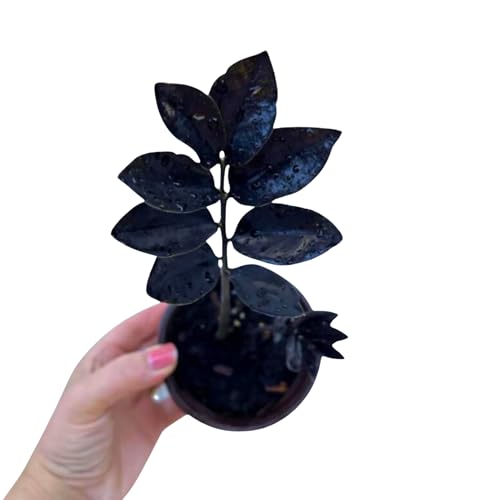
Eye-Catching Black Leaves – Glossy dark foliage brings modern flair to any room. Comes in Nursery Pot – Arrives ready to display with minimal setup required. Low Maintenance Beauty – Thrives in low light and dry conditions, great for busy lifestyles. Natural Air Purifier – Helps improve indoor air quality while looking stylish. Ideal for Contemporary Decor – Makes a bold, sculptural statement in homes and offices.
7. Parlor Palm (Chamaedorea elegans)
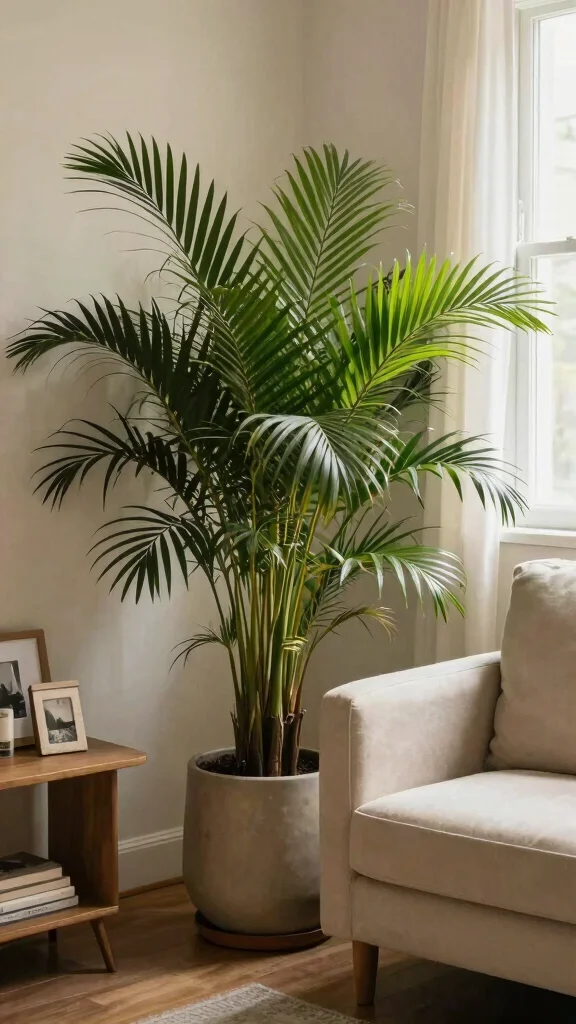
The Parlor Palm is a classic indoor tree celebrated for its graceful fronds and understated charm. This elegant plant thrives in low light, making it an ideal choice for smaller spaces or dim corners of your home. Its delicate appearance adds a touch of sophistication to any decor style.
Parlor Palms require minimal care, needing only occasional watering and a humid environment to flourish. This adaptable plant also acts as an air purifier, helping to improve air quality in your living space. With its manageable height of 3 to 4 feet, it fits perfectly on tabletops or in cozy nooks.
Utilize these tips to showcase your Parlor Palm:
– Place in a decorative pot to enhance its elegance.
– Use as a tabletop accent to bring greenery indoors.
– Arrange with other plants for a lush display.
This charming palm adds greenery and beauty to your home while improving air quality. Its soft textures and colors create a welcoming atmosphere that complements your design.
Recommended Products

🕗 SLOW-RELEASE PELLETS — Releases essential nutrients over 6 month period. Apply and forget

ARE YOU STARVING YOUR FIDDLE LEAF FIG? Fiddle leaf fig plants require precise nutrients to thrive, promoting their growth, vitality, and robust root systems. Our exclusive Fiddle Leaf Fig Plant Food offers a tailored plant food solution, ensuring optimal nourishment for your beloved plant. Say goodbye to alternatives and provide your fiddle leaf fig with the care it truly deserves.

ESSENTIAL NUTRIENTS - A balanced mix to feed your ficus that promotes strong root structure, growth and overall better health. Provides the proper nutrients to grow your small fiddleleaf or audrey ficus into a giant!
8. Pothos (Epipremnum aureum)
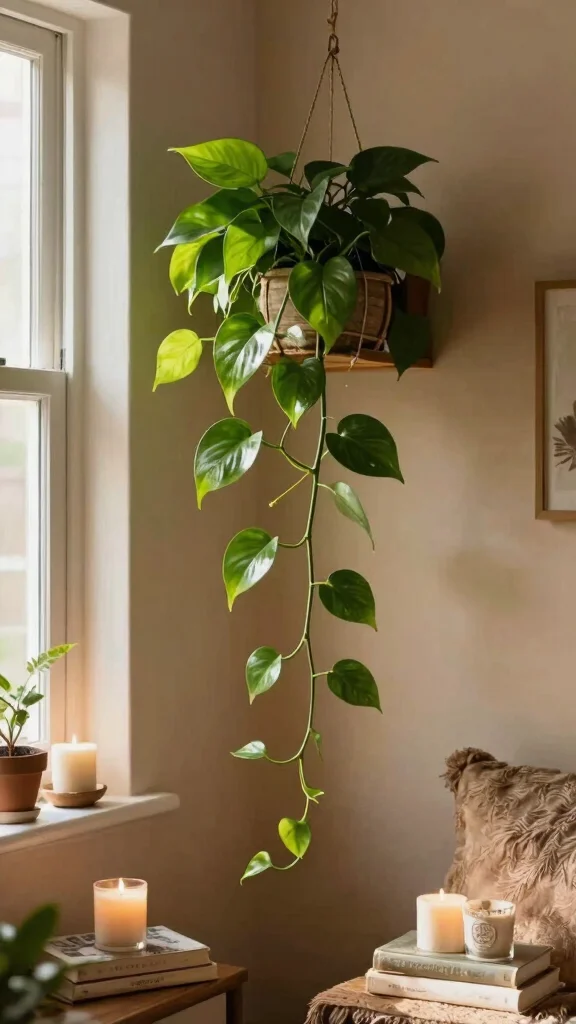
Pothos, often called Devil’s Ivy, is a versatile indoor tree that flourishes in a range of lighting conditions. Its heart-shaped leaves trail beautifully, making it the perfect choice for hanging or cascading displays. This plant’s lush appearance adds a vibrant touch to any room, enhancing your home’s aesthetic.
Known for its resilience, Pothos is easy to care for, thriving in low to bright indirect light. As a fast grower, it can quickly fill spaces while also acting as an air purifier, cleansing the air of harmful substances. Its adaptability makes it ideal for apartments or homes with limited sunlight.
Consider these ideas to integrate Pothos into your home:
– Hang in planters for a stunning cascading effect.
– Use on shelves to create a layered look.
– Trim back as needed to maintain desired shape.
This plant adds beauty and life to your space while its textures and colors enhance the overall design.
Recommended Products

GROW WITH CONFIDENCE - Fully balanced fertilizer package with essential macro and micro nutrients that gently feeds and encourages strong root, trunk, and branch growth for sustainable long term plant health.

LIVE DWARF JADE BONSAI TREE: Real indoor bonsai succulent with thick woody trunk and small glossy green leaves. A classic beginner-friendly bonsai that brings natural beauty and calming greenery to desks, shelves, and living spaces.

SIZE - 6-Pack of 5-Inch Indoor Plant Pots are perfect for small Indoor and Outdoor Plants and Flowers such as Orchids, Aloe vera, Tiger tail Orchids, ZZ Plants, Succulents, Mint, Cacti and Herbs
9. Money Tree (Pachira aquatica)
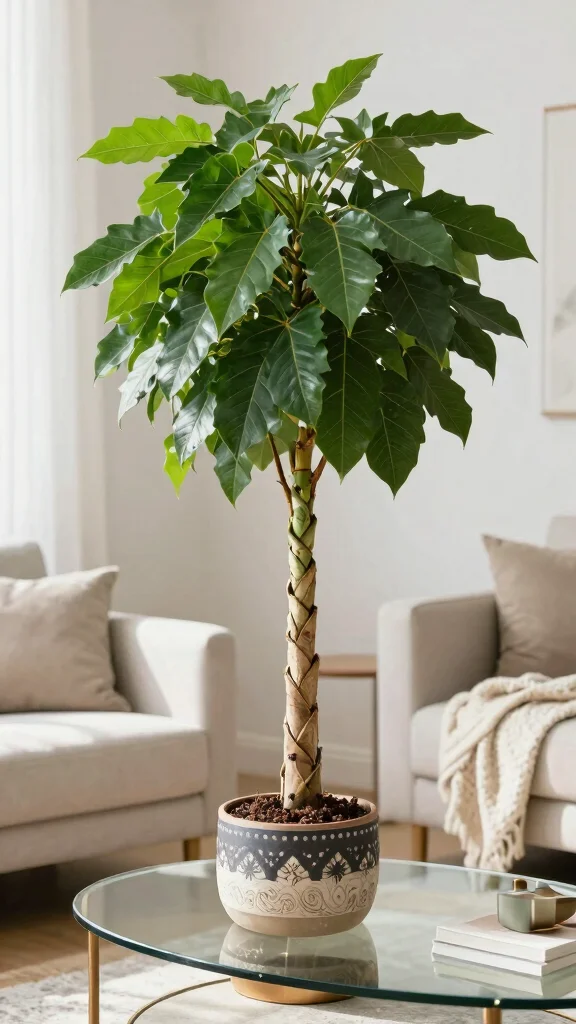
The Money Tree is not only visually appealing but is also thought to bring good fortune and prosperity. With its braided trunk and glossy green leaves, this tree adds a unique touch to your indoor environment. Its distinctive look makes it a delightful addition to any room, creating a focal point that captures attention.
Thriving in bright, indirect light, the Money Tree can adapt to lower light conditions with proper care. This plant is relatively low-maintenance, requiring water only when the top inch of soil is dry. Additionally, it serves as an air purifier, helping to create a healthier atmosphere in your home.
Incorporate the Money Tree using these tips:
– Use a decorative pot to enhance its unique appearance.
– Position prominently to draw the eye in open spaces.
– Rotate occasionally for even growth and balance.
By adding this charming tree to your home, you not only enhance your decor but also invite positive energy. Its textures and colors contribute to a vibrant and welcoming environment.
Fun fact: The Money Tree is often braided into five trunks, a signature look that attracts attention. It thrives in bright indirect light and adapts to lower light with steady care—perfect for small spaces and beginner indoor tree plants.
10. Boston Fern (Nephrolepis exaltata)
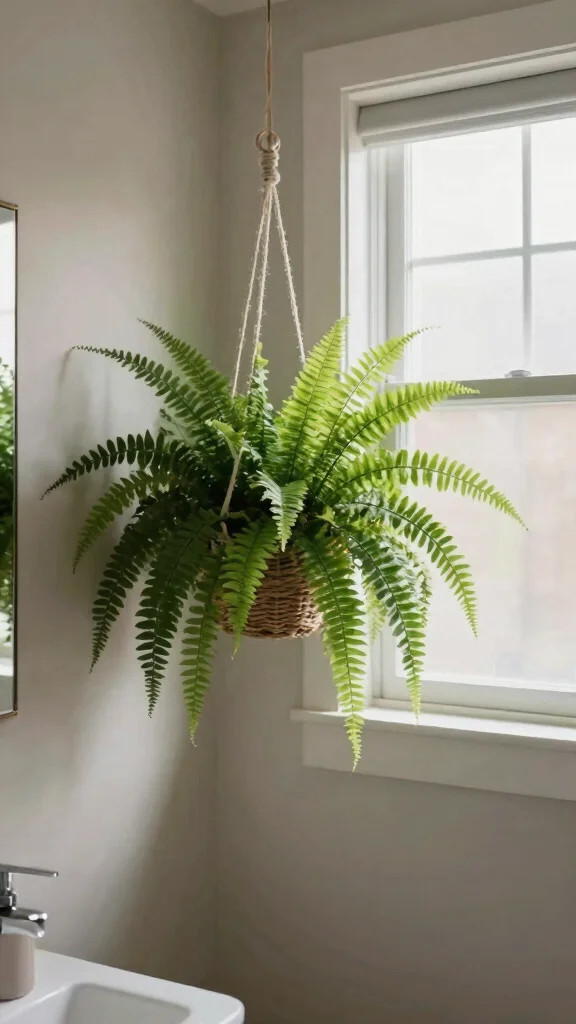
The Boston Fern is a lush, feathery beauty that adds softness and elegance to any indoor space. Known for its arching fronds that can reach impressive lengths, this plant is perfect for adding greenery without taking up much horizontal space. Its delicate appearance brings a calming element to your home decor.
Thriving in humid environments, Boston Ferns are ideal for bathrooms or kitchens with natural light. They prefer indirect light and need consistent moisture to flourish, making them a bit more demanding. However, their air-purifying qualities make them a valuable addition, filtering out toxins and improving air quality.
Enhance your space with the Boston Fern using these ideas:
– Hang in baskets to create a beautiful cascading effect.
– Use in elevated planters for a lively accent.
– Group with other ferns for a lush arrangement.
This plant brings beauty and tranquility to your home while its textures and forms enhance the overall decor.
11. Cast Iron Plant (Aspidistra elatior)
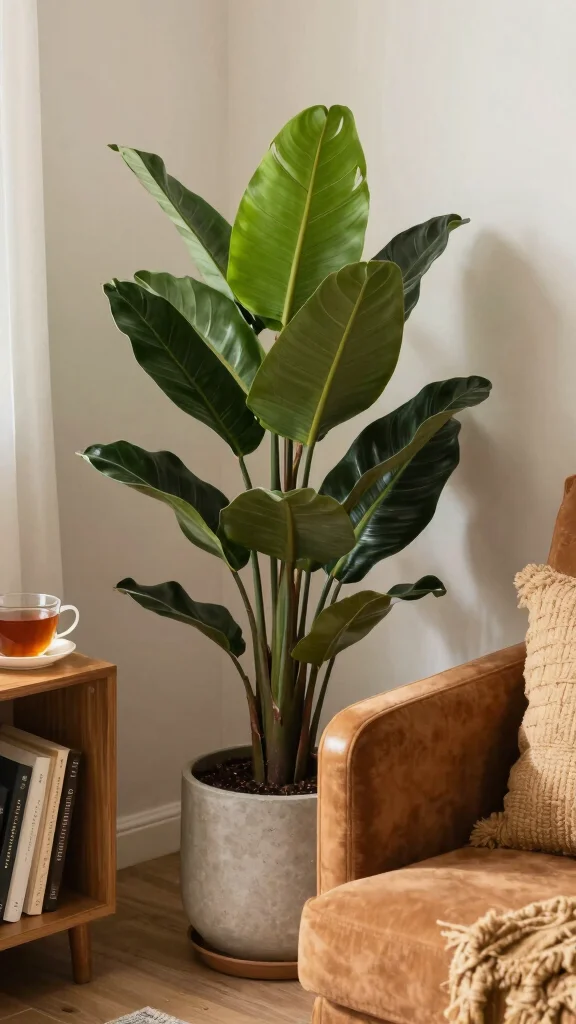
The Cast Iron Plant lives up to its name, known for being nearly indestructible. This tough plant can thrive in low light and withstand neglect, making it a perfect choice for beginners or those with busy lifestyles. Its long, broad leaves add a unique texture to any indoor space, creating a lush ambiance.
Ideal for shaded areas, the Cast Iron Plant requires only minimal watering, allowing the soil to dry out between drinks. It also boasts air-purifying qualities, helping to cleanse the air of harmful toxins. With its resilience, this plant can thrive for years, making it a lasting investment for your indoor garden.
Utilize these tips to display the Cast Iron Plant effectively:
– Use in a shaded corner for a touch of greenery.
– Position on bookshelves or tabletops for added texture.
– Group with other hardy plants for a dynamic display.
This plant not only enhances your decor but also improves air quality, contributing to a healthy living environment.
12. Chinese Evergreen (Aglaonema)
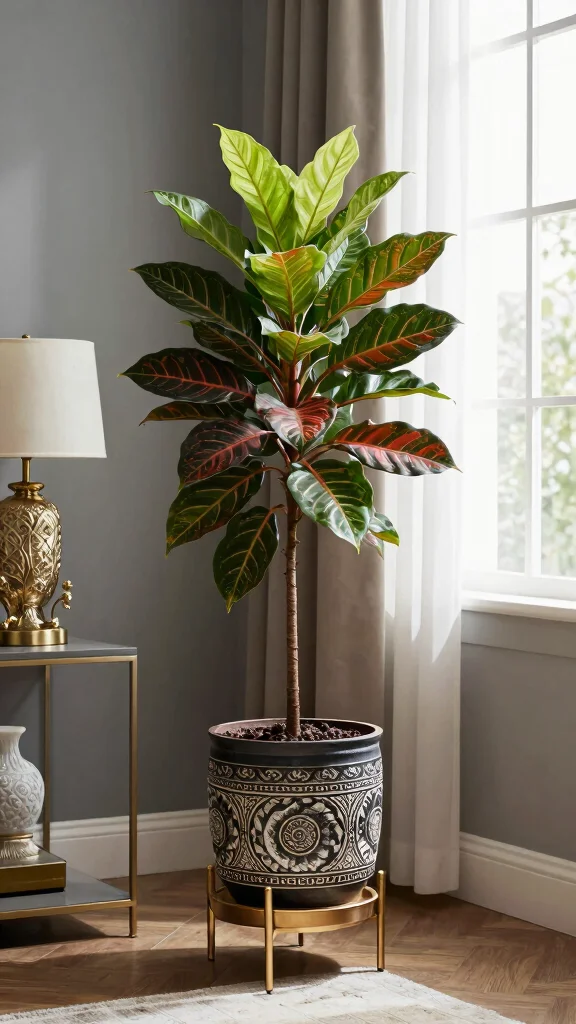
The Chinese Evergreen is celebrated for its stunning and diverse foliage, showcasing various colors and patterns that bring vibrancy to any indoor space. This forgiving plant thrives in low to moderate light, making it an excellent choice for areas that lack sunlight. Its eye-catching appearance enhances your home while providing a natural feel.
Chinese Evergreens can grow to about 2 feet tall, making them perfect for tabletops or floor displays. Regular watering is essential, but be sure to let the soil dry out between drinks to prevent root rot. Additionally, they serve as air purifiers, helping to improve your indoor air quality.
Incorporate this plant into your home with these ideas:
– Place in decorative pots to highlight their colorful leaves.
– Use on shelves or as a floor plant to brighten any corner.
– Group with other plants for a vibrant arrangement.
This plant adds a dynamic touch to your decor while enhancing air quality. Its colors and textures contribute to a lively and inviting atmosphere.
13. Schefflera (Umbrella Plant)
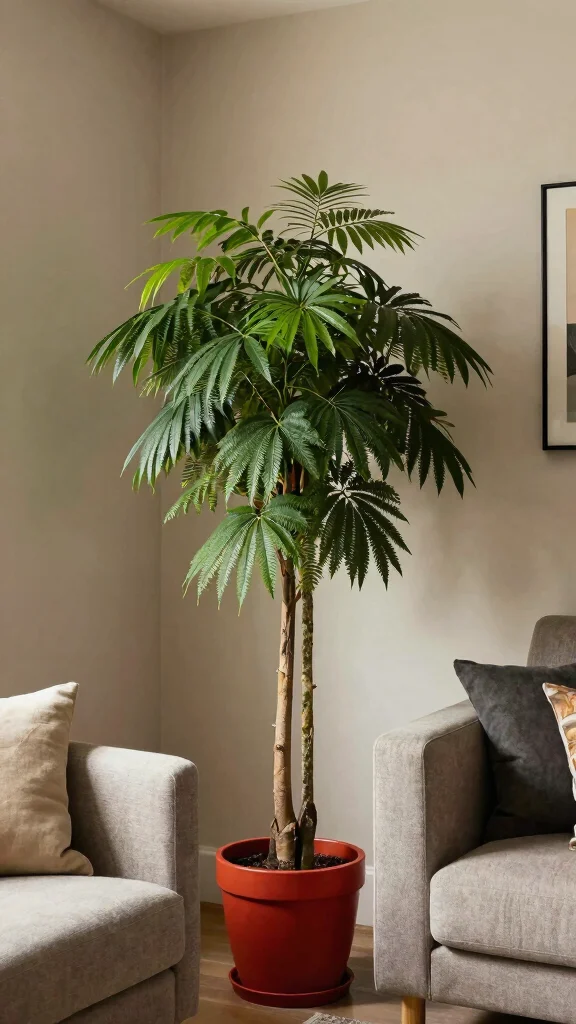
The Schefflera, often referred to as the Umbrella Plant, is a popular choice for its glossy, umbrella-like leaf clusters. This resilient indoor tree can flourish in low light, making it a fantastic option for corners and larger spaces that need a touch of greenery. Its distinctive look adds character and charm to your decor.
With the right care, the Schefflera can reach impressive heights of up to 8 feet, becoming a striking focal point in your home. Watering is straightforward; just ensure the soil dries out between drinks. Not only is this plant attractive, but it also helps purify the air, making it a valuable addition to your indoor garden.
Consider these tips to showcase the Schefflera:
– Use a tall planter to emphasize its height.
– Position in a bright corner to maximize growth.
– Rotate for even growth and to enhance its shape.
This plant not only enhances your space but also contributes to a healthier indoor environment. Its lush textures and colors create a vibrant feel, enriching your overall design.
14. Norfolk Island Pine (Araucaria heterophylla)

The Norfolk Island Pine offers a unique, evergreen aesthetic reminiscent of a mini Christmas tree, making it a delightful addition to any home. This indoor tree thrives in bright, indirect light while adapting well to lower light conditions, providing versatility for your decor. Its soft, needle-like leaves add a touch of nature that enhances any season.
With a potential height of up to 6 feet, the Norfolk Island Pine becomes a stunning statement piece in your living room or office. Watering is simple; just ensure the soil remains moist but well-drained for healthy roots. Additionally, this plant helps improve indoor air quality, making it both practical and decorative.
Incorporate the Norfolk Island Pine using these ideas:
– Use as a holiday centerpiece for seasonal decor.
– Position prominently in a living room for year-round greenery.
– Pair with other plants for a lush display.
This plant not only beautifies your home but also contributes to a healthier environment. Its textures and colors elevate your decor, creating a warm and inviting atmosphere.
Fun fact: The Norfolk Island Pine (Araucaria heterophylla) can grow up to 6 feet indoors, turning small spaces into a stylish statement with evergreen leaves. With bright, indirect light, this indoor tree thrives and makes indoor tree plants feel effortless and joyful.
15. Peace Lily (Spathiphyllum)
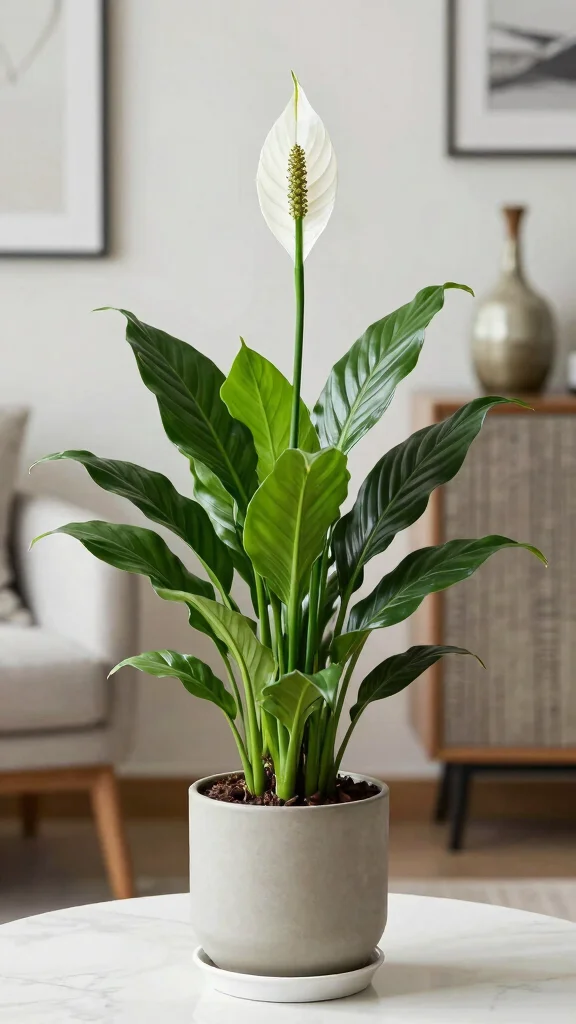
The Peace Lily is a beloved indoor plant known for its stunning white blooms and lush green foliage. While technically a flowering plant, it can grow into a lovely small tree with proper care, making it a versatile choice for any home. This plant adds a touch of elegance while enhancing the overall aesthetic of your space.
Peace Lilies thrive in low to moderate light, making them perfect for dim corners where other plants may struggle. They are also fantastic air-purifying plants, helping to filter out toxins from the air while adding beauty to your home. Regular watering is essential, ensuring the soil remains moist but not soggy for optimal growth.
Consider these tips to showcase your Peace Lily:
– Place in decorative pots to highlight its elegant flowers.
– Use in low-light areas to bring life to your space.
– Group with other plants for a colorful arrangement.
This plant not only enhances your decor with its beauty but also improves air quality, contributing to a healthier indoor environment. Its textures and colors create a serene atmosphere, perfect for any home.
Conclusion
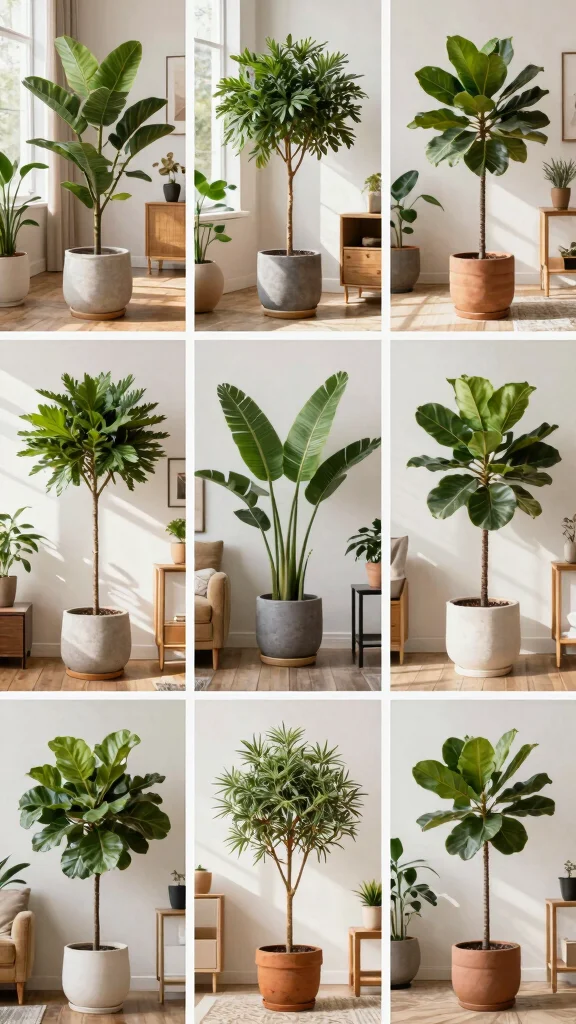
Transforming your interior space with indoor tree plants can create a fresh and inviting atmosphere while improving air quality. Each of these fifteen plants adds its unique charm and benefits, making it easier than ever to incorporate greenery into your home. From the stunning Fiddle Leaf Fig to the resilient ZZ Plant, there’s a perfect tree for every indoor setting and gardener.
So, whether you’re a seasoned plant parent or just starting, consider adding a few of these beauties to your collection!
Frequently Asked Questions
Which indoor tree plants are best for low-light spaces in small rooms?
Great options for low-light trees in small spaces include the ZZ plant (Zamioculcas zamiifolia), the cast iron plant (Aspidistra elatior), the rubber plant (Ficus elastica), the parlor palm (Chamaedorea elegans), and the umbrella tree (Schefflera arboricola).
These indoor tree plants tolerate dim corners, stay relatively compact, and add decorative greenery to a tight setup.
When shopping, pick cultivars labeled for small spaces, and ensure pots have drainage.
Care tips: avoid overwatering, let the top inch dry between drinks, and use well-draining soil.
Regular pruning keeps growth in check for small spaces.
How can I arrange and care for these low-light indoor tree plants in a tiny apartment?
To arrange and care for these low-light trees in a tiny apartment, place them where they can receive indirect light, such as near an east- or north-facing window, or where bright artificial light reaches.
Group plants together to create a visual mini-forest but keep a safe distance so air can circulate.
Use pots with drainage and a moisture meter if you like.
For indoor gardening, rotate plants every couple of weeks so all sides get light and prevent leaning.
Wipe dusty leaves occasionally and dust reduces photosynthesis.
Do indoor tree plants really purify air, and which ones are the best for indoor gardening?
Yes—many air-purifying plants and indoor tree plants help improve indoor air quality. Examples include rubber plants and cast iron plants, which can remove common pollutants and contribute to a fresher room vibe.
In addition, species like the parlor palm add humidity and a sense of calm, enhancing your decorative greenery while supporting a healthier environment.
For best results, pair these with good ventilation and a tidy space.
What are practical watering and lighting guidelines for low-light trees in compact spaces?
For practical watering and lighting: water when the top 1 inch of soil dries out, and never leave a plant standing in a saucer of water.
In low light, plants use less water, so adjust watering frequency downward.
Provide bright indirect light or sustained fluorescent/LED lighting if natural light is scarce.
Use a lightweight, fast-draining potting mix and consider weekly or biweekly fertilizer during growing seasons.
Are these plants safe for pets, and how can I incorporate them into decorative greenery without risk?
Pet safety matters for indoor tree plants. Some popular choices, like ZZ plant and rubber plant, can be toxic if ingested by pets, so place them out of reach or choose safer options like the parlor palm where possible.
Always check the species’ toxicity and your pet’s behavior.
When blending into decorative greenery in a small home, group plants at different heights, use attractive pots, and design a plan to keep cords and soil away from curious pets.
Related Topics