


Creating a chic home often feels like a puzzle, especially when you’re working with limited space. Indoor plants styling has become a popular solution to bring life and personality into your living areas. I put this post together to help you find inspiration for incorporating beautiful greenery into your home, no matter the size. Whether you’re a plant lover or a newbie trying to figure out how to make indoor plants work for your space, this guide offers practical ideas that will transform your surroundings.
If you’re someone who appreciates a modern aesthetic and wants to enhance your home with stylish plant arrangements, you’re in the right place. This post is for anyone who values the freshness that indoor plant decor can bring. I’ve gathered 16 creative ideas that are not only chic and functional but also easy to implement. From creating layered levels of plants to setting up cozy bathroom greenery, these suggestions will offer indoor greenery inspiration that suits your style and space constraints.
Get ready to discover how you can elevate your home with beautiful plants that add color, texture, and warmth. Each idea is designed to spark your creativity and help you visualize how indoor plants can fit seamlessly into your home. Let’s get started on this journey of enhancing your home with lush green companions!
Key Takeaways
– Layered Levels: Use shelves and stands to create depth, making your plant displays visually striking and dynamic.
– Corner Oasis: Transform an empty corner into a relaxing plant nook that draws the eye and brings nature indoors.
– Hanging Gardens: Hang plants from ceilings or walls to save space and add a playful element to your decor.
– Seasonal Switch-Up: Change your plant arrangements with the seasons to keep your space feeling fresh and inviting.
– Personal Touches: Choose pots and plant styles that reflect your personality, creating a unique and stylish home environment.
Recommended Products

[MAXIMIZE VERTICAL SPACE] - Elevate your gardening with this 65-inch tall vertical plant stand. Featuring a 5-tier open-shelf structure, it allows you to showcase multiple flower pots while occupying minimal floor area. A smart solution for transforming narrow corners in apartments, balconies, or living rooms into a vibrant indoor oasis.

Indoor Small Forest: Create a stylish and organized indoor plant area with the Yzosvki Indoor plant stand. Its L-shaped design allows for the perfect display of up to 6 plants, ensuring that each plant has sufficient room to grow both upwards and downwards.

>7-Pots Plant Stand: Featuring a ladder design that allows unobstructed sunlight, this plant rack accommodates more than 7 pots, making it an ideal decorative piece for organizing your plant collection. Suitable for both indoor and outdoor use.
1. Layered Levels
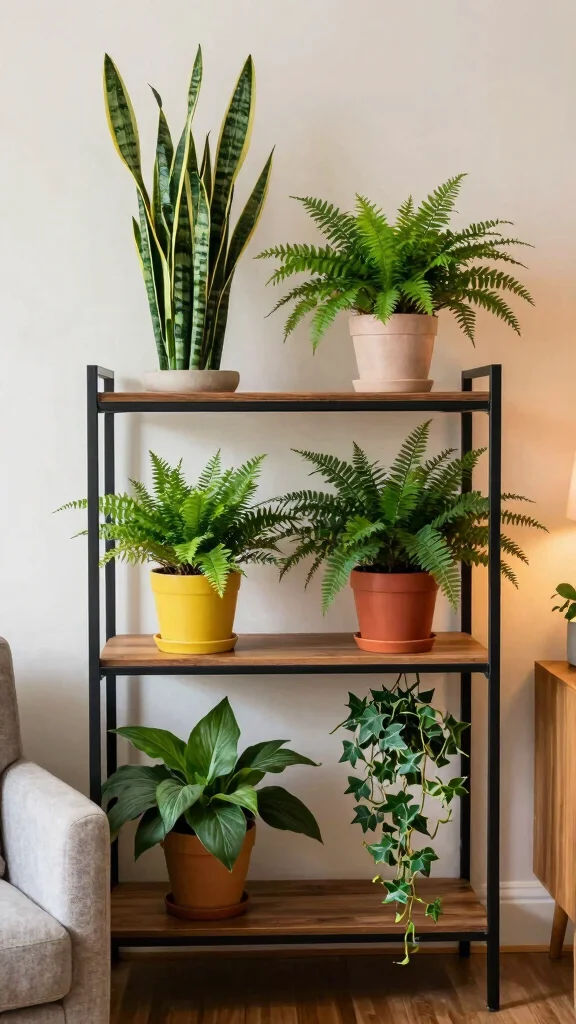
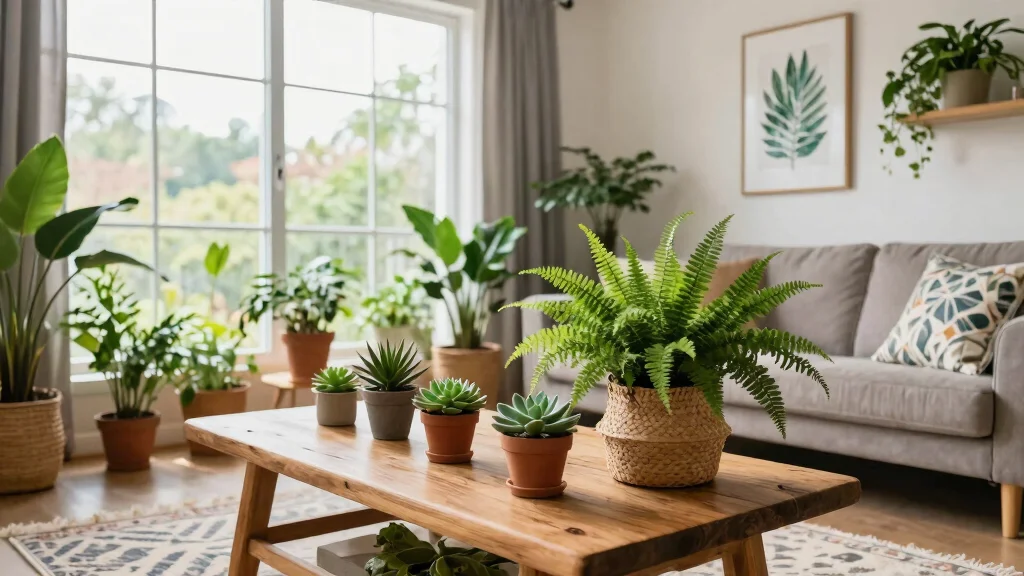
Layering plants at various heights creates a captivating display that draws the eye. This design principle works because it introduces depth and dimension, making your space feel dynamic and alive. For example, you can place a tall snake plant on the floor while showcasing smaller cacti on a higher shelf. This arrangement not only looks attractive but also ensures each plant receives ample light, helping them thrive.
To implement this idea, consider using plant stands or wall shelves to elevate your greenery. If you’re on a budget, thrift stores can be a treasure trove for unique stands. This layered approach is in line with the growing trend of maximizing vertical space in home decor.
Tips for Layered Levels:
– Pair tall plants with trailing varieties for contrast.
– Group plants by their light needs for optimal care.
– Use colorful pots to add personality and style.
This technique enhances your space aesthetically while encouraging a connection with nature through varied textures and heights.
Recommended Products

【High Quality Material】The wall bascket is handmade of natural sturdy thick jute cord for warmth and texture.There is a handle on top of the hanging planter, allowing you to hang it effortlessly on a nail, wall hook, or door knob.

Pack of 2 semi circular wall hanging planters. Rustic Indoor and outdoor decoration.

Decorate Your Warm Home- This attractive and unique Hanging Skull Planter shows off your potted plants, while saving you more space on your patio. Our Hanging Skull Planter is designed with great attention to details and adorned with paisley accents, bringing an interesting decoration to your home. You can hang on your plants on your outdoor patio wall with this Hanging Skull Planter while creating a festive condition for your planter growth.
2. Corner Oasis
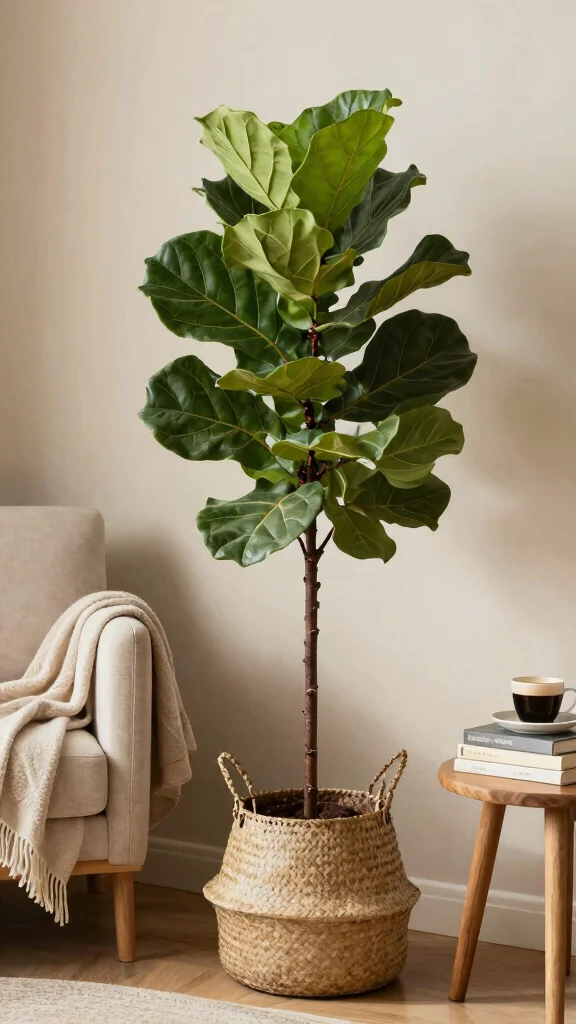
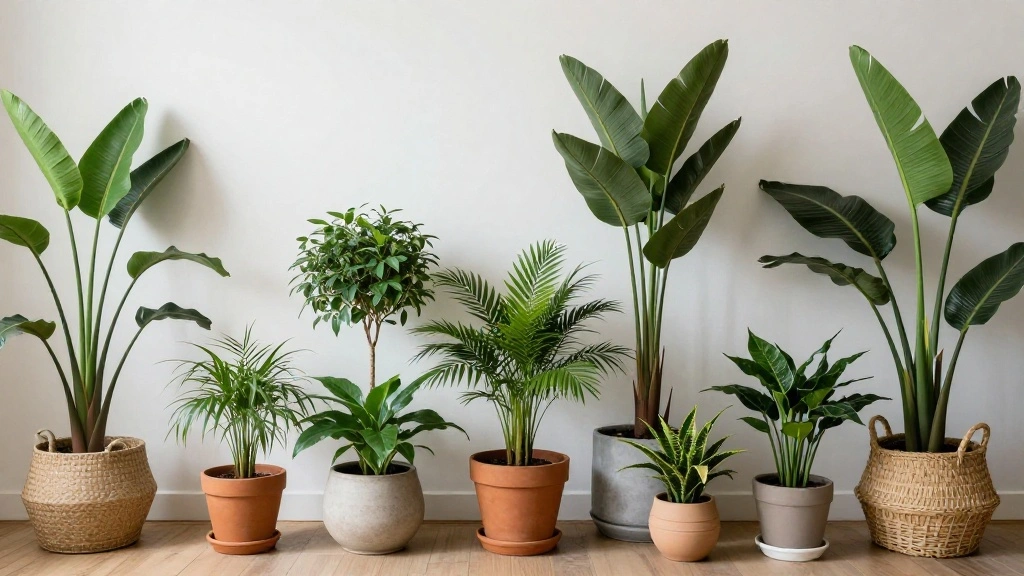
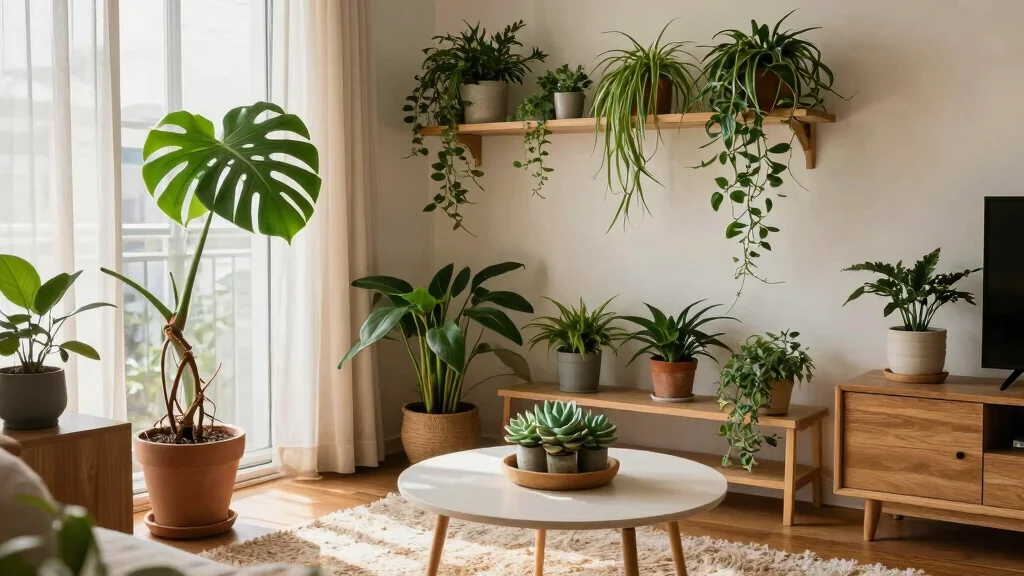
Transforming an empty corner into a vibrant oasis can bring warmth and life to your home. Oversized plants like fiddle leaf figs or rubber plants fill these spaces beautifully, making them feel more inviting. By adding a stylish plant stand or decorative pot, you elevate the overall aesthetic while encouraging a cozy atmosphere. Consider placing a small side table nearby for drinks or books to create a perfect gathering spot.
When choosing your plants, think about your room’s color scheme to ensure harmony. You can often find affordable plant stands at local markets or online. This approach aligns with the trend of creating intimate spaces within larger rooms.
Decor Tips:
– Select pots that complement your existing decor.
– Use woven baskets for a bohemian touch.
– Opt for low-light plants in darker corners for ease of care.
This method not only beautifies your space but also fosters a sense of comfort with lush greenery.
Recommended Products

Multi-Purpose: Our plant stand can be used as a multi-functional stand for displaying photo frames, books, memorable decorations, or coffee table, storing some scattered sundries, making your home more warm and tidy.

Full-Spectrum Grow Light System: This plant stand features adjustable full-spectrum LEDs (3000K-6500K) that mimic natural sunlight for optimal growth at all stages - from seedlings to flowering plants. The 8-level dimming meets each plant's needs.

Plant Stand with Grow Lights: This plant stand indoor is equipped with adjustable brightness full-spectrum grow lights to meet the light requirements of different growth stages. Even in rooms or corners without sunlight, the grow lights ensure your plants receive ample light, promoting the healthy growth of indoor plants without the need to frequently move them outdoors to catch natural light. It's perfect for creating a thriving green corner anywhere in your home.
3. Hanging Gardens
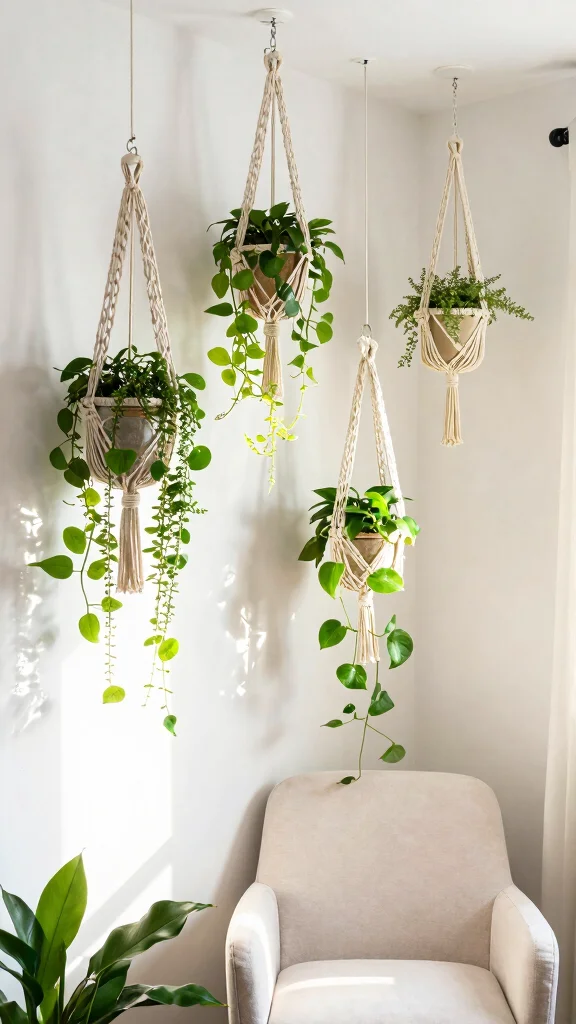
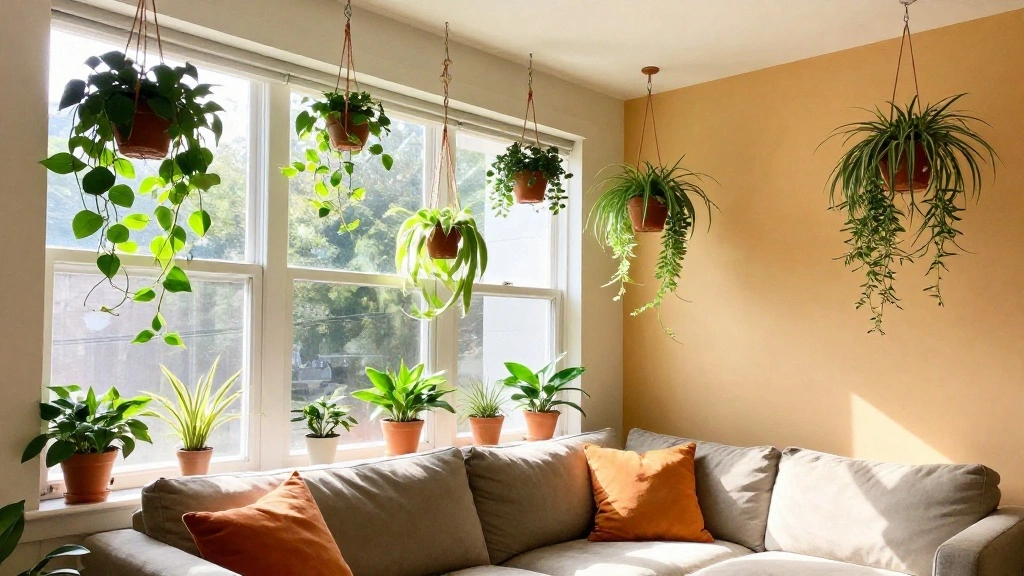
If floor space is limited, hanging plants can be a stylish solution. Using macramé hangers or wall-mounted planters brings life to your walls and draws the eye upward. Trailing plants like pothos or string of pearls create a stunning visual effect as they cascade down from their hangers. This technique not only saves space but also adds a unique dimension to your decor.
To get started, ensure your hanging plants receive adequate light based on their location. Mixing various plant types can provide texture and interest. You can find colorful hangers at craft stores or online, allowing you to add a pop of personality to your space.
Hanging Tips:
– Ensure the plants are suited for the light available.
– Combine different plants for a layered look.
– Choose colorful hangers to make a bold statement.
This approach enhances your home with vertical greenery, making your decor feel more vibrant and inviting.
Recommended Products

【COMBINATION SETS IN DIFFERENT SIZES】The ceramic flower pots have three different sizes. They are suitable for growing most kinds of family/office, plants in both small and medium size, such as orchids, Iilies, bamboo, african violets, snake plants, peppermint plants, cactus, aloe and succulent plants.

Plant Pots / Flower Pots - Invest in a beautiful garden to harvest the seeds of love, with the set of pots for indoor or outdoor plants

【Modern Plant Pots】The metal plant pot is designed with unique imitation ceramic craftsmanship. The elegant and unique dirt color better highlights the beauty of plants and flowers. They are the perfect decoration for windowsills, tabletops, offices, bedrooms, kitchens and gardens.
4. Window Sill Wonderland
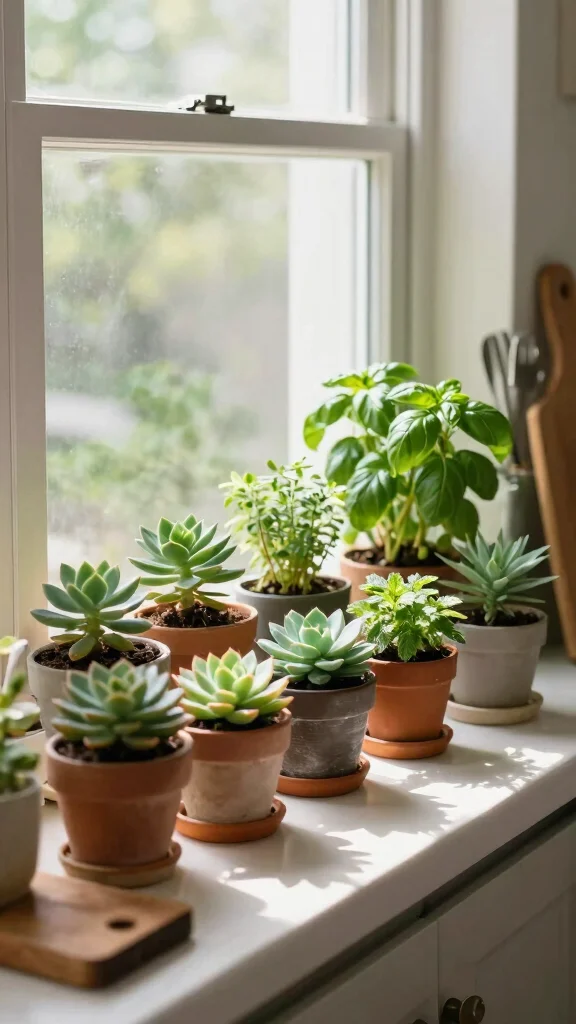
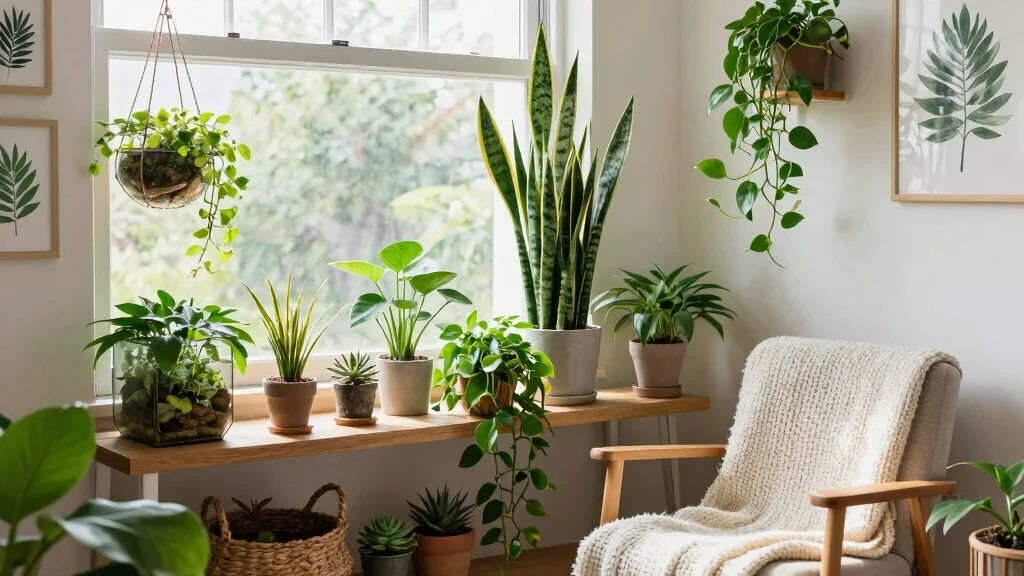
Maximizing your window sills with a variety of plants can transform them into miniature gardens. Small, sun-loving plants such as succulents, herbs, or mini cacti thrive in bright light, adding freshness to your home. Arranging these plants in stylish pots not only brightens the room but also makes fresh herbs readily accessible for cooking.
To create an attractive display, mix different textures and colors for visual appeal. Regularly rotating your plants ensures they grow evenly and remain healthy. Matching pots can create a cohesive look, while diverse plant choices keep things interesting.
Window Sill Tips:
– Rotate plants for balanced growth.
– Avoid overcrowding; space is key.
– Use uniform pots for a polished appearance.
This design choice enhances your kitchen or living area, making it feel lively and connected to nature.
Recommended Products

【Vertical Space-saver】 Measuring 16.5x8x46" (LxWxH), this plant stand is perfect for small spaces, allowing you to display at least 7 potted plants with multiple shelves for creative arrangement and maximum visibility.

【Indoor Plant stand】: Raised your lively plants in an higher place and settled it in your corner, made it attractive and eye-catching in your home. Tiered plant stand indoor in simple and natural design is suitable for all kinds of small spaces, placed in your bedroom, living room, sofa corner, hallway, and turns your boring small space into a vibrant and elegant scenery. It's widely used indoor with movable wheels.

Made of stainless steel composite pipe / ABS / PP, TPE anti-skid gasket on both ends, built-in spring fixing.
5. Artistic Plant Displays
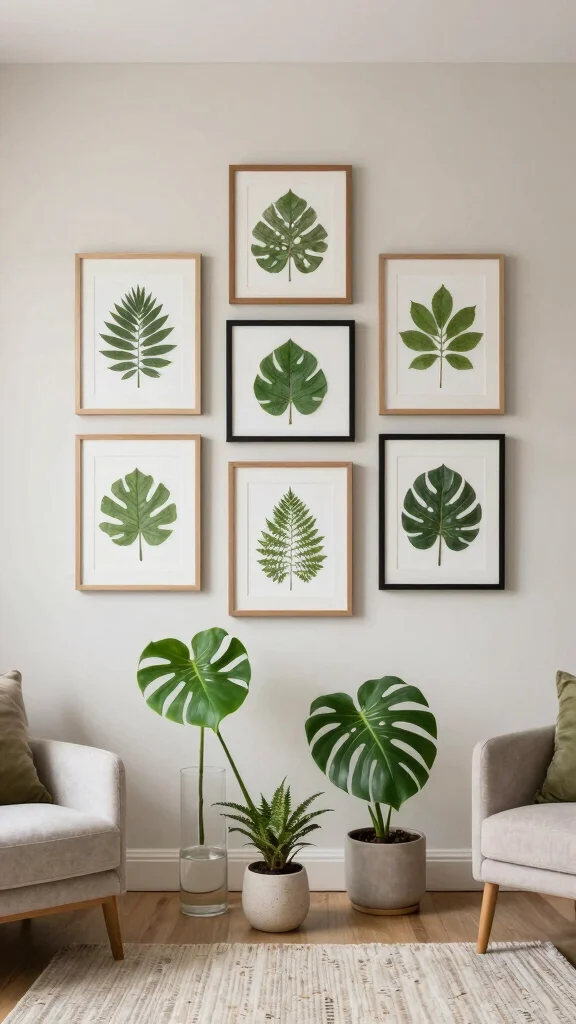
Plants can serve as unique art pieces that personalize your space. Creating a gallery wall with framed plants or using large-leafed plants as focal points can transform your decor. A striking monstera leaf in a simple vase or a collection of pressed leaves framed artistically adds character and showcases your style.
To achieve this look, mix different frame styles and plant displays for an eclectic aesthetic. Ensure that plants are easy to care for if placed in hard-to-reach areas. Selecting colors and textures that complement your existing decor can enhance the overall effect.
Artistic Display Tips:
– Combine frames with plant arrangements for visual interest.
– Opt for low-maintenance plants for convenience.
– Choose hues that resonate with your decor theme.
This creative approach not only beautifies your home but also allows you to express your personality through greenery.
Recommended Products

Adjustable Width Plant Stand: This Indoor Plant Stand adjustable from 8 to 12 inches in width, which allowing you to place plant pots of different sizes; The adjustable plant stand has 2 height displays, you can switch heights by flipping the stand over

Flower Stand with Grow Light: The plant light contains 3 supplemental light modes: 1. 48 leds warm white(3000k), only 3000k high uniform light ,like sunlight improve seeding growth ; 2. Warm (660nm): promote plant growth , flowering and fruit; 3. Full Warm White (380nm-780nm), Provide universal full spectrum which can meet the light conditions your plants need most in different stages

【Upgrade Design】The plant shelf indoor includes 10 shelves that hold 11 regular-sized pots and after upgraded the plant shelves can hang pots or place tall plants on the middle level of the shelf. Save space while allowing each layer of plants to get plenty of sunlight. Tip: It is recommended to place heavy plants on the bottom and light plants on top. The plant holders indoor stand can hold up to 150 lbs.
6. Dining Table Centerpiece
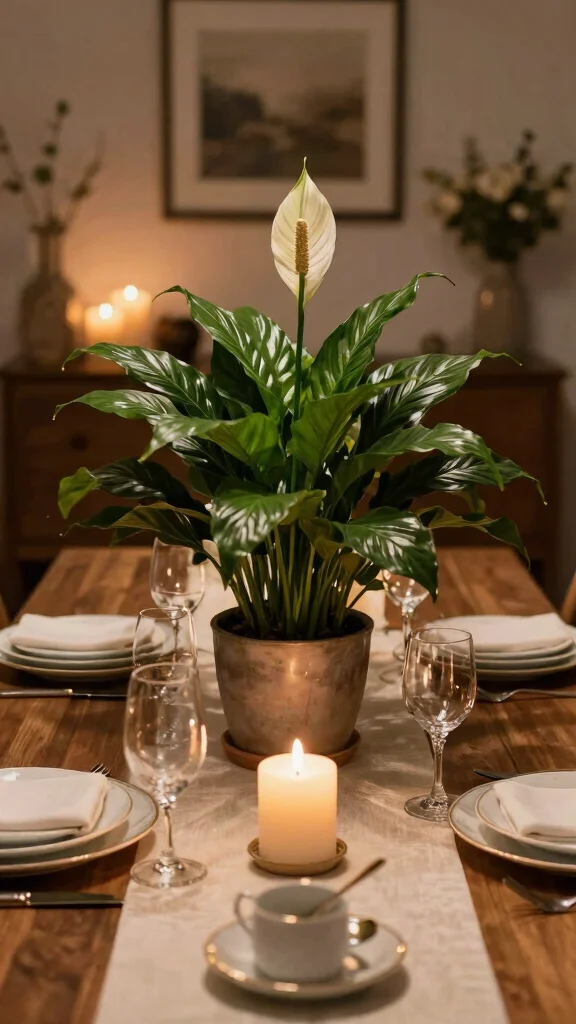
Elevating your dining experience starts with a captivating plant centerpiece. A sizable potted plant, like a peace lily or a stylish terrarium, can become the focal point of your table, infusing the space with life and freshness. This greenery not only enhances the dining atmosphere but also contributes to improved air quality.
Mixing plants with decorative elements like candles or elegant tableware creates an inviting ambiance for gatherings. Choose plants that require minimal maintenance so you can focus on enjoying meals with family and friends. Using a tray for your centerpiece can help contain spills and keep everything organized.
Centerpiece Tips:
– Select low-maintenance plants for ease of care.
– Use trays to centralize and prevent messes.
– Experiment with seasonal decor to keep things fresh.
This approach not only enhances the dining experience but also brings warmth and vitality to your home.
Recommended Products

Versatile Wall Mount Hooks for Hanging: Enhance the beauty of your home or garden with our multi-purpose ceiling hooks. Hanging lanterns, planters, flower pots, bird feeders, holiday decorations, wind chimes, string lights, candle sticks, path lights, ornaments, and so on
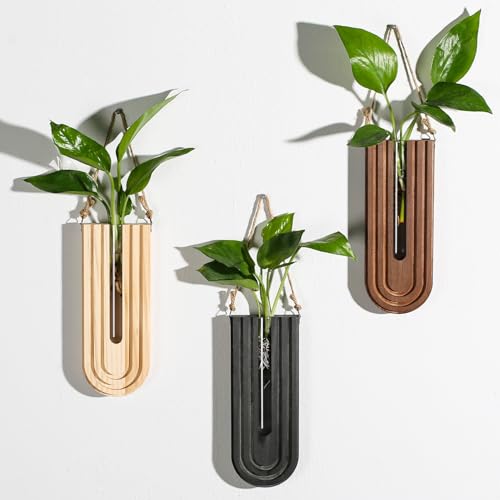
Bohemian Farmhouse Wall Art & Plant Display Transform your living room, entryway or bedroom with these handcrafted wooden propagation stations. Perfect for showcasing air plants, succulents or dried florals, the curved rainbow design blends boho chic with rustic farmhouse charm. Set of 3 creates instant vertical garden decor.

Hanging plants with wall planter : These fake plants are made from plastic mandala vines. High quality PE material makes it look more vivid.
How To Choose The Right Indoor Plants Styling for Your Home
Choosing the right indoor plants styling can transform your space into a chic and inviting environment. To achieve that perfect look, consider these essential criteria when selecting your plants and arrangements.
1. Space Availability
Before you bring in plants, assess the space you have. Measure the height, width, and depth of areas where you plan to place your plants. Small spaces can benefit from vertical arrangements, while larger rooms may accommodate wider plant displays. Think about how each plant will fit and how much light it will receive.
2. Plant Variety
Decide on the type of indoor plants that suit your style and home. From leafy greens to flowering plants, choose varieties that complement your décor. Popular options include snake plants, pothos, and peace lilies. You can mix and match to create a harmonious look. Remember, different plants have different care requirements, so consider your ability to maintain them.
3. Pot Style
The pots you choose can significantly impact the overall aesthetics. Select pots that match your home’s color scheme and style. Sleek ceramic pots fit modern aesthetics, while rustic terracotta pots lend a cozy vibe. Ensure the pots have drainage holes to keep your plants healthy. Consider adding decorative trays to catch excess water while enhancing the visual appeal.
4. Light Conditions
Understanding the light conditions of each room is crucial. Some plants thrive in bright light, while others prefer shade. Observe how much natural light your space gets throughout the day. Position plants accordingly; for instance, place succulents on a sunlit windowsill while keeping ferns in lower light areas. If natural light is limited, explore low-light plant options like ZZ plants or snake plants.
5. Arrangement Height and Layering
Vary the height of your plants for dynamic visual interest. Use plant stands or hangers to create layered levels. Taller plants like fiddle-leaf figs can anchor a corner, while trailing plants like string of hearts can cascade from shelves. This layering technique adds depth to your arrangements and makes your indoor greenery pop.
6. Personal Touches
Add personal touches to your indoor plant styling. Incorporate meaningful decor items like family photos or unique sculptures alongside your plants. This creates a more inviting space that reflects your personality. Consider rotating seasonal plants or decor to keep the look fresh and aligned with changing seasons.
Pro Tip: Start small if you’re new to indoor plants. Choose one or two varieties, and learn how to care for them before expanding your collection. This approach reduces overwhelm and helps you build confidence in your indoor gardening skills.
By following these guidelines, you can create stunning indoor plants styling that enhances your chic home while providing a refreshing, green touch. Happy planting!
Recommended Products

Space-Saving Corner Design: Maximize space with this 5-tier corner plant stand, perfect for indoor plant stand or plant shelf.


Plant Stand with Grow Light: The plant light contains 3 supplemental light modes: 1. 48 leds warm white(3000k), only 3000k high uniform light ,like sunlight improve seeding growth ; 2. 48 leds Red (660nm): promote plant growth , flowering and fruit; 3. Red+ Warm White (380nm-780nm), Provide universal full spectrum which can meet the light conditions your plants need most in different stages
7. Bathroom Bliss
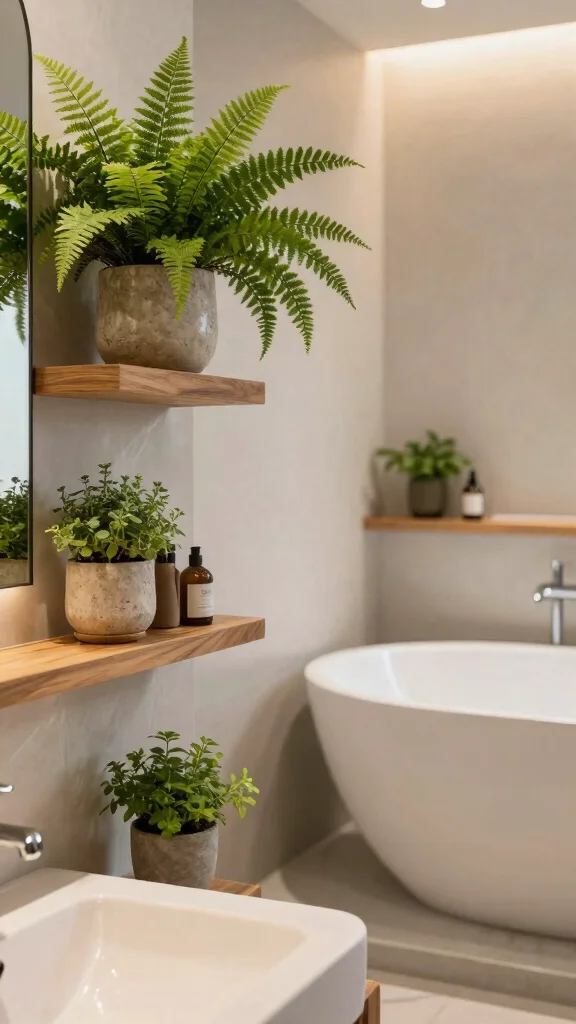
Don’t overlook the bathroom when incorporating plants! Adding greenery can create a serene, spa-like atmosphere. Consider moisture-loving plants like ferns or bamboo that thrive in the bathroom’s humid environment. Displaying these plants on shelves or in hanging pots can breathe life into an otherwise sterile space.
A small herb planter by the window can introduce delightful scents while enhancing your decor. Be mindful of light availability in your bathroom to ensure your plants thrive. Waterproof pots are essential to protect your surfaces from damage, and regular checks for excess moisture can prevent mold growth.
Bathroom Plant Tips:
– Ensure adequate light for plant health.
– Choose waterproof pots to safeguard surfaces.
– Regularly inspect for moisture to avoid mold.
This addition not only enhances your bathroom’s aesthetics but also promotes a calming environment.
Recommended Products


Stylish Concrete Planter - Unveil a modern design boasting graceful curves and an authentic surface finish! Enhance your space's allure with this contemporary masterpiece adorned with visible pores for an enchanting touch of charm.
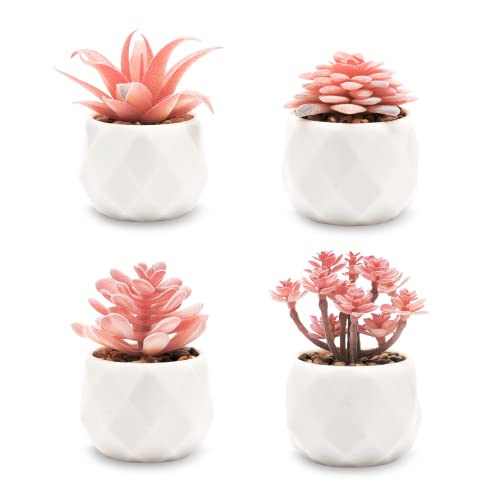
Aesthetic Succulents for Vibrant Living: Enhance your living spaces with these adorable small artificial plants from VIVERIE that are uniquely designed. This set of 4 succulent plants come in white ceramic pots that measure 5.5 x 5.5 x 9 cm / 3.3 x 2.2 x 3.5 inches.
8. Vertical Gardens
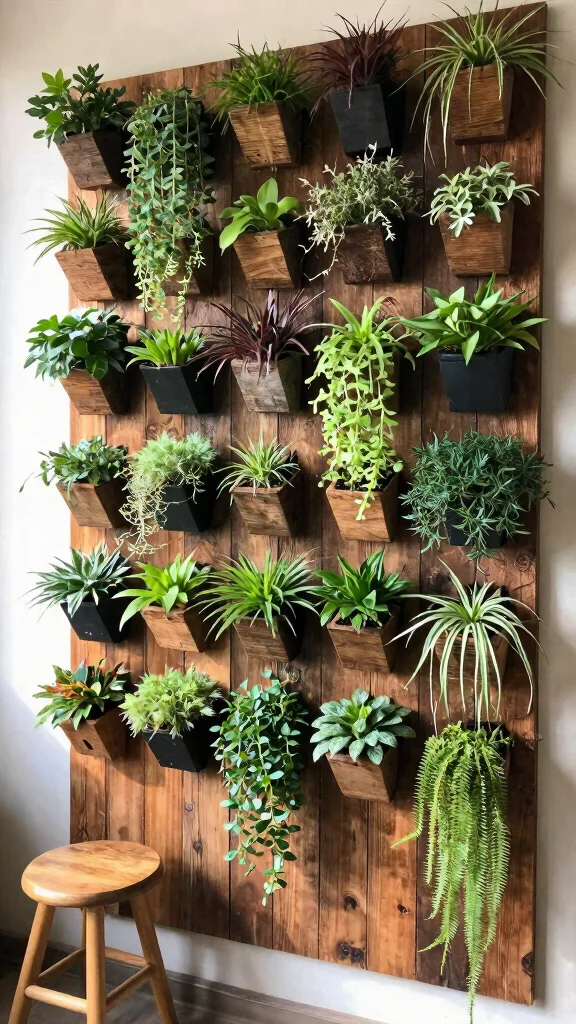
For those with limited space, a vertical garden is an excellent solution. This innovative display adds lush greenery without occupying valuable floor space. Using wall-mounted planters or a trellis, you can showcase small plants or herbs, creating a stunning focal point, especially in kitchens or narrow hallways.
Choosing plants that are suitable for vertical growth, such as herbs or trailing flowers, ensures they flourish in this setup. Make sure they receive adequate light and regularly maintain them for a fresh appearance. This trend aligns with the desire for more greenery in compact living spaces.
Vertical Garden Tips:
– Select plants that thrive in vertical arrangements.
– Ensure sufficient light for healthy growth.
– Maintain regularly to keep the design vibrant.
This approach not only saves space but also adds an artistic touch to your home.
Fun fact: A vertical garden can free up floor space and add up to 15 square feet of green impact in a 2–3 foot-wide wall. For indoor plants styling, pick herbs or trailing plants, ensure good light, and water with a drip tray.
Recommended Products

【Indoor Plant stand】: Raised your lively plants in an higher place and settled it in your corner, made it attractive and eye-catching in your home. Tiered plant stand indoor in simple and natural design is suitable for all kinds of small spaces, placed in your bedroom, living room, sofa corner, hallway, and turns your boring small space into a vibrant and elegant scenery. It's widely used indoor with movable wheels.

MATERIAL: Stainless Steel Composite pipe, TPE, ABS & PP; SIZE: 33.5cm x (230-290)cm/ 1ft1in x (7ft6in-9ft6in)

【4-layer Structure】: Each layer of this plant stand is 5.12”/8.66"/16.14"/23.23" high, 27.36" long and 8.27" wide. The four-layer large-capacity design provides ample planting space to meet the growth needs of different plants.
9. Stylish Plant Stands
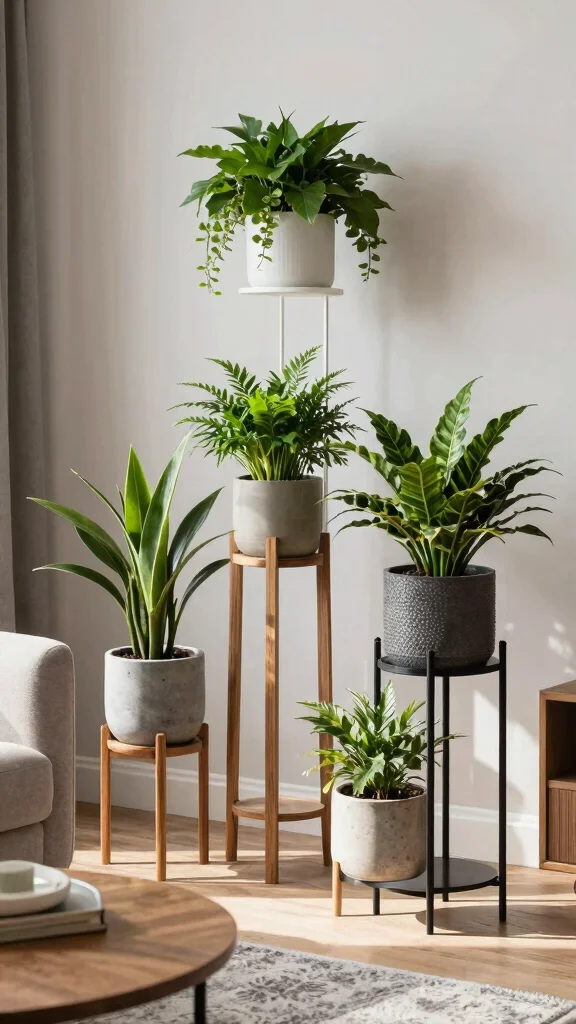
Using plant stands is a fantastic way to elevate your indoor plants, both literally and aesthetically. By selecting stands of varying heights and styles, you can create a tiered effect that adds depth and interest to your arrangements. Mixing materials like wood and metal introduces a modern contrast that enhances your decor.
This method works particularly well for groupings, allowing each plant to shine without feeling cramped. Look for stands that match your home’s decor style to create a cohesive look. Stability is key, so ensure that each arrangement is balanced and secure.
Stand Tips:
– Choose stands that complement your decor theme.
– Ensure stability for safe arrangements.
– Incorporate plants of varying sizes for visual appeal.
This technique not only showcases your plants beautifully but also enriches your interior design.
Did you know vertical plant stands can boost perceived space by up to 20%? When you layer heights with wood, metal, and ceramic, indoor plants styling instantly looks more curated and spacious.
10. Seasonal Switch-Up
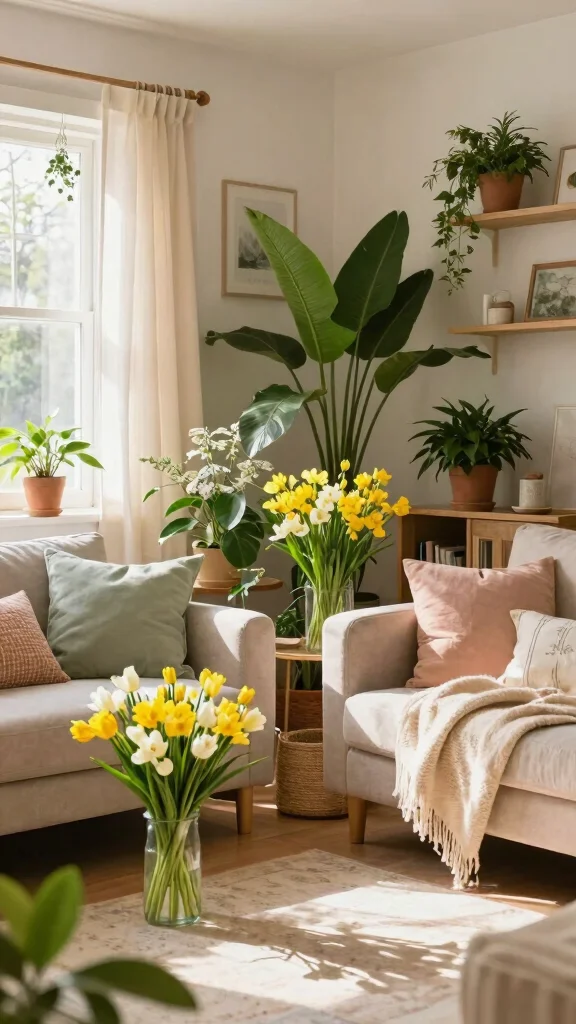
Refreshing your indoor plants with the seasons can keep your decor feeling lively and vibrant. Embracing seasonal colors and styles allows for creative expression; spring might welcome bright flowers, while autumn can bring in warm, earthy tones. Rotating plants based on their ideal conditions ensures they thrive throughout the year.
Planning ahead for seasonal changes can make this easier and more enjoyable. Coordinate plant colors with your seasonal decor for a harmonious look. This trend not only keeps your space fresh but also connects you with nature’s cycles.
Seasonal Tips:
– Prepare for seasonal changes in advance.
– Match plant colors with seasonal themes.
– Use seasonal planters for a cohesive aesthetic.
This practice not only enhances your decor but also fosters a deeper connection to the changing seasons.
11. Creative Potting
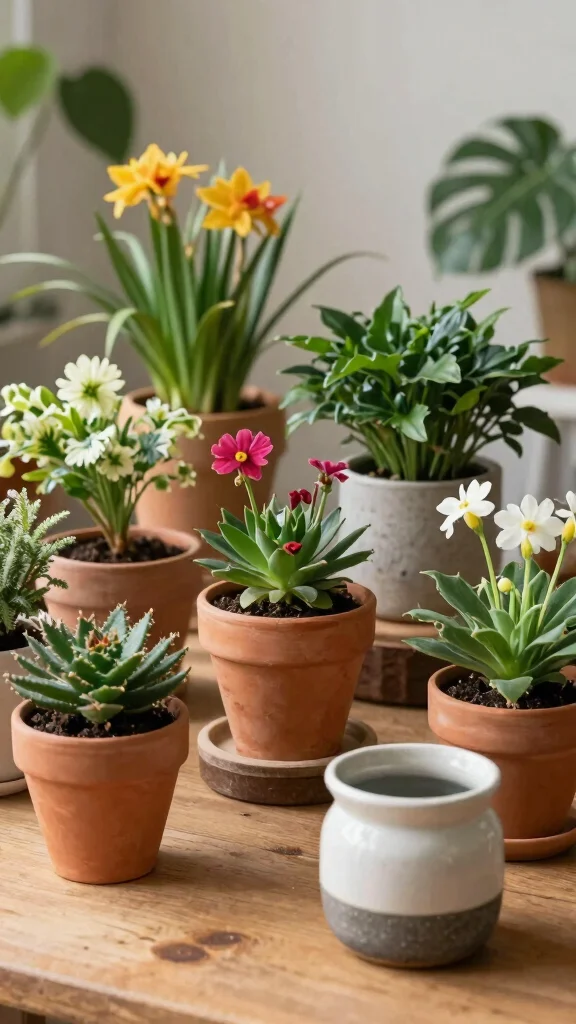
The pots you choose can significantly impact the style of your indoor plants. Experimenting with various materials and designs can transform a simple plant into a striking statement piece. Terracotta, ceramic, and fabric pots add character, especially when paired with matching saucers.
Consider upcycling items like old jars or wooden boxes for a rustic appeal. This creative approach allows your personality to shine through your plant displays. Ensure that pots have proper drainage to maintain healthy plants and color-coordinate them with your interior style.
Potting Tips:
– Ensure all pots provide proper drainage.
– Match pots to your overall decor style.
– Mix sizes for added visual interest.
This choice not only highlights your plants but also enhances your home’s overall aesthetic.
Did you know that 70% of indoor plants styling relies on the pot you choose? Mix terracotta, ceramic, and fabric pots with matching saucers to turn a simple plant into a statement piece. Upcycle jars or boxes for rustic charm and better drainage is key.
12. Themed Plant Collections
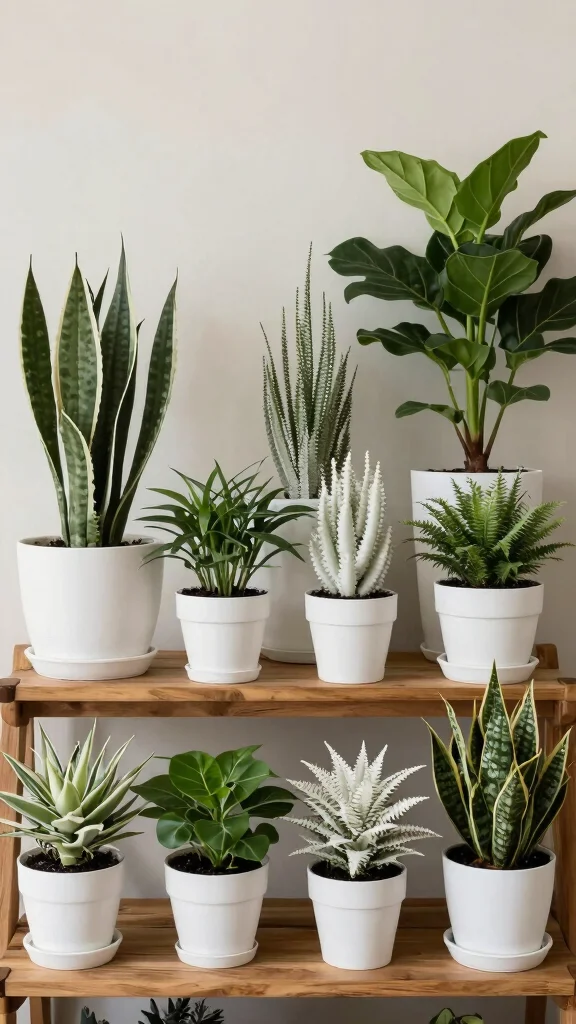
Creating a themed collection of plants can establish a cohesive and stylish look in your home. Grouping plants by color, size, or care needs helps create a harmonious display. For example, a monochromatic arrangement of white and green plants can offer a sophisticated feel, while a collection of succulents can become a stunning centerpiece.
Choosing a theme that reflects your personal style can enhance the connection between your decor and your personality. Incorporating varying heights and textures within your chosen theme adds depth to the arrangement.
Collection Tips:
– Select themes that resonate with your taste.
– Mix heights and textures for visual appeal.
– Use similar pots to unify the collection.
This approach not only beautifies your space but also showcases your unique style through greenery.
13. Nook of Greenery
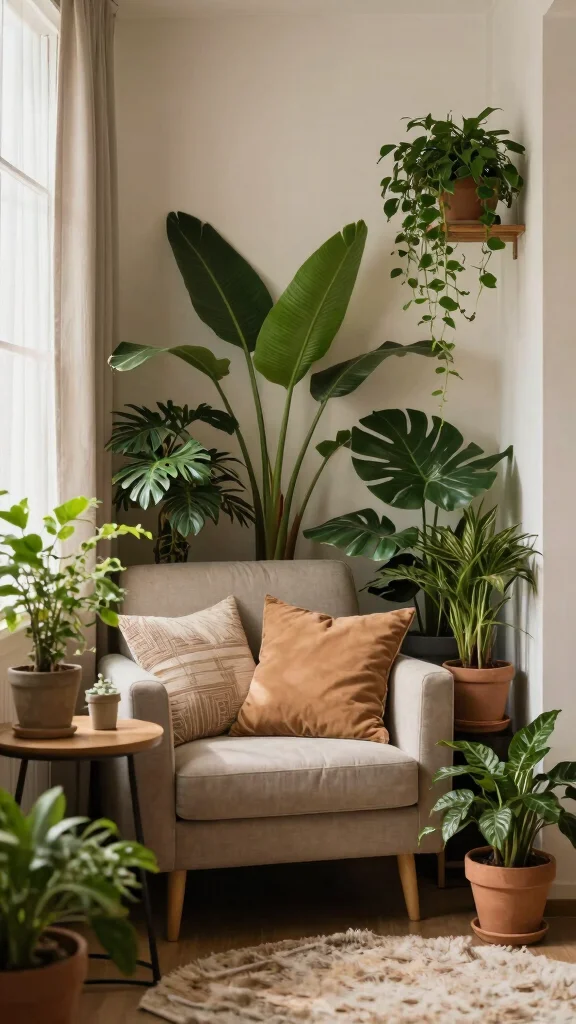
Designate a special nook in your home for plants to create a serene escape. This could be a cozy corner of your living room or a small shelf in your office. By giving plants their own space, you also cultivate a personal sanctuary that invites relaxation and tranquility.
Incorporating comfortable seating or a small table can enhance your nook, making it an ideal spot for reading or enjoying a cup of tea. Personalizing this area with unique decor and textiles allows it to reflect your style.
Nook Tips:
– Personalize with decor that resonates with you.
– Incorporate soft lighting for a cozy vibe.
– Regularly care for plants to keep the nook fresh.
This dedicated space not only highlights your plants but also creates a peaceful retreat in your home.
14. Functional Plant Decor
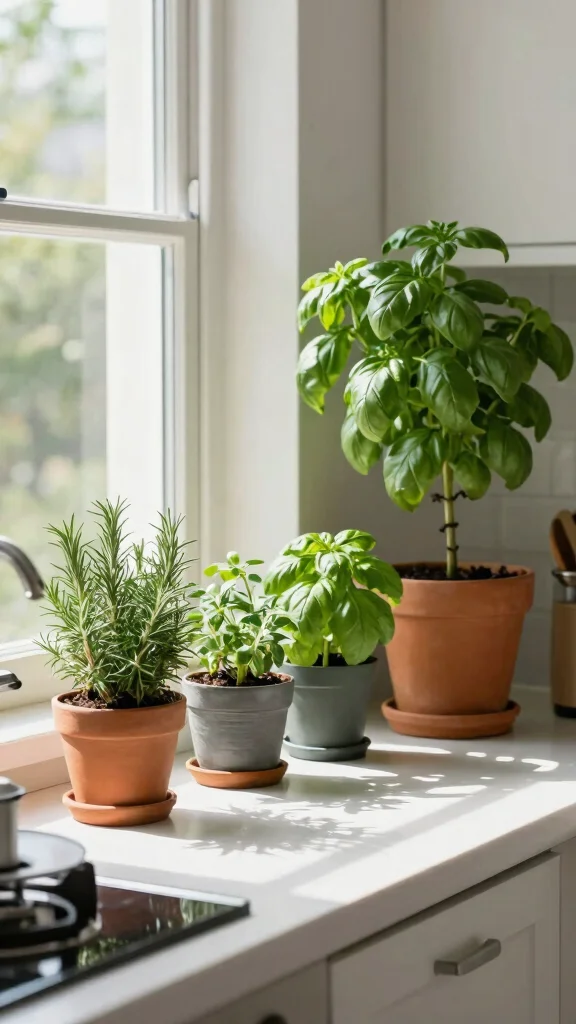
Using plants as functional decor adds both style and practicality to your space. For instance, incorporating herb pots in your kitchen not only offers greenery but also provides fresh ingredients for your culinary creations. Larger plants can serve as natural dividers in open areas, creating cozy zones within larger spaces.
This blend of functionality and aesthetics can make your home feel more alive and inviting. Choosing plants that are easy to incorporate into your daily life enhances both beauty and utility.
Functional Decor Tips:
– Opt for herbs and plants that can be used in meals.
– Use plants to define spaces in open layouts.
– Experiment with placement for maximum effect.
This method enriches your home with greenery while promoting a lively, welcoming atmosphere.
15. Seasonal Displays
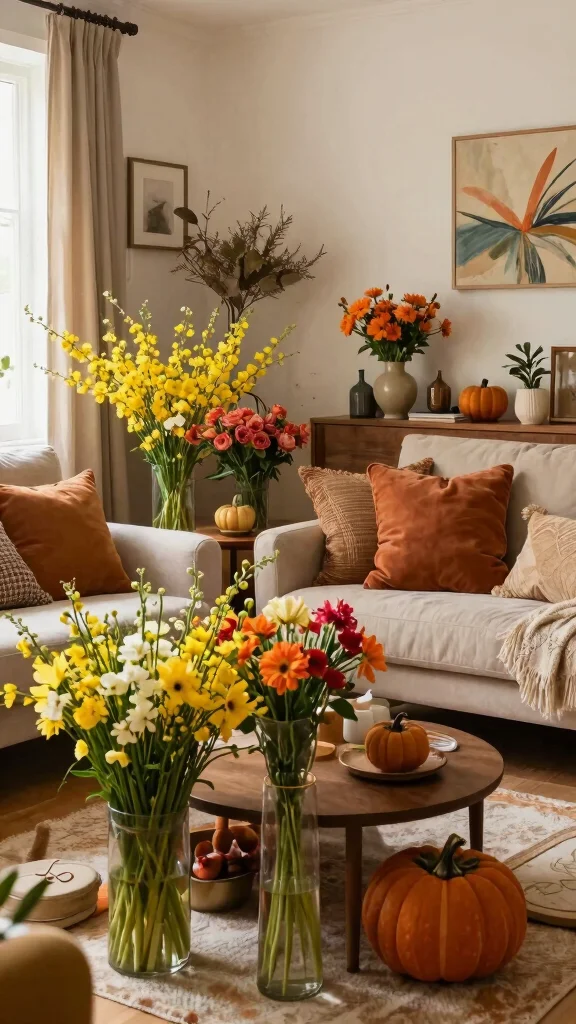
Embracing seasonal changes with your plant displays keeps your decor feeling fresh and exciting. Switching to vibrant flowers in spring and more muted, earthy tones in autumn allows you to celebrate nature’s cycles. This practice not only invigorates your space but also connects you with the seasons.
Mixing seasonal plants with holiday decor can create a seamless transition from one season to the next. Planning seasonal themes in advance can help you stay organized and inspired.
Seasonal Display Tips:
– Prepare seasonal themes early for a smooth transition.
– Use seasonal flowers for festive arrangements.
– Incorporate elements that complement your plants.
This approach enhances your home’s decor while fostering a connection with the changing seasons.
16. Personal Touches
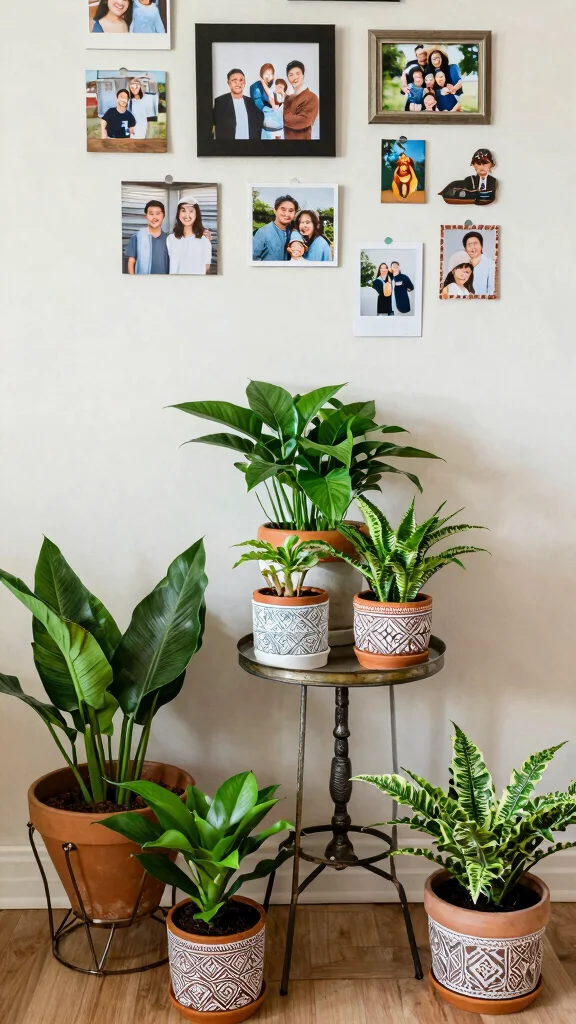
Finally, adding personal touches to your plant decor can make your space truly unique. Handmade pots, family heirloom plant stands, or DIY plant tags can infuse your decor with character. These elements tell a story and reflect your personal journey, enhancing the connection to your home.
Getting creative with DIY projects also allows you to customize your decor to fit your style. Combining plants with personal items creates an inviting atmosphere that feels genuine and warm.
Personal Touch Tips:
– Explore DIY projects that resonate with you.
– Include items of sentimental value in your displays.
– Blend plants with personal decor for a cohesive style.
This approach not only beautifies your space but also makes it feel like a true reflection of you.
Conclusion
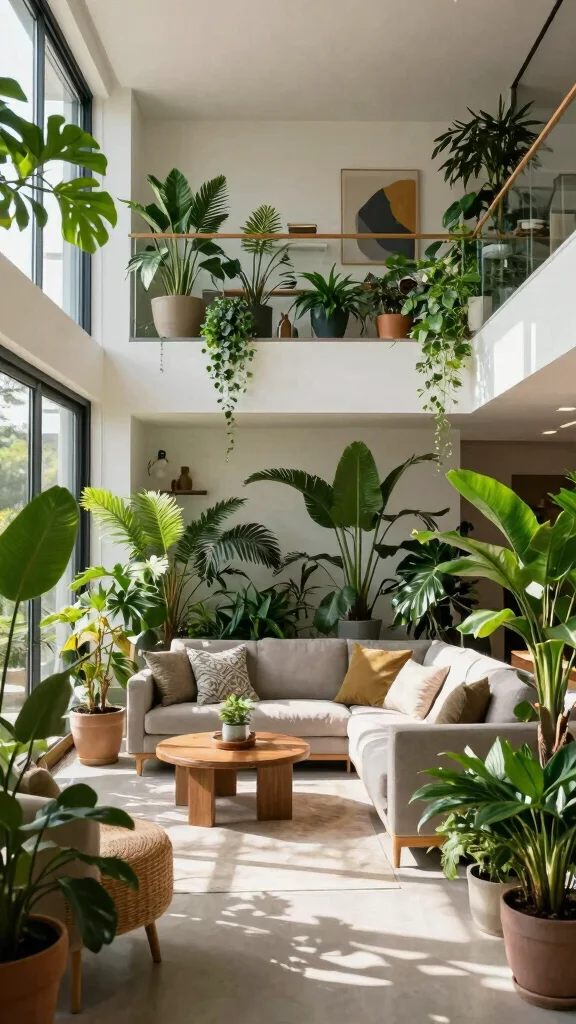
Incorporating indoor plants into your small space is not just about aesthetics; it’s about creating a sanctuary that reflects your style and brings nature indoors.
With these 16 indoor plants styling ideas, your home can be transformed into a chic, vibrant environment where you can relax and unwind.
So go ahead, experiment with these ideas, and let your green thumb shine!
Frequently Asked Questions
What are practical indoor plants styling ideas for small spaces?
Small spaces benefit from vertical layering and multi-level setups. Start with a tall plant stand, wall-mounted planters, or hanging baskets to free floor space.
Choose a cohesive color palette and vary leaf textures to add depth. Group plants in odd numbers (3 or 5) for a natural, stylish plant arrangement, and lean on indoor plant decor elements like matching pots or a dedicated plant shelf to pull the look together. Keep a few statement pieces and ensure each plant has the light it needs to thrive.
How do I choose houseplants for limited light and space?
Look for plants that tolerate low light and fit a small footprint, such as snake plant, pothos, ZZ plant, and calathea. Place them where they can receive the best light you have, and consider vertical storage like shelves to maximize space.
Match light needs with placement and use reflective surfaces (mirrors or light-colored walls) to brighten corners. For modern home plants, pick clean pots and simple planters to keep the look cohesive, and use indoor greenery inspiration as a style guide.
What common mistakes should I avoid in indoor plants styling?
Avoid overcrowding, which blocks light and makes maintenance harder. Watch scale: tall plants need room to breathe, trailing plants should hang or sit on higher shelves for elegance.
Don’t ignore plant care—consistent watering (not overwatering), appropriate humidity, and periodic feeding keep interiors fresh. Choose pots with drainage and a drainage tray, and rotate plants so they all get balanced light for indoor plants styling.
How can I create cohesive, modern-looking plant arrangements?
Start by choosing a unifying color or material for pots, then mix leaf shapes and textures for interest. Build height variation with stands, shelves, and wall planters to craft a layered composition.
Group plants in small clusters (2–4) with a focal point plant in the center to guide the eye, and add a few non-plant decor pieces to reinforce stylish plant arrangements. This approach is ideal for a modern home plants vibe and supports indoor plant styling goals.
What cheap or easy tools help with indoor plant styling?
You don’t need a big budget to upgrade your space. Start with a simple plant shelf or wall planters to save floor space, plus decorative plant stands for different heights.
Use inexpensive pots with drainage or repurpose baskets and ceramic bowls for a chic indoor plant decor look. Add trailing hooks or macrame hangers for indoor greenery inspiration in corners and above furniture. With a little DIY, you can achieve indoor plants styling that feels polished and effortless.
Related Topics