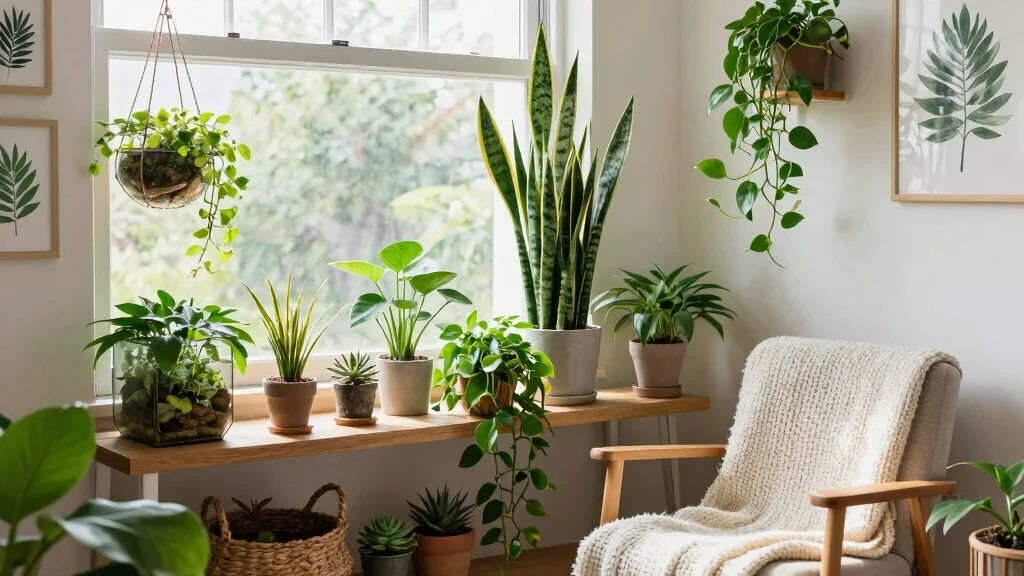



Looking to breathe life into your indoor spaces? You’re not alone. Many of us are craving that fresh touch that only potted plants can provide. This is especially true when the seasons change and we find ourselves indoors more often. There’s something magical about bringing nature inside. It can transform your home, creating a welcoming atmosphere that feels both vibrant and calming.
If you love decorating your home with plants or are just getting started, this post is perfect for you. Whether you’re a seasoned plant parent or someone who’s just curious about container gardening, these styling ideas will inspire you. You’ll find potted plants that brighten dark corners, add character to small spaces, and elevate your houseplant decor.
In this blog post, I gathered 16 creative styling ideas for indoor potted plants. Each idea is practical, achievable, and designed to bring a bit of green into every corner of your home. You’ll discover how to create a lush bathroom oasis or a cozy entryway touch. Ready to transform your indoor spaces? Let’s dig into these fresh strategies for indoor gardening!
Key Takeaways
– Diverse Styles: Explore 16 unique potted plant ideas to enhance various areas in your home from corners to shelves.
– Space Optimization: Learn how to maximize small spaces with creative indoor plant decor, ensuring every corner feels lively.
– Low-Light Options: Discover low-light potted plants ideal for indoor spaces, making plant care easier and more accessible for everyone.
– Practical Tips: Gain actionable insights on houseplant care and indoor gardening tips to keep your plants healthy and thriving.
– Aesthetic Appeal: Understand how to use greenery as a decorative element that enhances the overall ambiance of your home.
Recommended Products
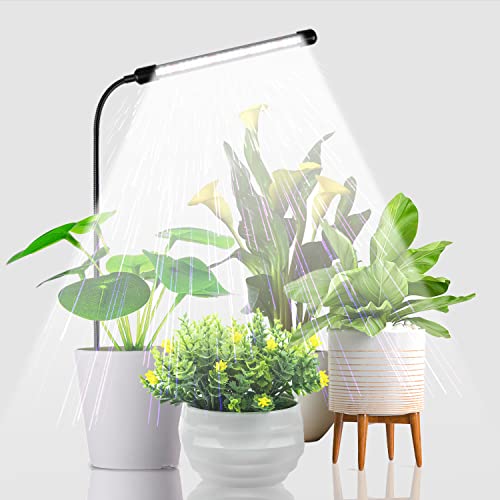
6000K Sunlight Full Spectrum - With 40pcs White & 8pcs Red LED, just like natural daylight, professionally designed for flowers, herbs, peppermint, succulents, seed starting, or any type of locations (hanging, trellis, floor, potted, bonsai plants).

Adjustable Width Plant Stand: This Indoor Plant Stand adjustable from 8 to 12 inches in width, which allowing you to place plant pots of different sizes; The adjustable plant stand has 2 height displays, you can switch heights by flipping the stand over
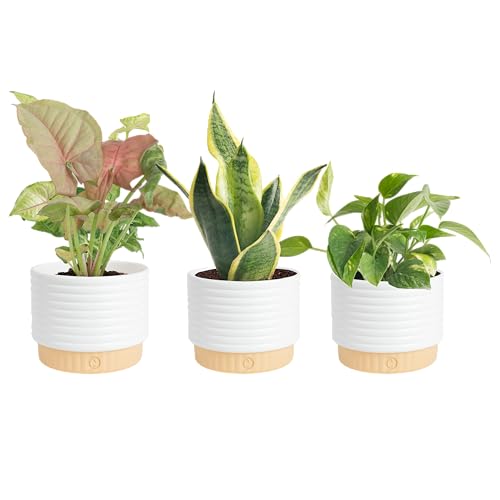
DECOR-READY LIVE INDOOR PLANTS: This 3-pack of houseplants offers incredible value to gift or instantly upgrade any space. Perfect for shelf, tabletop, or office desk. Varieties will vary — examples include Peace Lily, Snake Plant, Fern, and Pothos
1. Corner Shelf Garden
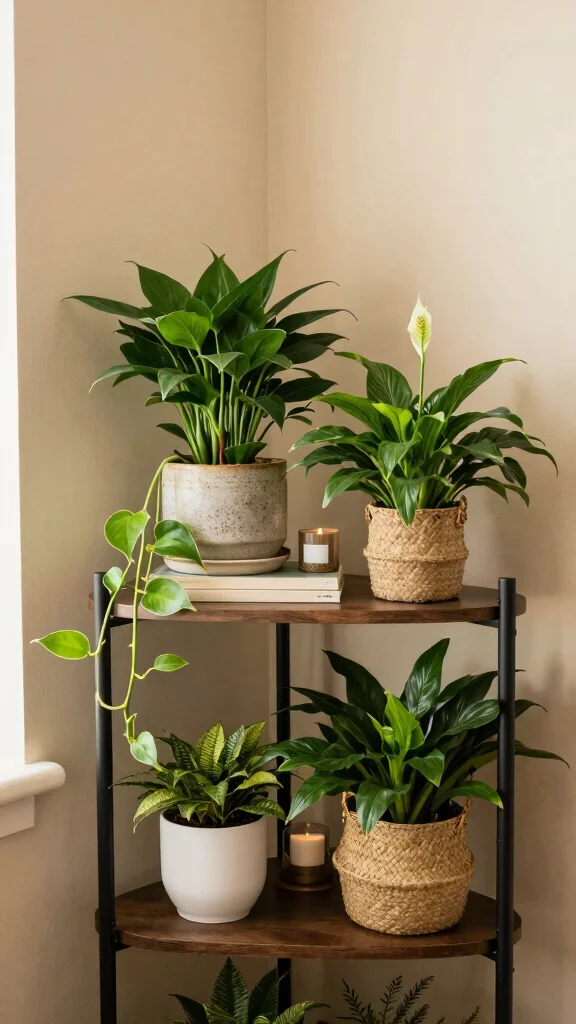
A multi-tier corner shelf filled with your favorite low-light plants can transform an overlooked corner into a vibrant focal point. This arrangement not only maximizes the use of space but also adds character to your room. By mixing various heights, textures, and pot colors, you create visual harmony that draws the eye in. Think about incorporating plants like the ZZ plant, pothos, and peace lilies, which flourish in lower light, adding a lush touch to any corner.
For a successful corner shelf garden, consider layering your plants to highlight their unique features. Budget-friendly options include finding inexpensive pots at thrift stores or crafting your own from recycled materials. This setup connects to broader design trends by promoting indoor greenery, enhancing not only aesthetics but also well-being.
Consider these elements to maximize this palette’s potential:
– Pair various heights of pots for added depth.
– Mix textures like ceramic and woven baskets for interest.
– Ensure the shelf is sturdy enough to support heavier pots.
This arrangement brings life and warmth to your space, while the diverse textures and materials enhance the overall design.
Recommended Products

Space-Saving Corner Design: Maximize space with this 5-tier corner plant stand, perfect for indoor plant stand or plant shelf.

Indoor Small Forest: Create a stylish and organized indoor plant area with the Yzosvki Indoor plant stand. Its L-shaped design allows for the perfect display of up to 6 plants, ensuring that each plant has sufficient room to grow both upwards and downwards.

[Space-Saving Design]: Our 2-pack corner plant stand is perfect for small spaces, featuring 47 "tall 6 tiered plant shelves and 4 hanging hooks to maximize vertical space. This plant stand indoor can help you arrange multiple plants neatly, turning a cluttered plant arrangement into a beautiful organized display.
2. Hanging Plant Haven
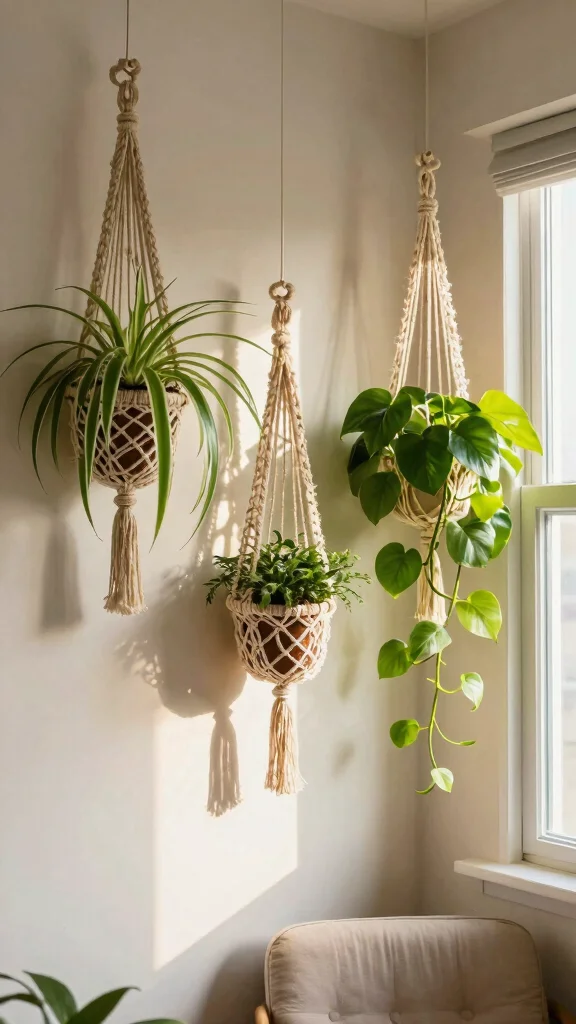
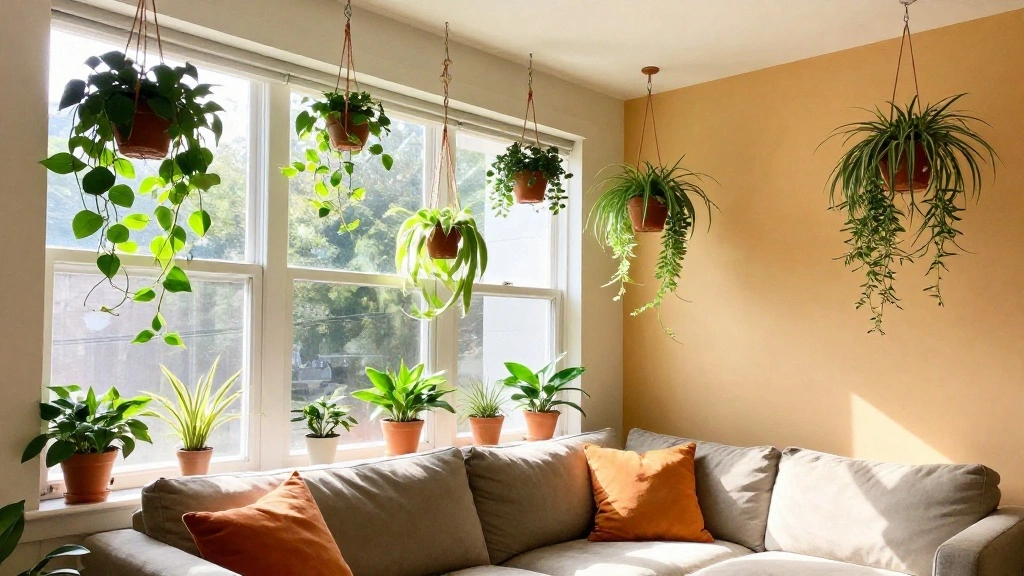
Elevate your space by utilizing ceiling height with low-light plants in stylish macramé hangers. This design choice not only adds vertical interest but also creates an inviting atmosphere that draws the eye upwards. Plants like spider plants thrive in indirect light and their arching leaves add movement, while trailing varieties like philodendron can soften the look.
To achieve this aesthetic, hang your plants at different levels for a relaxed, bohemian vibe. Position them near windows or in cozy corners to brighten up darker spaces. Always choose locations that allow for easy access for watering and maintenance.
Consider these tips to create your hanging haven:
– Use sturdy hooks to secure the hangers safely.
– Opt for macramé designs that reflect your home’s style.
– Regularly wipe leaves to remove dust and keep them healthy.
This approach enhances your home with greenery while offering an artistic touch, allowing plants to cascade and thrive beautifully.
Recommended Products
Compact Size for Small Spaces: The artificial potted plant measures about 7.18 inches tall, with a pot size of about 2.5 × 2.5 × 2.7 inches. Its compact size makes it easy to place on an office desk, shelf, bathroom counter, nightstand, coffee table, or kitchen corner without taking up too much space.

Compact Size, Perfect for Any Space: Velener potted small fake plants indoor with pot measures 3.2*3.2*8.4 inches and fits every space. Designed with flexible stems, the eucalyptus branches can be shaped and fluffed to achieve your ideal look, adding a natural, full appearance that suits any style of decor.

Quantity&Dimension: Package includes 2 pcs small fake plants in black pots, each plant is 7.1" tall and 4.7" wide
3. Lush Bathroom Oasis
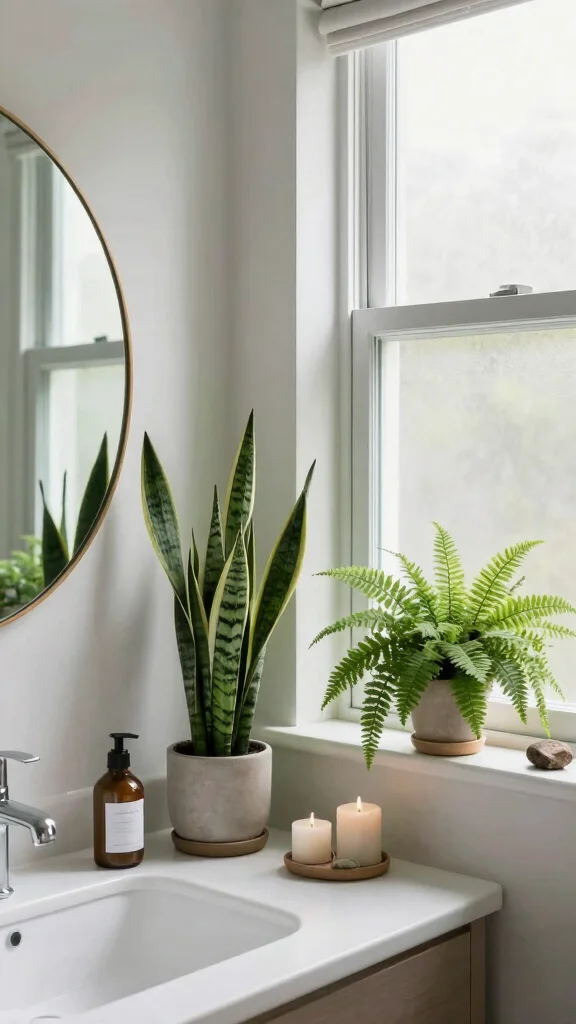
Bathrooms offer a naturally humid environment, making them perfect for low-light plants that thrive in moisture. Consider placing a fern or snake plant on a windowsill or shelf, where they can flourish in the unique bathroom atmosphere. These greenery options not only beautify the space but also benefit from the added humidity.
To create a cohesive look, group your plants together or mix them with stylish bathroom accessories. Just ensure that they are kept away from excessive splashes to prevent root rot. This design choice aligns with the trend of bringing nature indoors, enhancing both relaxation and aesthetics.
Here are some tips for your bathroom oasis:
– Use colorful pots that complement your bathroom decor.
– Monitor light levels, especially in windowless bathrooms.
– Rotate plants occasionally for even growth.
This arrangement not only elevates your bathroom’s style but also highlights the soothing connection between greenery and self-care.
Recommended Products


15 HEIRLOOM SEED PACKS - Basil (Ocimum basilicum), Chives (Allium schoenoprasum), Red Russian Kale (Brassica napus), 3 Lettuce types (Lactuca sativa), Nasturtium (Tropaeolum majus), White Onion (Allium fistulosum), Pak Choi & Tatsoi (Brassica rapa), Parsley (Petroselinum crispum), Radish (Raphanus sativus), Alpine Strawberry (Fragaria vesca), Swiss Chard (Beta vulgaris), Thyme (Thymus vulgaris)

STURDY FABRIC MATERIAL: Our fabric grow bags are made of high-quality, thickened non-woven fabric and features reinforced stitching, which is breathable, reusable and durable for long time use. With the fabric planter , your plants will grow well in your balconies, backyards, terrance or patios
4. Bedroom Nightstand Greenery
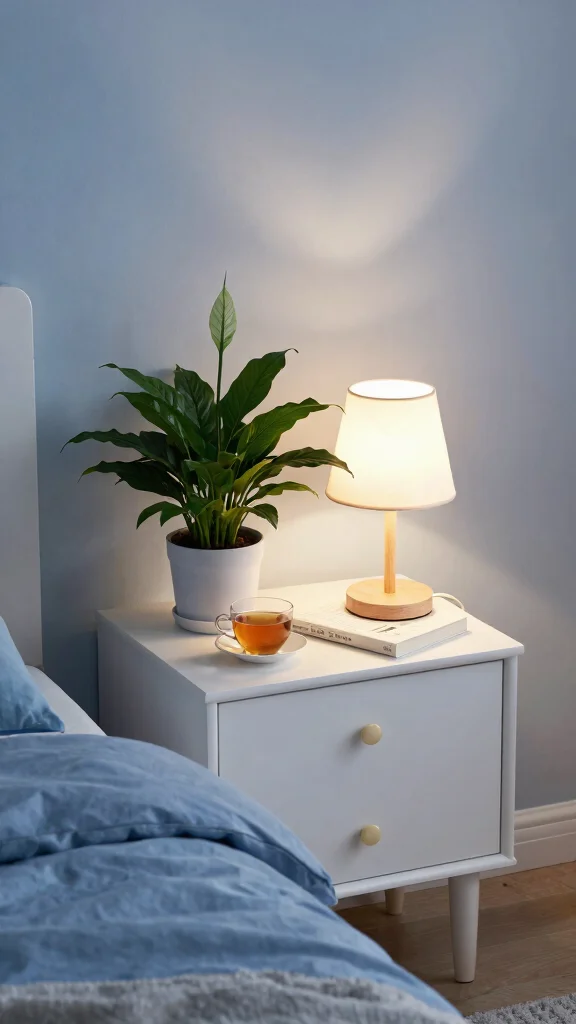
Introduce serenity to your bedroom with a small potted plant on your nightstand. Low-light options like peace lilies or snake plants can purify the air and create a calming environment as you sleep. Pair a plant with a minimalistic lamp and a few cherished books for a simple yet elegant setup.
The gentle hues of greenery add vibrancy without overwhelming the space. If your nightstand is near a window, remember to rotate the plant regularly to ensure it receives balanced sunlight for healthy growth.
Follow these suggestions for your nightstand greenery:
– Choose low-maintenance plants for effortless care.
– Balance the plant size with other nightstand items.
– Select a pot that harmonizes with your bedroom’s color palette.
This thoughtful arrangement enhances tranquility, while the choice of textures and materials adds a touch of elegance to your nighttime sanctuary.
Recommended Products
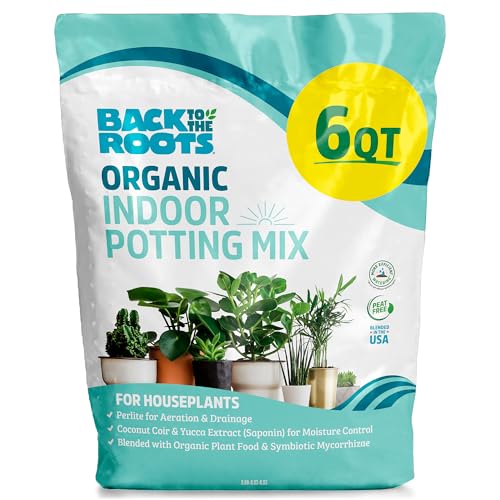
Includes 6qt of Back to the Roots Indoor Potting Mix. Our Potting Mix contains organic yucca extract that aids in retaining moisture in the soil which keeps your indoor plants happy and healthy

FEEDS UP TO 6 MONTHS: Miracle-Gro Moisture Control Potting Soil Mix feeds plants for up to 6 months and Grows Plants Twice As Big (vs unfed plants)

COMPLETE INDOOR POTTING SOIL FOR HEALTHY ROOT DEVELOPMENT: A premium potting soil for indoor plants designed to replace generic potting mix or garden dirt. Balances moisture and airflow so roots can breathe and expand. Works as houseplant soil, monstera soil, pothos soil, peace lily potting soil, and tropical plant soil for thriving indoor potted plants of all kinds.
5. Kitchen Window Herb Garden
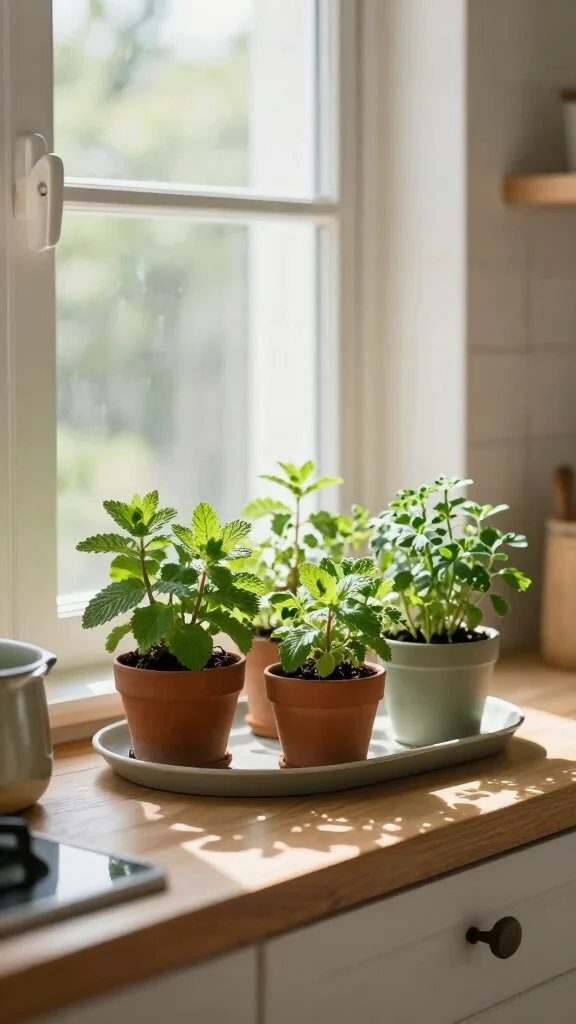
Transform your kitchen windowsill into a mini herb garden filled with low-light herbs like mint or parsley. This not only beautifies your cooking space but also provides fresh ingredients at your fingertips. Using cute pots can create a charming display that makes cooking even more enjoyable.
To maintain a cohesive look, group your pots together on a small tray. Keep in mind the watering needs of your herbs, as kitchen moisture can sometimes lead to mold. This setup connects with the trend of incorporating fresh elements into cooking, making meals healthier and more flavorful.
Consider these tips for your herb garden:
– Use pots in consistent colors for unity.
– Repurpose small containers for a unique touch.
– Trim herbs regularly to encourage bushy growth.
This setup allows you to enjoy the aesthetics of greenery while enhancing the culinary experience in your kitchen.
Recommended Products

6000K White Circle Lights---Equipped with super bright 6 Red+6 Blue+36 White LED beads, this indoor seedling light provides a full spectrum like sunlight to promote plant growth, that is professionally designed for indoor garden potted plants.

🌿 Perfect for Small Potted Plants - Designed specifically for indoor greens like succulents, herbs, and foliage, these grow lights for indoor plants deliver balanced 380nm-800nm full-spectrum light to revive leggy stems and boost compact growth

Designed for Large & Tall Indoor Plants:Perfect for large indoor plants, tall plants, and indoor trees that require wider and stronger light coverage. Ideal for floor plants and big planters. Provides full spectrum light (380nm–800nm) to support healthy growth in low-light areas like living rooms, corners, and offices.
6. Layered Bookshelf Garden
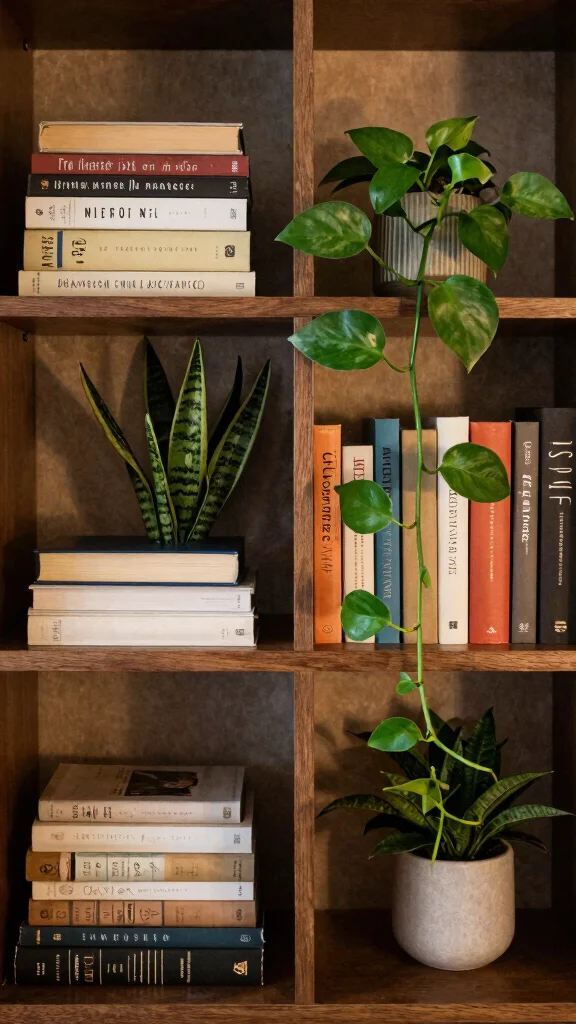
Infuse your bookshelf with life by incorporating low-light plants among your books and decor. This approach not only refreshes your reading nook but also maximizes vertical space creatively. Choose resilient plants like small pothos or snake plants, and arrange them across different shelves for a layered effect that adds depth.
Mixing plants with books creates a delightful contrast, giving your shelf a personal touch. Rotate your plants occasionally to maintain freshness and ensure even growth throughout.
Enhance your bookshelf garden with these ideas:
– Use decorative pots that complement your book covers.
– Position plants where they won’t block book titles.
– Integrate decor elements, like photo frames or art, for a richer look.
This arrangement adds vibrancy to your space, while the blend of books and greenery creates a cozy reading atmosphere.
Recommended Products

Compact Size: Standing at 46 in tall and 8.8 in wide at the base, this corner plant stand fits perfectly in tight spaces; enhances any living space with its sleek design; a great addition for a plant stand indoor tall setup

Full-Spectrum Grow Light for All Plants: Equipped with a full-spectrum grow light, this plant shelf supports all types of plants at every growth stage. From seedlings to blooming flowers, it ensures your greens thrive year-round with optimal light conditions.

Versatile Display: Perfect for showcasing succulents,potted plants,souvenirs,photos,and trophies;this indoor plant shelf also functions as a showing stand;ideal for elevating living room decor or enhancing any corner space
7. Rustic Planter Box
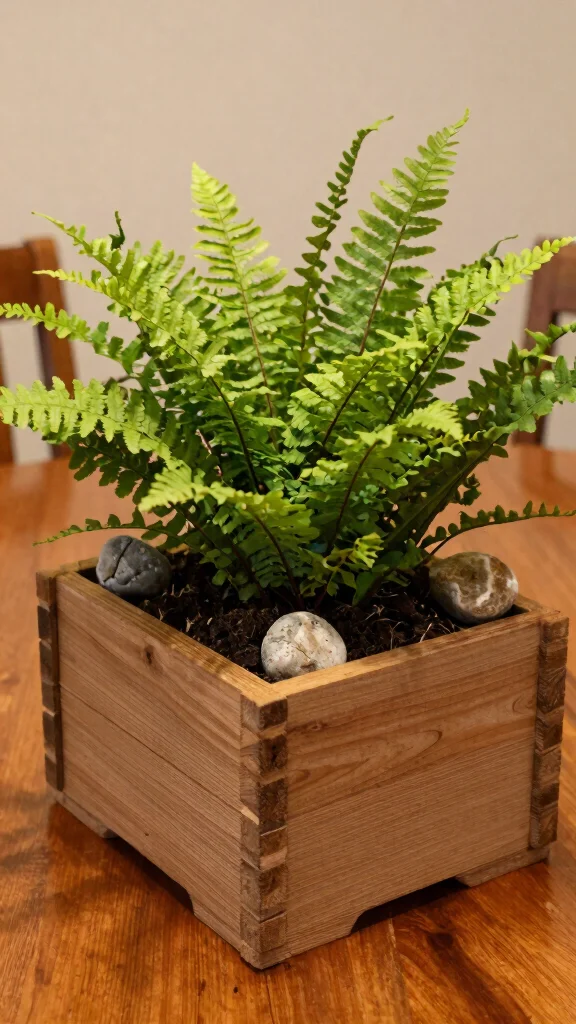
Invite a touch of nature indoors with a rustic planter box filled with low-light plants. This charming setup is ideal for a dining table or kitchen counter, showcasing a variety of plants like ferns, peace lilies, and snake plants for a stunning centerpiece.
Your rustic box could be crafted from reclaimed wood or painted in a soft hue to match your decor. Regular watering and trimming will keep your plants looking vibrant and healthy. This design choice not only adds beauty but also connects to the trend of using natural materials in home decor.
Maximize your planter box with these tips:
– Use a liner to prevent soil spills.
– Choose plants with similar watering needs for ease.
– Add decorative stones or moss on top for a polished finish.
This arrangement brings a rustic charm to your space while reinforcing the natural connection we have with our surroundings.
Fun fact: A rustic planter box with low-light ferns and snake plants can turn any dining table into a 24/7 green centerpiece. When you pair reclaimed wood with potted plants indoor, your space feels instantly calmer and more inviting.
Recommended Products
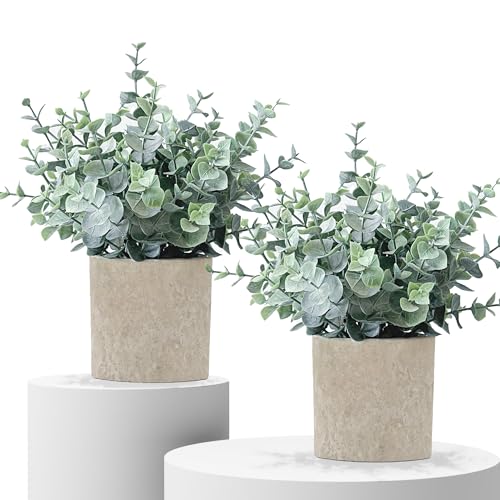
🌿LIFELIKE FAKE EUCALYPTUS PLANTS - Crafted with high-quality recyclable plastic,materials are safe and harmless for children and pets. These fake plants feature a grayish-white coating that has a barely frosted eucalyptus look. Delicate structure and realistic textures make them lifelike and natural-looking, perfect for rustic farmhouse or modern minimalist decor.

[Small Fake Plants Indoor & Easy To Care]: Velener's square topiary ball with pot set measures 5.6 x 4.4 x 4.3 inches and fits every space of your home or office. Introduce a hint of greenery and calm to your living space with Velener's white topiary shrub plant. Its lush, bright green leafy stems inspire a rustic farmhouse decor and keep your interiors fresh and perky. Skip the hassle of upkeep and maintenance with our house plants. You can clean using a damp cloth to remove any dirts.

Package: You will get 3 packs faux plants.The small fake plants measures appr. 7.5" tall. The paper pulp pot appr. 3.65" tall wide
8. Cozy Entryway Touch
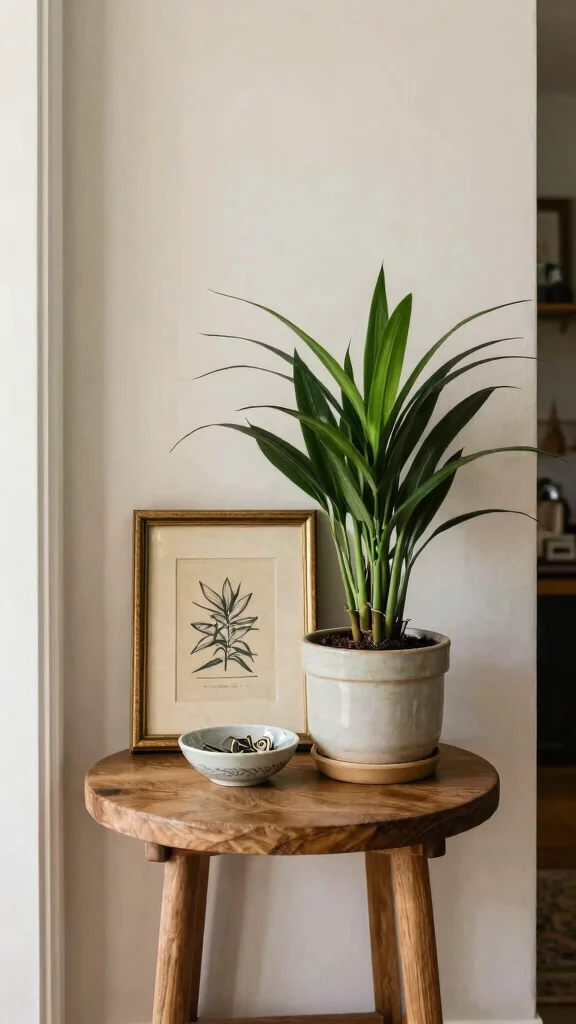
Enhance your entryway with a welcoming plant that sets a friendly tone for your home. Opt for low-light options like a rubber plant or dracaena to greet guests as they arrive. Position it on a small table or shelf near the door, combining it with art or decorative items to create a stylish entry point.
The greenery introduces a refreshing element, making the space feel warm and inviting. Aim for pots that complement your entryway decor to pull the look together effortlessly.
Elevate your entryway with these suggestions:
– Ensure the plant is easy to care for and light-friendly.
– Experiment with various pot styles for an eclectic vibe.
– Keep the area tidy and organized for a welcoming impression.
This thoughtful arrangement adds personality and warmth while making a beautiful first impression for your guests.
Recommended Products


9. Floor Plant Arrangement
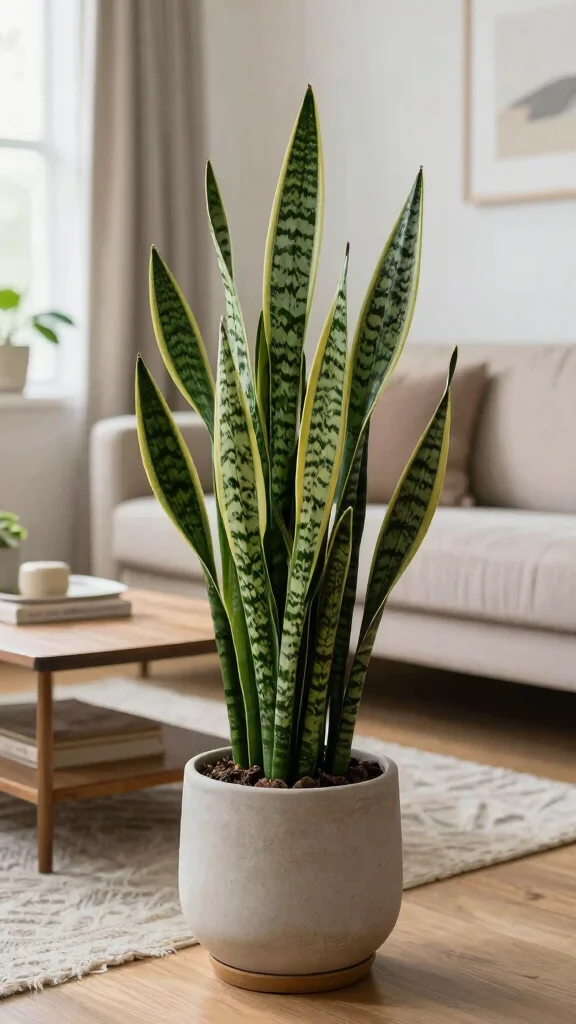
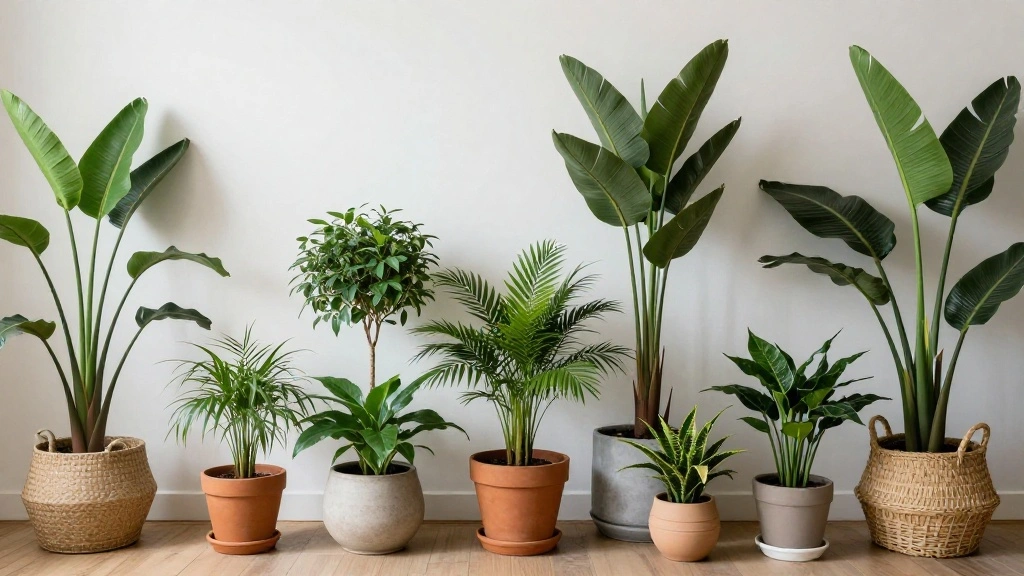
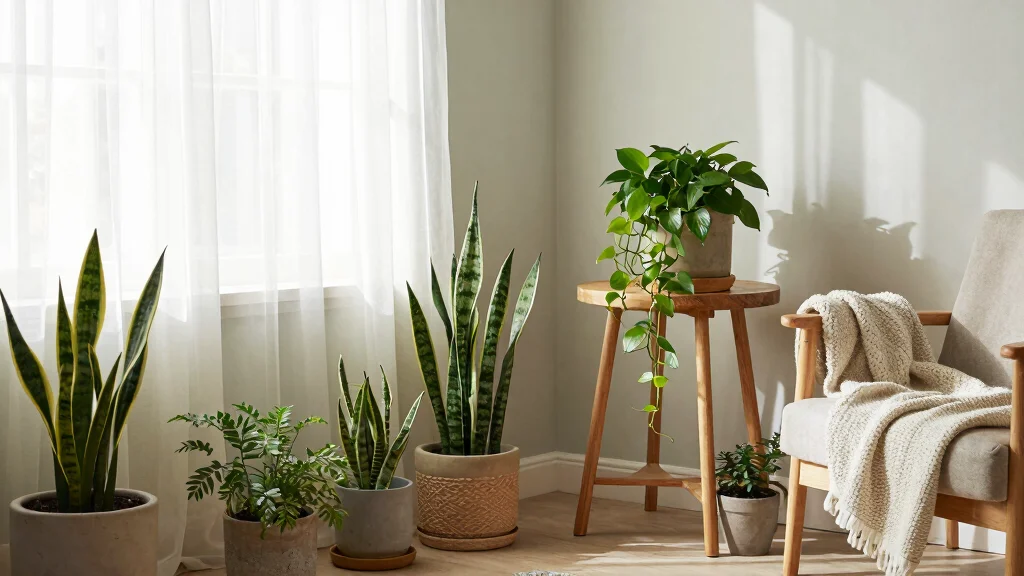
Make a bold statement by placing larger low-light plants directly on the floor, creating a warm and inviting atmosphere. Consider dramatic options like a big snake plant or monstera, which can serve as eye-catching focal points in your decor. Pair these plants with stylish pots to enhance their beauty while ensuring they receive the right amount of indirect light.
By positioning floor plants next to shorter furniture pieces, you create a lovely contrast that adds layers to your design. This approach connects with the trend of using large plants as statement pieces in home styling.
Follow these tips for your floor arrangement:
– Choose pots that align with your home’s color scheme.
– Regularly check for pests and dust to maintain plant health.
– Rotate larger plants occasionally for balanced growth.
This arrangement not only adds depth to your decor but also elevates the overall aesthetic with its striking presence.
With potted plants indoor, let the floor do the talking: place large, low-light champions like snake plant or monstera as bold focal points. Pair them with stylish pots and indirect light to enhance texture and depth, especially next to shorter furniture for layered contrast.
Recommended Products

All-In-One Potting Soil Solution: TOYPOPOR potting soil is a blend designed to give your plants everything they need to thrive. This organic potting soil is packed with perlite, sphagnum peat moss, coco coir and rice husk charcoal. Great for all indoor outdoor plants.

INDOOR GROWING: Growing indoors is easy under the right conditions; Miracle-Gro Houseplant Potting Mix is an indoor plant potting soil that combines key elements container plants need to thrive

COMPLETE INDOOR POTTING SOIL FOR HEALTHY ROOT DEVELOPMENT: A premium potting soil for indoor plants designed to replace generic potting mix or garden dirt. Balances moisture and airflow so roots can breathe and expand. Works as houseplant soil, monstera soil, pothos soil, peace lily potting soil, and tropical plant soil for thriving indoor potted plants of all kinds.
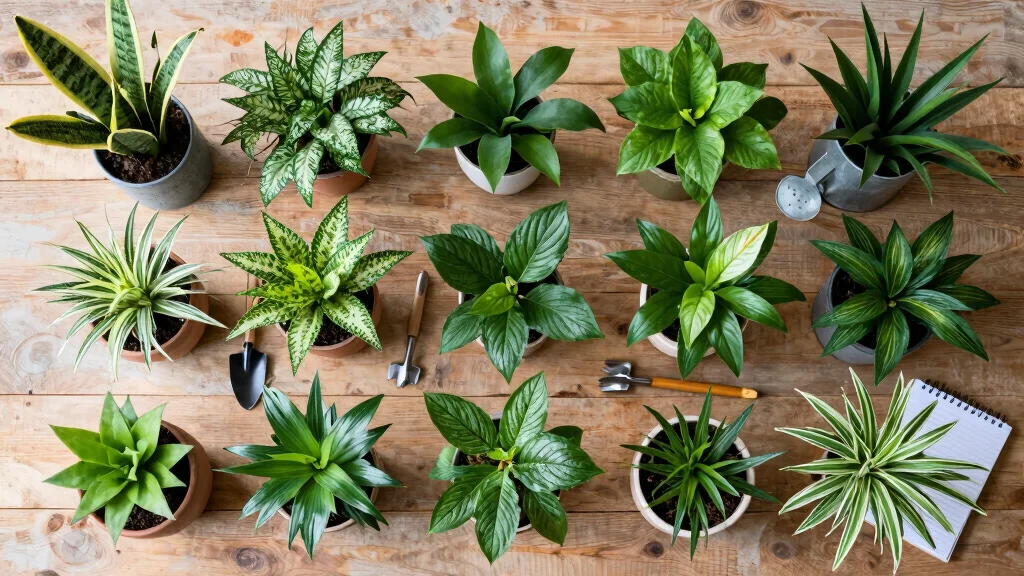
Top Varieties for Different Conditions
Snake Plant (Sansevieria trifasciata)
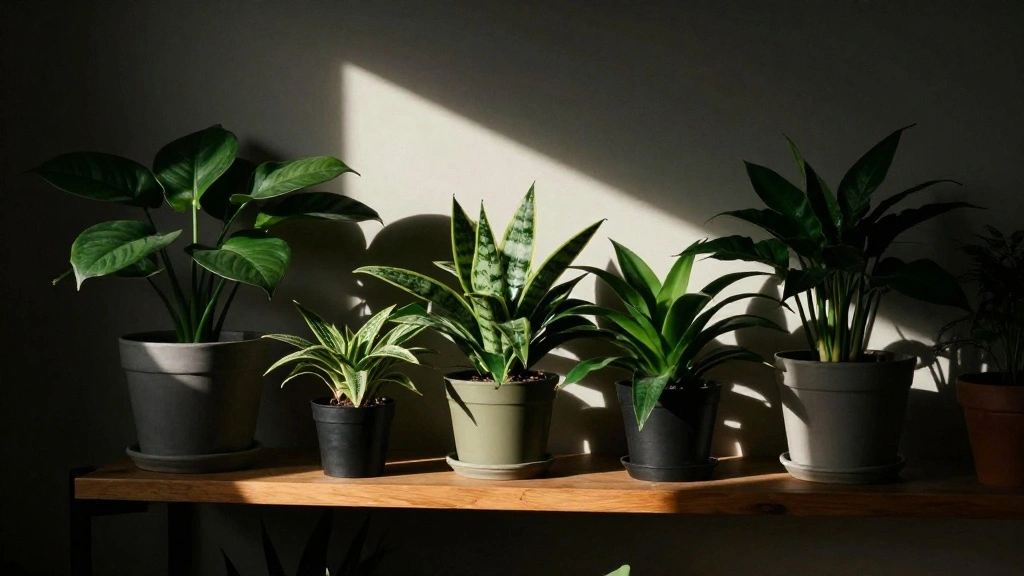
– Best conditions: Thrives in low-light and can tolerate neglect. Ideal for beginners or busy individuals.
– Key features: Snake plants are nearly indestructible and can improve indoor air quality. Their tall, upright leaves add a sleek touch to any space.
– Considerations: Avoid overwatering as this can lead to root rot. Allow the soil to dry out between waterings.
Pothos (Epipremnum aureum)
– Best conditions: Adapts well to different lighting but prefers indirect light. Perfect for draping over shelves or hanging baskets.
– Key features: Pothos is known for its trailing vines and heart-shaped leaves, making it a stylish choice for indoor decor. It’s also a great air purifier.
– Considerations: While it’s low-maintenance, be mindful of its growth; it can become leggy without regular pruning.
ZZ Plant (Zamioculcas zamiifolia)
– Best conditions: Handles low light and infrequent watering. Excellent for offices or darker corners.
– Key features: The ZZ plant features glossy, dark green leaves that reflect light beautifully. It’s also drought-tolerant, making it perfect for busy lifestyles.
– Considerations: It can be toxic to pets if ingested, so keep it out of reach of curious animals.
Cast Iron Plant (Aspidistra elatior)
– Best conditions: Thrives in low light and can withstand neglect. Great for low-maintenance environments like hallways or bathrooms.
– Key features: True to its name, this plant is incredibly hardy and can survive in less-than-ideal conditions. Its lush green foliage adds a classic touch to any room.
– Considerations: It prefers a stable environment, so avoid moving it frequently.
Peace Lily (Spathiphyllum spp.)
– Best conditions: Prefers low to moderate light and needs regular watering. Perfect for brightening up a shady spot in your home.
– Key features: The Peace Lily produces striking white flowers and glossy leaves, offering elegance to your indoor spaces. It’s also known for its air-purifying abilities.
– Considerations: It can droop if it needs water, so monitor it closely. It’s also mildly toxic to pets if consumed.
Spider Plant (Chlorophytum comosum)
– Best conditions: Thrives in indirect sunlight and needs regular watering. Ideal for shelves or hanging planters.
– Key features: Spider plants are known for their air-purifying qualities and produce “pups” or baby plants that can be propagated easily. Their arching leaves create a dynamic look.
– Considerations: Keep away from pets since the leaves can be mildly toxic. Too much direct sunlight can scorch the leaves.
Chinese Evergreen (Aglaonema spp.)
– Best conditions: Adapts well to low light and varying humidity levels. Ideal for office spaces or living rooms.
– Key features: These plants come in a variety of colors and patterns, adding a pop of color to your indoor decor. They are also very forgiving if you forget to water them occasionally.
– Considerations: Some varieties can be mildly toxic to pets, so placement is key.
Climate/Condition Guide:
When choosing your potted plants, consider the specific conditions of your indoor space:
– Low-Light Areas: Opt for plants like Snake Plant or ZZ Plant, which thrive even with minimal sunlight.
– Bright Spaces: Use plants like Peace Lily or Spider Plant that enjoy a bit more light but can still handle indirect sun.
– Humidity Levels: If you have a humid environment, consider Chinese Evergreen which enjoys moisture. For drier rooms, the Cast Iron Plant is a good match.
– Temperature Considerations: Most indoor plants prefer temperatures between 60°F – 75°F. Make sure to avoid drafts and sudden temperature changes.
Growing Tips:
1. Rotate your plants occasionally to ensure even growth on all sides. 🌱
2. Always check the soil moisture before watering; it’s better to underwater than overwater. 💧
3. Dust leaves regularly to help them absorb light better and improve air quality. ✨
Avoid:
1. Overwatering your plants, which can lead to root rot and other issues.
2. Placing your plants too close to vents or windows where they may experience drafts or extreme temperatures.
10. Playful Plant Ladder
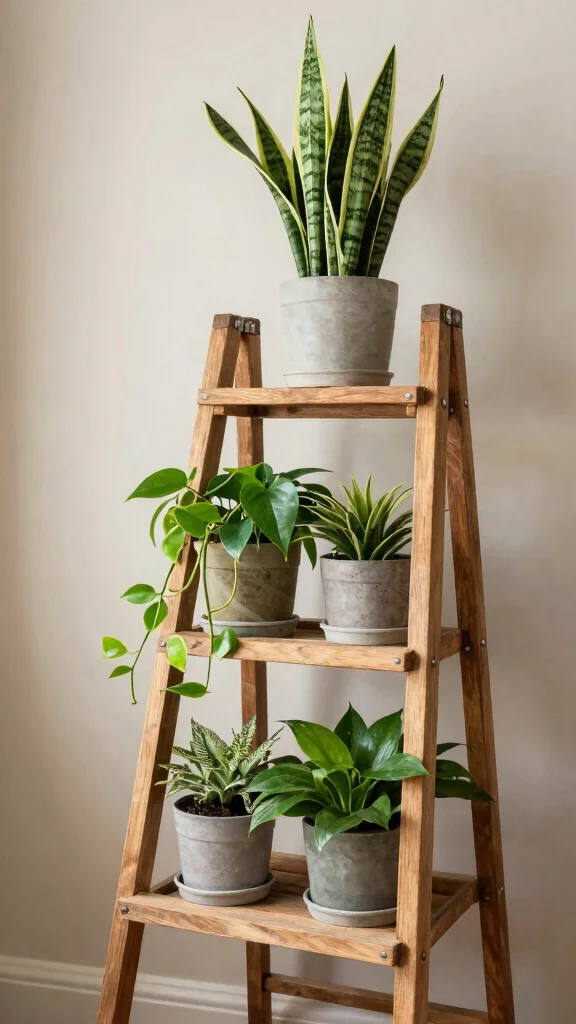
Create an engaging display by using a ladder as a plant stand for your low-light favorites. A wooden ladder adds rustic charm while offering ample space for plants at different heights, allowing for a dynamic arrangement. Choose light-loving plants for the upper tier and low-light options for the lower levels, creating a visually appealing layered look.
This creative approach works especially well in corners or unused spaces, turning them into vibrant plant havens. Make sure the ladder is sturdy and securely positioned for safety and ease of care.
Enhance your playful plant ladder with these tips:
– Vary pot sizes to add visual interest.
– Regularly water and care for plants to keep them vibrant.
– Incorporate decorative elements to tie the look together.
This arrangement not only showcases your love for plants but also adds a fun, whimsical touch to your home.
❝ Fun fact: A wooden ladder can hold 6–9 potted plants across 3 tiers, turning a corner into a living gallery. By layering light-loving tops with low-light bottoms, you can boost the display’s visual impact by about 30%. Practical tip: start with sturdy hooks and even spacing. ❞
11. Stylish Plant Terrarium
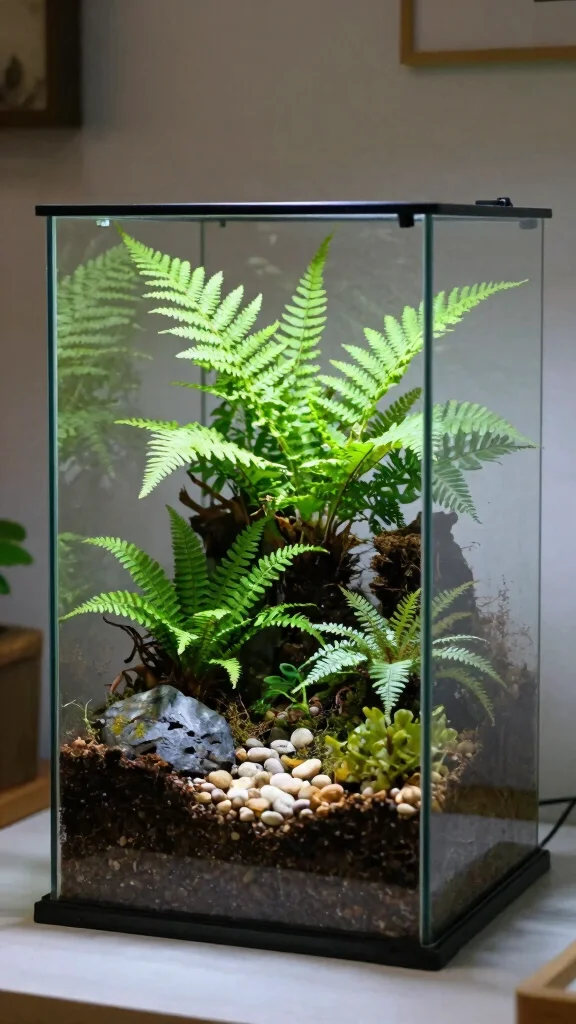
Design a miniature indoor garden using a terrarium to display your low-light plants. Terrariums offer a unique way to showcase plants like ferns and moss that thrive in humidity, adding a touch of creativity to your decor. The layering of soil, stones, and plants within a glass container creates a fresh and sophisticated display.
Be mindful of proper ventilation, as terrariums can become humid quickly. These small ecosystems are perfect for tabletops or shelves, enhancing your home with a unique botanical element.
Consider these tips for your terrarium:
– Choose a glass container with enough space for plant growth.
– Experiment with different layers for added visual appeal.
– Place the terrarium in an area with indirect light for optimal plant health.
This arrangement infuses your space with life while offering a stunning focal point that sparks conversation.
12. Multipurpose Plant Table
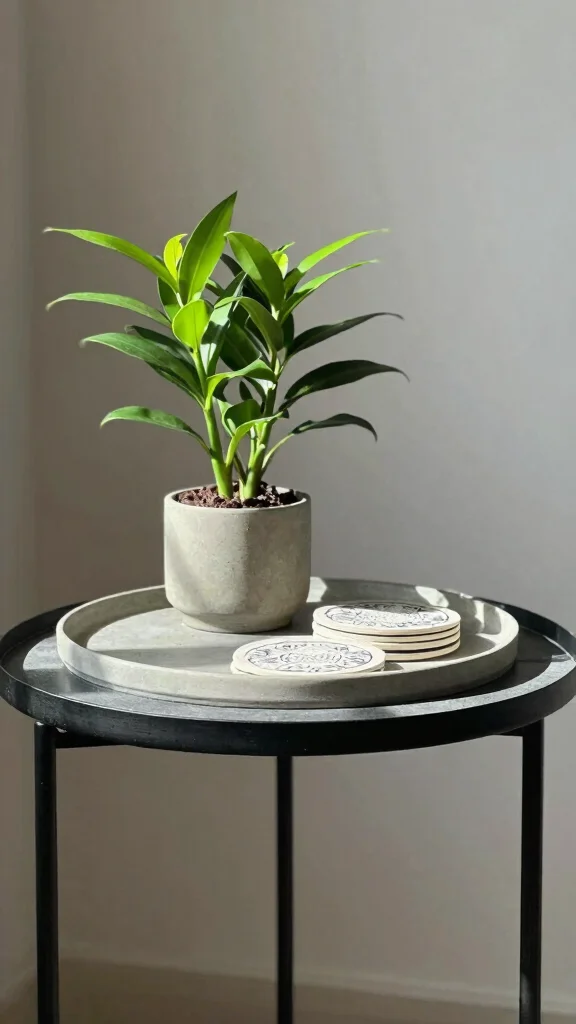
Transform a small table into a stylish plant display and functional surface. This versatile piece can serve as a coffee table or side table while showcasing low-light plants like a small dracaena or ZZ plant. Adding coasters, a decorative tray, or other accessories creates balance and functionality.
This design allows you to enjoy the beauty of greenery while maximizing your available space. It connects with the trend of multifunctional furniture, making every inch of your home purposeful.
Maximize your plant table with these ideas:
– Choose a stylish table that complements your decor.
– Monitor the plant’s watering needs to avoid overwatering.
– Change decorative items seasonally for a fresh look.
This arrangement enhances both aesthetics and functionality, creating a beautiful and practical feature in your home.
13. Grouped Plant Display
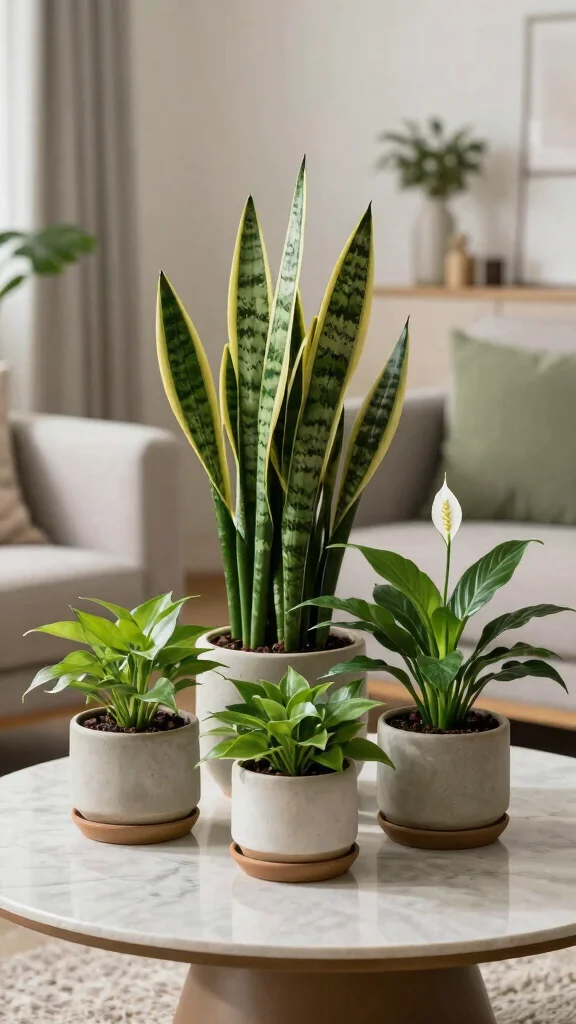
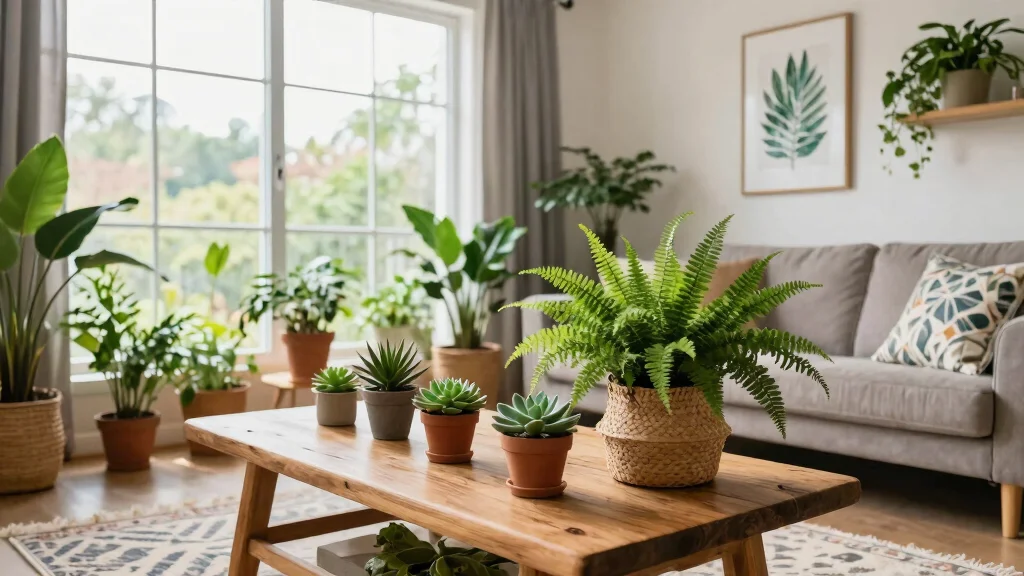
For those irresistible low-light plants, gather them together in a cohesive display to create a vibrant oasis. Grouping different types of plants not only brightens any room but also adds layers of visual interest. Use pots in similar colors or materials for a well-coordinated look, and consider featuring them on a plant stand or coffee table for added drama.
This setup allows for creativity and personalization, making your space feel alive and inviting. Incorporating decorative stones or wood chips on top of the soil can enhance the polished appearance of your arrangement.
Here are tips for your grouped plant display:
– Ensure each plant has compatible care needs for easy maintenance.
– Vary the heights of the plants for added visual interest.
– Regularly dust leaves for optimal health and appearance.
This arrangement not only showcases your green thumb but also creates a lush atmosphere that invites relaxation.
14. Artistic Wall Planters
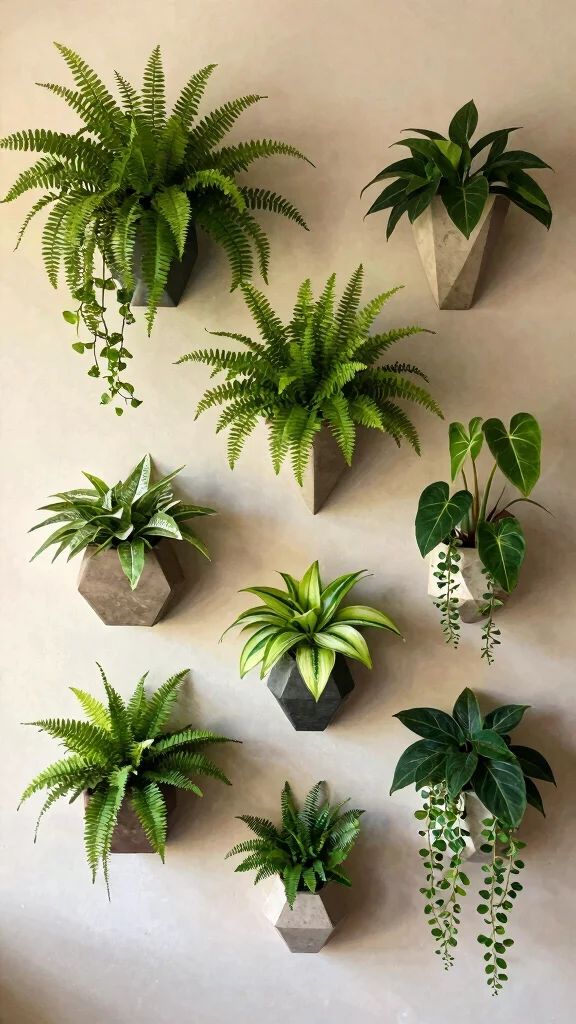
Transform your wall into a living canvas with artistic wall planters. Wall-mounted planters showcase low-light plants in a unique way, creating a living artwork that brightens your space. With designs ranging from geometric shapes to rustic wooden boxes, these planters add texture and dimension to your walls.
Plants like ferns or philodendrons work beautifully, as they can gracefully spill over the sides, enhancing the artistic effect. Ensure that these planters are installed securely and positioned at eye level for optimal enjoyment.
Incorporate these ideas for your wall planters:
– Select planters that align with your home’s overall aesthetic.
– Use plants in varying sizes for added depth and interest.
– Regularly maintain and water your plants for healthy growth.
This arrangement not only adds character to your walls but also creates a stunning focal point that makes your home feel more alive.
15. Minimalist Entry Console
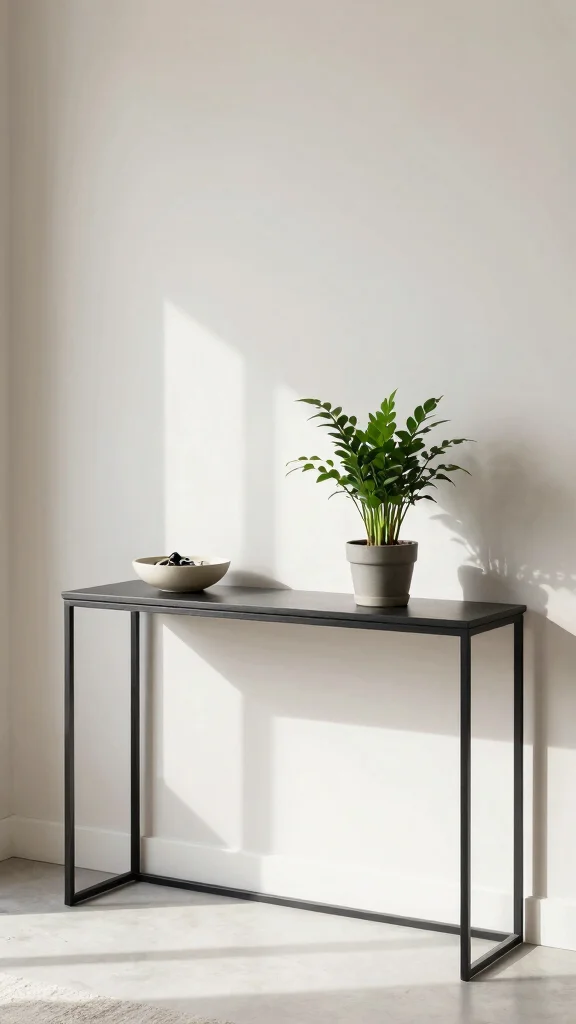
For a sleek and modern entryway, opt for a minimalist console table adorned with a small low-light plant. A single plant like a ZZ plant or a low-maintenance snake plant creates a clean and sophisticated vibe, welcoming guests with a touch of green. Pair it with a stylish bowl for keys or a decorative item for an elegant touch.
This simple setup keeps your entryway looking fresh and airy while maintaining functionality. Ensure that the plant pot complements your console’s style for a cohesive look.
Consider these tips for your entry console:
– Choose plants that thrive in low light for low maintenance.
– Keep the area tidy for a minimalist aesthetic.
– Regularly check for dust on leaves to maintain their vibrancy.
This arrangement enhances the sleek look of your entryway while adding a lively element that makes your home feel inviting.
16. Greenery at Work
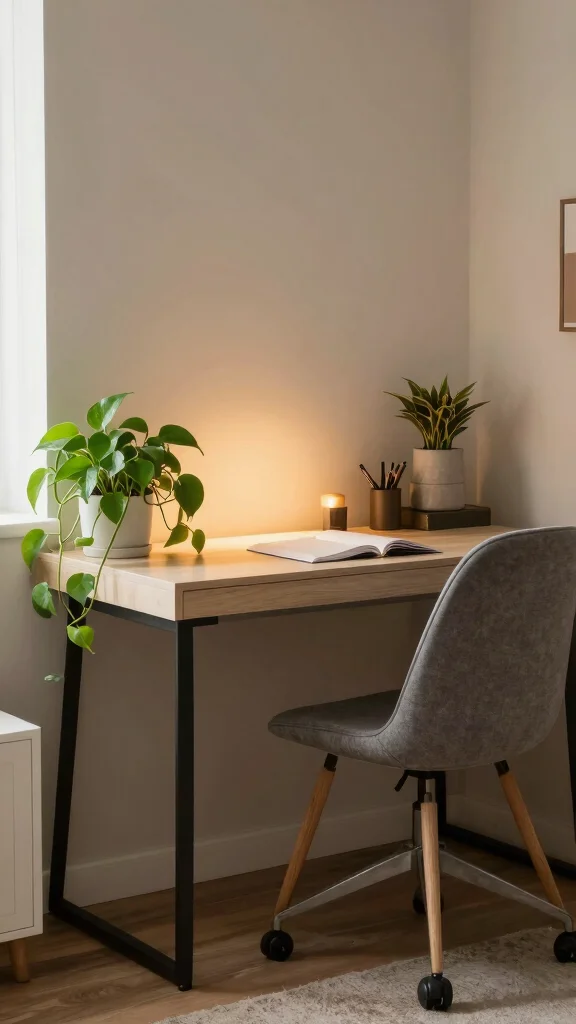
Infuse life into your workspace with low-light plants, making your home office inviting and vibrant. Options like pothos or peace lilies not only add greenery but also improve air quality, contributing to a healthier work environment. Position them on your desk or a nearby shelf to create a refreshing atmosphere.
Mix these plants with your home office decor to add a personal touch that reflects your style. Choose pots that align with your office aesthetics for a cohesive workspace.
Consider these tips for your workspace greenery:
– Ensure plants are easily reachable for care and maintenance.
– Regularly check for dust on leaves to promote health.
– Create a plant care routine to keep them thriving.
This arrangement enhances your workspace, making it more enjoyable while boosting productivity and well-being.
Conclusion
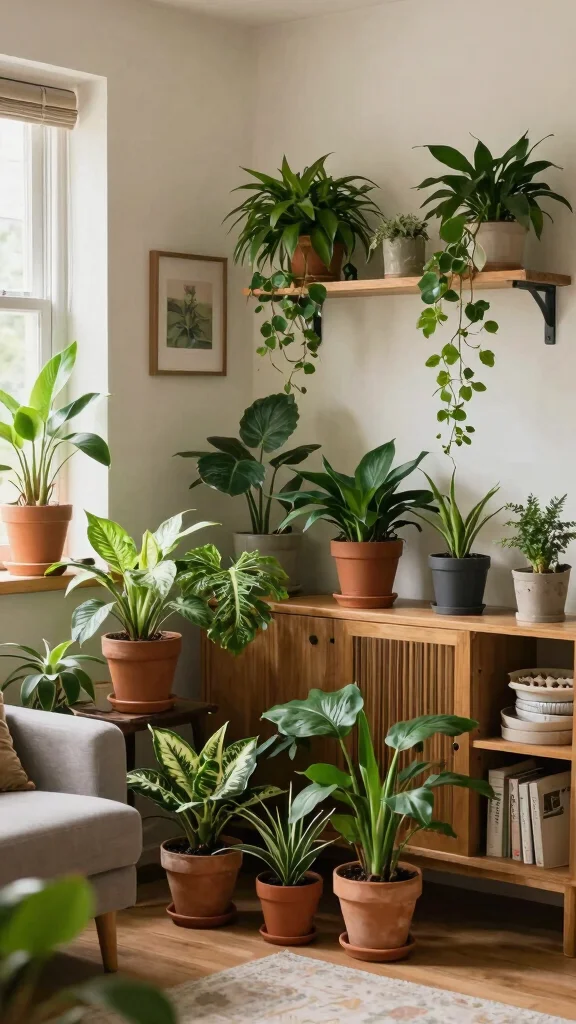
Indoor gardening with low-light potted plants is an enchanting way to elevate your home decor. Each of these ideas caters to unique spaces and styles, making it easy to find a perfect fit for your home.
Whether you’re creating a vibrant corner shelf garden or a serene entryway oasis, the possibilities are endless. Embrace your green thumb and enjoy the beauty these plants offer!
Frequently Asked Questions
Question: What are the best low-light potted plants for indoor spaces?
Answer: Great options for potted plants indoor in low light include snake plant (Sansevieria), ZZ plant, pothos, philodendron, and cast iron plant. They tolerate dim corners and stay attractive with minimal care.
Care tips: use a light, well-draining potting mix and ensure pots have drainage holes. Water only when the top inch of soil is dry, typically every 1–2 weeks in typical indoor conditions, and avoid soggy soil. Wipe dusty leaves to keep them photosynthesizing efficiently. Fertilize lightly in spring and summer. For styling, group them on a bookshelf, tiered plant stand, or near corners to maximize space with the least effort.
Question: How can I style potted plants indoor in small spaces without clutter?
Answer: Make the most of small spaces by using vertical layers and a cohesive color palette. Place tall plants on the floor or plant stands, mid height on shelves, and trailing varieties on wall hooks or shelves. Choose pots in similar tones for a calm look, or mix textures intentionally for interest. Group 3–5 plants in a corner to create a mini jungle. Keep watering trays and cords tidy. For container gardening indoors, pick pots with drainage and lightweight materials for easy rearrangement.
Question: What are practical care tips for low-light houseplants to keep them thriving?
Answer: Start with a simple watering schedule: check soil moisture and water when the top inch is dry; avoid overwatering in low-light spaces. Ensure each pot has drainage and use a well-draining potting mix. Clean dusty leaves with a damp cloth to improve photosynthesis. If possible, provide some indirect light or a small artificial grow light for 6–8 hours of ambient light or 2–4 hours of supplemental light for certain species. Fertilize lightly every 6–8 weeks during the growing season and prune yellowed leaves to encourage new growth.
Question: How can I create attractive corner styling with indoor plant decor using these low-light options?
Answer: Start with a corner that gets at least some light; stack plants on stands and shelves to build height. Use a unifying theme like the same pot color family or material to simplify the look, or intentionally mix textures for interest. Place a larger focal plant toward the back and smaller ones forward. Add trailing plants on wall hooks or a hanging planter to soften edges. Use decorative trays or a small rug to anchor groups and reduce clutter. This approach aligns with indoor plant decor and keeps small-space gardening practical.
Question: Is container gardening effective for indoor potted plants in low-light spaces?
Answer: Absolutely. Container gardening translates well indoors when you pick the right containers and soil. Use pots with drainage and a lightweight, breathable mix designed for indoor plants. Pair with a simple moisture check routine or a small sensor to avoid overwatering. Place containers near light sources, or add a compact LED grow light for darker corners. Rotate plants every few weeks to share light exposure and keep growth even. This strategy fits potted plants indoor and supports flexible small-space gardening.
Related Topics