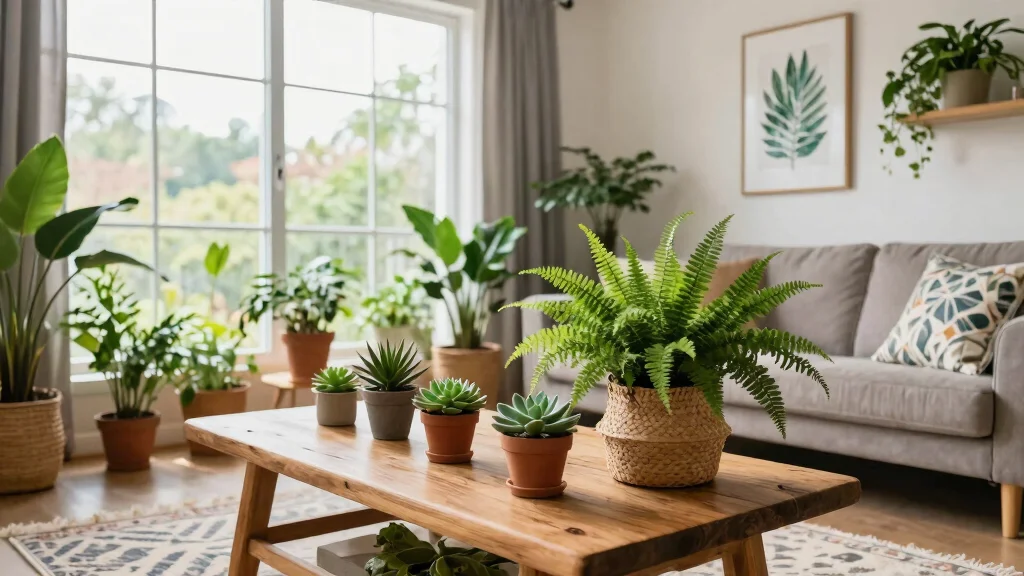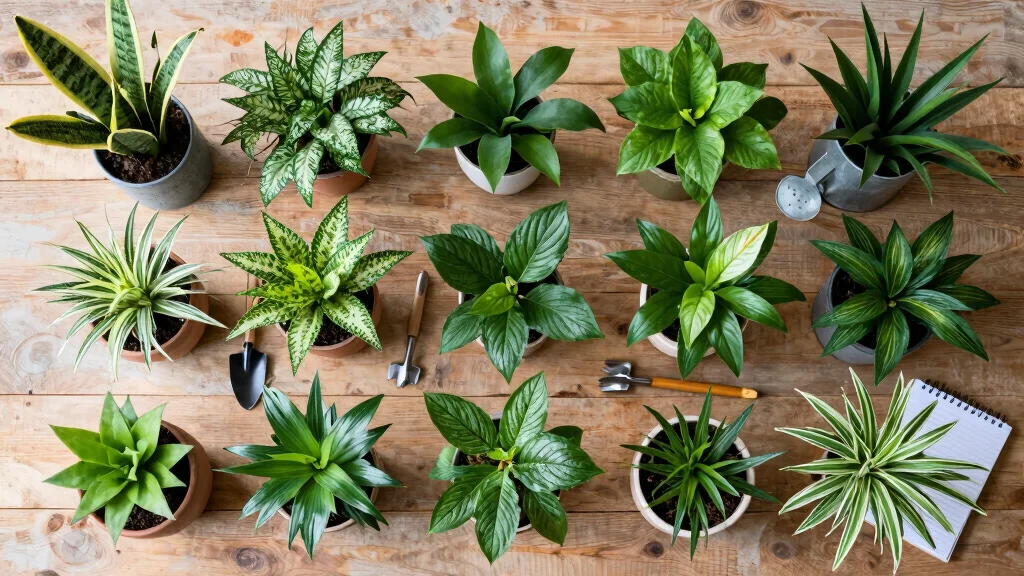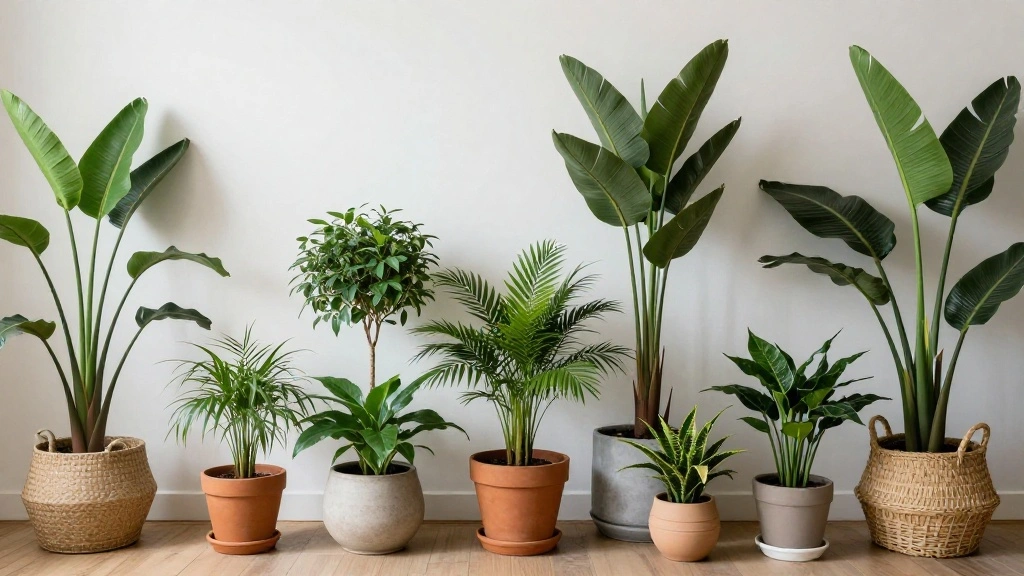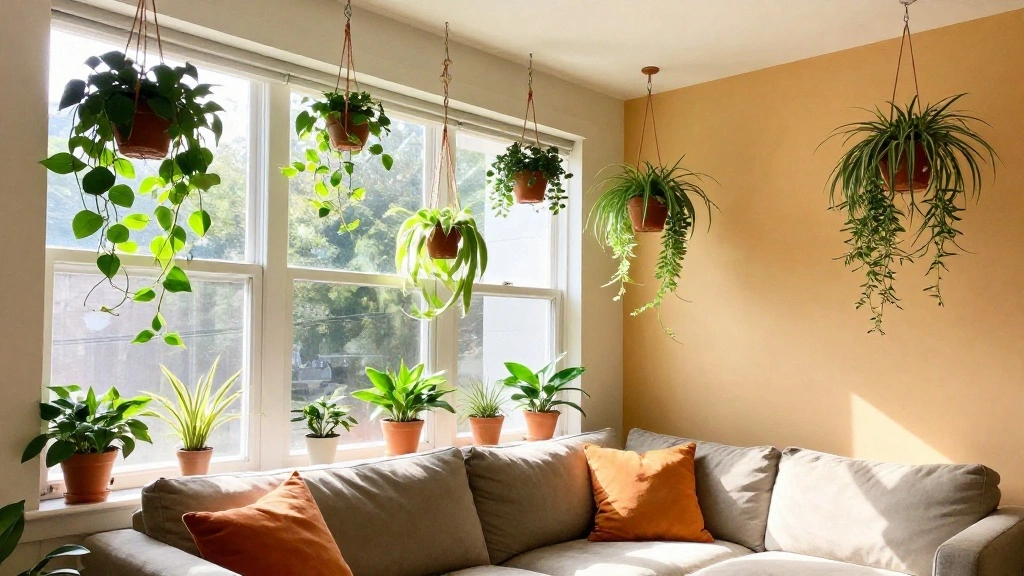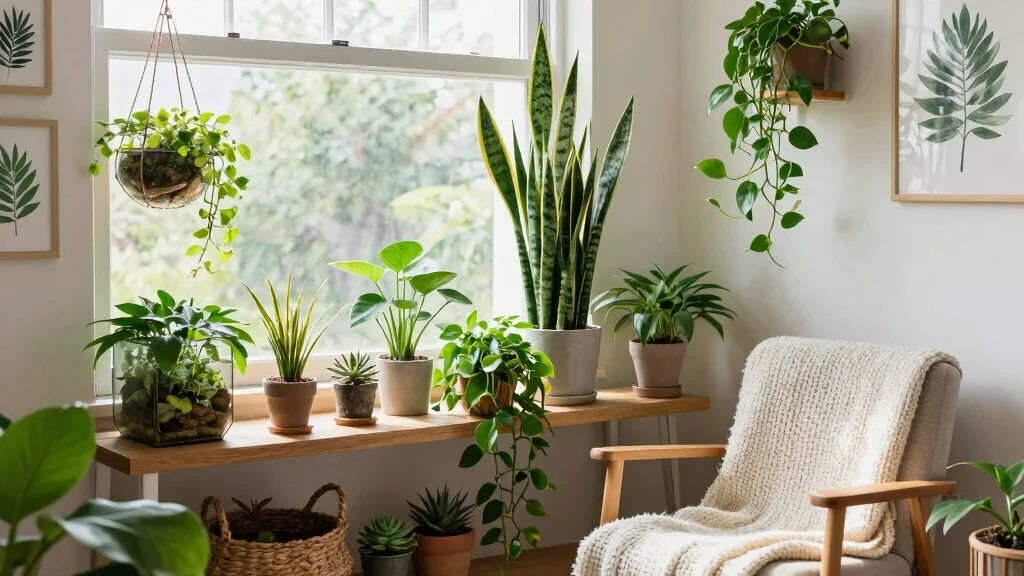

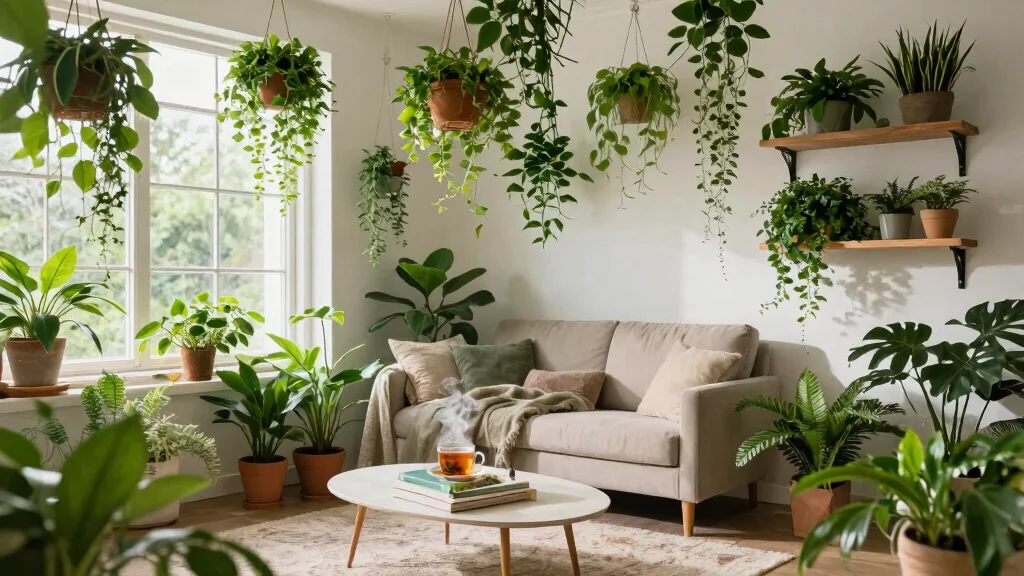


Creating a cozy, green oasis in your home is a dream for many, especially when space is tight. If you’ve been yearning for a more inviting living space that breathes life and color, you’re not alone. This post is all about helping you bring that dream to life, particularly if you’re working with limited light and space. We all crave that refreshing touch of nature, and hanging indoor plants are the perfect solution. They add a delightful charm to any corner and require minimal floor space, making them ideal for small rooms or apartments.
If you’re someone who loves indoor gardening or simply wants to incorporate some greenery into your home, you’re in the right place! Whether you’re a seasoned plant parent or just starting, this guide is tailored for you. You’ll discover a curated list of the best hanging indoor plants that thrive in low light conditions. Each plant comes with insights on care tips, so you can ensure they flourish in your space.
By the end of this post, you’ll have a collection of 20 stunning hanging plants that not only beautify your home but also purify the air around you. Imagine walking into a space filled with lush greens, creating a serene atmosphere that lifts your spirits. Get ready to transform your indoor space into a dreamy green haven!
Key Takeaways
– Discover a variety of low-light hanging indoor plants perfect for small spaces, ensuring you find the ideal options for your home environment.
– Each plant comes with care tips tailored to help you maintain a healthy, thriving green space, even if you’re a beginner.
– These plants not only add beauty but also serve as air-purifying houseplants, enhancing the quality of the air in your home.
– Learn about the best hanging plants that are particularly suited for indoor gardening, making it easier for you to choose the right ones.
– This guide helps you create a vibrant, dreamy green space that can boost your mood and improve your home’s ambiance.
Recommended Products

2 Pack Artificial Pothos Plants : This set includes 2 artificial hanging plants featuring one fake hanging ivy with lush green leaves and one with variegated yellow‑green foliage. Each hanging plant measures 23.6 inches (60cm) long, offering full, cascading vines.

LIVE INDOOR PLANTS: Includes 4 easy to grow pothos plants, approximately 8-10 in. tall measured from bottom of pot

Lifelike and Vibrant - Instantly elevate your home with these 2-Pack fake pothos vines. Each vine stretches 43.3 inches with lifelike multi-green leaves and natural veining. Unlike real plants, our fake plants feature fade-resistant colors and realistic textures that blend seamlessly into any decor style - from modern apartments to rustic farmhouses. Includes realistic butterflies for an extra touch of charm.
1. Pothos
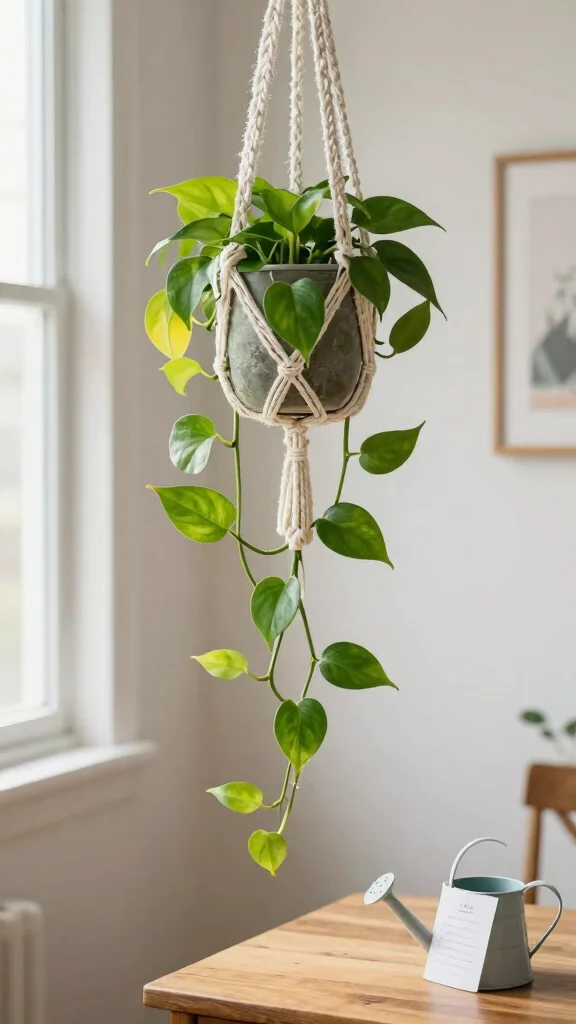
If you’re looking for a plant that’s easy to care for and stylish, Pothos is your go-to choice. These vibrant vines thrive in low light and adapt beautifully to any indoor setting. With heart-shaped leaves that dangle gracefully, they create a stunning waterfall effect in hanging pots. You can choose from varieties like golden Pothos with its bright yellow highlights or the elegant marble queen featuring creamy speckles.
To keep your Pothos happy, simply water when the top inch of the soil is dry. Wipe the leaves with a damp cloth occasionally to keep them dust-free and help them breathe better. This plant is perfect for those new to indoor gardening.
Key features:
– Thrives in low light
– Excellent air-purifying qualities
– Fast-growing and easy to propagate
When selecting a hanging basket, ensure it has good drainage to prevent overwatering. Pothos will not only beautify your space but also provide a lively touch to your indoor garden.
Recommended Products
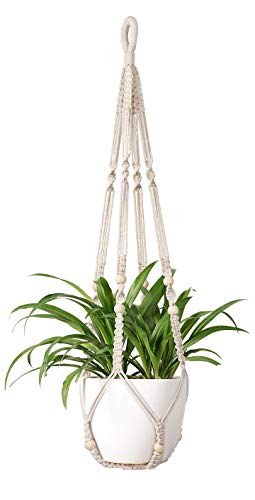
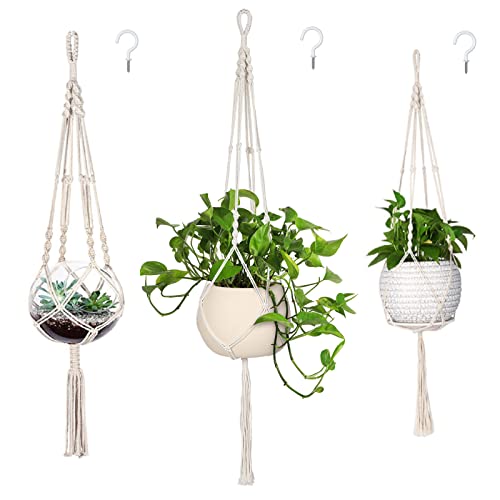
COMPLETE SET WITH HEAVY DUTY HOOKS: 3 handmade cotton hangers (34"/41"/46" lengths) + 3 durable metal hooks. The flexible woven design fits 5-10 inch pots (ceramic, plastic, glass, metal) and supports various plant shapes for displaying succulents, pothos, or ferns (Pots and plants are not included)

Hanging basket, Jute woven thread rope, suitable for multiple uses even kitchen storage
2. Spider Plant
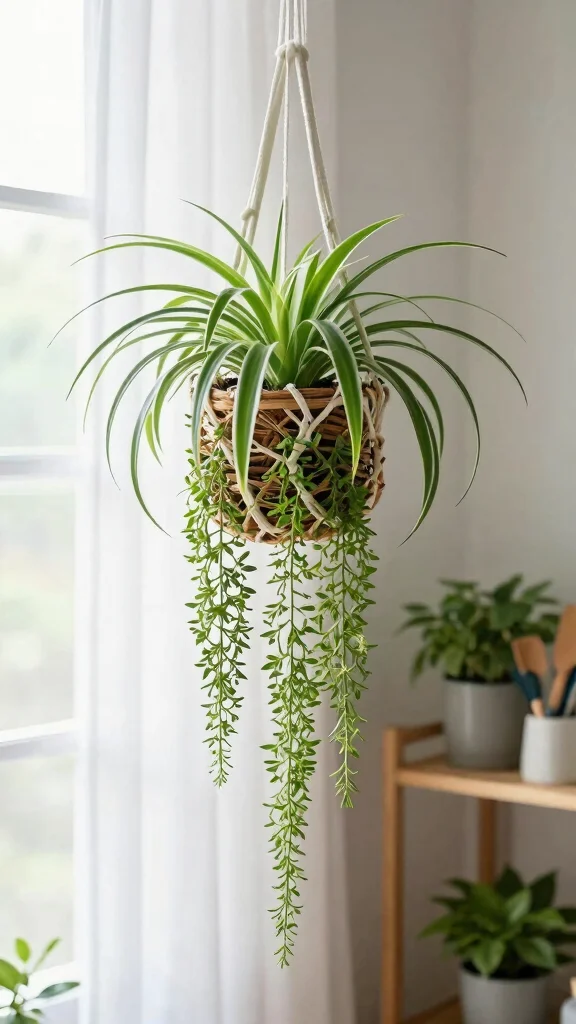
Spider Plants are a delightful addition to your indoor garden. With their playful spiderettes—small offshoots that dangle from the main plant—they add a whimsical touch to any corner. These plants thrive in low light and are incredibly forgiving, making them perfect for beginners. Their long, arching leaves create a lively movement in your space.
To care for your Spider Plant, avoid overwatering; they prefer to be slightly dry between watering sessions. A light fertilizer during the growing season will encourage lush, healthy growth. Position them in indirect sunlight to see them flourish.
Key care tips:
– Water when the soil feels dry
– Fertilize sparingly during the growing season
Hang your Spider Plant where it can cascade freely, and enjoy the charm it brings to your home.
Fun fact: Spider plants can grow quickly, often doubling in size in just 3-4 months. They thrive in low light and are forgiving for beginners—perfect for hanging indoor plants in small spaces.
Recommended Products

Spider Plant in a 6" Nursery Pot: Introduce the graceful charm of our Spider Plant to your indoor space, thriving in a practical 6" nursery pot. Also known as Chlorophytum Comosum, this delightful houseplant with arching, variegated leaves brings a touch of natural elegance and air-purifying benefits to your home or office.

Brasil Philodendron Heartleaf in a 6" Nursery Pot: Introduce the lively charm of our Brasil Philodendron Heartleaf to your indoor space, flourishing in a practical 6" nursery pot. This captivating houseplant, known for its vibrant green heart-shaped leaves and distinctive yellow stripes, brings a touch of tropical elegance and air-purifying benefits to your home or office.

TOP DECOR CHOICE: Elevate your home decor or office desk with heart-shaped variegated leaves. This vining plant is a versatile aesthetic greenery piece that looks stunning trailing from a windowsill, bookshelf, mantle, or hanging basket
3. String of Hearts
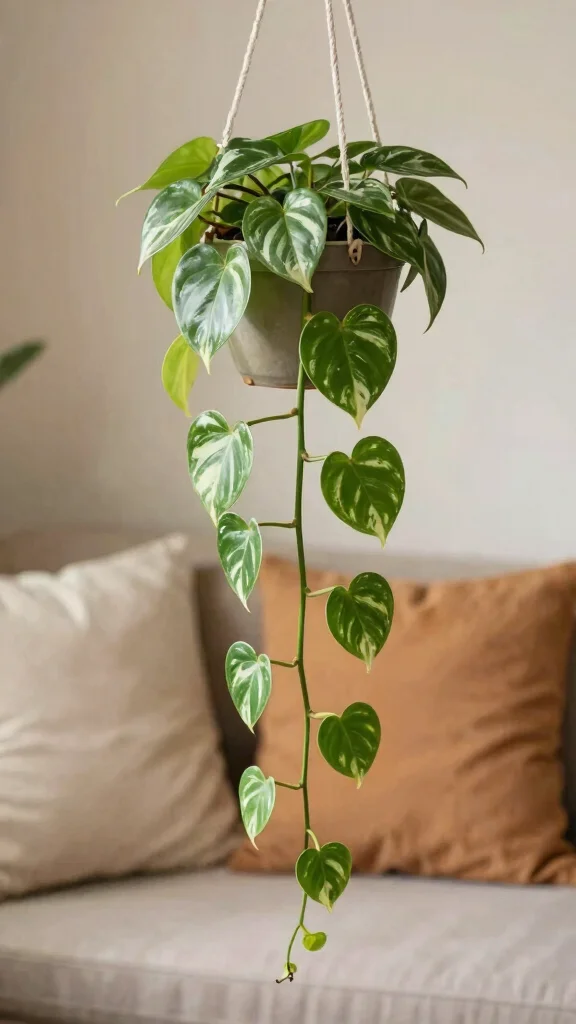
The String of Hearts is a unique trailing succulent that adds a whimsical flair to any indoor space. Its delicate heart-shaped leaves and trailing vines create a stunning visual effect, making it a favorite among plant lovers. While it thrives in bright, indirect light, it can adapt to lower light conditions too.
This low-maintenance plant needs watering only when the soil is completely dry. For optimal health, use a cactus or succulent soil mix to ensure proper drainage. Plus, this beauty doubles as an air purifier, improving your indoor air quality.
Key care tips:
– Ensure proper drainage to prevent root rot
– Pinch back stems for bushier growth
When hung, the cascading vines of the String of Hearts create a magical ambiance, perfect for any cozy room.
Recommended Products

Kvetto hanging planters feature color blocking design between pot and brown drainage tray, equipped with metal long-chains & screw-in hooks

Stylish Glazed Design: Hanging planter made from sturdy plastic with a glazed finish, this 10 inch hanging pot offers a sleek, modern look that complements any décor. Perfect for both indoor and outdoor use.

【Self-Watering Hanging Flower Pots with Removable Saucer】The innovative recessed design under each hanging indoor planter maintains optimal water levels for your plants and serves as a reservoir for consistent watering. This feature eliminates the hassle of watering plants while you're away on business trips or traveling, thanks to our hanging plant pot.
4. Boston Fern
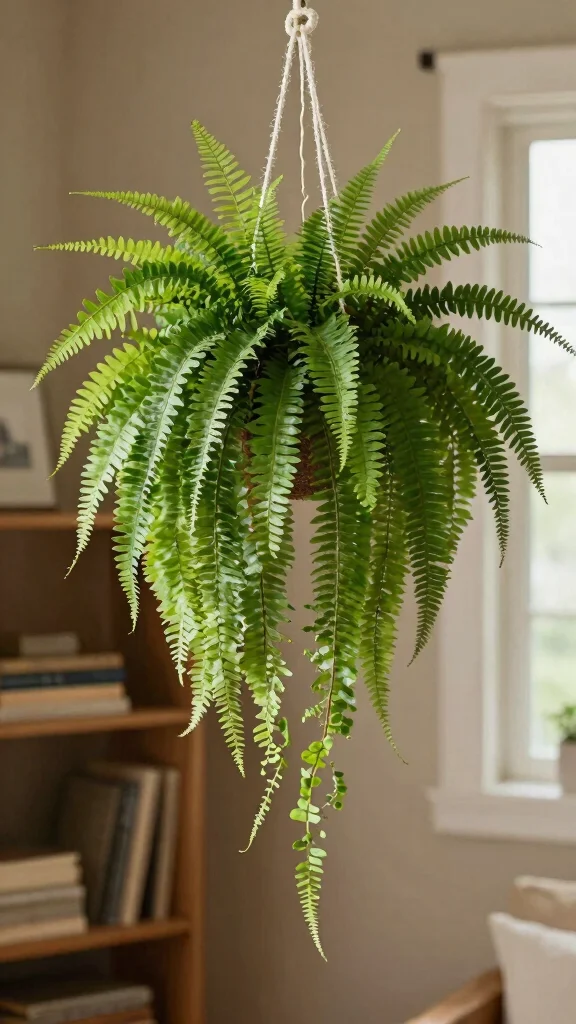
Boston Ferns are classic beauties that bring lush greenery and texture to your home. Their feathery fronds create an elegant softness, thriving in indirect sunlight and humid environments, making them perfect for kitchens or bathrooms. If you provide the right conditions, you’ll enjoy a thriving fern that enhances your indoor air quality.
Caring for Boston Ferns requires some attention; keep the soil moist without letting it become soggy. Regular misting of the leaves can help maintain humidity, especially during dry seasons. Keep an eye out for pests like spider mites, which can be attracted to drier environments.
Care essentials:
– Keep the soil consistently moist
– Mist leaves to boost humidity
With their vibrant greenery, Boston Ferns create a peaceful atmosphere, making them a wonderful addition to any restful space.
Recommended Products

Lush and Versatile Plant: The Ficus Repens, or Creeping Fig, features vibrant green, small, rounded leaves that create a dense, lush cover, making it an attractive choice for indoor greenery.


About the Plant: Golden Pothos is an easy-to-care-for houseplant growing heart-shaped leaves marbled with yellow and green variegation. Pothos grow well in different lighting conditions including lower light levels, however brighter light will produce more prominent variegation. Its trailing vines look great in hanging baskets, shelves, or any room in your home! Golden Pothos is also identified by NASA as an air purifying plant, helping you to breathe easy!
Ongoing Maintenance & Care Guide
Maintenance Schedule:
Daily/Weekly Tasks:
– Check Soil Moisture: Stick your finger about an inch into the soil. If it’s dry, it’s time to water. This takes about 5 minutes.
– Dust Leaves: Gently wipe leaves with a damp cloth to help them breathe. This usually takes around 10 minutes for a few plants.
– Rotate Plants: Every week, rotate your hanging plants a quarter turn. This ensures even light exposure and takes about 5 minutes.
Monthly/Seasonal Tasks:
– Fertilize Plants: Use a balanced, water-soluble fertilizer once a month. Mix according to the package instructions, which takes about 15 minutes.
– Prune Dead Leaves: Trim any yellow or brown leaves to promote healthy growth. This can take around 20 minutes depending on how many plants you have.
– Repot if Necessary: If your plants are outgrowing their pots, consider repotting. This can involve moving the plant to a larger pot and takes about 30-45 minutes.
– Check for Pests: Inspect your plants for signs of pests like spider mites or aphids. This should take about 10 minutes to scan all your plants.
– Adjust Light Exposure: Depending on seasonal changes, you might need to move your plants to ensure they get enough light. This task can take around 15 minutes.
Maintenance Summary Table:
| Task | Frequency | Difficulty | Time Needed |
|———————|—————-|—————|—————|
| Check Soil Moisture | Daily/Weekly | Easy | 5 minutes |
| Dust Leaves | Weekly | Easy | 10 minutes |
| Rotate Plants | Weekly | Easy | 5 minutes |
| Fertilize | Monthly | Moderate | 15 minutes |
| Prune Leaves | Monthly | Moderate | 20 minutes |
| Repot | As Needed | Moderate | 30-45 minutes |
| Check for Pests | Monthly | Easy | 10 minutes |
| Adjust Light | Seasonally | Easy | 15 minutes |
Common Issues to Watch For:
⚠️ Yellow Leaves: If the leaves are turning yellow, it could mean overwatering. Check the soil moisture right away.
⚠️ Brown Tips: This can indicate low humidity or underwatering. Make sure you’re giving your plants enough moisture.
⚠️ Wilting Leaves: If your plants are wilting, they might need immediate watering. Check them daily if you notice this.
⚠️ Pest Infestation: Look for small webs or sticky residue on leaves. If you see these, inspect closely for bugs and treat as needed.
⚠️ Stunted Growth: If your plants aren’t growing, they might need fertilizer or more light. Adjust your care routine accordingly.
Care Tips:
💡 Use Proper Pots: Ensure your pots have drainage holes. This prevents water from pooling and helps avoid root rot.
💡 Group Plants Together: Arrange your hanging plants close to each other. This can create a microclimate with increased humidity.
💡 Monitor Temperature: Keep hanging plants in a stable environment, avoiding drafts and extreme temperatures. Aim for a range of 60-75°F (15-24°C).
💡 Rotate Regularly: Rotating your plants not only helps with light exposure but also encourages symmetrical growth.
💡 Consider Air Purifying Plants: Many hanging plants, like Pothos and Spider Plants, purify the air. Choose these to boost indoor air quality while maintaining beauty.
Recommended Products

POTTED POTHOS PLANT QUEEN: Now’s the time to add a live pothos plant queen to your collection of live indoor house plants. She outshines common office plants and is an impressive plant gift. Your live plant will arrive in a 4” nursery pot, ready to display.

🌿 Perfect for Small Potted Plants - Designed specifically for indoor greens like succulents, herbs, and foliage, these grow lights for indoor plants deliver balanced 380nm-800nm full-spectrum light to revive leggy stems and boost compact growth

[Lifelike And Easy to use] 2 packs of green artificial hanging plants are realistic and well-made, with vibrant colors that mix beautifully with floral arrangements and add warmth to your room design, the total length of the artificially hanging plants is approx. 3.6 feet( 3-5/8ft). About 160 fake green leaves per pack, a total of 320 leaves.
5. ZZ Plant
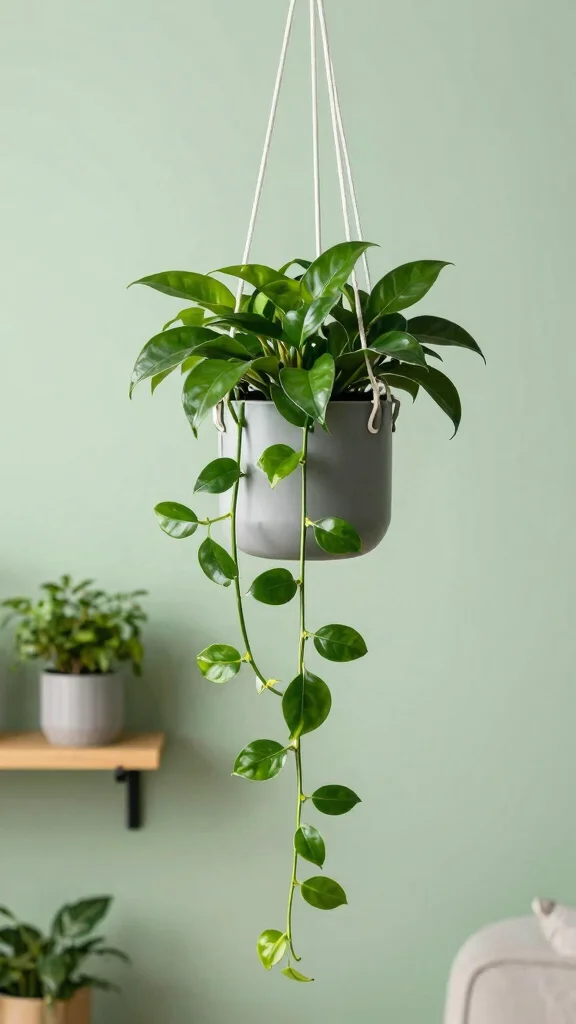
The ZZ Plant is the ultimate low-light champion, bringing a modern touch to your home with its glossy, dark green leaves. It thrives on neglect, making it a perfect choice for busy individuals or those new to plant care. This hardy plant flourishes in various lighting conditions but does best in indirect light.
To keep your ZZ Plant happy, allow the soil to dry out completely between waterings. It’s also an impressive air purifier, assisting in removing toxins from your indoor environment.
Care tips:
– Let the soil dry between waterings
– Avoid direct sunlight to prevent leaf burn
Hanging this stylish plant allows its beautiful leaves to cascade gracefully, enhancing the aesthetics of your indoor garden.
Recommended Products

Package:You will receive 4 white hanging planters,each with 1 drain,1 metal chain,and 1 plug.Quick and convenient installation,just hang them up and enjoy the natural display of your garden and home.


EFFECTIVE STORAGE DESIGN: This yoga mat storage rack has 3 layers and storage slots , which can effectively store different sizes of yoga mats and fitness accessories.The home gym storage rack would meet your needs to place fitness equipment and make your room tidy and beautiful
6. English Ivy
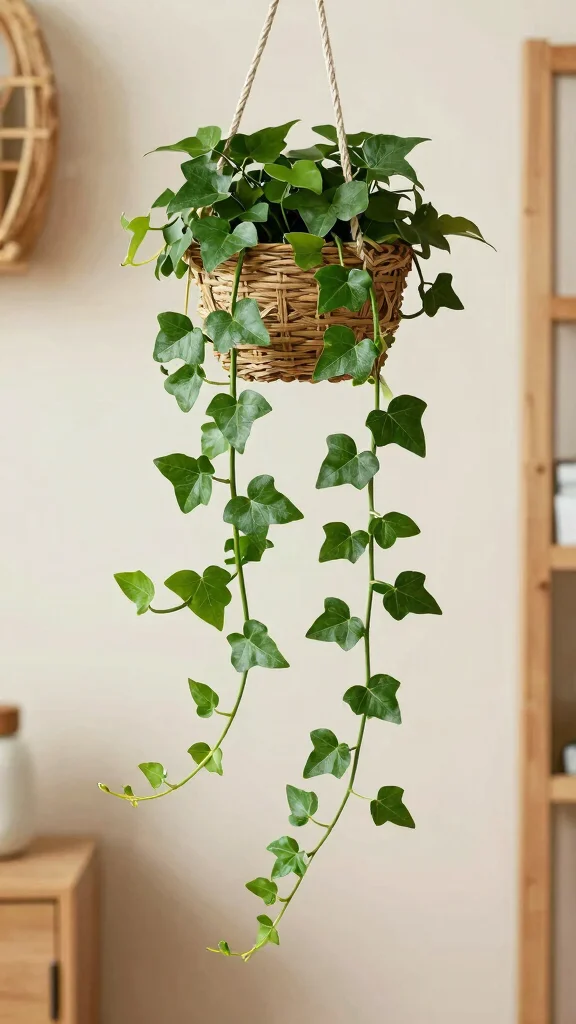
English Ivy is a timeless climbing plant that adds elegance to your indoor spaces with its trailing vines and lush green leaves. Known for its air-purifying abilities, this versatile plant thrives in cooler temperatures and adapts well to various light conditions, preferring bright, indirect light.
To care for your English Ivy, keep the soil consistently moist without becoming waterlogged. Prune regularly to encourage fuller growth and prevent leggy vines. This plant can be trained to climb or cascade beautifully in any setting.
Important care advice:
– Water when the top inch of soil feels dry
– Prune back for bushier growth
Hanging it in a stylish basket allows its long tendrils to drape down elegantly, transforming any dull corner into a vibrant retreat.
Recommended Products

Brazil Philodendron Heartleaf in a 6" Nursery Pot: Introduce the lively charm of our Brazil Philodendron Heartleaf to your indoor space, flourishing in a practical 6" nursery pot. This captivating houseplant, known for its vibrant green heart-shaped leaves and distinctive yellow stripes, brings a touch of tropical elegance and air-purifying benefits to your home or office.

Tradescantia Zebrina in a 6" Nursery Pot: Introduce the vibrant charm of our Tradescantia Zebrina to your indoor space, flourishing in a practical 6" nursery pot. Also known as the Wandering Jew, this delightful houseplant with its trailing vines and distinctive striped leaves brings a touch of natural elegance and air-purifying benefits to your home or office.

About the Plant: Green Ivy is a timeless houseplant grown for its lush, trailing vines and vibrant green foliage! Perfect for hanging baskets, shelves, or as a climbing accent, this fast-growing plant adds a touch of natural beauty to any space. Green Ivy is easy going and easy to care for, making it a wonderful choice for a beginning green thumb! Leaf shape may vary based on availability. Cultivar: 'Hahn's' Ivy
7. Air Plants
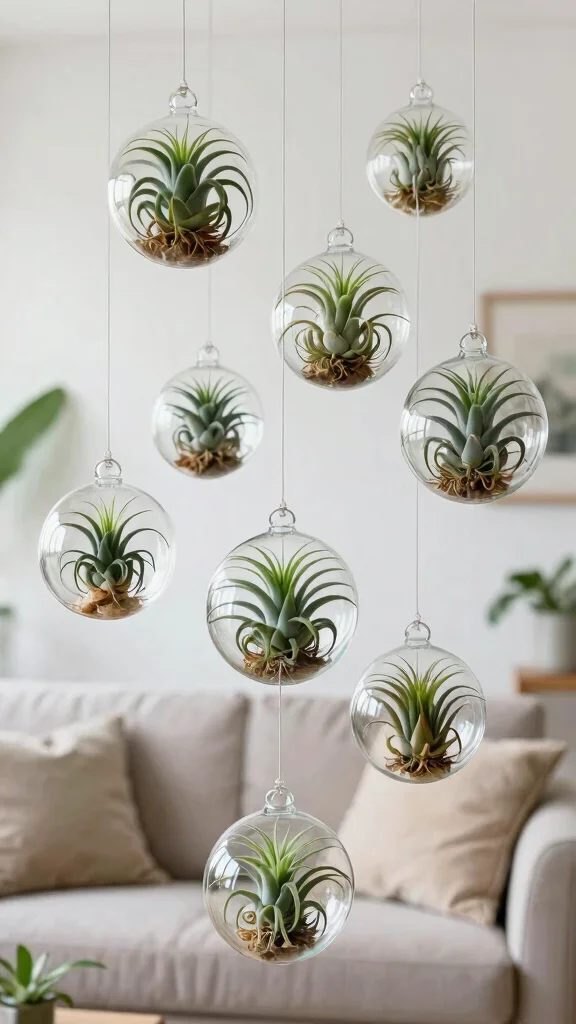
Air plants, or Tillandsia, are fascinating little wonders that thrive without soil. These unique plants can be creatively displayed in various ways around your home. They absorb moisture and nutrients through their leaves, making them incredibly low-maintenance and ideal for busy lifestyles.
For care, mist your air plants several times a week or soak them in water for about 20-30 minutes every two weeks. They prefer bright, indirect light but can tolerate lower levels as well. Their quirky forms make them perfect for terrariums, glass globes, or driftwood displays.
Care essentials:
– Mist or soak regularly
– Place in bright, indirect light
Air plants add a playful touch to your space and can be arranged in countless creative ways to fit your style.
Air plants are perfect hanging indoor plants for small spaces, with no soil needed and they sip moisture right through their leaves. A quick mist a few times a week or a 20 to 30 minute soak every other week keeps them thriving, even in bright indirect light.
Recommended Products

Self Watering Pot: Cotton rope in the tall self watering planter for indoor plants absorb water from bottom and keep the soil moist. Plant wick pots store water can feed plants for two weeks or more. It makes your travel or business trip an big ease! Plants Not Included!

Larger Sizes for More Plants – 3pack Macrame Hangers (40" / 34" / 29") – New extended lengths for better hanging flexibility, 3pack Self-Watering Pots + Saucers (10" / 8" / 7") – Now larger to fit more plants, 3pcs Heavy-Duty Hooks

【7-14 Days Watering-Free】13 inch extra large self watering hanging planters (2 Pack) allow your plants to thrive for 7–14 days without frequent watering, making plant care effortless even during short trips or busy schedules. Perfect for hanging pots for plants indoor and outdoor, these planters support all house hanging plants and flowers, including pothos, spider Plants, Baby's tears, herbs, Boston fern, string of pearls, ivy, and Baby Breath, offering convenience and healthy growth.
8. Philodendron Heartleaf
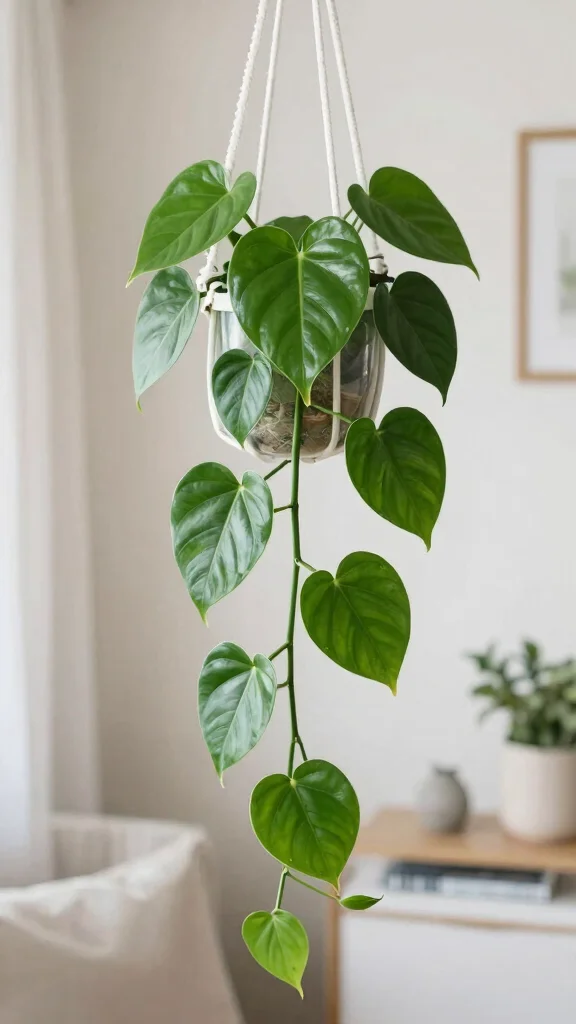
The Philodendron Heartleaf is a popular choice for indoor gardening, known for its heart-shaped leaves that shine in rich green tones. This plant thrives in low-light conditions, making it an excellent option for homes or offices with limited sunlight. Its easy-care nature makes it perfect for anyone looking to add greenery without hassle.
To care for your Heartleaf, ensure the soil is well-draining and allow it to dry out slightly between waterings. A light fertilizer every few months during the growing season can promote lush growth.
Care tips:
– Use well-draining potting soil
– Water when the top inch of soil is dry
When hung from a basket, this plant creates a stunning visual effect as its leaves cascade beautifully, adding elegance to any room.
Did you know the Philodendron Heartleaf thrives in as little as 100 lux of light? Ideal for hanging indoor plants in small spaces, it loves low-light and easy care—water sparingly and let the soil dry a bit between drinkings, then feed lightly every few months.
Recommended Products

TROPICAL BEAUTY: Calathea features stunning patterned foliage with unique variegation, making it a gorgeous decorative accent for any indoor space

🏡 Indoor Beauty, Outdoor Charm – Adds an instant pop of color and texture to your home, office, or garden space. Works well as indoor plants, patio décor, or living centerpieces.

Vibrant Color: This Tradescantia Jew Plant showcases striking purple foliage that adds a pop of color to any indoor space.
9. Hoya
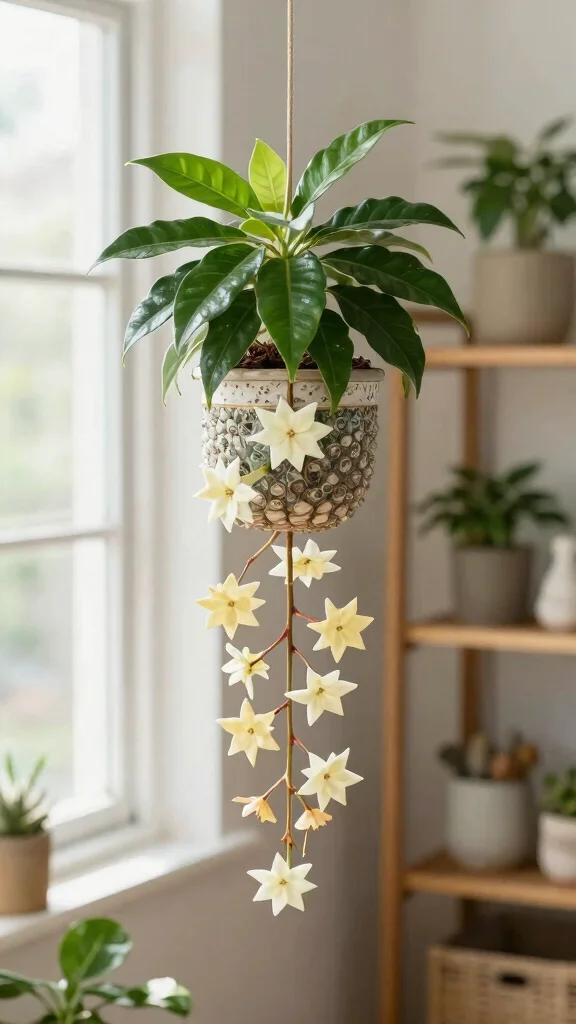
Hoya plants, often called wax plants, are adored for their succulent-like foliage and delightful clusters of star-shaped flowers. These resilient plants can thrive in a range of lighting conditions, including low light. Besides their attractive appearance, Hoyas are also effective air purifiers, making them perfect for your indoor garden.
To care for your Hoya, let the soil dry out completely between waterings. They prefer bright, indirect light but can tolerate lower levels as well. With proper care, these plants can produce stunning blooms that add a lovely fragrance to your space.
Key care tips:
– Prune to encourage bushier growth
– Water infrequently; allow soil to dry out
Hanging them near a window or in a spot where they can cascade will help showcase their beauty, making them a delightful conversation starter.
10. Devil’s Ivy
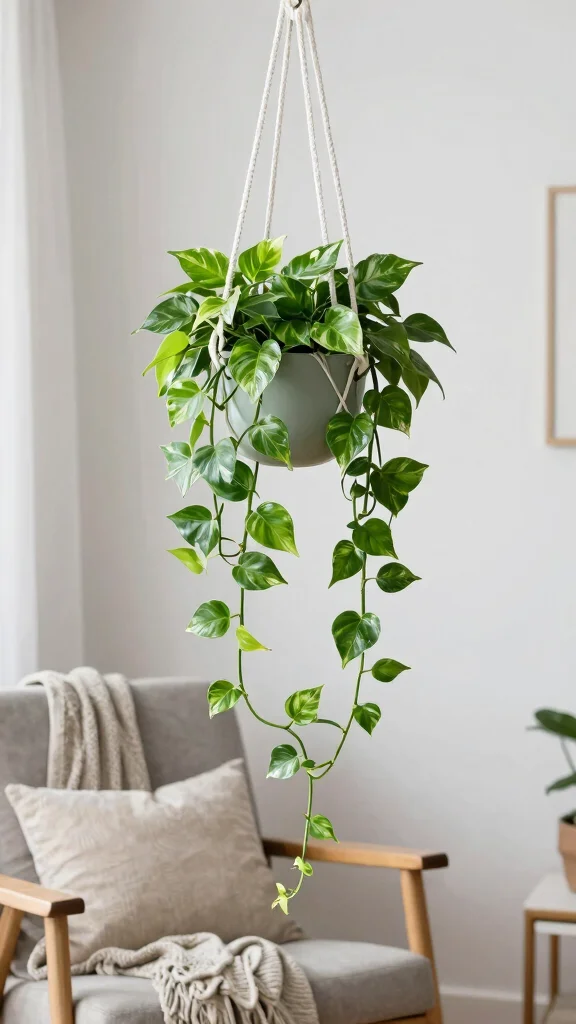
Devil’s Ivy, also known as Pothos, is a stunning addition to any indoor space. With its striking green and gold variegated leaves, this plant is easy to care for, making it a favorite among indoor gardening enthusiasts. It thrives in low light and adapts well to various conditions, ensuring versatility in placement.
Caring for Devil’s Ivy is simple; just water it when the top inch of the soil feels dry and avoid direct sunlight to prevent leaf burn. It’s also a great air purifier, helping to cleanse the air in your home.
Care tips:
– Fertilize during the growing season for enhanced growth
– Trim back vines to encourage bushier growth
Hanging Devil’s Ivy in a macrame planter allows its vibrant vines to cascade beautifully, adding warmth and life to any room.
11. Maidenhair Fern
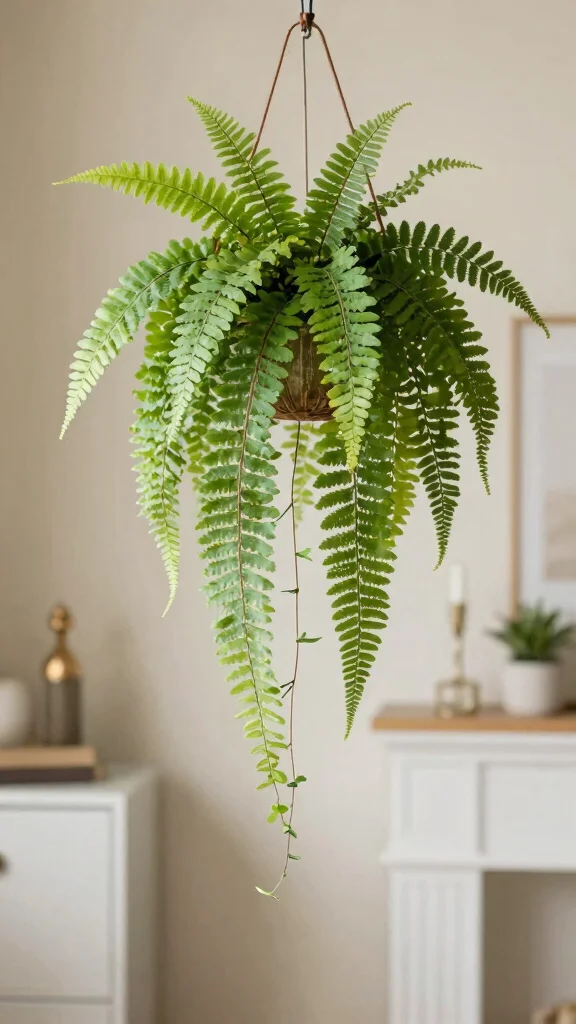
The Maidenhair Fern is a delicate plant known for its soft, lacy fronds that create a graceful appearance. While it requires specific humidity and light conditions, this plant rewards you with stunning visuals when cared for properly. It thrives in cool, shady spots, making it an excellent choice for enhancing your indoor space.
Maintaining moisture is crucial for Maidenhair ferns. Keep the soil consistently moist but avoid sogginess, and mist the leaves frequently to boost humidity. They prefer indirect light, making them suitable for bathrooms or kitchens where humidity is higher.
Care essentials:
– Water regularly to keep the soil moist
– Mist leaves to enhance humidity
Hanging the Maidenhair Fern in a decorative pot creates a magical effect, perfect for adding a whimsical touch to your home decor.
12. Rattlesnake Plant
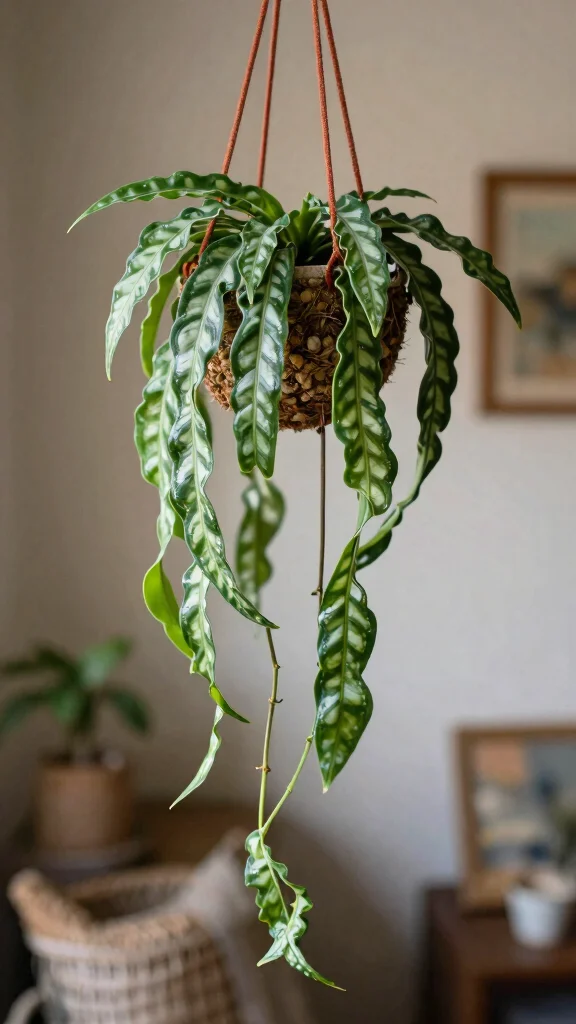
The Rattlesnake Plant is as striking as its name suggests. With long, wavy leaves adorned with intricate patterns, it makes a stunning statement in any indoor garden. While it prefers humidity, it can adapt to moderate light, making it a great option for various indoor spaces.
Caring for a Rattlesnake Plant involves keeping the soil slightly moist and providing indirect sunlight. Avoid letting the leaves dry out or exposing them to drafts, as they can be sensitive to temperature changes.
Care tips:
– Keep soil consistently moist
– Provide humidity through misting
Hanging this plant allows its beautiful leaves to sway gently, captivating anyone who enters the room.
13. Baby Rubber Plant
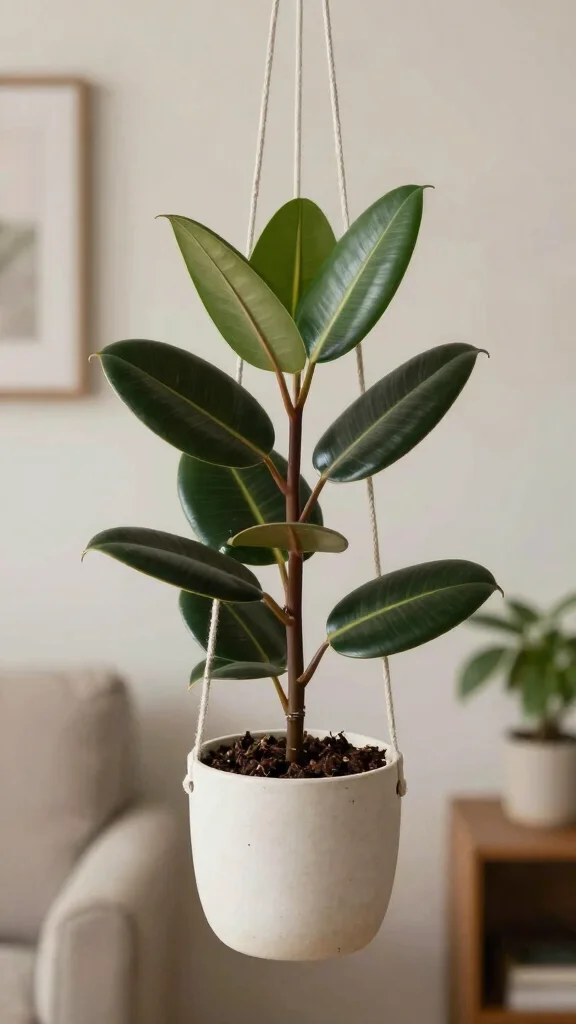
The Baby Rubber Plant is a compact, charming plant that’s perfect for small spaces. With its thick, glossy leaves, it adds a modern touch to your indoor garden. This plant thrives in low to medium light, making it a great choice for areas without direct sunlight.
Caring for a Baby Rubber Plant is simple: allow the top inch of the soil to dry out before watering. It’s also forgiving of occasional neglect, making it ideal for beginners.
Care essentials:
– Use well-draining soil
– Water when the top inch of soil is dry
Hanging this plant enhances its beauty and allows it to cascade down, adding a lush touch to your indoor decor.
14. Nerve Plant
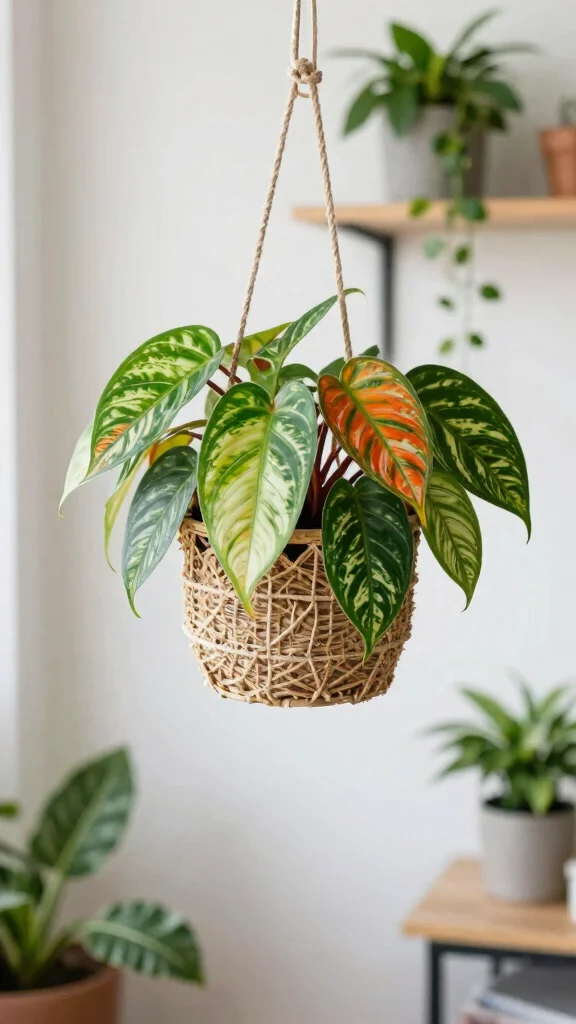
The Nerve Plant is celebrated for its strikingly colorful leaves, decorated with intricate nerve-like patterns. This small, low-growing plant thrives in humid environments and does well in indirect light, making it perfect for brightening any corner of your home.
Caring for Nerve Plants involves keeping the soil consistently moist and misting regularly to maintain humidity. They enjoy warmth, so it’s best to avoid placing them in drafts or near cold windows.
Care tips:
– Water regularly to keep soil moist
– Mist leaves to enhance humidity
Hanging Nerve Plants can create a vibrant cascade of patterns and colors, infusing your indoor space with playful energy.
15. Sweetheart Plant
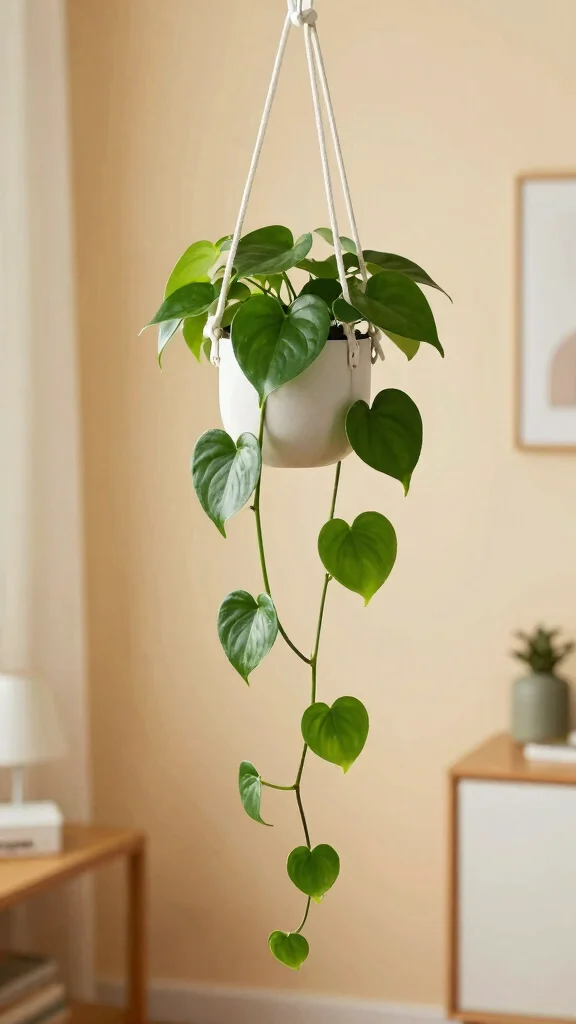
The Sweetheart Plant is a delightful addition to any green space, known for its heart-shaped leaves that are sure to steal your heart. This plant is a fantastic choice for low-light areas and can flourish even with minimal care. Its trailing vines make it ideal for hanging displays.
Caring for the Sweetheart Plant involves keeping the soil moderately moist and providing indirect light. Pruning regularly can encourage fuller growth, allowing it to climb a trellis or cascade beautifully from a hanging container.
Care tips:
– Keep the soil evenly moist but not waterlogged
– Prune to maintain shape and encourage growth
Hanging this plant in a decorative basket adds a romantic touch to your space, making it perfect for cozy nooks.
16. Chinese Evergreen
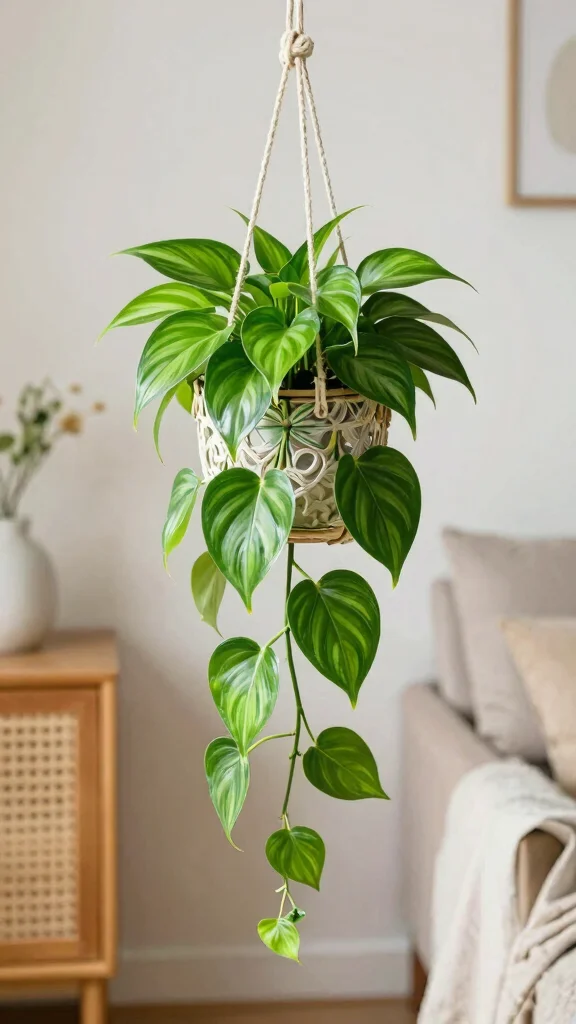
Chinese Evergreen is a beloved indoor plant known for its striking foliage and resilience. With various patterns and colors, it adds a vibrant touch to any space. While it thrives in low-light conditions, it can also adapt to brighter spots, making it a versatile choice.
This plant requires minimal care, great for beginners. Water it when the top of the soil feels dry and ensure it’s not exposed to direct sunlight. Regularly wiping the leaves keeps them dust-free, promoting better growth.
Care essentials:
– Allow soil to dry between waterings
– Keep in indirect light
Hanging a Chinese Evergreen allows its beautiful leaves to showcase themselves, creating a stunning visual impact in your home.
17. Cast Iron Plant
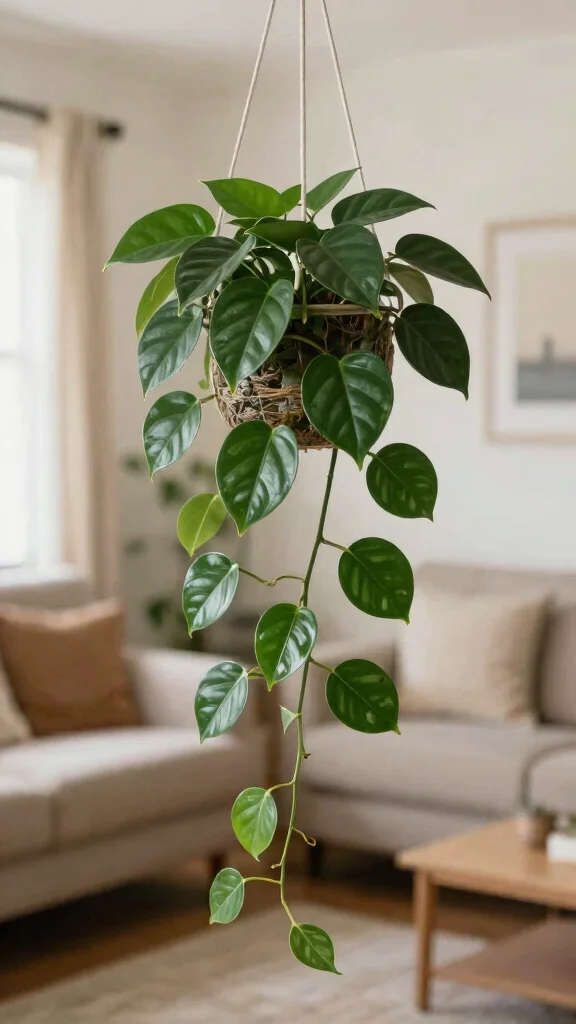
The Cast Iron Plant is the epitome of resilience. This tough plant can withstand neglect, low light, and various conditions without breaking a sweat. With its lush, dark green leaves, it brings a sense of calm to any indoor space, making it perfect for newcomers to indoor gardening.
Caring for the Cast Iron Plant is easy: keep the soil moist but not soggy, and avoid direct sunlight. It’s also an excellent air purifier, effortlessly improving indoor air quality.
Care tips:
– Water when the top of the soil is dry
– Avoid direct sunlight to prevent leaves from burning
Hanging this hardy plant allows its elegant leaves to cascade down, adding a sophisticated flair to your green space.
18. Parlor Palm
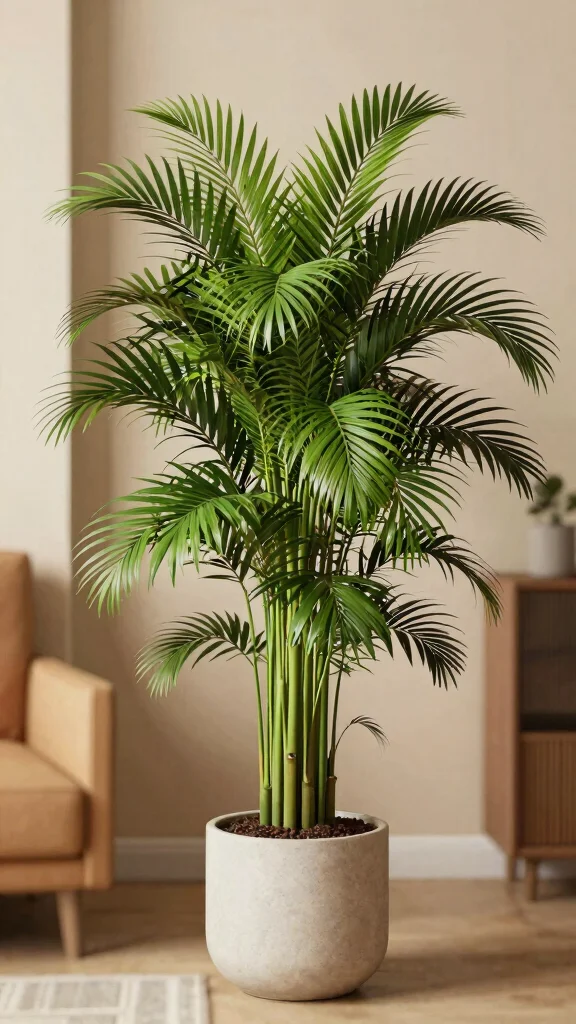
The Parlor Palm is a graceful and easy-care houseplant that adds a touch of calm to any indoor space. With its feathery fronds, this palm thrives in low light and requires minimal maintenance, making it ideal for beginners. It adapts well to various conditions, ensuring it fits seamlessly into your home.
Keep the soil slightly moist but not soggy, and avoid direct sunlight to prevent leaf scorch. A light fertilization every few months during the growing season promotes healthy growth.
Care essentials:
– Water when topsoil feels dry
– Provide indirect light for best results
Hanging the Parlor Palm adds a touch of tropical tranquility, transforming your indoor space into a serene oasis.
19. Goldfish Plant
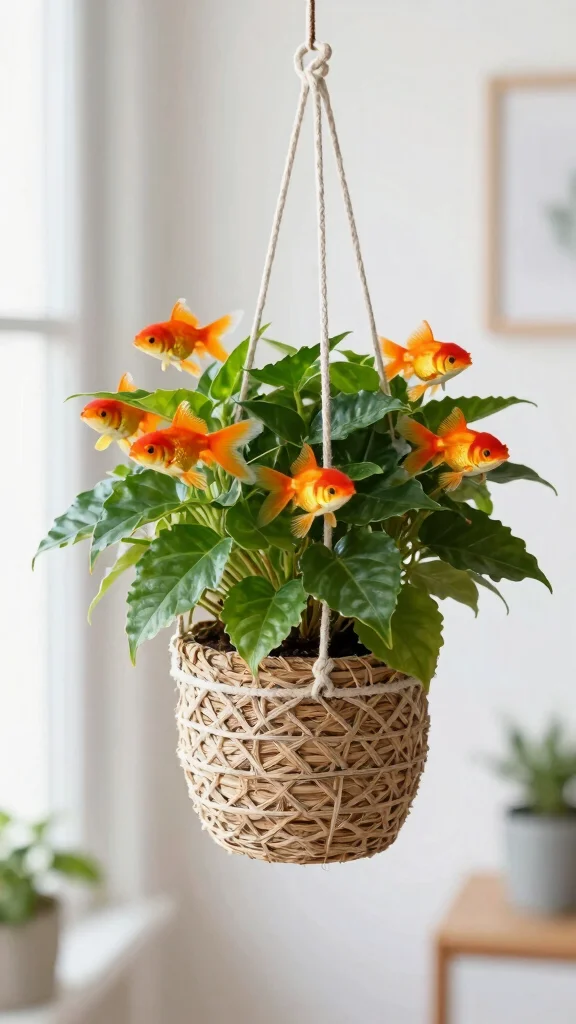
The Goldfish Plant is known for its stunning orange and yellow blooms that resemble goldfish. This unique plant thrives in bright, indirect light but can adapt to lower lighting conditions, making it a vibrant addition to your indoor collection.
Caring for the Goldfish Plant involves keeping the soil evenly moist while avoiding overwatering. Regular feeding during the growing season encourages blooming. It may require more humidity, so consider misting the leaves or placing it in a humid environment.
Care tips:
– Keep soil moist but not soggy
– Provide bright, indirect light for flowering
Hanging the Goldfish Plant allows its beautiful flowers to cascade, bringing a whimsical touch to your indoor garden.
20. Peperomia
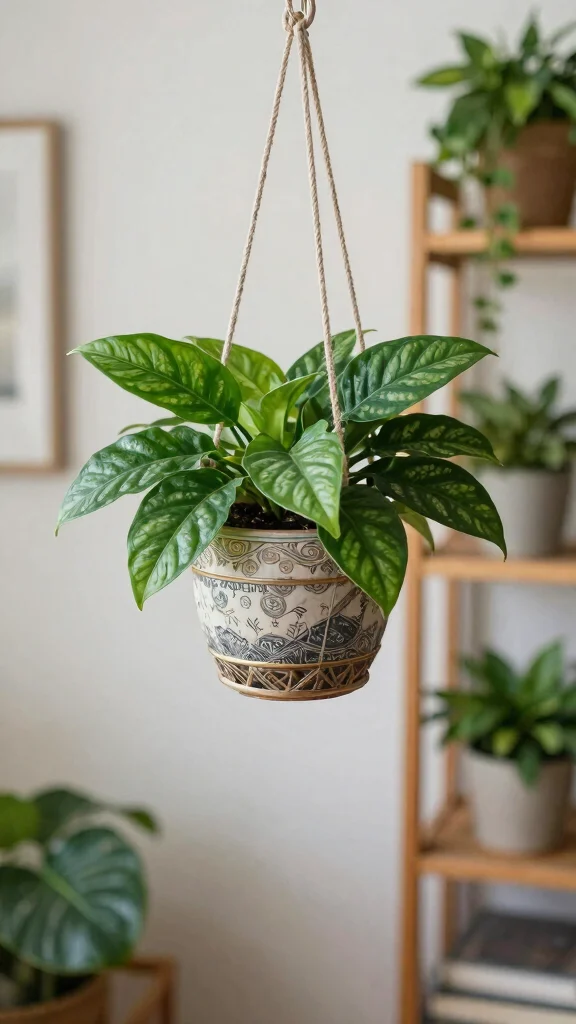
Peperomias are charming, compact plants that come in a variety of shapes and colors. Known for their thick, fleshy leaves, they are perfect for adding greenery without occupying much space. Most Peperomias thrive in indirect light and prefer to dry out between waterings, making them ideal for busy individuals.
These plants are also great air purifiers, contributing to a healthier environment. Delightful varieties like the Watermelon Peperomia, with striking leaf patterns, or the Raindrop Peperomia, with its unique leaf shape, are sure to catch your eye.
Care essentials:
– Allow soil to dry out between waterings
– Provide indirect light for optimal growth
Hanging Peperomias in decorative pots creates an eye-catching display, adding lushness to any space.
Conclusion
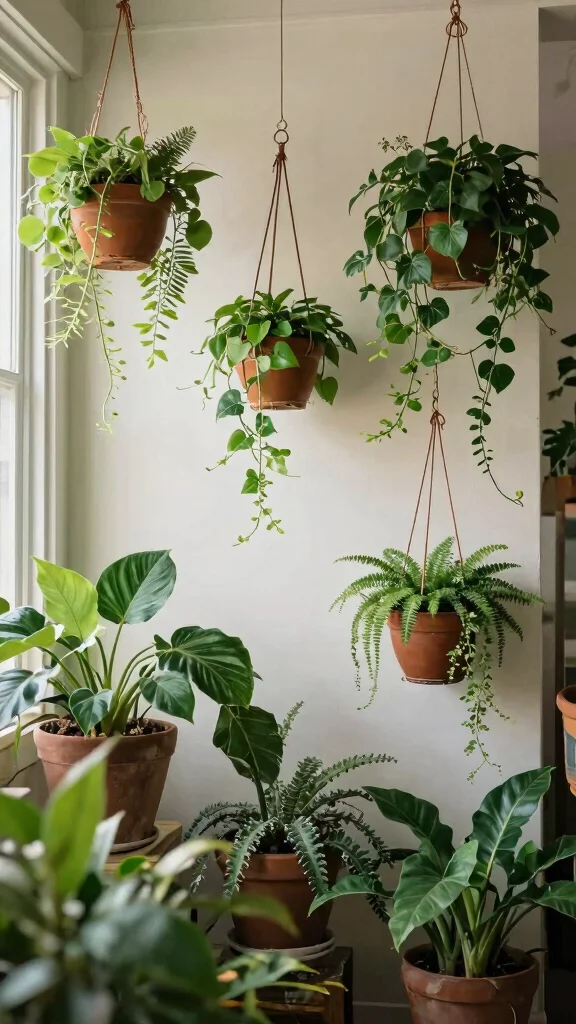
Creating a dreamy green space with hanging indoor plants can be both a fun and rewarding experience. Each of these 20 plants offers unique aesthetics and easy care tips, making it simple to add a touch of nature to your home, even in low-light conditions. Whether you choose vibrant blooms or lush greens, there’s a perfect hanging plant for every corner of your cozy abode. So, hang those baskets, nurture your new green friends, and enjoy the tranquility they bring.
Frequently Asked Questions
What Are the Best Low-Light Hanging Indoor Plants for Small Spaces?
If you’re short on space but want to add greenery, these low-light indoor plants work beautifully as hanging indoor plants in small rooms.
Pothos (Epipremnum aureum): trails elegantly and tolerates very low light; water when the top inch of soil dries.
Heartleaf Philodendron (Philodendron scandens): forgiving and versatile; let the soil dry a bit between waterings.
Spider Plant (Chlorophytum comosum): sturdy for beginners, adapts to dim corners; water when the potting mix dries to the touch.
Peace Lily (Spathiphyllum): thrives in low light and can bloom in dim corners; keep soil lightly moist but never soggy.
Chinese Evergreen (Aglaonema): extremely tolerant of low light and dry air; rotate occasionally for even growth.
How Should I Care for Hanging Indoor Plants in Low Light?
Caring for hanging indoor plants in low light is about meeting their basics without forcing more light than you have.
Choose truly low-light indoor plants and place them in the brightest spot you have, rotating every few weeks for even growth.
Watering: check soil moisture weekly and water thoroughly when the top inch is dry; never let the roots sit in standing water.
Soil and drainage: use a lightweight, well-draining potting mix and ensure each planter has drainage holes.
Maintenance: wipe leaves to remove dust, fertilize sparingly in spring/summer, and watch for signs of root crowding or pests.
Do Hanging Plants Purify Air, and Which Ones Are Best for Air Purification?
Yes—the right air-purifying houseplants can help improve indoor air quality, especially in small spaces where air circulates slowly.
Common choices include pothos, peace lily, spider plant, philodendron, and Chinese evergreen, all of which can thrive as hanging indoor plants in low-light areas. To maximize benefits, dust leaves regularly, place plants away from strong drafts, and pair several plants for a more noticeable effect. Remember, plants are part of a broader air-quality strategy: good ventilation and humidity control are also key.
How Can I Arrange and Display Multiple Hanging Plants in a Small Space?
Arrange hanging indoor plants in a way that adds depth without crowding the room.
Use ceiling hooks rated for the total weight and hang lightweight planters in a staggered pattern to create a layered look.
Mix heights: one tall trailing plant, two mid-length hangers, and one compact specimen to avoid visual clutter.
Consider a hanging rails system or wall-mounted brackets to free floor space, and use drainage trays to keep floors dry during routine watering.
What Common Mistakes Should I Avoid with Low-Light Hanging Indoor Plants?
Avoid these pitfalls to keep your hanging indoor plants thriving:
Overwatering: let the top inch of soil dry before watering again; use well-draining soil and pots with drainage holes.
Too much direct sun: most low-light plants burn in harsh sun; place them in bright indirect light or the best available spot.
Neglecting rotation: rotate plants every few weeks so all sides receive light and grow evenly.
Using heavy pots without adequate support: choose lightweight containers and sturdy hooks, especially in small spaces.
Ignoring leaf dust and humidity: wipe leaves occasionally and provide modest humidity if your space is very dry.
Related Topics