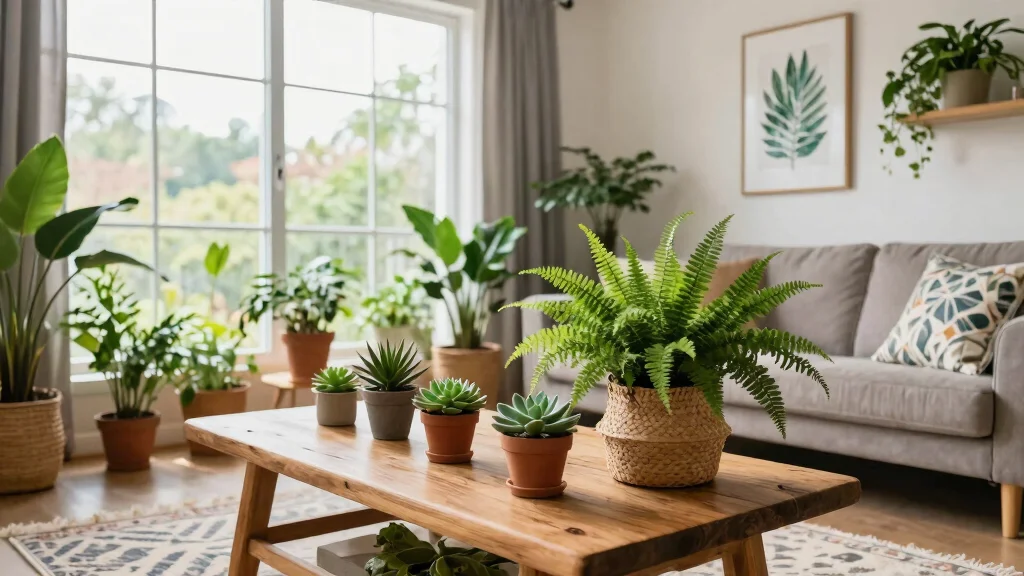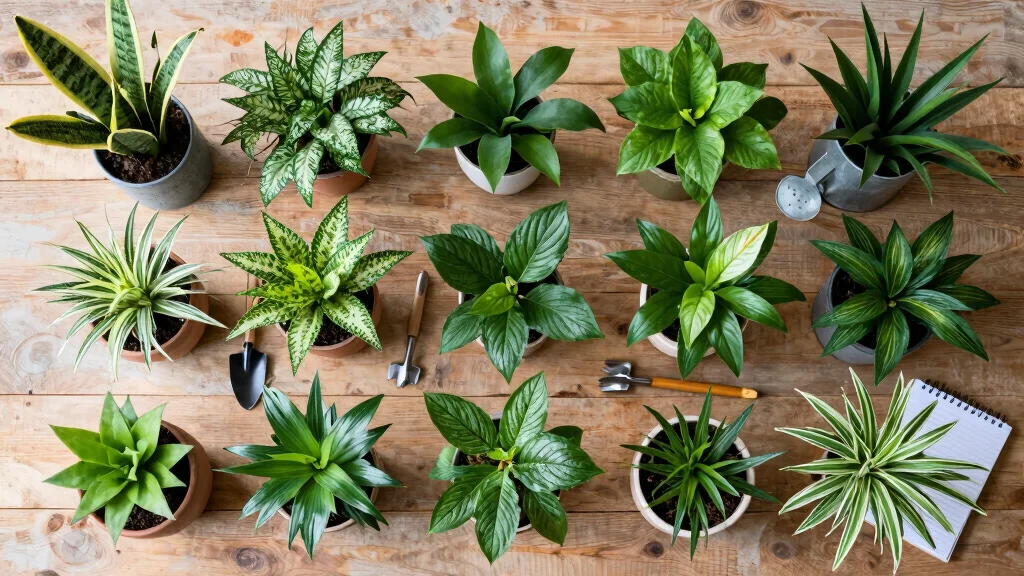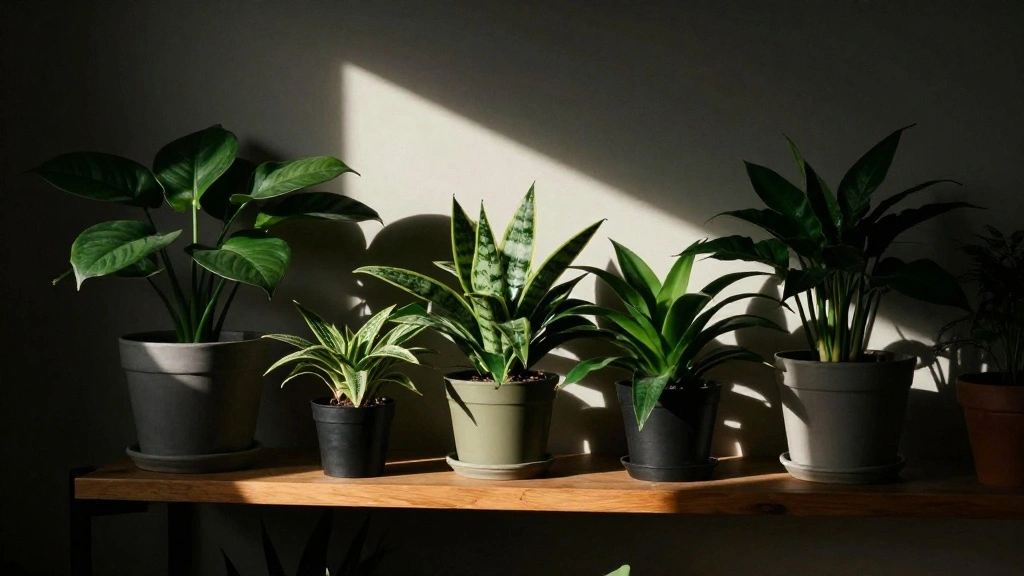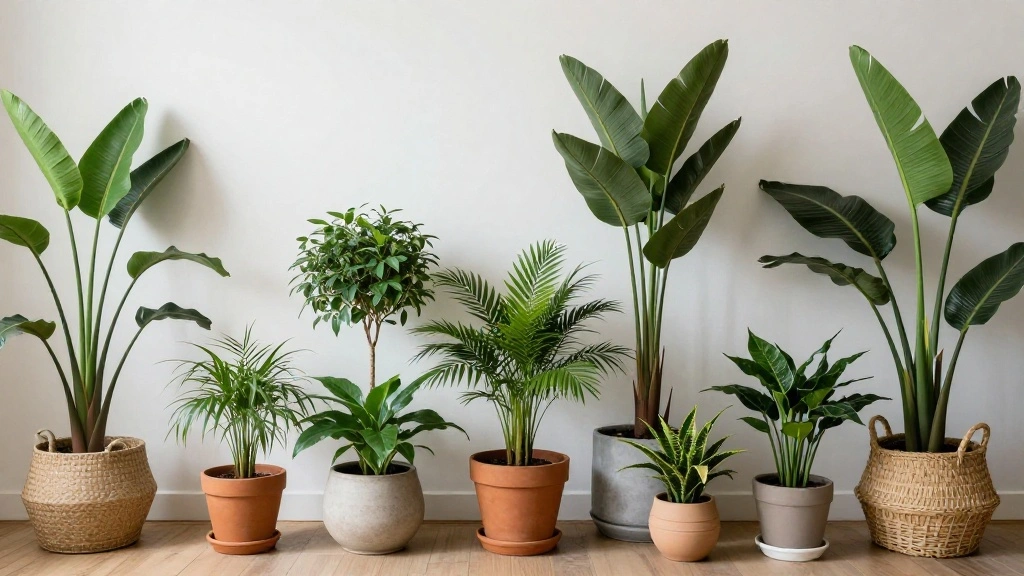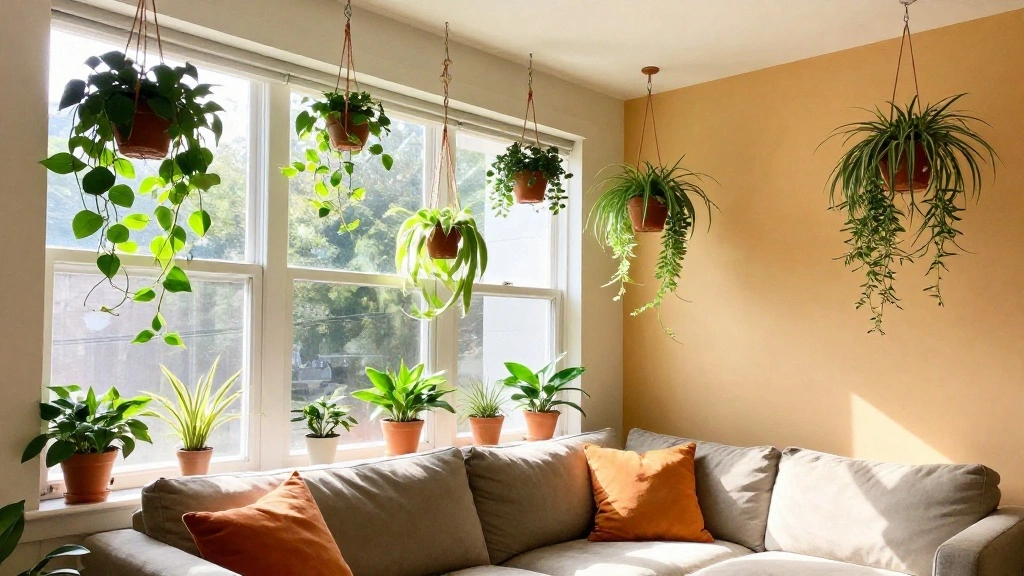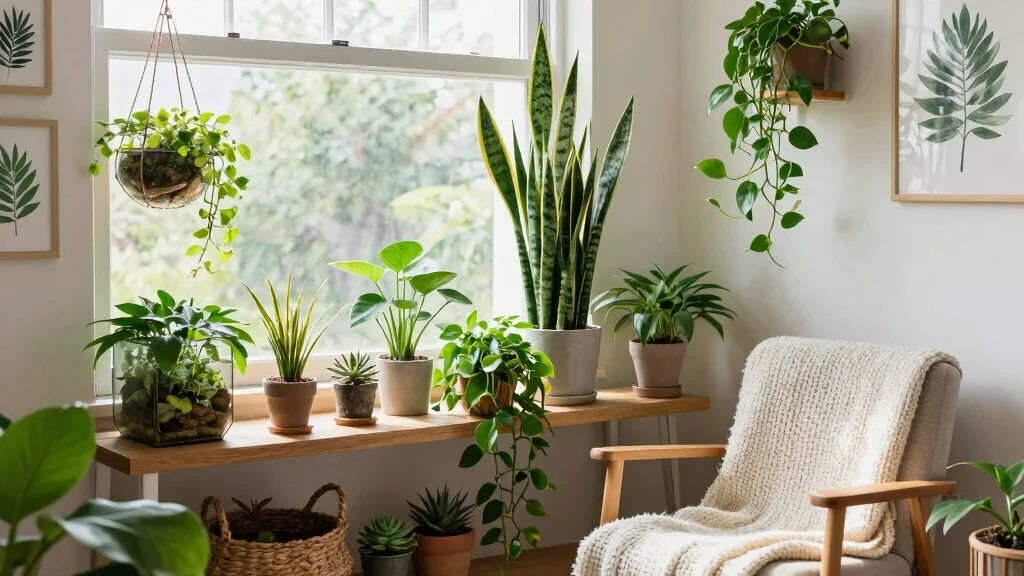

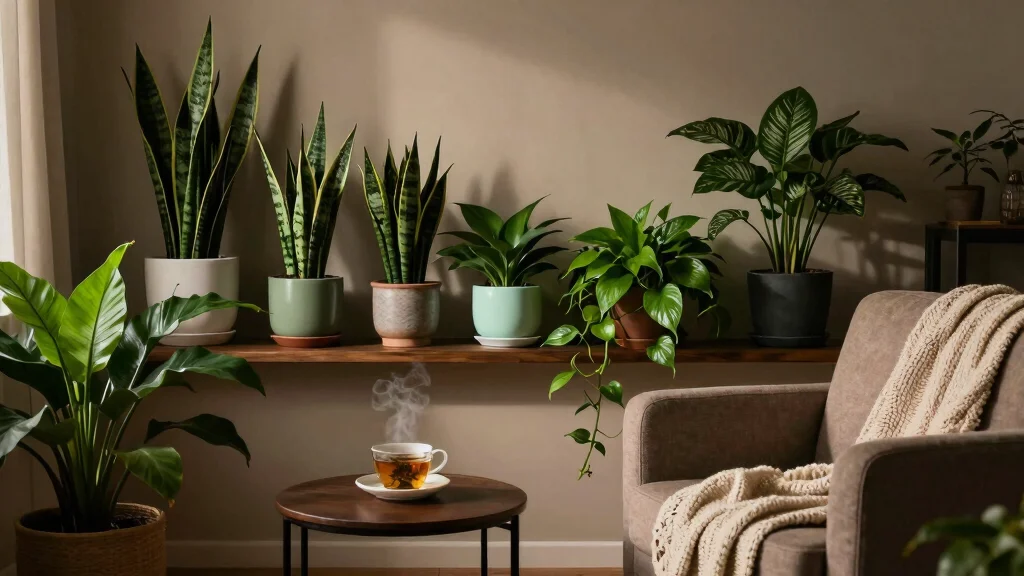


Indoor gardening can feel daunting, especially if your space lacks natural light. If you’re craving a touch of greenery but are struggling with how to keep plants alive in low-light settings, you’re not alone. Many people find themselves in the same boat, yearning for indoor plants that can thrive without direct sunlight. That’s why I created this guide to showcase 16 incredible indoor plants that not only survive but truly flourish in low-light conditions.
This post is perfect for anyone who adores houseplants but may not have the sunniest spaces or the greenest thumbs. Whether you live in a cozy apartment, a small office, or any other limited-light environment, you’ll discover that nurturing houseplants is entirely possible. From easy-to-care-for options to a few unique varieties, each plant featured here is specially selected for its ability to thrive without the sun’s bright rays.
In this guide, you’ll gain valuable insights into the best low-light indoor plants and their care requirements. You’ll learn about low-maintenance options that are perfect for beginners and discover shade-tolerant houseplants that can brighten your home without a lot of fuss. With practical tips and a variety of choices, this post will empower you to create a lush indoor oasis, even in the dimmest corners of your space.
Key Takeaways
– Explore 16 indoor plants that thrive in low-light conditions, ensuring you can enjoy greenery without needing bright sunlight.
– Discover houseplants for low light that are not just hardy but also add beauty and character to your home.
– Learn essential low light plant care tips that are easy to follow, making plant ownership stress-free.
– Find out about low maintenance indoor plants that require minimal effort, perfect for busy lifestyles.
– Understand the characteristics of shade-tolerant houseplants, so you can select the right plants for your unique environment.
Recommended Products

SANSEVIERIA ZEYLANICA: Mother in Laws Tongue House Plant is a stemless evergreen that grows elongated, sword-shaped leaves from its underground rootstock. The Snake Plant is an upright species with firm structure and hardiness characteristics. Being that it is a perennial, the Sansevieria will live for years when properly cared for.

Adjustable Width Plant Stand: This Indoor Plant Stand adjustable from 8 to 12 inches in width, which allowing you to place plant pots of different sizes; The adjustable plant stand has 2 height displays, you can switch heights by flipping the stand over

HARDY INDOOR PLANT: Sansevieria Laurentii is a drought tolerant, durable, and adaptable houseplant for beginners
1. Snake Plant (Sansevieria)
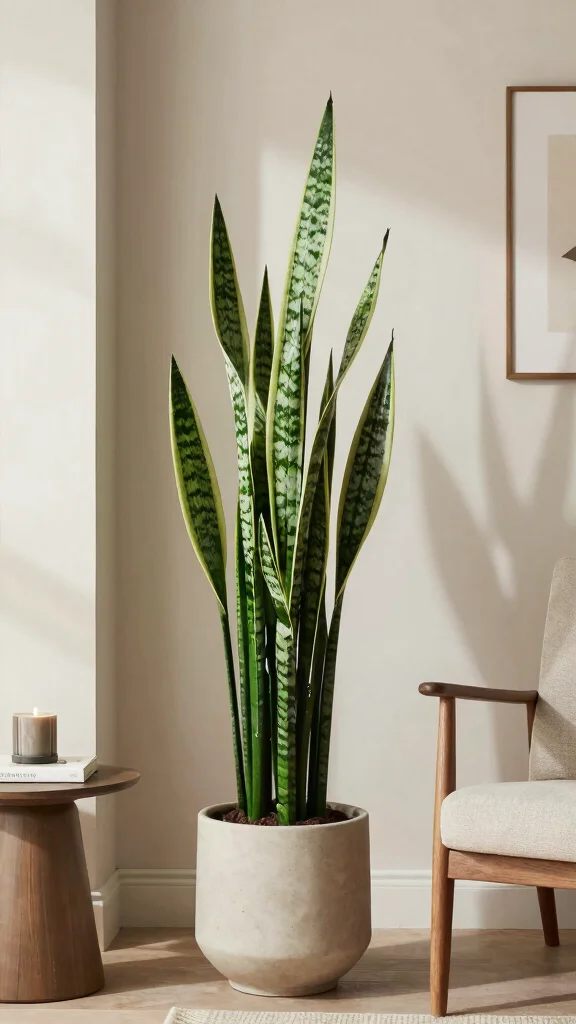
Are you looking for a plant that thrives in low light and requires minimal maintenance? The Snake Plant, also known as Mother-in-Law’s Tongue, is the perfect choice! With its striking upright leaves, this plant not only adds a modern touch to your decor but also helps purify the air around you. Its resilience makes it an ideal companion for busy lifestyles, providing beauty without demanding much attention.
To keep your Snake Plant happy, allow its soil to dry out between waterings, preventing the risk of over-watering. Place it in a corner or a dimly lit room, and watch it flourish. This adaptable plant will thrive in various conditions, making it a great addition to any home.
Key care tips:
– Water moderately, ensuring the top inch of soil is dry before watering again.
– Position it in indirect sunlight or even in a darker area.
– Use well-draining potting mix to prevent root rot.
With the Snake Plant by your side, you’ll enjoy a low-maintenance yet stunning addition to your indoor space.
Recommended Products

STUNNING READY-TO-DISPLAY DÉCOR: This large Golden Pothos arrives fresh from our farm in a 10-inch hanging basket with established, cascading vines. Its lush foliage is a versatile accent for modern, mid-century, or farmhouse-style home and office spaces
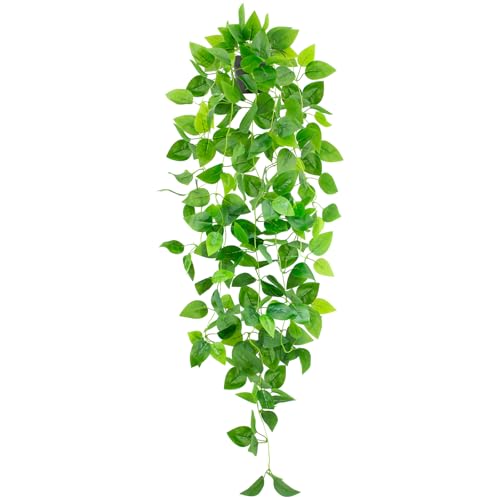
🌿 【Perfect Size & Lush Foliage】This small fake pothos plant features 39.37inch (100CM) long hanging vines and approximately 180 lifelike green leaves, creating a full, compact, and naturally trailing appearance. As a classic artificial hanging plant indoor, it adds vibrant, eye-catching greenery to your space without occupying valuable tabletop space, making it ideal for small-area decor needs and compact rooms.

LIVE INDOOR PLANTS: Includes 4 easy to grow pothos plants, approximately 8-10 in. tall measured from bottom of pot
2. Pothos (Epipremnum aureum)
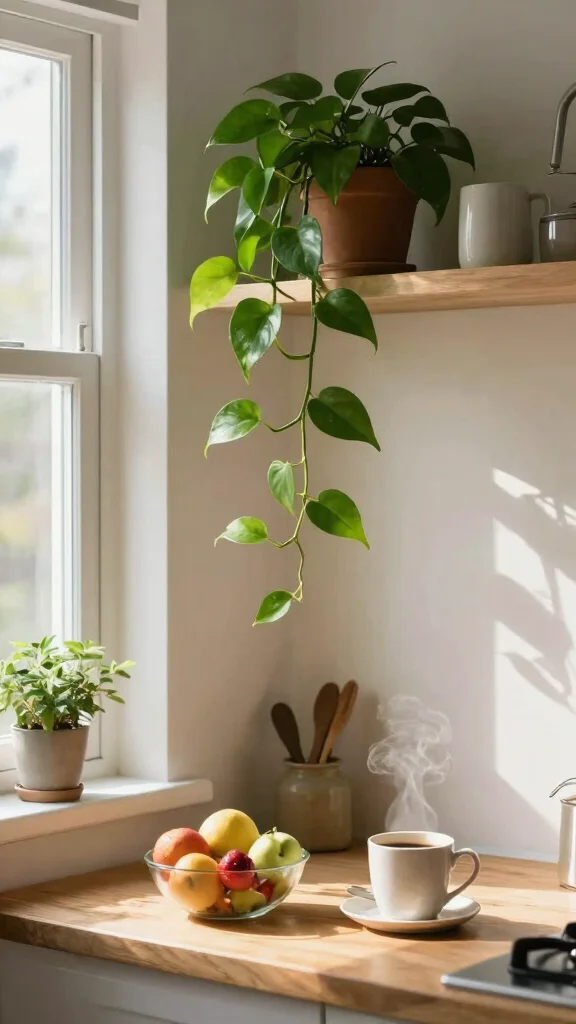
Looking for a plant that adds charm without the fuss? Pothos is your answer! This beautiful trailing vine features heart-shaped leaves that come in various patterns and colors. It thrives in low light and can adapt to bright, indirect sunlight, making it a versatile choice for any room. The lush vines draping over shelves or climbing up supports can transform your space into a vibrant oasis.
To ensure your Pothos grows strong, rotate it occasionally so all sides receive light. This forgiving plant is also great for improving indoor air quality, making it a healthy choice for your home.
Care tips:
– Water when the top inch of soil is dry.
– Trim back long stems to encourage bushier growth.
– Fertilize monthly during the growing season for optimal results.
With Pothos in your collection, you’ll enjoy a lush, green environment that requires minimal effort.
Recommended Products

Zamioculcas is genus of flowering plants in the family Araceae, containing the single species Zamioculcas zamiifolia.

Zamioculcas zamiifolia

SLEEK, STYLISH ROOM DÉCOR: The architectural upright leaves of a real ZZ Plant provide a modern, sleek look that defines minimalist home decor. An excellent, stylish live plant choice for an office desk, plant shelf, or tabletop
3. ZZ Plant (Zamioculcas zamiifolia)
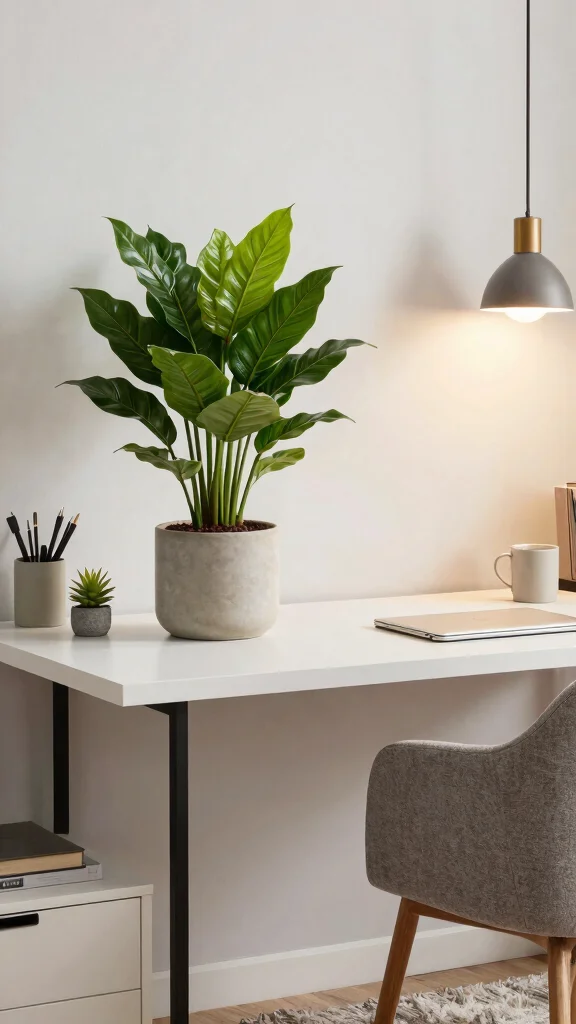
Do you want a plant that thrives on minimal attention? The ZZ Plant is your perfect match! Its glossy, dark green leaves add a touch of elegance to any space. Known for its ability to survive neglect, this hardy plant suits busy lifestyles and even those without a green thumb. It thrives in low to bright indirect light, making it suitable for various locations in your home.
To keep your ZZ Plant thriving, let the soil dry out completely between waterings. Its unique leaf formation creates a striking visual interest, and with occasional dusting, it will shine beautifully.
Care tips:
– Allow the soil to dry out completely before watering again.
– Position it in low to moderate indirect light.
– Wipe leaves occasionally with a damp cloth for a fresh look.
With the ZZ Plant, you’ll have a stunning and low-maintenance addition to your indoor garden.
Recommended Products

Hardy Large Evergreen Plant – A low-maintenance, shade-loving houseplant that thrives in low light and indirect sun, making it ideal for homes, offices, and shaded gardens

Hardy Low-Light Houseplant – Thrives in low-light indoor environments, making it perfect for homes, offices, and shaded gardens

Milky Way Aspidistra
4. Peace Lily (Spathiphyllum)
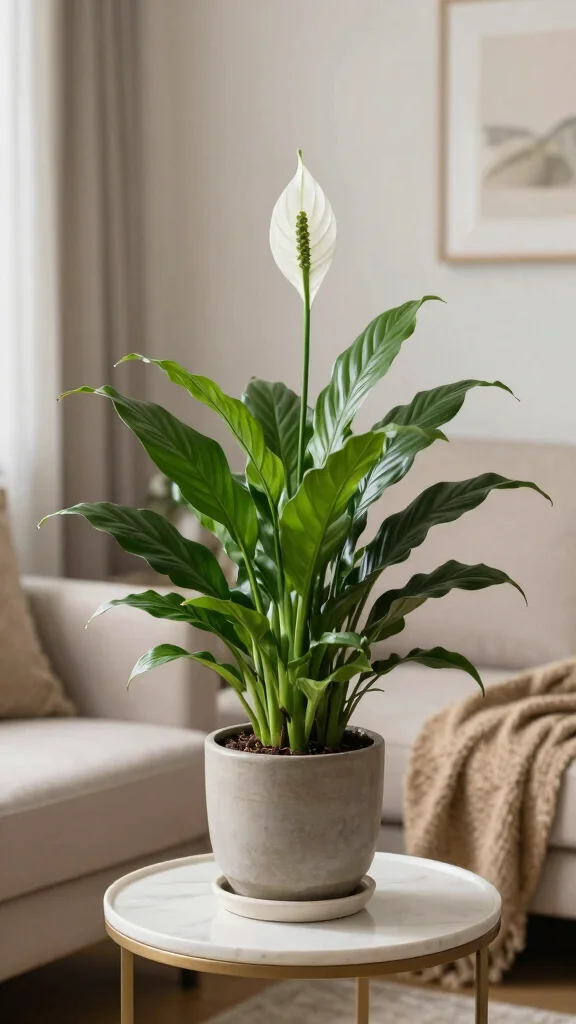
Searching for a plant that combines beauty and function? The Peace Lily is an excellent choice! Its elegant white blooms and glossy green leaves create a stunning focal point in any room. Beyond its visual appeal, this plant excels in air purification, making it perfect for bedrooms and living spaces. Peace Lilies thrive in low light, but a bit of indirect sunlight enhances their growth.
Keep an eye on your Peace Lily; it droops slightly when it needs water, providing a natural care indicator. Plus, they’re safe for pets, adding to their charm.
Care tips:
– Keep the soil consistently moist but not soggy.
– Mist the leaves regularly to boost humidity.
– Fertilize every 6-8 weeks during the growing season for abundant blooms.
With a Peace Lily, you’ll enjoy a beautiful, low-light plant that enhances both your decor and air quality.
Recommended Products

Full Spectrum & Natural Light: A19 full spectrum grow light appears 4000K white to the eye but has a red/blue light spectrum. Same as natural sun shine, perfect for tomatoes, cucumbers, peppers, leafy greens and herbs at all growth stages.
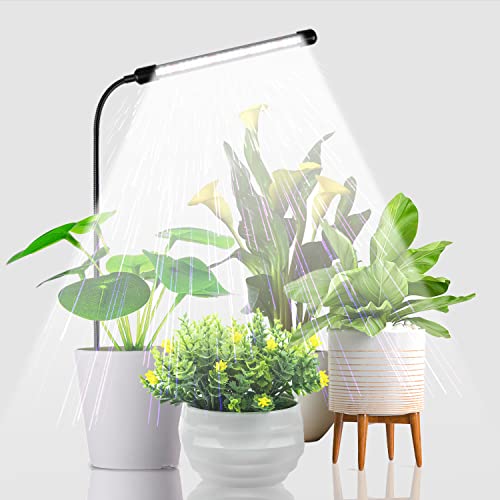
6000K Sunlight Full Spectrum - With 40pcs White & 8pcs Red LED, just like natural daylight, professionally designed for flowers, herbs, peppermint, succulents, seed starting, or any type of locations (hanging, trellis, floor, potted, bonsai plants).

SMALLER & STRONGER: SANSI LED pot clip plant light equipped with SANSI unique ceramic technology, provides more efficient power conversion. The indoor plant light provides 5W output power with 35.78 μmol/s/㎡ @6 inches growing power. Compared with the similar 10W plant light, the output power is saved by 50% and the plant growing effect increased by 25%. The LED grow light is suitable for various indoor potted plants, such as succulents, aloe vera, devil's Ivy, calibrachoa, African violet, etc.
5. Spider Plant (Chlorophytum comosum)
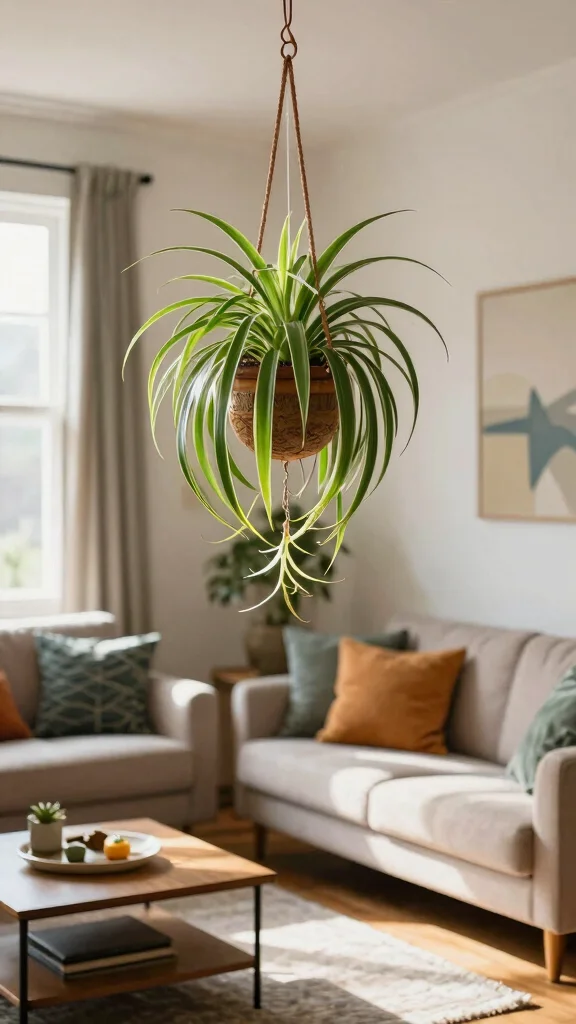
Want a fun and resilient plant for your home? The Spider Plant is a classic favorite! Its arching green and white-striped leaves bring a playful touch to any space. This charming plant produces ‘baby’ plants, or pups, that can easily be propagated, allowing you to share or expand your collection. Spider Plants thrive in various lighting conditions, including low light, making them adaptable companions.
To keep your Spider Plant happy, water it when the top inch of soil is dry. This plant also serves as an excellent air purifier, helping to keep your indoor air fresh and clean.
Care tips:
– Water when the top inch of soil is dry.
– Use a well-draining potting mix to prevent root rot.
– Fertilize during the growing season for lush growth.
With a Spider Plant, you’ll enjoy a vibrant and easy-care addition to your indoor garden.
Recommended Products
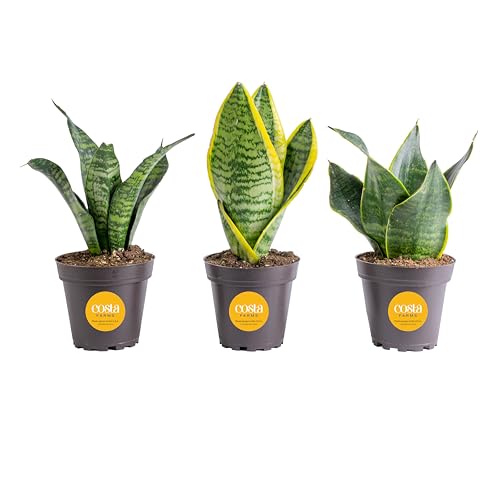
INSTANT HOME STYLING TRIO: Multi pack of three live snake plants takes the guesswork out of interior design by creating an effortless cohesive look across your living room shelves, bedroom nightstands, or home office desks

Designed for Large & Tall Indoor Plants:Designed specifically for large indoor plants and tall plants that need stronger and wider light coverage. Helps big plants thrive even in low-light areas like living rooms, corners, or offices.Provides full spectrum light (380nm–800nm) to support every stage of plant growth. A perfect sunlight replacement for indoor plants.

🌿 Perfect for Small Potted Plants - Designed specifically for indoor greens like succulents, herbs, and foliage, these grow lights for indoor plants deliver balanced 380nm-800nm full-spectrum light to revive leggy stems and boost compact growth
6. Cast Iron Plant (Aspidistra elatior)
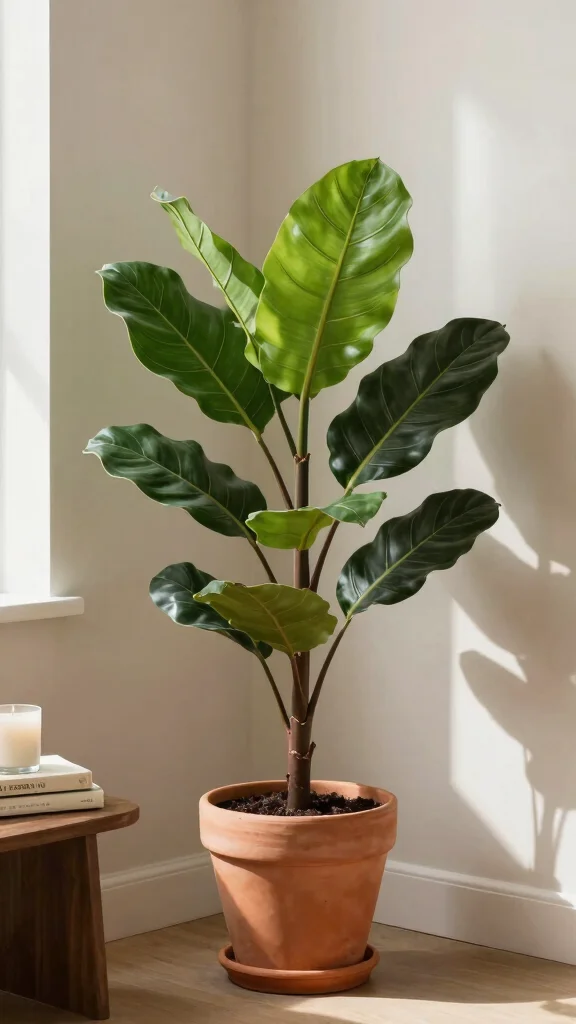
Looking for an incredibly tough plant? The Cast Iron Plant is perfect for you! This hardy plant thrives in low light and can endure neglect, making it an ideal choice for busy lifestyles. With its broad, dark green leaves, it adds a tropical vibe to any corner of your home. Although it rarely flowers, its lush foliage serves as a beautiful backdrop in any room.
To care for your Cast Iron Plant, water sparingly and allow the soil to dry out between waterings. It thrives best in low to moderate indirect light, making it perfect for shaded areas.
Care tips:
– Water sparingly, allowing the soil to dry out between waterings.
– Keep it in low to moderate indirect light.
– Avoid over-fertilizing; less is often more.
With a Cast Iron Plant, you’ll enjoy a stunning and resilient addition to your indoor collection.
Recommended Products

🌿 INSTANTLY UPGRADE YOUR SPACE Add a soft, cascading touch to your home with this artificial trailing ivy plant. Perfect for shelves, cabinets, or countertops, the flowing vines create a relaxed, styled look instantly.

LIVE POTHOS PLANT DELIVERY: Each order includes one fully-rooted golden pothos in a 4" pot. Devil's ivy (Epipremnum aureum) is a beautiful, easy to grow house plant.

Lush and Versatile Plant: The Ficus Repens, or Creeping Fig, features vibrant green, small, rounded leaves that create a dense, lush cover, making it an attractive choice for indoor greenery.
7. Parlor Palm (Chamaedorea elegans)
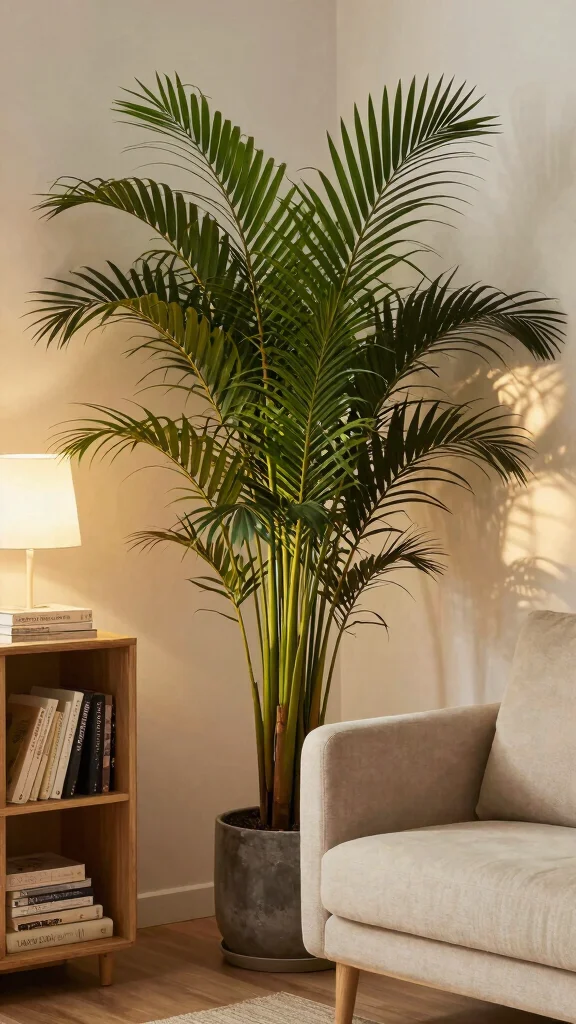
Searching for a plant with elegance and versatility? The Parlor Palm is an excellent option! Its feathery fronds create a graceful silhouette, making it an eye-catching addition to any room. Parlor Palms thrive in low light, fitting perfectly into smaller spaces like apartments or cozy homes. They also improve indoor air quality while adding a tropical touch to your decor.
To keep your Parlor Palm healthy, water it when the top inch of soil feels dry, and mist it regularly to maintain humidity. Its slow growth means it’s low maintenance, perfect for busy individuals.
Care tips:
– Water when the top inch of soil feels dry.
– Mist regularly to keep humidity up.
– Rotate the plant occasionally for even growth.
With a Parlor Palm, you’ll enjoy an elegant and easy-care plant that enhances your living space.
Recommended Products

LOW LIGHT TOLERANT: Thrives in partial shade and adapts well to low-light conditions, making it perfect for darker corners of your home or office

STRIKING LIVE HOUSEPLANT: The Everlasting ZZ features bold, upright architectural foliage that transitions in color as it matures, making it a dynamic, eye-catching addition to any modern home or office decor

Live ZZ Plant 'Zanzibar Gem' – Stylish and resilient houseplant with glossy, dark green leaves and upright growth that brings sleek elegance to any room
Ongoing Maintenance & Care Guide
Maintenance Schedule:
Daily/Weekly Tasks:
– Water your plants when the top inch of the soil feels dry. This usually takes about 5-10 minutes.
– Check for any dead leaves or yellowing foliage and prune them to maintain plant health. This task should take around 5 minutes.
– Rotate your plants every couple of weeks for even growth, which takes about 10 minutes.
– Dust off the leaves gently with a damp cloth to keep them clean. This should take about 5 minutes.
Monthly/Seasonal Tasks:
– Fertilize your indoor plants with a balanced, water-soluble fertilizer every month during the growing season. This will take about 15 minutes.
– Repot your plants every 1-2 years or when you see roots coming out of the drainage holes, which should take around 30 minutes.
– Inspect for pests like spider mites or aphids and treat with insecticidal soap if needed. This could take about 20 minutes.
– Trim back overgrown or spindly areas to encourage fuller growth. This task typically takes about 15 minutes.
– Change the potting soil as needed to ensure nutrients are up to par, which could take around 30-45 minutes.
Maintenance Summary Table:
| Task | Frequency | Difficulty | Time Needed |
|——————————|—————|—————-|——————|
| Watering | Daily/Weekly | Easy | 5-10 minutes |
| Pruning | Weekly | Easy | 5 minutes |
| Rotating | Bi-weekly | Easy | 10 minutes |
| Dusting | Weekly | Easy | 5 minutes |
| Fertilizing | Monthly | Moderate | 15 minutes |
| Repotting | Every 1-2 years| Moderate | 30 minutes |
| Pest Inspection | Monthly | Moderate | 20 minutes |
| Trimming | Monthly | Moderate | 15 minutes |
| Changing Soil | As needed | Moderate | 30-45 minutes |
Common Issues to Watch For:
⚠️ Yellow Leaves: This could mean overwatering. Check the soil moisture level immediately.
⚠️ Wilting: If your plant looks droopy, it may need water or could be in too much direct sunlight. Check the light conditions.
⚠️ Brown Tips on Leaves: This often indicates low humidity or underwatering. Increase humidity or check your watering schedule.
⚠️ Stunted Growth: If your plant stops growing, it might be root-bound or need a nutrient boost. Inspect the roots.
⚠️ Pest Infestation: Look out for sticky residue on leaves or visible bugs. Act quickly to treat the issue.
Care Tips:
💡 Choose the Right Location: Place your plants in a spot that receives indirect light, like near a north-facing window, to help them thrive.
💡 Keep Consistent Watering Habits: Use room temperature water and aim to keep a consistent schedule. This helps avoid shock to your plants.
💡 Use Quality Soil: A good potting mix can make a big difference in drainage and nutrient retention. Look for soil specifically designed for indoor plants.
💡 Watch Humidity Levels: Many indoor plants love humidity. Consider using a humidifier or placing a pebble tray with water under your plants.
💡 Observe and Adjust: Regularly check your plants for changes. If they seem unhappy, adjust your care routine based on their signals.
With these maintenance tips, you can enjoy a healthy green space in your home filled with thriving indoor plants low light. Keeping a close eye on their needs will lead to happy plants and a more inviting atmosphere!
Recommended Products
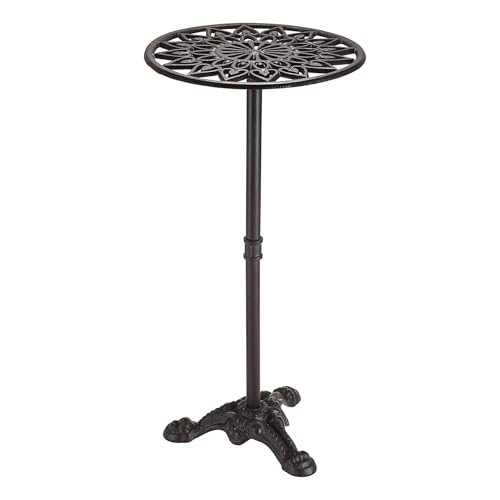
Overall Dimension (Total Height x Top Diameter x Base Diameter) is 58.5cm x 29cm x 24cm / 23" x 11.4" x 9.4", heavy duty and strong enough to hold your large & heavy plants or pots, meeting different placing requirements.

【Full Spectrum Grow Light for Indoor Plants】Chiphy tall grow light features high quality LEDs, full spectrum light, timer cycle, adjustable 2300K-6500K color temperature, perfect for all stages of plant growth from seedling, growing, flowering, and fruiting. Grow lights to help bring the sunshine indoors when raining, snowing, winter, dark indoors, etc, great helper for indoor gardener.

Overall Dimension (Total Height x Top Diameter x Base Diameter) is 60cm x 29cm x 22cm / 23.6" x 11.4" x 8.6", heavy duty and strong enough to hold your large & heavy plants or pots, meeting different placing requirements.
8. Rubber Plant (Ficus elastica)
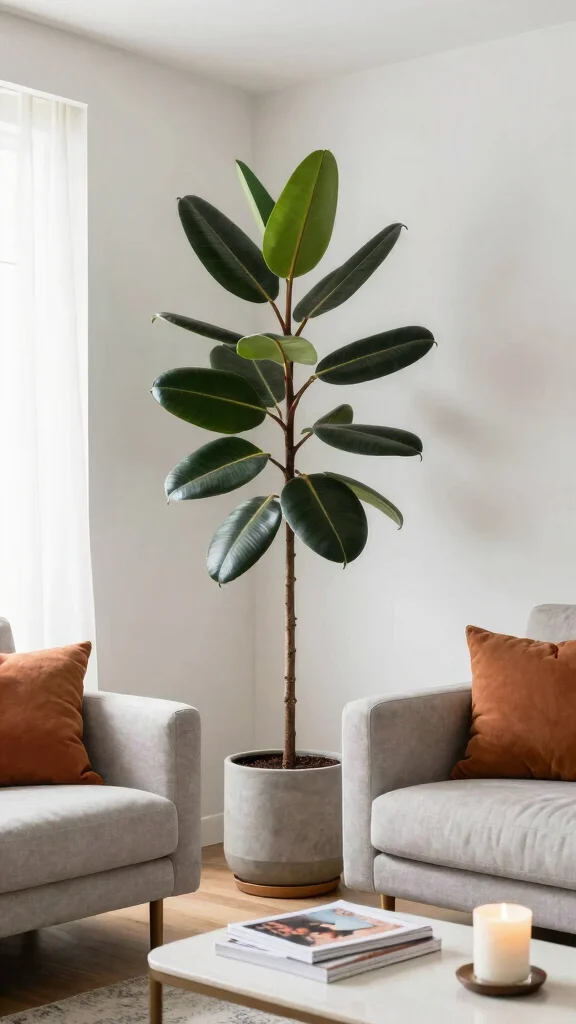
Want a stunning plant that can adapt to lower light? The Rubber Plant is an excellent choice! Its glossy, oval leaves create a striking visual in any decor. Known for its air-purifying qualities, this plant helps improve your indoor environment. As it grows, a Rubber Plant can reach impressive heights, making it a bold statement piece in your home.
This low-maintenance plant thrives with minimal attention, making it perfect for beginners. Just ensure it has well-draining soil to promote healthy growth.
Care tips:
– Water when the top inch of soil dries out.
– Wipe leaves with a damp cloth to keep them shiny.
– Fertilize every few months to encourage growth.
With a Rubber Plant, you’ll enjoy a striking and easy-care addition to your indoor space.
Recommended Products
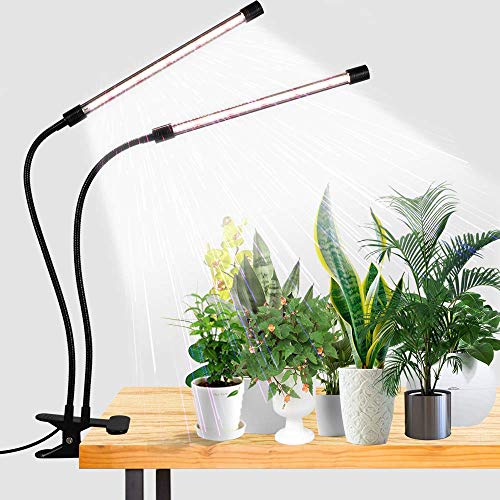
6000K White Light - equipped with 10 Red + 74 White LEDs, this growing Lamp is similar to the full-spectrum sunlight at noon,that is professionally designed for indoor garden plants.Moreover, its color rendering index is as high as 95, the light is soft and flicker-free, which is very suitable for reading lamp


9. Chinese Evergreen (Aglaonema)
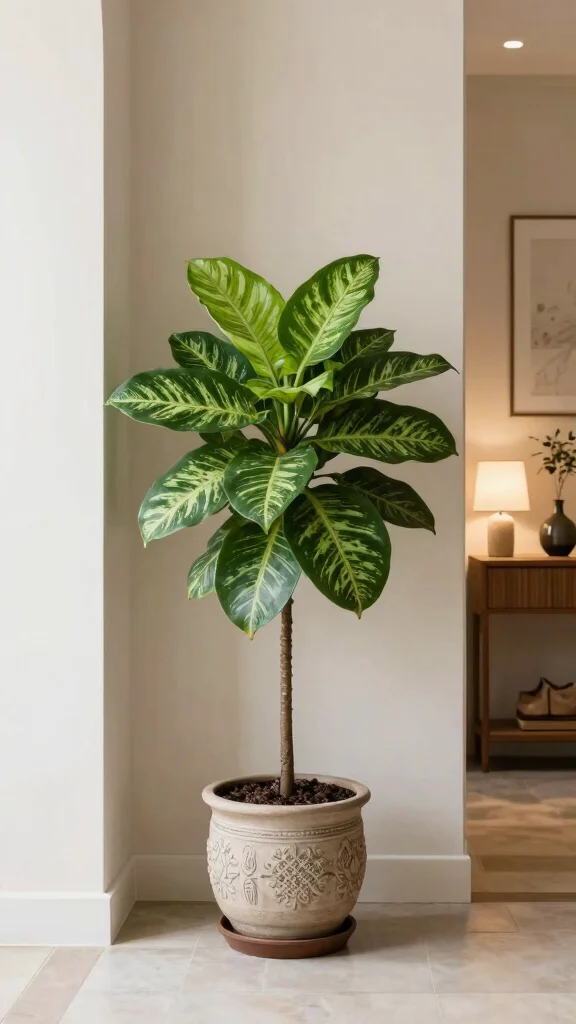
Are you looking for a visually striking plant that thrives in low light? The Chinese Evergreen is an excellent choice! With its beautiful foliage featuring green shades and variegated patterns, this plant easily brightens up dimly lit rooms. It’s resilient and perfect for beginners, as it tolerates neglect and a variety of environments. Plus, it helps improve indoor air quality for a healthier living space.
While it adapts well, providing some indirect light will enhance its colors and growth.
Care tips:
– Allow the top soil to dry out between waterings.
– Fertilize every month during the growing season for best results.
– Avoid cold drafts; this plant prefers a stable temperature.
With a Chinese Evergreen, you’ll enjoy a stunning and adaptable addition to your indoor garden.
10. Dracaena (Dracaena marginata)
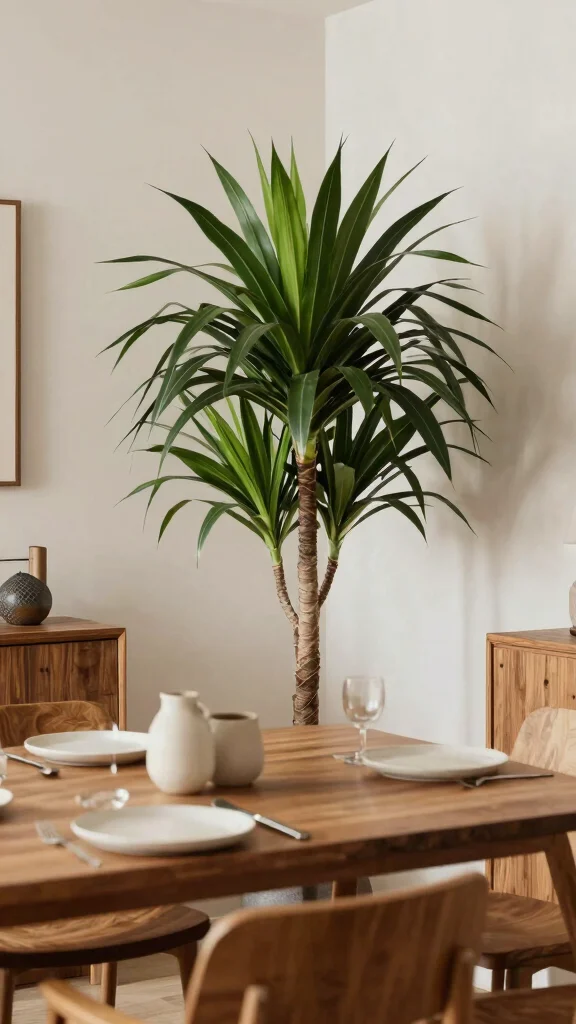
Looking for a tall and stylish plant for your home? The Dracaena marginata is a standout choice! With its slender leaves and striking tall stem, it adds height and elegance to any space. Thriving in low light, this plant is also known for its air-purifying abilities, making it a practical addition to your home. Its slow growth makes it low maintenance, perfect for those who prefer easy-care plants.
To keep your Dracaena healthy, water it when the top inch of soil feels dry, and ensure good drainage in the pot to prevent root rot.
Care tips:
– Water when the top inch of soil is dry.
– Rotate periodically to encourage even growth.
– Provide good drainage in the pot for healthy roots.
With a Dracaena, you’ll enjoy a modern and visually striking addition to your indoor collection.
Low light? No problem. My Dracaena marginata stays tall and stylish, proving indoor plants low light can be drama-free and chic. Water when the top inch dries, and enjoy easy, maintenance-free greenery day after day.
11. Fittonia (Nerve Plant)
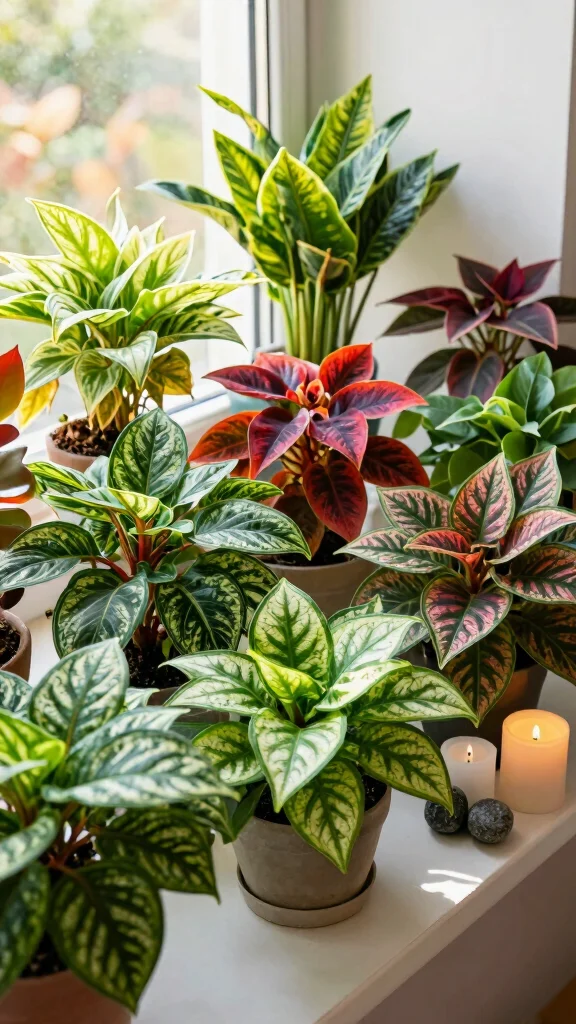
Want a unique plant that adds color to your indoor garden? The Fittonia, or Nerve Plant, is a fabulous option! Known for its striking veined leaves, which come in pink, white, and green hues, this plant thrives in low light while bringing a vibrant touch to your space. Fittonias enjoy humidity, making them perfect for bathrooms or kitchens where moisture levels are higher.
While they require a bit more attention than other low-light plants, their beauty is worth the extra effort. Place them in a spot with indirect light for optimal growth.
Care tips:
– Keep the soil consistently moist but avoid waterlogging.
– Mist regularly to maintain humidity around the plant.
– Fertilize every few weeks during the growing season to promote growth.
With a Fittonia, you’ll enjoy a colorful and unique addition to your indoor garden.
Did you know Fittonia stays vivid best in 60–80% humidity, even in low light? In bathrooms or kitchens, a daily mist or pebble tray makes its pink, white, or green veins really pop for indoor plants low light.
12. Boston Fern (Nephrolepis exaltata)
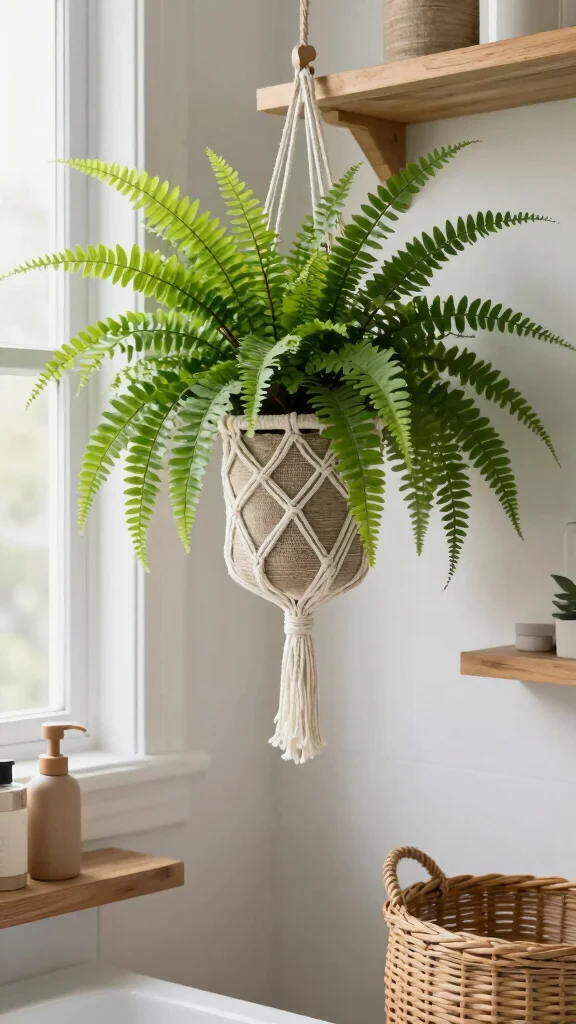
Searching for a lush plant that brings a calming vibe to your home? The Boston Fern is a perfect choice! Known for its feathery fronds, this plant thrives in low light and prefers humid conditions, making it ideal for bathrooms or kitchens. Its delicate appearance beautifully complements sturdier decor elements, adding a touch of nature to your indoor environment.
While Boston Ferns require a bit more care than other low-light plants, their beauty justifies the effort. Regular misting will keep them looking fresh and vibrant.
Care tips:
– Keep the soil consistently moist but well-drained.
– Mist frequently to maintain humidity.
– Avoid placing them in direct sunlight to prevent leaf scorch.
With a Boston Fern, you’ll enjoy a lush and vibrant addition to your indoor space.
13. Calathea (Calathea spp.)
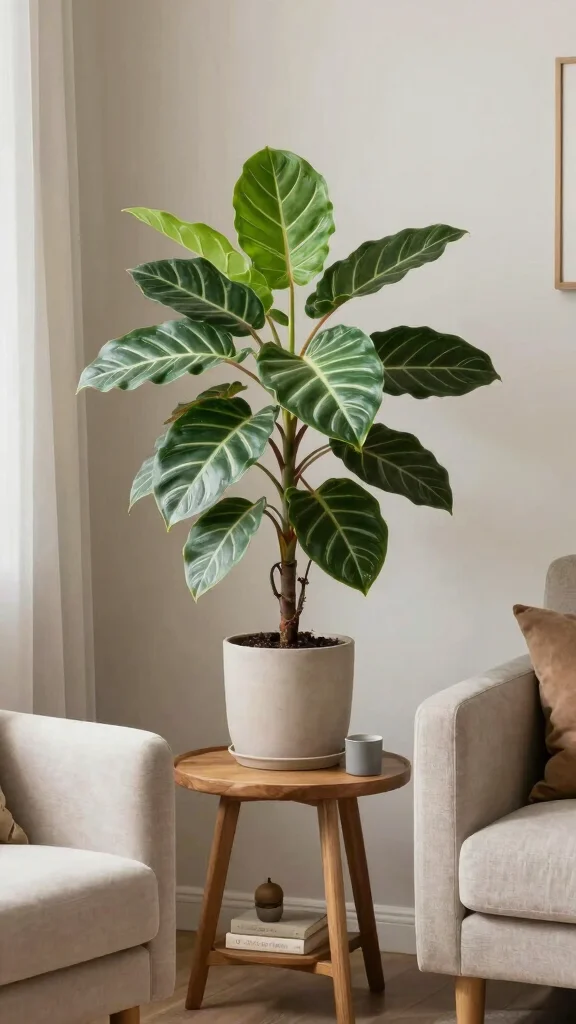
Looking to add stunning leaf patterns to your indoor garden? Calathea plants are a fantastic choice! Known for their beautiful leaves, each variety offers a unique look, from deep greens to striking stripes. These plants thrive in low light and bring texture and color to your indoor collection. Calatheas prefer high humidity, making them perfect for kitchens or bathrooms where moisture is abundant.
While they require consistent care, their exquisite foliage is worth the effort.
Care tips:
– Water when the top inch of soil is dry.
– Mist regularly to maintain humidity.
– Avoid direct sunlight to keep leaves vibrant.
With Calatheas in your collection, you’ll enjoy a beautiful and textured addition to your indoor space.
14. African Violet (Saintpaulia)
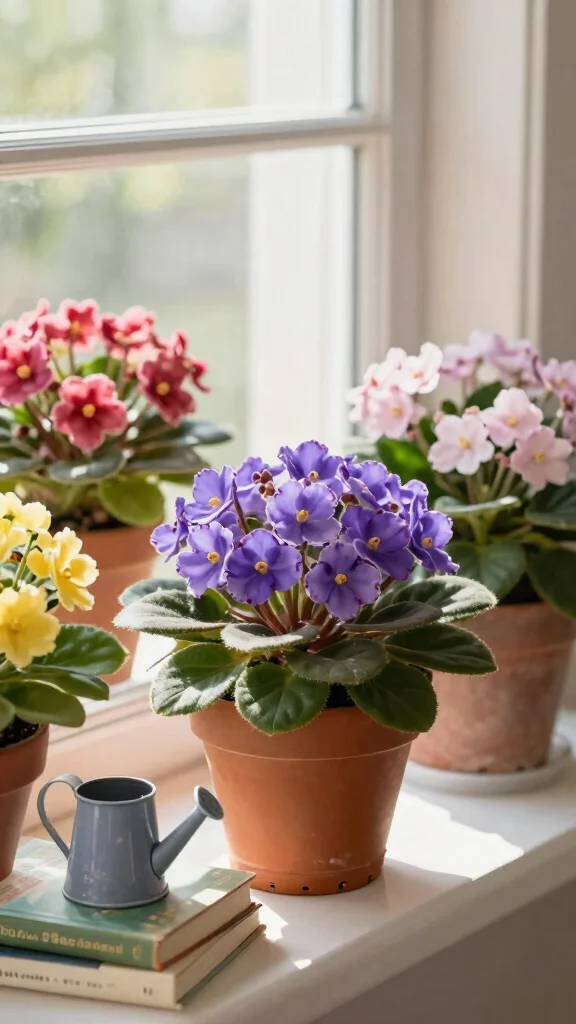
Searching for a colorful addition to your indoor garden? African Violets are a delightful choice! Known for their vibrant blooms and soft, fuzzy leaves, these charming plants thrive in lower light conditions. With various colors, including purple, pink, and white, you can find the perfect match for your decor. They prefer a consistent watering schedule and thrive in humid environments, making them ideal for kitchens or bathrooms.
To achieve the best blooms, provide them with bright, indirect light.
Care tips:
– Keep the soil consistently moist but avoid water on the leaves.
– Fertilize monthly during the growing season for vibrant flowers.
– Use a well-draining potting mix for optimal results.
With African Violets, you’ll enjoy a colorful and charming addition to your indoor collection.
Taking care of African Violets in a low-light kitchen feels surprisingly doable. With a simple, consistent watering routine and added humidity, indoor plants low light lovers can enjoy color after color, brightening your space.
15. Money Tree (Pachira aquatica)
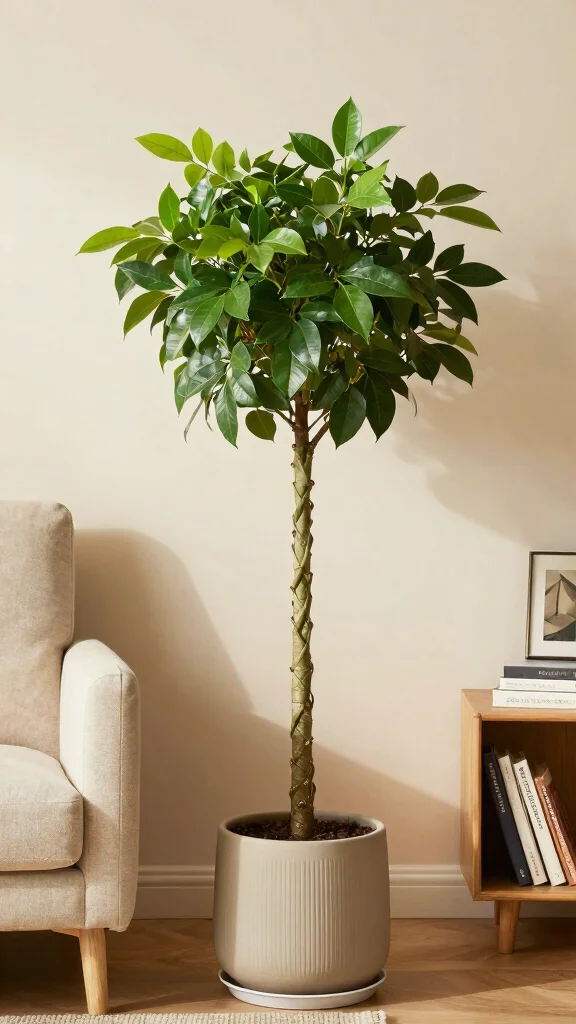
Want a plant that’s visually appealing and symbolizes good luck? The Money Tree is a fantastic option! With its braided trunk and lush leaves, it not only adds beauty to your space but also carries a touch of prosperity energy. This resilient plant prefers indirect light and adapts well to lower light conditions, making it suitable for homes and offices alike.
The Money Tree’s easy-care nature makes it perfect for those who are busy or tend to forget their plants.
Care tips:
– Water when the top inch of soil is dry.
– Ensure good drainage to avoid over-watering.
– Rotate regularly to promote even growth.
With a Money Tree, you’ll enjoy both beauty and a bit of luck in your indoor space.
16. Philodendron (Philodendron spp.)
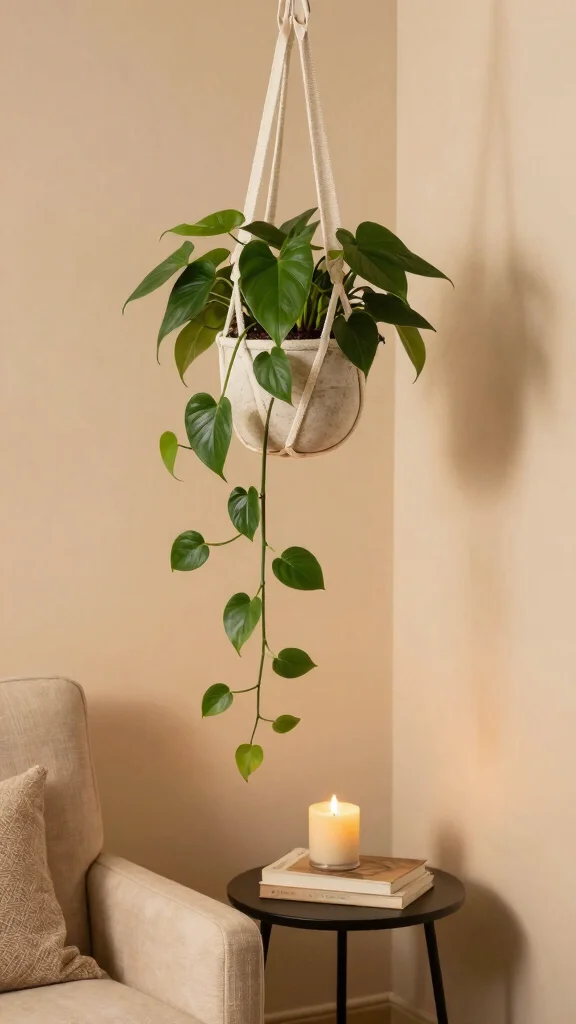
Looking for a versatile plant that thrives in various lighting conditions? Philodendrons are a great choice! They adapt well to low light and come in numerous varieties, each offering lush foliage. Their trailing nature makes them perfect for hanging baskets or climbing up supports, adding a beautiful green touch to your space.
Particularly forgiving, Philodendrons are excellent for beginner gardeners. Plus, they help purify the air, contributing to a healthier indoor environment.
Care tips:
– Water when the top inch of soil feels dry.
– Trim back any leggy growth to encourage bushier growth.
– Fertilize during the growing season for vibrant foliage.
With Philodendrons, you’ll enjoy a stunning and adaptable addition to your indoor garden.
Conclusion
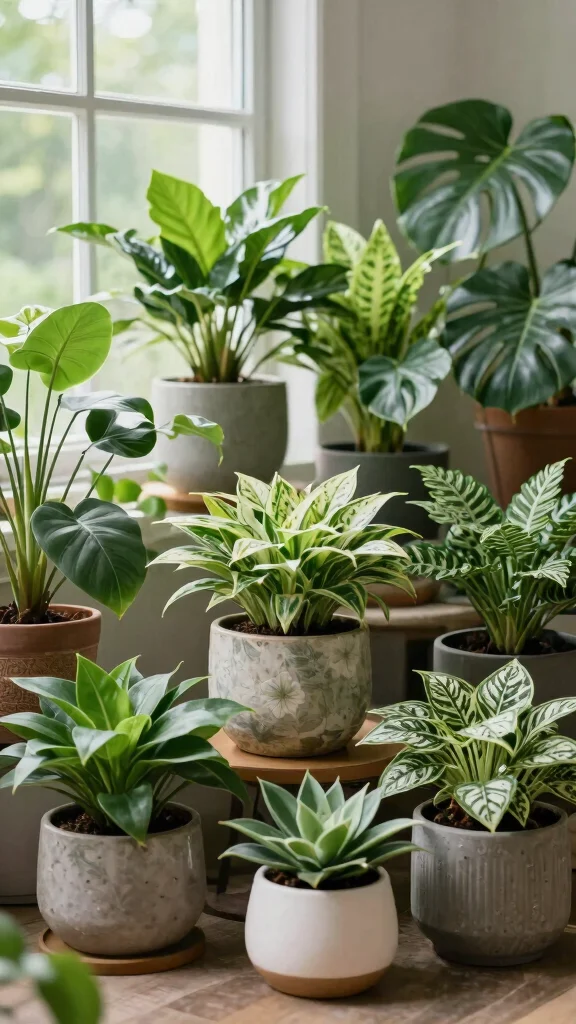
Indoor gardening in low light can be a rewarding experience, and these plants prove that you don’t need bright sunlight to create a lush, green atmosphere in your home.
From the hardy Snake Plant to the elegant Peace Lily, each of these plants has its unique charm and care needs. Embrace the challenge of nurturing low-maintenance indoor plants that can thrive under less-than-ideal conditions.
Consider adding a few of these beauties to your space, and enjoy the tranquility and freshness they bring to your life!
Frequently Asked Questions
What are the best indoor plants low light that thrive without sun?
Here are some reliable picks: snake plant (Sansevieria), pothos, ZZ plant, and cast iron plant. These are classic shade-tolerant houseplants that do fine in dim corners. They’re also among the best low light indoor plants and typically require minimal maintenance. Care tips: water when the top inch of soil dries, use a well-draining mix, and avoid keeping them in consistently cold drafts. For brighter effect, place them near a bright wall or reflect light with a mirror; indirect light can still support steady growth.
How do I choose the right low light plant for a small space?
Start by assessing the available light, since many indoor plants low light options still need some ambient illumination. Consider growth habit and size: compact varieties for shelves or trailing types for corners. Prioritize low maintenance indoor plants that fit your routine, and look for shade-tolerant houseplants with tolerance to minimal light. Also check water needs and pot size to avoid clutter and overwatering.
What are practical low light plant care tips for thriving in shade?
Try these low light plant care tips: water only when the soil is dry to prevent root rot; wipe leaves regularly to maximize photosynthesis; rotate plants every few weeks so all sides receive light; fertilize lightly in spring and summer with a balanced houseplant fertilizer; keep them away from cold drafts and hot, dry vents.
Which shade-tolerant houseplants are easiest to keep alive in a small apartment with little sun?
Great starter picks include snake plant, pothos, ZZ plant, cast iron plant, and Chinese evergreen (Aglaonema) or philodendron. These shade-tolerant houseplants tolerate low light, require minimal watering, and adapt well to apartment humidity levels. Quick care notes: let the top inch of soil dry before watering, choose a pot with drainage, and wipe leaves to keep them glossy and photosynthetically active.
How can I maximize growth and keep indoor plants low maintenance in small spaces?
Create a simple routine: group plants with similar light needs, use vertical shelving to fit more greenery in a small space, and place a bright wall or reflective surface nearby to boost perceived light. Choose low maintenance indoor plants and consider a small timer-watering system to stay consistent. If light is very scarce, a modest indoor light can help, but many shade-tolerant options will thrive with careful placement and regular, light care.
Related Topics