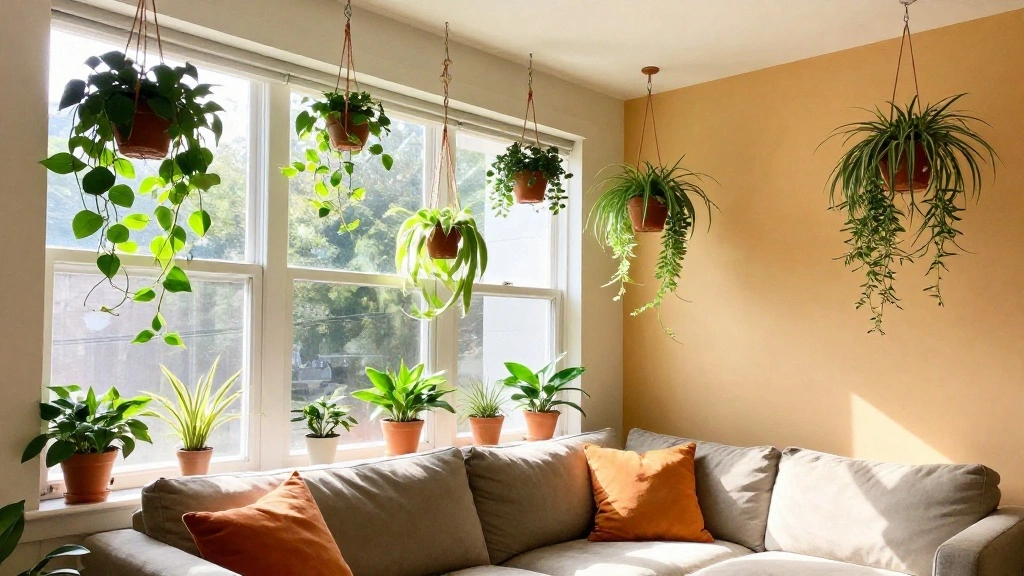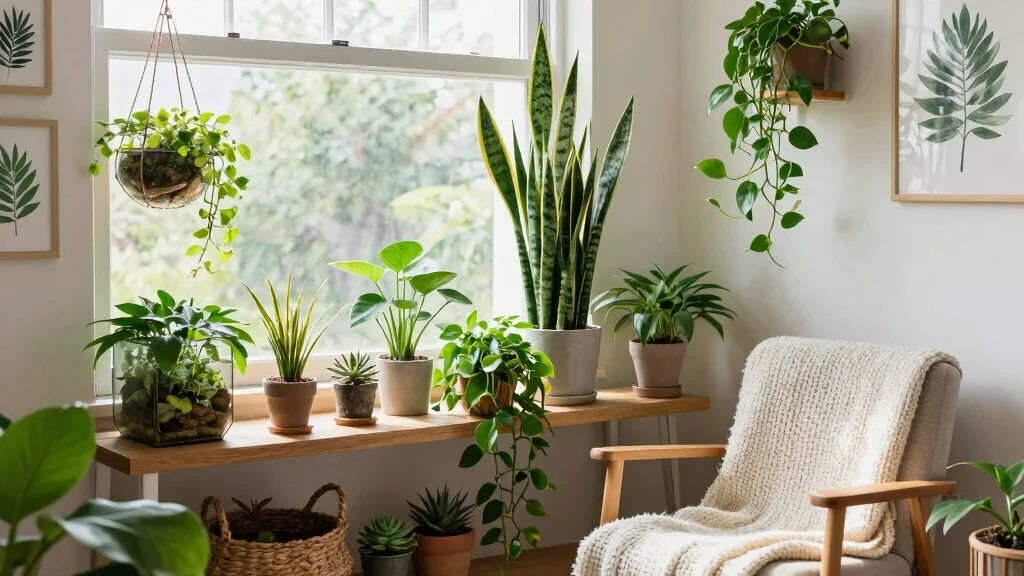

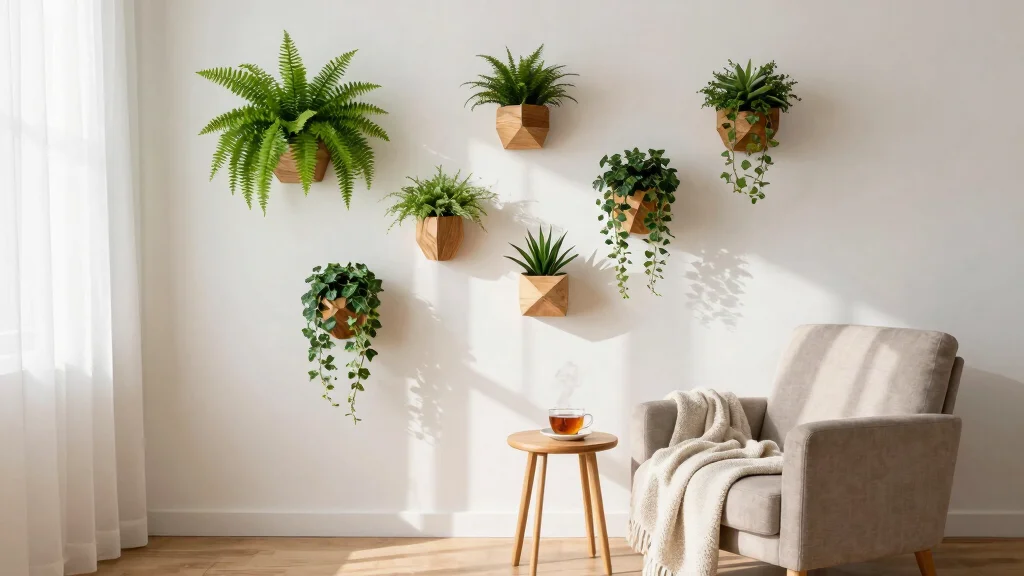


Are you living in a small space and feeling like your walls could use a little life? If so, you’re not alone! Many urban dwellers are on the hunt for ways to bring plants indoors without sacrificing precious floor space. That’s why I created this post— to share some creative indoor wall plant ideas that will transform your small living area into a vibrant oasis.
If you’re passionate about indoor gardening and want to infuse your home with greenery, you’re in the right place. This guide is perfect for anyone looking to enhance their home with beautiful plants, no matter how limited their space may be. With so many unique vertical garden ideas out there, it can be overwhelming to choose the right one for your style and needs.
In this blog post, you’ll discover 15 inspiring ways to incorporate wall plants into your home. From vertical hanging planters to DIY vertical garden frames, these ideas are not just stylish but also practical. You’ll learn how to maximize your wall space while creating a cozy and inviting atmosphere. Get ready to explore space-saving plants and innovative indoor plant care tips that will make your home feel green and lively.
Key Takeaways
– Discover various vertical gardening solutions that suit small spaces, allowing you to enjoy plants without cluttering your floors.
– Explore creative wall-mounted ideas such as hanging planters, shelves, and frames that add character to your home décor.
– Learn how to use space-saving plants that thrive in vertical arrangements, maximizing your indoor environment while minimizing your footprint.
– Gain insights on indoor plant care tailored for wall plants, ensuring your greenery remains healthy and beautiful.
– Find inspiration for DIY projects that enable you to customize your indoor garden, reflecting your personal style while enhancing your living space.
1. Vertical Hanging Planters
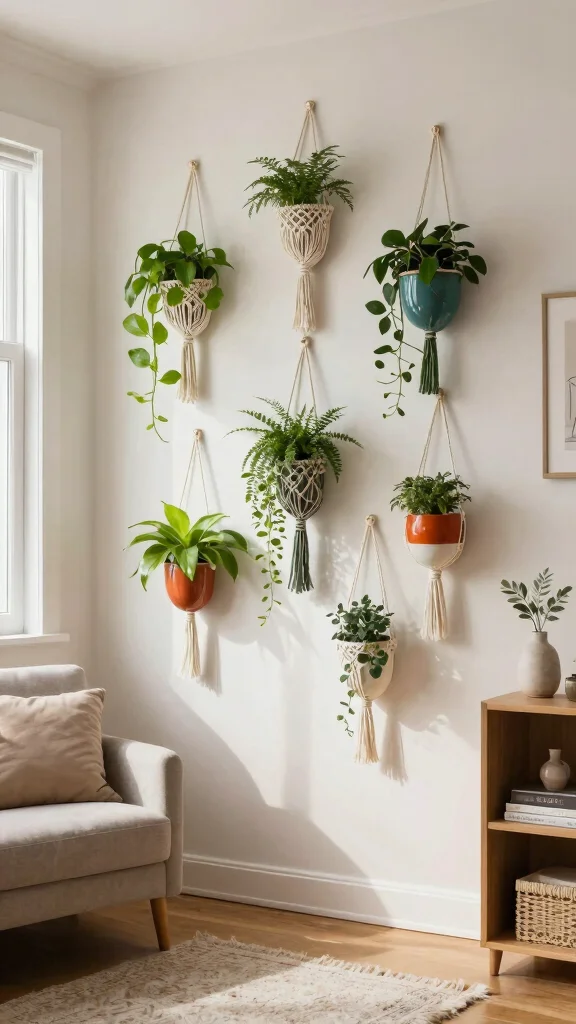
Vertical hanging planters infuse your walls with life and style. This design element works brilliantly because it showcases trailing plants like pothos and string of hearts, allowing you to utilize vertical space effectively. Imagine soft green vines cascading down a wall, creating a fresh and inviting atmosphere. You can opt for materials like macramé, metal, or bamboo to beautifully complement your interior décor.
To make the most of vertical hanging planters, consider lightweight pots to avoid straining the hooks. Mix different plant varieties for an eye-catching display while ensuring you check their light requirements. This option is perfect for renters, as they can easily be moved or swapped out.
Tips for Vertical Hanging Planters:
– Opt for lightweight pots to prevent strain on hooks.
– Use a variety of plants to create an aesthetic display.
– Make sure to check the light requirements of each plant.
By incorporating different textures and materials, you enhance the overall aesthetic, creating a serene and harmonious space.
Recommended Products

This macrame plant hanger supports two flower pots. Show your plants some love with this elegant, vintage-inspired macrame double plant hanger. Simple, yet meticulously handcrafted, this beauty would be gracing your home or balcony garden, or brightening up an office
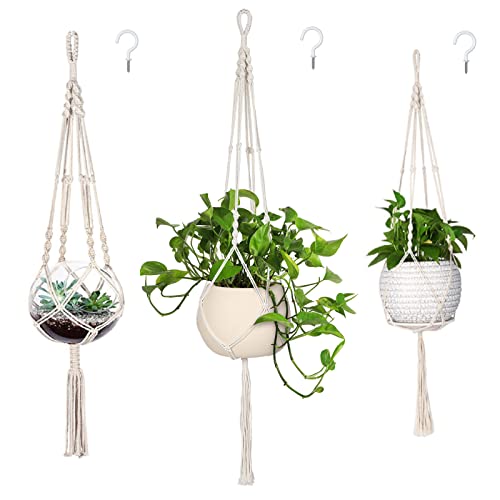
COMPLETE SET WITH HEAVY DUTY HOOKS: 3 handmade cotton hangers (34"/41"/46" lengths) + 3 durable metal hooks. The flexible woven design fits 5-10 inch pots (ceramic, plastic, glass, metal) and supports various plant shapes for displaying succulents, pothos, or ferns (Pots and plants are not included)
2. Wall-Mounted Shelves with Plants
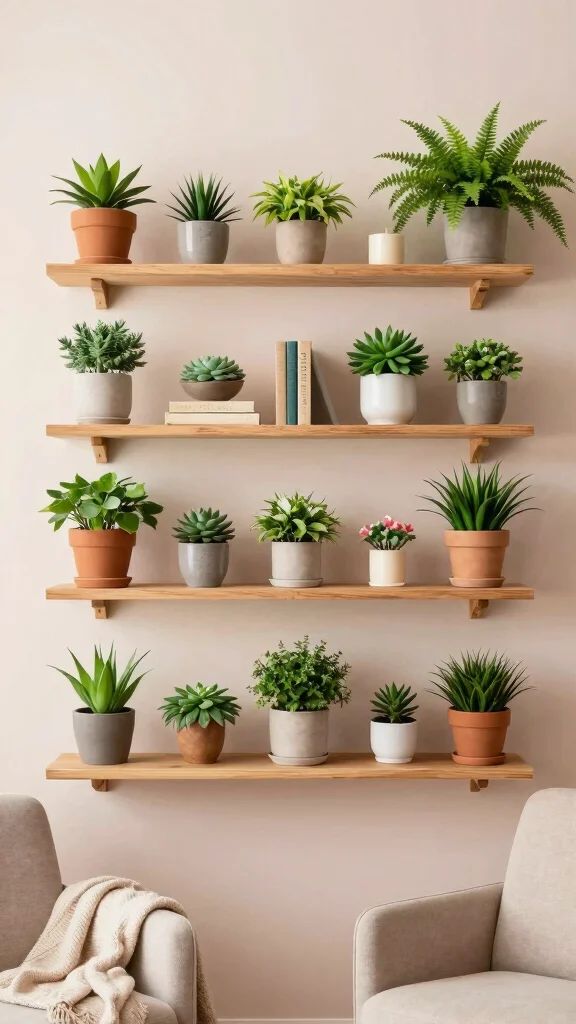
Wall-mounted shelves paired with plants can transform your space into a stunning garden wall. This combination allows you to display plants of various heights and sizes, adding depth and intrigue to your interiors. Whether you choose rustic wooden shelves or sleek metal options, arranging plants alongside decorative items like books or candles can add a personal touch.
For practical implementation, ensure that shelves are securely installed to support the weight of your plants. Select pots that match your overall décor style, and consider incorporating an easy watering system for maintenance. This setup can serve as a focal point in your living room, turning plain walls into an eye-catching feature.
Quick Setup Steps:
– Install shelves securely to ensure they can hold the weight of your plants.
– Use pots that match your decor style.
– Incorporate a watering system for ease of indoor gardening.
This approach not only enhances your decor but also brings a lively atmosphere into your home, showcasing your love for nature.
Recommended Products

【𝐒𝐢𝐦𝐩𝐥𝐞 𝐀𝐬𝐬𝐞𝐦𝐛𝐥𝐲 𝐢𝐧 𝐌𝐢𝐧𝐮𝐭𝐞𝐬】Everything you need is included in the box, such as expansion screws and clear, easy-to-follow instructions. Mounting this wall plant hanger takes just 2 screws, allowing for a fast setup and a secure, reliable display
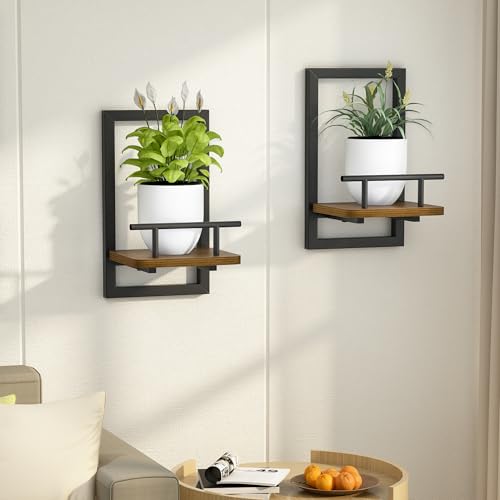
Unique Designed Metal and Wood Stand: Our plant frames for wall are not just picture frames, but also functional plant holders, perfectly combining plants and wall art. Add a modern visual effect to your wall, window, enhancing the personality and charm of your indoor and outdoor space. In addition to showcasing your lovely plant, you can also use it for your pictures or memorable knickknacks

Floating Shelves for Wall Storage Set of 6 - The size of the WOPITUES floating shelves for wall is 16.5*6*0.6 inches. WOPITUES Floating Wall Shelves for Bathroom/Bedroom Set of 6 could give you extra storage space in the bathroom, bedroom, guest bathroom, kitchen, and living room. You can install our floating shelves for wall anywhere you like. Let’s make life simpler.
3. Living Wall Art
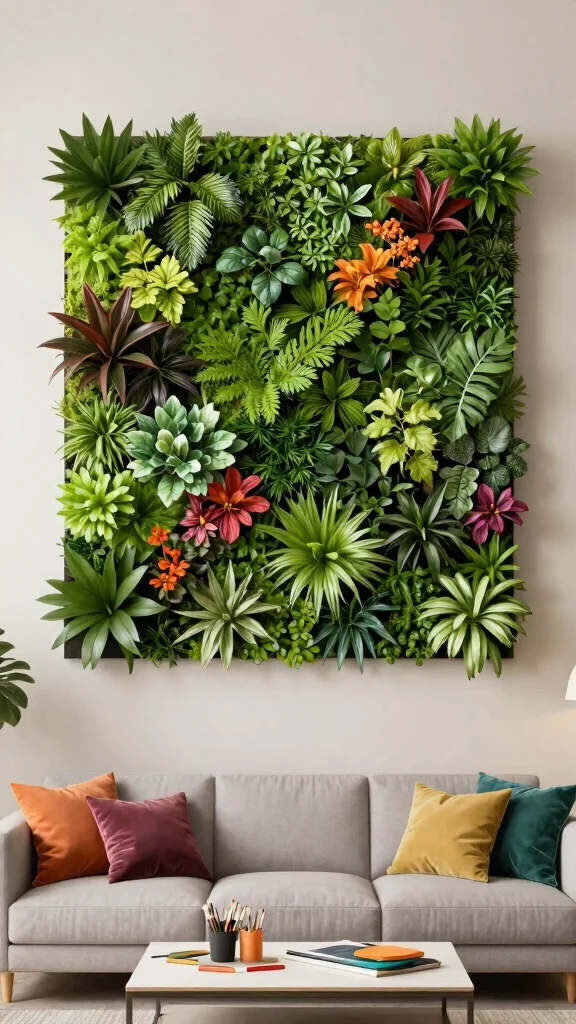
Imagine transforming your wall into a living masterpiece with living wall art! This creative idea involves arranging plants in a grid or canvas-like structure, allowing for stunning designs and patterns. The variety of textures and colors can make a powerful visual statement, serving as a unique focal point in your living space.
To create your own living wall art, choose plants that thrive together and share similar light needs. Planning your design on paper before planting can help you visualize the final look. Using a frame or grid will ensure the plants stay securely in place while you create a vibrant display.
Steps to Create Living Wall Art:
– Choose plants that thrive together and have similar light needs.
– Plan out your design on paper before planting.
– Use a frame or grid to hold the plants securely in place.
This creative method not only adds personality to your walls but also allows you to express your individual style through nature.
4. Plant Ladders
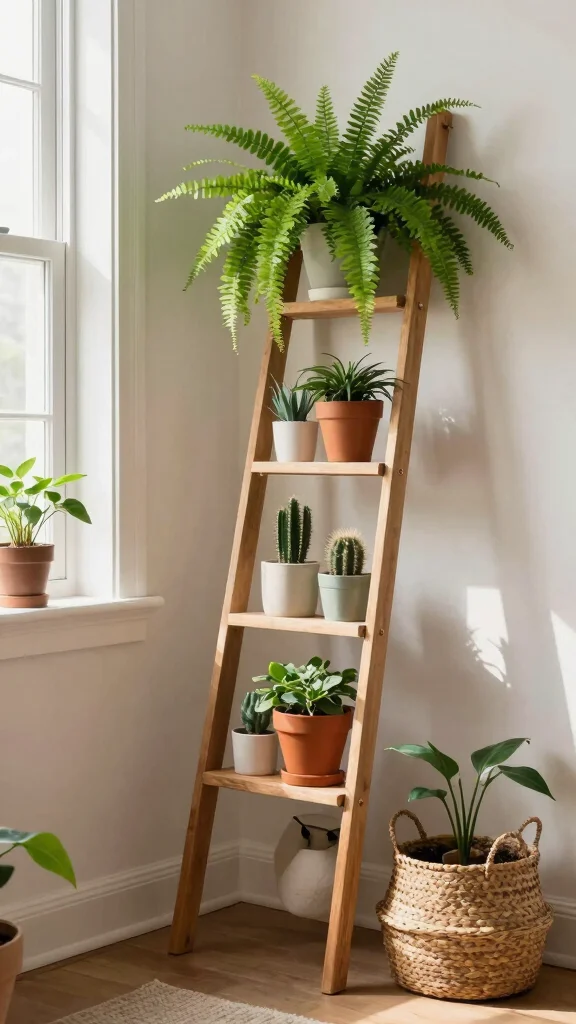
Plant ladders are a stylish and functional solution for showcasing your indoor plants, especially in tight spaces. These shelves can be freestanding or lean-to designs, allowing you to display plants of varying heights while ensuring each gets ample sunlight. Placing a plant ladder near a window or in a corner adds a decorative touch to your decor.
For optimal use, select a ladder made from sturdy materials to support heavier pots. You can also mix in personal decor items like books or photos to create a more personal arrangement. Positioning the ladder in a spot with plenty of natural light will enhance plant growth and aesthetic appeal.
Plant Ladder Tips:
– Select a ladder made from sturdy materials to hold heavier pots.
– Mix in decor items like books or photos to make the arrangement more personal.
– Position the ladder where it can benefit from natural light.
These plant ladders not only serve a practical purpose but also elevate your interior design, adding warmth and character to your home.
5. Macramé Plant Hangers
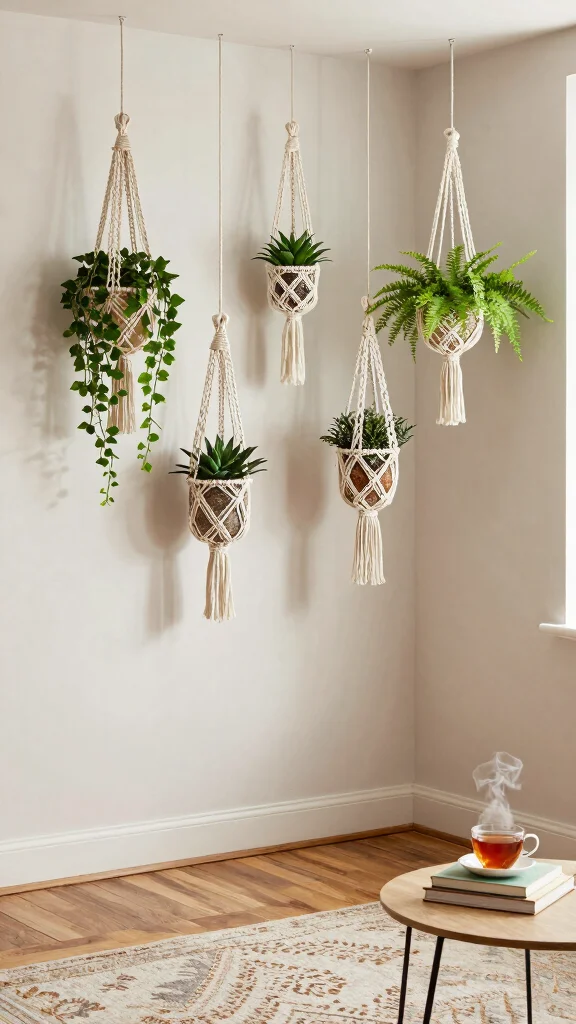
Macramé plant hangers bring a delightful bohemian vibe to your indoor spaces. These hangers serve a dual purpose: they hold your plants while also functioning as decorative elements. Hanging plants at various heights creates a dynamic visual interest, perfect for maximizing small spaces by lifting greenery off the ground.
When installing macramé hangers, make sure to use strong hooks that can support the weight of your plants. Opt for lightweight plants for easier mobility, and play with varying lengths to achieve an eclectic look. This method allows your plants to become integral parts of your decor, enhancing the space’s overall aesthetic.
Installation Tips:
– Ensure you use strong hooks that can support the weight of the plants.
– Choose lightweight plants for better mobility.
– Play with different lengths to create an eclectic look.
Incorporating macramé hangers not only adds a touch of style but also showcases your plants in a way that breathes life into your home.
6. Wall-Mounted Planter Boxes
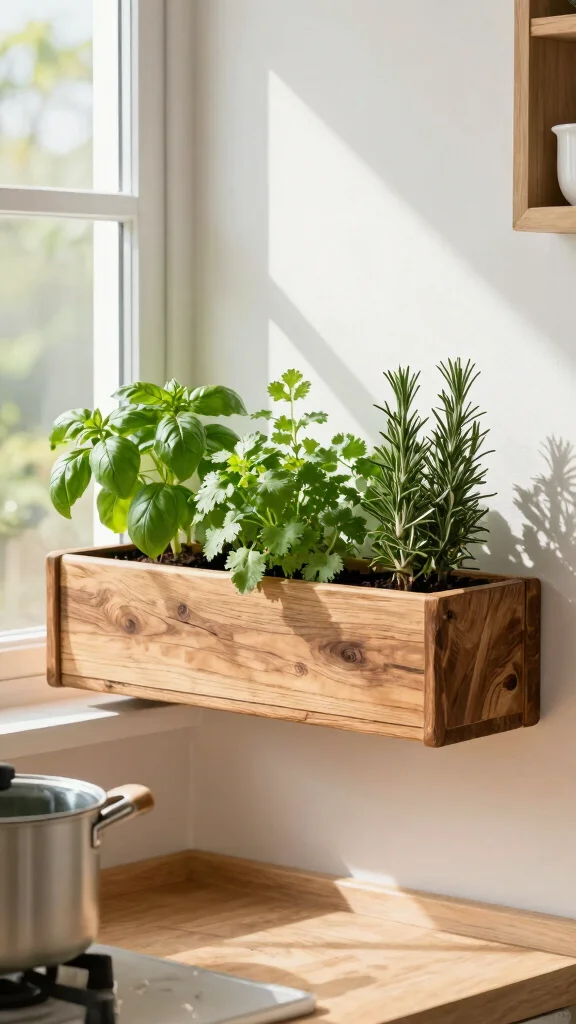
Wall-mounted planter boxes provide a fantastic way to create a mini garden in limited spaces. These boxes can be filled with herbs, flowers, or any indoor plants that flourish in smaller settings, allowing you to create a layered effect by placing them at varying heights. This organized approach encourages a tidy indoor gardening experience while allowing you to personalize them with paint or stain.
For success with wall-mounted planter boxes, choose plants that share similar water and light needs for ease of care. Using high-quality potting soil will promote healthy growth, and checking for proper drainage is crucial to avoid overwatering. This setup can transform a blank wall into a captivating feature while being practical and functional.
Quick Planting Guide:
– Choose plants that have similar water and light needs.
– Use good-quality potting soil for healthy growth.
– Regularly check for drainage to avoid overwatering.
This method enhances your interior design while bringing the beauty of nature right into your home.
7. Magnetic Plant Holders
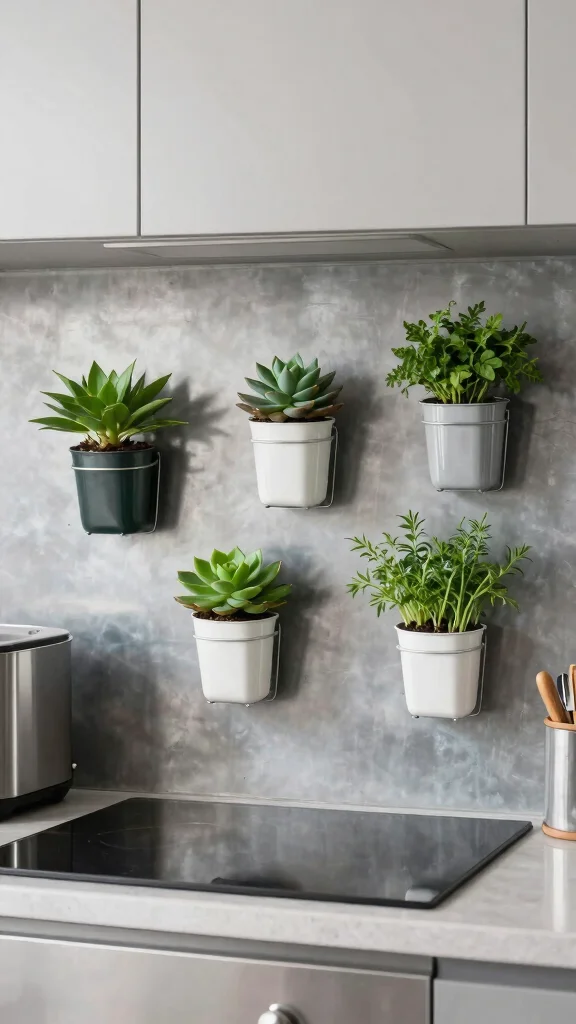
Magnetic plant holders offer a trendy and innovative solution for displaying plants in small spaces. These sleek designs attach to metal surfaces, making them perfect for kitchens and home offices. You can easily swap out plants as desired, creating a fresh and ever-changing display that keeps your decor lively and modern.
Ensure that the magnets are strong enough to support the weight of your plants for safety. Opt for pots designed to fit securely, and experiment with various sizes for added visual impact. This fun solution allows you to incorporate greenery without committing to permanent fixtures, keeping your space adaptable.
Installation Tips:
– Ensure the magnets are strong enough for the weight of the plant.
– Use pots that are designed to fit securely with magnets.
– Experiment with arranging different sizes for visual impact.
This approach adds a creative touch to your interior, making it easy to bring nature indoors in a stylish way.
8. DIY Vertical Garden Frame
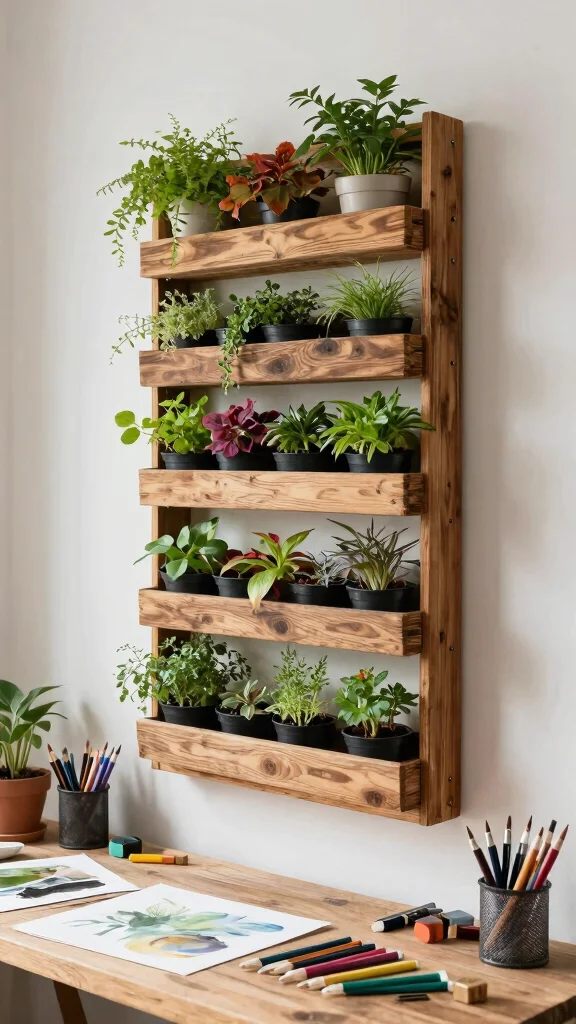
Creating a DIY vertical garden frame allows you to customize your plant display to suit your style and space. Using materials like wood, wire mesh, and pots, you can design a unique frame that becomes a conversation starter in your home. This versatile project lets you grow various plants, from vibrant flowers to fresh herbs, adding a personal touch to your decor.
To build your vertical garden frame, gather materials such as wood for the frame and wire mesh for planting. Assemble the frame and secure the mesh before creatively arranging pots on it. This fulfilling project not only beautifies your space but also allows you to express your love for plants.
Building Steps:
– Gather materials: wood for frame, wire mesh, and small pots.
– Assemble the frame and secure the mesh for planting.
– Arrange pots creatively on the frame.
By crafting your vertical garden frame, you enhance your decor with a unique and personal flair.
Recommended Products
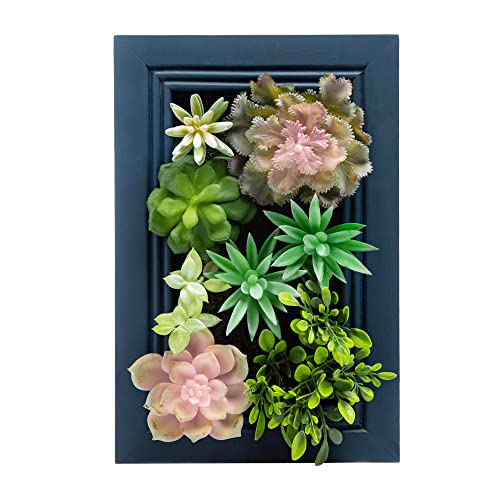
High-Quality Material: Our 3D artificial wall hanging plants is made from a high-quality wooden frame and very realistic faux succulents. Hassle-free since fake plants require no watering, fertilizer, or pesticides. Enjoy the beauty of plant life without the pest and mess

★【PREMIUM GARDEN HOOPS GROW TUNNEL KIT】: Our garden hoops frame is a versatile solution for plant protection and growth enhancement. Crafted from durable, fiberglass, this kit includes 36 rust-resistant garden hoops, 30 connectors, 24 garden clips, and 12 support bases, offering a complete DIY experience.

【CUSTOMIZABLE & MODULAR DESIGN】 Create your own living wall art. This 16 set trellis kit allows you to design flexible shapes like diamond, square, or fan patterns to fit any wall size. The modular system is easily expandable, making it ideal for growing gardens
How To Choose The Right Indoor Wall Plants
Choosing the right wall plants for your indoor space can transform your small area into a vibrant oasis. Here are some key points to consider when selecting the perfect plants for your vertical garden.
1. Light Requirements
Different plants have varying light needs. Some thrive in bright, direct sunlight, while others prefer low light. Assess the lighting conditions in your space before choosing your plants. Consider using a light meter or simply observing the natural light throughout the day. Remember, plants like succulents and cacti typically require more light, whereas ferns and pothos can adapt to shadier spots.
2. Size of the Plants
When dealing with small spaces, the size of your plants matters. Consider how large the plants will grow and how they will fit on your wall. Look for plants that can be easily contained, like trailing vines, or choose smaller varieties that won’t overwhelm your area. A good rule of thumb is to select plants that are generally 1-2 feet tall for wall displays to maintain balance and harmony.
3. Maintenance Level
Not all plants require the same level of care. If you’re new to indoor gardening, opt for low-maintenance plants like snake plants or pothos. These varieties are forgiving and thrive even if you forget to water them occasionally. On the other hand, if you’re more experienced and enjoy the nurturing aspect, you might consider plants with specific watering and light needs, like orchids or ferns.
4. Aesthetic Appeal
The visual impact of your wall plants should match your personal style and the decor of your space. Consider the color, texture, and shape of the plants. Are you aiming for a lush, green look, or do you prefer a minimalist approach with geometric planters? Mixing different textures, such as leafy plants with spiky succulents, can create an intriguing visual display. Additionally, consider using planters that complement your home’s color palette.
5. Wall Space and Arrangement
The amount of wall space you have will dictate the arrangement of your plants. Measure your wall and visualize how many plants you can comfortably fit. Plan for spacing between plants to allow for growth and airflow. You can create layers by using shelves or staggered hooks to maximize your vertical gardening space. Sketching out your arrangement before starting can save you time and ensure a cohesive look.
6. Budget Considerations
Finally, consider how much you’re willing to spend. Some plants can be quite affordable, while others might be more of an investment. Keep in mind that the pots and wall-mounted planters also contribute to your overall cost. Set a budget and prioritize your favorite plants. Remember, you can always start with a few inexpensive plants and gradually add more as your budget allows.
Pro Tip: Before purchasing, do some research on the plants you like. Check if they are safe for pets if you have them and confirm that they are suited for indoor conditions. This way, you can make informed decisions and ensure a thriving green space in your home!
Recommended Products

Cozy Ambience Creator: This lighted plant stand indoor (needs 3 AAA batteries, not included) adds soft, warm glow to your plants, turning any corner into a comforting relaxation spot day and night

【DECORATIVE WALL SHELVES FOR INDOOR PLANTS】: Create a more stylish plant display with floating shelves designed for indoor plants, candles, framed accents, and small decor. This wall shelf set helps make blank walls feel more warm, organized, and visually interesting

Natural Wood Bamboo Grow Lights for Indoor Plants. The slim plant grow light innovatively adopts wood + bamboo structure with 6000K full spectrum LEDs. It perfectly matches your plants and herb gardens, gives indoor plants sunlight-like light and also decorates your room like an art. (Noted: No Power adaptor or timer/dimming function is included.)
9. Repurposed Wooden Pallets
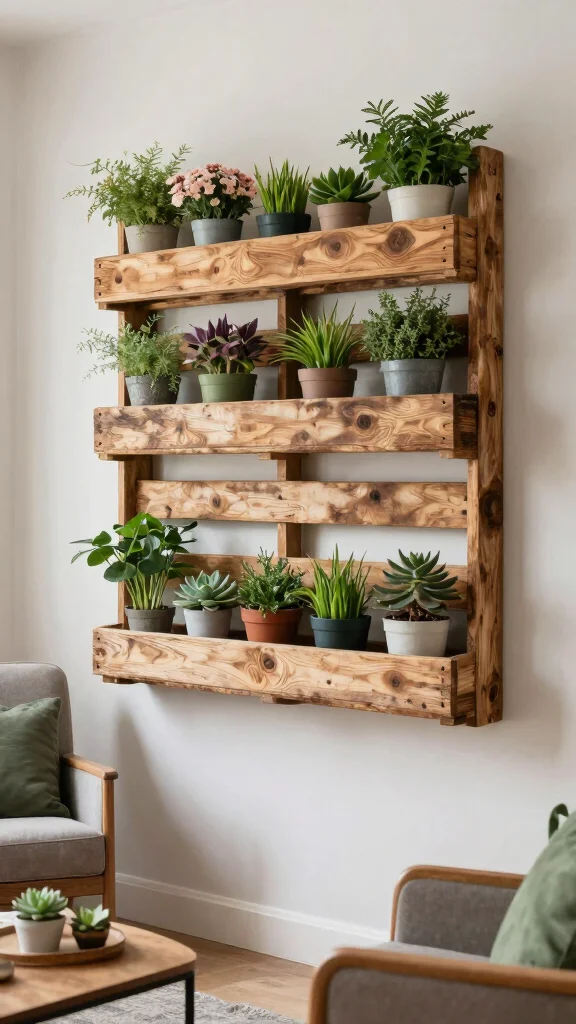
Repurposed wooden pallets offer an affordable and creative solution for vertical gardening. By attaching a pallet to your wall, you can plant various indoor plants in each compartment, turning a simple structure into a living display. This eco-friendly approach adds character to your space while promoting sustainability and can be customized by painting or leaving the pallet in its natural state.
To successfully install a pallet, ensure it’s clean and treated for indoor use. Lining the back with landscape fabric can help hold soil in place, while lightweight potting soil and suitable plants will thrive in this arrangement. This innovative method allows you to elevate your plants while being eco-conscious.
Installation Suggestions:
– Make sure the pallet is clean and treated for indoor use.
– Line the back with landscape fabric to hold soil.
– Use lightweight potting soil and select plants that thrive in this arrangement.
Not only does this option showcase your plants beautifully, but it also highlights your commitment to the environment.
10. Lighted Plant Wall
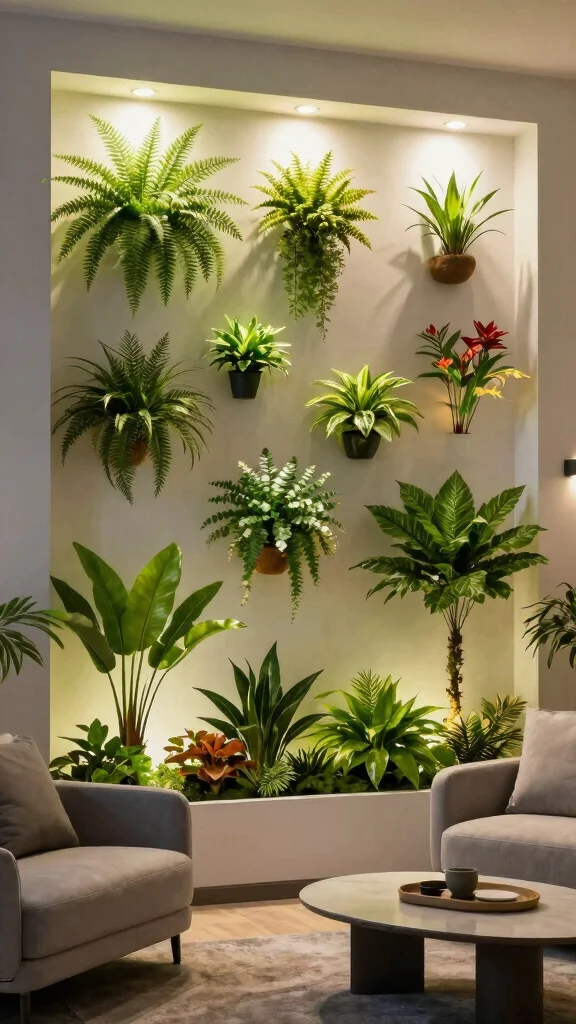
Integrating a lighted plant wall elevates your indoor gardening experience to new heights. This ingenious idea involves installing grow lights alongside your plants, allowing you to cultivate varieties that require more sunlight than your space naturally provides. It’s an ideal solution for darker rooms and adds a modern aesthetic, while the soft glow from the lights creates a cozy ambiance in the evening.
When setting up your lighted plant wall, choose energy-efficient LED grow lights for sustainability. Ensure the placement of the lights is adjustable to cater to different plant needs. Selecting plants that thrive under artificial light will maximize the effectiveness of this setup.
Installation Tips:
– Choose energy-efficient LED grow lights.
– Ensure the light placement is adjustable based on plant needs.
– Select plants that thrive under the lights you install.
This addition transforms your space into a lush, vibrant environment, enriching your home life day and night.
11. Bamboo Plant Climbing Frame
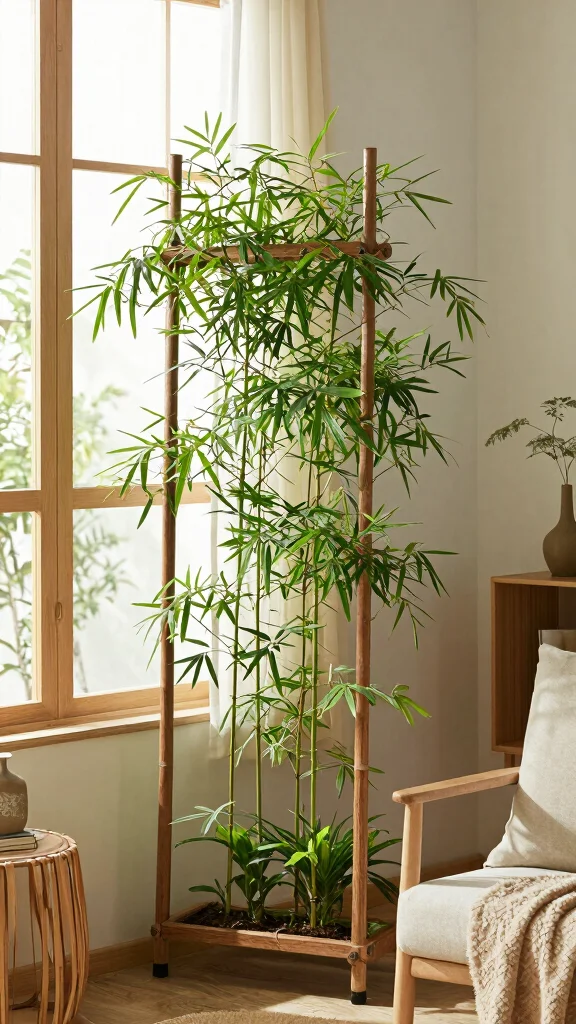
For climbing plants such as peas or pole beans, a bamboo plant climbing frame can be a fantastic addition to your indoor garden. These frames not only serve a functional purpose but also act as a stylish decor element. The natural look of bamboo complements the greenery beautifully, fostering a serene atmosphere in your home.
To set up a bamboo plant climbing frame, secure the bamboo poles in potting soil for stability. Arrange your plants to climb the frame as they grow, ensuring they have ample support. Regularly check the health of your plants and adjust their positions as needed for optimal growth.
Installation Guide:
– Secure the bamboo poles into the potting soil for stability.
– Arrange plants to climb the frame as they grow.
– Regularly check plant health and adjust their position as needed.
This approach not only maximizes vertical space but also adds a natural and charming element to your indoor gardening.
Fun fact: A bamboo plant climbing frame can double your vertical space for wall plants indoor in a small apartment garden. In urban homes, a 4-foot frame supports peas or pole beans from floor to ceiling.
12. Pocket Planters
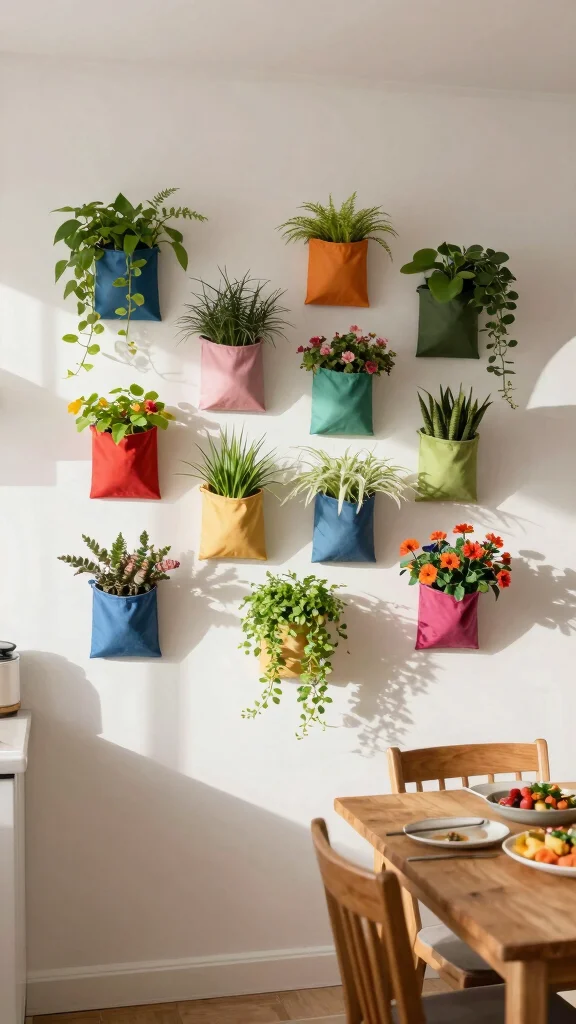
Pocket planters are a clever and space-efficient solution for small areas, bringing life to your walls. These fabric or felt planters attach directly to the wall, featuring individual pockets for plants. Whether you choose to fill them with succulents, herbs, or small flowers, pocket planters add a vibrant splash of color to otherwise dull spaces like kitchens or living rooms.
When installing pocket planters, ensure that the wall surface can support their weight. Opt for plants that have similar water and light needs for easier maintenance, and rotating your plants periodically can foster optimal growth. This option encourages vertical gardening while keeping your indoor gardening stylish and manageable.
Installation Tips:
– Ensure the wall surface can support the weight of the planters.
– Choose plants that have similar water and light needs.
– Rotate plants periodically for optimal growth.
These planters not only make a statement but also create an inviting atmosphere in any room.
❝ Anyone else living in a tiny apartment and chasing wall plants indoor vibes? Pocket planters let you turn bare walls into green retreats in minutes—no floor clutter, just color, scent, and fresh herbs at arm’s reach.
13. Felt Wall Planters
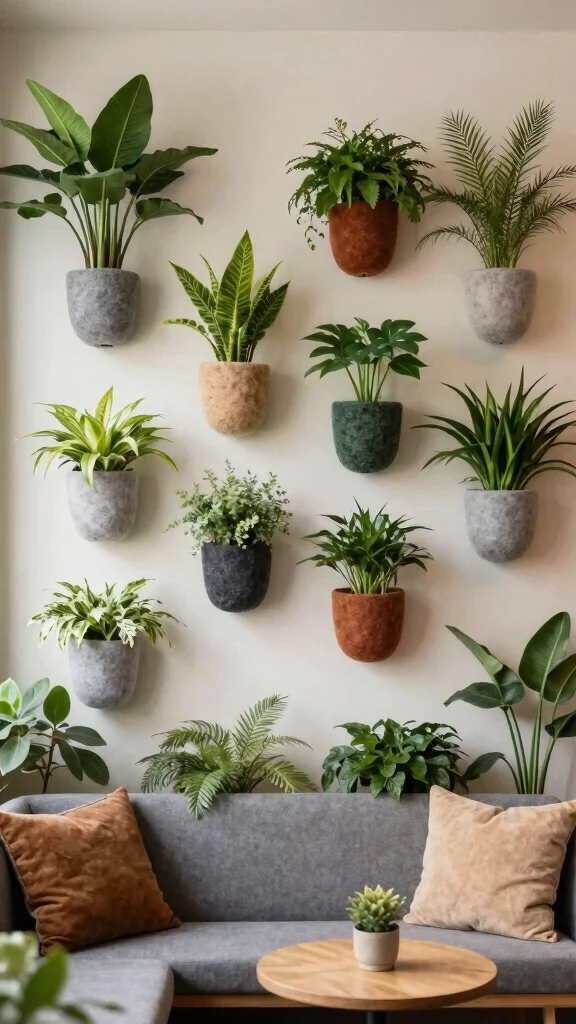
Felt wall planters offer an eco-friendly and stylish way to make the most of your vertical gardening space. These planters provide drainage and can accommodate multiple plants in a single installation. Their lightweight materials make them easy to hang and rearrange as needed, allowing you to choose colors that match your home decor.
When setting up felt wall planters, ensure the wall can support the weight of the water and soil. Select durable and water-resistant felt to ensure longevity, and position the planters where they’ll receive adequate sunlight for plant health. Filling them with herbs, succulents, or small flowering plants can add a delightful pop of color to your walls.
Quick Setup Tips:
– Ensure the wall can support the weight of the water and soil.
– Choose a felt that is durable and water-resistant.
– Position the planters where they’ll receive adequate sunlight.
Felt wall planters create a living tapestry that breathes life into your space, making your walls vibrant and inviting.
14. Custom Vertical Rail Systems
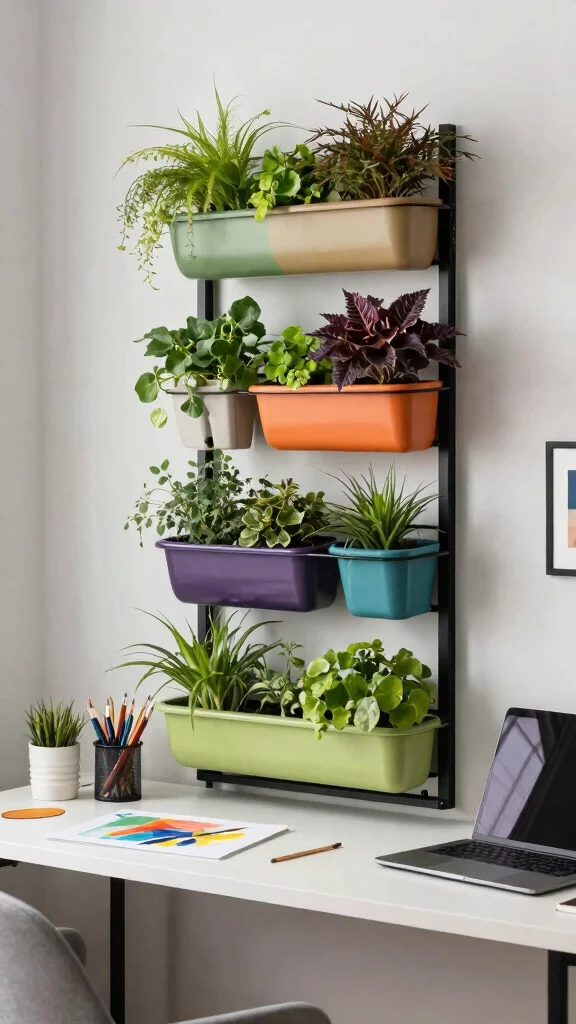
Custom vertical rail systems provide a chic and modern way to hang multiple planters in your home. These systems allow you to design the layout according to your preferences, making it easy to display a variety of plants. Rails can be installed in various orientations, fitting seamlessly into small or awkward spaces, while colorful pots can create visual interest.
For a successful installation, ensure that the rail system is securely mounted to the wall. Opt for lightweight pots for convenience, and regularly check the health of your plants to ensure their well-being. This adaptable solution offers both functionality and style for any indoor gardening enthusiast.
Installation Tips:
– Ensure the rail system is securely mounted to the wall.
– Choose lightweight pots for ease of use.
– Regularly check plant health and adjust as necessary.
This approach not only enhances your decor but also offers an organized and stylish way to showcase your indoor garden.
Fun fact: vertical rail systems can add 2x more usable wall space for wall plants indoor in small apartments. Installers report layouts that fit 3–6 plants in tight corners. With lightweight pots and secure mounting, your greenery finally gets the spotlight it deserves.
Recommended Products

【36 Pocket Vertical Garden】Features 36 individual planting pockets, allowing you to grow herbs, flowers, succulents, strawberries, vegetables, and other plants while maximizing vertical space.

【Create a Modern Living Wall】Transform blank walls into a stylish vertical garden with this modular wall planter system. self watering pots Perfect for displaying herbs, succulents, flowers, pothos, and small indoor plants while maximizing unused wall space

INSTANT VERTICAL GARDEN: Transform any space into a lush vertical garden with this ready-to-use wall-mounted planter. Enjoy fresh herbs, vibrant succulents, or beautiful flowers effortlessly – no assembly required! Perfect for small apartments, patios, balconies, or any area where floor space is limited. This sleek indoor wall planter lets you maximize your greenery vertically.
15. Artistic Plant Displays
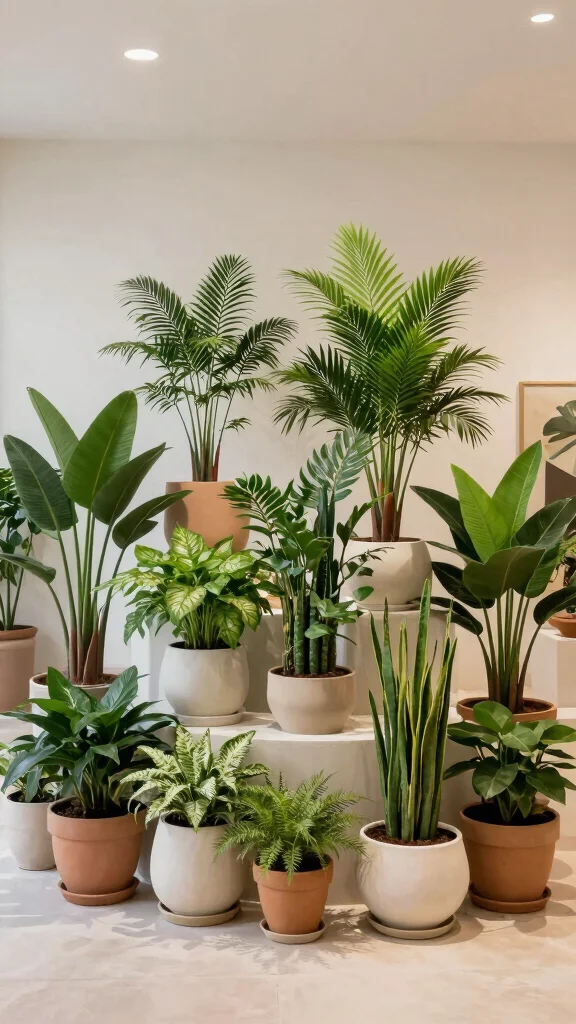
Artistic plant displays elevate the concept of indoor gardening by beautifully combining art and nature. You can create striking arrangements using unique pots and sculptures that enhance the beauty of your plants. Placing greenery within artistic holders or wall sculptures turns them into captivating focal points that not only beautify your space but also serve as fantastic conversation starters.
For effective artistic displays, select pots that align with your overall aesthetic and play with height variation to create visual intrigue. Incorporating different textures and colors can add depth to your arrangements, making each display unique. This method allows you to showcase your creativity and passion for plants in every corner of your home.
Tips for Artistic Displays:
– Select pots that match your overall aesthetic.
– Play with height variation for visual intrigue.
– Incorporate varying textures and colors for a dynamic look.
Artistic plant displays not only enhance your indoor space but also nurture your love for nature, creating a harmonious blend of beauty and greenery.
Conclusion
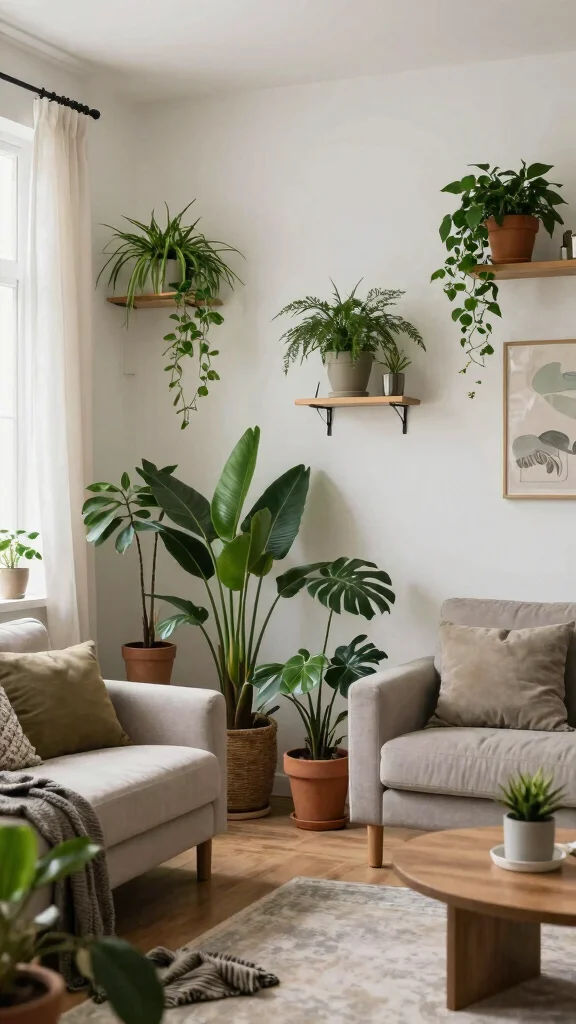
Bringing nature into your home through wall plants can transform your space into a calming retreat.
These 15 creative ideas not only enhance your interior but also promote a healthier living environment. Whether you’re a seasoned indoor gardener or just starting, these vertical gardening solutions will inspire you to utilize your walls creatively. Share your own green wall projects with us, and let’s keep the conversation about sustainable living alive!
Frequently Asked Questions
What are the best wall plants indoor to start a vertical garden in a small space?
For a small space, choose easy, space-saving wall plants indoor. Great starter options include trailing varieties like Pothos and Philodendron, plus upright or compact options like Snake Plant and ZZ Plant. Match plants to your light, then pick a simple wall system—hanging pockets, modular panels, or wall-mounted shelves.
Practical setup steps: assess light levels, select a vertical garden idea, group plants by water needs, mount the planters securely, and start with 2–3 plants. With ongoing indoor plant care and pruning, you can grow a lush green display in even a tiny home.
How can I set up a vertical garden indoors with wall-mounted planters?
Begin by measuring your wall and choosing a system that fits your space and lifestyle. Options include hanging pockets, modular panels, or sturdy shelves—perfect for vertical garden ideas. Ensure secure mounting and proper drainage, then group plants with similar light and water needs. Start with a test group of 2–4 plants, water sparingly until you gauge drainage, and keep a simple routine for rotating plants to prevent legginess. With basic indoor gardening know-how, you can transform a dull wall into a space-saving focal point.
What are essential indoor plant care tips for wall plants indoor to thrive?
Healthy wall plants indoor rely on smart watering, light, and pruning. Water when the top inch of soil dries, using planters with drainage to prevent soggy roots. Keep humidity comfortable for tropical species, rotate plants every couple of weeks for even growth, and trim dead leaves to maintain tidy, compact growth. Feed lightly with a balanced fertilizer during the growing season, and routinely check for pests. A simple rhythm of indoor plant care will keep your vertical display vibrant.
Which wall plants indoor perform well in low-light versus bright indirect light?
Different light levels call for different stars. For low-light spots, try Pothos, Philodendron hederaceum, and Snake Plant or ZZ Plant. For brighter indirect light, options like Calathea, Peace Lily, and Chinese Evergreen shine. Group plants by light need on your wall so you can design a mixed display without stressing any one plant. Pair with a moisture-friendly substrate and good drainage for best results in indoor gardening.
How can I style a wall garden to maximize space and decor in a small home?
Think texture, color, and accessibility. Use a mix of trailing, upright, and compact plants to create depth on your wall plants indoor display. Vary planter shapes and sizes, add a lightweight trellis or modular panels, and keep herbs close to the kitchen if you like. Place taller plants at the back and low, trailing varieties toward the front for a layered look. Keep maintenance in mind—label plants, group by care needs, and set a simple weekly check-in for watering and pruning to sustain a chic space-saving decor.
Related Topics