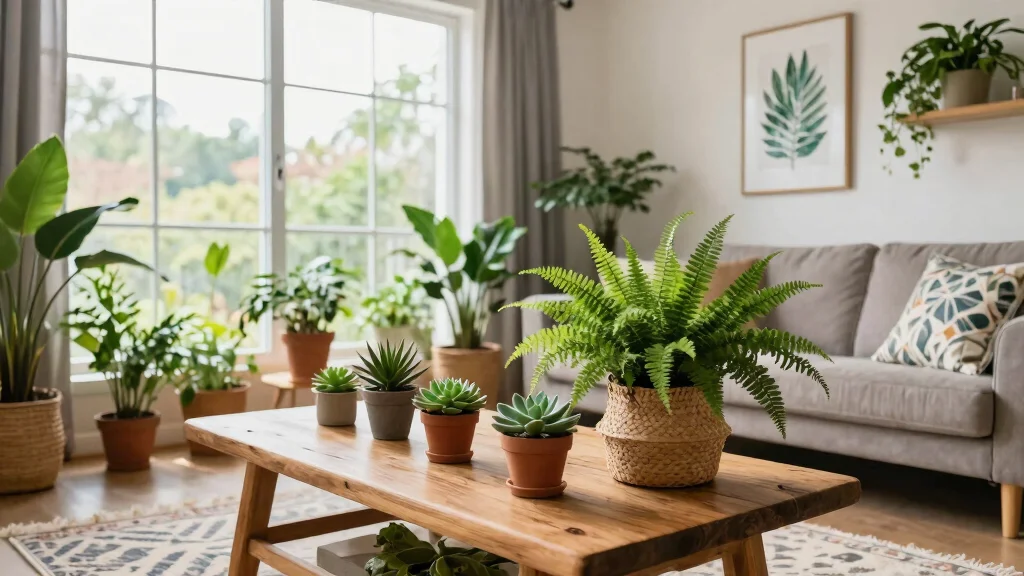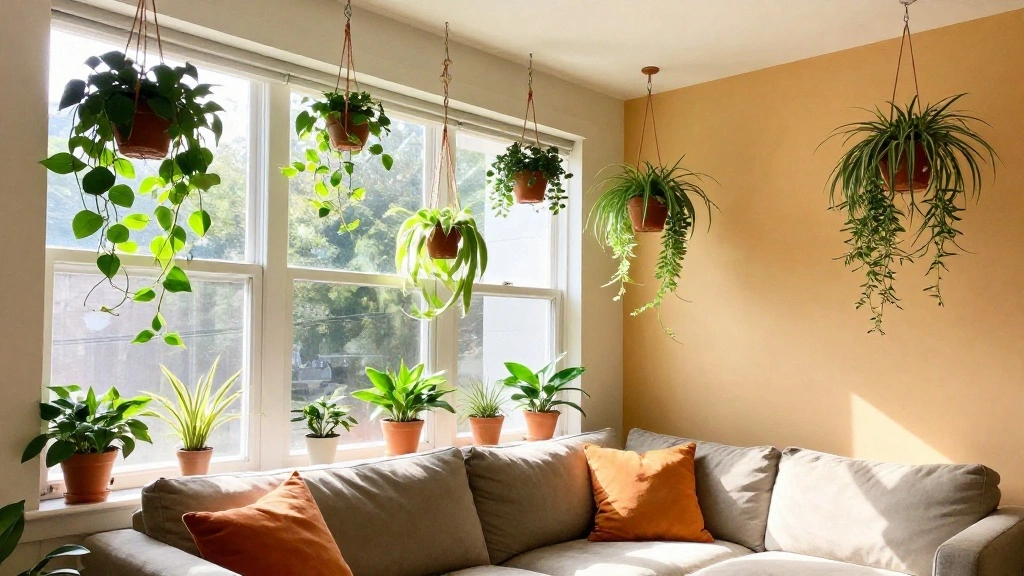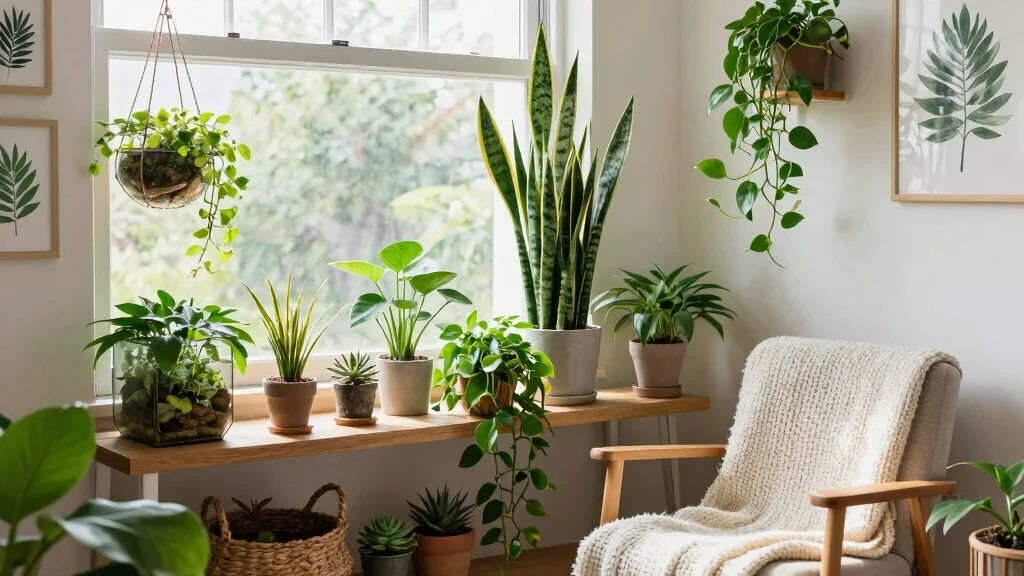

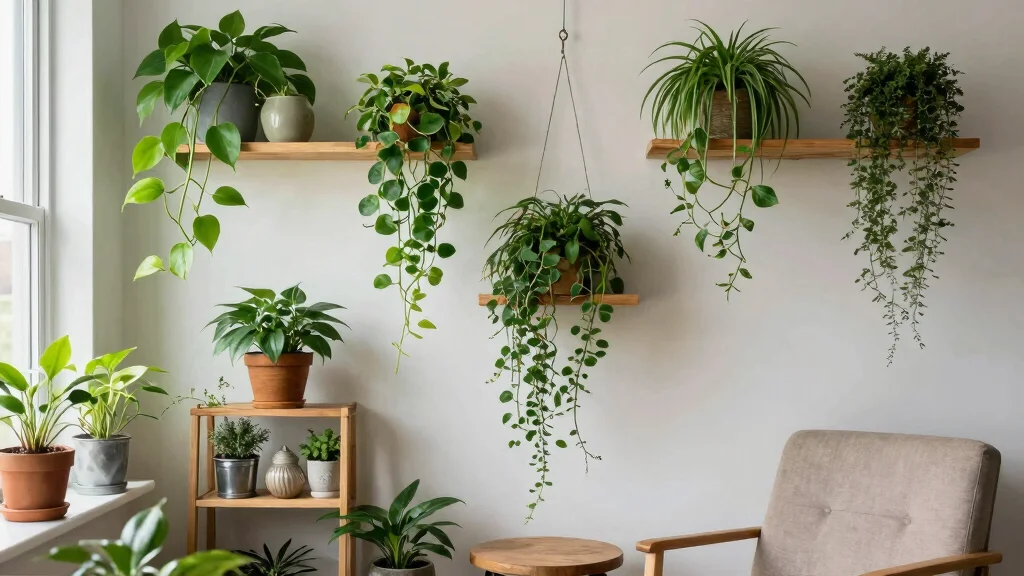


Indoor gardening has a special way of bringing life into our spaces. With many of us spending more time at home, the craving for vibrant greenery has never been stronger. Whether you’re cozying up in your living room or working from your home office, incorporating gorgeous trailing plants indoor can elevate your space and mood. This post is here to introduce you to 15 stunning trailing plants that thrive even in low light, perfect for shelves and ceilings.
If you love decorating your home with indoor plants but worry about dim lighting, you’re in the right place. This guide is tailored for plant enthusiasts, beginners, and anyone looking to spruce up their living environment. You don’t need a sun-drenched window or a green thumb to enjoy beautiful cascades of leaves. Here, you’ll find a selection of plants that not only thrive in low light but also add style and character to your décor.
What can you expect from this post? You’ll get a curated list of 15 beautiful trailing plants, along with tips on how to care for them and ideas for displaying them in your home. Each plant is chosen for its unique beauty and low-light resilience, making it easy for you to create that lush indoor garden you’ve always wanted. Let’s dive into the world of cascading houseplants that will transform your space into a green sanctuary.
Key Takeaways
– Discover 15 stunning trailing plants that thrive in low light, perfect for any indoor space.
– Learn practical care tips for each plant to ensure they flourish in your home.
– Explore creative display ideas for shelves and ceilings to showcase your plants beautifully.
– Understand the benefits of indoor plant decor, including improved air quality and aesthetics.
– Find inspiration for creating a cozy, vibrant living space with low-maintenance cascading houseplants.
1. Pothos (Epipremnum aureum)
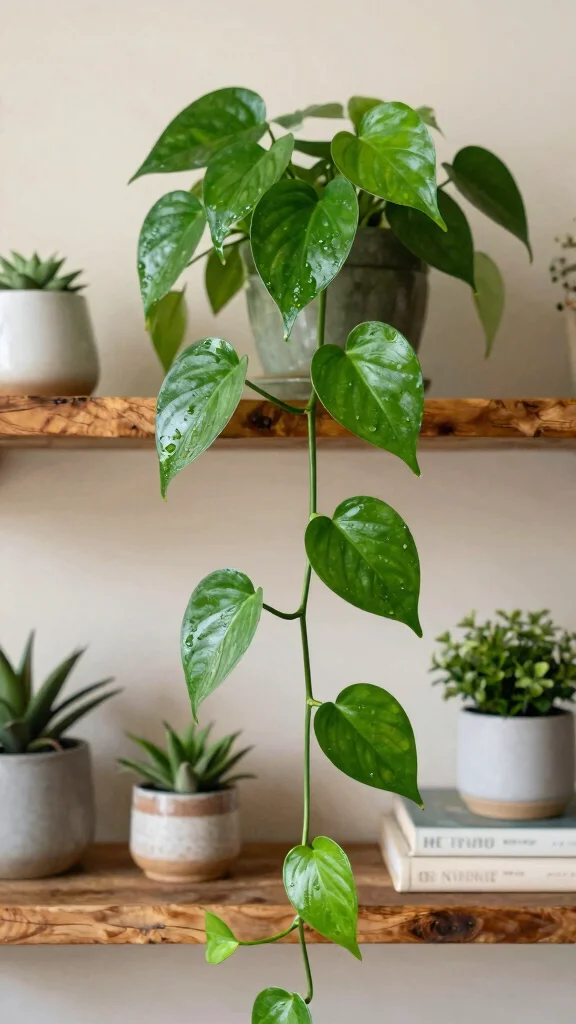
If you’re searching for a resilient plant that adds charm to your home, pothos is a fantastic choice. Known for its vibrant, heart-shaped leaves, this plant thrives even in low light, making it perfect for shelves or hanging baskets. With colors ranging from deep green to stunning variegated patterns, pothos can brighten any room effortlessly. Simply water it when the top inch of soil is dry, and watch it grow rapidly. Not only is it low maintenance, but pothos also purifies indoor air, enhancing your living environment. Get started with pothos:
– Place it in indirect light for optimal growth.
– Ensure proper drainage to prevent root rot.
– Regularly prune to maintain its bushy appearance.
– Hang in macramé holders for a stylish touch.
You’ll enjoy a lush, green display while improving air quality in your home. Your space will feel more vibrant and welcoming with this easy-to-care-for plant.
Recommended Products

Package Includes: 1 Pack artificial hanging plant with black pot. the trailing foliage vine extending up to 39.37"(100cm), Its compact dimensions enable effortless, versatile placement in any space, This artificial pothos plant looks very lush.
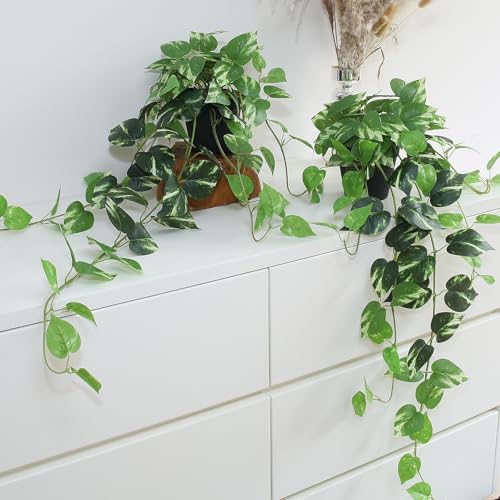
Realistic Look – These artificial hanging plants feature premium silk leaves and lifelike textures, designed to replicate real pothos vines. Their vibrant colors and detailed shapes blend beautifully with fake ivy or other faux plants, making them a perfect addition to any home décor style.

Lifelike and Vibrant - Instantly elevate your home with these 2-Pack fake pothos vines. Each vine stretches 43.3 inches with lifelike multi-green leaves and natural veining. Unlike real plants, our fake plants feature fade-resistant colors and realistic textures that blend seamlessly into any decor style - from modern apartments to rustic farmhouses. Includes realistic butterflies for an extra touch of charm.
2. Spider Plant (Chlorophytum comosum)
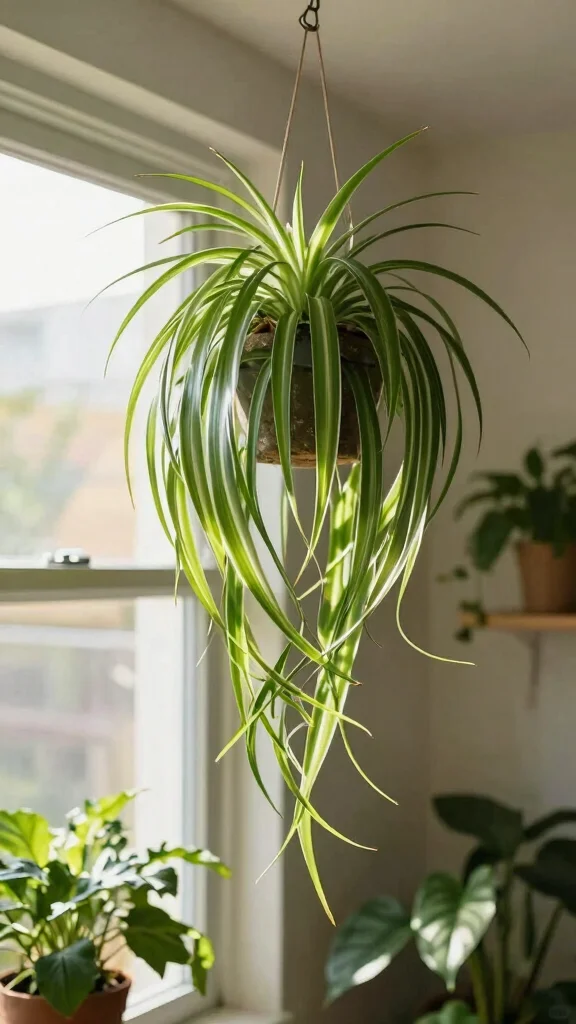
Looking for a playful addition to your indoor garden? The spider plant is perfect with its arching green leaves and adorable baby plant ‘spiders’ that dangle like little green fireworks. This hardy plant thrives in low light and is super adaptable, making it a great choice for busy lifestyles. Water it every couple of weeks, letting the soil dry slightly between waterings. Don’t hesitate to mist it occasionally to boost humidity. Place it in a bright spot or let it trail from a shelf for an eye-catching display. Key care tips include:
– Use well-draining soil for best results.
– Propagate by cutting off baby plants and planting them.
– Trim dead leaves to encourage new growth.
Your indoor space will flourish with this attractive and easy-going plant, adding a touch of whimsy to your decor.
Recommended Products

Spider Plant in a 6" Nursery Pot: Introduce the graceful charm of our Spider Plant to your indoor space, thriving in a practical 6" nursery pot. Also known as Chlorophytum Comosum, this delightful houseplant with arching, variegated leaves brings a touch of natural elegance and air-purifying benefits to your home or office.

Style: Artificial Chlorophyta.
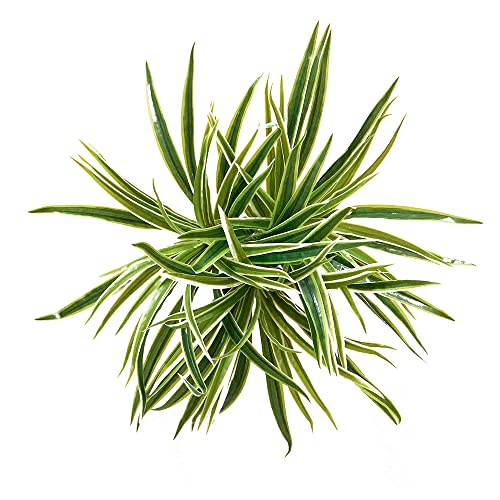
Artificial Flower Spider Plants Are Made Of High Quality, The Leaves Are Made Of Real Touch Silk Leaves With Plastic And Iron Wire Stems.The Length And Diameter Of This Spider Orchid Plants Is 13X13''.
3. String of Hearts (Ceropegia woodii)
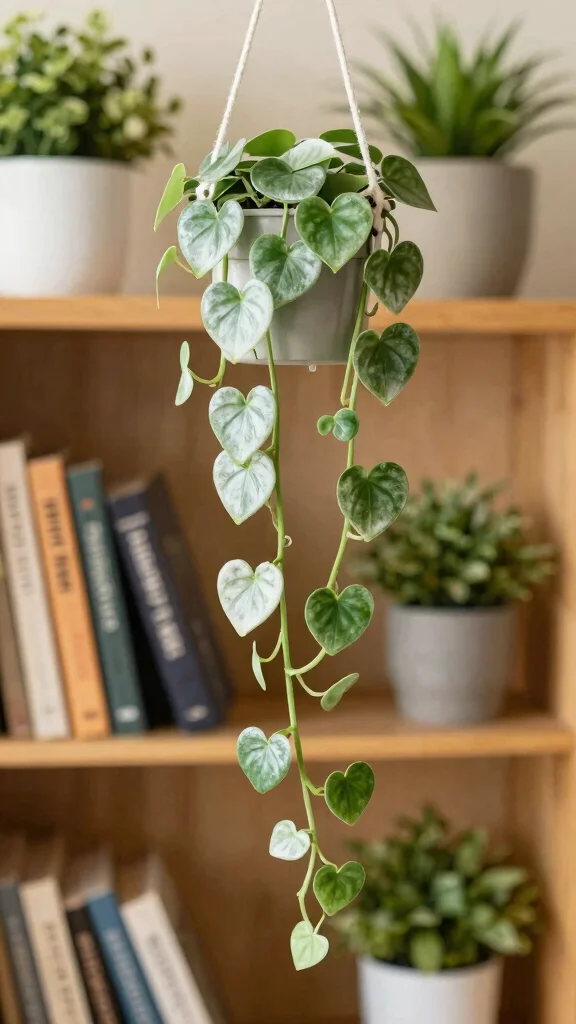
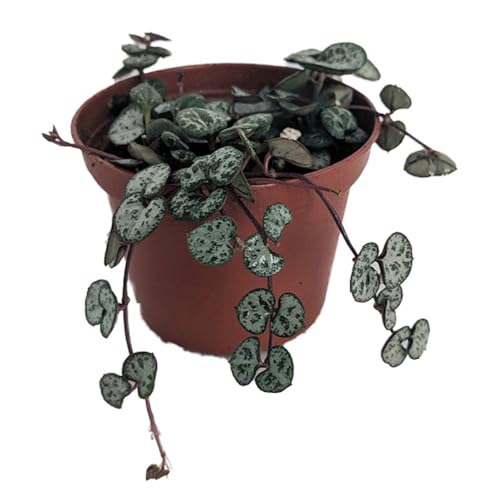
If you’re after a unique succulent, the string of hearts is a stunning option with its heart-shaped leaves and elegant silver marbling. This trailing plant is perfect for low-light areas and thrives in well-draining soil, making it a favorite among plant lovers. With long, graceful vines, it can become the centerpiece of a shelf or hanging planter. Just allow the soil to dry out completely between waterings to keep it healthy. Placing it near a window enhances its beauty without exposing it to harsh sunlight. To care for your string of hearts:
– Use a cactus potting mix for optimal drainage.
– Fertilize sparingly during growing seasons.
– Trim leggy vines to promote fullness.
With its stunning appearance, this plant will elevate your indoor space, making it feel fresh and inviting.
Recommended Products

HANGING SUCCULENT HOUSE PLANT DELIVERY: Expand your pet friendly plant collection with a variegated string of hearts succulent plant in a 6” hanging succulent planter. This easy plant arrives fully rooted and ready to grow as your new favorite house plant.

LICENSED GREENHOUSE GROWN PLANTS: Have confidence in ordering from a CA Licensed greenhouse succulent and cactus Nursery. Succulents bring a colorful addition to your home with the benefits of minimal watering and low maintenance to fit your busy lifestyle.
Ongoing Maintenance & Care Guide
Maintenance Schedule:
Daily/Weekly Tasks:
– Watering: Check soil moisture and water your trailing plants when the top inch feels dry. This usually takes about 5-10 minutes weekly, depending on your plant’s needs.
– Dusting Leaves: Gently wipe leaves with a damp cloth to remove dust. This keeps plants healthy and can take about 5 minutes.
– Rotate Pots: Turn your plants every week to ensure even growth. This simple task takes only 2-3 minutes.
Monthly/Seasonal Tasks:
– Fertilizing: Apply a balanced liquid fertilizer every month during the growing season. It should take about 10-15 minutes to mix and apply.
– Pruning: Trim back overgrown vines to encourage bushier growth. Set aside 15-20 minutes for this task once a month.
– Repotting: Check for root-bound plants and repot them if necessary, ideally every 6-12 months. Prepare for a 30-45 minute session if needed.
– Pest Inspection: Look for signs of pests like spider mites or aphids every month. Doing this can take around 10 minutes.
– Soil Check: Change the top layer of soil in pots every few months to provide fresh nutrients. This should take about 10-15 minutes.
Maintenance Summary Table:
| Task | Frequency | Difficulty | Time Needed |
|——————-|—————-|————|—————|
| Watering | Weekly | Easy | 5-10 minutes |
| Dusting Leaves | Weekly | Easy | 5 minutes |
| Rotate Pots | Weekly | Easy | 2-3 minutes |
| Fertilizing | Monthly | Moderate | 10-15 minutes |
| Pruning | Monthly | Moderate | 15-20 minutes |
| Repotting | Every 6-12 mo. | Moderate | 30-45 minutes |
| Pest Inspection | Monthly | Easy | 10 minutes |
| Soil Check | Every few mo. | Easy | 10-15 minutes |
Common Issues to Watch For:
⚠️ Yellowing Leaves: This usually indicates overwatering. Check the soil to see if it’s too wet.
⚠️ Wilting: If your plants are drooping, they might need water. Assess soil moisture immediately.
⚠️ Brown Leaf Tips: This could signal low humidity or underwatering. Consider increasing humidity or checking your watering schedule.
⚠️ Pest Infestation: Look for webbing or tiny bugs on leaves. If found, treat with insecticidal soap promptly.
⚠️ Stunted Growth: This may happen due to root-bound conditions or lack of nutrients. Ensure your plants are in suitable pots and fertilized regularly.
Care Tips:
💡 Choose the Right Spot: Position your trailing plants in bright, indirect light. This helps them thrive, especially in low-light spaces.
💡 Humidity Matters: Increase humidity by misting plants or using a pebble tray. This can prevent leaf browning and promote growth.
💡 Rotate Light Exposure: Regularly change the direction of your plants to balance light exposure. This leads to even growth and fuller plants.
💡 Monitor Water Usage: Use pots with drainage holes to prevent overwatering. Too much water can lead to root rot, a common issue for indoor plants.
💡 Stay Observant: Keep an eye on your plants. Regular observation allows you to catch any problems early, ensuring your plants stay healthy and beautiful.
Recommended Products

Comprehensive Small Garden Tools: Our indoor garden kit Not only for succulents, but also suitable for bonsai plants, cactus and most of indoor small plants. The mini garden tools set meets your various gardening needs like potting mat, digging, watering, loosening soil, transplanting, cleaning, pruning, weeding, etc. Lightweight, Easy carry and wash after every use. Just pat dry.

Package include: 1 x Watering Bottle(250ml); 1 x Cleaning Brush; 1 x Pair of Curved Tip Tweezer; 1 x Leaf Trimmer; 1 x Air Dust Blower; 1 x Bucket Shovels; 3 x Transplanting Tools; 3 x Shovel Rake Spades; 1 x Mat (19.7 inch*19.7 inch); 10 x Tags; 5 x planter mesh pads; 2 x Gloves (1Pair).

COMPLETE INDOOR GARDENING KIT: Includes detail snips for tight spaces, stem shears for clean cuts on fibrous stems & a bypass pruner for thick branches to cover every stage of plant growth
4. English Ivy (Hedera helix)
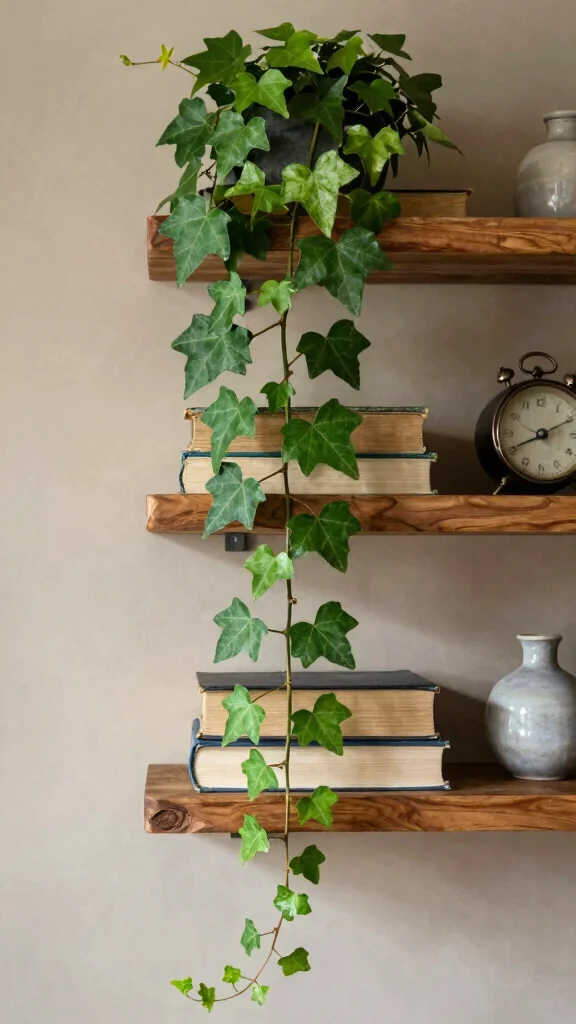
English ivy is a versatile choice that not only beautifies your space but also purifies the air. Its lush green leaves thrive in low light, making it ideal for various indoor settings. You can train ivy to climb or let it trail, adding elegance to shelves or walls. Be mindful of watering, as it prefers slightly drier soil to avoid root rot. Consider creating a living wall or trellis to showcase its cascading vines beautifully. Here are some care tips:
– Ensure good air circulation around the plant.
– Prune to manage growth and enhance bushiness.
– Rotate the pot regularly for even growth.
With its air-purifying qualities and aesthetic appeal, English ivy will transform your home into a serene haven.
Recommended Products


About the Plant: Hahn's Ivy is a timeless houseplant grown for its lush, trailing vines and vibrant green foliage! Suitable for hanging baskets, shelves, or as a climbing accent, this fast-growing plant adds a touch of natural beauty to any space. Hahn's Ivy is easy going and easy to care for, making it a wonderful choice for a beginning green thumb! Leaf shape may vary based on availability

Realistic Natural Appearance: Featuring detailed vein patterns and rich green hues, our artificial ivy mimics the look of real English ivy, creating a lush, vibrant aesthetic in any space
5. Heartleaf Philodendron (Philodendron hederaceum)
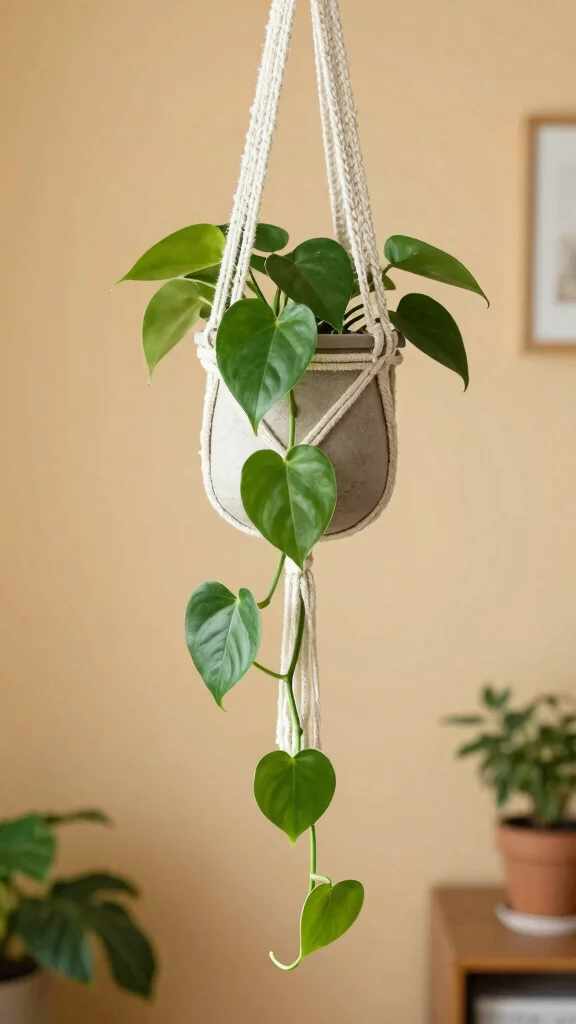
The heartleaf philodendron is beloved for its beautiful heart-shaped leaves and is perfect for indoor gardening. Thriving in low light, it’s remarkably easy to care for, making it suitable for beginners. This plant purifies the air, creating a healthier environment while offering a lush green look. Let its long, trailing stems cascade from high shelves for a stunning display. Water it when the top inch of soil feels dry and provide indirect sunlight for best results. Tips for care include:
– Use a well-draining potting mix to prevent over-saturation.
– Pinch back long vines to encourage denser growth.
– Clean leaves regularly to maximize photosynthesis.
Your indoor space will feel fresh and inviting with this forgiving and attractive plant.
Fun fact: Heartleaf philodendron is a standout among trailing plants indoor, thriving in low light and easily reaching 3–4 feet of trailing stems from a high shelf. Water when the top inch of soil dries and keep it out of direct sun for best results.
6. Monstera Adansonii (Swiss Cheese Plant)
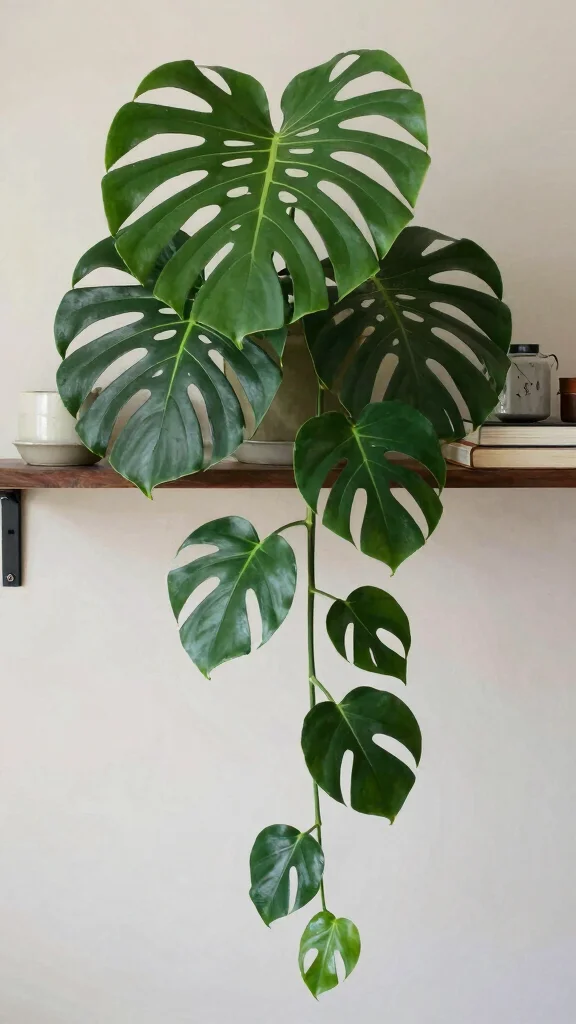
The Monstera adansonii, or Swiss cheese plant, captivates with its unique split leaves that add flair to any indoor space. This trailing plant does well in bright, indirect sunlight but can also adapt to lower light levels. Its remarkable leaves make it a favorite among plant enthusiasts, and its long vines create a lush, dramatic look. Water it when the topsoil feels dry and avoid letting it sit in water to prevent root rot. Regular misting adds to its tropical vibe and enhances its growth. To care for your Monstera:
– Use a moisture-retaining yet well-draining potting mix.
– Rotate the pot for even leaf development.
– Provide support for climbing if desired.
This striking plant will bring a touch of the tropics into your home, making it feel vibrant and alive.
7. Rattlesnake Plant (Calathea lancifolia)
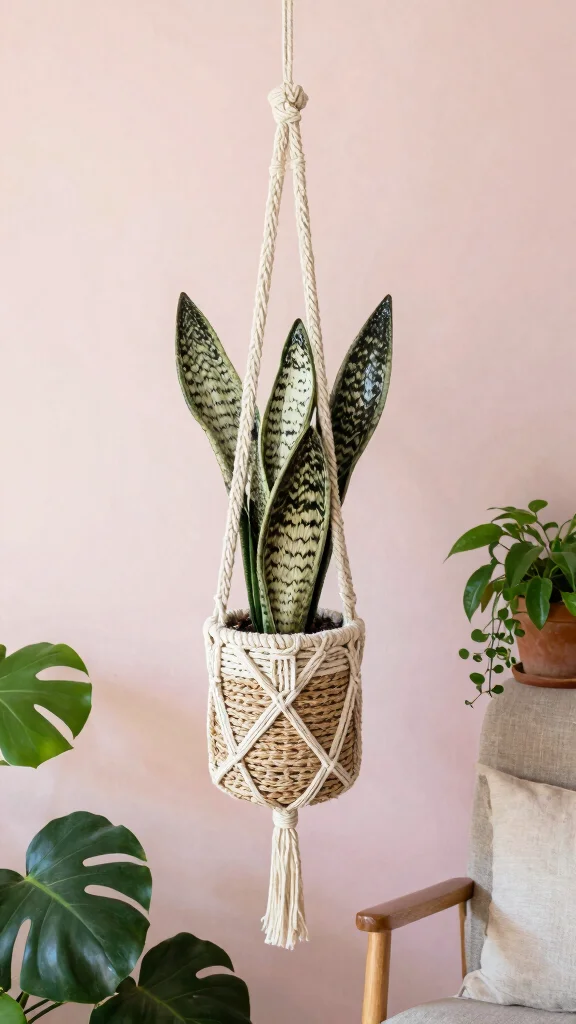
The rattlesnake plant is known for its stunning, patterned leaves that mimic the skin of a rattlesnake. Preferring low light, this gorgeous plant adds texture and interest to any space. It does require higher humidity, but its beauty makes the extra care worthwhile. Keep the soil consistently moist, but avoid sogginess. Let its vines cascade from a high shelf to create a dramatic effect, and enjoy its air-purifying benefits. Care tips include:
– Mist regularly to maintain humidity.
– Keep away from drafts and direct sunlight.
– Fertilize monthly during the growing season for optimal growth.
Your indoor environment will thrive with this captivating and unique houseplant.
8. Creeping Fig (Ficus pumila)
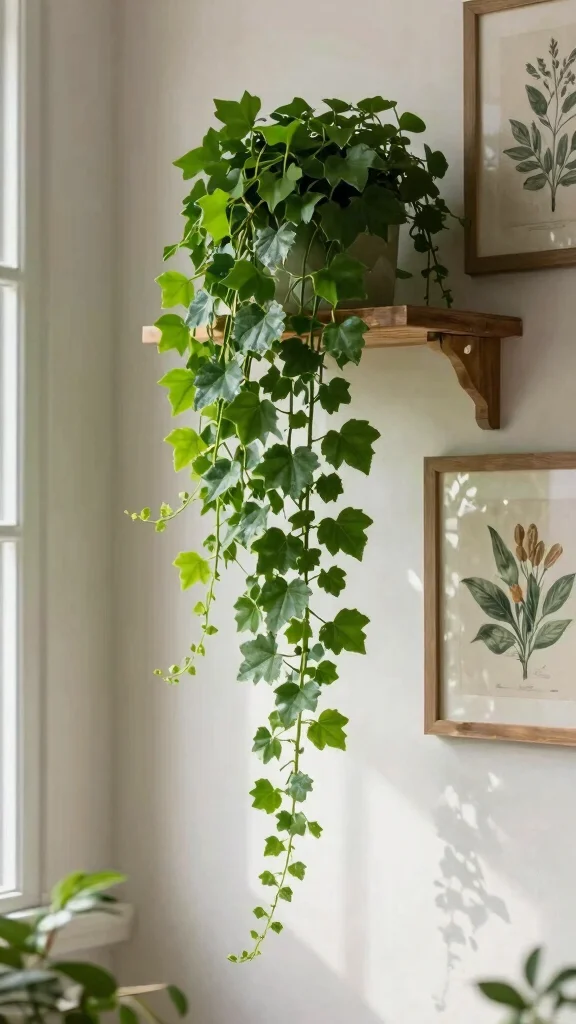
Creeping fig is a lovely trailing plant that can cling to surfaces, making it perfect for creative indoor decorating. Its small, heart-shaped leaves grow densely, providing a lush green look even in low light. Although it climbs, it also works beautifully in hanging pots or as a shelf plant. Keep it moist and provide adequate humidity for optimal growth. This plant is perfect for covering trellises or decorating walls, creating a stunning green wall effect. Care tips include:
– Trim regularly to maintain shape and promote fullness.
– Keep an eye out for pests, as they can be an issue.
– Use a humidity tray or mist for indoor growth.
This delightful plant will enhance your indoor aesthetics while improving air quality.
9. Tradescantia (Wandering Jew)
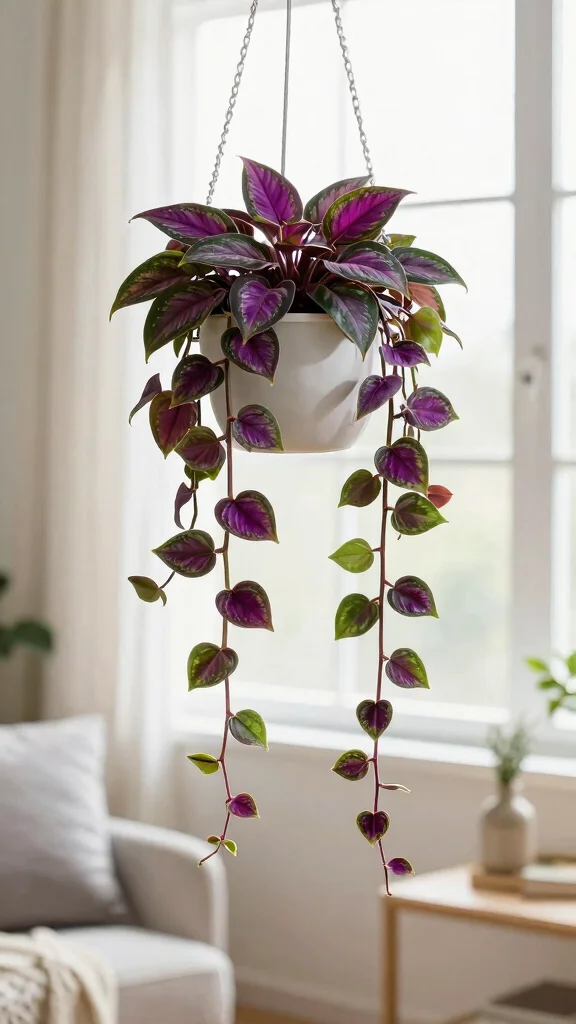
Tradescantia, commonly known as wandering Jew, boasts vibrant, variegated leaves that bring life to any room. This fast-growing trailing plant thrives in low light, making it an impressive choice for shelves. Its long, trailing vines create a colorful cascade that adds vibrancy to your decor. Water it when the top of the soil feels dry, and watch it flourish. For a splash of color, let it hang in a bright spot or allow it to trail down from a shelf. Care tips include:
– Prune regularly to encourage bushy growth.
– Rotate the pot for even growth.
– Provide support if needed.
Your indoor space will radiate positivity and energy with this cheerful plant.
Trailing plants indoor don’t have to be fussy—Tradescantia proves it. In low light, let its vibrant leaves cascade from shelves, water when the topsoil dries, and prune regularly to keep the Wandering Jew looking lively.
10. Peperomia Raindrop (Peperomia polybotrya)
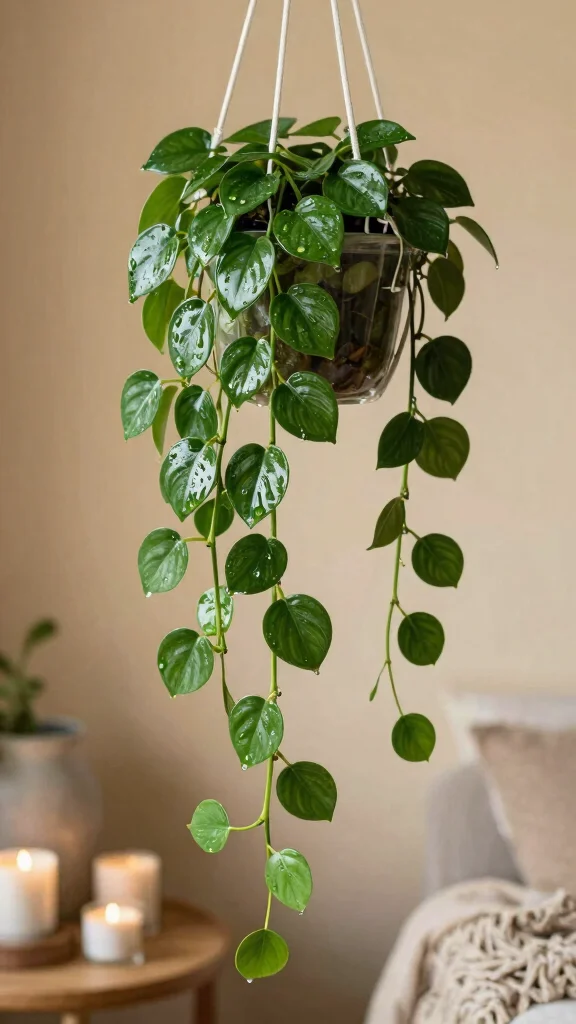
The peperomia raindrop is ideal for anyone seeking a low-maintenance trailing plant. Its thick, glossy leaves, shaped like raindrops, add a unique touch to your indoor decor. This adaptable plant loves low light and can thrive in less common spots around your home. Water it well and allow the top inch of soil to dry out before the next watering. Its trailing stems create a soft waterfall effect, perfect for hanging planters or shelves. Care tips include:
– Avoid getting leaves wet to prevent rot.
– Fertilize sparingly, as too much can harm the plant.
– Trim leggy stems to promote denser growth.
Your indoor garden will flourish with this charming and easy-care plant, bringing a fresh look to your space.
Fun fact: For trailing plants indoor, Peperomia raindrop thrives in low light and stores water in its glossy leaves. You may only need to water every 7–10 days, letting the top inch of soil dry first. Avoid getting the leaves wet to keep its soft waterfall stems looking their best.
11. Hoya Carnosa (Wax Plant)
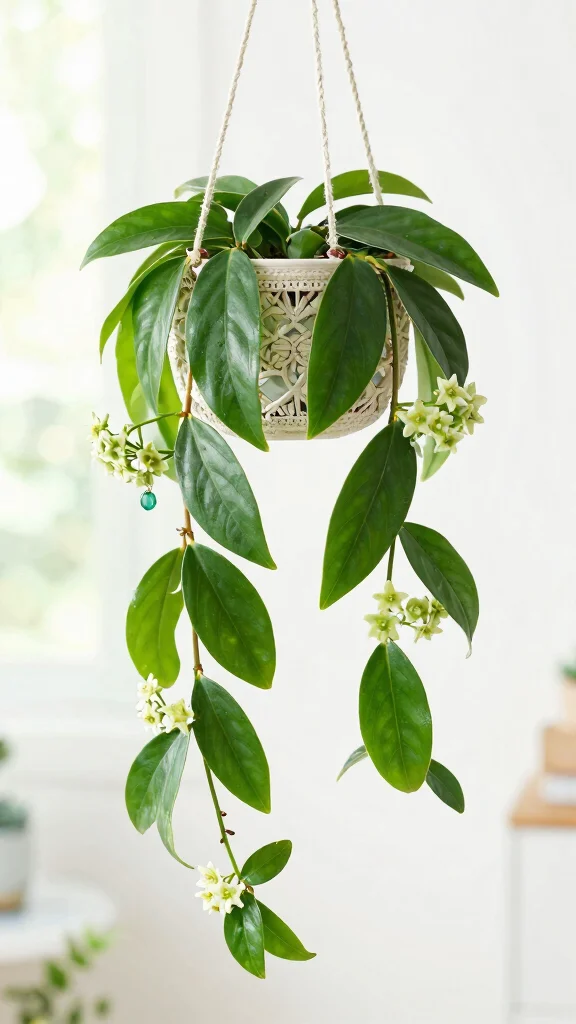
Hoya carnosa, also known as the wax plant, is a delightful trailing plant recognized for its succulent-like leaves and fragrant clusters of flowers. Preferring bright, indirect light, it can also adapt to lower light conditions. Its unique shape and texture add character to any shelf or hanging arrangement. Water sparingly and allow the soil to dry between waterings to mimic its natural habitat. Patience is key, as this slow grower may take time to bloom. Care tips include:
– Fertilize only during the growing season to promote blooming.
– Keep it away from drafty areas.
– Be patient, as it may take time to bloom.
This charming plant will enhance your indoor environment with its beauty and delightful fragrance.
12. Scindapsus Pictus (Satin Pothos)
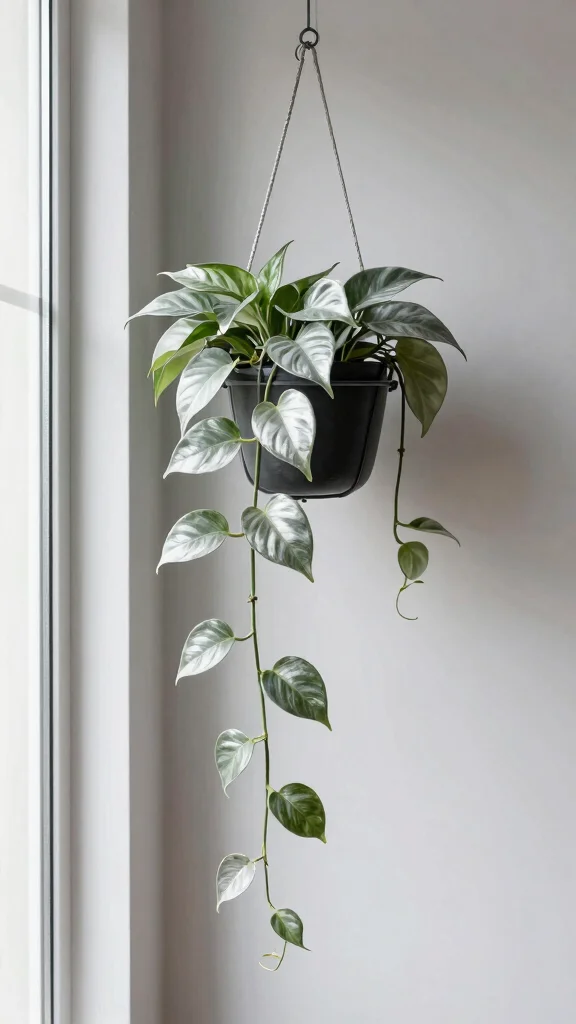
Scindapsus pictus, or satin pothos, features stunning silvery markings on heart-shaped leaves. Thriving in low light, this adaptable plant adds elegance to your home while purifying the air. It’s easy to care for and enjoys a well-draining potting mix. Water when the topsoil feels dry for optimal health. Hang it in a bright spot to let its beauty shine, and enjoy watching it flourish. Care tips include:
– Regularly prune long vines for bushier growth.
– Rotate the pot for even light exposure.
– Provide humidity to boost its growth.
Your space will feel more refined and fresh with this lovely indoor plant.
13. Coleus (Plectranthus scutellarioides)
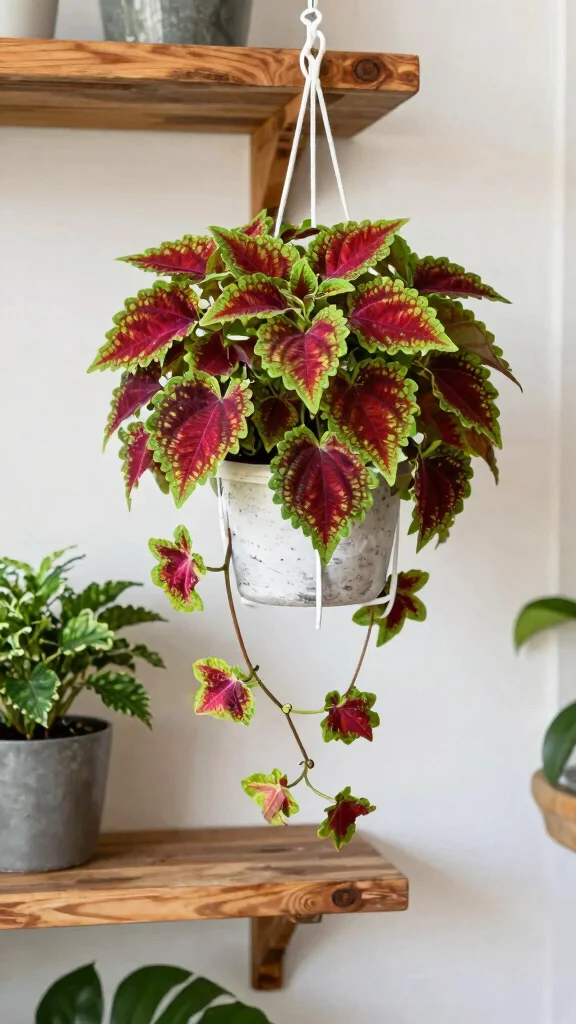
Coleus brings vibrant colors and patterns, perfect for brightening any indoor space. Preferring indirect light, this plant thrives indoors, making it an excellent choice for low-light environments. It can be grown as a trailing plant in hanging baskets, where its vibrant foliage can spill out beautifully. Water it regularly while allowing the soil to dry to avoid root issues. Coleus is a fun option for anyone looking to add a splash of color to their indoor garden! Care tips include:
– Pinch back stems for bushier growth.
– Monitor humidity, as it thrives in moist conditions.
– Rotate pots regularly for even leaf growth.
Your indoor space will feel lively and cheerful with this colorful beauty.
14. Boston Fern (Nephrolepis exaltata)
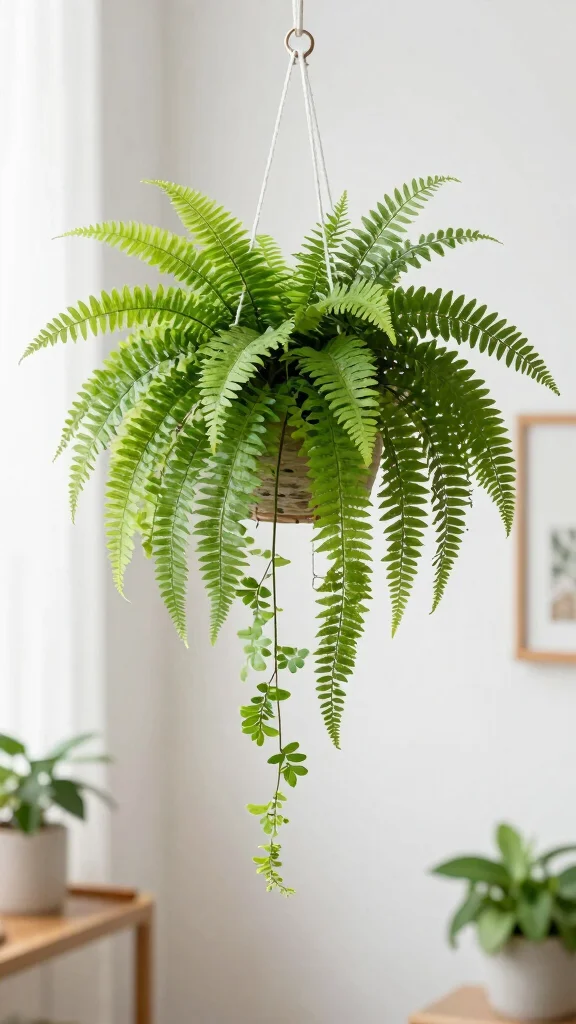
Boston fern is celebrated for its lush, feathery fronds that create a stunning trailing effect. Thriving in low light, this plant is perfect for adding greenery to shelves or hanging pots. It loves humidity, so it’s essential to keep an eye on the soil moisture! While slightly more demanding, its beauty is well worth the extra care. The soft texture of the fronds brings a calming feel to any indoor space. Care tips include:
– Mist regularly to maintain humidity levels.
– Fertilize lightly during the growing season to support growth.
– Prune dead fronds to keep the plant looking fresh.
This stunning fern will enhance your indoor environment, making it feel serene and lush.
15. Baby Rubber Plant (Peperomia obtusifolia)
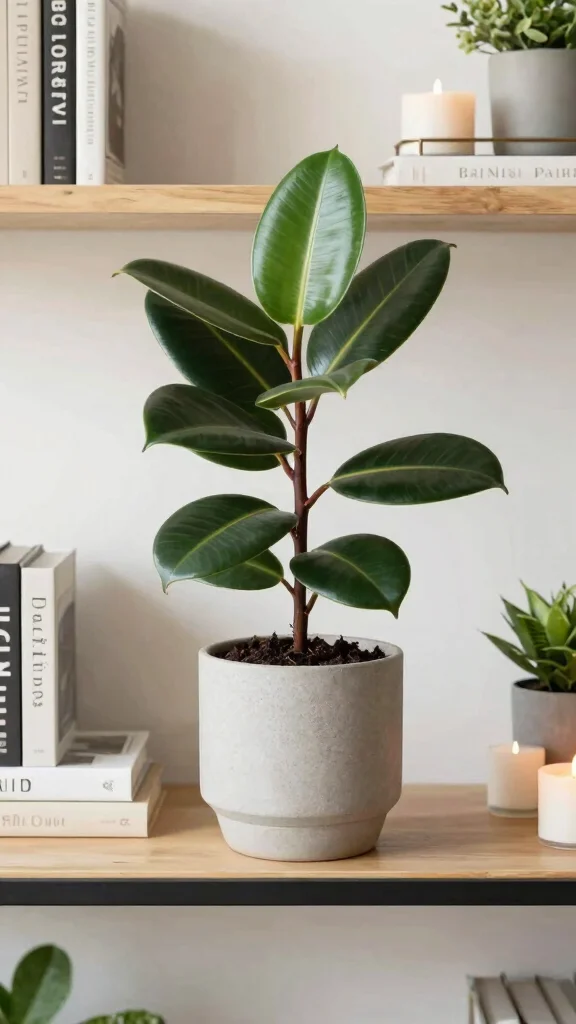
The baby rubber plant is a charming indoor option with thick, glossy leaves that can trail beautifully. Perfect for those who may forget to water often, it tolerates low light and infrequent watering sessions. This adaptable plant can thrive in various environments, making it a flexible addition to your indoor garden. Place it on a shelf where its vines can cascade down, providing a lovely green contrast to your decor. Care tips include:
– Use a pot with drainage holes to avoid soggy soil.
– Keep it out of direct sunlight to prevent leaf burn.
– Regularly wipe leaves to keep them dust-free.
Your indoor space will feel vibrant and lively with this lovely and easy-care plant.
Conclusion
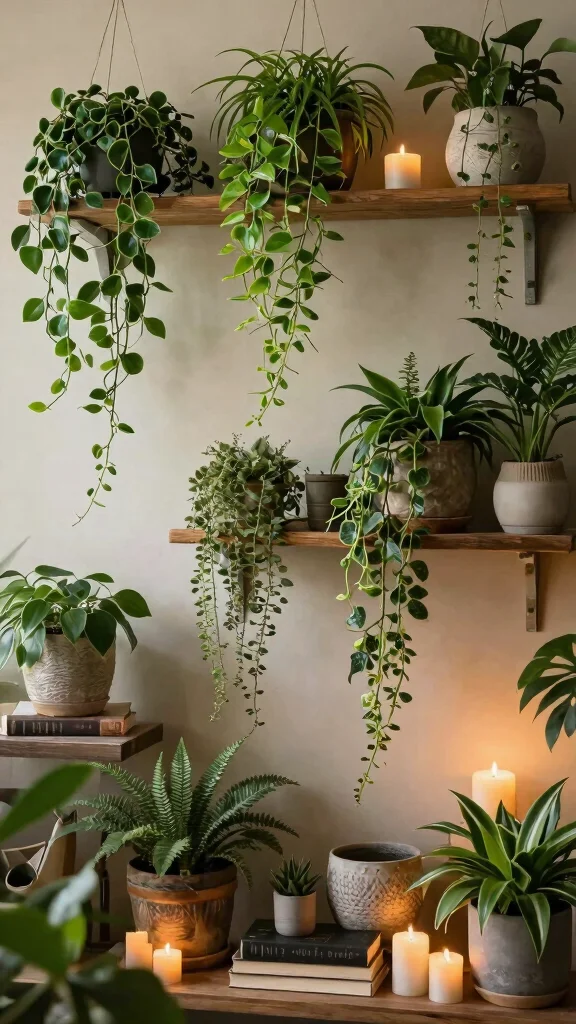
Indoor trailing plants can effortlessly enhance your home, bringing life and color to shelves and ceilings.
From the classic pothos to the vibrant coleus, these plants cater to those with low light and minimal maintenance skills.
Whether you’re looking to start your indoor garden or add to an existing collection, these 15 trailing plants offer beauty, functionality, and a touch of nature indoors. Experiment with variety and placement for a personal touch that reflects your style!
Frequently Asked Questions
What are the best trailing plants indoor for low light spaces on shelves and ceilings?
For trailing plants indoor in low-light spaces, pick forgiving varieties that tolerate shade and look great on shelves or when cascading from the ceiling.
Good choices include Pothos (Epipremnum aureum), Heartleaf Philodendron (Philodendron hederaceum), String of Hearts (Ceropegia woodii) when kept out of intense sun, and the Spider Plant (Chlorophytum comosum) with arching runners.
These are popular low light trailing plants that excel as shelf plants or in a ceiling garden ideas setup. Tips: place them near bright indirect light if possible, water when the top inch of soil dries, and use a well-draining soil mix to prevent root rot.
How do I care for trailing plants indoors in low light spaces?
Care basics for trailing plants indoor in low-light spaces:
Water wisely: let the top inch of soil dry before watering; avoid overwatering and soggy roots.
Soil and pots: use a well-draining mix and ensure the pot has drainage holes.
Light and placement: place near a bright, indirect light source; avoid direct sun, and rotate plants every few weeks for even growth.
Humidity and leaves: wipe dust off leaves to improve photosynthesis and help them capture available light.
Feeding: fertilizer lightly in spring and summer, following label directions. With these adjustments, your trailing plants indoor will thrive even in low-light zones.
What are ceiling garden ideas and how can I display trailing plants from shelves?
Ceiling garden ideas start with sturdy hooks and planters.
Use ceiling hooks or a wire grid, plus macrame hangers or decorative baskets to hide cords.
Let trailing plants cascade from higher shelves to add depth to your space; mix with shelf plants for a layered look.
Keep color contrast by pairing dark green leaves with light variegation or silver foliage and label your indoor plant decor setup for easy maintenance.
Which trailing plants indoor are best for shelf decor and easy maintenance?
On shelves, start with forgiving, maintenance-friendly options like Pothos and Heartleaf Philodendron for instant cascades. For a lighter, airy look, try Spider Plant runners. If you want a more delicate look, you can add String of Hearts as accents. All of these are popular indoor plant decor and cascading houseplants that pair well with shelf plants. Care tips: use well-draining soil, water only when the top inch dries, avoid overwatering, and prune leggy stems to keep a tidy cascade.
How can I troubleshoot common problems with low-light trailing plants?
Troubleshooting tips for low-light trailing plants can save a lot of frustration. Look for signs like leggy growth, yellowing leaves, or brown tips.
Causes include too little light, overwatering, underwatering, or low humidity.
Solutions: move to a brighter indirect light spot if possible; adjust your watering schedule so soil dries between waterings; switch to fresh, well-draining soil; prune and pinch to encourage fullness; wipe dusty leaves and check for pests.
If your space stays very dim, consider a small grow light to keep trailing plants indoor healthy throughout the year.
Related Topics