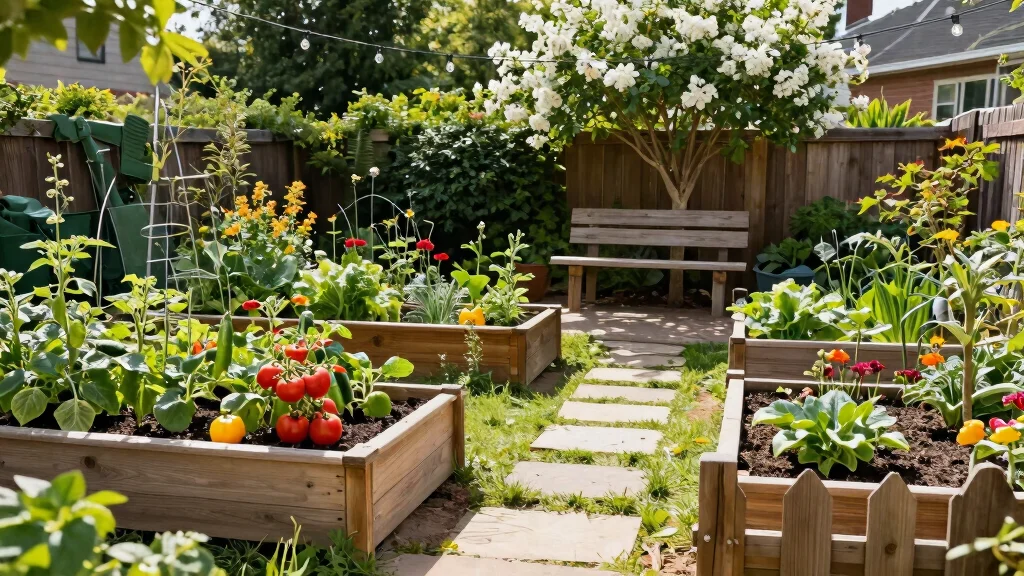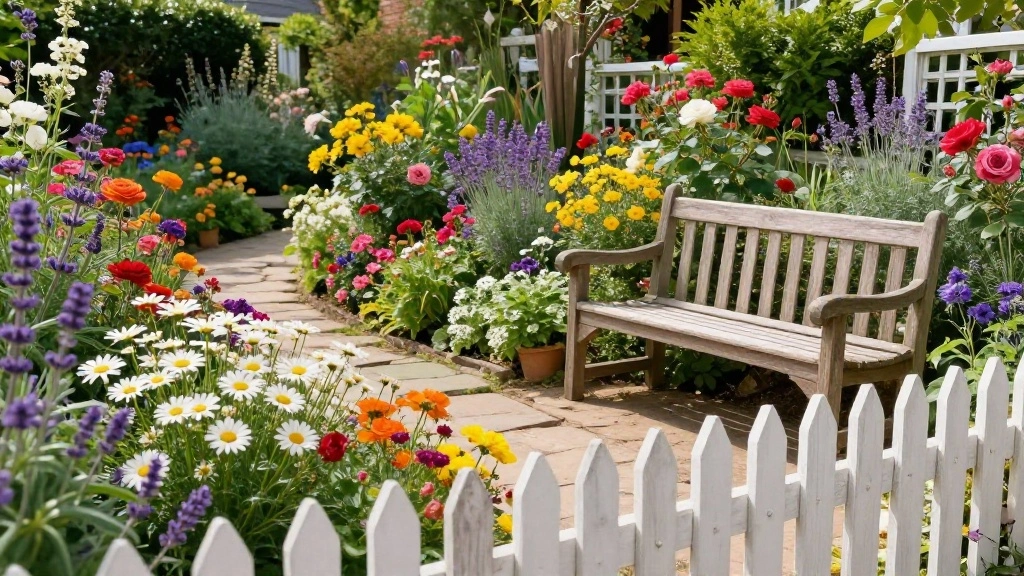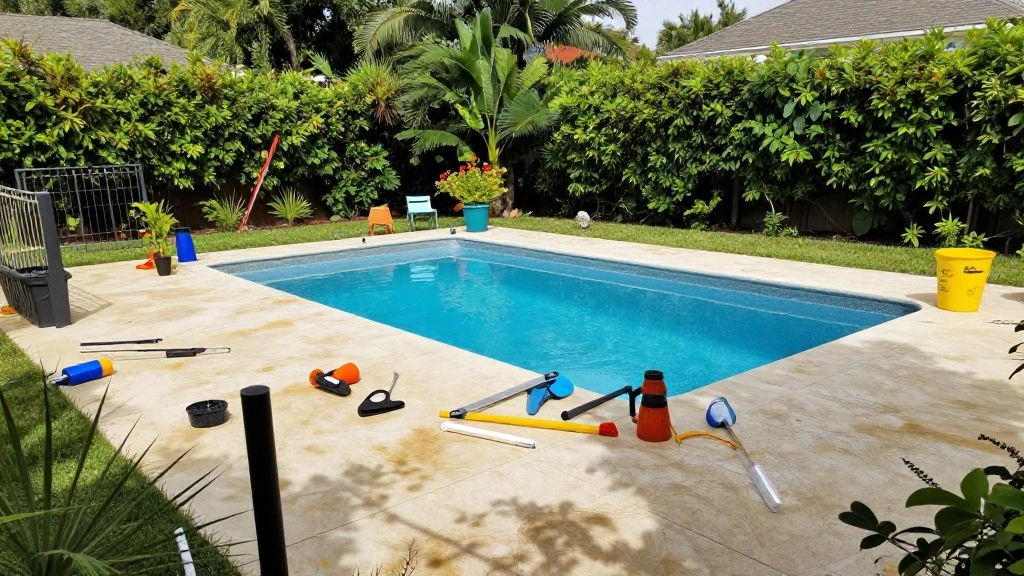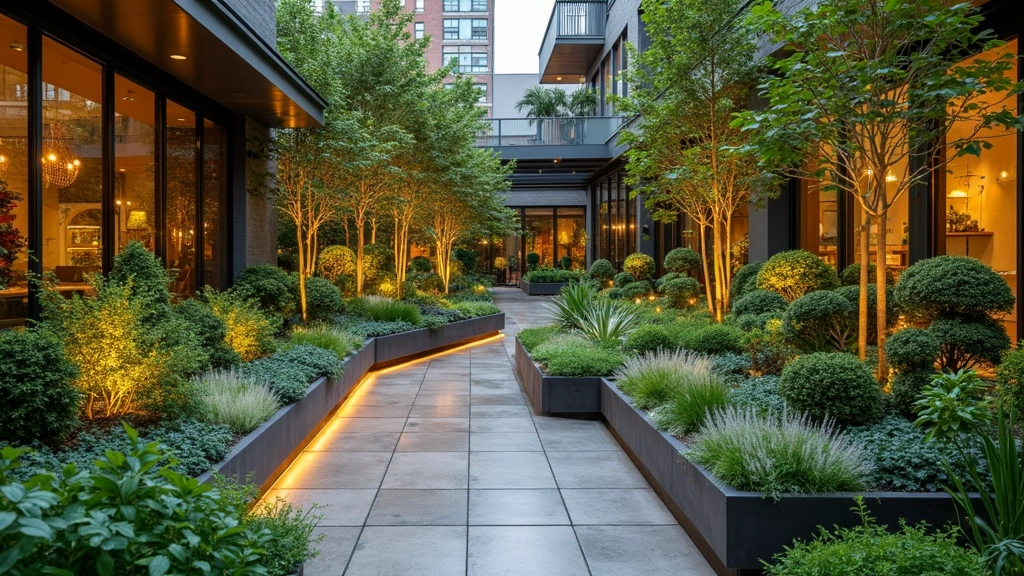

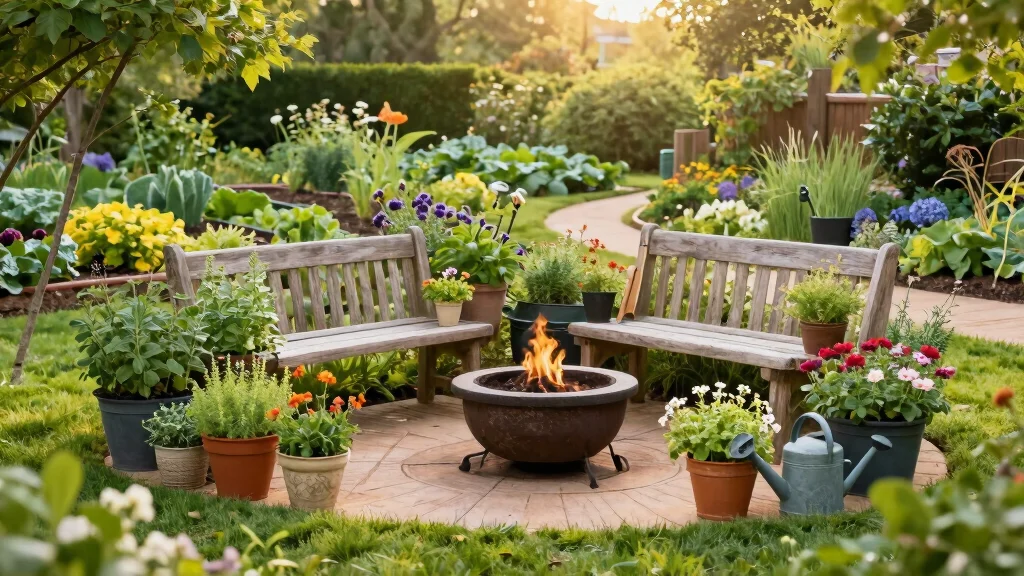


Creating a backyard oasis has become more than just a trend; it’s a lifestyle choice. With busy lives and constant hustle, having a tranquil space at home can feel like a sanctuary. If you’ve found yourself dreaming of a relaxing retreat without leaving your property, you’re in the right place. This post dives deep into 15 backyard oasis ideas that will inspire you to transform your outdoor space into a personal haven.
If you’re passionate about gardening or just looking to enhance your backyard, this guide is crafted for you. Whether you’re a seasoned gardener or a beginner curious about growing herbs, these ideas are both practical and beautiful. You’ll discover ways to incorporate herbs that not only look lovely but also serve delicious culinary and wellness purposes. From creative herb garden designs to tips for success, you’ll find everything you need to make your backyard the ultimate escape.
By the end of this post, you’ll be equipped with inspiring ideas and practical advice to create your own lush garden paradise. Imagine stepping into your backyard and feeling instantly at peace, surrounded by fragrant herbs and inviting spaces to relax. Let’s dive into these captivating ideas that promise to make you never want to leave home!
Key Takeaways
– Diverse Garden Designs: Explore various styles like herb spirals and vertical gardens to maximize your space and aesthetics.
– Aromatic Experiences: Create inviting seating areas infused with herbs, offering both beauty and delightful scents.
– Functional Spaces: Incorporate outdoor kitchens and dining areas that highlight your herb garden, making cooking a joyous experience.
– Pollinator and Wildlife Friendly: Design gardens that attract pollinators and beneficial insects, enhancing not just your space but the environment as well.
– Seasonal Planning for Success: Learn how to plan your herb garden seasonally to ensure you have fresh ingredients year-round, making gardening easy and enjoyable.
Recommended Products

🌿【Complete 9-Herb Starter Kit】- Everything you need to grow a thriving indoor garden! Includes premium seeds (Basil, Rosemary, Thyme, etc.), 9 biodegradable pots, nutrient-rich soil discs, pruning shears, and markers—ready to plant instantly.

COMPLETE INDOOR HERB GARDEN KIT: This ROOTCRAFT herb growing kit includes everything you need to start your herb growing journey. It's perfect for kitchen, windowsills, balconies and patios, elevating your indoor space with a vibrant array of gourmet herbs

Complete Herb Growing Kit – Includes 10 popular non-GMO herbs (Basil, Parsley, Cilantro, Chives, Thyme, Oregano, Dill, Sage, Lavender, and Mint), reusable pots, soil discs, tools, and a moisture meter for easy care.
1. Herb Spiral Garden
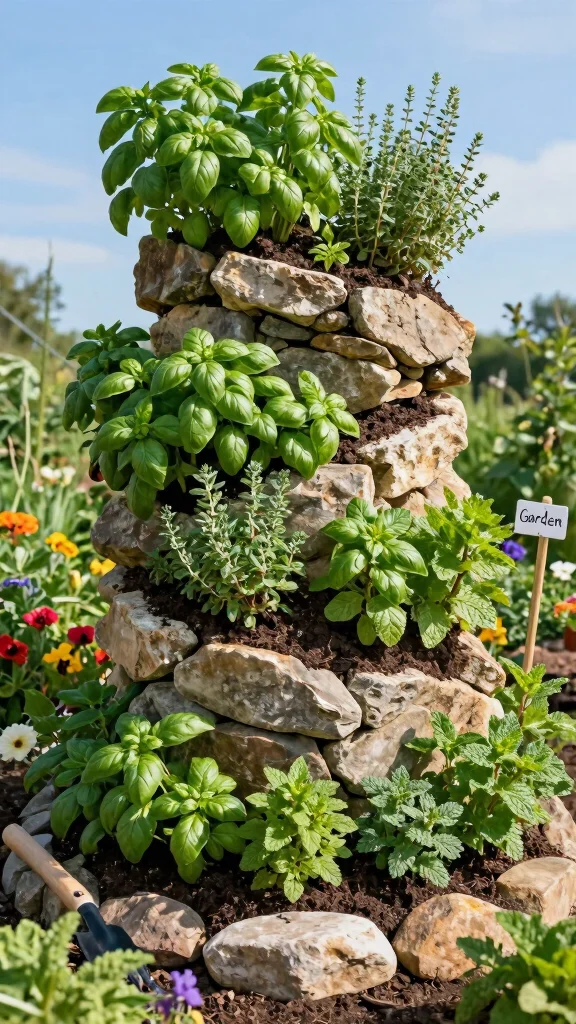
Have you ever dreamed of a garden that’s both stunning and functional? An herb spiral garden is exactly that, combining beauty with practicality. This innovative layout not only saves space but creates unique microclimates that cater to various plant needs, making it a delightful addition to your backyard.
Imagine reaching for fresh basil, thyme, or mint right from your spiral! The varying heights enhance sunlight exposure and ensure excellent drainage, encouraging robust growth. Plus, this design is perfect for beginner herbs like rosemary and cilantro, which thrive easily. You can even add decorative tiles or stones for a charming touch while mulching to retain moisture and keep weeds at bay.
Ingredients:
– 3-4 bags of organic potting soil
– 1-2 bags of compost
– A variety of herbs (basil, thyme, mint, rosemary, cilantro)
– Decorative stones or tiles (optional)
– Mulch for moisture retention
Instructions:
1. Choose a sunny spot in your yard with good drainage.
2. Build the spiral structure using rocks or soil, tapering it upwards.
3. Fill each level with potting soil mixed with compost.
4. Plant herbs at various heights, clustering similar types together.
5. Water thoroughly and mulch around the spiral to keep moisture in.
6. Enjoy your fresh herbs as they flourish throughout the season!
FAQs:
– Can I plant flowers alongside herbs? Yes, just ensure they have similar sunlight and water needs.
– Can I use this design for vegetables? Absolutely! Just select compatible varieties.
Recommended Products

3 Tiered Hanging Herb Garden Set: the package includes 1 piece of 3 tiered hanging vertical planter shelf, suitable for decorating kitchens, living rooms, offices, balconies and other places, and 12 pieces of plants pots, ideal for growing herbs, cacti, and so on; Please note that we provide you with non marking nails and hooks for easy hanging

MADE IN THE USA – SUPPORTS 3 SMALL BUSINESSES Proudly manufactured in the United States. Every Smart Spring planter purchased directly supports three small U.S. businesses, helping keep jobs and production local.

Sturdy and Durable-The vertical garden planter is made with a sturdy all-metal frame to ensure durability and longevity. The stable triangular design provides reliable support for your herbs, flowers, vegetables and more
📹 Related Video: This is how You build a Herb Spiral!
2. Vertical Herb Garden
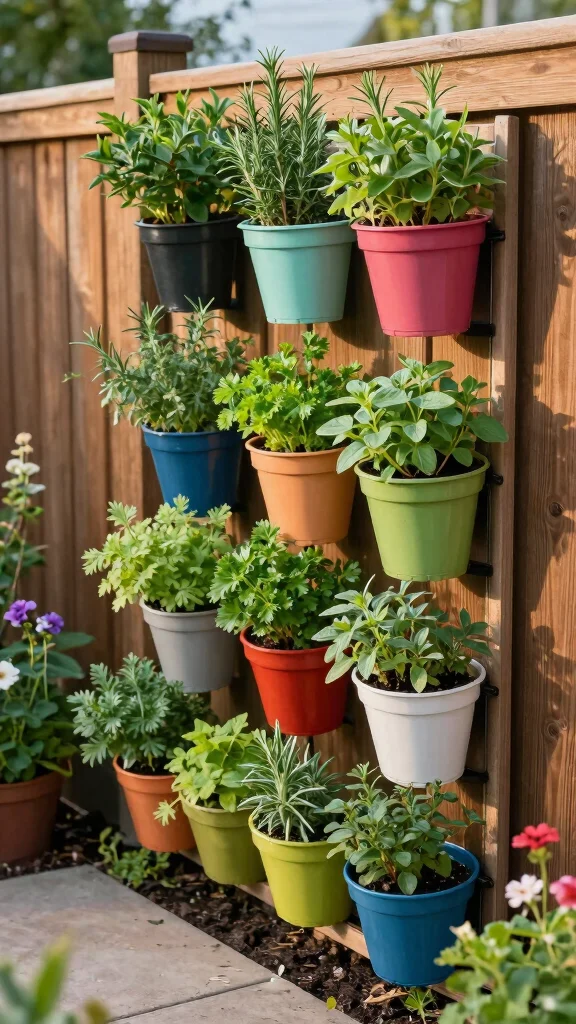
Struggling with limited space for gardening? A vertical herb garden is a fantastic solution! This creative approach allows you to utilize walls, fences, or even repurposed pallets to grow an array of herbs while adding a charming touch to your outdoor space.
Imagine hanging pots filled with fragrant rosemary, parsley, and oregano, creating an eye-catching green wall. It’s not just visually appealing; it’s also practical, providing easy access to fresh herbs for your cooking adventures. Use recycled materials like wooden crates or plastic bottles, and don’t forget to paint them in colors that match your style! Just ensure they have drainage holes and are filled with quality potting soil.
Ingredients:
– Recycled wooden crates or plastic bottles
– Potting soil
– A variety of herbs (rosemary, parsley, oregano)
– Paint (optional)
Instructions:
1. Securely mount crates or hang bottles on your chosen wall or fence.
2. Fill each container with potting soil.
3. Plant herbs, ensuring they have enough space to grow.
4. Water regularly, especially in warmer months, and mist to keep herbs hydrated.
5. Rotate pots occasionally for even growth. Enjoy your vertical herb garden!
FAQs:
– Can I use any type of wall? Yes, just make sure it gets enough sunlight and can support the weight.
– Can I grow herbs indoors this way? Absolutely! Just ensure they receive adequate light indoors.
Recommended Products

Efficient Drainage System: Pre-drilled holes prevent waterlogging, ensuring roots stay greatly oxygenated. Create a lush, vibrant oasis as your plants flourish effortlessly year-round, whether on a sunny windowsill or a breezy patio garden

Easy to Assemble: The galvanized garden beds outdoor manual includes a clear parts list and installation steps, which can save your time and assist you assemble the galvanized garden beds quickly.

【 Vertical Raised Garden Bed with Trellis】Perfect for home gardening lovers, this raised garden beds outdoor with 4 flower pots let you plant vegetables, herbs, and flowers in separate planters while the 11-inch trellis supports climbing plants like tomatoes, strawberries, vines, and peppers. The planters for indoor plants create a optimal environment for your plants to thrive.
3. Herb-Infused Seating Area
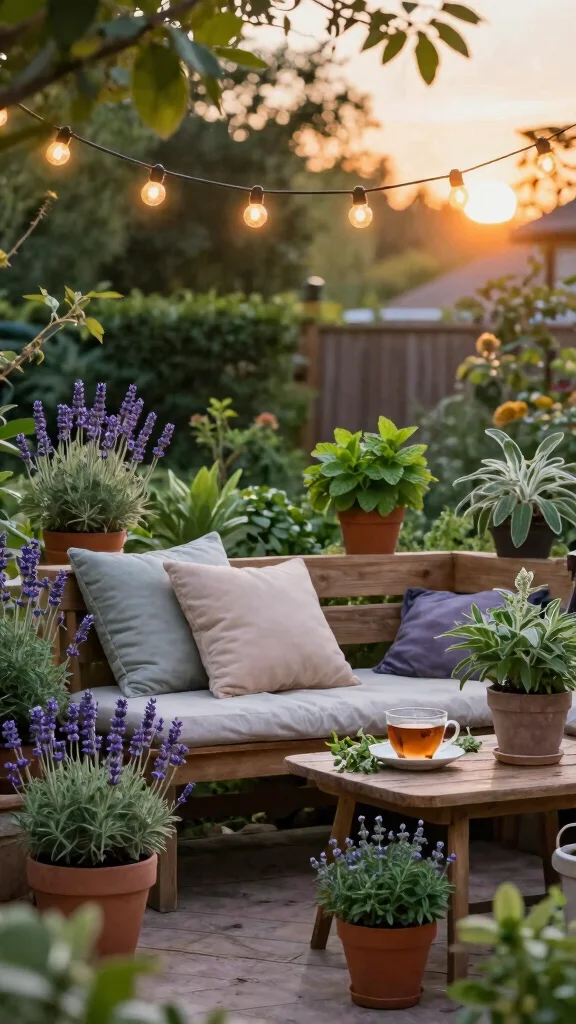
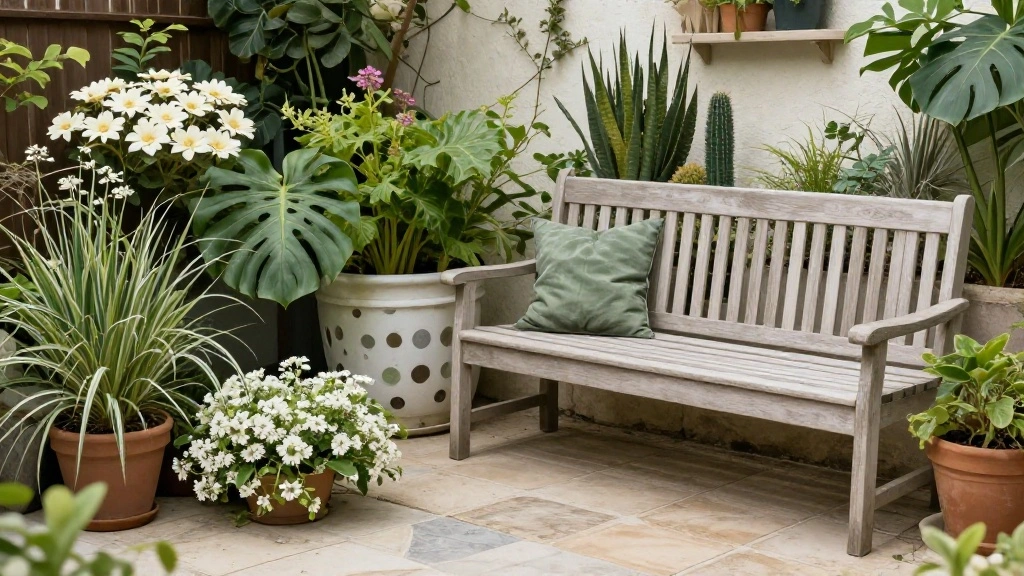
Imagine unwinding in a cozy seating area surrounded by the fresh scents of herbs. Creating a herb-infused seating area is a wonderful way to blend relaxation with nature’s aromas. By surrounding your space with aromatic plants like lavender and mint, you’ll enhance your outdoor experience.
Choose comfortable outdoor furniture, such as cushioned benches or a hammock, and arrange pots of herbs nearby. This setup allows you to easily snip fresh herbs while sipping your morning coffee or evening tea. Planting larger herbs in decorative containers adds height and charm to the area. Ensure they’re in well-draining soil and positioned for optimal sunlight exposure.
Ingredients:
– Comfortable outdoor seating (bench, hammock)
– A variety of herbs (lavender, mint, chives, basil)
– Decorative planters
– Potting soil
Instructions:
1. Select a comfortable seating spot in your yard.
2. Surround the area with pots of herbs, varying their heights for visual appeal.
3. Ensure herbs are planted in quality potting soil.
4. Water regularly and provide sunlight.
5. Add fairy lights above for ambiance and enjoy your herb-infused retreat!
FAQs:
– Can I mix herbs with flowers? Yes, just ensure they have similar care requirements.
– Can I create this space in a small yard? Absolutely! Just choose compact furniture and containers.
Fun fact: In just a 6×8 ft seating corner, placing 4 herb pots—lavender, mint, rosemary, thyme—can boost calm and aroma. Cozy cushions + fresh snips turn your space into a true backyard oasis ideas moment.
Recommended Products

This gorgeous selection of 19 annual and perennial wildflower seeds provides easy-to-grow bee friendly flowers . Wildflower seeds bulk for planting in your garden, farm, or field. With every purchase of "Save the Bees" pollinator wildflower seeds, we make a special donation to the Bee Conservancy, a nonprofit organization that puts bees first.

18 Pollinator-Friendly Flower Varieties: Includes Coreopsis, Dill, Zinnia, Borage, Crimson Clover, Aster, Calendula, Purple Coneflower, Cosmos, Wallflower, Cosmos Sensation, Black-Eyed Susan, Cornflower, Sneezeweed, Ox-Eye Sunflower, Hyssop Lavender, Bergamot, and Prairie Clover. Continuous blooms bring vibrant color and attract pollinators all season long.

This gorgeous selection of 18 annual and perennial flower seeds provides easy-to-grow Rocky Mountain Wildflower Seeds . Wildflower seeds bulk for planting in your garden, farm, or field. Our "Rocky Mountain" region wildflower mix also attracts bees and other pollinators to support a healthy, sustainable ecosystem.
Herb-Infused Seating Area
Editor’s Choice

Tangkula 3-Seat Patio Acacia Wood Bench with Cushion, 62.5” Extra Long O…

Tangkula 64 Inch Patio Acacia Wood Bench, 3-Seat Extra Long Chair with C…

RELAX4LIFE 62.5’’ Outdoor Bench Acacia Wood – 3-Person Patio Bench w/Bac…

Classic Home and Garden Shaina Planting Pots – Lightweight Indoor & Outd…
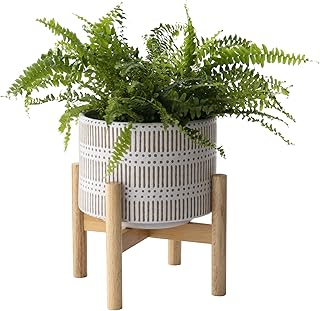
LA JOLIE MUSE Ceramic Plant Pot with Wood Stand – 7.3 Inch Modern Round …
4. Herb Garden Pathway
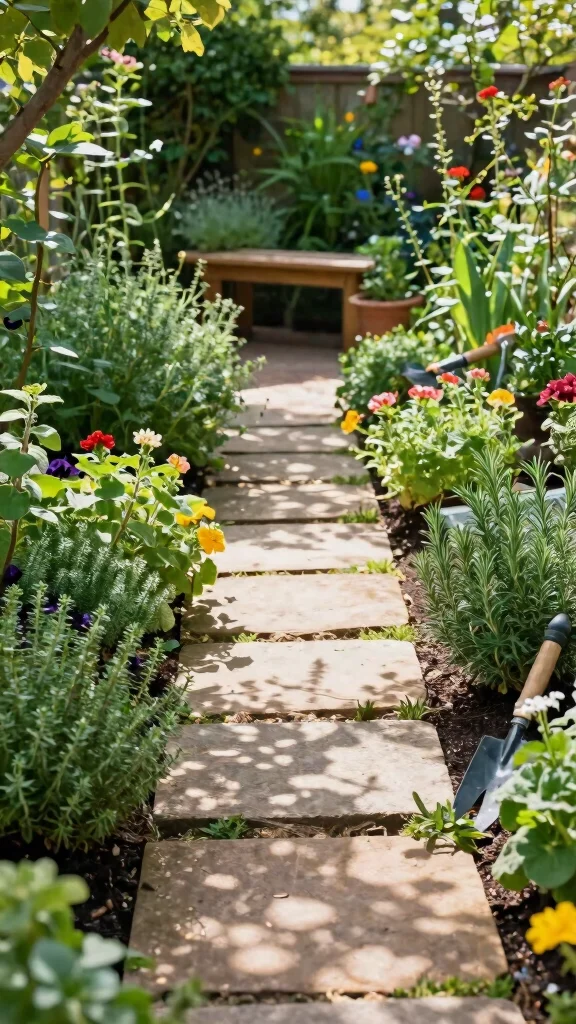
Enhance the charm of your backyard with a delightful herb garden pathway that guides you through a fragrant experience. This pathway can be fashioned from stones or mulch, bordered by a variety of herbs that release their delightful scents as you stroll.
As you walk, the enticing aromas of thyme, oregano, and rosemary will greet you, creating a sensory journey through your garden. Plant low-growing herbs along the edges, with taller varieties peeking through for added visual interest. Mix in colorful flowers like marigolds to create a vibrant atmosphere.
Ingredients:
– Stones or mulch for the pathway
– A variety of herbs (thyme, oregano, rosemary)
– Colorful flowers (marigolds, nasturtiums)
Instructions:
1. Outline your desired pathway shape using stones or mulch.
2. Prepare the soil along the pathway for planting.
3. Plant low-growing herbs on the edges and taller ones in the center.
4. Mix in flowers for color and appeal.
5. Water regularly and prune herbs to keep them healthy. Enjoy walking through your aromatic garden!
FAQs:
– Can I use any type of stone? Yes, choose stones that suit your garden style.
– Can I plant other flowers? Yes, just ensure they thrive in similar conditions.
Fun fact: backyard oasis ideas can begin with a fragrant herb pathway that boosts mood and home value by up to 12%. Place thyme, oregano, and rosemary along 2–3 foot borders for scents you notice with every step. Harvest weekly to keep the aroma strong as you stroll.
Recommended Products

【 Vertical Raised Garden Bed with Trellis】Perfect for home gardening lovers, this herb planter outdoor with 4 garden boxes let you plant vegetables, herbs, and flowers in separate plant bed while the 11-inch trellis supports climbing plants like tomatoes, strawberries, vines, and peppers. The balcony raised garden beds outdoor with legs creates an optimal environment for your plants to thrive.

【Sturdy and Stable】Vertical raised garden bed are made of high-quality metal, and the bottom is supported by stable triangles to ensure that the planter stand remains stable in wind and rain. Whether it is used indoors or outdoors, it is a good choice.

DIMENSIONS: 32. 3 in. L x 14. 7 in. W x 30. 7 in. H
5. Aromatic Herb Containers
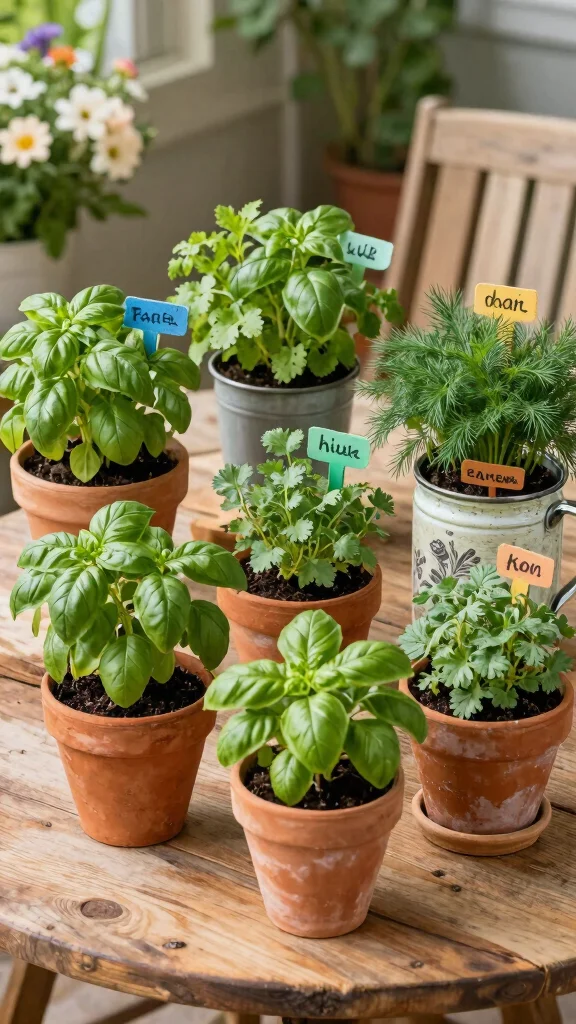
Spruce up your backyard with aromatic herb containers that add beauty and accessibility for your cooking needs. These delightful pots can be placed on your deck, patio, or kitchen windowsill, bringing the essence of fresh herbs right to your fingertips.
Choose a variety of herbs such as basil, cilantro, and dill, and plant them in charming containers. Consider terracotta pots for a rustic feel or vintage tins for a quirky touch. Mixing herbs with different colors and textures creates an appealing display. Ensure they’re in well-draining soil and receive strong sunlight for optimal growth.
Ingredients:
– Various containers (terracotta pots, vintage tins, mason jars)
– Potting soil
– A variety of herbs (basil, cilantro, dill)
Instructions:
1. Select attractive containers and ensure they have drainage holes.
2. Fill with quality potting soil.
3. Plant your chosen herbs, spacing them appropriately.
4. Water without overdoing it and trim regularly to encourage growth.
5. Place in a sunny spot to enjoy fresh herbs!
FAQs:
– Can I grow herbs indoors? Yes, just ensure they get enough light indoors.
– Can I use any container? Yes, just ensure they have drainage and are suitable for the herbs you select.
Recommended Products

All-in-One Herb Starter Kit – Get everything you need to grow fresh herbs at home. This complete herb kit includes 4 pots, nutrient-rich soil discs, markers, 4 heirloom herb seed packets, and a full gardening tool set (spade, shovel, rake, shears, tweezers, clippers, wire & supports).

Grow Your Own Herb Garden: Enjoy the fresh taste of homegrown Cilantro, Large Leaf Italian Parsley, English Thyme, and Genovese Basil, straight from your kitchen herb garden to your plate! Whether you’ve just planted your first mint plant or you’re already an indoor gardening expert, our herb garden kit comes with freshly harvested, high quality seeds for a thriving inside herb garden.

【Complete All-in-One Indoor Garden Kit】Start your home herbal journey instantly with this indoor garden kit. It features 1 x Wooden Planter Box, 5 x Burlap Pots, 5 types of Non-GMO Seeds (Genovese Basil, Cilantro, Italian Parsley, Thyme, Peppermint), Nutrient-Rich Soil Disks, Plant Labels, and Garden Tools. No extra trips to the store—unpack and grow today!
Aromatic Herb Containers
Editor’s Choice

Back to the Roots Self-Watering Terracotta Olla Pot (Pack of 3), 700mL P…
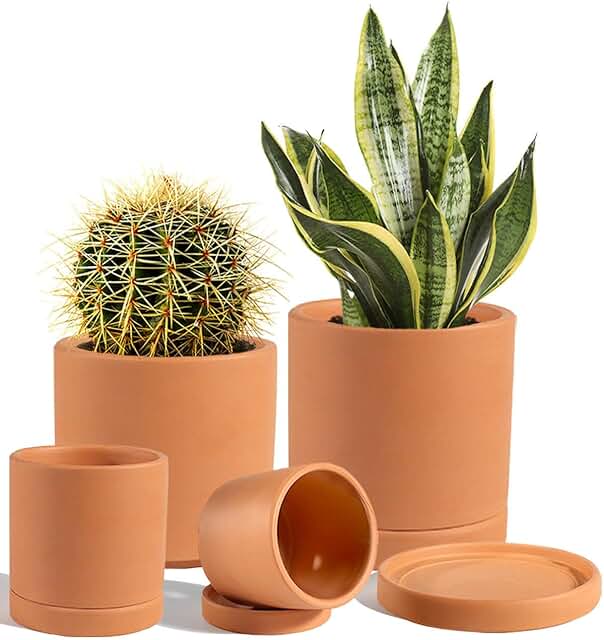
vensovo Terracotta Pots with Drainage and Saucers – 3.5/4.2/5.2/6.0 Inch…
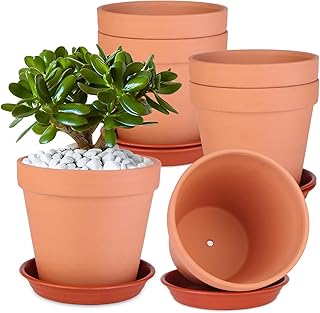
6 Pack 6 Inch Terracotta & Clay Pots with Saucer for Plants, Large Terra…

24 Pack 4 Inches Terracotta Plant Pots, Terra Cotta Planter with Drainag…

Suwimut 4 Pack Terracotta Pots with Saucer, 6 Inch Large Terra Cotta Pla…
6. Herb Garden with a Water Feature
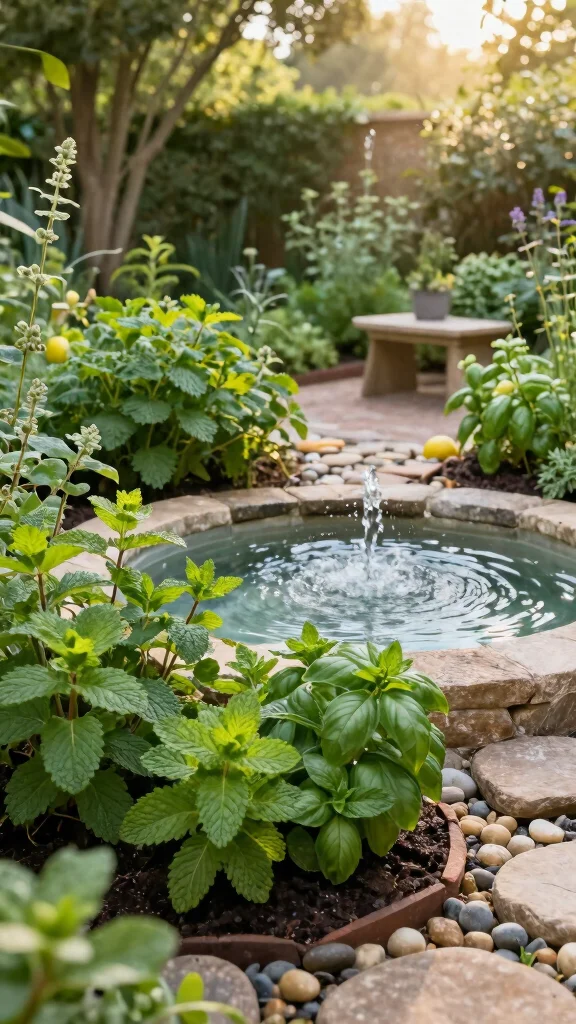
Imagine adding a serene water feature to your herb garden, creating a tranquil oasis. The soothing sound of water enhances relaxation, making your backyard a peaceful retreat.
Select a simple birdbath, fountain, or small pond to complement your herbs. Surround the feature with aromatic plants like mint, lemon balm, and sweet basil for a lush and inviting atmosphere. Choose herbs that thrive near water, ensuring they enjoy the moisture while also adding beauty to your garden.
Ingredients:
– A water feature (birdbath, fountain, small pond)
– A variety of herbs (mint, lemon balm, sweet basil)
– Stones or pebbles for decoration
Instructions:
1. Install your chosen water feature in a suitable location.
2. Plant herbs around it, ensuring they thrive in the moisture.
3. Arrange stones or pebbles for a natural look.
4. Add seating nearby to enjoy the ambiance.
5. Maintain the feature regularly for a pristine appearance!
FAQs:
– Can I have fish in my pond? Yes, just choose fish that thrive in small ponds.
– Can I use any type of fountain? Yes, select one that fits your garden style and size.
Recommended Products

【 Vertical Planter Raised Beds with Trellis】Perfect for home gardening lovers, this vertical herb garden planter indoor kit with 4 rectangular planter boxes outdoor let you plant vegetables, herbs, and flowers in separate flower pots while the 11-inch trellis supports climbing plants like tomatoes, strawberries, vines, and peppers. The raised flower beds outdoor create an optimal environment for your plants to thrive.

Comprehensive 12 Piece Set: this hydroponic herb planting kit provides a comprehensive 12-piece set, includes 12 mason jars, 12 planting baskets, 12 pre-seeded growing plugs, and 12 water absorbent cores to meet all your planting needs

All-in-One Package: Our kit includes 5 of the widely loved organic, non-GMO herb seeds—basil, parsley, rosemary, thyme, and mint. The set also comes with 5 burlap bags, 5 coconut soil discs, 5 plant markers, 3 gardening tools, 1 pruning scissors, 1 spray bottle, and an wooden box
Herb Garden with a Water Feature
Editor’s Choice
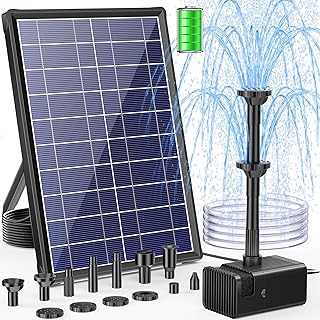
POPOSOAP Solar Fountain Pump with 3600mAh Battery Backup, 8W Solar Power…

POPOSOAP 6.5W Solar Fountain Pump for Bird Bath Built-in 3000mAh Battery…

Biling 8W Solar Fountain Pump, Solar Water Pump with 3600mAh Battery Bac…

POPOSOAP Solar Fountain Pump for Bird Bath, 6.5W Solar Water Fountain Pu…

Antfraer Solar Fountain Pump for Bird Bath, 8W Solar Water Fountain Pump…
7. Herb-Themed Outdoor Kitchen
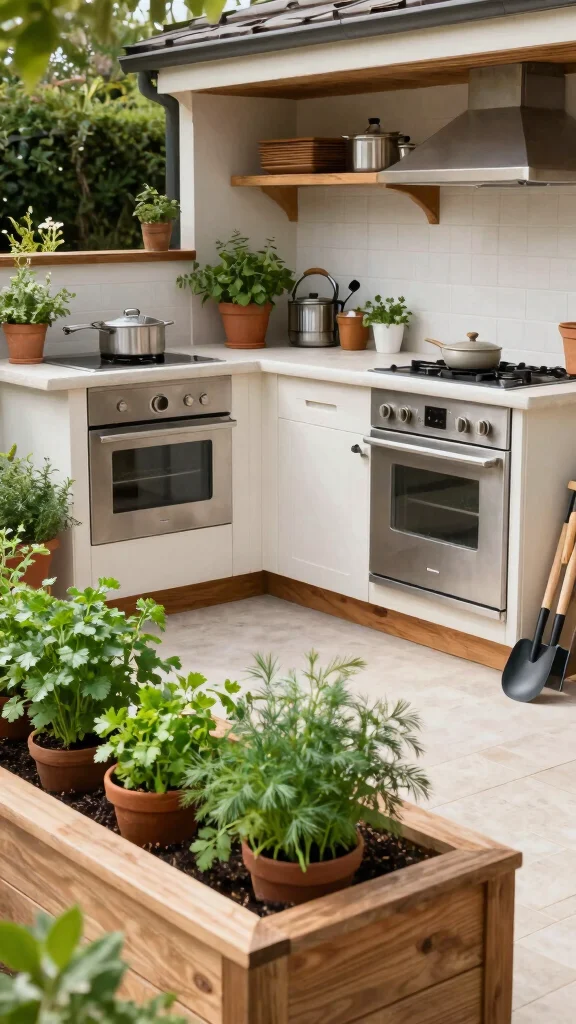
Dreaming of an outdoor cooking space where fresh herbs are just an arm’s reach away? Transform your outdoor kitchen into an herb-themed haven! Imagine having flavorful herbs like cilantro, parsley, and dill right next to your food prep area, making cooking a breeze.
Create a charming herb garden adjacent to your grill or cooking area. You can use raised beds or pots to keep herbs accessible. Consider designing a vertical garden or stylish herb wall to save space while adding elegance to your kitchen setup. Use a trellis for climbing herbs like beans or peas.
Ingredients:
– Raised garden beds or pots
– A variety of herbs (cilantro, parsley, dill)
– Trellis or vertical gardening system (optional)
Instructions:
1. Position raised beds or pots near your outdoor cooking space.
2. Fill with quality soil and plant herbs accordingly.
3. Ensure herbs receive adequate sunlight and water.
4. Regularly prune for vigorous growth and easy access.
5. Enjoy the convenience of using fresh herbs while cooking!
FAQs:
– Can I grow herbs in pots? Yes, pots are perfect for an outdoor kitchen!
– Can I use this garden indoors? Yes, just ensure proper lighting and care.
Recommended Products


【Solid Stability Triangular Frame】 Engineered with a heavy-duty triangular metal frame and dual-column construction, this vertical gardening system outperforms flimsy single-pole stands. The reinforced joints and crossbar supports prevent swaying - even when fully loaded with soil and climbing plants like tomatoes or ivy. Perfect for outdoor vegetable planters or vertical indoor gardens.
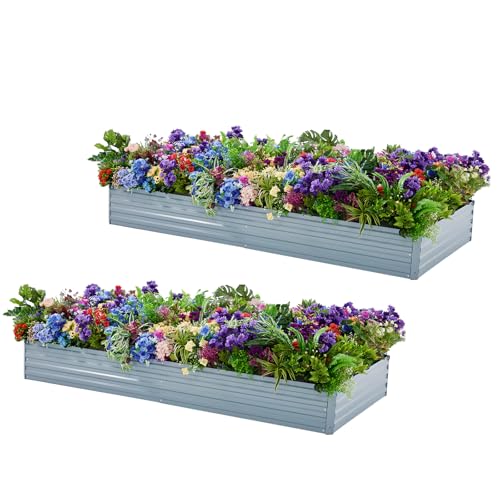
Size: 2 pack set in one box! 72"(L) x 36"(W) x 12"(H), growing area of this garden bed perfect for an array of vegetables, herbs, and flowers in your yard
You might also like
8. Herb-Infused Dining Experience
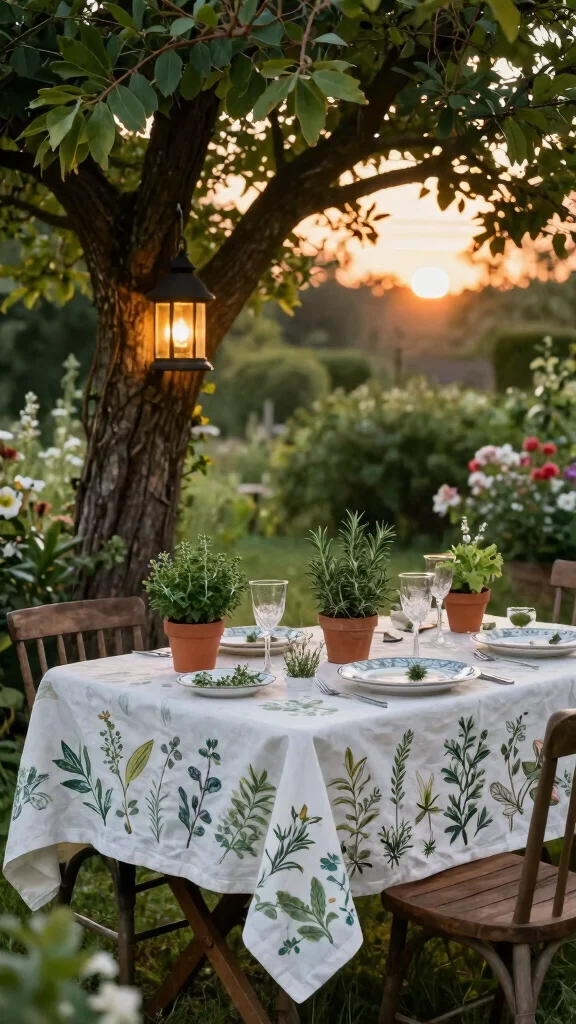
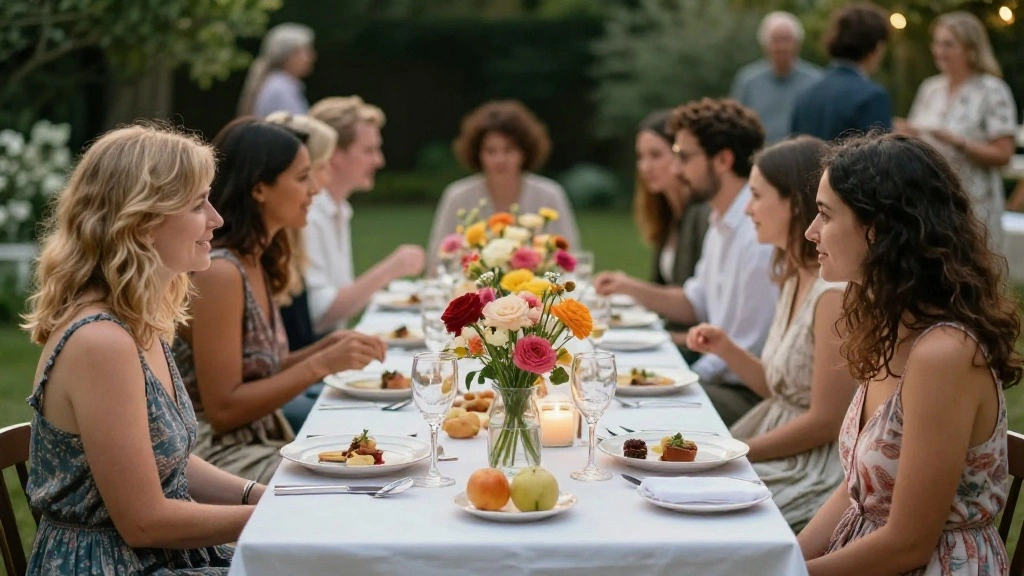
Imagine dining outdoors, surrounded by the enticing aromas of freshly harvested herbs. An herb-infused dining experience not only elevates your meals but also delights your guests in a unique way.
Set up a charming table under a grapevine arbor or a shaded tree, surrounded by your favorite herbs. Using a tablecloth adorned with herb motifs ties the theme together beautifully. Place small pots of herbs like rosemary and thyme as centerpieces, allowing guests to snip fresh herbs to enhance their dishes.
Ingredients:
– A beautiful outdoor dining table and chairs
– Fresh herbs in small pots (rosemary, thyme)
– An herb-themed tablecloth
– String lights or lanterns for ambiance
Instructions:
1. Arrange your table in a lovely outdoor spot.
2. Decorate with herbs and an herb-themed tablecloth.
3. Prepare herb-infused appetizers to surprise your guests.
4. Set up lighting for a magical evening vibe.
5. Enjoy the delightful atmosphere and flavors of your herb-infused dining experience!
FAQs:
– Can I prepare herb-infused drinks? Yes! Try making herb-infused cocktails or teas for added flair.
– Can I use any type of table? Yes, just ensure it’s suitable for outdoor use.
Recommended Products

15 Herb Seeds Variety Pack – 4,300 Seeds Included: Start your own herb garden with this all-in-one heirloom herbs seeds kit. Includes Genovese Basil, Sweet Basil, Italian Oregano, Rosemary, Thyme, Cilantro, Dill, Mint, Sage, Lavender, Chives, Garlic Chives, Parsley, Chervil, and Scallions. Each herb seed packet is USA-sourced and tested for high germination. Grow these herb garden seeds in your backyard, windowsill, raised beds, or pots for fresh flavors all season long.

Quality Wildflower seeds packaged by Seed Needs. Each packet measures 3.25 inches wide by 4.50 inches tall.

5 COMPANION PLANTS - This five-pack includes heirloom seeds for growing Large Leaf Basil (Ocimum basilicum), Borage (Borago officinalis), Compact Dill (Anethum graveolens), Crackerjack Marigold (Tagetes erecta), and Tip Top Mix Nasturtium (Tropaeolum majus)
How To Choose the Right Herbs for Your Backyard Oasis
Creating a backyard oasis with herbs is both rewarding and relaxing. Selecting the right herbs for your space can enhance your outdoor experience, providing beauty, flavor, and fragrance. Here are some key tips to guide you in making the best choices.
1. Consider Your Climate
Understanding your local climate is crucial. Some herbs thrive in hot, dry conditions, while others prefer cooler, moist environments. For instance, rosemary and thyme love the heat, while mint and chives do well in cooler spots. Check the hardiness zone of your area and match herbs that will prosper in those conditions.
2. Assess Available Space
Evaluate the space you have in your backyard. Herbs can adapt to various settings, from garden beds to pots on a patio. If you have limited space, consider vertical gardening or using containers. Remember, some herbs like basil need more room to spread out, while others like parsley can thrive in smaller areas.
3. Think About Usage
What do you want from your herbs? If you plan to use them for cooking, choose culinary herbs like basil, oregano, and cilantro. For teas, consider chamomile or mint. If you’re interested in attracting pollinators, plant bee balm or lavender. Make a list of your favorite herbs and their uses to guide your selection.
4. Choose Beginner-Friendly Varieties
If you’re new to herb gardening, start with beginner herbs that are easy to grow. Basil, chives, and parsley are great options. They require minimal care and are forgiving for novice gardeners. Make sure to read about each herb’s needs, such as sunlight and watering, to ensure a successful start.
5. Plan for Seasonal Growth
Herbs have different growing seasons, so it’s essential to plan accordingly. Some herbs, like cilantro, do well in cooler months, while others, like basil, thrive in the summer. By planning your plantings, you can have a continuous supply of fresh herbs throughout the year. Consider starting with spring planting for warm-weather herbs and a fall crop for cool-weather varieties.
6. Budget Wisely
Herb gardening can be done on a budget. Seeds are typically less expensive than plants, and you can start many herbs from cuttings. Determine how much you’re willing to spend on soil, pots, and seeds or plants. Local garden centers often have sales in early spring, allowing you to stock up on your favorites without breaking the bank.
Pro Tip: Start small and expand as you gain confidence. Even a few herbs can bring flavor to your meals and joy to your gardening experience. Keep a gardening journal to track your progress and learn what works best for your specific conditions. Happy gardening! 🌱
Recommended Products


Space-Saving : This strawberry planter maximizes your gardening space by stacking 5 layers to grow more plants in a compact area. The strawberry tower planter is ideal for patios, balconies, or indoor use

MOBILE GARDEN ON WHEELS — Two all-terrain wheels and an ergonomic handle let you roll a 200+ lb planted bed wherever sunlight goes. Move your garden across patio, balcony, or backyard in minutes.
9. Herb Tea Garden
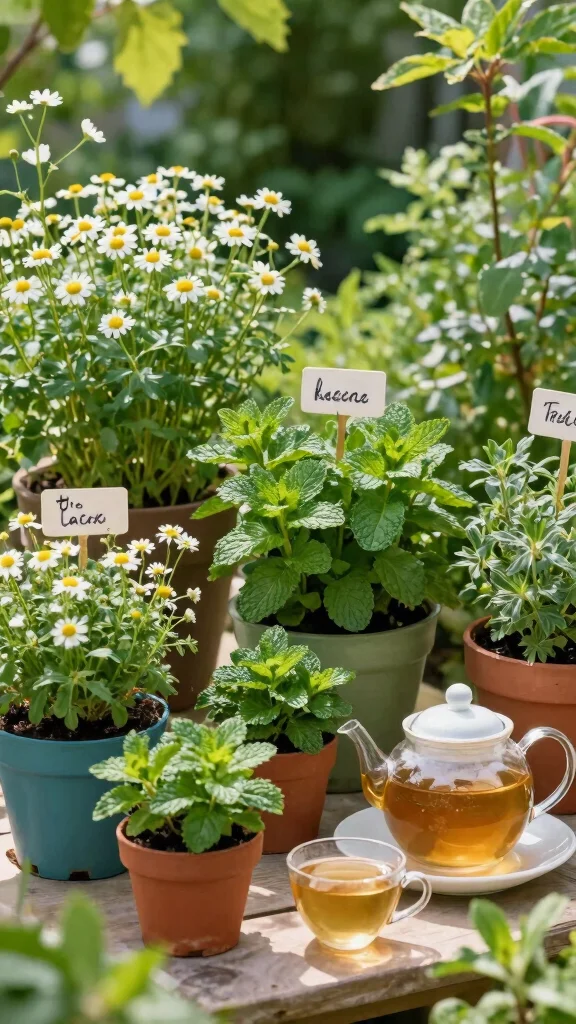
Are you a tea lover? Create a rejuvenating herb tea garden where you can grow all your favorite tea herbs! From chamomile to mint, this garden is perfect for crafting your own soothing brews.
Plant herbs like lemon balm, peppermint, and chamomile in a designated corner of your backyard. These plants thrive together and will fill your garden with delightful aromas when the breeze flows through. Harvest the leaves fresh, dry them, or steep them directly in hot water for your perfect cup.
Ingredients:
– A variety of tea herbs (lemon balm, peppermint, chamomile)
– Colorful pots or raised beds
– Labels for identification
Instructions:
1. Choose a sunny spot in your garden for planting.
2. Arrange tea herbs in colorful pots or raised beds.
3. Label each herb for easy identification.
4. Water regularly, especially for new plants.
5. Enjoy freshly brewed tea from your garden whenever you like!
FAQs:
– Can I use dried herbs for tea? Yes, just ensure they are harvested at the right time.
– Can I grow these herbs indoors? Yes, as long as they receive enough light!
Herb Tea Garden
Editor’s Choice

HOME GROWN Indoor Herb Garden Starter Kit – Complete 5 Herb Grow Kit wit…

Seedboy Organic 10 Herb Garden Starter Kit for Planting Indoor or Outdoo…
Deluxe Indoor & Outdoor Herb Garden Kit – 8 or The Most Popular Culinary…

Culinary Indoor Herb Garden Starter Kit | Deluxe Herb Seeds | 12 Non-GMO…

Indoor Herb Garden Starter Kit – Non GMO, Heirloom Herb Seeds – Cilantro…
10. Herb Garden for Pollinators
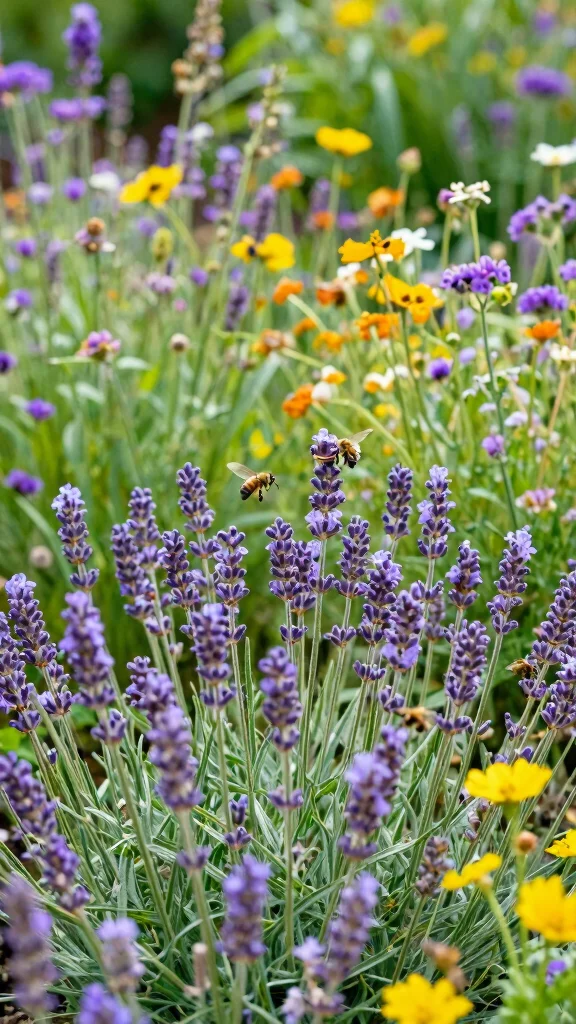
Want to attract beneficial pollinators to your backyard? Create a dedicated herb garden designed just for them! Herbs like lavender, borage, and bee balm are not only fragrant but also enticing to bees, butterflies, and other pollinators.
Plant these herbs in clusters to create a vibrant space buzzing with life. A thriving pollinator garden supports the environment and allows you to enjoy the beauty of nature. Mixing in native wildflowers adds color and appeal, ensuring there’s always something blooming for your pollinator friends.
Ingredients:
– A variety of pollinator-friendly herbs (lavender, borage, bee balm)
– Native wildflowers for added color
Instructions:
1. Choose a sunny spot with good drainage for planting.
2. Arrange herbs and flowers in clusters for maximum appeal.
3. Avoid pesticides to create a safe haven for pollinators.
4. Ensure different plants bloom throughout the season.
5. Enjoy watching the pollinators thrive in your garden!
FAQs:
– Can I mix herbs and vegetables? Yes, just ensure they have similar growing conditions.
– Can I plant these herbs in containers? Yes, just choose pots that allow for good drainage.
11. Herb Garden with Edible Flowers
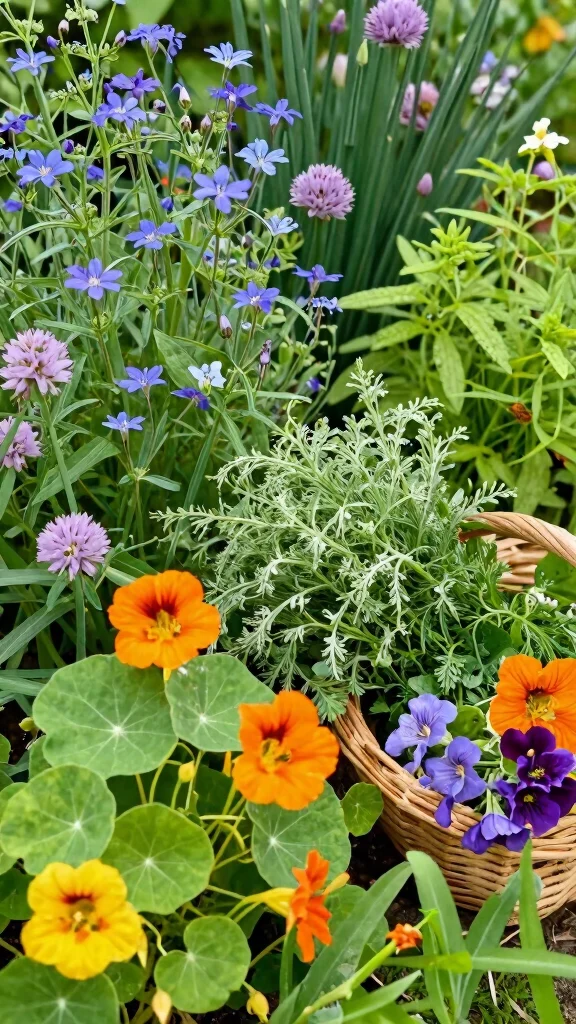
Want to add both beauty and flavor to your garden? Enhance your backyard with herbs that produce edible flowers! Plants like nasturtiums, borage, and chive blossoms not only look stunning but also taste delicious.
Incorporate these herbs into your garden design, mixing them with other herbs for a visually appealing effect. The vibrant colors and unique shapes of the flowers can elevate your meals and drinks, adding that special touch. Harvest flowers when they’re fully open to enjoy the best flavor, using them to garnish salads, cakes, or cocktails.
Ingredients:
– A variety of edible flower herbs (nasturtiums, borage, chive blossoms)
– Regular herbs for blending
Instructions:
1. Plan your garden layout to include both herbs and flowers.
2. Ensure proper spacing for flowers to bloom fully.
3. Regularly pinch back herbs to encourage more blossoms.
4. Harvest flowers when they’re at their best for flavor.
5. Enjoy the beauty and flavor of your edible flower garden!
FAQs:
– Can I use these flowers in cooking? Yes, they’re great for garnishing and adding flavor.
– Can I grow these in containers? Yes, just ensure they have enough space to thrive.
Fun fact: edible flowers from an herb garden boost your backyard oasis ideas—nasturtiums, borage, and chive blossoms taste great and can garnish 5–7 meals a week. Plant them in mixed herbs for color, fragrance, and quick harvests. Harvest when fully open for peak flavor.
12. Herb Garden with Companion Planting
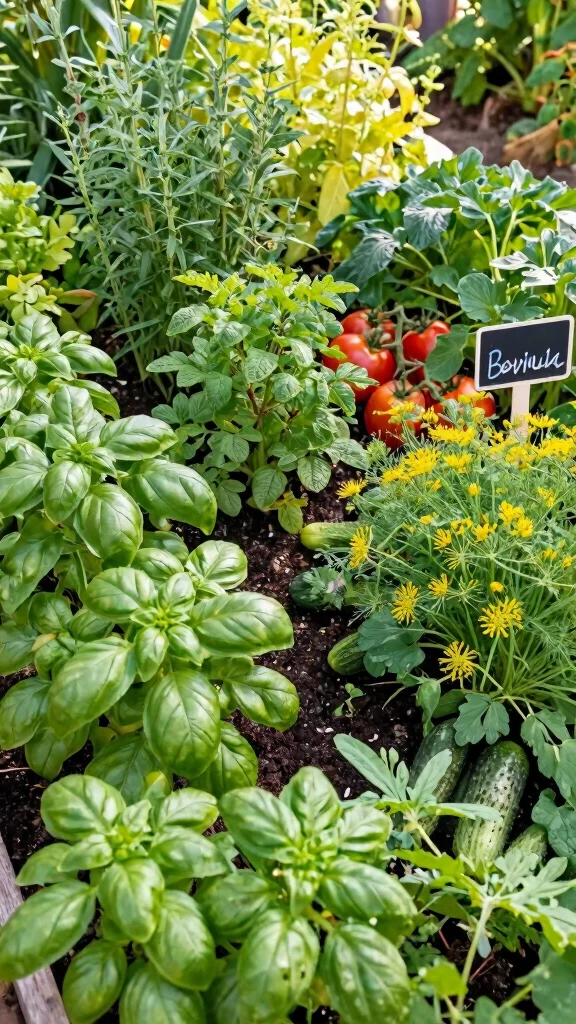
Looking to boost your herb garden’s potential? Companion planting can enhance growth and flavor while keeping pests at bay! Planting herbs alongside vegetables or flowers not only benefits the herbs but also improves the growth of surrounding plants.
For instance, basil pairs well with tomatoes, while dill is a great companion for cucumbers. This method creates a thriving ecosystem in your garden, making it more productive and sustainable. Plan your layout by researching which plants work well together, and adjust as needed based on pest populations.
Ingredients:
– A variety of herbs (basil, dill)
– Compatible vegetables (tomatoes, cucumbers)
Instructions:
1. Determine companion plants and arrange them in your garden.
2. Plant herbs and vegetables together to maximize benefits.
3. Monitor for pests and adjust plant pairings as necessary.
4. Rotate crops yearly to maintain soil health.
5. Enjoy a thriving garden that supports each plant!
FAQs:
– Can I plant any herb with vegetables? No, choose compatible plants for best results.
– Can companion planting work in containers? Yes, just ensure the pots are large enough for all plants.
You Might Also Like
13. Herb Garden with a Meditation Zone
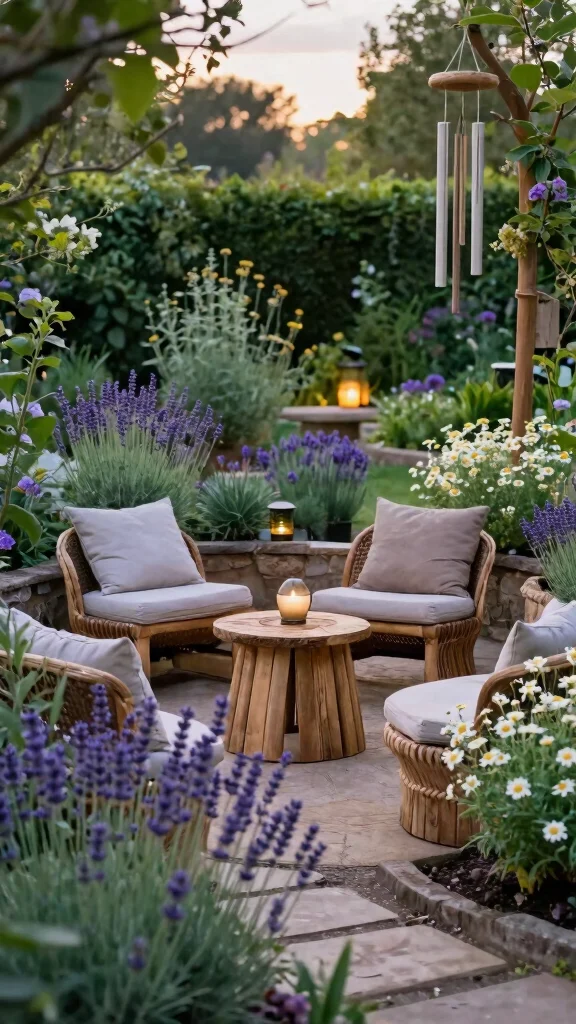
Need a peaceful retreat in your backyard? Create a meditation zone within your herb garden, where you can relax and recharge. Design this space with comfortable seating surrounded by the soothing aromas of your favorite herbs.
Incorporate natural materials like stones or wood for a rustic feel, and consider adding cushions or a bench for comfort. Plant calming herbs like lavender and chamomile around the area to enhance relaxation, and include elements like wind chimes or soft lighting for added ambiance.
Ingredients:
– Comfortable seating (bench, cushions)
– Calming herbs (lavender, chamomile)
– Natural materials (stones, wood)
– Wind chimes or soft lights (optional)
Instructions:
1. Select a quiet corner of your yard for minimal distractions.
2. Create a seating area using natural materials for comfort.
3. Plant calming herbs around the space.
4. Add wind chimes or lights to enhance the atmosphere.
5. Regularly tend to your herbs to keep the area vibrant and inviting!
FAQs:
– Can I use this space for yoga? Yes! It’s perfect for meditation or gentle yoga.
– Can I grow herbs in pots in this area? Yes, just ensure they thrive in that location.
14. Herb Garden for Crafting
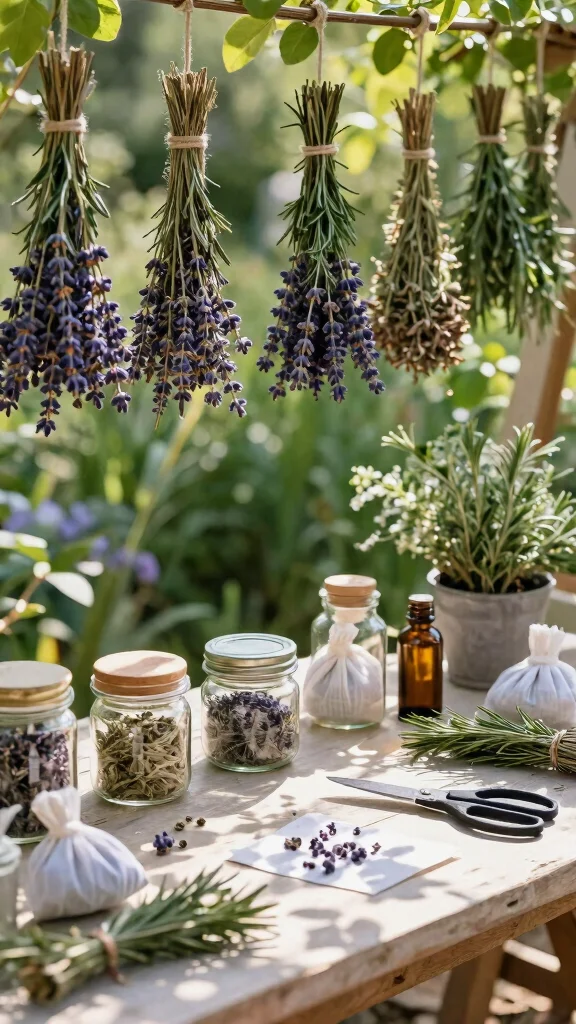
Explore your creativity with a herb garden dedicated to crafting! You can create herbal sachets, infused oils, or even homemade soaps using fresh herbs from your garden.
Designate a small area for crafting herbs like dried lavender, sage, or rosemary, perfect for various DIY projects. Hanging bundles of herbs to dry not only adds aroma but also character to your garden. Ensure you harvest herbs at the right time and store them properly to retain their scent and flavor.
Ingredients:
– A variety of crafting herbs (lavender, sage, rosemary)
– Hanging bundles for drying
– Glass jars for storage
Instructions:
1. Create a designated crafting area in your garden.
2. Harvest herbs at the right time for the best scent.
3. Hang them to dry, creating an aromatic display.
4. Store dried herbs in glass jars to preserve freshness.
5. Get creative with DIY projects using your garden herbs!
FAQs:
– Can I use these herbs for cooking too? Yes, just ensure they’re harvested properly.
– Can I sell my crafts? Yes, homemade products can be a fun business venture!
Herb Garden for Crafting
Editor’s Choice

Indoor Herb Garden Start Kit – Unique Gifts for Women, Mothers Day Gifts…

10 Indoor Herb Garden Kit- Burlap Pots, Organic Seeds, Herb Garden Plant…

Ahopegarden Hydroponics Growing System Herb Garden: 10 Pods Indoor Garde…

Kilner Herb Keeper Set | Keep Herbs Fresh for Up to 3 Weeks | 1L Wide Mo…

Herb Guard – 2 Oz Airtight Ultraviolet Jar (1 Liter) Keeps Herbs Fresh f…
15. Seasonal Herb Planning
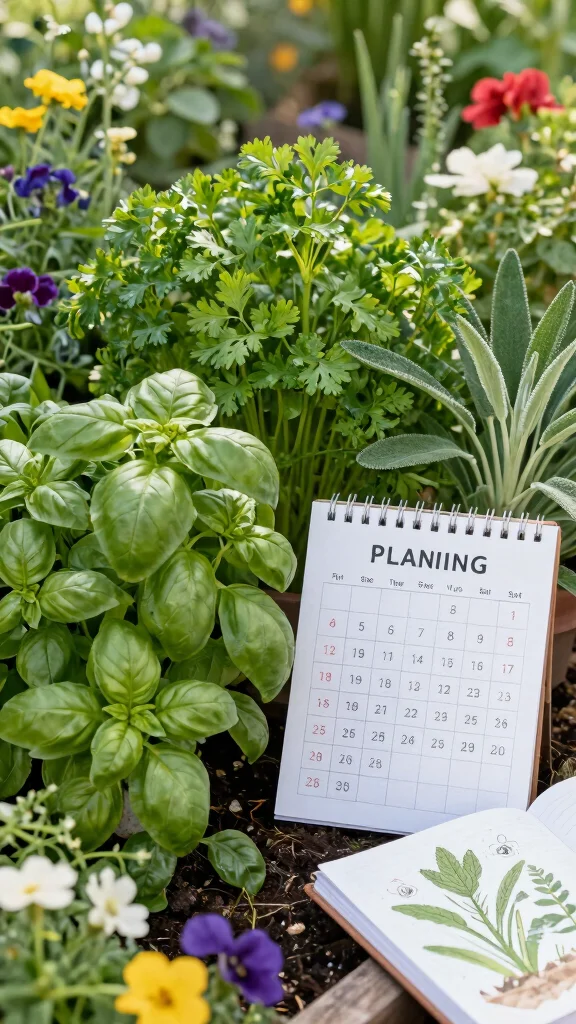
Want to keep your herb garden thriving all year round? Seasonal planning is key! By understanding the growth cycles of your favorite herbs, you can maximize your garden’s potential and enjoy fresh herbs throughout the seasons.
Select herbs that flourish in different seasons, such as basil in summer and parsley in winter. Creating a planting schedule helps you track sowing, harvesting, and rotating your herbs effectively for the best results.
Ingredients:
– A variety of herbs for different seasons (basil, parsley)
– Gardening journal for tracking
Instructions:
1. Choose herbs that suit your local climate and seasons.
2. Create a planting schedule for sowing and harvesting.
3. Keep a gardening journal to document growth and changes.
4. Experiment with different combinations to find what works best.
5. Enjoy a vibrant herb garden in full bloom throughout the year!
FAQs:
– Can I grow herbs indoors seasonally? Yes! Just adjust your care according to the season.
– Can I plant herbs anytime? Some herbs can be planted year-round depending on your climate.
Conclusion
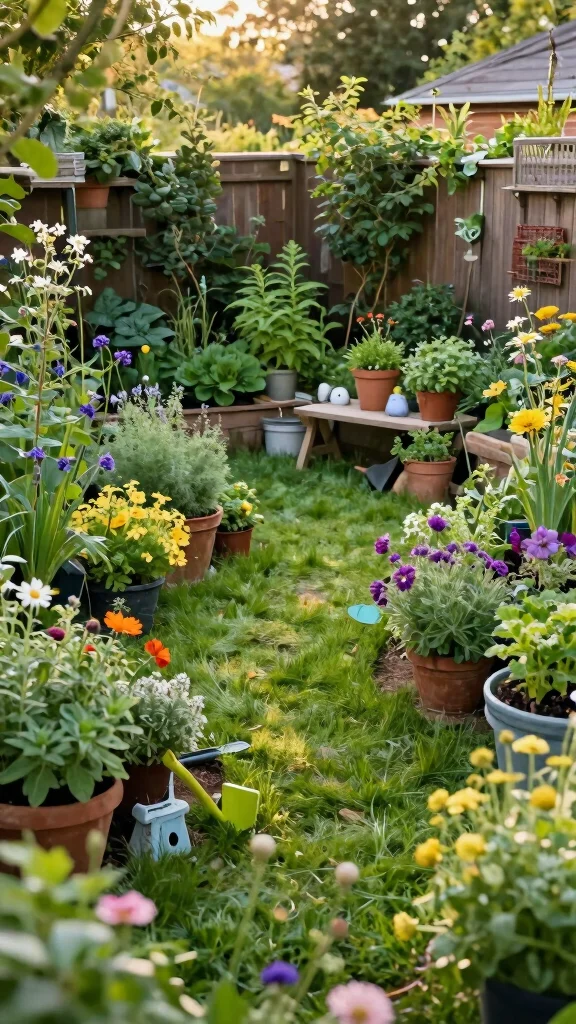
Creating a backyard oasis filled with herbs not only enhances your outdoor space but also invites relaxation and productivity into your life. From herb spirals to charming dining setups, the possibilities are endless.
As you embark on your gardening journey, remember to have fun and experiment with different ideas. Your backyard oasis awaits, full of fresh scents, beautiful colors, and the promise of delicious home-cooked meals.
Note: We aim to provide accurate product links, but some may occasionally expire or become unavailable. If this happens, please search directly on Amazon for the product or a suitable alternative.
This post contains Amazon affiliate links, meaning we may earn a small commission if you purchase through our links, at no extra cost to you.
Frequently Asked Questions
What beginner herbs are easiest to grow to start your backyard oasis ideas?
Beginner herbs such as basil, chives, parsley, thyme, and mint are ideal to start your beginner herbs collection and your backyard oasis ideas in action. They’re forgiving and versatile for cooking.
Plant them in a sunny spot (about 6–8 hours of sun for most herbs) in well-draining soil or quality potting mix. Water deeply when the top inch of soil dries, and avoid soggy roots. If you’re worried about mint taking over, grow it in a separate pot to keep the rest of your herb garden tidy. Harvest regularly to encourage bushier growth and more flavorful leaves, helping your backyard oasis feel lush and productive.
How can I design a small-space herb garden that still feels like a backyard oasis?
Design a cozy, space-saving layout with containers, window boxes, or a vertical herb wall to fit a small yard and still evoke a backyard oasis ideas vibe.
Group herbs with similar sun and water needs, place taller varieties at the back, and use edges for trailing types to soften corners. Use a high-quality potting mix with drainage and water regularly, ideally with a drip system or a simple schedule: check soil moisture in the morning and water when the top inch is dry. Add mulch and a small seating spot or path to bring the oasis feel to life.
What are the best tips for success when growing herbs in containers for a backyard oasis?
Here are tips for success when growing herbs in containers: choose a pot at least 12 inches wide for bigger herbs, ensure drainage holes, and use a light, well-draining potting mix.
Place containers where they’ll receive 6–8 hours of sun, water deeply when the top inch dries, and feed lightly with a balanced fertilizer every few weeks. Watch for pests like aphids and spider mites and wash them away with a spray. Keep a simple routine so your backyard oasis ideas stay healthy and productive.
Which herbs are best for beginners to grow in a backyard oasis for fragrance and flavor?
Try herbs that smell amazing and taste great for a beginner-friendly fragrance and flavor combo: rosemary, basil, thyme, lavender for scent, lemon balm, and mint. Plant in sun with good drainage; cluster them for easy harvest, and dry or freeze extras for later use. Use them around seating areas or near entry paths to maximize scent in your backyard oasis ideas.
What simple maintenance routine will keep my herb garden thriving in a backyard oasis ideas?
Keep it simple with a regular maintenance routine: harvest frequently to encourage growth, prune leggy stems, and keep an eye out for pests. Mulch to retain moisture and reduce weeds, water when the top inch of soil is dry, and ensure containers have good drainage to avoid waterlogging. Rotate tubs or pots with the seasons and move tender herbs indoors or provide shelter during cold snaps for a steady backyard oasis ideas.
Related Topics
backyard oasis ideas
herb gardening
beginner herbs
outdoor living
garden design
DIY landscaping
relaxation space
sustainable gardening
easy maintenance
family-friendly
seasonal plants
tips for success