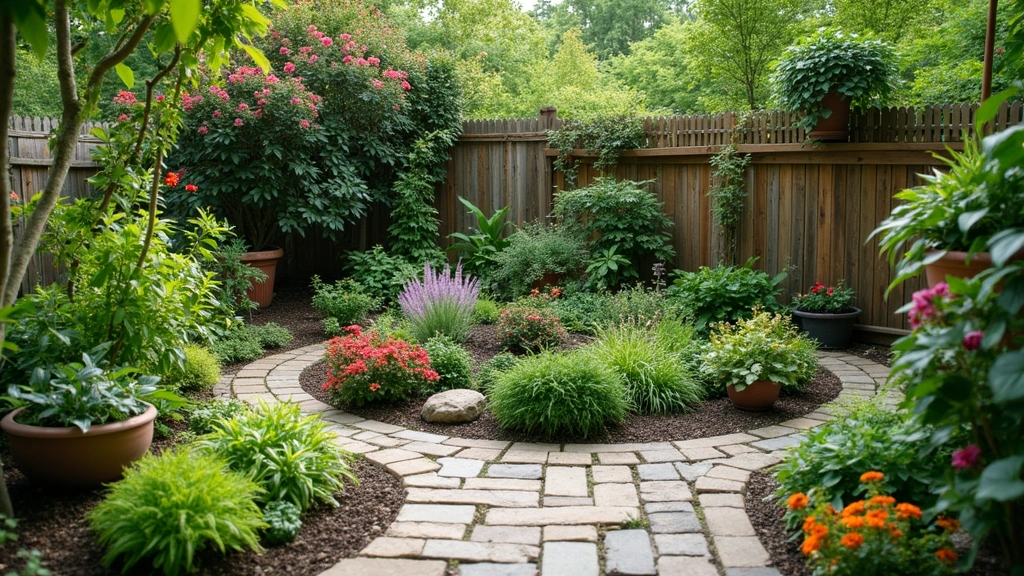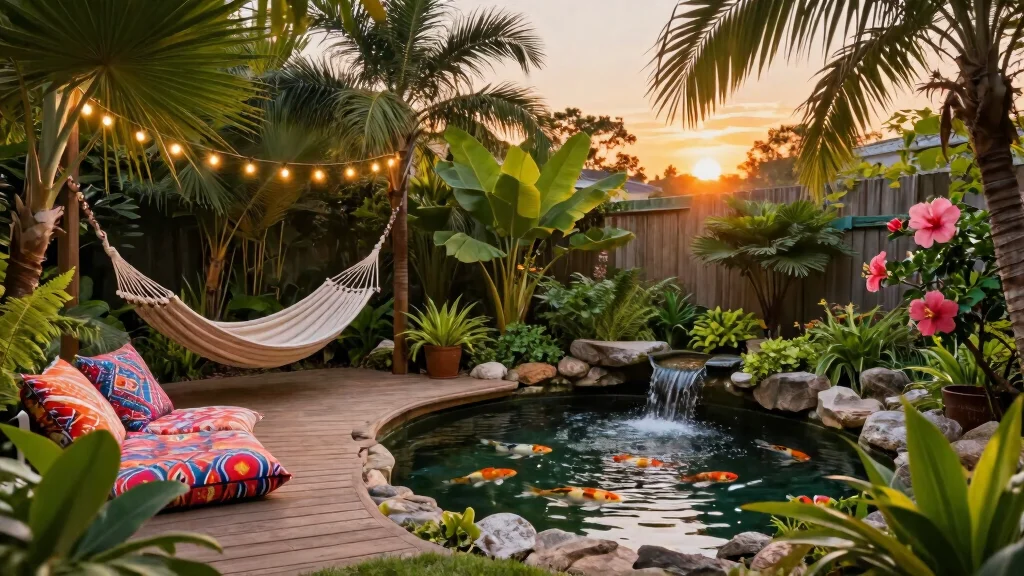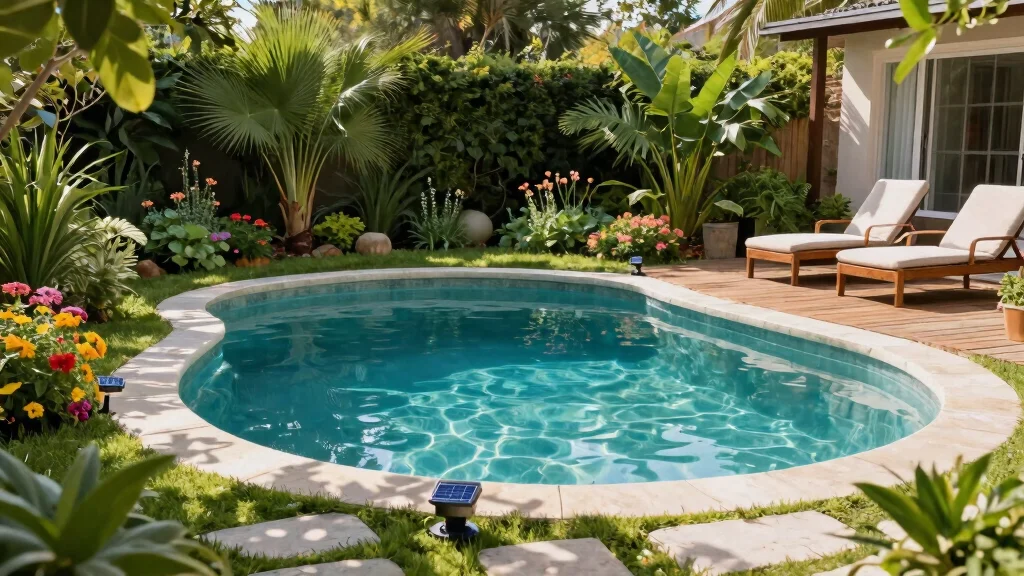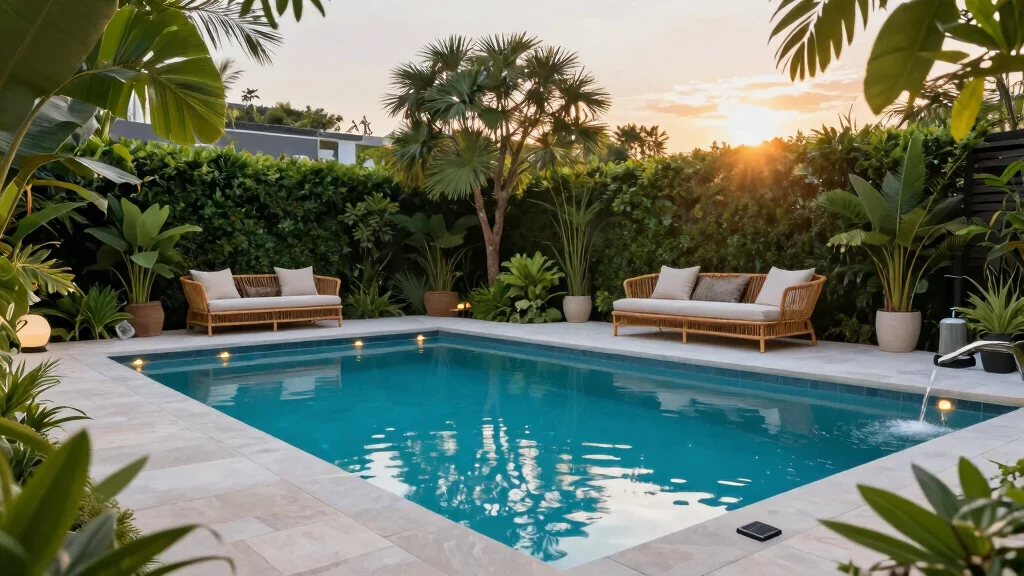

Transforming your outdoor space into a backyard oasis is more than just a trend; it’s a way to create a personal escape that reflects your style and nurtures your well-being. With the warmth of the sun on your skin and the gentle sounds of water flowing, your yard can become a sanctuary of peace and relaxation. This post was born out of a love for creating serene outdoor spaces, and I’m excited to share some fantastic ideas that incorporate sustainable water features, allowing the beauty of nature to thrive right at home.
If you’re a garden enthusiast or someone looking to spruce up your outdoor area, you’re in the right place. This guide is designed for anyone who appreciates the beauty of plants, the sound of trickling water, and the joy of spending time outside. Whether you’re an experienced gardener or just starting out, these ideas are approachable and practical. You’ll find inspiration to turn your yard into a stunning retreat that promotes sustainability and environmental consciousness.
By diving into these 20 backyard oasis ideas, you’ll discover how to harmonize your landscape with nature. From tranquil ponds to stylish rain gardens, each idea offers a unique way to enhance your outdoor decor while incorporating sustainable gardening practices. Get ready to explore how you can create a beautiful, eco-friendly space that not only meets your aesthetic desires but also respects our planet.
Key Takeaways
– Discover unique water features like tranquil ponds and solar-powered fountains that enhance your backyard experience while benefiting local wildlife.
– Explore landscaping tips focused on native plants, which can help create a sustainable garden that thrives with minimal maintenance.
– Learn about eco-friendly outdoor decor options, such as recycled water features and herb spiral gardens, that add charm to your space.
– Get inspired by patio ideas that incorporate water-saving techniques, promoting a more sustainable lifestyle right in your backyard.
– Understand how to create microclimates that support diverse plant life, ensuring a flourishing garden throughout the seasons.
1. Tranquil Pond with Native Plants
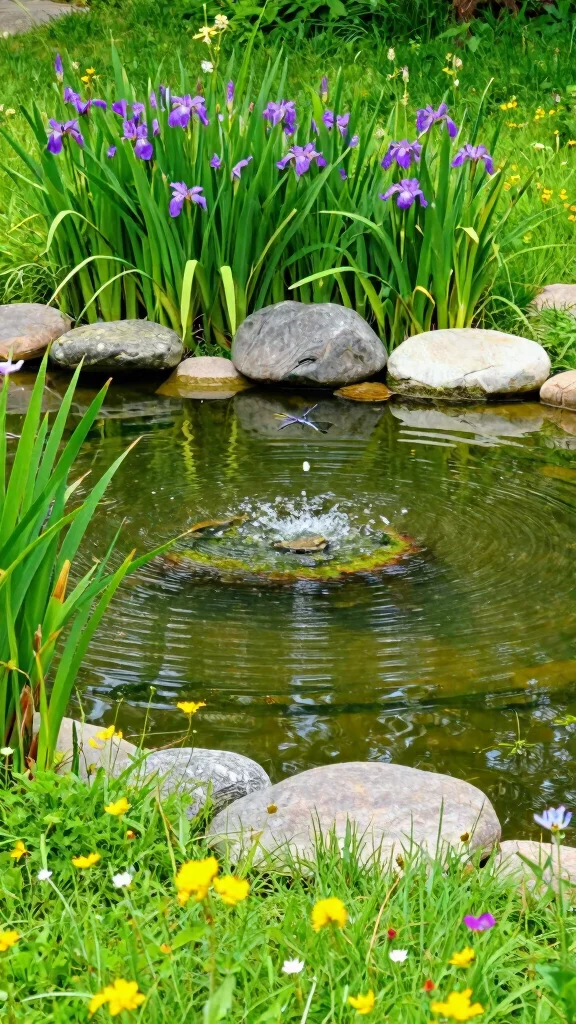
Imagine stepping into your backyard and being greeted by a serene pond, alive with native aquatic plants. This natural sanctuary not only beautifies your space but also supports local wildlife. Picture vibrant irises, elegant cattails, and floating water lilies creating a peaceful retreat that attracts frogs and birds alike.
To get started, choose native plants that thrive in your region, ensuring a balanced ecosystem. Incorporate a small fountain to keep the water fresh and discourage mosquitoes. Use natural stone for the pond’s edges to seamlessly blend with your landscape.
Key steps to create your tranquil pond:
– Select native plants for a diverse ecosystem.
– Add a fountain for aeration and mosquito control.
– Use natural stones for a harmonious look.
This pond design not only enhances beauty but also fosters sustainability, inviting wildlife and enriching your outdoor experience.
Turn your yard into a calm retreat with a native plant pond—it’s easier than you think. Start small, pick region-friendly natives, and add a gentle fountain. Soon your backyard oasis ideas feel like a nature escape you can enjoy daily.
2. Stylish Rain Garden
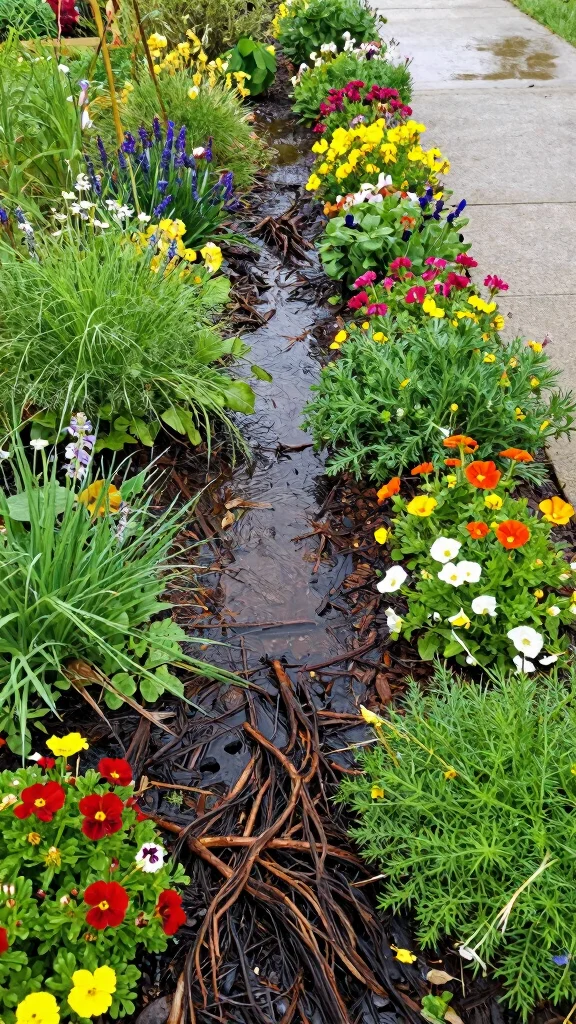
Transform your outdoor space with a rain garden that captures stormwater while adding charm. Designed to absorb runoff from hard surfaces, this garden thrives with a variety of plants that adapt to both wet and dry conditions. Imagine colorful blooms and lush foliage that not only beautify but also benefit the environment.
Begin by selecting deep-rooted plants to help manage excess rainwater and prevent soil erosion. Use mulch to retain moisture and suppress weeds. Strategically position your rain garden to direct water flow effectively.
Key actions for your rain garden:
– Choose plants that thrive in different moisture levels.
– Incorporate mulch for moisture retention.
– Position the garden to manage water flow.
This eco-friendly garden design enhances your landscape while reducing pollution and flooding, creating a beautiful and functional space.
3. Embrace a Natural Stream
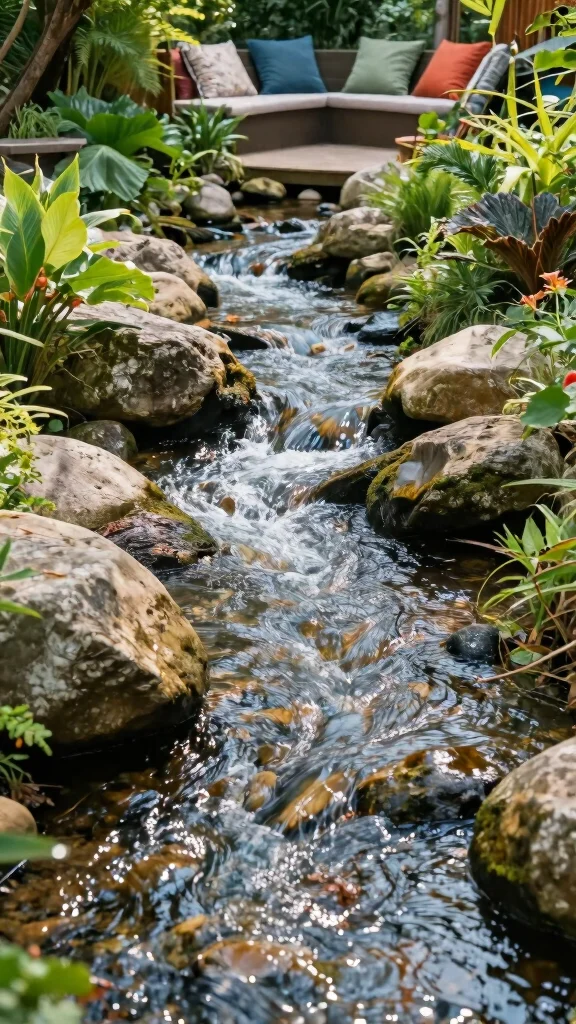
Creating a natural stream in your backyard can bring the soothing sounds of water right to your doorstep. This flowing water feature can wind its way through your garden, enhancing the landscape while attracting various wildlife. Imagine the gentle gurgle of water as it meanders, creating a peaceful ambiance.
Start by using natural stones to craft a meandering path for the stream. Add aquatic plants along the banks to stabilize the soil and introduce bursts of color. Design pools and meanders within the stream for added visual appeal and habitat diversity.
Steps to consider for a natural stream:
– Use stones to create a winding water path.
– Incorporate plants along the banks for stability.
– Design meanders and pools for variety.
By adding a natural stream, you transform your backyard into a tranquil retreat that serves as a mini-ecosystem.
4. Solar-Powered Fountain
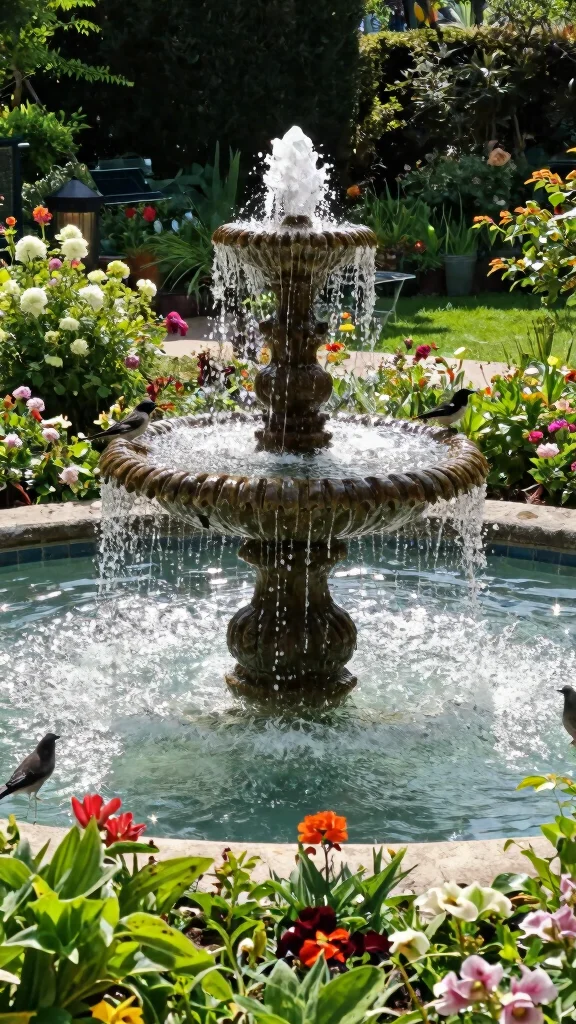
A solar-powered fountain brings a splash of life to your garden while being eco-friendly. With no need for electrical wiring, this fountain can be placed wherever the sun shines. Imagine the soothing sounds of water attracting birds and butterflies to your outdoor space.
Choose a stylish fountain design that complements your garden’s aesthetic. Position it centrally to create a stunning focal point. Surround the fountain with plants to enhance its beauty and invite wildlife.
Essential steps for your solar fountain:
– Select a design that suits your garden style.
– Place it in a prominent location for maximum impact.
– Add surrounding plants for visual appeal and wildlife attraction.
This charming addition creates a lively atmosphere and promotes sustainable gardening practices.
5. Water-Saving Drip Irrigation
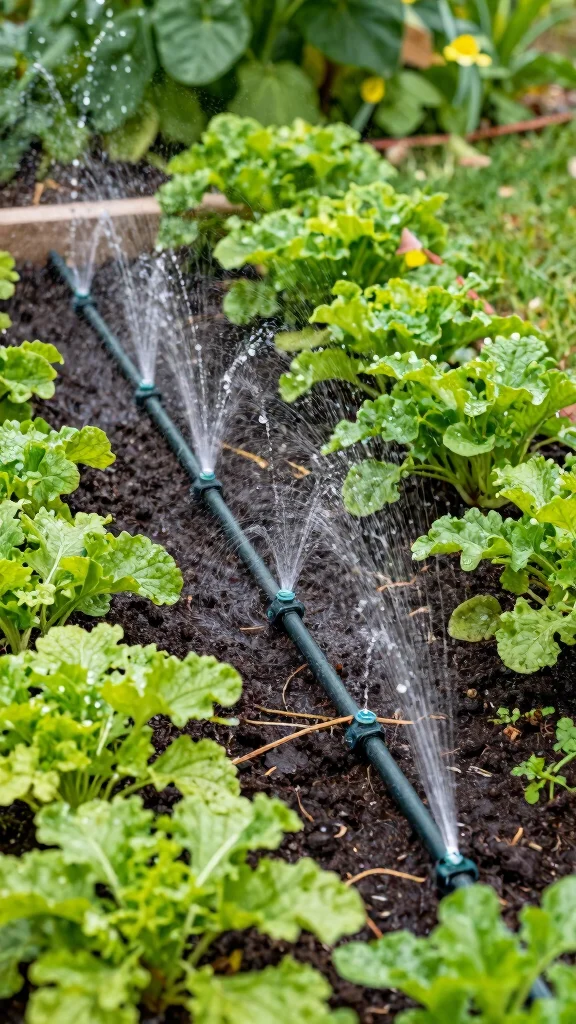
Installing a water-saving drip irrigation system is a smart move for any garden enthusiast. This method delivers water directly to plant roots, minimizing waste and ensuring your plants stay hydrated without overdoing it. Imagine healthy, thriving plants while conserving precious resources.
Plan your irrigation layout based on your garden’s needs for optimal coverage. Incorporate a timer to regulate watering schedules and reduce overall water usage. Choose native plants that require less water to enhance sustainability.
Key points for implementing drip irrigation:
– Design a layout for even water distribution.
– Use a timer to control watering effectively.
– Select drought-resistant plants for better sustainability.
This approach not only conserves water but also fosters healthier plants by preventing overwatering.
6. Pondless Waterfall
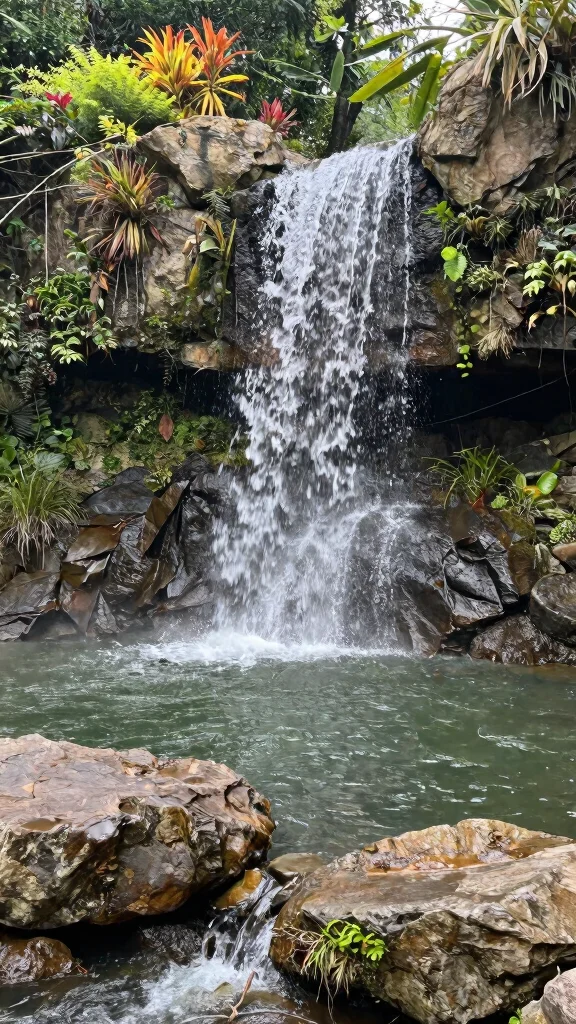
A pondless waterfall offers the soothing sounds of cascading water without the upkeep of a traditional pond. This feature creates the illusion of water flowing into an underground reservoir, making maintenance easy and hassle-free. Imagine the tranquil ambiance it adds to your outdoor space.
Design the waterfall using rocks and boulders to achieve a natural appearance. Surround it with plants to enhance beauty and add earthy charm. Include a pump with a timer to effectively manage the flow of water.
Steps to create your pondless waterfall:
– Use natural stones for an authentic look.
– Integrate plants around the feature for added charm.
– Include a pump to manage water flow.
This enchanting feature brings tranquility and movement to your garden, creating a perfect space for relaxation.
How To Choose Sustainable Water Features for Your Backyard Oasis
When creating your backyard oasis, selecting the right water feature can enhance the beauty and tranquility of your outdoor space. Here are some essential criteria to consider in your decision-making process.
1. Size
Consider the area you have available. A large pond may overwhelm a small yard, while a tiny fountain might get lost in a spacious garden. Measure the space where you plan to install the feature and think about how it will fit with your existing landscaping. You want it to be a focal point, not an afterthought!
2. Material
The materials you choose greatly affect the durability and aesthetics of your water feature. Options include stone, concrete, metal, and plastic. Stone or concrete features often provide a natural look and long-lasting durability, while metal can add a modern touch. Weigh the pros and cons of each material based on your style preferences and budget.
3. Functionality
Think about how you want your water feature to function. Do you want a soothing sound with a waterfall, or are you interested in attracting wildlife with a pond? Some features, like eco-friendly bird baths or solar-powered fountains, serve dual purposes. Make a list of what you hope to achieve with your feature to guide your selection.
4. Maintenance
Any water feature will require some upkeep. Consider how much time you can dedicate to maintenance. Features like ponds may need regular cleaning and water level checks, while self-contained fountains can be much simpler to maintain. Research the maintenance needs of each type to ensure you can keep it looking its best.
5. Budget
Set a budget that accounts not just for the initial purchase but also for installation and ongoing maintenance costs. Sustainable options can sometimes have a higher upfront cost but save money in the long run through lower upkeep. Be realistic about what you can afford without compromising on quality.
Pro Tip: Before making a purchase, visit local garden centers or online retailers to compare options. Look for customer reviews and ask about warranties. Sometimes, seeing a feature in person can help you visualize how it will fit into your backyard oasis. Happy planning!
7. Eco-Friendly Bird Bath
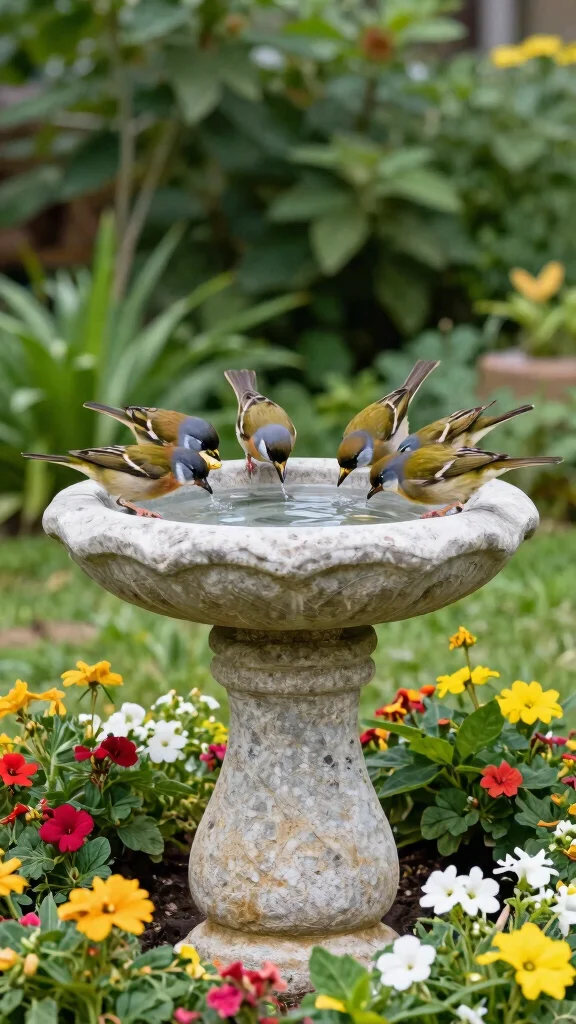
An eco-friendly bird bath is a delightful way to attract beautiful birds while supporting local wildlife. Opt for sustainable materials that blend naturally into your garden setting. Keep the bath filled with fresh water, and watch as your backyard comes alive with activity.
Choose natural stone or recycled materials for a durable and appealing design. Plant native flowers nearby to draw in more birds. Regularly clean the bird bath to ensure hygiene and attract a variety of visitors.
Key actions for your bird bath:
– Select eco-friendly materials for durability.
– Surround it with native plants to encourage bird visits.
– Maintain cleanliness for an inviting environment.
This addition enriches your garden’s ecosystem while providing a serene way to enjoy nature.
8. Recycled Water Feature
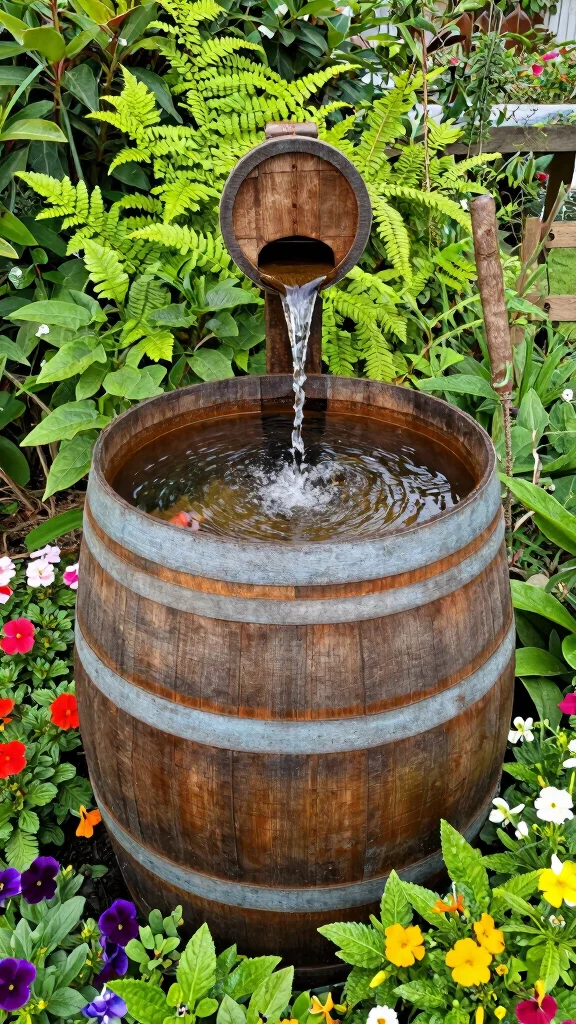
Creating a water feature from recycled materials is a fantastic way to enhance sustainability in your garden. Repurposed barrels or old pots can be transformed into unique fountains that add character to your outdoor space. Imagine the charm of a quirky fountain that stands out beautifully amidst your greenery.
Choose materials that reflect your garden’s style, whether rustic wood or vibrant ceramics. Surround the feature with plants to soften its edges and integrate it into nature. Add a small pump to keep the water circulating effectively.
Steps to implement a recycled water feature:
– Select materials that fit your garden’s aesthetic.
– Incorporate plants to blend with the environment.
– Use a pump to maintain water circulation.
This eco-conscious choice not only reduces waste but also highlights your creativity in garden design.
9. Floating Plant Shelves
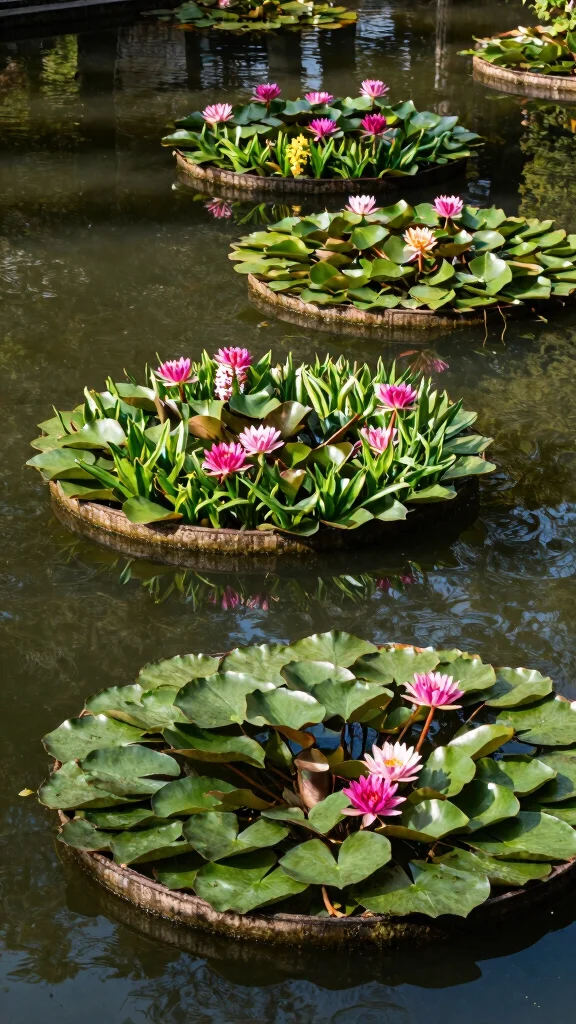
Floating plant shelves in a pond or water feature add a modern touch while supporting aquatic plants. These shelves allow plants to thrive, keeping the water clean and adding texture to the surface. Imagine the beauty of lush greenery floating gracefully on your water feature.
Use natural materials to ensure the shelves blend seamlessly with your pond. Opt for floating plants like water hyacinth or lotus to enhance coverage and beauty. Design the shelves at varying heights for added visual interest.
Key elements for your floating shelves:
– Use natural materials for a cohesive look.
– Select plants that thrive on floating shelves.
– Vary heights for an engaging aesthetic.
This innovative idea adds layers of beauty to your backyard oasis while improving water quality sustainably.
Fun fact: Floating plant shelves can increase surface coverage by up to 30% in a season, improving water quality and visual texture. When you vary shelf heights, you create a dynamic, easy-to-maintain backyard oasis ideas that feel bigger and calmer.
10. Sustainable Patio Ideas
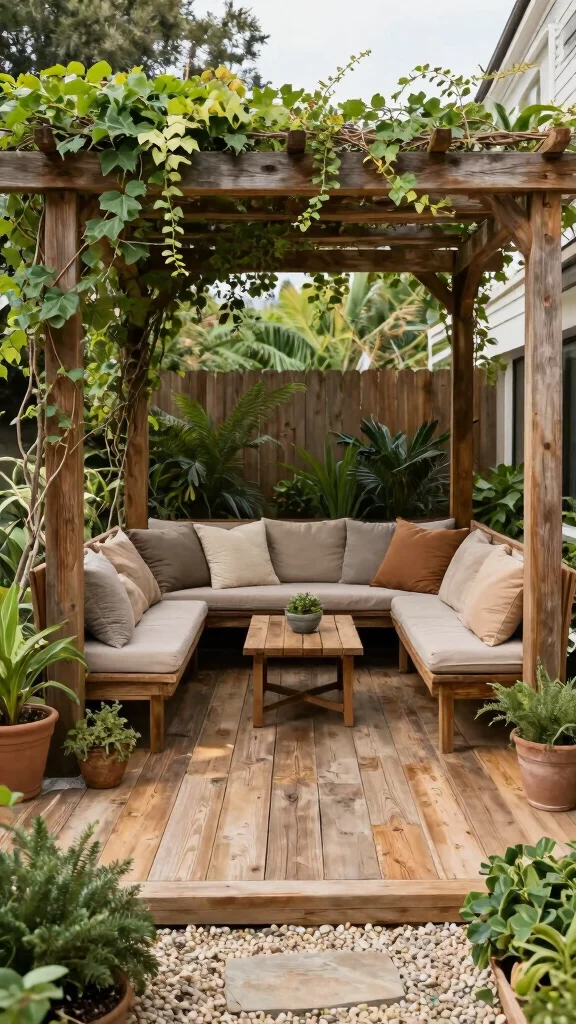
Creating a sustainable patio means selecting eco-friendly materials and designs that complement your garden. Think about using permeable pavers, reclaimed wood, or natural stone to build a patio that promotes rainwater infiltration and reduces runoff. Imagine a beautiful outdoor space that is kind to the environment.
Integrate plants into the patio design for a natural, inviting feel. Choose durable, low-maintenance materials that can withstand the elements. Add shade structures like pergolas with climbing plants for comfort and style.
Steps for designing your sustainable patio:
– Use eco-friendly materials for construction.
– Incorporate greenery for a natural ambiance.
– Add shade elements for comfort.
This thoughtful approach enhances your outdoor living space while promoting a commitment to sustainability.
11. Xeriscaping for Water Conservation
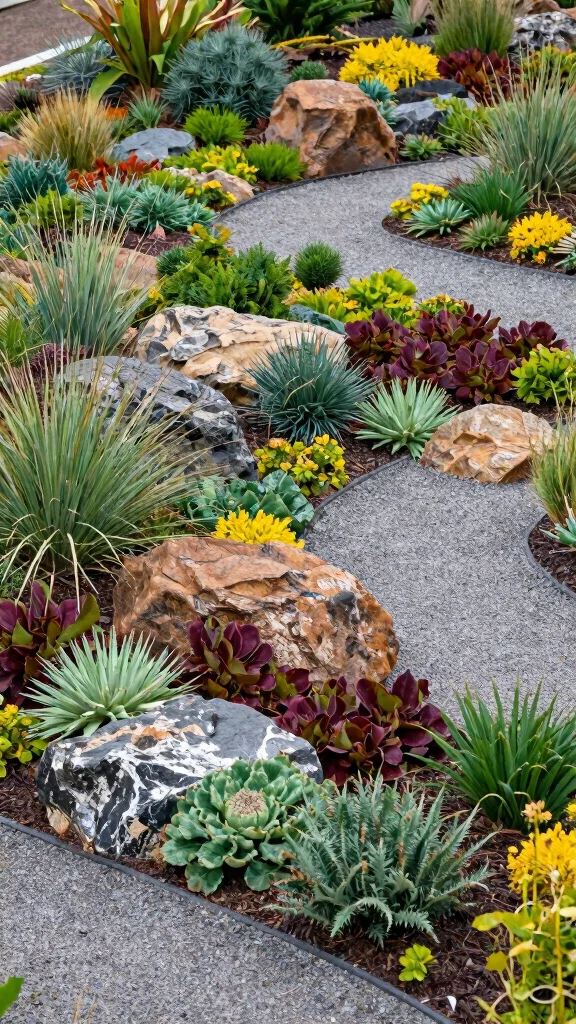
Xeriscaping is a smart landscaping method that reduces the need for irrigation. By choosing drought-resistant plants and creating a rock garden, you can maintain a stunning garden while conserving water. Picture a vibrant landscape that thrives on minimal water.
Select native and drought-tolerant plants that flourish in your climate. Use mulch to retain soil moisture and suppress weeds effectively. Incorporate rocks and gravel for added texture and beauty, creating a visually appealing environment.
Key points for xeriscaping:
– Choose plants that are suited to dry conditions.
– Implement mulch for moisture retention.
– Use rocks for a unique aesthetic.
This approach not only conserves water but also creates a distinctive outdoor space filled with character.
12. Native Plant Garden Design
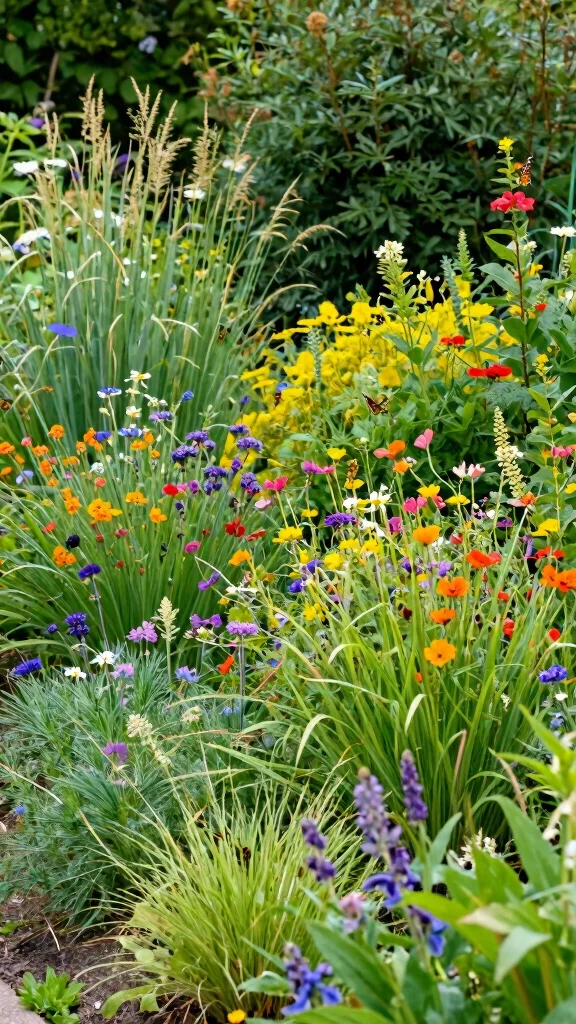
Designing a garden with native plants enhances biodiversity and reduces the need for fertilizers and pesticides. These plants thrive in local conditions, making them low-maintenance and resilient. Imagine a vibrant garden that flourishes naturally without extra care.
Begin by researching local flora to select the best plants for your garden. Group plants by their water needs to streamline irrigation. Create layered plantings for visual interest and to support diverse habitats.
Steps for a native plant garden:
– Research local plants for optimal selection.
– Group by water needs for easier care.
– Design layers for interest and diversity.
Embracing native plants not only creates a sustainable ecosystem but also provides a captivating backdrop in your backyard oasis.
13. Vertical Gardens with Water Retention
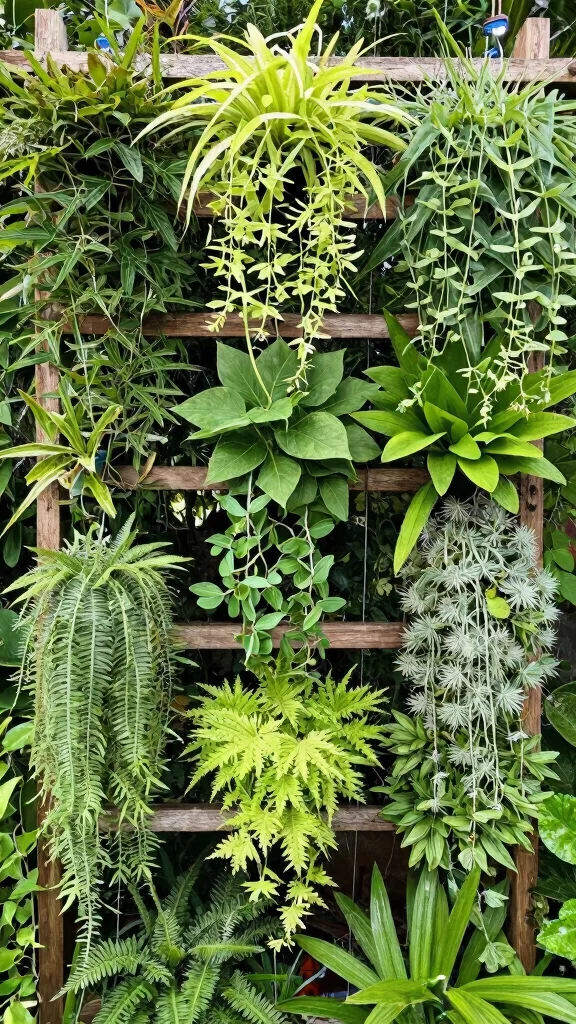
Vertical gardens are a fantastic space-saving solution that also improves air quality. By integrating a water-retaining system, you ensure that your plants receive the moisture they need while creating a stunning visual display of cascading greenery. Imagine a wall of plants transforming your outdoor space.
Use a sturdy structure to support your vertical garden arrangement. Incorporate a drip irrigation system for efficient watering and plant health. Choose a mix of plants to create layers and textures that pop.
Key elements for your vertical garden:
– Use a strong framework for support.
– Implement drip irrigation for optimal watering.
– Select diverse plants for rich textures.
This innovative gardening method turns walls into living art while promoting sustainability in your backyard.
14. Outdoor Shower with Rainwater Harvesting
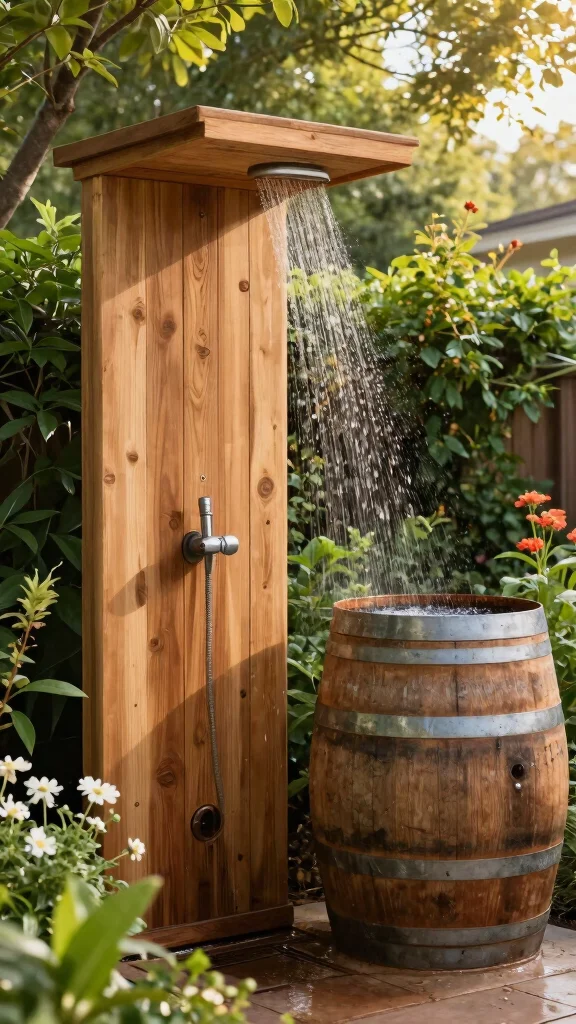
An outdoor shower paired with a rainwater harvesting system offers a luxurious yet eco-friendly addition to your backyard. Enjoy refreshing showers while conserving water and connecting with nature. Imagine a serene shower experience surrounded by greenery.
Install a rain barrel to collect rainwater specifically for shower use. Choose natural materials for your shower structure to ensure it blends seamlessly with the environment. Incorporate plants around the shower for privacy and visual appeal.
Steps for your outdoor shower:
– Set up a rain barrel for water collection.
– Use natural materials for a harmonious look.
– Add plants for privacy and beauty.
This setup promotes sustainable living while transforming your outdoor space into a personal spa.
Fun fact: A simple rain barrel can supply up to 2,000 gallons per season for outdoor showers, a smart addition among backyard oasis ideas. Pair it with natural materials and plants for a private, refreshing oasis.
15. Natural Swimming Pool
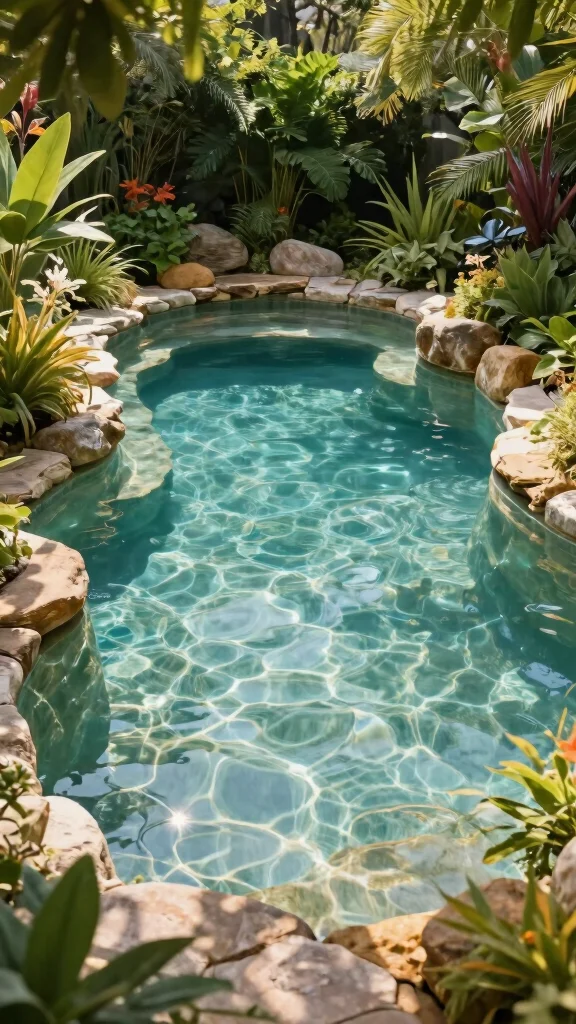
Natural swimming pools provide a unique swimming experience free from harsh chemicals. Utilizing aquatic plants to filter and clean the water, these pools offer a serene and eco-friendly alternative. Imagine swimming in crystal-clear water surrounded by nature.
Design your pool with a shallow area for lounging and a deeper section for swimming. Include natural filtration systems using plants and rocks to keep the water clean and inviting. Surround the pool with native plants to enhance the natural feel.
Key aspects for your natural swimming pool:
– Create shallow and deep areas for versatility.
– Utilize plants for natural filtration.
– Surround with native plants for an organic look.
This type of pool allows for refreshing swims while promoting ecological balance in your backyard.
16. Herb Spiral Garden
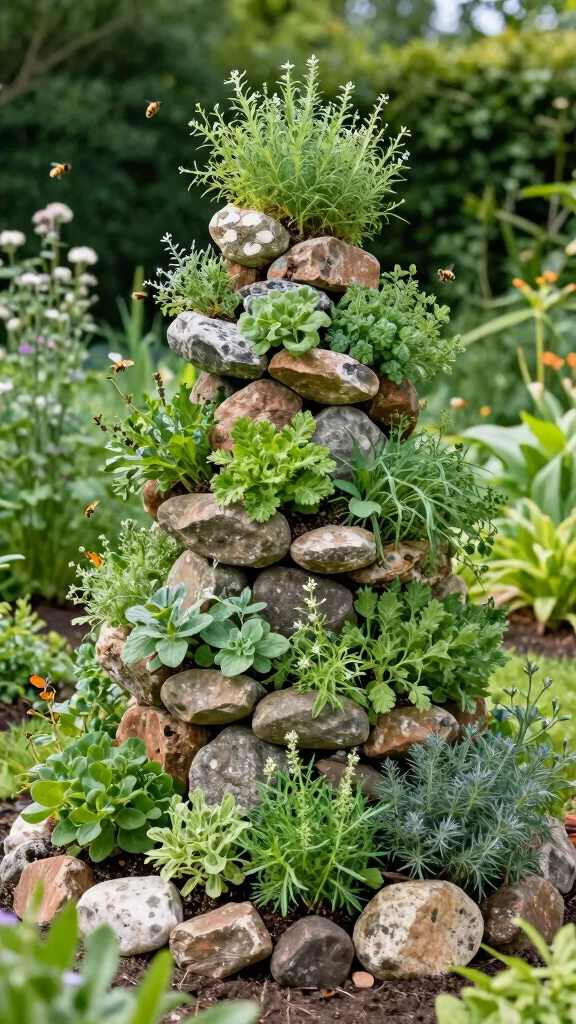
An herb spiral is an efficient way to grow a variety of herbs in a compact space. This unique spiral structure creates microclimates that allow different plants to thrive together. Imagine a beautiful, aromatic garden that maximizes your growing potential.
Build a spiral using stones or bricks to create a sturdy structure that looks great. Include an assortment of herbs that grow well in varying conditions, from sun-loving to shade-tolerant. Water from the top to let moisture trickle down through the spiral.
Steps for crafting your herb spiral:
– Construct a spiral with durable materials.
– Mix herbs for diverse growing conditions.
– Water from the top for optimal moisture.
This innovative design maximizes your gardening potential while promoting sustainability and reducing water usage.
17. Recycled Water Barrels for Irrigation
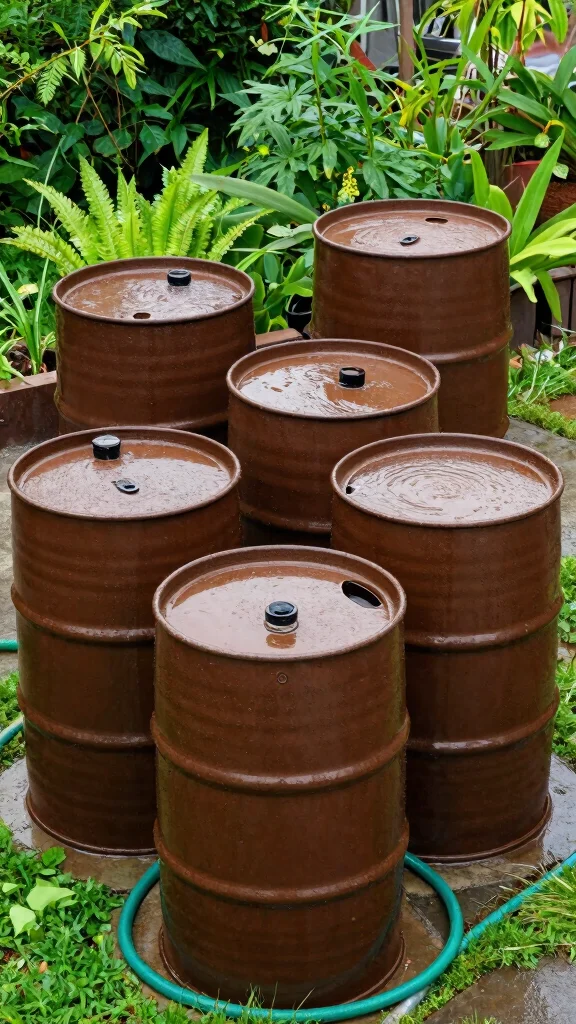
Using recycled water barrels for irrigation is a smart way to conserve water and support sustainable gardening practices. Collect rainwater and use it to nourish your plants, reducing reliance on municipal water sources. Imagine a garden flourishing with natural water.
Select durable barrels designed specifically for water storage. Add a spigot for easy access and distribution. Position your barrels strategically to maximize rainwater collection.
Key steps for using recycled water barrels:
– Choose sturdy barrels for water collection.
– Install a spigot for convenience.
– Position for optimal rain collection.
This practice not only benefits your garden but also minimizes your environmental footprint.
18. Microclimates for Plant Diversity
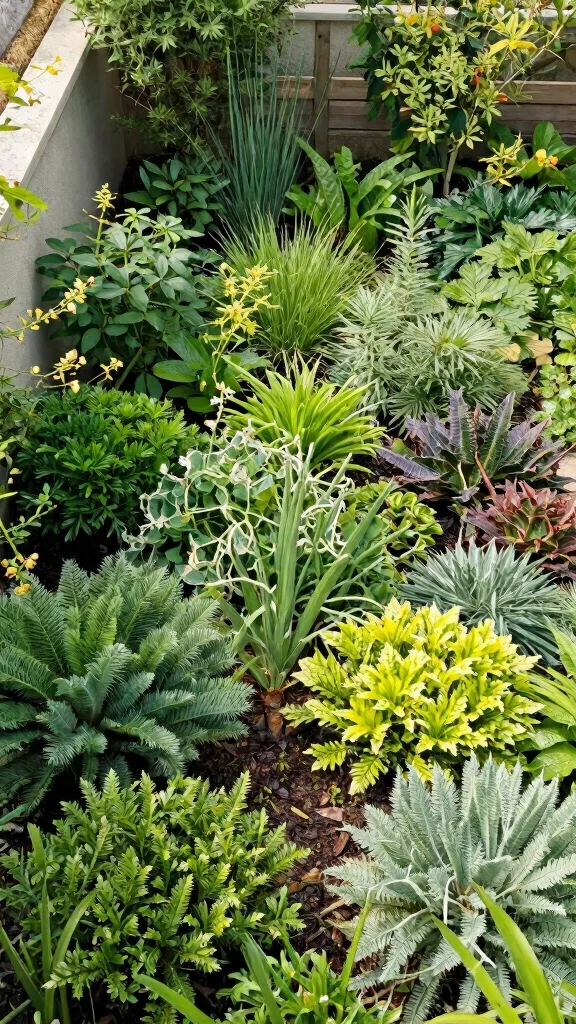
Creating microclimates in your garden allows for a diverse range of plants that thrive under different conditions. This can be achieved by grouping plants strategically, protecting them from harsh sun or wind. Imagine a lush garden filled with varied plant life, all flourishing together.
Utilize walls or fences to create sheltered areas that provide protection for delicate plants. Incorporate a mix of plants with varying needs around these microclimates for added diversity. Observe sun patterns to optimize plant placement for growth.
Steps to create microclimates:
– Use structures to provide shelter for plants.
– Mix plants with different care requirements.
– Analyze sun patterns for optimal placement.
Harnessing microclimates enriches your garden, promoting healthy growth and biodiversity.
19. Biodegradable Garden Edging
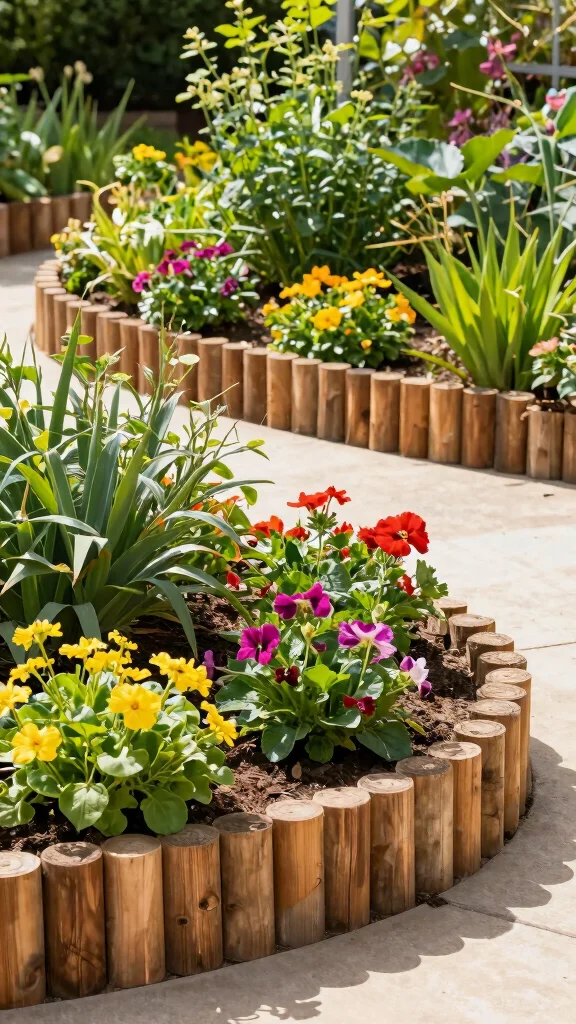
Using biodegradable materials for garden edging offers an eco-friendly way to define spaces within your garden. These materials blend seamlessly into your landscape while naturally decomposing to enrich the soil over time. Imagine clean lines that enhance your garden’s beauty sustainably.
Choose materials like bamboo, wood, or cardboard for effective edging solutions. Create clean lines to separate different areas of your garden, adding organization. Regularly replace the edging as necessary to maintain its functionality and aesthetics.
Key actions for biodegradable edging:
– Select eco-friendly materials for garden boundaries.
– Create clear separations between areas.
– Replace as needed to keep edges tidy.
This sustainable approach enhances your garden’s appearance while nurturing healthy soil and plant growth.
20. Composting Water Feature
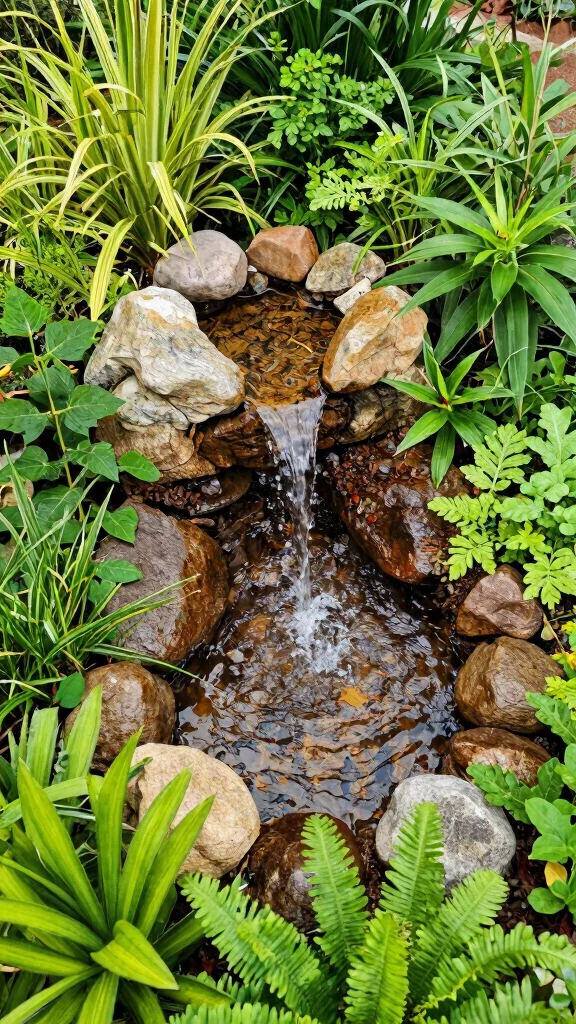
A composting water feature is a unique addition that serves as both a decorative element and a way to enrich your garden’s soil. This feature, whether a pond or fountain, can incorporate organic matter to nourish surrounding plants. Imagine a stunning water element that also supports your garden’s health.
Design the feature with natural elements to enhance both beauty and function. Use compost within the structure to filter and enrich the water, creating a nutrient-rich environment. Surround the feature with plants that thrive on the nutrient-rich water.
Steps for your composting water feature:
– Design with natural materials for harmony.
– Utilize compost for water filtration.
– Surround with plants that benefit from enriched water.
This blend of aesthetics and utility supports a sustainable garden while providing visual interest.
Conclusion
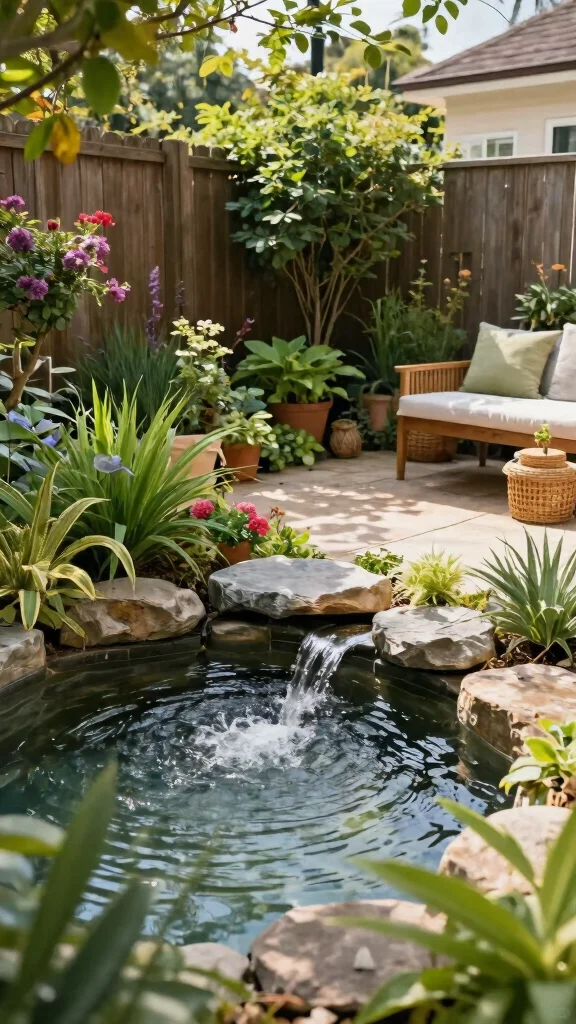
Transforming your backyard into an oasis doesn’t just enhance your living space; it promotes sustainable practices that benefit the environment. Each idea presented here blends beauty with functionality, helping you create an outdoor sanctuary that’s both enjoyable and eco-friendly.
Start implementing these backyard oasis ideas today, and experience the joy of a sustainable garden that truly reflects your love for nature.
Frequently Asked Questions
What are some affordable sustainable water feature ideas to create a backyard oasis?
Start with a simple, self-contained water feature that recirculates water, like a solar-powered fountain or a small pondless waterfall. Install a compact pump, ideally solar-powered or low-voltage, to keep energy use minimal.
Capture and reuse rainwater with a decorative barrel or cistern to reduce water waste, and line the feature with natural stones that encourage wildlife. Plant native, drought-tolerant plants around the edge to filter runoff and create a lush look without extra watering.
Choose a design that blends with your garden design, keep maintenance simple, and use a biological filtration media to keep water clear. These steps help you build backyard oasis ideas that are friendly to sustainable gardening and wildlife.
How can I incorporate backyard oasis ideas into a small urban space while keeping sustainable gardening in mind?
Start with vertical and container strategies to squeeze every inch: choose compact water features, like a tabletop fountain or a wall-mounted fountain; use planters and raised beds for herbs and natives; install a simple drip irrigation or soaker hoses to target plants while conserving water. Use permeable pavers or gravel paths to reduce runoff and improve drainage. Collect rainwater with a small barrel and route it to containers to reduce potable water use. Pick native and drought-tolerant plants for sustainable gardening benefits and a natural look that fits garden design in tight spaces. With thoughtful layout, you can realize backyard oasis ideas even in a balcony-sized yard.
What landscaping tips make a backyard oasis feel lush without wasting water?
Prioritize native and drought-tolerant plants to cut irrigation needs and support local wildlife. Create layered plantings with groundcovers, perennials, and small shrubs to add depth without extra water. Mulch generously to reduce evaporation and keep roots cool. Install a drip irrigation system or soaker hoses to water at the roots, and schedule irrigation for early morning or late evening to minimize evaporation. Pair these with landscaping tips that emphasize efficiency and beauty for backyard oasis ideas that stay vibrant with less water.
Which outdoor decor and patio ideas work best with sustainable water features and garden design?
Choose natural, durable materials like stone, timber, and terracotta to mirror the outdoors and reduce maintenance. Use shade structures to cool seating areas and protect water features from harsh sun. Incorporate solar-powered lighting to extend enjoyment after dusk and highlight focal points like a fountain or a bubbling urn. Add mobile planters, weather-resistant textiles, and a cohesive color palette to blend outdoor decor with garden design and patio ideas for a polished look. These touches keep your backyard oasis ideas inviting year-round.
How do I maintain a low-maintenance backyard oasis that stays eco-friendly year-round?
Adopt a simple maintenance routine: clean your water feature every few weeks, check the pump and filter, and winterize if you’re in freezing climates. Mulch beds and prune shrubs during the growing season to reduce disease pressure and water needs. Rely on rainwater harvesting, compost, and natural fertilizers to support sustainable gardening without harsh chemicals. Schedule periodic checks for pests using integrated pest management (IPM) methods, and let native plants do most of the work. A thoughtful plan keeps your backyard oasis ideas beautiful and eco-friendly all year.
Related Topics