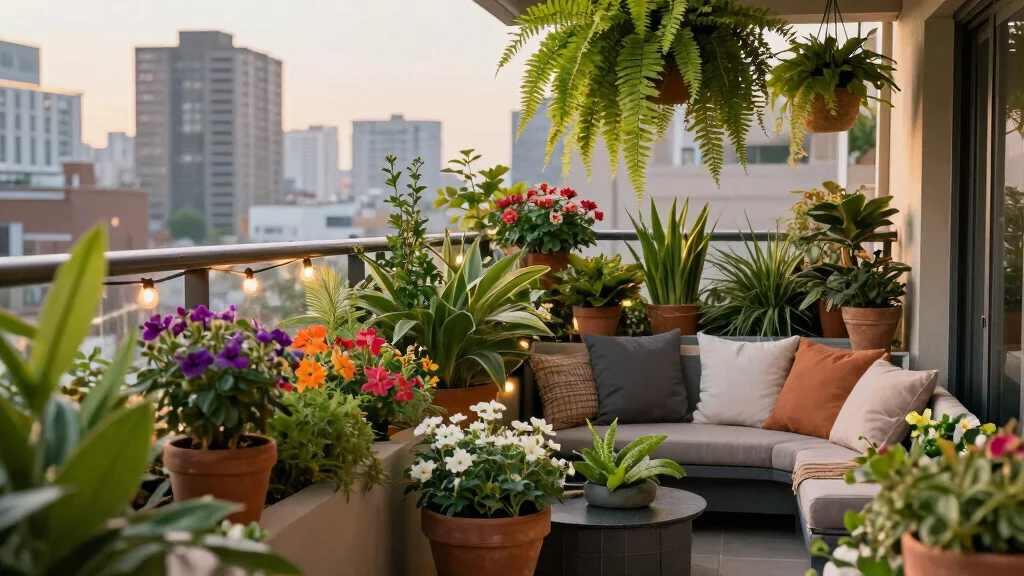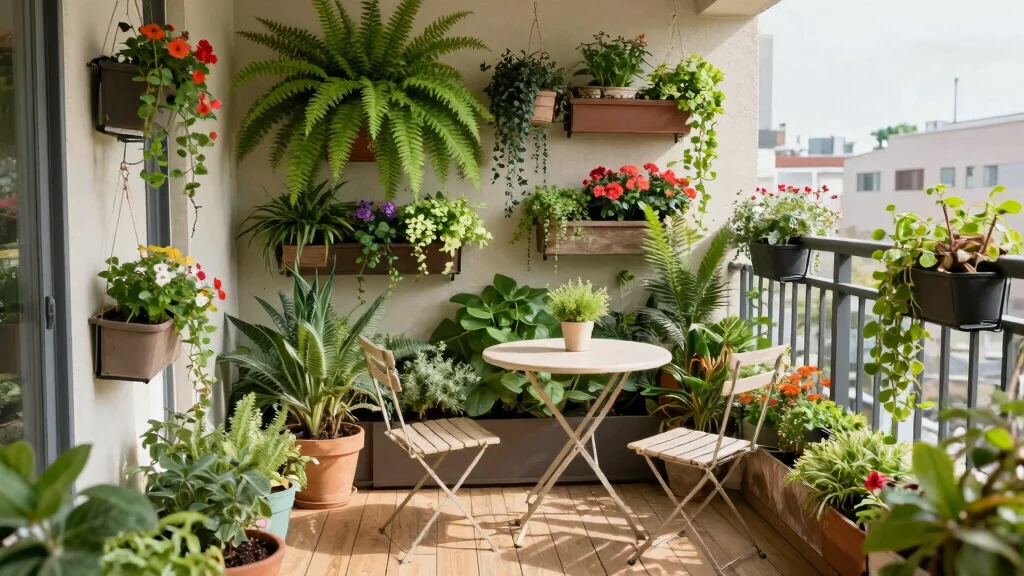

Creating a balcony herb garden has been on my mind lately. There’s something magical about the idea of stepping onto my balcony and snipping fresh herbs to sprinkle over my meals. If you’re like me and love the taste of home-cooked food, this post is for you. It’s packed with ideas that will brighten up your cooking and make your small space feel a little greener.
Whether you live in a bustling city or in a cozy apartment, urban gardening can be your escape. You may be looking for ways to spice up your cooking with fresh cooking herbs or simply want to bring a little nature into your home. In this guide, I’ve gathered 16 balcony herb garden ideas that are fun, creative, and perfect for small spaces. You’ll find tips on vertical planters, hanging baskets, and even DIY projects that can transform your balcony into a lush herb oasis.
Get ready to discover how to create your own flourishing balcony herb garden. With just a few simple ideas, you can enjoy the benefits of gardening and elevate your culinary creations right from your own home. Let’s dive in!
Key Takeaways
– Maximize Space: Utilize vertical garden planters and hanging baskets to create a lush herb garden in small areas.
– DIY Projects: Explore fun DIY options such as pallet herb gardens and indoor herb jars that bring charm to your space.
– Seasonal Success: Rotate herbs seasonally to ensure a steady supply of fresh cooking ingredients all year round.
– Natural Decor: Use herbs not just for cooking but also as decorative elements to beautify your balcony.
– Community Engagement: Consider participating in a shared community herb garden for social interaction and gardening support.
1. Vertical Garden Planters
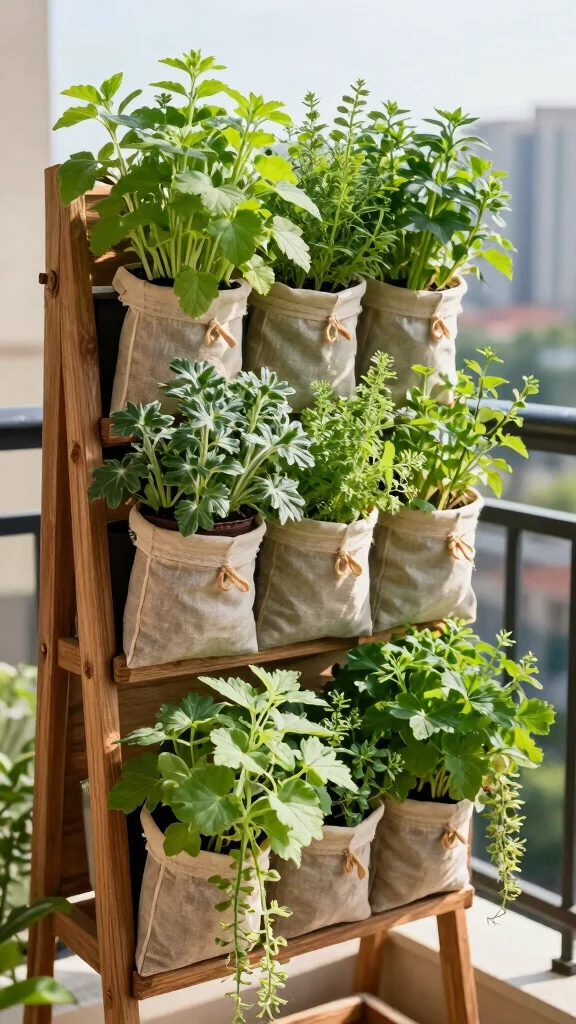
Are you looking to make the most of your limited balcony space? Vertical garden planters are the perfect solution for growing herbs without sacrificing room. Not only do they save space, but they also add a stunning visual element with herbs cascading down beautifully.
You can easily cultivate a range of herbs such as chives, thyme, and cilantro in these pocket-style planters. Whether you choose a DIY wooden frame or a pre-made vertical garden, the options are plentiful.
– Benefits of vertical planters: Ideal for compact areas and they provide excellent drainage.
– DIY Tip: Repurpose old pallets to create a charming rustic vertical planter.
– Placement: Aim for 6-8 hours of sunlight daily to keep your herbs happy.
Positioning them at varying heights creates an eye-catching display.
2. Herb Spiral
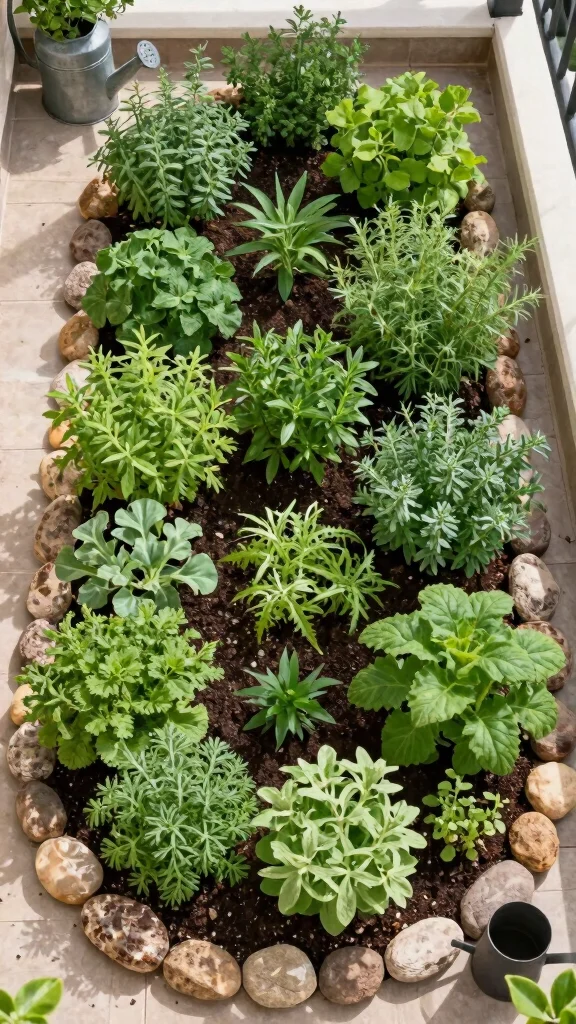
Transform your balcony into a lush oasis with a herb spiral. This vertical garden design not only maximizes space but also adds a unique touch that enhances biodiversity. It’s an engaging way to grow herbs at different heights, ensuring each type gets the ideal conditions they need.
– Design: Craft a spiral structure using stones or bricks, filling the gaps with soil.
– Companion Planting: Position sun-loving herbs at the top and shade-preferring ones at the bottom for optimal growth.
– Watering: The spiral shape promotes excellent drainage, allowing your plants to flourish.
This method is both interactive and functional, allowing you to enjoy fresh herbs right from your balcony.
How To Choose the Right Containers for Your Balcony Herb Garden
When starting a balcony herb garden, selecting the right containers is crucial for the health and growth of your herbs. Here are some key factors to keep in mind to ensure your herbs thrive in small spaces.
1. Size Matters
Choose containers that match the size of your balcony and the herbs you want to grow. For most herbs, a container that is at least 6-12 inches deep works well. If you’re growing larger herbs like basil or rosemary, aim for pots that are at least 12 inches in diameter. This gives the roots enough room to spread out and absorb nutrients.
2. Material Choices
The material of your containers can affect drainage and insulation. Terracotta pots are great for herbs because they allow moisture to escape while keeping roots cool. Plastic containers are lighter and easier to move but ensure they have drainage holes. Metal containers can look stylish but may heat up quickly in the sun, which can harm your herbs.
3. Drainage Features
Good drainage is essential for healthy herbs. Make sure your chosen containers have drainage holes at the bottom. If they don’t, you can drill some or place a layer of pebbles at the bottom to improve drainage. This prevents root rot, which can quickly kill your plants.
4. Mobility and Arrangement
Consider how you will arrange your containers on your balcony. Lighter materials like plastic or fiberglass can be moved easily. If you enjoy changing the layout, choose containers that allow you to rearrange them without much hassle. Also, think about vertical gardening options like tiered planters, which save space and create a visually appealing display.
5. Aesthetic Appeal
Your balcony is an extension of your home, so choose containers that complement your style. Whether you prefer rustic terracotta, sleek metal, or colorful plastic, the look of the containers can add character to your space. Mixing different sizes and colors can create an interesting focal point.
6. Budget Considerations
While it’s tempting to splurge on stylish containers, set a budget before you start shopping. You don’t need to spend a lot to get quality containers. Look for deals at local garden centers or consider DIY projects using repurposed items like old buckets or wine crates. A little creativity can result in charming containers that fit your budget.
Pro Tip: Before purchasing, test the containers by filling them with water. This will help you assess drainage and how well they retain moisture for your herbs. Aim for a mix of container types to create an optimal environment for different herb needs.
By following these guidelines, you can choose the perfect containers for your balcony herb garden. With the right selection, your herbs will flourish, providing you with fresh ingredients for your culinary creations. Happy gardening!
3. Hanging Herb Baskets
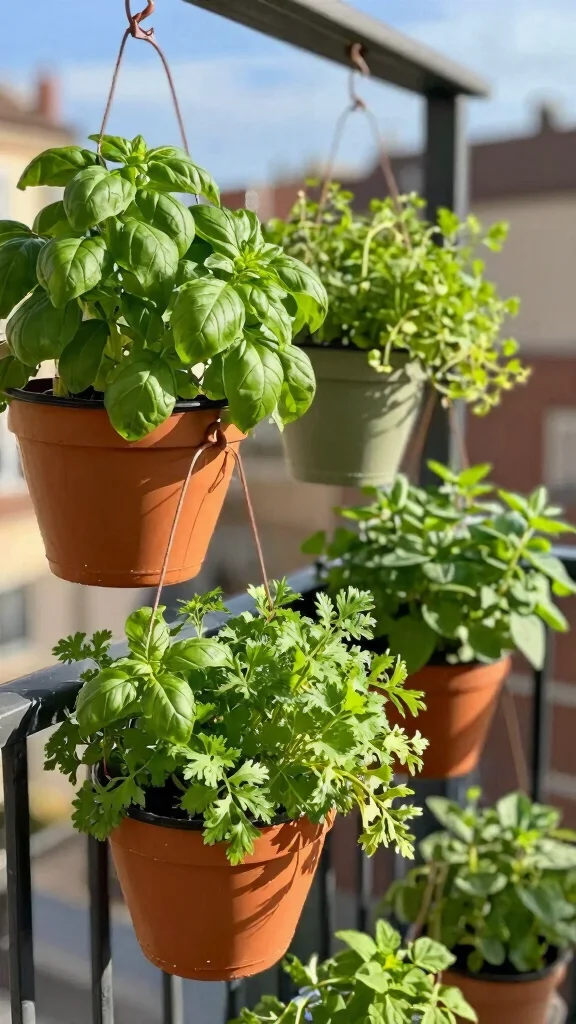
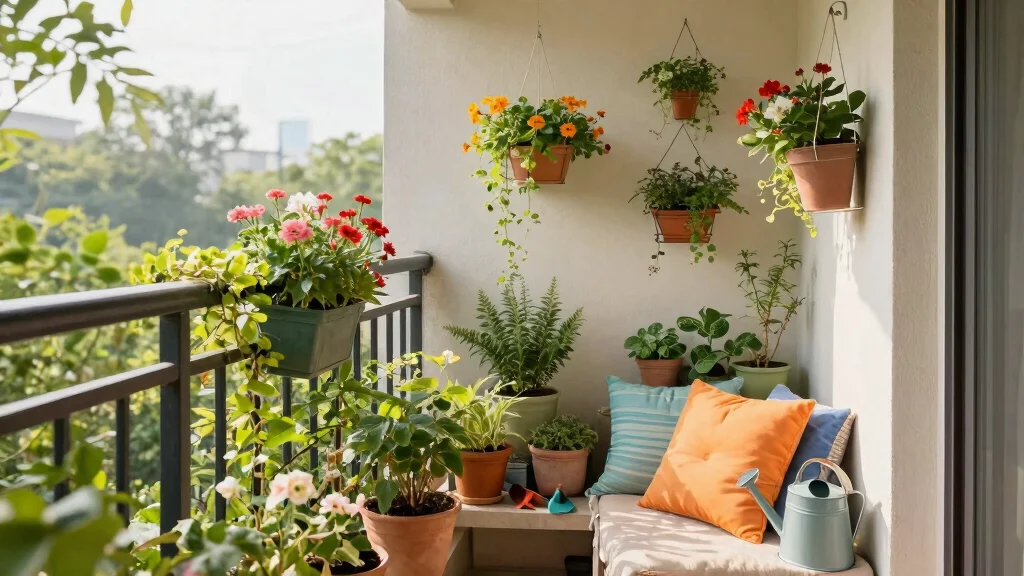
Elevate your herb garden with hanging baskets that not only save space but also create a stylish flair. These baskets can be suspended from hooks or railings, bringing your garden to life while making it easy to access fresh herbs.
– Herb Selection: Choose lightweight herbs such as oregano, basil, and parsley that thrive when suspended.
– Maintenance: Regularly check moisture levels since hanging baskets can dry out quickly.
– Decorative Elements: Opt for colorful or textured baskets that complement your balcony’s aesthetic.
This vertical gardening style is both space-efficient and visually appealing.
4. Window Boxes for a Touch of Green
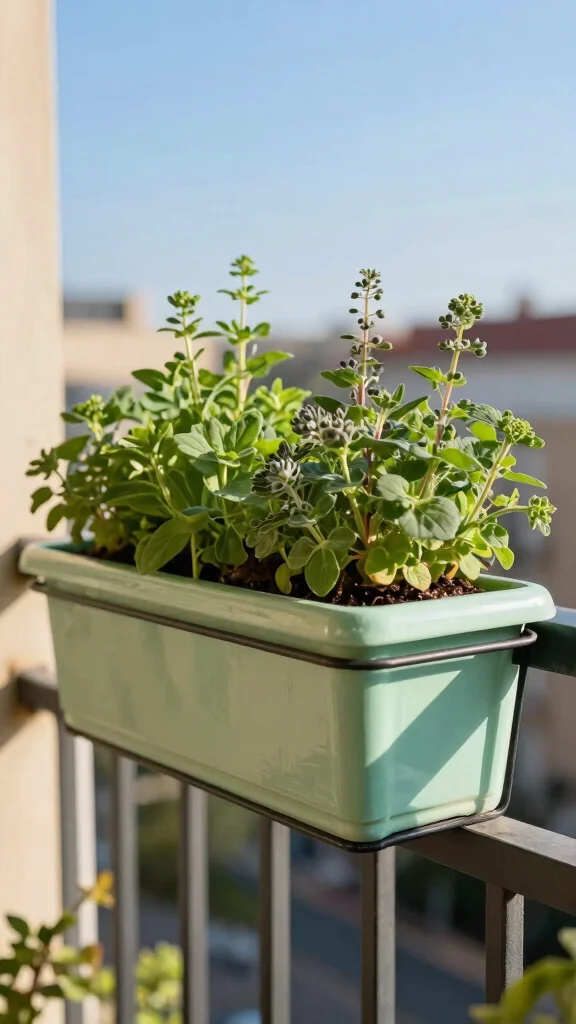
Window boxes are a classic yet effective way to incorporate herbs into small spaces, especially right outside your kitchen. Perfectly positioned beneath balcony railings or on windowsills, they provide easy access to fresh flavors.
– Planting: Use shallow-root herbs like chives, parsley, and thyme that thrive in confined spaces.
– Design Tips: Brightly painted boxes can add a splash of personality or keep them natural for a rustic charm.
– Water Flow: Ensure drainage holes are present to avoid waterlogging.
These boxes not only yield fresh herbs but also bring a lovely green touch to your home.
5. Pallet Herb Garden
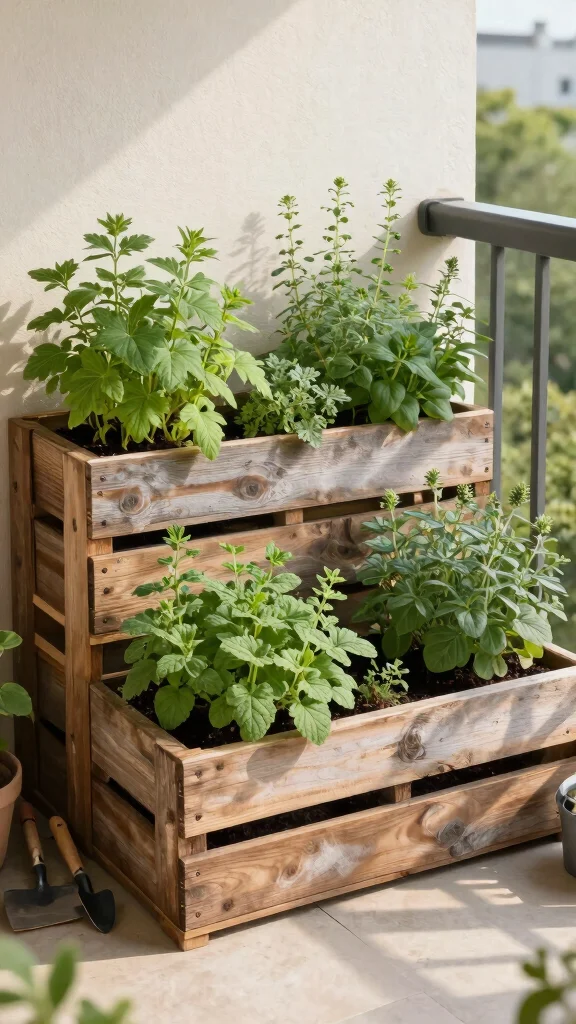
Turn old wooden pallets into a creative herb garden that’s both functional and stylish. Leaning against a wall or railing, a pallet garden can save valuable floor space while being visually striking.
– Planting: Fill each section of the pallet with herbs that share similar sunlight and water needs for best results.
– Stability: Secure the pallet to ensure it doesn’t tip over or wobble.
– Customization: Add a personal touch by painting or staining the pallet to match your outdoor decor.
This eco-friendly approach is a conversation starter and a unique way to garden.
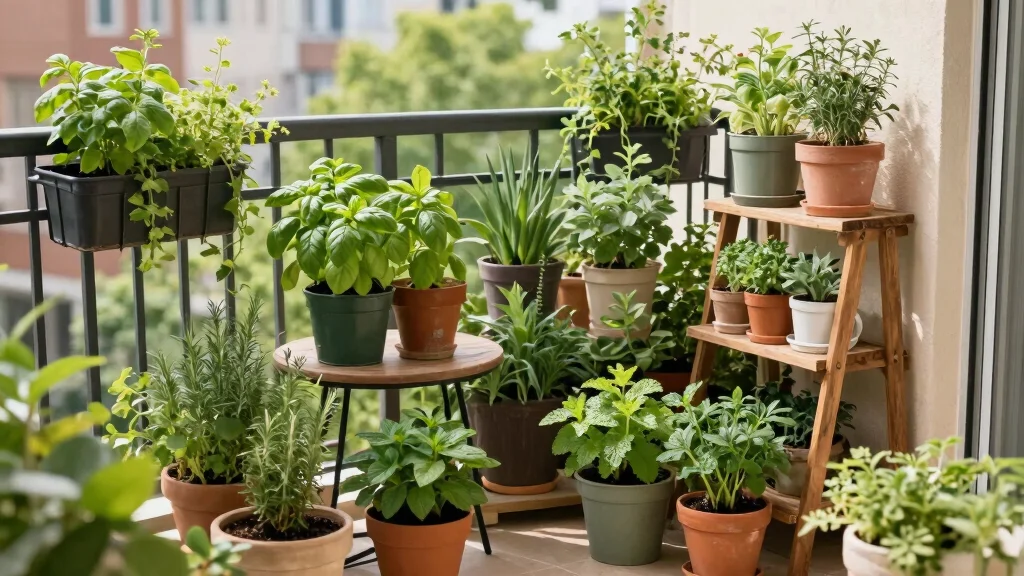
6. Small Container Collections
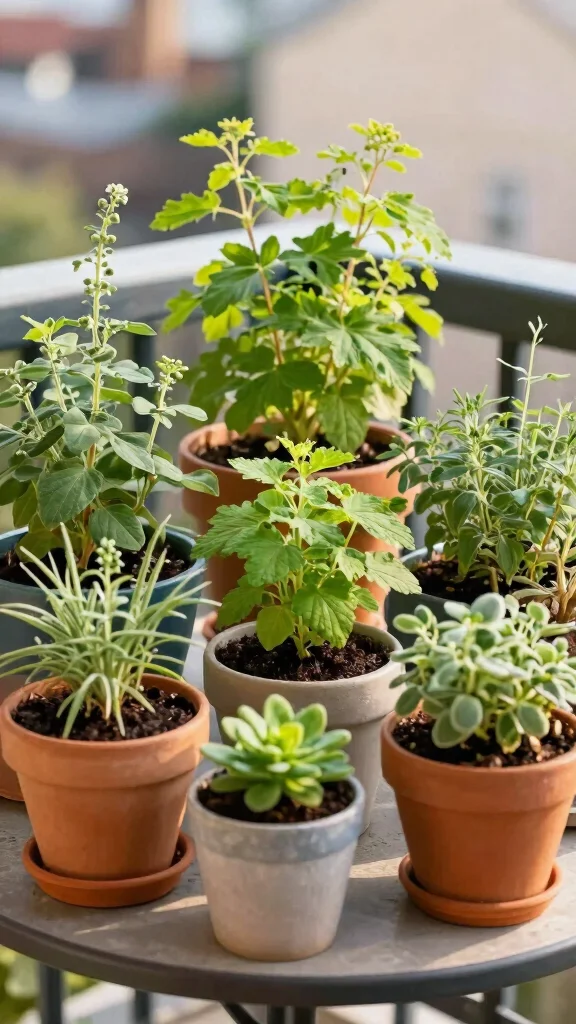
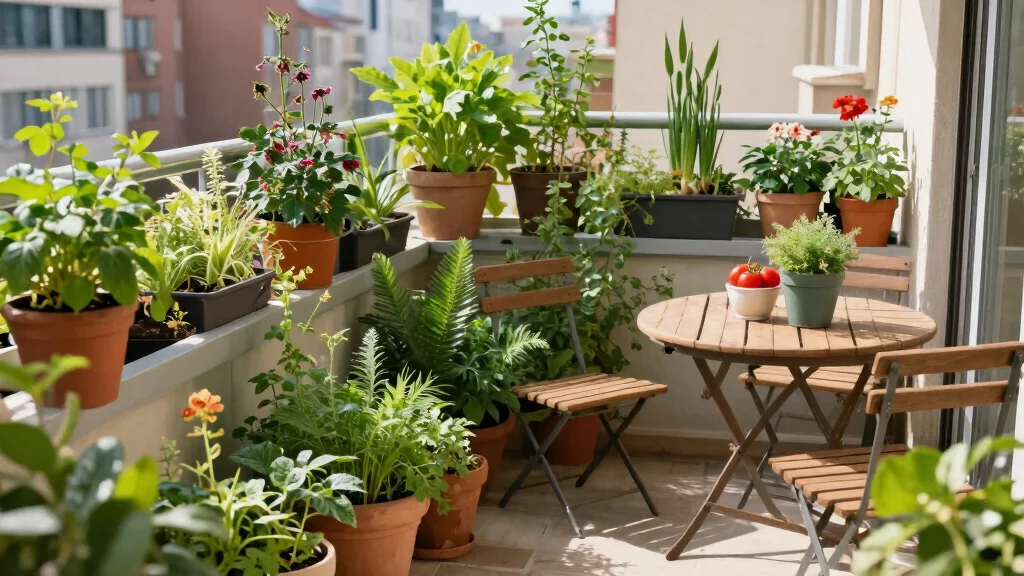
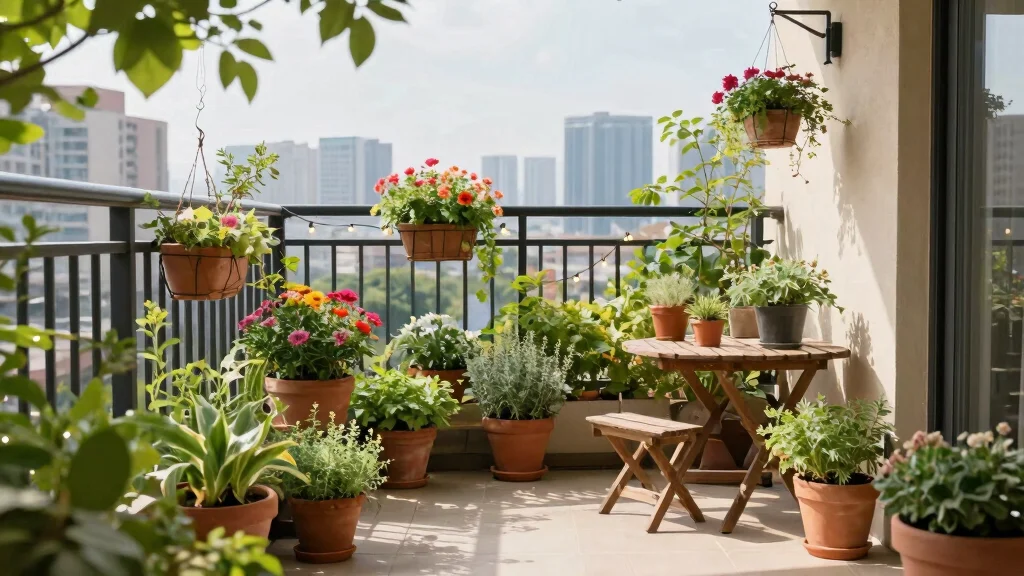
Create a delightful herb garden by mixing and matching various containers. Using pots of different shapes, sizes, and colors allows you to express your style while keeping practicality in mind.
– Container Choices: Terracotta, ceramic, and metal planters add character to your space.
– Plant Pairing: Group complementary herbs, like mint with basil or rosemary with thyme, for a harmonious look.
– Placement: Position containers at different heights on shelves or tables to enhance visual appeal.
This method encourages creativity and flexibility in your balcony herb garden.
7. Mini Greenhouse for Herbs
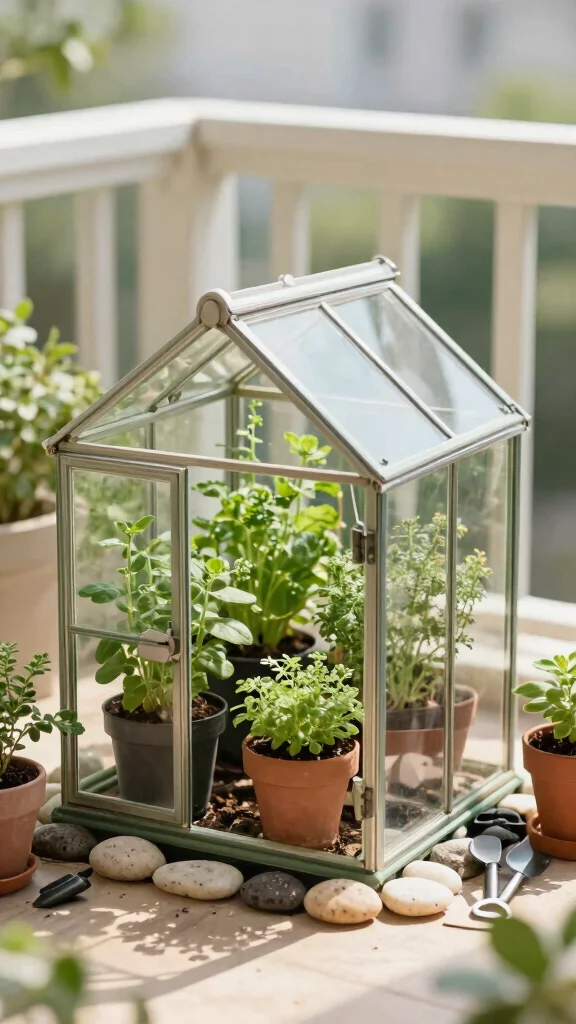
Extend your herb-growing season by setting up a mini greenhouse on your balcony. These small structures protect your herbs from harsh weather and pests, ensuring they thrive all year round.
– Materials: Use clear plastic or glass to allow sunlight in while keeping the warmth inside.
– Ventilation: Incorporate openings to facilitate airflow and prevent overheating.
– Accessibility: Place the greenhouse in a spot that’s easy to reach for watering and harvesting.
With a mini greenhouse, you can enjoy fresh herbs no matter the season.
8. Herb Infused Water Station
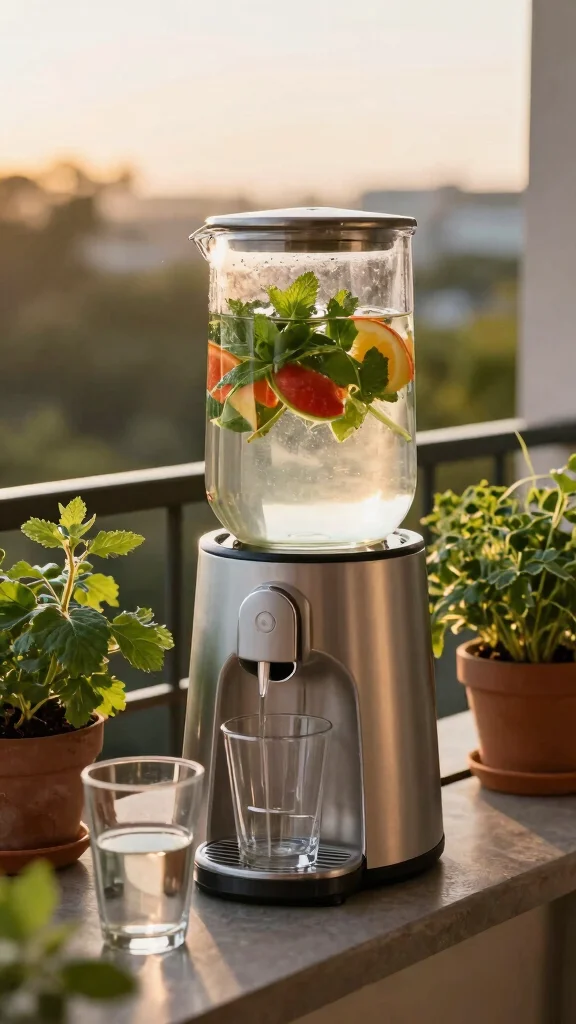
Enhance your hydration routine by setting up an herb-infused water station on your balcony. Growing herbs like mint and lemon balm specifically for this purpose adds a refreshing twist to your drinks.
– Infusion Ideas: Mix different herbs with fruits like lemon, cucumber, or berries for delightful flavors.
– Presentation: Use clear pitchers to showcase the colorful infusions you create.
– Accessibility: Position herbs close to your water station for easy access while preparing drinks.
This fun and healthy approach lets you enjoy your herbs while beautifying your garden.
Did you know a single mint plant can supply fresh infusion for 2–3 pitchers a week all summer in a compact balcony herb garden? Keep your water station near your herbs for quick, refreshing refills.
9. Indoor Herb Garden in a Jar
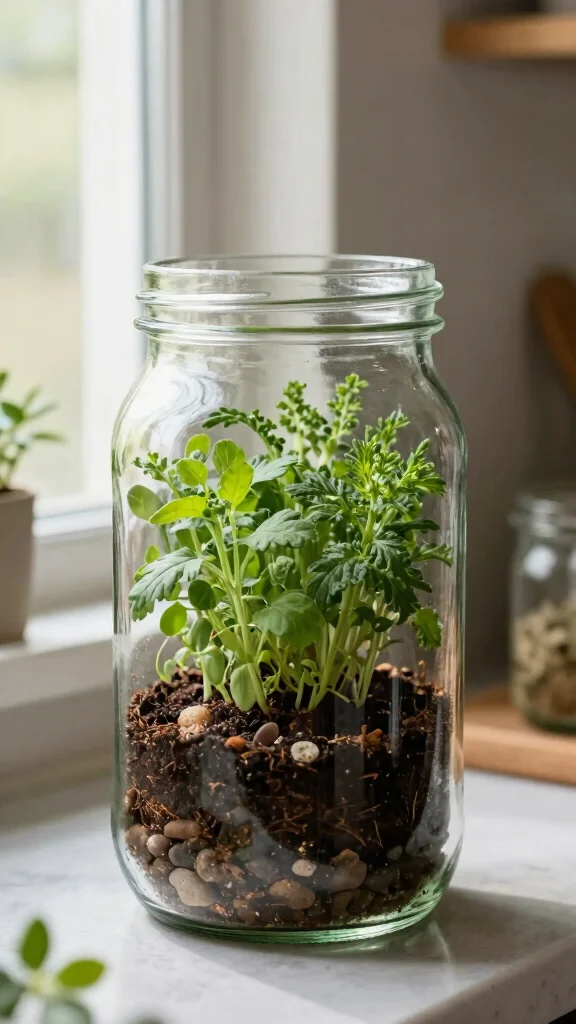
Bring the joy of gardening indoors with an herb garden in a jar. This innovative approach is perfect for small living spaces and gives you easy access to fresh herbs year-round.
– Jar Selection: Choose clear glass jars for visibility, ideally with wide openings for easy access.
– Layering: Start with pebbles for drainage, add soil, and then plant your herbs.
– Light Requirements: Place your jars near a sunny window to ensure your herbs thrive.
An indoor herb garden not only adds a touch of greenery but also provides fresh flavors whenever you need them.
10. Herb of the Month Subscription
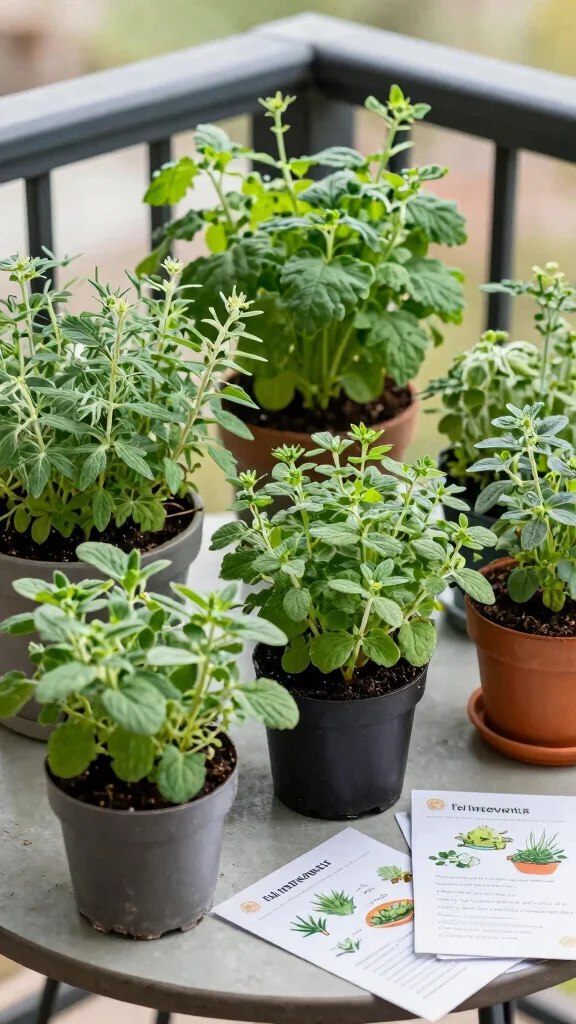
Add excitement to your balcony herb garden by subscribing to a ‘Herb of the Month’ service. These subscriptions deliver unique herbs to your door, allowing you to explore new flavors and recipes.
– Variety: Discover herbs you might not typically grow, like lemon verbena or Thai basil.
– Planting Options: Choose between container options for balcony growing or indoor setups.
– Recipe Ideas: Each month may include recipe suggestions inspired by the featured herb, keeping your culinary adventures fresh.
This service keeps your herb garden dynamic and introduces new tastes to your cooking.
11. Companion Planting for Success
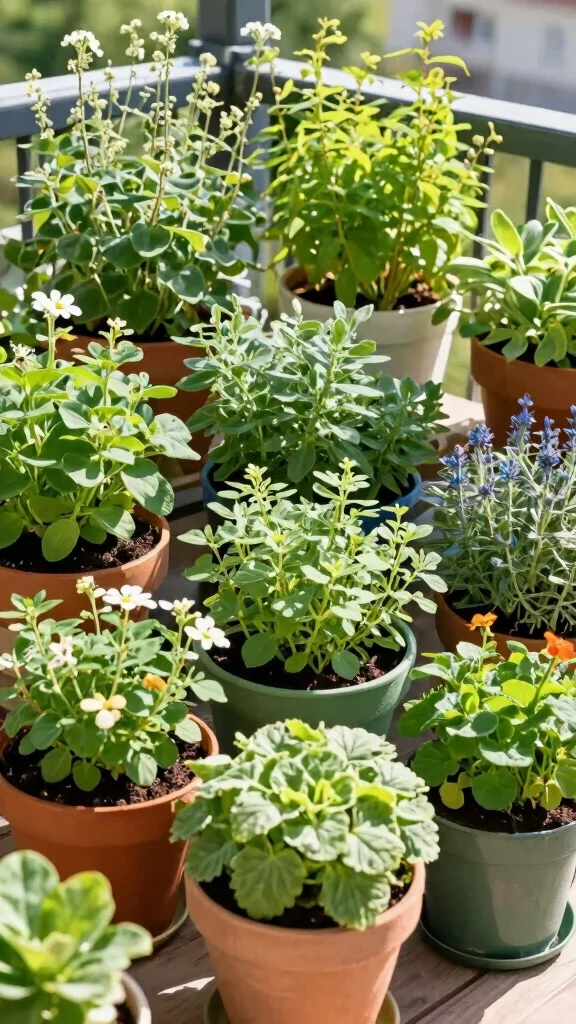
Boost your herb garden’s productivity with companion planting. Certain herbs thrive when grown together, enhancing growth and flavors.
– Good Combinations: Pair basil with tomatoes or mint with carrots for improved yields.
– Pest Control: Some herbs, like marigolds, help keep pests at bay while being friendly to your herbs.
– Plant Health: Rotate your herbs yearly to maintain soil vitality and prevent disease.
These strategies create a thriving environment for your balcony garden.
12. Seasonal Herb Rotation
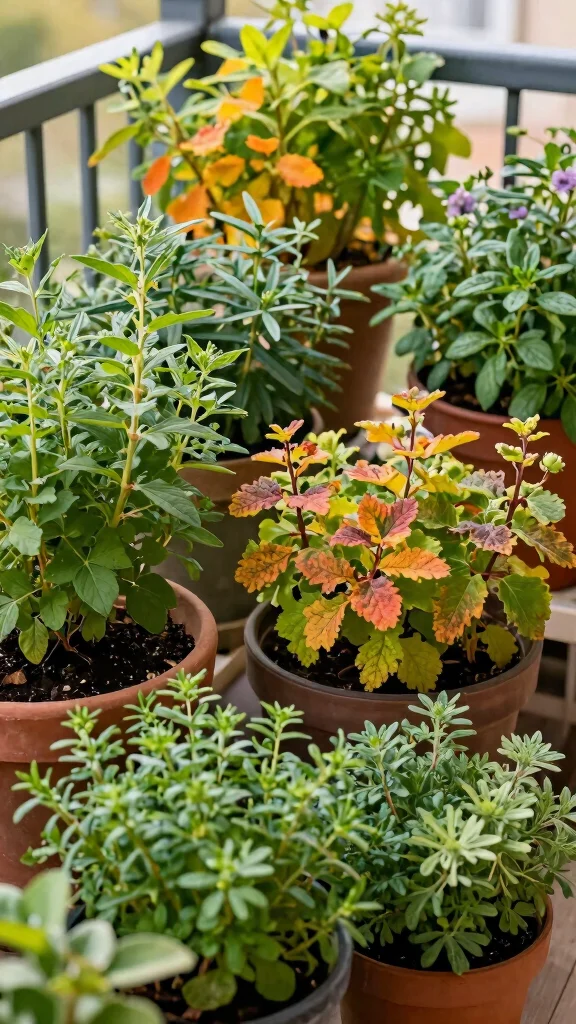
Keep your herb garden vibrant and interesting with seasonal rotation. By changing the herbs you grow based on the season, you can enjoy a diverse range of flavors all year long.
– Spring Focus: Start with basil, cilantro, and dill as temperatures rise.
– Summer Selection: Incorporate mint and sage for refreshing summer dishes.
– Fall & Winter Options: Opt for hardy herbs like thyme and rosemary that withstand cooler weather.
This practice not only enriches your culinary options but also keeps your balcony lush and green.
Fact: Seasonal rotation can deliver 4 distinct herb flavors across the year, even on a tiny balcony herb garden. By swapping basil, cilantro, dill in spring, mint and sage in summer, and thyme or rosemary in fall, you’ll keep cooking fresh and practical all year.
13. Using Herbs as Natural Decor
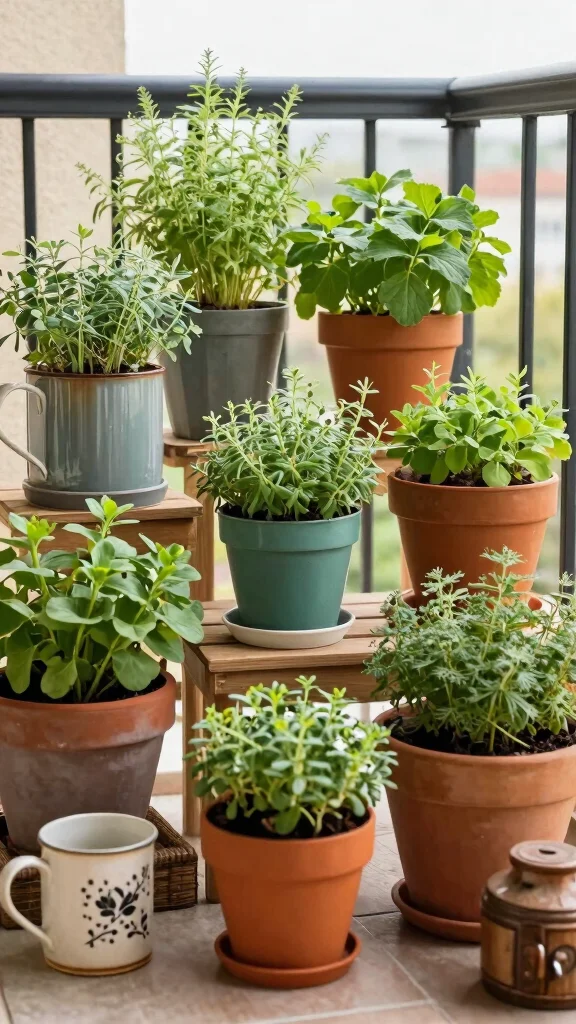
Herbs can serve as beautiful decor elements on your balcony. From hanging baskets to trailing plants, they enhance both aesthetics and provide fresh cooking ingredients.
– Display Ideas: Arrange herbs on shelves or tables to create a stylish patio vibe.
– Use Color Varieties: Incorporate colorful herbs like purple basil or variegated thyme for added visual appeal.
– Creative Containers: Utilize antique bowls or chic pots to showcase your herbs as living decor.
This approach allows you to appreciate your herbs’ beauty while keeping them accessible for culinary use.
14. DIY Herb Markers
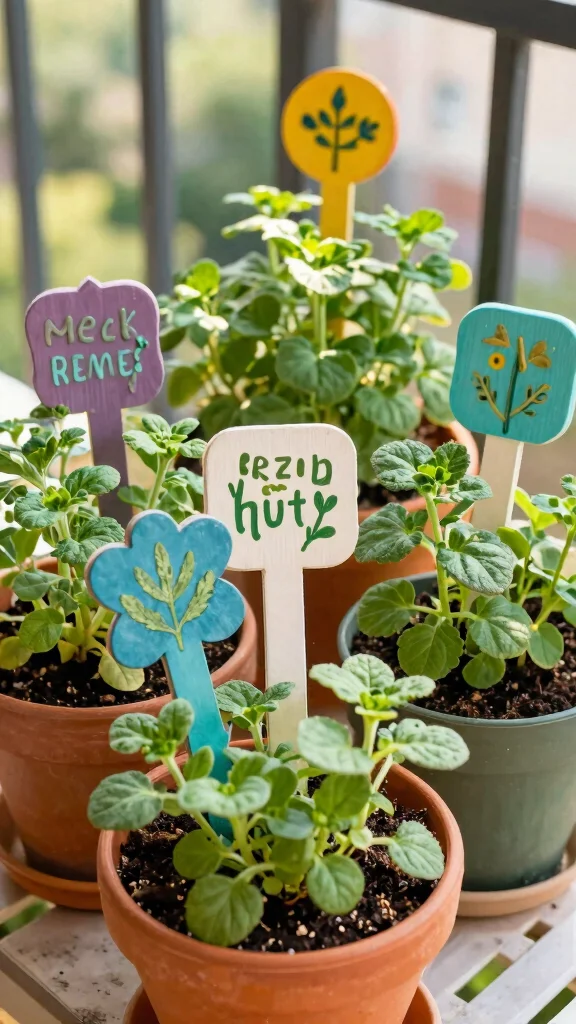
Add a personal touch to your herb garden with DIY herb markers that serve both a functional and decorative role. These markers help you remember what you’ve planted, especially in a diverse garden.
– Materials: Create unique markers using stones, wooden sticks, or old utensils.
– Decoration: Paint or label them to match your garden’s style.
– Placement: Stake them in the soil of each pot for easy identification.
These handmade touches not only help organize your garden but also reflect your creativity.
15. Herb Cookbooks for Inspiration
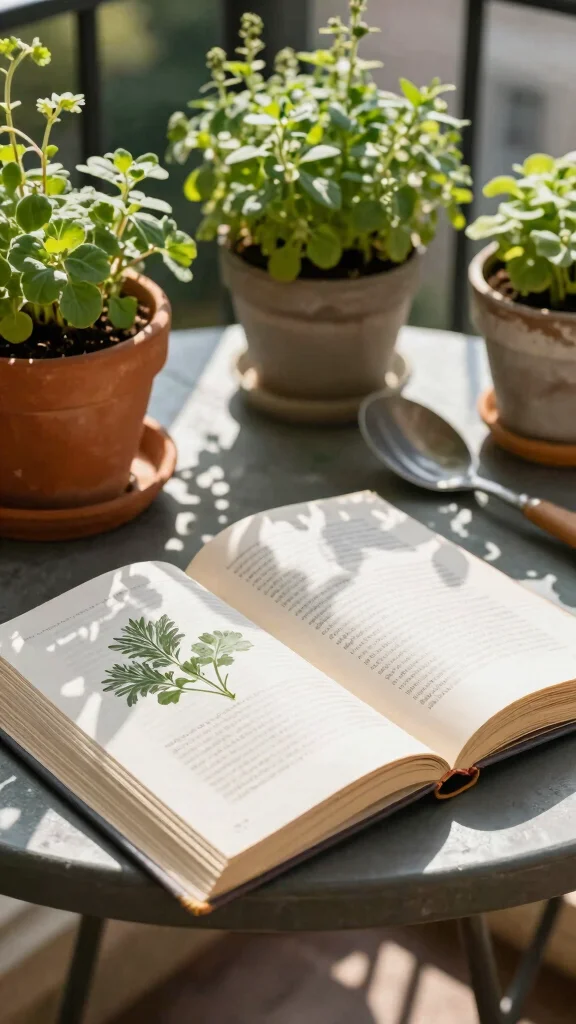
Find inspiration in herb cookbooks that focus on maximizing the use of fresh herbs in dishes. These books offer a variety of recipes that highlight the flavors of your homegrown herbs.
– Recipe Ideas: Look for books featuring herbs prominently in their dishes, from salads to marinades.
– Preservation Techniques: Learn how to dry or freeze herbs to extend their usability.
– Flavor Pairing: Discover new combinations of herbs with different ingredients for creative meals.
Cooking with fresh herbs elevates your dishes and makes your gardening efforts worthwhile.
Did you know that cookbooks focused on fresh herbs can cut waste by up to 30% when you cook around what you grow? Start with simple herb-forward recipes, learn drying and freezing tips, and discover bold flavor pairings for your balcony herb garden.
16. Shared Community Herb Gardens
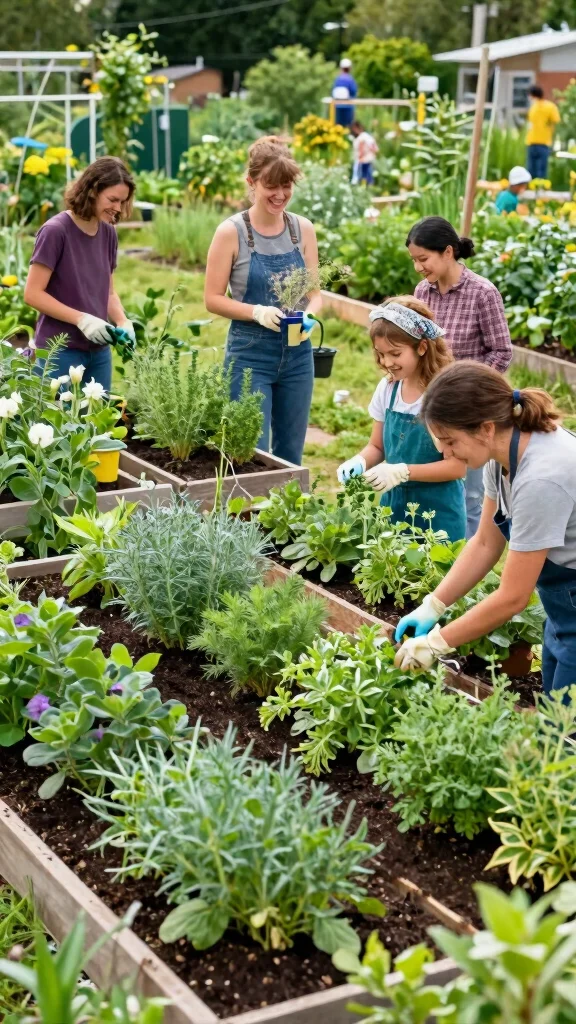
If space is limited, consider joining or starting a community herb garden. This initiative fosters collaboration among urban gardeners, allowing you to grow a wider variety of herbs together.
– Shared Spaces: Identify vacant lots or parks in your area that could be transformed into herb gardens.
– Community Engagement: Collaborate with neighbors to plan, plant, and maintain the garden.
– Workshops: Organize events to share gardening tips and cooking ideas using fresh herbs.
Community gardens create a sense of belonging while providing a bounty of fresh herbs for everyone involved.
Conclusion
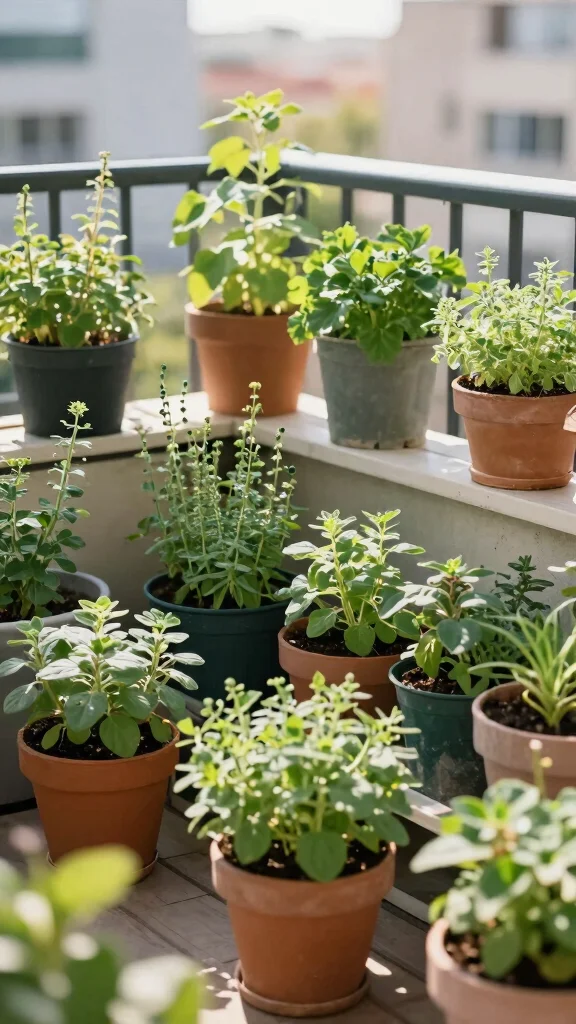
Starting a balcony herb garden is an exciting way to bring freshness to your cooking while enjoying the aesthetic of green plants.
With these 16 ideas, you’re well on your way to creating a lush, vibrant little oasis right in your urban setting.
Embrace the creativity and joy that gardening brings, and soon you’ll find yourself harvesting and cooking with your very own fresh herbs!
Frequently Asked Questions
Which herbs are best for a balcony herb garden in a small space?
For a balcony herb garden in a small space, start with compact staples like basil, parsley, chives, thyme, oregano, and mint (in a dedicated container). These fresh cooking herbs thrive in containers and don’t need deep roots. Choose compact varieties and harvest regularly to keep plants productive. Use a high-quality potting mix with drainage, and water consistently without letting pots sit in water. Group herbs with similar sun needs to maximize a urban gardening setup. To fit a small space gardening approach, try vertical planters or railing boxes to add more plants.
How can I maximize sun and space for a balcony herb garden in an urban setting?
Begin by mapping your sun hours and choosing sun-loving herbs for spots that receive the most light. Use vertical planters, railing boxes, hanging baskets, and shelving to free floor space in your balcony herb garden. Rotate containers to chase sun as it moves, and pick compact, modular setups that fit your balcony size for urban gardening. Water wisely with a drip tray, check drainage, and mulch to reduce evaporation. With smart layout, you can grow a surprising variety in a small space gardening balcony.
What containers and soil work best for a balcony herb garden?
Choose containers with drainage holes in materials you can lift easily—plastic, ceramic, or fabric pots all work well on a balcony. Aim for 6–12 inch pots for most herbs, larger for basil or rosemary. Fill with a light, rich potting mix designed for containers, enriched with compost or slow-release fertilizer. Add perlite or coco coir for drainage and moisture retention. In container gardening, use saucers to catch excess water and group containers by sun needs to maximize sun in your urban gardening setup. Top-dress with fresh compost periodically to refresh nutrients for your fresh cooking herbs.
Can I grow an indoor herb garden on my balcony or during bad weather?
Yes—if temperatures swing or rain is heavy, move herbs indoors near a bright window or use a small grow light to keep your indoor herb garden thriving. Choose hardy varieties like oregano, thyme, and rosemary that tolerate lower light, or bring potted basil inside during colder nights. When outdoor conditions improve, return plants to your balcony herb garden and enjoy year-round fresh cooking herbs from both spaces.
How do I harvest and care for balcony herbs to keep them productive?
Harvest early and often to encourage bushier growth. Snip leaves just above a pair of leaves and avoid removing more than one-third of a plant at a time. Regular pruning prevents flowering in herbs like basil, which can shift flavor; pinch blooms to extend harvests. Water consistently, feed monthly with a balanced fertilizer, and check for pests in the pots. By using careful harvesting, you’ll keep your fresh cooking herbs thriving and ready for cooking, while maintaining vigor for seasons to come in your balcony herb garden.
Related Topics