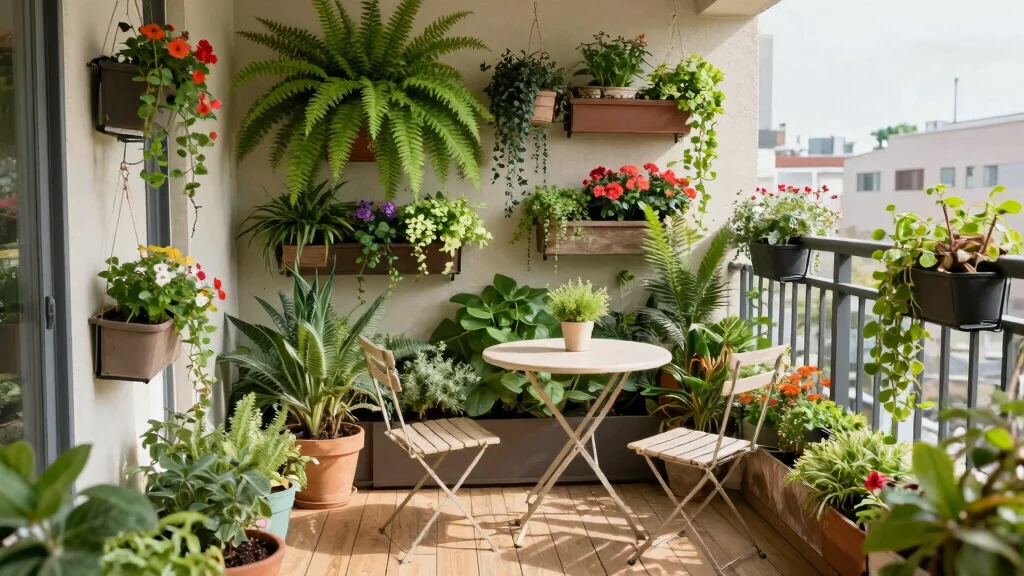

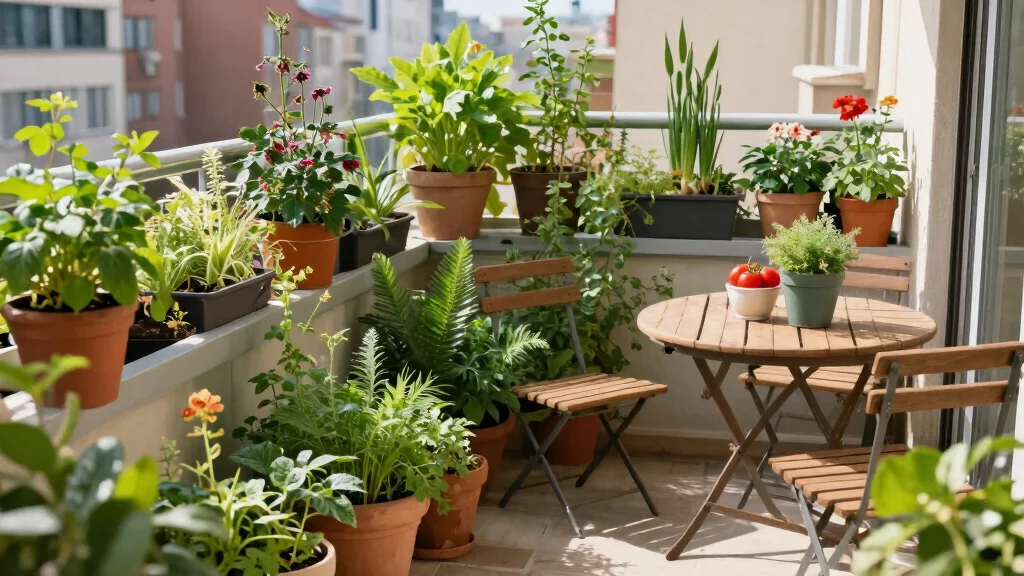
Creating a balcony vegetable garden has become a passion for many, especially those of us craving fresh, homegrown produce right from our living spaces. If you’ve ever found yourself staring at your small balcony, dreaming of vibrant greens and juicy tomatoes, you’re in good company! This post is dedicated to helping you turn that dream into reality.
If you’re someone who loves gardening but feels limited by space, this guide is just for you. Whether you’re an urban dweller with limited outdoor space or a gardening enthusiast looking for creative ways to grow your own food, you’ll find exciting possibilities here. You’ll discover a variety of ideas that are practical, inspiring, and perfect for those of us living in smaller environments.
In this post, I’ve gathered 18 innovative balcony vegetable garden ideas that will not only beautify your space but also provide you with delicious, edible plants. These ideas are easy to implement and suitable for any skill level. So get ready to explore vertical planters, container gardening, and more! Your balcony is about to bloom with fresh produce.
Key Takeaways
– Discover creative vertical gardening techniques that maximize limited space, allowing you to grow more plants in your balcony garden.
– Learn how to set up a hanging herb garden that adds flavor to your meals while saving space.
– Explore stackable and rail planters that fit snugly on your balcony, making gardening accessible no matter how small your area.
– Get practical tips on soil health, pest management, and seasonal planting to ensure your plants thrive throughout the year.
– Connect with a community of balcony gardeners for support and inspiration, making your gardening journey more enjoyable and fulfilling.
1. Vertical Garden Planters
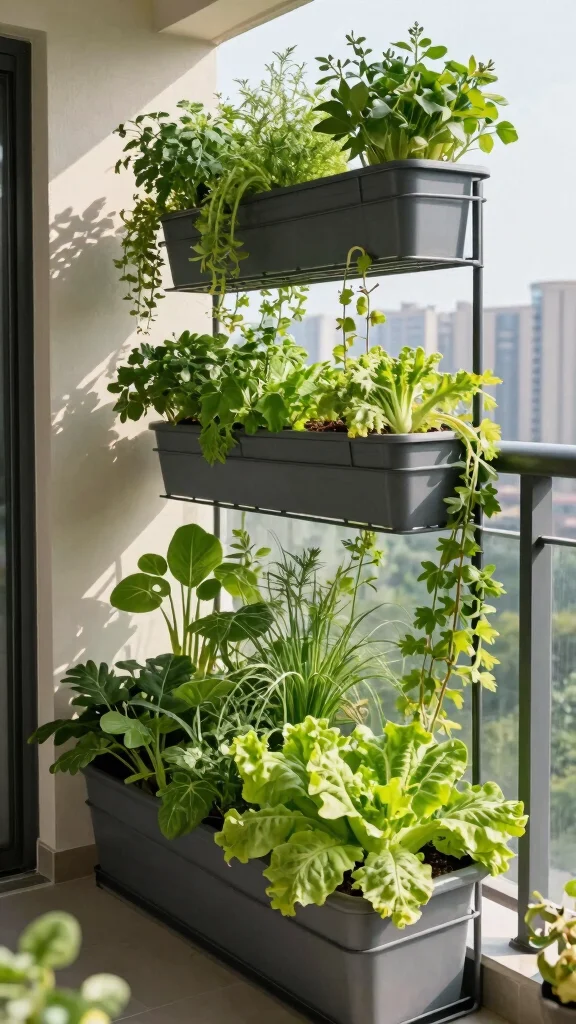
Are you short on space but still dream of a vibrant vegetable garden? Vertical garden planters are your answer! These clever structures can be mounted on walls or set up as freestanding units, allowing you to grow an array of veggies while maximizing your space. Picture luscious cherry tomatoes climbing up a trellis and leafy greens cascading down—what a sight!Not only do they save space, but they also make planting and harvesting easier. You can reach your herbs and veggies without bending, making it perfect for everyone, especially those with mobility challenges. Plus, vertical setups improve air circulation, leading to healthier plants.- Choose the right plants: Opt for climbers like peas, beans, or tomatoes that thrive in vertical setups.
– Use lightweight containers: Ensure your planters can support the weight without straining your balcony.
– Watering system: Consider drip irrigation or self-watering pots for consistent moisture.Transform your ordinary balcony into an extraordinary green oasis!
2. Hanging Herb Garden
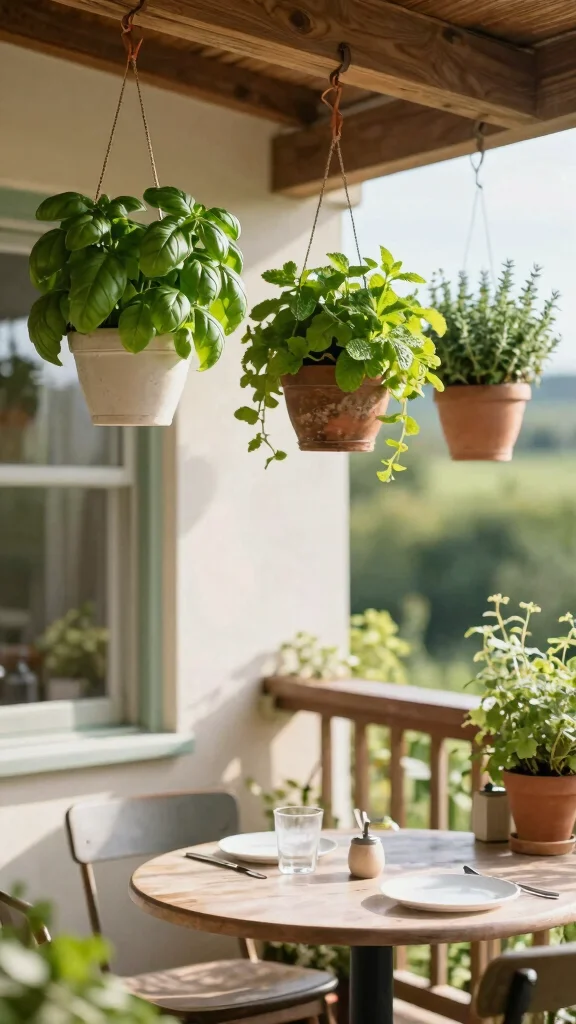
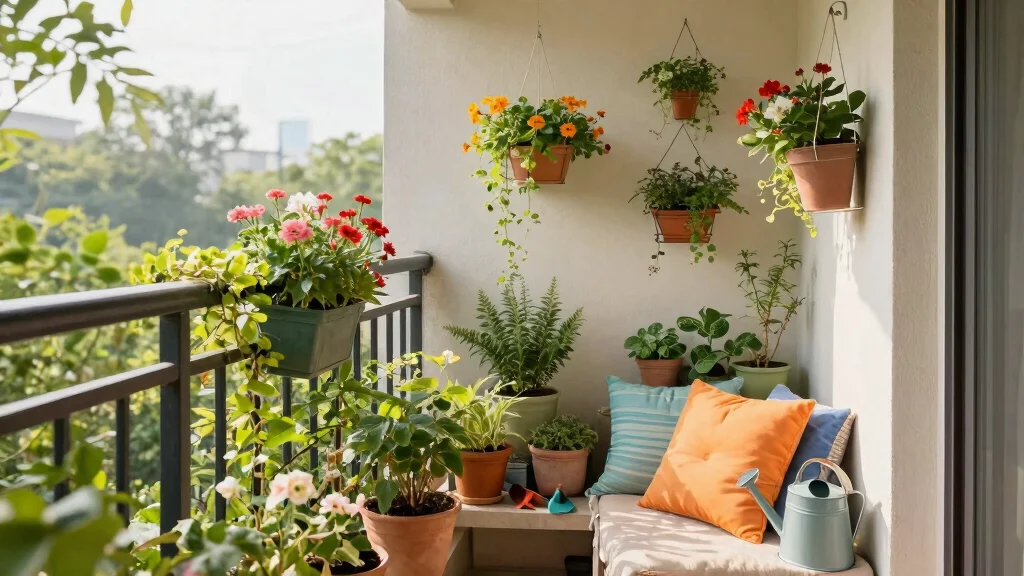
Craving fresh herbs at your fingertips? A hanging herb garden is a delightful solution! Imagine snipping vibrant basil for your pasta or chives for your omelets—all within arm’s reach. Herbs are not only versatile, but they also add incredible flavor to your meals.You can hang planters from your balcony railings or install hooks to suspend pots. This saves space and creates a charming visual appeal that enhances your outdoor area.- Choose culinary favorites: Basil, parsley, mint, and thyme thrive well in containers.
– Ensure adequate sunlight: Most herbs love a sunny spot, so aim for 4-6 hours of direct light.
– Regular trimming: Keep them healthy by snipping back regularly, encouraging bushier growth.Not only will your cooking be elevated, but your balcony will also be a feast for the eyes!
3. Stackable Planters
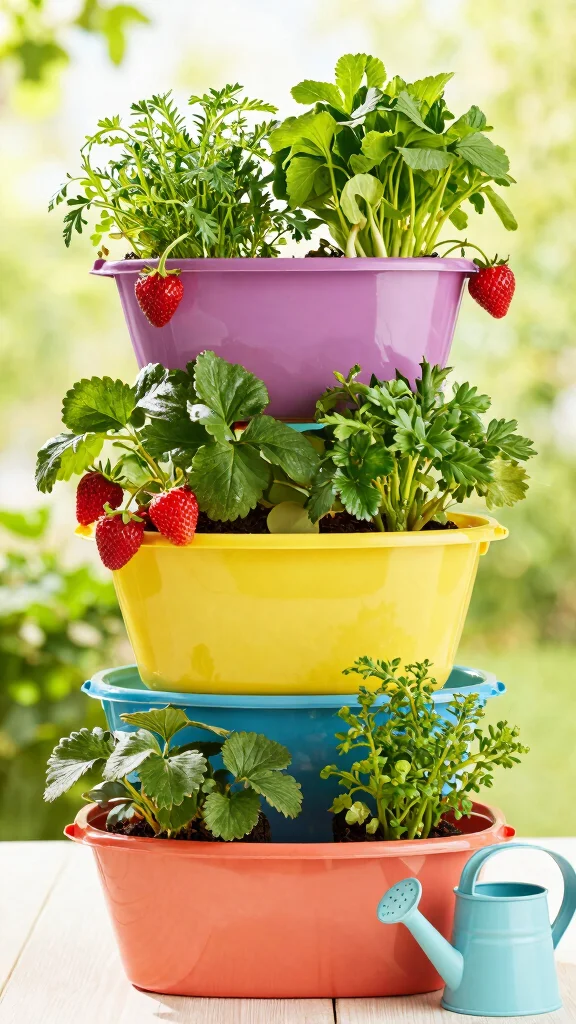
Looking for a smart way to garden in a limited space? Stackable planters are a great choice! These innovative designs allow you to grow multiple plants without taking up much floor space. With several layers to fill with soil, you can cultivate a variety of veggies and herbs.Great for strawberries, lettuce, or small root vegetables, these tiered designs ensure every plant gets ample sunlight and airflow, making the most of your balcony area.- Lightweight materials: Choose planters made of lightweight materials to avoid overwhelming your space.
– Choose dwarf or compact varieties: Opt for smaller plants suited for confined spaces.
– Drainage is key: Each tier should have drainage holes to prevent water buildup.Embrace vertical gardening and enjoy a bountiful harvest from your compact setup!
4. Balcony Rail Garden
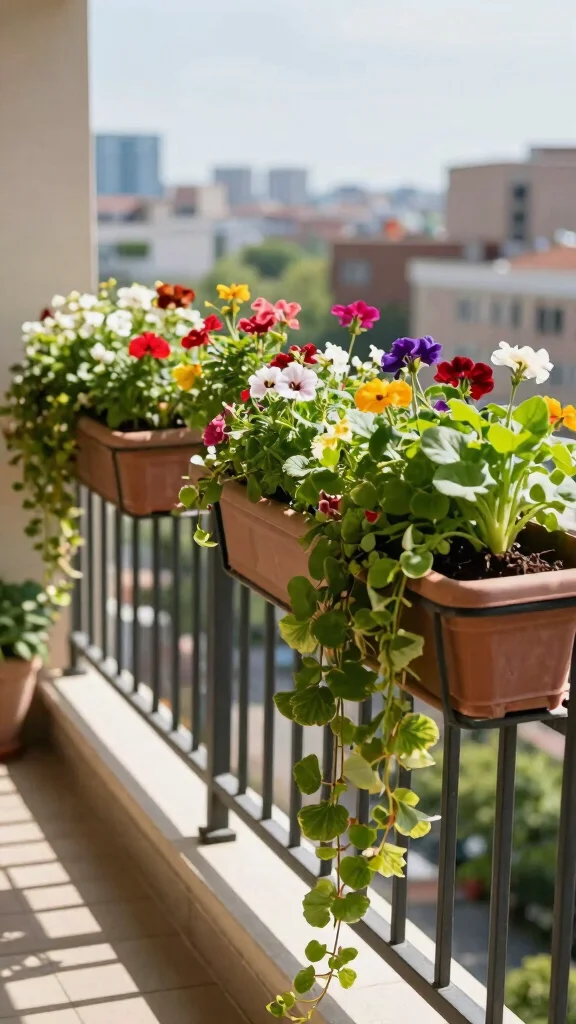
Have you considered using your balcony railing for gardening? A balcony rail garden is a fantastic way to turn overlooked space into a lush green area. By securely attaching planter boxes or pots to your railing, you can create a beautiful barrier that adds privacy and charm to your space.Imagine trailing plants spilling over the edges, providing both beauty and a variety of vegetables. This method also allows you to grow flowers alongside vegetables for a colorful display.- Securely fasten plants: Make sure all planters are safely attached to avoid accidents.
– Select a variety of colors: Mix flowers with vegetables for a vibrant visual impact.
– Sunlight considerations: Position plants according to their sunlight needs.This approach not only enhances your balcony’s aesthetics but also expands your gardening possibilities!
How To Choose the Right Containers for Your Balcony Vegetable Garden
Choosing the right containers is crucial for a successful balcony vegetable garden. Your container choices will affect the growth of your plants and your overall gardening experience. Here are some important factors to consider while selecting the best containers for your urban garden.
1. Size
The size of your containers matters significantly. Larger containers hold more soil, which helps retain moisture and nutrients. Ideally, you want pots that are at least 12 inches deep for most vegetables. For smaller plants like herbs or microgreens, you can use 6-inch pots. Always consider the mature size of the plants you want to grow!
2. Material
Containers come in various materials, including plastic, clay, wood, and metal. Plastic containers are lightweight and often more affordable, making them a great option for beginners. Clay pots are aesthetically pleasing and promote good drainage but can dry out quickly. Choose materials that suit your style and climate. For instance, consider insulating your pots in colder weather.
3. Drainage
Proper drainage is essential for healthy plants. Ensure your containers have drainage holes at the bottom to prevent water from pooling and causing root rot. If you’re using a decorative pot without drainage holes, consider adding a layer of stones at the bottom or using smaller pots inside it with holes. This allows excess water to escape.
4. Weight
Weight plays a role in your balcony garden’s success, especially if you live in a high-rise building. Lighter materials like plastic are easier to move around and won’t strain your balcony structure. However, heavier containers can be more stable during windy conditions. Balance your needs with your balcony’s weight limits.
5. Budget
Container gardening can vary greatly in cost. Set a budget before you start shopping. You can find affordable options at local stores or online. Don’t hesitate to use DIY methods, like repurposing old buckets or tubs, to save money. Just ensure they meet the size and drainage needs discussed earlier.
6. Style
Style matters too! Choose containers that complement your home and personal taste. There are many colors, shapes, and designs available. Opt for a cohesive look that makes your balcony feel inviting. Mixing styles can also create an eclectic and fun atmosphere.
Pro Tip: Consider using vertical garden systems if space is limited. These systems allow you to grow more plants while taking up less floor space. They are available in various materials and designs, so you can find one that fits your style and needs perfectly!
By carefully considering these factors, you can create a thriving balcony vegetable garden that not only produces fresh homegrown produce but also enhances your outdoor space. Happy gardening!
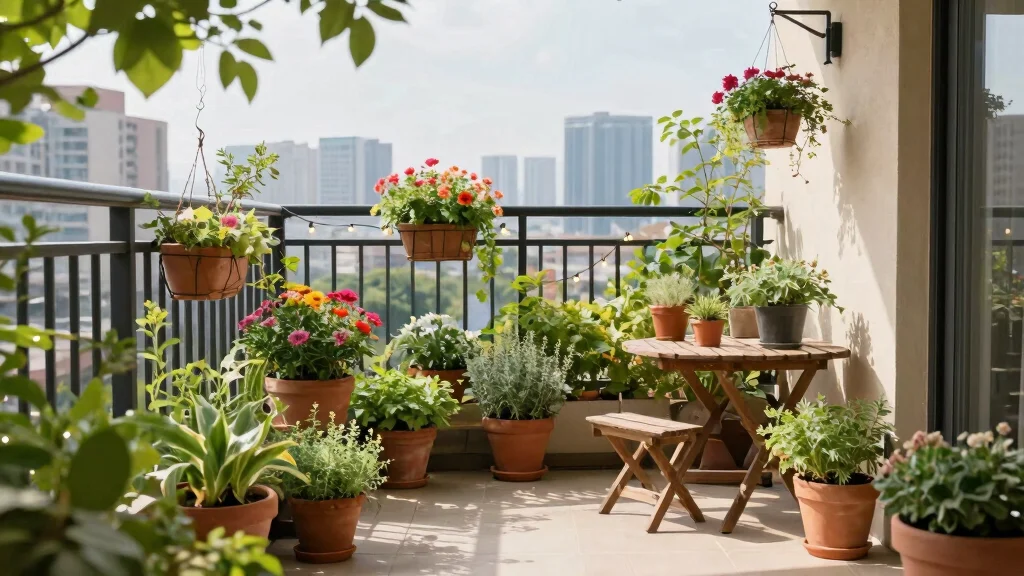
5. Container Vegetable Garden
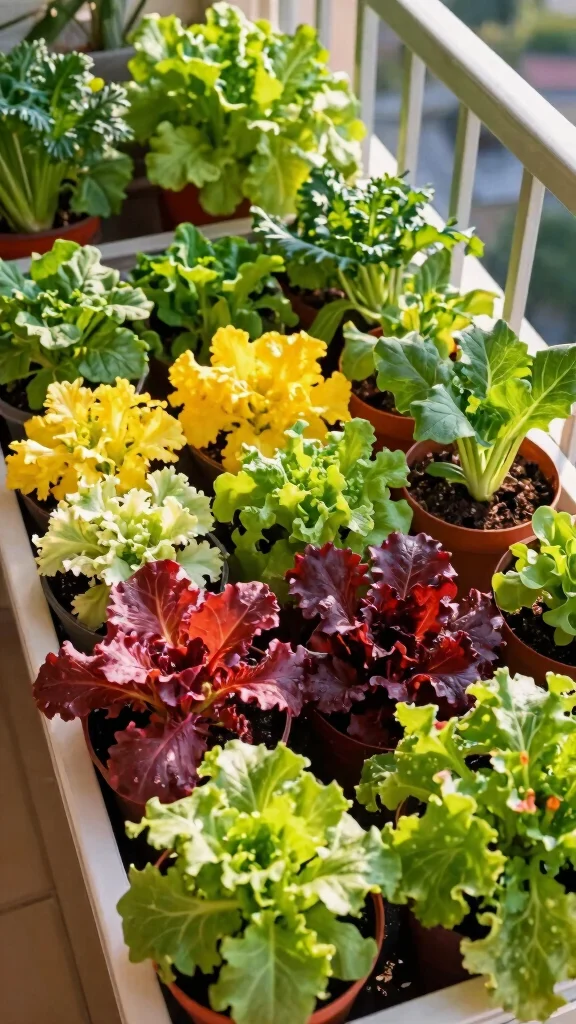
Dreaming of a vegetable garden but lack traditional space? A container vegetable garden is perfect for you! Using pots, buckets, or even decorative containers, you can grow nearly any vegetable suited for pot culture. This method gives you the flexibility to rearrange as needed.Managing soil and water becomes simpler when plants are in separate containers, making it easier to care for them individually.- Choose the right size containers: Ensure pots allow enough room for root growth; larger plants like tomatoes prefer deeper pots.
– Good quality soil: Invest in quality potting mix to promote healthy growth.
– Mixed plantings: Combine different vegetables to create a colorful and abundant display.Experience the joy of nurturing your plants from seed to harvest in your very own container garden!
A balcony vegetable garden proves you don’t need acres to harvest flavor. With the right containers and smart watering, you can grow tomatoes, herbs, and greens on your balcony.
6. Herb Spiral
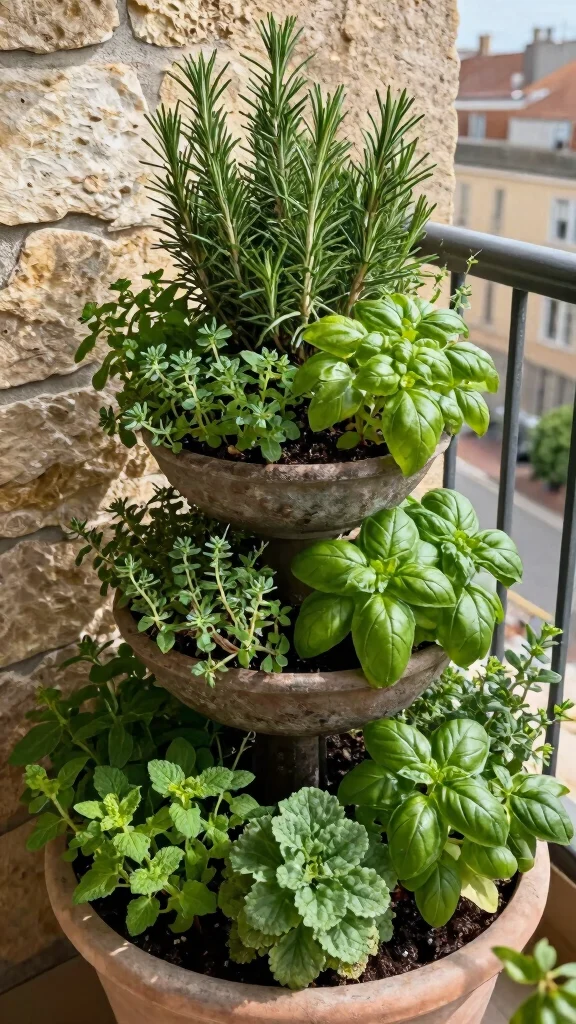
Want a unique way to grow fresh herbs? An herb spiral is both functional and visually stunning! This spiral design allows for varying heights and microclimates, catering to the different needs of each herb. The shape promotes excellent drainage while providing diverse conditions for growth.The top of the spiral stays warmer and drier, while the lower parts retain moisture, making it an ideal setup for a range of herbs.- Create a stable base: Use stones or bricks to build a sturdy spiral that holds its shape.
– Select diverse herbs: Fill each level with herbs suited to the specific conditions, such as rosemary at the top and mint at the bottom.
– Maintain an organized layout: Label each herb for easy identification.This beautiful living sculpture not only supplies fresh herbs but also serves as a stunning centerpiece!
7. Microgreens Garden
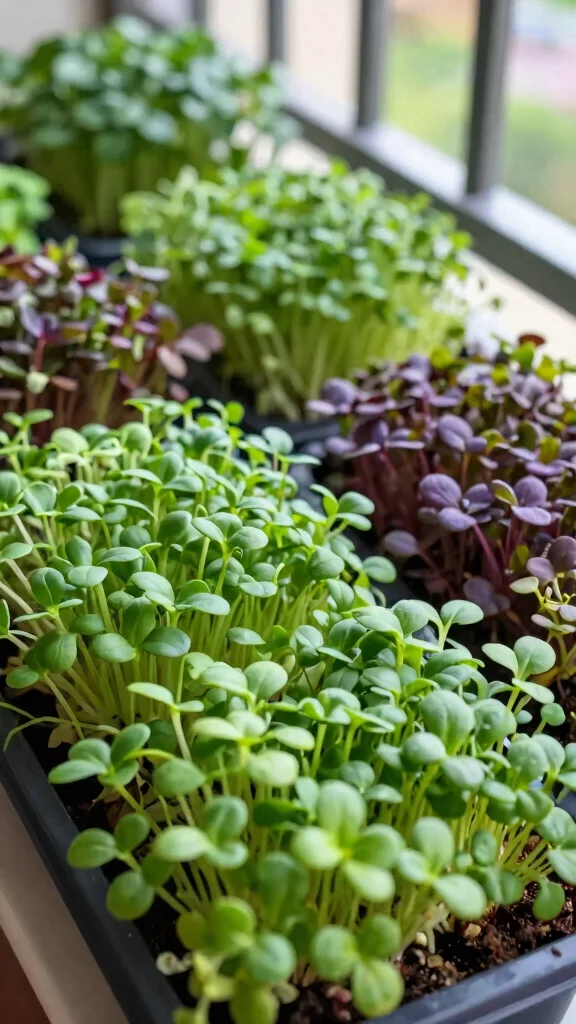
Ever thought of growing your own microgreens? Starting a microgreens garden is an exciting and speedy way to enjoy fresh greens, even in tight spaces. These young plants are packed with flavor and nutrients, making them a fantastic addition to your meals.Microgreens can be grown in shallow trays and don’t require much space or time, making them perfect for busy urban gardeners. You can enjoy a harvest in just 7-21 days, depending on the variety!- Choose your seeds: Popular options include radish, kale, and arugula.
– Use shallow trays: They fit easily into sunny spots on your balcony for easy access.
– Keep them moist: Regular watering is essential for successful growth.With minimal effort, you can elevate your meals with fresh greens from your own garden!
8. Compact Fruit Trees
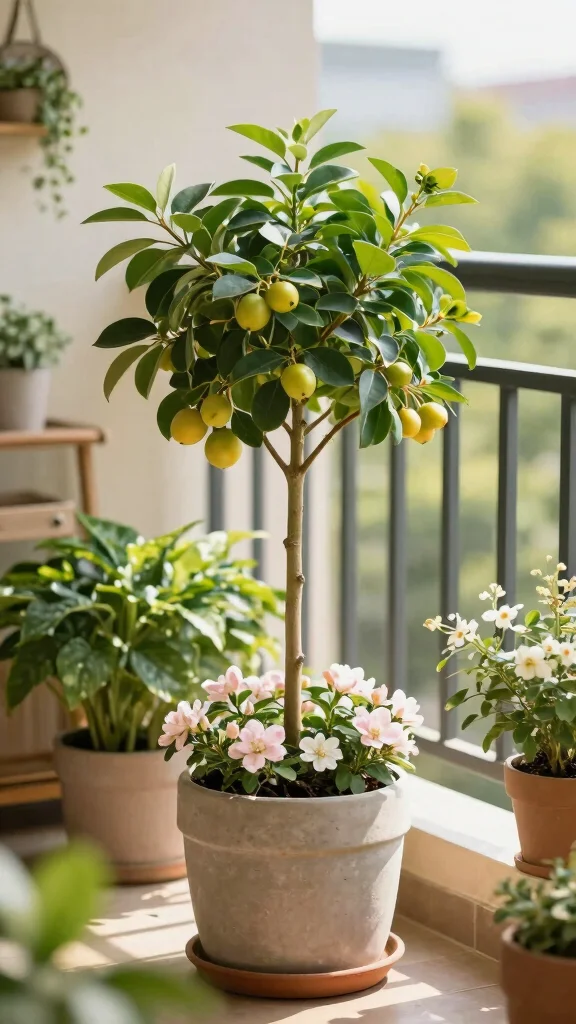
Interested in growing your own fruit? Compact fruit trees are a delightful addition to your balcony garden! Dwarf varieties like apple or lemon trees provide the joy of harvesting fruit while occupying minimal space. These trees not only yield delicious fruit but also add beauty with their lovely blossoms.With the right care, you can enjoy fresh fruit right from your balcony!- Select dwarf varieties: Pick trees bred to stay smaller and thrive in containers.
– Proper sunlight exposure: Most fruit trees need at least 6-8 hours of sunlight daily.
– Regular pruning: Keep your trees healthy and manageable with seasonal trimming.Indulge in the satisfaction of picking fresh fruit right where you live!
9. Vertical Wall Garden
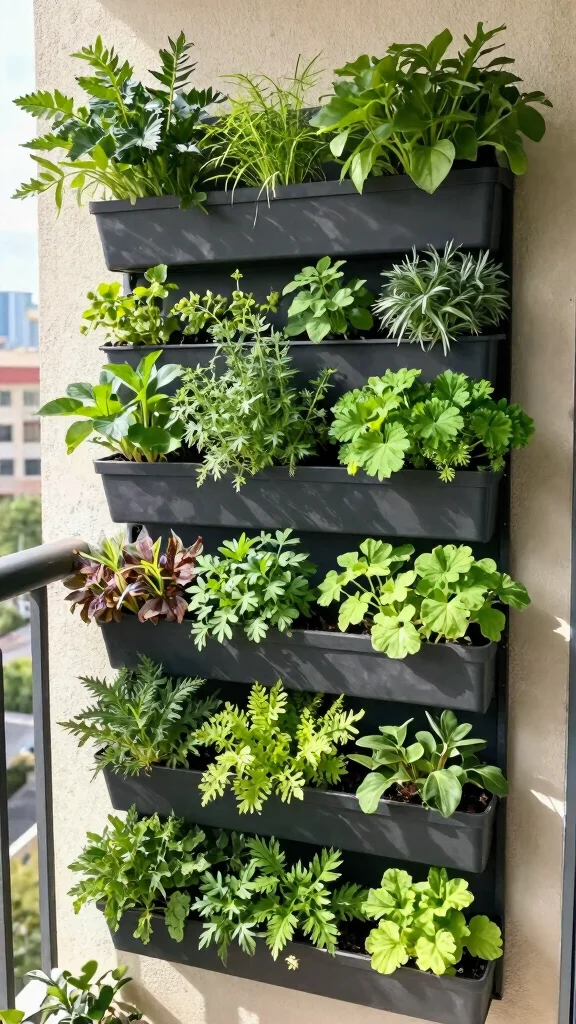
Looking for a creative way to maximize your gardening space? A vertical wall garden is a brilliant solution! This setup allows you to grow a variety of vegetables and herbs in a wall-mounted format, adding both beauty and productivity to your balcony.Using materials like felt pockets or wooden pallets, you can create a stunning green feature that serves as living art.- Select suitable plants: Choose small vegetables and herbs like lettuce or radishes that thrive in vertical arrangements.
– Ensure proper irrigation: Consider a self-watering system to simplify watering.
– Use quality materials: Make sure the wall can support the weight of soil and plants.Create an edible art piece that beautifies your space while providing fresh produce!
Fun fact: A compact balcony vegetable garden using a vertical wall garden can yield a surprising amount of greens—6-8 lettuce heads or 12-16 radishes per season in just a 2×4 ft setup. Small spaces turn into a thriving harvest.
10. Portable Garden
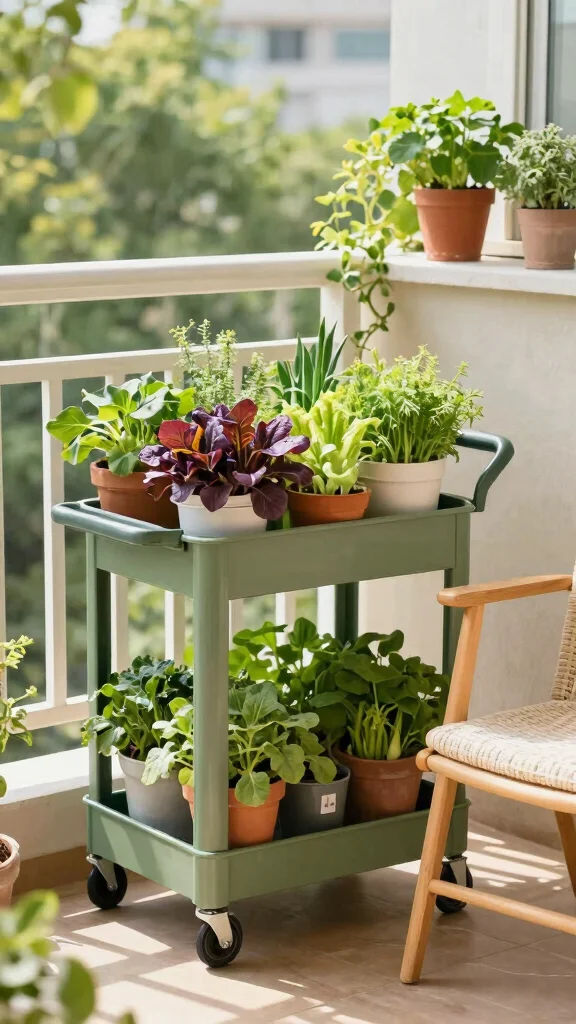
Want flexibility in your gardening setup? Portable gardens are perfect for city dwellers! Using wheeled carts or movable planters, you can easily reposition your garden to catch sunlight or adapt to seasonal changes.These gardens allow for a fun mix of plant combinations and can even be brought inside during colder months, giving you endless options!- Invest in sturdy carts: Ensure your portable units can handle both indoor and outdoor conditions.
– Choose versatile plants: Opt for plants that thrive indoors and outdoors, like herbs and certain veggies.
– Regularly rotate: Change pot positions for even sunlight exposure.Enjoy the creativity of rearranging your garden while savoring fresh produce!
Did you know portable balcony garden setups can double your sun exposure by rotating planters every few hours? With wheeled carts, you can reposition herbs and vegetables for perfect sun all season—and even roll indoors during chilly nights.
11. Edible Flowers
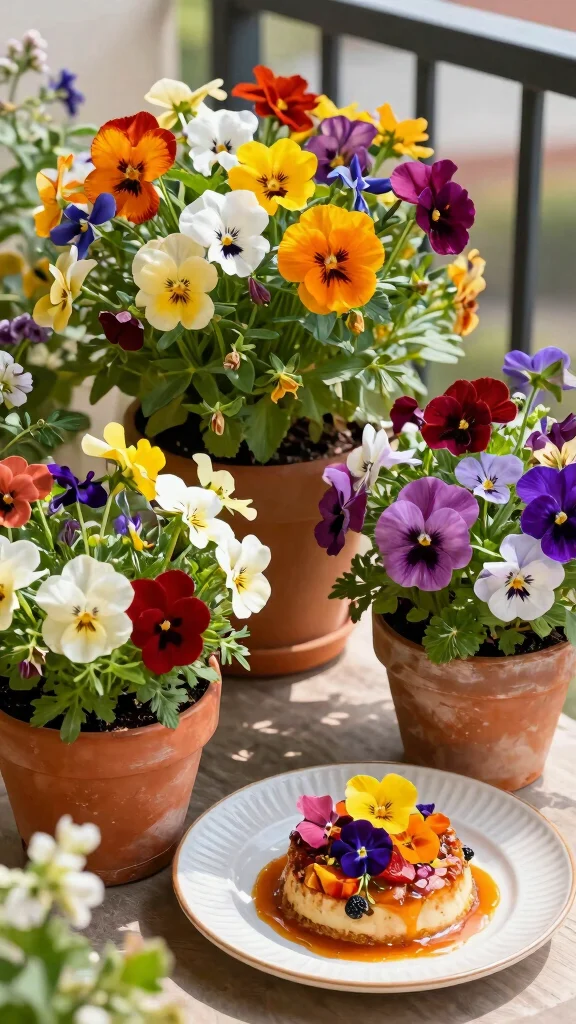
Looking to add beauty and flavor to your meals? Edible flowers can be a fantastic addition to your balcony! Bright pansies, nasturtiums, and marigolds not only enhance the visual appeal of your dishes but also add unique flavors to salads and desserts.These flowers thrive in containers and can share space with your vegetables, creating a stunning garden display.- Choose safe varieties: Ensure the flowers you plant are edible before using them in meals.
– Plant alongside vegetables: They attract beneficial insects while deterring pests—a win for your garden!
– Harvest properly: Pick flowers early in the day for the best flavor.Elevate your culinary creations while enjoying the colorful beauty of your balcony garden!
12. Succulent Garden
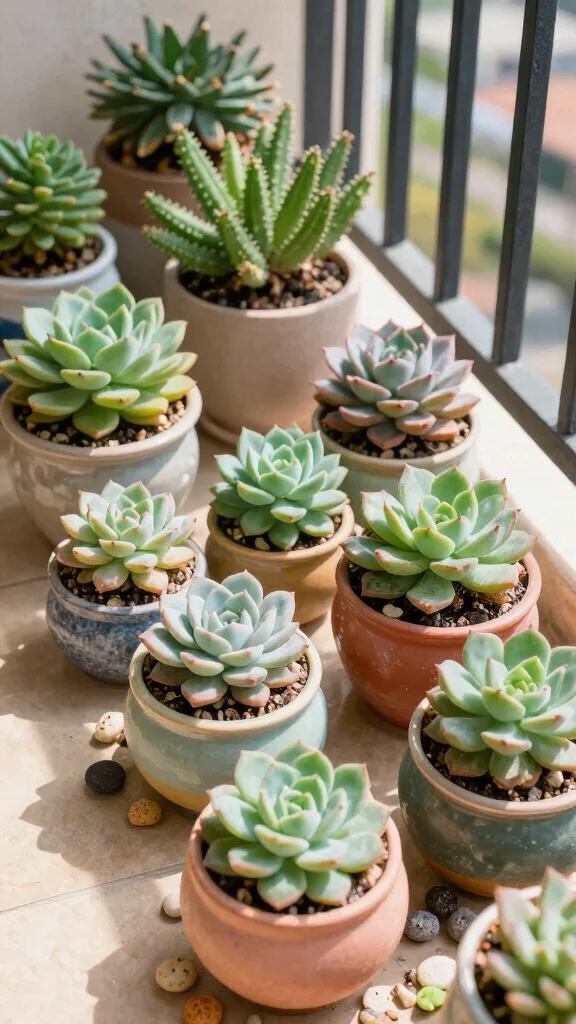
Thinking of a low-maintenance garden? A succulent garden is perfect for balconies that bask in direct sunlight! These hardy plants come in various shapes and colors, making them a striking choice for container gardening.Succulents require minimal water and care, making them ideal for anyone who may not have a green thumb. Plus, you can plant them in creative arrangements to showcase your personality.- Choose diverse varieties: Mix different succulents to create interesting textures and colors.
– Use well-draining soil: Ensure your containers have good drainage to prevent root rot.
– Apply decorative elements: Consider adding colored stones or decorative rocks to enhance your planters.Enjoy a beautiful, low-maintenance garden that thrives year-round!
13. Soil Health Tips
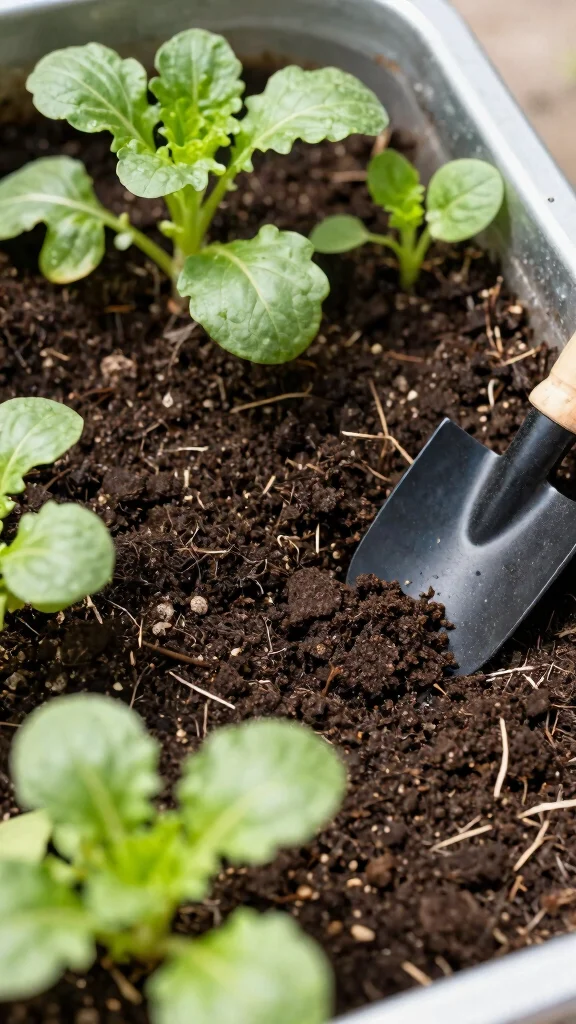
Do you want your balcony garden to thrive? Maintaining soil health is crucial! Good soil provides essential nutrients and supports strong plant growth, especially in containers. Regularly monitoring and amending your soil ensures your plants flourish over time.Healthy soil not only boosts growth but also increases your overall yield, making it vital for successful gardening.- Add organic matter: Mix in compost or worm castings to enrich the soil.
– Check pH levels: Ensure your soil pH aligns with the needs of your plants.
– Rotate crops: Prevent soil depletion by rotating your plantings each season.Healthy soil leads to thriving plants—your balcony garden will thank you!
14. Pest Management
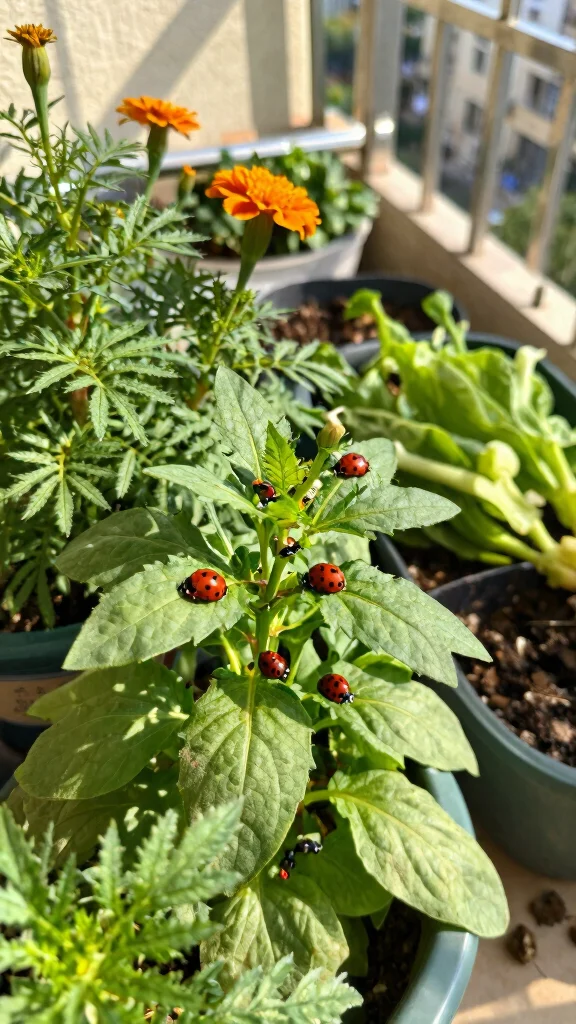
Struggling with pests in your balcony garden? Managing pests can be challenging, but with the right strategies, you can keep them away! Urban gardening often attracts unwanted visitors, so proactive measures are essential for a healthy garden.Explore organic methods and companion planting to naturally deter pests without harsh chemicals, ensuring a bountiful harvest.- Encourage beneficial insects: Ladybugs and lacewings can help keep pest populations in check.
– Companion planting: Marigolds can deter aphids and other pests when planted near vegetables.
– Regular monitoring: Keep an eye on your plants for any signs of trouble and address issues early.With these tips, you can enjoy a flourishing, healthy garden!
15. Seasonal Planting Guide
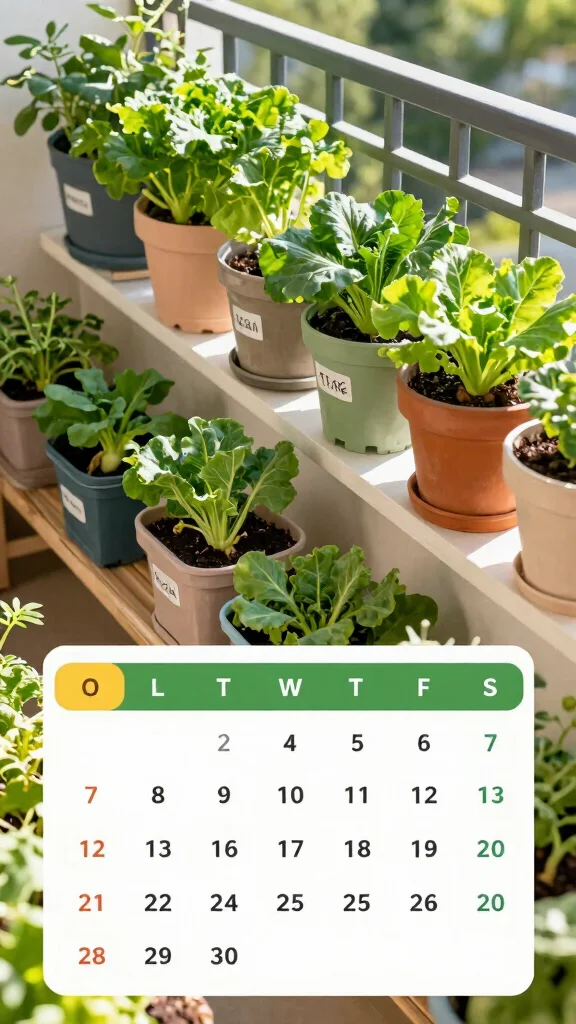
Do you want to maximize your garden’s potential? Knowing when to plant is key for a successful balcony vegetable garden. A seasonal planting guide helps you ensure fresh produce year-round by aligning your plant choices with the right seasons.Different vegetables thrive at different times, so plan your garden accordingly. Familiarize yourself with your local climate and each plant’s specific needs.- Cool-season crops: Plant spinach, lettuce, and radishes in early spring or fall.
– Warm-season crops: Tomatoes, peppers, and squash thrive in the warmer months.
– Rotate seasonal crops: This keeps your soil nutrient-rich and helps prevent pests.Stay organized with a planting calendar, and watch your garden flourish!
16. Watering Techniques
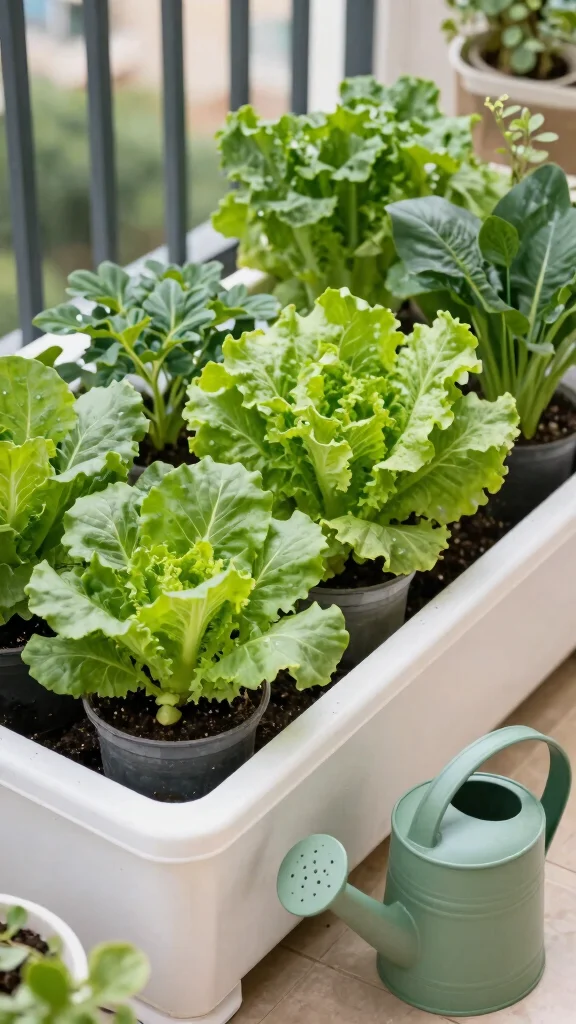
Are your plants struggling with hydration? Efficient watering techniques are crucial for any balcony vegetable garden. Proper hydration ensures your plants get the moisture they need without the risk of overwatering, which can lead to root rot.Using innovative watering methods can save you time and effort while keeping your plants healthy and vibrant.- Self-watering containers: These maintain consistent moisture levels, perfect for busy gardeners.
– Drip irrigation systems: Ideal for larger balcony gardens, providing targeted watering.
– Water early or late in the day: This reduces evaporation and helps ensure your plants receive enough moisture.Effective watering practices lead to a lively and productive garden!
17. DIY Garden Decor
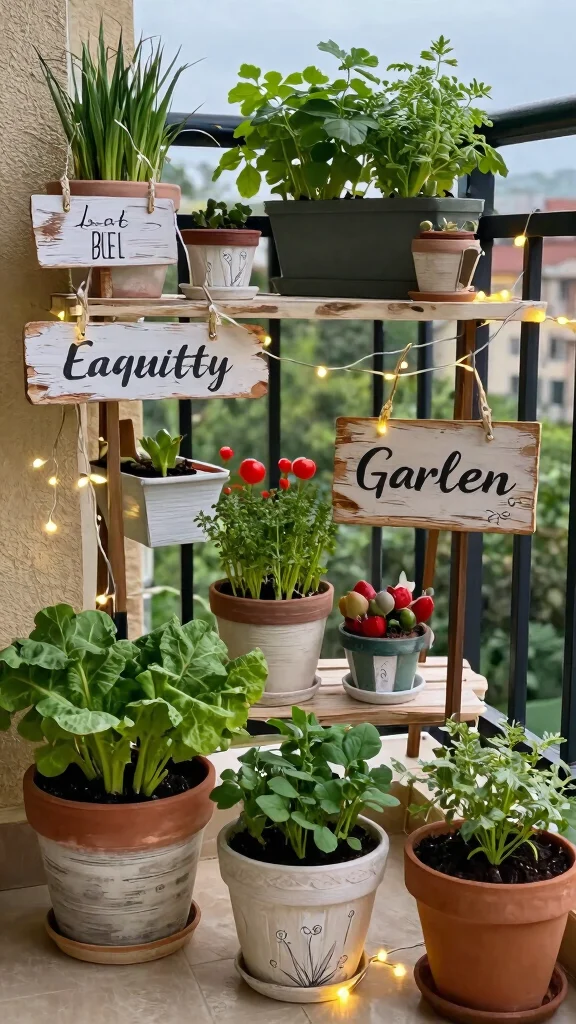
Want to add a personal touch to your garden? DIY garden decor can enhance your balcony’s charm! Creative decorations not only express your style but also create a joyful atmosphere for your gardening space.From painted pots to handmade signs, there are endless projects to consider. Decorative elements can also help organize your garden and provide context for your plantings.- Repurpose items: Use old wooden boxes or crates as rustic planters.
– Craft labels: Create fun labels for your herbs and vegetables with stones or wood slices.
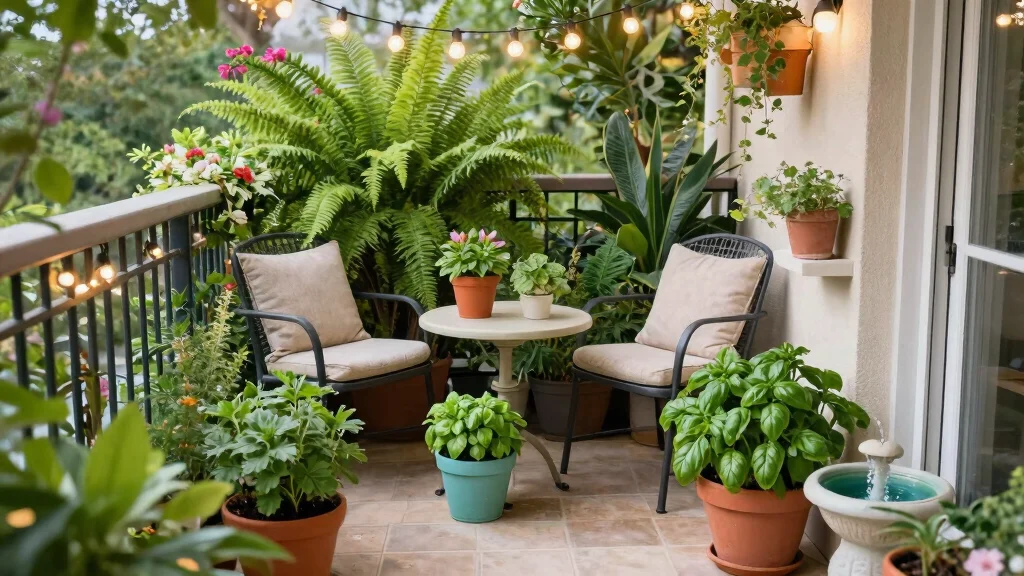
– Add fairy lights: Illuminate your garden with twinkling lights for a magical vibe.Let your creativity shine as you develop a unique and inviting garden space!
18. Balcony Gardening Community
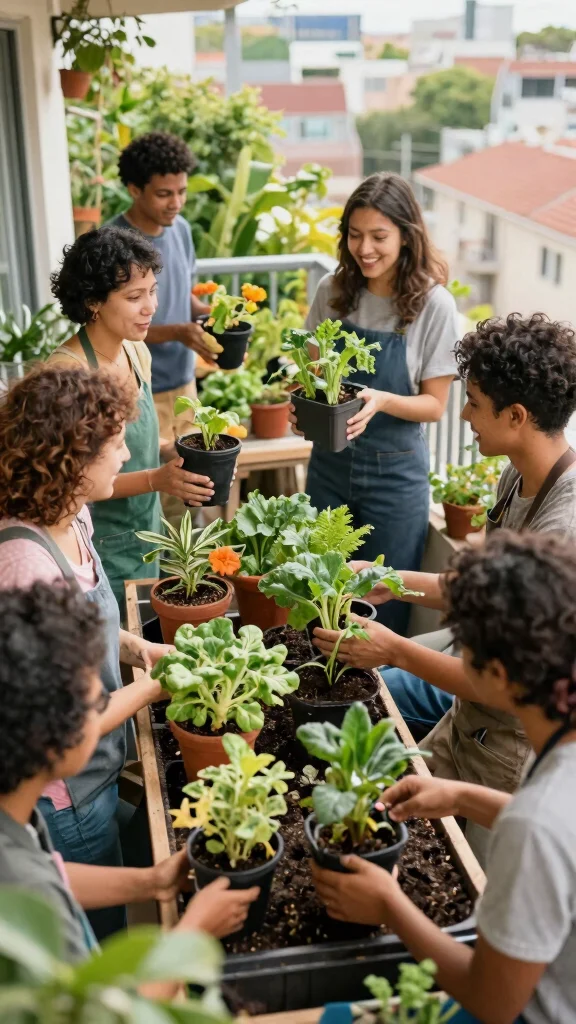
Looking for support in your gardening journey? Joining a balcony gardening community can provide inspiration and valuable advice! Connecting with fellow urban gardeners allows you to share experiences, tips, and even plant exchanges.You can find communities online through social media groups or local gardening clubs, fostering camaraderie among those who share similar passions. This support is vital for overcoming challenges and celebrating successes together.- Share your successes: Post updates on your latest harvests and gardening achievements.
– Ask for advice: Don’t hesitate to seek tips from experienced gardeners.
– Participate in swaps: Trading seeds or plants introduces new varieties to your garden.Building connections through gardening not only enhances your skills but also enriches your gardening experience!
Conclusion
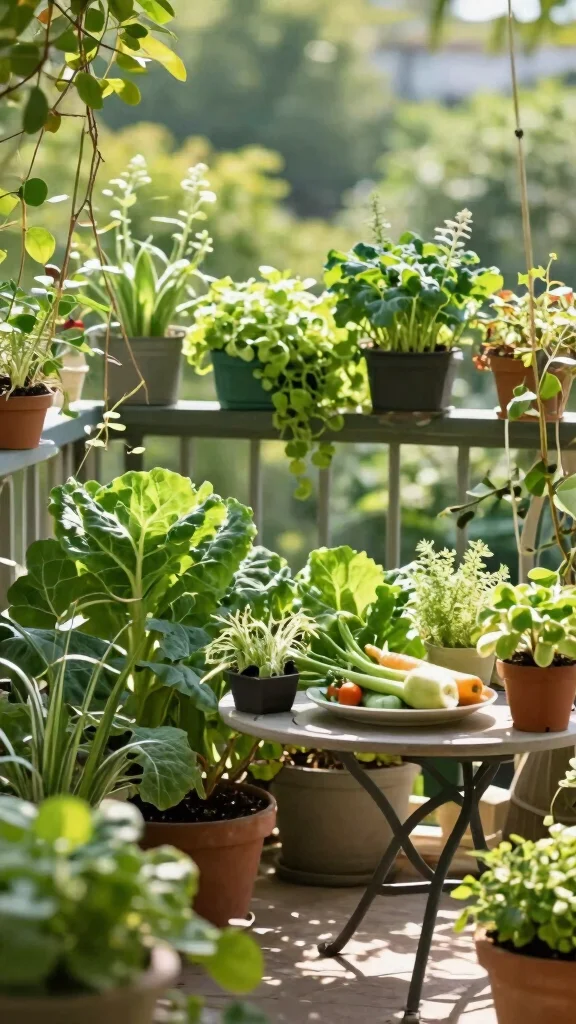
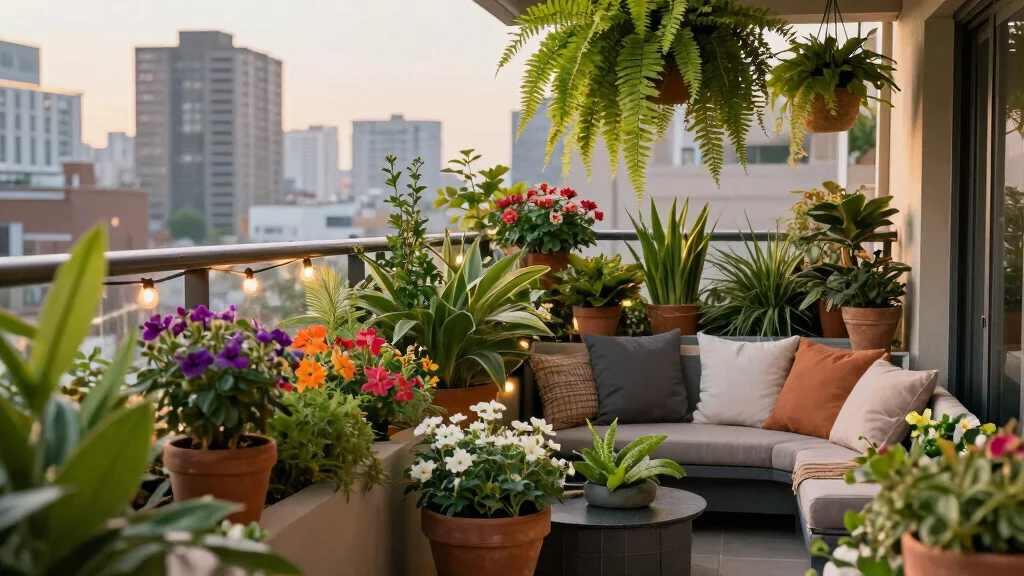
Cultivating a balcony vegetable garden brings the joy of growing your own food right to your doorstep. With these 18 ideas, you can transform a small space into a flourishing oasis filled with fresh produce. Embrace the creativity and practicality of urban gardening to not only beautify your home but also savor the flavors of homegrown goodness.
As you embark on your gardening journey, remember that each plant tells a story, and every harvest is a reward for your hard work. Let’s get gardening and enjoy the fruits of our labor together!
Frequently Asked Questions
What’s the simplest way to start a balcony vegetable garden in a small space?
Keep it simple: start with 1–2 containers on the sunniest part of your balcony and grow easy edible plants.
Choose compact or dwarf varieties for a balcony vegetable garden, and use lightweight, high-quality potting soil designed for container gardening.
Make sure each pot has drainage holes and a saucer to catch excess water. For space, add a vertical planter or railing pots—perfect for urban gardening and small space gardening.
Water consistently (top inch dries) and mulch to retain moisture. With these basics, you’ll have fresh produce without crowding your balcony.
Which edible plants are best for a balcony vegetable garden and why?
Some of the best options are edible plants that do well in containers: herbs (basil, parsley, thyme), leafy greens (lettuce, arugula, spinach), compact tomatoes and peppers, radishes, and strawberries.
Use dwarf or determinate varieties so they fit in containers. Position pots where they’ll receive at least 6–8 hours of sun and ensure good drainage.
For balcony gardening tips, group herbs together for easy harvesting and use vertical supports to free up floor space. In a small space, succession plant to keep fresh picks coming all season.
How do I choose containers, soil, and watering for balcony container gardening?
For a balcony vegetable garden, pick containers with drainage: 5–15 gal pots for tomatoes, 1–3 gal for herbs and greens.
Use a high-quality potting mix formulated for container gardening. Avoid garden soil. Add a drainage layer and mulch on top.
Watering: containers dry out quickly on balconies due to sun and wind; water deeply when the top 1–2 inches are dry. Consider self-watering planters or a simple drip irrigation kit to keep plants hydrated. Feed every 2–4 weeks with a balanced liquid fertilizer and rotate crops to keep soil healthy. This aligns with balcony gardening tips for urban gardening and small space gardening.
What are the best vertical and stacking ideas to maximize yield in a balcony garden?
Maximize yield by going vertical: install a trellis, railing planters, or a multi-tier balcony shelf. Choose compact or climbing varieties that fit your space (beans, cucumbers, tomatoes, peas). Use planters with strong brackets, and anchor them to railings or walls to avoid tipping. Use water-wise irrigation and mulch. For soil health, refresh with compost between seasons. This approach aligns with balcony gardening tips and small space gardening.
How can I protect my balcony vegetable garden from pests and weather while keeping it low maintenance?
Keep it simple and safe: start with cleanliness and monitor your plants weekly.
To deter common balcony pests, blast aphids or whiteflies with a strong spray of water, then apply a mild insecticidal soap if needed. Use netting or a lightweight row cover to protect from birds and larger insects. For weather, move delicate plants indoors during frost or heat waves and use shade cloth on hot afternoons. Always choose disease-resistant cultivars and good air circulation. When in doubt, opt for organic solutions in urban gardening and balcony gardening tips.
Related Topics