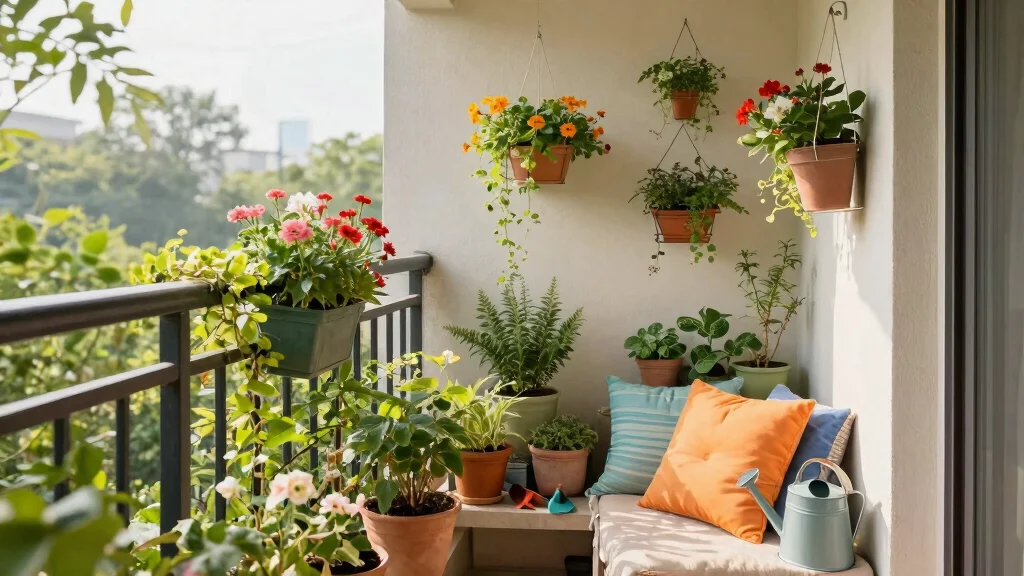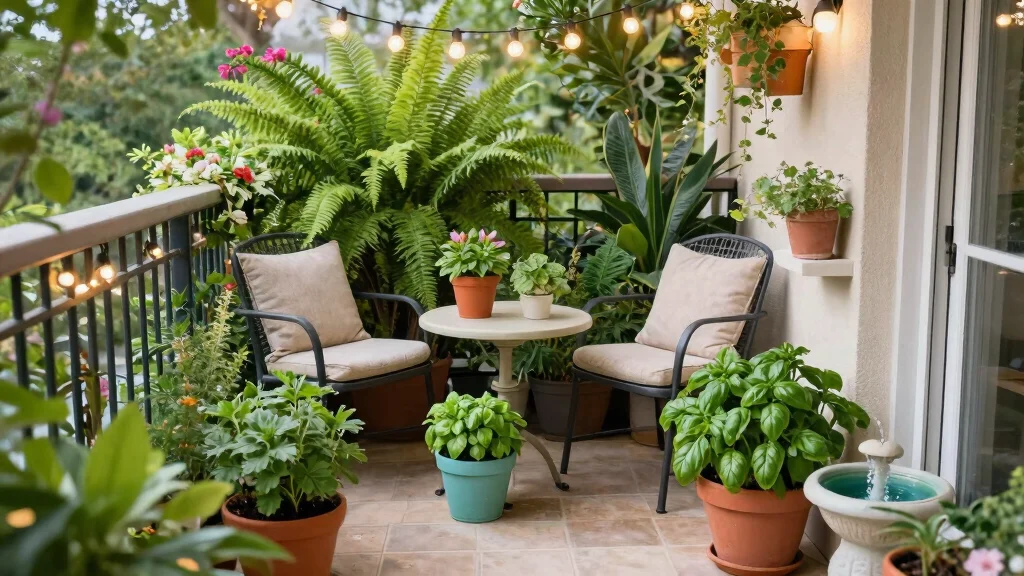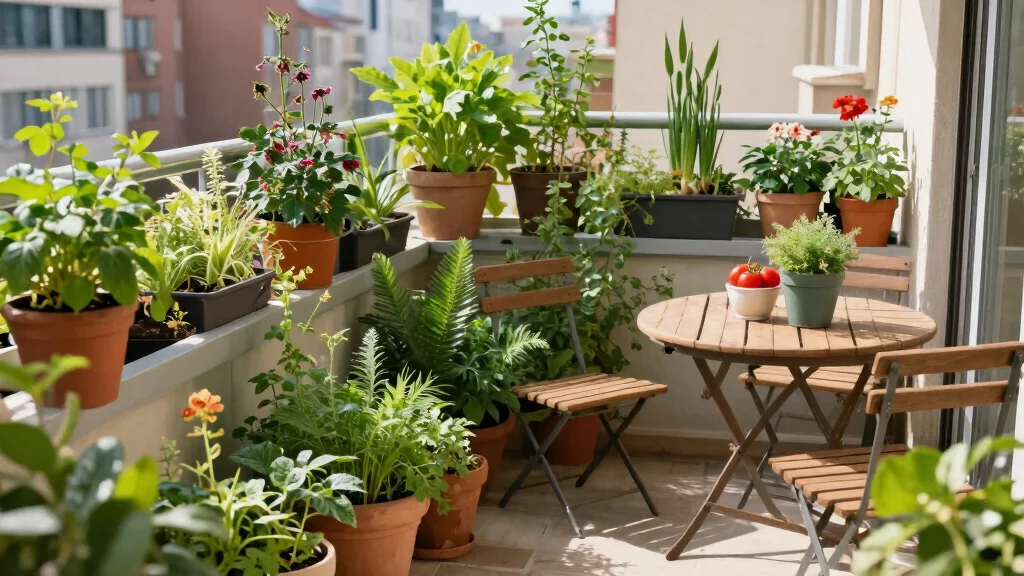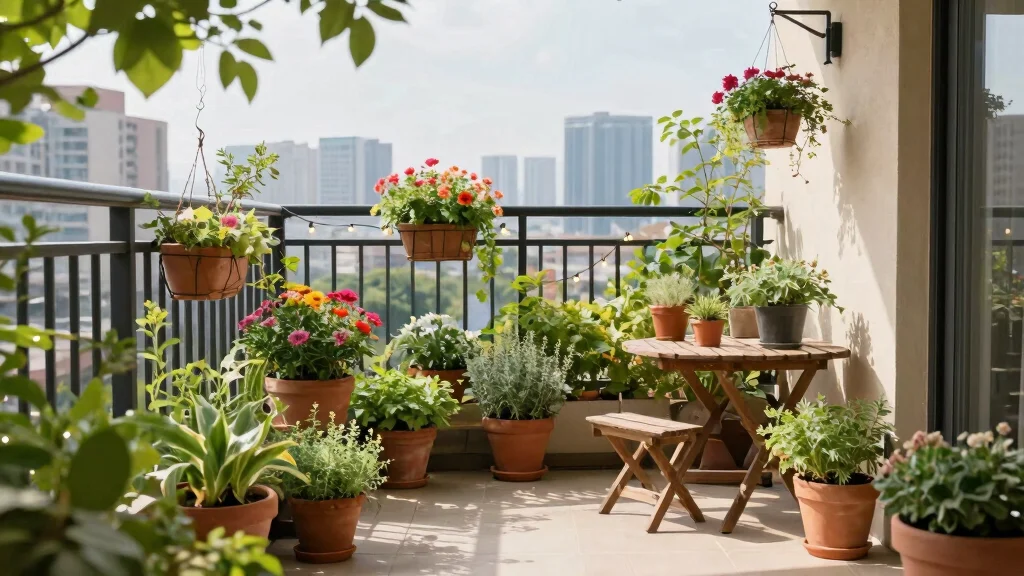

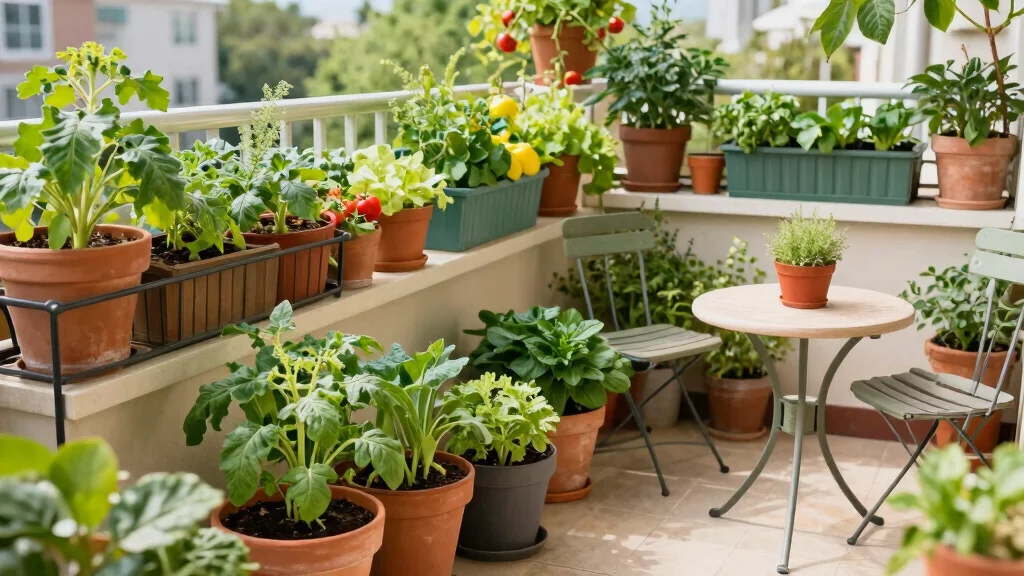
Creating a vegetable garden on your balcony can transform your small space into a green oasis. If you’re craving fresh herbs and veggies but feel limited by your apartment’s size, you’re not alone. Many urban dwellers share the same struggle, but the good news is that you don’t need a sprawling backyard to start your gardening journey. Whether you’re a gardening enthusiast or a beginner looking for sustainable ways to grow your own food, this blog post is crafted just for you.
In this guide, you’ll discover 17 creative balcony vegetable garden ideas that are perfect for small apartments. Each idea is designed to maximize your limited space while making your gardening experience enjoyable and productive. You’ll learn how to utilize vertical space, experiment with container gardening, and even create a mini ecosystem with aquaponics. By the end of this post, you will feel equipped to cultivate your own edible paradise, right outside your door.
No matter if you have a sunny balcony or a partially shaded corner, these ideas will help you create a thriving vegetable garden that fits your lifestyle. From wall-mounted planters to portable garden carts, each suggestion is curated to inspire you and bring your gardening dreams to life. Let’s dig in and explore the many ways you can turn your balcony into a lush, productive garden space!
Key Takeaways
– Maximize Vertical Space: Utilize vertical herb gardens and wall-mounted planters to efficiently use your balcony area and grow more plants without taking up valuable floor space.
– Creative Container Options: Explore various container gardening ideas, such as portable garden carts and topsy-turvy planters, that allow for flexibility and easy access to your plants.
– Incorporate DIY Projects: Consider building your own DIY pallet garden or compact raised beds, which can be fun projects that enhance your balcony’s aesthetics and productivity.
– Sustainable Practices: Learn about companion planting and seasonal rotations to maintain a healthy garden while promoting sustainability in your urban environment.
– Start Small: If you’re new to vegetable gardening, these beginner-friendly tips will guide you through the basics, making it easy to grow your favorite herbs and vegetables right at home.
1. Vertical Herb Garden
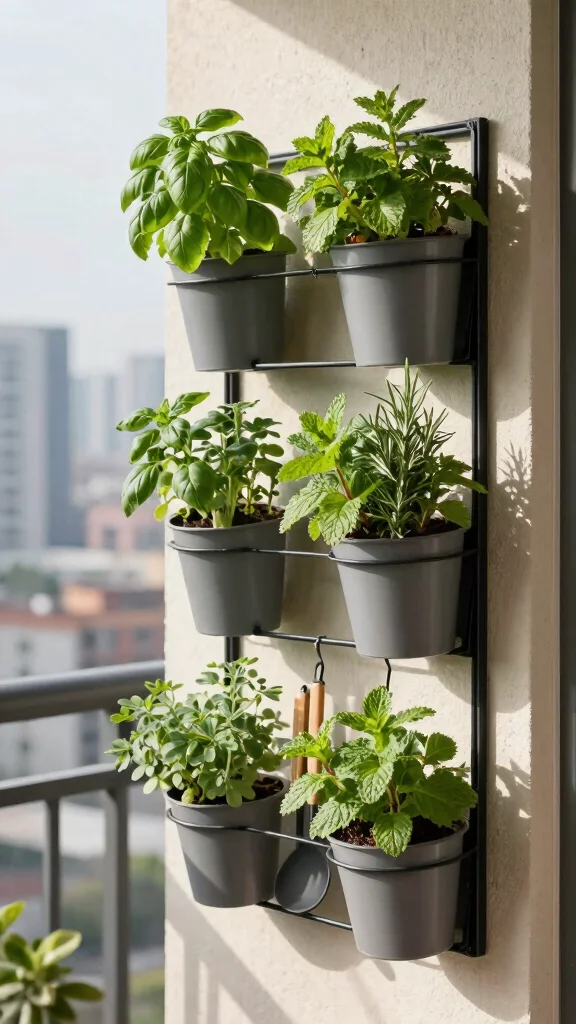
Are you looking to spice up your cooking while saving space? A vertical herb garden is the perfect solution for small balconies. Not only does it provide fresh herbs like basil and mint at your fingertips, but it also serves as a beautiful green backdrop to your outdoor space.
You’ll enjoy the benefits of easy access to flavorful ingredients that elevate your meals. Plus, it’s a low-maintenance project that brings a burst of life to your surroundings.
Ingredients:
– Wall-mounted planters or hanging pots
– Lightweight soil
– Seeds or seedlings of herbs of your choice (basil, parsley, mint)
– Watering can or spray bottle
Instructions:
1. Choose a sunny spot on your wall for the planters.
2. Fill each planter with lightweight soil.
3. Plant your herbs according to the instructions on the seed packets.
4. Water them lightly, ensuring good drainage.
5. Harvest regularly to promote new growth and enjoy fresh herbs in your dishes.
FAQs:
– Can I use any type of pot? Yes, just ensure they have drainage holes.
– Can I grow herbs indoors? Yes, as long as they have access to sunlight.
2. Container Salad Garden
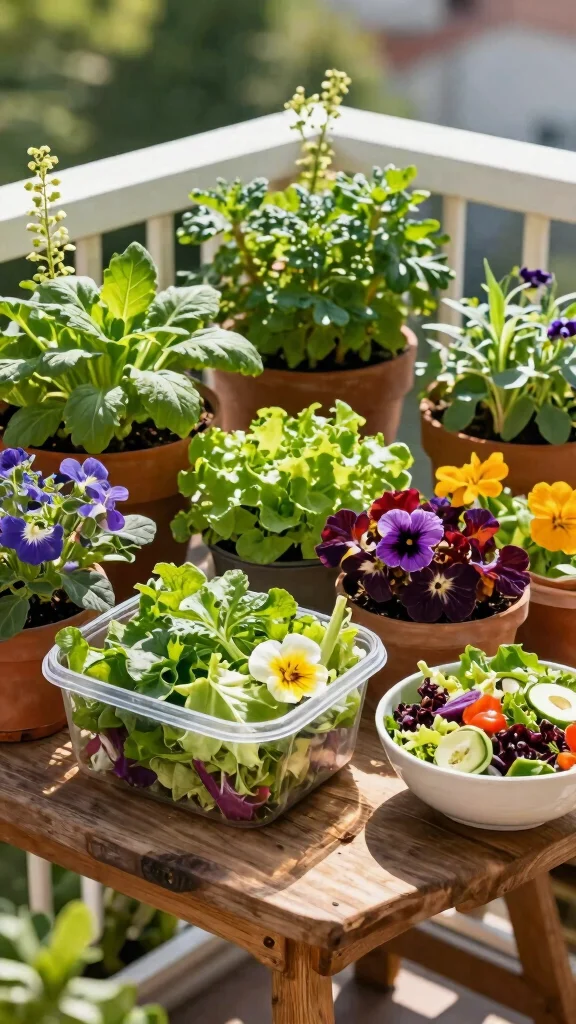
Craving fresh, crisp salads right from your balcony? A container salad garden is a fun and easy way to grow your favorite greens. With a variety of lettuces, spinach, and even some colorful edible flowers, you can create a mini salad bar that’s both beautiful and delicious.
This setup not only enhances your meals with fresh flavors but also adds a splash of color to your outdoor space.
Ingredients:
– Large pots or troughs
– Soil mix for containers
– Seeds or seedlings of romaine, arugula, baby spinach, cherry tomatoes, and nasturtiums
Instructions:
1. Fill your containers with soil mix, leaving some space at the top.
2. Plant the seeds or seedlings according to their spacing requirements.
3. Water regularly to keep the soil moist, especially in sunny weather.
4. Harvest outer leaves as they grow to encourage new growth throughout the summer.
FAQs:
– Can I grow salad greens in small pots? Yes, shallow pots work best for quick-growing greens.
– Can I plant flowers alongside vegetables? Absolutely! Edible flowers can enhance both flavor and appearance.
How To Choose the Right Container for Your Balcony Vegetable Garden
Choosing the right container for your balcony vegetable garden is crucial for your success. With limited space, you’ll want to make sure each container serves its purpose well. Here are important factors to consider when selecting the best containers for your small space gardening needs.
1. Size Matters
Choose containers that fit well on your balcony and have enough space for roots to grow. Small plants like herbs can thrive in 6-8 inch pots, while larger vegetables like tomatoes need at least a 12-14 inch container. Make sure to leave enough room between containers to allow for airflow and easy access.
2. Material Type
The material of your containers affects plant health and maintenance. Plastic pots are lightweight and retain moisture but can heat up quickly in the sun. Clay pots are rustic and allow for air circulation but can dry out faster. Consider your climate and the type of vegetables you are growing when selecting materials.
3. Drainage Features
Ensure your containers have proper drainage holes at the bottom. Good drainage prevents root rot and allows excess water to escape. If you find a container without drainage holes, you can use a drill to add them, or simply place smaller pots inside larger decorative containers.
4. Weight and Portability
Think about how easy it will be to move your containers. Lightweight materials like plastic or resin are ideal if you plan to rearrange your garden often. Consider using portable garden carts for larger plants so you can easily change their position based on sunlight exposure or seasonal changes.
5. Budget-Friendly Options
Gardening doesn’t have to break the bank. Look for containers at local garden centers, thrift shops, or even repurpose household items like old buckets, crates, or even hanging shoes organizers. Each of these can create a unique and personalized look while being budget-friendly.
6. Aesthetic Appeal
Your balcony garden should be a place you love to spend time. Choose containers that match your style and enhance your outdoor space. Colorful pots can add vibrancy, while neutral tones can create a calm, cohesive look. Mix and match sizes and shapes to create visual interest.
Pro Tip: Before purchasing, visualize how many containers you can comfortably fit on your balcony. Measure your space and sketch a layout to ensure your plants will have enough room to grow without overcrowding. This step can save you time and money in the long run!
Choosing the right container is just the first step to creating a successful balcony vegetable garden. Consider these factors carefully to ensure your small space thrives with lush greenery and tasty vegetables!
3. Staircase Garden
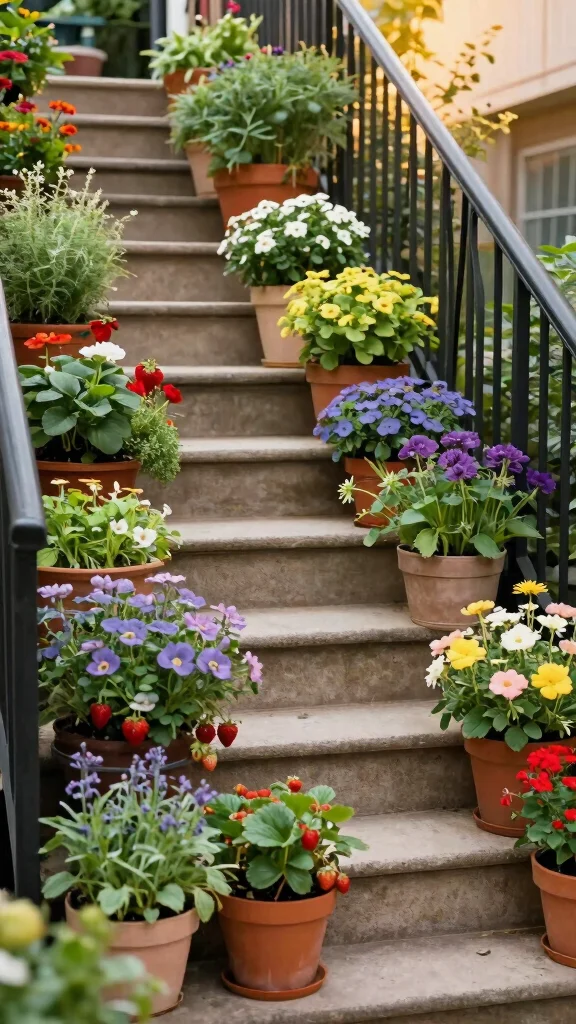
Got a staircase on your balcony? Why not turn it into a stunning staircase garden? This creative setup allows you to showcase trailing plants and compact vegetables, making the most of vertical space while adding visual interest.
It’s a unique way to display your plants and utilize every nook of your balcony.
Ingredients:
– Cascading pots
– Lightweight soil
– Plants such as strawberries, trailing cherry tomatoes, or herbs
Instructions:
1. Select lightweight pots that won’t weigh down your steps.
2. Fill each pot with soil and plant your selections.
3. Arrange pots of varying heights along the staircase for a layered look.
4. Water regularly to keep plants healthy and thriving.
FAQs:
– Can I use regular pots? Yes, just ensure they are light and stable.
– Can I grow vegetables on stairs? Yes, compact vegetables work well in this setup.
Anyone with a balcony knows space is precious. Turn that staircase into a staircase garden with cascading pots—it’s a practical way to embrace balcony vegetable garden ideas and harvest herbs and strawberries.
4. Balcony Vegetable Ladder
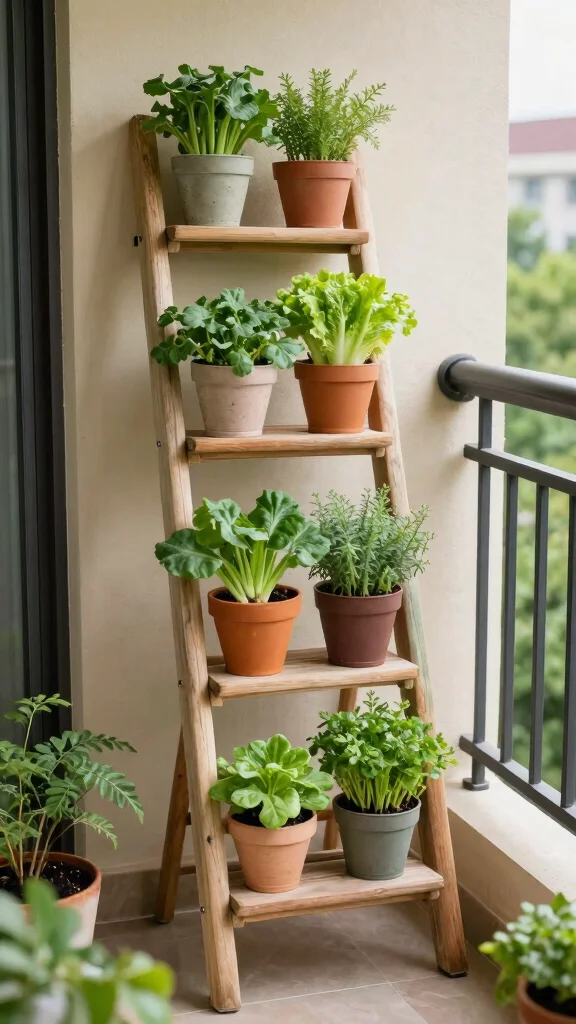
Looking for a stylish way to organize your balcony garden? A vegetable ladder is not only functional but adds a rustic charm to your space. Transform an old ladder into a tiered planting area where you can grow a variety of vegetables and herbs.
This DIY project makes it easy to care for your plants while making a statement.
Ingredients:
– An old wooden ladder
– Small pots
– Potting soil
– Seeds or seedlings
Instructions:
1. Sand down the ladder to prevent splinters.
2. Personalize it with paint or stain.
3. Secure pots to each rung with adhesive or hooks.
4. Fill the pots with soil and plant your selections.
5. Position the ladder in a sunny spot and enjoy the cascading greenery.
FAQs:
– Is this safe for my balcony? Yes, as long as the ladder is stable.
– Can I grow any plants? Choose lightweight plants that thrive in pots.
❝Did you know a DIY balcony ladder can add 4 extra planting levels in minutes? With a wooden ladder, a few pots, and fresh soil, your balcony vegetable garden ideas explode into a lush, harvest-ready corner.❞
5. Wall-Mounted Planters
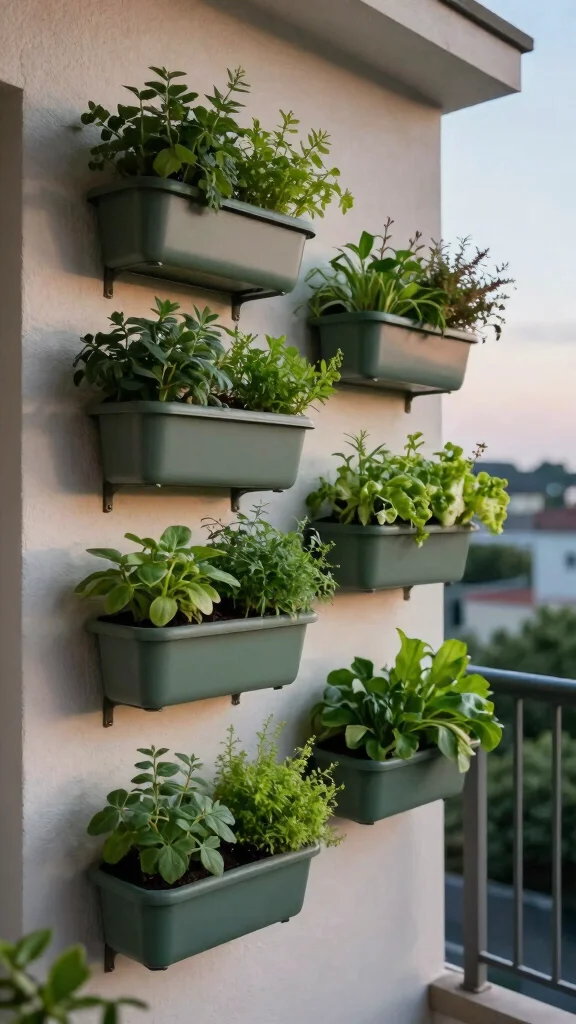
Want to maximize your balcony space? Wall-mounted planters transform bare walls into vibrant green spaces. These planters can hold flowers, herbs, or small vegetables, creating an inviting atmosphere on your balcony.
They draw the eye upward, making small areas feel larger and livelier.
Ingredients:
– Wall-mounted planters
– Potting mix
– Plants like peppers, herbs, or dwarf vegetables
Instructions:
1. Secure planters to a sturdy wall.
2. Fill each planter with potting mix.
3. Plant your selections according to their space needs.
4. Water consistently, paying attention to drainage.
FAQs:
– Can I use any wall? Yes, ensure it can support the planters.
– Do these need special soil? Use moisture-retentive but well-draining soil.
6. Topsy-Turvy Planters
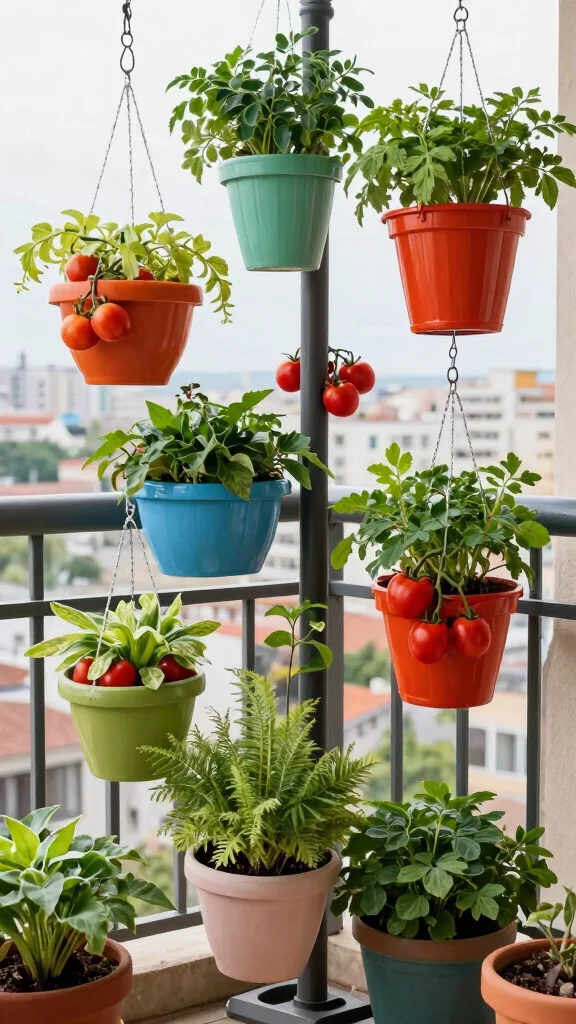
Ready to try something different? Topsy-turvy planters let you grow tomatoes or strawberries upside down! This fun method saves space and adds a unique twist to your balcony garden.
As gravity works in your favor, you’ll enjoy healthier plants with fewer pest issues.
Ingredients:
– Upside-down planter
– Quality potting mix
– Seedlings or seeds of tomatoes or strawberries
Instructions:
1. Fill the planter with potting mix.
2. Insert seedlings through the bottom opening.
3. Hang the planter securely in a sunny spot.
4. Water regularly to keep the soil moist.
FAQs:
– Can I use any type of plant? Tomatoes and strawberries work best.
– Is this easy to maintain? Yes, just ensure it gets sunlight and water.
7. Portable Garden Carts
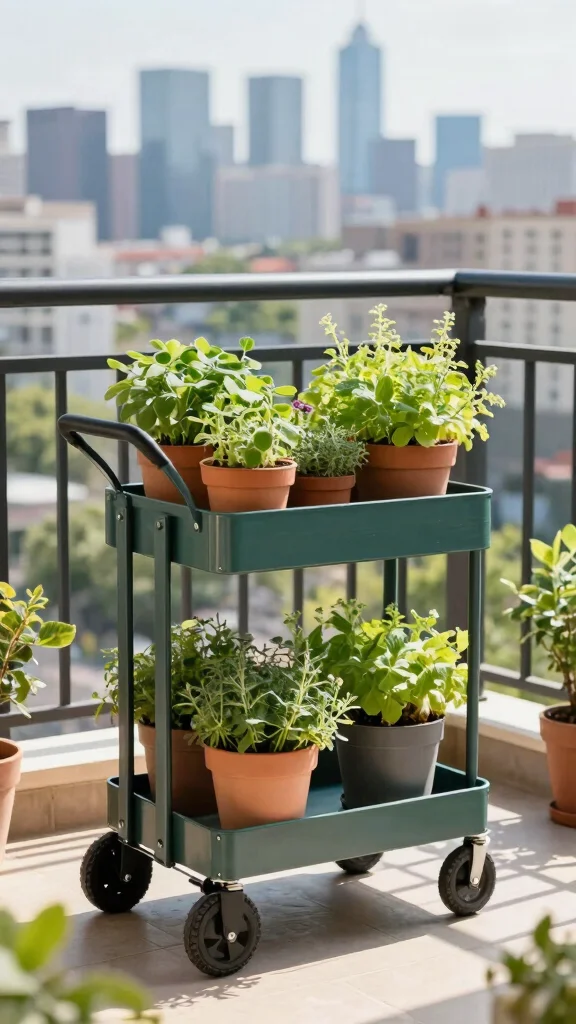
Love rearranging your space? A portable garden cart is an excellent choice for maximizing sunlight for your plants. These wheeled carts let you move pots around, adapting to the sun’s changing position throughout the day.
This flexibility allows you to create a dynamic garden that thrives in your balcony environment.
Ingredients:
– Sturdy garden cart
– Waterproof liner
– Various plant pots
Instructions:
1. Choose a cart with enough space for your plants.
2. Line it with a waterproof material to prevent damage.
3. Arrange your plants based on their sunlight needs.
4. Water regularly and enjoy your mobile garden!
FAQs:
– Can I use any type of cart? Yes, but ensure it’s sturdy enough for your plants.
– Is this good for all plants? Yes, it’s perfect for varying sunlight needs.
8. DIY Pallet Garden
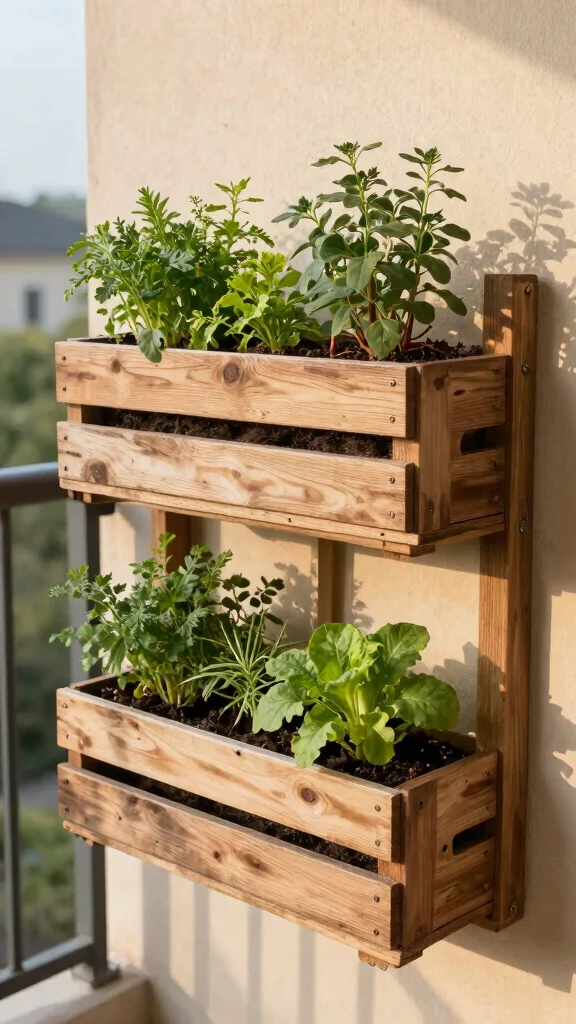
Want to add rustic charm to your balcony? A DIY pallet garden is an affordable and stylish way to create a vertical garden. By stacking wooden pallets against a wall, you can grow compact plants like lettuce and herbs effortlessly.
This not only saves space but also creates a stunning visual display.
Ingredients:
– Old wooden pallets
– Soil
– Seeds or seedlings of your choice
Instructions:
1. Sand and seal the pallets to prevent rot.
2. Lean the pallet against a wall for support.
3. Fill each section with soil and plant your selections.
4. Water regularly and ensure proper drainage.
FAQs:
– Are treated pallets safe? Only use untreated pallets to avoid chemicals.
– Can I grow flowers too? Yes, compact flowers can thrive in this setup.
9. Compact Raised Beds
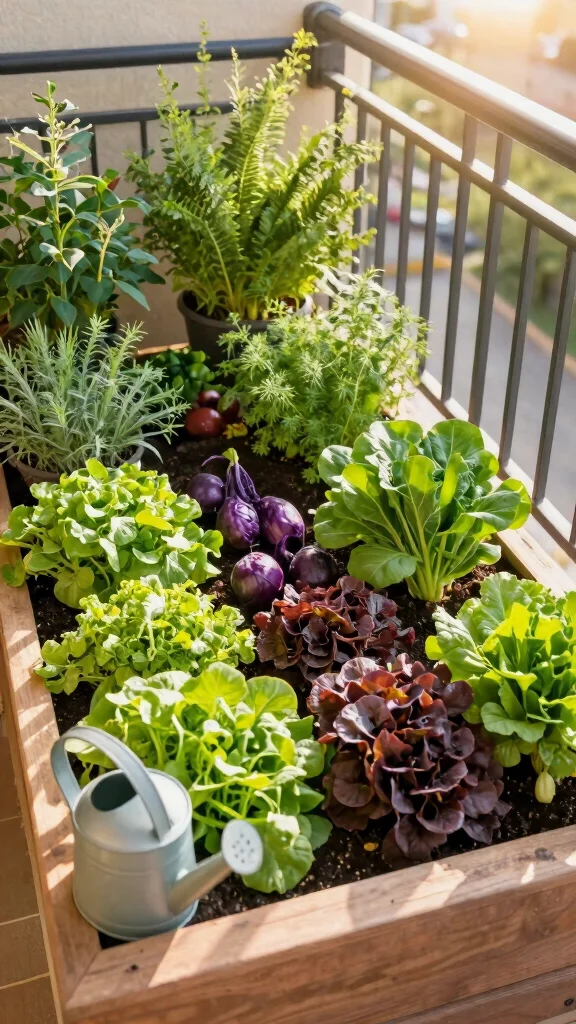
Looking to elevate your balcony gardening? Compact raised beds provide excellent drainage and soil quality for growing a variety of vegetables. These beds can be custom-sized to fit your space perfectly, allowing for easy access while planting and harvesting.
They’re ideal for carrots, radishes, and beans, making your gardening adventure productive and enjoyable.
Ingredients:
– Untreated wood or composite materials
– Soil mix
– Seeds or seedlings of your choice
Instructions:
1. Build or purchase a compact raised bed that fits your balcony.
2. Fill it with quality soil mix.
3. Plant seeds or seedlings according to their needs.
4. Water regularly and add organic matter to maintain soil health.
FAQs:
– Do I need special soil? A good soil mix is essential for healthy growth.
– Can I move the raised bed? Yes, if it’s not too heavy, you can relocate it.
10. Scented Plants
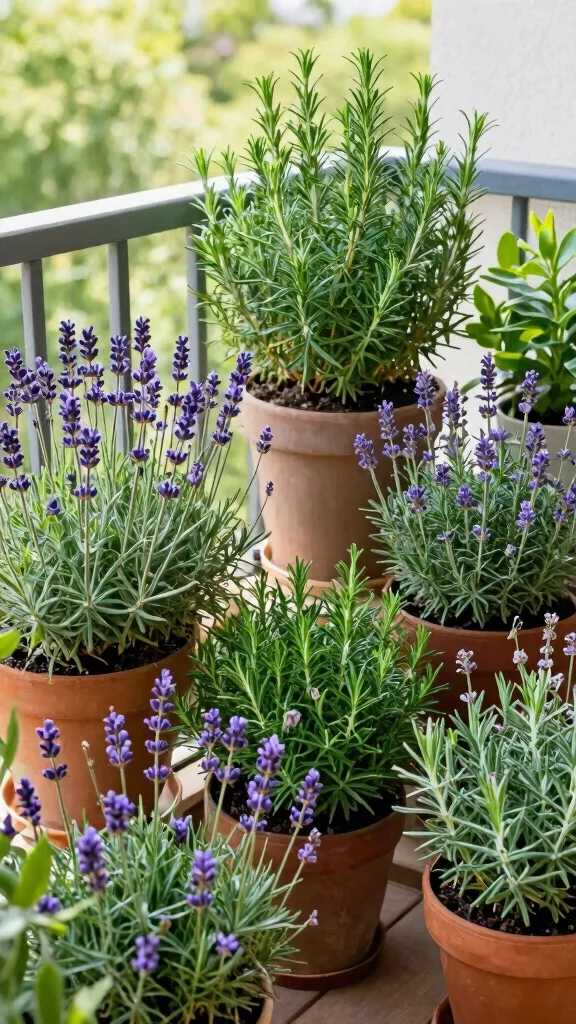
Want to transform your balcony into a fragrant oasis? Incorporating scented plants like lavender, rosemary, and mint not only beautifies your garden but also adds delightful aromas to your space. These plants thrive well in containers and can enhance your outdoor experience.
Plus, their fragrance can elevate your cooking while naturally repelling pests.
Ingredients:
– Scented plant varieties (lavender, rosemary, mint)
– Well-draining soil
– Containers with drainage holes
Instructions:
1. Choose containers that allow for drainage.
2. Fill them with well-draining soil.
3. Plant your selections and water them regularly.
4. Prune often to encourage bushier growth and better fragrance.
FAQs:
– Can I grow these indoors? Yes, as long as they get enough sunlight.
– Do these plants need special care? Regular watering and pruning are key to their health.
11. Miniature Greenhouse
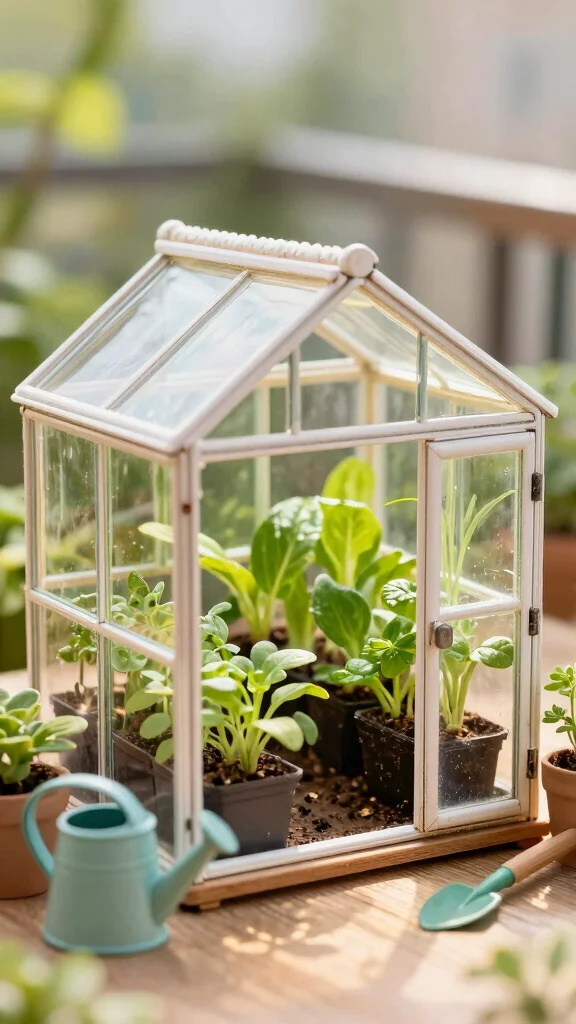
Dreaming of year-round gardening? A miniature greenhouse can help you create a perfect environment for your plants. These compact setups allow you to protect your vegetables from harsh weather while promoting healthy growth.
This idea is fantastic for urban gardeners wanting to extend their growing season and try new plants.
Ingredients:
– Sturdy shelving unit or frame
– Clear plastic or glass cover
– Plants of your choice
Instructions:
1. Find a sturdy shelf or frame to build your greenhouse.
2. Cover it with clear plastic or glass for sunlight and ventilation.
3. Arrange your plants inside, ensuring they receive enough light.
4. Monitor temperature and humidity for optimal growth.
FAQs:
– Can I build this myself? Yes, with basic materials and tools, it’s quite doable.
– What plants should I grow? Choose vegetables that thrive in warm environments.
12. Edible Flowers
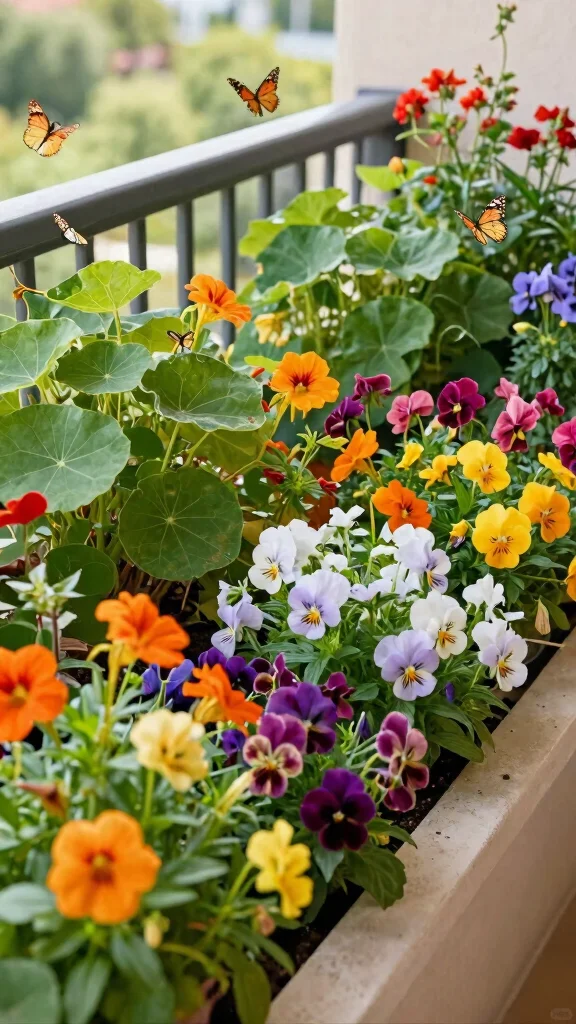
Looking to add a pop of color and flavor to your dishes? Growing edible flowers like nasturtiums, pansies, and calendulas can enhance both your balcony garden and your meals. These vibrant blooms attract pollinators and can be grown alongside your vegetables.
They not only beautify your space but also add unique flavors to your salads and garnishes.
Ingredients:
– Edible flower seeds (nasturtiums, pansies, calendulas)
– Soil for planting
– Containers or garden beds
Instructions:
1. Ensure the flowers are safe for consumption.
2. Plant them in suitable containers or alongside vegetables.
3. Water regularly and ensure they receive sunlight.
4. Harvest flowers when they bloom for the best flavor.
FAQs:
– Are all flowers edible? No, only specific varieties are safe to eat.
– Can I grow these in pots? Yes, they thrive in containers too.
13. Companion Planting
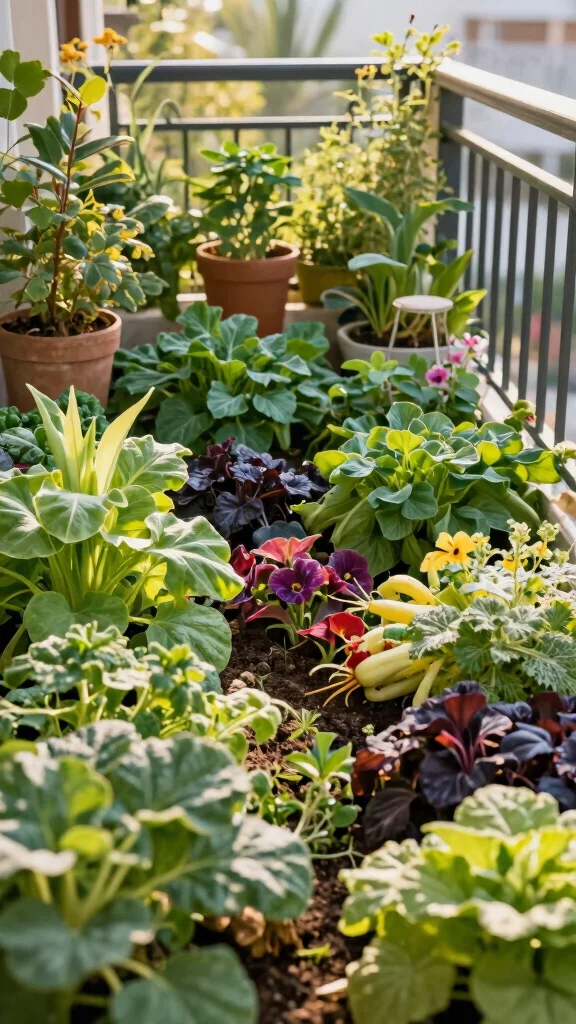
Want to enhance your balcony garden’s productivity? Companion planting allows you to grow compatible plants together, promoting healthier growth and reducing pests. For example, pairing tomatoes with basil can improve tomato flavor while keeping harmful insects away.
This technique is perfect for maximizing small spaces and making the most of your garden.
Ingredients:
– Seeds or seedlings of compatible plants (carrots and onions, lettuce and radishes)
– Quality soil
Instructions:
1. Research plant pairings that benefit each other.
2. Plant them together in your garden or containers.
3. Monitor growth and adjust care as needed.
4. Rotate plantings each season to maintain soil health.
FAQs:
– Can I mix any plants? No, some plants thrive better with specific companions.
– Is this method hard to implement? Not at all; just do a little research!
14. Aquaponics System
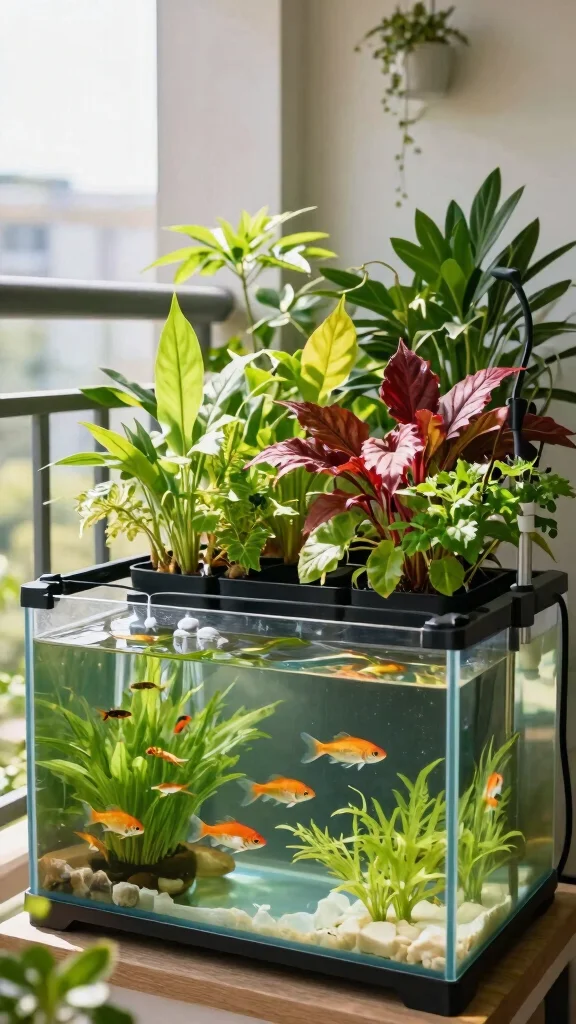
Are you tech-savvy and love sustainability? An aquaponics system combines fish farming with vegetable gardening, creating a self-sustaining ecosystem. Fish waste nourishes your plants while the plants filter the water for the fish.
Setting up this system may require some investment, but it results in fresh fish and vegetables right at your fingertips.
Ingredients:
– Fish tank
– Plant containers
– Water pump
– Fish and plant seeds
Instructions:
1. Choose a suitable fish tank and plant containers.
2. Connect them with a water pump.
3. Add fish and let the system cycle for a few weeks.
4. Plant your vegetables and watch your ecosystem flourish.
FAQs:
– Is this complex to set up? It can be, but there are simple kits available.
– What types of fish work best? Smaller fish like tilapia or goldfish are popular choices.
15. Urban Gardening Workshops
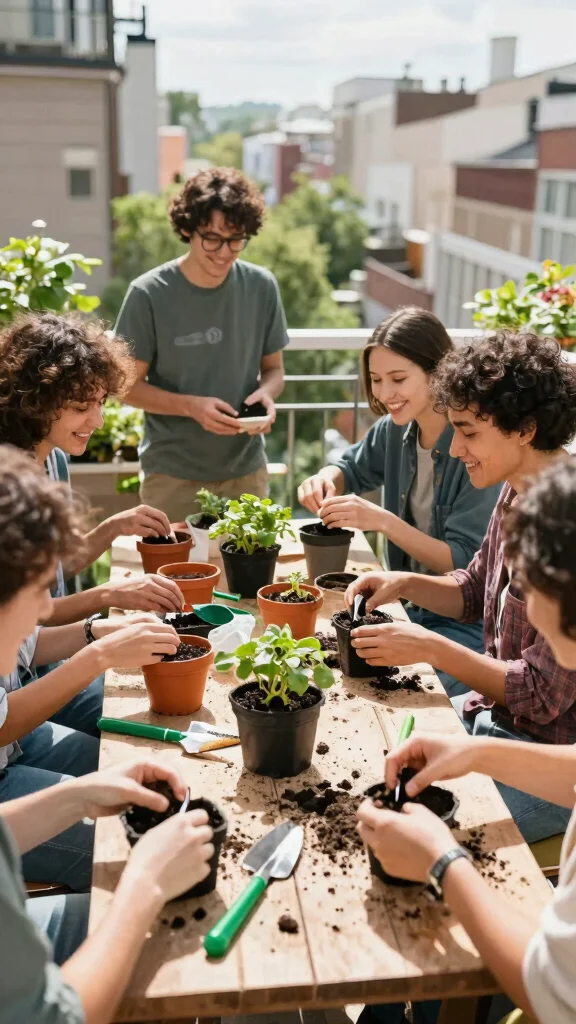
Looking to enhance your gardening skills? Urban gardening workshops are a fantastic way to learn from experts while connecting with fellow gardeners. These classes often cover various topics, from basic techniques to advanced gardening methods.
You’ll leave inspired, armed with new ideas for your balcony vegetable garden.
Ingredients:
– Local organizations offering gardening classes
– A notebook for notes
– Enthusiasm for learning
Instructions:
1. Research local workshops or classes online.
2. Sign up and prepare to learn new skills.
3. Take notes during the sessions for future reference.
4. Share experiences with fellow participants for a richer learning experience.
FAQs:
– Are these classes expensive? Many are affordable or even free.
– Can I attend online? Yes, many organizations offer virtual workshops.
Did you know urban gardening workshops can boost balcony yields by up to 30%? Learning from experts helps you optimize container spacing, soil mixes, and watering schedules, turning a small balcony into a thriving vegetable garden.
16. Seasonal Rotations
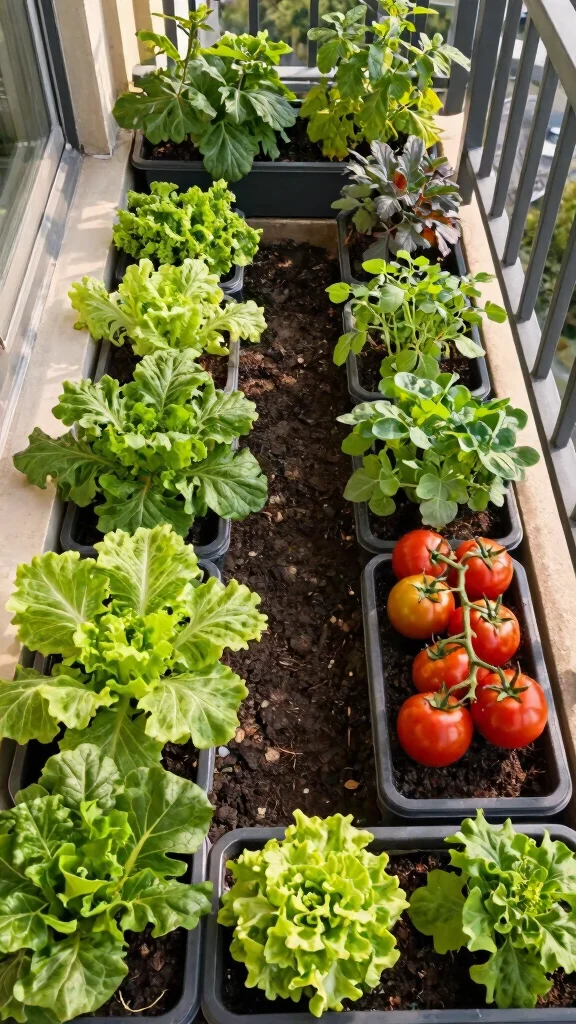
Want to keep your balcony garden thriving all year? Practicing seasonal rotations can help you maximize your harvest while maintaining soil health. By changing what you plant with the seasons, you’ll enjoy a continuous supply of fresh produce.
For instance, spring might be the time for peas and lettuce, while summer can bring tomatoes and peppers.
Ingredients:
– A garden journal
– Seeds for different seasons
Instructions:
1. Keep a journal to track what you plant and when.
2. Rotate crops based on their families to avoid soil depletion.
3. Use cover crops in the off-season to enrich the soil.
4. Enjoy fresh produce throughout the year!
FAQs:
– Is this method hard to follow? Not at all, just plan ahead!
– How can I maintain soil health? Rotate crops and add organic matter regularly.
17. Garden Art
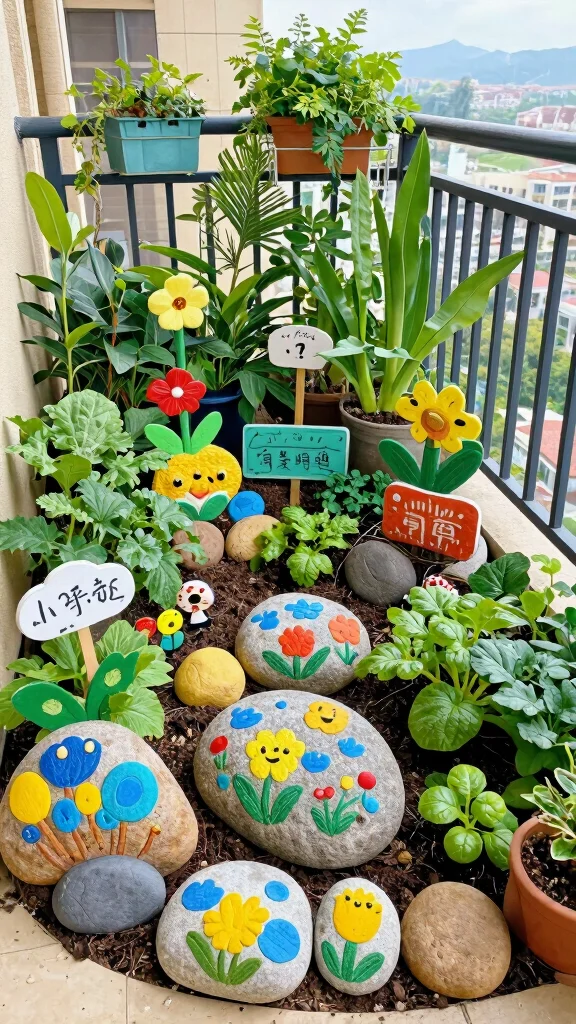
Want to add personality to your balcony garden? Infusing creativity through garden art can make your space feel even more special. From handmade plant markers to whimsical sculptures, art reflects your unique gardening journey.
It not only brightens your garden but also serves as a conversation starter when friends visit.
Ingredients:
– DIY materials (rocks, wood, upcycled items)
– Paint or decorations
Instructions:
1. Gather materials you wish to use for your garden art.
2. Create painted rocks or markers to label your plants.
3. Use upcycled materials to craft unique planters.
4. Place art pieces throughout your garden for added charm.
FAQs:
– Can I use anything for garden art? As long as it’s safe and weather-resistant, yes!
– How can I make it unique? Personalize it with your favorite colors and designs!
Conclusion
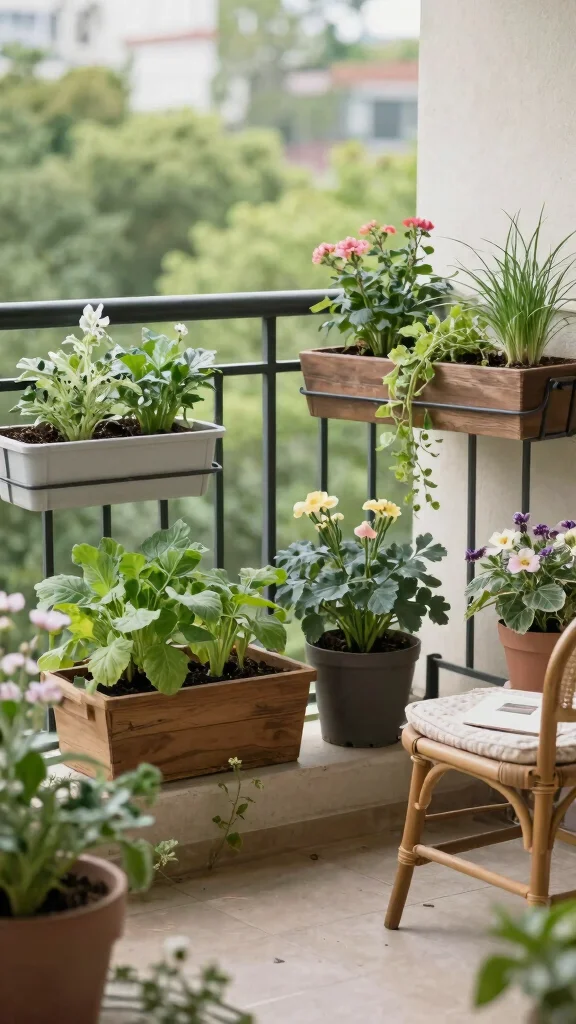
Cultivating a balcony vegetable garden in a small apartment can be an incredibly rewarding experience. These 17 ideas demonstrate the versatility and creativity that urban gardening allows.
By incorporating some of these concepts, not only can you grow your own fresh vegetables, but you can also create a peaceful retreat right at home. Embrace the joy of gardening, share your experiences, and let’s inspire each other to turn small spaces into lush edible landscapes.
Frequently Asked Questions
Question: Which balcony vegetable garden ideas are most practical for a small apartment balcony?
Answer: For small space gardening, start with vertical planters and railing boxes to free precious balcony floor space.
Use container gardening setups and crops suited for vegetable gardening for beginners like lettuce, radishes, herbs, and cherry tomatoes.
Choose lightweight, well-draining potting mix and sturdy containers with drainage.
Add a trellis or vertical support for climbing plants to boost yields in a tiny area.
Group plants with similar sun and water needs to simplify care, and consider a compact drip irrigation or self-watering pot system.
Follow urban gardening tips to maximize sun exposure and rotate crops to keep soil healthy.
Question: How can I start a balcony container garden on a budget and maximize space?
Answer: Start lean by repurposing containers you already own and selecting affordable options like basic pots or buckets with drainage.
Build simple vertical planters from wood or sturdy plastic to save space in your small space gardening setup.
Use a good, lightweight potting mix and top-dress with compost to boost fertility without costly amendments.
Choose space-efficient crops for balcony vegetable garden ideas, such as leafy greens, herbs, dwarf tomatoes, and bush beans.
Water smart with a simple drip line or capillary mat, and align plant choices with balcony sun exposure for quick wins.
Question: What vegetables are easiest to grow in balcony containers for beginners?
Answer: Start with forgiving, compact crops that thrive in containers, like lettuce and other leafy greens, spinach and arugula, herbs (basil, cilantro, parsley), radishes, green onions, and bush beans.
For fruiting plants, choose dwarf tomato varieties and compact peppers, placing them in sunnier spots.
Use shallow, wide containers for greens and deeper pots for root crops, and always ensure good drainage.
With the right container size and regular watering, vegetable gardening for beginners on a balcony can be rewarding in just a few weeks.
Question: What are sustainable gardening tips I can apply to an urban balcony garden?
Answer: Make sustainability your rule of thumb with rainwater collection and efficient watering, sustainable gardening practices like composting kitchen scraps into a balcony soil mix, and upcycling containers to minimize waste.
Choose native or well-adapted balcony plants that require less water and fewer pesticides, use organic fertilizers, mulch to retain moisture, and rotate crops to maintain soil health.
Keep energy and resource use low by choosing compact, long-lasting tools and minimal chemical inputs, which fits perfectly with urban gardening tips.
Question: How can I deal with sun, wind, pests, and watering on a balcony vegetable garden?
Answer: Start by placing sun-loving plants in the brightest spots and using lightweight movable planters to chase sun as it shifts.
If wind is a problem, create a simple windbreak using taller plants or a thin screen, and use sturdy containers to prevent tipping.
For watering, water in the morning, mulch surfaces, and consider self-watering pots or a drip kit to conserve water.
For pests, inspect plants regularly, wash off aphids with water, use insecticidal soap if needed, and rely on companion planting and beneficial insects when possible.
These practical steps keep your balcony vegetable garden ideas thriving with minimal fuss.
Related Topics