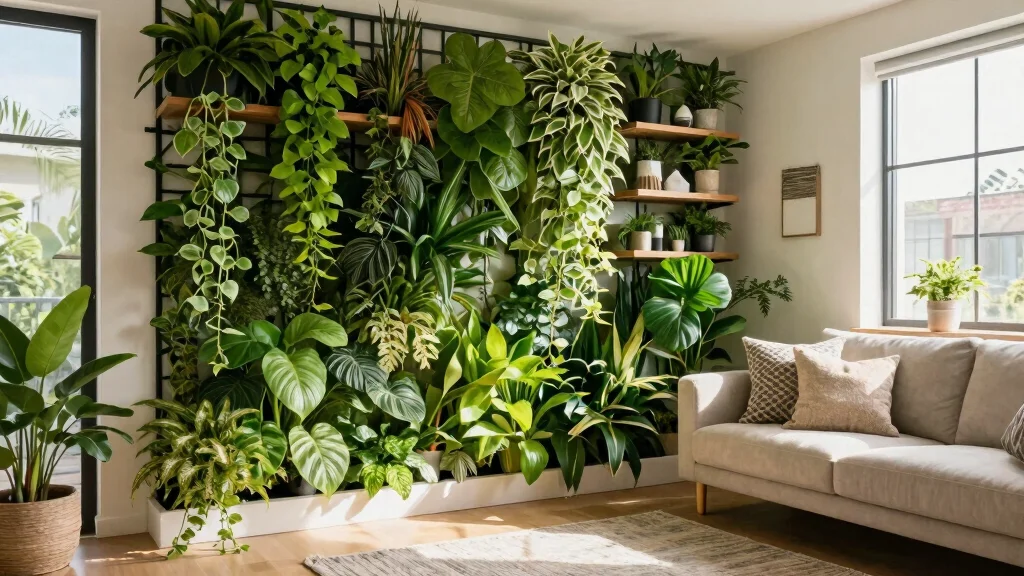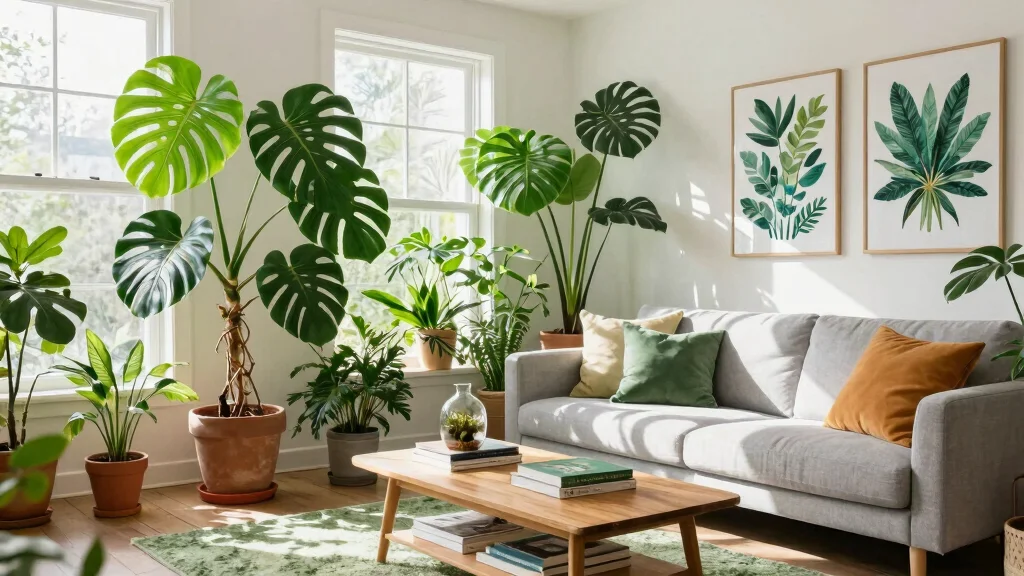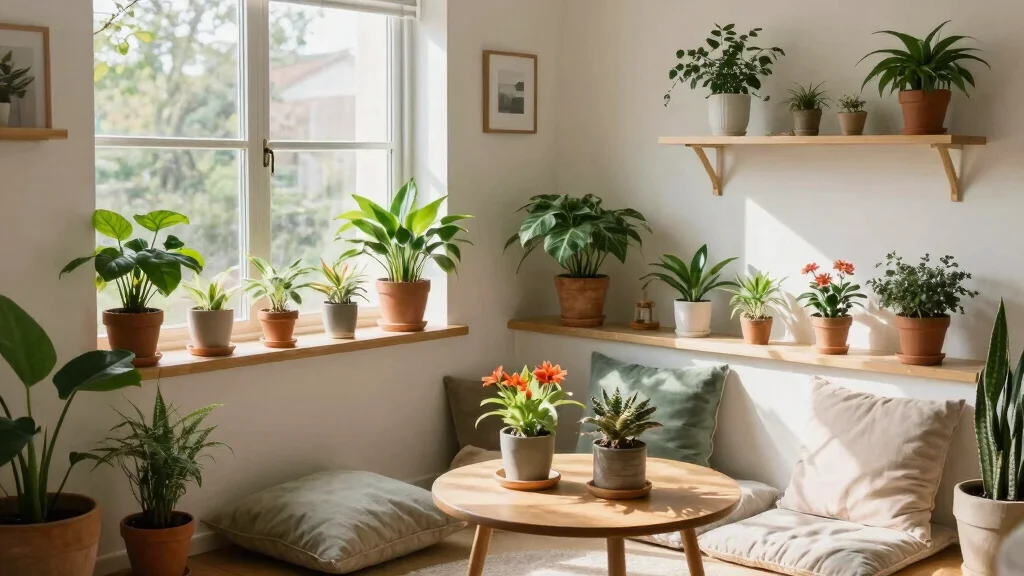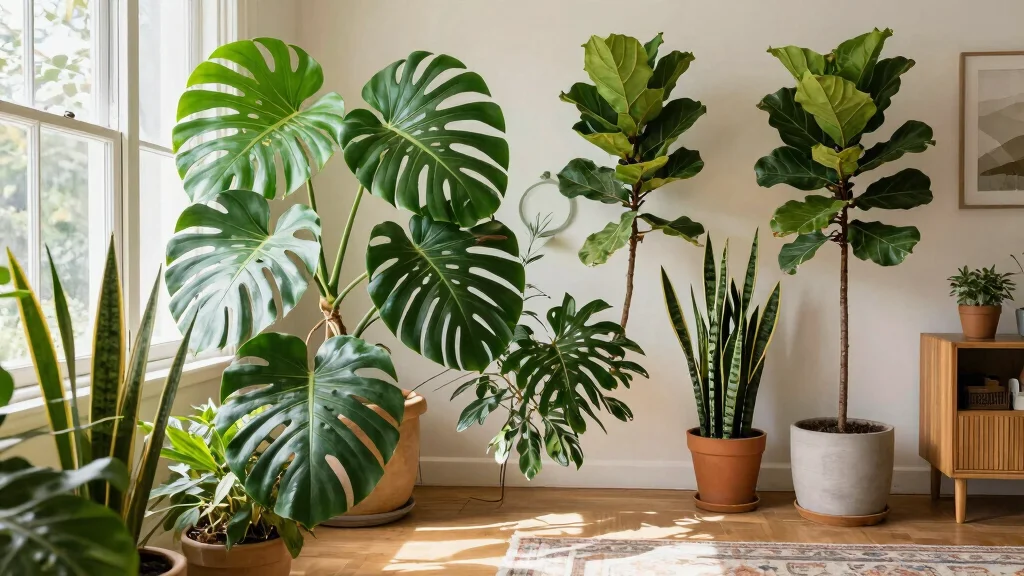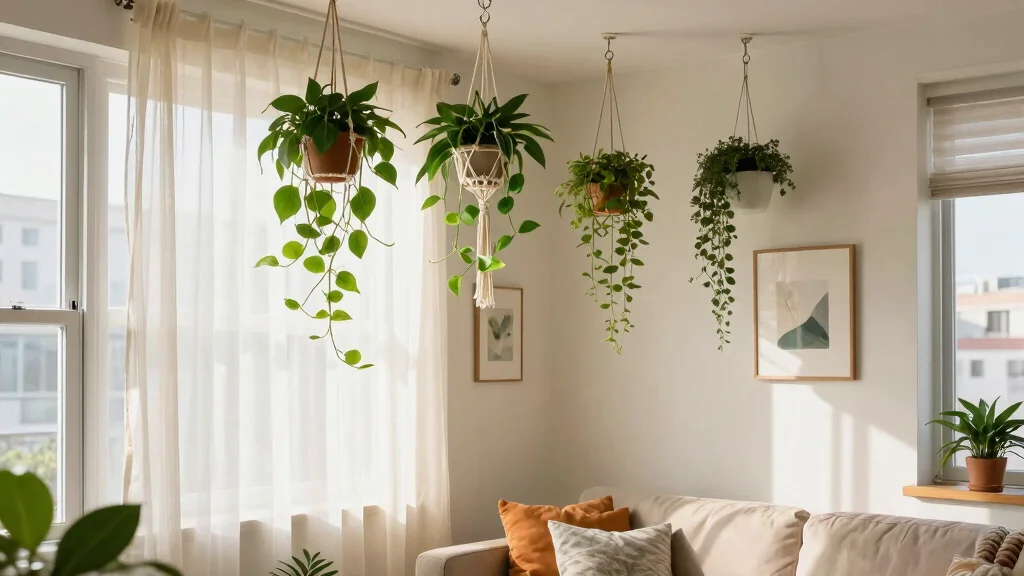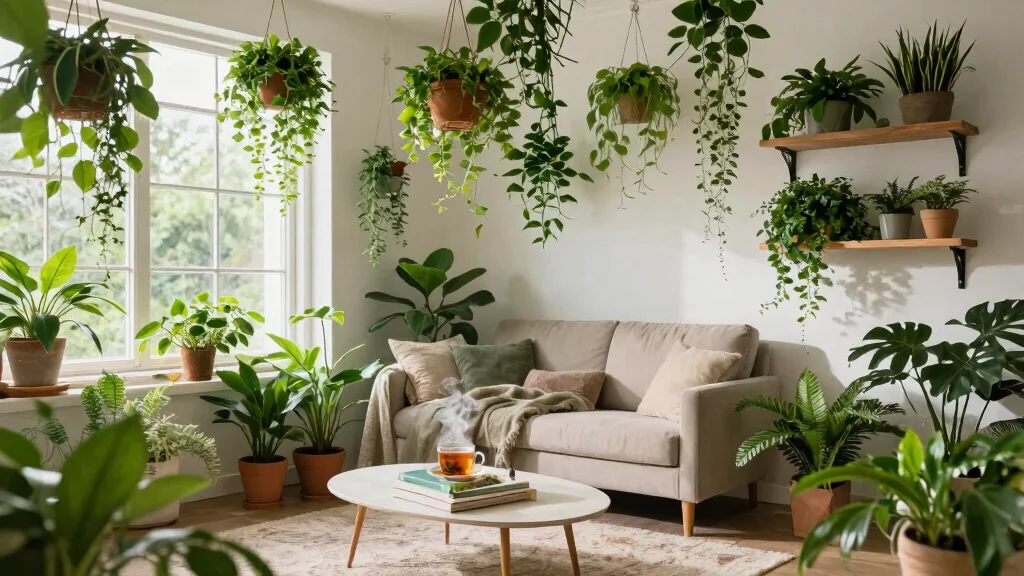

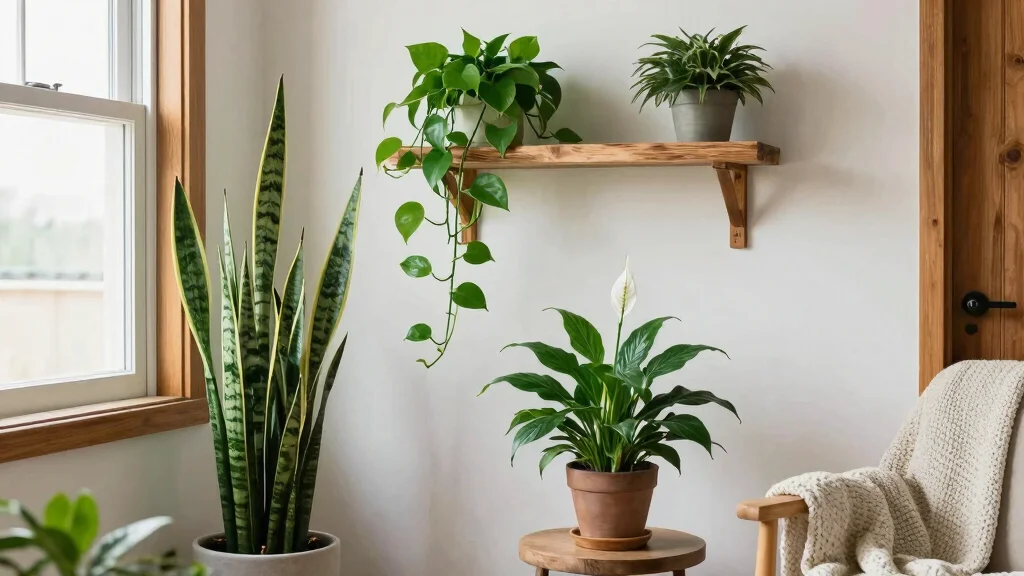
Indoor plants have a special way of brightening up any space, making it feel more inviting and refreshing. With the rise of indoor gardening, many people are looking to add greenery to their homes without the hassle of complicated care routines. That’s why I created this post—to highlight the best indoor plants that are not only stylish but also easy to care for. These plants can transform your living space into a lush oasis while being low-maintenance, especially if you’re just starting your plant parenting journey.
If you’re someone who loves home decor and wants to make your living environment more appealing, this list is for you. Whether you have a bright, sunlit room or a cozy, dim corner, these plants will thrive and look fantastic. You’ll discover low-light tolerant options that can bring life to any area of your home, even if you don’t have a green thumb. Plus, you’ll learn about the air-purifying benefits of these plants, making your home not only beautiful but healthier too.
In this guide, you’ll find 20 of the best indoor plants for style and easy care. Each selection is chosen for its aesthetic appeal and straightforward care requirements. From the striking Snake Plant to the elegant Peace Lily, you’ll find options that suit your personal style and lifestyle. Get ready to elevate your indoor gardening game effortlessly!
Key Takeaways
– Discover 20 stylish indoor plants that require minimal care, perfect for beginners and busy individuals.
– Learn about low-light tolerant plants that thrive even in dim spaces, making them ideal for various home environments.
– Find out which plants also purify the air, enhancing the air quality in your home while adding beauty.
– Gain practical indoor plant care tips to help you nurture your new green companions without stress.
– Enjoy a greener living space that reflects your personal style and contributes to a healthier home atmosphere.
1. Snake Plant (Sansevieria)
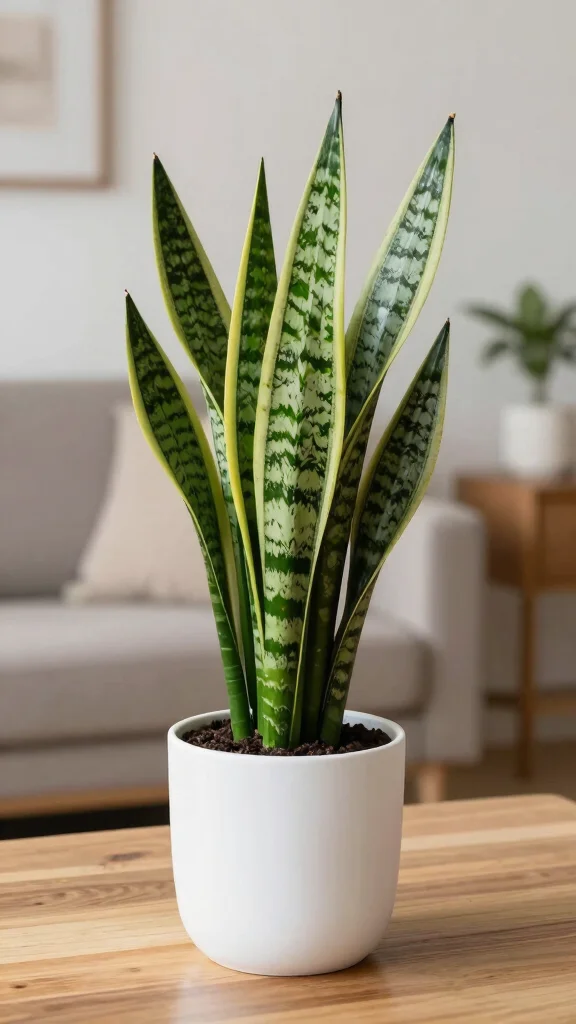
If you’re searching for a low-maintenance plant that thrives on neglect, look no further than the snake plant. This hardy beauty features tall, upright leaves with striking patterns that can instantly elevate your home decor. Not only does it require minimal watering, but it also purifies the air, making it an ideal choice for bedrooms and living spaces alike.
To keep your snake plant thriving, ensure you water it sparingly and allow the soil to dry out completely between waterings. Opt for a well-draining potting mix to prevent root rot, and consider fertilizing lightly during the growing season for best results.
Key care tips:
– Water only when the soil is dry
– Use a well-draining potting mix
– Fertilize lightly during spring and summer
This plant not only enhances your indoor space but also promotes better air quality, creating a healthier environment for you.
2. Pothos (Epipremnum aureum)
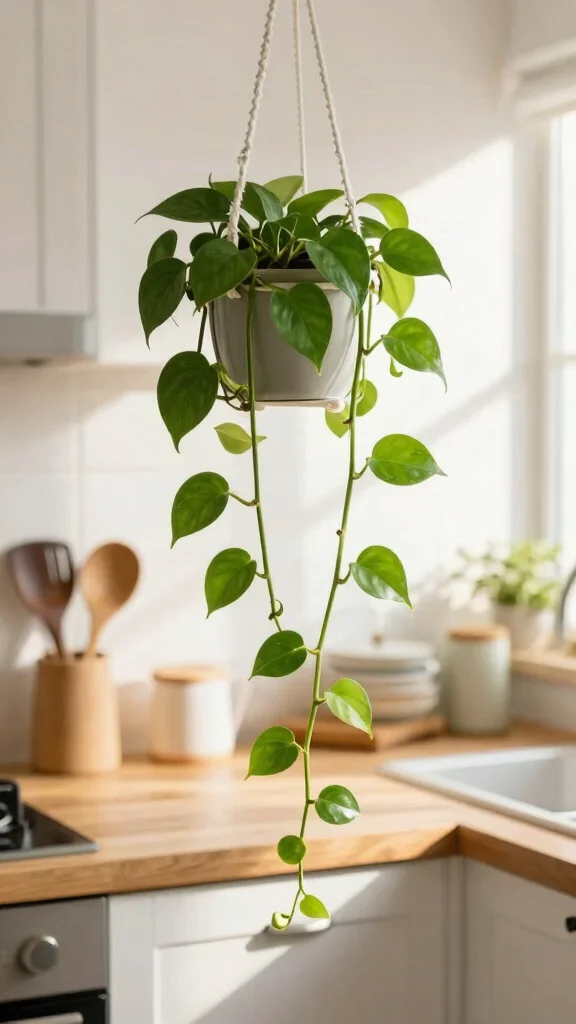
Pothos is a fan favorite for indoor gardening, and it’s easy to see why! With its beautiful heart-shaped leaves that can feature varying shades of green and yellow, this plant adds a vibrant touch to any room. Pothos is incredibly adaptable, thriving in low light while only needing water when the top inch of soil feels dry.
Whether you choose to let it trail from a shelf or hang it in a stylish pot, pothos creates an eye-catching visual effect. Regular trimming encourages bushier growth, and rotating the pot promotes even leaf distribution.
Essential care tips:
– Trim regularly for fuller growth
– Rotate every few weeks for even light
– Use a well-draining potting mix
Plus, it’s pet-friendly, making it a fantastic addition to homes with furry companions.
3. ZZ Plant (Zamioculcas zamiifolia)
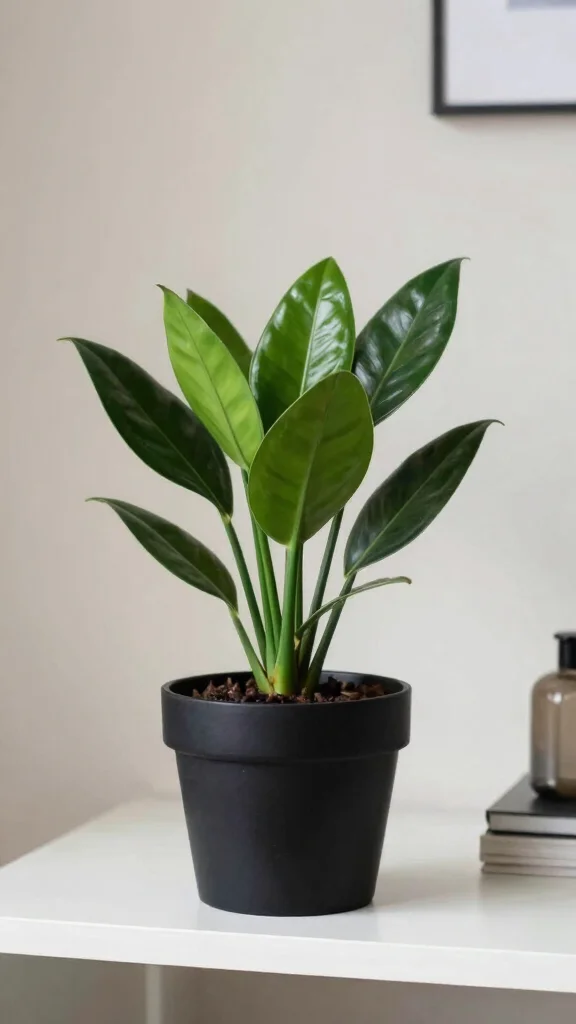
ZZ plants are the perfect choice for those who want a stylish yet low-maintenance indoor plant. With their glossy, waxy leaves that reflect light beautifully, they can brighten up even the darkest corners of your home. This resilient plant thrives in various lighting conditions and only requires watering when the soil is completely dry.
For best results, avoid overwatering to ensure strong root health, and dust the leaves occasionally to maintain their shine. Fertilizing during the spring and summer can help encourage growth.
Key care tips:
– Avoid overwatering to prevent root rot
– Dust leaves to keep them healthy
– Fertilize sparingly during growing season
With their sculptural form, ZZ plants add a contemporary touch to your decor while requiring minimal effort to care for.
4. Peace Lily (Spathiphyllum)
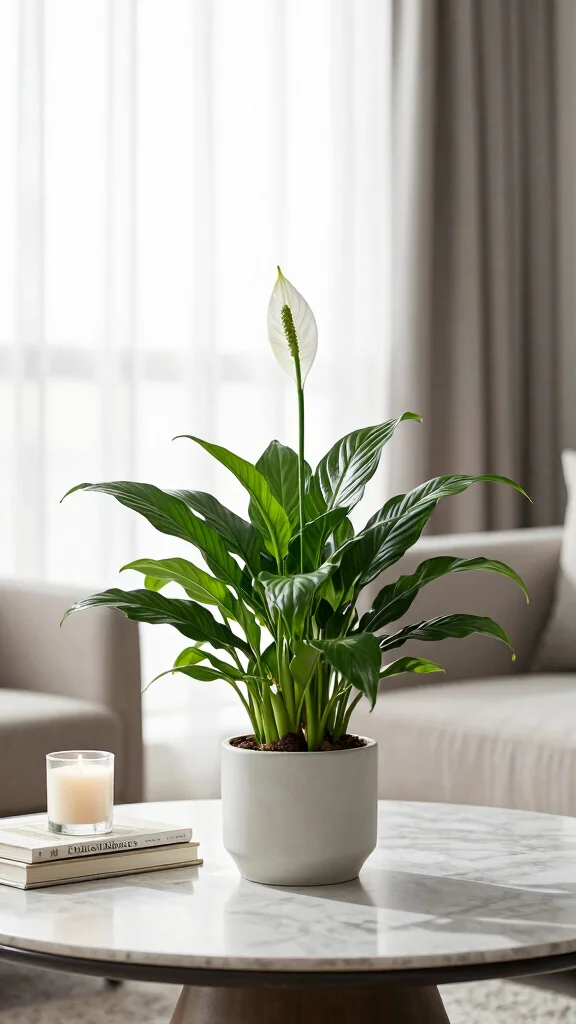
The peace lily is a stunning addition to any indoor garden, known for its elegant white blooms and lush green leaves. It thrives in low light and is famous for its air-purifying abilities, making it a fantastic choice for spaces like bedrooms and living rooms. Plus, this plant will let you know when it needs water by drooping its leaves!
To keep your peace lily healthy, maintain consistently moist soil without overwatering. Gently wipe the leaves to remove dust and allow the plant to shine. Fertilizing during the growing season promotes vibrant blooms.
Essential care tips:
– Keep soil consistently moist but not soggy
– Wipe leaves to keep them clean
– Fertilize every 6-8 weeks during growing season
This plant combines beauty and functionality, bringing a sense of calm and freshness to your home.
5. Spider Plant (Chlorophytum comosum)
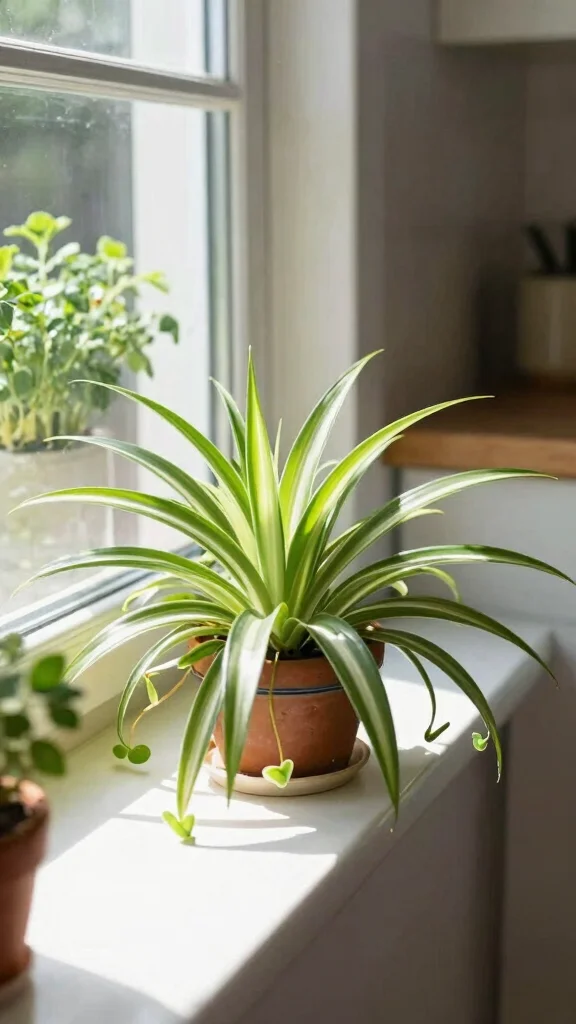
Spider plants are a lively and fun addition to your indoor garden. With arching green and white striped leaves, they not only look fantastic but are also incredibly easy to care for. These resilient plants thrive in various light conditions, making them suitable for any space. Plus, they produce adorable ‘baby’ spider plants that can easily be propagated!
To maintain their health, water when the top inch of soil feels dry and fertilize every 4-6 weeks during the growing season. Regular trimming of dead or brown leaves helps encourage fresh growth.
Key care tips:
– Water when the top inch of soil feels dry
– Fertilize every 4-6 weeks during growing season
– Trim dead leaves for fresh growth
The spider plant’s charming offshoots can spark conversations and add a delightful touch to your indoor space.
6. Dracaena (Dracaena spp.)
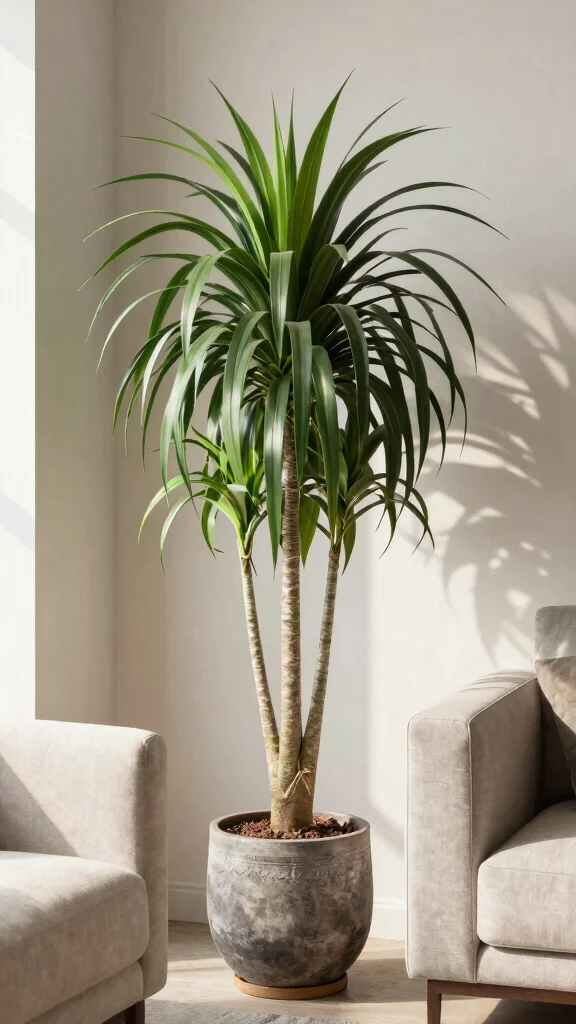
Dracaena plants offer a diverse range of sizes and varieties, each bringing its unique charm to your home. Popular choices like Dracaena marginata and Dracaena fragrans thrive in low light, adding elegance with their tall, slender stalks and lush foliage. These plants are also known for their air-purifying qualities, helping to create a healthier indoor environment.
To care for your dracaena, keep the soil slightly moist, ensuring it never becomes soggy. Regularly dust the leaves to maintain their appearance, and rotate the pot for even growth.
Essential care tips:
– Keep soil slightly moist but avoid sogginess
– Rotate plant for even growth
– Dust leaves regularly for health
Dracaenas can serve as stunning focal points in your decor, enhancing the overall aesthetic of your space.
Dracaena proves that even beginners can grow the best indoor plants. In low light, it stays elegant with tall, slender stalks—dust the leaves weekly and keep the soil slightly moist, never soggy.
7. Boston Fern (Nephrolepis exaltata)
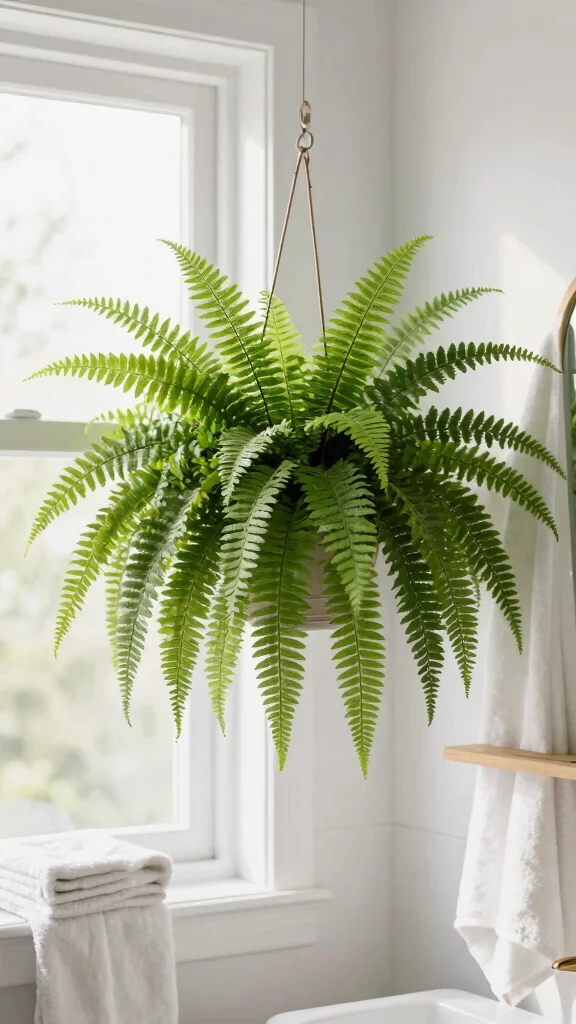
Boston ferns are a classic choice for adding lush greenery to your home. With their feathery fronds, they thrive in indirect light and high humidity, making them perfect for areas like bathrooms or kitchens. These ferns also purify the air, enhancing the appeal of any space. While they may need a bit more moisture than some other plants, their cascading leaves reward you with beauty.
To keep your Boston fern healthy, maintain consistently moist soil without overwatering. Regular misting or using a humidity tray can help provide the moisture they crave. Fertilizing sparingly during the growing season encourages healthy growth.
Key care tips:
– Keep soil consistently moist without waterlogging
– Mist regularly for humidity
– Fertilize sparingly during growing season
Boston ferns can serve as stunning centerpieces or vibrant accents in any corner of your home.
8. Rubber Plant (Ficus elastica)
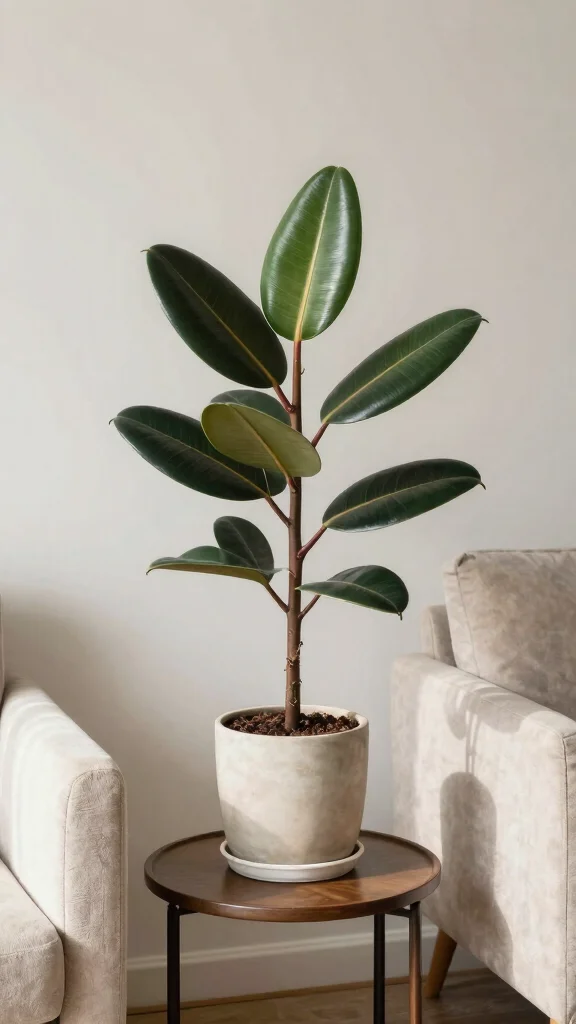
Rubber plants are known for their striking broad, glossy leaves that come in various shades of green. They thrive in low-light conditions and require infrequent watering, making them an excellent choice for busy individuals. This plant can grow tall, making it ideal for filling empty corners or creating a dramatic focal point.
In addition to their stylish appearance, rubber plants help purify the air in your home. To keep your rubber plant healthy, water it only when the top inch of soil is dry and dust the leaves regularly. Fertilizing during the growing season can help boost growth.
Key care tips:
– Water when the top inch of soil is dry
– Fertilize during growing season for better growth
– Dust leaves regularly for health
The rubber plant’s elegant silhouette can elevate any space with minimal effort.
9. Cast Iron Plant (Aspidistra elatior)
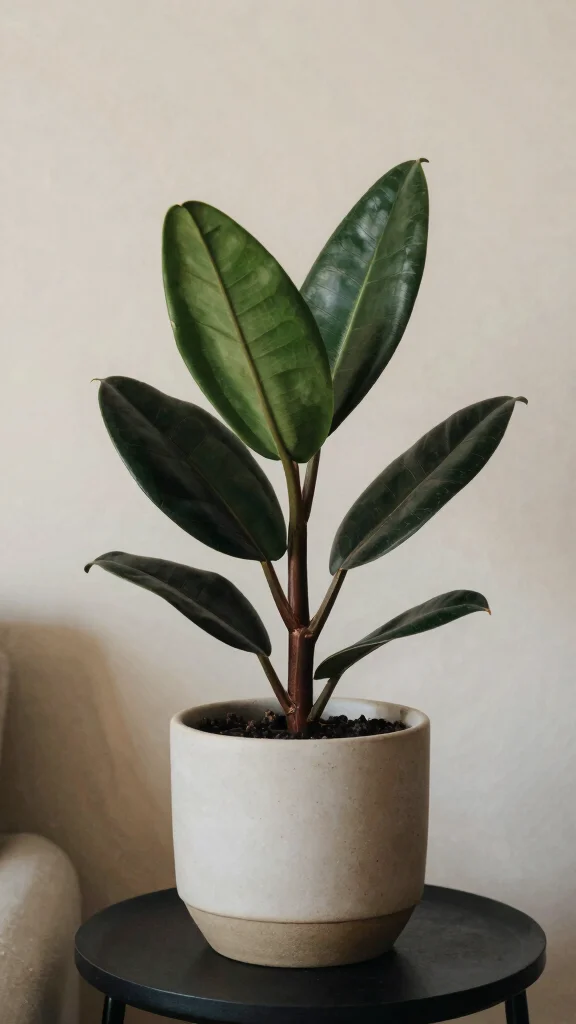
As its name suggests, the Cast Iron Plant is almost indestructible! This resilient plant can thrive in the shadiest corners of your home, making it perfect for dimly lit areas. Its broad, dark green leaves add a touch of elegance while requiring minimal care. The Cast Iron Plant is ideal for anyone wanting greenery without the fuss of high maintenance.
To care for your Cast Iron Plant, water it when the soil has dried out, and remember that it’s better to underwater than overwater. Fertilize lightly once or twice a year during the growing season, and occasionally wipe the leaves to enhance their sheen.
Essential care tips:
– Water when soil is dry; avoid overwatering
– Fertilize lightly once or twice a year
– Wipe leaves occasionally for dust
This sturdy plant is perfect for beginners, offering both beauty and resilience effortlessly.
Ongoing Maintenance & Care Guide
Maintenance Schedule:
Daily/Weekly Tasks:
– Check soil moisture levels by sticking your finger an inch into the soil. This helps you know if the plant needs watering. ⏱ (5 minutes)
– Dust leaves gently with a damp cloth to keep them clean and allow for better light absorption. 🧽 (10 minutes)
– Rotate your plants weekly to ensure even growth on all sides. 🌱 (5 minutes)
– Monitor for pests by inspecting the leaves and stems closely. 🕵 (5 minutes)
Monthly/Seasonal Tasks:
– Water your plants thoroughly, ensuring excess water drains out of the bottom. This helps prevent root rot. 🚰 (15 minutes)
– Fertilize with a balanced, water-soluble fertilizer every month during the growing season. This gives your plants the nutrients they need. 🌿 (10 minutes)
– Repot your plants if you notice root growth out of the drainage holes or if the plant appears top-heavy. 🪴 (30 minutes)
– Adjust your watering schedule based on seasonal changes. Less water is needed in winter. ❄️ (5 minutes)
– Check for any yellowing leaves and remove them to promote plant health. 🍂 (5 minutes)
Maintenance Summary Table:
| Task | Frequency | Difficulty | Time Needed |
|—————————|——————-|————|——————|
| Check soil moisture | Daily | Easy | 5 minutes |
| Dust leaves | Weekly | Easy | 10 minutes |
| Rotate plants | Weekly | Easy | 5 minutes |
| Inspect for pests | Daily | Easy | 5 minutes |
| Water thoroughly | Monthly | Medium | 15 minutes |
| Fertilize | Monthly | Medium | 10 minutes |
| Repot if necessary | Seasonal | High | 30 minutes |
| Adjust watering schedule | Seasonal | Easy | 5 minutes |
| Remove yellow leaves | Monthly | Easy | 5 minutes |
Common Issues to Watch For:
⚠️ Yellowing Leaves: This can signify overwatering or nutrient deficiency. Check the soil moisture and consider fertilizing if needed.
⚠️ Wilting: Wilting leaves indicate underwatering. If the soil feels dry, it’s time to give your plant a good drink.
⚠️ Brown Leaf Tips: This usually points to low humidity or too much direct sunlight. Try moving your plant to a shadier spot or misting it more often.
⚠️ Pest Infestations: Look for tiny bugs or webbing on your plants. If you see them, treat with insecticidal soap or neem oil immediately.
⚠️ Stunted Growth: If your plant stops growing, it may need repotting or more light. Assess its environment and adjust as necessary.
Care Tips:
💡 Choose the Right Location: Place your plants where they can receive indirect light. Low-light tolerant plants thrive in spots away from direct sunlight.
💡 Water Wisely: Always check the soil before watering. It’s better to underwater than overwater, especially for beginner indoor plant care.
💡 Humidity Matters: Many indoor plants love humidity. Use a pebble tray with water or a small humidifier to keep the air around your plants moist. 💧
💡 Keep an Eye on Temperature: Most indoor plants prefer temperatures between 65°F and 75°F (18°C to 24°C). Avoid placing them near drafts or heat sources.
💡 Use Quality Soil: A good potting mix can make a big difference in your plants’ health. Look for mixes with good drainage and organic matter to keep roots happy.
10. Chinese Evergreen (Aglaonema)
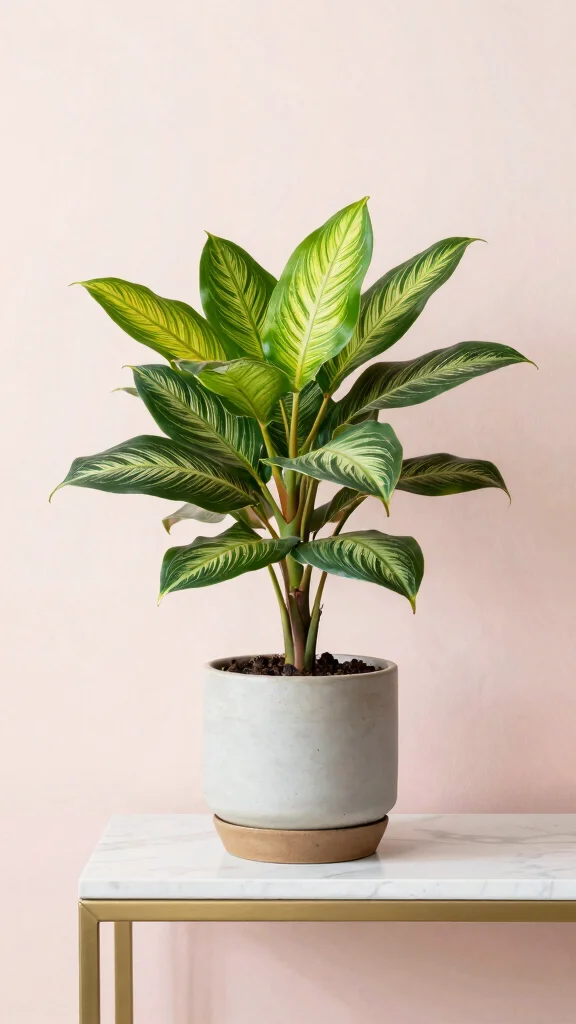
Chinese Evergreens are cherished for their attractive foliage and adaptability to low-light environments. Their leaves come in various shades, often adorned with beautiful silver splashes, making them a stunning addition to any indoor garden. This low-maintenance plant is also known for its air-cleaning properties, combining style with functionality.
To maintain your Chinese Evergreen, water when the top inch of soil feels dry, ensuring that it prefers consistent moisture but dislikes standing water. Fertilizing monthly during the growing season helps promote vibrant growth, and keeping the leaves clean enhances their appearance.
Key care tips:
– Water when the top inch of soil feels dry
– Fertilize once a month during growing season
– Keep leaves clean for visual appeal
The hardiness of this plant makes it perfect for beginners looking to create a stylish indoor oasis.
11. Money Tree (Pachira aquatica)
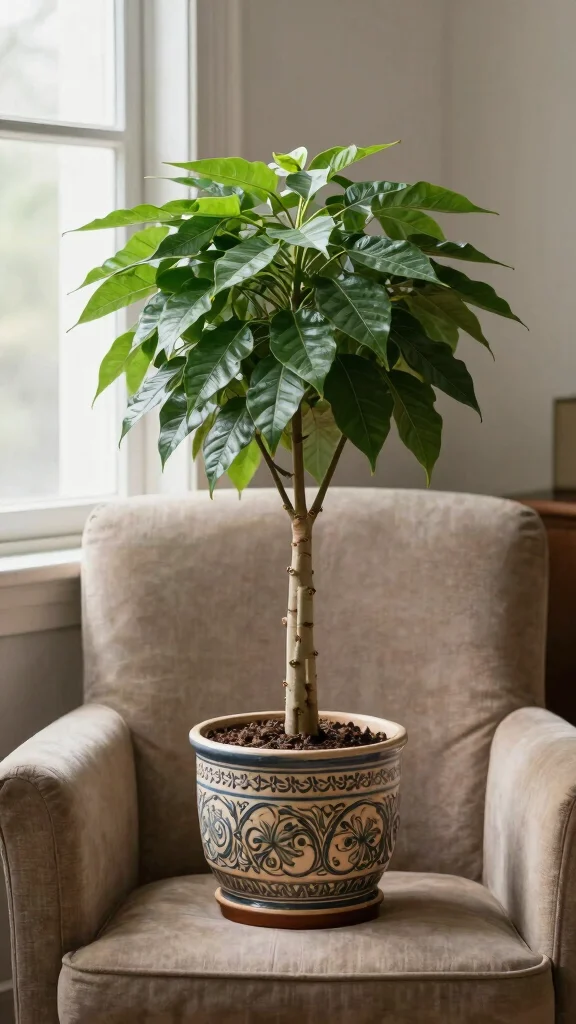
The Money Tree is not only visually appealing with its braided trunk and glossy leaves but also carries rich symbolism, often believed to bring good luck and prosperity. This plant is perfect for low-light spaces and is relatively easy to care for, making it an ideal choice for beginners. Additionally, the Money Tree is known for its air-purifying capabilities, enhancing the indoor atmosphere.
For optimal care, allow the soil to dry out slightly between waterings and fertilize monthly during the growing season. Rotating the plant occasionally ensures even growth and shape.
Essential care tips:
– Allow soil to dry out slightly between waterings
– Fertilize every month during growing season
– Rotate for even growth and shape
This plant can infuse positive energy into your home, all while looking stylish.
Fun fact: Money Tree (Pachira aquatica) is loved for its braided trunk and air-purifying leaves, and it thrives in low light. Water when the soil dries slightly, then fertilize monthly—one of the best indoor plants for beginners seeking luck and style.
12. Parlor Palm (Chamaedorea elegans)
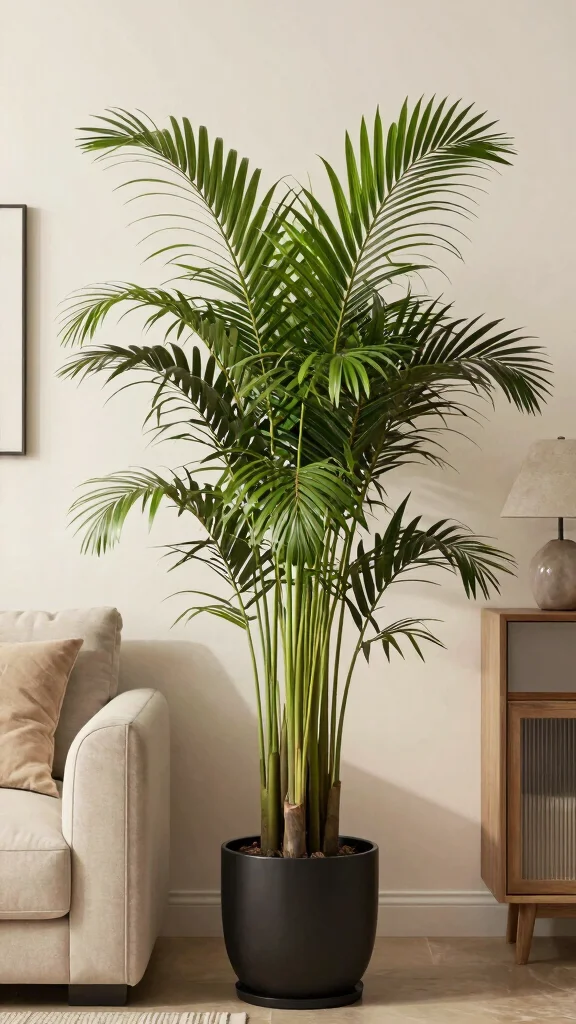
The Parlor Palm is a favorite among indoor plants for good reason! It tolerates low light exceptionally well and has a graceful, feathery appearance that adds a touch of tropical elegance to your space. Ideal for both beginners and seasoned plant lovers, this low-maintenance plant can grow tall and create a stunning visual impact.
To care for your Parlor Palm, keep the soil slightly moist while avoiding overwatering, and fertilize monthly during the growing season for optimal growth. Dusting the leaves occasionally helps keep them looking their best.
Key care tips:
– Keep soil slightly moist but avoid overwatering
– Fertilize once a month during growing season
– Dust leaves occasionally for appearance
This versatile plant thrives in various indoor environments, making it a perfect choice for any room.
13. Lady Palm (Rhapis excelsa)
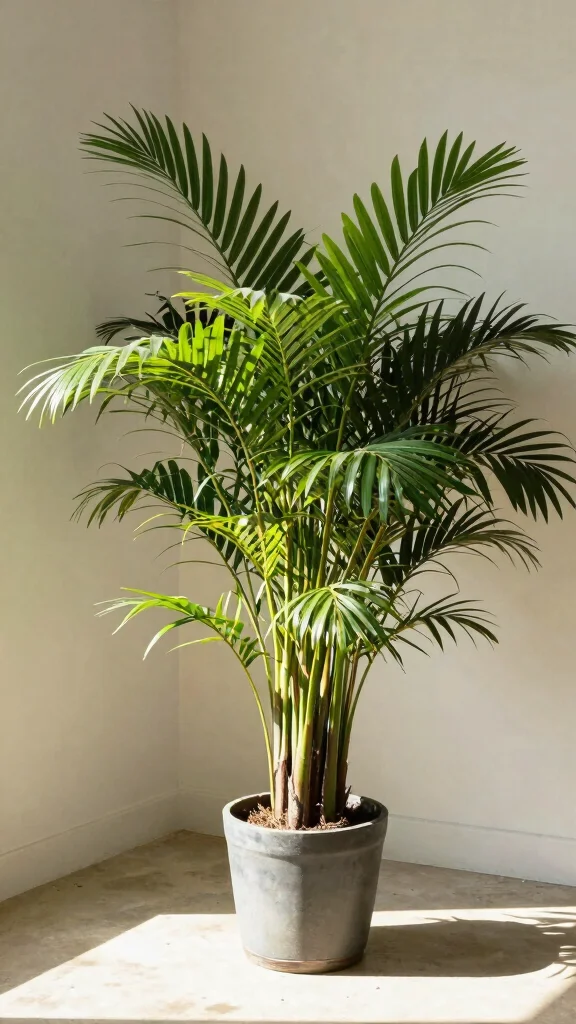
The Lady Palm is an elegant choice that thrives in low-light situations. With its lush, fan-like fronds, this palm can instantly elevate your indoor space. Hardy and requiring minimal care, it’s perfect for beginners looking to add a tropical vibe to their home. The Lady Palm is also effective at purifying the air, enhancing your indoor environment.
For optimal care, water when the top inch of soil is dry and avoid letting it sit in water. Fertilizing every couple of months during the growing season promotes healthy growth, while pruning any dead fronds encourages fresh new growth.
Essential care tips:
– Water when the top inch of soil is dry
– Fertilize every couple of months during growing season
– Prune dead fronds for fresh growth
This unique plant adds a touch of sophistication to any indoor garden.
14. Dracaena Lime (Dracaena lemon-lime)
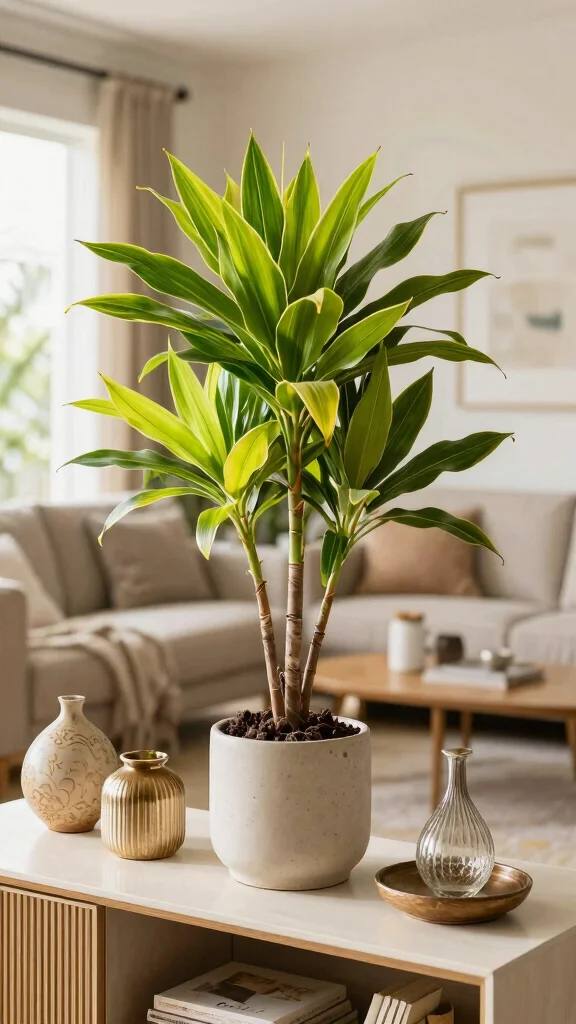
The Dracaena Lime, with its vibrant lime-green and yellow striped leaves, brings a cheerful pop of color to any room. This lively houseplant is perfect for dimly lit areas and is incredibly low-maintenance. Growing upright, it fits nicely in tight spaces while providing stylish interest to your decor. Plus, it helps promote good air quality!
To care for your Dracaena Lime, water when the top inch of soil is dry and ensure good drainage. Fertilizing during the growing season will maintain its vibrant leaf color, and rotating the plant occasionally ensures even growth.
Key care tips:
– Water when the top inch of soil is dry
– Fertilize during growing season to maintain color
– Rotate occasionally for even growth
This cheerful plant can brighten up your space and lift your mood!
15. Kentia Palm (Howea forsteriana)
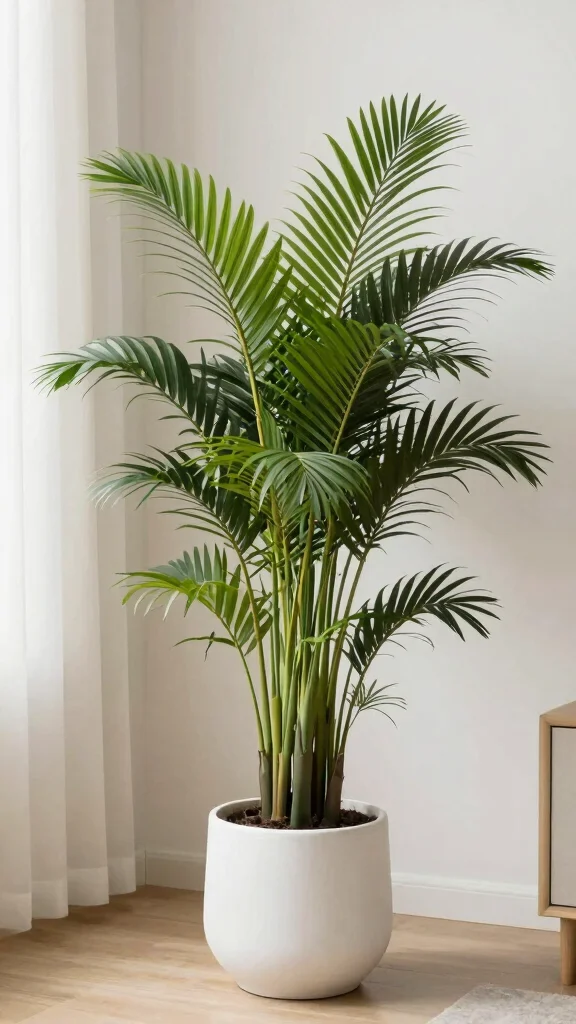
The Kentia Palm is a stylish choice for bringing a touch of the tropics indoors. With its graceful fronds and elegant arching leaves, it adds a sophisticated vibe to any room. Known for its toughness, this palm thrives in low light and requires minimal care, making it a great option for beginners. Additionally, the Kentia Palm is known for its air-purifying properties, enhancing your indoor environment.
To care for your Kentia Palm, water when the top two inches of soil dry out and ensure good drainage. Fertilizing every couple of months during the growing season will yield the best results, and dusting the leaves occasionally keeps them looking fresh.
Essential care tips:
– Water when the top two inches of soil are dry
– Fertilize every couple of months during growing season
– Dust leaves occasionally for freshness
This palm creates a calming atmosphere in your home while serving as a stunning focal point.
16. Ferns (Various species)
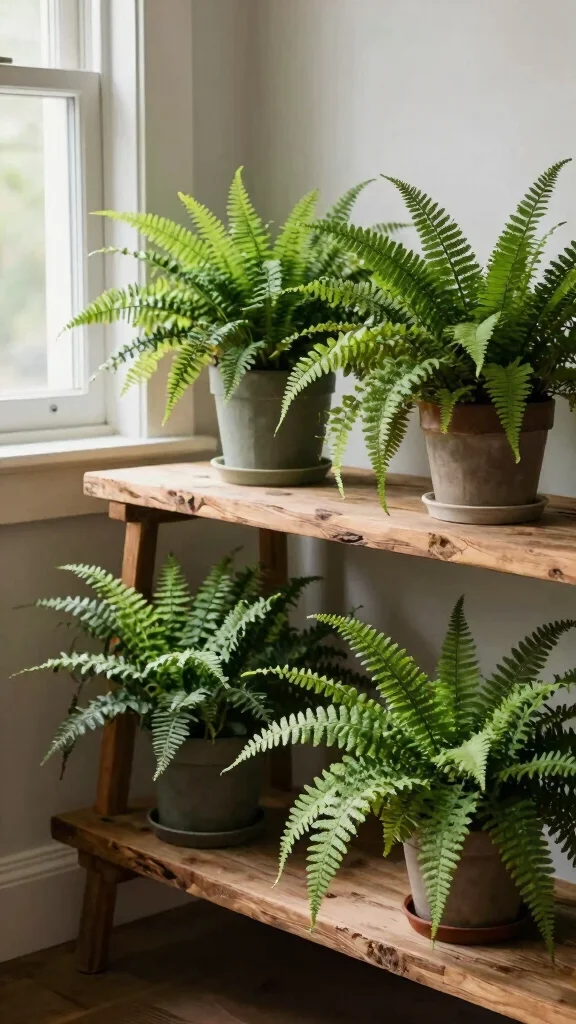
Ferns offer a beautiful and versatile option for indoor gardening, perfect for those who love lush greenery. They thrive in low-light conditions and add a natural touch to your indoor spaces. Varieties like the Bird’s Nest Fern or Maidenhair Fern are especially popular among beginners. Additionally, ferns are known for their air-purifying capabilities, improving your indoor air quality.
To care for your ferns, keep them in well-draining soil and maintain consistent moisture. If your space is dry, using a humidity tray can be beneficial. Fertilizing sparingly during the growing season encourages growth and vitality.
Key care tips:
– Maintain well-draining soil and consistent moisture
– Use a humidity tray if needed
– Fertilize sparingly during growing season
With their delicate fronds, ferns create a soft, serene atmosphere in any indoor setting.
17. Friendship Plant (Pilea involucrata)
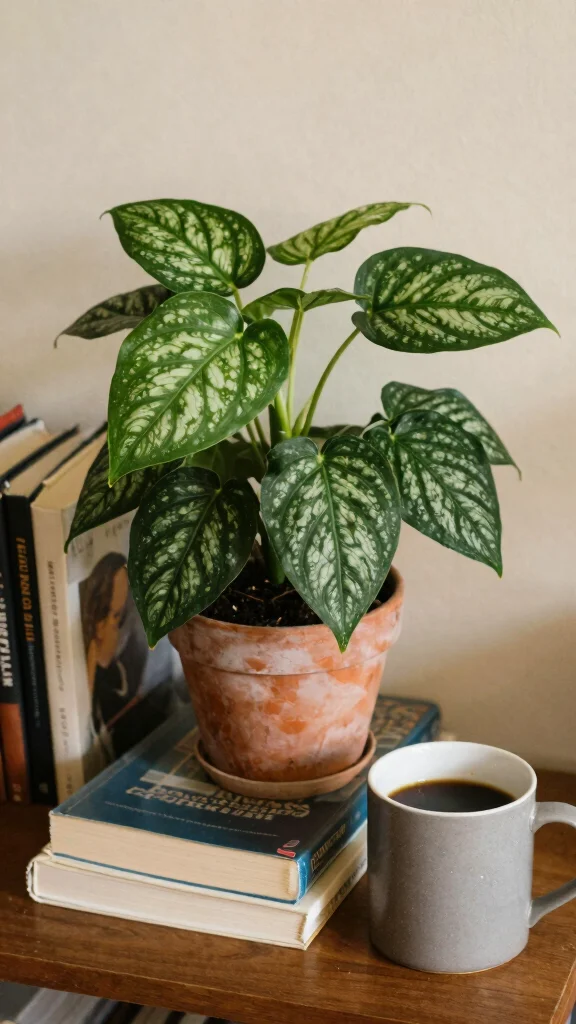
The Friendship Plant is a charming indoor plant that’s perfect for beginners. Its textured leaves feature beautiful shades of green adorned with a distinctive pattern, making it visually appealing. This plant thrives in low to moderate light and requires minimal care, only needing water when the soil feels dry. Additionally, the Friendship Plant is excellent for propagation, allowing you to share plants with friends!
To keep your Friendship Plant healthy, ensure the soil is well-draining and avoid letting it sit in water. Fertilizing monthly during the growing season promotes the best results, while wiping the leaves keeps them clean and vibrant.
Essential care tips:
– Keep soil well-draining and avoid waterlogging
– Fertilize monthly during the growing season
– Wipe leaves for vibrancy
This plant’s unique appearance and ease of care make it a delightful addition to any indoor space.
18. Aloe Vera (Aloe barbadensis miller)
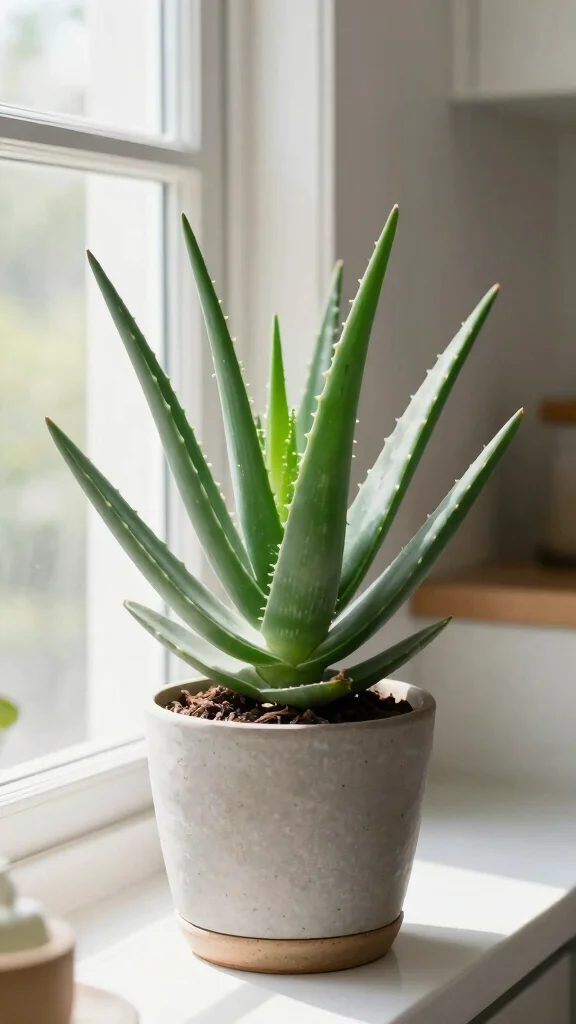
Aloe Vera is not only a striking succulent but also renowned for its healing properties. Its fleshy leaves are filled with moisture, making it a great option for a sunny spot in your home. While it prefers bright light, it can adapt to lower light conditions and thrives with minimal effort. Furthermore, Aloe Vera acts as a natural air purifier, enhancing your indoor air quality.
To care for your Aloe Vera, allow the top inch of soil to dry out between waterings and use cactus soil for good drainage. Rotating the plant every few weeks helps ensure even growth.
Key care tips:
– Allow the top inch of soil to dry between waterings
– Use cactus soil for proper drainage
– Rotate every few weeks for even growth
This plant brings a touch of the outdoors inside, perfect for beginners looking to create an eye-catching space.
19. Calathea (Calathea spp.)
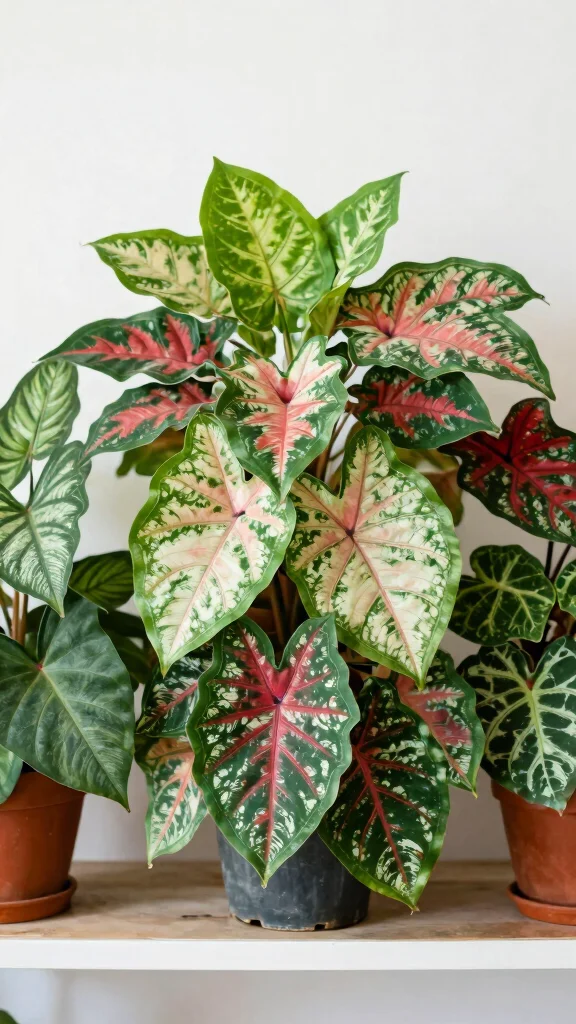
Calathea plants are celebrated for their stunning leaf patterns and colors, showcasing unique shades of green, purple, and pink. These plants thrive in low-light environments, making them an excellent choice for beginners wanting to infuse color into their indoor spaces. They do require a bit more humidity, so grouping them with other plants can be beneficial. Their beautiful foliage not only brightens up any room but also purifies the air.
To care for your Calathea, keep the soil moist but not soggy, as they prefer consistency. Regular misting helps maintain humidity levels, and fertilizing once a month during the growing season supports healthy growth.
Key care tips:
– Keep soil moist but avoid sogginess
– Mist regularly for humidity
– Fertilize monthly during growing season
With their striking appearance and manageable care requirements, Calatheas are a popular choice for plant lovers.
Calathea proves that the best indoor plants can thrive in low light and still wow with color. Keep the soil moist and group them with other plants to boost humidity—your space will feel instantly brighter and airier.
20. Fiddle Leaf Fig (Ficus lyrata)
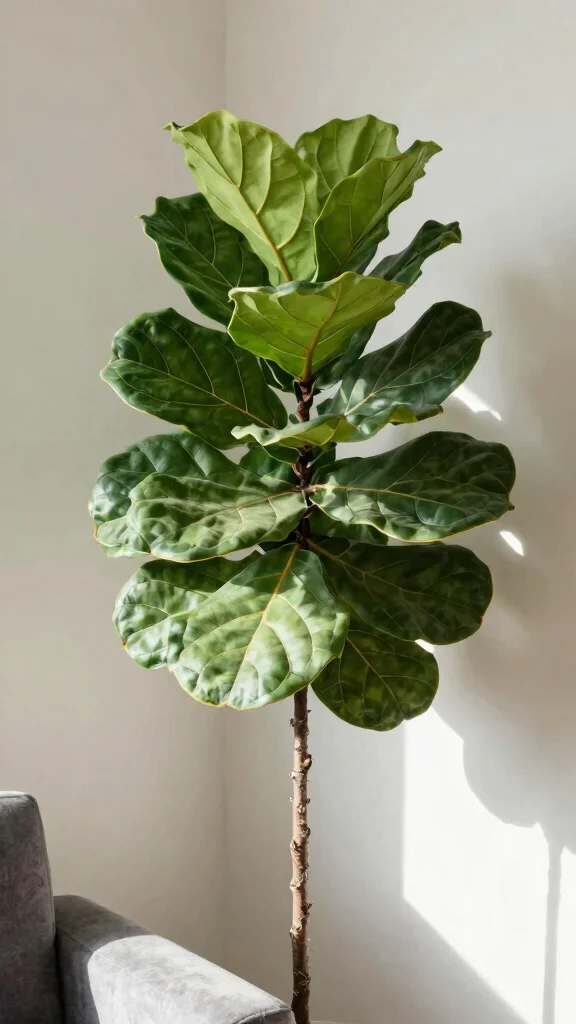
The Fiddle Leaf Fig has gained immense popularity in the interior design world, thanks to its lush, large leaves shaped like violins. This striking plant loves bright, indirect light but can adapt to lower light conditions when necessary. Although it requires a bit more attention than other low-light options, its dramatic appearance can make any corner of your home feel like a stylish oasis.
To keep your Fiddle Leaf Fig healthy, water when the top two inches of soil is dry, taking care not to overwater. Rotating the plant weekly promotes even growth and shape, while dusting the leaves helps maintain their lush appearance.
Key care tips:
– Water when the top two inches of soil are dry
– Rotate weekly for even growth
– Dust leaves for optimal appearance
With the right care, the Fiddle Leaf Fig can become a stunning centerpiece in your indoor garden.
Conclusion
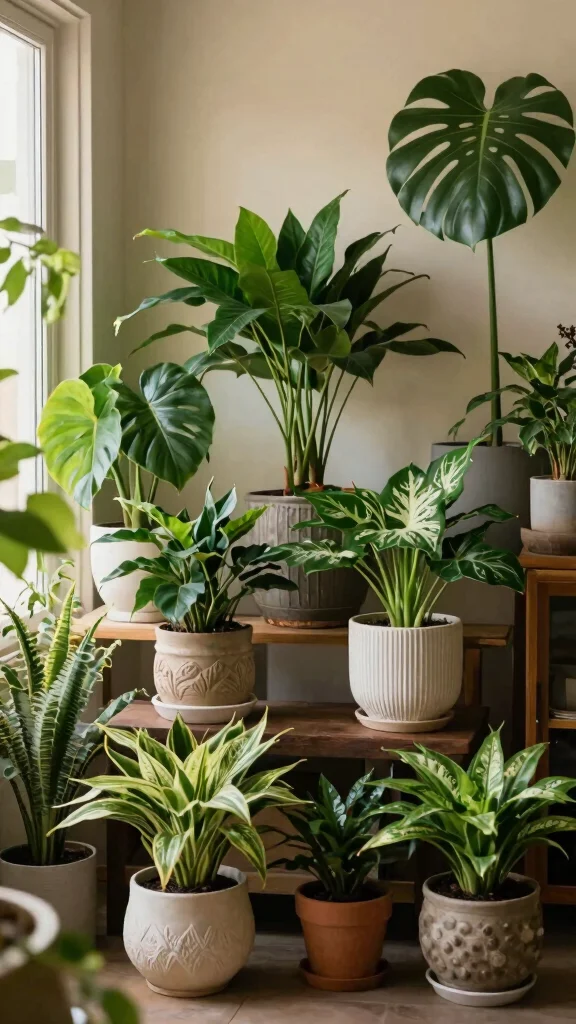
Incorporating indoor plants into your space is a rewarding journey that brings nature indoors while enhancing your home’s aesthetic.
These 20 best indoor plants not only thrive in low-light conditions but also offer easy care, making them perfect for beginners and busy lifestyles.
From the resilient snake plant to the stunning fiddle leaf fig, each plant has its own charm and benefits, inviting life and beauty into your home. Embrace the world of indoor gardening, and enjoy the peace and joy these plants bring!
Frequently Asked Questions
What are the easiest low-light indoor plants for beginners?
For beginners, the low-light indoor plants that are most forgiving include snake plant (Sansevieria), ZZ plant, pothos, cast iron plant, and spider plant. They’re among the best indoor plants for style and easy care because they tolerate shade, irregular watering, and imperfect soil.
Quick indoor plant care tips: use a well-draining potting mix, water only when the top inch of soil dries, and ensure your pots have drainage holes.
Wipe dust off leaves every few weeks to keep them photosynthesizing, and rotate plants occasionally so they grow evenly.
Many of these picks are also air purifying plants, helping improve indoor air quality.
How often should I water low-light indoor plants to avoid overwatering?
Most low-light champions prefer to dry out a bit between waterings. For plants like snake plant, ZZ plant, and pothos, aim for about every 1–2 weeks, adjusting for room humidity and pot size.
Always check the soil first: insert a finger about an inch down; if it’s dry, it’s time to water.
Water thoroughly until it drains from the holes, then empty the saucer and let the pot drain completely.
Consistent watering habits are a key part of indoor plant care and low maintenance plants success.
Do low-light indoor plants help improve indoor air quality?
Yes—many low-light options are air purifying plants that remove common indoor pollutants. Snake plants, pothos, peace lilies, and spider plants are well-known for their air-cleaning abilities, making them a practical choice for bedrooms and offices.
To maximize benefits, keep them healthy with proper light, avoid overwatering, and wipe leaves to remove dust.
For a stylish, functional collection, these selections are among the best indoor plants that also help with air quality.
What are common mistakes to avoid when caring for low-light indoor plants?
Common mistakes include overwatering, under-watering, and giving the plants too little light. Even low-light plants need a bit of brightness, so avoid placing them in complete darkness.
Another trap is neglecting leaf cleaning—dusty leaves block photosynthesis and dull appearance.
Over-fertilizing or using heavy blends can shock roots, so feed sparingly.
Finally, choose a pot with drainage holes and a fresh, well-draining soil mix to prevent soggy roots.
How can I style and arrange the best indoor plants to boost style in a low-light home?
Create a stylish display by starting with a few key low-light candidates like snake plant or ZZ plant and mixing tall upright plants with trailing varieties for depth.
Use decorative pots and baskets that match your decor to emphasize stylish houseplants.
Group plants on shelves, window sills, or a plant stand to build visual interest, and rotate pieces seasonally to keep the display fresh.
With these best indoor plants and some simple indoor gardening tips, you can enjoy a chic, low-maintenance greenery aesthetic.
Related Topics