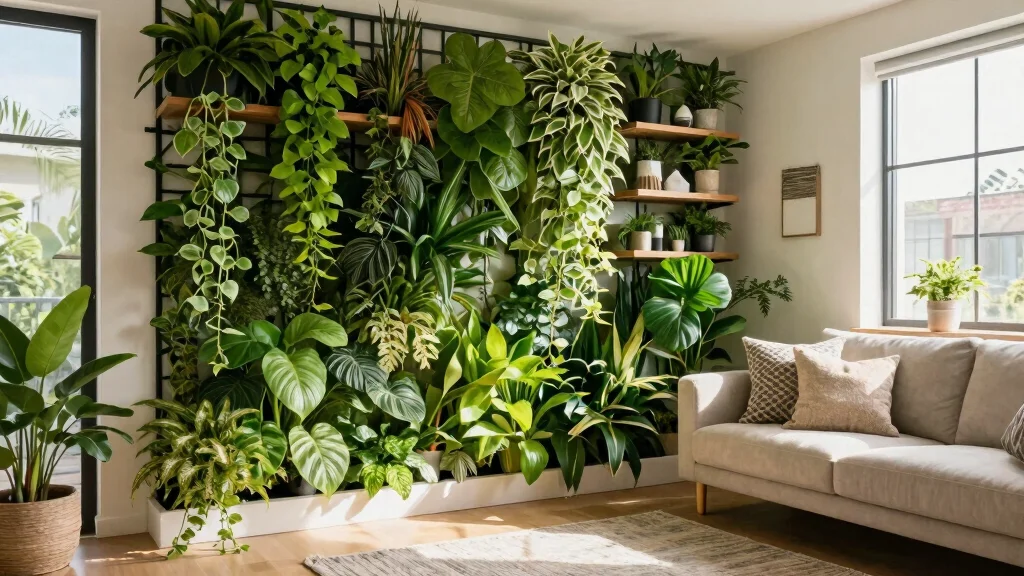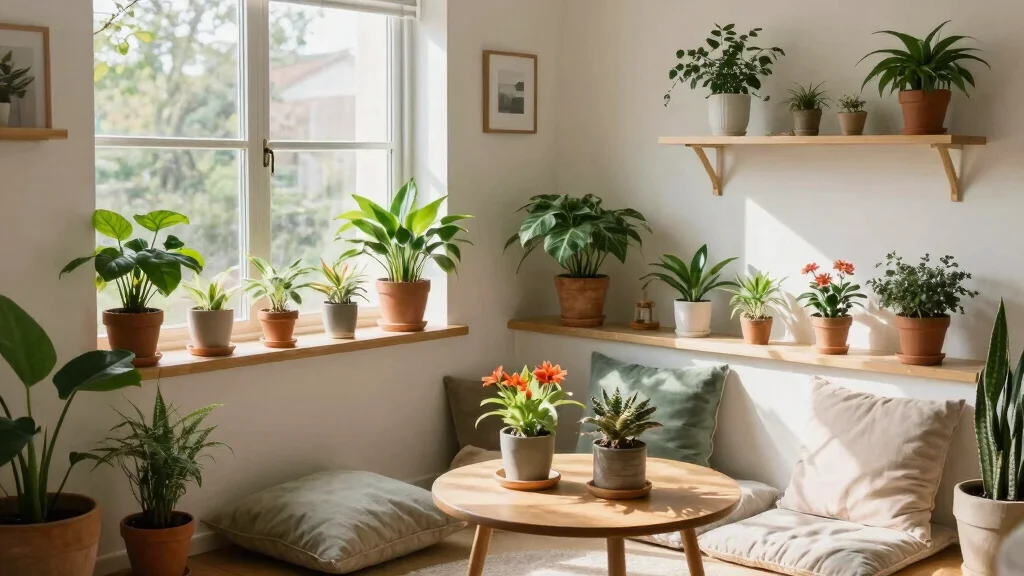

If you’re anything like me, the desire to bring a touch of nature indoors has you dreaming of lush greenery and vibrant leaves. Indoor gardening has become a popular way to transform your living space, and one of the best ways to do that is through the incorporation of big indoor plants. With these leafy companions, you can easily upgrade your home or office into a refreshing oasis, even in low light conditions.
This post is for anyone who loves plants but may not have a ton of sunlight streaming through their windows. If you have a passion for indoor plant care or are just trying to enhance your decor, you’ll find valuable insights here. Whether you’re a seasoned plant parent or a newbie gardener, I’ve gathered a list of 17 big indoor plants that are not only low-light tolerant but also beautiful enough to become stunning focal points in any room.
What can you expect from this guide? You’ll discover a variety of large houseplants that require minimal care while delivering maximum style. From the trendy Monstera Deliciosa to the elegant Peace Lily, each plant comes with tips on how to thrive in your indoor environment. You’ll leave armed with practical indoor gardening tips that make it easy to keep your new green friends happy and healthy.
Key Takeaways
– Discover 17 large houseplants that thrive in low light, adding life and beauty to your indoor space.
– Learn practical indoor plant care tips to ensure your plants remain healthy and vibrant.
– Explore decorative indoor plants that can elevate your home decor without requiring constant sunlight.
– Find actionable advice on plant placement and care to suit your unique living conditions.
– Uncover the benefits of indoor gardening for both aesthetics and air quality improvements in your home.
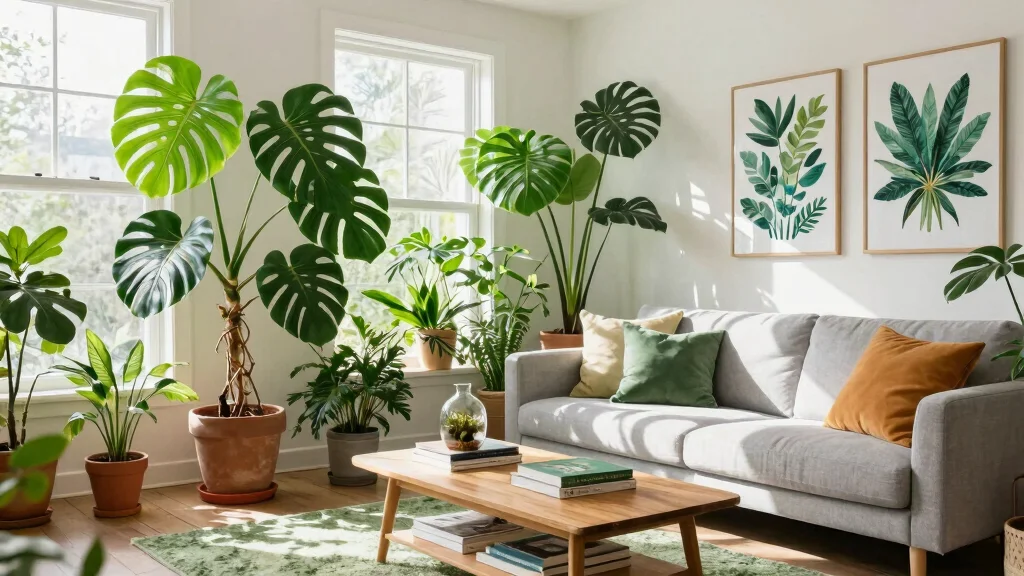
1. Monstera Deliciosa
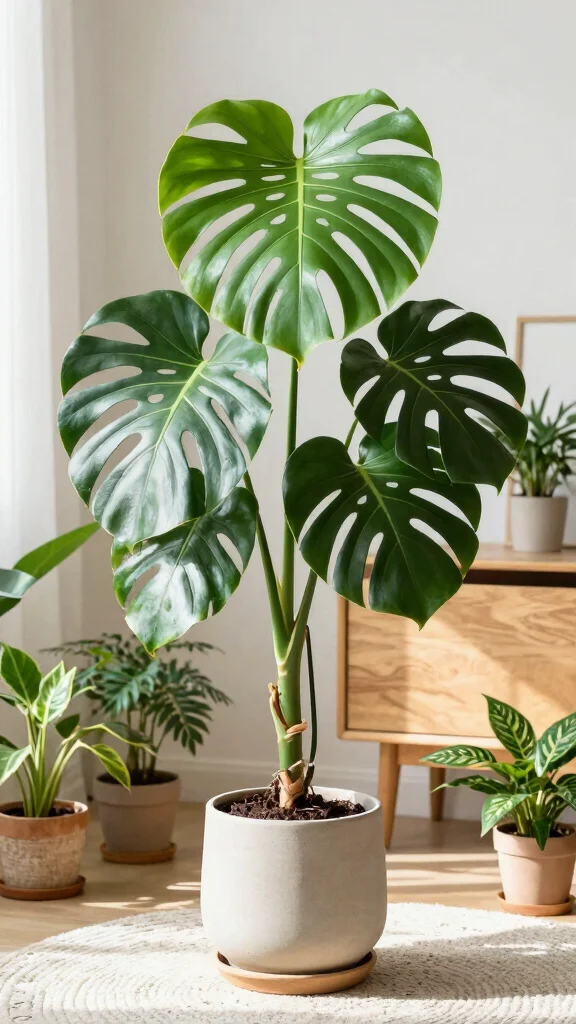
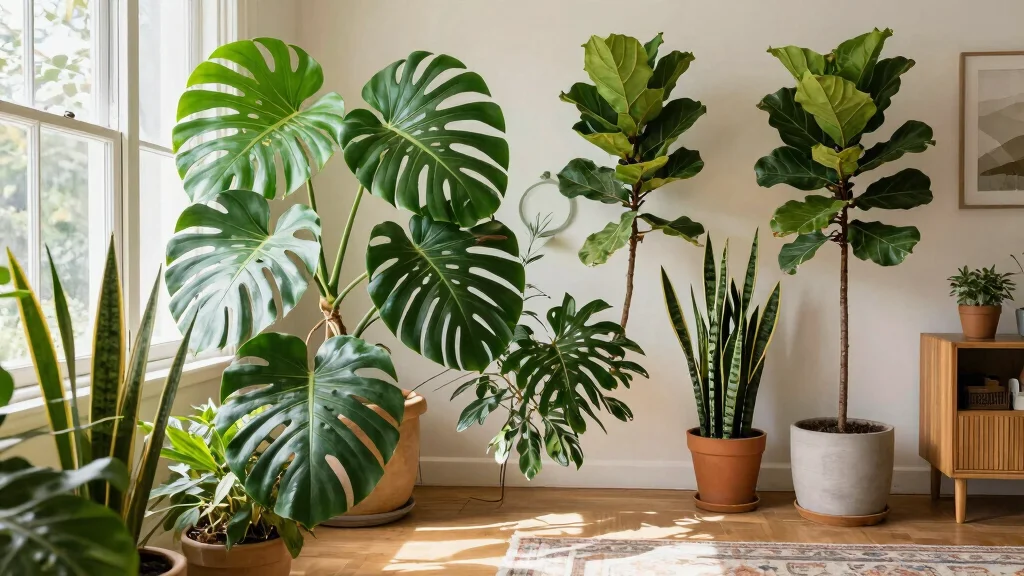
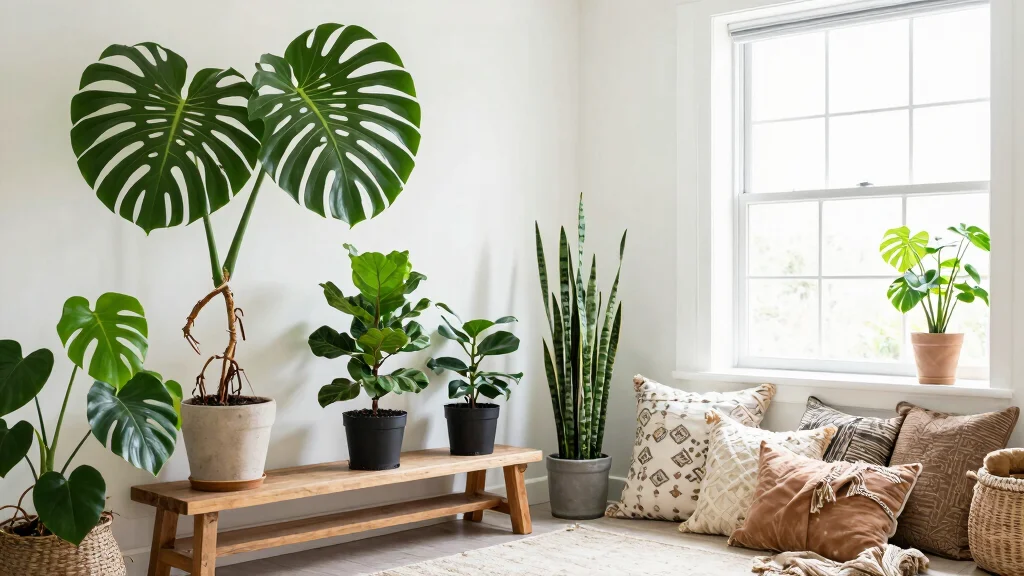
Monstera Deliciosa, popularly known as the Swiss Cheese Plant, is a stunning choice for indoor greenery. Its large, iconic leaves not only catch the eye but also help purify the air, creating a healthier environment. Perfect for low-light spaces, this tropical plant can grow impressively large, transforming any room into a lush oasis.
To keep your Monstera thriving, use a well-draining potting mix and water only when the top inch of soil is dry. Here are some essential care tips:
– Rotate the plant regularly for balanced growth.
– Support it with a moss pole or trellis as it matures.
– Mist the leaves occasionally to mimic its natural humid habitat.
By adding a Monstera to your home, you invite a vibrant tropical atmosphere and a sense of calm. It’s a fantastic choice for beginners wanting to enjoy the beauty of large houseplants without extensive upkeep.
2. Fiddle Leaf Fig
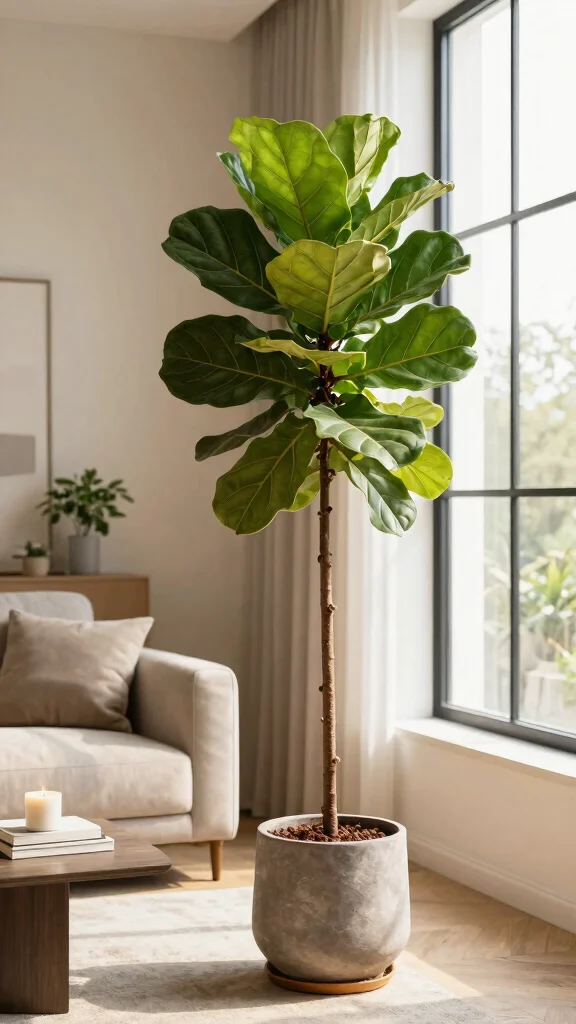
The Fiddle Leaf Fig is a stunning indoor plant known for its dramatic, violin-shaped leaves that bring elegance to any space. Its tall stature makes it an ideal focal point for corners or entryways, adding a sophisticated touch to your decor.
To ensure your Fiddle Leaf Fig flourishes, provide it with bright, indirect light and consider its unique needs. Follow these care tips:
– Water when the top two inches of soil feel dry.
– Dust the leaves regularly to enhance photosynthesis.
– Rotate the pot every so often to promote even growth.
While it may require a little extra attention, a well-cared-for Fiddle Leaf Fig can become a breathtaking centerpiece, elevating your home’s aesthetic.
3. Snake Plant (Sansevieria)
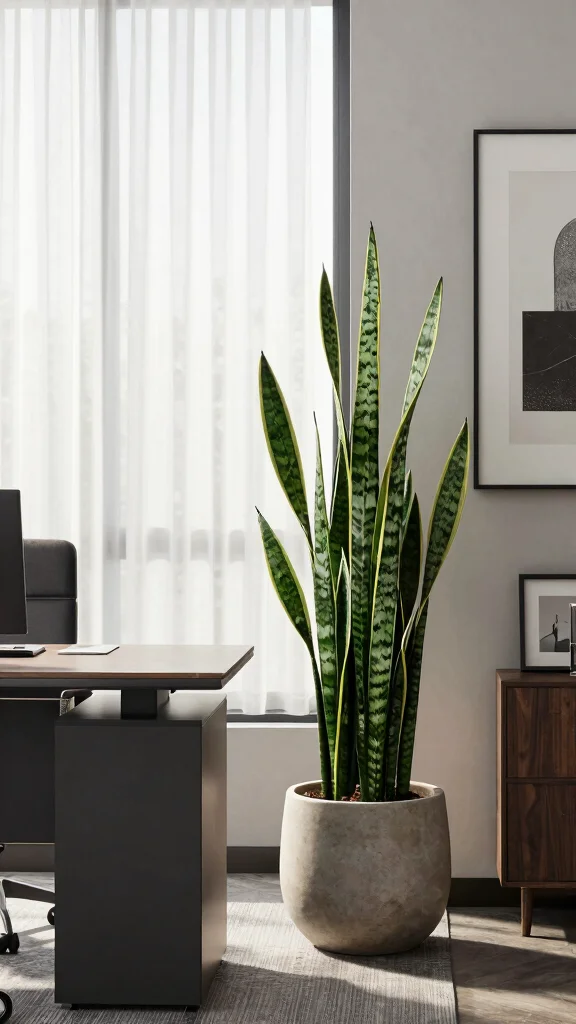
If you want a stunning yet low-maintenance plant, the Snake Plant is perfect for you! Its tall, striking leaves come in various shades of green and can thrive in diverse light conditions, including low light.
Caring for your Snake Plant is simple, making it ideal for busy lifestyles. Keep these tips in mind:
– Use well-draining soil to avoid root rot.
– Opt for a pot with drainage holes.
– Fertilize sparingly during the growing season.
With its elegant form and easy care, the Snake Plant fits beautifully into any interior design, enhancing your space effortlessly.
Ongoing Maintenance & Care Guide
Maintaining big indoor plants can seem daunting, but with a straightforward schedule and a few easy tips, you can keep your green friends thriving. Let’s dive into your ongoing maintenance and care guide to ensure your large houseplants remain healthy and beautiful.
Maintenance Schedule:
Daily/Weekly Tasks:
– Watering: Check the soil moisture level. Water when the top inch feels dry. This usually takes 5-10 minutes.
– Dusting Leaves: Wipe off dust with a damp cloth. This helps the plant breathe and looks nice too. Spend about 5 minutes on this task.
– Rotate Plants: Rotate pots every couple of weeks for even light exposure. This takes around 5 minutes.
Monthly/Seasonal Tasks:
– Fertilizing: Use a balanced indoor plant fertilizer during the growing season (spring and summer). Apply every 4-6 weeks, taking about 15 minutes each time.
– Repotting: Check for root crowding. If roots are coming out of the drainage holes, it’s time to repot. This task may take an hour or so, depending on the plant size.
– Pruning: Trim any dead or yellowing leaves to promote growth. This usually takes about 10-15 minutes once a month.
Maintenance Summary Table:
| Task | Frequency | Difficulty | Time Needed |
|————————|——————|—————–|—————–|
| Watering | Daily/Weekly | Easy | 5-10 minutes |
| Dusting Leaves | Weekly | Easy | 5 minutes |
| Rotate Plants | Every 2 weeks | Easy | 5 minutes |
| Fertilizing | Monthly | Moderate | 15 minutes |
| Repotting | Seasonal | Moderate | 1 hour |
| Pruning | Monthly | Easy | 10-15 minutes |
Common Issues to Watch For:
⚠️ Yellow Leaves: If you notice yellowing leaves, it could mean overwatering. Check the soil moisture.
⚠️ Brown Leaf Tips: Brown tips usually indicate low humidity or underwatering. Consider misting or increasing water.
⚠️ Wilting: This could mean underwatering or root rot. Assess your watering schedule and check roots for damage.
⚠️ Pests: Look for sticky residue or webs. If you find pests like spider mites or aphids, treat immediately.
⚠️ Slow Growth: If your plant isn’t growing, it might need more light or nutrients. Evaluate its location and fertilizer routine.
Care Tips:
💡 Choose the Right Spot: Place your big indoor plants in areas with filtered light. Low light indoor plants thrive in bright, indirect light.
💡 Humidity Matters: Many large houseplants prefer humidity. Group them together or use a pebble tray with water to raise humidity levels.
💡 Monitor Temperature: Keep your plants in a stable temperature range, ideally between 65°F and 75°F. Avoid drafty areas to prevent stress.
💡 Be Mindful of Pets: Some indoor plants can be toxic to pets. Check if your plant is safe if you have furry friends around.
💡 Stay Consistent: Create a routine for watering and care. Consistency is key to indoor plant care success.
Big indoor plants can brighten up your space and improve air quality. Regular maintenance and observation will keep them looking their best. With this guide, you have the tools to nurture your large houseplants successfully while enjoying the beauty they bring to your home.
4. Rubber Plant (Ficus elastica)
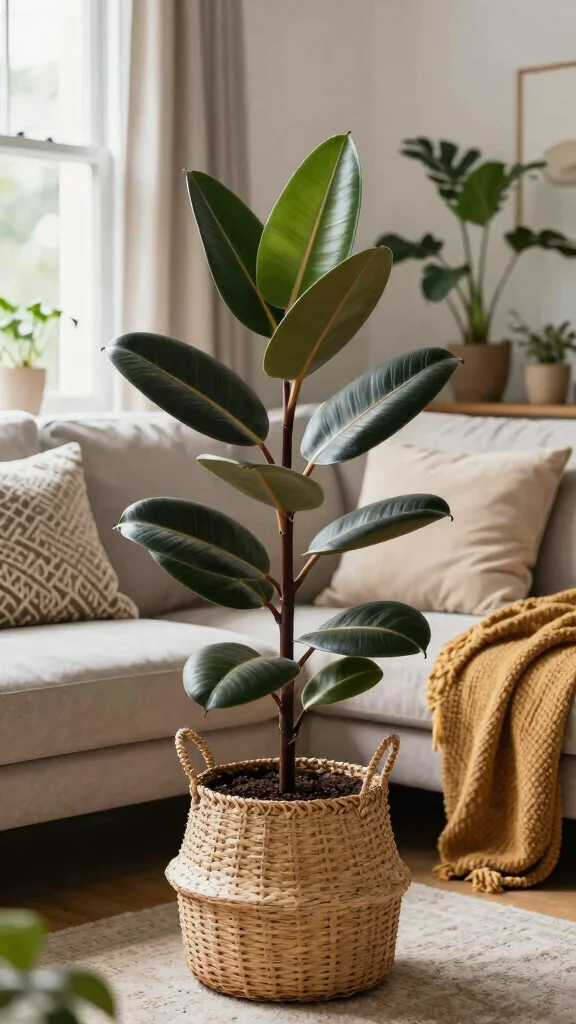
The Rubber Plant stands out with its glossy leaves that can range from deep green to rich burgundy, adding a touch of sophistication to your indoor garden. It thrives in low-light areas and can grow to impressive heights, making it a captivating addition to any room.
To nurture your Rubber Plant effectively, find a bright spot avoiding direct sunlight. Keep these care points in mind:
– Water when the top inch of the soil is dry to prevent root rot.
– Wipe leaves occasionally to keep them dust-free.
– Prune regularly to maintain its shape.
This resilient plant is perfect for those looking to enhance their space effortlessly, adding a dramatic flair with minimal effort.
Fun fact: Rubber Plants can reach 6–10 feet indoors, one of the big indoor plants that thrive in low light. Keep it happy by watering when the top inch dries and wiping the glossy leaves weekly—avoiding direct sun for the best color.
5. ZZ Plant (Zamioculcas zamiifolia)
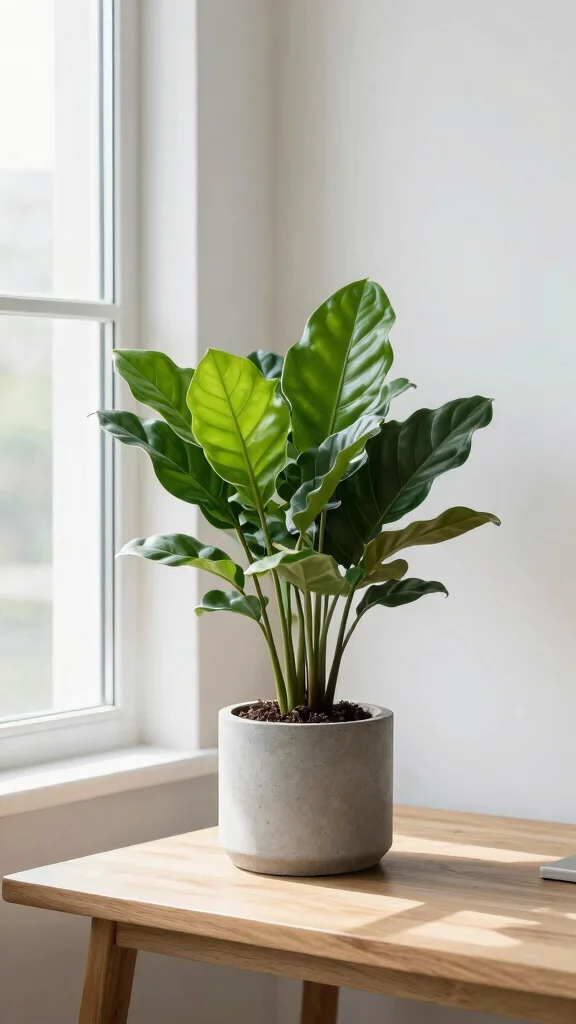
The ZZ Plant is celebrated for its incredible resilience and glossy, dark green leaves, making it an excellent choice for modern interiors. This hardy plant thrives in low light and is perfect for those new to plant care, as it can adapt to various conditions.
Caring for your ZZ Plant is hassle-free:
– Water every few weeks, allowing the soil to dry out completely.
– Place it in indirect or low light areas.
– Fertilize sparingly during the growing season if desired.
With its stylish look and adaptability, the ZZ Plant is perfect for offices or dimly lit rooms, bringing a chic touch to your decor.
6. Chinese Evergreen (Aglaonema)
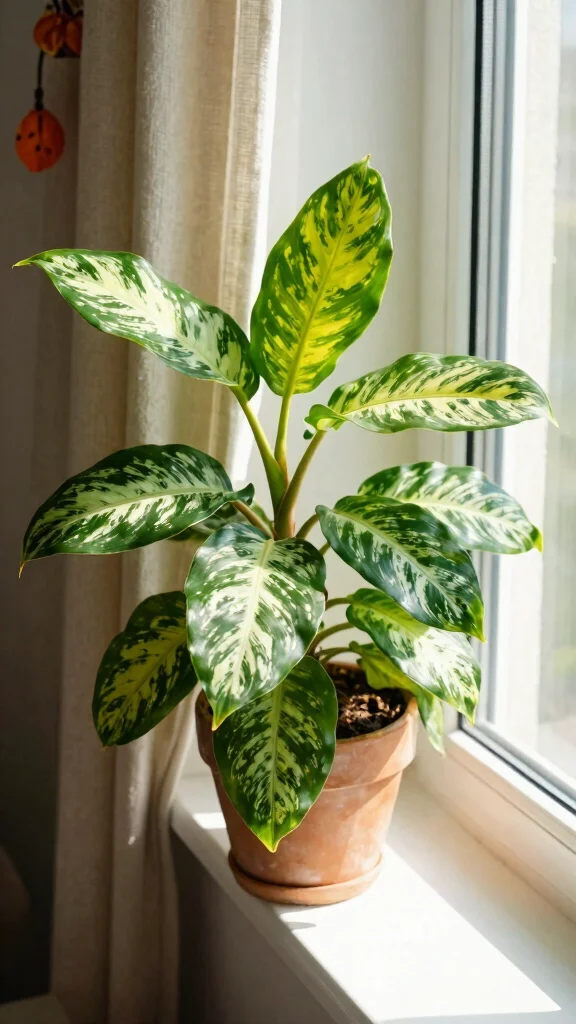
Chinese Evergreen is a vibrant indoor plant known for its striking leaf patterns and ability to thrive in low-light conditions. Its colorful foliage ranges from deep greens to striking silvers and reds, instantly brightening any corner of your home.
Caring for this beauty is straightforward:
– Keep it in indirect sunlight for the best colors.
– Allow the soil to dry out slightly between waterings.
– Mist the leaves occasionally to maintain humidity.
Not only does this plant enhance your decor, but it also purifies the air, making it a smart addition to any indoor space.
7. Peace Lily (Spathiphyllum)
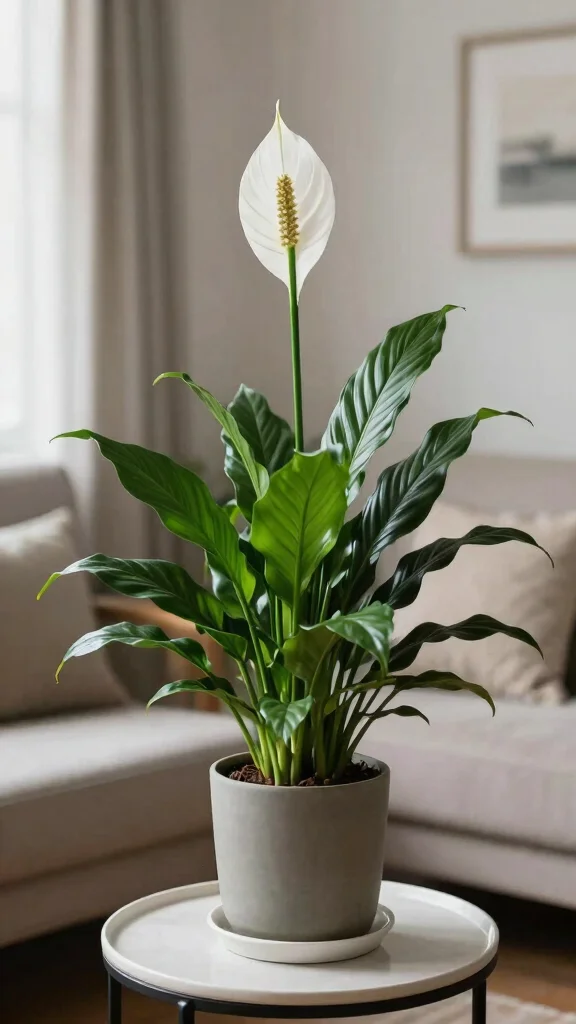
The Peace Lily is an exceptional choice for those seeking both beauty and functionality in their indoor plants. With its elegant white blooms and lush greenery, it enhances any room while helping to purify the air.
This plant thrives in low light and requires minimal care:
– Water when the topsoil feels dry; it will droop slightly when thirsty.
– Place it in indirect light for optimal flower production.
– Wipe the leaves to prevent dust buildup.
With its ability to bloom indoors, the Peace Lily brings joy and tranquility to your space.
Peace Lily magic is real: it brightens rooms even in low light, a favorite among big indoor plants, and it forgives busy days. Water when the topsoil feels dry, wipe the leaves monthly, and watch those elegant white blooms appear.
8. Dracaena Marginata
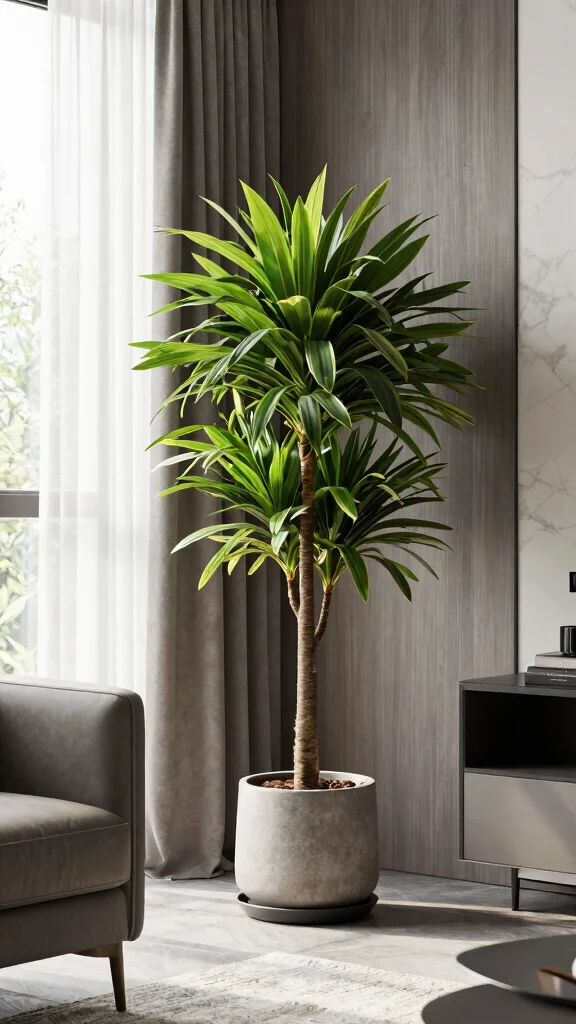
Dracaena Marginata, also known as the Dragon Tree, features striking spiky leaves that emerge from a tall trunk, adding an exotic touch to your home. This plant is easy to care for and thrives in indirect light, making it a great choice for busy lifestyles.
To care for your Dracaena Marginata, keep these tips in mind:
– Water when the top inch of soil is dry, avoiding overwatering.
– Fertilize monthly during the growing season for best results.
– Prune brown tips or yellowing leaves for a tidy appearance.
Its architectural look makes it perfect for modern decor, enhancing your space with minimal effort.
9. Pothos (Epipremnum aureum)
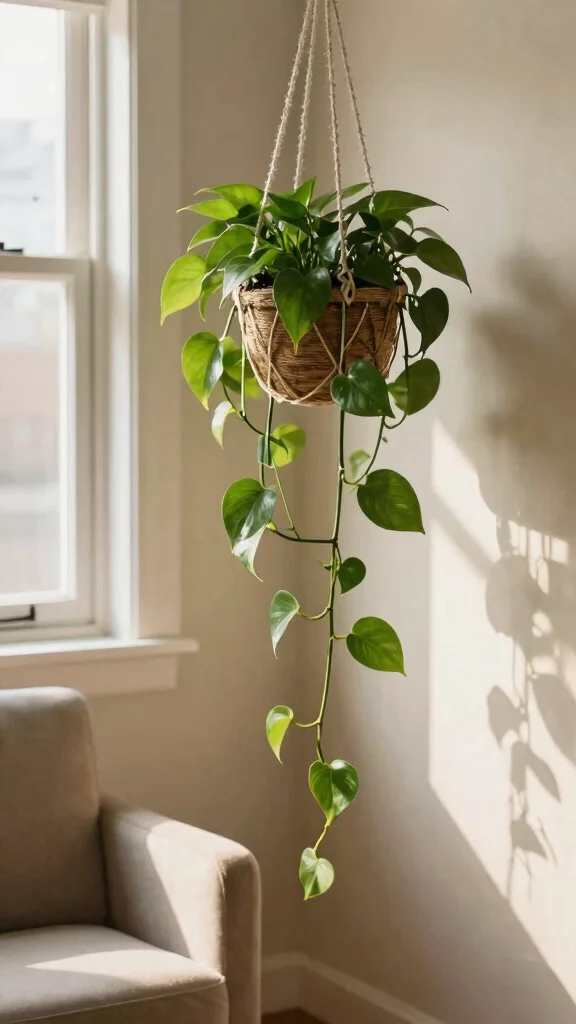
Pothos is a versatile plant that thrives in various conditions, making it a favorite among indoor gardeners. With its trailing vines and heart-shaped leaves, Pothos can flourish in low-light areas and is forgiving if neglected for a while.
Here are some care tips to keep your Pothos healthy:
– Allow the soil to dry out between waterings; they prefer slightly drier conditions.
– Pinch back the stems to encourage bushier growth.
– Grow it in hanging baskets or train it to climb a trellis for a stunning effect.
With its adaptability, Pothos is perfect for adding greenery and charm to any room without much fuss.
10. Bird of Paradise (Strelitzia reginae)
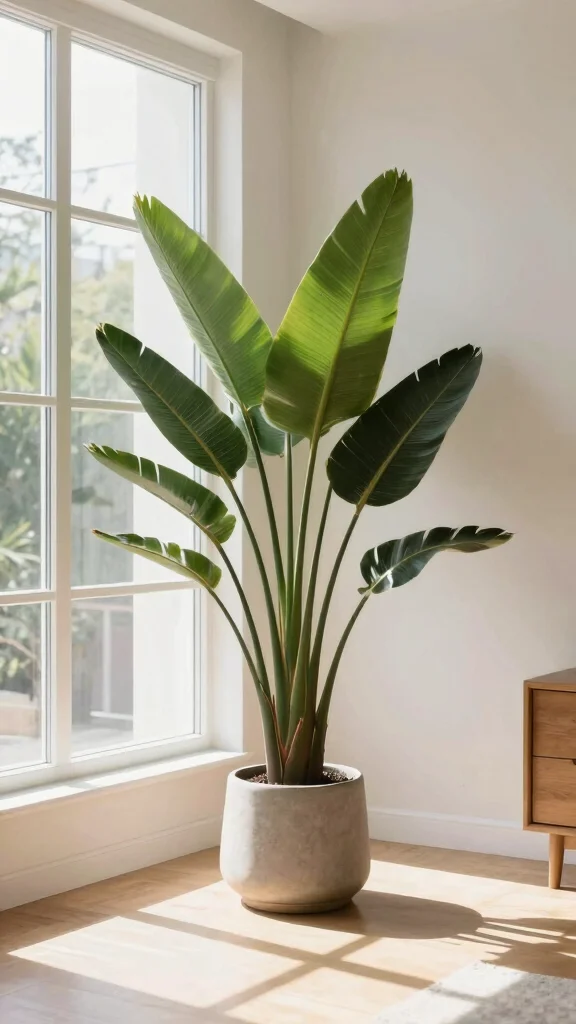
For a bold statement in your home, consider the Bird of Paradise plant. Its unique foliage resembles a bird in flight, adding a dramatic flair to your decor. This plant can grow tall, enhancing any space beautifully.
While it prefers bright, indirect light, it can adapt to lower light conditions. Keep these care tips in mind:
– Water when the topsoil feels dry.
– Fertilize regularly during the growing season for optimal growth.
– Prune as necessary to maintain its shape.
Adding a Bird of Paradise will create an instant tropical vibe, infusing warmth and vibrancy into your home.
11. Cast Iron Plant (Aspidistra elatior)
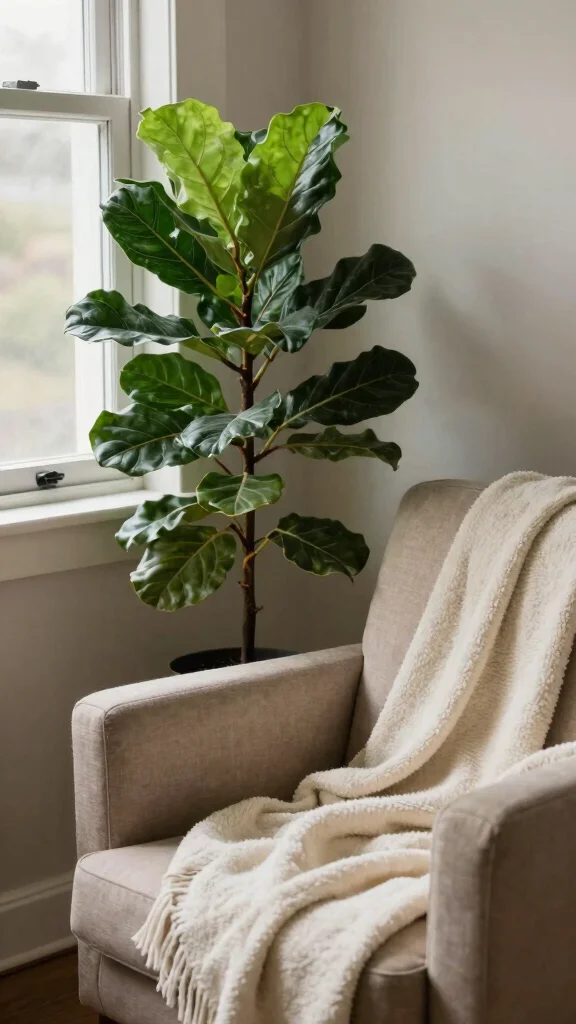
The Cast Iron Plant lives up to its name with its durability and ability to thrive in challenging conditions. Featuring dark green leaves, this hardy plant excels in low-light spaces, making it an excellent choice for busy lifestyles.
Caring for the Cast Iron Plant is easy:
– Water when the soil is completely dry; it prefers to be on the drier side.
– Avoid direct sunlight, which can damage the leaves.
– Dust the leaves occasionally to keep them looking their best.
With its resilience and classic appearance, the Cast Iron Plant fits seamlessly into both modern and traditional decor.
12. Corn Plant (Dracaena fragrans)
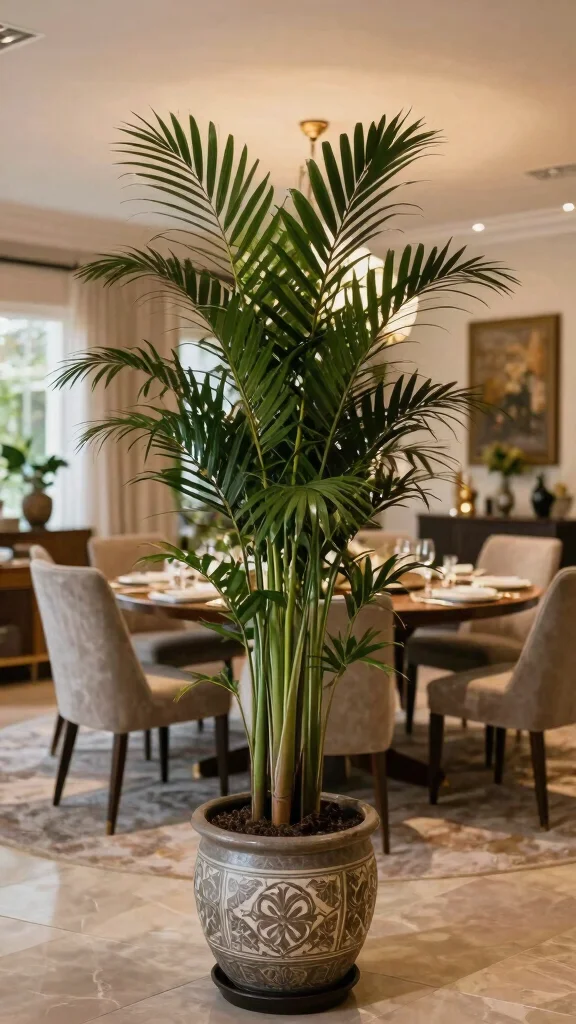
The Corn Plant is known for its tall, stalk-like structure adorned with long, narrow leaves, making it an eye-catching addition to your indoor space. This plant flourishes even in low-light environments, perfect for larger areas.
To care for your Corn Plant, follow these guidelines:
– Water when the top inch of soil is dry; avoid overwatering.
– It prefers indirect light but can adapt to shadier spots.
– Prune as needed to maintain a neat shape.
With its unique form and straightforward care, the Corn Plant can become a striking centerpiece in your home.
Big indoor plants like the Corn Plant (Dracaena fragrans) love a shady corner and still look tall and dramatic. Water only when the top inch of soil is dry, and prune to keep that neat, stalk-like form.
13. Areca Palm (Dypsis lutescens)
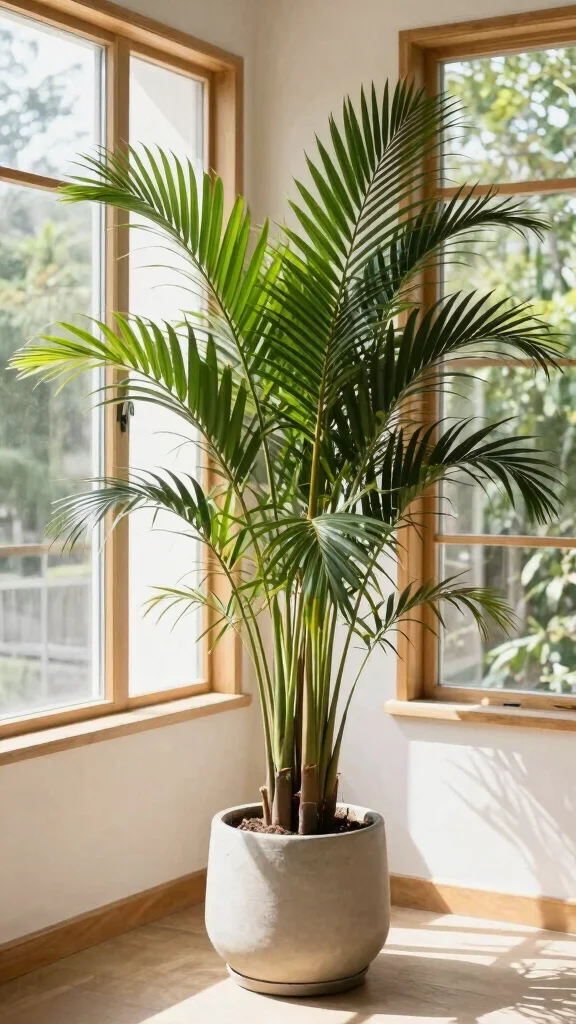
The Areca Palm brings a touch of tropical elegance to your living space with its feathery fronds and graceful stature. It thrives in brighter areas but can also adapt to lower light, making it a versatile choice for various settings.
For optimal health, care for your Areca Palm by following these tips:
– Water when the top layer of soil dries out, avoiding standing water.
– Mist the leaves regularly to maintain humidity.
– Rotate the plant every few weeks to encourage even growth.
This palm adds a relaxed vibe to your environment, enhancing any living space or office beautifully.
14. Kentia Palm (Howea forsteriana)
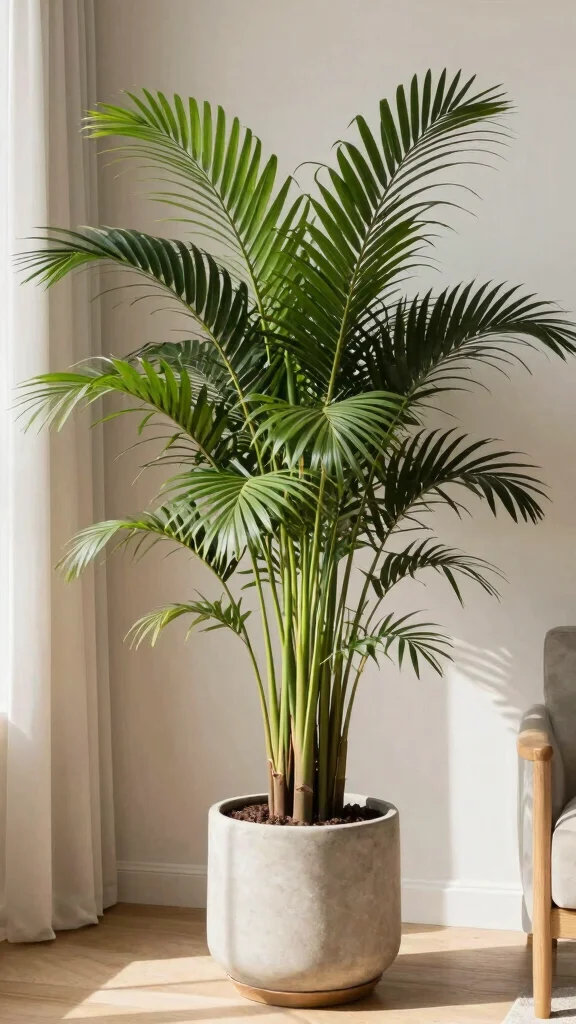
The Kentia Palm is an excellent choice for those desiring a large, low-light tolerant plant. With its graceful arching fronds, it brings a luxurious tropical feel to your home.
To care for your Kentia Palm, keep these tips in mind:
– Water when the top two inches of soil are dry, ensuring proper drainage.
– Place in bright, indirect light, but it can adjust to lower light levels.
– Fertilize with a balanced fertilizer during the growing season for best results.
This elegant palm enhances your home decor while seamlessly bringing nature indoors.
15. Ponytail Palm (Beaucarnea recurvata)
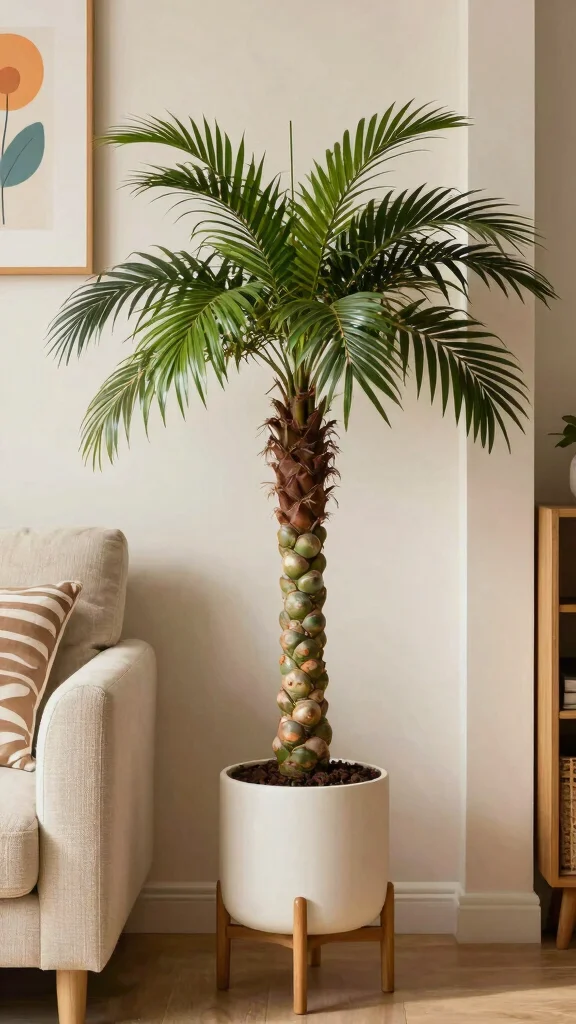
The Ponytail Palm offers a quirky twist to your indoor garden with its bulbous base and long, spiky leaves. This unique plant adds a playful touch to your decor while thriving in low light.
For optimal care of your Ponytail Palm:
– Allow the soil to dry out completely between waterings; it’s drought-tolerant.
– Provide bright, indirect light for the best growth.
– Fertilize sparingly during the growing season to support its unique growth.
Its distinctive look is sure to be a conversation starter, making it perfect for adding character to your space.
16. Bamboo Palm (Chamaedorea seifrizii)
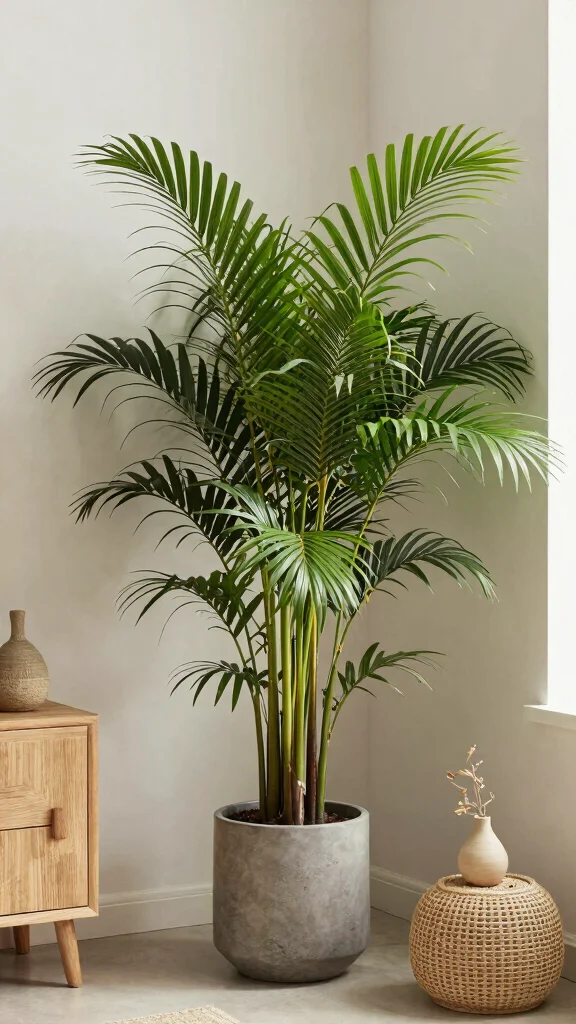
The Bamboo Palm is a charming indoor plant that brings a lush, tropical feel to any environment. With its thin, bamboo-like stems and delicate fronds, this plant is perfect for those seeking big indoor plants that won’t overwhelm a room.
For care, follow these guidelines:
– Water when the top inch of soil is dry, allowing it to dry between waterings.
– It’s best positioned in low to bright indirect light.
– Wipe down the leaves to keep them healthy and dust-free.
This palm not only thrives in low light but also improves indoor air quality, making it a smart addition to your home.
17. Money Tree (Pachira aquatica)
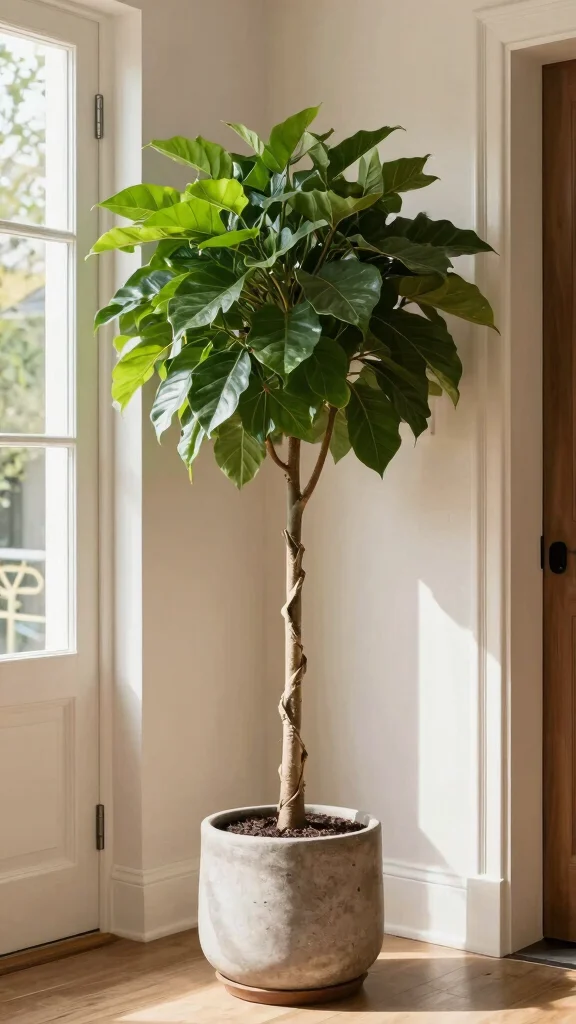
The Money Tree is a popular choice for homes and offices, believed to bring good luck and prosperity. Its unique braided trunk and large, glossy leaves make a striking statement while thriving in low-light environments.
For optimal care, keep these tips in mind:
– Water when the soil feels dry to the touch, avoiding overwatering.
– Keep it in bright, indirect light but it can tolerate lower light.
– Prune as needed to maintain shape and remove any dead leaves.
By adding a Money Tree to your space, you enhance your decor with its beauty and bring a sense of positivity and good vibes.
Conclusion
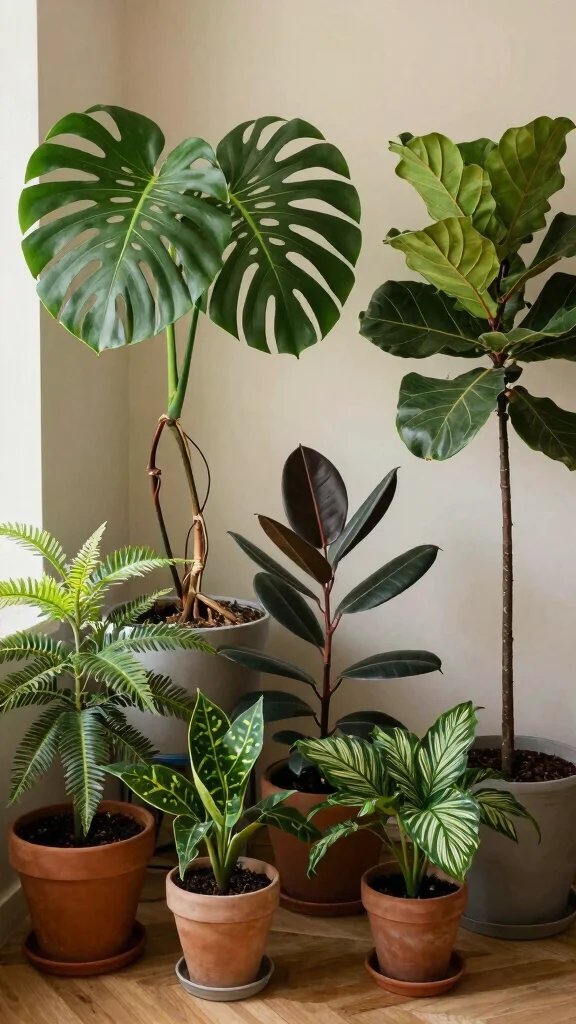
Big indoor plants can completely transform your living space, bringing a burst of life and personality into any room. From the striking Monstera to the resilient Snake Plant, there’s a variety to suit every taste and lifestyle. Remember, the right care and the ideal location can ensure your plants thrive beautifully. So, whether you’re a seasoned plant parent or just starting out, consider adding these low-light tolerant big indoor plants to your collection. They’ll not only enhance your decor but also contribute to a healthier living environment.
Which plant caught your eye? Let us know your favorites!
Frequently Asked Questions
Which big indoor plants thrive in low-light spaces?
Finding big indoor plants that tolerate low light is totally doable. Great options include the ZZ plant (Zamioculcas zamiifolia), the Cast Iron Plant (Aspidistra elatior), the Snake Plant (Sansevieria trifasciata), the Corn Plant (Dracaena fragrans ‘Massangeana’), and the Peace Lily (Spathiphyllum). These are reliable large houseplants that stay lush with minimal light, making them perfect as decorative indoor plants in living rooms or entryways.
Care tips: keep them away from direct sun, water when the top inch of soil dries, and use a pot with drainage. Dust leaves occasionally so photosynthesis stays efficient, and feed lightly in the growing season. For best results in a low-light space, group a couple of these plants together and rotate their positions every few weeks to spread light exposure.
How should I care for large houseplants to keep them thriving?
Big indoor plants need a simple routine: light, water, soil, and a little attention to growth. Start with a pot that has drainage and a well-draining mix. Water only when the top inch (2.5 cm) of soil dries to avoid root rot.
Feed sparingly with a balanced indoor plant fertilizer during the growing season, typically spring and summer. Wipe dust off leaves weekly to keep their breathing surfaces clear, and rotate plants every few weeks to promote even growth. Keep them away from cold drafts and very dry heat, and check for pests regularly. This approach covers indoor plant care basics and aligns with practical indoor gardening tips for impressive, low-maintenance big indoor plants.
Do big indoor plants improve decor and air quality in a home?
Absolutely—and they do it with style. A bold specimen can anchor a seating area or frame a window, transforming how a room feels and looks. Many decorative indoor plants are also reputed to help with air quality by removing common pollutants, though results vary by space. To maximize impact, place a statement plant where you’ll see it daily, pair it with a stylish pot, and follow simple light and watering guidelines to keep it thriving. In short, they’re great for big indoor plants that double as art and air-cleaners.
What common mistakes should I avoid with big indoor plants in low-light rooms, and how can I fix them?
Common missteps include overwatering, under-watering, and ignoring seasonal light changes. To fix them: water only when the top 1–2 inches of soil are dry and use a drainage-friendly pot; don’t let the pot sit in a saucer full of water. Keep fertilizer light—every 6–8 weeks in growing season is plenty for most low light indoor plants. Dust leaves to maintain photosynthesis, avoid placing plants in drafts, and repot when roots fill the container. Regularly inspect for pests and signs of stress, and adjust light or watering as needed to protect your big indoor plants.
Which big indoor plants are beginner-friendly and easy to find for new gardeners?
Great starter options include the ZZ plant, Snake Plant, Cast Iron Plant, Corn Plant (Dracaena fragrans), and the Peace Lily. These are widely available at garden centers and retailers, tolerate a range of light levels, and recover well from typical beginner mistakes. Pro tips: start with a potting mix that drains well, place plants where you’ll notice them daily, and use indoor gardening tips for a smooth, rewarding experience as you grow your collection of big indoor plants.
Related Topics