
Creating your own garden oasis backyard has never been more appealing. With the hustle and bustle of day-to-day life, many of us crave a tranquil space to escape and unwind. This post is inspired by a desire to help you transform your outdoor area into a peaceful haven, where you can relax, recharge, and reconnect with nature.
If you love gardening, sustainable living, or simply want to create a serene environment, this guide is for you. It caters to anyone looking to enhance their backyard, whether you’re a seasoned gardener or a newbie with a vision. In this post, you’ll discover 16 thoughtful ideas that not only elevate your outdoor space but also promote eco-friendly practices. These ideas are perfect for crafting your own cozy retreat, filled with greenery, natural beauty, and the soothing sounds of nature.
Get ready to dive into an array of creative concepts, from native plant gardens to relaxing zones, that will help you design your dream garden oasis. You’ll find practical tips and step-by-step advice to assist you in implementing these ideas. By the end, you will have the inspiration you need to create a backyard that feels like your personal sanctuary.
Key Takeaways
– Discover eco-friendly ideas that contribute to a sustainable backyard while offering a peaceful retreat.
– Explore various landscaping concepts such as native plant gardens and wildlife habitats to enhance biodiversity.
– Learn to create outdoor relaxation spaces featuring cozy fire pits, pergolas, and serene water features.
– Implement practical DIY garden retreats with vertical gardens, herb spirals, and natural pathways for a personal touch.
– Find ways to enjoy your garden oasis at night with creative lighting strategies that enhance beauty and tranquility.
1. Create a Native Plant Garden
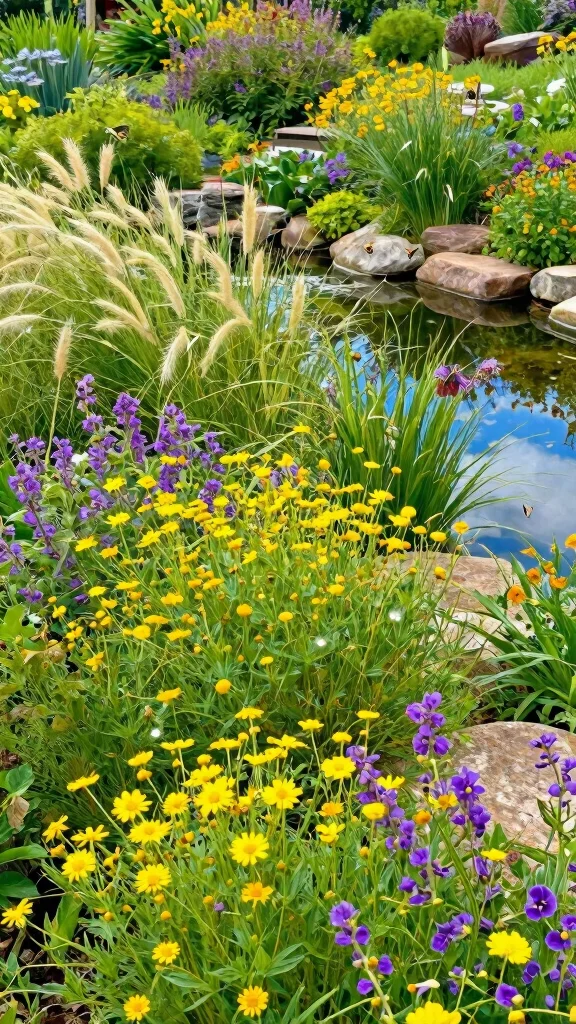
Are you ready to enhance your garden’s beauty while supporting local wildlife? Creating a native plant garden is a fantastic way to achieve both! These plants not only thrive in your local climate but also require less water and maintenance, making them a smart choice for any gardener. Plus, their vibrant colors and textures attract essential pollinators like bees and butterflies, enriching your outdoor space.
Start by researching which native plants flourish in your area. Look for a mix of wildflowers, grasses, and shrubs that will thrive together. When designing your garden, consider varying the heights and textures of your plants for a dynamic visual appeal. Don’t forget to add a small water feature to further attract wildlife and create a serene environment.
Key steps to get started:
– Research native plants suited to your region.
– Design with varying heights and textures.
– Incorporate a small water feature for wildlife.
– Group plants based on similar water needs.
By creating a native plant garden, you foster a thriving ecosystem while enjoying a beautiful and low-maintenance landscape.
2. Add a Cozy Fire Pit
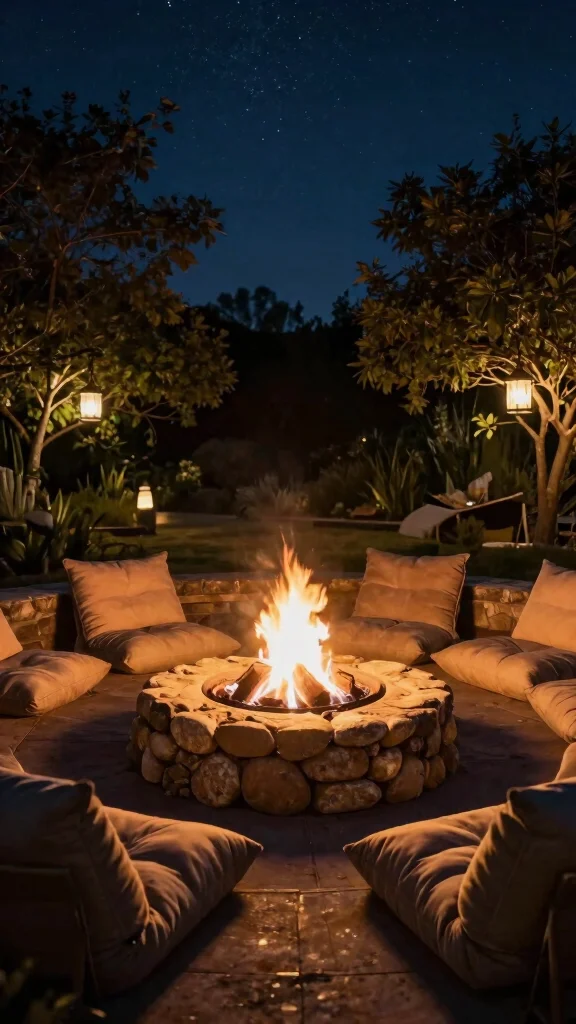
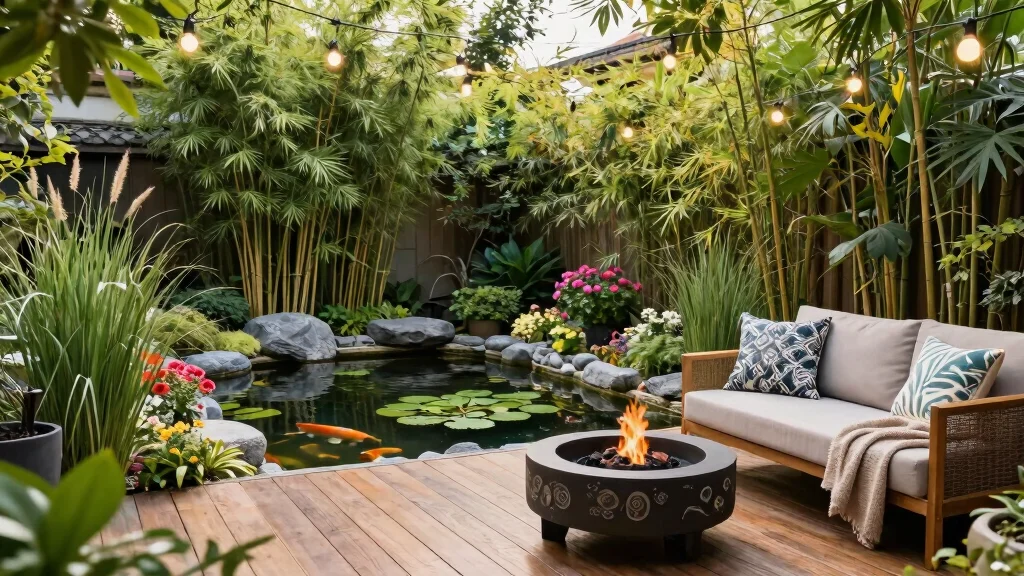
Imagine cozy evenings spent around a crackling fire in your backyard. Adding a fire pit not only creates a warm gathering spot but also enhances the overall atmosphere of your outdoor space. You can choose from various styles, whether you prefer a rustic stone design or a sleek modern metal pit, ensuring it fits your aesthetic.
Surround your fire pit with comfortable seating options, such as weather-resistant chairs or even rustic logs for a natural vibe. To elevate the experience, throw in some outdoor blankets and cushions for added comfort. This isn’t just about warmth; it’s about creating memories and enjoying the ambiance of flickering flames under the stars.
Essential Points:
– Select an eco-friendly fire pit option.
– Create a comfortable seating area around the fire.
– Use outdoor blankets for extra coziness.
– Check local regulations regarding outdoor fires.
With a cozy fire pit, your backyard transforms into an inviting retreat perfect for gatherings or quiet nights under the stars.
3. Install a Rain Garden
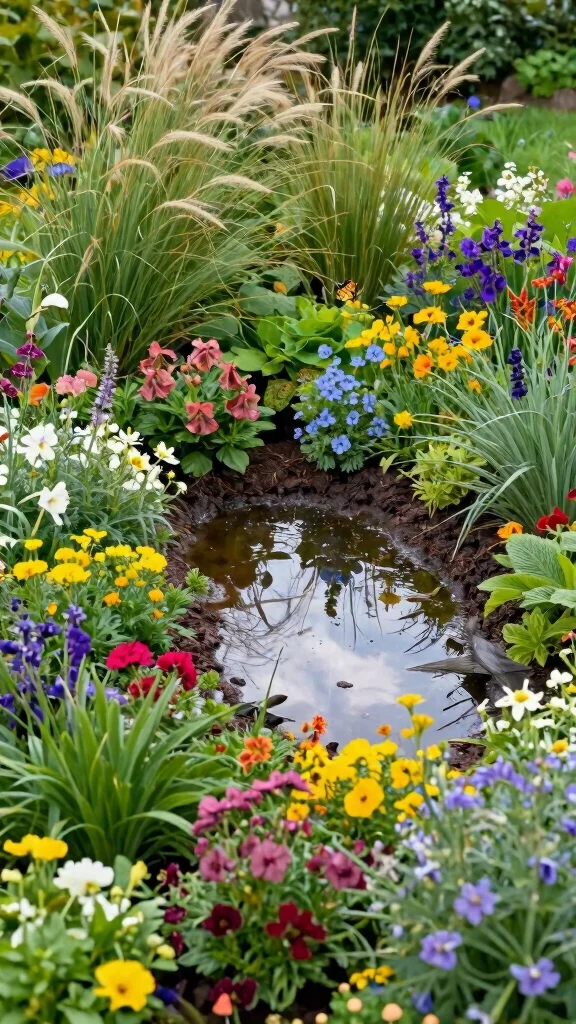
Looking for a beautiful way to manage stormwater? A rain garden is both stunning and functional! These gardens are designed to capture and filter rainwater runoff, helping to recharge groundwater and reduce pollutants in your landscape.
Choose a low-lying area in your yard where water naturally collects. Create a shallow depression and fill it with native plants that thrive in wet conditions, turning it into a vibrant focal point. Not only do rain gardens enhance your outdoor beauty, but they also attract butterflies and birds, enriching your garden’s biodiversity.
Key steps for installation:
– Identify a low area in your yard for the garden.
– Select native plants that thrive in wet conditions.
– Use a variety of plants for year-round interest.
– Enhance your space while managing stormwater runoff.
By adding a rain garden, you support a healthy ecosystem while enjoying a lush and visually appealing landscape.
How To Choose the Right Features for Your Garden Oasis Backyard
When creating a serene garden oasis backyard, it’s essential to select the right features that promote tranquility and sustainability. Here are some key criteria to help guide your choices:
1. Purpose of Your Space
Consider what you want from your garden oasis. Do you seek a quiet reading nook, a vibrant vegetable patch, or a place for gatherings? Defining your purpose helps you select the right elements. For example, a cozy seating area can be perfect for relaxation, while a vegetable garden promotes sustainability and healthy living.
2. Plant Selection
Choosing the right plants is crucial for creating a peaceful atmosphere. Opt for native plants that thrive in your climate and require less water. They not only support local wildlife but also reduce maintenance. Include a mix of perennials for year-round beauty and consider fragrant varieties like lavender or jasmine to enhance relaxation.
3. Hardscape Materials
The materials used in walkways, patios, and other hardscape features can impact the overall look and feel of your garden. Natural stones or reclaimed wood can add an earthy, rustic element while blending into your surroundings. Consider using porous materials to allow for better water drainage and to create a more eco-friendly design.
4. Water Features
Incorporating a water feature like a pond, fountain, or rain garden can bring soothing sounds and attract wildlife. Choose a size that fits your space—smaller features work well in compact gardens. If you’re eco-conscious, consider a rain garden to manage stormwater and create a habitat for beneficial insects.
5. Outdoor Structures
Structures like pergolas, trellises, or gazebos can provide shade and create focal points in your garden. Think about the materials that suit your style; wood offers a classic look while metal or fabric can provide a modern touch. Make sure any structures you choose blend harmoniously with your plant selections and layout.
6. Eco-Friendly Practices
Integrate eco-friendly practices into your garden design. Use recycled materials for paths and borders, and consider composting organic waste. Implementing a rainwater harvesting system not only conserves resources but also adds a unique element to your garden. These practices contribute to a healthier ecosystem and promote sustainability.
Pro Tip: Visit local gardens or botanical centers for inspiration. Take notes on what appeals to you, and don’t hesitate to ask your neighbors about their garden elements. Your garden oasis should reflect your personal style while promoting peace and sustainability.
By carefully evaluating these criteria, you can create a garden oasis backyard that not only serves as a tranquil escape but also supports the environment. Enjoy the process of designing a space that brings you joy and relaxation for years to come!
4. Build a Vertical Garden
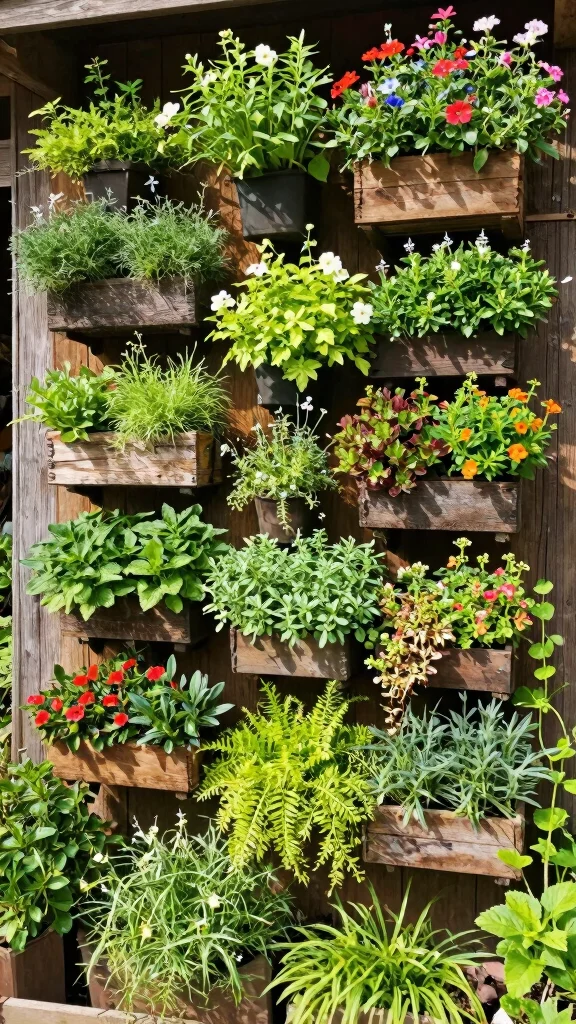
Do you have limited space but still want to enjoy gardening? A vertical garden is the perfect solution! By utilizing walls and fences, you can grow an array of plants, from vibrant flowers to fresh herbs, maximizing your backyard’s potential.
Consider using wall planters or trellises to create eye-catching displays. This method allows you to cultivate food plants like tomatoes or peppers while adding greenery to your outdoor space. Beyond aesthetics, vertical gardens can improve air quality and provide privacy, making them a practical choice for any garden.
Essential Points:
– Use walls and fences to grow plants vertically.
– Combine edible and ornamental plants for diversity.
– Improve air quality and create privacy.
– Choose drought-resistant plants for low maintenance.
A vertical garden not only saves space but also brings life and beauty to your backyard.
5. Create a Wildlife Habitat
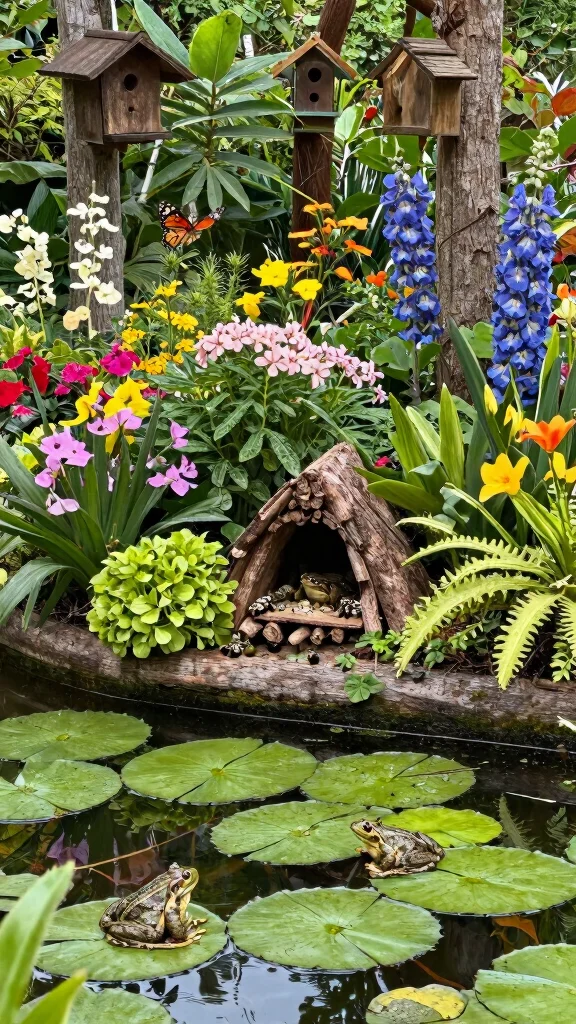
What if your backyard could be a sanctuary for local wildlife? By creating a wildlife habitat, you can provide food and shelter for various species while enhancing the beauty of your garden. Start by planting a diverse array of native plants that cater to the needs of local animals.
Incorporate features like birdhouses, bee hotels, and butterfly gardens to attract different creatures. Adding a small pond or water source can further entice wildlife, creating a thriving ecosystem right in your yard. Natural elements like logs and stones can provide shelter for smaller animals, making your garden a safe haven for all.
Essential Points:
– Plant diverse native plants for food and shelter.
– Add structures like birdhouses and bee hotels.
– Include water sources to attract wildlife.
– Use natural materials for shelter and habitat.
By fostering a wildlife habitat, you create a vibrant, lively garden that supports local ecosystems.
Fun fact: A wildlife-friendly garden oasis backyard can attract 20–30 local species with a mix of native plants, a birdhouse, and a small pond. Start small: plant natives, add a bee hotel, and provide a shallow water source to invite visitors and boost garden life.
6. Design a Zen Garden
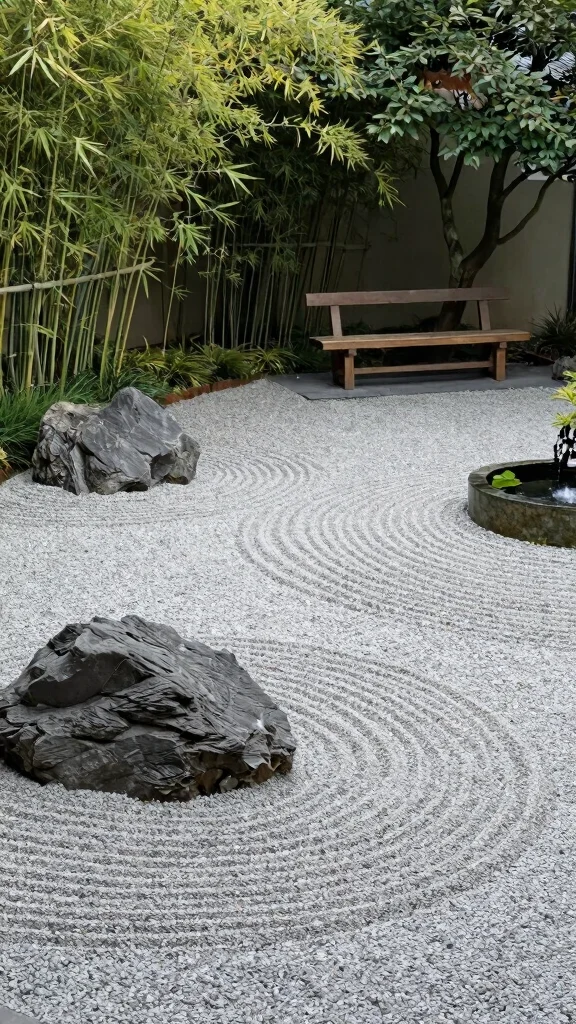
Are you seeking a peaceful retreat in your backyard? A Zen garden focuses on simplicity and tranquility, making it the perfect space for meditation and relaxation. Begin by selecting a quiet corner of your yard, where you can create a serene atmosphere.
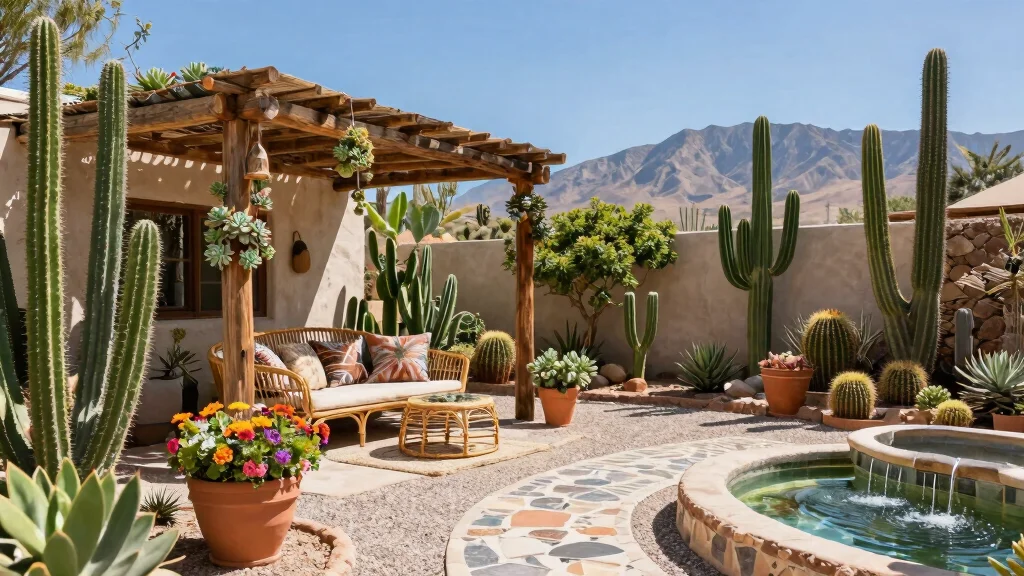
Use gravel or sand as your base, raking it into soothing patterns. Incorporate natural elements like rocks and boulders to represent mountains and islands, and consider adding minimalistic plantings such as bamboo or succulents. A small water feature, like a fountain, can enhance this calming space, encouraging mindfulness and reflection.
Essential Points:
– Emphasize simplicity and tranquility in design.
– Use natural materials like gravel and stones.
– Add minimal plantings for a peaceful ambiance.
– Include seating for contemplation and relaxation.
A Zen garden invites calm and serenity, providing a perfect escape from the hustle and bustle of daily life.
7. Install a Rainwater Harvesting System
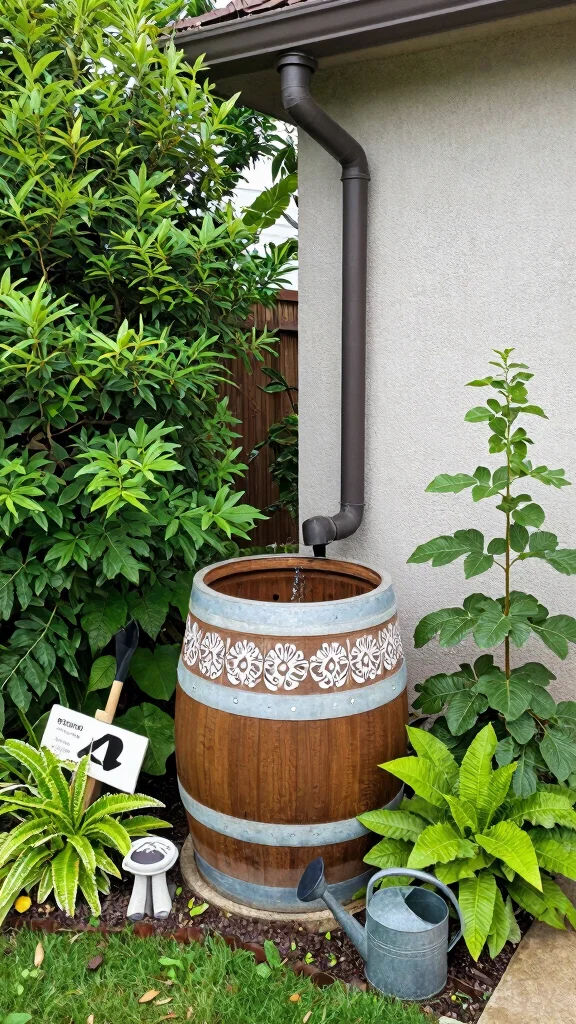
Want to make your garden more sustainable? A rainwater harvesting system is an excellent way to conserve water and save money on your water bill. You can start with something as simple as a rain barrel under your downspout, or opt for a more complex system that captures water from your roof.
This collected rainwater can be used for irrigation, keeping your plants healthy and hydrated. Ensure you use a high-quality filtration system to keep the water clean for your garden. Pairing this system with drought-resistant landscaping maximizes its benefits and helps you contribute to environmental conservation.
Essential Points:
– Set up a rainwater collection system for irrigation.
– Use quality filters to keep water clean.
– Lower your environmental impact with conservation efforts.
– Combine with drought-resistant landscaping for best results.
By implementing a rainwater harvesting system, you’ll actively participate in sustainability while nurturing a thriving garden.
8. Create a Herb Spiral
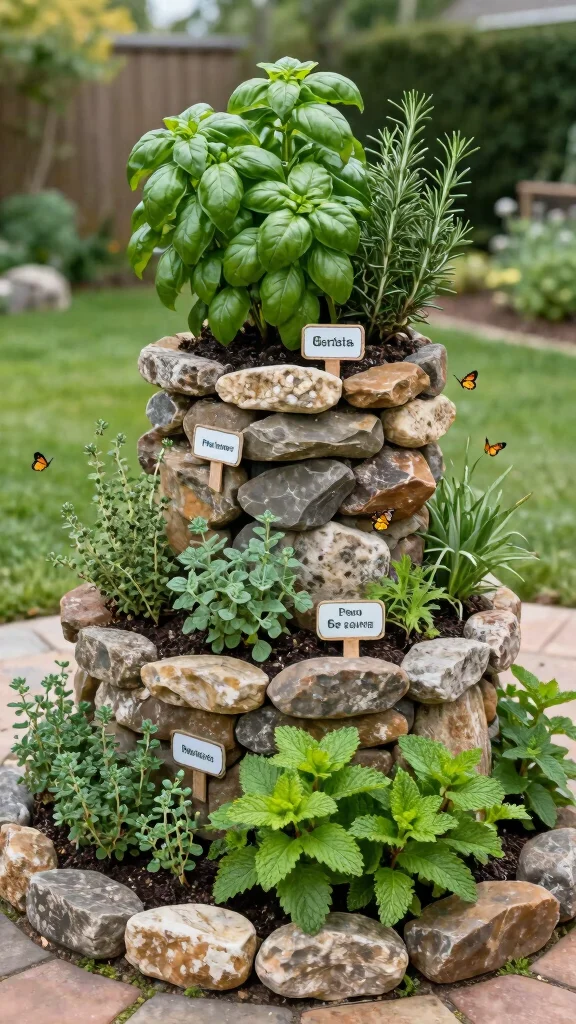
Looking for a fun and efficient way to grow herbs? A herb spiral is a creative solution that maximizes space while providing a variety of herbs in a compact area. This spiral design allows you to plant herbs at different heights, mimicking various climates and growing conditions.
You can build your spiral using stones or bricks, creating a visually appealing structure. Place sun-loving herbs like rosemary at the top and moisture-loving herbs like mint at the bottom for optimal growth. This not only becomes a stunning focal point but also offers fresh herbs for your kitchen, fostering a love for gardening.
Essential Points:
– Utilize vertical space to grow herbs efficiently.
– Create an attractive spiral structure for visual interest.
– Mimic different climates for diverse herb growth.
– Engage kids in gardening through hands-on experience.
A herb spiral not only enhances your garden’s beauty but also provides fresh, homegrown herbs for delicious meals.
❝ Fun fact: A herb spiral can boost harvestable surface area by up to 60% in a compact space. Top levels give sun-loving herbs, lower levels stay moister, making it easy to harvest a steady supply.
9. Incorporate Natural Pathways
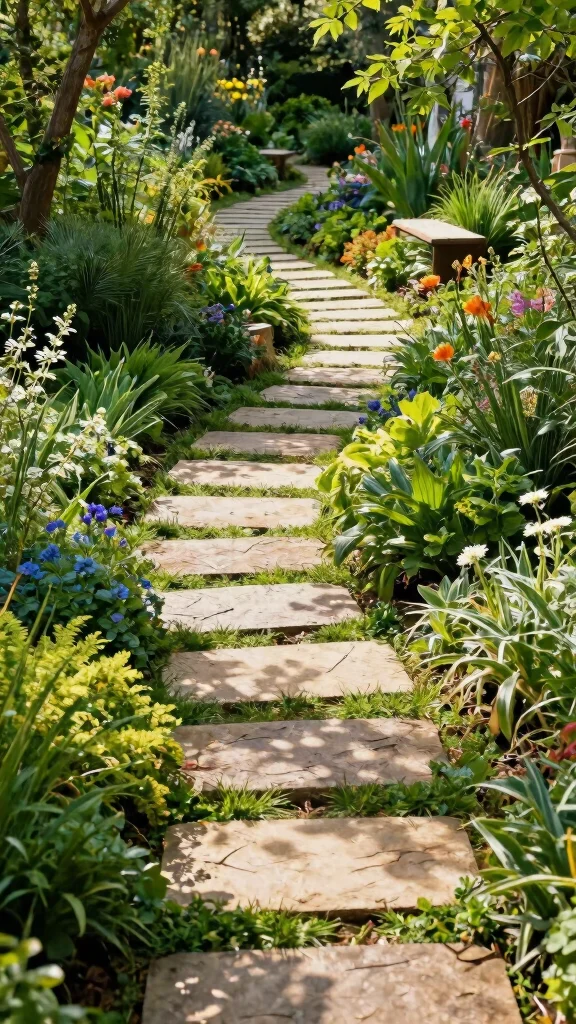
Enhance your garden’s flow and beauty with natural pathways! Instead of traditional concrete, consider materials like gravel, stepping stones, or wood chips to create inviting trails that meander through your space. These pathways can lead visitors to key features like seating areas or gardens, enriching their experience.
Select eco-friendly materials that harmonize with your garden’s style. Adding ground cover plants alongside the paths softens the edges and integrates nature, creating a seamless look. Well-designed pathways not only organize your garden but also spark a sense of adventure for all who explore it.
Essential Points:
– Choose natural, eco-friendly materials for your pathways.
– Guide visitors through your garden with clear trails.
– Use ground cover plants alongside paths for a softer feel.
– Create organization and enhance the overall aesthetic.
With natural pathways, your garden invites exploration and offers a charming, rustic appeal.
10. Design an Edible Landscape
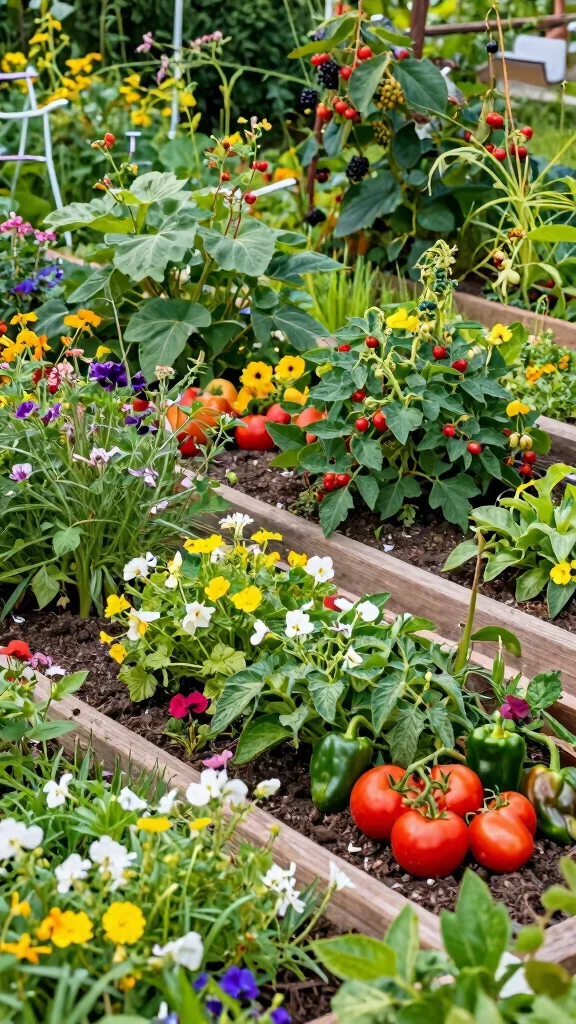
Why not blend beauty with functionality in your backyard? An edible landscape allows you to enjoy stunning visuals while growing your own food. Combine ornamental plants with vegetables and fruits, creating a feast for both the eyes and the palate.
For example, pair colorful kale with vibrant flowers or use berry bushes as decorative fencing. This sustainable design not only looks great but provides fresh produce right from your yard. Incorporating raised beds or container gardens can further maximize your yield and simplify harvesting, making it easier to enjoy the fruits of your labor.
Essential Points:
– Blend decorative plants with vegetables and fruits.
– Create visual interest while producing food.
– Include raised beds for easy maintenance.
– Promote sustainable practices in your backyard.
By designing an edible landscape, you cultivate a beautiful garden that nourishes both body and soul.
11. Create a Seasonal Garden
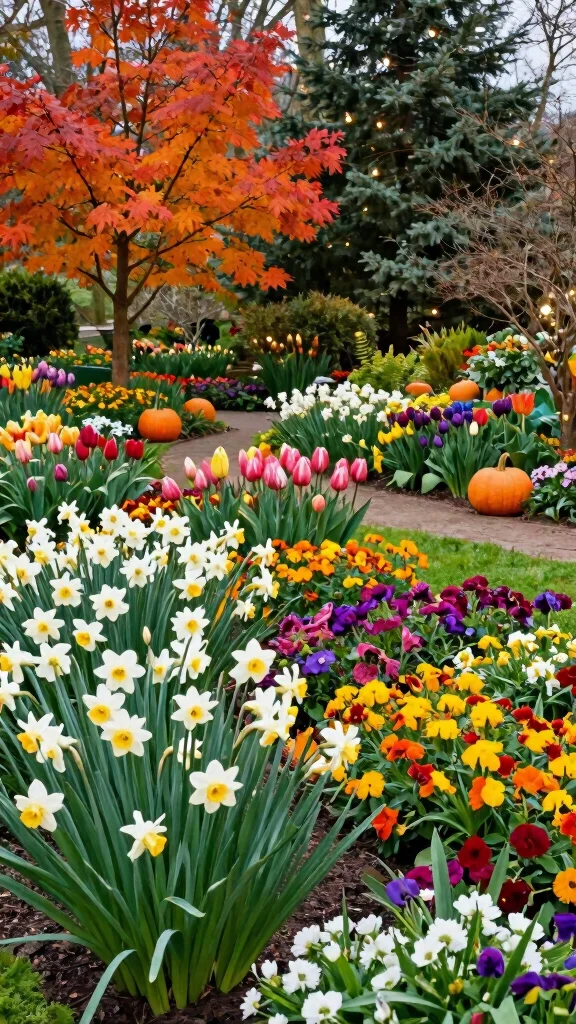
Want a garden that changes with the seasons? A seasonal garden offers a constantly evolving landscape that surprises and delights throughout the year. Plan your garden to ensure that different plants bloom in various seasons, so there’s always something to appreciate.
Incorporate spring bulbs, summer perennials, fall foliage, and winter evergreens to create a vibrant display. This approach not only keeps your garden lively but also attracts wildlife year-round. Think about adding seasonal decorations, like pumpkins in the fall or festive lights in winter, to celebrate each time of year.
Essential Points:
– Plan for year-round blooms and seasonal interest.
– Use a variety of plant types for diversity.
– Celebrate each season with unique garden features.
– Attract wildlife throughout the year.
A seasonal garden keeps your outdoor space dynamic and engaging, allowing you to enjoy nature’s beauty all year long.
12. Add a Pergola or Gazebo
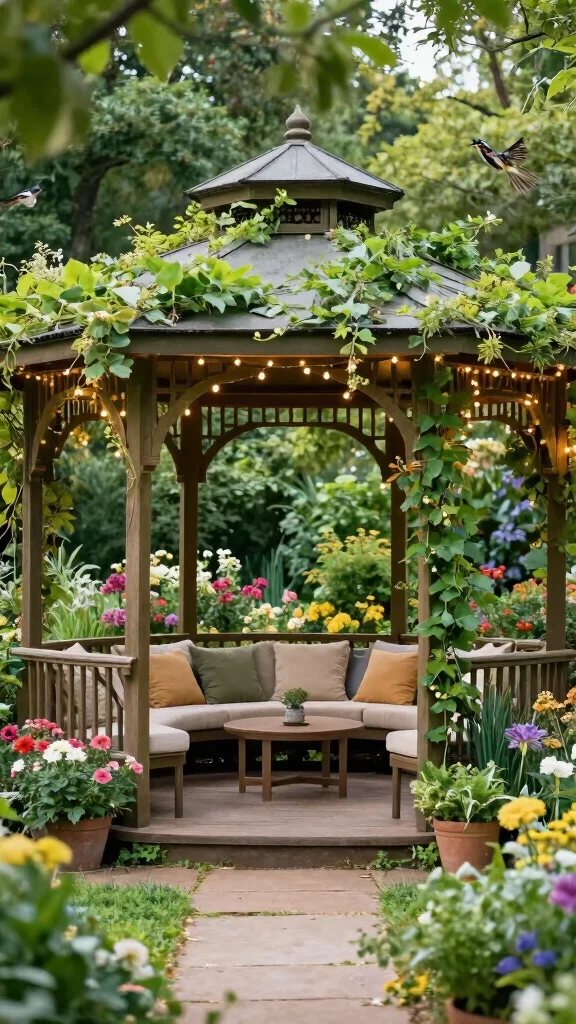
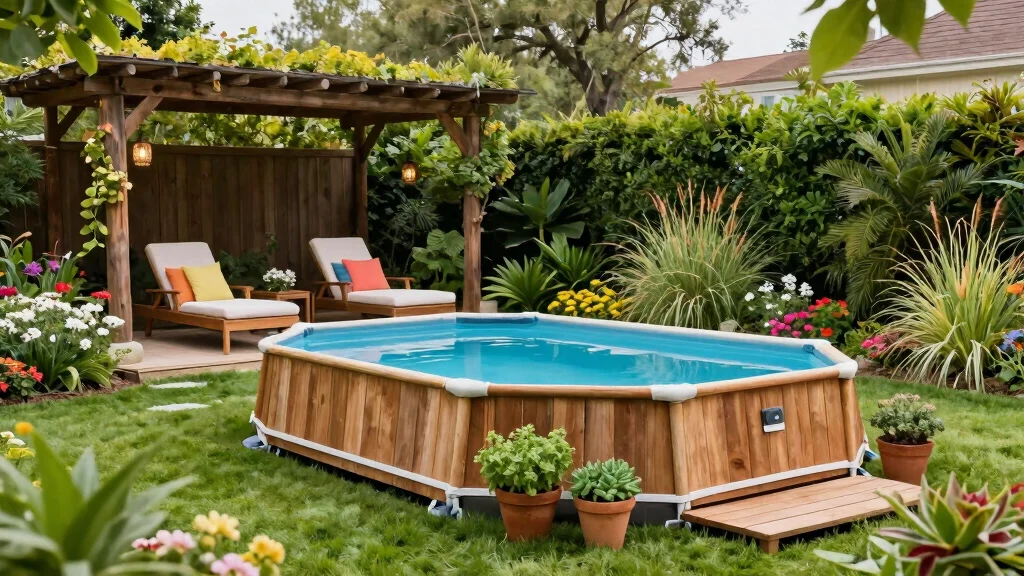
Looking for a shaded retreat in your garden? A pergola or gazebo can provide the perfect spot for relaxation and enjoyment. These structures serve as beautiful focal points while enhancing the functionality of your outdoor space.
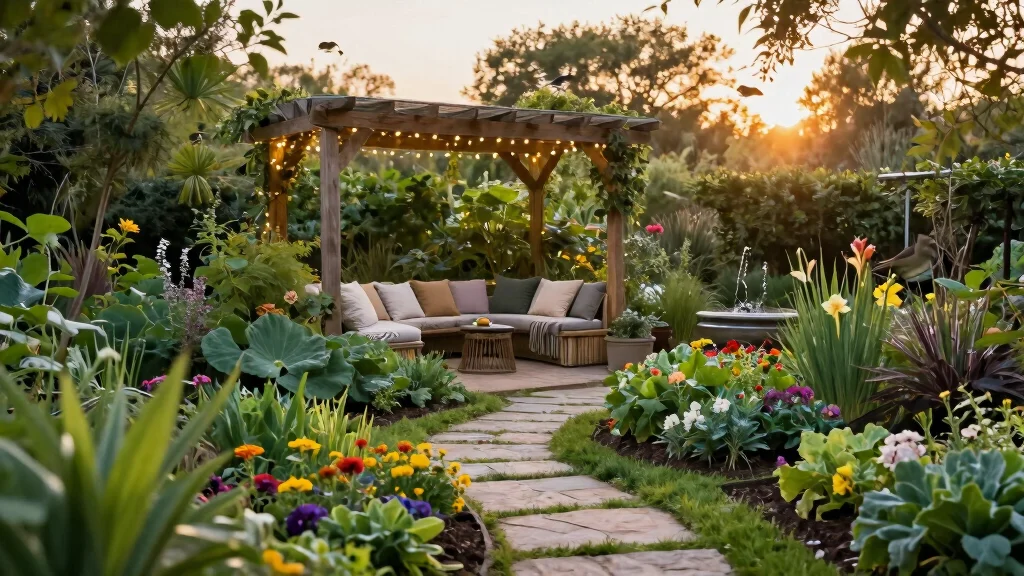
Choose materials like natural wood or recycled options to create an inviting area for seating or dining. Climbing plants such as wisteria or grapevines can soften the structure, adding a romantic touch. Include comfortable furniture, and you’ll have a lovely space for reading, gathering, or simply enjoying your garden’s tranquility.
Essential Points:
– Use natural or recycled materials for sustainability.
– Incorporate climbing plants for a soft, inviting look.
– Create cozy seating areas beneath the structure.
– Consider eco-friendly finishes for durability.
With a pergola or gazebo, your garden oasis becomes a delightful retreat perfect for relaxation and gatherings.
13. Use Recycled Materials
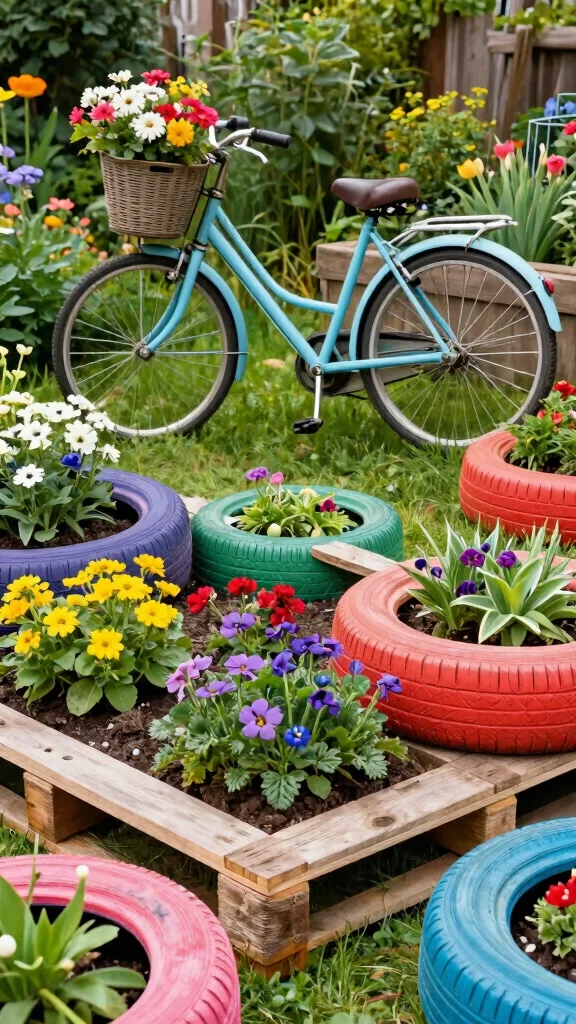
Want to give your garden a unique twist? Incorporating recycled materials can add character while promoting eco-friendliness! Think about using reclaimed wood, old bricks, or tires to create functional and stylish features in your backyard.
Craft raised beds from old pallets or use reclaimed bricks to create charming pathways. You can even design art pieces or garden décor from upcycled materials, making your outdoor space truly one-of-a-kind. Not only does this practice reduce waste, but it also sparks creativity in your gardening projects.
Essential Points:
– Utilize recycled materials for unique garden features.
– Get creative with upcycling items.
– Reduce waste and promote sustainability.
– Involve family in crafting unique designs.
By using recycled materials, you infuse your garden with personality while contributing to a healthier planet.
14. Implement Companion Planting
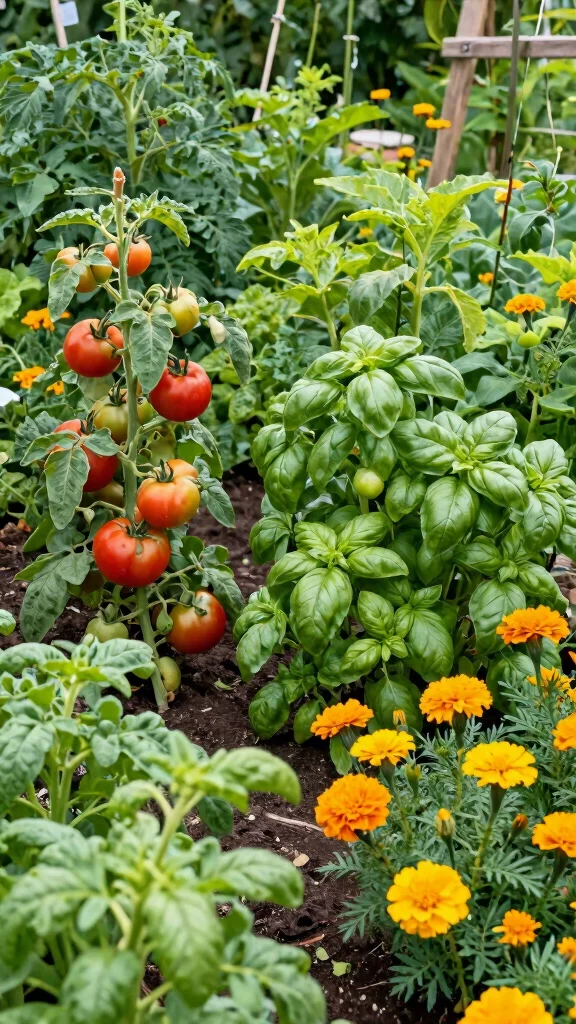
Looking for a natural gardening method that enhances plant health? Companion planting is a fantastic way to promote healthy gardens while reducing pests without chemicals. Certain plants thrive together, supporting each other’s growth and flavor while deterring unwanted insects.
For instance, plant tomatoes alongside basil to enhance both flavor and growth. Marigolds are excellent companions as they deter harmful insects and attract beneficial ones. By planning your garden layout with companion planting in mind, you can create a colorful, productive space that benefits both plants and the ecosystem.
Essential Points:
– Choose plants that thrive together for better growth.
– Enhance flavor and naturally repel pests.
– Create a colorful and diverse garden layout.
– Foster a healthier ecosystem in your backyard.
Implementing companion planting not only boosts your garden’s productivity but also promotes a vibrant, thriving environment.
15. Create a Relaxation Zone
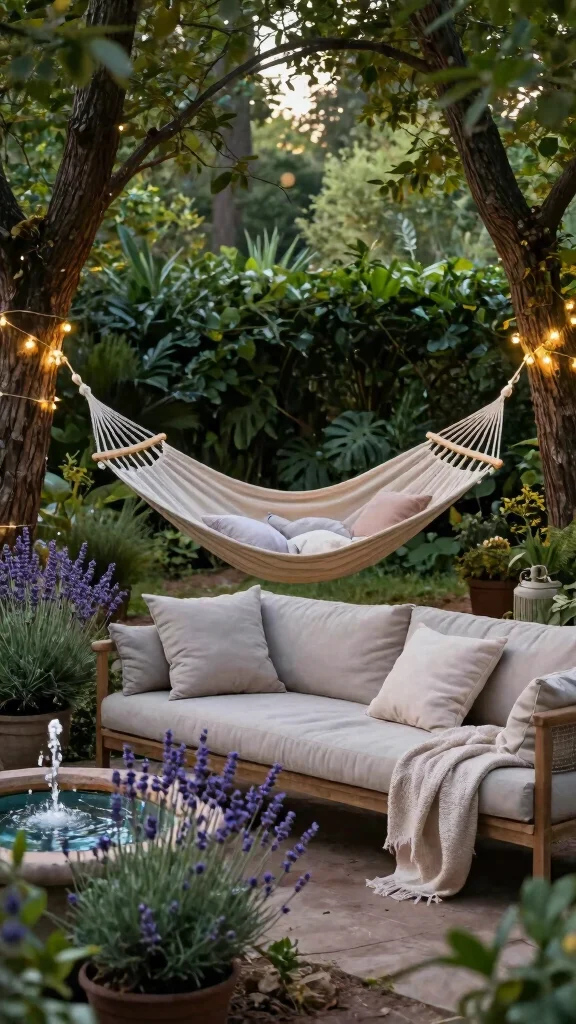
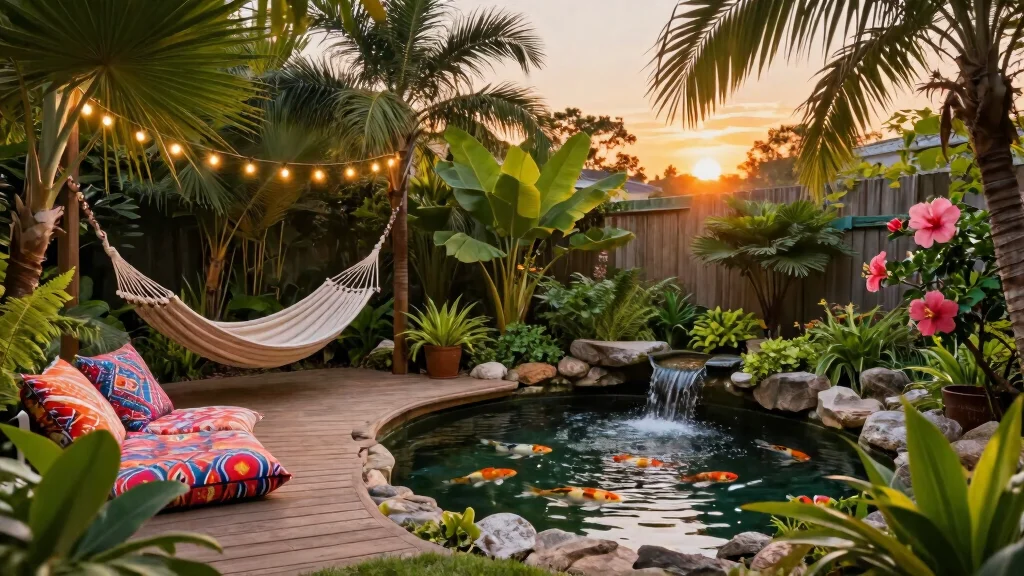
Establishing a relaxation zone is essential for any garden oasis. This space can be as simple as a hammock strung between two trees or a well-furnished patio area. Choosing comfortable seating, such as lounge chairs or a cozy outdoor sofa, enhances the inviting atmosphere.
To elevate your relaxation space, add soft cushions, throws, and elements like a small water feature to create soothing sounds. Aromatic plants like lavender can also enhance the overall ambiance. The goal is to design a tranquil area where you can unwind, read, or practice yoga, providing a perfect escape from daily stressors.
Essential Points:
– Designate a specific area for relaxation.
– Choose comfortable and inviting seating options.
– Incorporate soothing elements like water and aromas.
– Personalize the space for a unique touch.
Creating a relaxation zone allows you to enjoy your garden as a peaceful sanctuary.
16. Plan for Nighttime Beauty
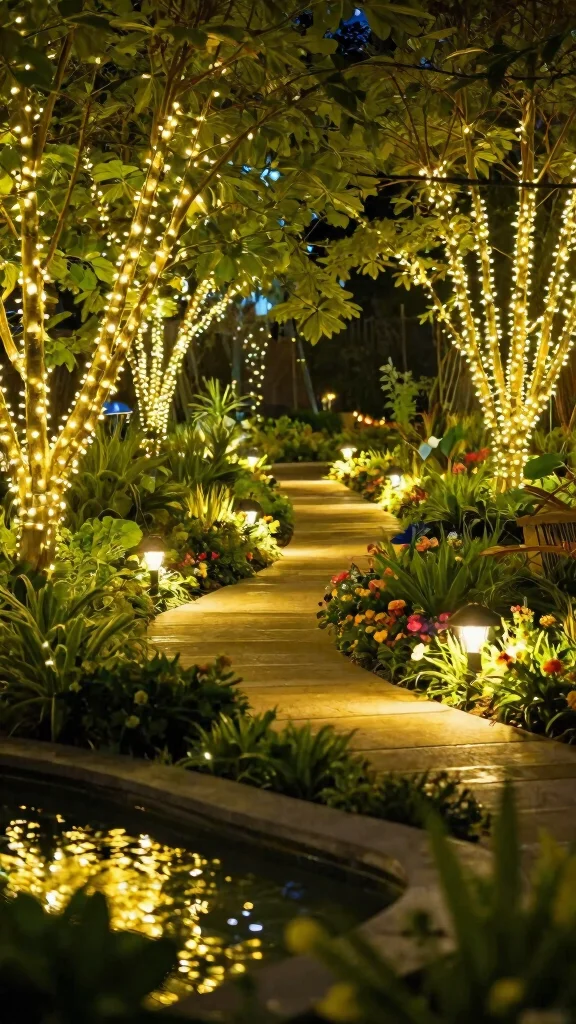
Don’t let your garden fade away after sunset! Planning for nighttime beauty can extend your outdoor enjoyment long into the evening. Consider adding soft lighting options like lanterns, string lights, or solar-powered garden lights to create a magical atmosphere.
Strategically place lighting to highlight your favorite features, such as paths, trees, or seating areas, drawing attention even in the dark. Including fragrant night-blooming flowers can add sensory delight, making your garden enchanting after hours. Thoughtfully incorporating light will transform your space into a captivating setting perfect for evening gatherings or quiet reflection.
Essential Points:
– Add soft lighting for nighttime elegance.
– Highlight key features with strategic placement.
– Include fragrant night-blooming plants for sensory pleasure.
– Create an enchanting atmosphere for evening relaxation.
With a little planning for nighttime beauty, your garden becomes a magical retreat even after dark.
Turn your garden oasis backyard into evening magic: a few well-placed lanterns and solar-powered lights along paths or seating areas extend enjoyment after sunset. Add fragrant night-blooming flowers to boost scent and color, creating a welcoming, magical retreat all night long.
Conclusion
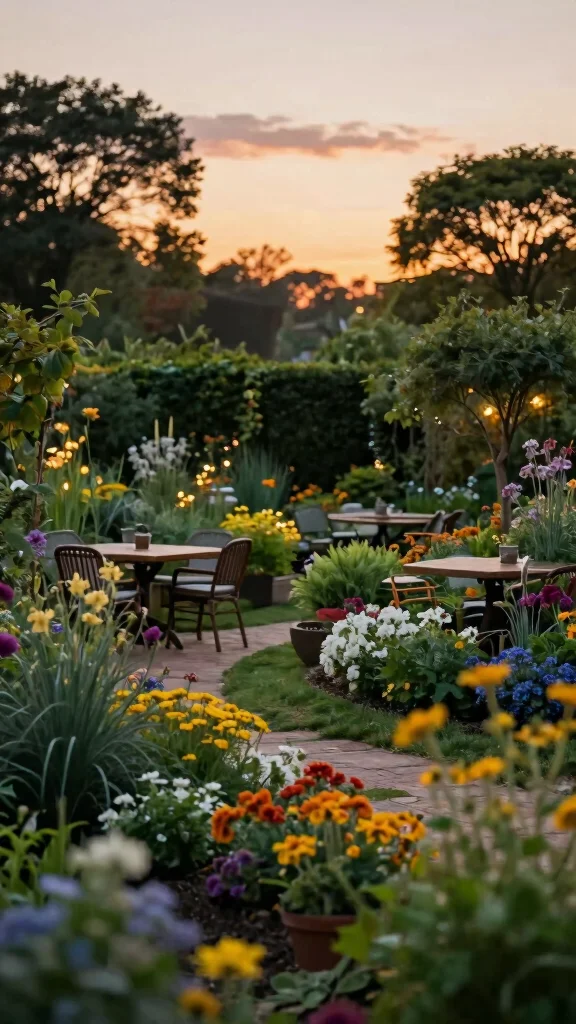
Creating a garden oasis backyard can be a rewarding venture that nourishes both the soul and the environment. Whether you’re cultivating food, attracting wildlife, or designing relaxation spaces, every detail counts in crafting your little slice of paradise.
With these 16 eco-friendly ideas, you have the tools to create a serene retreat that aligns with sustainable practices. Your backyard can become a peaceful escape—both for you and the creatures that share your garden.
Take these inspirations and start envisioning your sustainable oasis today!
Frequently Asked Questions
What exactly is a garden oasis backyard and why would I want one?
Imagine a private retreat right in your yard—a garden oasis backyard where everyday life slows down. It’s a peaceful garden design that blends low-maintenance, drought-tolerant plants with comfy seating, soft lighting, and natural textures to invite relaxation. A garden oasis backyard supports outdoor relaxation spaces, boosts curb appeal, and helps you live more sustainably with water-wise irrigation and wildlife-friendly planting. Start small: pick a focal point like a cozy seating nook or a small water feature, then add plants and lighting over time.
Tip: choose climate-appropriate plants and sustainable materials to keep maintenance light and your oasis thriving.
What are practical backyard landscaping ideas to create a garden oasis backyard on a budget?
Your garden oasis backyard doesn’t have to break the bank. Start with smart backyard landscaping ideas that deliver big impact for little money. Use native, drought-tolerant plants to cut water use, layer plant heights for depth, and add a simple seating area built from reclaimed palettes or pallets. Mulch to reduce weeds, install solar-powered string lights for ambiance, and collect rainwater with a barrel to lower irrigation costs. Create zones with inexpensive edging (rope, rope lights, or low timber) and reuse containers as planters. With a little planning, you’ll get a serene backyard design without overspending.
Pro tip: DIY features like built-in benches or a simple gravel path can transform the space while keeping costs low.
How can I design eco-friendly serene backyard features for a peaceful garden design?
Focus on serene backyard features that align with a peaceful garden design. Choose native plants that support pollinators, use permeable surfaces (gravel, stepping stones, wood chips) to reduce runoff, and incorporate a rain barrel or simple micro-pond for a natural water element. Build with sustainable materials like locally sourced wood and repurposed stone. Add shade with a pergola or lattice and soft outdoor lighting to create calm evenings. Finish with a simple scent garden (lavender, rosemary) for a multi-sensory oasis.
These eco-friendly choices minimize maintenance, save water, and nurture local wildlife while keeping your garden oasis backyard tranquil.
What are some DIY steps to build outdoor relaxation spaces in a garden oasis backyard?
Turn your dream into a doable plan with these steps: 1) Map zones for dining, lounging, and a quiet reading corner. 2) Build a simple seating area using reclaimed timber or pallets and add weather-proof cushions. 3) Decide on shade—an awning, pergola, or tall trees—to keep comfort through the day. 4) Add a focal point like a small fountain or fire pit for ambiance and to anchor the space. 5) Install low-voltage, solar lighting for safe strolls at night. 6) Lay a permeable path and mulch beds to reduce maintenance. 7) Choose container plantings to keep things flexible and easy to rearrange. With patience, you’ll craft a garden oasis backyard that feels curated and entirely yours.
Tip: start with one corner and expand as you gain confidence.
How do I maintain a sustainable garden oasis backyard year-round?
Maintenance becomes easier when sustainability sits at the core. Water smartly with a drip irrigation system and a soaker hose, and mulch beds to preserve moisture. Plant a mix of evergreen and seasonal natives for year-round structure, and replace thirsty annuals with drought-tolerant perennials where possible. Compost kitchen scraps to enrich soil and reduce waste. Use natural pest control like beneficial insects and companion planting, and keep pathways clear to prevent pests. Finally, schedule seasonal tasks: prune, divide perennials in spring, clean and store garden textiles in winter, and refresh mulch in the growing season. A garden oasis backyard thrives with consistent, low-effort care that supports a peaceful retreat all year.
Tip: document your plan and adjust plant choices as your climate and tastes evolve.
Related Topics