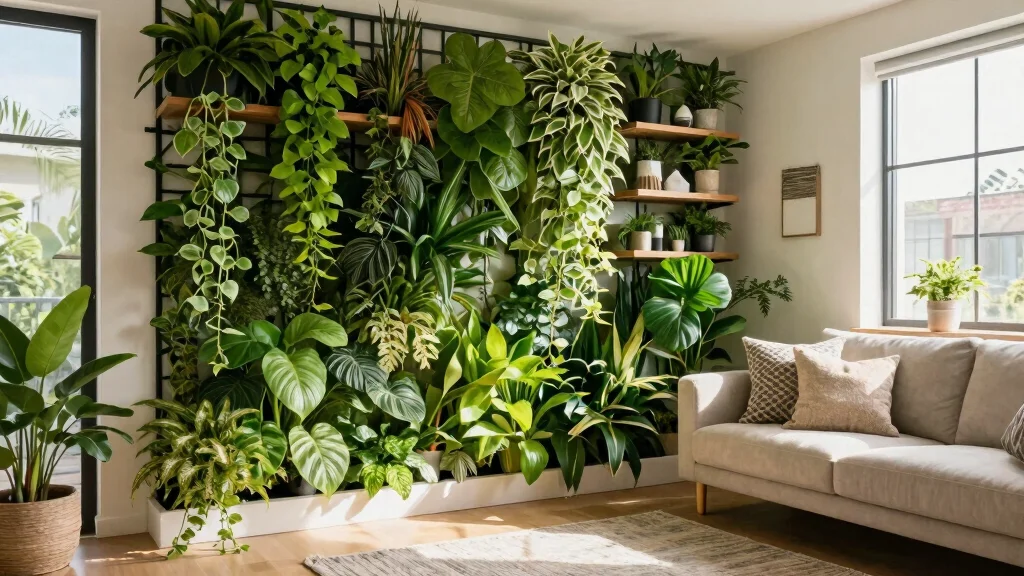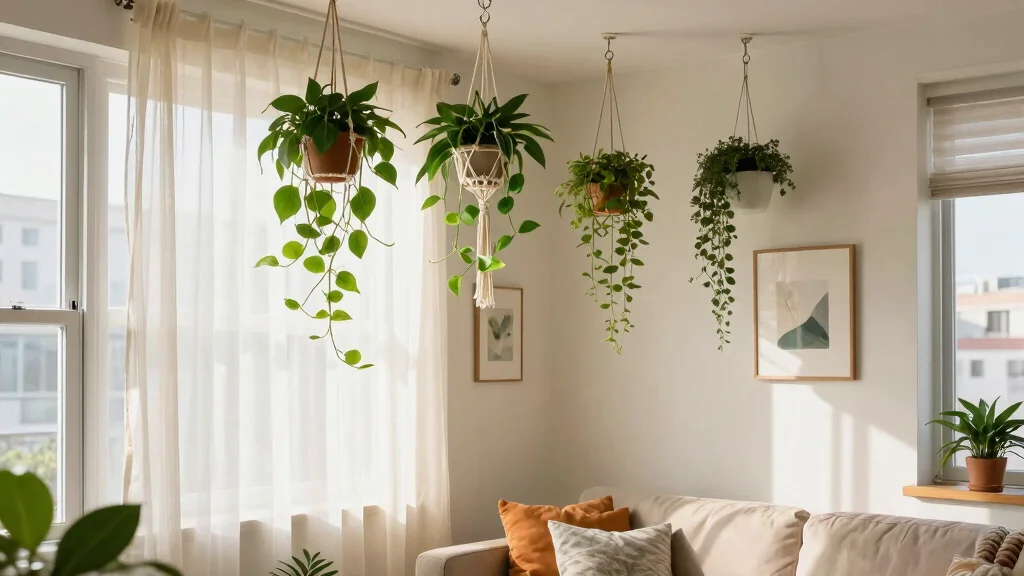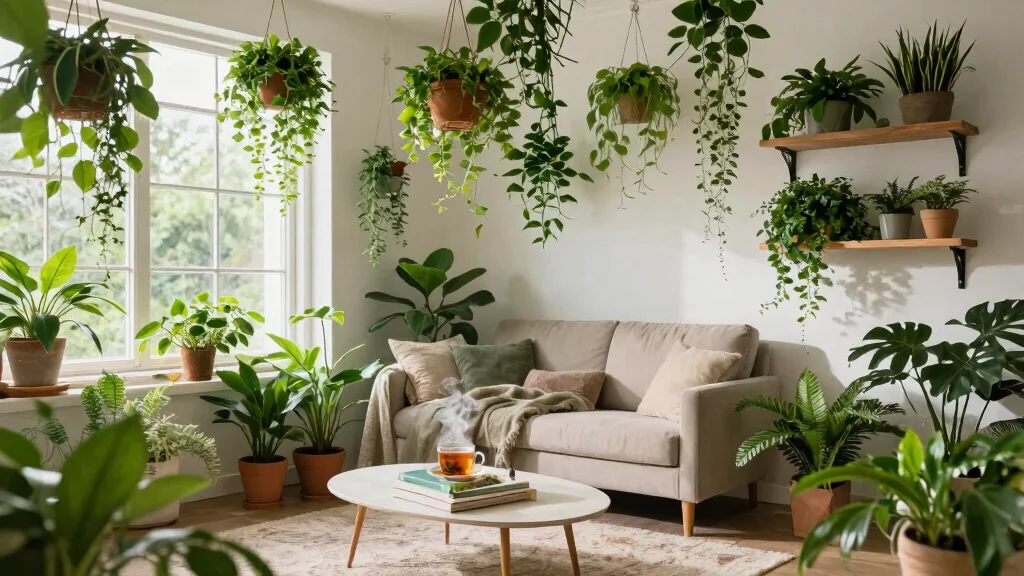

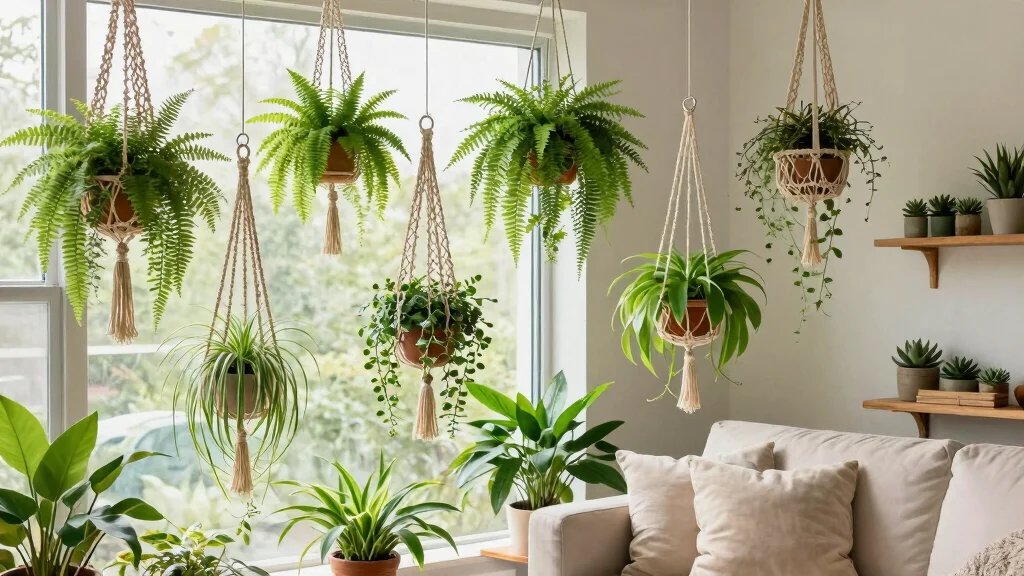
Sprucing up your indoor space can feel like a daunting task, especially when it comes to choosing the right plants. If you’re anything like me, you might find yourself scrolling through pictures of beautifully decorated homes, dreaming of how to turn your living area into a lush sanctuary. That’s why I’ve put together this guide with 17 hanging plants indoor ideas that will not only elevate your space but also boost your mood and air quality. Trust me, there’s something incredibly satisfying about adding greenery to your home, and it can be done with ease!
This guide is perfect for anyone passionate about indoor gardening or those just dipping their toes into the world of indoor plant decor. Whether you live in a cozy apartment or a spacious house, you’ll find that hanging plants can transform your space without taking up too much room. If you’re searching for low-light hanging plants or space-saving plants, I’ve got you covered. You’ll discover a variety of options that are easy to care for, making it simple for even the busiest of us to incorporate nature into our homes.
By the end of this post, you’ll walk away with a treasure trove of indoor gardening tips and inspiration for choosing the right plants for your space. From the classic Pothos to the whimsical String of Pearls, each plant comes with its own unique charm and benefits. You’ll learn about decorative plant hangers that can enhance your plants’ beauty while ensuring they thrive in your home. Let’s dive in and explore how these green companions can elevate your space!
Key Takeaways
– Diverse options: Discover 17 indoor hanging plants that suit different light conditions, from low-light favorites to vibrant sun-lovers.
– Space-saving solutions: Learn how these plants can help you maximize your space while adding a touch of nature to your decor.
– Air-purifying benefits: Each plant not only beautifies your home but also improves indoor air quality, making your living space healthier.
– Care tips included: Get practical advice on how to care for each plant, ensuring they thrive and flourish in your home environment.
– Decorative hangers: Explore various decorative plant hangers that complement your plants and enhance your home’s aesthetic appeal.
1. The Classic Pothos: A Low-Maintenance Favorite
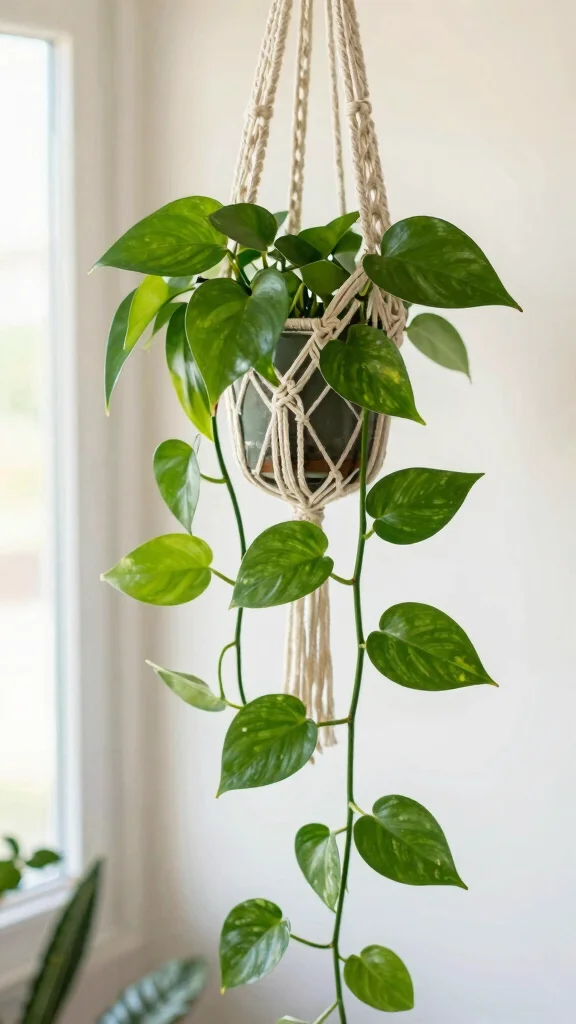
If you’re looking for a plant that thrives on little attention, the Pothos is your go-to option. Known for its stunning heart-shaped leaves, it adds a touch of elegance to any room. This versatile plant does well in various lighting conditions and is excellent at cleaning the air, making your home more inviting and pleasant. Plus, it grows quickly, filling your space with lush greenery in no time!
To keep your Pothos healthy, water it only when the top inch of soil is dry. Place it near a window that receives indirect sunlight for the best growth. Consider using a colorful macramé hanger to enhance its beauty and style.
Key care tips for your Pothos:
– Water when the top inch of soil feels dry
– Position near indirect sunlight for optimal growth
– Use a colorful macramé hanger for added flair
This charming plant not only beautifies your home but also helps purify the air, making it a fantastic choice for indoor gardening.
2. Spider Plant: A Nursery Favorite
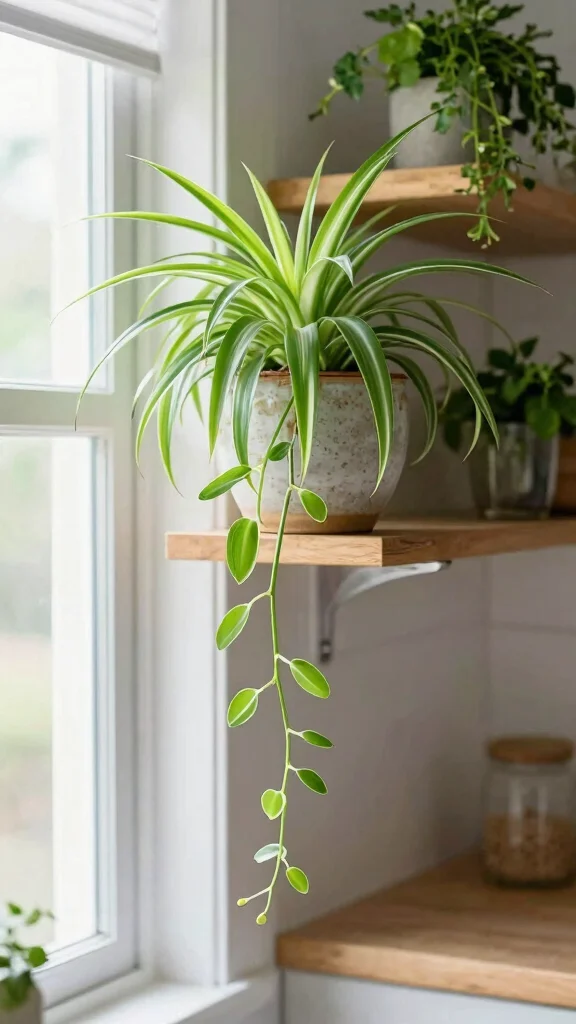
Spider plants are a delightful addition to any home, known for their playful arching leaves and baby ‘spiderettes.’ They lend a retro vibe while being remarkably easy to care for. Perfect for busy lifestyles, these plants thrive in low-light settings and are champions at purifying the air, making them an ideal choice for your living space.
To ensure your Spider Plant flourishes, water it thoroughly but let the soil dry out between waterings. They’re especially happy in kitchens or bathrooms where humidity levels are higher. Pairing them with a terracotta pot can give your decor a rustic touch.
Key care tips for your Spider Plant:
– Water thoroughly, allowing soil to dry between waterings
– Best hung in kitchens or bathrooms for added humidity
– Choose a terracotta pot for a rustic vibe
With their resilience and air-purifying qualities, Spider Plants are an attractive yet practical option for any indoor garden.
3. Ferns: Lush and Lively
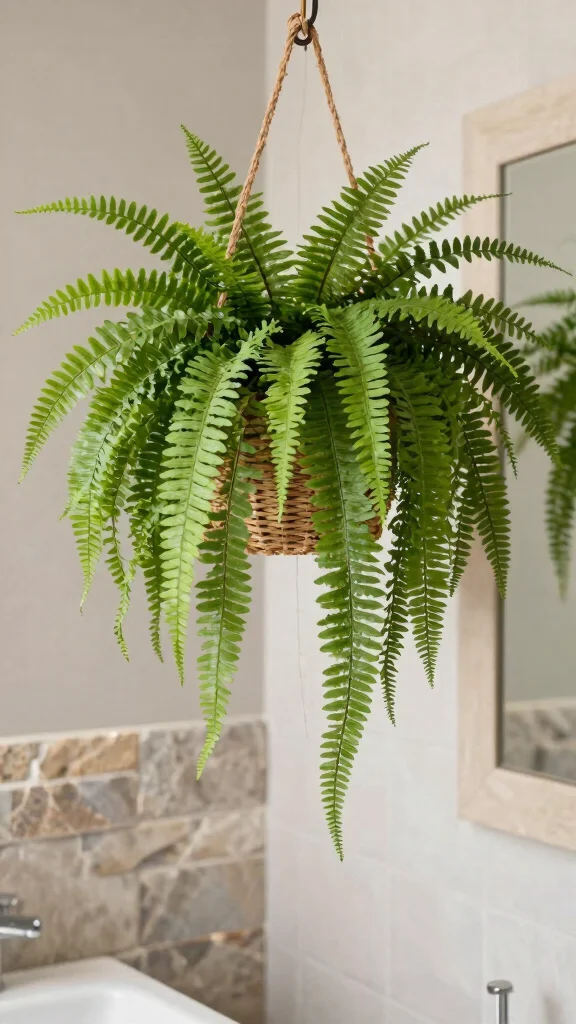
Ferns are a fantastic way to bring a lush, vibrant feel to your home. The intricate fronds of varieties like Boston or maidenhair ferns add a stunning texture that can brighten up any space. They thrive in humid environments, making them perfect for bathrooms or kitchens, and they also help improve air quality by filtering out toxins.
Keep your ferns happy by maintaining consistently moist soil and misting them regularly to boost humidity. They do well in filtered sunlight or low-light areas. Consider hanging them in a decorative woven basket for a boho aesthetic.
Key care tips for your Ferns:
– Keep soil consistently moist and mist regularly
– Ideal for filtered sunlight or low-light conditions
– Hang in a decorative woven basket for a stylish touch
Ferns can truly transform your indoor space into a tropical paradise, offering a refreshing and eye-catching appeal.
4. String of Pearls: Whimsical and Unique
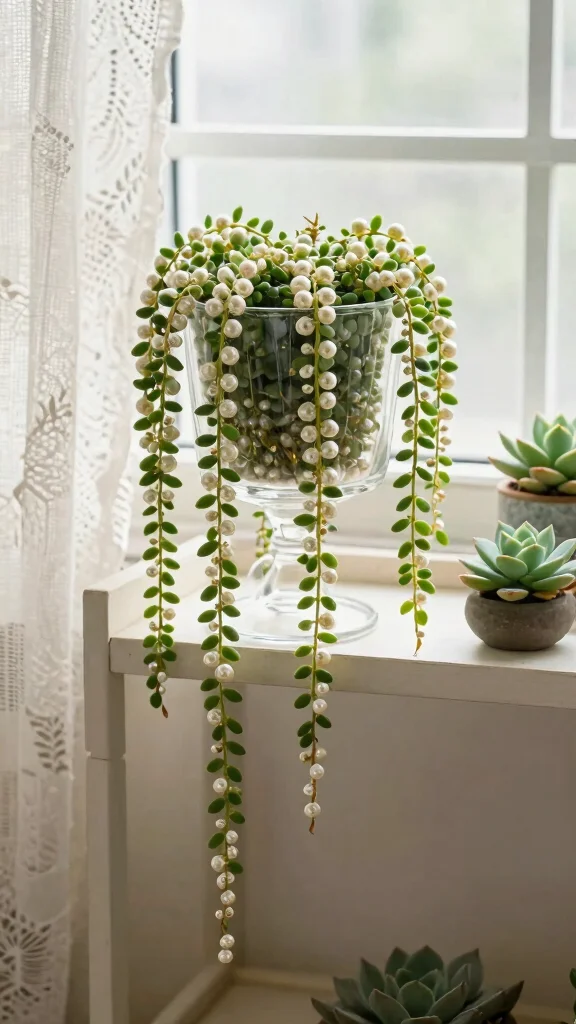
String of Pearls brings a unique charm to your indoor garden with its trailing strands of small, round leaves that look like pearls. This succulent thrives in bright, indirect light and is drought-tolerant, making it a perfect choice for beginners. Its whimsical appearance adds a fun flair to any room.
Water sparingly, allowing the soil to dry out completely before the next watering. Hanging it near a sunny window lets it reach its full potential. Using a clear glass planter can beautifully showcase its distinct shape.
Key care tips for your String of Pearls:
– Water sparingly; let soil dry out completely
– Hang near a sunny window for optimal growth
– Use a clear glass planter to highlight its beauty
String of Pearls adds a touch of elegance and whimsy, making your space feel more inviting.
Did you know String of Pearls can grow 2–4 inches a month in bright indirect light? For hanging plants indoor spaces, it trails beautifully and only needs watering when the soil dries. This whimsical, pearl-like succulent makes any room feel alive.
5. Air Plants: No Soil Required
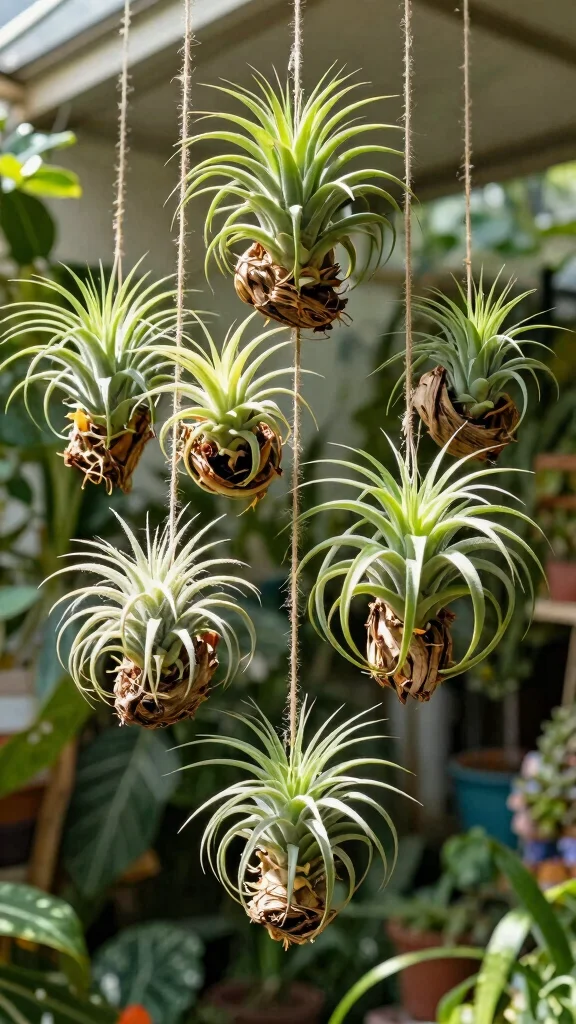
Air plants, or Tillandsia, are a fascinating choice as they thrive without soil. These plants absorb moisture and nutrients directly from the air, allowing for creative and artistic displays. You can showcase them in geometric terrariums, on driftwood, or even in wall mounts, adding a unique touch to your decor.
To care for air plants, mist them 2-3 times a week or soak them in water for a few hours every couple of weeks. They prefer bright, indirect light and can be creatively arranged using wire or wood for a striking display.
Key care tips for your Air Plants:
– Mist 2-3 times a week or soak bi-weekly
– Ideal for bright, indirect light areas
– Get creative with hanging displays using wire or wood
These versatile plants not only enhance your decor but also purify the air, making them a fabulous addition to any indoor space.
6. Hoya: Sweet-Scented Beauty
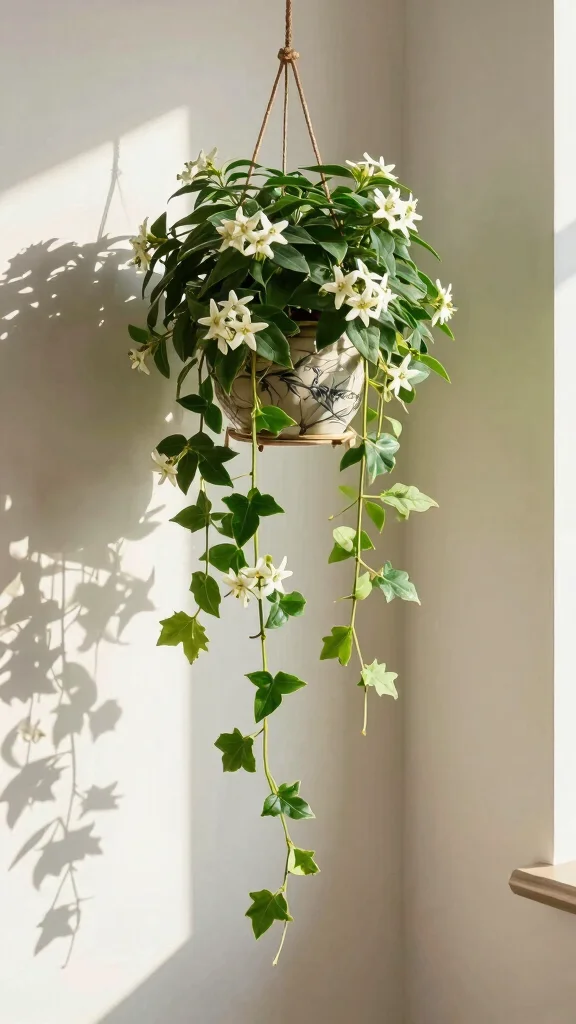
The Hoya plant, also known as the wax plant, stands out with its waxy leaves and beautiful star-shaped flowers. Beyond its visual appeal, it releases a delightful fragrance when it blooms. This low-maintenance plant thrives in low light, making it perfect for various indoor settings.
Water your Hoya when the top couple of inches of soil feel dry, being cautious not to overwater. It prefers bright, indirect light and looks stunning in decorative ceramic pots that elevate its charm.
Key care tips for your Hoya:
– Water when top couple of inches feel dry
– Best in bright, indirect light for optimal growth
– Use decorative ceramic pots for added elegance
The Hoya is a striking choice that rewards your patience with beautiful blooms and a sweet scent.
7. Devil’s Ivy: Resilient and Beautiful
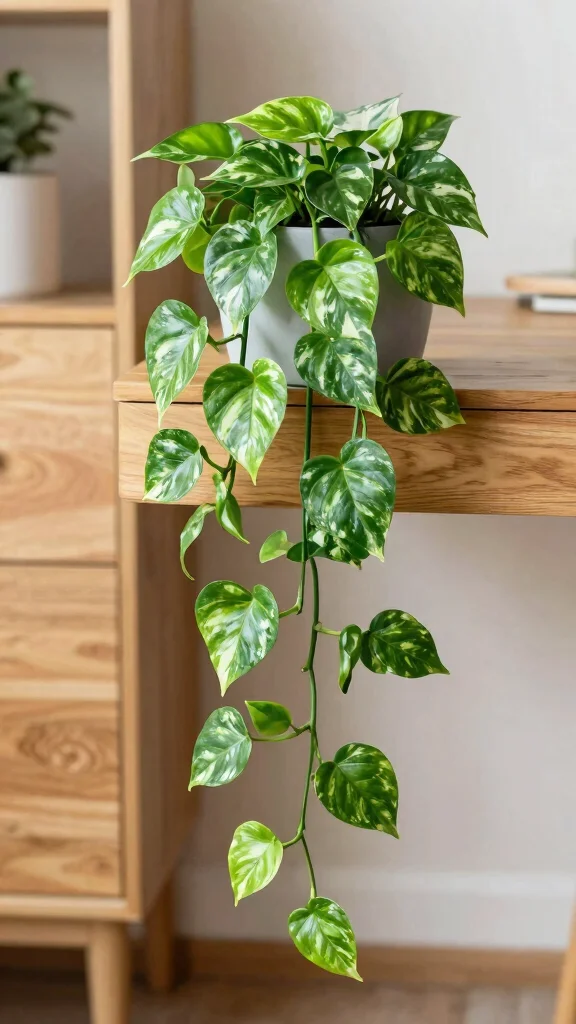
Devil’s Ivy, or golden pothos, is a resilient and beautiful plant that thrives in various conditions. Its attractive variegated leaves create a stunning cascading effect when hung, making it a favorite among both beginners and seasoned plant lovers. Additionally, it purifies the air, making it a great addition to any home.
Water your Devil’s Ivy when the top inch of soil is dry; it’s quite forgiving if you forget occasionally. This plant thrives in both low and bright light, and pairing it with a modern planter adds a sleek touch to your space.
Key care tips for your Devil’s Ivy:
– Water when top inch of soil is dry; forgiving of neglect
– Thrives in both low and bright light conditions
– Pair with a modern planter for a stylish look
Devil’s Ivy enriches your environment while keeping the air clean, making it a win-win choice.
8. Boston Fern: The Classic Beauty
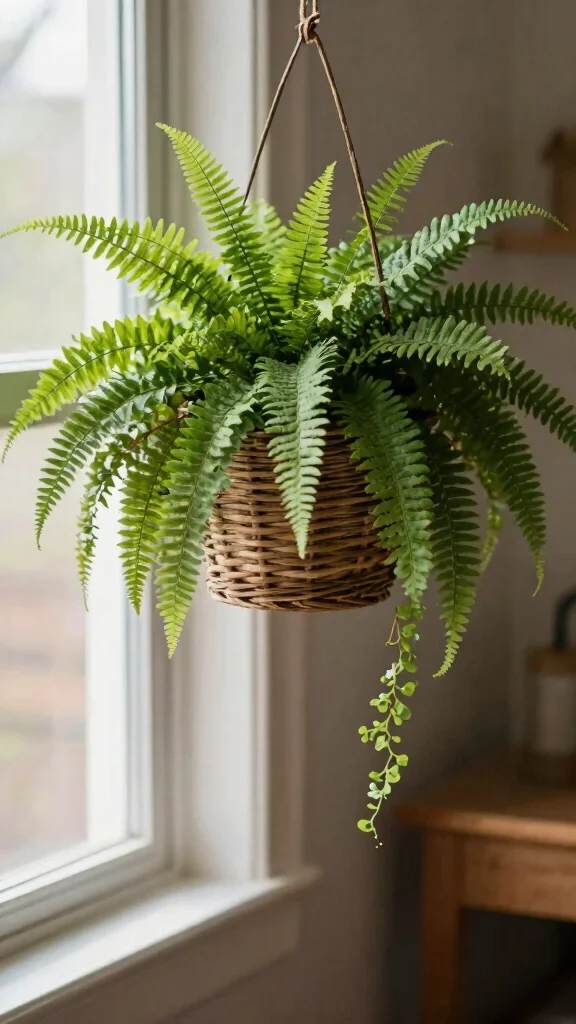
Boston ferns are timeless plants that bring a vintage charm to your indoor garden. With their feathery fronds that grow long and lush, they add elegance to any space. Boston ferns thrive in humidity, making them ideal for bathrooms or kitchens, and are known for their air-purifying abilities.
Keep your Boston fern’s soil consistently moist and mist it regularly to boost humidity. Hang it in areas with indirect light for the best results. A decorative wicker basket can beautifully complement its lush look.
Key care tips for your Boston Fern:
– Keep soil moist and mist regularly for humidity
– Hang in areas with indirect light for best growth
– A decorative wicker basket enhances its natural beauty
This plant not only uplifts your decor but also improves indoor air quality, making your home healthier.
9. Zebra Plant: Striking Markings
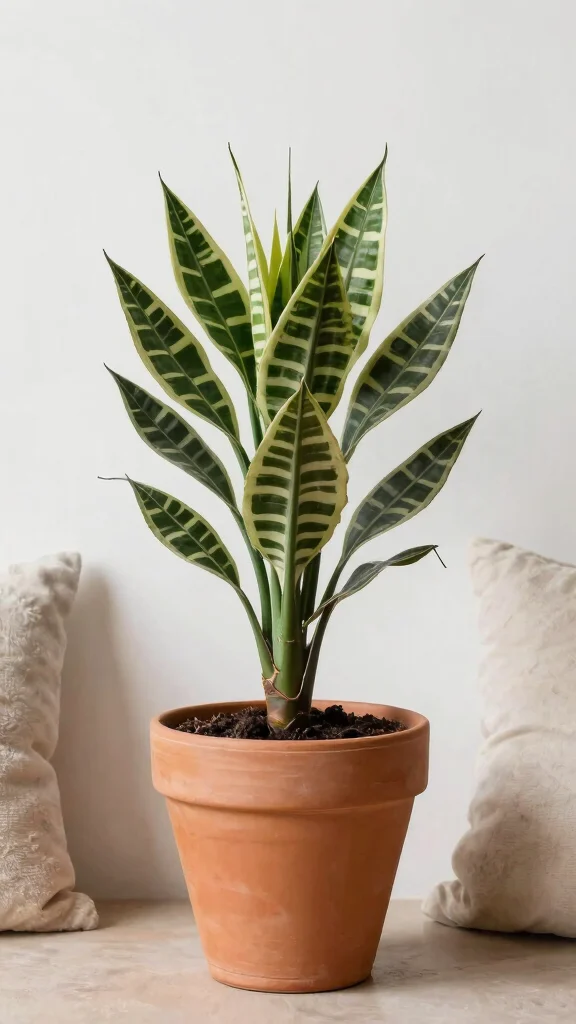
The Zebra plant, or Haworthiopsis fasciata, is a standout with its uniquely striped leaves that resemble a zebra pattern. Perfect for hanging arrangements, it adds a quirky touch to your indoor garden. This low-maintenance succulent prefers bright, indirect light and tolerates some neglect, making it ideal for busy individuals.
Water your Zebra plant only when the soil is fully dry to prevent root rot. It’s best placed in well-lit areas, such as near windows, and using a simple terracotta pot emphasizes its striking appearance.
Key care tips for your Zebra Plant:
– Water only when soil is completely dry
– Best in well-lit areas for optimal growth
– Use a simple terracotta pot to highlight its unique leaves
Let the Zebra plant add a fun twist to your collection while being easy to care for.
Ongoing Maintenance & Care Guide
Maintenance Schedule:
Daily/Weekly Tasks:
– Check soil moisture by sticking your finger about an inch deep into the soil. If it feels dry, it’s time to water. ⏱ (5 minutes)
– Dust off the leaves gently with a damp cloth to help them breathe. This keeps your plants looking fresh and healthy. 🌱 (10 minutes)
– Rotate your plants every week to ensure even growth. This helps all sides get equal light. 🔄 (5 minutes)
Monthly/Seasonal Tasks:
– Fertilize your plants with a balanced indoor plant fertilizer during the growing season (spring and summer). Follow the instructions on the package for the correct amount. 💧 (15 minutes)
– Prune any dead or yellowing leaves to promote healthier growth. This can also help reduce any pest issues. ✂️ (10-15 minutes)
– Check for pests, such as spider mites or aphids, and treat as necessary. You can use insecticidal soap or neem oil for a natural remedy. 🐞 (15 minutes)
Maintenance Summary Table:
| Task | Frequency | Difficulty | Time Needed |
|————————–|————|————-|————–|
| Check soil moisture | Daily | Easy | 5 minutes |
| Dust leaves | Weekly | Easy | 10 minutes |
| Rotate plants | Weekly | Easy | 5 minutes |
| Fertilize | Monthly | Moderate | 15 minutes |
| Prune | Monthly | Moderate | 10-15 minutes|
| Check for pests | Monthly | Moderate | 15 minutes |
Common Issues to Watch For:
⚠️ Yellowing leaves: This may indicate overwatering. Check the soil moisture and adjust your watering schedule.
⚠️ Brown leaf tips: This could be a sign of underwatering or low humidity. Increase your watering frequency or mist your plants.
⚠️ Wilting plants: This often happens due to lack of water. Make sure to check the soil moisture regularly.
⚠️ Pests on leaves: Look for small spots or webs. Inspect the undersides of leaves for any signs of pests and treat immediately.
⚠️ Fading colors: If leaves appear dull or faded, your plant may be getting too much direct sunlight or not enough nutrients. Adjust its position or fertilize.
Care Tips:
💡 Use decorative plant hangers: They not only save space but also add a stylish touch to your indoor gardening. Choose hangers that complement your home decor.
💡 Group plants together: This creates a mini indoor garden, which can help maintain humidity levels. It also looks great!
💡 Choose low-light plants: If your space has limited sunlight, select low-light hanging plants like pothos or ferns. They thrive in indirect light.
💡 Monitor humidity levels: Many indoor plants thrive in humid conditions. Consider a small humidifier if your home is dry, especially in winter.
💡 Stay consistent: Plants thrive on routine. Try to stick to a regular watering and care schedule to keep them healthy and happy.
With these simple maintenance and care tips, your hanging plants will not only survive but thrive, enhancing your indoor spaces beautifully! 🌿
10. Tradescantia: Vibrant and Colorful
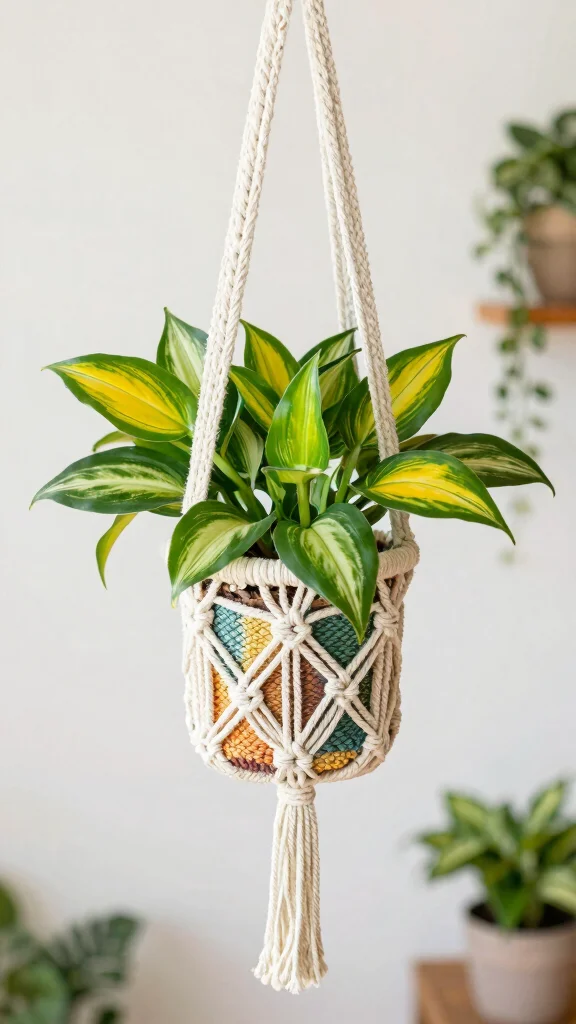
Tradescantia, also known as wandering jew, is celebrated for its vibrant foliage and stunning variegated leaves. With hues of purple, green, and pink, these plants can bring a lively pop of color to any indoor space. They thrive in bright, indirect light, making them a delightful addition wherever they hang.
Keep the soil slightly moist, taking care to avoid waterlogging. Best placed where they can receive indirect sunlight, they look fabulous in decorative macramé hangers that highlight their beauty.
Key care tips for your Tradescantia:
– Keep soil slightly moist; avoid waterlogging
– Best positioned to receive indirect sunlight
– Use a decorative macramé hanger for added flair
With their rich colors, Tradescantia can brighten up your home while enhancing air quality.
11. Calathea: Gorgeous Patterns
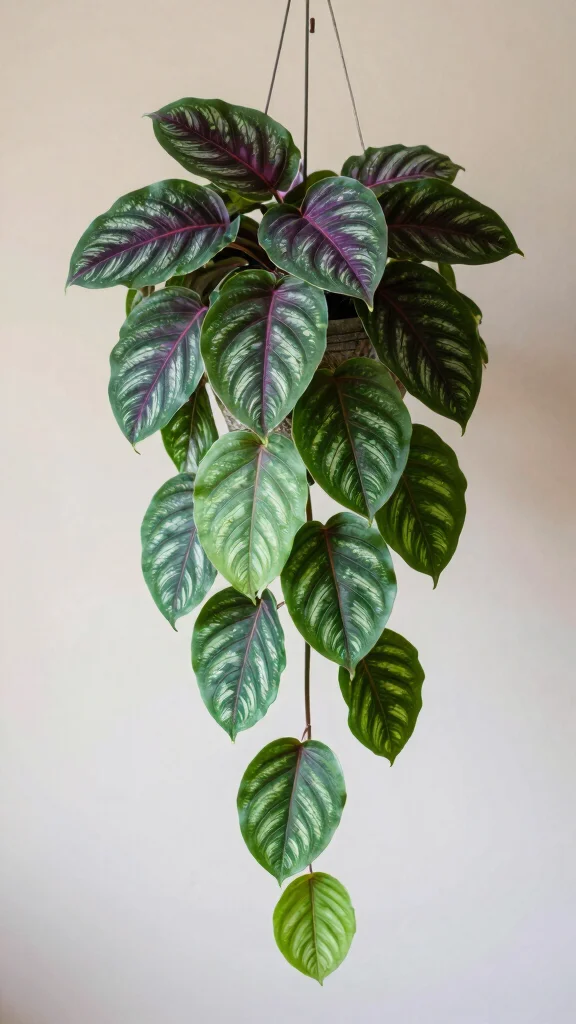
Calathea plants are known for their stunning leaves that come in various patterns and colors, making them true art pieces for your home. Their rich markings and vibrant colors can elevate any space, giving it a lively feel. They prefer humid conditions but adapt well to indoor environments, thriving beautifully in hanging planters.
To care for Calathea, keep the soil consistently moist but not soggy, and mist regularly to maintain humidity. They thrive in bright, indirect light, and hanging them in decorative planters can complement their intricate leaves.
Key care tips for your Calathea:
– Keep soil consistently moist; mist regularly
– Prefer bright, indirect light for optimal growth
– Hang in a decorative planter to complement their beauty
With their beautiful patterns, Calathea can elevate any room’s style while adding a tropical vibe.
12. Rhipsalis: Whimsical Cacti
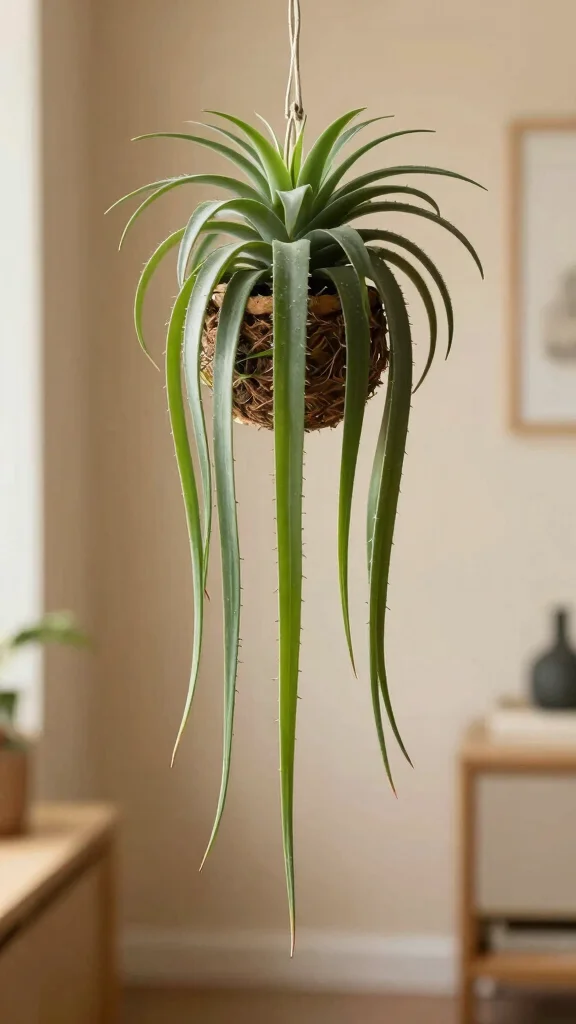
Rhipsalis, known as mistletoe cactus, is a unique member of the cactus family that brings a whimsical touch to your indoor garden. Its long, trailing stems differ from traditional cacti, making it a charming choice for your space. Rhipsalis thrives in filtered light and needs minimal care, perfect for those seeking greenery without much fuss.
Water sparingly, allowing the soil to dry out between waterings. This plant enjoys indirect light and can adapt to lower light conditions. Hang it in a quirky planter for a fun look that stands out.
Key care tips for your Rhipsalis:
– Water sparingly; let soil dry out between waterings
– Enjoys indirect light; adapts to lower light
– Hang in a quirky planter for a fun aesthetic
Rhipsalis adds an interesting twist to your collection, enhancing your indoor gardening experience with its delightful appearance.
13. Sweetheart Plant: Heartfelt Appeal
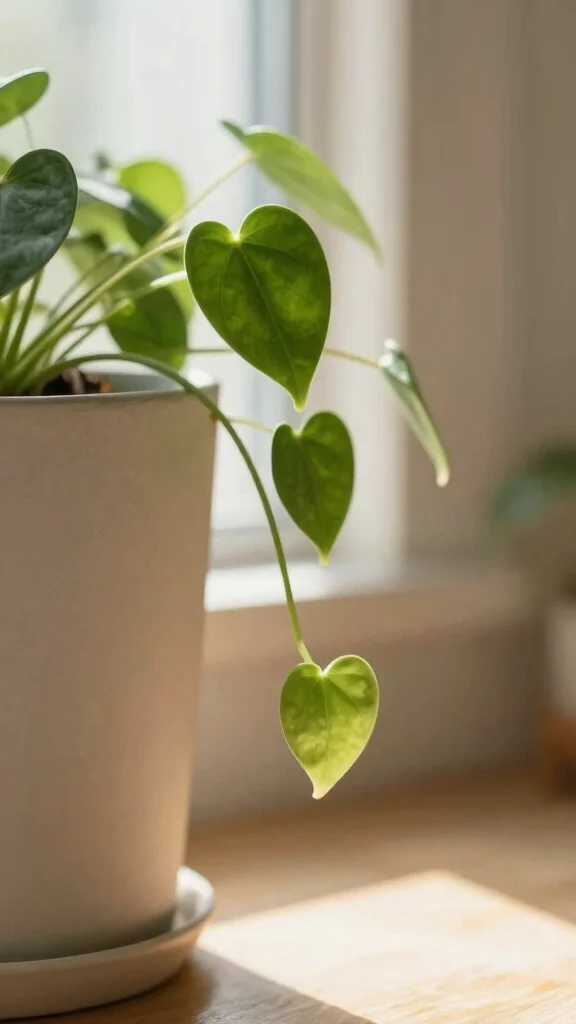
The sweetheart plant, or Hoya Kerrii, is a charming choice with its heart-shaped leaves, making it an ideal gift for loved ones. This low-light hanging plant is easy to care for and excels in small spaces. While it prefers brighter conditions, it can adapt to lower light levels, making it a versatile addition to any home.
Water it when the top inch of soil is dry, avoiding overwatering. This plant is perfect for living rooms or cozy corners, and a simple hanging pot allows its lovely leaves to shine.
Key care tips for your Sweetheart Plant:
– Water when top inch of soil is dry; avoid overwatering
– Great for living rooms or cozy spaces
– Use a simple hanging pot to showcase its leaves
This sweet plant adds a touch of love to your space, making it a delightful addition to any indoor garden.
Fun fact: The Sweetheart Plant wears its heart-shaped leaves like a built-in love note for your space. This hanging plant thrives in low light and only needs watering when the top inch dries. It’s a simple, gift-ready touch for any cozy corner in your home.
14. Ficus Pumila: Climbing Elegance
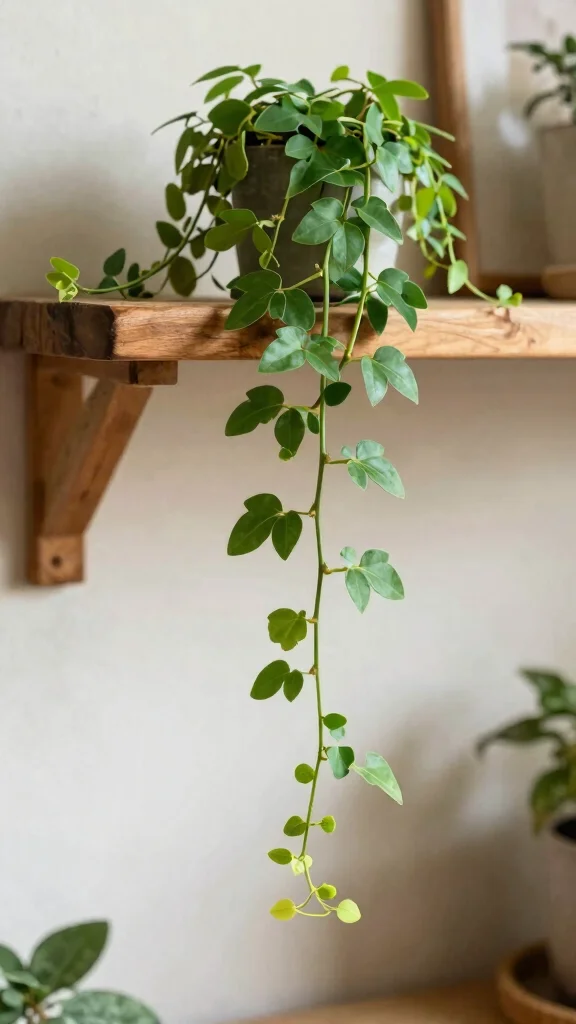
Ficus pumila, or creeping fig, offers a unique climbing style perfect for hanging arrangements. Its delicate, small leaves create an elegant draping effect that can soften hard surfaces like walls or shelves. This plant loves bright, indirect light and is relatively low-maintenance, making it a wonderful choice for indoor gardens.
Water your Ficus when the topsoil is dry, ensuring consistent moisture without sogginess. Ideal for hanging near a window or bright areas, it looks stunning when paired with a rustic wooden shelf.
Key care tips for your Ficus Pumila:
– Water when topsoil is dry; maintain moisture without sogginess
– Ideal for hanging near windows or bright areas
– Pair with a rustic wooden shelf for beautiful displays
Ficus pumila adds vertical interest to your home while contributing to indoor air quality.
15. Peperomia: Compact and Charming
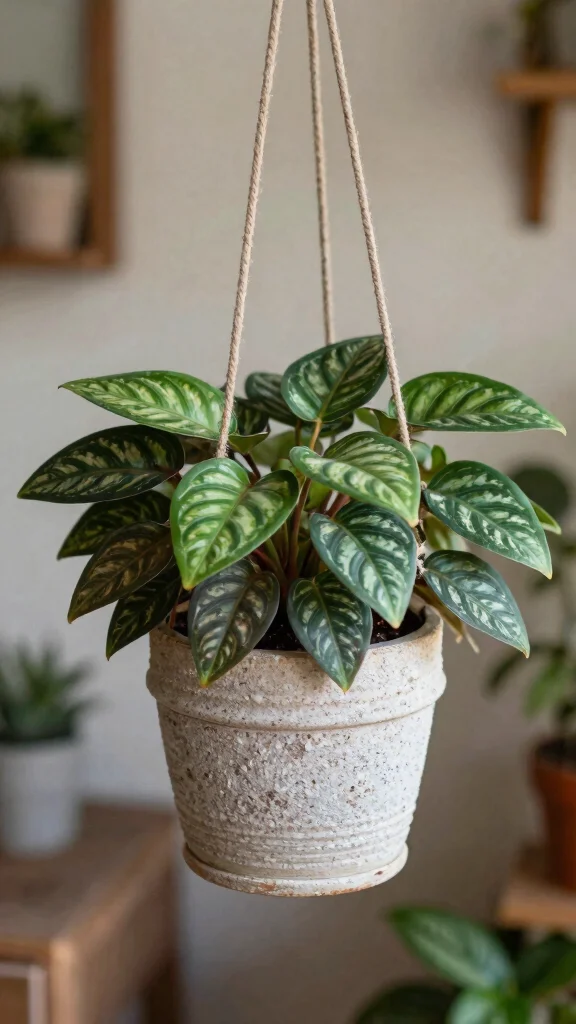
Peperomia plants are ideal for those seeking versatile yet compact hanging options. Their unique leaf shapes and colors can thrive in various indoor conditions, making them a popular choice. These plants flourish in bright, indirect light and require minimal watering, perfect for busy plant parents.
Allow the topsoil to dry out between waterings for best results. They do well in moderate light but can adapt to low light as well. Using textured planters can draw attention to their unique foliage and enhance your decor.
Key care tips for your Peperomia:
– Allow topsoil to dry out between waterings
– Best in moderate light; can adapt to low light
– Use textured planters to highlight their unique leaves
Peperomias are low-maintenance beauties, making them a great addition to any indoor garden.
16. Succulent String: Fun and Funky
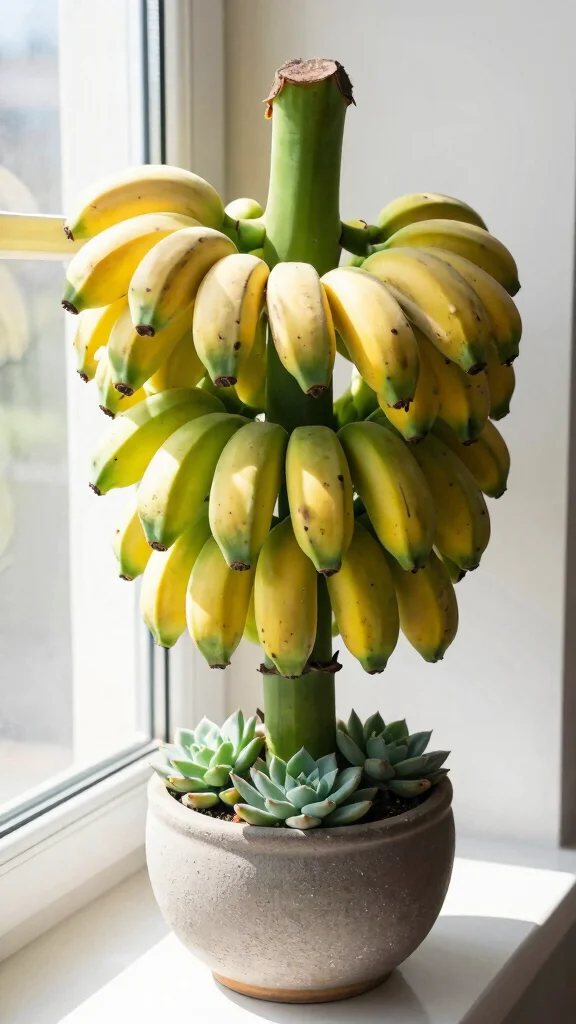
Succulent strings, featuring trailing varieties like string of bananas or string of hearts, are playful additions to any hanging plant collection. Their unique shapes and colors can add character and a whimsical touch to your indoor space. These plants thrive in bright light and require minimal watering, making them great for beginners.
Water when the soil is dry, as succulents prefer less frequent watering. They are ideal for windowsills or sunny areas and look fantastic in quirky planters that showcase their fun shapes.
Key care tips for your Succulent String:
– Water when soil is dry; prefer less frequent watering
– Ideal for sunny areas or windowsills
– Use quirky planters to highlight their fun shapes
Let these trailing succulents enhance your indoor garden with their distinct charm and playful vibe.
Succulent strings bring personality to hanging plants indoor—string of bananas and string of hearts steal the show. They love bright light and hardly drink, so beginners can enjoy a thriving, low-effort greener space.
17. Orchid: Exotic Elegance
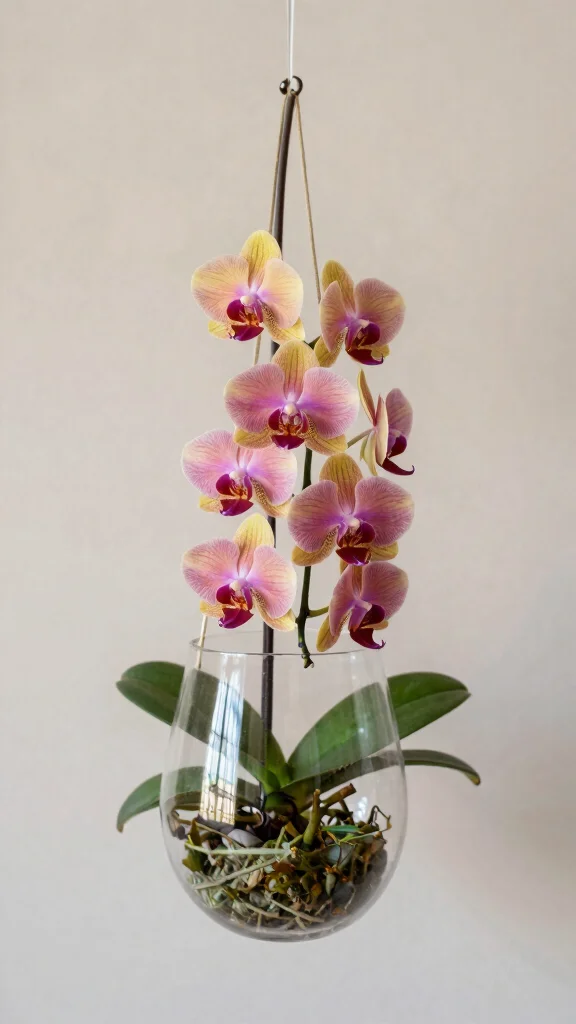
Orchids are celebrated for their exotic beauty and stunning flowers, making them a standout in any hanging arrangement. While they can be more challenging to care for compared to other plants, their elegance makes the effort worthwhile. Orchids thrive in bright, indirect light and require well-draining media to flourish.
Water them when the surface of the potting mix feels dry, ensuring they don’t sit in water. Best placed in areas with bright, filtered light, they can be showcased beautifully in hanging glass terrariums or decorative pots.
Key care tips for your Orchids:
– Water when the surface of potting mix is dry; avoid sitting in water
– Best in areas with bright, filtered light for optimal growth
– Use hanging glass terrariums or decorative pots for a stunning display
The captivating beauty of orchids can elevate any indoor space, offering a touch of sophistication that is truly mesmerizing.
Conclusion
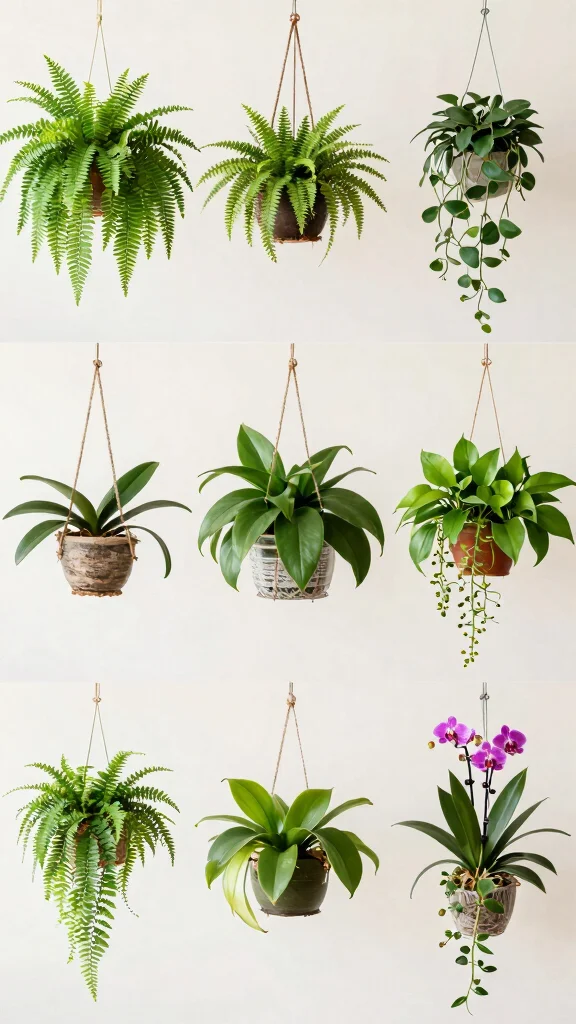
Transforming your indoor space with hanging plants is a creative and rewarding endeavor. Each of these 17 plants not only beautifies your home but also contributes to your overall well-being by purifying the air. Whether you choose low-light options or vibrant blooms, there’s something for every style and taste. Embrace the joy of indoor gardening and elevate your space with these lush greens!
Frequently Asked Questions
Which hanging plants indoor are best for air purification and space-saving decor?
If you want cleaner air and less floor clutter, these hanging plants indoor are top picks: pothos (Epipremnum aureum), spider plant (Chlorophytum comosum), heartleaf philodendron (Philodendron hederaceum), and peace lily varieties that work well in hanging baskets. They offer air purification benefits and trail beautifully, freeing floor space. Care tips: place them in bright, indirect light; water when the top inch of soil dries; ensure good drainage; and mist occasionally to boost humidity. Finish with a decorative plant hanger to showcase their foliage.
Which low-light hanging plants indoor thrive in dim corners and apartment setups?
Low-light is your friend with the right trailing plants. Try pothos (especially the golden variety), heartleaf philodendron, and spider plant as low-light hanging plants for indoor spaces. They tolerate dim corners and still look vibrant. Tips: provide as much ambient light as possible, water sparingly, and rotate plants every few weeks to keep growth even. Use a well-draining potting mix and ensure good drainage for healthy roots.
How can I style my space with indoor plant decor using decorative plant hangers?
Elevate your room with decorative plant hangers in a mix of materials—macramé, metal, and woven styles. Hang groups at varying heights near a window or on a blank wall to create a lush focal point. Pair with space-saving plants to maximize impact without crowding the room. Keep a cohesive color palette so the greenery shines and the hangers complement your furniture.
What are practical space-saving tips to hang plants indoors without clutter?
Treat your ceiling as vertical real estate. Install sturdy ceiling hooks or a ceiling rail system, add wall-mounted brackets for trailing planters, and use a slim ladder or tiered rack to create multiple levels. Group several low-light hanging plants in one area to maximize impact without crowding floors. Keep walkways clear by arranging plants high enough to pass beneath and rotate pots to refresh the look seasonally.
What are simple indoor gardening tips to care for hanging plants indoors in low light?
Begin with a well-draining potting mix and containers. In low light, water when the top inch of soil dries to avoid overwatering. Wipe leaves occasionally to keep photosynthesis efficient, and fertilize lightly during the growing season. For practical indoor gardening tips, group plants with similar light needs, check moisture weekly, and rotate pots to promote even growth and long-term health.
Related Topics