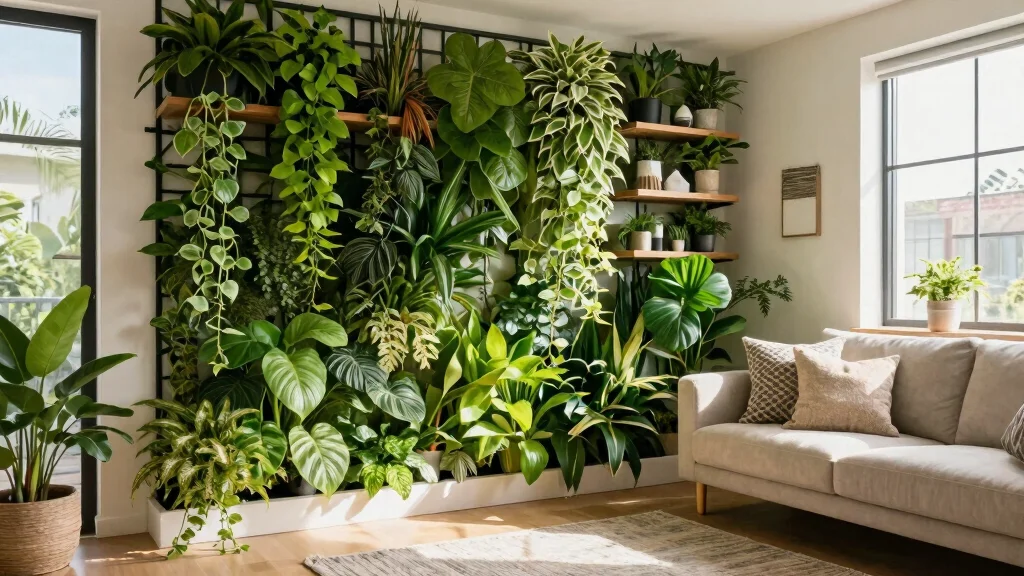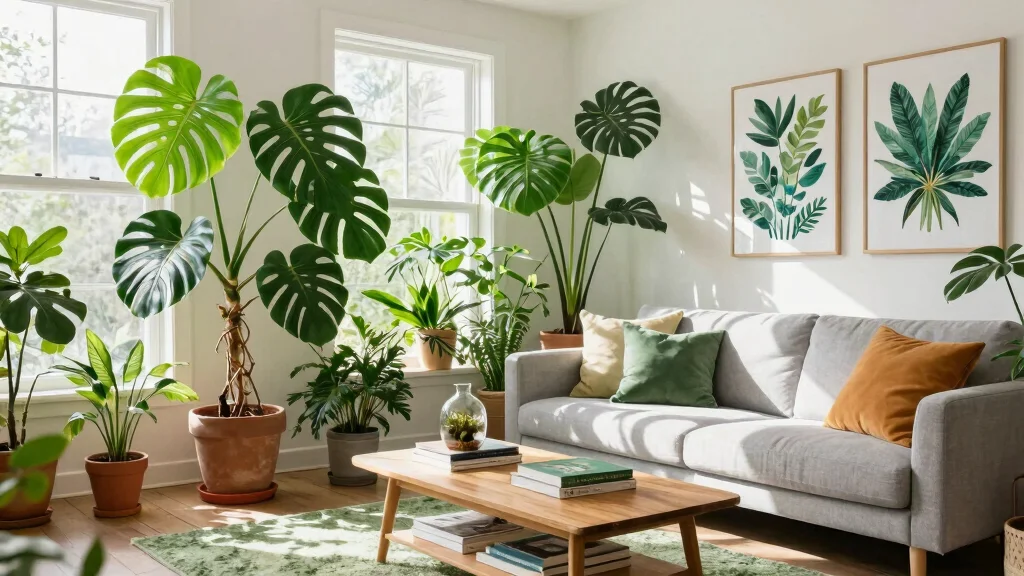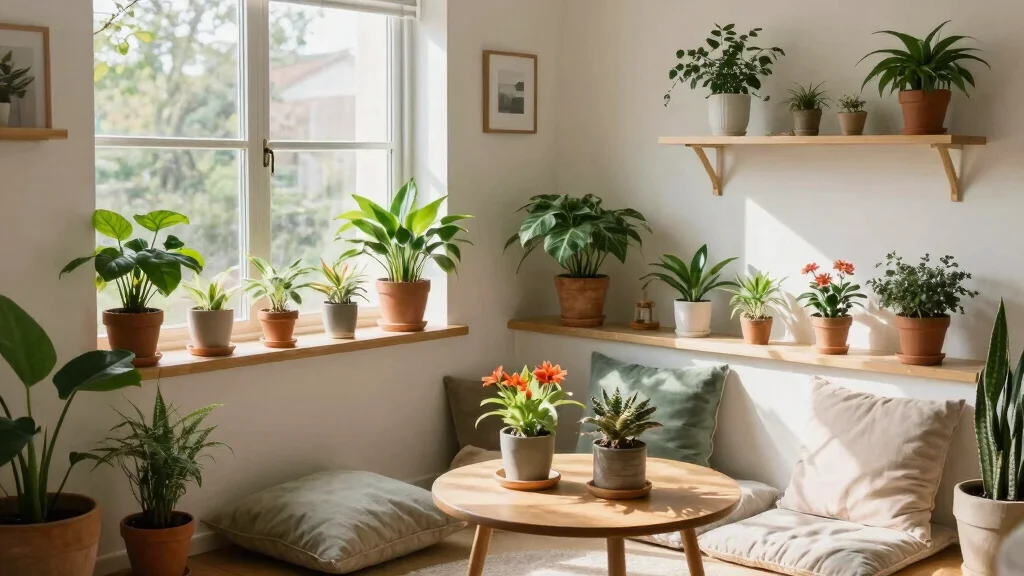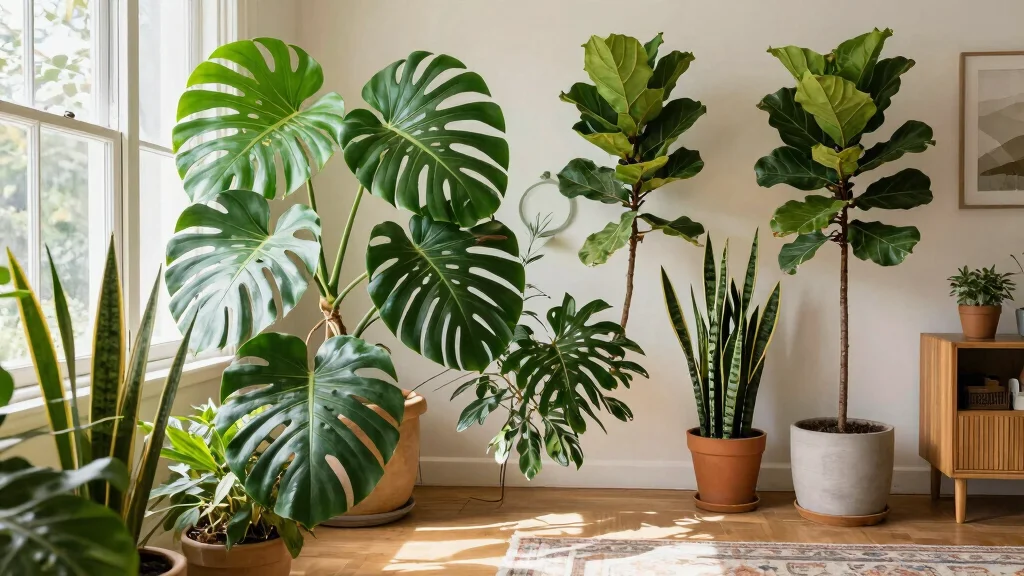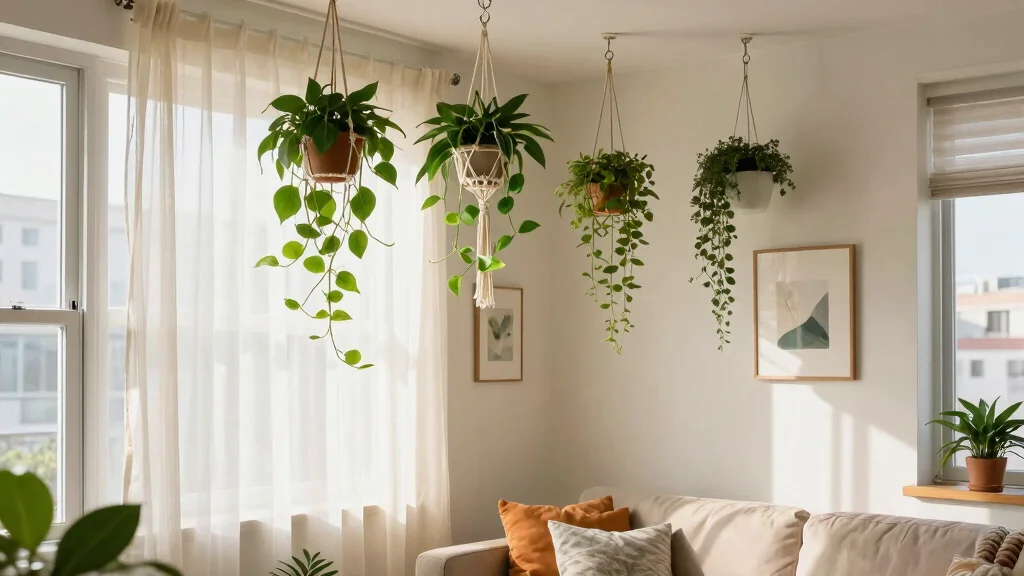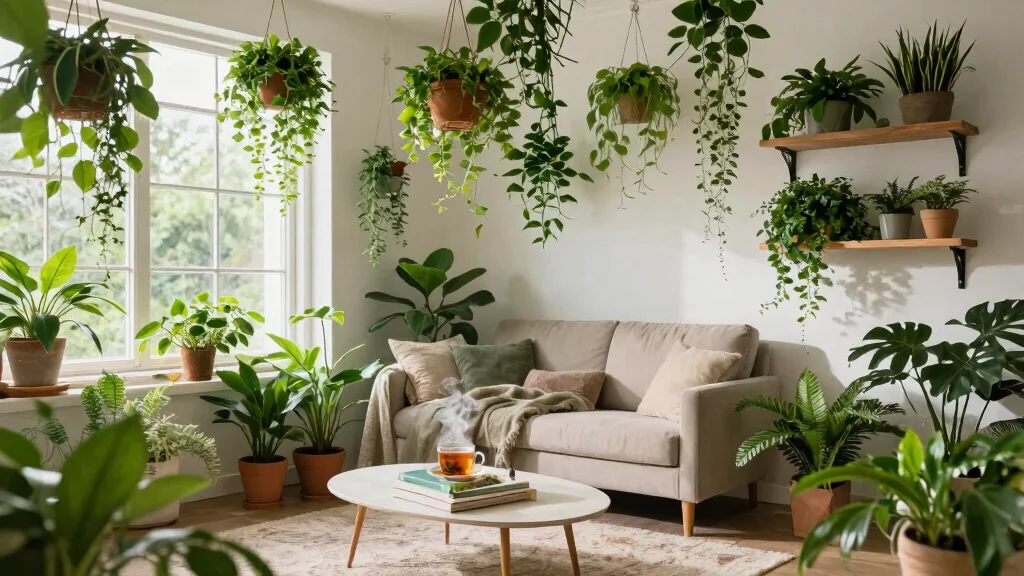

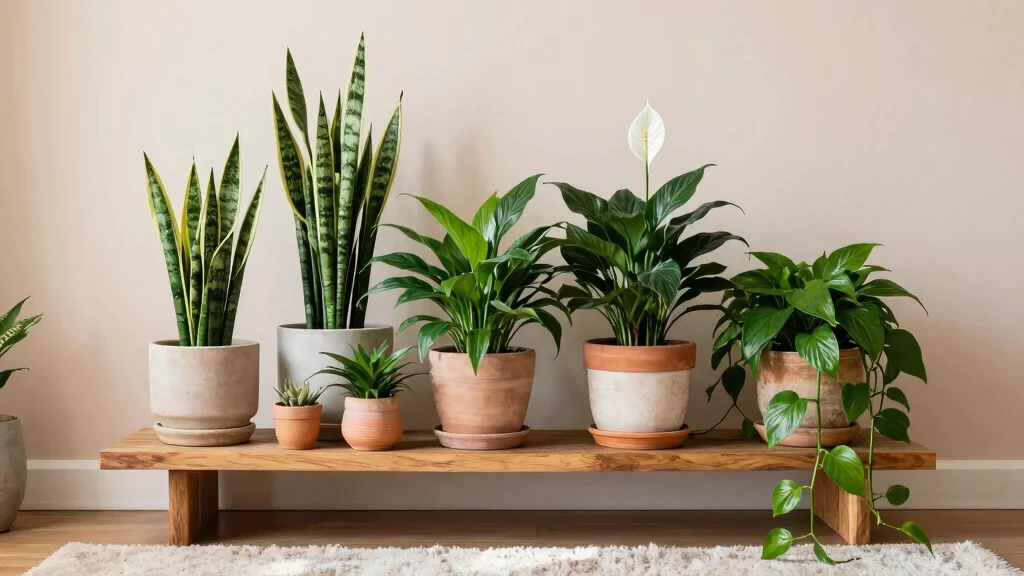
Creating a cozy, green space in your home can feel like a daunting task, especially when you think of all the beautiful home plants indoor that can bring life to your surroundings. I’ve been on a quest to find the best low-light indoor plants that not only thrive in less-than-ideal lighting but also add a splash of comfort and style to any room. This journey has sparked a genuine passion for the power of plants in our lives. There’s something magical about the way greenery can transform a space and your mood.
If you’re someone who loves to enhance their living area with greenery but struggles with low light or simply doesn’t have a green thumb, this post is tailored for you. You’ll discover a variety of home plants that are not only beautiful but also easy to care for. Each selection is perfect for creating a cozy atmosphere while purifying the air and making your home feel more inviting.
In this guide, you’ll find 16 indoor plant ideas that are resilient, stylish, and perfect for even the gloomiest corners of your home. I’ve pulled together a mix of popular favorites and unique finds that are sure to inspire your inner gardener. You’ll learn about their care needs, ideal placements, and how to style them with decorative pots for plants that match your aesthetic.
Key Takeaways
– Discover 16 low-light home plants that are perfect for creating a cozy atmosphere and improving indoor air quality.
– Each plant features specific care tips to help you maintain a thriving indoor garden, regardless of your experience level.
– Learn about decorative pots that can enhance the look of your plants and add appeal to your home decor.
– Get insights into the benefits of air-purifying indoor plants and how they contribute to a healthier living space.
– Explore versatile planting options to fit your style, from trailing plants to bold statement makers, each suited for different lighting conditions.
1. Snake Plant – Your Resilient Companion
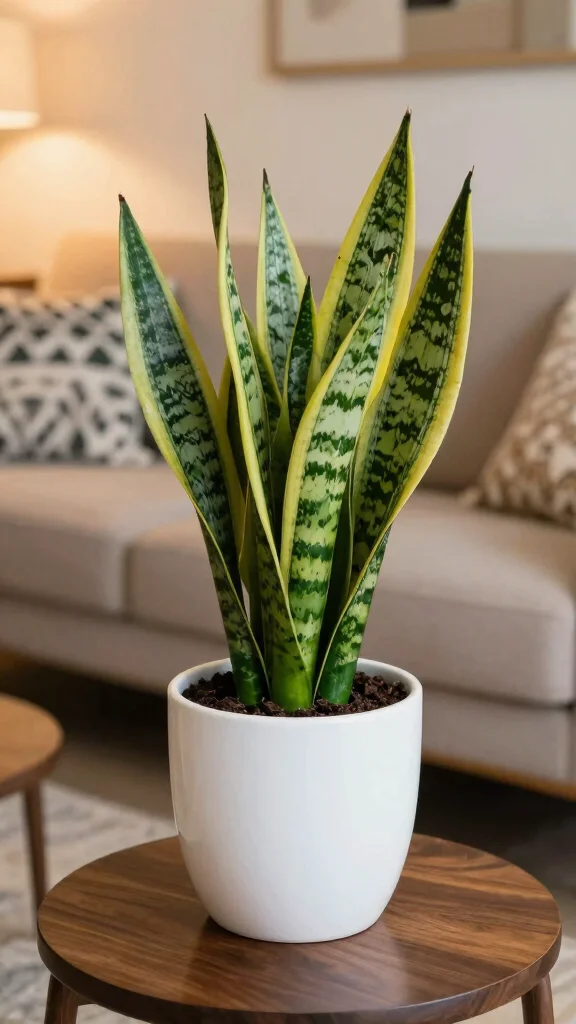
Looking for a plant that’s tough yet stylish? Snake plants, also known as Sansevieria, are the perfect choice. With their striking, upright leaves, they can elevate the look of any room. Not only do they thrive in low light and require minimal watering, but they also purify the air, making your home healthier. Choose a pot that stands out, whether it’s a vibrant color or a natural finish to enhance your decor.Begin by finding a suitable spot, such as a corner or a shelf, where the plant can shine. Water it every two weeks during the growing season, and even less in winter. Keep the leaves clean by wiping them with a damp cloth to maintain their shine.Key tips for your snake plant:
– Place it in corners or on shelves for a modern touch.
– Water biweekly in spring and summer.
– Clean leaves regularly for a polished look.
With their low-maintenance nature, snake plants add flair without fuss, perfect for any busy lifestyle.
For home plants indoor, the snake plant is your resilient companion. It thrives in low light and needs minimal watering, while quietly purifying the air. Set it on a shelf, and enjoy a touch of green with zero fuss.
2. Peace Lily – Elegant and Air-Purifying
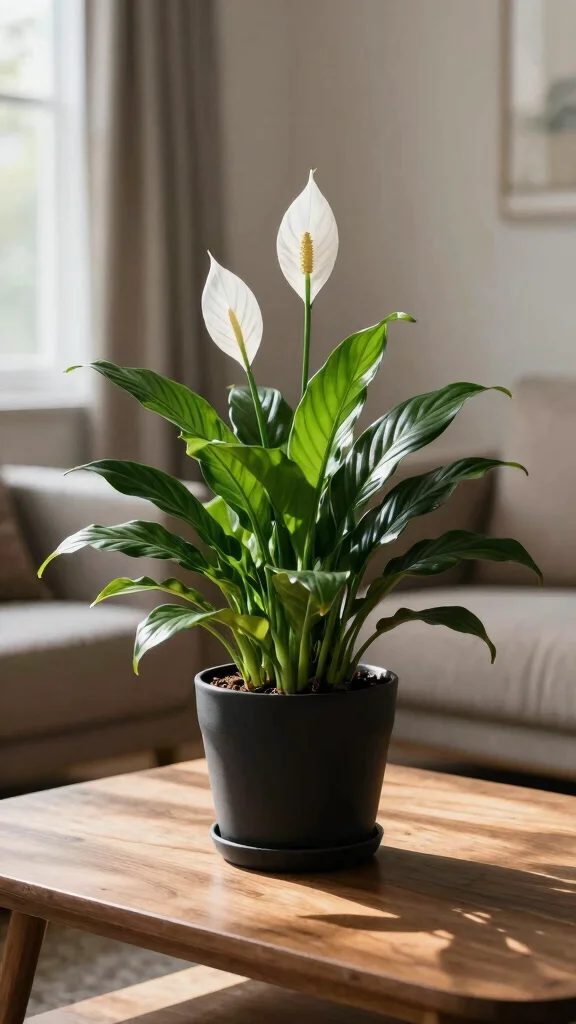
If elegance is what you seek, peace lilies should be on your list. Their beautiful white flowers and glossy foliage make them a stunning addition to any room. They thrive in low-light areas and are excellent air purifiers, removing toxins from the air. Water them when the soil feels dry, and watch them perk up as they signal for a drink.To enhance their beauty, pair your peace lily with a decorative pot that complements your home’s style. Water them weekly, keeping an eye on the leaves for signs of thirst. Mist them occasionally to boost humidity and keep them looking vibrant.Here’s how to care for your peace lily:
– Choose a stylish pot that matches your decor.
– Water weekly, especially if leaves droop.
– Mist leaves to maintain humidity and shine.
Adding a peace lily not only beautifies your space but also helps create a healthier home environment.
3. Pothos – The Versatile Trailing Plant
Looking for a plant that’s easy to style and care for? Pothos are the answer! With their heart-shaped leaves and cascading vines, they can adapt to any lighting conditions, making them perfect for kitchens, living rooms, or offices. Plus, they help purify the air by removing toxins, creating a better indoor environment.Consider using a macramé hanger or a wall-mounted planter to showcase their stunning growth. Water them when the top inch of soil is dry, and don’t forget to prune occasionally to encourage fuller growth.Get started with your pothos:
– Hang them in a macramé planter for a trendy look.
– Water when the top soil is dry to the touch.
– Prune regularly for lush, vibrant growth.
Pothos are a fantastic addition to any indoor garden, adding life and color effortlessly.
Ongoing Maintenance & Care Guide
Maintenance Schedule:
Daily/Weekly Tasks:
– Watering: Check the soil moisture of your indoor plants. If the top inch feels dry, give them a drink. This usually takes about 5-10 minutes. Remember, overwatering is a common mistake!
– Dusting Leaves: Wipe the leaves with a damp cloth to keep them clean and healthy. This task should take about 10 minutes once a week. Clean leaves allow for better light absorption.
– Inspect for Pests: Look over your plants for any signs of infestations, such as webbing or small bugs. Spend about 5 minutes each time you water to check for pests.
– Rotate Plants: Turn your plants weekly to ensure even growth. This usually takes about 5 minutes and helps them grow straight and strong.
Monthly/Seasonal Tasks:
– Fertilizing: Use a balanced, water-soluble fertilizer once a month during the growing season. Take about 15 minutes to mix and apply the fertilizer. This gives your plants the nutrients they need to flourish.
– Repotting: Check if your plants are root-bound. If roots are coming out of the drainage holes, it’s time to repot. Plan for about 30-45 minutes to repot a plant properly.
– Pruning: Trim dead or yellowing leaves to encourage new growth. Spend around 20 minutes each month to keep your plants looking their best.
– Soil Refreshing: Replace the top layer of soil with fresh potting mix every few months. Allocate about 15 minutes for this task to keep nutrients flowing.
– Check for Diseases: Look for any signs of mold or rot. If you notice anything unusual, treat it immediately. Expect to spend about 10 minutes assessing your plants during this check-up.
Maintenance Summary Table:
| Task | Frequency | Difficulty | Time Needed |
|—————————|—————|—————-|—————–|
| Watering | Daily/Weekly | Easy | 5-10 minutes |
| Dusting Leaves | Weekly | Easy | 10 minutes |
| Inspect for Pests | Daily/Weekly | Easy | 5 minutes |
| Rotate Plants | Weekly | Easy | 5 minutes |
| Fertilizing | Monthly | Medium | 15 minutes |
| Repotting | As Needed | Medium | 30-45 minutes |
| Pruning | Monthly | Easy | 20 minutes |
| Soil Refreshing | Every few months | Easy | 15 minutes |
| Check for Diseases | Monthly | Medium | 10 minutes |
Common Issues to Watch For:
⚠️ Yellowing Leaves: This might indicate overwatering or nutrient deficiency. Check the soil moisture and consider fertilizing if needed.
⚠️ Wilting Leaves: If your plants are drooping, they may need water or a change in light. Assess the conditions and adjust accordingly.
⚠️ Brown Leaf Tips: This can be a sign of low humidity or underwatering. Increase humidity around the plant or adjust your watering schedule.
⚠️ Webbing or Small Insects: These are signs of pest infestations. Treat the plants with insecticidal soap or neem oil to eliminate the problem.
⚠️ Mold on Soil Surface: This indicates overwatering or poor drainage. Consider reducing watering and ensuring good soil aeration to prevent mold growth.
Care Tips:
💡 Choose the Right Spot: Place your plants in locations that match their light needs. Low-light plants thrive in indirect light, while others may need direct sunlight. Know your plants!
💡 Use Decorative Pots with Drainage: Make sure your pots have drainage holes. This helps prevent root rot and allows excess water to escape.
💡 Maintain a Regular Schedule: Set reminders for watering and fertilizing. Keeping a consistent routine helps you remember what your plants need.
💡 Monitor Temperature and Humidity: Most indoor plants prefer temperatures between 65-75°F. Keep humidity levels around 40-60% for optimal growth. Consider using a humidifier if your home is dry.
💡 Observe Your Plants: Spend time with your plants. Notice changes and adapt your care as needed. Healthy plants will show vibrant colors and new growth.
4. ZZ Plant – The Indestructible Favorite
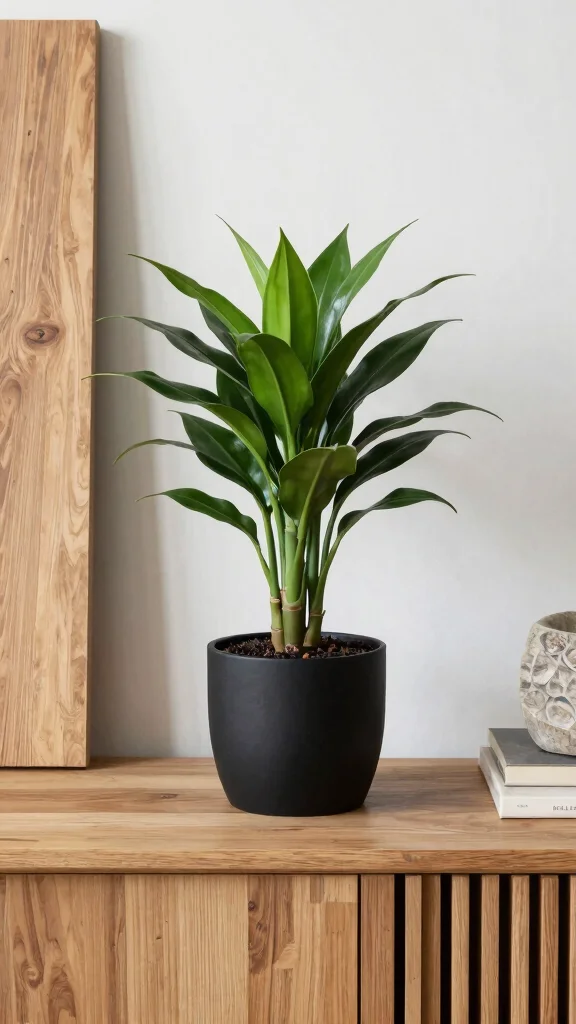
Meet the ZZ plant, a perfect choice for plant lovers who want beauty without the hassle. Known for its glossy, dark leaves, this plant can thrive in low light and needs very little water. Its upright growth habit adds a tropical feel to your space while enhancing air quality by filtering pollutants.Position your ZZ plant in a dim corner or a low-light office for maximum impact. Water it only when the soil is completely dry, and give the leaves a gentle wipe to keep them looking their best.Here’s how to care for your ZZ plant:
– Ideal for dark corners or windowless spaces.
– Water only when the soil is dry to the touch.
– Dust leaves occasionally for a clean appearance.
With its low-maintenance needs, the ZZ plant is a stylish yet practical choice for any indoor space.
5. Spider Plant – A Classic Beauty
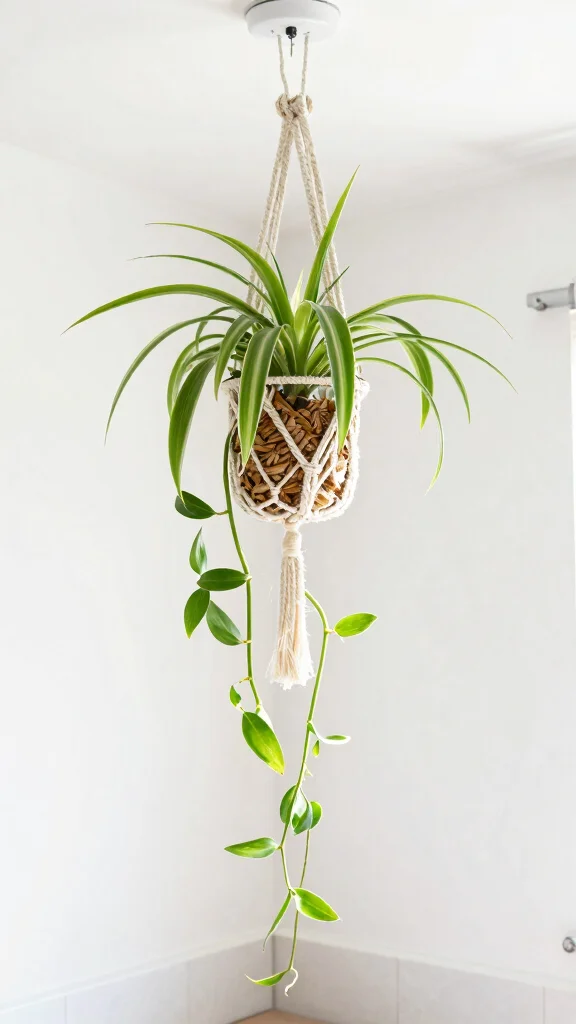
Want a plant that’s both charming and easy to care for? Spider plants fit the bill perfectly! Their arching leaves and adorable offshoots, known as “pups,” make them a delightful addition to any home. They thrive in a range of light conditions and are proven air purifiers, removing toxins like formaldehyde from your living space.Showcase your spider plant by hanging it in a bright area or placing it on a shelf for a cascading effect. Water them when the top inch of soil dries out, and keep them tidy by removing any dead leaves.Here’s how to make the most of your spider plant:
– Hang them in bright areas for a lush look.
– Water when the top inch of soil is dry.
– Trim any dead leaves for a fresh appearance.
Creating a green oasis with spider plants brings a fresh, inviting vibe to your home.
6. Chinese Evergreen – The Colorful Charmer
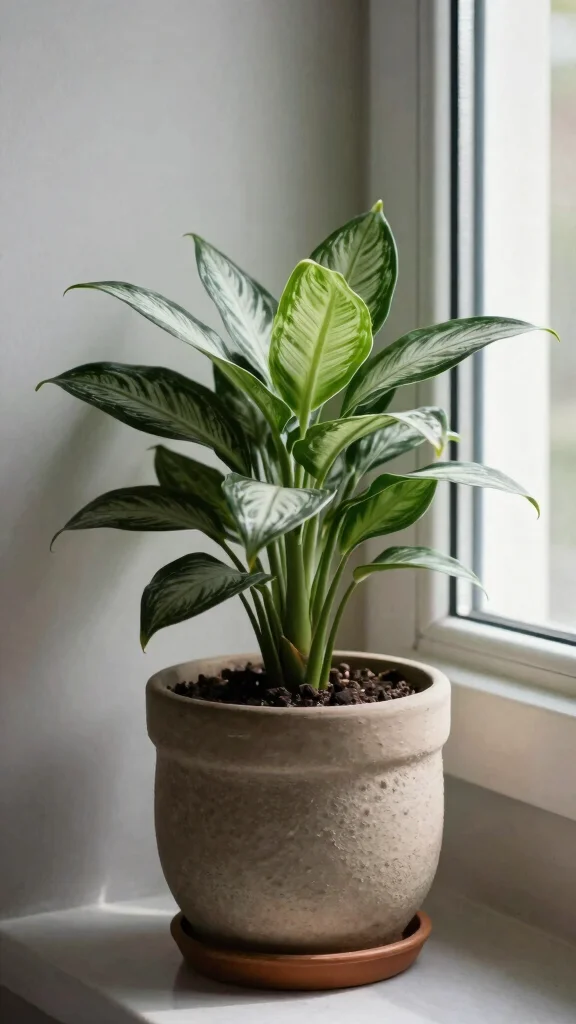
Looking to brighten up your indoor space? Chinese evergreens are a fantastic option! With their colorful, patterned leaves, they can thrive even in low-light conditions. This low-maintenance plant not only adds a splash of color but also purifies the air, making your home healthier.Position your Chinese evergreen on a coffee table or desk to serve as a vibrant centerpiece. Water when the top inch of soil is dry, and give the leaves a gentle wipe to keep them dust-free.Here are some tips for your Chinese evergreen:
– Use as a centerpiece on a desk or table.
– Water when the top inch of soil feels dry.
– Wipe leaves for a clean, shiny look.
With their stunning colors, Chinese evergreens are sure to enhance your indoor environment beautifully.
Fun fact: Chinese evergreen leaves come in bold patterns that brighten a room even in low light—perfect for home plants indoor. Pro tip: set one on a coffee table as a centerpiece, water when the top inch dries, and wipe leaves to keep them dust-free.
7. Rubber Plant – Bold and Beautiful
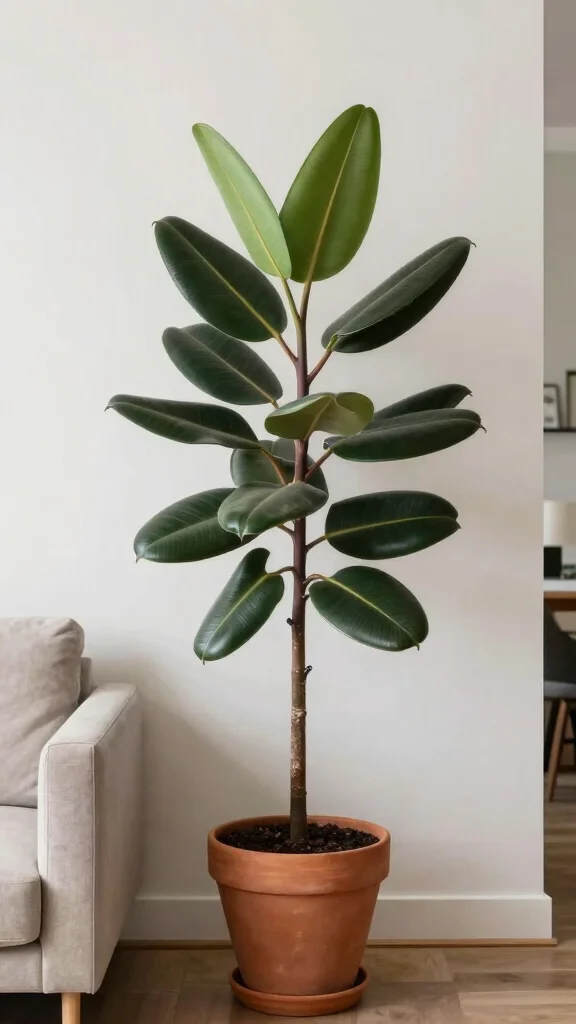
Want to make a statement with your indoor plants? Rubber plants are known for their large, glossy leaves that add drama to any room. They thrive in moderate to low light and can adapt to various indoor environments. Additionally, they are effective at purifying the air, helping to create a healthier atmosphere at home.Place your rubber plant in a stylish pot to elevate its presence in your decor. Water when the top few inches of soil feel dry, and don’t forget to dust the leaves occasionally for a polished look.Key care tips for your rubber plant:
– Position in a stylish planter for a chic look.
– Water when the top few inches of soil are dry.
– Dust leaves for a vibrant appearance.
A rubber plant serves as a bold focal point, showcasing your love for style and greenery.
8. Cast Iron Plant – The Tough Survivor
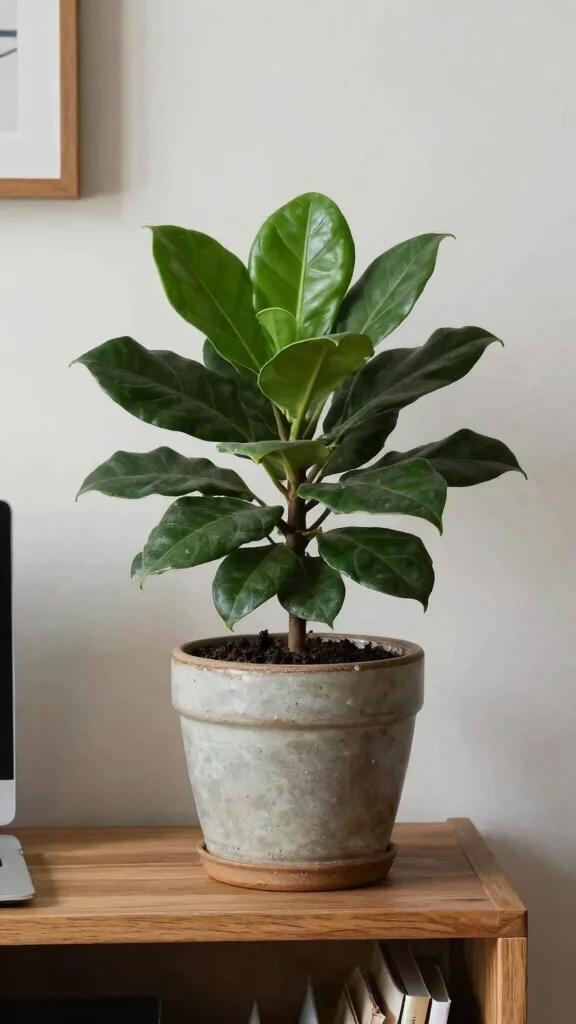
Need a plant that can withstand neglect? Cast iron plants are known for their resilience and ability to thrive in almost any condition. With their lush, dark green leaves, they add beauty to any space while improving air quality by filtering toxins. This forgiving plant is ideal for anyone who may forget to water occasionally.Place your cast iron plant in a low-light corner or nook for a lush touch. Allow the soil to dry out between waterings, and keep the leaves clean by wiping them down from time to time.How to care for your cast iron plant:
– Perfect for dark corners or low-light spaces.
– Allow soil to dry out completely between waterings.
– Dust leaves regularly to maintain their beauty.
Adding a cast iron plant to your collection not only enhances your home but also simplifies your plant care routine.
9. Dracaena – The Tropical Touch
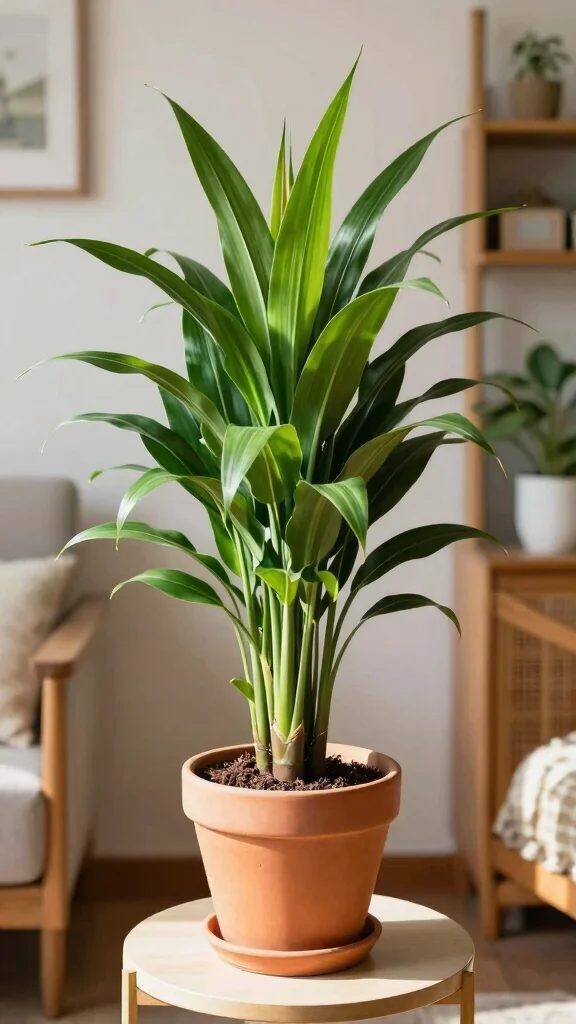
Want to introduce a tropical vibe into your home? Dracaena plants are an excellent choice! They come in various forms, showcasing striking foliage that adds brightness to any room. Dracaenas thrive in low light and can tolerate neglect, making them perfect for busy homeowners. Plus, they purify the air, improving indoor quality.Choose a stylish planter that reflects your personal style and place it in a well-lit area. Water when the top few inches of soil dry out, and rotate the plant occasionally to promote even growth.Here’s how to care for your dracaena:
– Select a planter that suits your decor style.
– Water when the top few inches of soil feel dry.
– Rotate the plant for balanced growth.
Dracaenas bring both beauty and ease to your indoor plant collection.
10. Philodendron – The Trendy Option
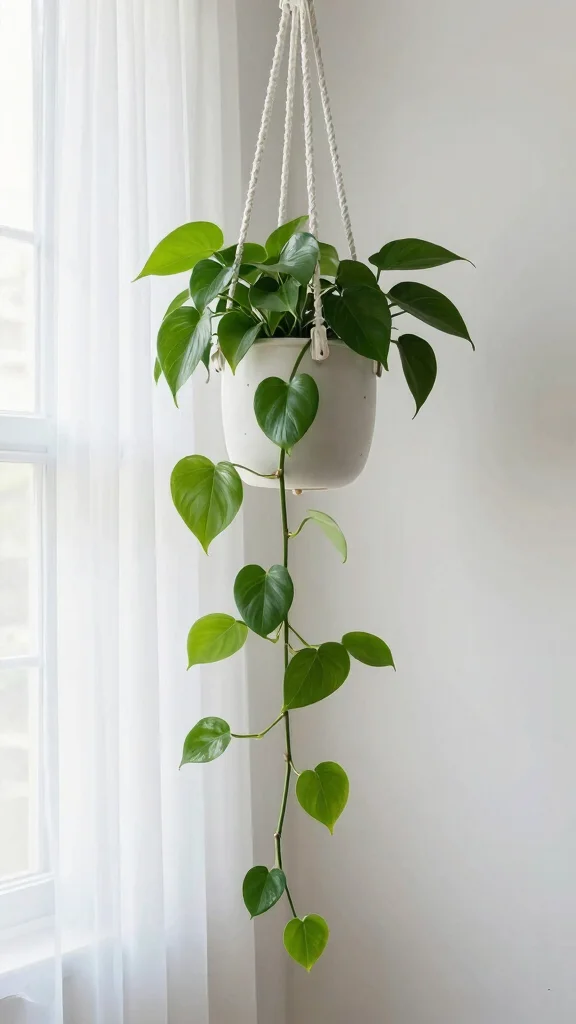
Looking to keep up with plant trends? Philodendrons are the perfect pick for their lush, vibrant leaves. They thrive in low-light settings, making them ideal for various areas around your home. With both trailing and climbing varieties, you can get creative with your plant styling in hanging pots or on trellises. Plus, they contribute to better indoor air quality.Consider placing a philodendron on a shelf or as a hanging plant in a sunlit corner. Water when the top inch of soil feels dry, and remember to prune regularly to keep it looking full and vibrant.Here are some tips for your philodendron:
– Display on shelves or hang in sunny spots.
– Water when the top inch of soil is dry.
– Prune regularly for a fuller appearance.
Incorporating a philodendron adds a modern touch to any indoor space, making your home feel fresh and inviting.
Fun fact: Philodendrons thrive in low light and can grow 1–2 feet long, enjoying hanging shelves or trellises. In homes, their lush leaves fill dim corners in just a few months, while boosting indoor air quality.
11. Boston Fern – The Lush Greenery
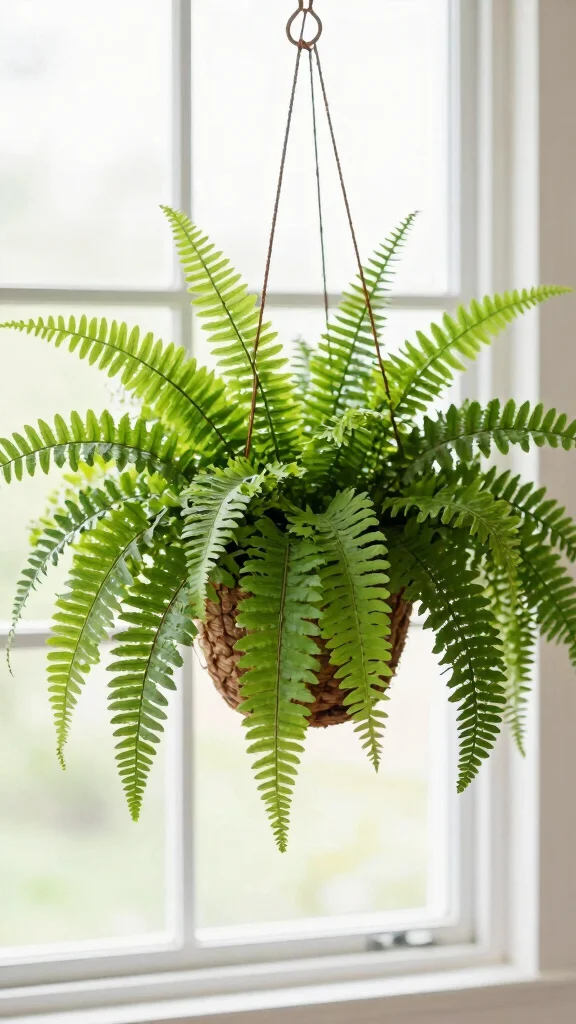
Want to create a lush, inviting atmosphere? Boston ferns are perfect for adding elegance to your home. Their feathery fronds thrive in indirect light and humid environments, making them ideal for kitchens or bathrooms. While they prefer consistently moist soil, they are excellent at purifying the air, filtering out harmful toxins.Consider hanging your Boston fern in a basket or placing it on a stand to showcase its beautiful fronds. Keep the soil consistently moist and mist the leaves to maintain humidity.Here’s how to care for your Boston fern:
– Hang in a basket or place on a stand for visibility.
– Keep the soil moist and mist the leaves regularly.
– Prune dead fronds to encourage new growth.
A Boston fern is more than just a plant; it’s a stunning statement piece that brings a touch of nature indoors.
12. Areca Palm – The Tropical Vibe
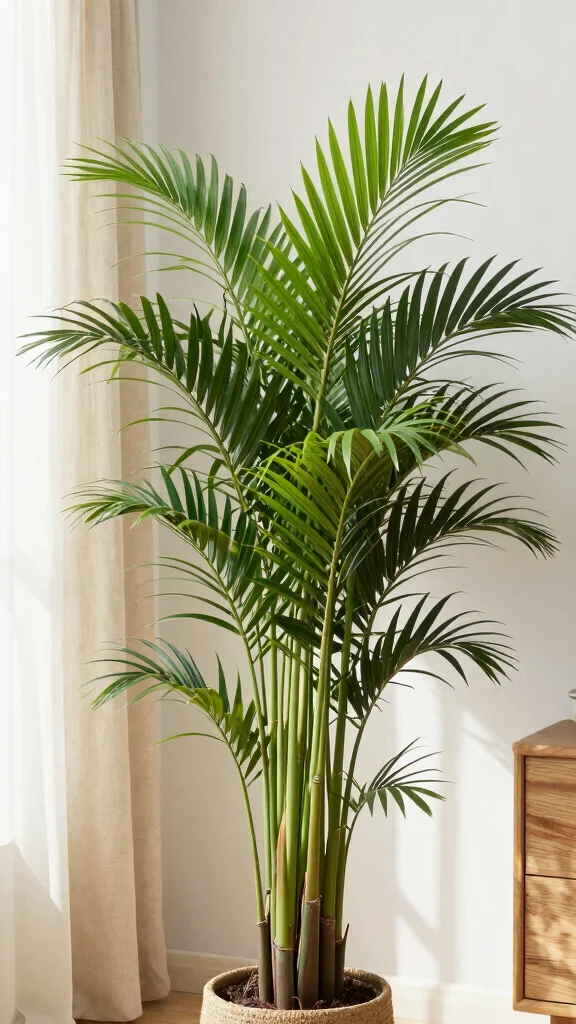
Looking to infuse your space with a tropical feel? Areca palms are the perfect choice! These beautiful plants thrive in bright, indirect light but can adapt to lower light conditions as well. Their feathery, arching fronds create a relaxed atmosphere, making them ideal for living rooms or home offices.Group your areca palms with other plants to create a mini tropical oasis. Keep the soil slightly moist, watering when the top inch feels dry, and fertilize during the growing season for optimal growth.Key care tips for your areca palm:
– Group with other plants for a lush display.
– Water when the top inch of soil is dry.
– Fertilize during the growing season for best results.
Incorporating an areca palm not only adds an exotic vibe but also improves your indoor air quality.
13. Fiddle Leaf Fig – The Statement Maker
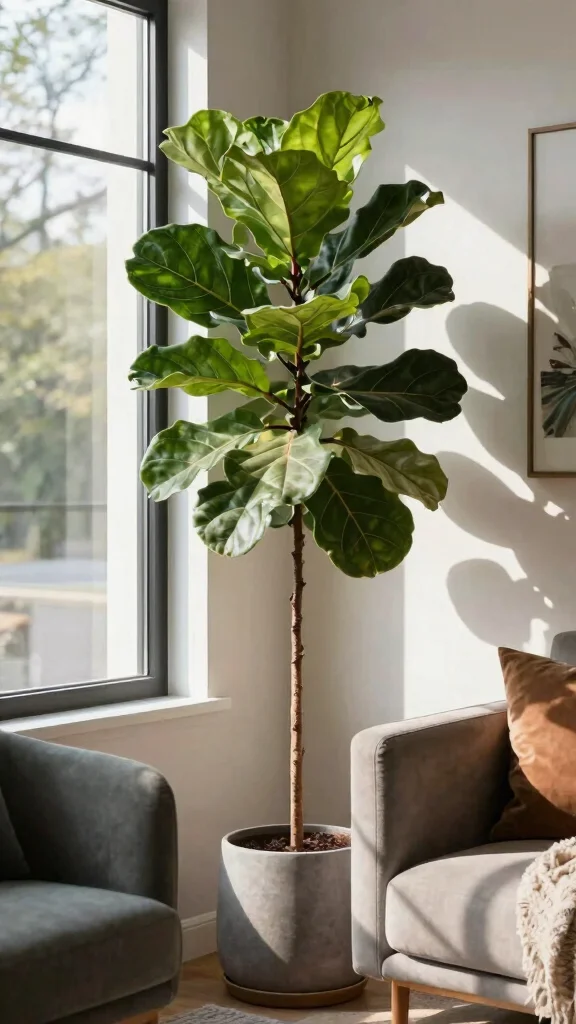
Want to make a bold statement in your home? Fiddle leaf figs are known for their large, dramatic leaves that can transform any space. They prefer bright, indirect light but can adapt to lower conditions with care. When well-maintained, these plants can grow quite tall, becoming a striking focal point in your decor.Position your fiddle leaf fig near a window for optimal light. Water when the top inch of soil is dry, but be careful not to overwater. Rotate the plant occasionally to promote even growth.Here’s how to care for your fiddle leaf fig:
– Place near a window for the best light.
– Water when the top inch of soil is dry.
– Rotate for balanced growth.
Adding a fiddle leaf fig can dramatically enhance your space, creating a stylish and inviting atmosphere.
14. Calathea – The Patterned Beauty
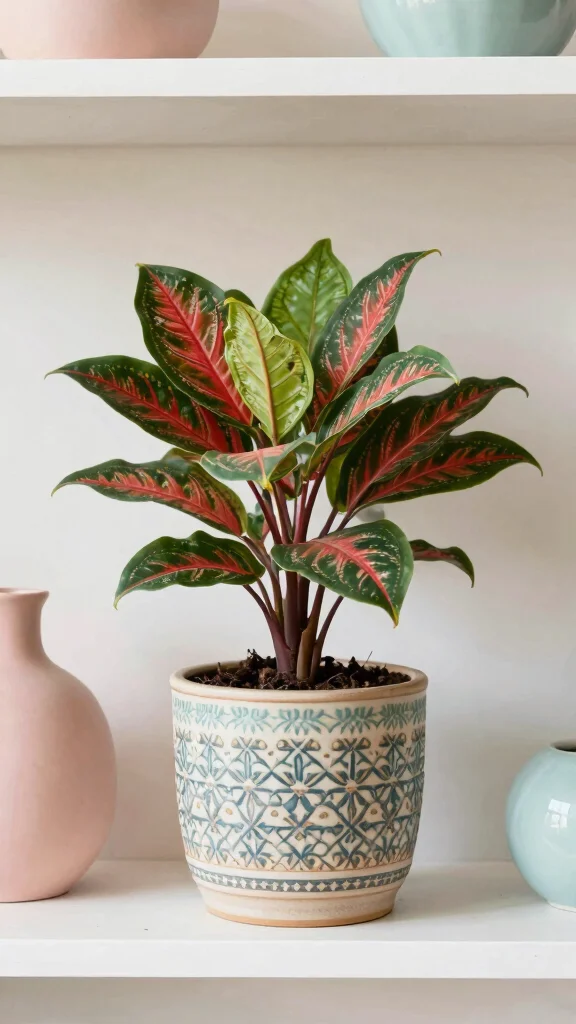
Looking for a plant that adds a unique touch? Calathea plants are famous for their stunning, patterned leaves that can elevate any space. They thrive in low to moderate light and prefer humidity, making them perfect for kitchens or bathrooms. While they may require a bit more care, their beauty is well worth the effort.Showcase your calathea in a decorative pot to highlight its unique colors. Keep the soil moist but not soggy, and mist the leaves regularly to maintain humidity and prevent browning.Tips for caring for your calathea:
– Use a decorative pot to showcase its patterns.
– Keep soil moist but avoid sogginess.
– Mist leaves regularly to prevent browning.
Incorporating calathea plants into your home adds color and personality, making your indoor garden truly special.
15. Dracaena Marginata – The Striking Choice
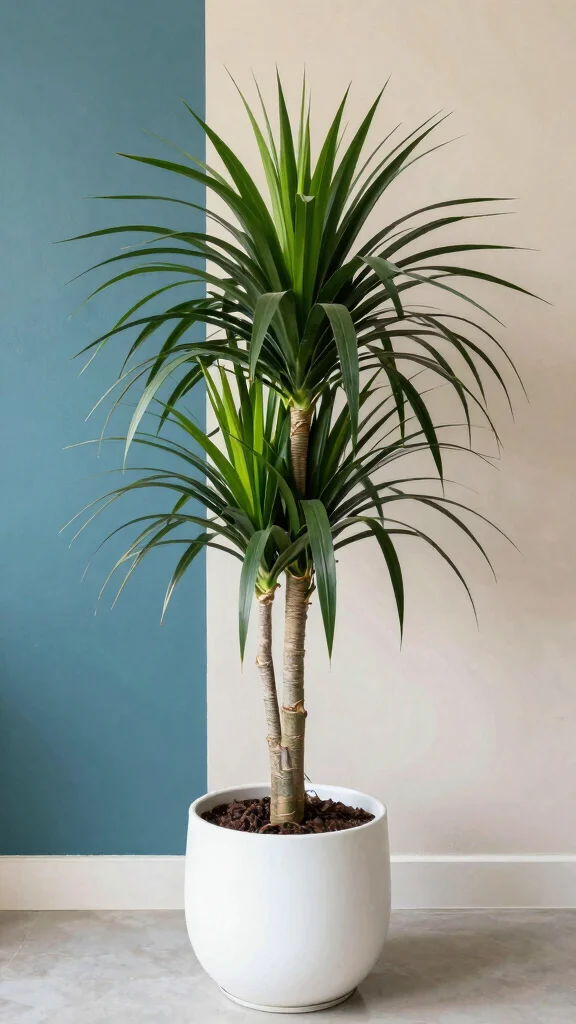
Want a plant that stands out? Dracaena Marginata features slender, arching leaves with colorful edges, creating a dramatic presence in any room. These resilient plants thrive in low light and require minimal care, making them an excellent choice for busy households. They also purify the air, adding another layer of benefit to their striking appearance.Ideal for corners or as a standalone piece, these plants can grow tall, making them perfect for filling empty spaces. Water when the top layer of soil dries out, and dust leaves regularly for a neat look.Here’s how to care for your dracaena marginata:
– Perfect for corners or as a statement piece.
– Allow the top layer of soil to dry out before watering.
– Dust leaves for a polished finish.
With their unique look, dracaena marginata adds a touch of exotic elegance to your home.
16. Maidenhair Fern – The Delicate Favorite
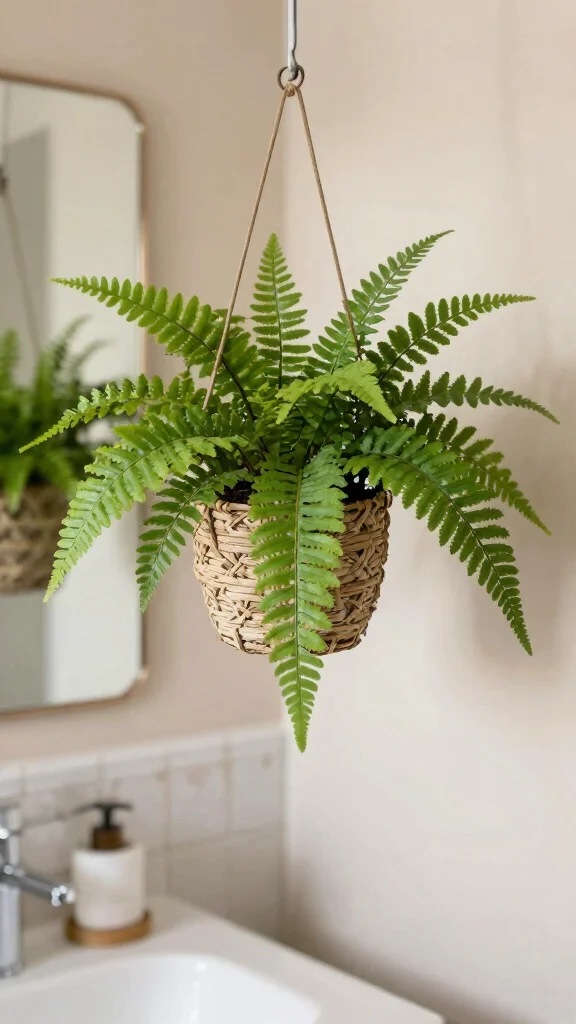
Looking to add a touch of elegance to your indoor garden? Maidenhair ferns are loved for their delicate, lacy fronds that create a soft atmosphere. They thrive in indirect light and enjoy humidity, making them ideal for bathrooms and kitchens. While they may need a bit more attention in watering, their beauty makes them a cherished addition to any collection.Consider using a hanging basket to showcase their lovely fronds. Keep the soil consistently moist and mist the leaves to maintain humidity and prevent drying.Tips for your maidenhair fern:
– Use a hanging basket for an elegant display.
– Keep soil consistently moist; avoid drying out.
– Mist leaves regularly to maintain humidity.
By adding a maidenhair fern, you’re introducing timeless elegance, transforming your space into a tranquil sanctuary.
Conclusion
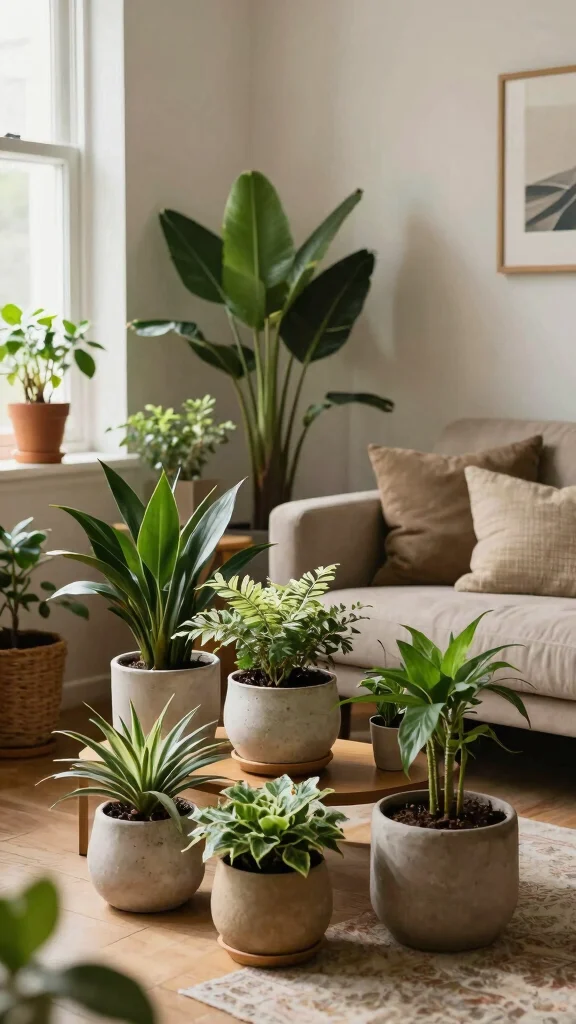
Creating a cozy green space with home plants is an exciting journey that comes with numerous benefits. Each plant not only adds beauty but also contributes to a healthier indoor environment. From resilient snake plants to luscious Boston ferns, there’s a perfect fit for every corner of your home. Explore these indoor plant ideas and let your green thumb flourish!
Why not share your favorite indoor plant tips or tell us about your plant journey in the comments? Let’s keep the conversation going!
Frequently Asked Questions
What are the best indoor plants for a cozy, low-light living space?
For a cozy vibe with home plants indoor, start with hardy low-light houseplants like ZZ plant, snake plant, pothos, and cast iron plant. They thrive in dim corners and are forgiving if you forget a watering here and there. These low-light houseplants stay healthy in dim corners.
Care tips: use containers with drainage, water only when the top inch dries, dust leaves regularly, and rotate plants every few weeks so they grow evenly. Grouping several plants together in a warm corner adds texture and color—and don’t forget to pick decorative pots for plants that match your cozy style.
Bonus: keep them away from cold drafts and provide indirect light to keep colors vibrant.
How do I care for low-light indoor plants to keep them healthy?
Caring for low-light indoor plants is all about balance. Water less often than you would in bright light—check soil moisture and let the top inch dry before watering. Use a gentle wipe to dust leaves, rotate every few weeks for even growth, and keep them away from dry heat vents. Fertilize lightly in the growing season with a diluted, balanced fertilizer.
Choose a small group of indoor plant care-friendly varieties and stick with consistent routines so your best indoor plants thrive in shady spots.
What decorative pots for plants help create a cozy look without harming plant health?
Decorative pots for plants should complement rather than compete with your greens. Pick pots with drainage and a breathable inner liner, use saucers to protect furniture, and choose materials that suit your style—ceramic, matte stone, or warm-toned terracotta. Elevate with stands or risers to create height variation, and mix textures and colors in your decorative pots for plants collection to maintain balance in a room with home plants indoor ideas.
Tip: match pot colors to your furniture for a cohesive, inviting space.
Are there air purifying indoor plants that perform well in low light?
Absolutely. Several air purifying indoor plants like snake plant, ZZ plant, and pothos tolerate low light while helping clean the air. Keep expectations realistic—low light can slow growth, so prioritize consistent care (steady watering, dusting leaves, and occasional feeding). Pair these with a few brighter spots if possible to maximize air quality benefits without sacrificing coziness.
Pro tip: include a home plants indoor mix that features both low-light workhorses and a couple of brighter accent plants for best results.
How can I arrange 16 home plants indoor ideas for a cohesive cozy look?
Start by grouping plants with similar light needs, then layer height with shelves, plant stands, and hanging planters to create depth. Mix different leaf textures and tones, but keep a unifying palette for pots—earthy neutrals, warm terracotta, or soft whites work beautifully with decorative pots for plants. Place a tall statement plant near seating as a focal point, and use trailing vines along shelves or walls to soften edges. With a few deliberate placements, your home plants indoor setup becomes a ready-made cozy green room.
Related Topics