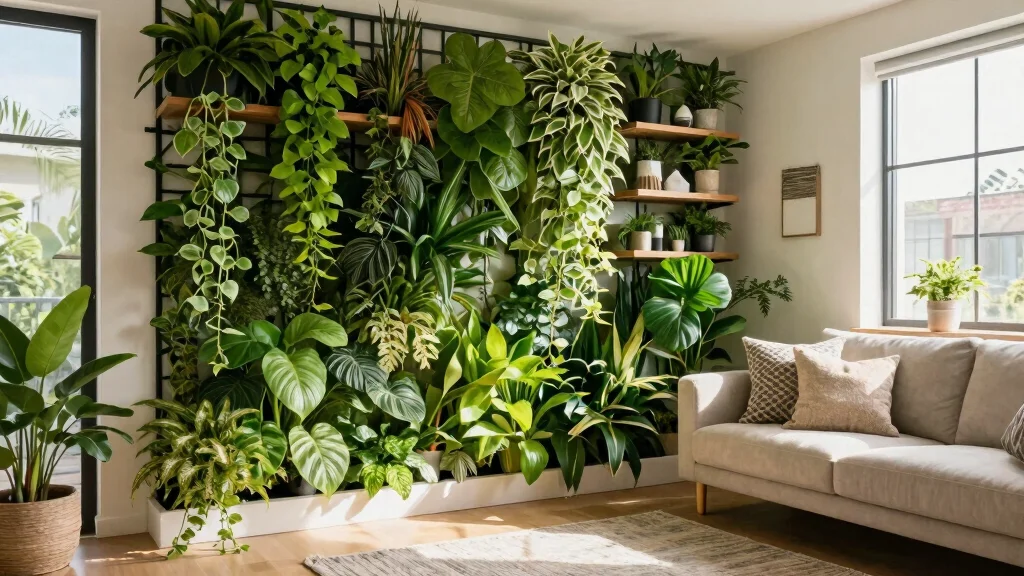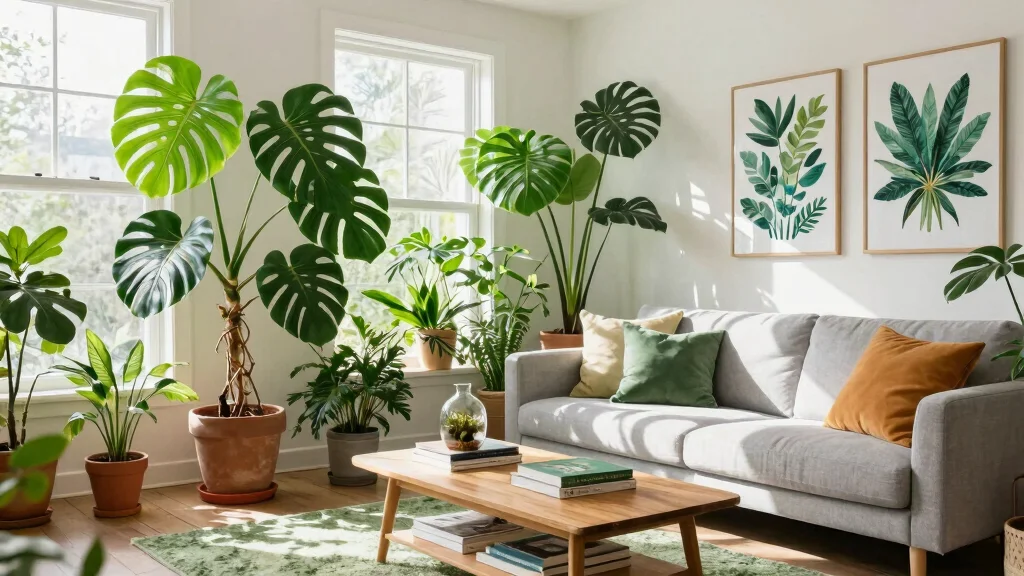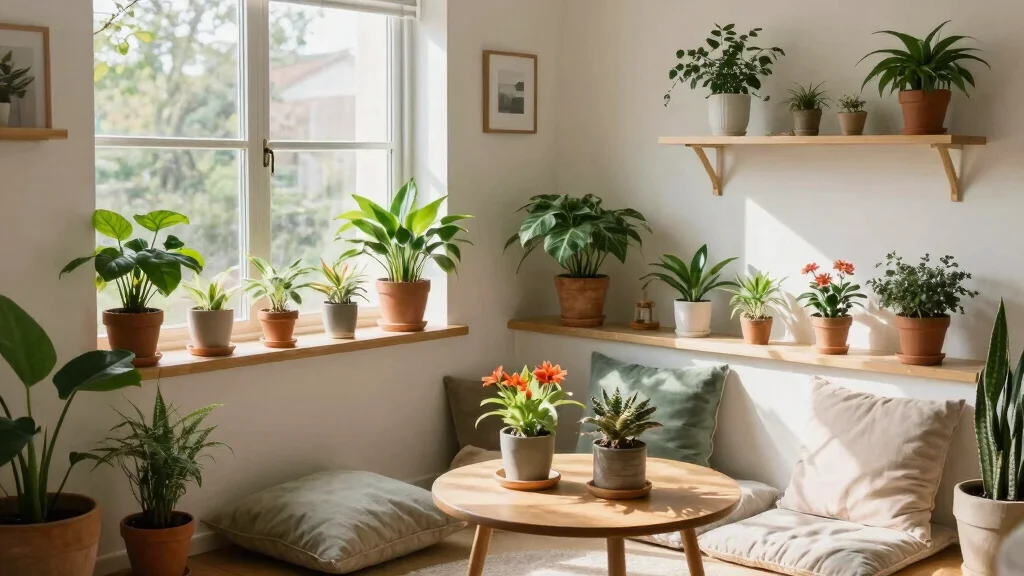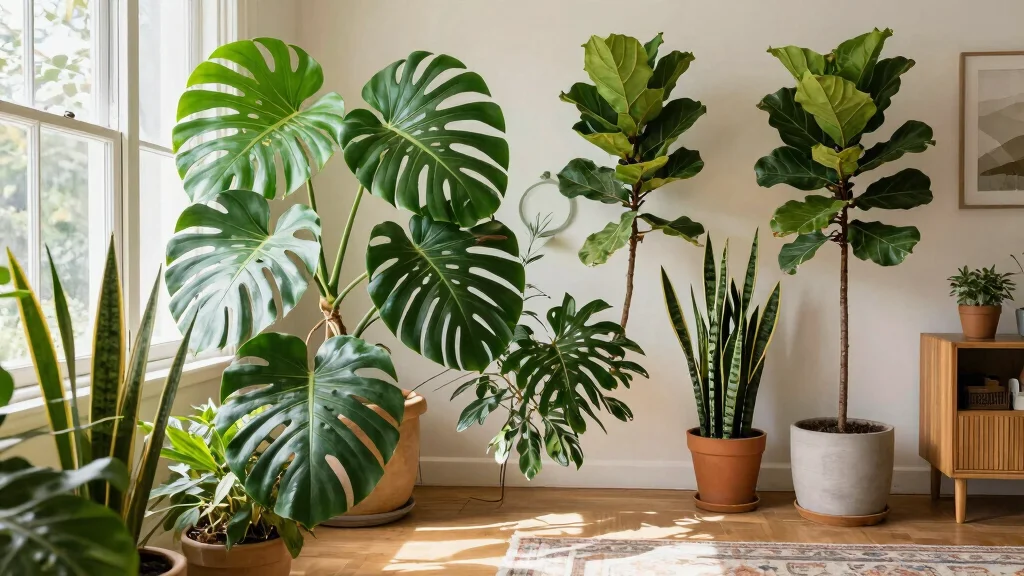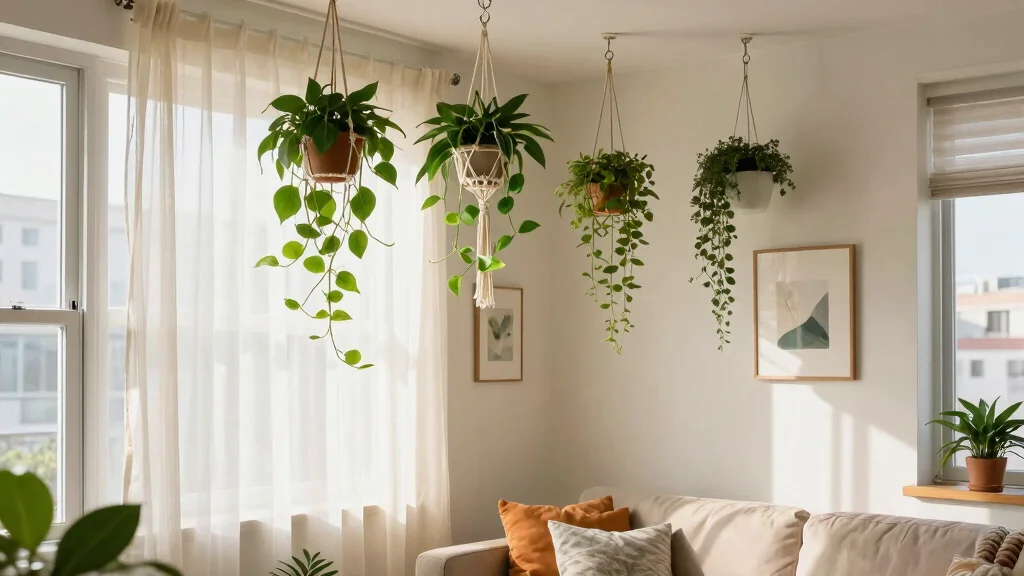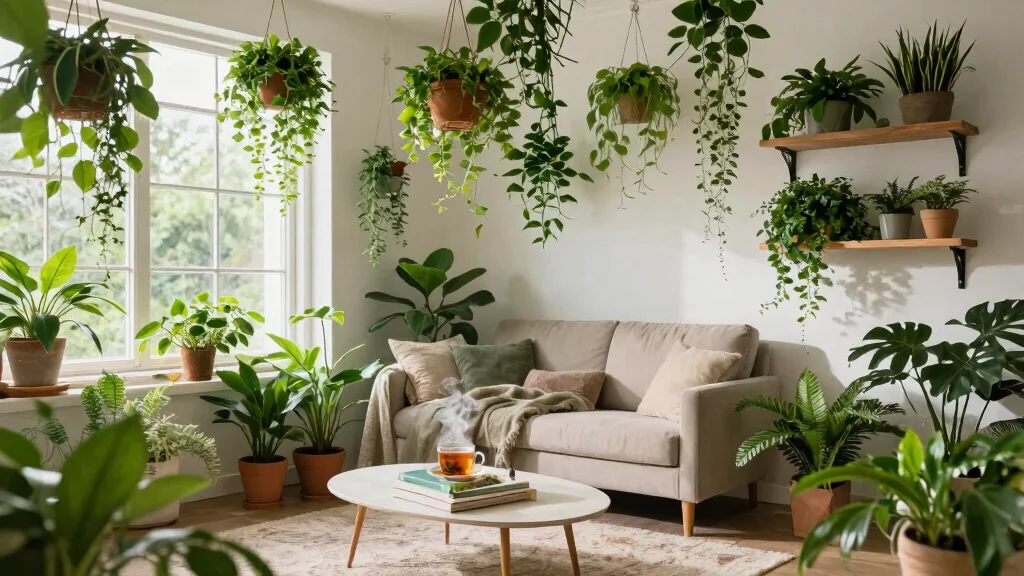

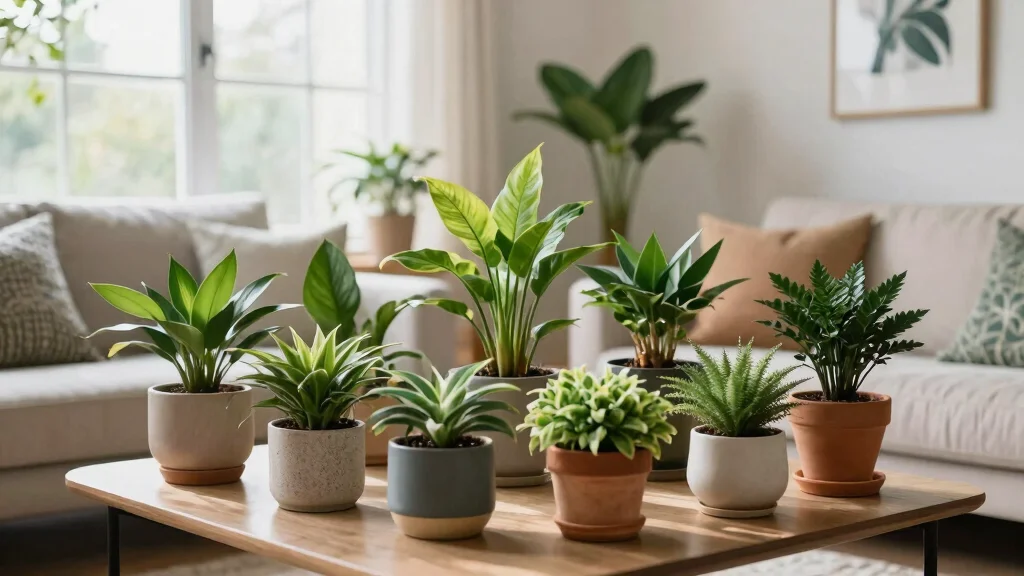
Creating an inviting indoor space can often feel challenging, especially if you’re navigating low-light conditions. This is why I’ve put together this list of 18 beautiful house plants that thrive in various rooms of your home. With my love for indoor gardening and a keen interest in low-light house plants, I wanted to share my favorite air-purifying plants that not only enhance your home’s aesthetic but also improve your indoor air quality.
If you’re someone who wants to bring a touch of nature indoors but worries about the lighting and care required for house plants, this post is tailored for you. Whether you’re a busy professional, a parent, or just someone who enjoys the beauty of greenery, you’ll find options that suit your lifestyle.
In this guide, you’ll discover a variety of easy-care indoor plants that can flourish in low-light conditions. I’ve included tips on decorative pots for plants to maximize their appeal in your living space. Each plant on the list is not only beautiful but also practical, making them perfect for any room in your home.
Key Takeaways
– Discover 18 stunning house plants that thrive indoors, even in low-light environments, perfect for enhancing your space.
– Each plant on the list offers air-purifying benefits, contributing to a healthier living environment.
– Learn about easy-care options that require minimal maintenance, ideal for busy lifestyles.
– Explore decorative pots for plants that add a stylish touch while complementing your home decor.
– Find practical tips for placing these plants in various rooms, ensuring they flourish and bring life to your indoor spaces.
1. Snake Plant (Sansevieria)
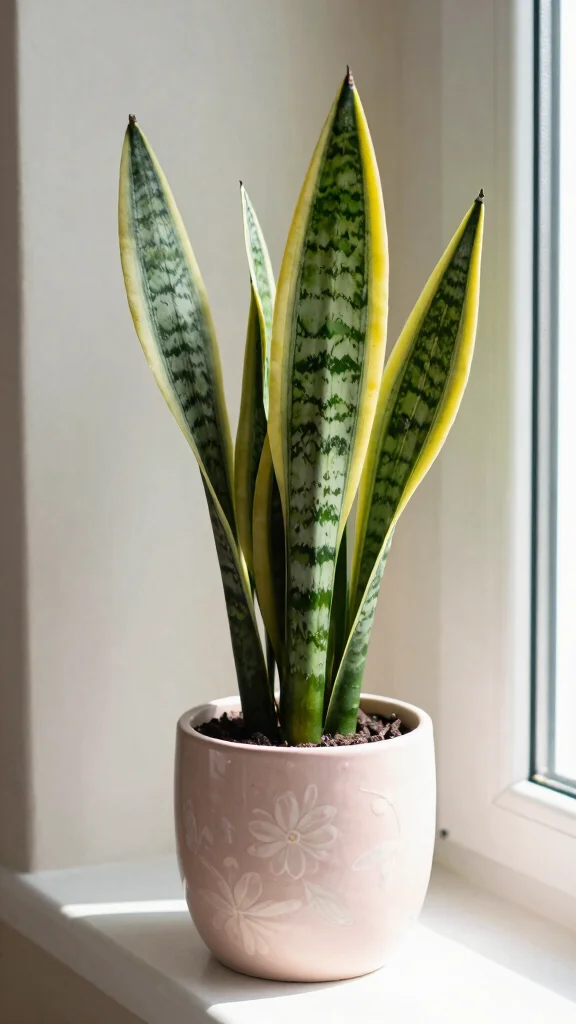
If you’re looking for an easy-going plant, the Snake Plant is your best bet. Its tall, sword-like leaves add a dramatic flair while requiring minimal care. This hardy plant thrives on neglect, making it ideal for busy individuals and those with low-light areas in their homes. Plus, it purifies the air, creating a healthier living space for you and your family.
To keep your Snake Plant thriving, water it sparingly and allow the soil to dry out completely between waterings. While it prefers indirect light, it can tolerate low-light conditions without wilting. Adding it to a colorful pot can enhance its striking appearance and fit seamlessly into your decor.
Key care tips for your Snake Plant:
– Water only when soil is completely dry.
– Place in indirect light for best results.
– Use a decorative pot that matches your decor style.
This low-maintenance beauty not only adds visual interest but also helps keep your indoor air fresh and clean.
2. ZZ Plant (Zamioculcas zamiifolia)
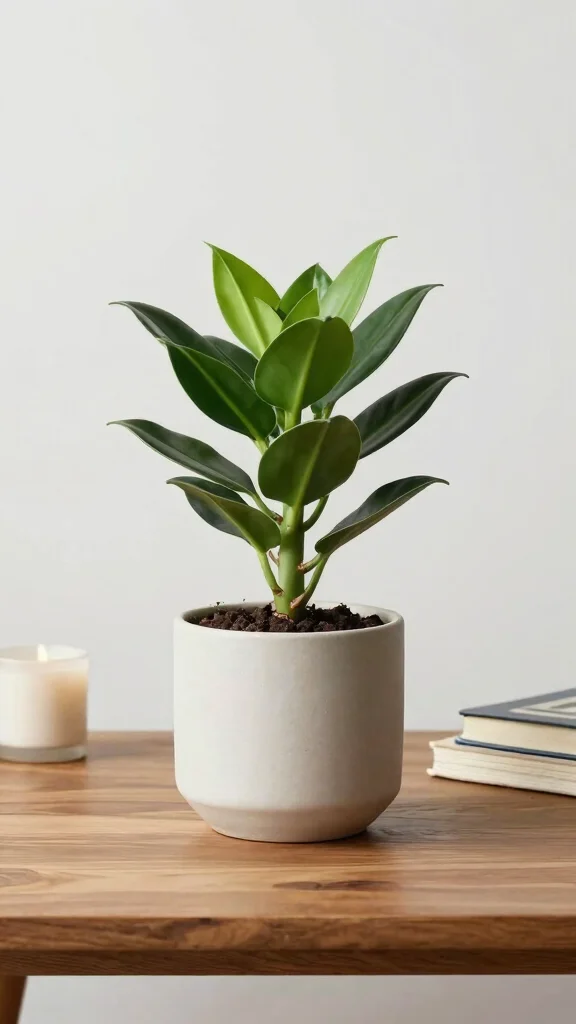
For a lush look with minimal effort, the ZZ Plant is a fantastic choice. Its glossy, dark green leaves create a tropical vibe and thrive in low-light areas, perfect for any busy lifestyle. This nearly indestructible plant is ideal for those who want greenery without the hassle of constant care.
To ensure your ZZ Plant flourishes, let the soil dry out completely between waterings to prevent root rot. While it enjoys indirect light, it can survive in low-light conditions for long periods. Choosing a stylish pot with good drainage will keep it happy and healthy.
Essential care tips for the ZZ Plant:
– Allow soil to dry out completely before watering.
– Place in indirect light for optimal growth.
– Select a pot with good drainage to avoid soggy roots.
This resilient plant rewards you with lush growth while requiring little attention, making it perfect for any home.
Fun fact: ZZ Plant can survive for 2-3 weeks without a drink, even in low-light indoor spaces. Its glossy leaves store water, so you can enjoy lush house plants indoor without daily care.
3. Pothos (Epipremnum aureum)
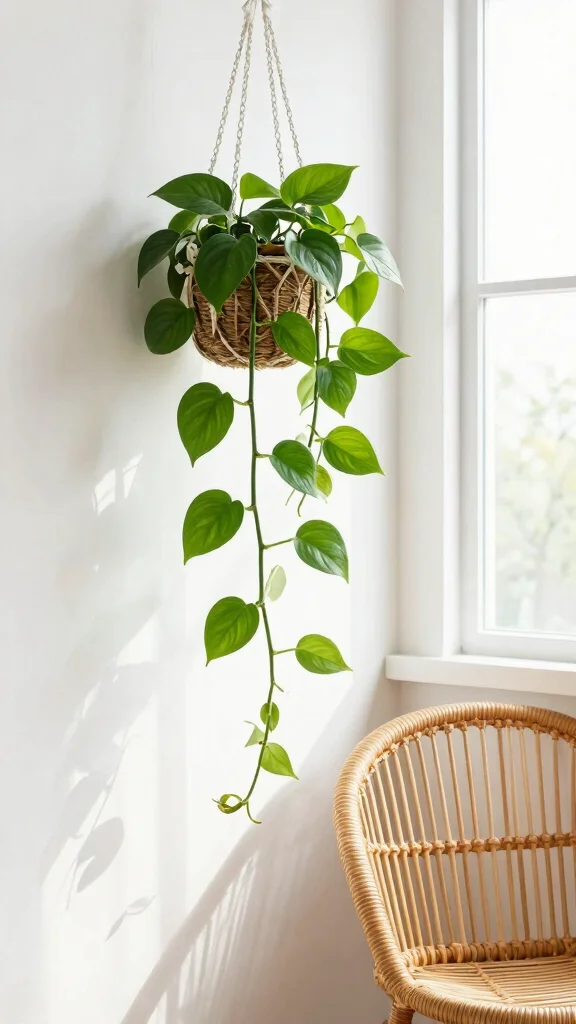
Pothos are perfect for adding a touch of greenery to your home with their beautiful trailing vines and heart-shaped leaves. These adaptable plants thrive in various light conditions, although they prefer bright, indirect sunlight. Their versatility makes them a favorite among indoor gardeners.
To keep your Pothos healthy, water it when the top inch of soil feels dry, ensuring proper drainage to avoid overwatering. They can be grown in hanging baskets or trained to climb, adding a dynamic element to your space. Don’t forget to choose vibrant pots to complement their lush green leaves.
Key care tips for Pothos:
– Water when the top inch of soil is dry.
– Grow in hanging baskets or as climbing vines.
– Select colorful pots that contrast with the greenery.
This beautiful plant not only enhances your home’s aesthetic but also purifies the air, contributing to a healthier environment.
4. Peace Lily (Spathiphyllum)
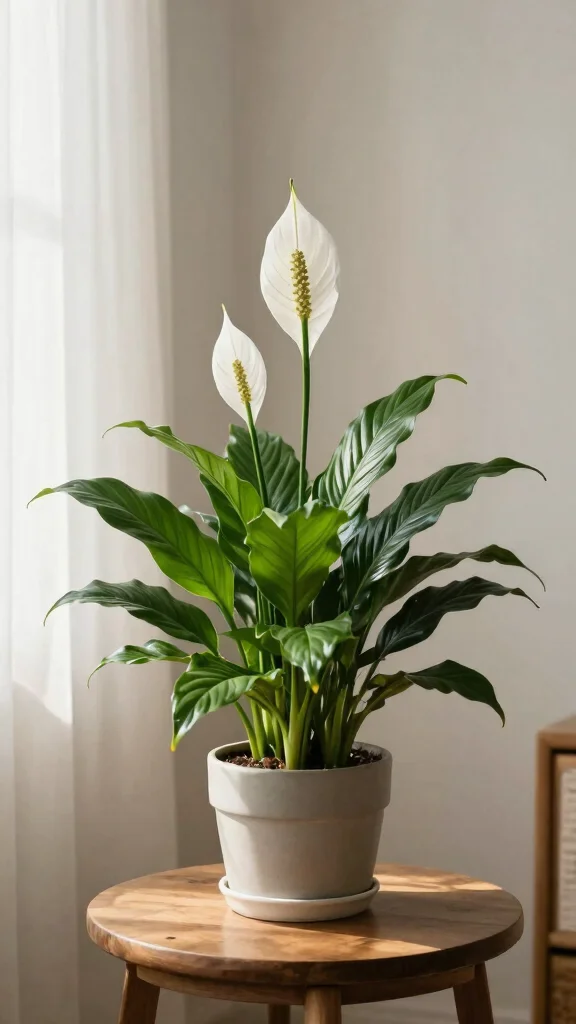
The Peace Lily is a stunning indoor plant that features elegant white blooms and dark green leaves. Not only does it enhance your decor, but it’s also one of the best air-purifying plants, making your home healthier by removing toxins from the air.
To care for your Peace Lily, water it when the top of the soil is dry, as droopy leaves can indicate thirst. This plant thrives in low to medium light, making it perfect for shaded areas. Consider a pot that highlights its graceful form, such as a tall, sleek design.
Essential care tips for the Peace Lily:
– Water when the top layer of soil is dry.
– Prefer low to medium light conditions for best growth.
– Choose a pot that showcases its elegant appearance.
This plant not only beautifies your space but also contributes to a cleaner, healthier indoor environment.
5. Spider Plant (Chlorophytum comosum)
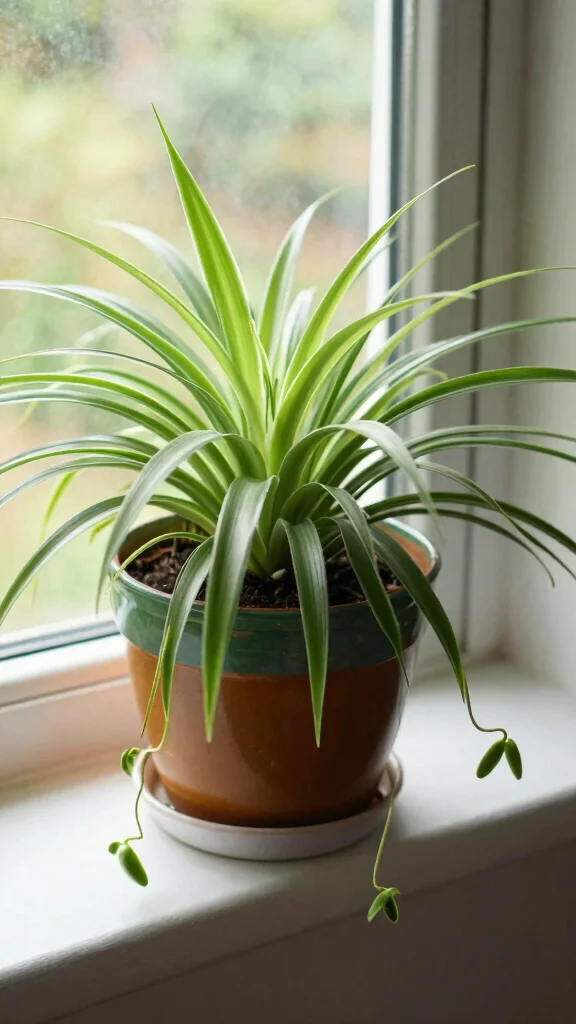
Looking for an easy-care plant that adds a playful touch to your home? The Spider Plant is a perfect choice! Its arching leaves and baby ‘spiders’ create a whimsical look, making it a delightful addition to any room.
To keep your Spider Plant thriving, water it when the top inch of soil feels dry, while providing a bit of humidity. It loves bright, indirect light but can tolerate lower light conditions too. A colorful pot can accentuate its lively appearance and charm.
Key care tips for your Spider Plant:
– Water when the top inch feels dry; enjoy some humidity.
– Thrives in bright, indirect light, adaptable to lower light.
– Use a fun pot with bright colors for added charm.
With its air-purifying qualities, this plant is a fantastic choice for any indoor space, ensuring cleaner air for you and your family.
6. Cast Iron Plant (Aspidistra elatior)
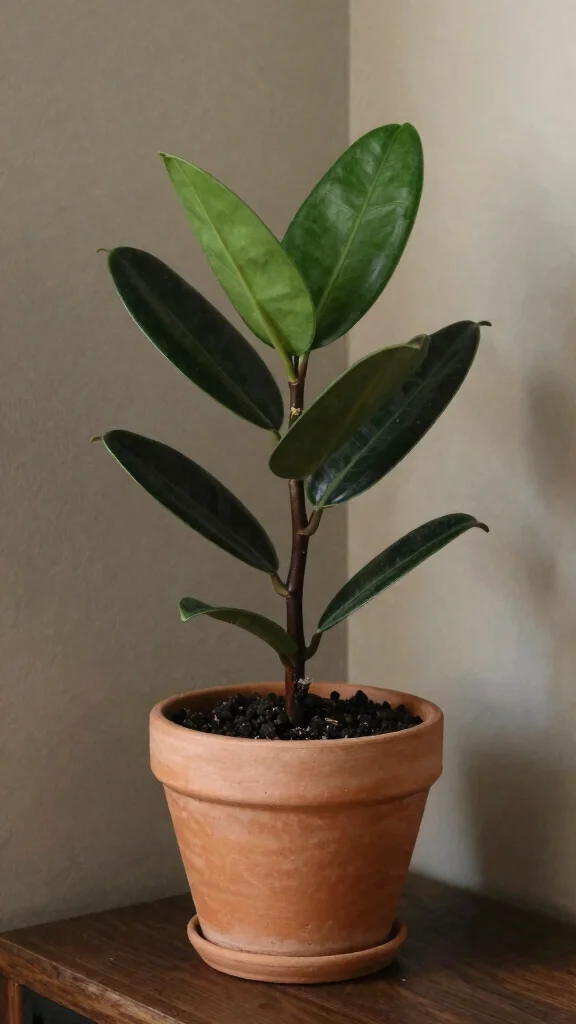
The Cast Iron Plant lives up to its name by thriving in low light and fluctuating temperatures, making it the ultimate survivor for your indoor garden. With its broad, dark green leaves, it adds a sense of calm and stability to any room.
To care for your Cast Iron Plant, water it sparingly and let it dry out between waterings. It’s perfect for those darker corners that need a touch of greenery. Pair it with a sturdy, textured pot to complement its robust look.
Essential care tips for the Cast Iron Plant:
– Water sparingly; it prefers to dry out between waterings.
– Ideal for low-light conditions, great for darker spaces.
– Choose a textured pot to enhance its sturdy appearance.
This visually appealing plant is perfect for busy individuals looking to bring greenery into their homes without needing constant attention.
7. Chinese Evergreen (Aglaonema)
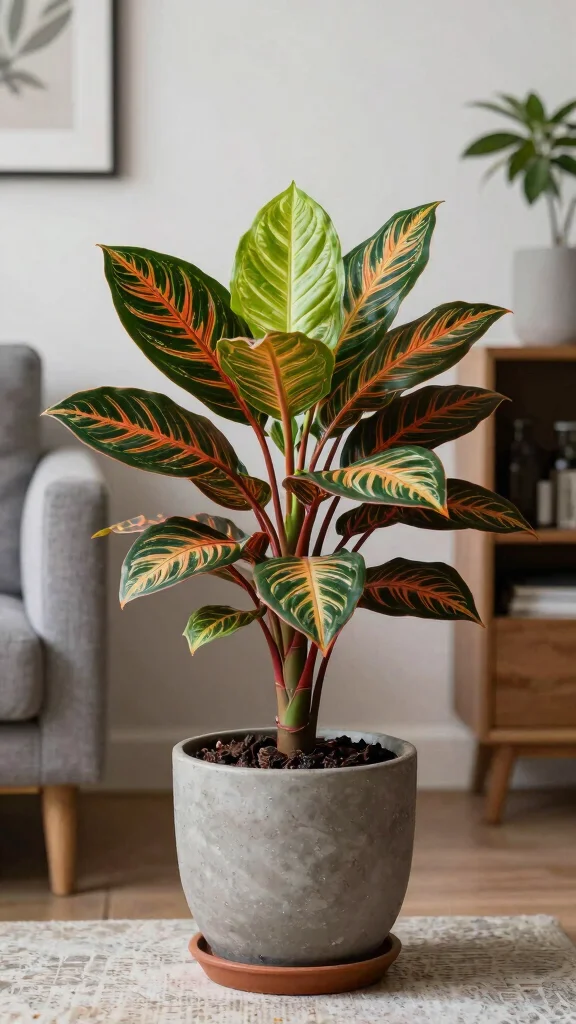
Chinese Evergreens are cherished for their vibrant foliage and adaptability, making them a fantastic addition to any indoor space. With their variety of leaf patterns and colors, they can easily enhance your room’s decor. These hardy plants thrive in low light and tolerate humidity well, adding a splash of color without much effort.
To care for your Chinese Evergreen, water it when the top layer of soil feels dry, and avoid direct sunlight to prevent leaf burn. A decorative pot that showcases its colorful leaves can make a bold statement in your home.
Key care tips for Chinese Evergreens:
– Water when the top layer of soil is dry.
– Prefers indirect light; avoid direct sunlight.
– Select a decorative pot to highlight its stunning leaves.
This low-maintenance plant not only beautifies your space but also adds a vibrant touch to your indoor garden.
Fun fact: Chinese Evergreen plants stay vibrant in low light, a staple among house plants indoor, often needing only 1-2 hours of indirect sun per day. They handle humidity well and forgive occasional misses in watering—water when the topsoil dries.
8. Parlor Palm (Chamaedorea elegans)
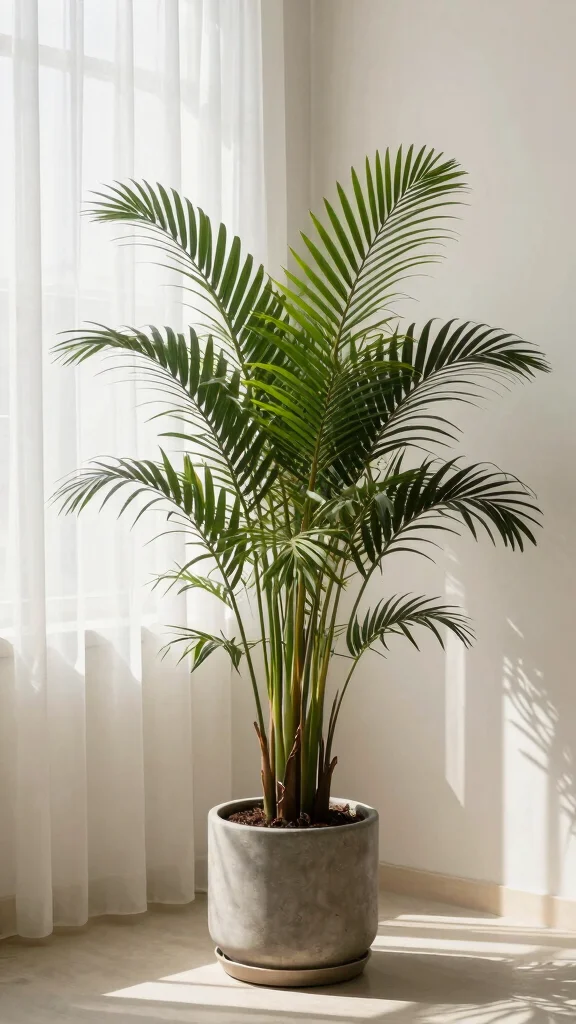
The Parlor Palm is a classic choice for adding a touch of elegance to your home. Its graceful fronds create a serene atmosphere and thrive in low-light conditions, perfect for any room.
To care for your Parlor Palm, keep the soil consistently moist but never soggy, watering when the top inch feels dry. It prefers indirect light, making it ideal for spaces with little natural light. A decorative pot that matches your decor can enhance its charm.
Essential care tips for the Parlor Palm:
– Keep soil consistently moist but not soggy.
– Thrives in indirect light; ideal for low-light rooms.
– Choose a pot that complements your room’s aesthetic.
This beautiful plant not only adds elegance but also purifies the air, making it an excellent choice for tranquil spaces.
Ongoing Maintenance & Care Guide
Maintenance Schedule:
Daily/Weekly Tasks:
– Water your house plants indoor when the top inch of soil feels dry. This usually takes about 5-10 minutes, depending on how many plants you have.
– Dust the leaves gently with a damp cloth to keep them clean and to improve photosynthesis. This task should take around 5 minutes.
– Rotate your plants every couple of weeks to ensure even growth. Spend about 5 minutes on this task.
– Check for any signs of pests or disease. A quick 5-minute inspection can save your plants from bigger issues later.
Monthly/Seasonal Tasks:
– Fertilize your indoor plants every month during the growing season (spring and summer). Use a balanced fertilizer and spend about 15 minutes.
– Repot plants that are outgrowing their containers. This usually takes around 30-45 minutes, depending on the number of plants you have.
– Prune dead or yellowing leaves to promote healthy growth. This task can take about 10-15 minutes.
– Inspect drainage holes for clogs to prevent overwatering. This can take around 5 minutes.
– Adjust plant placement if they seem to be stretching towards light or if they’re not thriving in their current location. This might take around 10-15 minutes each month.
Maintenance Summary Table:
| Task Frequency | Difficulty Level | Estimated Time Needed |
|——————|——————|————————|
| Daily Watering | Easy | 5-10 minutes |
| Weekly Dusting | Easy | 5 minutes |
| Monthly Fertilizing| Moderate | 15 minutes |
| Monthly Repotting | Moderate | 30-45 minutes |
| Monthly Pruning | Easy | 10-15 minutes |
Common Issues to Watch For:
⚠️ Yellowing Leaves: This may indicate overwatering or nutrient deficiency. Check the soil moisture and consider fertilizing if it’s dry.
⚠️ Wilting Plants: If your plants droop, they may be thirsty. Test the soil moisture and water as needed.
⚠️ Brown Leaf Tips: This can result from low humidity or underwatering. Increase humidity by misting plants or using a humidifier.
⚠️ Pest Infestation: Look for small webs or spots on leaves. If you see any, treat with insecticidal soap and isolate affected plants.
⚠️ Slow Growth: This might mean your plant needs more light or nutrients. Consider placing it in a brighter area and fertilizing more regularly.
Care Tips:
💡 Choose the Right Pot: Use decorative pots for plants with good drainage. This prevents root rot and helps maintain moisture levels.
💡 Group Plants Together: Placing plants close can increase humidity, especially beneficial for tropical varieties.
💡 Adjust Watering in Winter: Most plants need less water during colder months. Cut back on watering frequency to avoid oversaturation.
💡 Monitor Light Levels: If your plants are stretching towards the light, consider moving them closer or adding grow lights.
💡 Watch for Signs of Stress: If a plant looks unhealthy, act quickly. Adjusting care routines early can often reverse the problem.
9. Bird’s Nest Fern (Asplenium nidus)
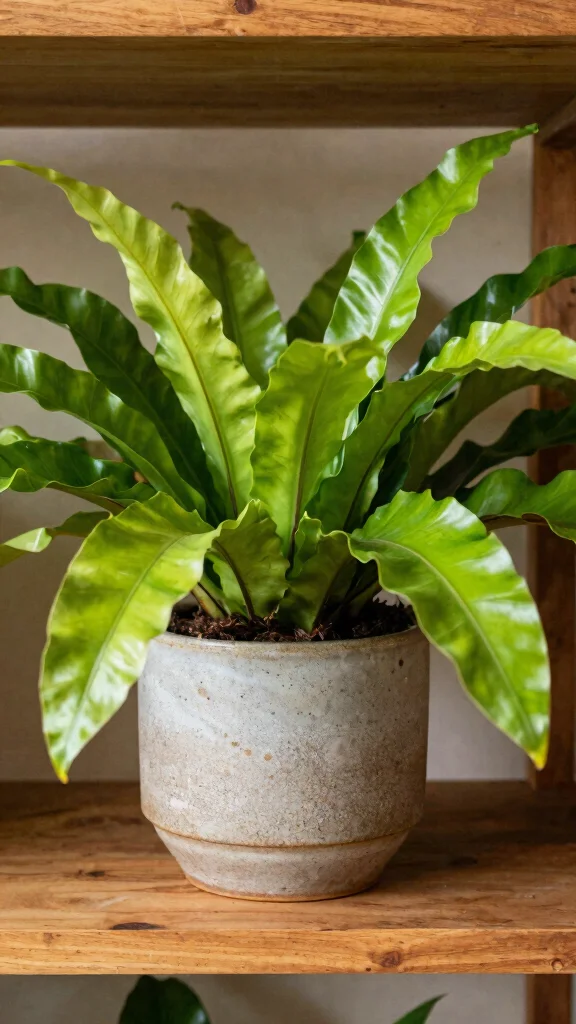
Bird’s Nest Ferns stand out with their lush, wavy leaves, creating a stunning texture in any indoor space. They thrive in low light, making them perfect for areas that receive minimal sunlight.
To care for your Bird’s Nest Fern, keep the soil consistently moist but avoid overwatering. It prefers indirect light, so position it away from intense sunlight to prevent leaf scorch. A ceramic or textured pot can beautifully showcase its captivating form.
Key care tips for the Bird’s Nest Fern:
– Keep soil consistently moist; avoid sogginess.
– Prefers indirect light; protects leaves from direct sun.
– Use a decorative pot to highlight its unique texture.
This fern not only adds visual interest but also contributes to a healthier indoor environment by filtering out harmful pollutants.
10. Dracaena (Dracaena spp.)
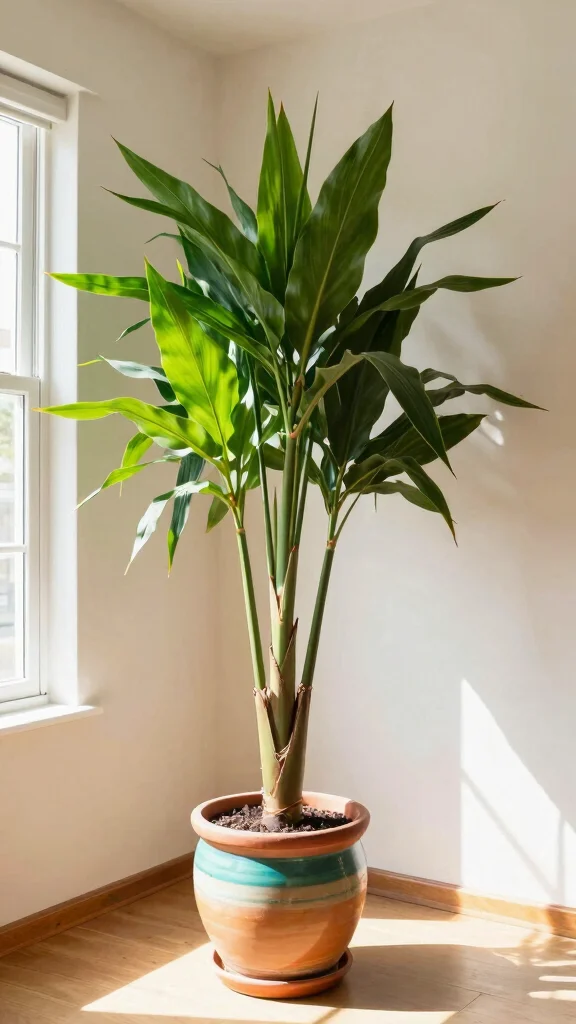
Dracaenas offer a variety of shapes and sizes, providing numerous options for your indoor garden. Their striking leaves often feature vibrant stripes, adding flair and style to any room.
To keep your Dracaena thriving, allow the top couple of inches of soil to dry out between waterings. They adapt well to both low and bright indirect light conditions, making them versatile. Pairing them with a bold pot featuring contrasting colors can make them stand out even more.
Essential care tips for Dracaenas:
– Allow soil to dry out between waterings.
– Thrives in low to bright indirect light.
– Consider a bold pot to enhance its visual impact.
This easy-care plant not only decorates your home beautifully but also enhances the ambiance with its air-purifying properties.
11. Rubber Plant (Ficus elastica)
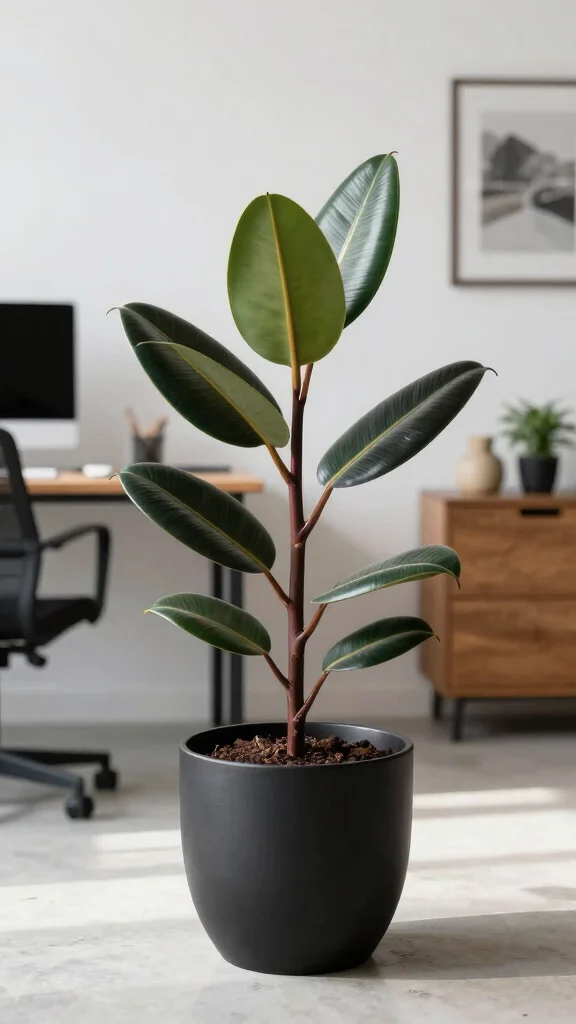
The Rubber Plant is a stylish option for those seeking to add sophistication to their indoor space. With its large, glossy leaves, it commands attention while being relatively easy to care for.
To keep your Rubber Plant healthy, water it when the top inch of soil is dry and ensure proper drainage to avoid root rot. It prefers bright, indirect light but can adapt to lower light levels if needed. A chic pot in a matte finish can enhance its elegant look.
Key care tips for the Rubber Plant:
– Water when the top inch of soil is dry.
– Prefers bright, indirect light; can adapt to lower light.
– Choose a chic pot that complements its design.
This plant not only elevates your decor but also contributes to cleaner air, making it a dual-purpose addition to your home.
12. Peace Lily (Spathiphyllum)
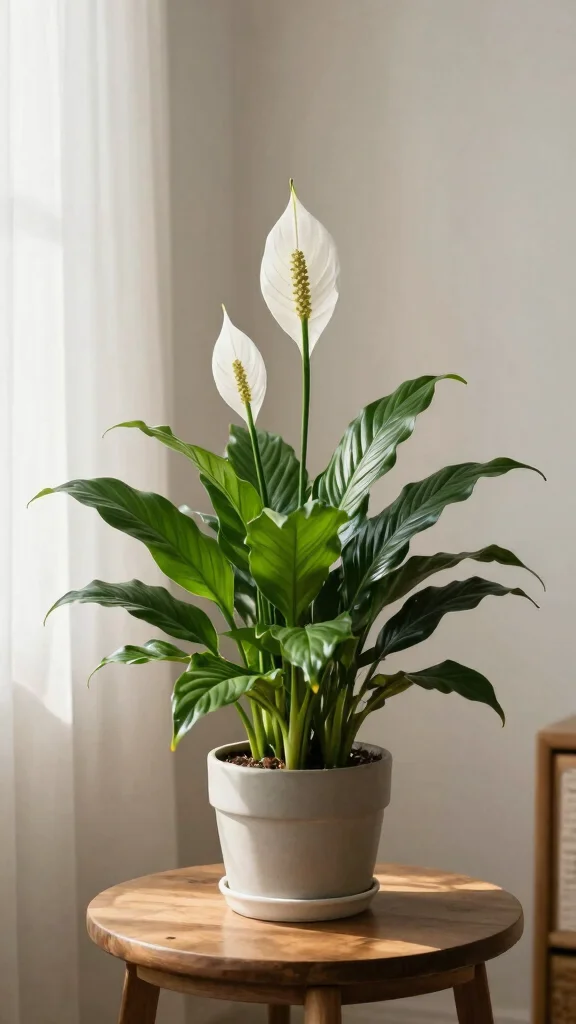
The Peace Lily is a stunning indoor plant known for its beautiful white blooms that contrast against its dark green leaves. It excels at purifying the air, making it a lovely and practical choice for any space.
To care for your Peace Lily, water it when the top of the soil is dry, as its drooping leaves signal thirst. This plant thrives in low to medium light, making it perfect for shaded spots. Opt for a pot that highlights its graceful appearance, such as a tall, elegant design.
Key care tips for the Peace Lily:
– Water when the top layer of soil is dry.
– Prefers low to medium light for optimal growth.
– Choose a pot that showcases its beauty.
This remarkable plant not only beautifies your home but also fosters a healthier environment.
13. Bamboo Palm (Chamaedorea seifrizii)
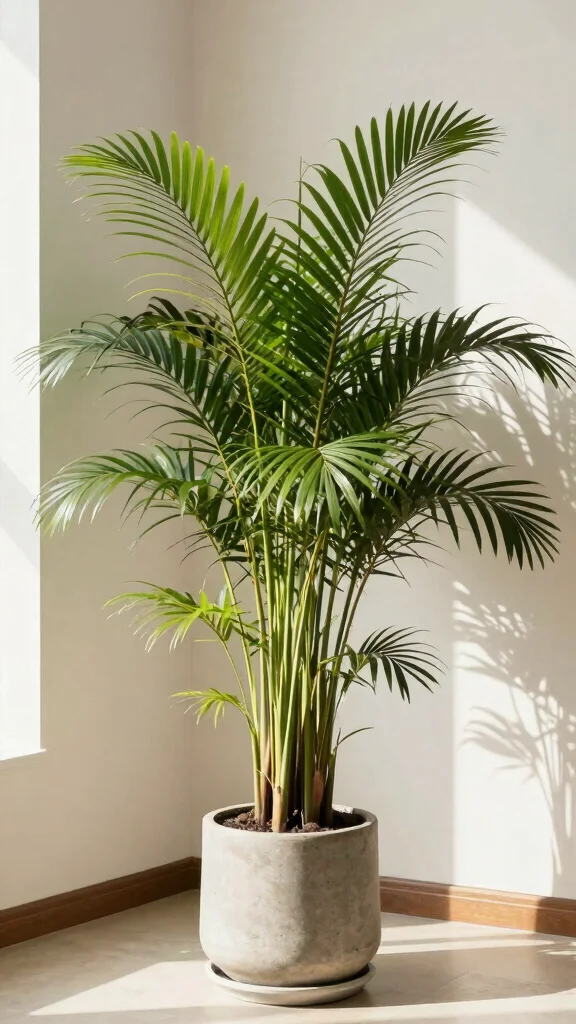
The Bamboo Palm adds a tropical touch to your indoor environment with its slender fronds, creating a lush and airy appearance. It thrives in low-light conditions, making it perfect for any corner of your home.
To care for your Bamboo Palm, keep the soil moist but not soggy, as overwatering can lead to root rot. This plant prefers indirect light, so avoid placing it in direct sunlight. A decorative pot that showcases its height can enhance its visual appeal.
Key care tips for the Bamboo Palm:
– Keep soil moist but avoid sogginess.
– Prefers indirect light; avoid direct sunlight.
– Use a decorative pot to showcase its height.
This palm not only enhances your decor but also helps improve your indoor air quality.
14. Maidenhair Fern (Adiantum)
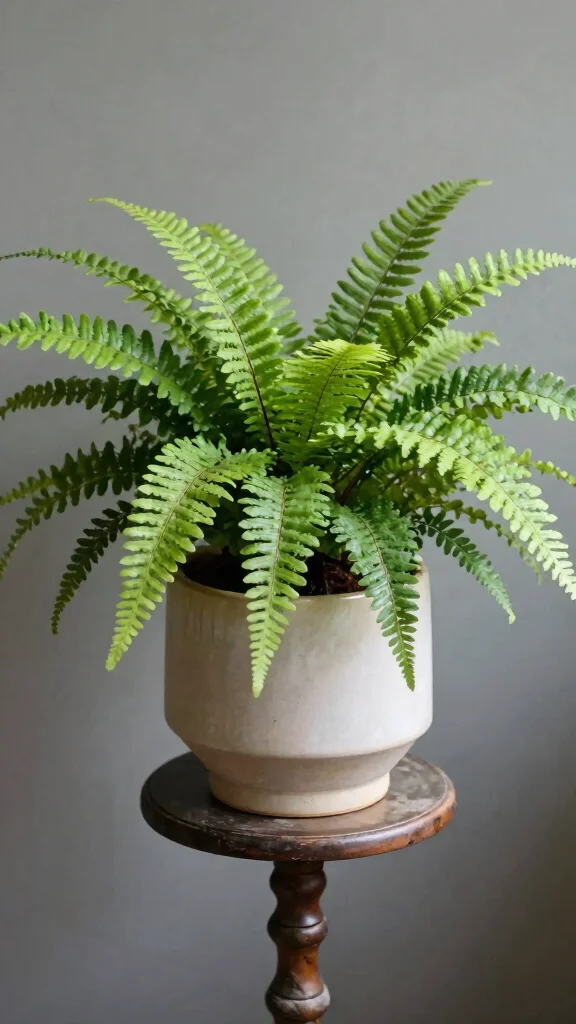
The Maidenhair Fern is cherished for its delicate, feathery leaves that create a whimsical feel in any indoor space. While it requires a bit more care, its unmatched beauty makes it worth the effort.
To keep your Maidenhair Fern thriving, ensure the soil remains consistently moist, as it doesn’t tolerate drying out. It prefers indirect light, so avoid placing it in direct sunlight, which can scorch its leaves. A charming pot with a vintage touch can accentuate its delicate appearance.
Essential care tips for the Maidenhair Fern:
– Keep the soil consistently moist; avoid drying out.
– Prefers indirect light; too much sun can harm its leaves.
– Use a vintage-style pot to highlight its beauty.
This fern can become a stunning focal point, especially when placed on a pedestal or stylish plant stand.
15. African Violet (Saintpaulia)
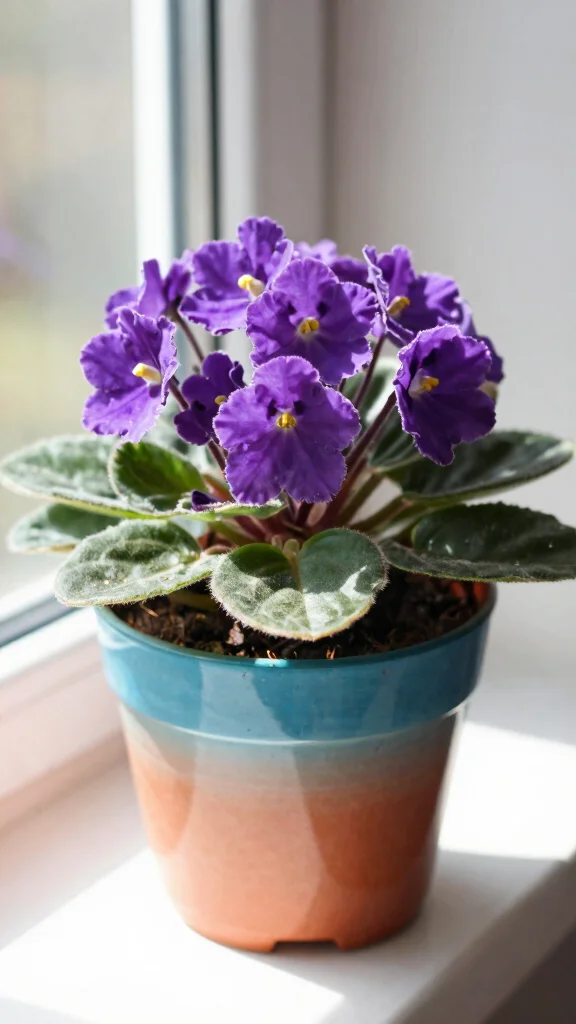
For a burst of color, consider adding African Violets to your indoor garden. These delightful plants are known for their vibrant, fuzzy leaves and bright flowers that can instantly lift your mood. They thrive in indirect light, making them perfect for brightening up any room.
To care for your African Violets, water from the bottom to avoid wetting the leaves, which can cause unsightly spots. They prefer bright, indirect light, as direct sunlight may harm their delicate leaves. Choosing a colorful pot can enhance their cheerful blooms and add a playful element to your decor.
Key care tips for African Violets:
– Water from the bottom to keep leaves dry.
– Prefers bright, indirect light; avoid direct sunlight.
– Select a colorful pot to complement the vibrant flowers.
These charming plants bring joy and liveliness to your home, creating a cheerful atmosphere.
16. Fiddle Leaf Fig (Ficus lyrata)
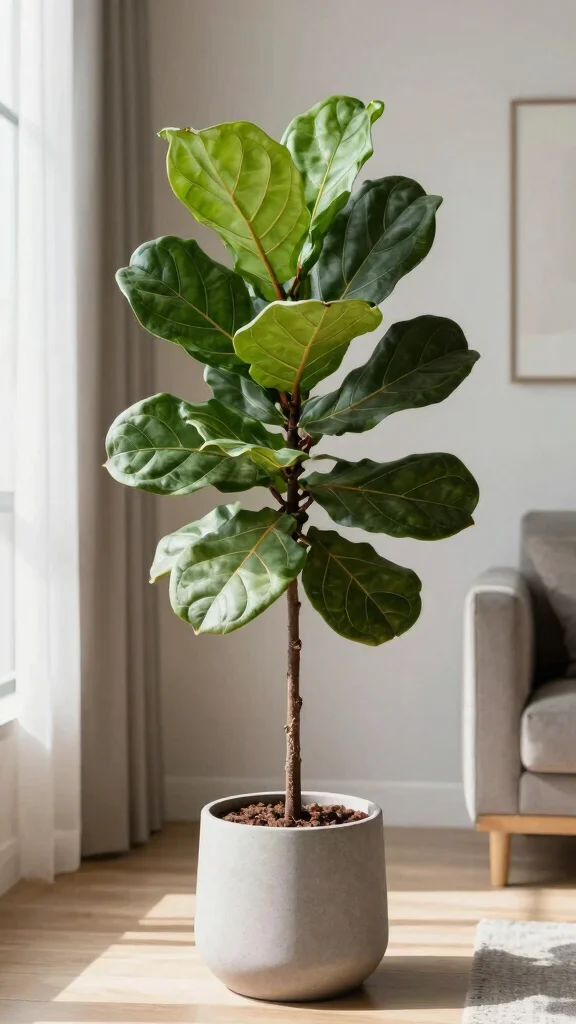
The Fiddle Leaf Fig has become a favorite in interior design, known for its large, sculptural leaves that make a bold statement. Though it prefers bright, indirect light, it can adapt to lower light conditions with gradual adjustment.
To keep your Fiddle Leaf Fig healthy, water it when the top inch of soil is dry, being careful to avoid overwatering. Rotating the plant occasionally ensures even growth and keeps it looking its best. A modern pot can enhance its stylish aesthetic, perfectly complementing its dramatic leaves.
Essential care tips for the Fiddle Leaf Fig:
– Water when the top inch of soil is dry.
– Rotate occasionally for even growth.
– Choose a modern pot that complements its style.
Positioned in a well-lit corner, the Fiddle Leaf Fig can serve as the centerpiece of your indoor garden, adding sophistication to your space.
17. Boston Fern (Nephrolepis exaltata)
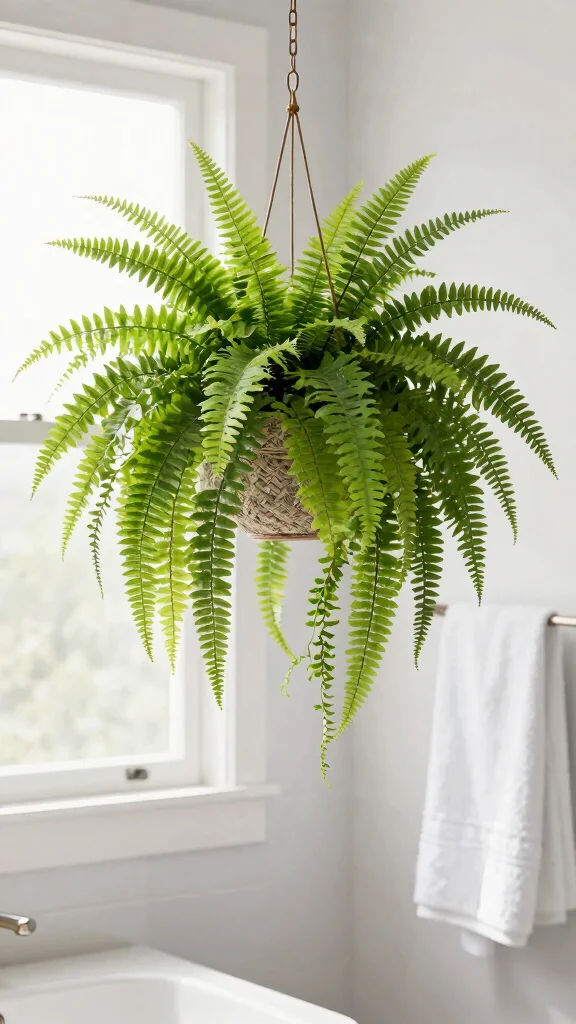
Boston Ferns are adored for their lush, arching fronds that bring a touch of nature into your home. They thrive in humid environments, making them perfect for hanging baskets, where their cascading beauty can truly shine.
To care for your Boston Fern, keep the soil moist, as they thrive in humidity and benefit from regular misting. They prefer indirect light, so avoid placing them in direct sunlight. A hanging basket or elevated stand can showcase their flowing beauty beautifully.
Key care tips for Boston Ferns:
– Keep the soil moist; mist regularly for humidity.
– Prefers indirect light; protects from direct sunlight.
– Use a hanging basket or elevated stand for display.
These ferns not only enhance your decor but also help maintain humidity levels, making them a great addition to bathrooms or kitchens.
Humidity is the secret to Boston Fern joy in any house plants indoor routine. Keep soil moist, mist often, and let their arching fronds drape from a hanging basket, where indirect light keeps them lush without scorching.
18. Calathea (Calathea spp.)
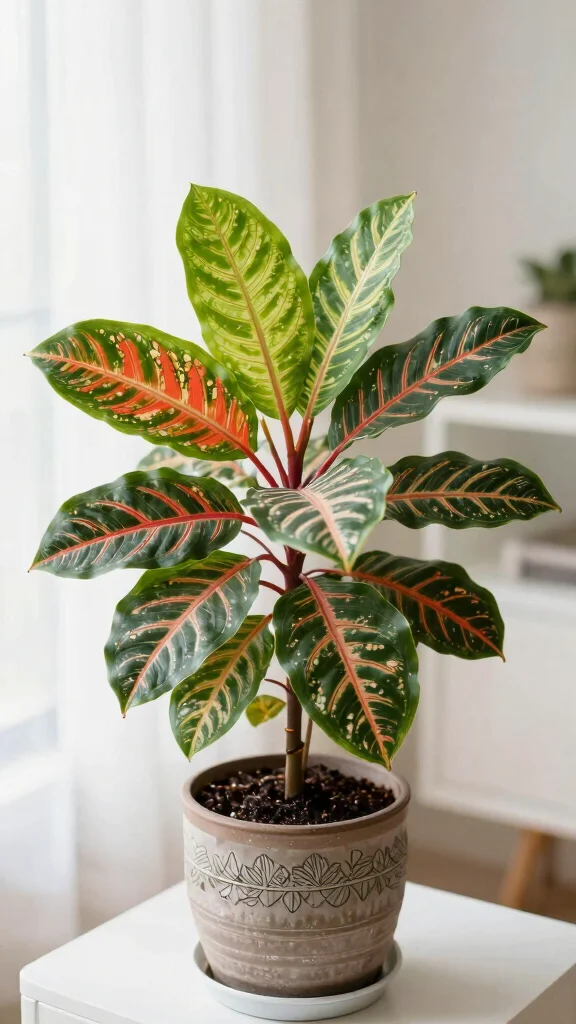
Calatheas are recognized for their stunning foliage, featuring intricate patterns and vibrant colors that can brighten any room. These plants thrive in low-light conditions, making them a unique addition to your indoor garden.
To care for your Calathea, keep the soil consistently moist while avoiding sogginess, as they love humidity. They prefer indirect light, as too much sun can fade their beautiful leaf patterns. Choosing a decorative pot that complements their colorful leaves can enhance their stylish appearance.
Key care tips for Calatheas:
– Keep soil consistently moist; avoid sogginess.
– Prefers indirect light; too much sun can harm the leaves.
– Select a decorative pot that highlights their beauty.
Adding a Calathea to your collection can transform your space into a vibrant and refreshing oasis.
Conclusion
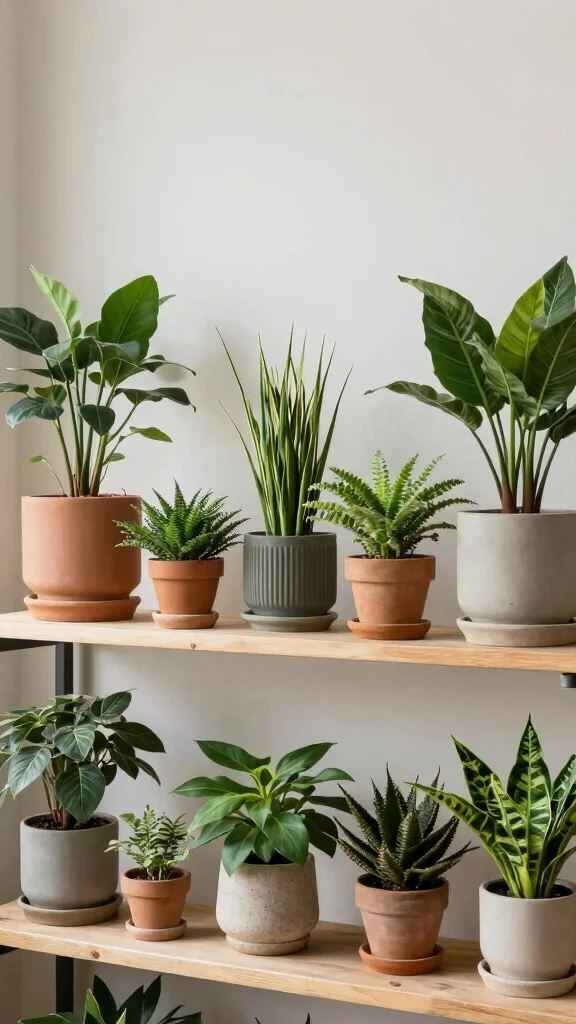
Bringing low-light house plants into your indoor spaces not only enhances your decor but also enriches your life by improving air quality and creating a tranquil atmosphere. Each of these 18 beautiful plants offers unique qualities and styles, making it easy to find the perfect match for every room. Whether you’re a beginner or an experienced indoor gardener, these easy-care options will thrive in your home.
Explore the charm of indoor gardening, and let these low-light beauties flourish in your space, adding life and color to every corner.
Frequently Asked Questions
What are the best low-light house plants for indoor spaces and how do I care for them?
For dim corners, choose hardy low-light house plants such as the ZZ plant, snake plant, pothos, peace lily, or philodendron. They’re perfect for house plants indoor setups and tolerate minimal sun. Care tips: water only when the top inch of soil dries, ensure drainage, and avoid leaving pots in standing water. Wipe leaves to remove dust, rotate plants monthly so all sides get light, and fertilize lightly in spring and summer for healthy growth. These are classic easy-care indoor plants that still bring life to any room.
For beginners, start with one to three specimens placed away from direct sun and observe how they respond to your home’s light pattern, then expand your indoor gardening setup gradually.
Which air-purifying plants thrive in low light and how can I care for them?
Several air-purifying plants do well in low light, including snake plant, pothos, peace lily, spider plant, and rubber plant. Place them away from harsh afternoon sun and water when the top inch dries; with less light, growth may be slower but they stay resilient. Wipe leaves monthly to remove dust and refresh with a damp cloth to keep them glossy. These plants can boost indoor air quality in any indoor gardening setup without demanding bright light.
Rotate occasionally and refresh potting mix every couple of years to keep roots healthy.
What decorative pots for plants work best with house plants indoor setups?
Choose decorative pots for plants that fit the plant’s size, have drainage holes, and match your room style. Aim for pots about 1-2 inches bigger than the root ball, use a drainage saucer, and consider breathable materials like terracotta to help moisture balance. Pair bold planters with green foliage for contrast, and add plant stands or wall shelves to showcase your collection across different rooms. All of this helps your house plants indoor look intentional and cohesive.
Which easy-care indoor plants stay healthy in dim corners and require minimal attention?
Excellent choices include ZZ plant, snake plant, pothos, philodendron, and spider plant. They tolerate low light and need infrequent watering. Let soil dry a bit between waterings, keep them away from cold drafts, and wipe leaves every few weeks. These are classic easy-care indoor plants that fit a wide range of indoor gardening setups and bring greenery to even the most crowded spaces.
How can I set up a low-light indoor garden across multiple rooms?
Start by mapping spaces with any natural light and picking 3-5 low light house plants that suit those spots. Establish a simple care routine—water when the soil dries, rotate for even growth, and group plants on shelves or windowsills to create a cohesive indoor garden. If natural light is scarce, add a small LED grow light for 2-3 hours in the evening to support indoor gardening goals without overpowering the room. Use decorative pots for plants and matching saucers to unify the look in every room.
Related Topics