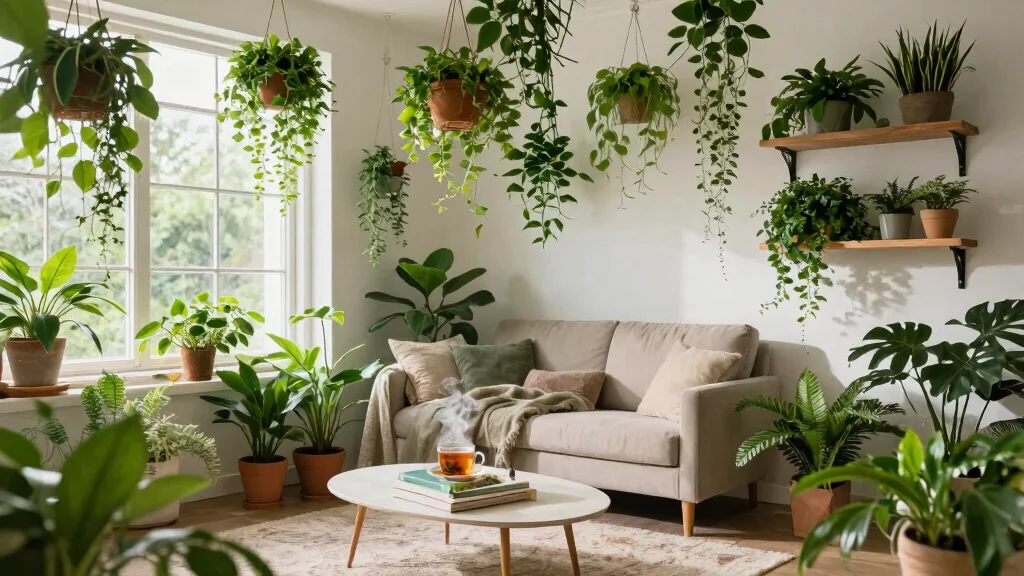

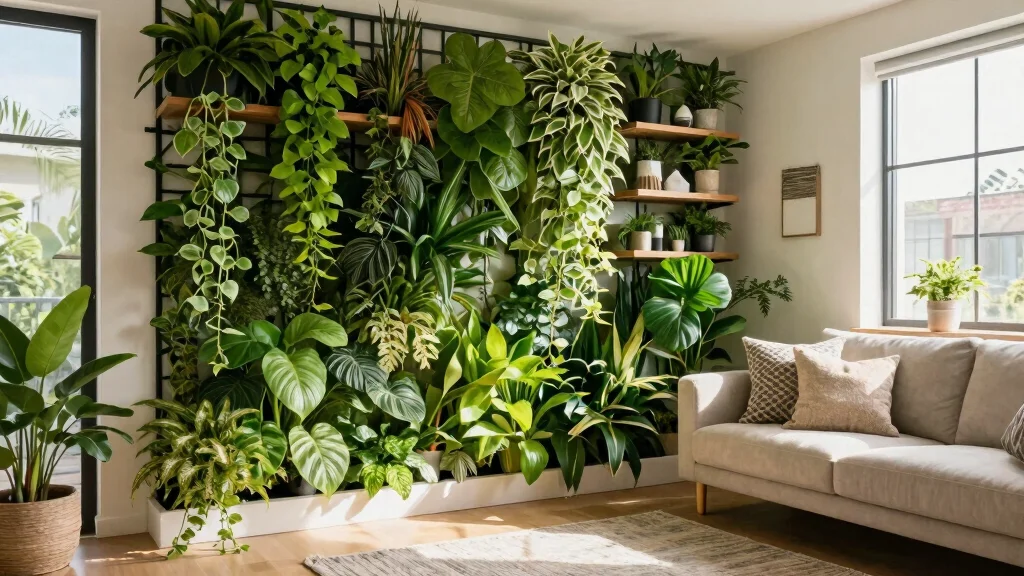
Indoor climbing plants can transform your living space into a lush, green paradise. With their ability to grow vertically, they are perfect for small areas where floor space is limited. I created this post because I often find myself longing for a touch of nature indoors, especially when the weather outside doesn’t cooperate. If you’re someone who craves that vibrant, green vibe in your home, this guide is for you.
You’ll discover a curated list of 16 of the best indoor climbing plants suited for small spaces, whether you have bright light or low light conditions. These indoor vines not only add charm and beauty to your walls but also improve air quality and create a serene atmosphere. I’ve gathered tips and practical advice on how to care for each plant, ensuring you can create the indoor garden of your dreams.
Get ready to explore beautiful options like Pothos, Philodendron, and more, each offering their unique flair and low-maintenance care. Whether you want a romantic touch or a stunning display, these climbing plants are perfect for elevating your indoor plant wall design.
Key Takeaways
– Diverse Options: Explore 16 indoor climbing plants that thrive in various light conditions, perfect for small spaces.
– Low Light Heroes: Discover plants like the ZZ Plant and Rhipsalis that flourish in low-light environments, allowing you to green up dim areas.
– Care Tips: Get practical insights on watering, light requirements, and maintenance for each plant to keep them healthy and thriving.
– Vertical Gardening Ideas: Learn how to effectively use vertical space in your home to create a stunning indoor garden wall.
– Aesthetic Appeal: Find out how these climbing plants can enhance the beauty of your home, making it feel more vibrant and inviting.
1. Pothos: The Classic Climber
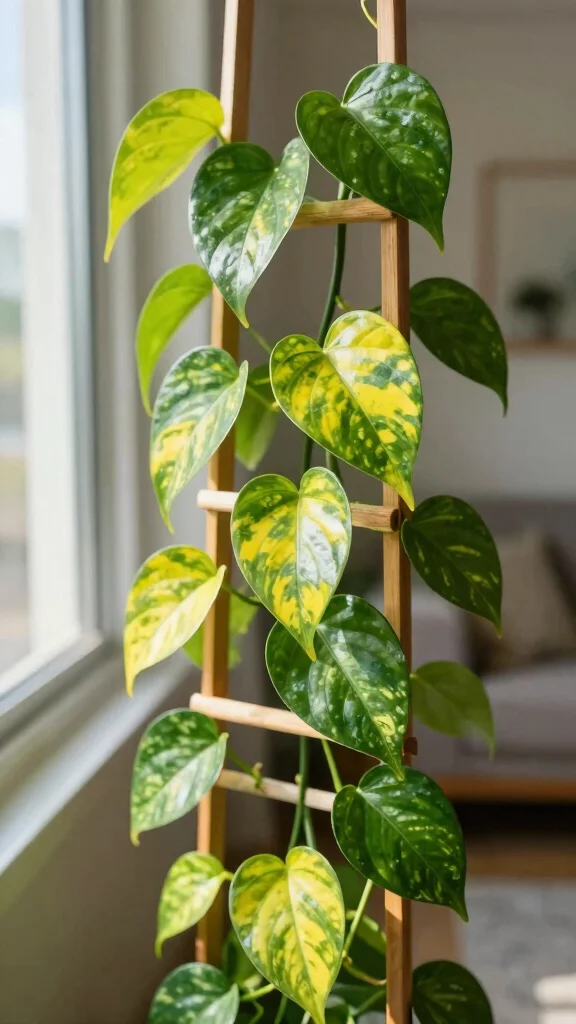
If you’re searching for a low-maintenance plant that adds charm, look no further than Pothos! With its heart-shaped leaves in vibrant greens, this plant effortlessly trails or climbs, making it ideal for small spaces. Its forgiving nature means it thrives in various light conditions, perfect for new plant parents or busy individuals alike. You can easily train it to climb a trellis or let it drape elegantly over a shelf for a laid-back vibe.
To get the best out of your Pothos, start by placing it in a spot with bright, indirect light. Water it only when the top inch of soil feels dry to the touch. Regular pruning helps maintain its bushy growth, which is perfect for tight corners.
Key care tips for Pothos:
– Provide bright, indirect sunlight for optimal growth
– Water only when the soil is dry to avoid overwatering
– Prune regularly to promote bushier growth
Pothos is not just easy to care for; it also enhances your indoor aesthetics effortlessly. You’ll love how quickly it transforms your space into a green paradise.
Ongoing Maintenance & Care Guide
Maintenance Schedule:
Daily/Weekly Tasks:
– Water your indoor climbing plants when the top inch of soil feels dry. Check every 5-7 days. ⏱ Estimate: 10-15 minutes.
– Wipe leaves with a damp cloth to remove dust and improve photosynthesis. Do this weekly. ⏱ Estimate: 5-10 minutes.
– Rotate pots every couple of weeks to encourage even growth and light exposure. ⏱ Estimate: 5 minutes.
Monthly/Seasonal Tasks:
– Fertilize your plants with a balanced liquid fertilizer every month during the growing season. 🪴 Estimate: 10 minutes.
– Check for signs of pests like spider mites or aphids, especially during warm months. Examine leaves and stems closely. 🐛 Estimate: 15 minutes.
– Prune any dead or yellowing leaves to promote healthier growth. This should be done monthly. ✂️ Estimate: 15 minutes.
– Repot plants if they outgrow their containers, usually every year or two. Use a pot one size larger. 🌱 Estimate: 20-30 minutes.
– Assess water drainage to prevent root rot, especially during rainy seasons. This should be checked monthly. 🚰 Estimate: 10 minutes.
Maintenance Summary Table:
| Task | Frequency | Difficulty | Time Needed |
|———————————–|—————|————–|——————|
| Water plants | Weekly | Easy | 10-15 minutes |
| Wipe leaves | Weekly | Easy | 5-10 minutes |
| Rotate pots | Biweekly | Easy | 5 minutes |
| Fertilize | Monthly | Easy | 10 minutes |
| Pest check | Monthly | Medium | 15 minutes |
| Prune leaves | Monthly | Easy | 15 minutes |
| Repotting | Every 1-2 years| Medium | 20-30 minutes |
| Assess drainage | Monthly | Easy | 10 minutes |
Common Issues to Watch For:
⚠️ Yellowing leaves: This could indicate overwatering or nutrient deficiency. Check the soil moisture and consider adding fertilizer.
⚠️ Wilting leaves: This usually means your plant needs water. Check the soil and water if it feels dry.
⚠️ Brown tips on leaves: This is often a sign of underwatering or low humidity. Increase watering frequency and consider misting the leaves.
⚠️ Pest infestations: Look for webbing or sticky residue on leaves. If you see these, treat with insecticidal soap or neem oil.
⚠️ Stunted growth: This may suggest your plant is root-bound or lacking nutrients. Check the pot size and consider repotting if needed.
Care Tips:
💡 Keep plants near natural light: Most indoor climbing plants thrive in bright, indirect light. Position them close to windows but avoid direct sunlight, which can scorch leaves.
💡 Use a support system: For climbing vines, use trellises or hooks to help them grow upward. This encourages healthier growth and a beautiful display.
💡 Monitor humidity levels: Indoor plants prefer humidity. If your home is dry, especially in winter, consider using a humidifier or placing a tray of water near your plants.
💡 Regularly check soil quality: Use well-draining potting mix to prevent root rot. If the soil feels compacted, consider replacing it during repotting.
💡 Stay consistent with your care routine: Consistency is key for indoor climbing plants. Keep to your maintenance schedule to ensure they stay healthy and lush.
By following these guidelines, your indoor climbing plants will flourish, adding a charming touch to your space while enhancing air quality.
2. Philodendron Brasil: A Colorful Showstopper
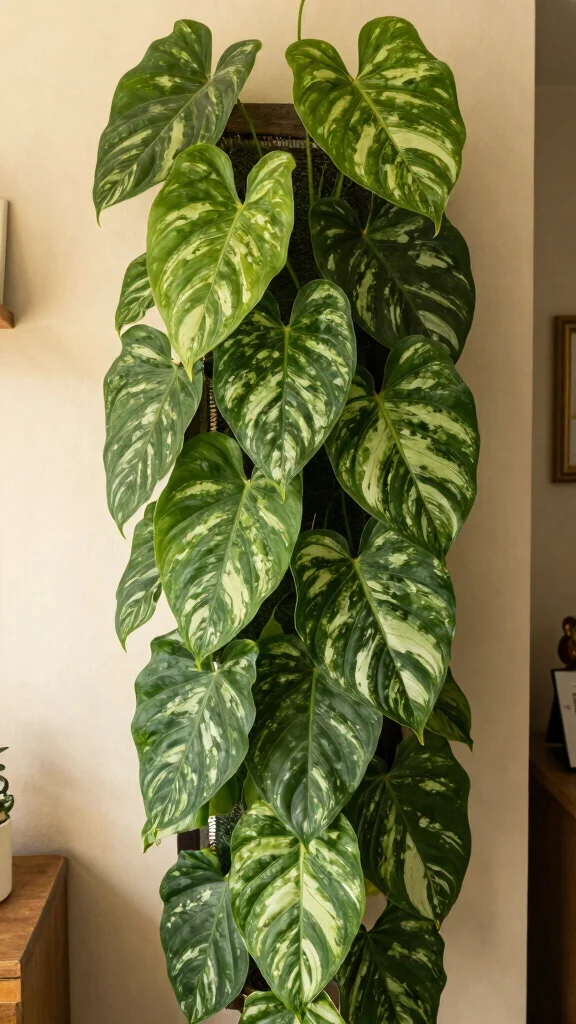
Philodendron Brasil is a vibrant addition that instantly elevates your indoor garden! Its stunning green and creamy white variegated leaves create a striking contrast, making it a true eye-catcher. This climbing plant is not only visually appealing but also thrives in various settings, making it a fantastic choice for adding a splash of color to your walls. Its trailing nature is perfect for vertical gardening, especially in cozy spaces.
For optimal growth, position your Philodendron Brasil in bright, indirect light. Water it when the top layer of soil is dry to ensure healthy roots. Plus, this beauty purifies the air, enhancing both aesthetics and air quality in your home.
Essential tips for Philodendron Brasil:
– Place in bright, indirect light for best growth
– Allow soil to dry out between waterings
– Enjoy air-purifying benefits while enhancing your decor
Philodendron Brasil not only adds color but also brings a lively atmosphere to your home, making it a perfect addition to any indoor plant collection.
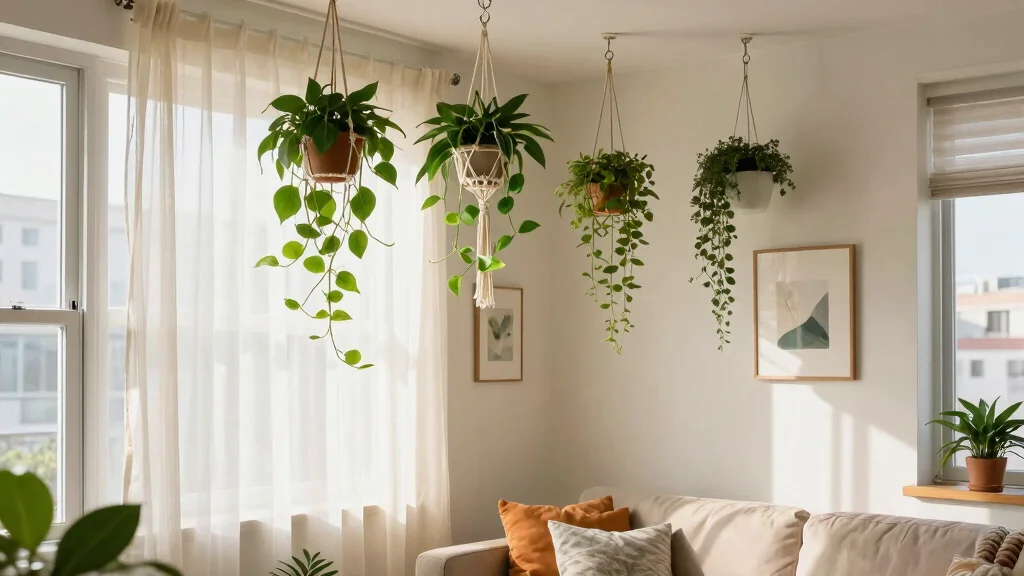
3. String of Hearts: A Romantic Touch
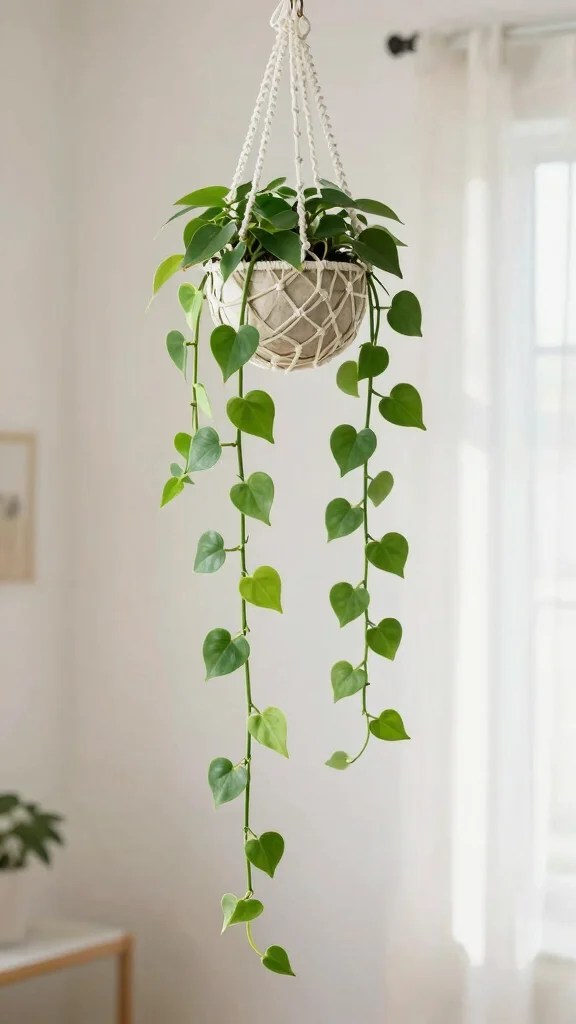
If you want to infuse your space with a touch of whimsy, the String of Hearts is a delightful option! Its delicate, trailing vines adorned with heart-shaped leaves create a romantic atmosphere that brightens any room. This charming plant is perfect for hanging baskets or can be trained to climb, providing a dreamy visual effect on your walls.
For the best results, give your String of Hearts bright, indirect light, but it can also handle a bit of direct sun. Allow the soil to dry out completely between waterings to prevent rot. For a stunning display, try using a ladder shelf to let these charming vines cascade beautifully.
Quick tips for String of Hearts:
– Provide bright, indirect light for optimal growth
– Water only when soil is dry to the touch
– Utilize a ladder shelf for a stunning cascading effect
The String of Hearts is more than a plant; it’s a charming statement piece that enhances your indoor garden’s beauty.
Fun fact: String of Hearts can trail 3-4 feet, creating a lush wall effect in tiny spaces. For indoor climbing plants, bright indirect light with a drying soil makes it forgiving and easy to maintain.
4. Hoya: The Wax Plant Wonder
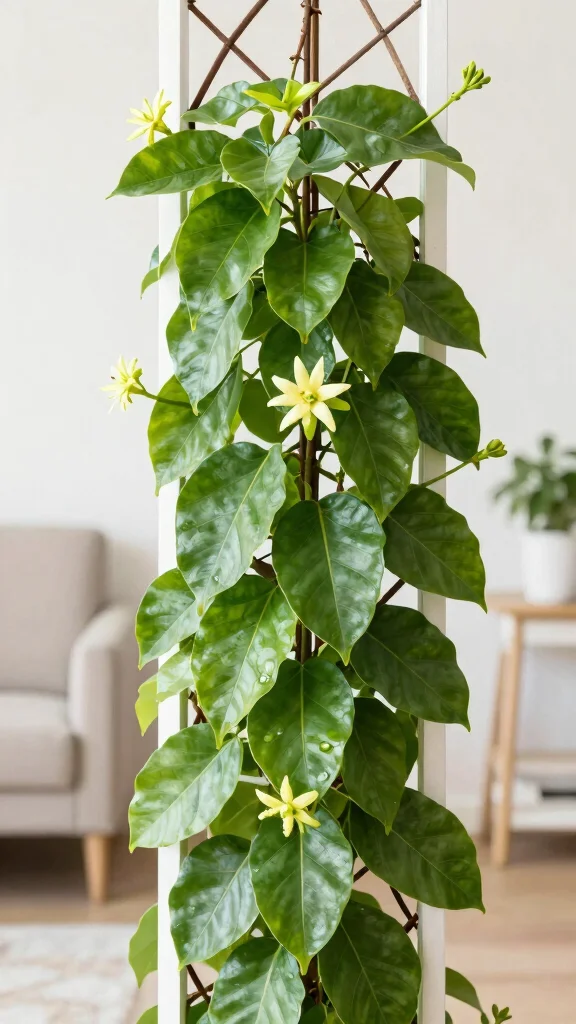
Hoya, also known as the wax plant, is a unique climbing choice that stands out with its thick, waxy leaves. This plant can produce stunning clusters of star-shaped flowers, adding an extra layer of beauty to your indoor garden. Hoya thrives in bright, indirect light, making it perfect for sunny spots in your home.
To keep your Hoya happy, ensure the soil dries out completely between waterings to prevent root rot. With the right care, you can enjoy its beautiful blooms along with lush foliage. Consider using a support pole for climbing, allowing it to grow naturally.
Key care insights for Hoya:
– Place in bright, indirect sunlight for best results
– Allow soil to dry completely before watering
– Use a support pole to encourage climbing
Hoya’s unique appearance and potential for blooms make it a standout choice for creating a lush, inviting indoor environment.
5. Climbing Ficus: An Indoor Tree
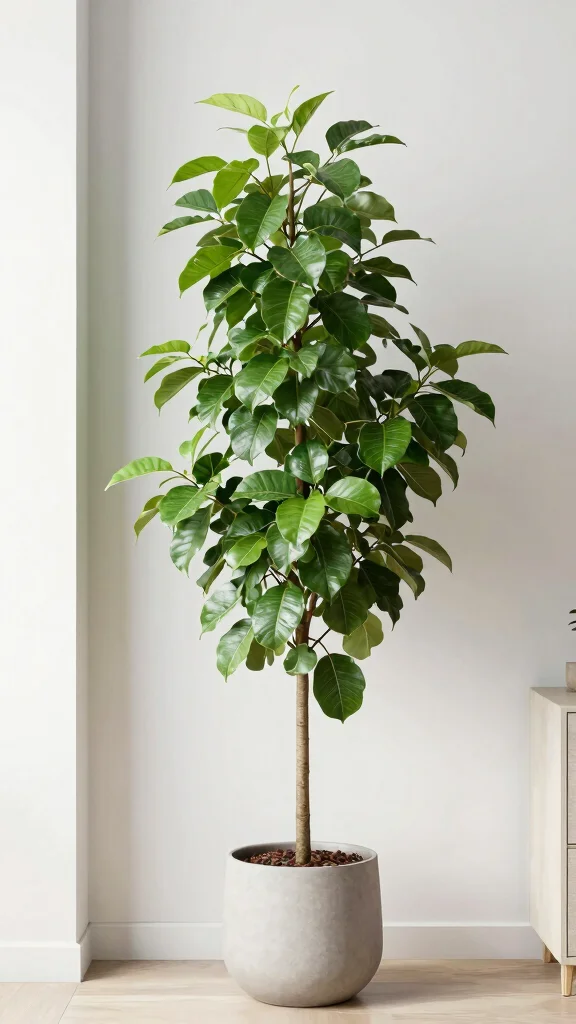
For a touch of elegance, consider the Climbing Ficus! With its graceful leaves and upright growth, this plant can be trained to climb walls, adding a striking feature to any room. It offers lush greenery while taking up minimal floor space, making it an excellent choice for apartment dwellers.
To care for your Climbing Ficus, place it in bright, indirect sunlight for best results. Water it when the top inch of soil feels dry, but be careful not to over-water. Pair it with a stylish pot to enhance its appeal as a statement piece.
Essential tips for Climbing Ficus:
– Require bright, indirect sunlight for healthy growth
– Water when topsoil is dry to prevent overwatering
– Choose a decorative pot to highlight its beauty
The Climbing Ficus not only adds height but also brings a dramatic flair to your indoor gardening efforts.
Climbing Ficus brings elegant indoor tree vibe to small spaces, an ideal fit among indoor climbing plants for walls. Train it upward for lush greenery with little floor space, and pair it with a stylish pot for instant impact. Keep it bright indirect sun and water when the top dries.
6. Ivy: The Timeless Classic
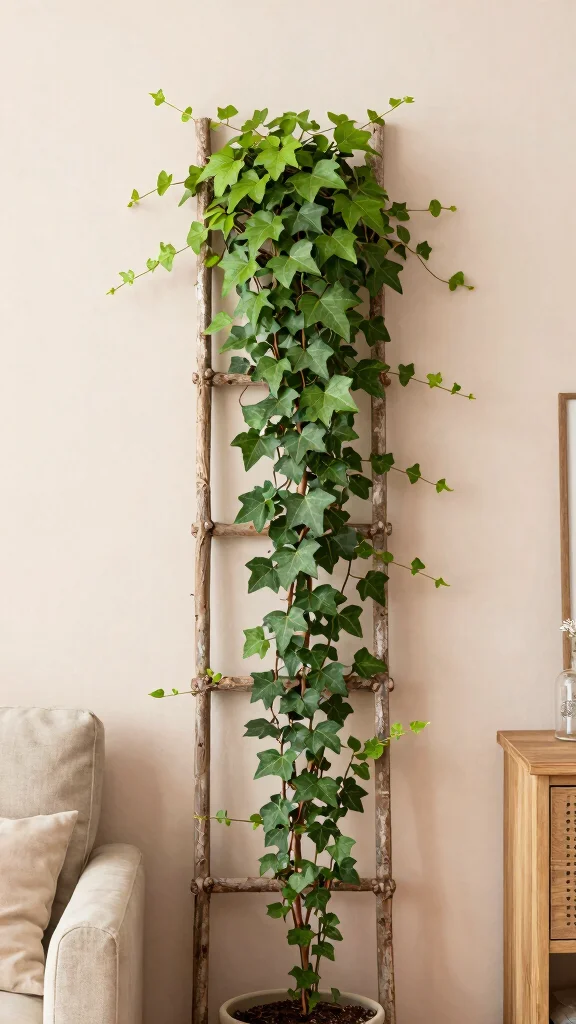
Ivy is a classic climbing plant that effortlessly enhances any indoor space. Its lush green vines can beautifully cover walls, shelves, or window frames, providing both charm and privacy. This hardy plant adapts easily to various light conditions, making it suitable for beginners and experienced gardeners alike.
For best growth, place Ivy in bright, indirect light, but it can adjust to lower light levels. Keep its soil consistently moist while ensuring good drainage. For a vintage vibe, train Ivy in a decorative pot with trellis support for an enchanting display.
Quick care tips for Ivy:
– Thrives in bright, indirect light but adapts to lower levels
– Keep soil consistently moist while avoiding sogginess
– Train in a decorative pot for a charming vintage look
Ivy’s classic appeal makes it an ideal choice for creating a warm and inviting indoor atmosphere.
7. Zamioculcas zamiifolia (ZZ Plant): Low-Light Hero
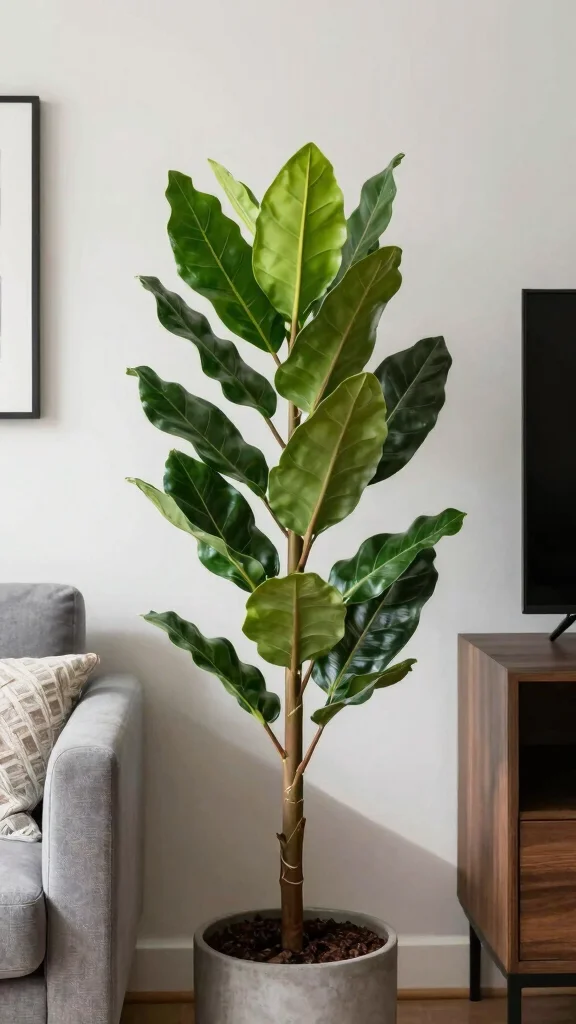
If you desire a low-maintenance plant, the ZZ Plant is your perfect match! Known for its glossy leaves and architectural look, this plant can climb when supported. It thrives in low-light areas, making it a fantastic addition to any indoor plant wall design.
To care for your ZZ Plant, place it in low to bright indirect light. Water it only when the soil is completely dry to prevent overwatering. Regularly dusting the leaves keeps them looking fresh and enhances light absorption.
Key care insights for ZZ Plant:
– Thrives in low to bright indirect light
– Allow soil to dry completely before watering
– Dust leaves occasionally for optimal appearance
The ZZ Plant adds elegance to smaller spaces while requiring minimal care, making it a fantastic indoor climbing choice.
8. Rhipsalis: The Unique Cactus
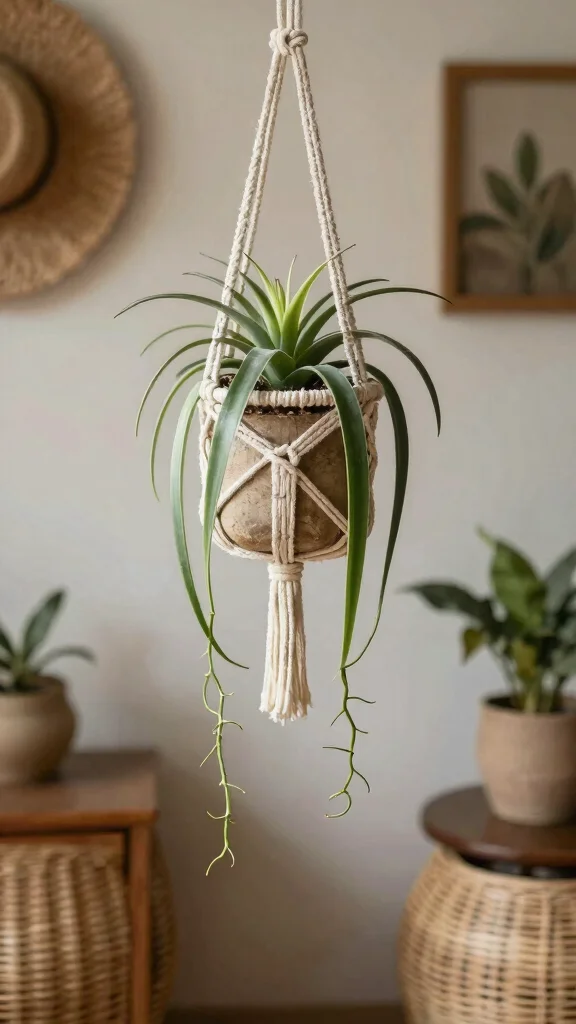
Rhipsalis is not your average climbing plant; it’s a unique cactus that thrives indoors! Its long, trailing stems add a fascinating texture to your collection. Loving humidity, Rhipsalis is perfect for kitchens or bathrooms and can adapt to lower light levels.
For best results, place Rhipsalis in bright, indirect light but allow it to adjust to lower conditions. Water it every couple of weeks, letting the soil dry out in between. Hang it in a macramé planter for a stylish, bohemian touch.
Essential tips for Rhipsalis:
– Prefers bright, indirect light but adapts well to lower levels
– Water every couple of weeks and let soil dry
– Hang in a macramé planter for a chic look
Rhipsalis adds an unexpected twist to your indoor gardening, making it a delightful choice for your indoor plant wall.
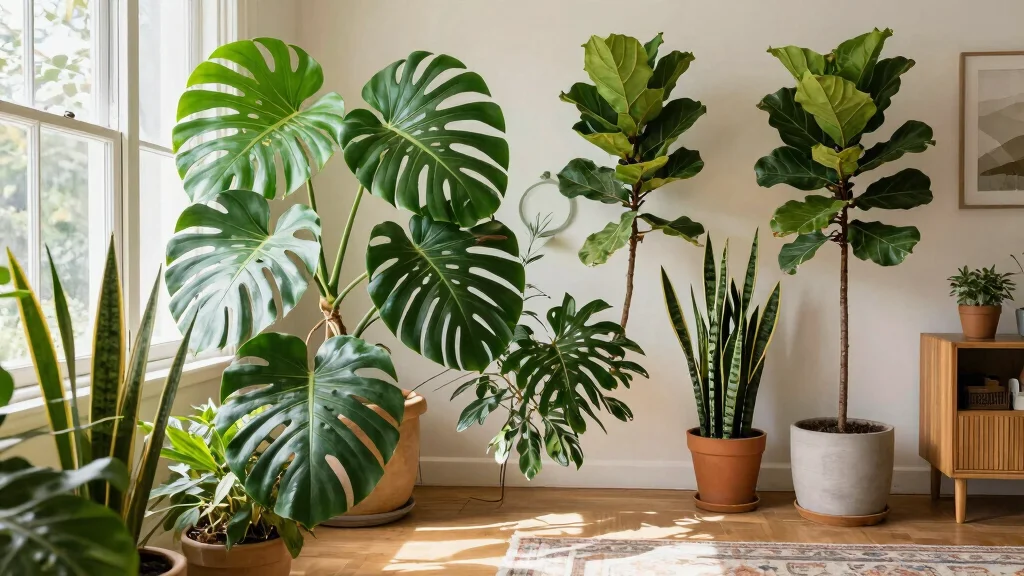
9. Monstera: The Iconic Split-Leaf
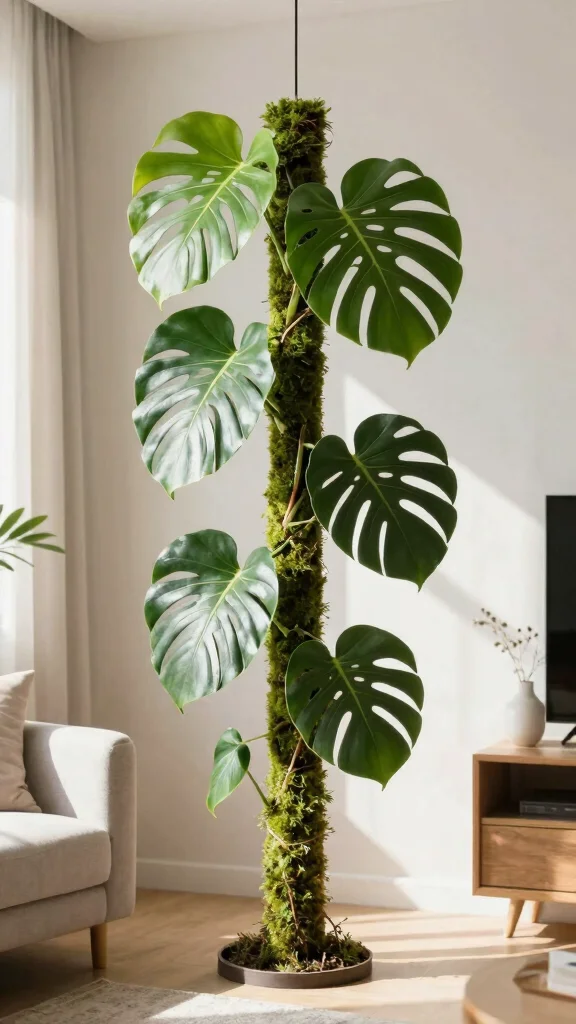
Monstera is a true icon in the plant world, renowned for its large, split leaves that create a dramatic impact on any wall. This climbing plant thrives and fills vertical space with its lush foliage, making it an excellent choice for small apartments.
To care for your Monstera, provide bright, indirect sunlight, but it can tolerate lower light levels. Water it when the top few inches of soil dry out. Consider using a moss pole for support, as it loves to latch onto structures.
Key care insights for Monstera:
– Prefers bright, indirect sunlight but adapts to lower conditions
– Allow topsoil to dry out before watering
– Utilize a moss pole for natural climbing growth
Monstera’s bold presence is a must-have for anyone looking to enhance their indoor garden’s greenery.
Monstera makes the wall feel alive. When you train it on a moss pole, those dramatic split leaves turn a small space into a lush focal point for indoor climbing plants. Just remember: bright, indirect light and steady support do the heavy lifting.
10. Sweetheart Plant: A Charming Choice
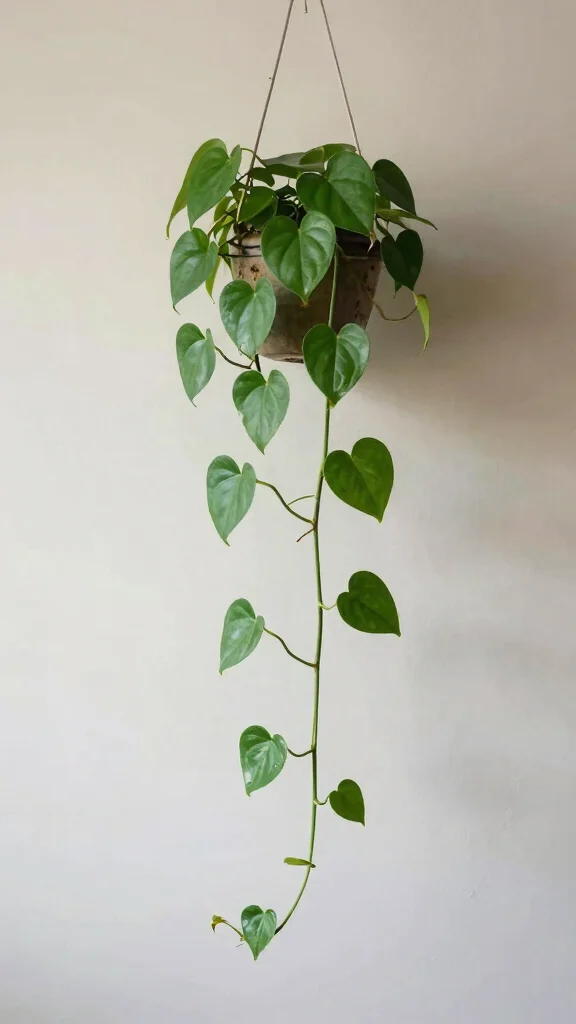
The Sweetheart Plant, or Hoya Kerrii, is an enchanting option for those who cherish heart-shaped leaves. This charming plant adds a romantic touch to any indoor space and can be trained to climb for added visual interest. It thrives with minimal care, making it perfect for busy lifestyles.
To care for your Sweetheart Plant, place it in bright, indirect light for optimal growth. Water it only when the soil is dry to the touch. For a beautiful effect, display it in a hanging planter or against a sunny wall.
Essential tips for Sweetheart Plant:
– Requires bright, indirect light for healthy growth
– Allow soil to dry out before watering
– Display in a hanging planter for a charming look
The Sweetheart Plant’s unique leaves enhance the charm of your indoor climbing plant collection.
11. Burmese Grapevine: Exotic and Unique
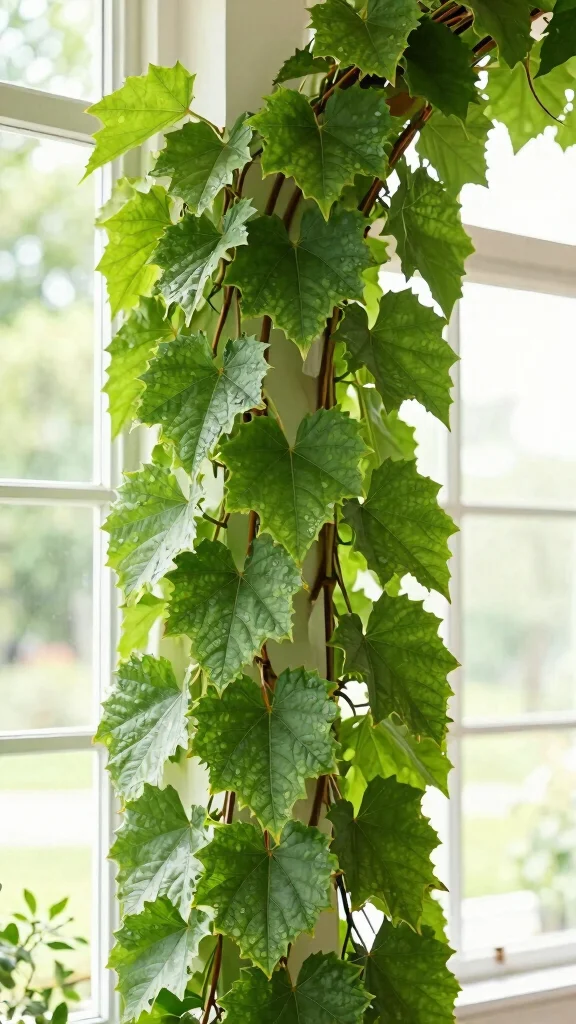
For a touch of the exotic, the Burmese Grapevine is an eye-catching climbing plant. With its unique, thick stems and large leaves, this woody vine creates a stunning indoor display that stands out. It’s perfect for anyone looking to make a bold statement in their gardening efforts.
To care for your Burmese Grapevine, place it in bright, indirect light for optimal growth. Keep the soil moist but not soggy for best results. Consider training the vines to climb around a decorative arch for a truly striking feature.
Key care tips for Burmese Grapevine:
– Prefers bright, indirect light for thriving growth
– Keep soil moist but avoid sogginess
– Train vines around a decorative arch for visual impact
The Burmese Grapevine’s unique appearance makes it an exciting choice for your indoor garden.
12. Asparagus Fern: A Lush Green Delight
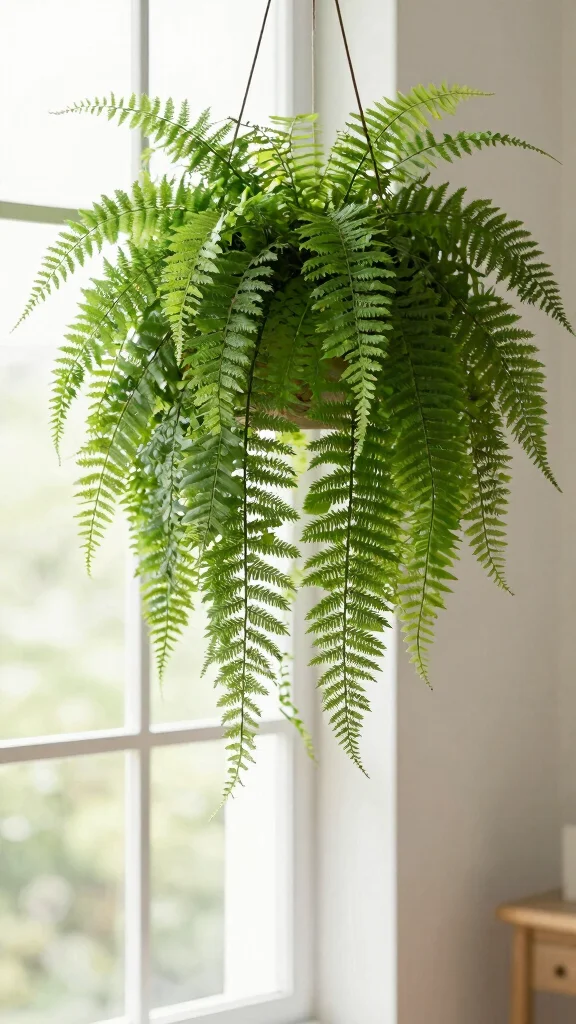
The Asparagus Fern is a captivating plant with soft, feathery leaves that cascade down beautifully. Although technically not a true fern, it provides a similar lush effect, making it ideal for hanging or climbing. Its unique texture adds depth to your indoor plant wall design.
To keep your Asparagus Fern thriving, place it in bright, indirect light. Keep the soil consistently moist while ensuring good drainage. For the best display, consider placing it in a hanging basket to allow natural trailing.
Essential care tips for Asparagus Fern:
– Prefers bright, indirect light for optimal growth
– Keep soil consistently moist but ensure good drainage
– Place in a hanging basket for natural trailing effect
The Asparagus Fern adds a soft, delicate touch, enhancing any indoor setting beautifully.
13. Rattlesnake Plant: An Eye-Catching Beauty
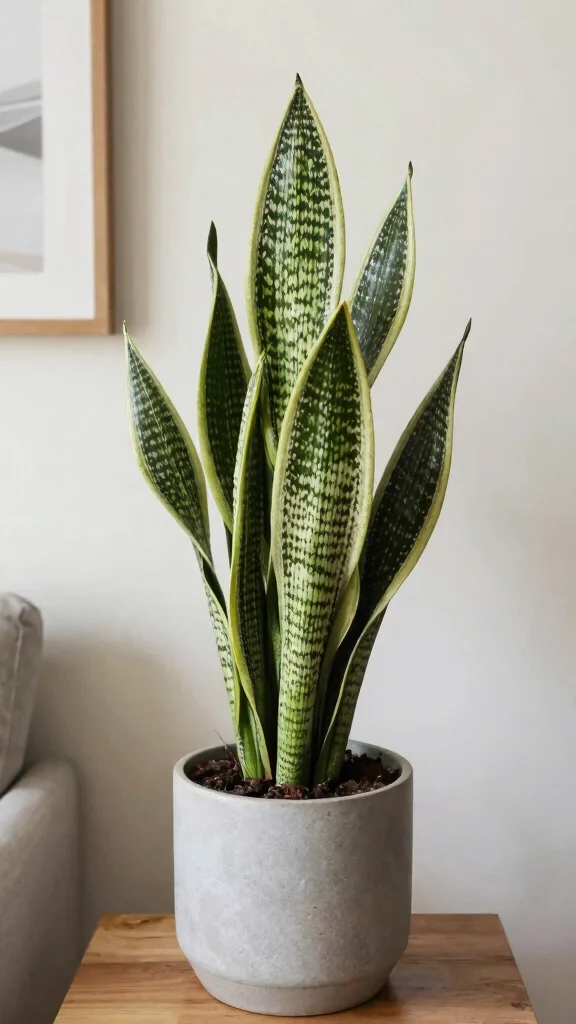
The Rattlesnake Plant, or Calathea lancifolia, is celebrated for its striking leaf patterns reminiscent of rattlesnake scales. While it may not climb traditionally, it can be trained to grow upward, creating a lush presence in your space. This plant thrives in low light, making it perfect for enhancing cozy, darker areas.
To care for your Rattlesnake Plant, place it in low, indirect light for best results. Keep its soil consistently moist but avoid soggy conditions. For a unique display, pair it with other low-light climbing plants for a visually eclectic arrangement.
Key care insights for Rattlesnake Plant:
– Prefers low, indirect light for thriving growth
– Keep soil consistently moist but avoid sogginess
– Pair with other low-light plants for an eclectic look
The Rattlesnake Plant adds a visually unique charm to your indoor garden, making it a wonderful choice.
14. Creeping Fig: The Versatile Viner
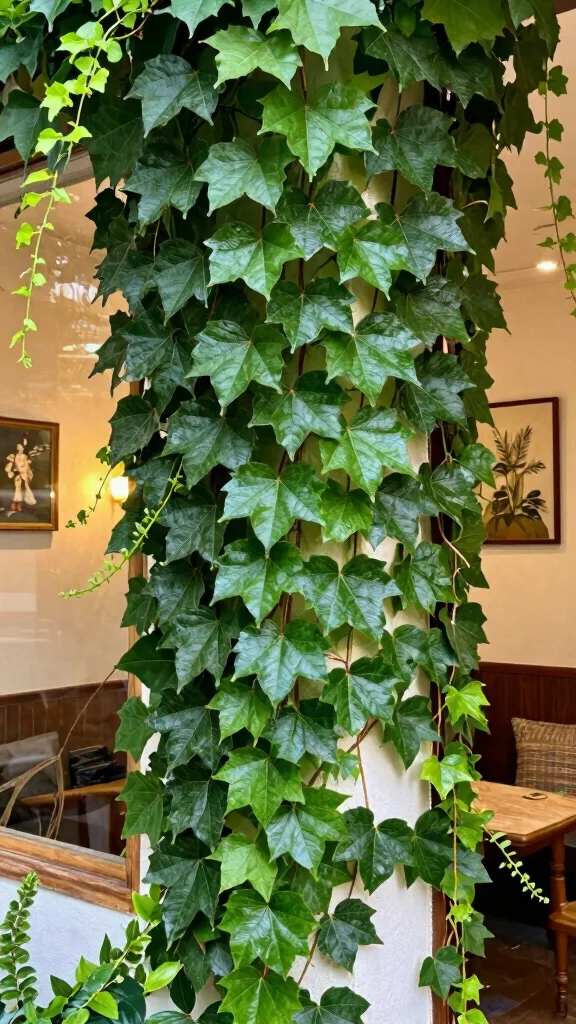
The Creeping Fig is an excellent choice for anyone looking to enhance their indoor walls or fences. Its thick, small leaves create a dense green cover that is both aesthetic and practical. This vining plant can be trained to grow in various directions, allowing for creative indoor plant wall designs.
For optimal growth, place Creeping Fig in bright, indirect light, although it can tolerate some low light. Water it when the top few inches of soil feel dry. Use it to create a unique backdrop for shelves or furniture for added charm.
Essential care tips for Creeping Fig:
– Thrives in bright, indirect light but tolerates low light
– Water when topsoil is dry for best results
– Create a unique backdrop for furniture or shelves
Creeping Fig is a versatile option that helps create a lush environment, perfect for any indoor space.
15. Jade Plant: A Succulent Twist
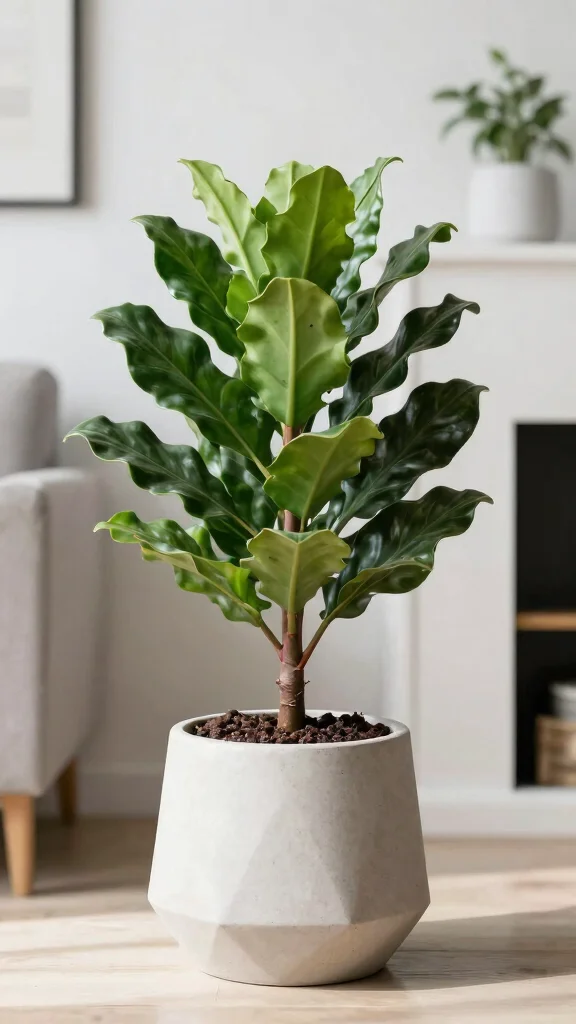
The Jade Plant brings a succulent twist to your climbing plant collection. With its thick, fleshy leaves, this resilient plant can be trained to grow upright or can also look stunning trailing down. Known for its longevity, it’s a fantastic addition to your indoor plant wall.
To care for your Jade Plant, provide bright light but allow some indirect sunlight as well. Let the soil dry out completely between waterings to keep it healthy. A decorative pot can showcase its unique shape beautifully.
Key care insights for Jade Plant:
– Prefers bright light but tolerates some indirect sunlight
– Allow soil to dry out completely between waterings
– Use a decorative pot to enhance its appearance
The Jade Plant’s modern feel makes it a fun choice for unique displays in your indoor garden.
16. Climbing Hydrangea: A Stunning Display
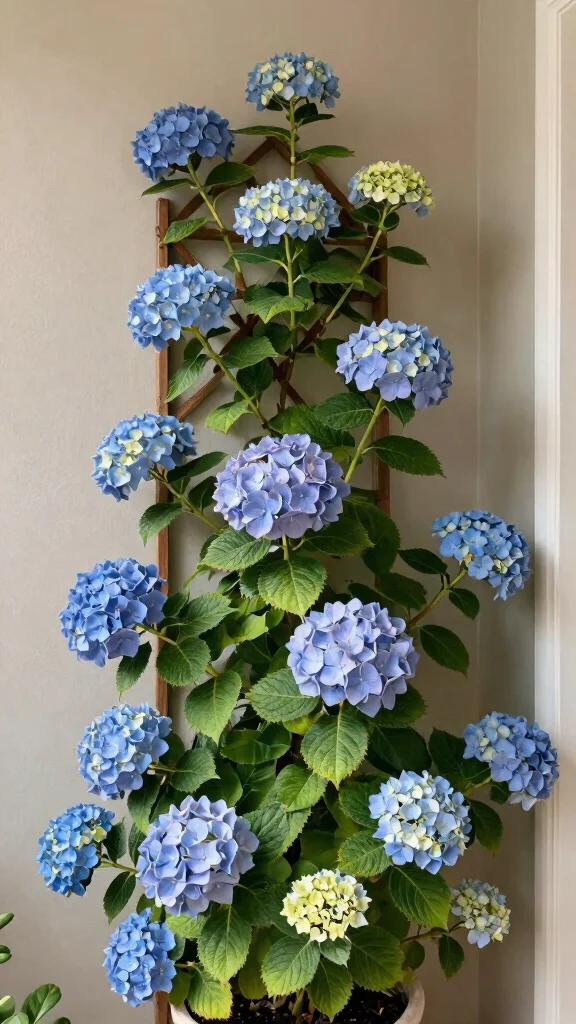
The Climbing Hydrangea is perfect for those wanting to bring a slice of nature indoors. While it usually thrives outside, it can be successfully grown indoors with proper care. Its large, beautiful blooms can create a stunning visual display when trained to climb walls or trellises.
For the best results, place your Climbing Hydrangea in bright, indirect light. Keep the soil consistently moist, especially during blooming seasons. Ensure it has enough support as it grows to keep its beautiful blooms elevated.
Essential tips for Climbing Hydrangea:
– Enjoys bright, indirect light for healthy growth
– Keep soil consistently moist during blooming
– Provide ample support for climbing growth
Climbing Hydrangea offers a striking aesthetic, making it a wonderful addition to any indoor garden.
Conclusion
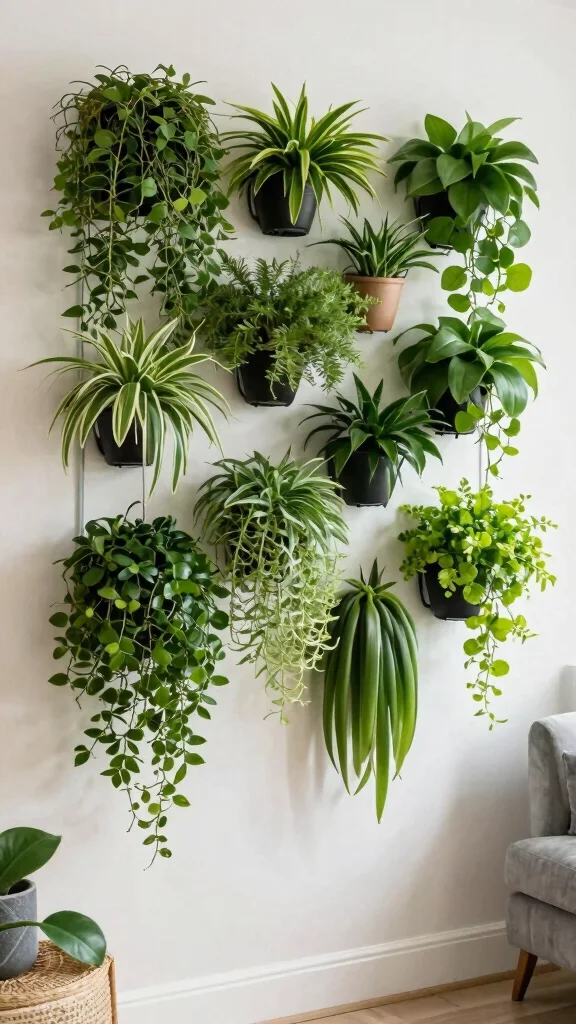
Creating a lush wall effect with indoor climbing plants can completely transform your living space. Whether you opt for the classic Pothos, the stunning Monstera, or the whimsical String of Hearts, turning your walls into a vertical garden is an exciting way to incorporate nature into your home. Don’t hesitate to experiment with different plants, combinations, and arrangements to find what brings you joy!
Happy planting!
Frequently Asked Questions
What are the best indoor climbing plants to create a lush wall effect in small spaces?
For a lush wall, start with some of the best indoor climbing plants that thrive in compact spaces and varying light. Try pothos (Epipremnum aureum) and heartleaf philodendron (Philodendron scandens) for forgiving, trailing vines that do well in indirect light.
Add a touch of drama with Monstera adansonii for its unique leaf holes, or layer in classic climbers like ivy or Hoya species for structure. Finish with lightweight accents like string of hearts if you want delicate trails. Pair these with a simple trellis, moss pole, or wall-mounted planters to guide growth and keep the wall looking intentional. These options align with indoor vines for small spaces and indoor plant wall design ideas.
How can I set up a vertical garden with indoor climbing plants in a small living space?
Start with a plan. Choose a vertical system such as wall-mounted planters, a trellis, or a moss pole to give your vines something to climb and train on. Pick a few low-maintenance climbers that fit small spaces, like pothos, heartleaf philodendron, and Monstera adansonii.
Mount the system on a wall that gets bright indirect light and add drainage with a tray or self-watering insert. Train vines upward with soft ties and prune regularly to keep growth tidy. Finish with consistent pot sizes to support a clean indoor plant wall design and a cohesive vertical gardening ideas look.
Can indoor climbing plants thrive in low light, and which are the best options?
Yes, many low light climbing plants can thrive with minimal direct sun if you pick the right species and give some minutes of bright indirect light or occasional grow light. Try pothos and heartleaf philodendron for sturdy performance in shade.
Monstera adansonii can tolerate lower light, though growth may slow. For added variety, consider string of hearts or compact Hoya varieties, which can handle dim corners with proper watering. If you want to push a bit more light, supplement with an LED grow light to keep colors vibrant.
What care tips keep an indoor plant wall healthy and lush?
Keep your indoor plant wall thriving with a simple care routine: provide bright indirect light or supplement with LED grow lights; water at the base rather than overhead to avoid moisture on leaves; let the top inch of soil dry before re-watering. Feed lightly with a balanced fertilizer in the growing season. Maintain humidity with a pebble tray or occasional mist. Prune and train vines to prevent crowding, and dust leaves regularly to maximize photosynthesis. Rotate plants periodically to even out growth and always ensure the wall mounting and trays can bear the weight. This aligns with indoor plant wall design.
What common mistakes should I avoid when creating an indoor plant wall?
Common mistakes include choosing climbers that don’t suit your light or space, underestimating light needs, and picking heavy planters without proper wall support. Avoid neglecting drainage, which leads to root rot, and skip training vines so they become unruly or crush other plants. Don’t cram too many plants onto one wall or ignore maintenance like pruning and pest checks. Instead, pick plants that fit your low light or indirect light, use lightweight mounts, provide drainage, and train vines with gentle ties to keep your wall looking polished and healthy.
Related Topics