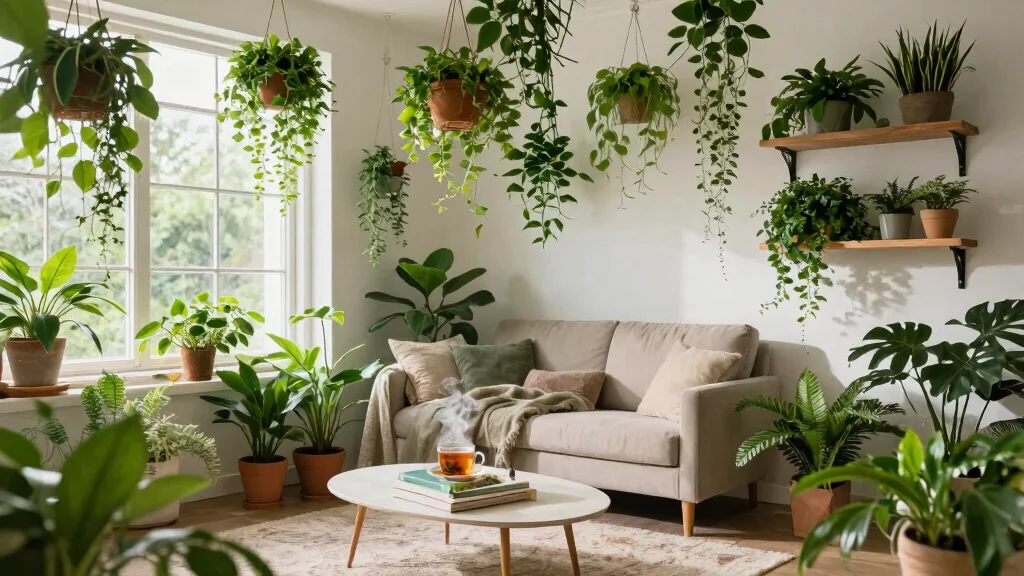

Indoor spaces can sometimes feel dull and lifeless. If you’re anything like me, you’ve been craving a touch of nature to liven things up. That’s why I created this post about indoor plants décor ideas. Whether it’s the middle of winter or you simply lack a green thumb, indoor plants can transform your space into a calming oasis.
This guide is perfect for anyone who loves home decor, enjoys cozy spaces, or is diving into indoor gardening. You might be living in a small apartment or a house with limited light; no matter the situation, this post has you covered. I’ve gathered 18 practical ideas that are stylish, easy to implement, and will help you bring the beauty of nature inside.
Get ready to explore how to create inviting corners with snake plants, utilize cascading pothos on shelves, and even turn your bathroom into a tropical retreat. With these tips, you’ll find inspiration to refresh your living space. Let’s dive into the world of indoor plants décor and discover how simple changes can make a big impact in your home!
Key Takeaways
– Incorporate low-light houseplants like snake plants and pothos to enhance small spaces while requiring minimal care.
– Use vertical space with plant stands or hanging planters to create visual interest without taking up too much room.
– Create a calming workspace by integrating plants that purify the air and boost your mood.
– Consider seasonal plant swaps to keep your décor fresh and exciting throughout the year.
– Group plants by color or texture to create stunning displays that draw the eye and showcase your style.
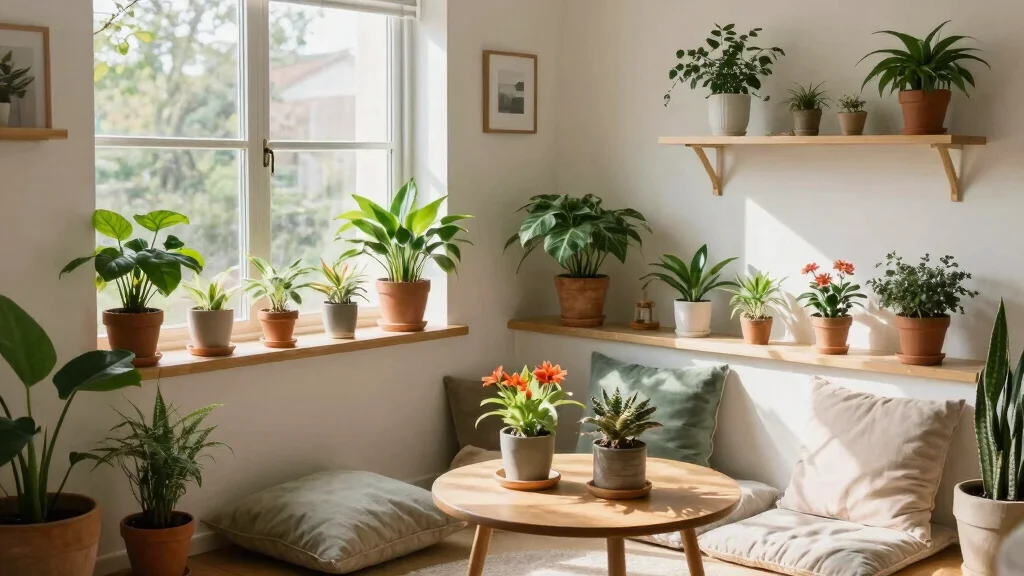
1. Create a Green Corner with Snake Plants
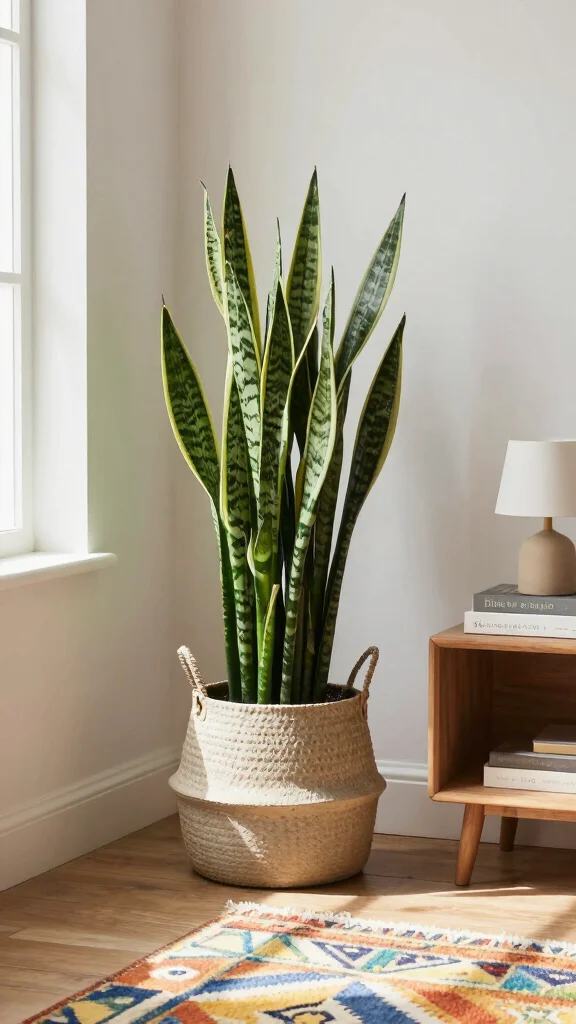
Embracing a green corner with snake plants can instantly elevate your home’s ambiance. Their tall, sculptural leaves exude a modern elegance while thriving in low-light conditions. This makes them perfect for busy lifestyles, as they require minimal care and help purify the air effectively. Imagine a striking tall snake plant in a textured basket or a chic ceramic pot, adding a stylish touch near a window or in a cozy nook.
To maximize this green corner, think about layering your plants for added visual interest. You don’t need to break the bank; simple and affordable options are available at local nurseries or garden centers. This design not only reflects current trends of indoor greenery but also brings a soothing essence to your living space.
Consider these elements to enhance your green corner:
– Pair a tall snake plant with a decorative ceramic pot.
– Use a textured basket for a natural look.
– Position the plant near a window for ideal light exposure.
– Add a cozy throw or cushion to create a comfortable reading nook.
By incorporating snake plants, you create a fresh, inviting atmosphere that breathes life into any corner of your home.
2. Shelving with Pothos for a Cascading Effect
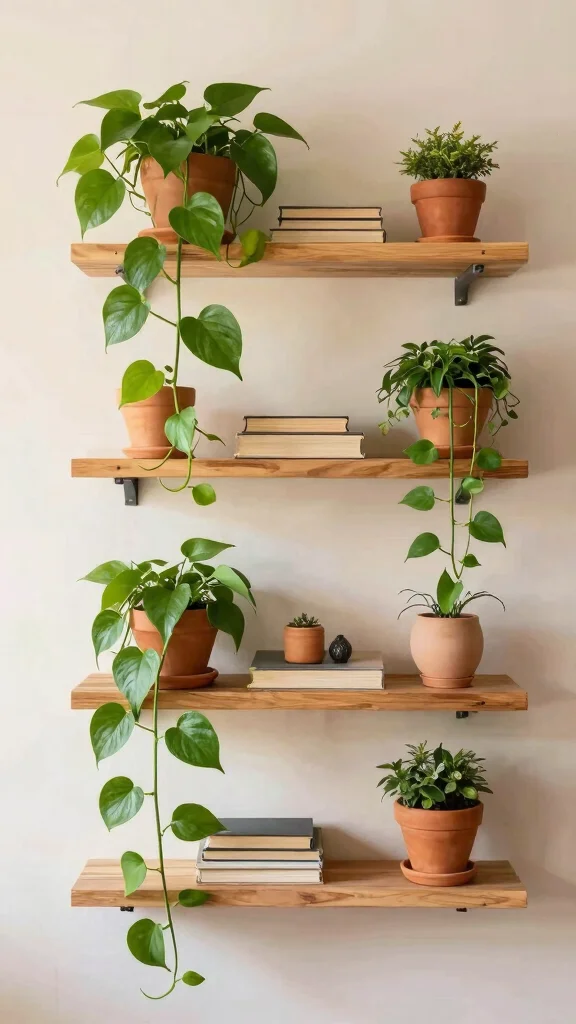
Pothos, with its vibrant trailing vines, can transform a simple shelf into a lush cascade of greenery. This plant’s versatility and resilience make it an ideal choice for any indoor space, providing a beautiful contrast against various shelf materials. Imagine floating shelves adorned with pothos, creating a waterfall effect that brings nature indoors and enhances your home’s aesthetic.
To implement this look effectively, consider mixing different pot sizes and styles for a more organic arrangement. You can find stylish yet affordable planters at local shops or online. This not only embraces current design trends but also creates a cozy, inviting atmosphere that evokes feelings of tranquility.
Here are some ways to style your shelving with pothos:
– Pair pothos with other trailing plants for added texture.
– Opt for earthy-toned pots to complement a boho vibe.
– Place books or decorative items between the plants for a layered look.
The cascading effect of pothos on your shelves adds depth and character, making your space feel dynamic and alive.
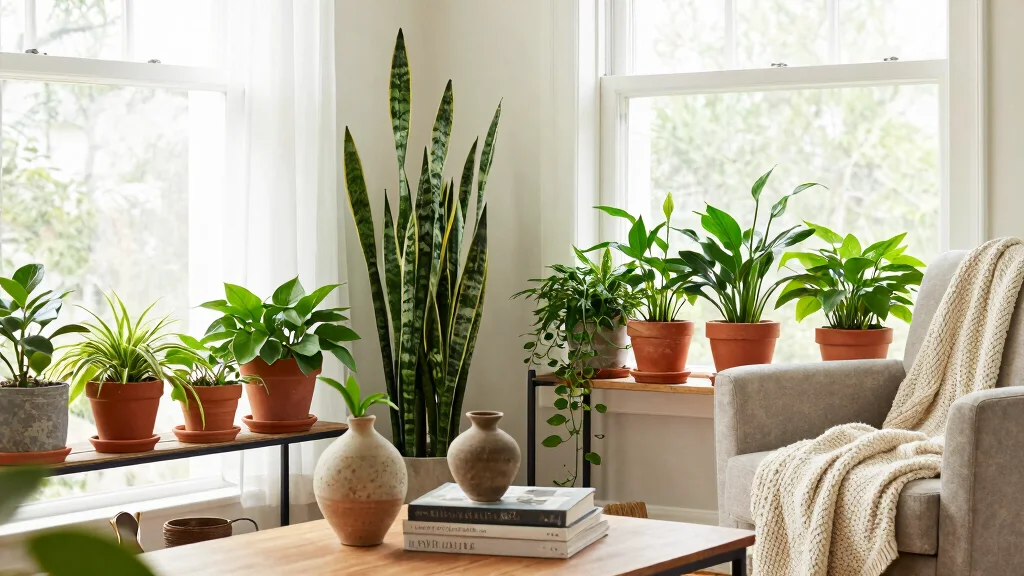
3. Use a Plant Stand for Vertical Interest
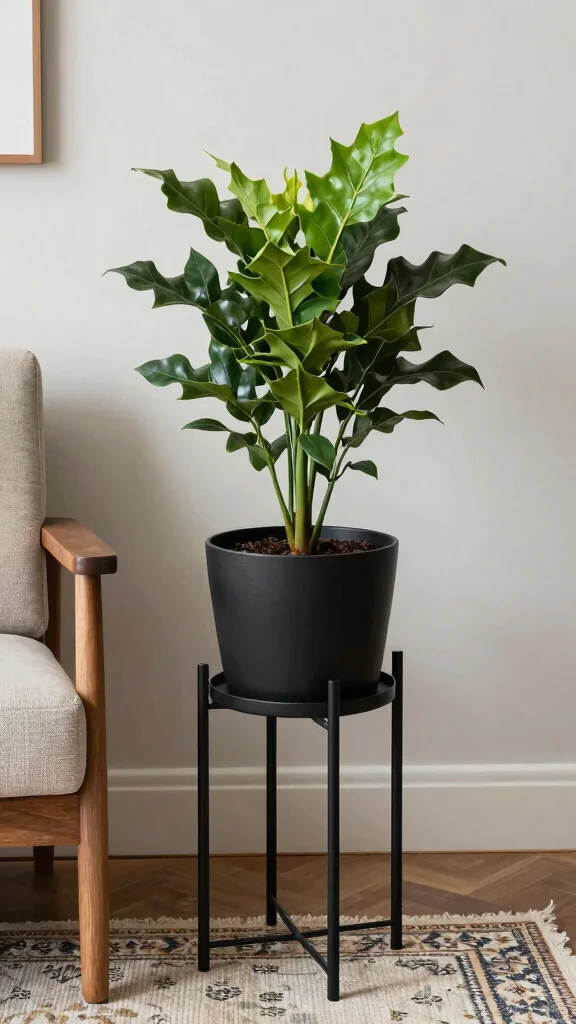
A plant stand can dramatically elevate the aesthetic appeal of your indoor plants, creating height and visual interest in your decor. By drawing the eye upwards, a plant stand allows even smaller plants to command attention and become focal points in your space. Imagine a mid-century modern stand showcasing a peace lily or ZZ plant, creating a striking contrast against a simple wall.
To make the most of this idea, think about grouping plants at varying heights for an artistic display. Affordable stands can be found at thrift stores or online marketplaces, perfect for adding that extra touch of style. This method not only enhances your decor but also aligns with the trend of maximizing vertical space in small homes.
Consider these tips when using a plant stand:
– Group different plants on varying stands for a visually engaging display.
– Use a corner stand to make the most of limited space.
– Add decorative items like candles for additional flair.
Using plant stands elevates your greenery and transforms your overall home decor into a lush, inviting environment.
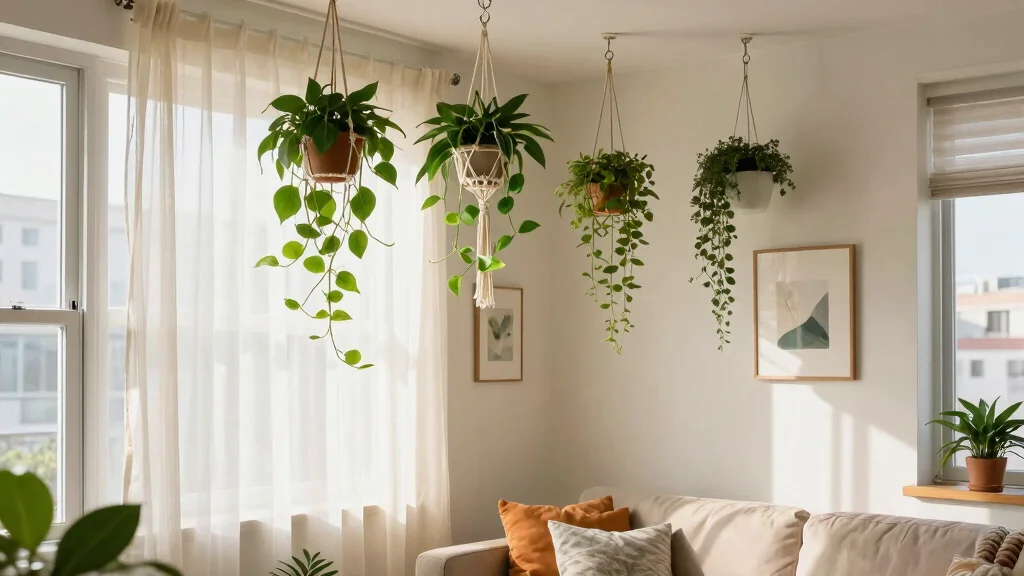
4. Hanging Planters for a Touch of Whimsy
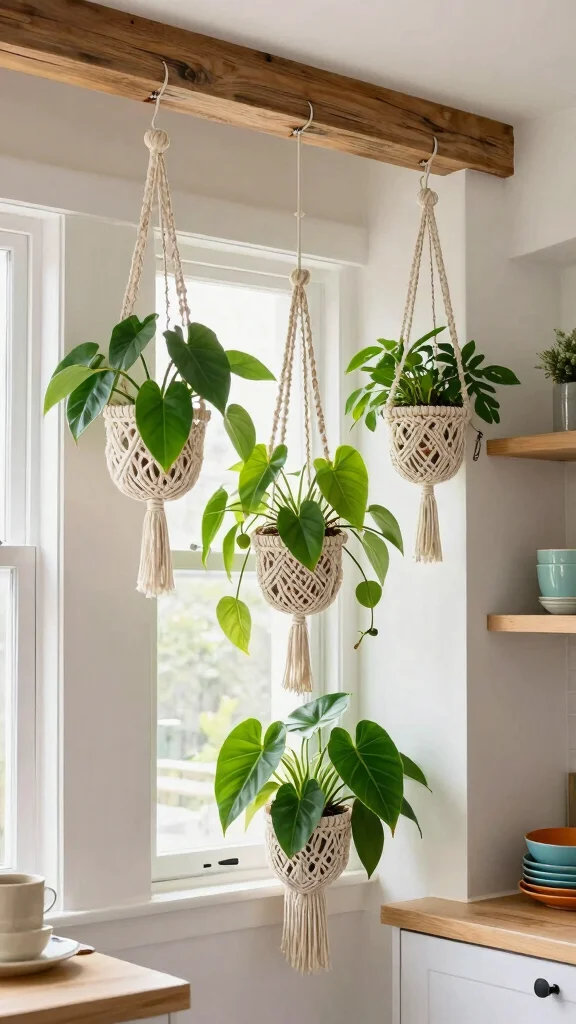
Hanging planters offer an imaginative way to introduce greenery into your home, particularly when floor space is limited. These charming accents not only create a whimsical atmosphere but also maximize light exposure for your plants. Picture a series of trailing philodendrons or spider plants adorning your ceiling, transforming your space into an enchanting vertical garden.
For a delightful display, consider using a mix of macramé hangers and sleek ceramic pots. This combination adds character and style while ensuring your plants thrive. Hanging plants can also align with trends towards indoor jungles and biophilic design, contributing to a refreshing indoor environment.
Here are some ideas for incorporating hanging planters:
– Mix different pot styles for an eclectic feel.
– Use LED grow lights for optimal growth in low-light areas.
– Hang plants at varying heights to enhance visual interest.
Adding hanging planters can transform any room, creating a lush, inviting space filled with greenery.
5. Incorporate Plants into Your Workspace
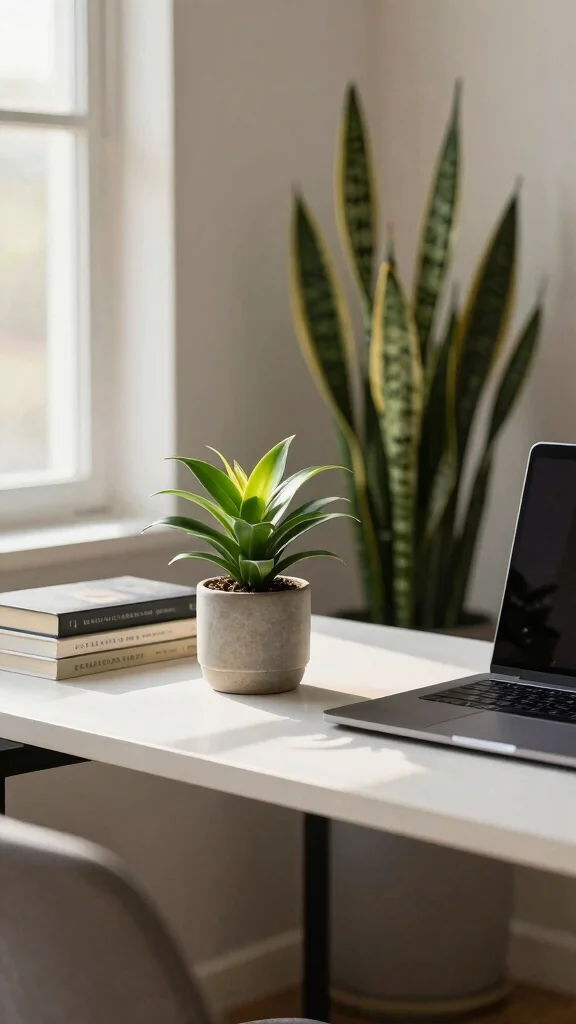
Bringing plants into your workspace can boost creativity and create a more inviting atmosphere. Low-light options like ZZ plants or snake plants are perfect for desks, providing a refreshing touch of nature without overwhelming your schedule with care requirements. Imagine a small plant on your desk, offering a pop of green that uplifts your mood and enhances productivity.
To effectively incorporate plants, choose pots that align with your workspace aesthetic and use varying heights for visual interest. You can find stylish options that fit any budget at local stores or online. This strategy not only enhances your work environment but also reflects the growing trend of integrating nature into everyday life.
Consider these tips to enhance your workspace with plants:
– Select pots that match your desk decor for a cohesive look.
– Use different heights to create a dynamic arrangement.
– Rotate plants regularly for balanced growth and freshness.
Integrating greenery into your workspace elevates both your productivity and overall enjoyment of your work environment.
Turn your workspace into a tiny green studio with indoor plants decor. A ZZ plant or snake plant fits low light, boosts mood, and nudges productivity without demanding your time. Start with one desk-ready pot and mingle heights to create a calm, inviting vibe.
6. Create a Bathroom Oasis
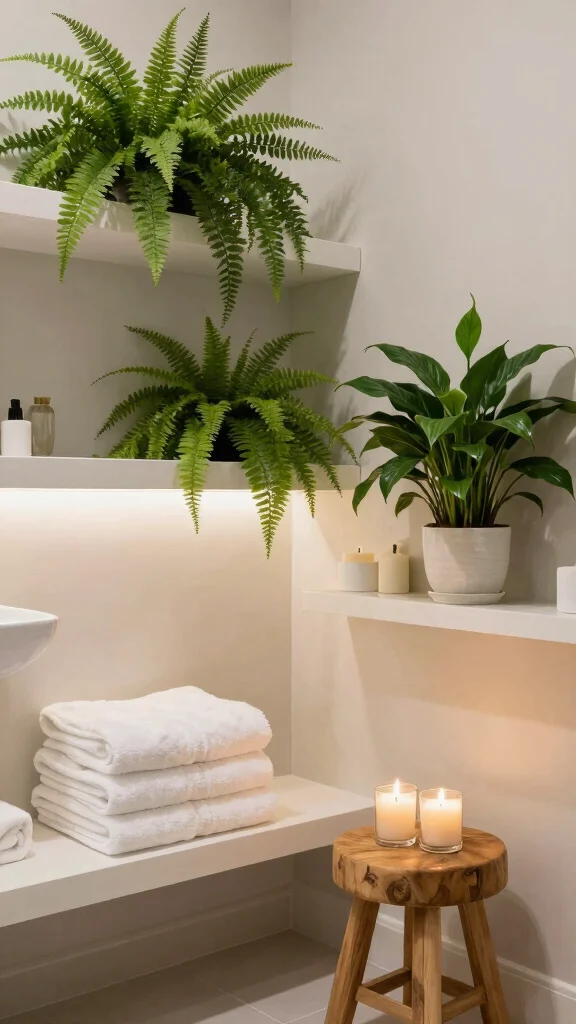
Transforming your bathroom into a serene oasis can be achieved with the right low-light plants. Ferns, spider plants, and peace lilies thrive in the humidity of bathrooms, softening the starkness of tiles and creating a calming atmosphere. Picture these lush plants adorning your shelves or windowsills, bringing a refreshing touch to your daily routine.
To create your personal botanical escape, think about placing these plants strategically in corners or above the bathtub. Pair them with natural bath products and soft lighting for a cohesive, spa-like experience. This design resonates with the trend of cultivating wellness spaces in homes, enhancing your relaxation time.
Here are some ideas for creating a bathroom oasis:
– Choose moisture-resistant pots to protect your surfaces.
– Use a plant ladder for an eye-catching multi-level display.
– Incorporate natural materials like bamboo for a spa ambiance.
A green bathroom not only enhances visual appeal but also contributes to a healthier environment by improving air quality.
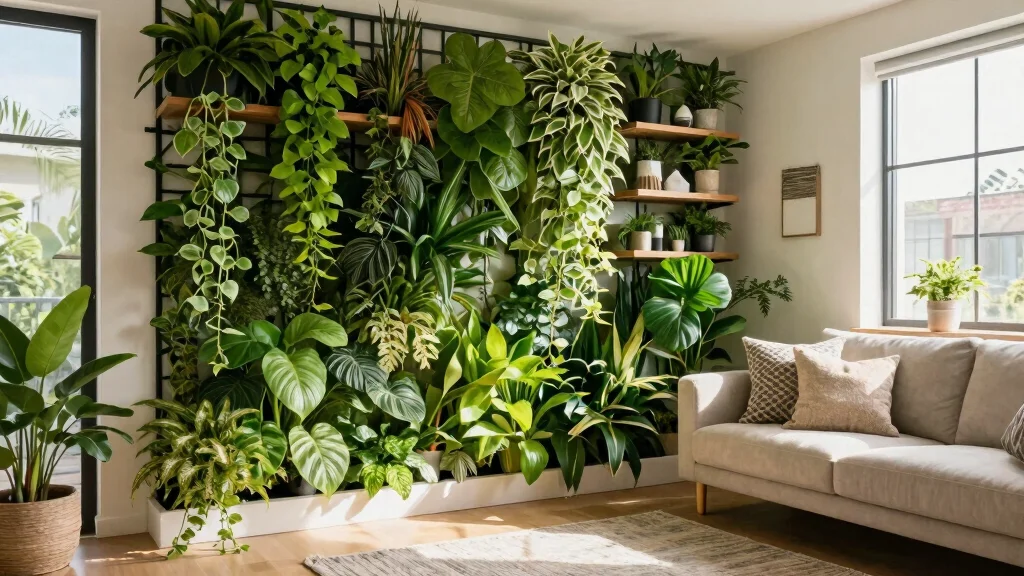
7. Utilize Plant Wall Art
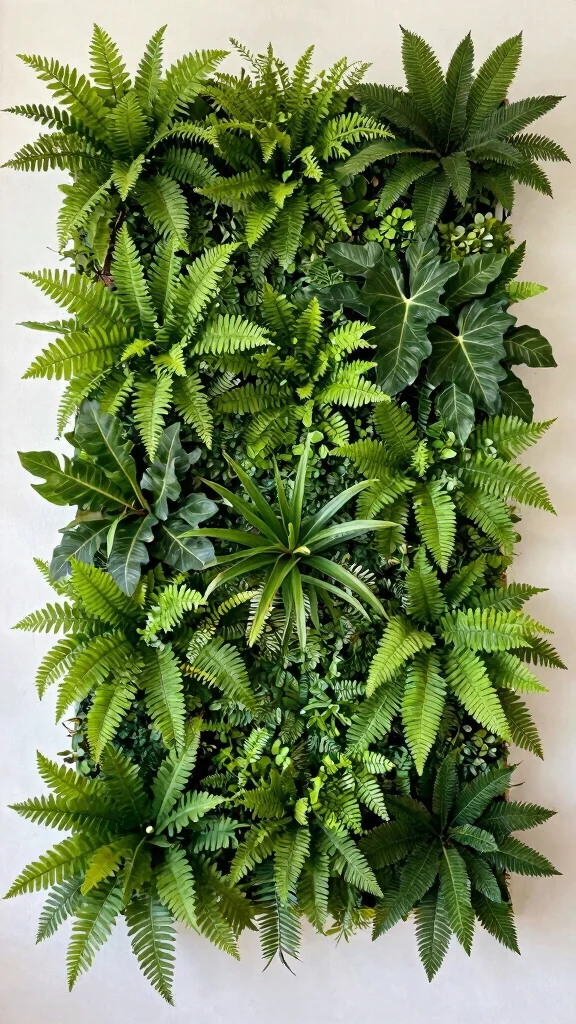
Why not turn your indoor garden into a stunning work of art? Plant wall art allows you to creatively incorporate greenery into your decor, transforming walls into living, breathing displays. Imagine a vertical garden featuring an array of low-light plants, such as ferns and philodendrons, that not only beautifies your space but also enhances air quality.
Utilizing vertical planters can create a captivating gallery of plants that fits perfectly into modern design trends. This approach adds depth and texture to your walls while saving space, allowing you to enjoy nature indoors.
Consider these tips for creating plant wall art:
– Layer different plant types for added visual interest.
– Incorporate wall-mounted planters with lighting to highlight your display.
– Use varied colors and leaf shapes for a dynamic arrangement.
Creating plant wall art transforms a blank wall into a breathtaking showcase of nature, enhancing your home’s aesthetic.
Top Varieties for Different Conditions
Snake Plant (Sansevieria)
– Best conditions: Low-light areas and neglectful watering habits.
– Key features: Snake plants are very forgiving and can thrive even with minimal light. Their tall, upright leaves add a striking architectural element to your space.
– Considerations: While they tolerate low light, they grow better with some indirect sunlight. Overwatering can lead to root rot, so let the soil dry out completely between watering.
Pothos (Epipremnum aureum)
– Best conditions: Bright, indirect light but also performs well in low-light conditions.
– Key features: Pothos is known for its trailing vines, which can cascade beautifully from shelves or hanging pots. It’s also a fantastic air purifier.
– Considerations: Pothos can become leggy in low light. Regular pruning will help maintain a fuller appearance.
ZZ Plant (Zamioculcas zamiifolia)
– Best conditions: Thrives in low to bright indirect light and requires little water.
– Key features: ZZ plants have thick, waxy leaves that add a glossy touch to your decor. They are also drought-tolerant, which makes them perfect for busy lifestyles.
– Considerations: They can grow tall, so make sure you have enough vertical space. Overwatering is the main risk, as it hates soggy soil.
Peace Lily (Spathiphyllum)
– Best conditions: Prefers low to medium, indirect light but can survive in darker spaces.
– Key features: Peace lilies produce beautiful white flowers and are excellent at removing toxins from the air. They also have a lush, full appearance that enhances any room.
– Considerations: They need consistent moisture, so watch for drooping leaves as a sign they need water.
Spider Plant (Chlorophytum comosum)
– Best conditions: Does well in bright, indirect light but adjusts to lower light.
– Key features: Spider plants produce “pups” that hang from the parent plant. They are fun to propagate and are known for their air-purifying qualities.
– Considerations: They may develop brown tips if the air is too dry. Regular misting or a humidifier can help prevent this.
Air Plants (Tillandsia)
– Best conditions: Prefers bright, indirect light and high humidity.
– Key features: Air plants don’t require soil and can be placed in creative displays like terrariums or hanging glass holders. They absorb moisture from the air.
– Considerations: These plants need regular misting or soaking in water; otherwise, they may dry out and die.
Chinese Evergreen (Aglaonema)
– Best conditions: Thrives in low to bright, indirect light and is adaptable to various humidity levels.
– Key features: Chinese evergreens are known for their stunning foliage, with varied colors and patterns that can brighten any room.
– Considerations: While they are generally easy to care for, they can be sensitive to cold drafts. Keep them away from windows in winter.
Climate/Condition Guide:
Understanding your environment is key in selecting the right indoor plants. Here’s a quick breakdown:
– Low Light: Opt for snake plants, ZZ plants, and peace lilies.
– Medium Light: Pothos and spider plants work wonders here.
– High Humidity: Air plants thrive in these conditions, so consider them for kitchens or bathrooms.
– Dry Environments: Look for succulents and snake plants as they tolerate drought.
Growing Tips:
1. Always check the soil moisture before watering to avoid overdoing it.
2. Rotate your plants every few weeks to ensure even light exposure.
3. Clean leaves occasionally to keep them dust-free and healthy.
Avoid:
1. Don’t place plants in direct sunlight unless they specifically require it, as it can cause leaf burn.
2. Avoid using large pots for small plants to prevent water from pooling in the bottom, leading to root rot.
8. Pair Plants with Mirrors for an Illusion of Space
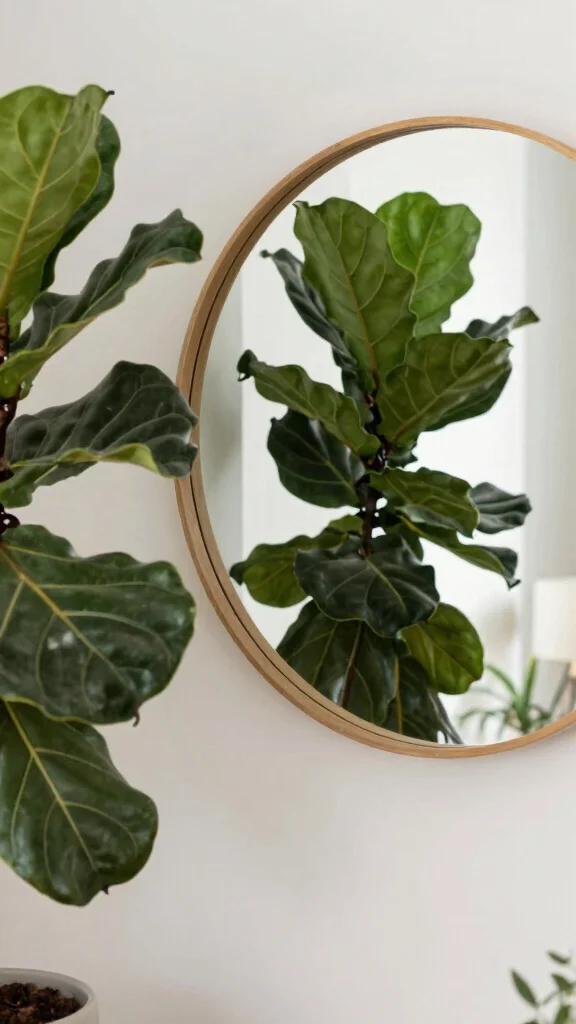
Combining mirrors with indoor plants can create the illusion of a larger space while enhancing natural light. By placing a mirror behind your plants, you can double the visual impact of greenery and make your room feel more open and airy. Picture a beautifully framed mirror reflecting a fiddle leaf fig, creating a striking focal point in your living space.
To maximize this effect, choose a mirror that complements your plant selection and decor style. This clever trick is perfect for small spaces, helping to amplify light and greenery, which is a growing trend in home design.
Here are some tips for pairing plants with mirrors:
– Position the mirror to capture the plant beautifully.
– Use clusters of smaller plants in front of the mirror for added depth.
– Choose mirrors with interesting frames to enhance your decor.
This simple addition can transform your space, maximizing both light and the lush presence of plants.
9. Use Tray Displays for Grouping Plants
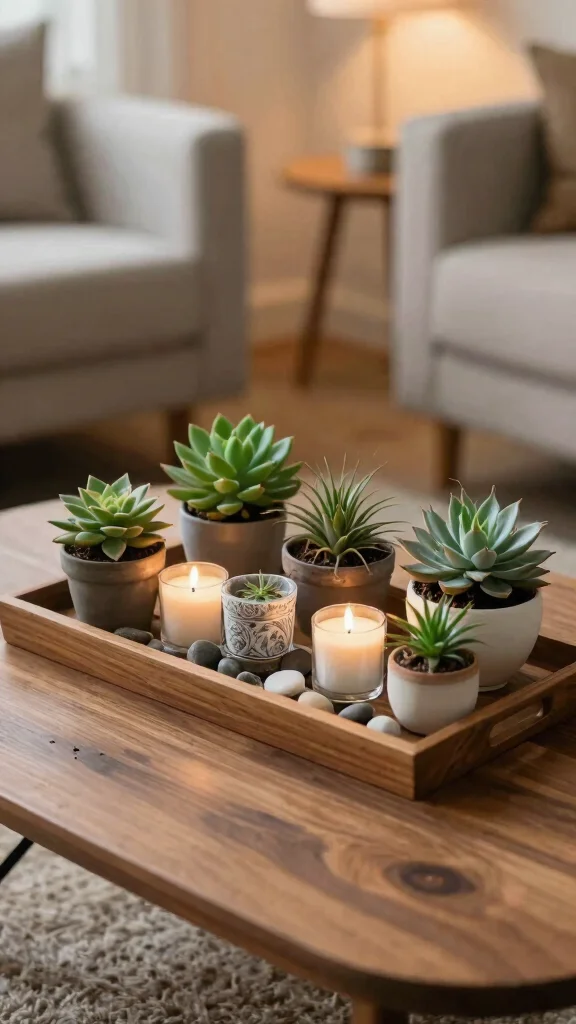
Arranging your indoor plants on a tray can create a visually appealing and organized display. This method is particularly effective in small spaces, allowing you to group various houseplants while maintaining an aesthetic order. Imagine a rustic wooden or sleek metal tray showcasing a collection of succulents or air plants, creating a mini-garden vibe on your coffee table.
To make your tray display effective, choose plants with similar lighting needs for easy care. This approach not only simplifies maintenance but also aligns with current trends of curated, intentional decor in homes.
Consider these ideas for grouping plants on trays:
– Mix heights and textures for a dynamic arrangement.
– Add decorative elements like candles or pebbles for charm.
– Use a tray that complements your overall decor style.
Tray displays not only showcase your plants beautifully but also allow for flexibility in rearranging them whenever you desire.
Fun fact: For indoor plants decor, grouping on a tray saves space—you can fit 4-6 plants on a 1-foot tray and cut care time by up to 30%. Keep lighting needs similar for easy care and a cohesive mini-garden on your coffee table.
10. Choose Low-Light Succulents for Colorful Touches
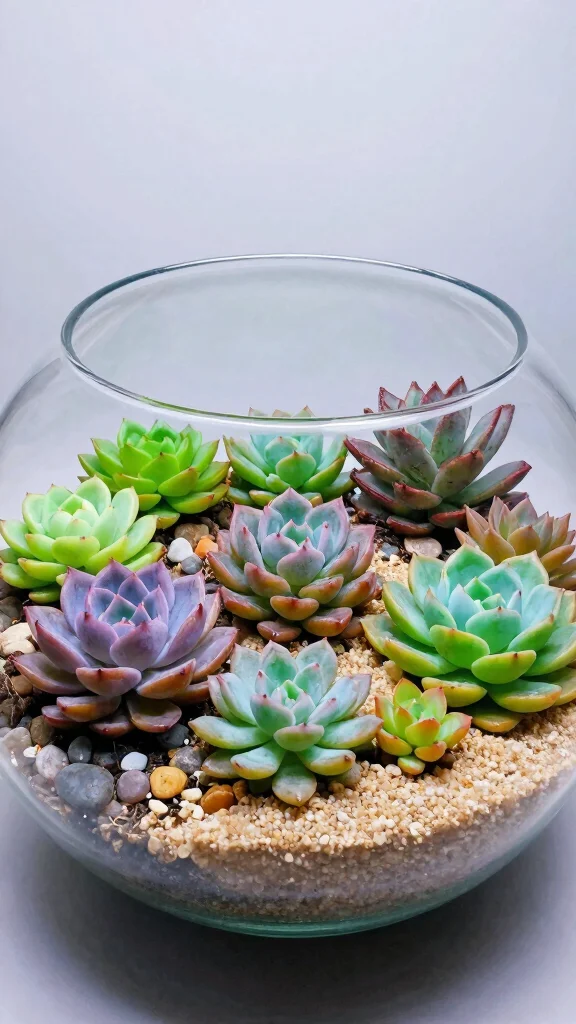
Succulents are perfect for adding vibrant colors to your decor, even in low-light conditions. Varieties like jade and zebrina thrive without much fuss, making them wonderful additions to any home. Picture these colorful succulents arranged in a stylish pot or terrarium, brightening up your desk or windowsill effortlessly.
For a striking display, consider using contrasting pots that enhance their colors. This method not only highlights your plants but also contributes to the growing trend of combining functionality with aesthetics in home decor.
Here are some tips for incorporating low-light succulents:
– Use unique pots that contrast with the plant colors.
– Consider a terrarium for a modern centerpiece.
– Mix different succulents for a diverse and eye-catching arrangement.
Succulents offer beauty and ease of care, enriching your space with joy and color.
11. Add Lifesavers: Air Plants
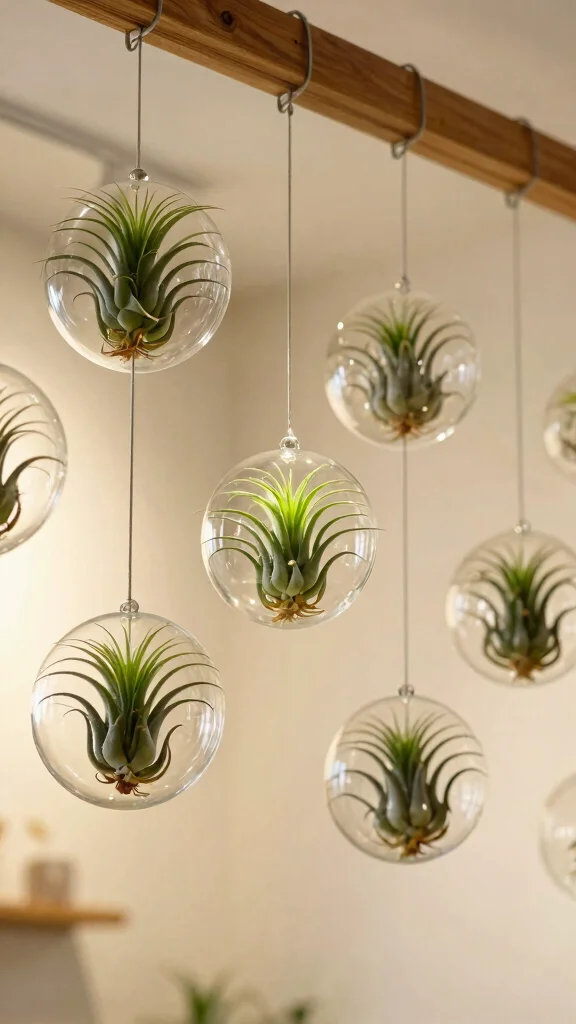
Air plants, or tillandsia, are ideal for those who seek greenery without the hassle of soil. These unique plants flourish in low sunlight and can be displayed in creative ways, such as hanging in glass globes or placed in decorative bowls. Imagine air plants artfully arranged on a shelf or attached to driftwood, adding a fresh and modern vibe to your decor.
To keep air plants healthy, mist them regularly to maintain humidity. This simple care method aligns perfectly with current design trends that emphasize low-maintenance greenery in homes.
Consider these ideas for showcasing air plants:
– Use various display techniques for visual interest.
– Group them with other decor items for a curated look.
– Mist regularly to keep them vibrant and healthy.
Air plants provide striking visuals and enhance your home’s fresh, modern aesthetic.
12. Try Terrariums for an Enclosed Garden Feel
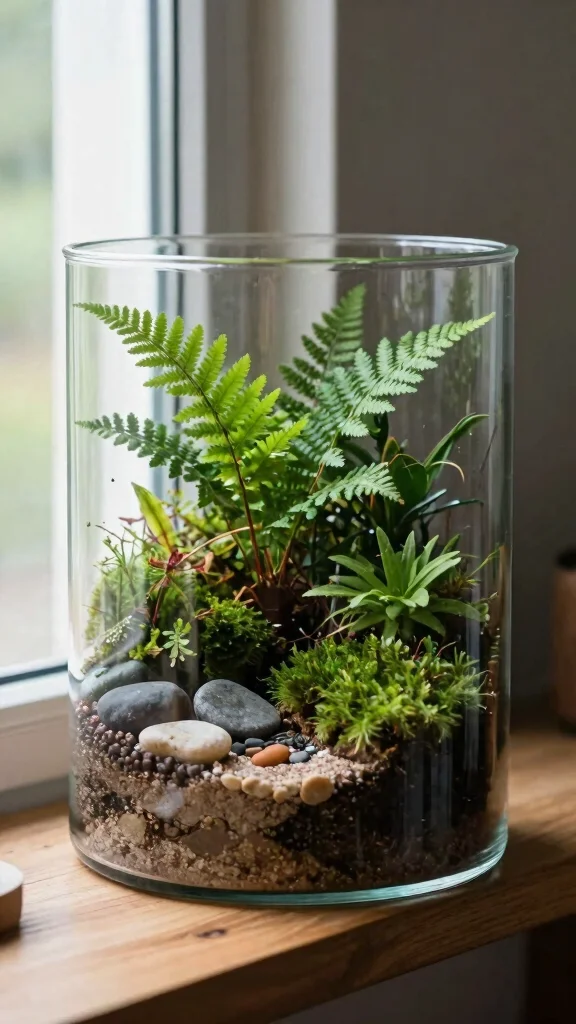
Terrariums offer a fun and interactive way to introduce greenery into your home decor. These enclosed gardens can feature various low-light plants, creating a captivating mini-ecosystem that brightens any room. Picture a glass container filled with ferns, moss, and small succulents, serving as a beautiful centerpiece on your table.
To maximize the visual appeal of your terrarium, select plants that thrive together in humidity. This not only enhances the look but also promotes a hands-on gardening experience, aligning with the growing trend of indoor gardening.
Here are some tips for creating a beautiful terrarium:
– Choose plants that enjoy similar humidity levels.
– Use decorative stones for visual depth and interest.
– Place your terrarium in an area with indirect light.
Creating a terrarium can be a delightful activity and brings a touch of nature right into your living space.
13. Use Plants as Centerpieces
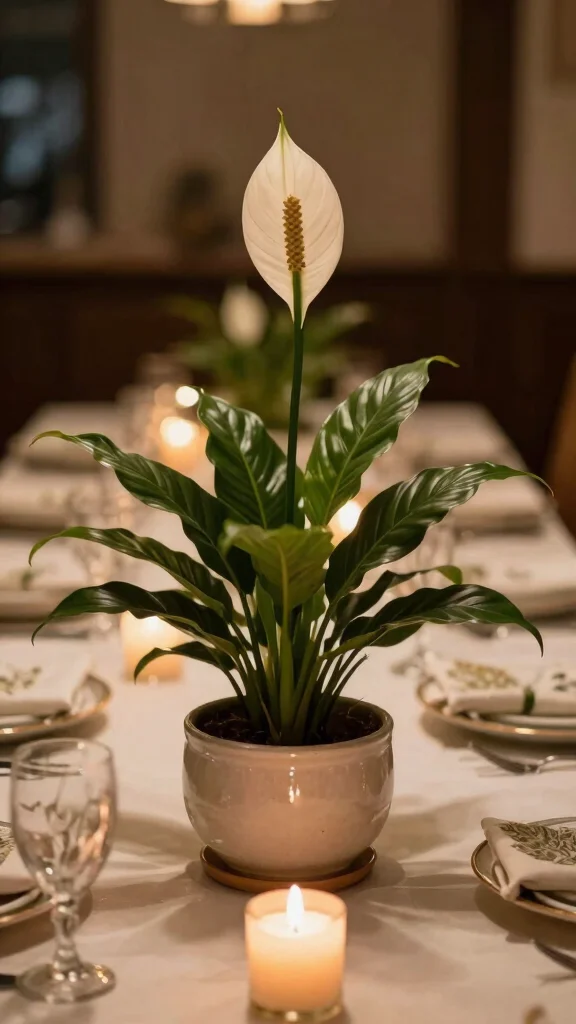
Plants can serve as stunning centerpieces that enhance the vibrancy of your dining or coffee table. Low-light plants like peace lilies or small palms are perfect for this role, creating a refreshing focal point that draws the eye. Imagine a beautiful plant arrangement in decorative pots, elevating your table decor and inviting nature indoors.
To create an appealing centerpiece, combine plants with candles or small decorative items for a layered look. This not only enhances the aesthetic but also embraces the trend of bringing natural elements into home decor.
Consider these tips for using plants as centerpieces:
– Combine plants with candles for a warm ambiance.
– Choose seasonal arrangements to keep things fresh.
– Position the plants for optimal light exposure.
Using plants as centerpieces brings life and warmth to any gathering, creating an inviting atmosphere in your home.
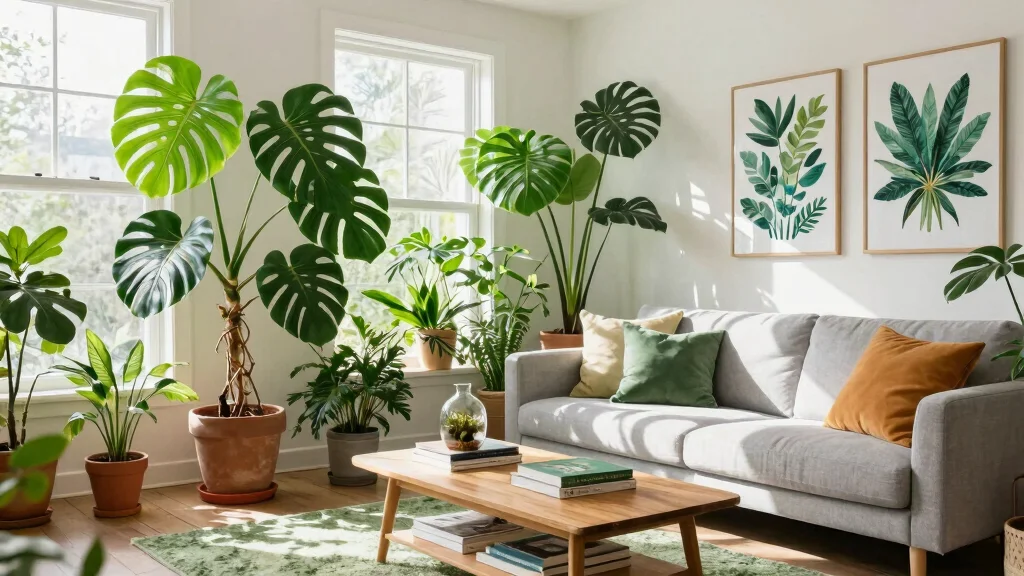
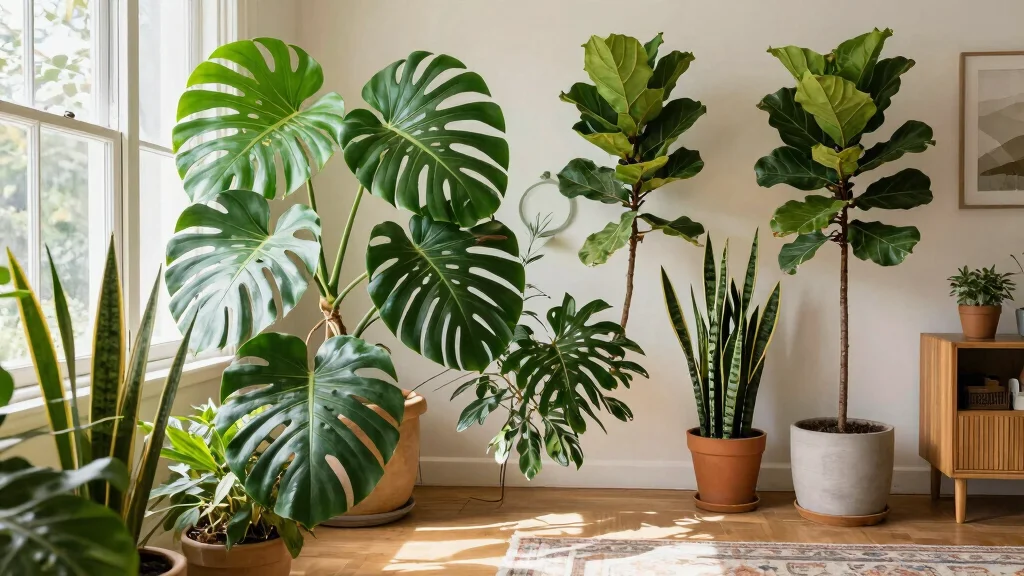
14. Fill Empty Corners with Floor Plants
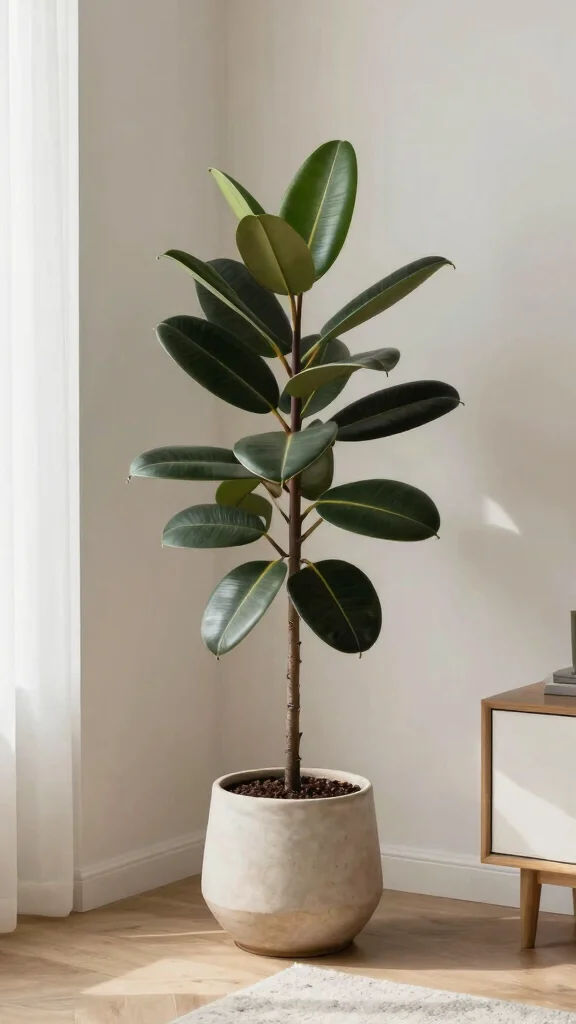
Empty corners can feel awkward, but strategically placing floor plants can transform them into lush green spots. Tall plants like rubber trees or parlor palms can fill these spaces, adding height and drama to your decor. Picture a beautiful tall plant in a decorative pot, drawing attention to the vertical space in your room.
To enhance this look, consider mixing different floor plants for variety, and use plant stands for added height. This approach aligns with current trends of maximizing space and bringing nature indoors, ensuring a refreshing atmosphere.
Here are some ideas for filling empty corners with floor plants:
– Mix various floor plants for a vibrant display.
– Use plant stands to create height variation.
– Ensure they receive adequate light for healthy growth.
Transforming empty corners with floor plants contributes to a cohesive and greenery-filled environment in your home.
15. Arrange Plants by Color Palette
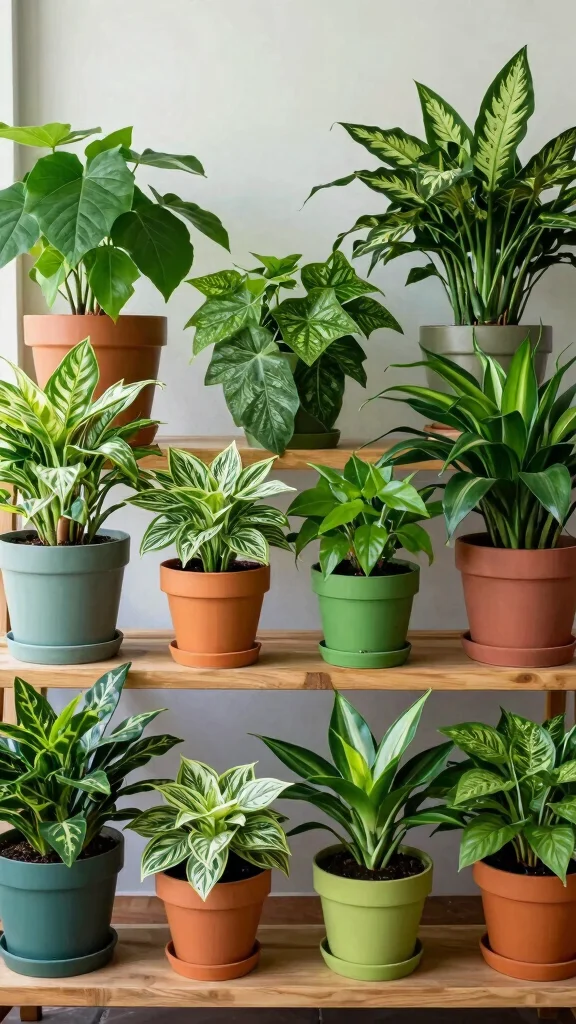
Arranging plants by color palette can add a unique artistic touch to your home decor. By grouping plants based on their leaf colors, you can create a visually stunning display. This technique works beautifully with low-light plants that feature rich greens or variegated leaves, such as calathea or dracaena, adding a touch of sophistication to your space.
Consider using colorful pots to enhance the overall scheme and create a cohesive look. This method not only beautifies your home but also reflects the current trend of intentional, color-coordinated decor.
Here are some tips for arranging plants by color palette:
– Choose a color scheme that complements your room’s decor.
– Utilize varying plant heights for dimension.
– Incorporate decorative accessories that match your palette.
This creative approach can make your indoor garden a true work of art, elevating your home’s aesthetic.
16. Mix Textures for a Dynamic Look
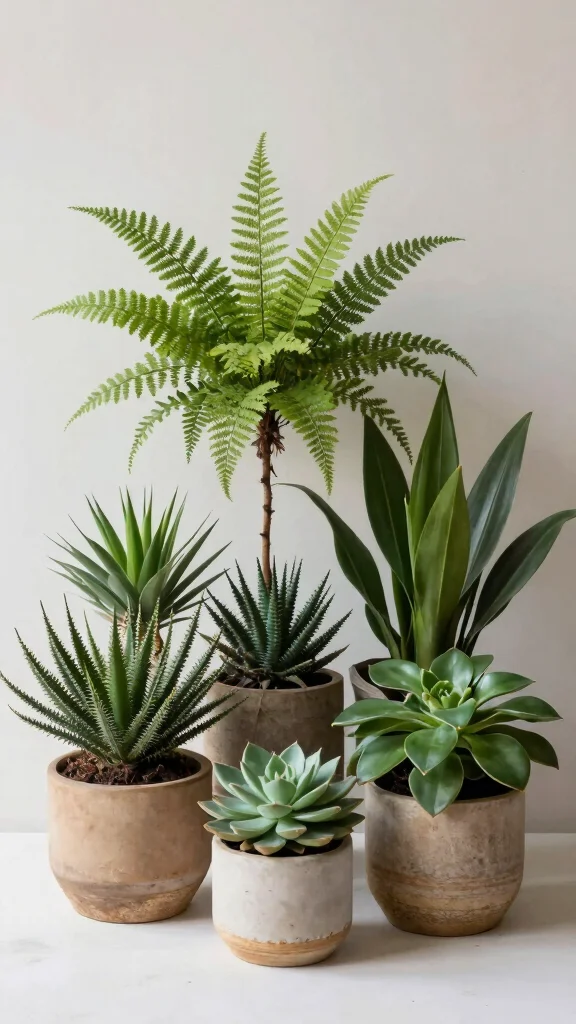
Incorporating a variety of plant textures can significantly enhance your indoor decor. Mixing leafy plants like ferns with spiky succulents creates a captivating contrast that keeps the eye engaged. This approach is particularly effective in small spaces, where every element counts, adding a rich tactile experience to your environment.
Consider arranging different types of plants, combining smooth leaves with prickly ones to create visual diversity. This design method aligns with current trends of layering textures in decor, providing depth and interest.
Here are some ideas for mixing textures:
– Group plants with varying leaf shapes for visual intrigue.
– Use natural materials like wood and stone in your decor.
– Balance larger plants with smaller ones for a layered effect.
This interplay of textures not only enhances the aesthetic but also adds depth to your indoor garden, creating a visually rich atmosphere.
17. Seasonal Plant Swaps for Fresh Decor
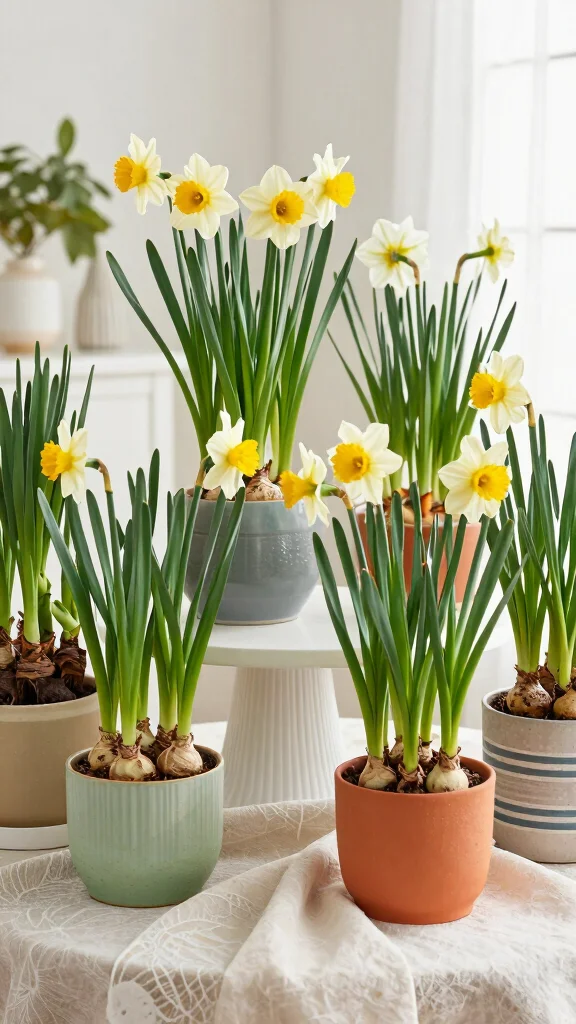
Changing your plants seasonally can keep your indoor garden fresh and vibrant. Swapping summer blooms for winter greens or introducing seasonal herbs can breathe new life into your decor. This practice not only keeps your environment engaging but also allows you to enjoy a diverse range of plants throughout the year.
Consider creating a designated spot for seasonal swaps, making it easy to refresh your indoor oasis. Using seasonal plants can bring lovely colors and scents into your home, aligning with the trend of seasonal decor that resonates with nature.
Here are some tips for seasonal plant swaps:
– Select plants based on seasonal color palettes for continuity.
– Use temporary planters for easy transitions.
– Pay attention to care requirements for different plants.
This strategy ensures your home remains lively and updated as the seasons change, creating a warm and inviting atmosphere.
18. Embrace the Zen: Japanese Style Planting
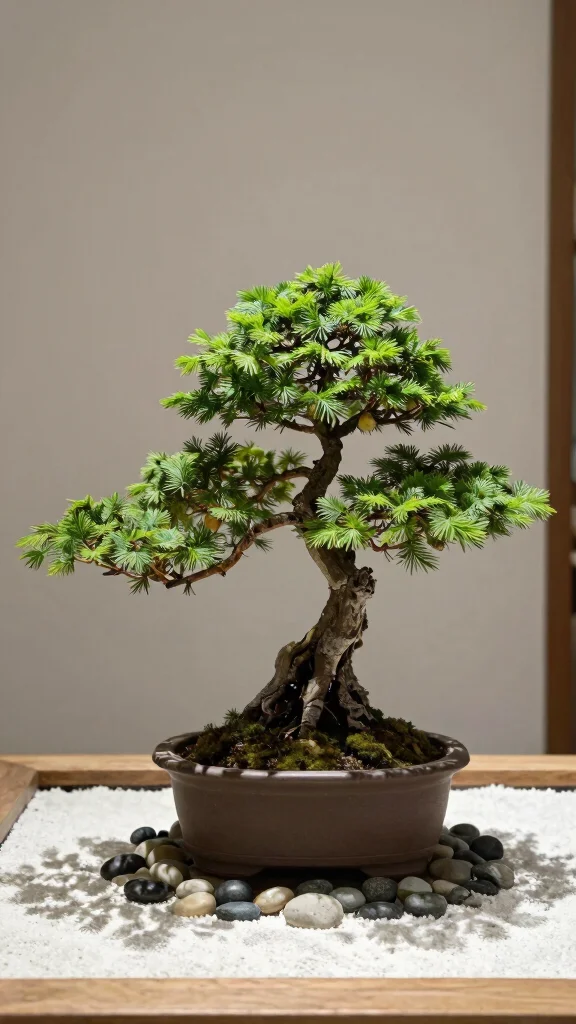
For those who appreciate tranquility, Japanese Zen gardening can inspire your indoor plant decor. By using minimalistic plants like bonsais or small bamboo arrangements, you can create a peaceful atmosphere that encourages relaxation. Imagine a serene corner adorned with carefully arranged stones and plants, turning your space into a calming retreat.
This style embraces simplicity and balance, often incorporating natural materials to enhance the serene aesthetic. This approach aligns with the rising trend of mindfulness in home decor, inviting calm into your daily life.
Here are some ideas for embracing Japanese style planting:
– Choose low-maintenance bonsai plants for easy care.
– Use natural materials for pots and decor to maintain harmony.
– Incorporate sand or stones to enhance the Zen feel.
Embracing this design philosophy not only beautifies your home but also cultivates a serene environment that nurtures your well-being.
Small, calm corners win: limit your palette to a bonsai, a bamboo arrangement, and a few stones. With careful placement, indoor plants decor becomes a peace-filled ritual you actually look forward to every day.
Conclusion
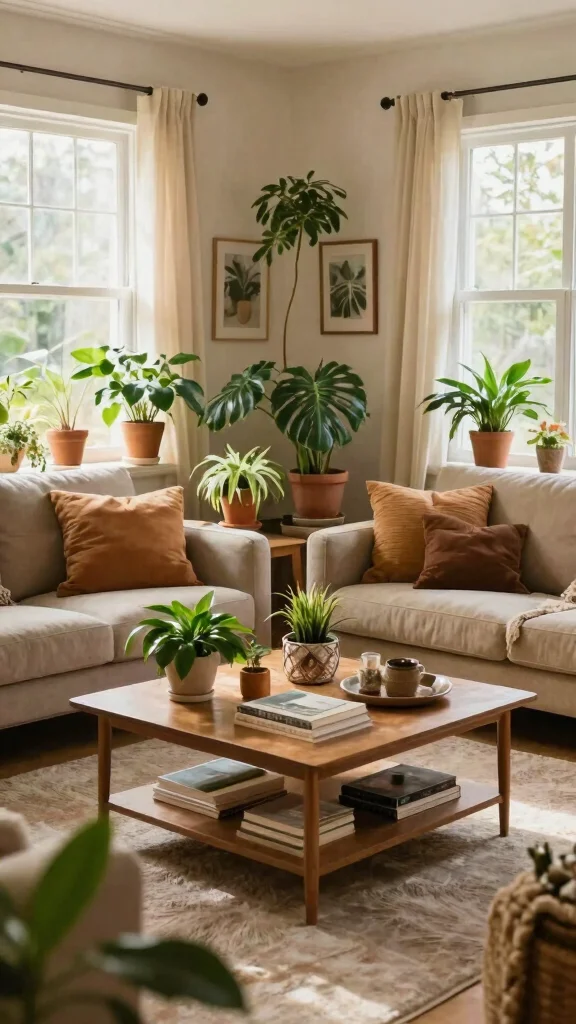
By embracing these 18 indoor plants decor ideas, you can effortlessly enhance your space while bringing a touch of nature indoors. Each tip is designed to create a refreshing ambiance that reflects your style and personality.
As you explore these low-light plant options, remember that the beauty of indoor gardening lies in experimentation. Enjoy the journey of creating your green sanctuary!
Frequently Asked Questions
What are the best low-light indoor plants for small spaces to refresh your home decor?
Low-light conditions don’t mean you can’t have lush greenery. Great options for small spaces include snake plant, ZZ plant, pothos, and compact varieties. Place them near north or east-facing windows or under a bright LED for color and texture. Use vertical shelves or hanging planters to free surface space and create mini green vignettes that elevate indoor plants decor in your living area. Water sparingly and ensure good drainage to avoid overwatering in low light. With a cohesive pot palette, you can highlight houseplants as the star of your space without clutter.
How can I style houseplants in a tiny living area without clutter using indoor plants decor ideas?
Start with a simple plan: pick 2–3 focal plants and layer them at different heights. Use slim shelves, wall-mounted planters, and cascading/ trailing varieties to add greenery without stealing surface space. Match pots or use a unified color story to keep the look cohesive, which makes your indoor plants decor feel intentional rather than cluttered. Group plants in threes for balanced composition, leave negative space around each piece, and bring in a couple of textured accents to boost plant styling in small rooms. This approach doubles as home decor tips that make your space feel larger and greener.
Which indoor gardening tips help keep low-light houseplants thriving in small spaces?
Choose hardy, low-maintenance varieties and set a simple care routine. Water only when the top inch of soil dries, use pots with drainage, and consider self-watering pots for busy days. If light is extremely limited, supplement with a compact grow light a few hours a day to keep foliage vibrant. Rotate plants every couple of weeks so all sides get light, and wipe leaves occasionally to maximize photosynthesis. These practical steps support healthy indoor gardening and sustain vibrant indoor plants decor in apartments or studios.
How can I choose plant styling that complements my home decor tips and color scheme?
Start with a color and material plan: choose pots in neutral tones or natural textures (terracotta, ceramic, wood) that echo your furniture. Mix leaf shapes and textures—glossy, matte, variegated—in groups of three to add visual interest without chaos. Position taller plants where they can frame seating areas and shorter ones on shelves or coffee tables for layered depth. Align plant styling with your color scheme and home decor tips to create a cohesive look that feels intentional and calm, embodying a responsible green living mindset.
What are practical steps to start a green living corner with indoor plants decor in a studio?
Begin by defining your corner: pick 2–4 plants that tolerate low light and fit your space, like a small pothos, a snake plant, a ZZ plant, and a compact palm. Use vertical space with wall-mounted planters or a tall shelf to maximize greenery without stealing floor area. Choose a consistent pot set or color theme to keep the look unified, then add a task light for essential indoor gardening support. Set a simple care routine (watering days, dusting leaves, occasional fertilizing) and enjoy a dedicated indoor plants decor zone that boosts green living in your studio.
Related Topics