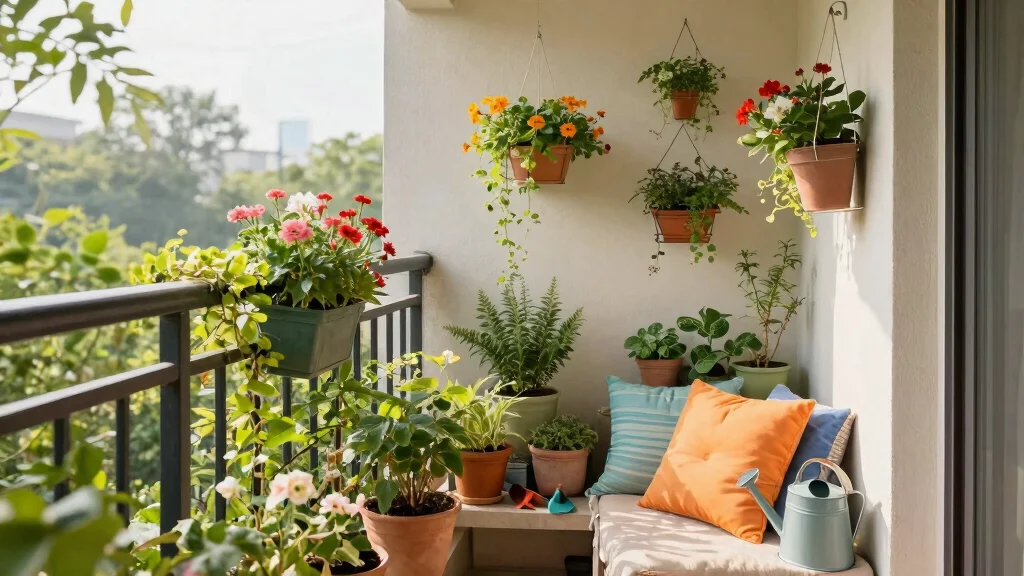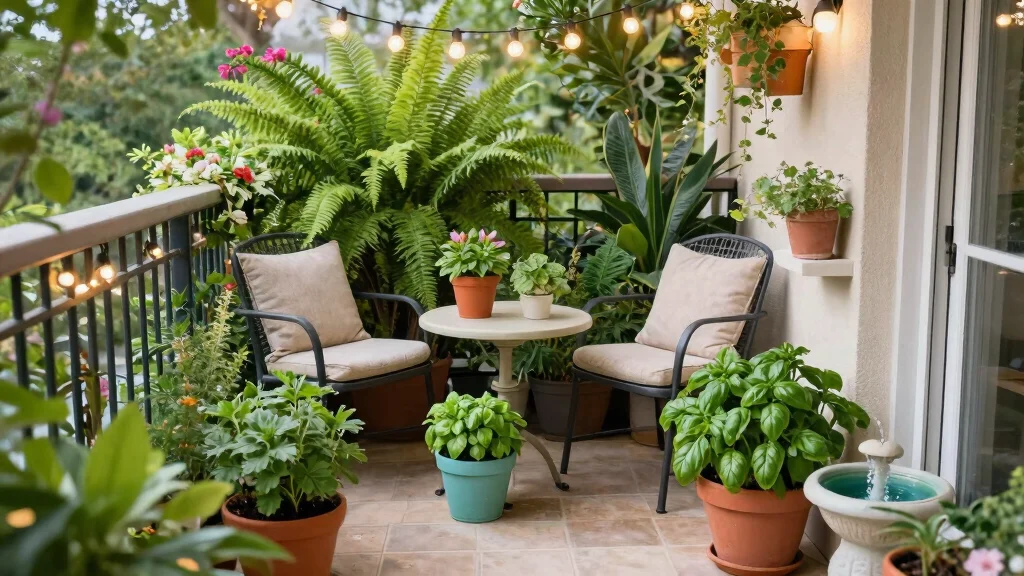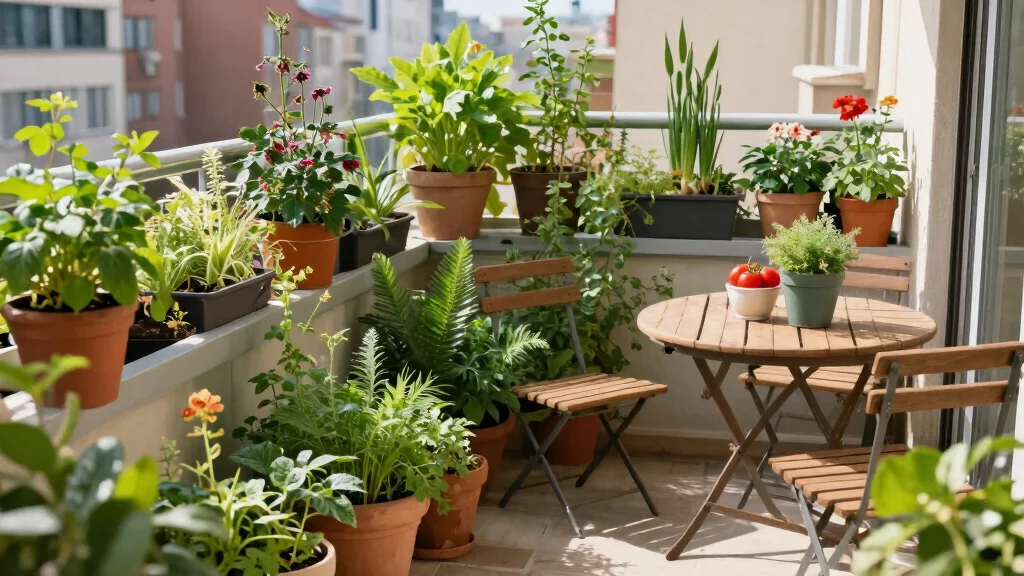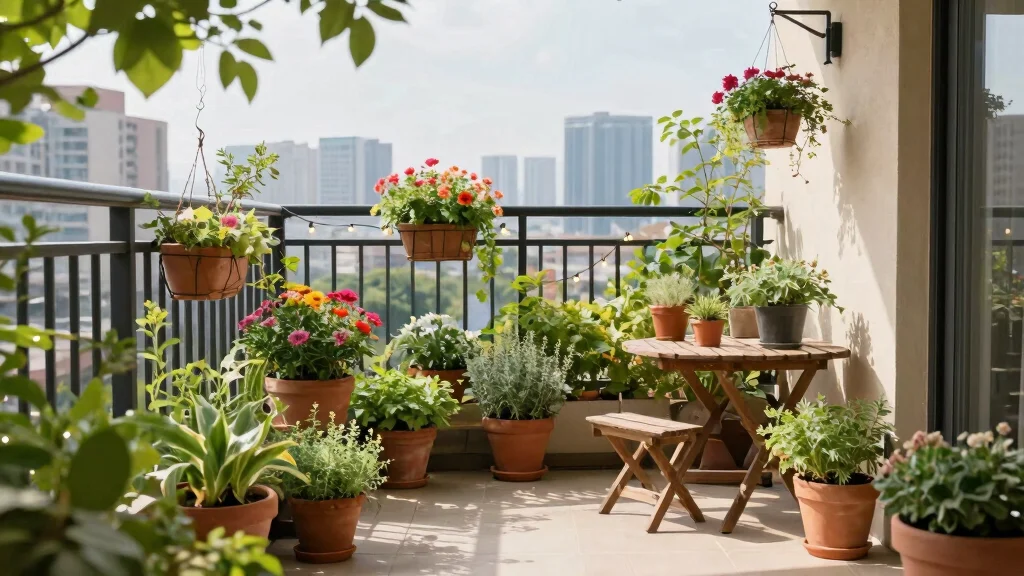

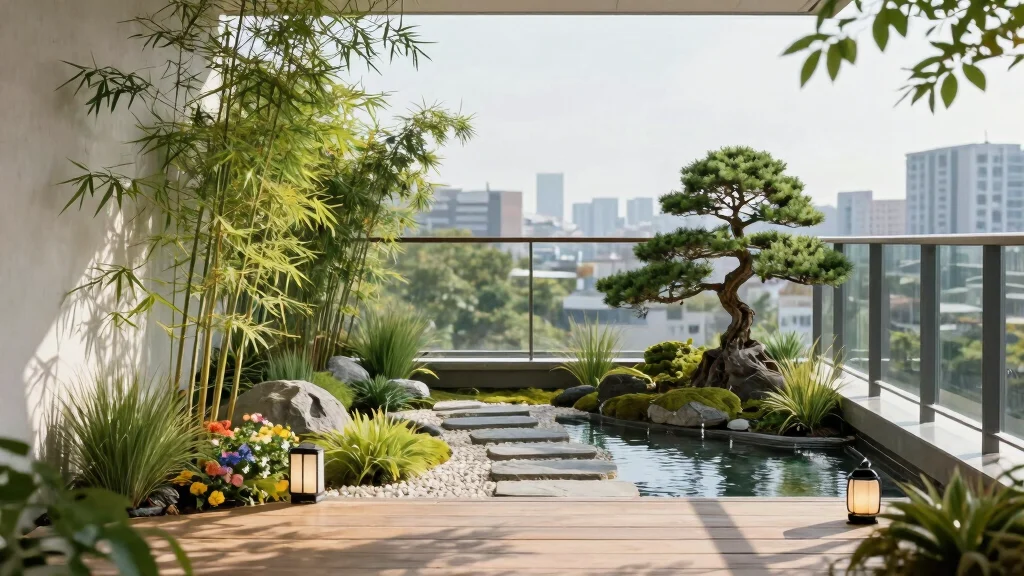
Creating a cozy and peaceful retreat in a bustling urban environment can feel like a challenge. If you’ve ever felt the itch to bring the calming essence of a Japanese garden into your home, you’re definitely not alone. I made this post to help you transform your balcony into a serene Japanese balcony garden that captures that Zen vibe. Whether you live in a small apartment or a larger space, you can create a private sanctuary filled with tranquility.
If you’re someone who loves gardening but struggles with limited space, this guide is for you. You will discover insightful design ideas that make the most of your balcony while incorporating traditional Japanese aesthetics. From minimalistic plant arrangements to water features, I’ve gathered 15 Japanese balcony garden ideas that are simple, calming, and perfect for relaxing after a long day.
With this post, you’ll gain practical tips and inspiration to elevate your urban gardening game. Each idea will guide you in creating a serene atmosphere that brings peace and beauty to your balcony. So, grab your gardening gloves, and let’s get started on this journey toward your personal Zen oasis!
Key Takeaways
– Japanese Design Elements: Incorporating features like rocks, gravel, and bamboo can enhance the traditional feel of your balcony garden.
– Plant Choices: Selecting Japanese plants such as maples, bonsais, and moss can create a lush and tranquil environment.
– Water Features: Miniature water features can add soothing sounds and reflections, enhancing the overall Zen vibe of your space.
– Seating Arrangements: Creating a shaded seating area with benches or cushions encourages relaxation and enjoyment of your garden.
– Lighting Techniques: Using lanterns and soft lighting can transform your balcony into a serene retreat during the evening, perfect for unwinding.
1. Zen Garden Rocks
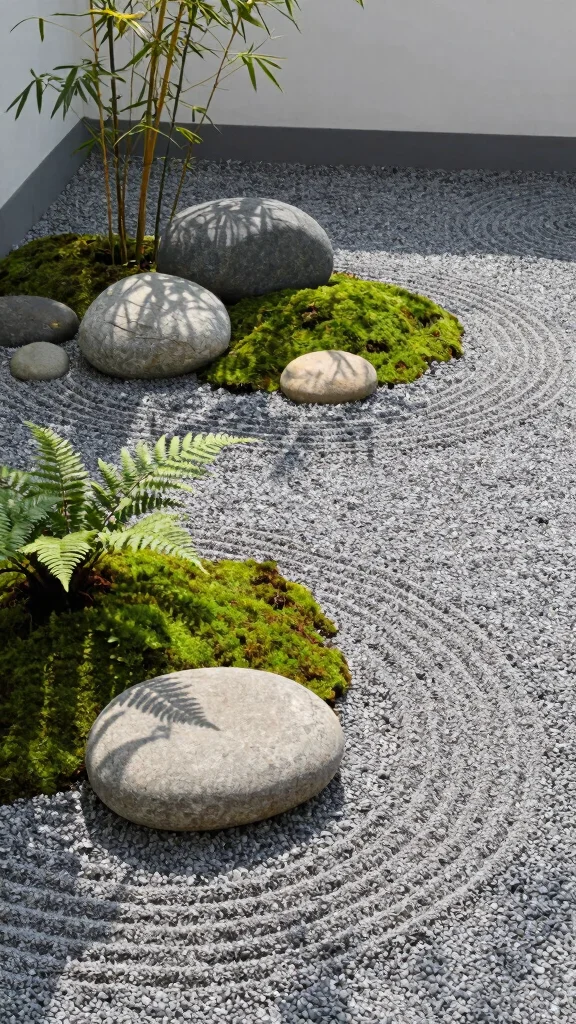
Adding stones to your balcony garden captures the essence of Japanese design. Zen garden rocks not only introduce an earthy vibe but also symbolize strength and stability. By thoughtfully arranging various sizes and shapes of stones along with gravel or sand, you create a beautiful contrast that enhances your tranquil space.
Consider using smooth river stones for a natural appearance or polished granite for a modern touch. Positioning larger stones among smaller pebbles adds depth and visual interest, inviting calm as you meditate on their arrangement.
Key tips for using Zen garden rocks:
– Select a variety of sizes for dynamic visuals.
– Mix textures, contrasting smooth stones with rugged ones.
– Form patterns in the gravel for a meditative experience.
– Surround rocks with plants to soften the landscape.
Incorporating these elements elevates the Zen ambiance of your balcony garden, making it a peaceful retreat.
2. Ornamental Bamboo
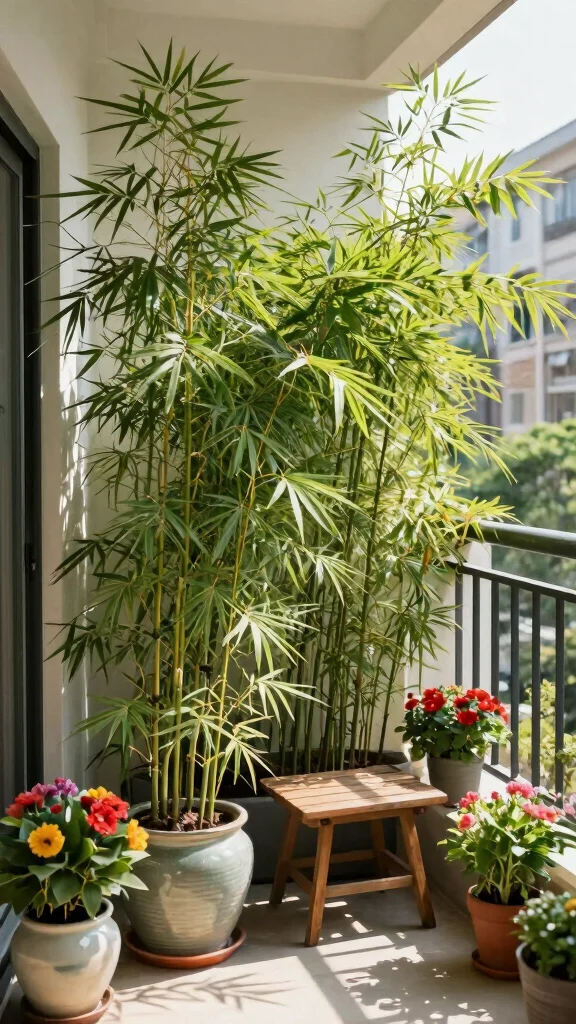
Bamboo is an iconic feature in Japanese gardens, perfect for balcony spaces due to its vertical growth. These fast-growing plants create a natural privacy screen, fostering a serene atmosphere. They thrive in pots, adapting well to smaller areas, making them fantastic for urban settings.
Opt for clumping varieties to avoid overwhelming your space, such as elegant black bamboo or classic golden bamboo. These plants require little maintenance and can thrive in various light conditions, making them a top choice for balcony gardens.
Tips for incorporating bamboo:
– Use pots with drainage to prevent water buildup.
– Prune regularly to maintain a tidy appearance.
– Combine with lush ferns or hostas for a vibrant green display.
– Enjoy the soothing sound of bamboo rustling in the breeze.
By adding bamboo, you cultivate a sense of calm and elegance, transforming your balcony into a tranquil escape.
3. Mini Zen Water Features
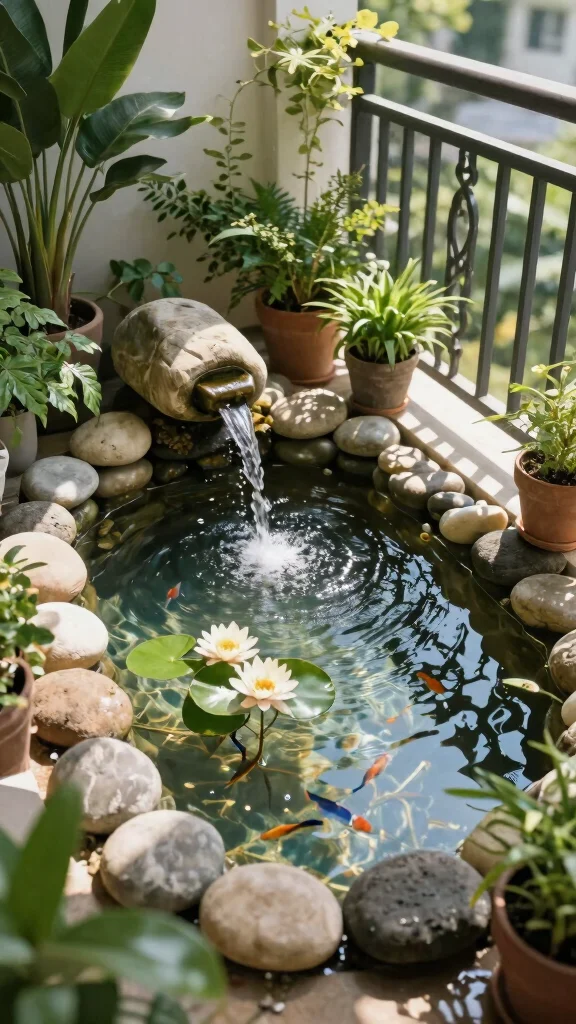
Water features are essential for creating tranquility in Japanese gardens. You can establish a serene vibe on your balcony with mini water features like a small fountain or pond. The soothing sound of flowing water helps mask urban noise, enhancing your relaxation experience.
Select compact designs that fit your space without overwhelming it, and consider adding pebbles, aquatic plants, or small fish to enrich the visual appeal. A pump will ensure the water stays fresh and flowing.
Steps to create mini water features:
– Choose low-maintenance plants like water lilies for beauty.
– Surround the feature with stones to integrate it into the garden.
– Use solar lights to illuminate the area at night.
– Keep the feature clean for lasting beauty.
With a mini water feature, you infuse your urban space with nature, completing your Zen garden ambiance.
Even in a tiny japanese balcony garden, a mini water feature can drown city noise and calm the mind. Add a small fountain, pebbles, and aquatic plants, and your space becomes a retreat you can actually use every day.
4. Japanese Maple Trees
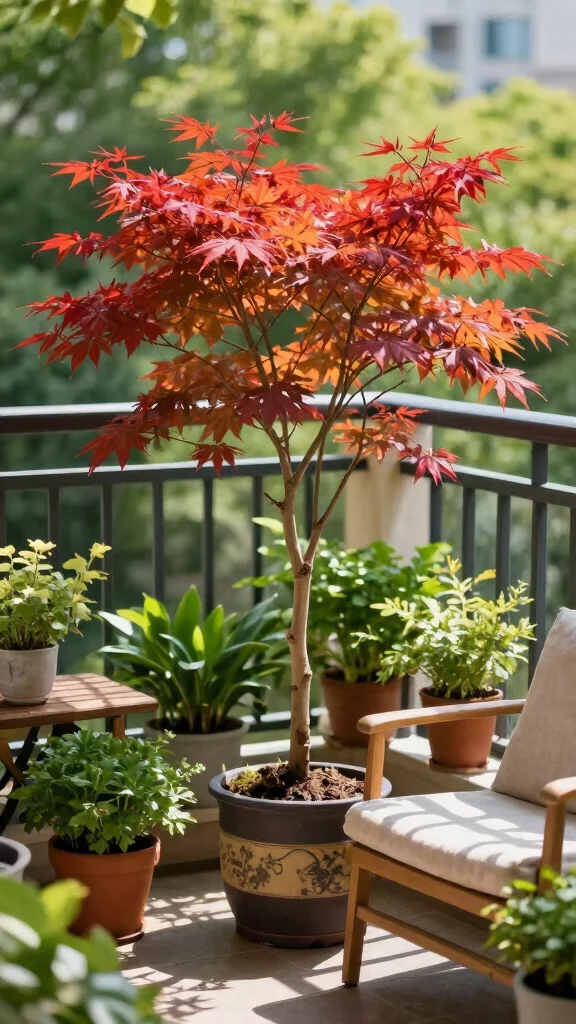
For stunning color and elegance, a Japanese maple tree is a perfect addition to your balcony garden. Known for their vibrant leaves that shift with the seasons, these trees provide year-round visual interest. Even small, potted varieties can create a significant impact in limited spaces.
Select a dwarf or slow-growing type that thrives in a container, ensuring it receives partial shade to protect the delicate leaves from scorching. The unique shapes of the branches add architectural beauty to your garden.
Tips for caring for Japanese maple trees:
– Use quality potting mix to support growth.
– Water consistently but avoid overwatering to prevent root rot.
– Fertilize in spring for vibrant foliage.
– Prune as needed to maintain shape.
Incorporating a Japanese maple enhances your balcony’s aesthetics while fostering a deep connection to nature.
5. Bamboo Fencing
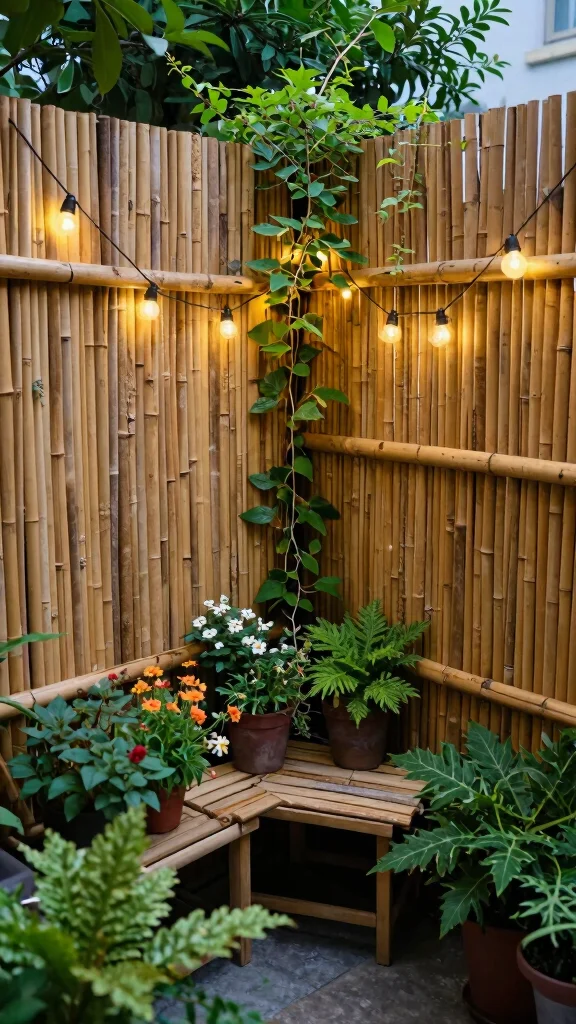
Establishing boundaries in your balcony garden enhances privacy and tranquility. Bamboo fencing is a stylish option that reflects the Japanese aesthetic, blending naturally with surrounding plants. This creates a welcoming environment for your urban oasis.
You can install bamboo panels for fencing or use bamboo stakes to support climbing plants, adding lush layers to your space. This fencing also helps block noise and unwanted views, allowing you to fully enjoy your garden sanctuary.
Consider these tips for bamboo fencing:
– Choose an appropriate height for privacy and openness.
– Combine with string lights for evening charm.
– Integrate climbing plants like jasmine for added beauty.
– Use natural materials to achieve a cohesive design.
This effective addition transforms your balcony into a peaceful retreat, distancing you from the city’s hustle.
Fun fact: Bamboo fencing can reduce street noise by up to 30% on small balconies, while adding instant privacy. Pair panels with climbing plants to create lush, tranquil screens for your Japanese balcony garden.
6. Shaded Seating Area
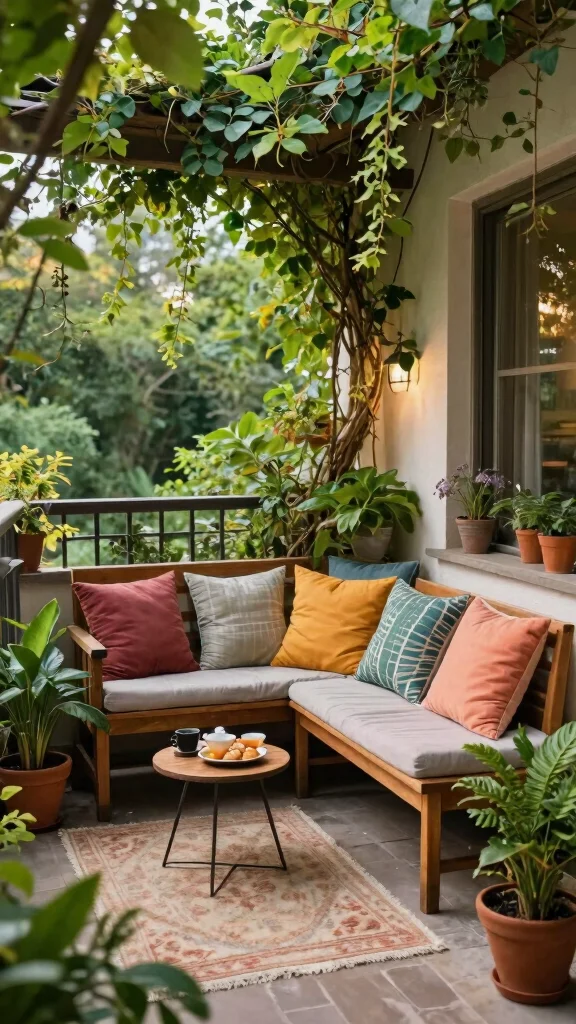
Crafting a cozy seating area is vital for enjoying your Japanese balcony garden. Picture a shaded nook with cushions or a small bench surrounded by greenery, providing a perfect spot for relaxation and meditation. This setting allows you to connect with nature while avoiding harsh sunlight.
A pergola or umbrella can create the desired shade, making the area inviting and comfortable. Surrounding plants add an enclosed feel, enhancing the retreat-like atmosphere.
Tips for designing your shaded seating area:
– Select durable outdoor furniture for longevity.
– Strategically place plants for shade and interest.
– Add a small table for tea or snacks to enhance relaxation.
– Incorporate soft lighting for a warm ambiance in the evenings.
With a shaded seating area, you can savor your garden at any time of day, embracing the calming aspects of your urban sanctuary.
How To Choose the Right Elements for Your Japanese Balcony Garden
When designing a Japanese balcony garden, it’s vital to select elements that create a peaceful and aesthetically pleasing space. Here are some key criteria to keep in mind:
1. Size and Space
Before you choose plants or garden features, measure your balcony’s dimensions. Knowing the space available will help you select appropriately sized planters, furniture, and decorative items. Consider leaving some open space for movement and relaxation. You want to create a garden that feels spacious and calming, not cramped.
2. Plant Selection
Opt for Japanese plants that thrive in containers and small spaces. Japanese maples, bonsai trees, and ornamental grasses are great options. Choose varieties that fit your climate and sunlight conditions. Remember, smaller plants can help create a layered look, which adds depth and interest to your garden.
3. Materials
Select natural materials that evoke a traditional Japanese feel. Bamboo, stone, and wood can work beautifully. For example, bamboo fencing offers privacy while maintaining a light aesthetic. Choose materials that are weather-resistant to ensure your garden lasts through the seasons.
4. Features and Accessories
Incorporate elements that promote serenity, such as mini water features, rock gardens, or Kokedama (moss balls). These features can enhance the visual appeal and create soothing sounds. Make sure the accessories don’t overwhelm the space; they should complement the natural beauty of your plants.
5. Furniture and Layout
Select comfortable seating that invites relaxation. A small bench or a couple of chairs can create a lovely shaded seating area. Think about the layout—arranging plants and furniture in a way that encourages flow and contemplation. A harmonious layout contributes to the overall Zen vibe.
6. Lighting
Consider how you’ll illuminate your garden. Soft, ambient lighting is ideal for creating a tranquil atmosphere. Solar lanterns or string lights can provide a warm glow without overwhelming the natural beauty of your plants. Remember, the right lighting will enhance your space both during the day and at night.
Pro Tip: Before finalizing your design, sketch out your ideas. This visual planning can help you see how all elements come together. It also allows you to make adjustments before investing in materials and plants. Happy gardening! 🌱
7. Container Gardening with Japanese Plants
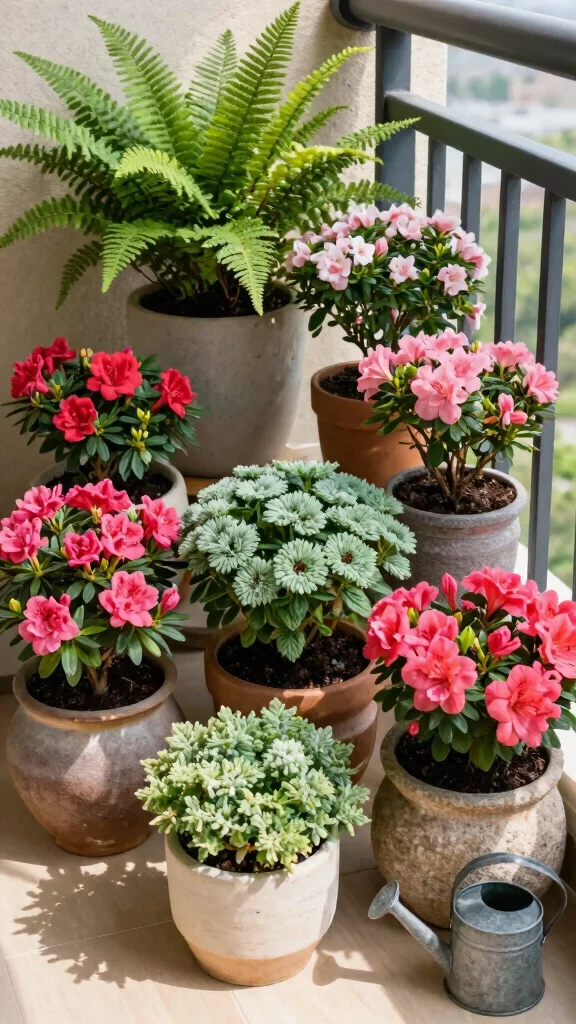
Container gardening allows you to introduce traditional Japanese plants to your balcony with ease. Dwarf azaleas, ferns, and sedums thrive in pots, providing flexibility in arrangement and design. These plants are not only beautiful but also carry cultural significance, making them ideal for a Zen garden.
Choose materials like ceramic or stone for your containers to complement the plants’ natural beauty. Arrange them in varying heights and textures for added visual interest, creating a curated garden feel.
Essential tips for container gardening:
– Select appropriately sized containers for healthy growth.
– Use quality potting mix suited to your plants.
– Water consistently, ensuring proper drainage.
– Combine different colors and shapes for a dynamic display.
By incorporating Japanese plants into your container garden, you enhance your space while connecting to the rich traditions of Japanese horticulture.
8. Gravel Pathways
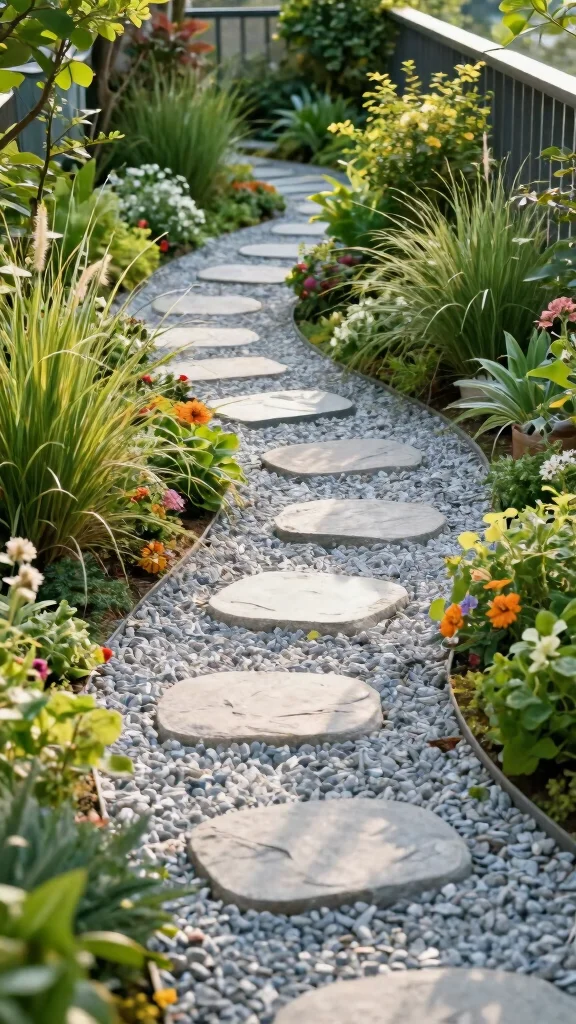
Incorporating pathways in your balcony garden adds structure and guides the design flow. Gravel serves as an ideal material for small areas, offering both functionality and aesthetic charm. You can create a meandering gravel path that enhances the organic feel, reminiscent of traditional Japanese gardens.
Using flat stones or stepping stones can accentuate the gravel, making it easier to navigate while keeping it visually appealing. This design encourages exploration and enjoyment of your plantings, defining different areas of your garden.
Key considerations for gravel pathways:
– Choose gravel colors that complement your plants.
– Incorporate stones for texture and usability.
– Ensure proper drainage to avoid water pooling.
– Select plants that can spill over edges for a blended appearance.
A gravel pathway introduces elegance and practicality to your balcony, enriching the Zen-like experience.
9. Kokedama (Moss Balls)
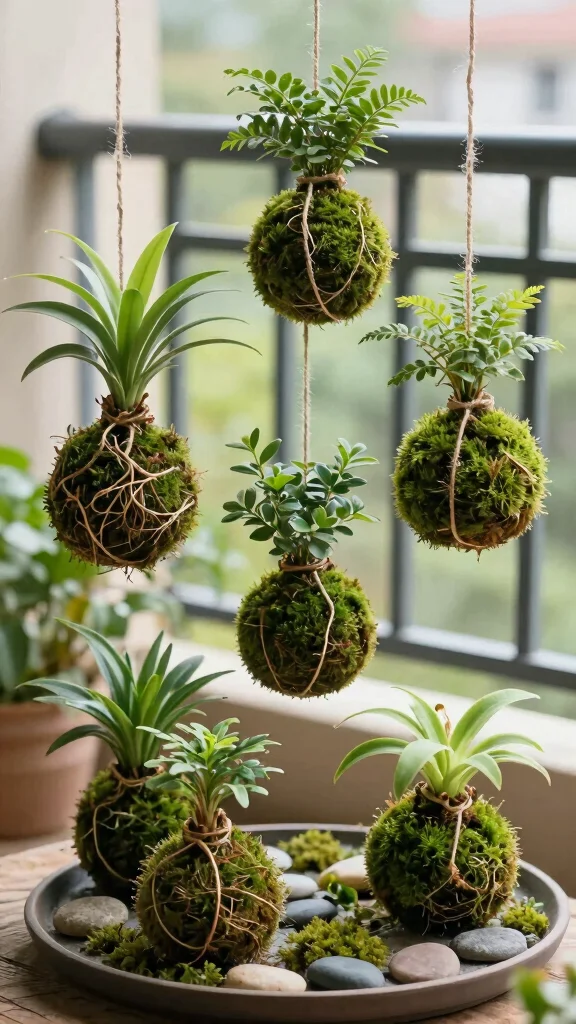
Kokedama, or moss balls, are a delightful addition to any Japanese balcony garden. This traditional art form involves wrapping a plant’s roots in moss and soil, creating a living sculpture that can be displayed in various ways. These green orbs bring charm and whimsy to your space, whether hung or placed on trays.
Kokedama can feature various plants, including ferns, succulents, or herbs, allowing for a customized touch. They require minimal care and can even be brought indoors for added greenery. Incorporating these living sculptures injects creativity and playfulness into your garden.
Steps to create Kokedama:
– Select plants suited to your climate for longevity.
– Use quality moss for a lush appearance.
– Hang with natural twine or display on decorative trays.
– Group different sizes for a dynamic look.
These charming moss balls not only beautify your balcony but also embody Japanese design principles through their simplicity and elegance.
10. Zen Garden Benches
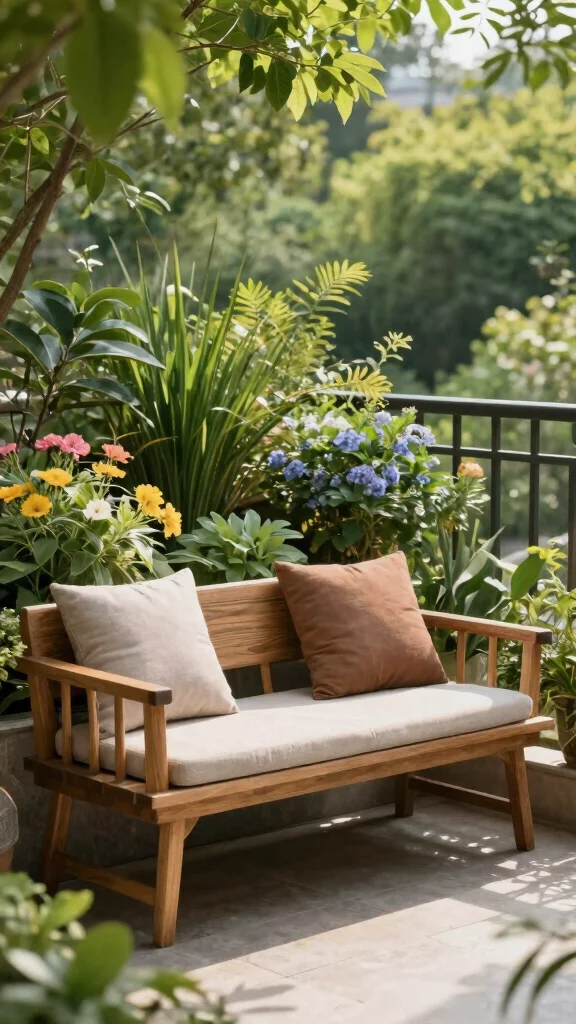
Including a zen garden bench creates a perfect space for contemplation and relaxation in your balcony garden. Opt for benches made from natural materials that harmonize with the surrounding plants. A simple wooden bench with a smooth finish or intricate carvings can serve as a beautiful focal point and a comfortable resting area.
Position your bench where you can enjoy nature or a view of your water feature, enhancing your outdoor experience. Add soft cushions and throws that complement your plants to create a cozy nook for reading or sipping tea.
Tips for selecting a zen garden bench:
– Choose a durable outdoor bench for lasting use.
– Position it for the best views of your garden.
– Include soft cushions for comfort and style.
– Surround it with plants to create an enveloped feel.
A zen garden bench enhances your space’s functionality and contributes to a peaceful ambiance, encouraging moments of reflection and serenity.
11. Scented Plants for a Calming Experience
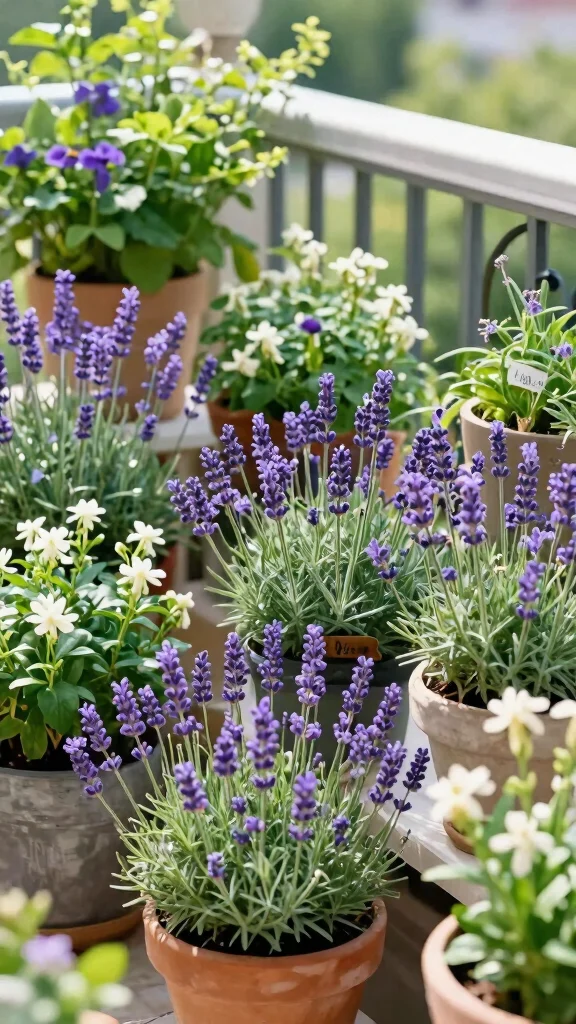
Incorporating scented plants into your balcony garden amplifies the sensory experience. Scents play a crucial role in relaxation, evoking serene memories of nature. Plants like lavender, jasmine, and rosemary not only provide beautiful foliage but also fill the air with calming aromas.
These aromatic plants attract beneficial pollinators, adding life to your garden while nurturing a healthy ecosystem. Position them in accessible pots for regular enjoyment, or create arrangements that highlight both color and scent.
Essential tips for using scented plants:
– Choose plants suited to your climate for better growth.
– Group aromatic plants together for a fragrant corner.
– Ensure pots have drainage for healthy roots.
– Include herbs like mint for culinary use as well.
By embracing scented plants, your balcony transforms into a sensory oasis where delightful aromas blend with nature’s beauty, enriching the Zen experience.
12. Lanterns and Ambient Lighting
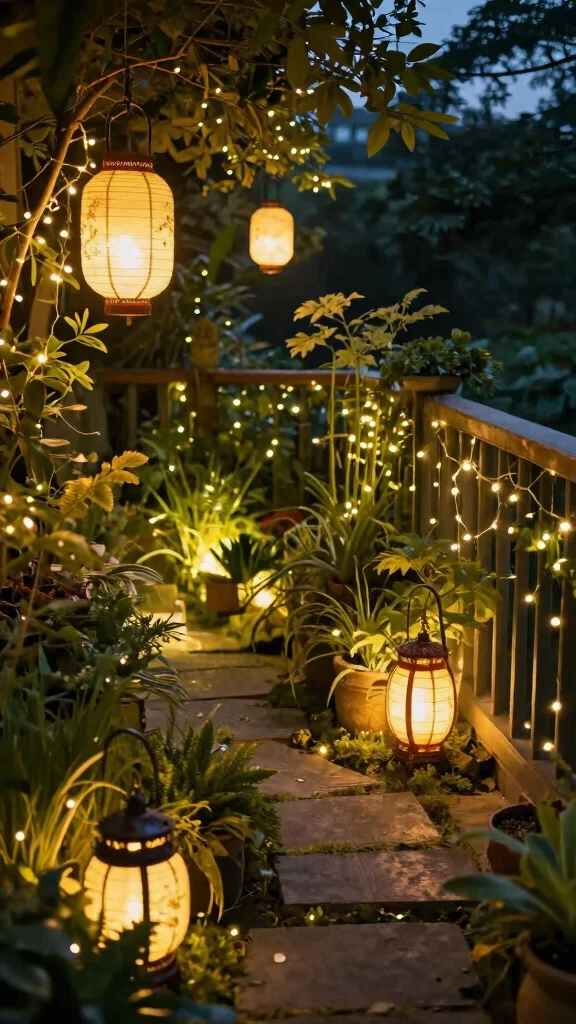
To create an inviting atmosphere, enhance your balcony garden with lanterns and ambient lighting. These light sources can transform your space into a magical retreat after sunset. Soft, warm lights highlight your plants, fostering a cozy ambiance.
Consider lanterns with traditional Japanese designs or string lights to outline seating areas and pathways. Solar-powered options offer eco-friendly solutions that are easy to maintain. Arrange lights strategically to showcase focal points like your water feature or seating area.
Tips for effective lighting:
– Opt for warm white bulbs for a welcoming glow.
– Use lanterns to add height and visual interest.
– Consider fairy lights entwined with plants for enchanting effects.
– Illuminate paths for safety and ambiance.
With well-placed lighting, your garden becomes enchanting at night, providing a serene haven for relaxation and reflection.
13. Vertical Gardens
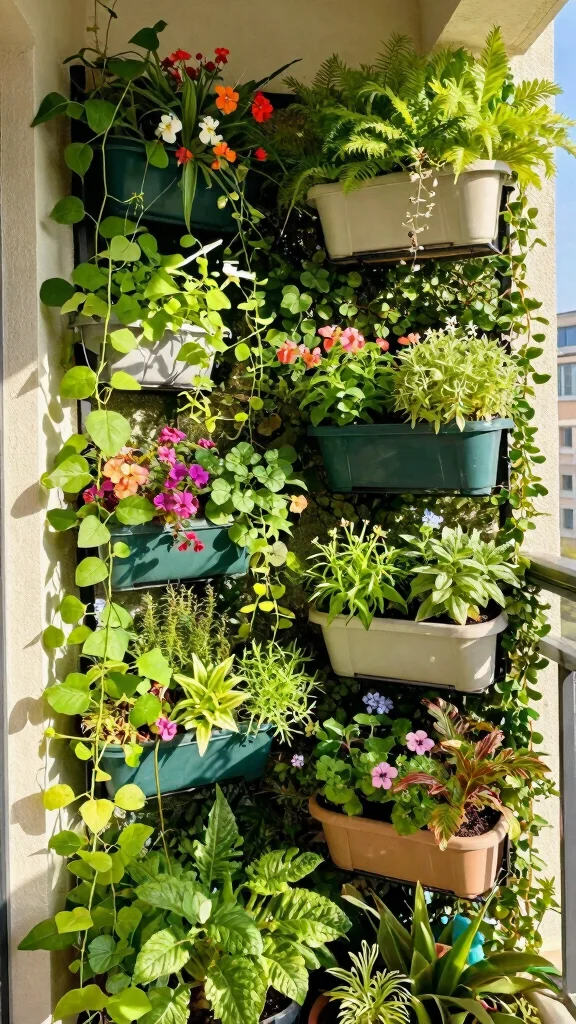
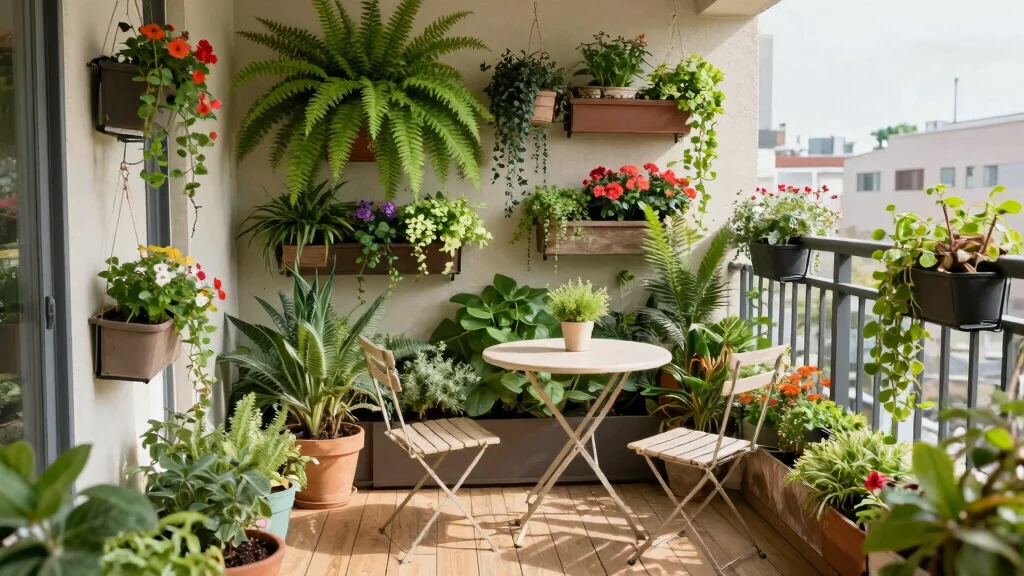
In urban settings, vertical gardens can maximize your growing area by utilizing walls and railings. This gardening technique includes wall-mounted planters, trellises, and hanging pots, allowing you to cultivate a variety of Japanese plants creatively.
Vertical gardens save space while offering a stunning backdrop for your balcony. Consider climbing plants like ivy or flowering vines that cascade down, creating a lush green wall effect. Mixing in edible plants like herbs adds functionality to your design.
Key tips for building vertical gardens:
– Use lightweight containers to avoid structural strain.
– Ensure good drainage for healthy plants.
– Mix colors and textures for visual appeal.
– Select plants that thrive in varying light conditions.
By designing a vertical garden, you create a dynamic aspect that unites beauty and functionality in your balcony space.
14. Seasonal Color Palettes
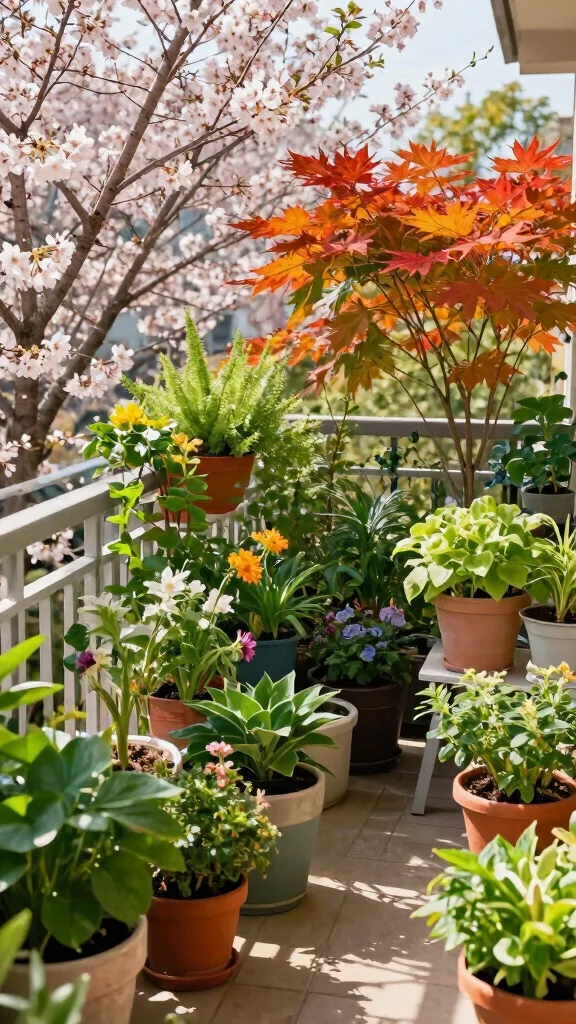
Designing your balcony garden with seasonal colors keeps your space vibrant year-round. Opt for plants that bloom at different times to ensure a continuous display of colors. For a classic Japanese feel, combine reds, whites, and greens that reflect traditional themes.
Consider flowering plants like cherry blossoms for spring, sunflowers for summer, and colorful foliage for fall. This approach not only beautifies your garden but also mirrors nature’s cycles, a core principle in Japanese culture.
Steps for creating seasonal color palettes:
– Research flowering times for a well-timed display.
– Mix perennials and annuals for varied blooms.
– Plant bulbs for early spring color bursts.
– Use color theory for harmony and balance.
By embracing seasonal color palettes, you cultivate a lively balcony garden that transforms with the seasons, enhancing your Zen experience throughout the year.
15. Embrace Simplicity
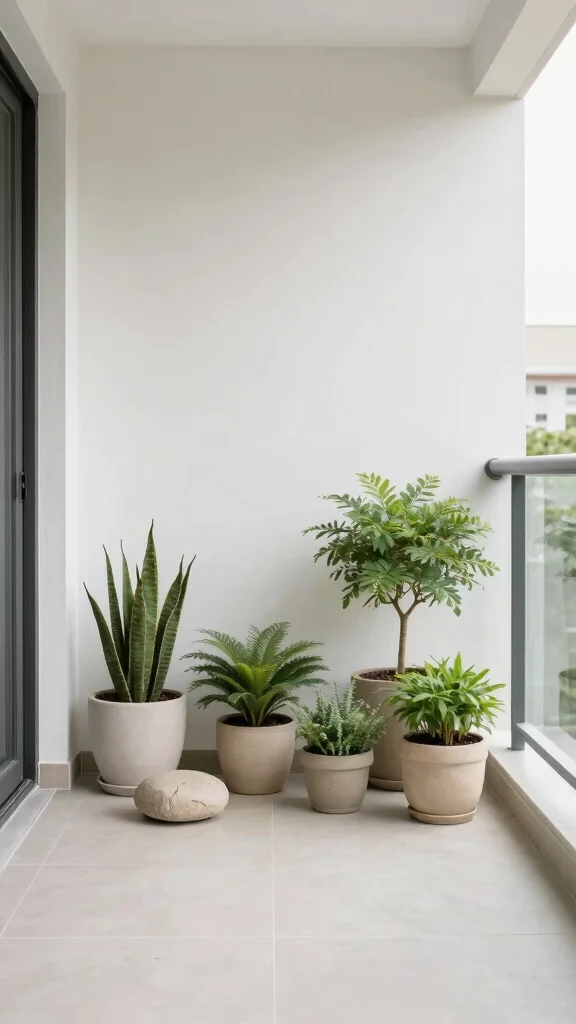
At the core of Japanese garden design lies the principle of simplicity. Adopting a minimalist approach allows each garden element to shine, contributing to a peaceful atmosphere. Focus on a few key components, such as select plants, a decorative stone, or a singular water feature.
This mindset encourages mindfulness and appreciation for each garden aspect. Rather than overcrowding your space, prioritize quality, facilitating easier maintenance and a serene environment. Choose plants with intriguing textures and forms to keep the design engaging.
Tips for embracing simplicity:
– Limit plant varieties for a cohesive look.
– Use clean lines and open spaces to enhance tranquility.
– Avoid clutter by selecting essential decorative items.
– Concentrate on details such as textures and colors.
By embracing simplicity, your balcony garden becomes a true reflection of Zen principles, fostering peaceful moments and quiet reflection in your urban retreat.
Fun fact: a Japanese balcony garden with a minimalist approach uses 3 key elements—plants, a stone, and a single water feature—yet it cuts maintenance time by up to 40%. In small urban spaces, simplicity becomes your biggest source of Zen.
Conclusion
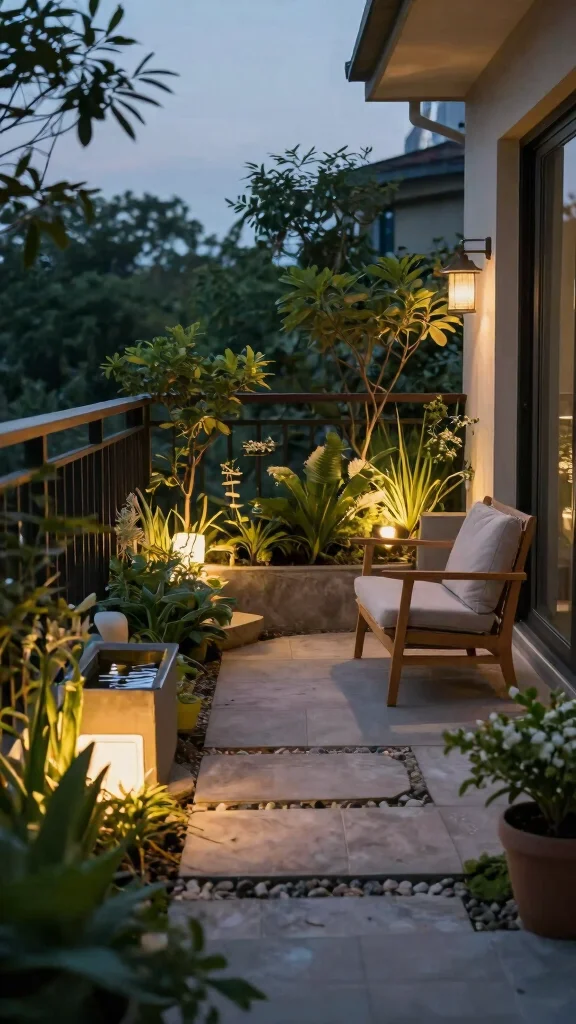
Creating a Japanese balcony garden is a wonderful way to find peace amidst the urban hustle and bustle. By incorporating these ideas, you’re not just adding plants; you’re cultivating a serene sanctuary that promotes relaxation and mindfulness. From the soothing sounds of water features to the gentle rustle of bamboo, each element contributes to a tranquil atmosphere that can revitalize your spirit. Embrace the art of Zen gardening and transform your small space into a harmonious escape.
Whether you adopt a few ideas or all of them, your balcony can become a reflection of your style while embracing the calming essence of nature. Explore your creativity, experiment with different designs, and enjoy the beauty that comes with creating your own urban oasis.
Frequently Asked Questions
How can I start a japanese balcony garden in a small space?
Starting a japanese balcony garden in a compact urban space is doable with a simple plan.
First measure your area, then pick a unifying theme and a limited color palette for a calm Zen vibe. Choose compact or container-friendly plants and vertical planters to maximize height.
Use a shallow gravel patch to evoke zen garden ideas, and add decorative elements like a stone lantern or bamboo accents. Finish with proper drainage and a simple watering routine to keep small space gardening practical and serene.
Which balcony garden design ideas create a Zen vibe in a city apartment?
Designing for a Zen vibe starts with simplicity.
Embrace balcony garden design principles: clean lines, natural materials, and a restrained color palette. Create focal points with a small water feature or a single statement plant, and group objects in odd numbers for balance.
Use vertical screens or trellises to add privacy without crowding floor space, and keep seating light and modular for flexibility. Finish with soft lighting and a tiny gravel or moss carpet to echo zen garden ideas in a limited footprint.
Which Japanese plants are ideal for balconies and easy to maintain?
Some reliable choices for Japanese plants for balconies include a dwarf Japanese maple in a sunny spot, compact pine or juniper bonsai-style trees in a tub, and moss for shaded corners.
Add a tall container of bamboo with a root barrier to keep it contained, and fill gaps with low-maintenance flowering shrubs like azalea or camellia.
Pair these with hardy groundcovers and alpine grasses for texture. With proper watering and drainage, these plants stay vibrant with minimal fuss, perfect for small space gardening in urban settings.
How can I maximize privacy and curb wind on a balcony while keeping a serene Zen look?
Use vertical planters, lattice screens, and evergreen climbers on a slim trellis to create privacy without closing off light.
A bamboo screen or cedar slats can soften wind while preserving air flow. Place tall pots as windbreaks and tuck low, dense shrubs at corners for a sense of enclosure.
Ground the space with a muted gravel or moss bed and warm lighting to maintain the Zen feel as day fades. This approach blends urban gardening tips with a calm zen garden ideas look.
What are practical tips for maintaining a Japanese balcony garden on a budget?
Plan with budget in mind: reuse containers, repurpose trays, and choose hardy, long-lasting plants that handle container life.
Group your plants in odd numbers and use self-watering pots or a simple drip irrigation kit to cut daily chores. Use a simple soil mix with perlite, compost, and good drainage; mulch to conserve moisture.
Pick a few key focal plants like a dwarf maple or moss, then fill with inexpensive ground covers. With regular pruning and seasonal adjustments, you can enjoy a beautiful japanese balcony garden without breaking the bank, and follow practical urban gardening tips for small spaces.
Related Topics