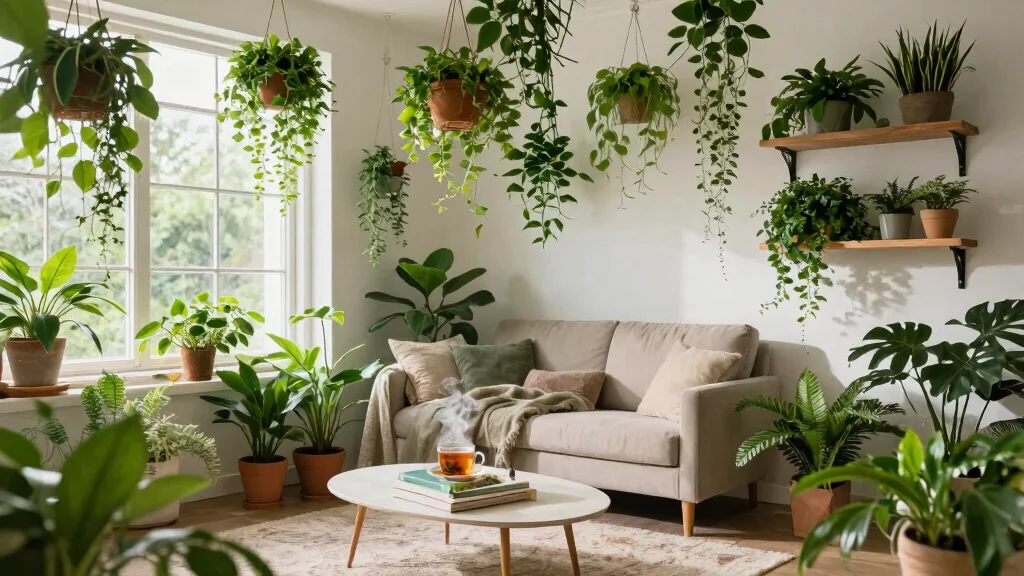

Indoor spaces can sometimes feel a bit drab, but you can easily turn them into vibrant retreats with the right plants. As someone who loves the aesthetic of greenery, I wanted to create this post to inspire you with 18 unique plants indoor aesthetic ideas for modern homes. Whether you’re living in a cozy apartment or a spacious house, these ideas will help you elevate your home decor using plants that suit your style.
If you’re a plant lover or just starting your indoor gardening journey, this guide is for you. You care about creating a stylish environment that reflects your personality while also embracing sustainability. You’ll find practical tips and creative arrangements that cater to small spaces and modern aesthetics. I’ve pulled together a variety of ideas that are appealing, easy to implement, and perfect for anyone looking to bring a little nature indoors.
Get ready to discover how you can incorporate different plants, pots, and arrangements into your home. From sleek minimalism to bohemian charm, there’s something here for everyone. These ideas will not only beautify your space but also enhance your well-being and air quality, making your home a true sanctuary.
Key Takeaways
– Explore vertical gardens to maximize small spaces while adding lush greenery to your decor.
– Incorporate macramé plant hangers for a bohemian touch and to save surface space.
– Create stylish shelving displays with your favorite plants to add depth and interest to your rooms.
– Rotate your indoor plants seasonally to keep your decor fresh and exciting throughout the year.
– Use colorful pots to infuse personality into your space, making your plant arrangements even more eye-catching.
1. Vertical Gardens for Small Spaces
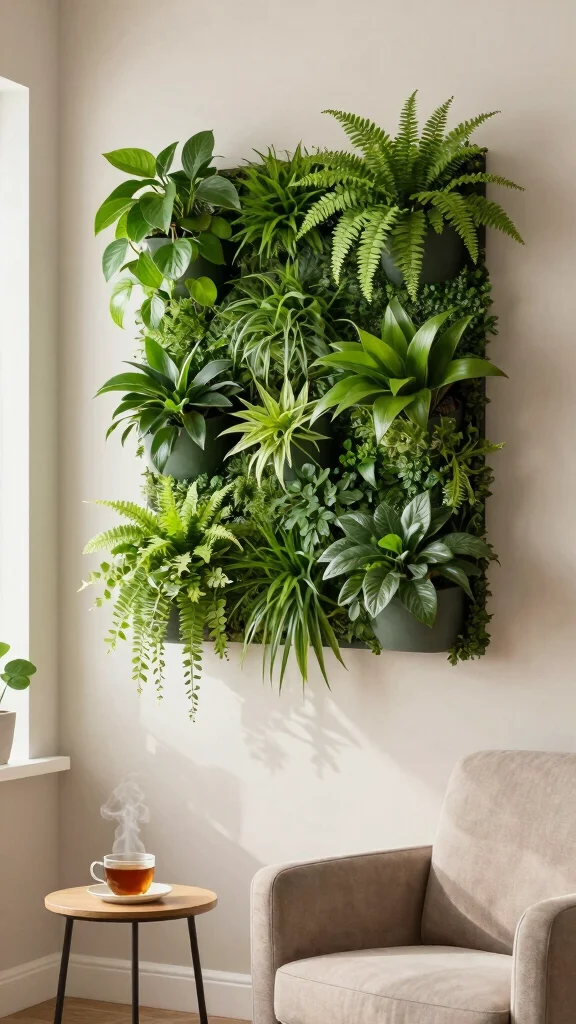
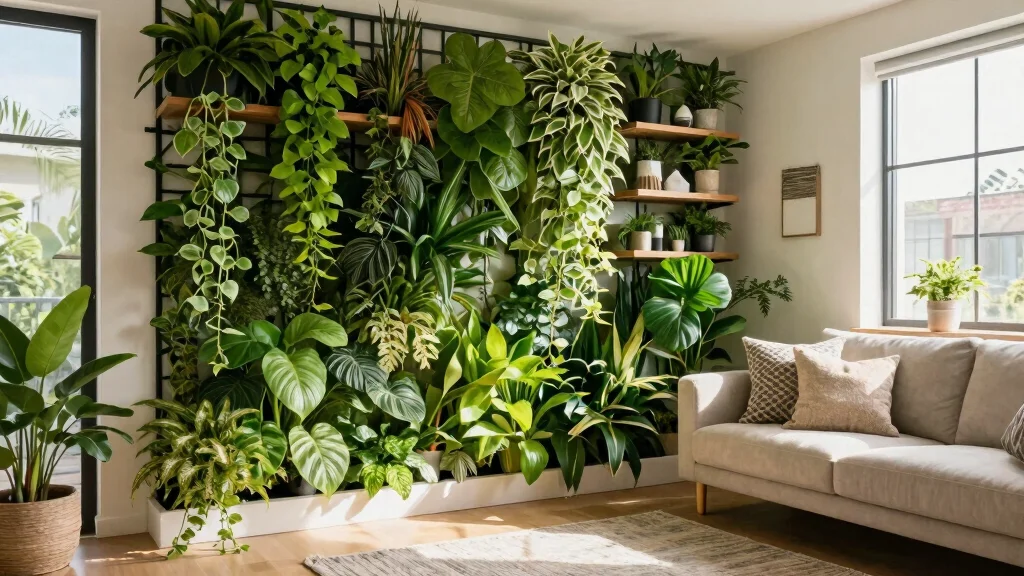
Vertical gardens are a brilliant way to infuse your home with greenery while saving precious floor space. By utilizing wall space, you create a stunning visual impact that breathes life into any room. Imagine cascading vines and vibrant flowers layered against a wall, transforming it into a living masterpiece that evolves with the seasons. This design not only maximizes your area but also allows you to express your creativity with a variety of plant choices, from lush ferns to colorful blooms.
To create your vertical oasis, consider practical tips that work within your budget. You don’t need an elaborate setup; simple wall-mounted planters can do the trick. Explore local nurseries for low-light plants that thrive indoors, ensuring you can enjoy greenery even in dim spaces.
Here are some steps to get started:
– Install wall-mounted planters to save space.
– Choose easy-care plants like pothos or ferns for low light.
– Incorporate a simple drip irrigation system for easy maintenance.
– Use herbs for a fragrant and functional touch in your kitchen.
With a little creativity and some basic tools, you can transform any wall into a lush vertical garden that enhances your home’s aesthetic.
2. Macramé Plant Hangers for Bohemian Vibes
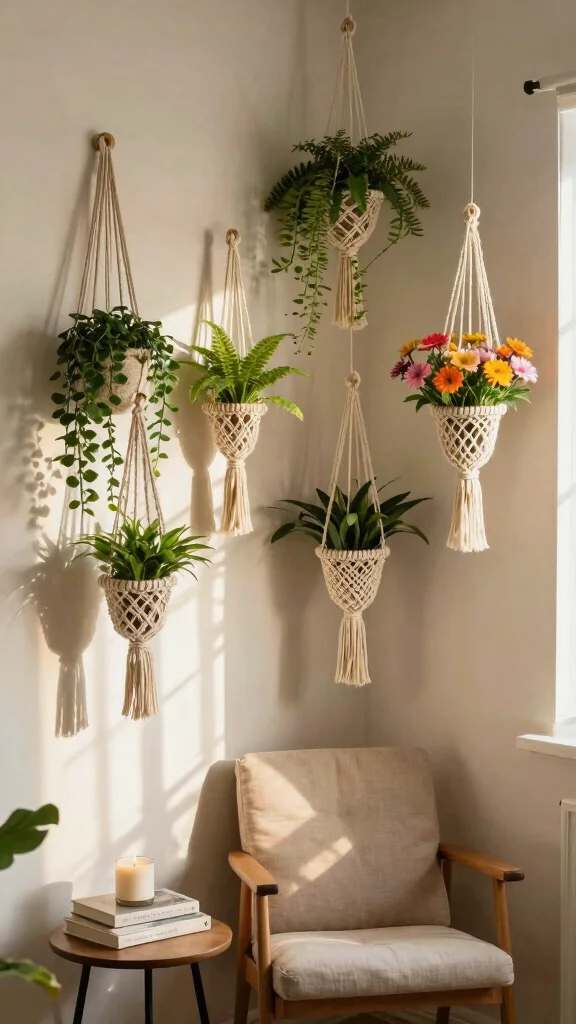
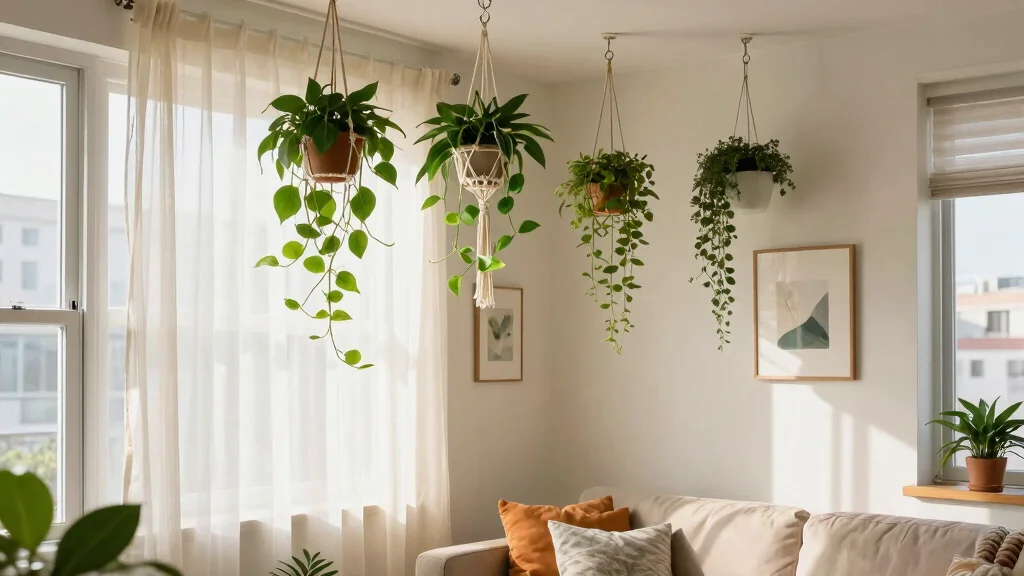
Macramé plant hangers are a delightful way to introduce a bohemian flair to your interior decor. These intricate hangers elevate your plants, turning them into eye-catching focal points that add warmth and personality to your space. The gentle movement of hanging plants brings a lively energy, making any area feel more inviting. You can showcase a variety of plants, from leafy greens to vibrant flowers, creating a dynamic atmosphere that resonates with creativity.
To seamlessly incorporate macramé hangers, consider several practical tips that enhance their impact. Look for spots near windows to provide your plants with optimal light. Varying the lengths of the hangers can create an artistic arrangement that captivates the eye and adds depth to your decor.
Here’s how to style them effectively:
– Hang near windows for ample sunlight exposure.
– Vary lengths for a more dynamic look.
– Use colorful ropes for a playful touch.
– Mix different plant sizes for added visual interest.
Macramé hangers not only serve a purpose but also allow you to express your unique style, adding charm to your home.
3. Terrariums: Miniature Worlds of Greenery
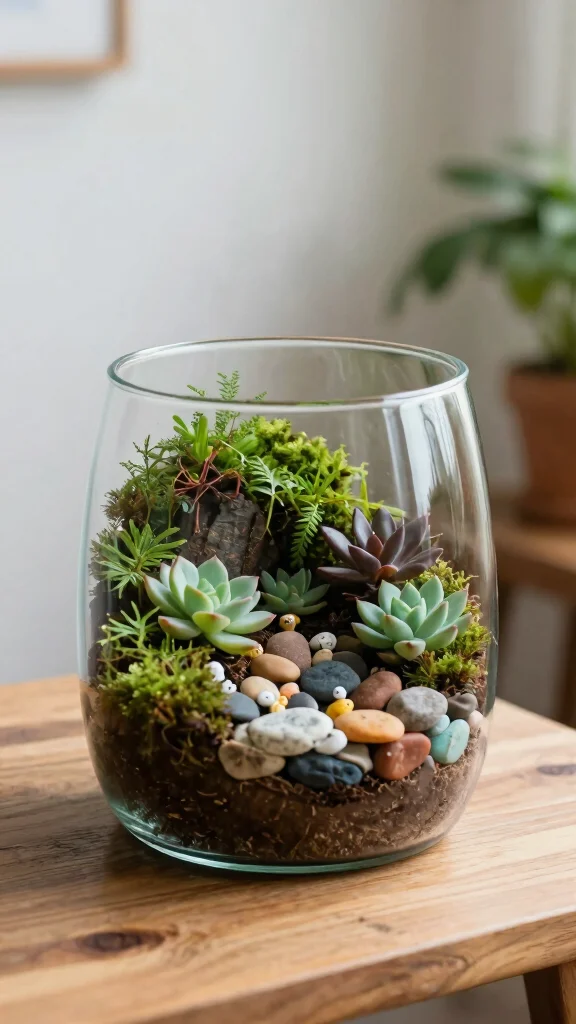
Terrariums offer a whimsical touch to your indoor plant collection, creating miniature ecosystems that are both enchanting and easy to maintain. These glass containers can house a delightful mix of plants, stones, and decorative elements, making them a perfect centerpiece or decorative accent. Imagine a tiny world flourishing within your home, where each layer tells a story and sparks conversation among guests.
When building your terrarium, consider simple steps that make the process enjoyable and rewarding. Choose a variety of small plants that thrive in a contained environment, and don’t forget to have fun with the decorative elements that reflect your personality.
Follow these guidelines to create your own terrarium:
– Start with small rocks for drainage, followed by activated charcoal.
– Layer with potting soil suitable for your chosen plants.
– Select tiny plants like moss, succulents, or air plants.
– Add decorative stones or mini figurines for a personal touch.
With a little creativity, you can cultivate a charming terrarium that enhances your home’s aesthetic.
4. Stylish Shelving Displays for Greenery
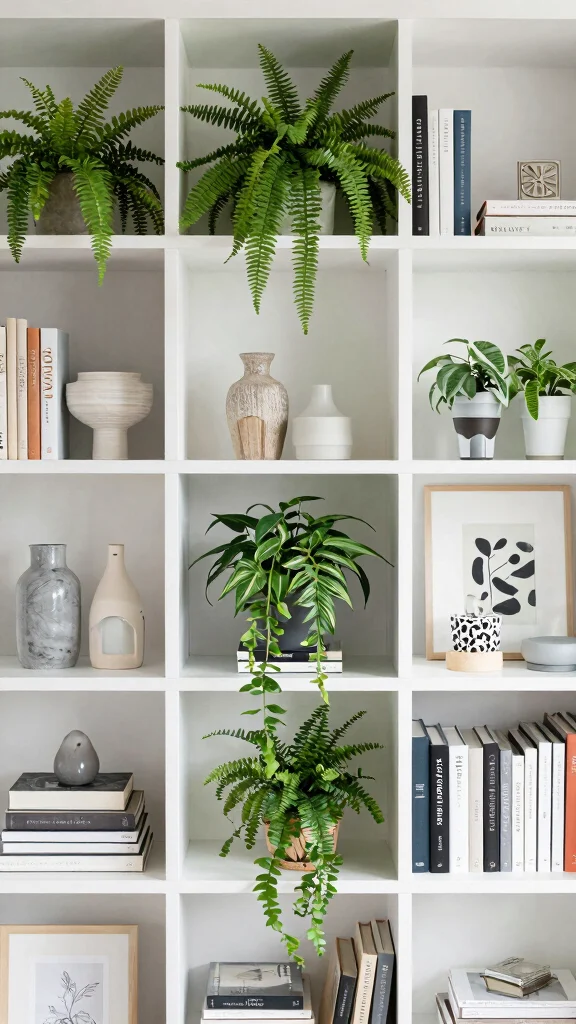
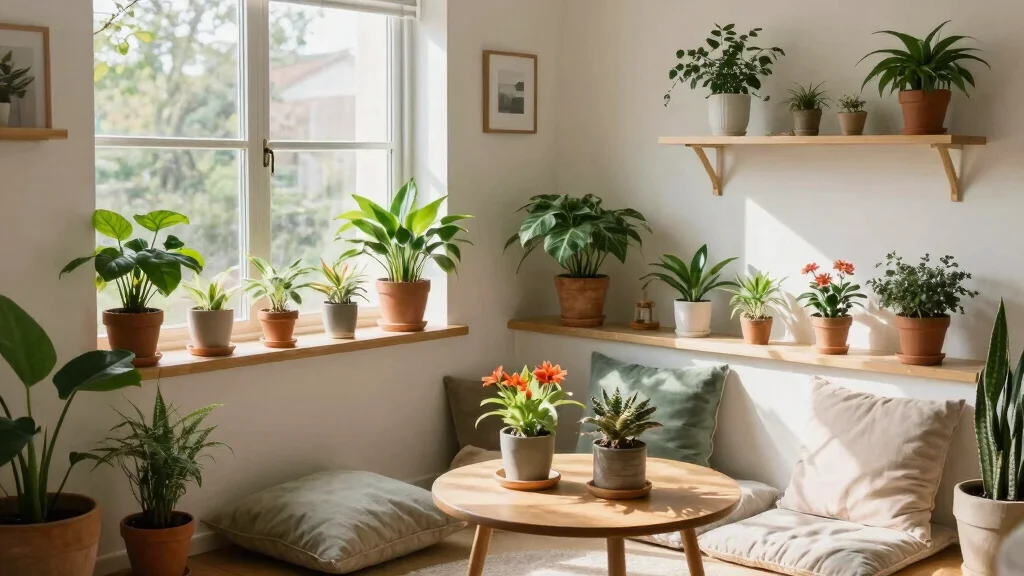
Transforming your shelves into vibrant plant displays can create a striking focal point in any room. By choosing stylish pots and arranging plants at different heights, you can craft an engaging visual experience that seamlessly merges nature with your personal style. This method allows you to showcase not only your favorite plants but also books and decorative items, creating a cohesive and inviting atmosphere.
To achieve an eye-catching shelving display, consider practical tips that enhance the overall look. Mixing various plant types and textures can add depth, while unique pots can elevate the aesthetic. Pay attention to lighting, as it greatly impacts plant health and visual appeal.
Here are some tips for a stunning display:
– Mix plant types for rich texture; add trailing plants for softness.
– Use a variety of pots—ceramic, woven, or metallic—for visual interest.
– Ensure plants receive adequate sunlight for healthy growth.
– Regularly rotate decor to keep the arrangement fresh.
With thoughtful arrangements, you can breathe new life into your shelves, creating a modern plant decor that reflects your unique style.
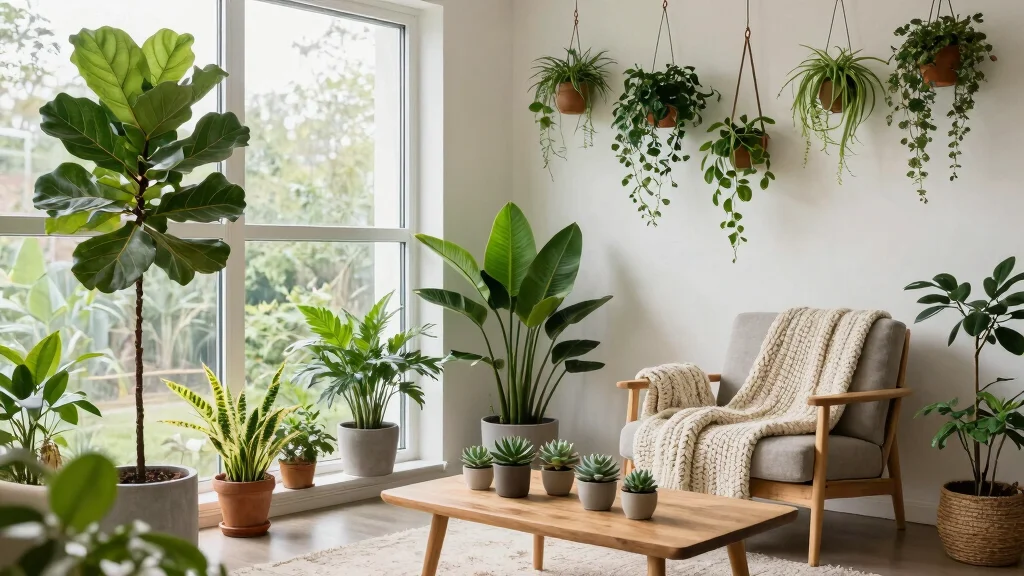
Pro tip: Mix pots and vessels at varying heights to boost the plants indoor aesthetic on your shelves. Start with a tall fiddle leaf fig, add mid-height succulents, and tuck in books for balance—instant focal point that shows your space and style.
5. Colorful Pots for a Pop of Personality
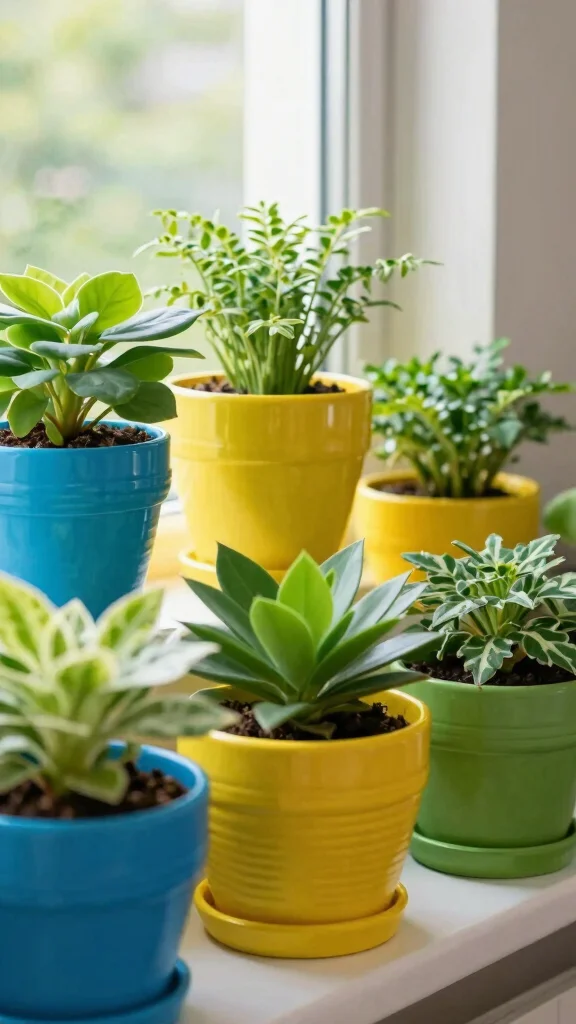
Choosing vibrant pots for your plants is a simple yet effective way to infuse personality into your home. Colorful pots can enhance your existing decor or stand out as bold accents, creating visual interest in any space. From terracotta to ceramic and even painted options, the variety is endless, allowing you to express your style through your plant choices.
When selecting pots, consider how they complement your overall decor. You can even get creative by DIY-ing your pots with paint or fabric to achieve a customized look that perfectly aligns with your taste.
Here are some tips for selecting the right pots:
– Choose colors that resonate with your decor for a cohesive look.
– Use patterned pots with geometric designs for a trendy touch.
– Explore earthy tones and textures for a bohemian vibe.
– Group plants in varying heights to create dynamic visual interest.
By choosing pots that reflect your unique style, you can create bold statements that enhance your home’s aesthetic.
Top Varieties for Different Conditions
1. Pothos (Epipremnum aureum)
– Best conditions: Thrives in low to bright indirect light, making it perfect for various indoor settings.
– Key features: Pothos is known for its heart-shaped leaves and trailing vines, which add a lush, green touch to your space. It’s also very forgiving and can tolerate neglect.
– Considerations: Keep it away from direct sunlight, as too much light can scorch its leaves.
2. Snake Plant (Sansevieria trifasciata)
– Best conditions: Ideal for dry and low-light conditions, making it perfect for bedrooms or offices.
– Key features: This plant has tall, stiff leaves with striking patterns. It’s also a great air purifier, removing toxins from the air.
– Considerations: It’s sensitive to overwatering, so allow the soil to dry out between waterings.
3. ZZ Plant (Zamioculcas zamiifolia)
– Best conditions: Suitable for low light and drought, making it great for forgetful plant parents.
– Key features: The ZZ Plant has glossy, dark green leaves that can brighten up any corner. It requires very little care.
– Considerations: Avoid placing it in overly sunny spots, as leaves can become yellow and drop.
4. Spider Plant (Chlorophytum comosum)
– Best conditions: Prefers bright indirect light but can adapt to lower light as well.
– Key features: Known for its arching leaves and baby “pups,” this plant is excellent for hanging baskets or on a shelf.
– Considerations: It can be sensitive to fluoride, so use distilled or rainwater if possible.
5. Peace Lily (Spathiphyllum spp.)
– Best conditions: Flourishes in low to moderate light, making it perfect for darker areas of your home.
– Key features: The Peace Lily boasts elegant white flowers and lush green foliage. It also helps improve indoor air quality.
– Considerations: It loves humidity, so misting its leaves can help it thrive.
6. Fiddle Leaf Fig (Ficus lyrata)
– Best conditions: Prefers bright, indirect light, making it a striking centerpiece in living rooms.
– Key features: This plant has large, violin-shaped leaves that create a bold visual impact. It’s great for modern aesthetics.
– Considerations: It requires consistent moisture and can be sensitive to temperature changes.
7. Air Plants (Tillandsia spp.)
– Best conditions: These plants thrive in bright, indirect sunlight and prefer humidity, making them suitable for bathrooms or kitchens.
– Key features: Air plants don’t need soil and can be displayed in unique ways, like in terrariums, mounts, or hanging arrangements.
– Considerations: They need to be misted or soaked in water once a week, depending on humidity levels.
Climate/Condition Guide:
– Temperate: Plants like Pothos and Snake Plant work well. They adapt easily to indoor conditions.
– Continental: Opt for hardy plants like the ZZ Plant, which can handle temperature fluctuations.
– Coastal: Choose moisture-loving plants, such as Peace Lilies and Spider Plants, which thrive in humid environments.
– Hot/Dry: Snake Plants and Air Plants do well here, needing minimal water.
– Humid: Fiddle Leaf Figs and Peace Lilies appreciate the moisture and warm conditions.
Growing Tips:
– Ensure pots have drainage holes to prevent root rot.
– Rotate your plants every few weeks for even growth.
– Use a well-draining potting mix to keep plants healthy.
Avoid:
– Don’t overwater your plants; let the soil dry out between waterings.
– Avoid placing sensitive plants like Peace Lilies in direct sunlight, as this can harm their leaves.
6. Sustainability with Recycled Planters
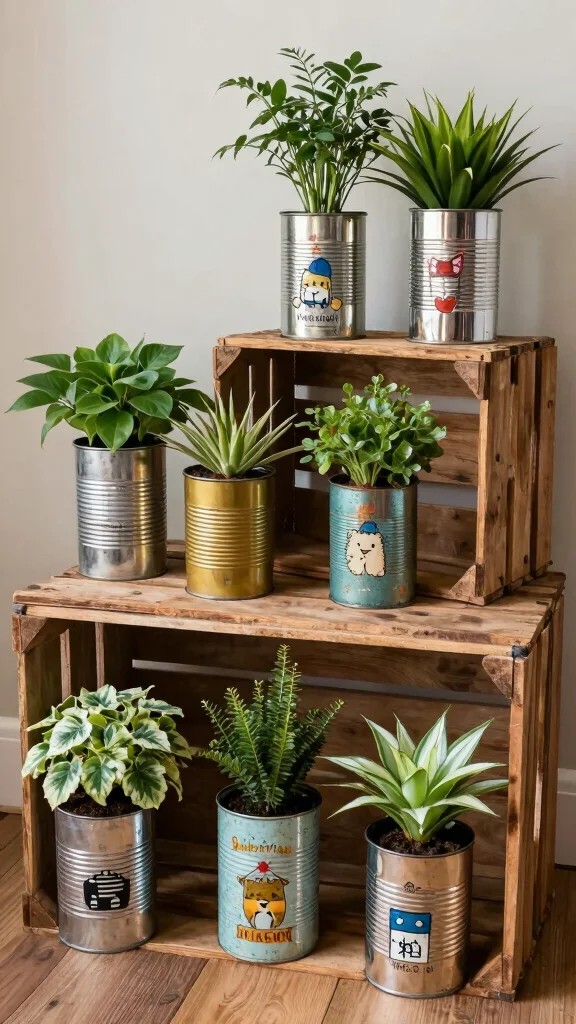
Embracing sustainability through recycled planters is a creative way to enhance your home while caring for the planet. Transforming everyday items like tin cans or wooden crates into charming plant holders showcases your ingenuity and eco-conscious mindset. This trend aligns perfectly with the growing interest in sustainable indoor gardening, allowing you to reduce waste while beautifying your space.
To get started with recycled planters, consider simple yet effective ideas that elevate your decor. You can create unique designs that tell a story, reflecting your personality while contributing to a greener lifestyle.
Here are some ideas for using recycled planters:
– Use old mason jars for a rustic look, ideal for herbs or small succulents.
– Transform wooden pallets into functional vertical planter boxes.
– Spray paint tin cans for a modern twist; ensure proper drainage.
– Repurpose old shoes or bags as quirky planters for playful accents.
With a touch of creativity, recycling can result in one-of-a-kind plant arrangements that burst with character.
Tiny recycled planters prove sustainability can be stylish—your plants indoor aesthetic thrives on creativity, not cost. Turn tin cans and wooden crates into charming holders, add drainage and a splash of color, and watch waste become wow.
7. Monochromatic Scheme for Modern Minimalism
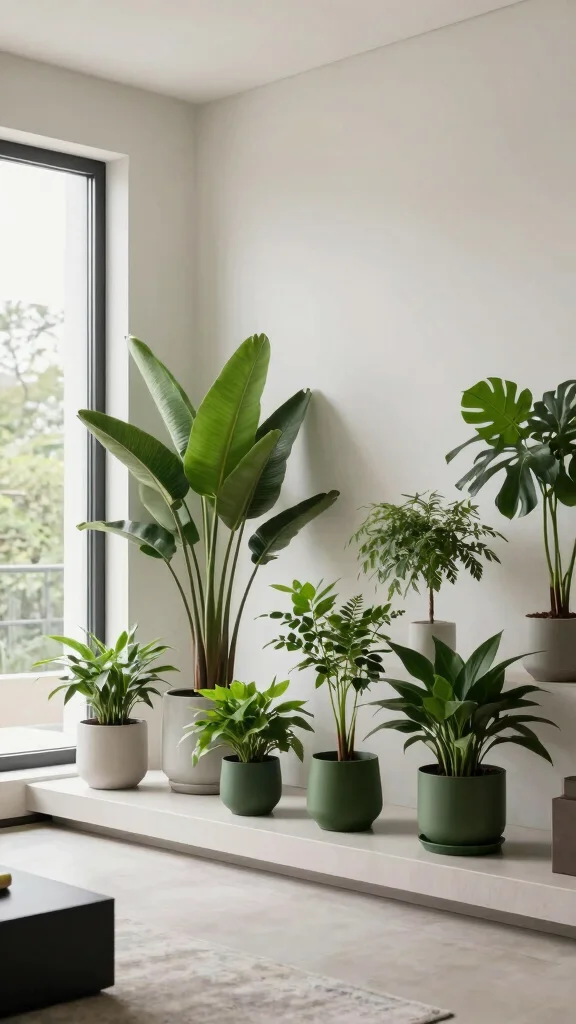
For lovers of modern minimalist design, a monochromatic plant scheme can create a stunningly cohesive look. Using varying shades of green in similar pots fosters a sense of tranquility and balance, making your space feel calm and organized. This approach allows plants to take center stage, enhancing your decor without overwhelming it, and is characterized by subtlety and clean lines.
Implementing a monochromatic scheme is straightforward and can be tailored to your preferences. By sticking to a limited color palette and choosing sleek pots, you can achieve a sophisticated, minimalist aesthetic that feels both modern and inviting.
Consider these tips for a successful monochromatic display:
– Stick to a limited color palette with different shades of green.
– Opt for sleek, modern pots like ceramics or metallic finishes.
– Arrange plants to create layers without cluttering the space.
– Incorporate stone or wood elements for added texture.
This elegant approach to plant decor can make your modern home feel serene and stylish.
8. Incorporating Indoor Trees for Vertical Interest
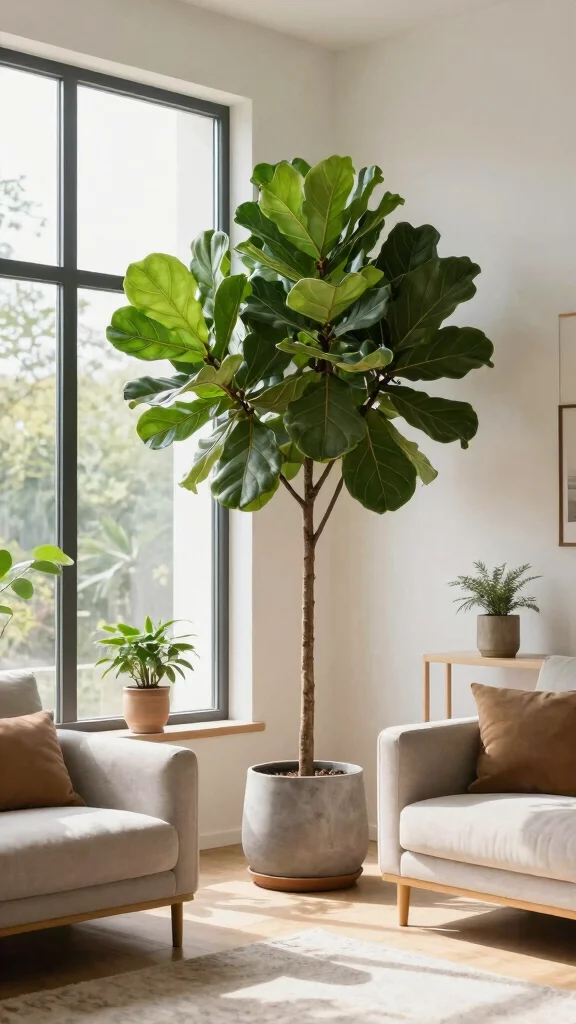
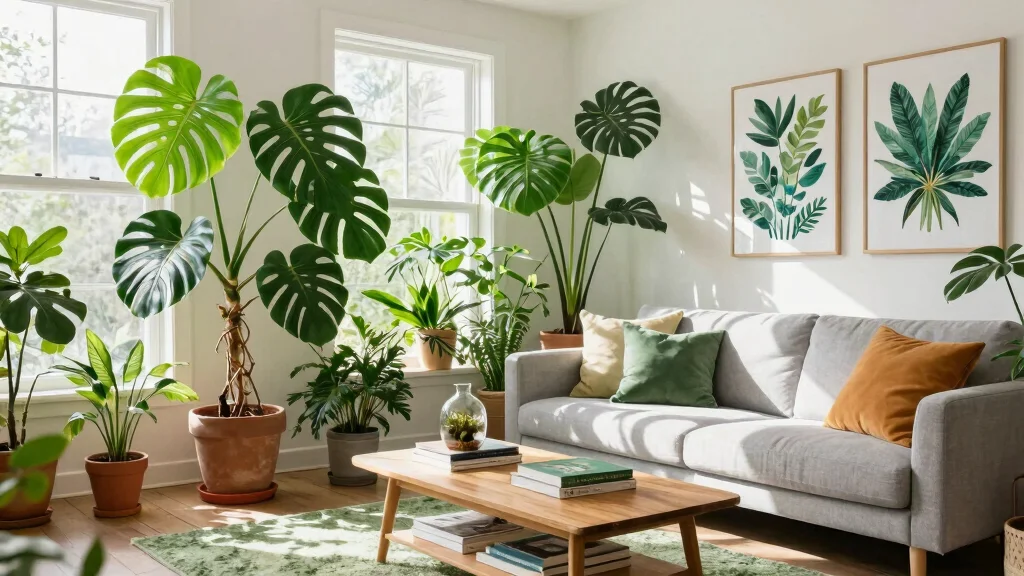
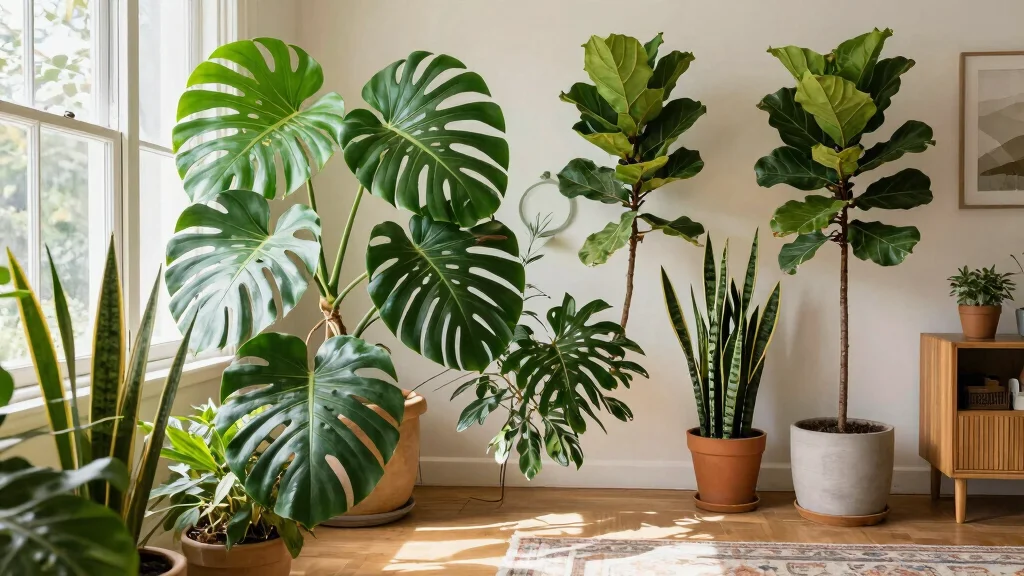
Indoor trees can dramatically elevate your decor, adding height and presence to any room. These larger plants draw the eye upward, creating a sense of spaciousness that is especially beneficial in smaller homes. Popular choices like fiddle leaf figs, rubber plants, and snake plants are known for their striking foliage and adaptability, thriving beautifully indoors.
To care for your indoor trees effectively, consider key tips that will keep them healthy and vibrant. Proper placement and maintenance are essential to ensure these eye-catching plants flourish in your home environment.
Here are some care tips for indoor trees:
– Place them in well-lit areas, ideally near large windows.
– Rotate periodically for even growth and light exposure.
– Water thoroughly but allow soil to dry out between watering.
– Dust leaves regularly to maintain their health.
Incorporating indoor trees can lead to an inviting atmosphere, enhancing the overall aesthetic of your modern home.
Fun fact: A 6- to 8-foot indoor tree adds dramatic vertical height in a small space, creating the illusion of a larger room. Try fiddle leaf figs or rubber plants in corners near light, and water when the top inch of soil dries to keep your plants indoor aesthetic thriving.
9. Using Plant Stands for Elevated Decor
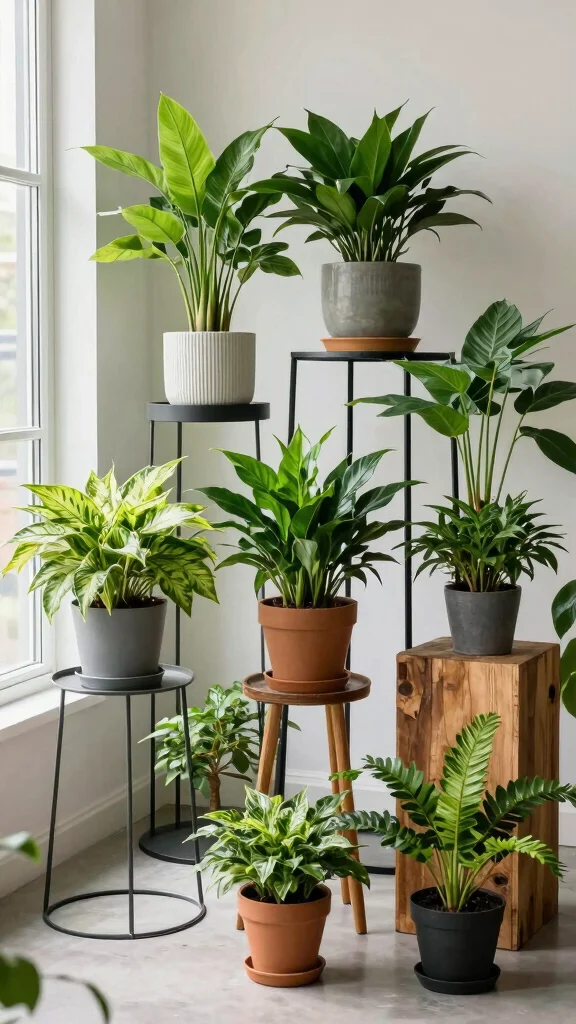
Plant stands are an elegant way to introduce height and dimension to your indoor garden. Available in various designs, from sleek metal to rustic wood, they allow you to find the perfect match for your decor style. These stands can help highlight your plants, turning them into focal points, while also creating multi-level displays that add visual interest to your space.
When selecting plant stands, consider functionality alongside style. Mixing materials and experimenting with arrangements can lead to a dynamic and engaging display that complements your decor.
Here are some tips for choosing the right plant stands:
– Opt for adjustable stands to accommodate different plant heights.
– Mix materials like wood, metal, and wicker for an eclectic look.
– Choose stands with storage for added functionality.
– Experiment with arrangements by clustering plants at varying heights.
Using plant stands not only enhances your decor but also provides accessibility to your greenery, adding a stylish touch to your home.
10. Layering Textures with Plants
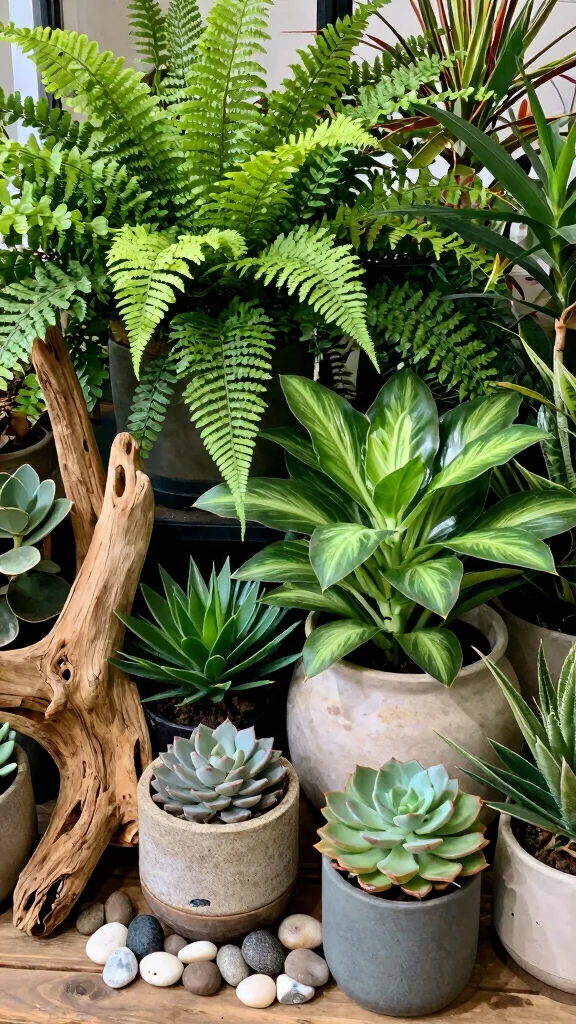
Layering different textures in your indoor plant decor can create a rich and inviting atmosphere. Combining smooth leaves with rough bark, glossy pots with matte finishes, and vibrant flowers with lush greenery results in a visually intriguing display. This textural play enhances the dynamic quality of your plants, making your space feel more alive and engaging.
To effectively layer textures, focus on the variety of foliage types and pot finishes. Arranging plants in groups creates contrast, while incorporating decorative elements adds natural charm to your setup.
Here are ways to layer textures:
– Use plants with diverse foliage, like feathery ferns with broad-leaved varieties.
– Choose pots with different finishes—ceramic, bamboo, or stone.
– Arrange plants in groups to create height contrast.
– Incorporate natural elements like driftwood or pebbles for added texture.
With a thoughtful approach to texture, you can create an indoor environment that feels lush, vibrant, and full of life.
11. Air Plants for a Unique Approach
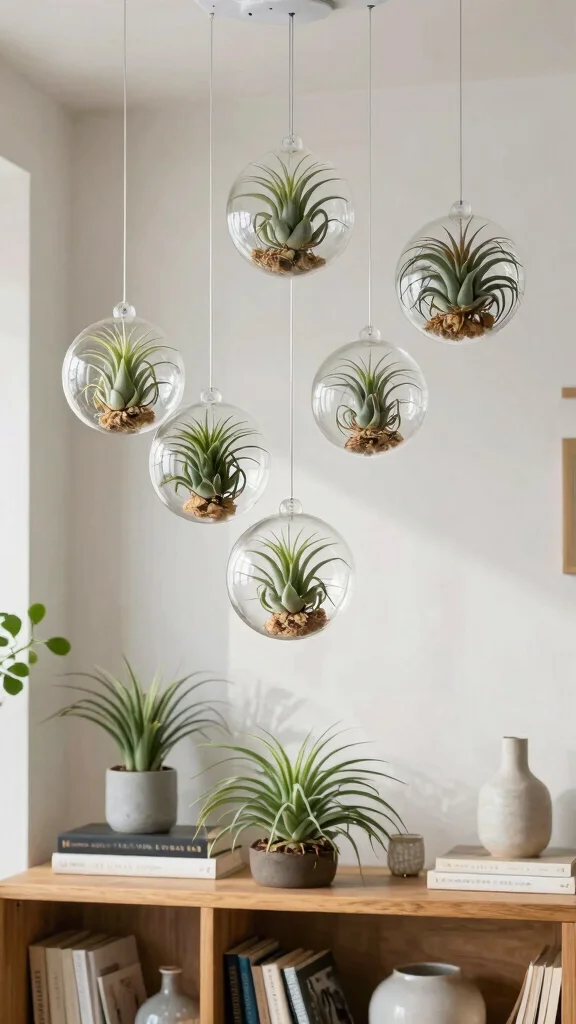
Air plants introduce a unique twist to indoor gardening, as they thrive without soil, offering endless possibilities for creative displays. Their adaptability allows you to showcase them in various ways, from hanging arrangements to table centerpieces. Not only are air plants visually striking, but they are also low-maintenance, requiring minimal care to flourish in your home.
To display air plants effectively, consider options that highlight their unique forms. Experimenting with different setups can lead to captivating arrangements that brighten your space.
Here are some ideas for showcasing air plants:
– Use glass orbs for hanging displays that allow air circulation.
– Incorporate air plants into your decor on shelves, tables, or wall-mounted holders.
– Pair them with other plants for a visually exciting arrangement.
– Experiment with lighting to find the best conditions for growth.
Air plants can elevate your decor with their distinctive shapes and ease of care, enhancing your home’s modern aesthetic.
12. Seasonal Rotations for Year-Round Aesthetics
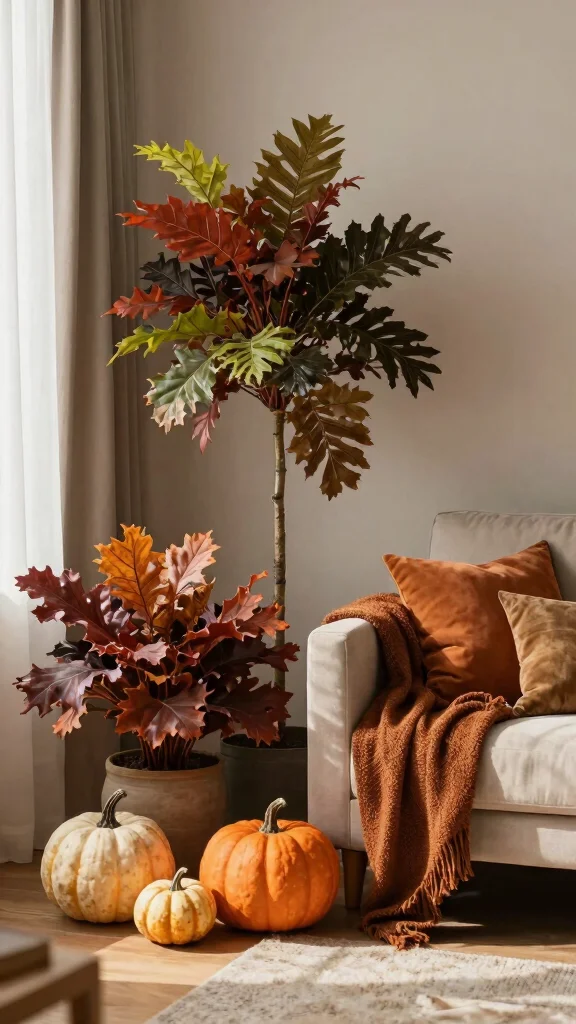
Incorporating seasonal plants into your decor allows your home to stay fresh and inviting throughout the year. By rotating your indoor plants with the seasons, you can introduce new colors, textures, and scents that reflect the changing environment. Whether it’s radiant spring blooms or rich autumn foliage, seasonal plants enliven your space and keep it dynamic.
To effectively rotate your seasonal plants, consider easy strategies that align with your home decor. Planning your plant swaps can enhance the overall aesthetic while celebrating the beauty of each season.
Here are some tips for rotating seasonal plants:
– Keep an eye on seasonal offerings at local nurseries for the best picks.
– Plan your rotations to align with your home decor and color schemes.
– Incorporate seasonal decor items to complement your plants, like pumpkins or spring florals.
– Refresh pots or create new arrangements during each seasonal change.
Seasonal rotations are a fun way to keep your decor lively and engaging, showcasing nature’s beauty all year long.
13. Feng Shui and Plant Placement
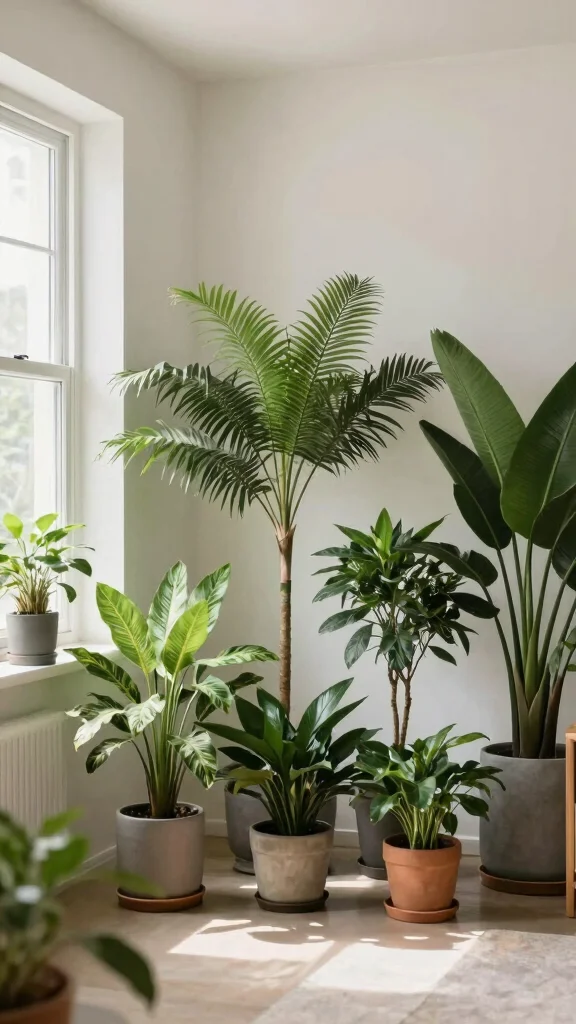
Integrating plants into your decor using Feng Shui principles can enhance the energy flow in your home, promoting positivity and tranquility. This ancient practice emphasizes the balance of elements, with plants playing a crucial role in bringing nature indoors. Strategically placing plants not only beautifies your space but also creates a harmonious atmosphere that supports well-being.
To align your plant placement with Feng Shui, consider practical tips to enhance energy flow. Choose plants that are considered auspicious and ensure they are healthy to promote positive vibes throughout your home.
Here are some Feng Shui tips for plant placement:
– Position plants in the east for health and well-being or southeast for prosperity.
– Avoid thorny plants in living spaces to prevent negative energy.
– Use plants like jade or peace lilies known for their auspicious qualities.
– Keep plants vibrant and healthy to maintain positive energy.
By applying Feng Shui principles to your indoor plant decor, you can create a harmonious living environment filled with positive energy.
14. Edible Indoor Gardening for a Tasteful Touch
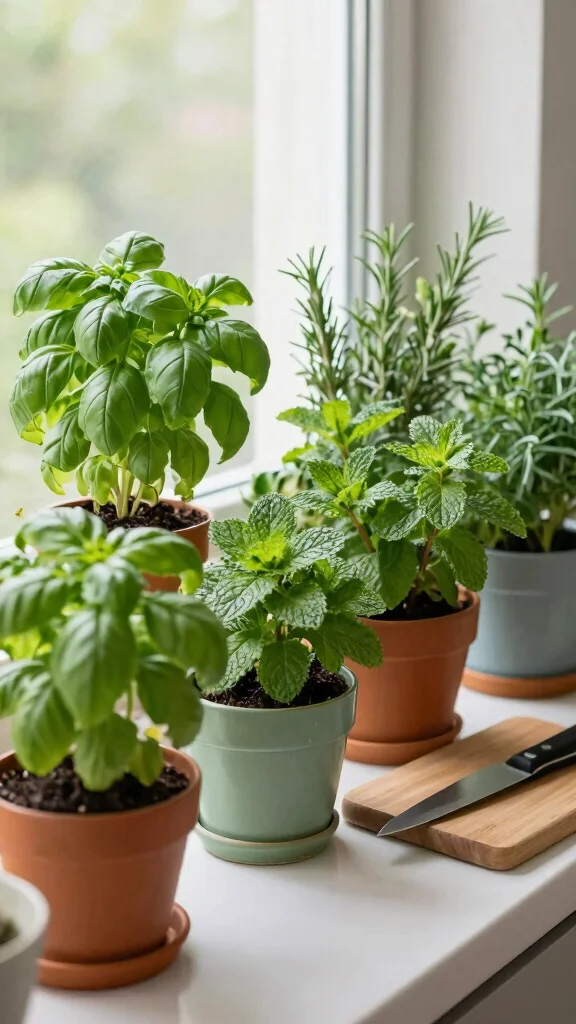
Edible indoor gardening adds both beauty and practicality to your home. Growing fresh herbs, greens, or small fruiting plants not only enhances your cooking but also serves as lovely decor. Imagine snipping basil for your favorite recipe right from your kitchen windowsill! These plants bring fresh flavors to your meals while promoting a sustainable lifestyle.
To get started with edible indoor gardening, consider essential tips that ensure successful growth. Selecting appropriate pots and placing them in sunny locations will help your plants thrive, turning your kitchen into a vibrant, aromatic space.
Here are some tips for your edible indoor garden:
– Choose pots with good drainage for healthy herb growth.
– Position them in a sunny spot, like a kitchen windowsill.
– Experiment with vertical gardening to save space with hanging planters.
– Regularly trim and harvest to encourage continuous growth.
This approach ensures your home is vibrant and alive, all while yielding fresh ingredients for your culinary adventures.
15. Artistic Plant Arrangements for a Creative Touch
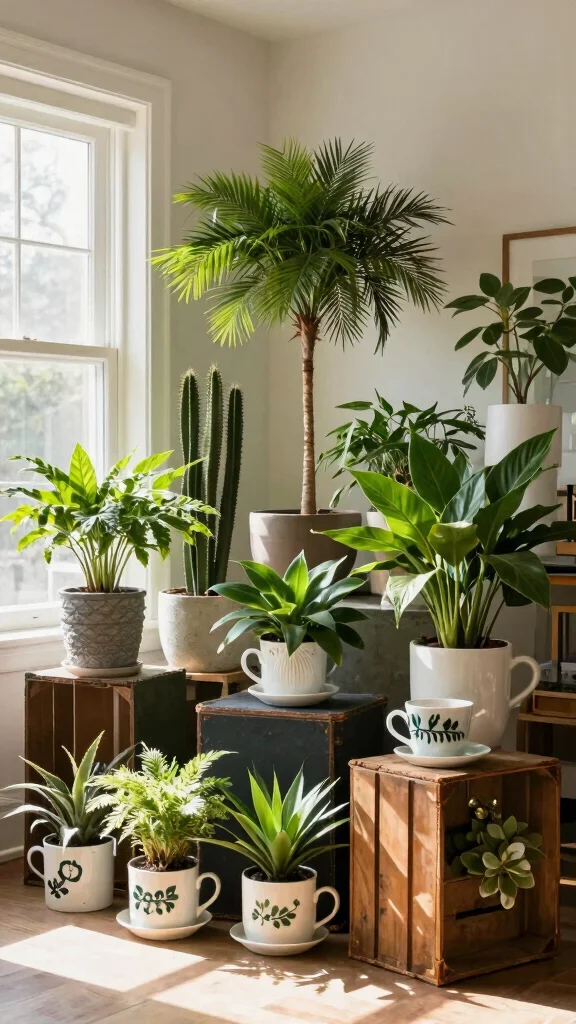
Artistic plant arrangements can elevate your indoor decor, turning simple displays into captivating focal points. By thinking outside the box, you can design stunning plant setups that reflect your personal style and enhance your space’s visual appeal. This can involve using unusual containers, asymmetrical designs, or creatively layering different plant heights and types.
To create artistic arrangements, embrace your creativity and explore various options that make your display unique. Consider how each element interacts to tell a story about your decor, making your home a reflection of your personality.
Here are some creative ideas for your plant arrangements:
– Combine plants in unique containers, like teacups or vintage crates.
– Experiment with asymmetric designs for a casual, artistic vibe.
– Play with height by mixing tall and short plants.
– Use a unifying theme, like colors or textures, to enhance your display.
Your home should tell a story through your decor, and innovative plant arrangements can be a captivating part of that narrative.
16. Incorporating Water Features with Plants
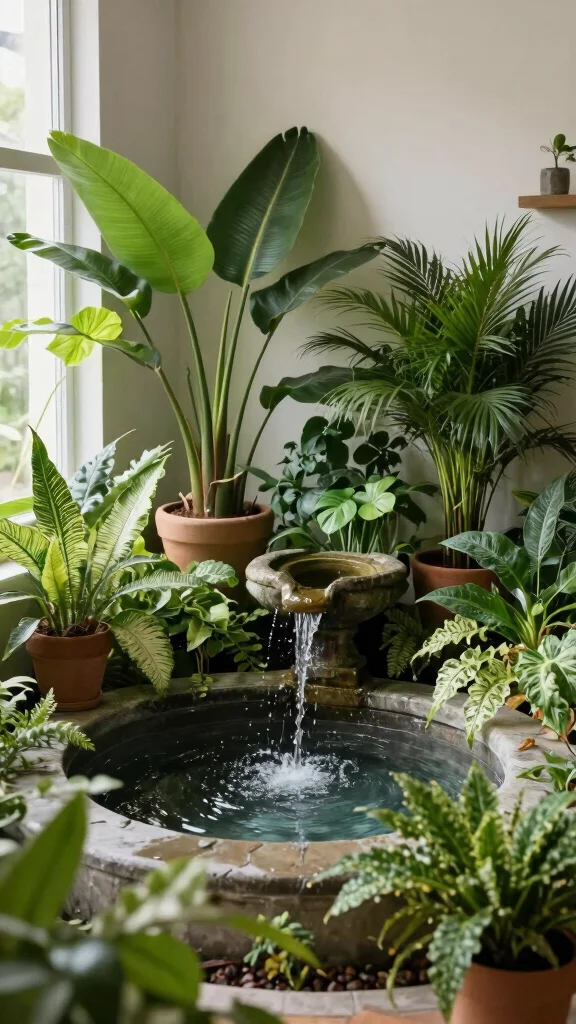
Adding water features to your indoor plant decor introduces a serene element that enhances the overall aesthetic. A small tabletop fountain or a decorative bowl filled with floating plants can create a calming atmosphere, promoting relaxation. The gentle sound of water, combined with lush greenery, brings a touch of nature indoors, making your space feel more tranquil.
To successfully incorporate water features, consider practical options that complement your plant arrangements. Regular maintenance will ensure your water setups remain clean and functional, enhancing your indoor gardening experience.
Here are some ideas for adding water features:
– Use a small indoor fountain that complements your plant display.
– Create a bowl of water with floating flowers for an eye-catching centerpiece.
– Consider aquatic plants like water lilies or lotus that thrive in water.
– Maintain cleanliness regularly to keep the feature functional.
Thoughtful placement and care of water features can elevate your indoor space, transforming it into a tranquil oasis.
17. Seasonal Color Palettes with Plants
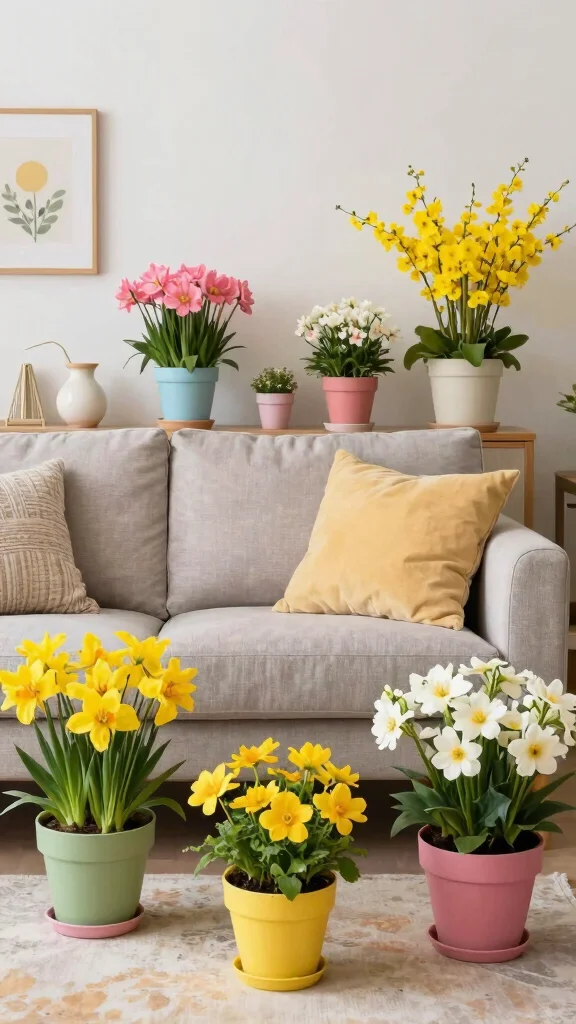
Aligning your indoor plants with seasonal color palettes is a delightful way to keep your home’s aesthetic fresh and engaging. This approach allows you to rotate your plants according to the seasons, incorporating new colors and vibrancy that reflect the time of year. For example, bright blooms in spring can give way to warm autumn tones, keeping your decor in tune with nature’s rhythm.
To create seasonal color palettes, consider the availability of seasonal plants and how they can complement your existing decor. Planning your plant rotations can enhance the overall look, ensuring your home feels dynamic and inviting throughout the year.
Here are some tips for creating seasonal color palettes:
– Research seasonal plants that are visually appealing and available.
– Arrange plants to complement your decor and seasonal accents.
– Embrace colors that evoke the essence of each season for a cohesive design.
– Use accent pieces like cushions or artwork to tie in the seasonal theme.
By rotating your plants seasonally, you can keep your decor lively and showcase the beauty of nature all year long.
18. Infusing Aromatherapy with Plants
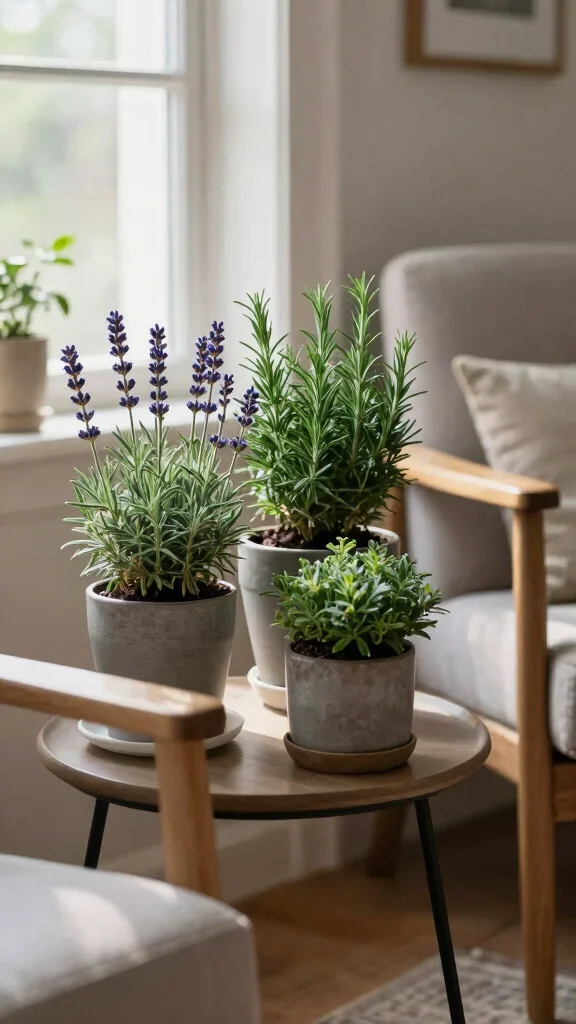
Integrating aromatic plants into your home decor can enhance the environment with soothing scents while beautifying the space. Plants like lavender, jasmine, or rosemary not only look stunning but are also known to promote relaxation and reduce stress. This adds a sensory layer to your home, making it not just visually appealing but also calming for the senses.
When choosing aromatic plants, consider options that thrive indoors and emit scents that you find delightful. Positioning them in areas where you spend the most time can create a fragrant atmosphere that uplifts your mood.
Here are some tips for incorporating aromatic plants:
– Select plants that thrive indoors and produce calming scents.
– Place them in your living room or kitchen for maximum enjoyment.
– Group aromatic plants together to create a fragrant corner.
– Regularly care for and prune plants to keep them healthy and fragrant.
Incorporating aromatherapy plants into your decor will enhance your space while creating a warm, inviting atmosphere in your home.
Conclusion
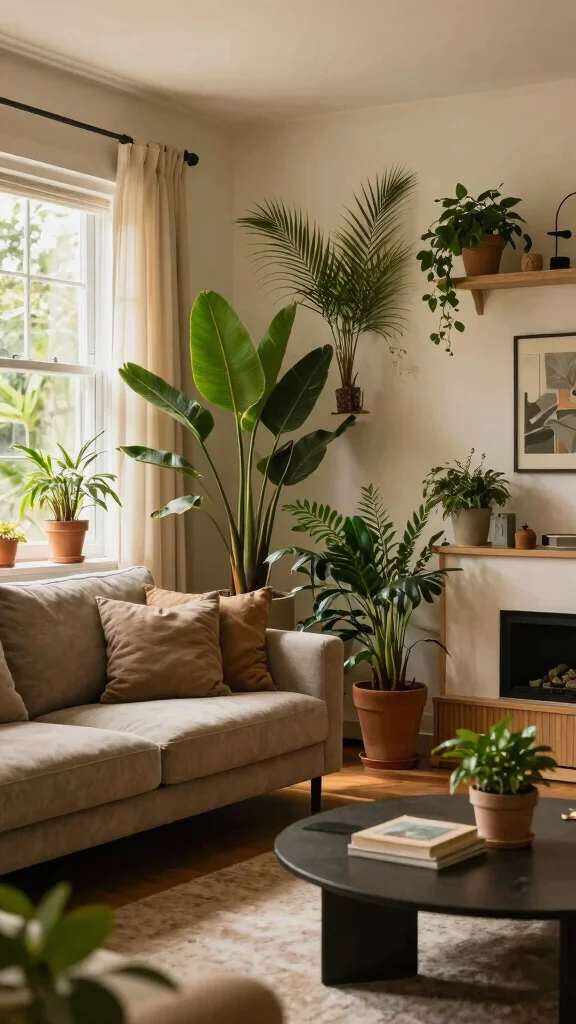
Indoor plants can bring vibrancy and tranquility into modern homes, enhancing both aesthetics and well-being.
With these 18 plant aesthetic ideas, you can explore various ways to integrate greenery seamlessly into your space, no matter how small.
The key is to find arrangements and styles that resonate with you, creating an environment that feels like home.
Frequently Asked Questions
What are the best plants for achieving a plants indoor aesthetic look in small spaces?
To achieve a plants indoor aesthetic look in small spaces, start with a few versatile, compact plants that thrive indoors. Great options include the snake plant, pothos, ZZ plant, and spider plant. Group them on a slim shelf or a small corner stand to create vertical interest while keeping maintenance simple.
Keep a cohesive look with similar pots or a shared color palette to boost indoor plants decor. Place your collection near bright, indirect light, rotate plants every few weeks, and water only when the soil is dry. This approach supports a calm, stylish environment without clutter, perfect for modern home greenery and aesthetic plant arrangements in tiny rooms.
How can I create aesthetic plant arrangements that suit a modern home and fit on a small table or shelf?
Start with a focal plant at the back or center, then add two or three supporting plants at different heights to create depth and an effortless aesthetic plant arrangements look. Choose a cohesive pot color or material to reinforce the indoor plants decor vibe. For a modern feel, mix clean planters (ceramic or matte metal) with trailing greens on higher shelves and a compact sculptural plant in front.
Play with scale by using a tall plant on a pedestal, a mid-height plant on the shelf edge, and a low ground-cover plant at the base. Group plants in odd numbers (3 or 5) to feel intentional and modern home greenery friendly. If space is tight, swap in a slim wall planter to expand your aesthetic plant arrangements without crowding.
What indoor gardening tips help maintain healthy, stylish houseplants in low-light apartments?
Low light doesn’t have to dull your space. Choose shade-tolerant plants like pothos, snake plant, ZZ plant, and peace lily, which stay healthy with minimal fuss.
Maximize what light you have by placing plants near windows or using a small LED grow light for darker corners. Set up a simple routine: water when the top inch of soil dries, dust leaves every couple of weeks, and fertilize lightly in spring and summer. Rotate plants every month so growth reaches toward the available light, keeping your collection balanced in line with indoor gardening tips and stylish houseplants trends.
Which indoor plants are sustainable and easy to care for in a small space and eco friendly decor?
For sustainability and easy care in a small space, pick hardy, low-water plants like snake plant, ZZ plant, pothos, and spider plant. These stylish houseplants stay healthy with minimal fuss and tolerate a range of light conditions.
Pair them with reusable pots and well-draining soil to reduce waste. Space them on shelves or in a corner plant stand, and repot only when roots show to keep your modern home greenery looking fresh longer. Consider using reclaimed wood or ceramic pots to boost indoor plants decor in an eco friendly way.
How can I style multiple plant shelves or corners to maximize modern home greenery without clutter?
Plan your shelf styling from top to bottom. Place a heavier, tall plant on the bottom shelf or a stand, and position lighter plants at eye level to create a natural flow. Use plant stands and risers to add height, and mix pot shapes and textures while keeping a cohesive color theme to anchor the plants indoor aesthetic in a modern home greenery look.
Be mindful of airflow and watering needs to avoid overcrowding. Group plants in odd numbers (3 or 5) and add a few decorative items like books or small sculptures to prevent clutter. Rotate seasonal favorites to keep the space feeling fresh and aligned with indoor plants decor trends and stylish houseplants.
Related Topics