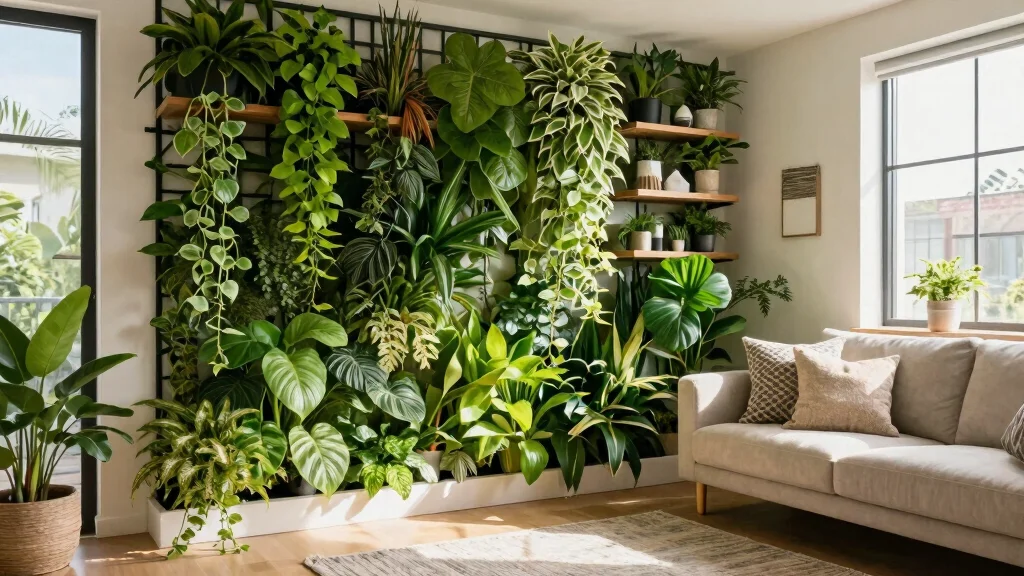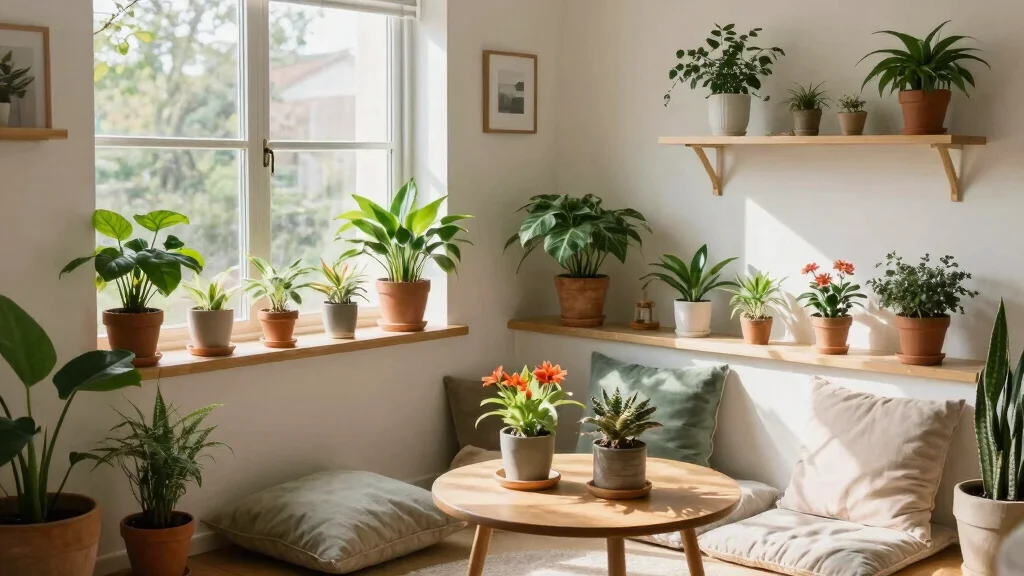

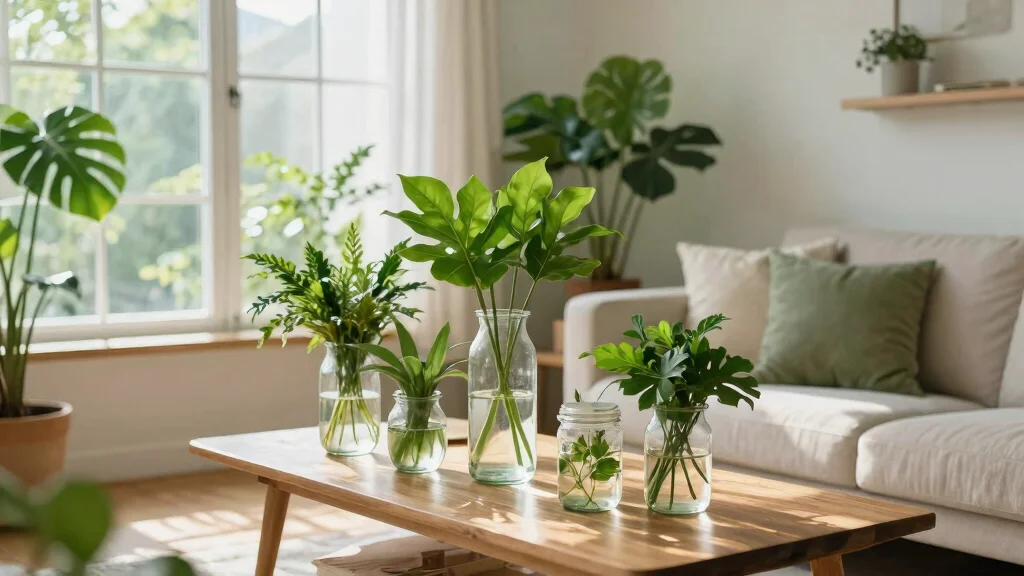
Indoor gardening has become a popular trend for many reasons. Whether you’re limited on space, have a busy lifestyle, or simply want to bring a bit of nature into your home, growing plants in water can be a fulfilling choice. This article is for anyone looking to dive into the world of indoor gardening without the hassle of soil. If you’ve ever found yourself craving greenery but felt daunted by traditional gardening methods, you’re not alone.
I created this guide to help you explore the fascinating world of hydroponic plants—specifically, the 15 amazing plants that thrive in water. If you’re someone who enjoys indoor gardening tips, this post will inspire you to start water propagation and discover the best indoor plants that require no soil. You’ll learn how to grow these plants effortlessly and beautify your space with vibrant greenery.
Get ready to embrace soil-free gardening and unlock the secrets of growing lush plants in your home! From the low-maintenance Pothos to the charming Lucky Bamboo, we’ll cover various options to suit your style and living space. Each plant comes with its own unique benefits and care tips, ensuring you’ll find the perfect fit for your indoor oasis.
Key Takeaways
– Discover 15 plants that thrive in water, making indoor gardening easy and mess-free.
– Learn about the benefits of hydroponic plants, including low maintenance and unique aesthetics.
– Gain practical tips for water propagation, ensuring your plants grow healthy and vibrant.
– Find out which indoor plants are best suited for various light conditions and spaces.
– Enjoy the beauty of soil-free gardening while enhancing the atmosphere of your home.
1. Pothos (Epipremnum aureum)
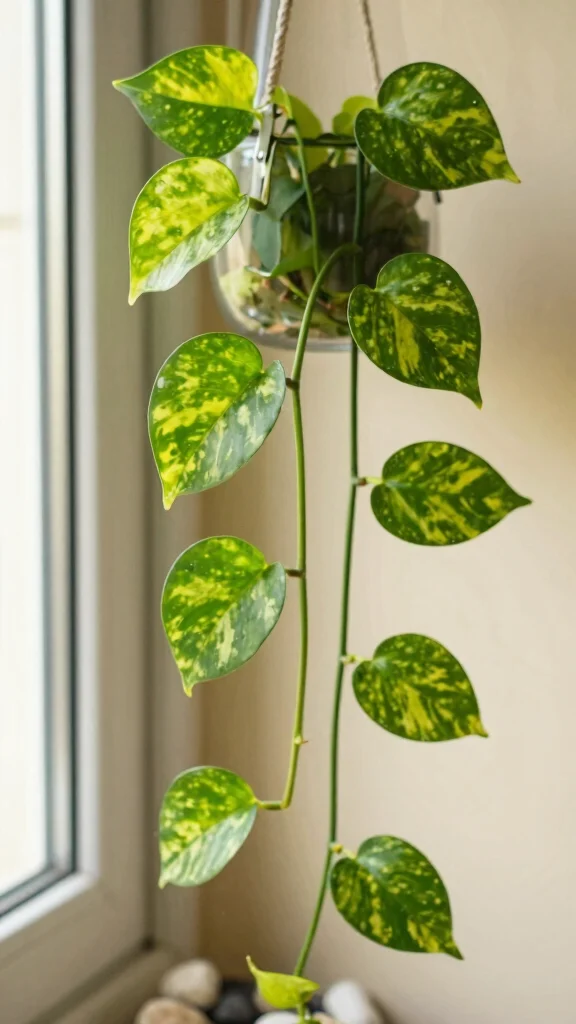
Pothos is the ultimate indoor companion, bringing life into your home with its lush, heart-shaped leaves. You’ll love how it effortlessly purifies the air while thriving in just a glass of water. Simply snip a healthy stem with nodes and place it in your favorite jar. This plant enjoys varying light conditions but flourishes best in bright, indirect light. Remember to refresh the water every couple of weeks to keep it crystal clear and algae-free. Pothos can transform any space, whether it’s cascading from a shelf or hanging in a planter.
To help your pothos thrive, be mindful of its water quality and light exposure. You can easily propagate more plants by taking cuttings from your existing pothos. This way, you’ll have a lovely green display throughout your home.
Key propagation tips:
– Use clean, filtered water for optimal health.
– Trim yellowing leaves to encourage new growth.
– Fertilize lightly with liquid plant food once a month.
Best location: A hanging pot near a window is perfect for this beautiful vine!
Fun fact: Pothos is one of the plants that grow in water indoor, and it can purify air while thriving in a simple glass. Snip a healthy stem with nodes, place it in a jar, and refresh every two weeks.
2. Spider Plant (Chlorophytum comosum)
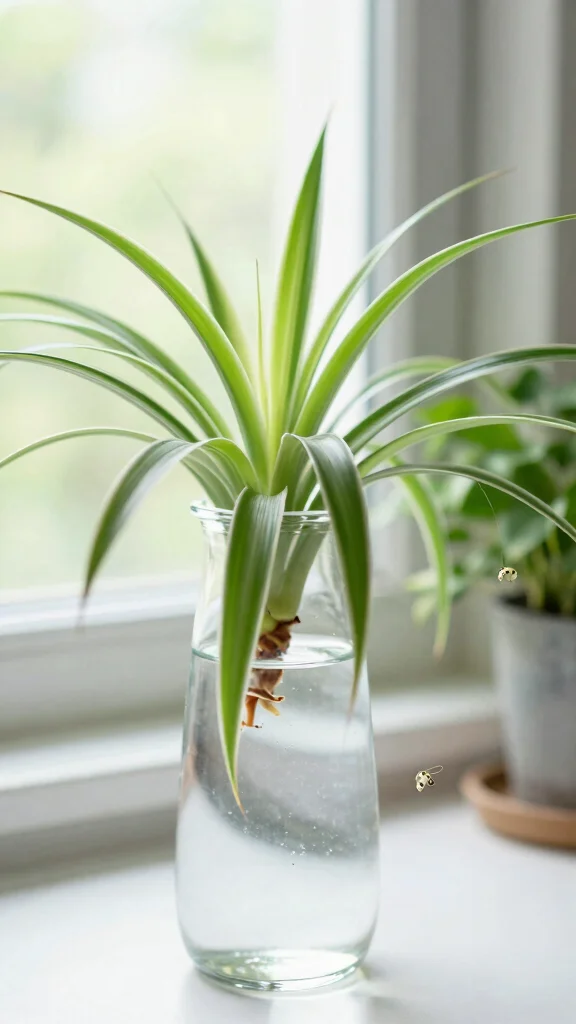
Spider plants are a delightful addition to any indoor garden, known for their graceful arching leaves and playful baby spiderettes. These resilient plants can thrive in water with minimal effort—just cut a healthy offset and place it in a vessel. They’re adaptable to various light conditions, making them perfect for both bright and low-light areas. Regularly changing the water helps maintain its vibrant appearance, and it’s a pet-friendly option for your home.
To keep your spider plant flourishing, consider using a clear container to admire the developing roots. Providing bright, indirect sunlight will encourage lush growth. Plus, you can propagate the pups as they appear, adding even more greenery to your space.
Water propagation tips:
– Use a clear glass container to showcase the roots.
– Place in bright, indirect light for best results.
– Keep the water level above the roots to avoid rot.
Best spot: A shelf where the leaves can elegantly spill over.
Ongoing Maintenance & Care Guide
Maintaining plants that grow in water indoors can be both rewarding and simple. With just a few tasks to keep track of, you can ensure your hydroponic plants thrive without soil. Let’s break down the maintenance schedule to help you manage your indoor garden effectively.
Maintenance Schedule:
Daily/Weekly Tasks:
– Check water levels and top off as needed to keep roots submerged. ✔ (5-10 minutes)
– Change the water every week to prevent algae growth and keep plants healthy. ✔ (10-15 minutes)
– Inspect leaves for signs of pests or disease. Remove any dead or yellowing leaves promptly. ✔ (5-10 minutes)
Monthly/Seasonal Tasks:
– Replace water with fresh, filtered water to ensure nutrients are balanced. ✔ (10-15 minutes)
– Clean containers to remove any mineral buildup or algae. Use a soft cloth or sponge. ✔ (15 minutes)
– Fertilize with a liquid houseplant fertilizer diluted to half strength. This helps maintain nutrient levels in the water. ✔ (10 minutes)
– Rotate plants to ensure even light exposure, especially if they are near a window. ✔ (5 minutes)
– Evaluate plant growth and prune as necessary to encourage healthy expansion. ✔ (15 minutes)
Maintenance Summary Table:
| Task | Frequency | Difficulty | Time Needed |
|—————————–|————–|————|————–|
| Check water levels | Daily | Easy | 5-10 minutes |
| Change water | Weekly | Easy | 10-15 minutes|
| Inspect leaves | Weekly | Easy | 5-10 minutes |
| Replace water | Monthly | Easy | 10-15 minutes|
| Clean containers | Monthly | Easy | 15 minutes |
| Fertilize | Monthly | Easy | 10 minutes |
| Rotate plants | Monthly | Easy | 5 minutes |
| Prune | Seasonal | Easy | 15 minutes |
Common Issues to Watch For:
⚠️ Algae Growth: If you notice green or brown slime on the water’s surface or sides of the container, it’s time to change the water and clean the container. Algae can hinder plant growth and make the water unhealthy.
⚠️ Yellow Leaves: Yellowing leaves can indicate overwatering or lack of nutrients. Check your water levels and consider adding a diluted fertilizer.
⚠️ Wilting or Drooping: If the plants look limp, it might mean they’re not getting enough light. Ensure they are in a spot with adequate natural light or consider supplemental lighting.
⚠️ Brown Tips: This could be a sign of too much fertilizer or low humidity. Try reducing the fertilizer and misting your plants more frequently.
⚠️ Pest Infestation: Check for tiny bugs or webs on your plants. If you spot any, isolate the affected plant and treat it with insecticidal soap or a mixture of water with dish soap.
Care Tips:
💡 Use Filtered Water: Tap water can contain chlorine and other chemicals harmful to plants. Always use filtered or distilled water for optimum health.
💡 Adjust Light Exposure: Rotate your plants to ensure all sides receive equal light. This will keep them growing evenly and prevent lopsided growth.
💡 Monitor Temperature: Keep your plants in a stable environment. Avoid placing them near drafty windows or heating vents, as temperature fluctuations can stress them.
💡 Clean Your Tools: Always use clean tools for pruning or handling your plants. This prevents the spread of diseases.
💡 Enjoy the Process: Gardening should be a fun and relaxing activity. Take some time to observe your plants and enjoy their growth.
By following this ongoing maintenance and care guide, you’ll keep your indoor hydroponic plants thriving. Whether you’re a beginner or a seasoned gardener, these tips will help ensure a lush, green indoor space free of soil!
3. Bamboo (Bambusoideae)
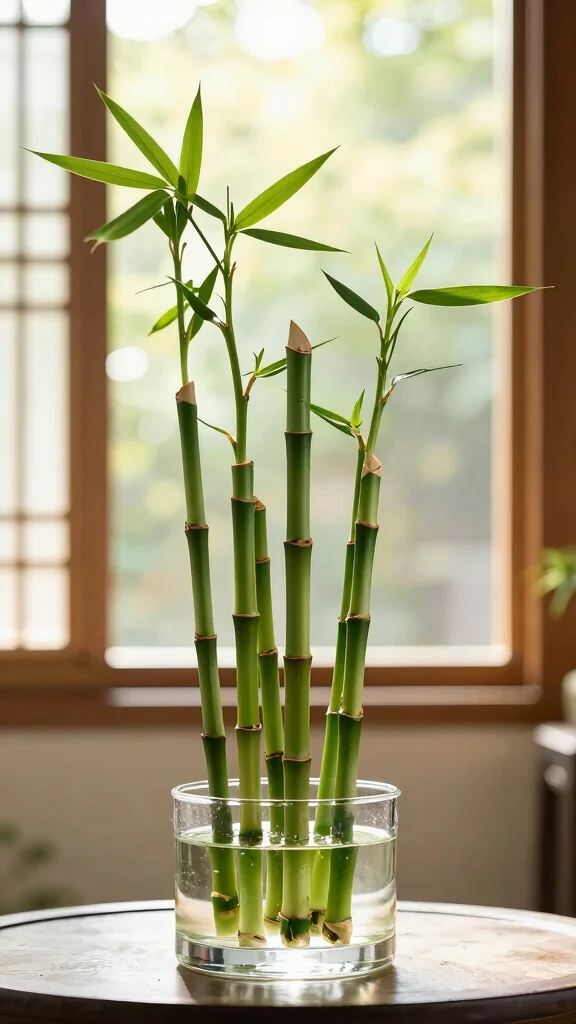
Bamboo is a striking indoor plant that brings a sense of tranquility and luck into your space. Known for its tall, slender stalks, it thrives beautifully in water, making it a unique decor piece. You can easily find decorative containers designed for hydroponics. Just keep the water fresh, and place it in bright, indirect sunlight for optimal growth. Watch as it flourishes and adds a serene touch to your home.
To ensure your bamboo thrives, use distilled water to promote healthy roots. Routine water changes every two weeks will keep it clean and vibrant. Additionally, monthly fertilization will help it grow strong and tall.
Propagation tips:
– Use distilled water for healthy growth.
– Change the water biweekly and rinse the roots gently.
– Fertilize monthly with a diluted liquid fertilizer.
Best location: A sunny corner or a windowsill where it can soak up the light.
4. Philodendron
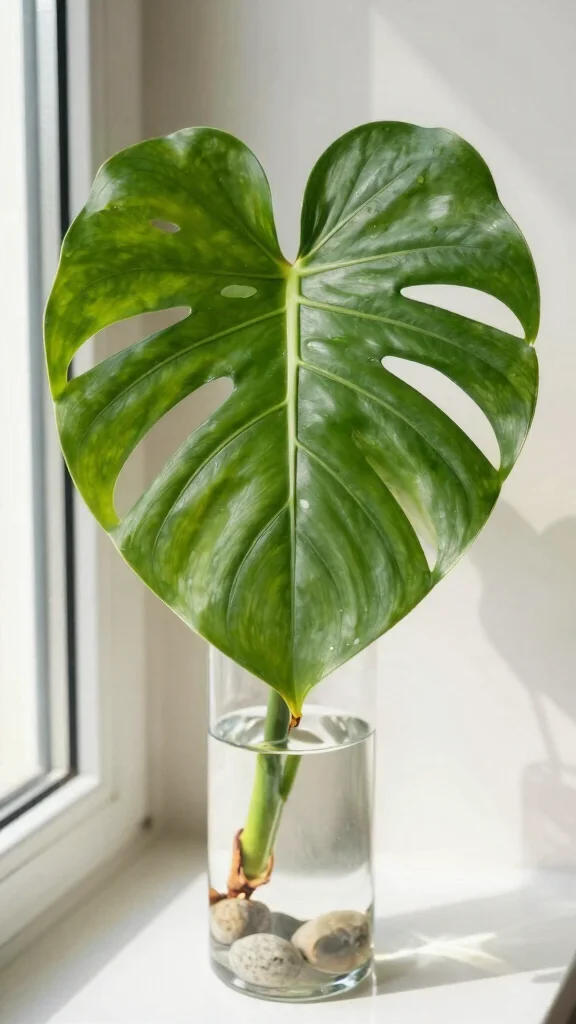
Philodendrons are a beloved choice for indoor gardeners, thanks to their lush, glossy leaves and forgiving nature. These resilient plants thrive in water, making them perfect for those new to plant care. Just cut a stem below a node and place it in a jar of water. They adapt well to various lighting conditions but enjoy a bit of humidity, adding a tropical feel to your space.
To keep your philodendron healthy, change the water weekly to maintain freshness. Regularly trim off any dead leaves to encourage new growth. A few drops of liquid fertilizer can also help boost their vitality.
Propagation tips:
– Change the water weekly to keep it fresh.
– Trim dead leaves frequently for better growth.
– Add liquid fertilizer occasionally for healthy growth.
Best location: A bright area in your home where it can drape beautifully over shelves or tables.
Fun fact: Plants that grow in water indoor like philodendrons thrive with a weekly water change. Cut below a node, drop the stem in a jar, and watch roots develop—great for beginners in hydroponic indoor gardening.
5. Lucky Bamboo (Dracaena sanderiana)
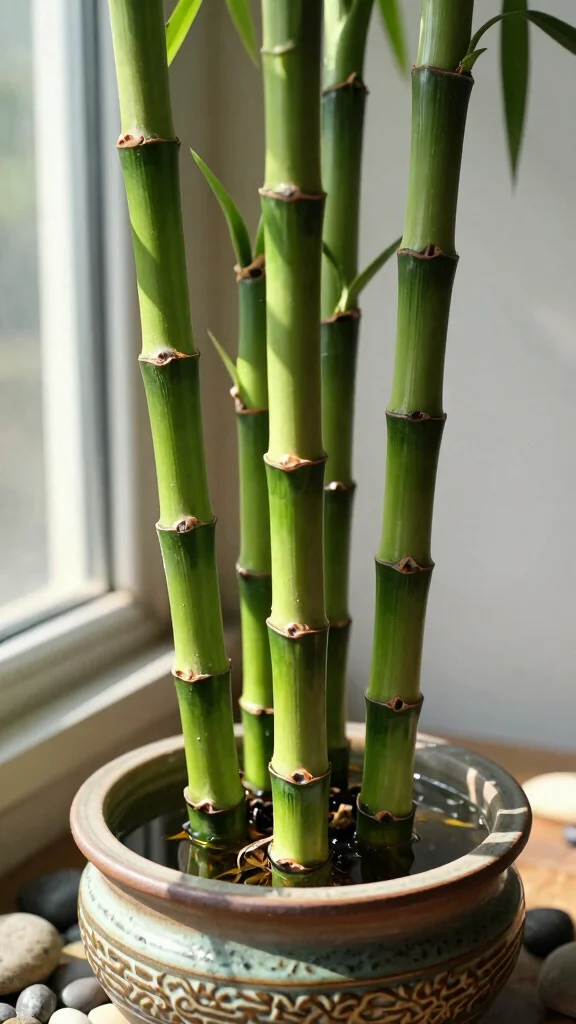
Lucky bamboo is not just a plant; it’s a symbol of prosperity and good fortune, making it a fantastic addition to your indoor garden. Growing in water is a breeze—simply place it in a decorative container and watch it thrive! This plant loves bright, indirect light and flourishes in filtered water. The more stalks you have, the more luck it brings, so consider adding a few to your collection for a fuller look.
To maintain your lucky bamboo, ensure the roots are always submerged in water. Changing the water every week or two is essential for keeping it clean and healthy. Using distilled or rainwater can provide the best results.
Propagation tips:
– Keep roots submerged in water at all times.
– Change the water every 1-2 weeks for cleanliness.
– Use distilled or rainwater for optimal growth.
Best location: A bright window where it can soak up sunlight, enhancing the positive energy in your living space.
Fun fact: Lucky bamboo grows best in water with 2-3 stalks per arrangement—it’s one of the easiest plants that grow in water indoor. Keep roots submerged in clean water and give it bright, indirect light; more stalks create a fuller, luckier display. Change water weekly for strong growth.
6. Cuttings of Herbs (Basil, Mint, etc.)
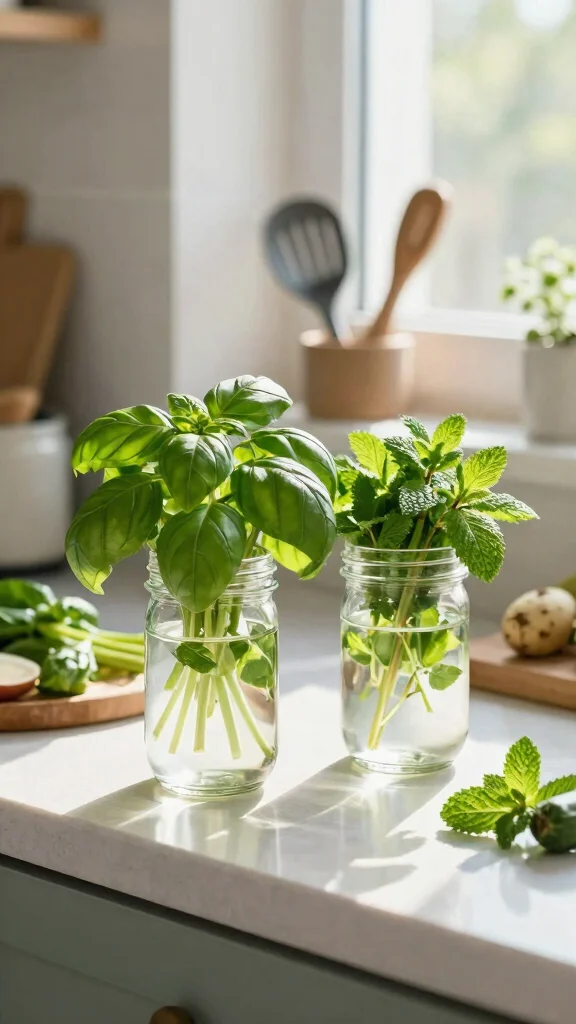
Imagine snipping fresh herbs right from your kitchen! Herbs like basil and mint can easily thrive in water, providing delightful flavors for your meals while brightening your space. Just cut a healthy stem just below a leaf node and place it in a glass of water. These herbs prefer bright light, making them perfect for a sunny kitchen counter. Plus, the aroma of fresh herbs fills your home with a delightful fragrance!
To keep your herbs fresh, change the water weekly. Pinching off the tips encourages fuller growth, and once they develop roots, you can transplant them into soil if desired.
Water propagation tips:
– Change the water weekly for freshness.
– Pinch off tips for bushier growth.
– Transplant to soil once roots develop.
Best spot: A sunny kitchen windowsill where you can easily access fresh herbs for cooking.
7. Geraniums
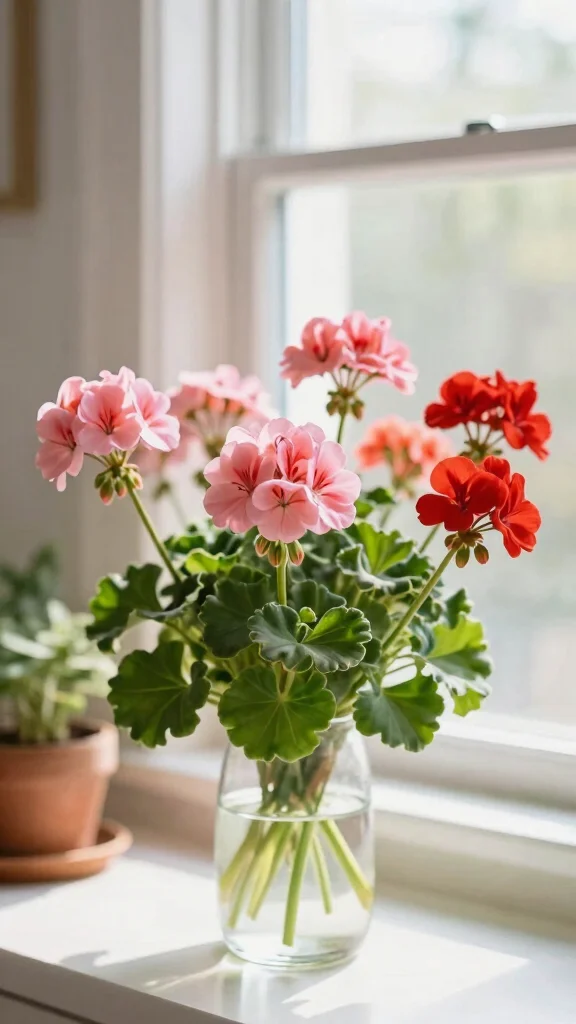
Geraniums are a burst of color and charm, perfect for brightening any indoor space! These cheerful flowers can thrive in water; simply cut a stem below a node, place it in a jar, and watch it bloom. They love plenty of natural light and benefit from a bit of humidity, so misting them occasionally can enhance their growth.
To keep your geraniums thriving, use clean water and change it regularly. Ensure that leaves stay above the water line to prevent rot, and monthly fertilization will keep their blooms vibrant.
Water propagation tips:
– Use well-drained water and change it often.
– Keep leaves above the water line to prevent rot.
– Fertilize monthly for vibrant blooms.
Best spot: A sunny windowsill where you can admire their colorful flowers.
8. African Violet (Saintpaulia)
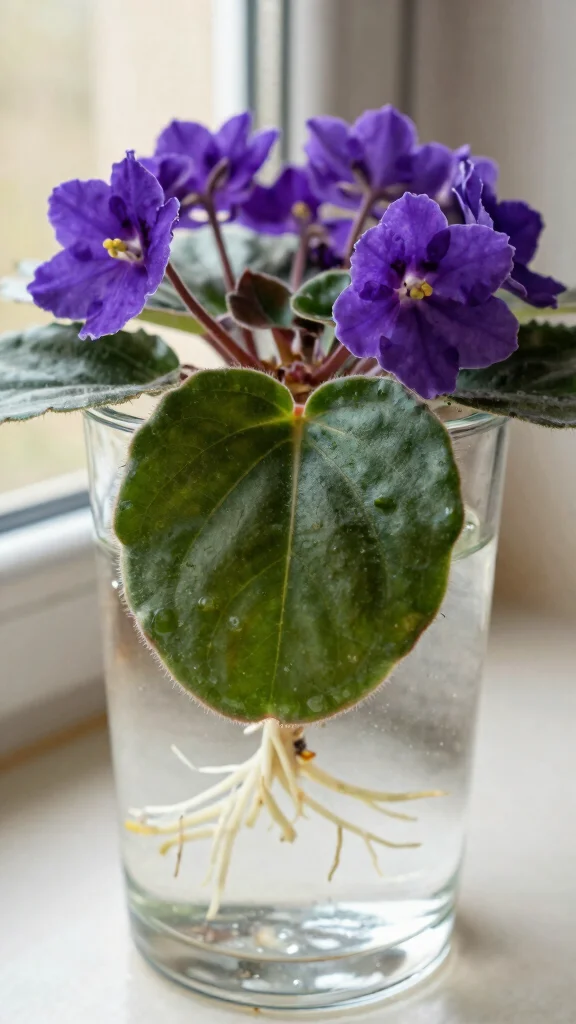
African violets are a stunning choice, bringing a splash of color to your indoor garden! These charming plants can be propagated in water using leaf cuttings. Just place a leaf with a stem in a glass of water, and soon you’ll see little baby plants sprouting! They thrive in indirect sunlight and enjoy humidity, making them ideal for kitchens or bathrooms.
To ensure their health, use distilled water to avoid mineral build-up. Regular water changes will keep them fresh, and keeping the leaf above the water level prevents rot.
Propagation tips:
– Use distilled water to prevent mineral build-up.
– Change the water weekly for freshness.
– Keep the leaf above water to avoid rot.
Best spot: A well-lit area that provides indirect light for these beauties.
9. Colocasia (Elephant Ear)
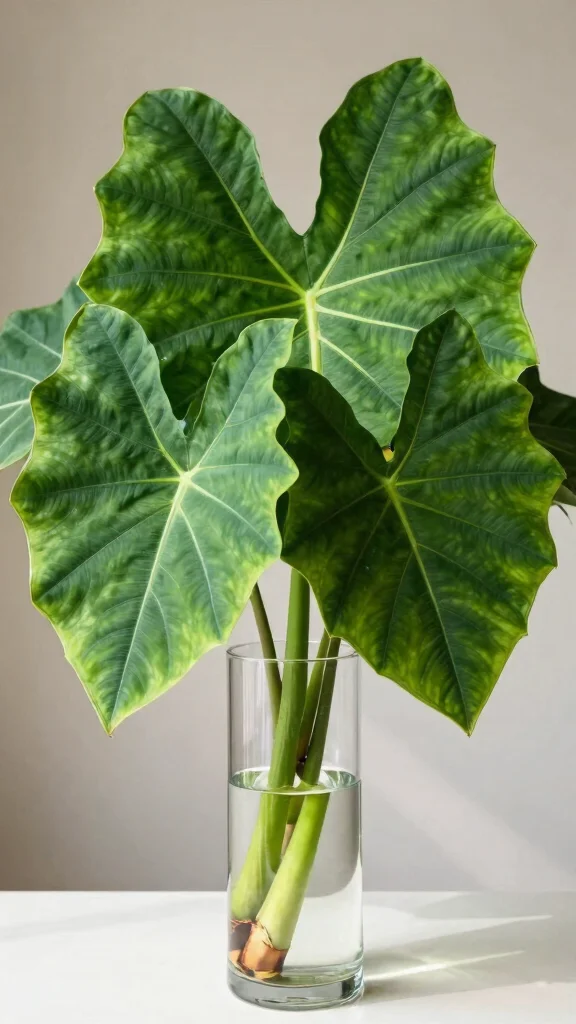
Colocasia, or Elephant Ear, adds an exotic flair to your indoor space! These beautiful plants can flourish in water, bringing their dramatic foliage right into your living room. Simply place a cutting in a container filled with water and ensure it gets bright light. They’ll thrive and become a striking statement piece in your home.
To keep your colocasia healthy, change the water frequently to maintain cleanliness. Using filtered water enhances their growth, and fertilizing every few months will promote lush foliage.
Propagation tips:
– Change the water regularly for cleanliness.
– Use filtered water for the best results.
– Fertilize every few months for lush growth.
Best spot: A bright corner where their large leaves can shine.
10. Tradescantia (Wandering Jew)
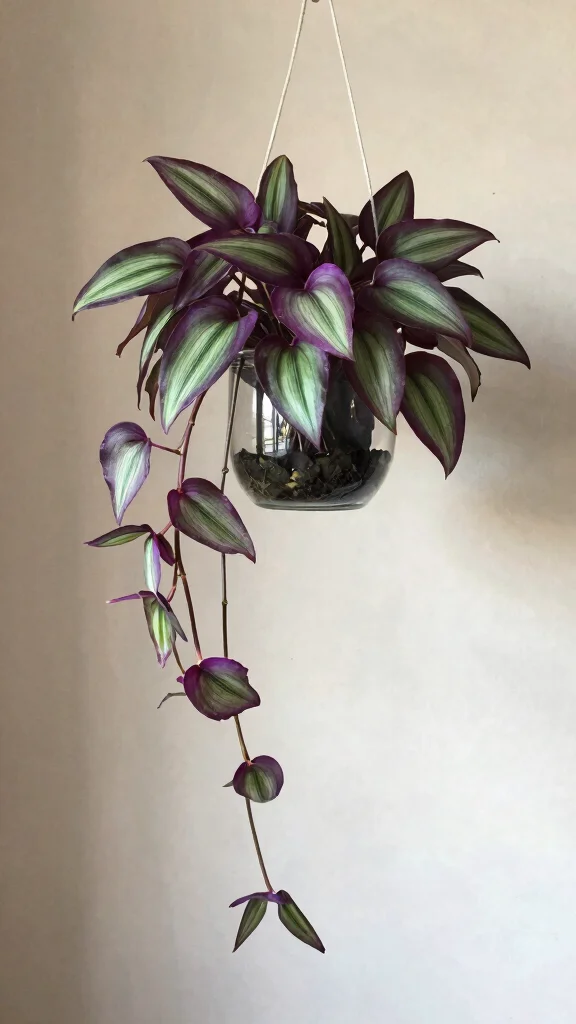
Tradescantia is a beautiful way to bring trailing greenery indoors! Known for its striking purple and green leaves, this plant grows easily in water. Just take cuttings and place them in a vase; they thrive in bright, indirect light. You’ll be amazed at how quickly they grow, perfect for creating a cascading effect over shelves and tables.
To keep your tradescantia healthy, change the water weekly and trim any dead leaves to ensure vitality. Misting the leaves occasionally boosts humidity and encourages growth.
Propagation tips:
– Change the water weekly for optimal growth.
– Trim dead leaves to maintain plant health.
– Mist leaves occasionally to enhance humidity.
Best spot: A hanging planter or elevated shelf to showcase their beautiful trails.
11. Assorted Succulents
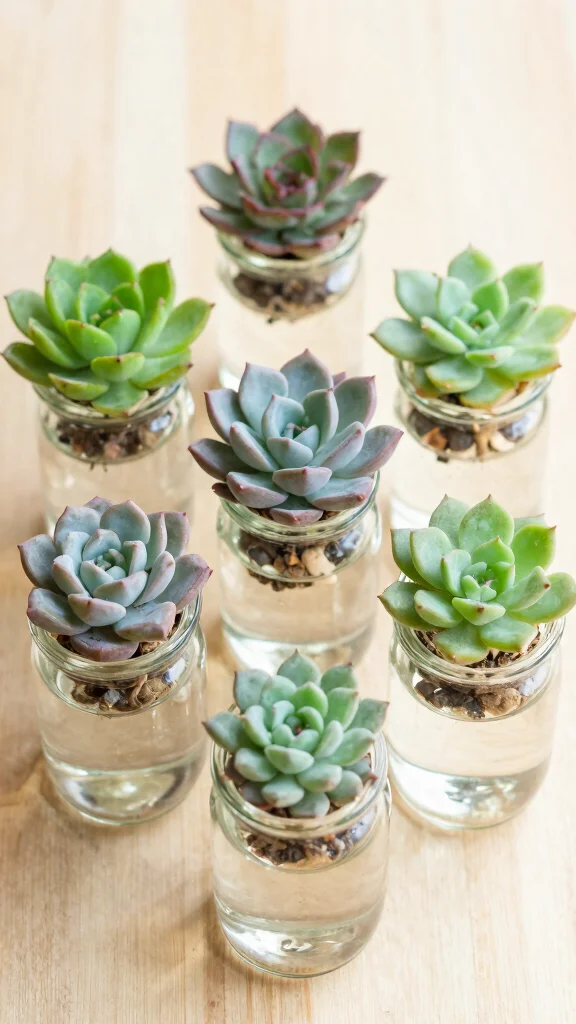
Succulents are trendy, low-maintenance, and perfect for indoor gardening! While they typically prefer soil, many types can also thrive in water. Start with cuttings—just place them in a jar and let the roots develop. These plants need bright light to thrive, so position them in a well-lit area.
To prevent rot, let cuttings dry for a few days before placing them in water. Changing the water every couple of weeks is essential, and using diluted fertilizer occasionally will help boost their growth.
Propagation tips:
– Allow cuttings to dry a few days before placing in water.
– Change the water every couple of weeks.
– Use diluted fertilizer occasionally for growth.
Best spot: A sunny windowsill or decorative shelf to showcase their unique shapes.
12. Water Lilies
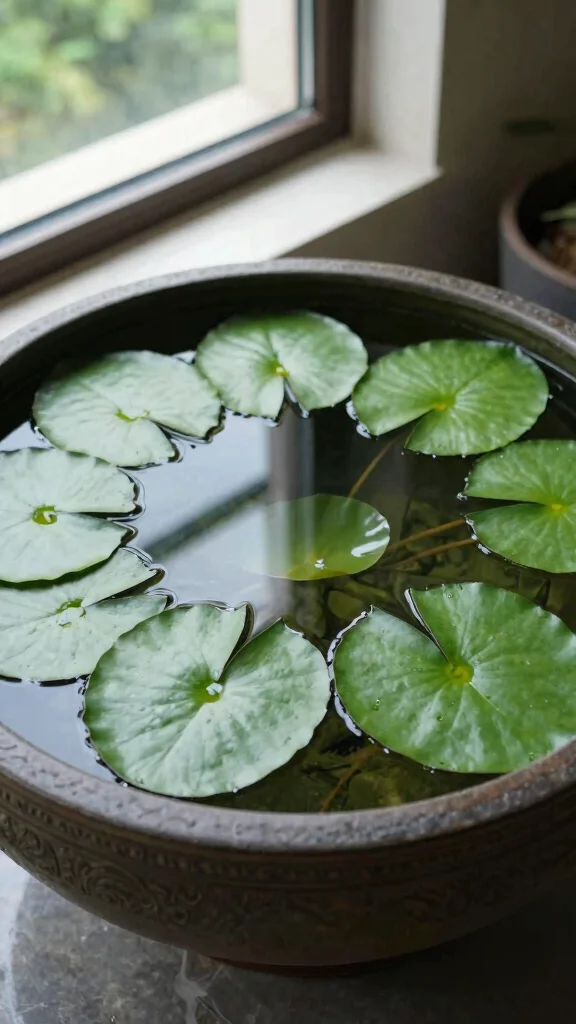
Water lilies aren’t just for ponds—they can also thrive in your indoor water garden! These stunning aquatic plants can be grown in large containers filled with water, adding tranquility to your space. Position them where they receive bright, indirect sunlight, and enjoy watching them bloom into beautiful flowers!
To keep your water lilies healthy, change the water regularly to maintain cleanliness. Ensure the container is deep enough for their roots, and monthly fertilization will promote robust blooms.
Propagation tips:
– Change the water regularly for cleanliness.
– Ensure the container is deep enough for roots.
– Fertilize monthly for vibrant blooms.
Best spot: A patio or sunroom where they can bask in sunlight.
13. Ivy (Hedera helix)
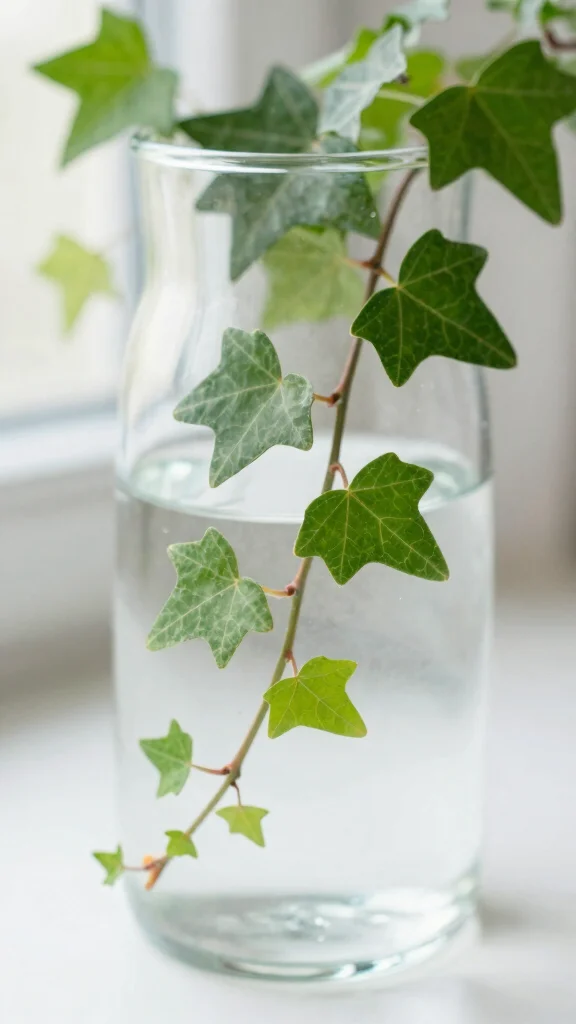
Ivy is a classic indoor plant that’s incredibly easy to propagate in water! Its trailing vines and beautiful leaves add elegance and charm to any space. Simply cut a stem from the vine, place it in a glass of water, and watch it grow! Ivy flourishes in bright, indirect light, making it a perfect choice for shelves or hanging pots.
To maintain your ivy, change the water weekly to keep it fresh. Regularly trim any yellowing leaves to promote healthy growth. Monthly fertilization helps boost its vitality.
Propagation tips:
– Change the water weekly for freshness.
– Trim yellowing leaves regularly.
– Fertilize monthly for better growth.
Best spot: A shelf where the vines can elegantly drape down.
14. Croton (Codiaeum variegatum)
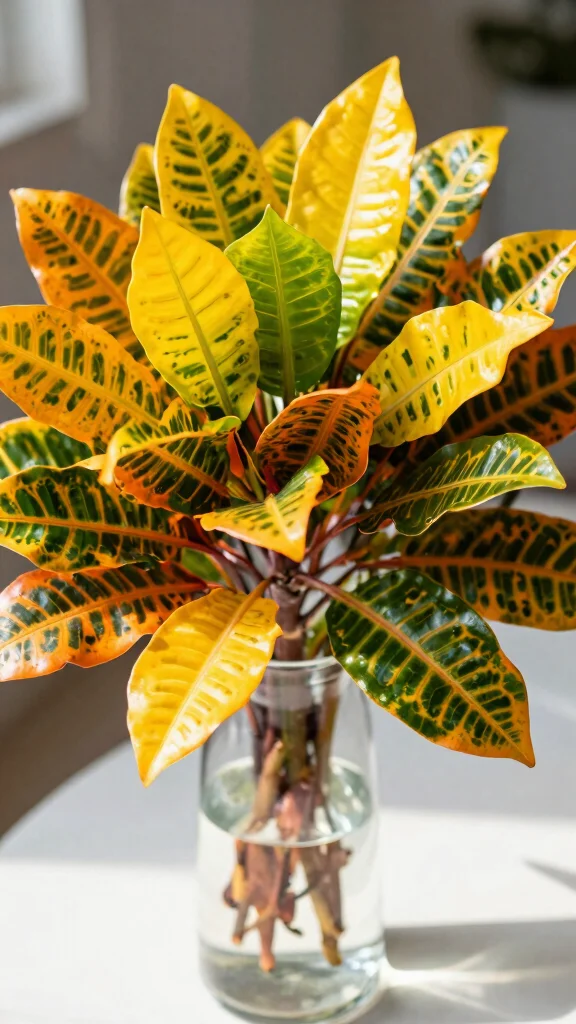
Croton is a spectacular plant known for its vibrant, colorful foliage. While it typically prefers soil, you can propagate croton in water too. Just cut a stem and place it in a glass; it enjoys bright, indirect light. Its stunning leaves will add a bold splash of color to your indoor garden!
To keep your croton thriving, use clean water and change it regularly. Watch for any yellowing leaves and prune them as needed to maintain health. Monthly fertilization will enhance its foliage.
Propagation tips:
– Use clean water and change it regularly.
– Prune yellowing leaves to maintain vitality.
– Fertilize monthly for vibrant foliage.
Best spot: A bright corner that highlights its stunning colors!
15. Calathea
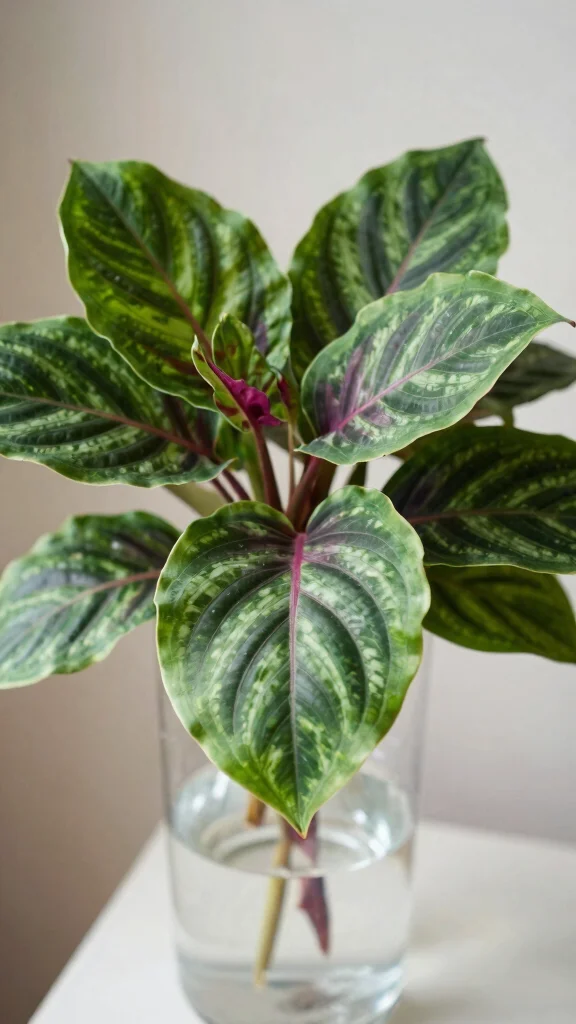
Calathea is a favorite for its striking patterns and colors! These beautiful plants can thrive in water, making them a visually appealing choice for indoor gardening. Simply cut a stem and place it in water, ensuring it gets bright, indirect light. Calathea loves humidity, so misting it regularly is beneficial for its health.
To promote healthy growth, change the water frequently and use filtered water to avoid mineral build-up. Fertilizing every few months keeps the foliage vibrant and lush.
Propagation tips:
– Change the water frequently for healthy growth.
– Use filtered water to prevent mineral build-up.
– Fertilize every few months for vibrant foliage.
Best spot: A humid area like a bathroom or kitchen where it can thrive!
Conclusion
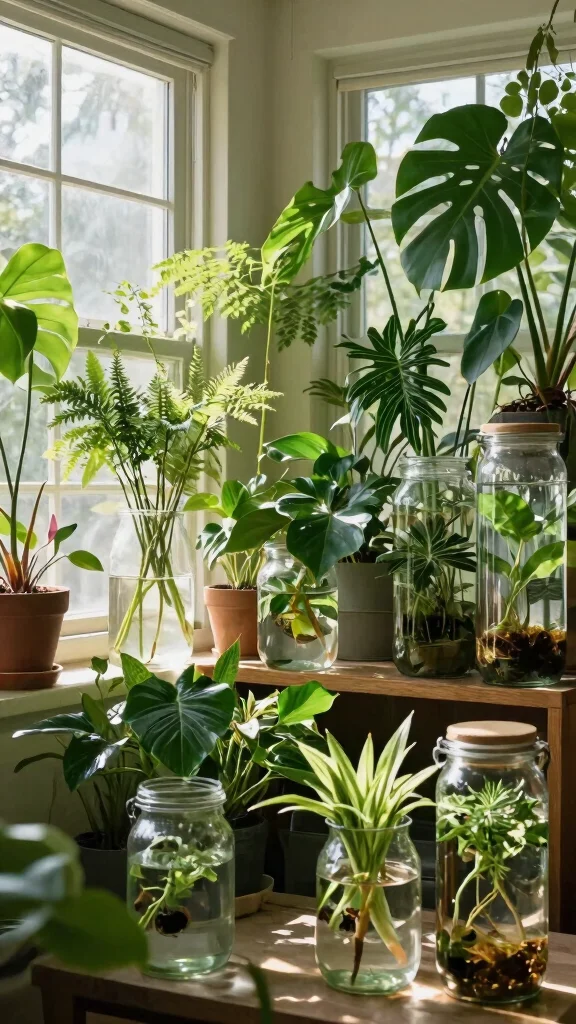
Embracing indoor gardening has never been easier with these incredible plants that thrive in water!
From vibrant herbs to stunning flowers, each plant brings its own unique charm to your indoor space. They not only enhance your decor but also purify the air, making your home feel fresher and more inviting. So, why not get started on your hydroponic journey today and explore the joys of soil-free gardening?
Frequently Asked Questions
What are the easiest plants that grow in water indoor for beginners?
Several hydroponic plants thrive in water without soil, making them perfect for beginners. Top picks include pothos (golden pothos), heartleaf philodendron, spider plant, peace lily, lucky bamboo, and Chinese evergreen.
Getting started: choose a clean container with bright, indirect light; fill with fresh, chlorine-free water; place a healthy cutting so the nodes are submerged and leaves stay above water. After roots appear, you can keep the plant in water or add a diluted hydroponic nutrient solution to encourage growth. Change the water every 7–10 days and wipe the container if you see algae. With minimal setup and regular care, these plants that grow in water indoor are beginner-friendly and rewarding.
How can I start growing plants that grow in water indoor from cuttings?
Starting from cuttings is a breeze.
Choose a healthy stem with 2–3 nodes, cut just below a node, and remove the bottom leaves so only the top pair remain above water. Place the cutting in a clear jar or bottle with water, and keep it in bright, indirect light. Change the water every 3–4 days initially to prevent stagnation. Once roots form (usually in 1–3 weeks), you can continue growing in water or add a diluted hydroponic nutrient solution for faster growth. This water-propagation approach is perfect for plants that grow in water indoor and helps you master the basics of hydroponics.
What supplies do I need for hydroponic plants and growing plants that grow in water indoor in a soil-free setup?
Here’s a practical starter list: a clear container (glass jars work great), clean water, and a bright indirect light source. Optional but helpful: a hydroponic nutrient solution for longer-lasting growth, a pH test kit to keep the water around 5.5–6.5, and an optional aeration device (air pump and air stone) for extra oxygen. Use filtered or dechlorinated water to protect roots. Start with a few easy hydroponic plants like pothos or spider plant and observe how they respond in your chosen setup.
How often should I change the water and how should I dose nutrients for plants that grow in water indoor?
Water changes are simple: refresh the water every 1–2 weeks, or sooner if it becomes cloudy or develops an odor. For nutrients, start with a diluted hydroponic nutrient solution at about half the label’s recommended strength for leafy plants, then adjust as needed. Keep the water pH between 5.5 and 6.5 and test it regularly. Avoid over-fertilizing, which can burn roots. Regular water changes plus proper nutrient dosing help your plants that grow in water indoor stay healthy and productive.
What common mistakes do beginners make with soil-free gardening and how can I avoid them for plants that grow in water indoor?
Common pitfalls include too little light (leading to leggy growth) or direct sun (causing algae and stress), using untreated tap water that contains chlorine, and letting water stagnate without changes. Other mistakes are neglecting to clean containers, which invites algae and bacteria, and under- or over-fertilizing. To avoid these, place plants in bright, indirect light, dechlorinate tap water or use filtered water, change water regularly, clean containers monthly, and follow a cautious nutrient schedule designed for soil-free gardening and hydroponic plants.
Related Topics