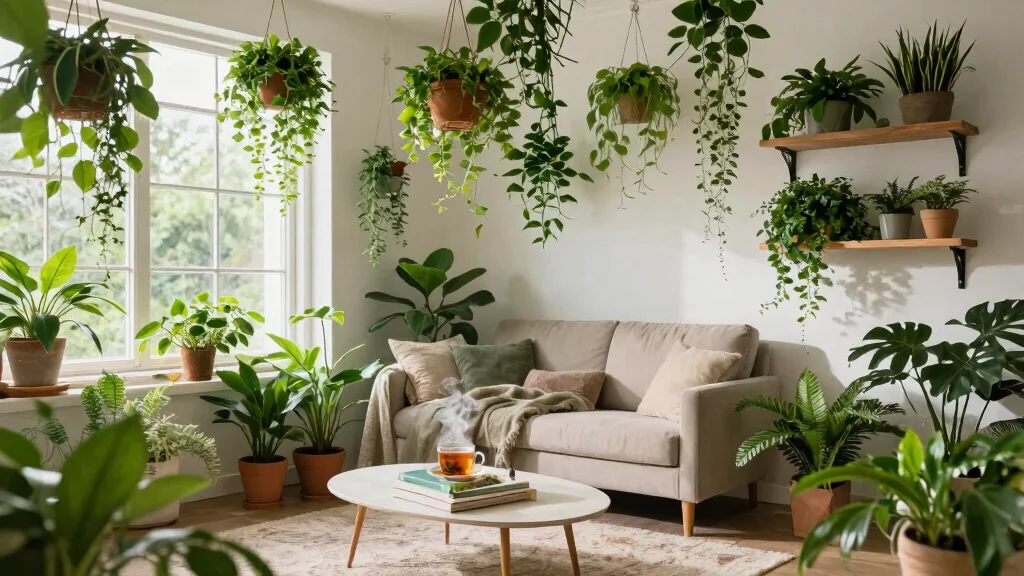

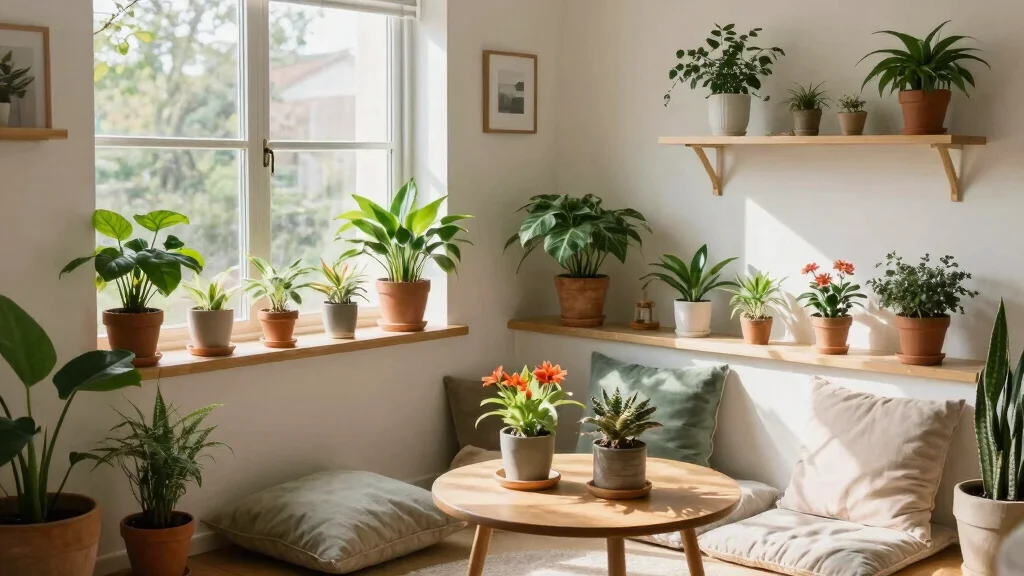
The hustle and bustle of city life often leaves little room for nature. If you’re living in a tiny apartment, your craving for greenery can feel like a distant dream. That’s why I put together this guide on small indoor plants that thrive in limited space. These little botanical buddies not only brighten your home but also bring a sense of calm and freshness to your living area.
If you’re someone who loves plants or simply wants to add a touch of green to your cozy nook, this post is for you. Whether you’re a seasoned plant parent or a newbie, finding low-light, compact houseplants can be a game-changer. I’ve rounded up 15 small indoor plants that are easy to care for and fit perfectly in any corner of your apartment. You’ll discover options that require minimal light and maintenance, making them ideal for space-saving gardening.
Get ready to transform your space into a small oasis. Each selection in this list is not only stylish but also brings unique benefits to your home. You’ll learn about their care requirements, how to display them, and what makes each plant special. By the end, you’ll feel empowered and excited to welcome some new green companions into your life.
Key Takeaways
– Diverse Options: You’ll find 15 small indoor plants that thrive in low-light conditions, perfect for apartment living.
– Easy Care: Most of these plants require minimal maintenance, making them great for busy lifestyles.
– Space-Saving: All selections are compact houseplants, ideal for small spaces without compromising style.
– Air Purifiers: Many of these plants help purify the air, improving your living environment.
– Aesthetic Appeal: Each plant offers unique visual appeal, allowing you to create a beautiful indoor garden that reflects your personality.
1. Snake Plant (Sansevieria)
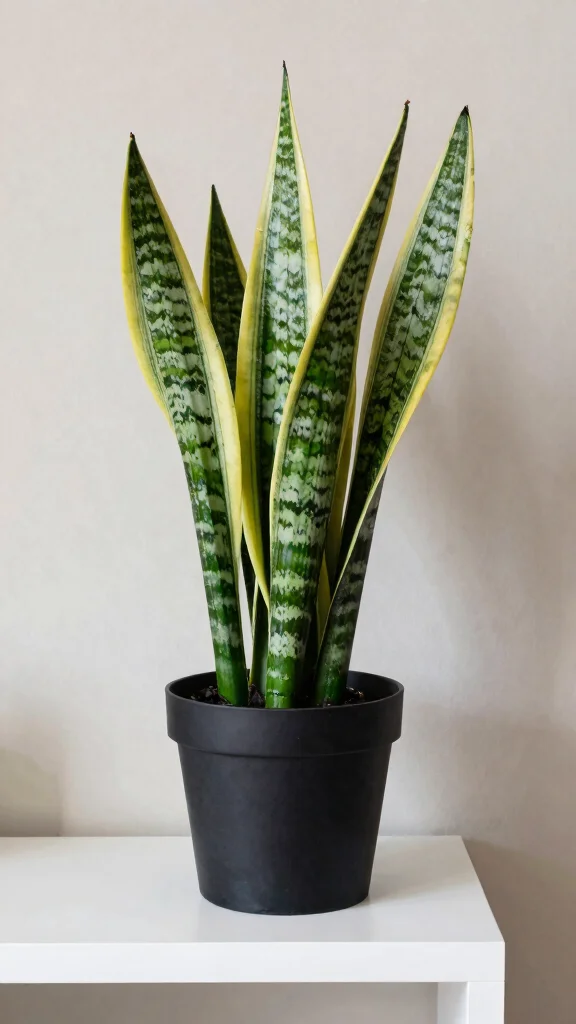
If you’re looking for a plant that thrives on neglect, the snake plant is your go-to choice. Its bold, sword-like leaves make a striking statement in any room, and they come in various shades of green with beautiful patterns. This hardy plant is perfect for those dimly lit corners, as it requires minimal light and adds a modern touch to your decor.
To keep your snake plant healthy, water it sparingly and make sure the soil is completely dry before the next watering. It’s a fantastic air purifier, helping to cleanse the air while you sleep, which adds to its appeal in your home.
Key care insights:
– Watering: Water infrequently; let the soil dry completely.
– Light Needs: Thrives in indirect sunlight; tolerates low light.
– Growth: Can reach up to 3 feet tall, ideal for tight spaces.
2. Pothos
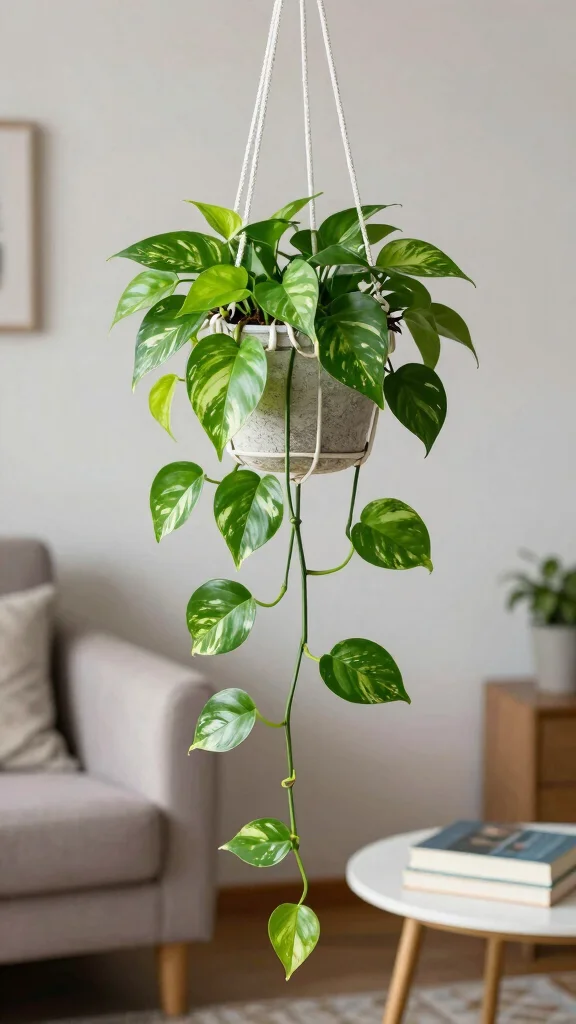
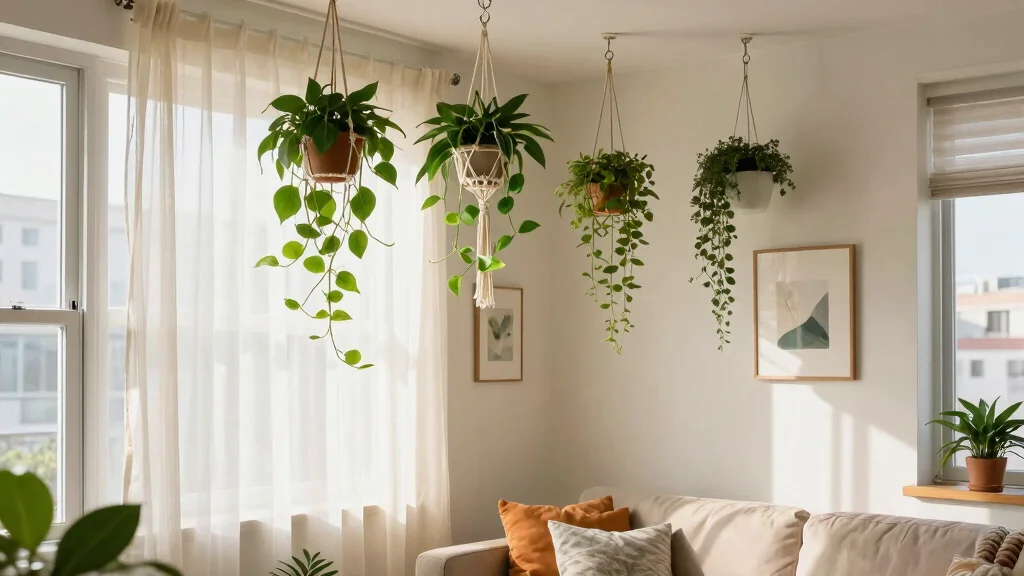
Pothos plants are perfect for anyone wanting a touch of greenery with minimal effort. Their long, trailing vines can create a stunning visual effect, whether draped from a shelf or cascading from a hanging basket. With their heart-shaped leaves in various green tones, these plants bring life and vibrancy to any space.
To care for your pothos, simply water it when the top inch of soil feels dry. These adaptable plants can thrive in various lighting conditions, making them a great choice for beginners.
Care essentials:
– Watering: Water when the top inch of soil is dry.
– Light Requirements: Prefers indirect light; can tolerate low light.
– Growth: Can grow up to 10 feet long; trim as needed.
Ongoing Maintenance & Care Guide
Maintenance Schedule:
Daily/Weekly Tasks:
– Check Soil Moisture: Use your finger to test the top inch of the soil. If it feels dry, it’s time to water. ⏱ (5 minutes)
– Dust Leaves: Wipe the leaves with a damp cloth to remove dust. This helps the plant breathe better. ✔ (10 minutes)
– Rotate Plants: Turn your plants every week for even sunlight exposure. This helps them grow evenly. ⏱ (5 minutes)
Monthly/Seasonal Tasks:
– Watering Schedule: Adjust watering based on the season. In winter, many plants need less water. ✔ (15 minutes)
– Fertilize: Use a balanced liquid fertilizer during the growing season (spring and summer). Mix according to package directions. 💡 (20 minutes)
– Repotting: Check if any plants are root-bound. If roots are growing out of the pot, it’s time to repot. Choose a pot that is 1-2 inches larger. 🚀 (30 minutes)
– Pest Check: Look under leaves and on stems for pests like spider mites or aphids. Treat promptly if found. ✔ (15 minutes)
– Pruning: Trim off dead or yellowing leaves to encourage new growth. This also prevents disease. 💡 (15 minutes)
Maintenance Summary Table:
| Task | Frequency | Difficulty | Time Needed |
|————————|——————–|————–|————-|
| Check Soil Moisture | Daily/Weekly | Easy | 5 minutes |
| Dust Leaves | Weekly | Easy | 10 minutes |
| Rotate Plants | Weekly | Easy | 5 minutes |
| Watering | Monthly/Seasonal | Easy | 15 minutes |
| Fertilize | Monthly | Easy | 20 minutes |
| Repotting | As needed | Moderate | 30 minutes |
| Pest Check | Monthly | Moderate | 15 minutes |
| Pruning | Monthly | Easy | 15 minutes |
Common Issues to Watch For:
⚠️ Yellow Leaves: This can mean overwatering or lack of nutrients. Check the soil moisture and adjust your watering schedule.
⚠️ Brown Tips: Often caused by low humidity or underwatering. Increase humidity or adjust your watering habits accordingly.
⚠️ Wilting: This might indicate either overwatering or underwatering. Quickly assess the soil condition.
⚠️ Pest Infestation: Signs include tiny webs or sticky residue on leaves. Act fast by using insecticidal soap or neem oil.
⚠️ Stunted Growth: If your plants aren’t growing, they might need more light or nutrients. Check their location and nutrient levels.
Care Tips:
💡 Choose the Right Location: Place your small indoor plants in spots that receive indirect sunlight. Many low-light plants thrive in these conditions.
💡 Stick to a Routine: Consistency is key. Try to check your plants on the same day each week to establish a routine.
💡 Use Quality Soil: Using a well-draining potting mix can help prevent root rot. Always choose soil suited for indoor greenery.
💡 Group Plants Together: This helps create a mini-greenhouse effect, raising humidity levels, which is great for moisture-loving plants.
💡 Observe Your Plants: Take note of any changes in your plants’ health. The sooner you spot issues, the easier they are to fix.
Taking care of small indoor plants in your apartment can be both simple and rewarding. By following this guide, you’ll keep your compact houseplants thriving and your living space full of greenery. Enjoy your journey in space-saving indoor gardening!
3. ZZ Plant (Zamioculcas zamiifolia)
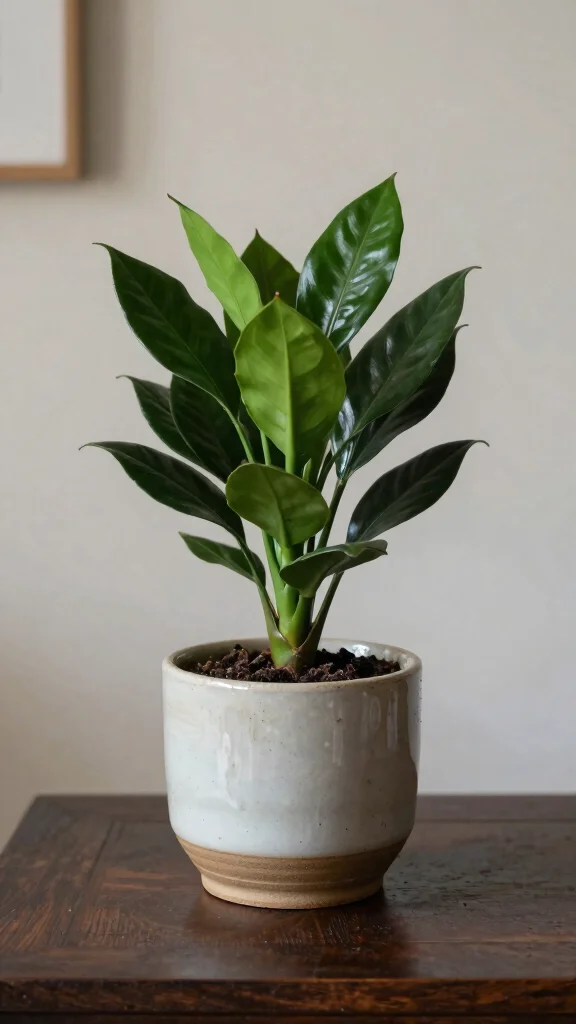
The ZZ plant is a fantastic option for those who lead busy lives but still want to enjoy indoor greenery. With its glossy, thick leaves, it’s not only an eye-catching addition but also incredibly resilient, thriving even in low-light conditions. This plant is known for its air-purifying properties, making it a great choice for any environment.
Water your ZZ plant every two to three weeks, allowing the soil to dry out between waterings. Its upright growth habit makes it a perfect fit for small corners, adding style without overwhelming your space.
Quick care tips:
– Watering: Water every two to three weeks.
– Light Needs: Thrives in low to bright indirect light.
– Height: Grows up to 3 feet tall.
Fun fact: ZZ plants store water in thick, glossy leaves, so they happily thrive with a watering schedule of every two to three weeks. They tolerate low light and still purify the air, making small indoor plants feel effortless. Keep it simple, little care goes a long way.
4. Spider Plant (Chlorophytum comosum)
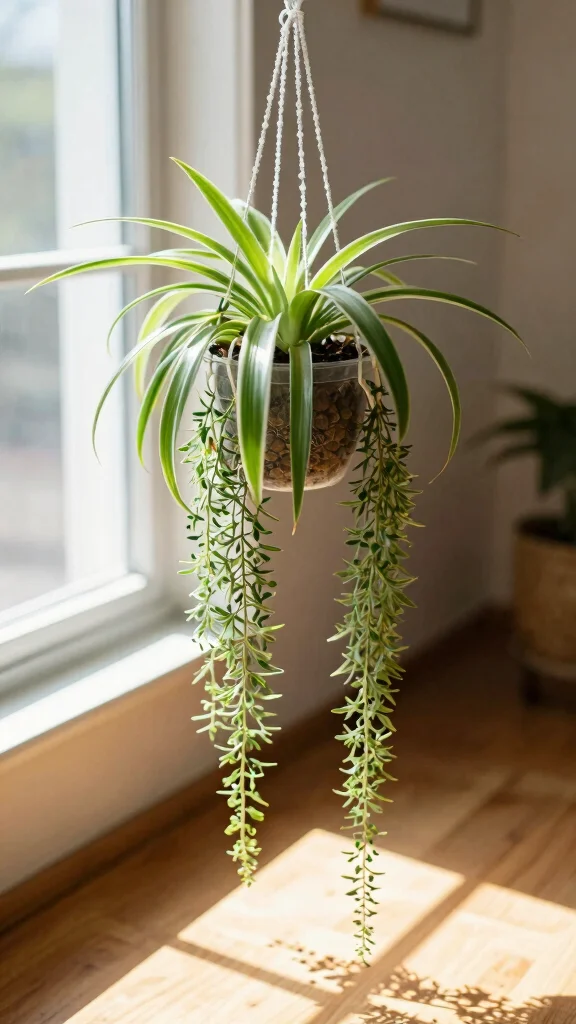
Spider plants are a delightful addition to any indoor garden, known for their long, arching leaves and charming baby plantlets. They’re not just easy to care for; they also bring a playful vibe to your home. These resilient plants thrive in low light and are recognized for their air-purifying abilities, making them a worthy choice for improving indoor air quality.
To maintain your spider plant, water it only when the top inch of soil is dry. They adapt well to various lighting conditions, which makes them perfect for any room.
Essential care tips:
– Fertilization: Fertilize monthly during the growing season.
– Light Requirements: Prefers bright, indirect light; adaptable to lower light.
– Size: Grows up to 1-2 feet tall and wide.
Fun fact: Spider plants, one of the best small indoor plants, can remove up to 90% of common indoor pollutants in 24 hours, and they thrive in low light. They’re tough and forgiving for busy apartments.
5. Peace Lily (Spathiphyllum)
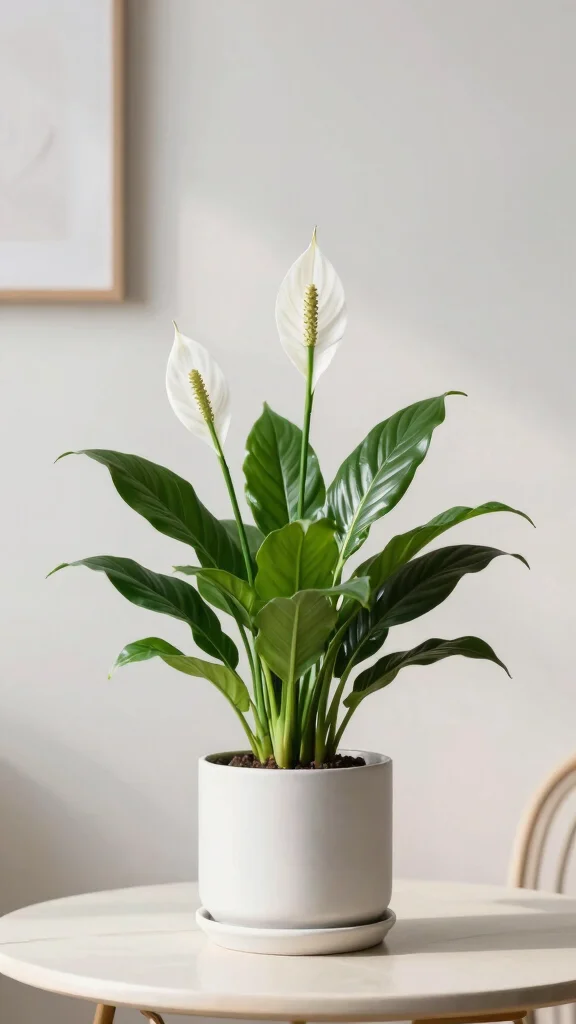
If elegance is what you seek, the peace lily is an excellent choice. With its lush green leaves and striking white flowers, it adds a beautiful touch to any space. This plant is exceptional at thriving in low-light conditions, making it a perfect fit for dimly lit areas of your home.
Peace lilies are easy to care for; they will let you know when they need water by drooping slightly. This means you don’t need to have a green thumb to keep one happy and thriving.
Care highlights:
– Watering: Water when leaves droop; avoid overwatering.
– Light Needs: Prefers low to medium indirect light.
– Growth: Ranges from 1-4 feet tall, depending on the variety.
6. Rubber Plant (Ficus elastica)
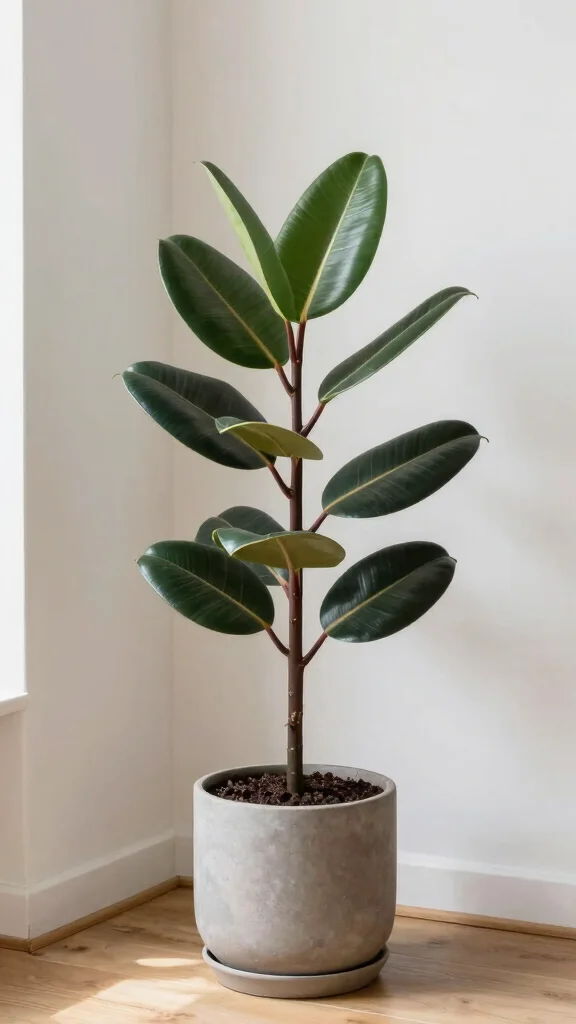
Rubber plants bring a touch of drama to your indoor space with their large, glossy leaves. They prefer bright, indirect sunlight but can adapt to lower light levels, making them versatile for apartment living. Not only do they add visual interest, but they are also low maintenance, needing only occasional watering to thrive.
To keep your rubber plant healthy, wipe the leaves with a damp cloth to keep them clean and dust-free. This will enhance their appearance and allow them to photosynthesize effectively.
Key care points:
– Leaf Care: Wipe leaves with a damp cloth regularly.
– Light Requirements: Thrives in bright, indirect light; tolerates low light.
– Size: Can grow from 3 to 10 feet tall.
7. Chinese Evergreen (Aglaonema)
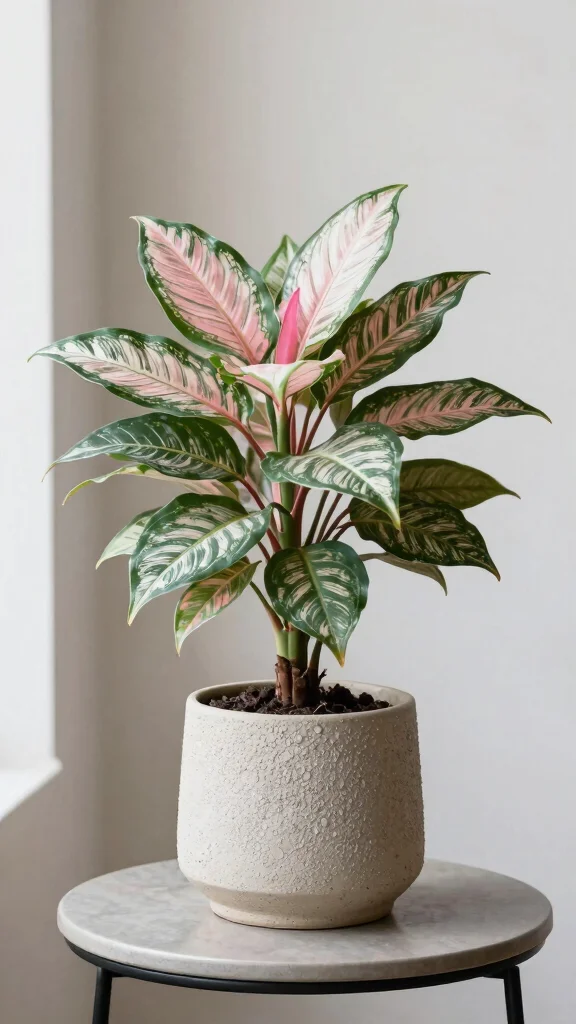
For vibrant color and unique patterns, the Chinese evergreen is a fantastic option. This plant is available in a variety of stunning leaf colors and patterns, making it a lively addition to your indoor decor. It’s incredibly forgiving and thrives in almost any lighting condition, particularly low light.
To care for your Chinese evergreen, water it when the soil feels dry but avoid letting it sit in water. Its lush foliage makes it a wonderful choice for beginners looking to brighten their spaces.
Care essentials:
– Watering: Water when the soil is dry; avoid water stagnation.
– Light Needs: Adaptable; grows well in low to bright indirect light.
– Height: Grows up to 1-3 feet tall.
8. Cast Iron Plant (Aspidistra elatior)
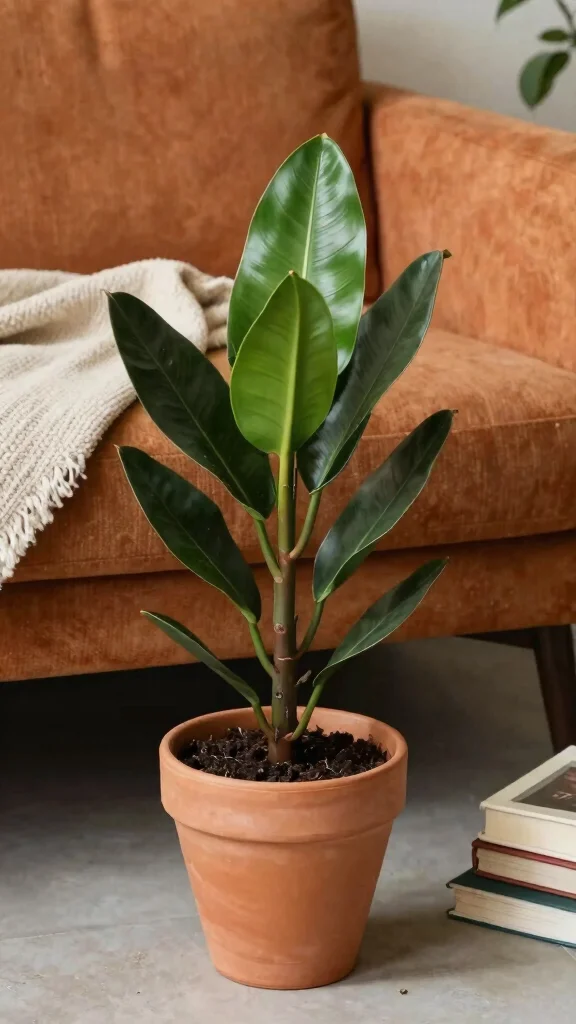
True to its name, the cast iron plant is nearly indestructible, making it perfect for those without a green thumb. With broad, dark green leaves, it thrives in low light and can withstand neglect, making it an unbeatable choice for busy lifestyles. This plant is also known for its air-purifying capabilities, enhancing your indoor environment.
Water your cast iron plant sparingly, allowing the soil to dry out between waterings. Its sturdy nature ensures it will thrive in various conditions.
Quick care tips:
– Watering: Water sparingly; let the soil dry out.
– Light Needs: Thrives in low light but tolerates brighter spots.
– Growth: Grows up to 2-3 feet tall.
9. Boston Fern (Nephrolepis exaltata)
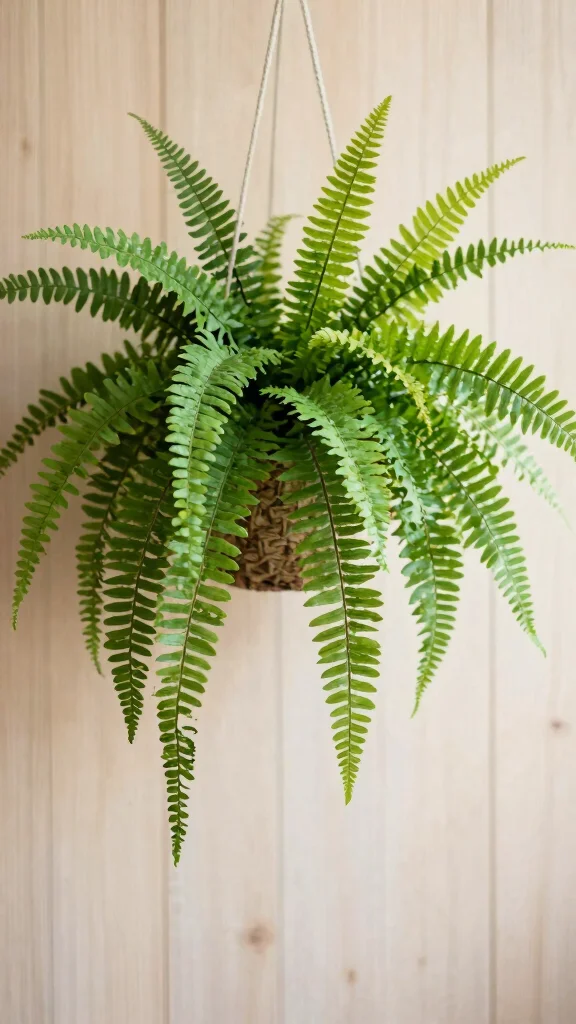
For a lush and graceful addition, consider the Boston fern. Its feathery fronds create a stunning visual effect that can enhance any room. While it prefers higher humidity levels, it can also thrive in low-light conditions, making it versatile for various environments.
This plant is well-regarded for its air-purifying abilities, which can help create a healthier indoor atmosphere. Keeping the soil moist and misting the leaves regularly will keep it happy.
Essential care insights:
– Watering: Keep soil moist; mist leaves regularly.
– Light Requirements: Prefers indirect light; tolerates low light.
– Size: Grows up to 2-3 feet wide and tall.
Fun fact: Boston ferns can boost humidity by up to 4x in a small space, helping your small indoor plants thrive in apartments. Keep the soil consistently moist and mist leaves to maximize airflow and growth.
10. Dracaena (Dracaena spp.)
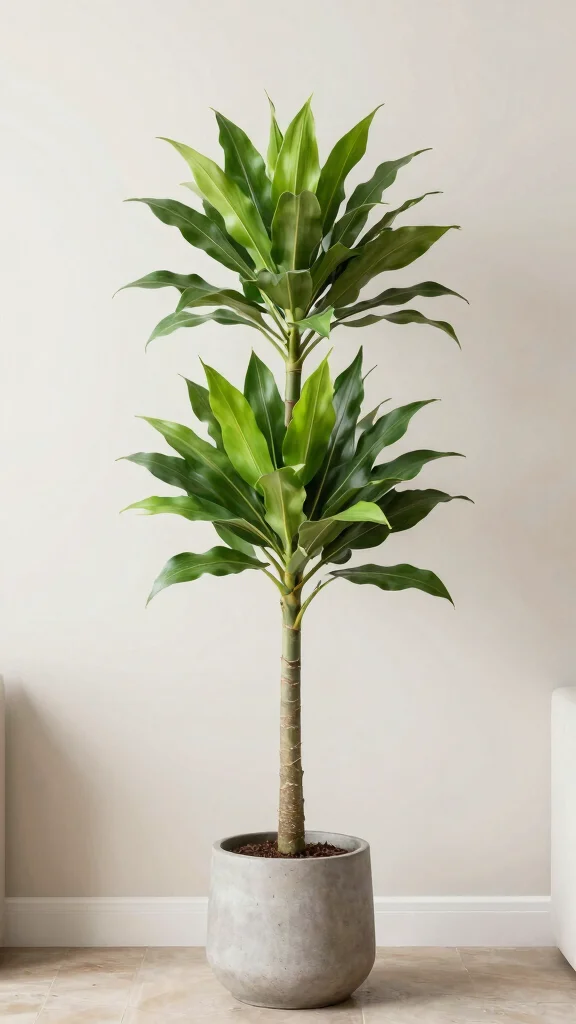
Dracaena plants offer a range of shapes and sizes, making them versatile for any decor style. Their striking foliage features deep greens and unique variegated patterns, providing character to your space. They adapt well to low-light environments and are low-maintenance, perfect for busy lives.
Allow the top inch of soil to dry out before watering to keep your dracaena healthy. Their tall growth can make them standout pieces in any room, adding a touch of elegance.
Key care points:
– Watering: Allow the top inch of soil to dry before watering.
– Light Requirements: Prefers indirect sunlight; tolerates low light.
– Height: Can reach heights of 3-6 feet.
11. Money Tree (Pachira aquatica)
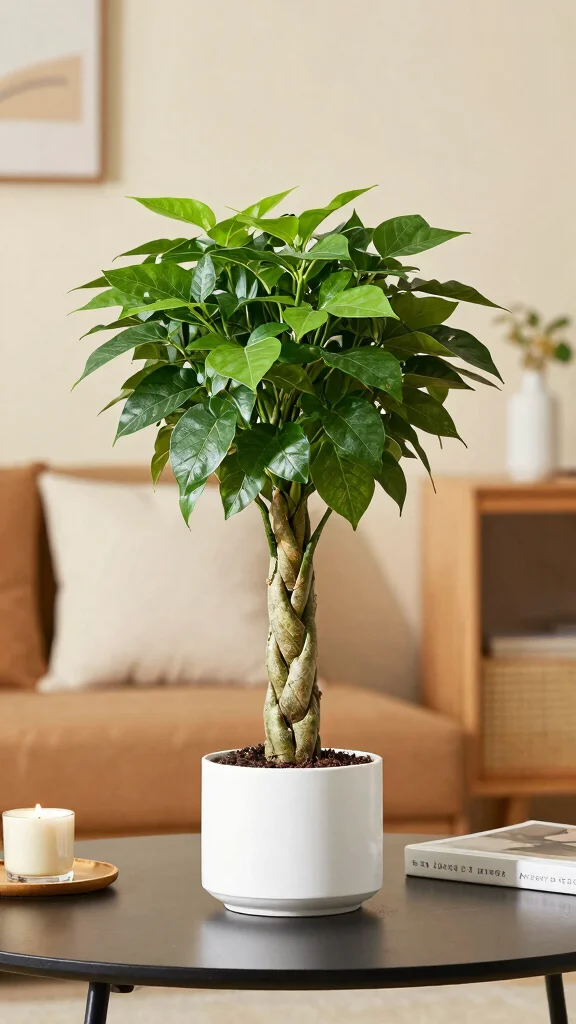
The money tree is not just a charming addition to your indoor garden; it symbolizes good luck and prosperity. With its braided trunk and vibrant green leaves, this plant adds a positive vibe to your home. It thrives in low light and is easy to care for, needing only occasional watering.
To keep your money tree healthy, water it when the soil feels dry to the touch. It’s a great choice if you want to invite a little positivity into your living space.
Care highlights:
– Watering: Water when the soil feels dry.
– Light Needs: Prefers bright, indirect light; tolerates low light.
– Height: Can grow up to 4-6 feet tall.
12. Parlor Palm (Chamaedorea elegans)
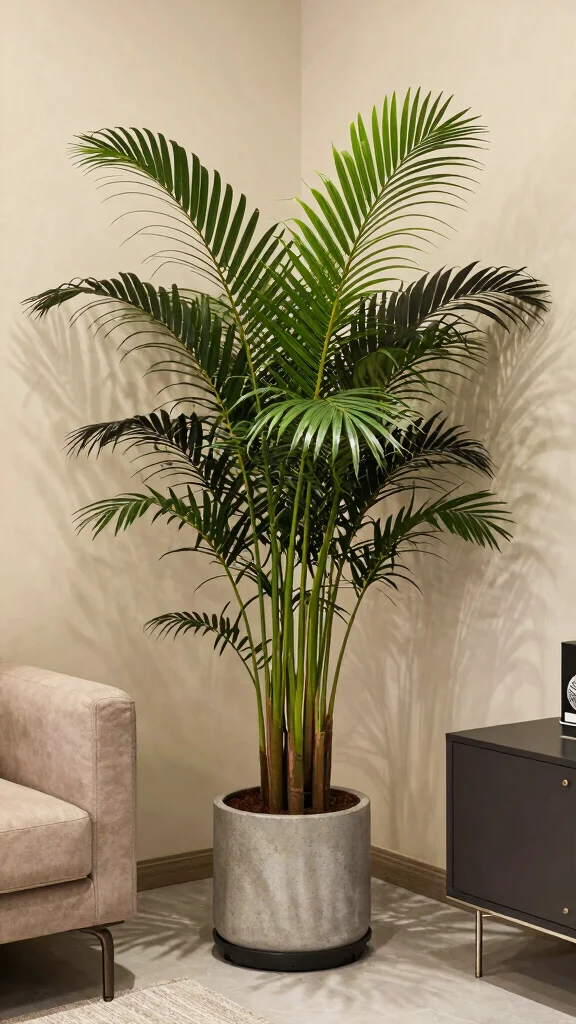
The parlor palm is a timeless houseplant that adds elegance and a tropical feel to any room. Its feathery fronds create a soft ambiance, making it perfect for tight spaces. This palm thrives in low light, making it ideal for apartments that lack natural sunlight.
Additionally, it’s pet-friendly, which makes it a safe choice for homes with animals. Water it when the top of the soil is dry to ensure it stays healthy and vibrant.
Essential care tips:
– Watering: Water when the top of the soil is dry; avoid overwatering.
– Light Requirements: Thrives in low light; enjoys brighter spots.
– Height: Typically grows to 3-4 feet tall.
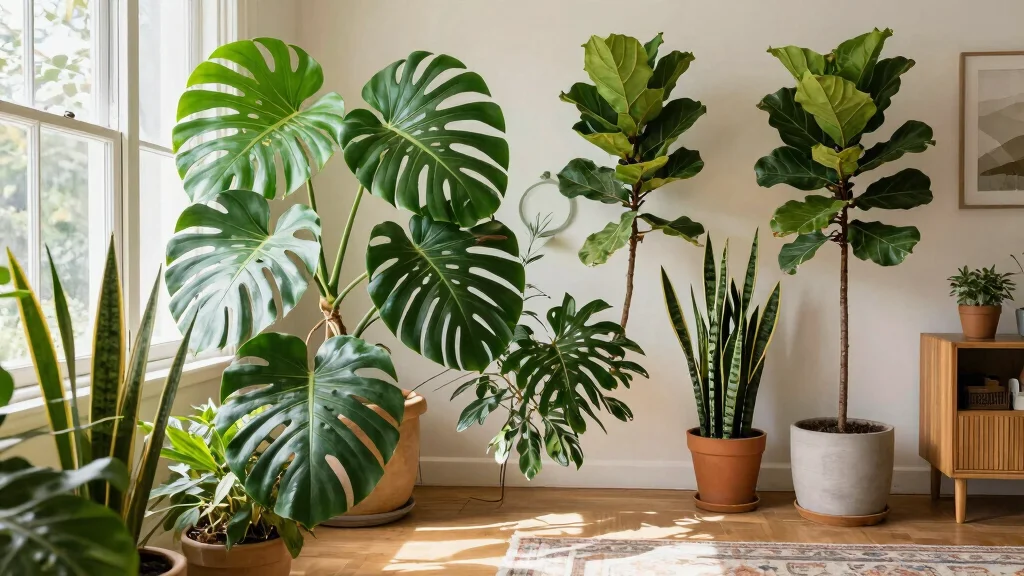
13. Fiddle Leaf Fig (Ficus lyrata)
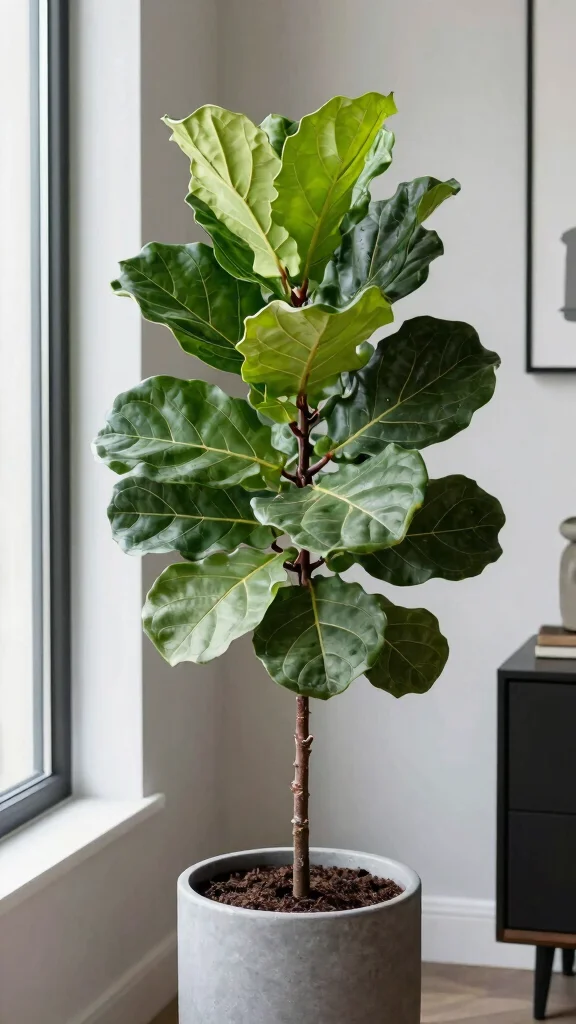
For a bold and stylish statement, the fiddle leaf fig is an excellent choice. Known for its large, glossy leaves, it can completely transform your room into a chic oasis. While it prefers bright light, it can adapt to lower conditions, making it a flexible indoor plant.
Regular pruning helps maintain its shape, ensuring it remains a stunning focal point in your home. This plant is sure to impress anyone who enters your space.
Quick care points:
– Watering: Water when the top inch of soil is dry; avoid drafts.
– Light Requirements: Prefers bright, indirect light; can adapt to lower light.
– Height: Can grow up to 6 feet tall.
14. Aloe Vera
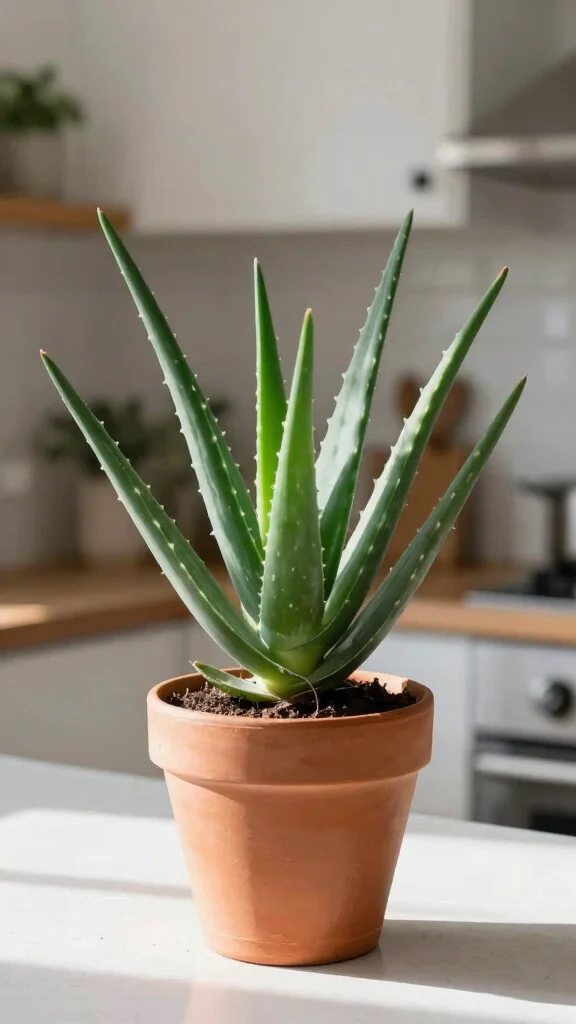
Aloe vera is a practical and beautiful plant to have in your home. Not only does it thrive in low-light conditions, but it also requires minimal care, making it perfect for busy lifestyles. Its fleshy leaves not only look lovely but also provide soothing gel for minor burns and skin irritations.
This succulent is compact, making it a fantastic option for small spaces where you want to add a touch of greenery without overwhelming the area.
Care essentials:
– Watering: Water when the soil is completely dry.
– Light Needs: Prefers bright light; tolerates low light.
– Height: Generally grows to about 1-2 feet tall.
15. Calathea (Calathea spp.)
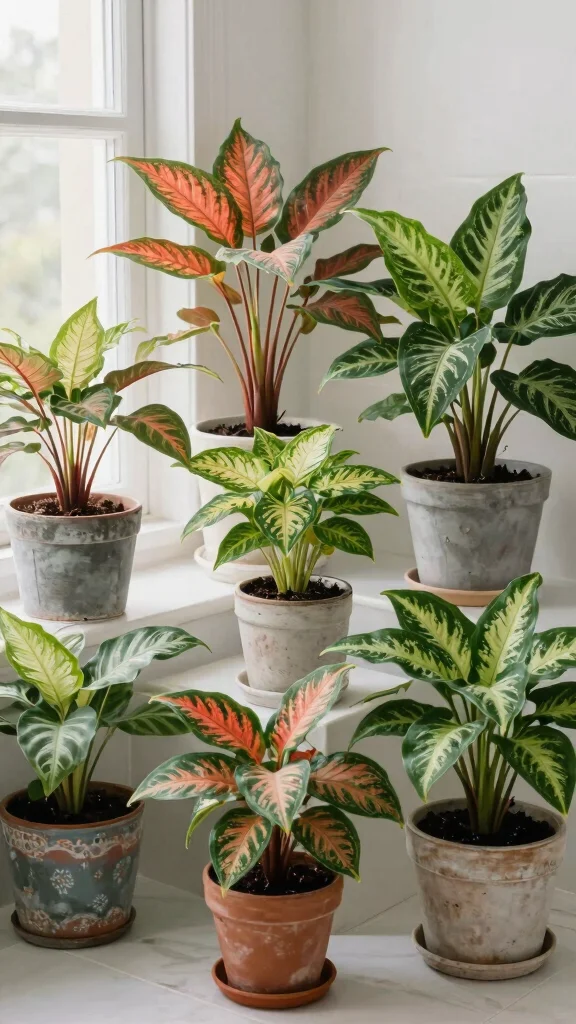
Calatheas are renowned for their stunning leaf patterns and vibrant colors, often resembling tropical foliage. These plants thrive in low light and are perfect for those looking to add a splash of color to their indoor spaces. With their striking ornamentation featuring various shades, they can truly brighten up any area.
Calatheas prefer a bit more humidity, making them especially well-suited for kitchens or bathrooms where moisture is present. Regular misting will keep them looking their best.
Key care points:
– Watering: Keep the soil moist; mist leaves regularly.
– Light Requirements: Thrives in indirect light; avoid direct sunlight.
– Height: Typically grows to about 1-2 feet tall.
Conclusion
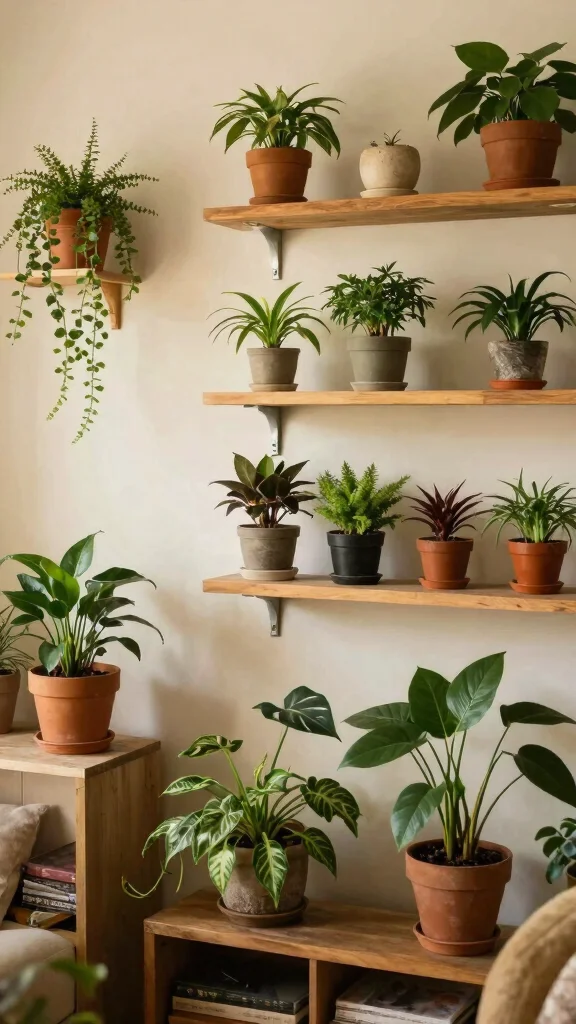
Adding greenery to your tiny living space can truly enhance your home environment. Small indoor plants not only create a cozy ambiance but also promote better air quality.
From the snake plant to the vibrant calathea, there’s a perfect plant for every corner of your home. Consider these easy-care options to bring a touch of nature indoors and enjoy the benefits they bring.
Frequently Asked Questions
What are the best small indoor plants for low-light apartments?
Tiny spaces still deserve lush greenery. Some of the best small indoor plants for low-light apartments include the snake plant (Sansevieria), ZZ plant, pothos, philodendron, and spider plant. These low-light indoor plants tolerate dim corners and stay compact, making them ideal for compact houseplants and space-saving plants in small space gardening setups.
For care: keep them out of harsh direct sun, water only when the top inch of soil dries, and consider using a lightweight potting mix that drains well. With their forgiving nature, these options are perfect for easy-care indoor greenery in apartments.
How do I choose compact houseplants for tiny spaces?
Start with your space: measure available shelves, windowsill, and floor area. Look for slow-growing, compact houseplants that stay small and won’t overwhelm a room. Prioritize low-light indoor plants and easy-care indoor greenery that fit space-saving plants needs. Pick 3–5 varieties with different leaf shapes and growth habits to keep things interesting without crowding. Also check pot size and drainage, since poor drainage is a common killer of small indoor plants.
How much light and water do low-light indoor plants need in a small apartment?
Even ‘low-light’ doesn’t mean no light. Place these plants where they get bright, indirect light or a little east/west-facing window. Rotate occasionally. For watering: water thoroughly, then let the top inch dry before watering again; in winter you may water less. Use a well-draining mix. Signs of overwatering include yellow leaves and soggy soil; underwater tends to droop. These tips help with easy-care indoor greenery for small space gardening.
How can I creatively fit multiple small indoor plants into a tiny living area?
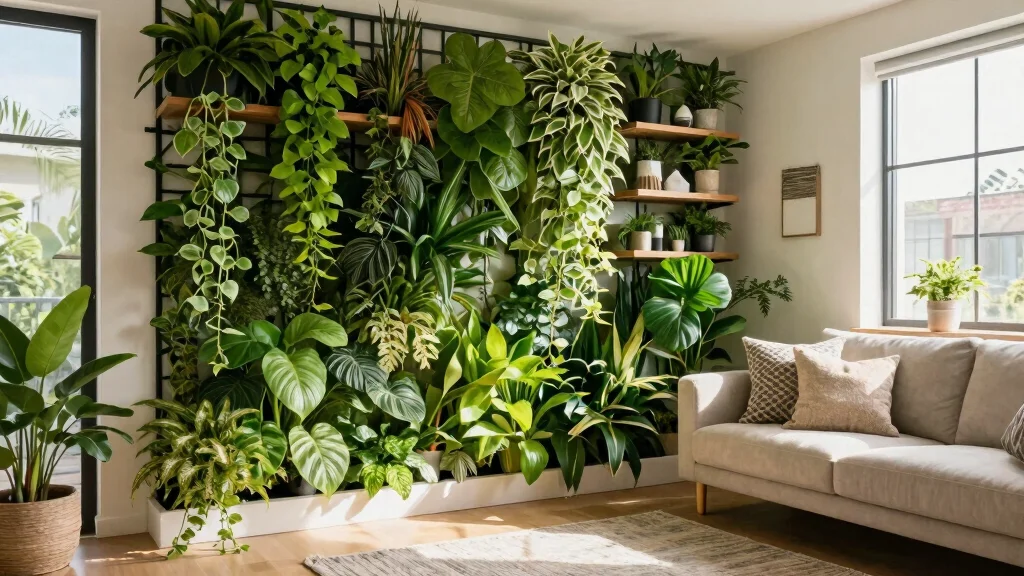
Embrace verticality: wall-mounted planters, hanging baskets, and tiered plant stands. Use space-saving plants on shelves and windowsill rails. Group plants with similar light needs to simplify care. Use lightweight pots and saucers to prevent clutter. Remember to leave airflow so the plants don’t crowd each other. This is perfect for compact houseplants and small indoor plants in small space gardening.
Do these small indoor plants help with air quality or mood in tiny spaces?
Yes—many low-light indoor plants can slightly improve air quality by removing common indoor toxins, and greenery naturally boosts mood and reduces stress. With easy-care indoor greenery that doesn’t demand a lot of attention, you can enjoy the mental benefits of a greener home along with the aesthetic of space-saving plants.
Related Topics