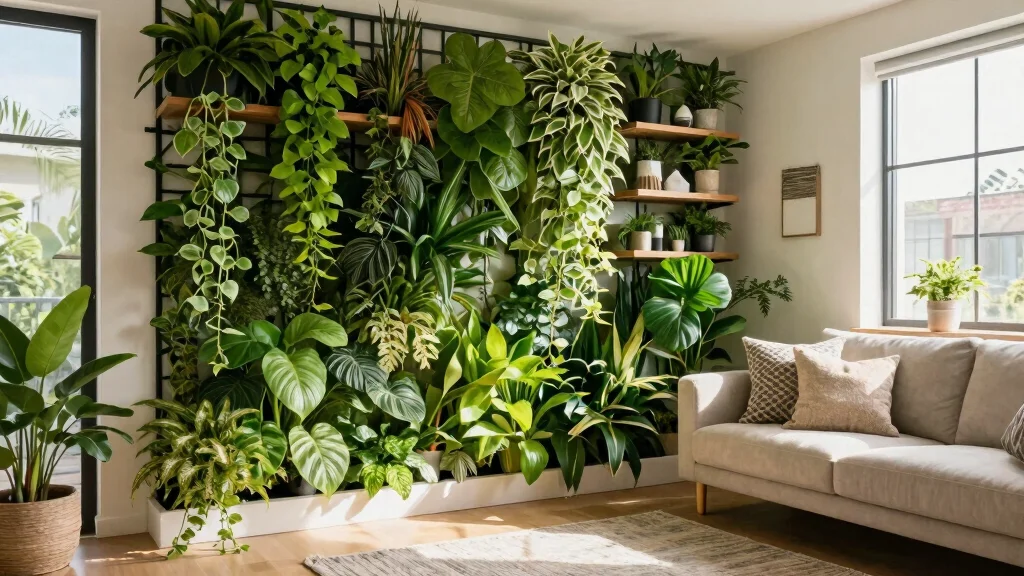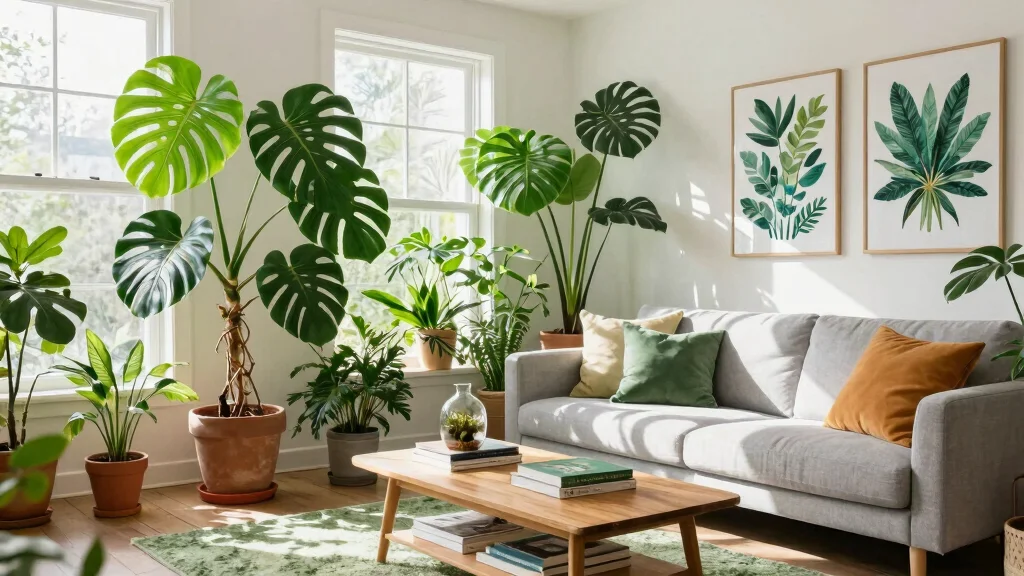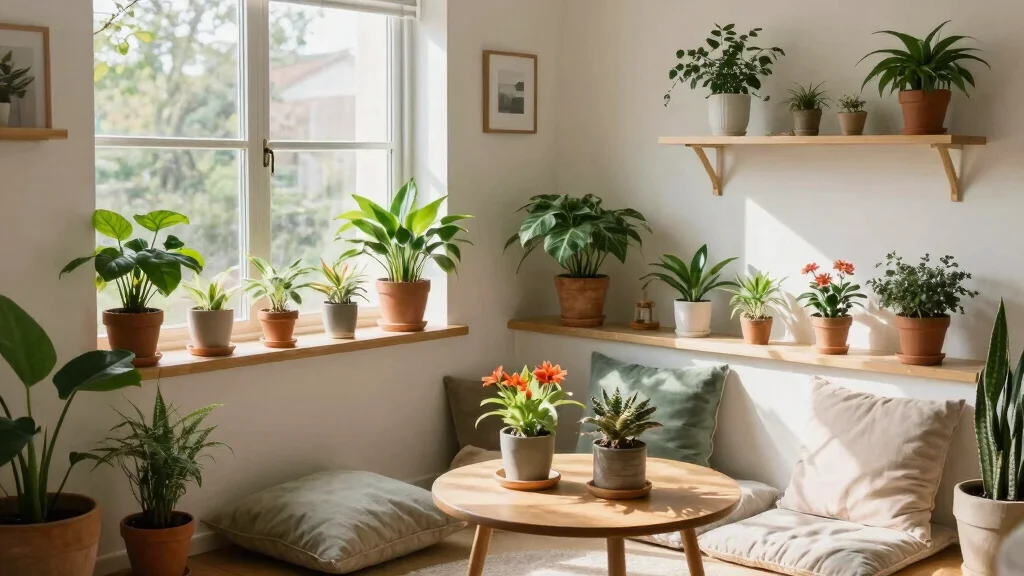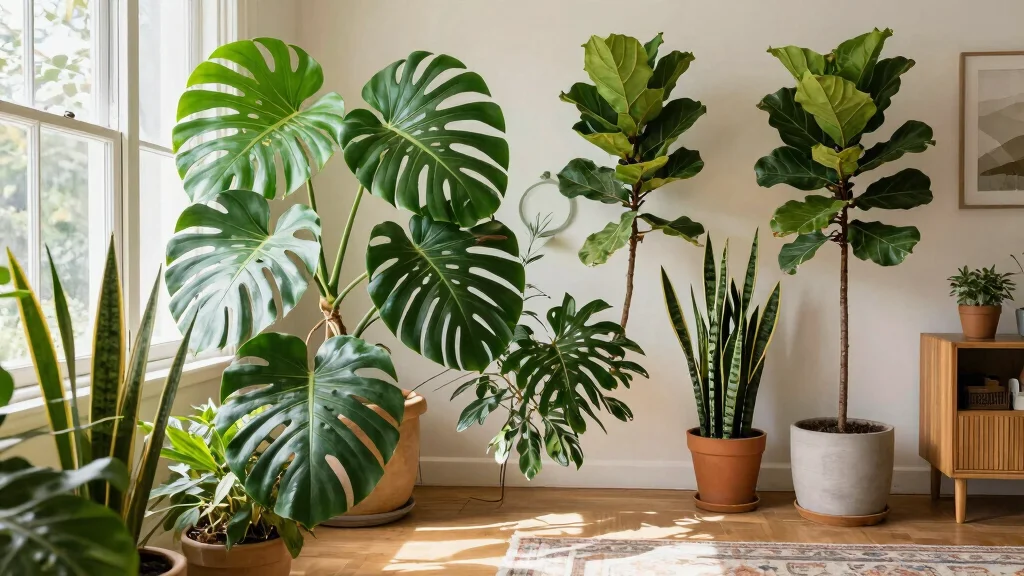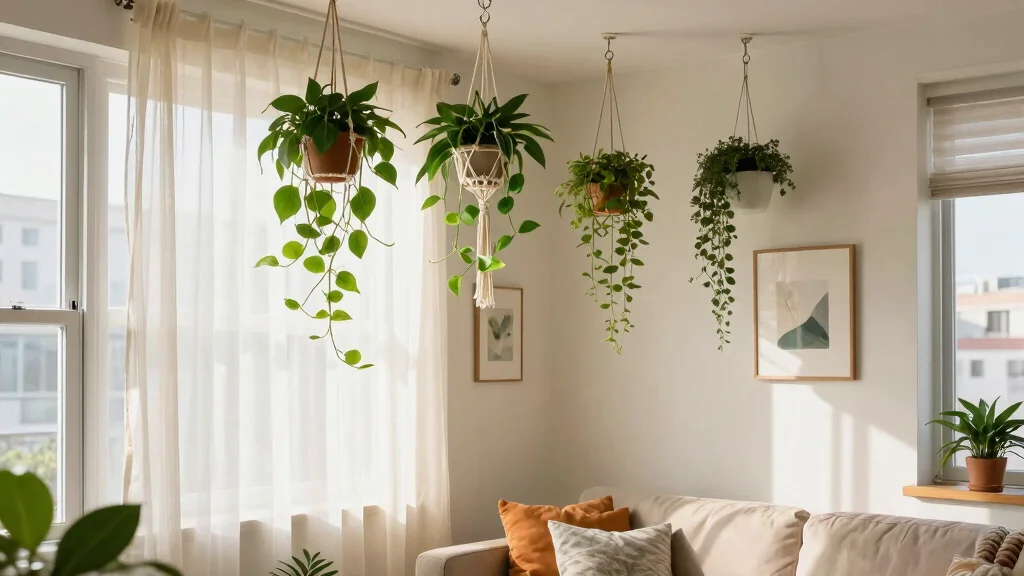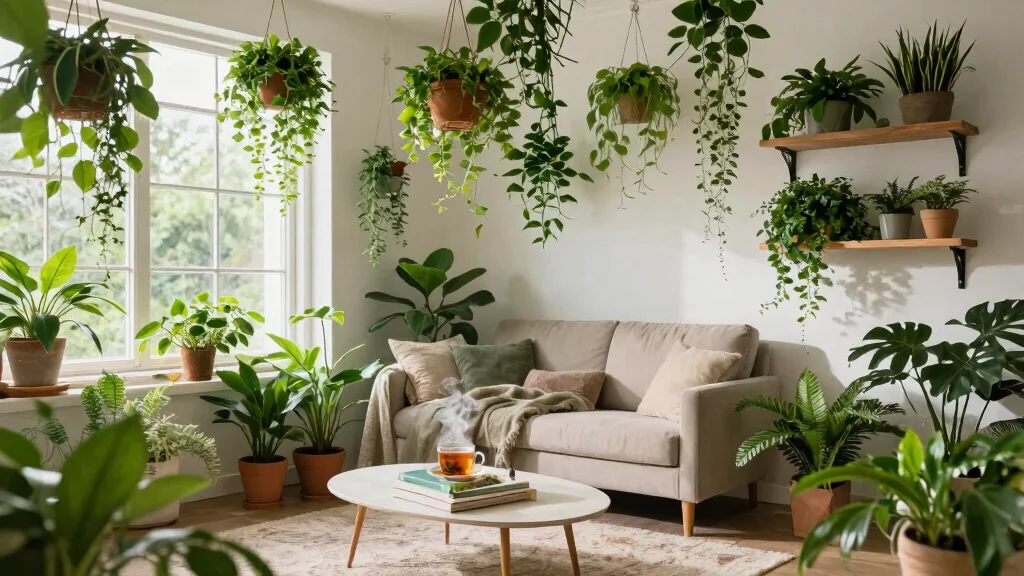

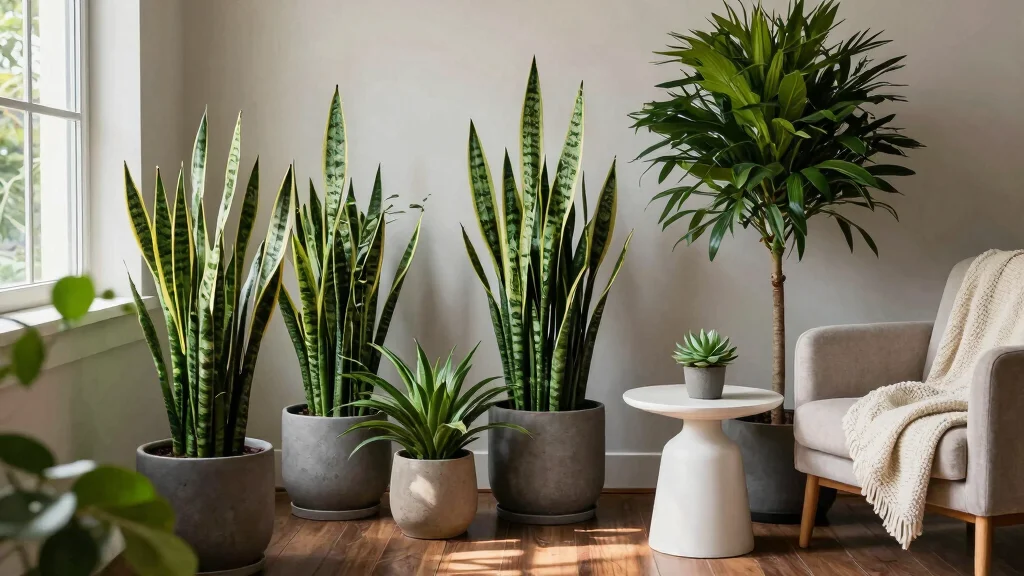
Are you feeling a bit cramped in your space? The search for ways to elevate your indoor environment can be overwhelming. That’s exactly why I put together this post. Tall indoor plants can transform a small living area into a lush and inviting retreat. They bring height, elegance, and a sense of tranquility to your home. Whether you’re new to gardening or a seasoned plant parent, you might be curious about selecting the right plants for your space.
If you love the idea of indoor plant decor but struggle with limited natural light, you’re in the right place. This guide is tailored for you. Here, you’ll find 18 stunning tall indoor plants that thrive even in low-light conditions. Each choice will help you create a beautiful vertical garden that doesn’t take up too much floor space. You’ll discover plants that are not only striking but also simple to care for, making them perfect for busy lifestyles.
Get ready to dive into a world of greenery! You’ll gain insights into plant care and discover practical tips for arranging your indoor garden. Plus, you’ll learn how to elevate your interior style with these elegant space-saving plants. Let’s get started on your journey to a more vibrant living space!
Key Takeaways
– Diverse Options: Explore 18 tall indoor plants suitable for low-light environments, each adding beauty and height to small spaces.
– Stylish Decor: Use these plants to enhance your indoor decor, making your space feel more open and inviting.
– Easy Care: Most of these plants require minimal care, perfect for busy individuals or beginners in indoor gardening.
– Space-Saving Solutions: Understand how tall indoor plants can help you maximize vertical space, turning any corner into a lush oasis.
– Gardening Tips: Gain actionable advice on how to care for your tall plants and make the most of your indoor gardening experience.
1. Snake Plant (Sansevieria)
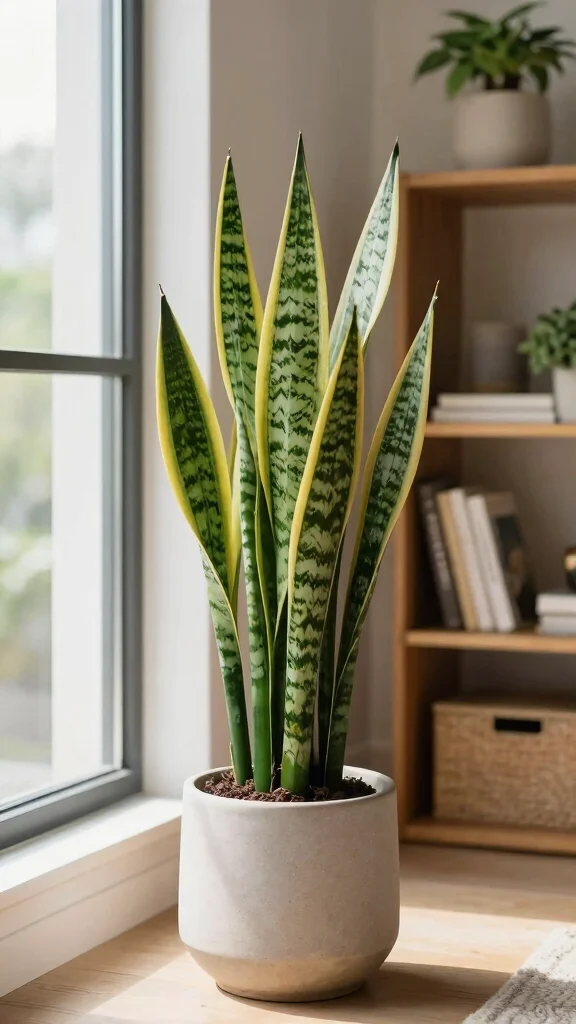
If you’re looking for a plant that thrives in low light, the Snake Plant is your best friend. Its tall, upright leaves feature stunning variegated patterns, growing up to 4 feet high, adding a sleek, modern touch to any room. This hardy plant fits seamlessly into diverse decor styles, from contemporary to rustic, elevating your indoor space effortlessly.
To care for your Snake Plant, ensure it gets indirect light and requires minimal watering. This makes it perfect for busy individuals who want a beautiful plant without too much fuss.
Key care tips for Snake Plants:
– Allow the soil to dry completely between waterings.
– Enhance your decor by placing it in a stylish pot.
– Position it near a window for optimal growth, avoiding direct sunlight.
With its striking architecture and low maintenance needs, the Snake Plant is an ideal choice for anyone wanting to add height and elegance to their home.
2. Dracaena Fragrans (Corn Plant)
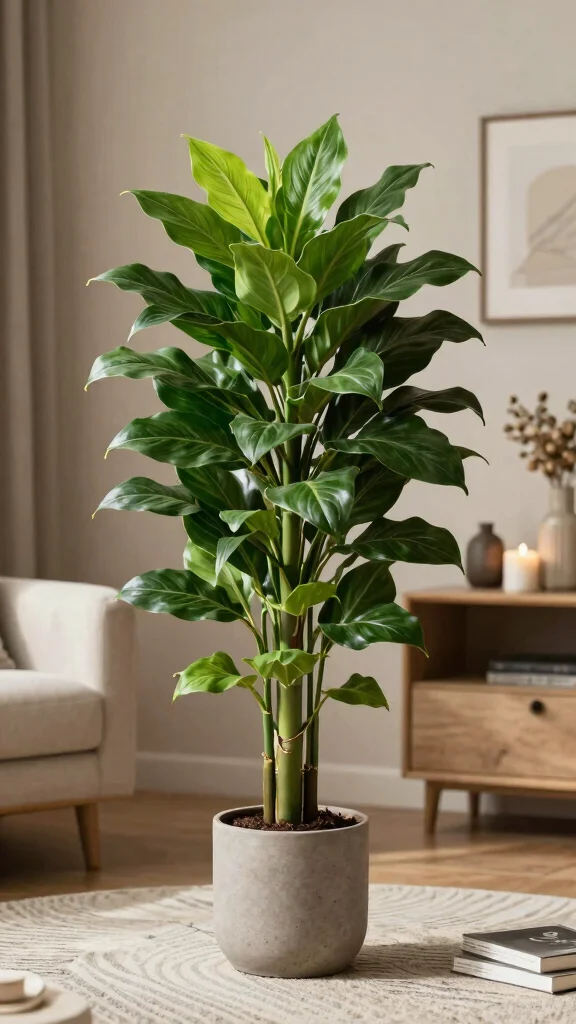
The Dracaena Fragrans, also known as the Corn Plant, is a stunning choice for adding a tropical feel to your home. Its wide, arching leaves and thick trunk can reach heights of up to 6 feet, making it a bold focal point even in small spaces. This resilient plant thrives in low light and can recover quickly from occasional forgetfulness in watering.
Caring for your Dracaena Fragrans is straightforward; it prefers to dry out between waterings, making it perfect for those busy days.
Here are some helpful tips for your Corn Plant:
– Dust leaves regularly to maintain their vibrant look.
– Rotate your plant every few weeks for even growth.
– Trim any yellowing leaves at the base to keep it lush and healthy.
With its elegant stature and forgiving nature, this plant is a favorite for anyone looking to enhance their indoor space with style.
Did you know the Dracaena Fragrans, or Corn Plant, can top out at 6 feet tall in just a few years? It thrives in low light and only needs watering after the soil dries—perfect for busy spaces seeking tall indoor plants.
3. Fiddle Leaf Fig (Ficus lyrata)
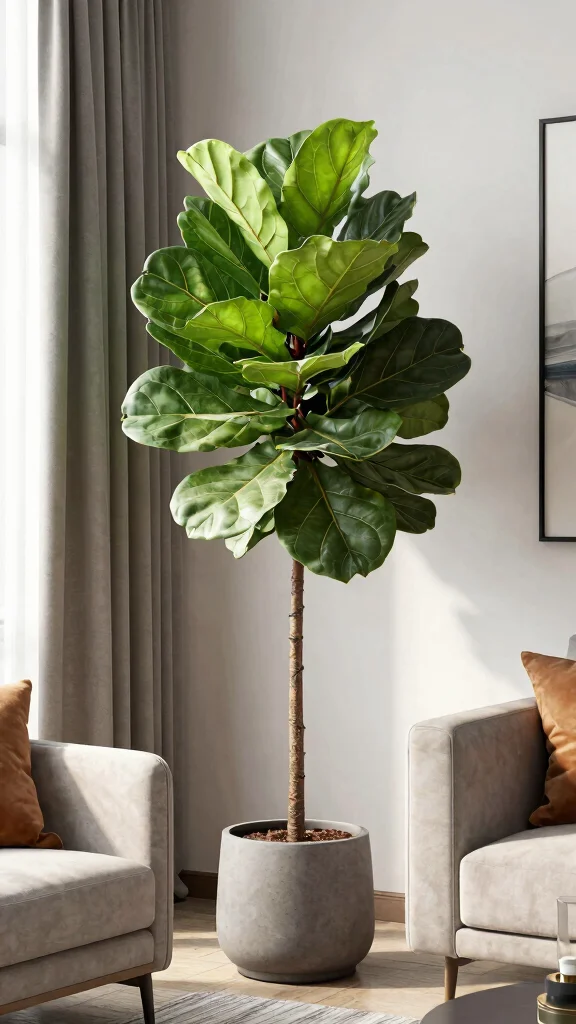
The Fiddle Leaf Fig is a standout piece with its large, glossy leaves that can grow up to 15 inches long. It’s perfect for making an impressive statement in any corner of your home, bringing a touch of sophistication and warmth. This plant loves bright, indirect light but can adapt to lower light conditions as well.
To keep your Fiddle Leaf Fig thriving, water it when the top inch of soil feels dry and ensure it has good drainage.
Here are some essential tips for caring for Fiddle Leaf Figs:
– Rotate your plant regularly to promote even growth.
– Wipe leaves with a damp cloth to keep them dust-free.
– Choose a tall, decorative pot to highlight its height.
With its striking presence, the Fiddle Leaf Fig elevates any indoor space, making it a must-have for plant enthusiasts.
4. Peace Lily (Spathiphyllum)
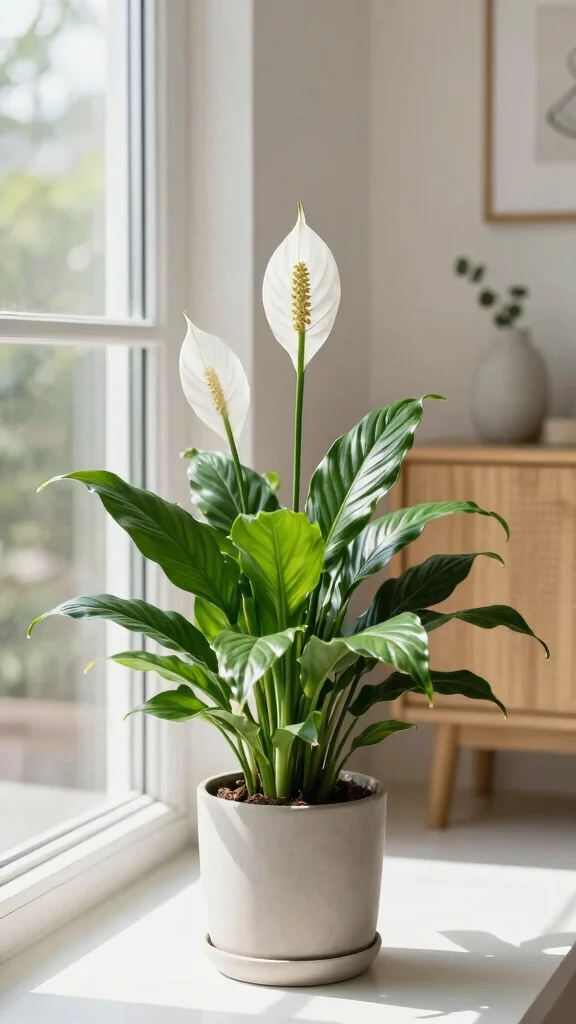
Peace Lilies are beloved not just for their beauty but also for their air-purifying capabilities. Their glossy green leaves and elegant white blooms add a touch of sophistication to any environment. They thrive in low light and prefer slightly moist soil, making them easy to care for, even for beginners.
To ensure your Peace Lily flourishes, keep the soil consistently moist, but avoid waterlogging.
Here’s how to care for your Peace Lily:
– Fertilize every 6-8 weeks during the growing season for more blooms.
– Remove yellowing leaves to promote fresh growth.
– Use a decorative pot to enhance its visual appeal.
With their charming appearance and ability to improve air quality, Peace Lilies make a wonderful addition to your indoor gardening collection.
5. ZZ Plant (Zamioculcas zamiifolia)
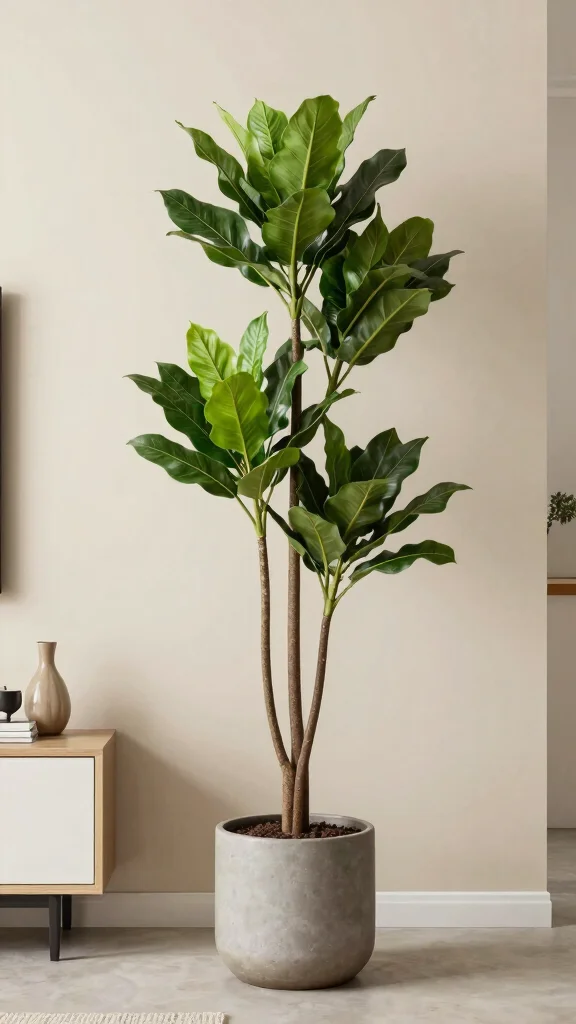
The ZZ Plant is a low-maintenance gem that thrives in the shadiest corners of your home. Its thick, waxy leaves grow upright, making it a stunning option for vertical gardening in limited spaces. Growing up to 3 feet tall, it offers a sleek silhouette that fits perfectly with modern decor.
Caring for ZZ Plants is a breeze; they are drought-tolerant and only need watering when the soil feels dry to the touch.
Here are some key care tips for ZZ Plants:
– Use a well-draining pot to prevent rot.
– Rotate the plant occasionally for even growth.
– Dust the leaves regularly for optimal light absorption.
The ZZ Plant’s resilience and unique appearance make it an excellent choice for anyone looking to enhance their indoor garden.
6. Rubber Plant (Ficus elastica)
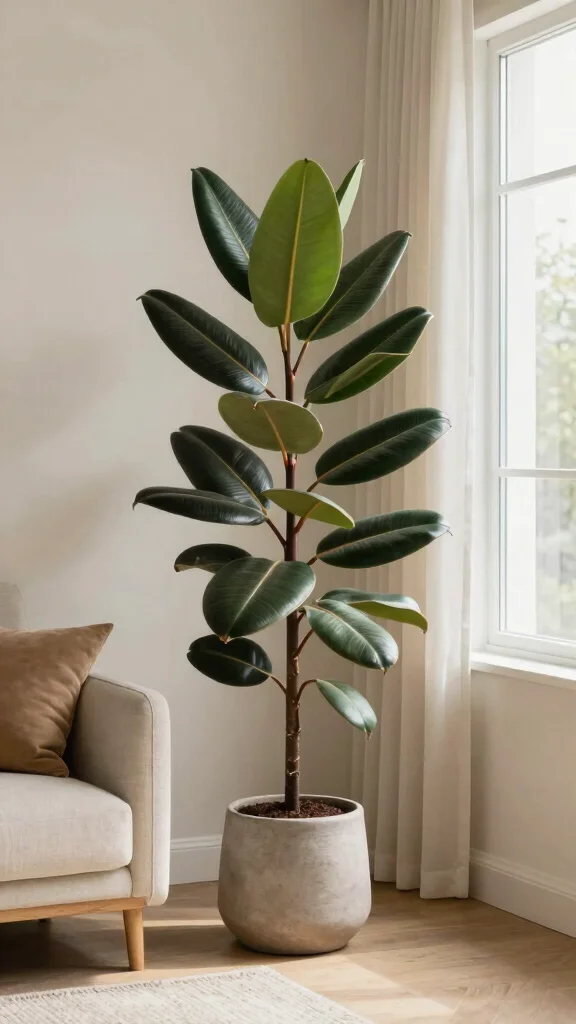
Rubber Plants are known for their striking broad, glossy leaves that can reach impressive sizes, making them a popular choice for indoor spaces. They thrive in bright, indirect light but can also handle lower light conditions, catering to various environments.
For optimal care, allow the soil to dry out between waterings to prevent root rot.
Here’s how to care for Rubber Plants:
– Keep leaves shiny by wiping them with a damp cloth.
– Fertilize during the growing season to encourage healthy growth.
– Pair them with decorative pots that fit your style for added flair.
With their stunning foliage and size, Rubber Plants serve as both a focal piece and an air purifier, enhancing your indoor plant decor.
7. Bamboo Palm (Chamaedorea seifrizii)
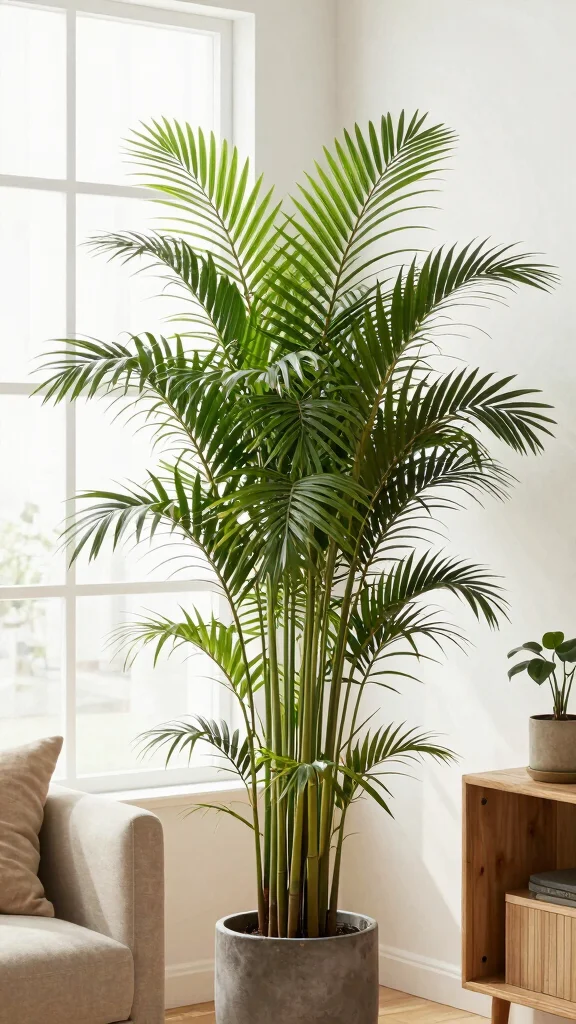
Bamboo Palms are perfect for those wanting to introduce a lush, natural element into their indoor space without taking up too much room. They can grow tall and slender, reaching about 4 to 6 feet high, creating a serene, tropical look. While they can adapt to low light, they prefer brighter environments for optimal growth.
To care for your Bamboo Palm, keep the soil moderately moist, allowing the top inch to dry out between waterings.
Here are some tips for Bamboo Palms:
– Group them together for a more dynamic tropical effect.
– Rotate your pot for even growth.
– Fertilize every couple of months during the growing season.
With their graceful presence and air-purifying qualities, Bamboo Palms effortlessly enhance any indoor space.
8. Tall Pothos (Epipremnum aureum)
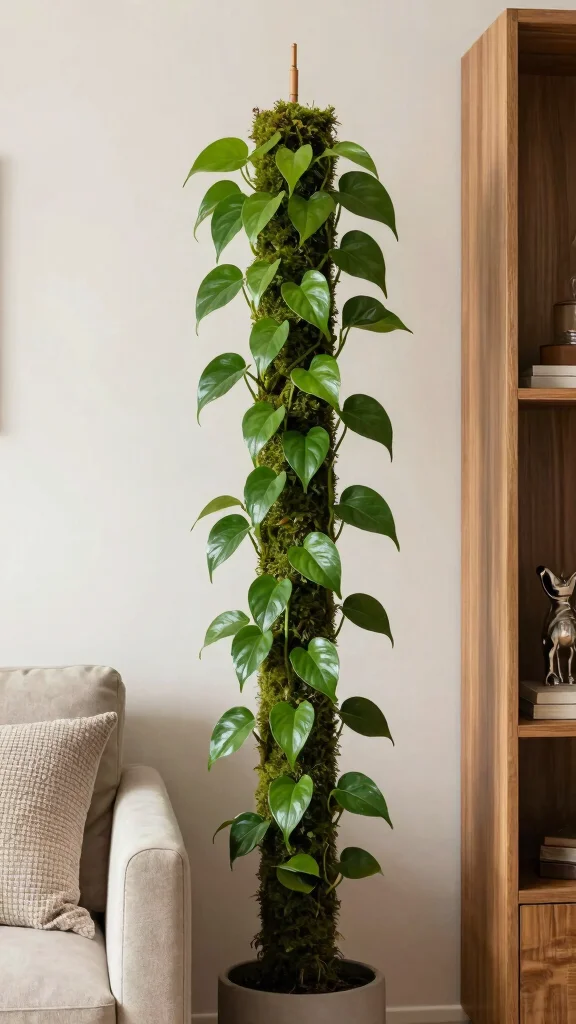
Tall Pothos can be trained to grow upright, creating a striking visual appeal in your indoor garden. Known for their heart-shaped leaves and trailing vines, they can reach impressive heights with proper support.
To keep your Tall Pothos thriving, provide it with low to bright indirect light and water only when the soil is dry.
Key tips for Tall Pothos care:
– Use a moss pole or trellis for climbing support.
– Prune regularly for bushier growth.
– Dust leaves to keep them shiny and healthy.
This versatile plant not only adds height but also helps purify the air, making it a fantastic choice for enhancing your indoor environment.
Ongoing Maintenance & Care Guide
Maintenance Schedule:
Daily/Weekly Tasks:
– Water Check: Look at the soil moisture of your tall indoor plants. Water them if the top inch of soil feels dry. This task takes about 5-10 minutes each week.
– Dusting Leaves: Wipe down the leaves gently with a damp cloth to remove dust. Clean leaves promote better photosynthesis. This task should take around 5 minutes.
– Rotate Plants: Rotate your plants weekly for even light exposure. This can help them grow more uniformly. Spend about 5 minutes each week on this.
– Inspect for Pests: Check for any signs of pests like spider mites or aphids. Early detection is key! This will take about 5 minutes.
Monthly/Seasonal Tasks:
– Fertilizing: Apply a balanced liquid fertilizer once a month during the growing season (spring and summer). This should take 10 minutes to mix and apply.
– Repotting: Check if your plants are root-bound. If they are, repot them into a larger container every 1-2 years. This task can take around 30 minutes to an hour, depending on the plant size.
– Pruning: Trim dead or yellowing leaves to encourage new growth. This task should take about 15 minutes.
– Soil Refreshing: Change the top layer of soil once every few months to ensure nutrients are replenished. This can take around 20 minutes.
– Humidity Level Check: For tropical plants, check and adjust humidity levels every month. Use a hygrometer for accuracy, and this will take about 10 minutes.
Maintenance Summary Table:
| Task | Frequency | Difficulty | Time Needed |
|————————-|—————-|—————|——————|
| Water Check | Daily/Weekly | Easy | 5-10 minutes |
| Dusting Leaves | Weekly | Easy | 5 minutes |
| Rotate Plants | Weekly | Easy | 5 minutes |
| Inspect for Pests | Weekly | Easy | 5 minutes |
| Fertilizing | Monthly | Moderate | 10 minutes |
| Repotting | Annually/Bi-annual | Moderate | 30-60 minutes |
| Pruning | Monthly | Easy | 15 minutes |
| Soil Refreshing | Every few months | Easy | 20 minutes |
| Humidity Level Check | Monthly | Easy | 10 minutes |
Common Issues to Watch For:
⚠️ Yellowing Leaves: This often means too much water or poor drainage. Check the soil moisture and adjust accordingly.
⚠️ Wilting Leaves: This can indicate insufficient water. Make sure to check soil moisture levels regularly.
⚠️ Brown Leaf Edges: This may signal low humidity or underwatering. Increase humidity and ensure regular watering.
⚠️ Pest Infestation: Look for tiny webs or spots on leaves. Treat affected plants with insecticidal soap or neem oil.
⚠️ Stunted Growth: This can mean the plant needs fertilization or is root-bound. A quick potting or feeding can help!
Care Tips:
💡 Water Smart: Use room temperature water to avoid shocking your plants. Always allow excess water to drain out to prevent root rot.
💡 Light Levels: Place your tall indoor plants where they can thrive. Most need bright, indirect light but some, like the ZZ Plant, can tolerate low light.
💡 Humidity Essentials: Keep humidity levels above 40% for tropical plants. A simple pebble tray filled with water beneath your pots can help.
💡 Regular Checks: Make it a habit to inspect your plants weekly for any signs of stress or pests. Catching problems early leads to healthier plants!
💡 Seasonal Adjustments: Be mindful of seasonal light and temperature changes. Move your plants as necessary to keep them happy year-round.
With commitment to these care routines, your tall indoor plants will flourish. Enjoy the elegance and height they bring to your home!
9. Kentia Palm (Howea forsteriana)
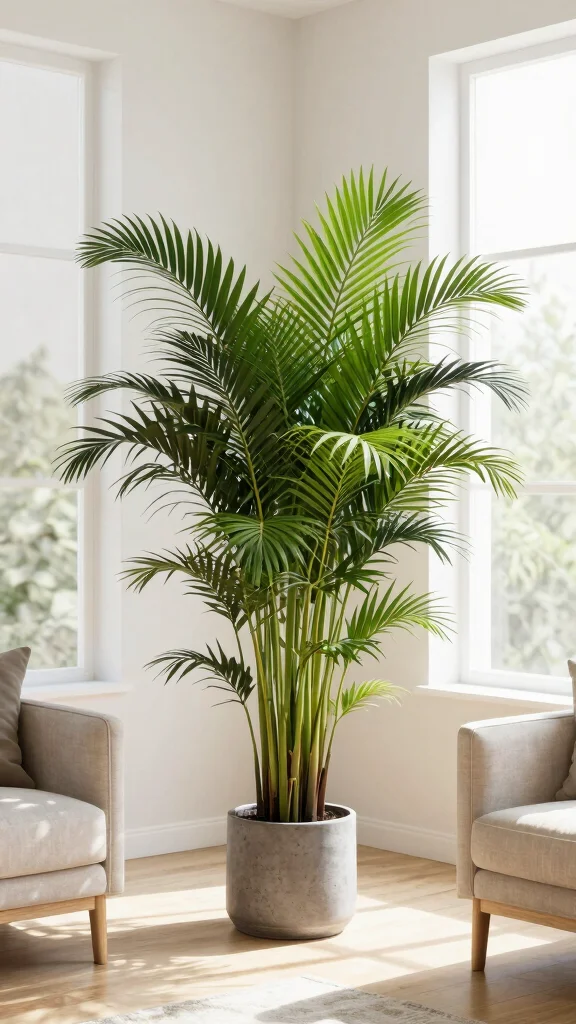
The Kentia Palm is a beautiful addition to any indoor space, known for its elegant arching fronds and ability to thrive in low-light conditions. Growing up to 10 feet tall, it adds a touch of tropical elegance to your home.
For care, ensure the Kentia Palm has well-drained soil and moderate watering, allowing the topsoil to dry out between watering sessions.
Here are care tips for Kentia Palms:
– Keep them away from cold drafts and heating vents.
– Remove dead leaves to promote new growth.
– Pair with a decorative pot for added style.
This palm’s stunning look and adaptability make it a lovely choice for anyone wanting to add height and beauty to their indoor spaces.
10. Monstera Deliciosa (Swiss Cheese Plant)
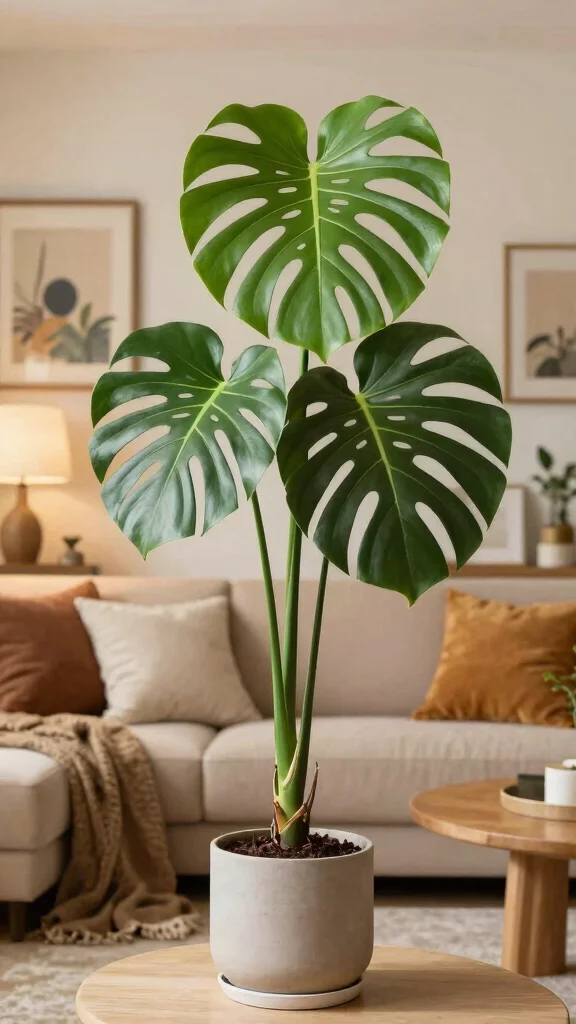
Monstera Deliciosa is famous for its unique, perforated leaves that create a bold statement in any room. This tropical plant can grow tall, making it an eye-catching focal point for your indoor garden. It prefers bright, indirect light but can also adapt to lower light conditions.
To care for your Monstera, water it when the top inch of soil is dry and avoid letting it sit in water.
Key care tips for Monstera:
– Use a support pole for climbing.
– Fertilize during the growing season for better growth.
– Wipe down leaves regularly to keep them clean.
With its unique foliage and striking presence, Monstera not only adds height but also sparks conversation in your indoor plant decor.
11. Chinese Evergreen (Aglaonema)
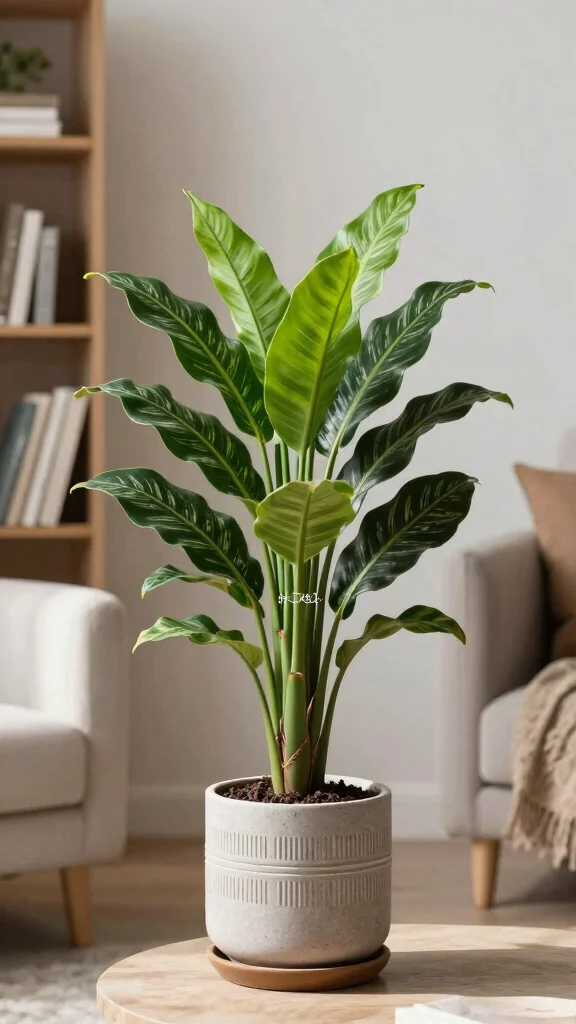
Chinese Evergreen is a highly adaptable plant known for its vibrant foliage and ability to thrive in low-light conditions. This tall indoor beauty can grow up to 3 feet tall and comes in various colors, adding a splash of vibrancy to your space.
For optimal care, these plants prefer moderate watering and can handle occasional neglect, making them ideal for beginners.
Tips for caring for Chinese Evergreens:
– Fertilize every 2-3 months during the growing season for lush growth.
– Remove yellow leaves to maintain a healthy appearance.
– Use well-draining soil to avoid root rot.
With its stunning leaves and low-maintenance nature, the Chinese Evergreen is a beautiful addition to any indoor garden.
12. Parlor Palm (Chamaedorea elegans)
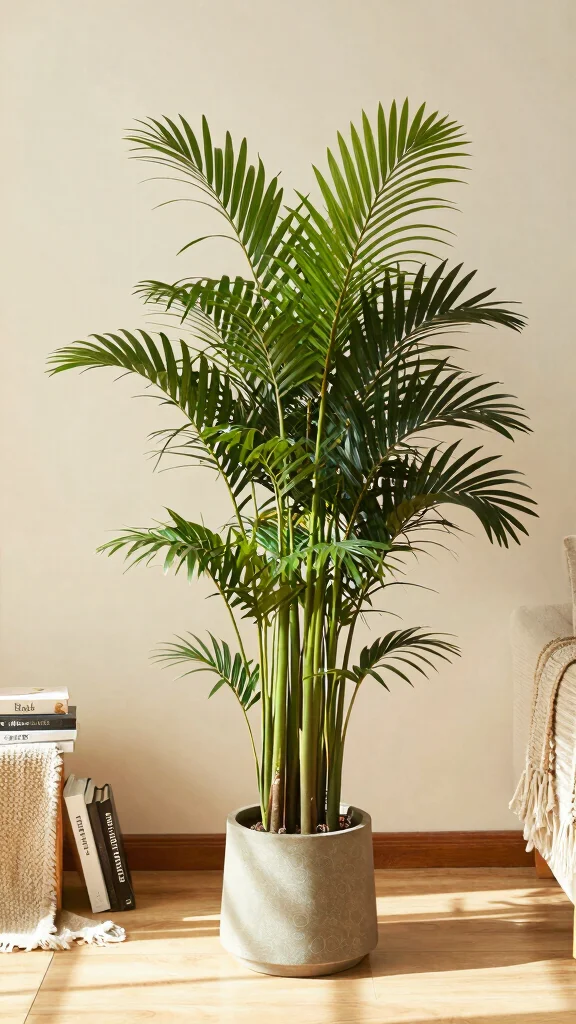
The Parlor Palm is a charming plant recognized for its feathery, arching fronds that adapt well to low light. It’s an excellent choice for adding greenery to smaller spaces without overwhelming the room, typically reaching about 4-6 feet tall.
For care, Parlor Palms prefer humid conditions, so occasional misting can keep them happy.
Here are some care tips for your Parlor Palm:
– Rotate the plant for even growth.
– Regularly check for pests to keep your plant healthy.
– Pair with decorative pots that match your style.
With its graceful appearance and safety for pets, the Parlor Palm is a delightful addition to any indoor garden.
13. African Violet (Saintpaulia)
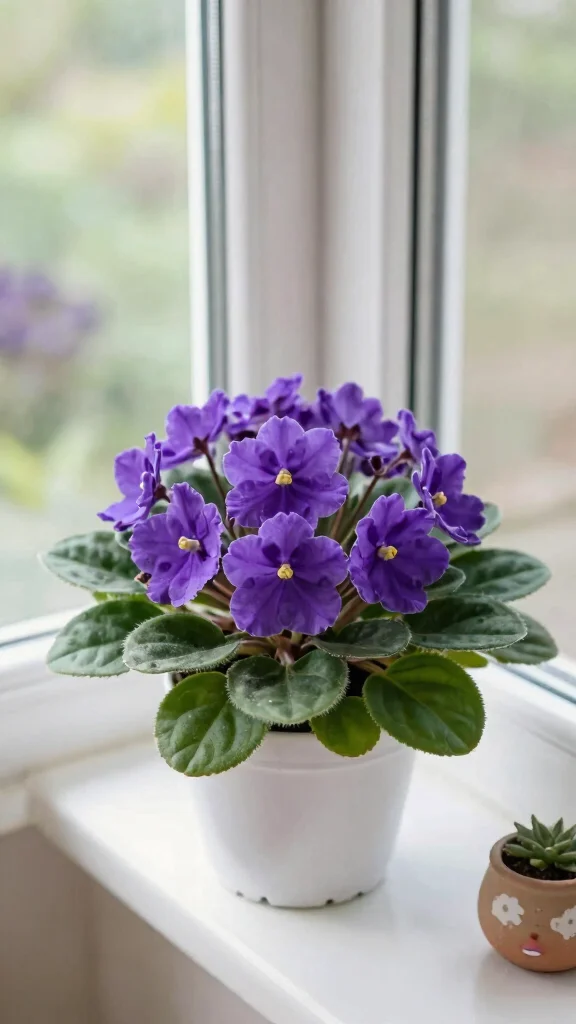
African Violets, often thought of as smaller plants, can grow tall and bushy with proper care. Famous for their vibrant blooms, they thrive in indirect light, making them an excellent choice for low-light settings.
To keep your African Violets healthy, regular watering and humidity are crucial. They do best when their leaves are dry, so water them carefully.
Here are some tips for African Violets:
– Use a well-draining potting mix for optimal growth.
– Remove spent flowers to encourage new blooms.
– Fertilize regularly to enhance flowering.
With their colorful flowers and easy care, African Violets can bring a cheerful touch to any indoor gardening setup.
14. Aspidistra (Cast Iron Plant)
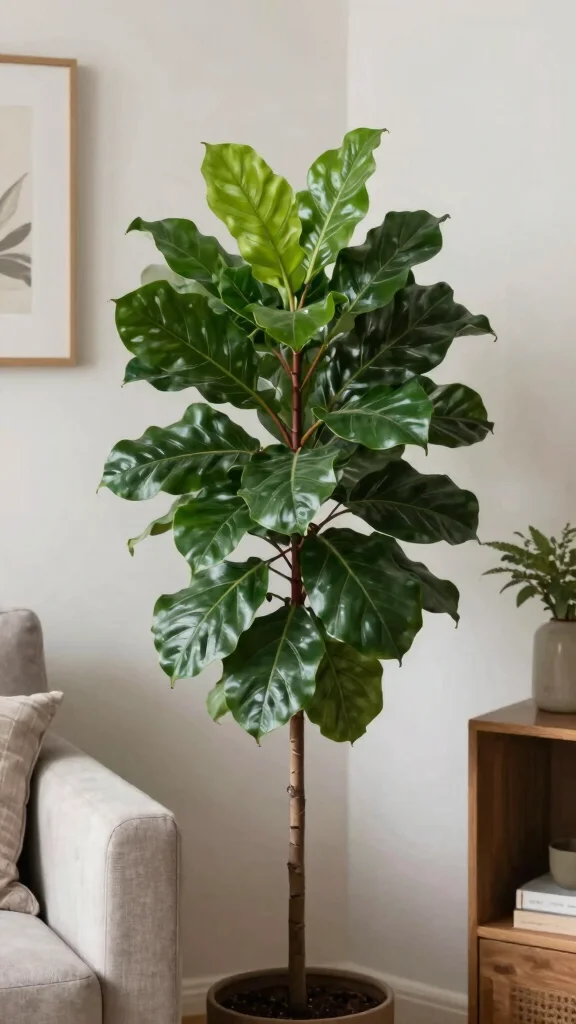
The Aspidistra, also known as the Cast Iron Plant, is famous for its resilience, making it a perfect choice for those seeking a low-maintenance indoor plant. This tall beauty can reach around 3 feet, making it a sturdy addition to your space.
To care for your Aspidistra, allow it to dry out between waterings, making it ideal for busy lifestyles.
Key tips for Aspidistra care:
– Keep it away from direct sunlight to avoid leaf burns.
– Fertilize sparingly, as it’s not a heavy feeder.
– Dust leaves occasionally to keep them vibrant.
The Aspidistra’s toughness and elegance make it a fantastic choice for both novice and experienced indoor gardeners.
❝ Did you know the Aspidistra can reach around 3 feet tall and thrives on neglect? Water only when the soil dries, keep it out of direct sun, and you’ll have resilient, low-light tall indoor plants for small spaces. ❞
15. Pygmy Date Palm (Phoenix roebelenii)
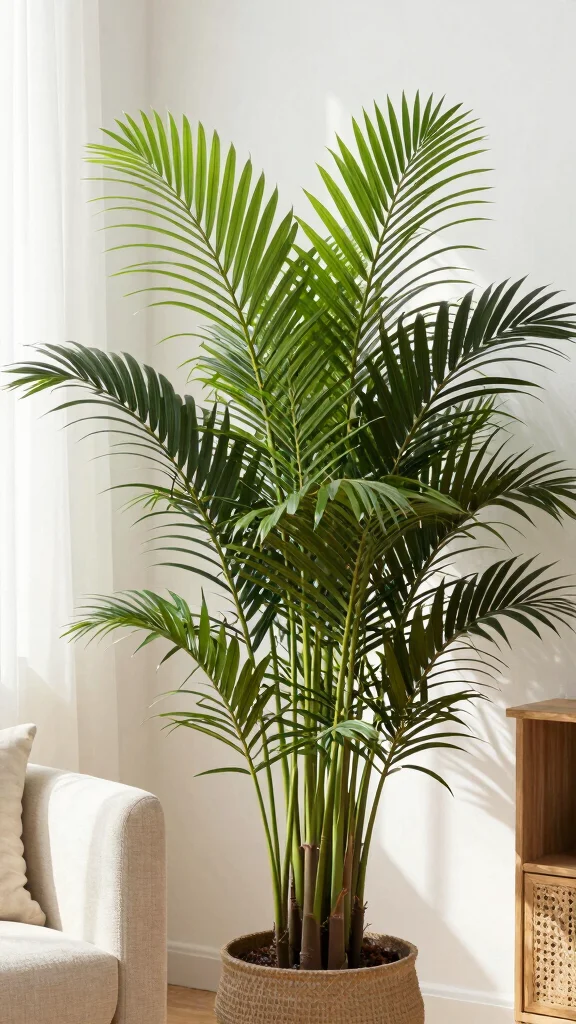
The Pygmy Date Palm features a slender trunk and lush fronds, making it perfect for small spaces. Growing up to 6 feet tall, it brings a tropical flair without overwhelming your area. This plant prefers bright, indirect light but can adapt to lower light levels.
To keep your Pygmy Date Palm thriving, regular watering and humidity are essential, making it suitable for bathrooms or kitchens.
Care tips for Pygmy Date Palms:
– Rotate the plant for even growth.
– Misting helps maintain the health of the fronds.
– Fertilize during the growing season for optimal growth.
With its elegant fronds and manageable size, the Pygmy Date Palm adds a touch of paradise to your indoor space.
16. Cast Iron Plant (Aspidistra elatior)
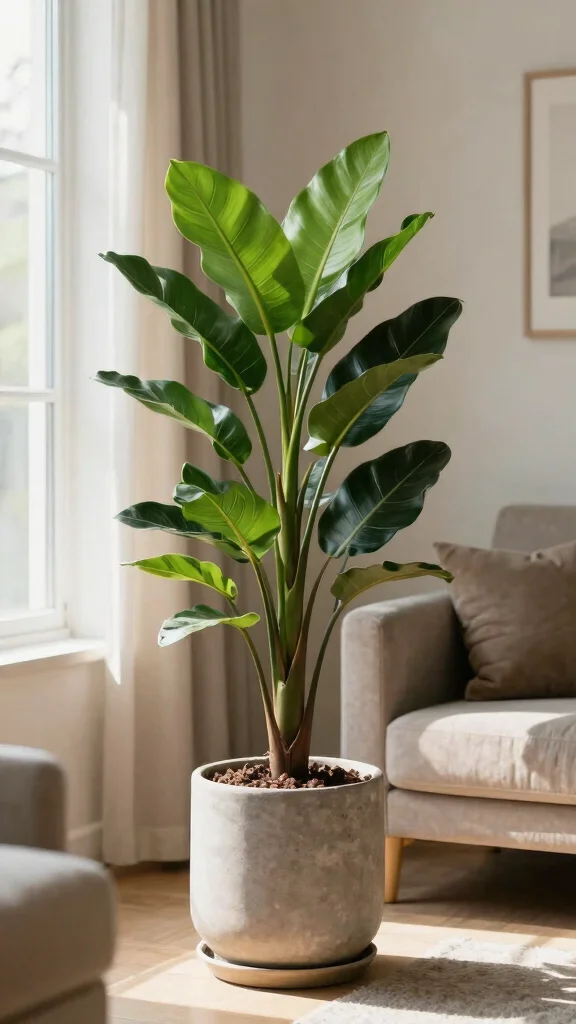
The Cast Iron Plant is a true survivor, making it an excellent choice for beginners or busy individuals. With its broad, dark green leaves, it can grow up to 2 feet tall, thriving in low-light environments.
For care, this resilient plant only needs watering when the topsoil feels dry, making it incredibly low-maintenance.
Here are some tips for Cast Iron Plant care:
– Keep it away from bright direct sunlight to avoid leaf burn.
– Wipe leaves occasionally to keep them dust-free.
– Fertilize sparingly, as it prefers low nutrient levels.
The Cast Iron Plant’s strength and classic appearance make it a wonderful addition to any indoor garden, offering timeless elegance.
17. Areca Palm (Dypsis lutescens)
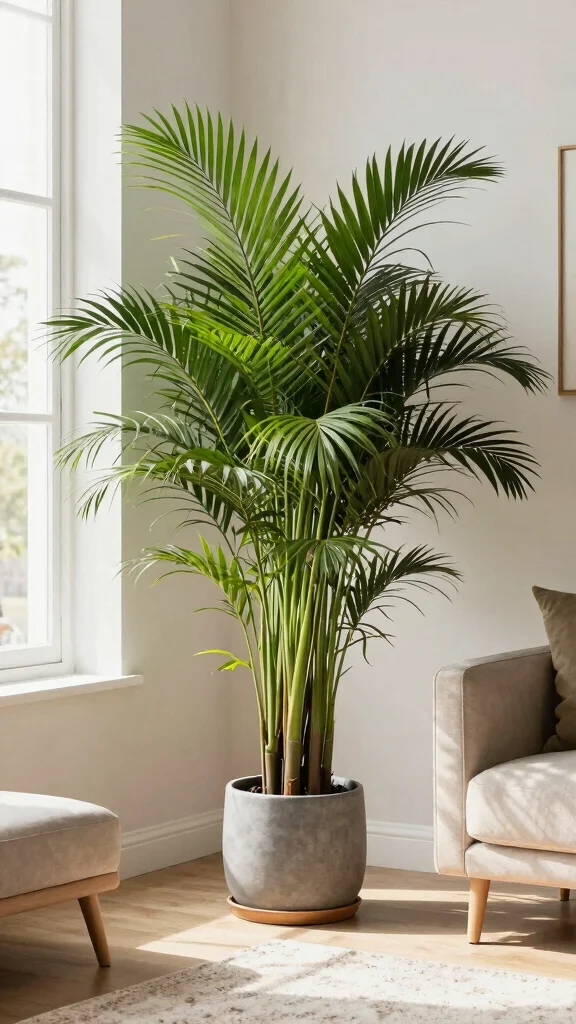
The Areca Palm is a popular choice for creating a tropical vibe indoors. With its long, arching fronds, this palm can grow up to 7 feet tall, making it a stunning accent in any room. It thrives in bright, indirect light but can also tolerate low-light conditions.
To care for your Areca Palm, provide regular watering and humidity to keep its fronds looking their best.
Key tips for Areca Palm care:
– Mist regularly to maintain humidity levels.
– Fertilize every couple of months for healthy growth.
– Rotate the plant to ensure even light exposure.
The Areca Palm not only enhances your decor but also helps purify the air, making it a delightful addition to your indoor plant collection.
18. Elephant Ear (Alocasia)
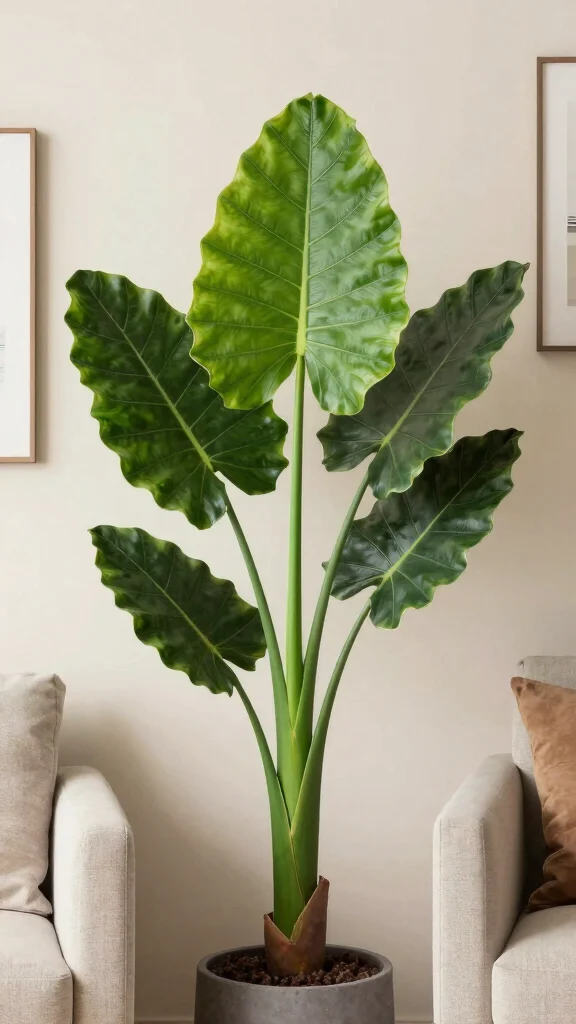
The Elephant Ear plant is known for its large, heart-shaped leaves, making it a bold statement choice for your indoor space. These plants can grow quite tall, creating a tropical ambiance that brightens any room. They prefer bright, indirect light but can adjust to lower light conditions.
To care for your Elephant Ears, keep the soil consistently moist while avoiding overwatering to prevent root rot.
Here are some care tips for Elephant Ears:
– Wipe down leaves regularly to keep them clean.
– Fertilize during the growing season for vibrant growth.
– Position them where they can thrive without blocking pathways.
With their dramatic foliage and striking appearance, Elephant Ears are sure to become a stunning focal point in your indoor gardening setup.
❝ Fun fact: Elephant Ear plants can grow 3–6 feet tall indoors, creating a tropical statement in small spaces. Give bright, indirect light and keep soil consistently moist to support their height—just avoid soggy roots.
Conclusion
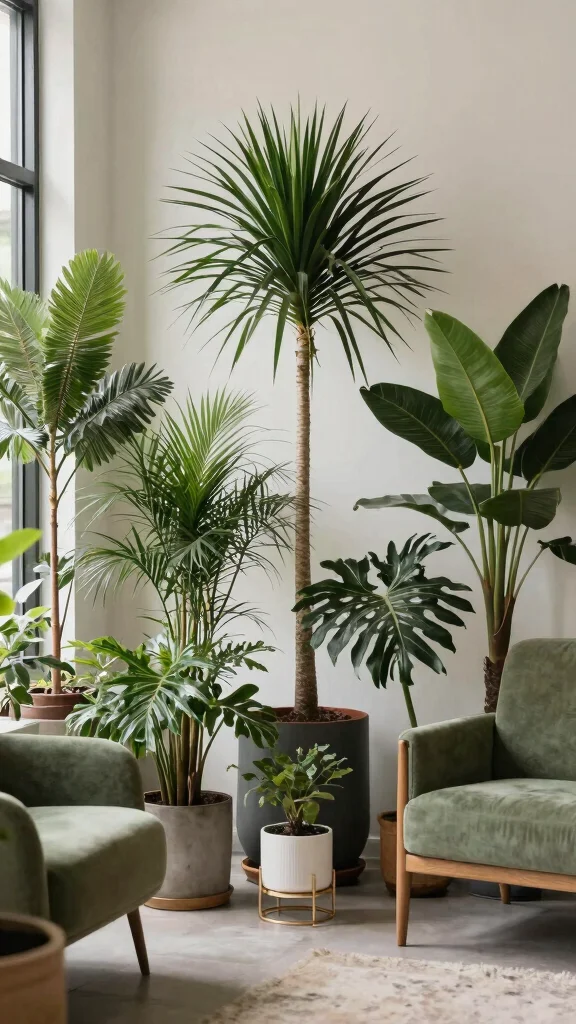
Incorporating tall indoor plants can elevate your decor while maximizing your space, especially in low-light conditions. Each of these plants not only adds height but also beauty and a sense of tranquility to your home.
Consider giving some of these houseplants a try for a refreshing touch to your indoor garden. With the right care, they can thrive and provide joy for years to come.
Frequently Asked Questions
Question: Which tall indoor plants are best for low-light spaces?
Great news for small spaces: you can still bring height with tall indoor plants that tolerate low light. Top picks include Snake Plant (Sansevieria trifasciata), ZZ Plant (Zamioculcas zamiifolia), Cast Iron Plant (Aspidistra elatior), Rubber Plant (Ficus elastica), and some Dracaena varieties. For best results, use a well-draining potting mix and let the top inch of soil dry before watering to avoid overwatering. Place them where they can grow upward and rotate occasionally for even growth. These choices support vertical gardening and space-saving plants goals, while still delivering striking height as indoor plant decor in your home. For ongoing care, keep an eye on leaf tips and adjust watering in relation to light and season as part of your houseplant care routine.
Question: How can tall indoor plants be used for vertical gardening and decor in a small living area?
Think tall plants as architectural accents. Start with a few sturdy tall indoor plants that fit your light, then layer them with space-saving plants using stands, shelves, and slim planters to create vertical interest.
Try a corner plant tower or a wall-mounted shelf for a vertical garden effect, and group 2–3 plants in coordinated pots to establish rhythm. Use decorative pots and textures to tie into your indoor plant decor theme, and place the tallest pieces near windows or corners to draw the eye upward. With conscious spacing and a little indoor gardening tips, you’ll achieve a high-impact look without crowding the floor.
Question: What care routine keeps tall indoor plants healthy in low light?
Keeping tall indoor plants thriving in low light is about smart watering, light management, and a tidy routine. Start by confirming your space’s light level; most tall options tolerate shade but benefit from occasional bright indirect light. Water sparingly—wait until the top inch of soil dries, then water until evenly moist and allow excess to drain; avoid letting roots sit in standing water. Wipe leaves with a damp cloth to remove dust, which helps photosynthesis. Fertilize lightly during the growing season (every 6–8 weeks) using a balanced houseplant fertilizer. Rotate plants every week or two so all sides receive light. This practical approach fits houseplant care and indoor gardening tips while preserving the height your space needs.
Question: Which tall indoor plants are easiest for beginners to grow?
Great news for beginners: some tall indoor plants are incredibly forgiving and still deliver wow. Try Snake Plant, ZZ Plant, Cast Iron Plant, and Rubber Plant. They tolerate low light, irregular watering, and variable humidity while growing tall and upright. Simple care routine: let soil dry slightly between waterings, use well-draining soil, and avoid overwatering. Keep an eye on temperature and avoid cold drafts. With these low-maintenance picks, you can build confidence in indoor plant decor and space-saving plants while achieving dramatic height in your home.
Question: What common mistakes should I avoid when incorporating tall indoor plants into indoor decor?
Avoid these pitfalls to keep your tall indoor plants thriving. First, overwatering is the most common issue in low-light setups—check soil moisture before watering. Second, don’t choose pots that are too small; transplant into a wider container as roots fill the pot. Third, ignore light needs; even tall plants need bright indirect light, or they may stretch and weaken. Fourth, forget mature size planning—plan for the eventual height and width so you don’t crowd the space. Fifth, poor airflow and dry indoor air can stress plants—consider occasional misting or a humidity tray. Finally, skip leaf cleaning—dusty leaves reduce photosynthesis and vigor. With thoughtful planning for space-saving plants and indoor plant decor, you’ll maintain healthy height and a polished look.
Related Topics