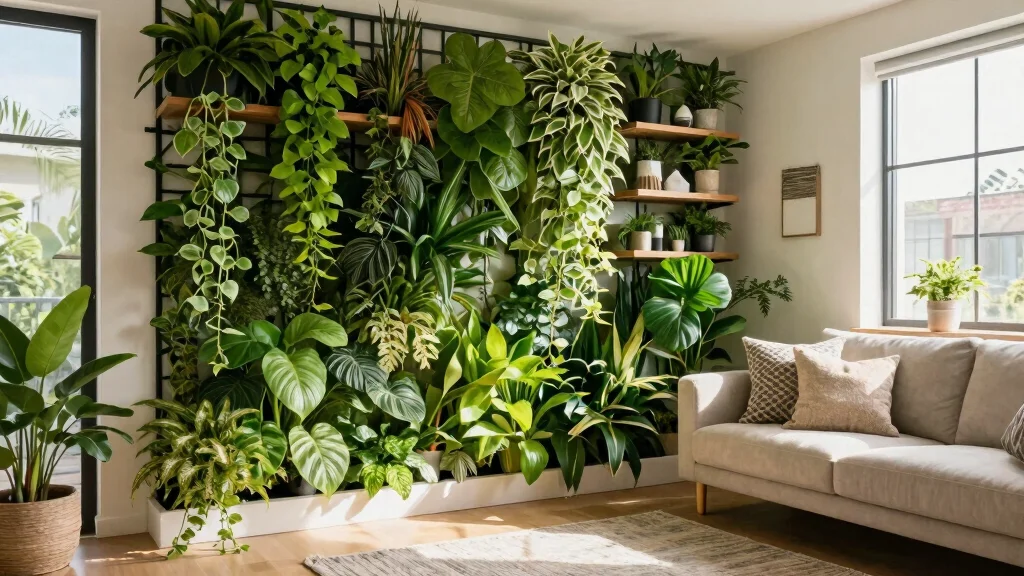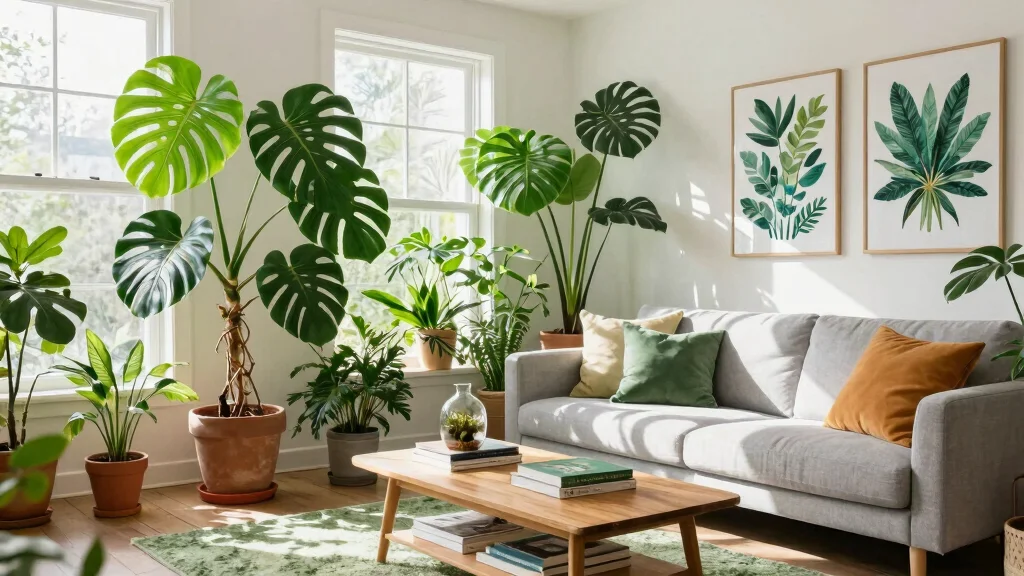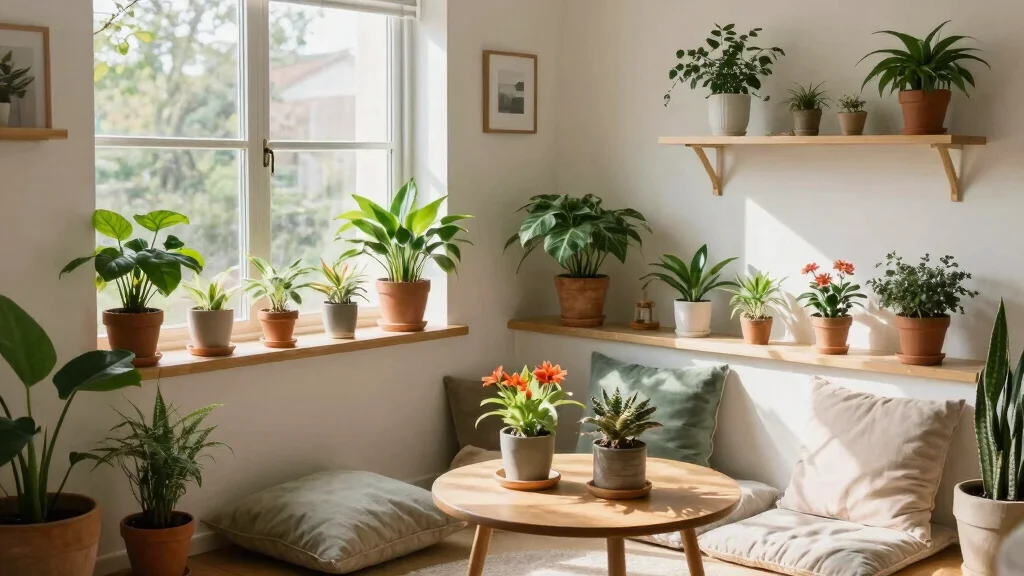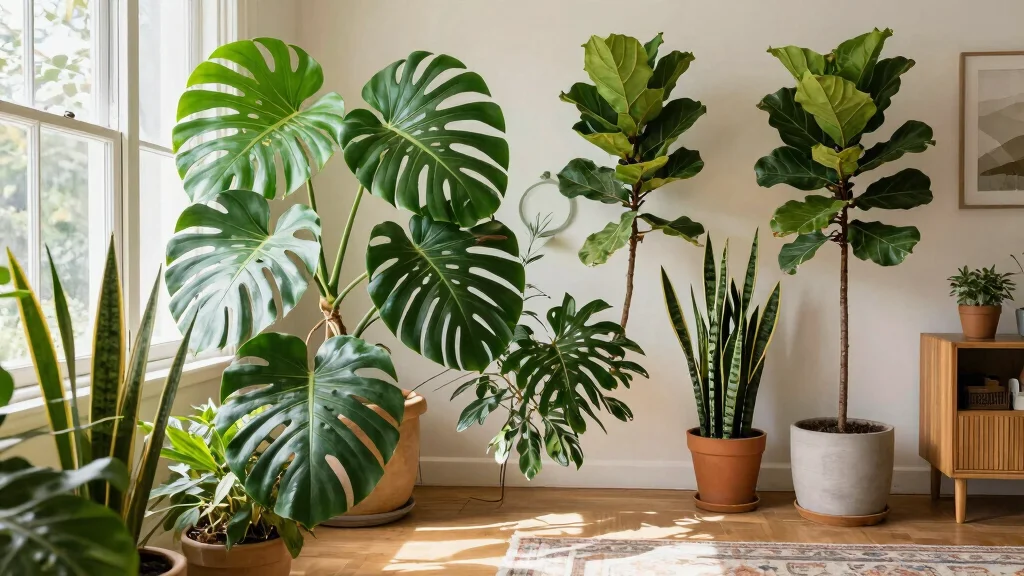

Indoor greenery has a special way of brightening up a space and lifting your spirits. If you’re like many people, you might be craving the calmness that comes from having plants indoors but feel overwhelmed by the idea of plant care. You’re not alone in this! I created this post to guide you through the world of indoor aquatic plants, which are not only stunning but also easy to maintain. If you’ve ever thought about how to incorporate some natural beauty into your home without the fuss, you’re in the right place.
This guide is perfect for anyone looking to add some life to their small spaces. Whether you’re a seasoned plant lover or new to indoor gardening, you’ll find valuable information here. You care about aesthetics, ease of care, and finding plants that thrive in water. I’ve gathered a list of 15 stunning water plants that can flourish indoors, providing you with options that are low maintenance and visually appealing. Each plant offers unique benefits, from purifying the air to adding a pop of color.
Get ready to discover aquatic plants that suit your home, personal style, and lifestyle needs. In this post, you’ll learn about beautiful options, their care requirements, and how to create your own little oasis indoors. Let’s dive in!
Key Takeaways
– You’ll explore 15 stunning water plants that are perfect for indoor spaces and easy to care for.
– Each plant listed is low maintenance, making them ideal for busy lifestyles or first-time plant owners.
– Discover how to create a unique aquatic garden right in your home, enhancing your decor with natural beauty.
– Gain practical indoor plant care tips to ensure your water plants thrive and bring joy to your space.
– Understand the benefits of each plant, including air purification and their ability to fit into small areas, making them great choices for apartments or cozy homes.
1. Lucky Bamboo
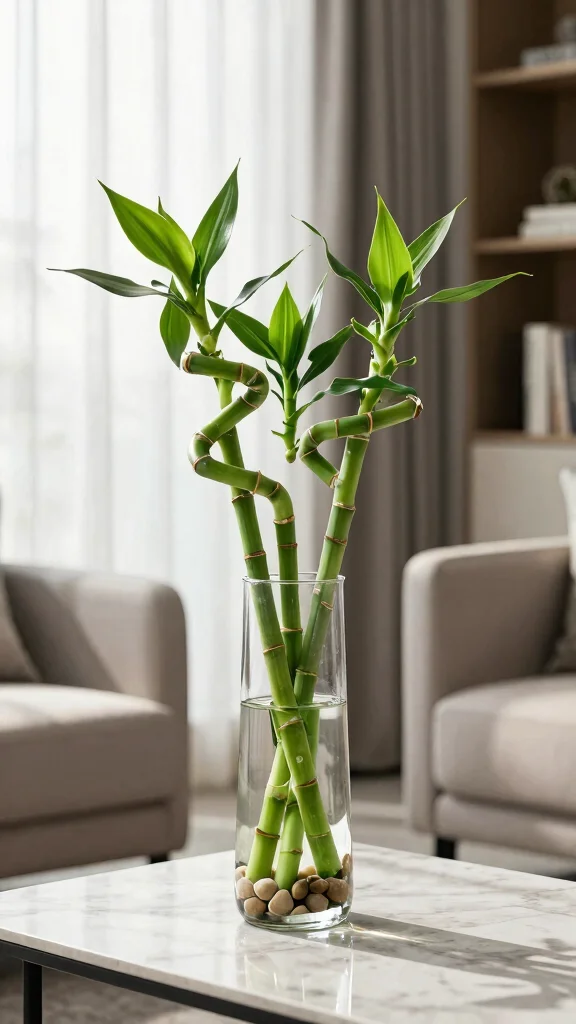
You’re looking for a plant that’s easy to care for and brings good vibes into your home. Lucky Bamboo fits the bill perfectly! This charming plant isn’t bamboo at all; it’s a type of Dracaena that grows effortlessly in water. With its unique stalks, it can be shaped in various ways, adding a personal touch to your decor. Its lush green appearance enhances small spaces wonderfully, making it a favorite for many.To keep your Lucky Bamboo thriving, change its water every couple of weeks to keep it fresh. Using distilled or filtered water is ideal, as it prevents harmful chemicals from affecting the plant. Place it in a spot with bright, indirect light for the best results, although it can tolerate lower light levels too. Plus, it symbolizes prosperity, making it a meaningful addition to your space.Key care tips: – Avoid direct sunlight to prevent leaf scorch. – Trim yellowing leaves regularly for better health. – Rotate the stalk every now and then for even growth. With just a little attention, your Lucky Bamboo can flourish beautifully, becoming a striking centerpiece in any room.
2. Pothos in Water
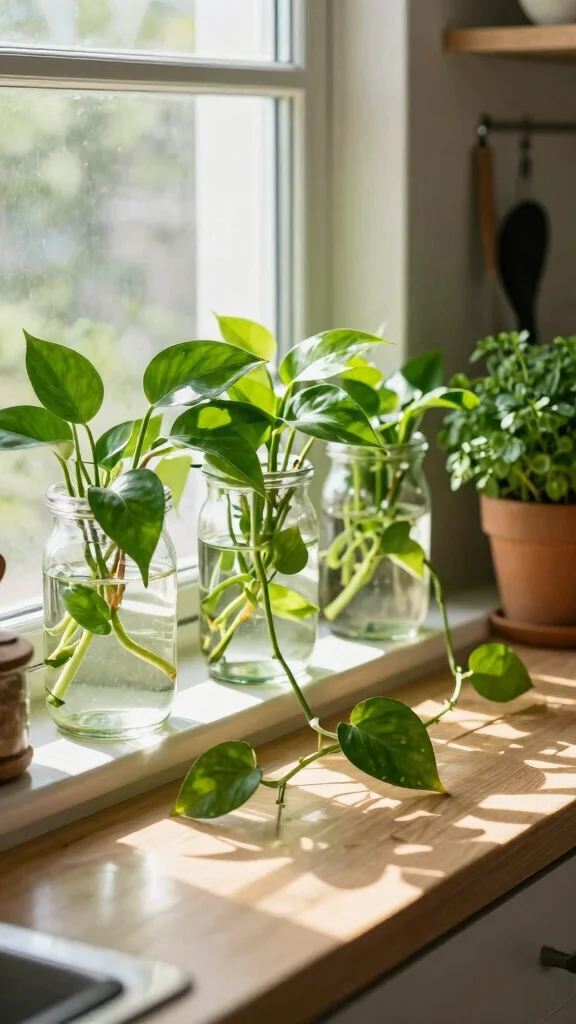
If you’re after an easy-going plant that adds a splash of greenery to your home, look no further than Pothos. This beloved houseplant features stunning, heart-shaped leaves and trailing vines that can grow in water with no fuss. Its adaptability to different light conditions makes it an excellent choice for any room, whether it’s bright or a bit dim.Caring for Pothos is a breeze—just place cuttings in a clear container with water, ensuring the nodes are submerged. Change the water every week or so to keep it fresh, and watch roots develop while new leaves emerge. Plus, this plant helps purify the air, making your home environment even healthier.Getting started: – Choose a decorative container that suits your style. – Fertilize occasionally for a boost in growth. – Trim long vines if they start to look unruly. With its stunning foliage and simple care routine, Pothos in water will brighten your space effortlessly.
Water plants indoor? Pothos in water keeps it simple. Drop cuttings into a clear container, submerge the nodes, and refresh the water every week—watch those trailing vines brighten even dim corners.
3. Peace Lily
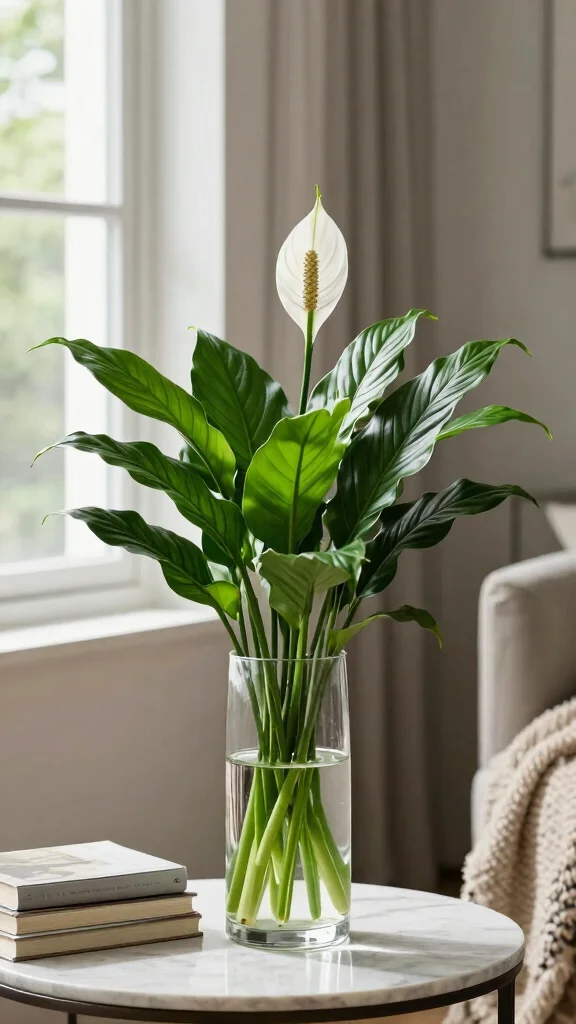
Searching for a plant that combines beauty with air-purifying benefits? Peace Lily is the answer! This elegant plant boasts lovely white blooms and glossy green leaves, making it a striking addition to any indoor garden. It thrives well in water, making it a perfect choice for those interested in aquatic plant care.To grow a Peace Lily in water, start with a healthy nursery plant and place the roots in a container filled with water. Ensure the water level covers the roots while keeping the leaves above. Change the water weekly and provide indirect sunlight for best results. You’ll soon be rewarded with gorgeous white flowers and lush foliage!Care suggestions: – Monitor the water level regularly and top it off when needed. – Yellow leaves may indicate too much sunlight, so adjust its position. – Use a diluted water-soluble fertilizer every few months for extra growth. With minimal effort, your Peace Lily can thrive, enhancing your living space with elegance and charm.
4. Spider Plant in Water
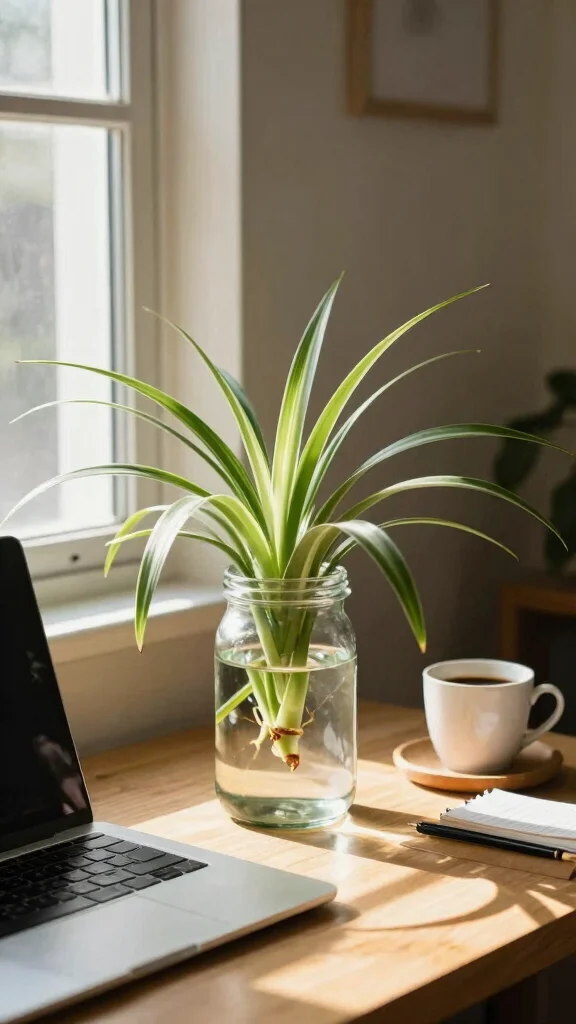
If you want a fun and easy plant to grow, consider the Spider Plant! Known for its arching leaves and adorable spiderettes, this plant thrives in water and is perfect for indoor gardening newbies. Its low-maintenance nature allows it to flourish in various light conditions, making it a versatile choice for your home.To propagate a Spider Plant in water, simply cut a healthy spiderette from the main plant and place it in a glass container filled with water. Remember to change the water regularly to encourage healthy growth. Over time, you’ll notice roots forming, and you can even transfer them back to soil if desired.Helpful hints: – Keep the container clean to prevent algae from forming. – Add a little liquid fertilizer for more robust growth. – Pet owners will love that Spider Plants are safe for animals! This delightful plant not only beautifies your home but also creates an enjoyable visual experience as it grows in water.
Ongoing Maintenance & Care Guide
Maintenance Schedule:
Daily/Weekly Tasks:
– Check water levels and add more if needed. This keeps plants hydrated. (Time: 5 minutes)
– Rinse the plant leaves gently to remove dust. Clean leaves help plants absorb light better. (Time: 10 minutes)
– Change the water for plants in containers every week to prevent algae build-up. (Time: 10 minutes)
Monthly/Seasonal Tasks:
– Replace any dead or yellowing leaves. This encourages healthy growth and a tidy look. (Time: 15 minutes)
– Add liquid plant fertilizer every month to boost nutrients in the water. Use a half-strength solution to avoid over-fertilizing. (Time: 10 minutes)
– Rotate your plants every month for even light exposure on all sides. This helps with balanced growth. (Time: 5 minutes)
– Trim roots as needed to prevent overcrowding in the container. This is essential for keeping plants healthy. (Time: 20 minutes)
Maintenance Summary Table:
| Task | Frequency | Difficulty | Time Needed |
|—————————|—————|————-|—————|
| Check water levels | Daily | Easy | 5 minutes |
| Rinse leaves | Weekly | Easy | 10 minutes |
| Change water | Weekly | Easy | 10 minutes |
| Replace dead leaves | Monthly | Easy | 15 minutes |
| Add fertilizer | Monthly | Easy | 10 minutes |
| Rotate plants | Monthly | Very Easy | 5 minutes |
| Trim roots | As needed | Moderate | 20 minutes |
Common Issues to Watch For:
⚠️ Yellow Leaves: This can mean overwatering or a lack of nutrients. Check the roots; if they are mushy, reduce water.
⚠️ Wilting Leaves: This usually indicates underwatering. Ensure the water level is adequate and check for root suffocation.
⚠️ Algae Growth: If you see green slime, it’s a sign the water needs changing more frequently. Bacteria can harm your plants.
⚠️ Brown Leaf Tips: This often results from low humidity or too much fertilizer. Adjust your care routine as needed.
⚠️ Slow Growth: If your plants seem stagnant, it might be time to change the water or add nutrients. Refresh your routine.
Care Tips:
💡 Use Clean Water: Tap water may contain chlorine. Let it sit out for 24 hours or use filtered water to avoid harming plants.
💡 Monitor Light Levels: Place your aquatic plants near light, but avoid direct sunlight. Too much can burn the leaves.
💡 Keep it Clean: Always use clean containers and tools when handling plants. This helps prevent disease and pests.
💡 Group Plants Together: Arrange your aquatic plants in one area. They can create a mini ecosystem and boost humidity around them.
💡 Observe for Pests: Regularly check for pests like aphids or spider mites. If you see any, address them quickly to prevent spreading.
5. Water Hyacinth
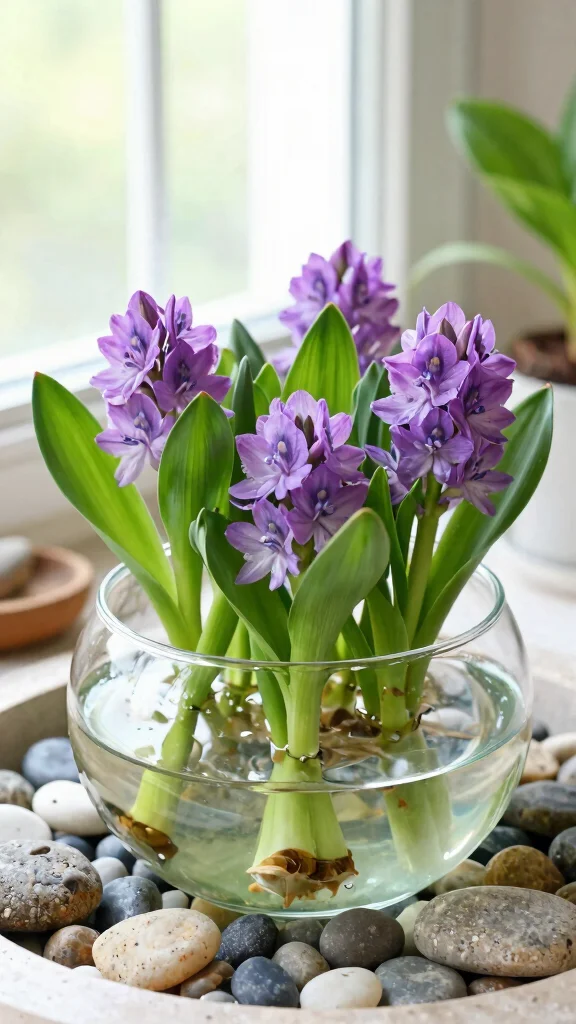
Bring an exotic touch to your home with Water Hyacinth! This stunning aquatic plant features beautiful lavender blooms and lush, vibrant leaves, making it a standout choice for larger spaces. It thrives in water gardens or bowls, adding a striking statement piece to your indoor decor.To successfully grow Water Hyacinth, select a deep container filled with water that allows the roots to spread. Ensure it receives bright, indirect light, ideally placed near a window. Regularly change the water to keep it fresh and clear for optimal growth.Key considerations: – Make sure the container is spacious enough for root expansion. – Be aware that Water Hyacinth can multiply quickly, so monitor its growth. – It’s also perfect for outdoor ponds, enhancing natural beauty. This stunning plant not only adds color but creates a serene atmosphere with its lovely appearance.
Did you know? Water Hyacinth grows fast—under bright indirect light it can double its root mass in just 7–14 days, making your water plants indoor setup a striking focal point.
6. Bamboo Palm
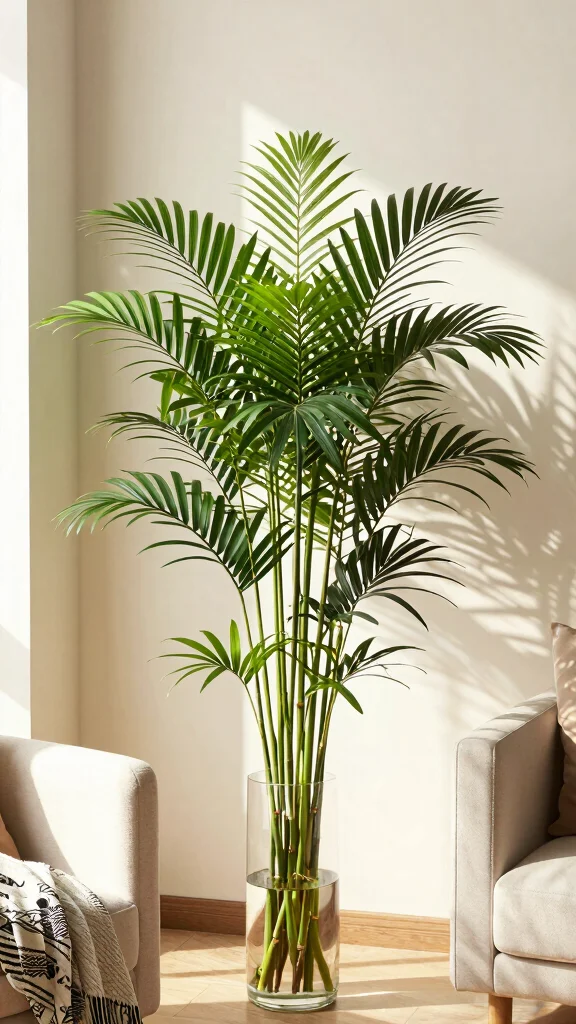
You’ll love the Bamboo Palm for its graceful appearance and tropical vibe. This lovely plant features slender stems and feathery fronds, effortlessly enhancing the ambiance of any room. It thrives beautifully in water, making it an excellent choice for anyone seeking a lively indoor plant.To grow a Bamboo Palm in water, start with a healthy plant. Place it in a clear container, covering the roots with water while keeping the stems above the waterline. This palm prefers indirect light, making it ideal for areas with filtered sunlight. Remember to change the water regularly to keep it fresh and healthy.Care tips: – Fertilize monthly with a diluted houseplant fertilizer for optimal growth. – Trim dead or yellowing leaves to maintain its health and appearance. – Bamboo Palm is pet-friendly, making it safe for households with furry companions! This tropical beauty not only enhances your interior design but also brings a refreshing touch to your living space.
❝ Did you know Bamboo Palms can thrive in water as a top pick among water plants indoor? Keep roots submerged and refresh the water every 2 weeks—the plant stays vibrant and adds a tropical vibe to any small space. ❞
7. Chinese Evergreen
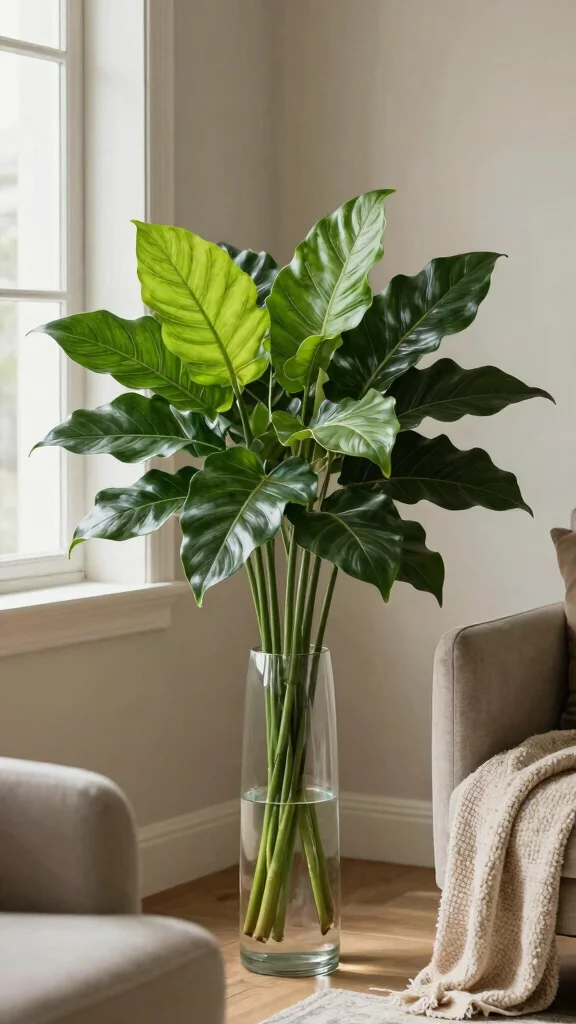
Chinese Evergreen is a stunning houseplant that stands out for its beautiful foliage and resilience. This attractive plant can flourish in water, providing a unique and exotic look that brightens any room. With leaves ranging from deep green to beautiful variegated patterns, it’s sure to catch the eye.To grow a Chinese Evergreen in water, place cuttings in a container filled with clean water, ensuring that the nodes are submerged. This plant does well in indirect light but can adapt to lower light conditions. Change the water weekly to promote healthy growth and keep it clear.Helpful hints: – Add pebbles at the bottom for stability if necessary. – Enjoy the air-purifying qualities of Chinese Evergreen for a healthier environment. – Be cautious, as it can be toxic to pets if ingested. This stunning plant not only adds character to your decor but also creates a serene vibe with minimal effort.
8. African Violet
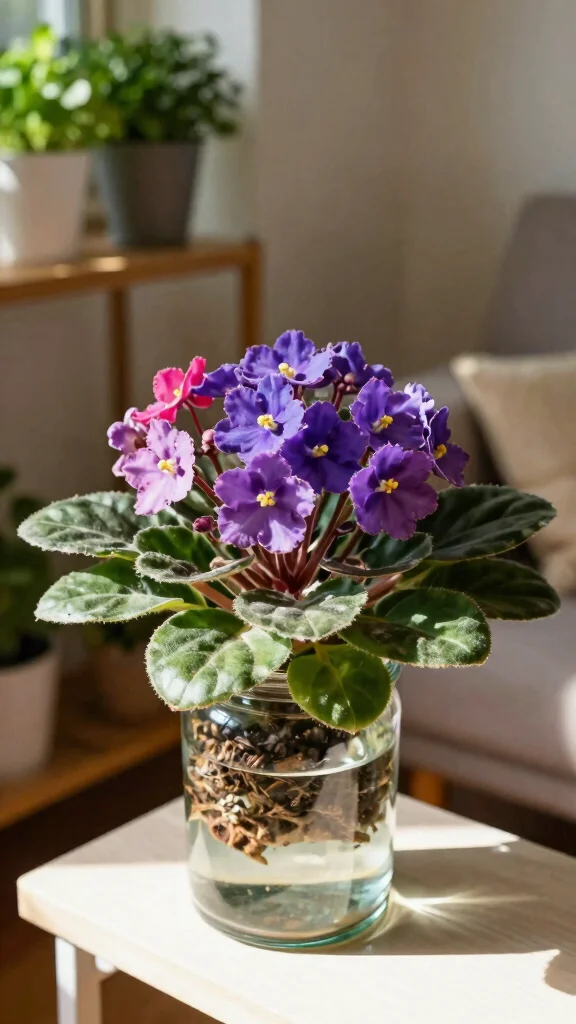
African Violets are treasured for their charming flowers that bloom all year round. These delightful plants can also thrive in water, making them a wonderful addition for indoor gardening enthusiasts. With vibrant colors ranging from deep purple to soft pink and white, they effortlessly brighten any space.To grow African Violets in water, start with a healthy leaf cutting placed in a container filled with water, ensuring the stem is submerged while keeping the leaf above the waterline. They thrive in bright, indirect light; just be sure to keep them out of direct sunlight. Regularly change the water to maintain freshness and encourage healthy growth.Tips for success: – Use distilled water to avoid mineral buildup. – Fertilize with diluted African Violet food every few weeks for blooming. – Prune dead flowers to promote new blooms. With proper care, African Violets can transform any room into a vibrant floral paradise.
9. Betta Fish Plant
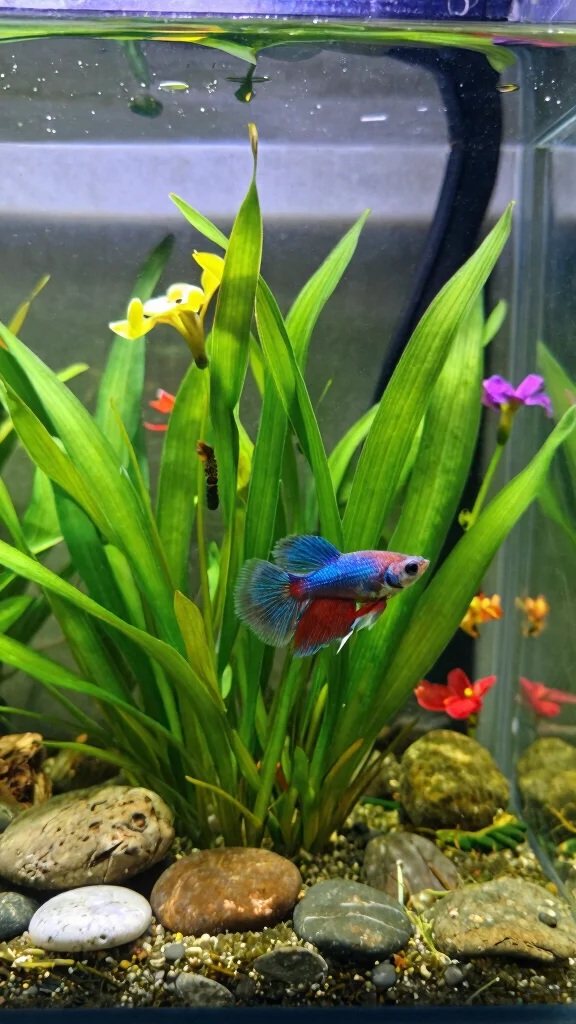
An intriguing choice for your indoor garden, the Betta Fish Plant thrives in water and pairs beautifully with its aquatic namesake. This plant features lush green foliage and colorful flowers, making it a stunning addition to any setup. It’s perfect for both aquariums and simple glass containers.To maintain the health of your Betta Fish Plant, place it in a wide glass container filled with water, ensuring the roots are submerged. It enjoys bright, indirect light and flourishes when its water is changed weekly. This plant also has the added benefit of naturally purifying the water, benefiting both itself and any fish nearby.Care tips: – Change the water regularly to prevent algae growth. – Trim any dead leaves to keep the plant healthy. – Pair it with a Betta fish for a stunning aquatic display. This unique plant adds life and color to your home, creating a beautiful underwater ambiance.
10. Arrowhead Plant
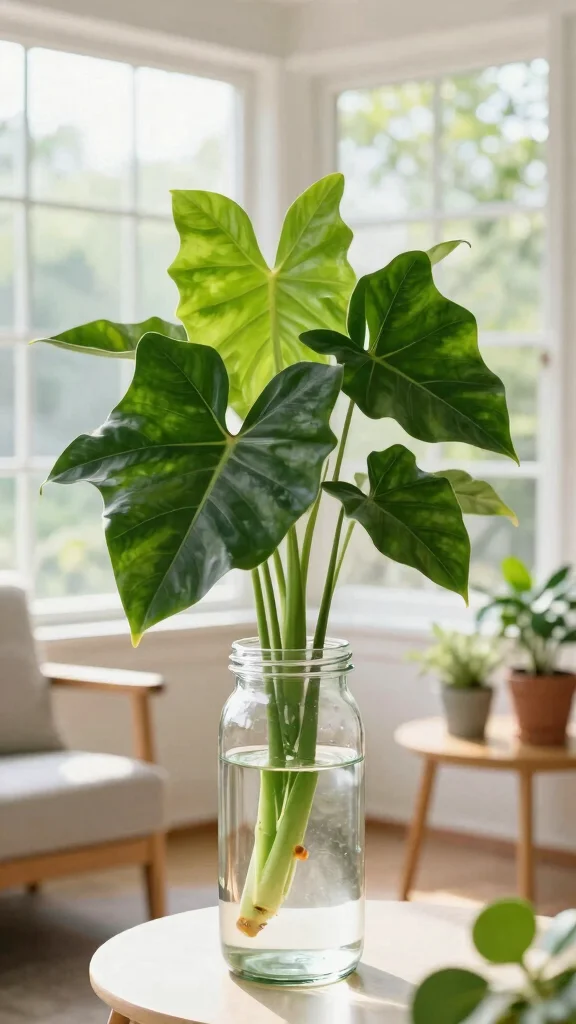
The Arrowhead Plant is loved for its uniquely shaped leaves and easy care requirements. This versatile plant thrives in water, making it perfect for anyone looking for a low-maintenance yet visually appealing indoor plant. Its dramatic foliage adds a lively touch to your home.To grow an Arrowhead Plant in water, place cuttings in a container filled with water, allowing the nodes to soak. Change the water weekly to keep it fresh, and provide bright, indirect light. You’ll be amazed at how quickly it grows, giving you more cuttings to propagate if desired!Pro tips: – Use a container with a wide opening for better air circulation. – Prune occasionally to encourage bushier growth. – Handle with care, as the sap can irritate the skin. The Arrowhead Plant is an excellent choice for adding flair and greenery to any space.
11. Snake Plant in Water
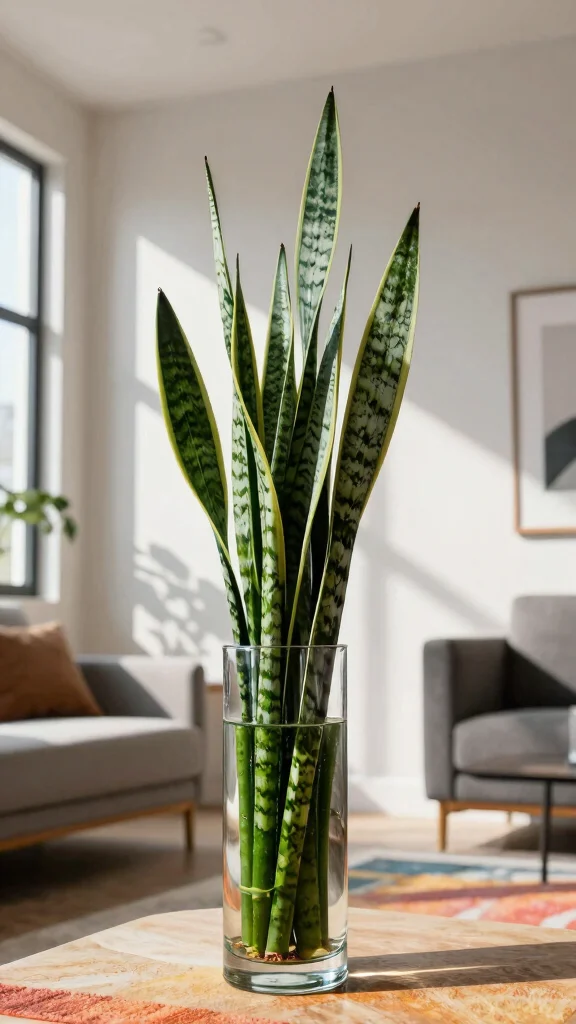
Snake Plants are famous for their stiff, upright leaves and are among the hardiest houseplants available. They can also grow beautifully in water, adding a unique touch to your indoor garden! Their striking appearance makes them an attractive statement piece, and they require minimal care.To cultivate Snake Plants in water, take cuttings and place them in a clean jar filled with water. Make sure the water covers the roots while allowing the leaves to remain above. Change the water every few weeks to keep it fresh. Snake Plants thrive in indirect light but can adapt to lower light levels, making them suitable for various locations.Care tips: – Choose a stable container to prevent tipping over. – Fertilize occasionally for vibrant growth. – They are pet-friendly, making them a safe choice for homes with pets! Growing Snake Plants in water adds a modern touch to any room while being virtually hassle-free.
12. Water Lettuce
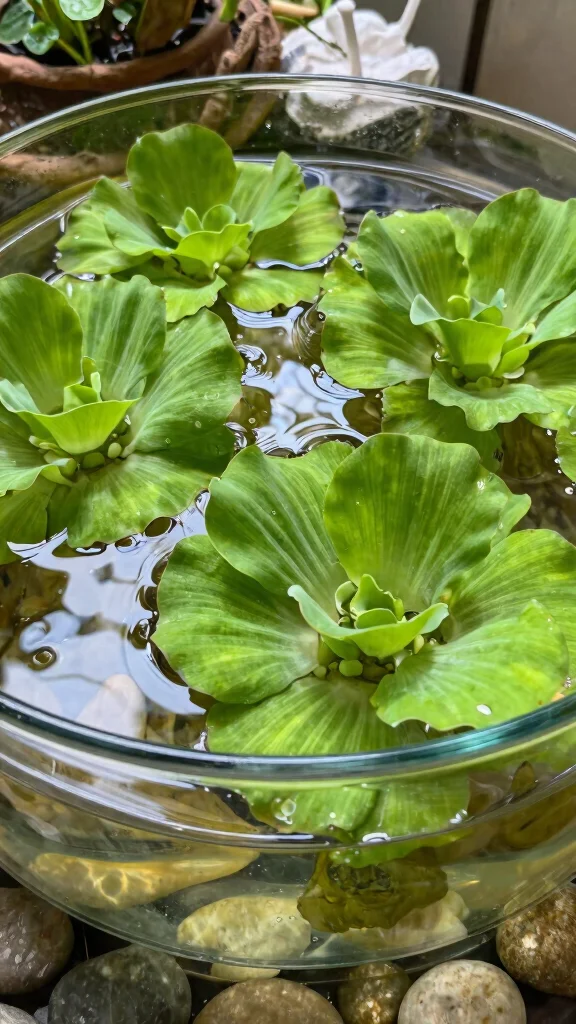
Water Lettuce is a unique floating plant that can enhance your indoor water garden. With its rosette-like leaves resembling a thick green mat, it brings beauty and practicality to your aquatic setup. This plant is perfect for anyone seeking to add an aquatic flair to their indoor gardening.To grow Water Lettuce indoors, place it in a shallow, wide container filled with water, letting the leaves float freely on the surface. It prefers bright light but can adapt to shadier areas. Remember to regularly change the water to keep it clean and healthy.Key insights: – Ensure the water is deep enough to support the roots. – Water Lettuce can multiply quickly, so manage its growth accordingly. – It provides shade for fish if you decide to add aquatic companions! This visually appealing plant adds a touch of the outdoors to your living space, enhancing the overall atmosphere.
13. Goldfish Plant
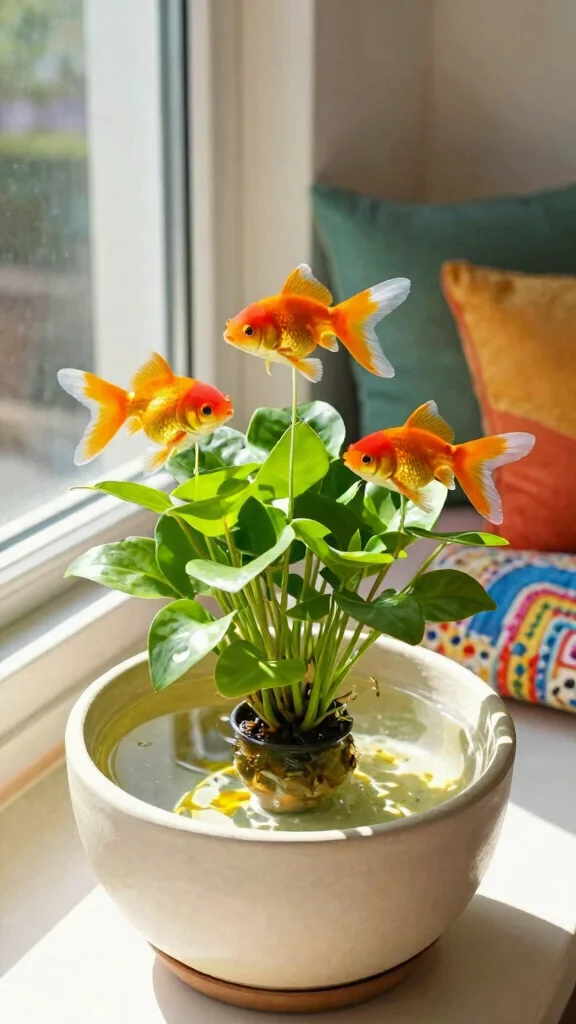
Goldfish Plants are adored for their bright, tubular flowers that resemble actual goldfish, making them a playful addition to your water garden. Their vibrant blooms can add a splash of color to any setting, complemented by lush green leaves providing a beautiful backdrop.To grow a Goldfish Plant in water, begin with a healthy cutting and place it in a container filled with water, ensuring the roots are submerged while the leaves stay above. This plant loves bright, indirect sunlight and needs regular watering to keep the roots healthy. Remember to change the water weekly to prevent stagnation.Care tips: – Use a liquid fertilizer every few weeks to boost blooming. – Prune dead flowers to encourage more blooms. – Keep an eye on humidity; it thrives in humid environments! With its unique appearance and vibrant blossoms, the Goldfish Plant adds a fun touch to your home.
14. Elephant Ear Plant
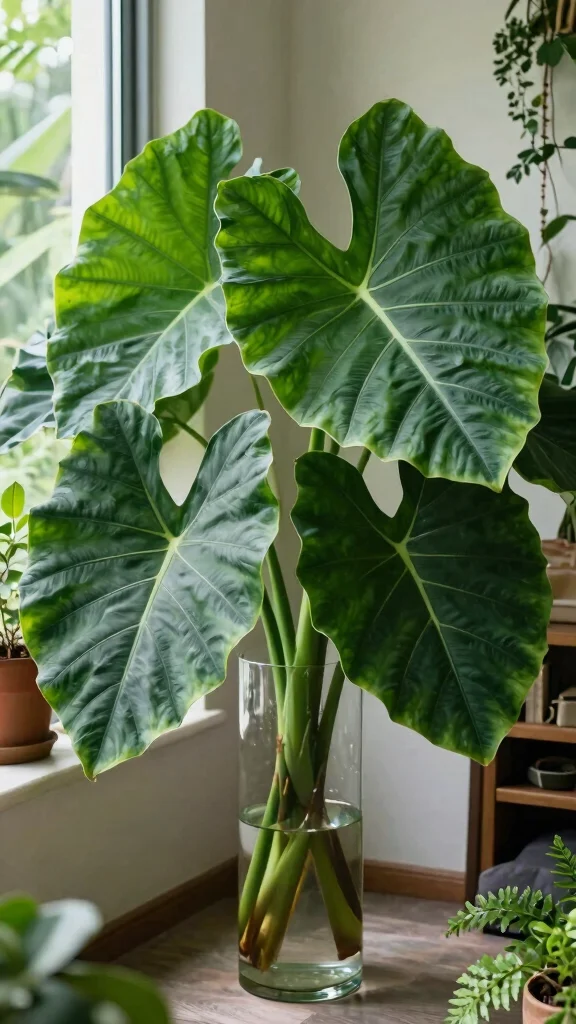
The Elephant Ear Plant is famous for its oversized, dramatic leaves that create a striking statement in any indoor garden. It adds a tropical feel to your space and thrives when grown in water, making it an exciting option for aquatic plant lovers.To grow Elephant Ear in water, place the tuber in a container filled with water, ensuring the roots are submerged while keeping the leaves above the surface. This plant prefers bright light but can tolerate some shade. Regularly change the water to maintain freshness and watch as its leaves grow impressively large!For growing: – Use a sturdy container to support the large leaves. – Give it plenty of room to spread out, as it can grow quite large! – Fertilize during the growing season for lush greenery. This plant is sure to become the centerpiece of your indoor garden, creating a captivating tropical vibe.
15. Floating Fern
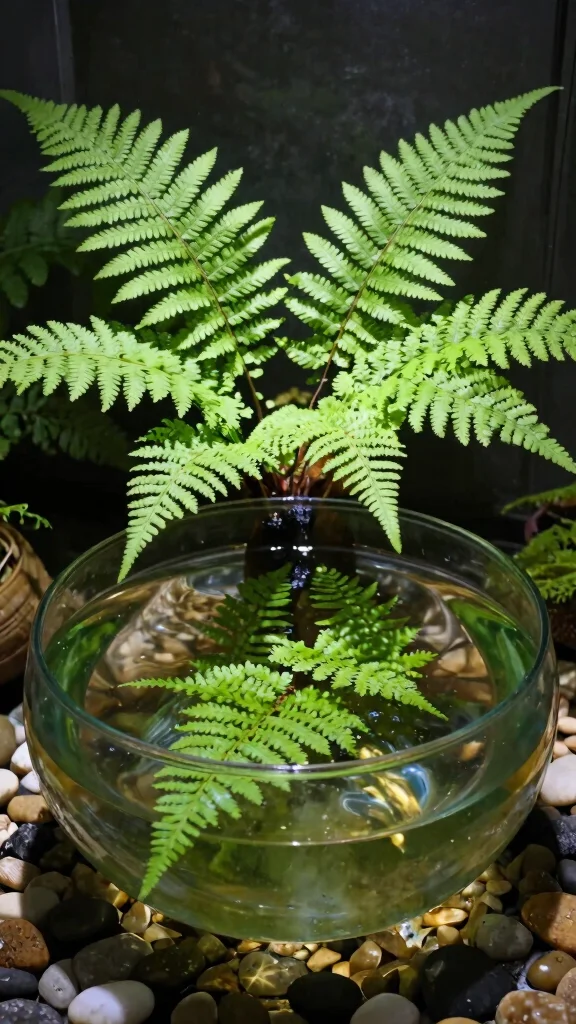
Floating Ferns are delicate, whimsical plants that gently bob on the water’s surface, creating an enchanting aesthetic. These ferns not only enhance the beauty of your space but also help maintain water quality in your home garden.To grow Floating Ferns, use a shallow container filled with water, allowing them to float freely. They thrive in bright, indirect sunlight but can also adapt to shadier conditions. Don’t forget to regularly change their water to keep it clean and healthy for growth.Key insights: – These ferns help absorb excess nutrients, preventing algae growth. – Pair Floating Ferns with aquatic fish for a vibrant ecosystem. – Their gentle movement adds a calming element to any room. This lovely plant creates a serene atmosphere in your indoor garden, bringing tranquility to your living space.
Conclusion
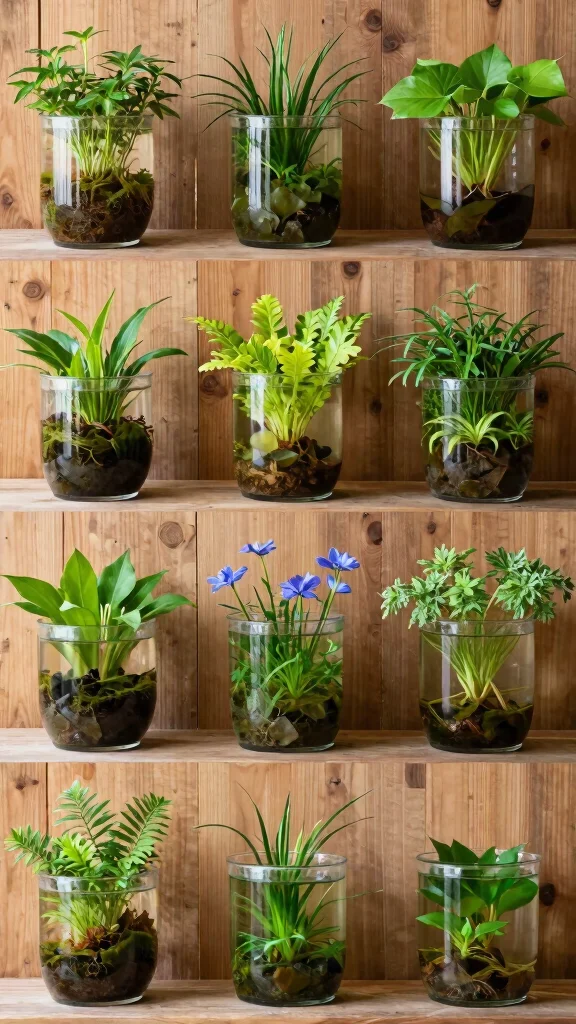
Incorporating water plants into your indoor space not only adds beauty but also brings a sense of tranquility and nature into your home. With these 15 stunning options, you’re equipped to create a vibrant aquatic garden that suits your lifestyle and space. Each plant offers unique characteristics, ensuring there’s something for everyone.
So whether you’re a seasoned plant parent or just starting your journey, these aquatic houseplants are sure to bring joy and freshness to your environment. Happy planting!
Frequently Asked Questions
Which water plants indoor are the easiest to care for in a small space?
For a beginner, try low-maintenance options like Anubias and Java fern, which cling to rocks or driftwood and need little substrate; lucky bamboo in a tall narrow vase; and floating plants such as duckweed and water lettuce that sit on the surface. These are classic easy indoor water plants that fit tight spaces and are great for aquatic plants for home. Practical care tips: place them in bright, indirect light, use dechlorinated water, avoid overfeeding, and plan regular water changes (about 25–50% every 1–2 weeks) to keep algae in check.
Tip: keep a small water thermometer and monitor for slow growth if light is too low.
How can I create a simple indoor water plant display for a compact space?
Start with a slim vase or glass bowl and pick one or two plants so the arrangement stays tidy. Use a clean surface and place near bright, indirect light. Step-by-step: 1) rinse plants and fit them into the vase with water or a tiny amount of substrate; 2) anchor taller pieces with decorative rocks or driftwood; 3) top up water with dechlorinated water; 4) optionally sprinkle a drop of liquid fertilizer every few weeks. This setup covers the best water plants for indoors and easy indoor water plants. Maintenance: change a portion of the water every 1–2 weeks and wipe leaves to reduce algae buildup.
Do water plants indoor require soil?
Not usually. Most aquatic houseplants are grown hydroponically, thriving in water or bonded to rocks/driftwood rather than soil. In a water plants indoor setup, you can keep many species in water only; rooted plants may use a light substrate or none at all. To keep them healthy, refresh water regularly, provide gentle nutrients with a dilute aquatic fertilizer, and avoid overfeeding.
What are the best water plants indoor for beginners, and are they safe for pets?
Great beginner picks include Anubias, Java fern, and lucky bamboo; they’re sturdy, slow-growing, and adapt well to simple routines of low maintenance water plants. When pets are around, always check species-specific safety and place containers out of reach if needed. If you’re unsure, look for plants labeled pet-safe and use closed containers to prevent nibbling. This is practical for readers searching for aquatic plants for home or best water plants for indoors.
How often should I care for indoor water plants and what routine helps them thrive?
A simple routine keeps them thriving: check water clarity weekly, do a partial water change (20–50%) based on plant type, and wipe leaves to remove dust. Feed with a diluted aquatic plant fertilizer about once a month, and refresh light exposure if leaves look pale. Also keep containers clean and free of algae by avoiding overfeeding and ensuring good air circulation. Following this indoor plant care tips helps maintain low maintenance water plants and makes water plants indoor problems rare.
Related Topics