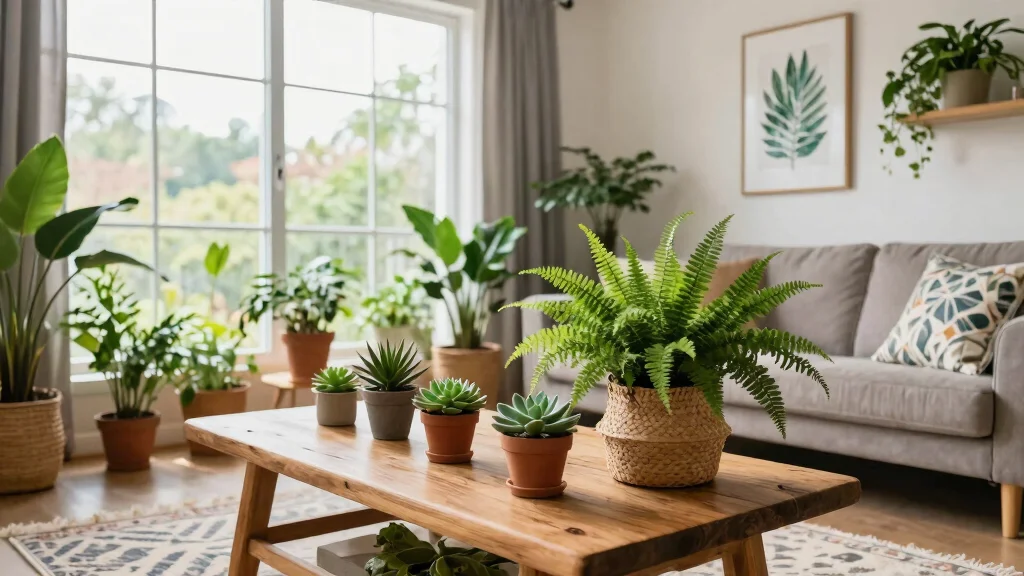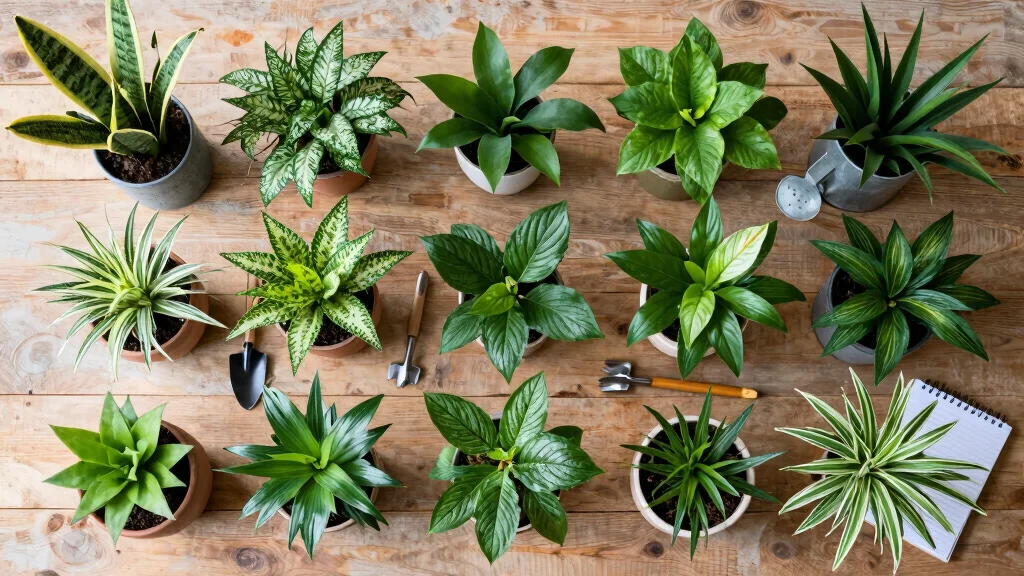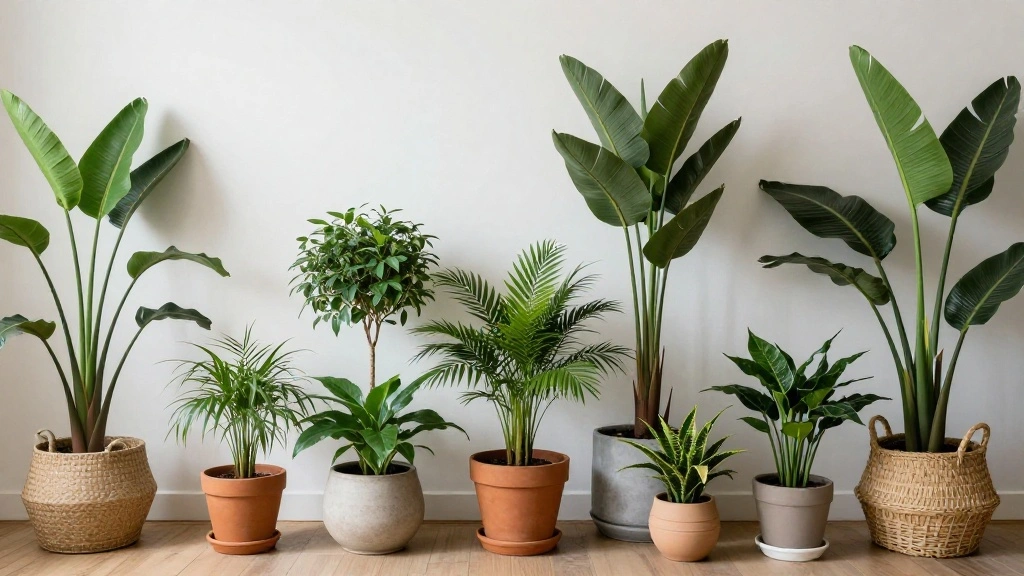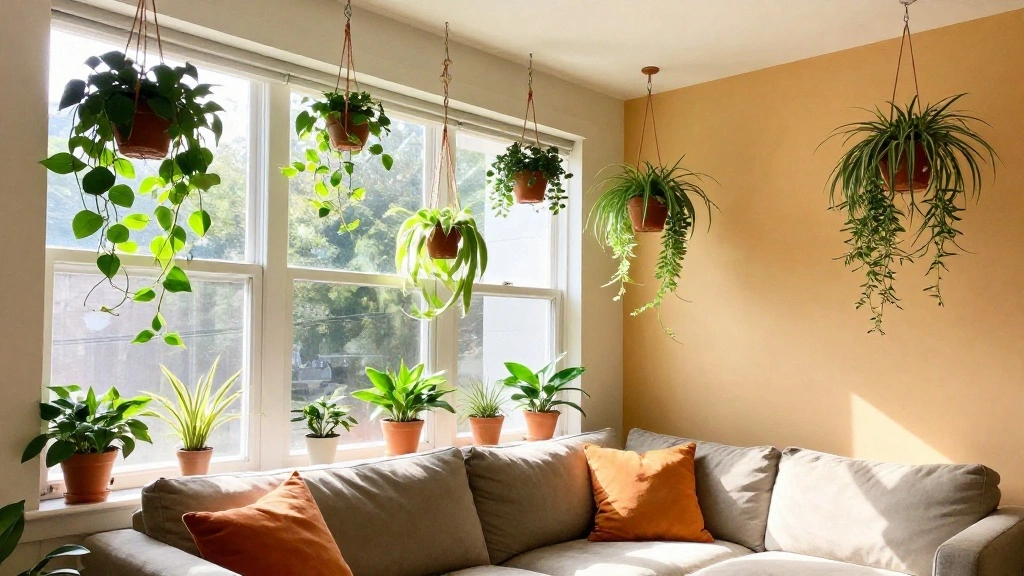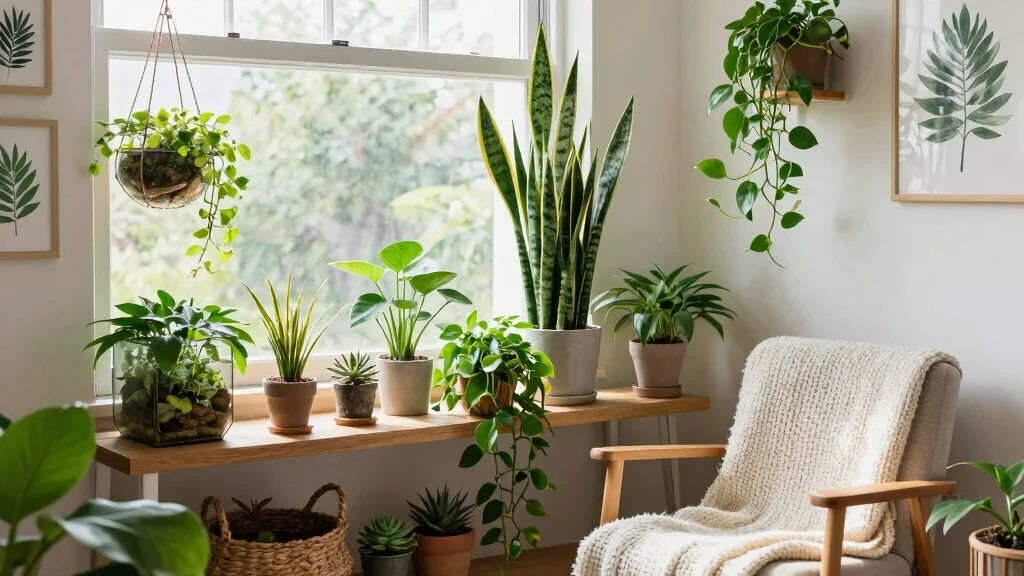

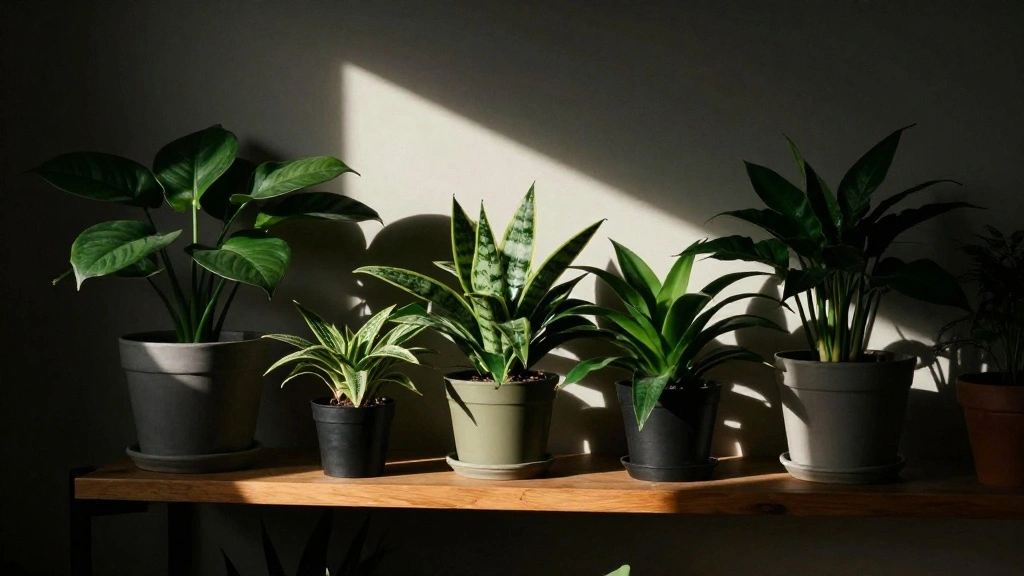


If you’re wondering which plants thrive in low-light conditions, you’re not alone. Many people seek to bring greenery into their homes but are concerned about their ability to maintain plants in less-than-ideal lighting. Luckily, there are numerous low-light indoor plants that not only survive but also flourish in these environments. In this article, you’ll learn about some of the best options available, how to care for them, and why they might be the perfect fit for your home.
From the popular Snake Plant to the elegant ZZ Plant, these varieties have adapted to low-light conditions, making them ideal companions for darker rooms or spaces with little natural sunlight. By the end of this article, you’ll have a better understanding of which plants can thrive in your home, enhancing your indoor space with vibrant life and color.
TL;DR
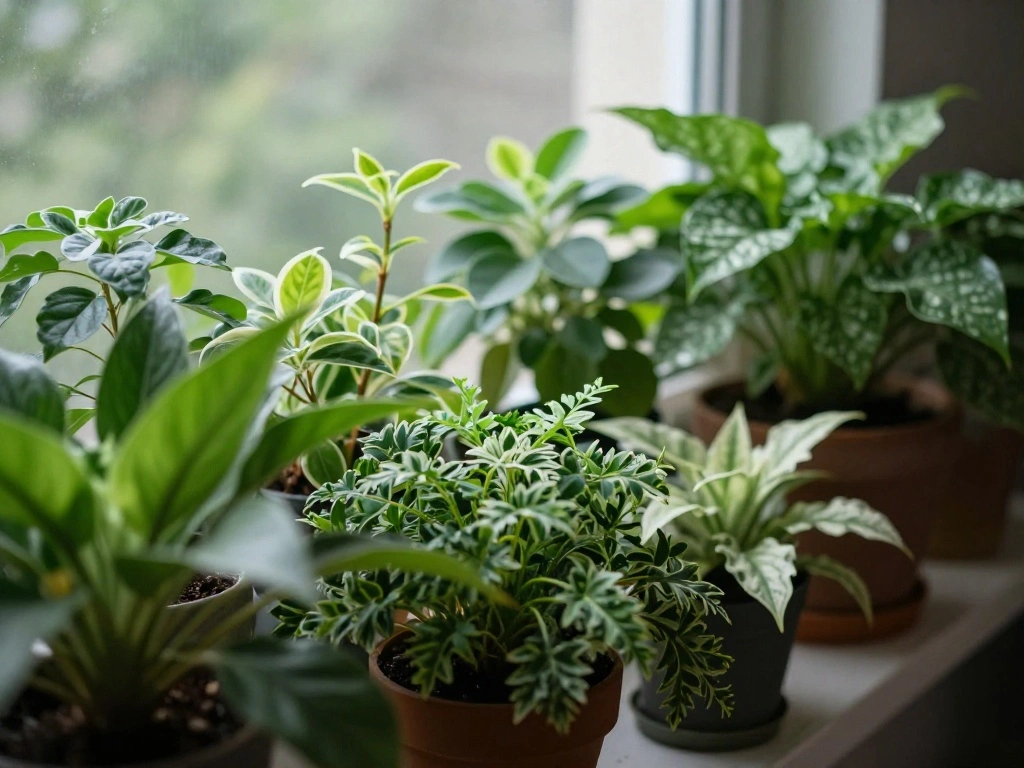
- Low-light indoor plants can thrive in spaces with minimal sunlight.
- Popular options include Snake Plants, ZZ Plants, and Pothos.
- These plants require minimal care and are ideal for busy lifestyles.
- They improve indoor air quality, making your home healthier.
- Choosing the right low-light plant can enhance your home décor.
Main Answer
Popular Low-Light Indoor Plants
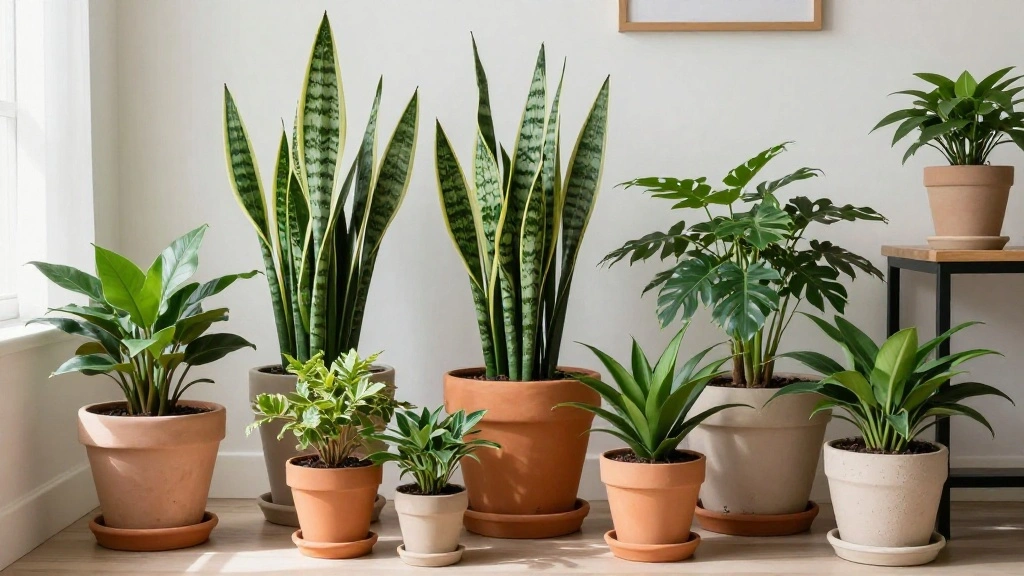
When it comes to selecting low-light indoor plants, several choices stand out due to their hardiness and beauty. The Snake Plant, or Sansevieria, is a favorite among plant lovers. Its tall, upright leaves can tolerate neglect and require very little water, making it perfect for anyone who might forget to water regularly. Plus, it adds an architectural touch to your space.
Another excellent option is the ZZ Plant, known for its glossy, dark green leaves that reflect light beautifully. This plant can thrive in a range of lighting conditions, including low light, and is drought-tolerant, requiring water only when the soil is completely dry. It’s perfect for busy individuals or those new to plant care.
Caring for Low-Light Plants
Caring for low-light plants often involves ensuring they don’t get overwatered, as many of these plants prefer dryer conditions. It’s important to choose a well-draining potting mix and to allow the soil to dry out between waterings. Additionally, placing these plants in areas where they can receive indirect sunlight can help them grow healthier without the risk of sunburn.
Furthermore, low-light plants can benefit from occasional fertilization, especially during the growing season. A balanced, water-soluble fertilizer applied once a month can give your plants a boost. Keep in mind that while they thrive in low light, too much darkness can hinder their growth, so it’s essential to find a balance.
Key Takeaways
- Snake Plant and ZZ Plant are popular choices for low-light conditions.
- These plants require minimal watering and care.
- Indirect sunlight is ideal for their growth.
Related Questions
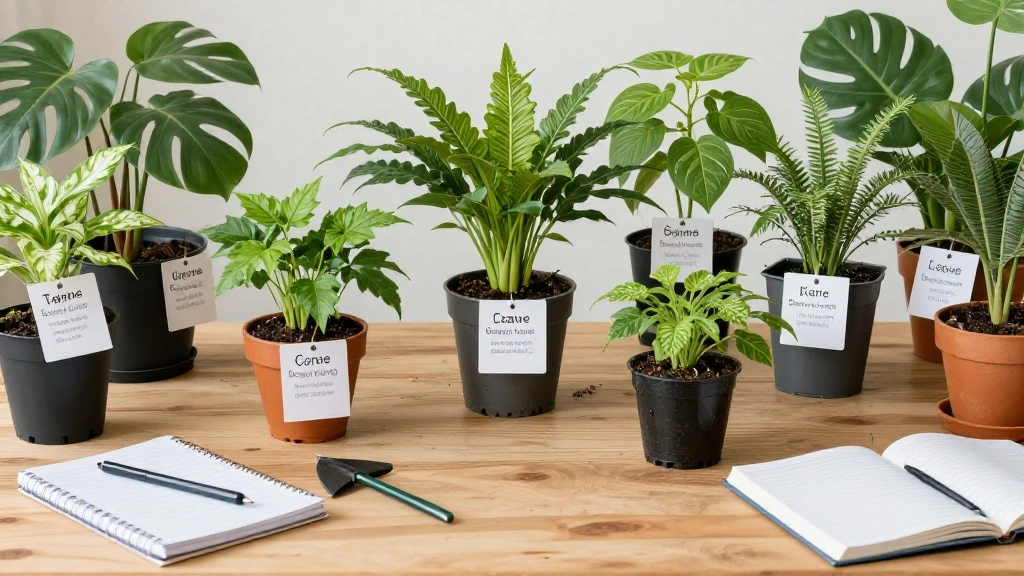
What are the best locations for low-light plants?
Low-light plants thrive best in areas with indirect sunlight. This could be a north-facing window or a corner room that doesn’t get much light. Make sure to avoid placing them in direct sunlight, as this can scorch their leaves.
How often should I water low-light plants?
Most low-light plants prefer to dry out between waterings. It’s advisable to check the soil with your finger; if it feels dry an inch down, it’s time to water. Typically, watering every two to three weeks is sufficient, but this can vary depending on the plant type and environment.
Can low-light plants survive in complete darkness?
While low-light plants can tolerate low light, they do need some light to survive. Complete darkness will eventually lead to their decline. You can place them in low-light areas but ensure they receive some indirect light throughout the day.
Are low-light plants safe for pets?
Many low-light plants, such as the Snake Plant and Pothos, are toxic to pets. However, some, like the Spider Plant, are non-toxic. Always research the specific plants you plan to bring into your home to ensure they are safe for your furry friends.
How can I enhance the growth of low-light plants?
To enhance growth, ensure the plants receive adequate but indirect light. Regular watering and occasional fertilization during the growing season can also help. Additionally, dusting the leaves can improve their ability to photosynthesize.
What types of pots are best for low-light plants?
Well-draining pots are essential for low-light plants. Terracotta pots are great as they allow moisture to evaporate, preventing overwatering. Make sure whichever pot you choose has drainage holes to keep the roots healthy.
Can I propagate low-light plants?
Yes, many low-light plants can be easily propagated. For instance, Snake Plants can be propagated through leaf cuttings, while Pothos can be propagated in water. This is a great way to expand your indoor garden without purchasing new plants.
Do low-light plants require fertilizer?
Low-light plants do benefit from occasional fertilization, especially during the growing season. A diluted, balanced fertilizer can promote healthy growth. However, avoid over-fertilizing, as this can harm the plants.
Conclusion
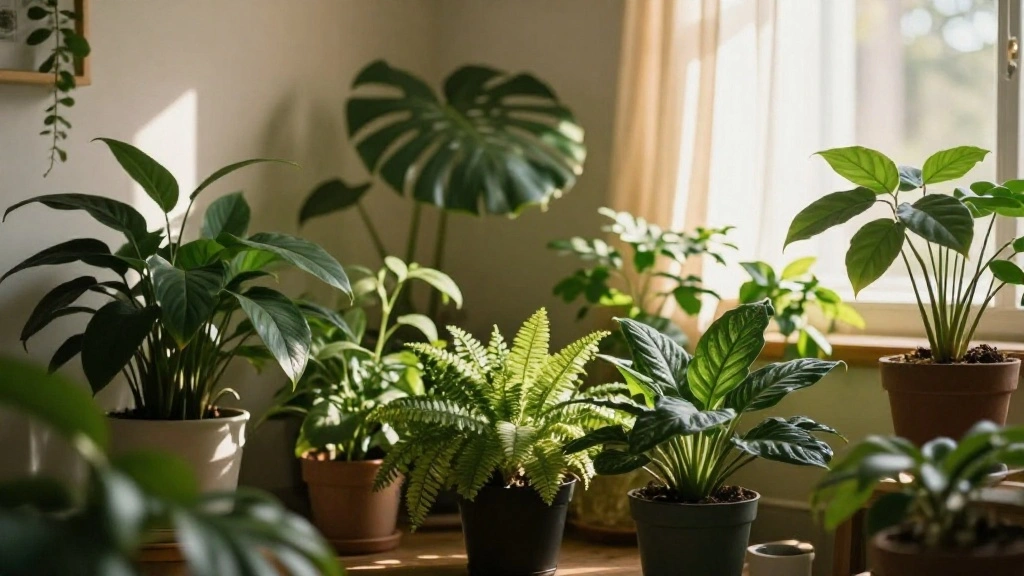
Bringing low-light indoor plants into your home can significantly enhance your living space, even in the darkest corners. With options like the Snake Plant and ZZ Plant, you can enjoy the benefits of greenery without needing direct sunlight. These plants are not only beautiful but also easy to care for, making them perfect for busy lifestyles.
As you consider adding these plants to your home, remember to choose varieties that suit your specific environment. With the right care, low-light plants can thrive, bringing a touch of nature indoors and improving your overall well-being. So, why not start your indoor garden today?