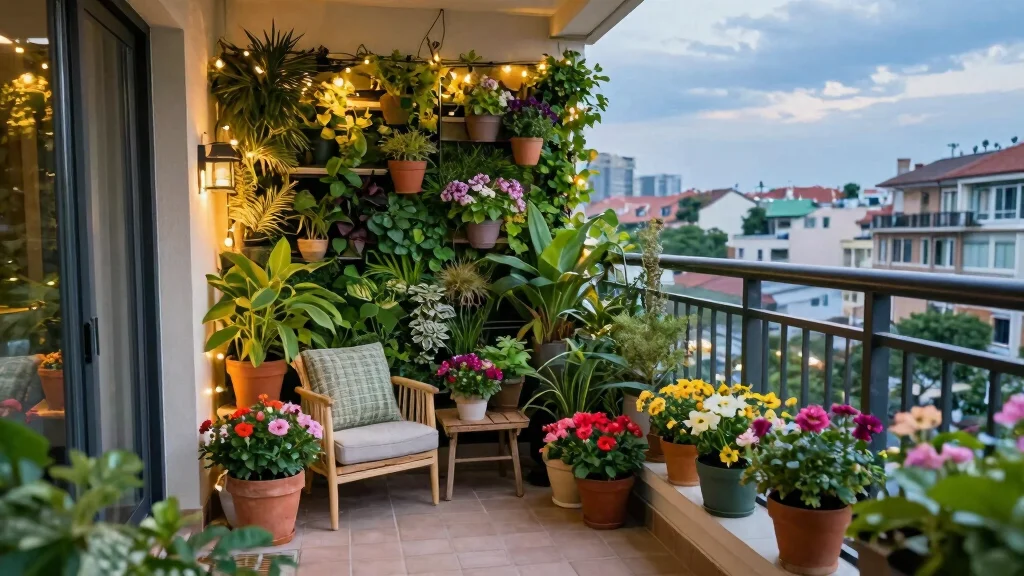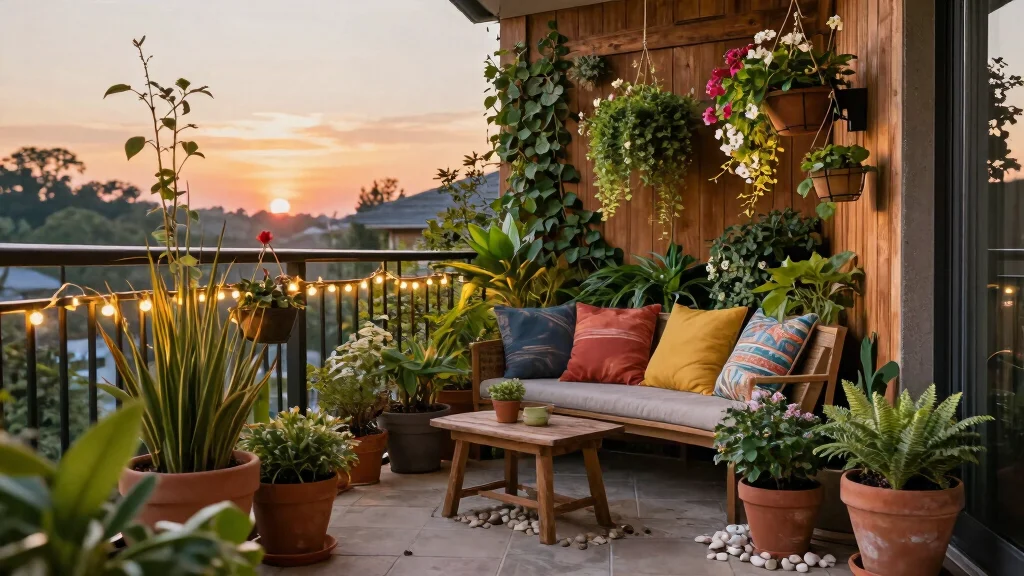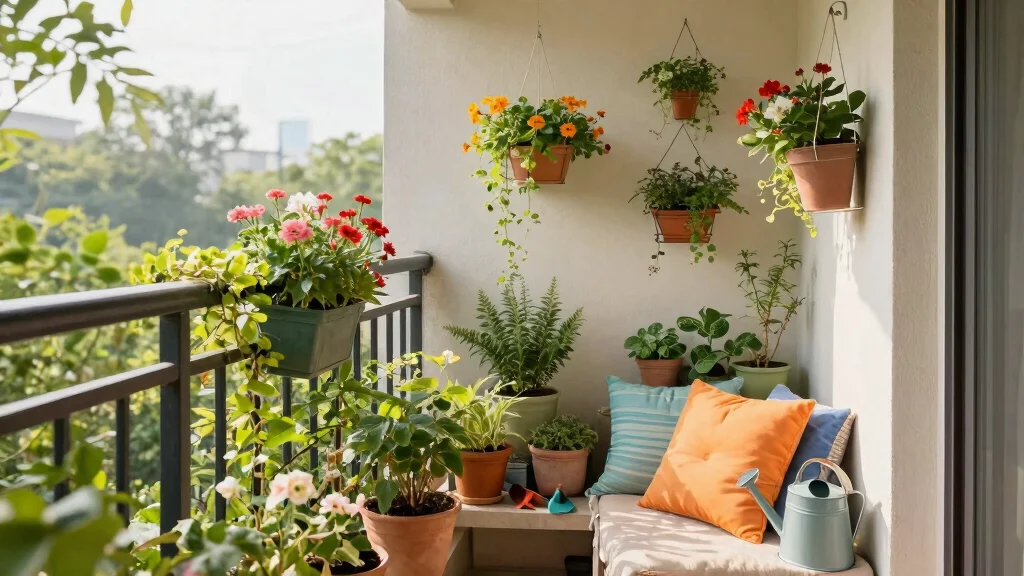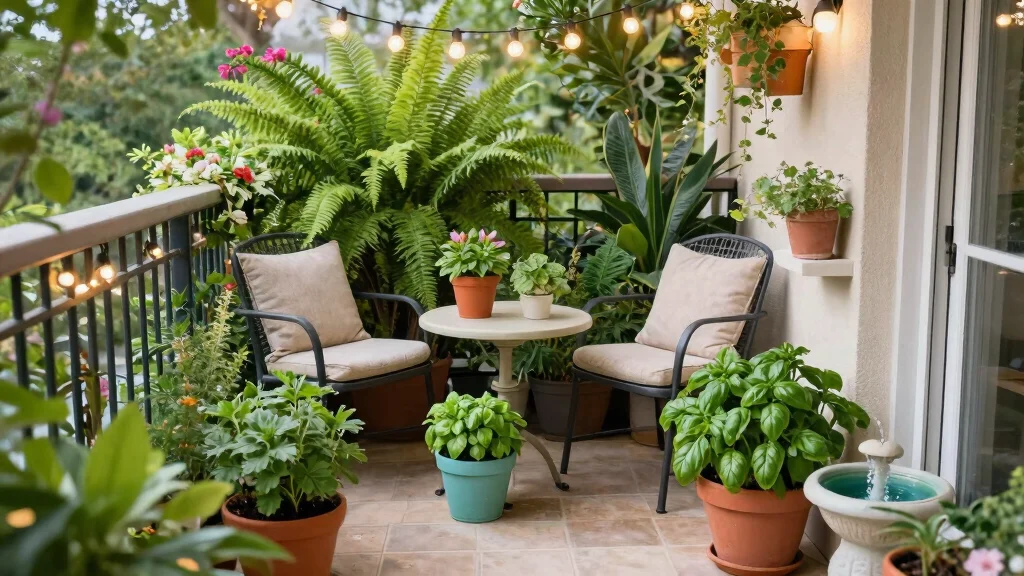

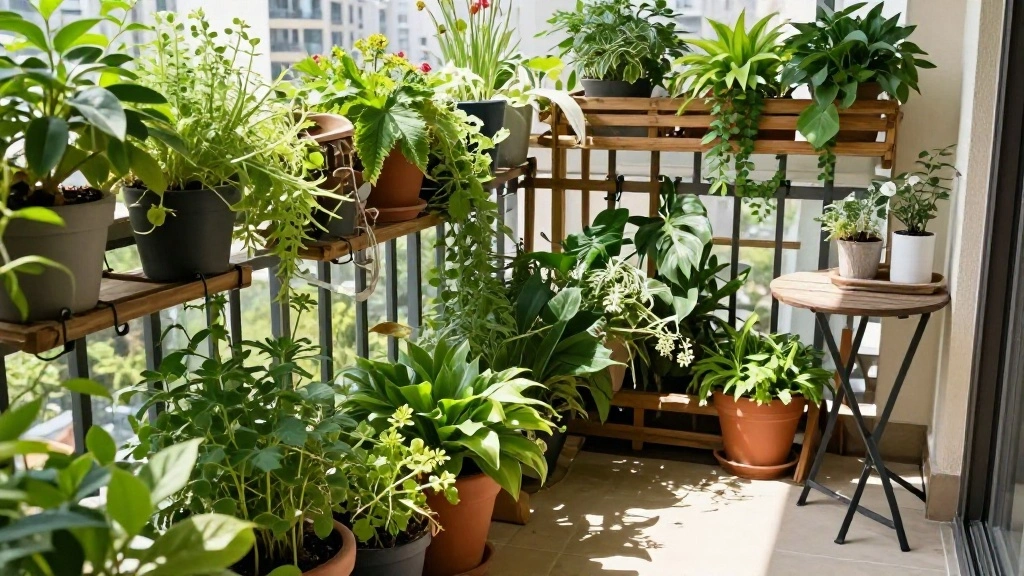


What is a vertical balcony garden? This innovative gardening method allows you to maximize your balcony space by growing plants vertically rather than horizontally. This technique is especially beneficial for apartment dwellers who may struggle with limited outdoor space. In this article, you’ll discover what vertical balcony gardens are, why they are ideal for urban living, and how you can create one in your own home.
Vertical balcony gardens not only beautify your living space but also improve air quality and provide homegrown herbs and vegetables. With a little creativity and the right materials, you can transform your balcony into a green oasis, no matter how small it is. Let’s dive into the details of this sustainable gardening trend and explore how you can get started today.
TL;DR
- A vertical balcony garden allows you to grow plants in a confined space by utilizing vertical space effectively.
- This gardening method is perfect for apartment living, enabling you to enjoy fresh herbs and flowers without requiring a large outdoor area.
- Building a vertical garden involves using trellises, wall planters, or hanging pots to create a beautiful green wall.
- These gardens not only enhance aesthetics but also contribute to better air quality and promote biodiversity.
- Vertical gardens can be customized to suit personal styles, making them a fun and creative project.
Main Answer
What Makes Vertical Balcony Gardens Ideal for Apartment Living?
Vertical balcony gardens provide a unique solution for urban dwellers facing space constraints. They allow you to cultivate a variety of plants without taking up precious floor space. Instead of sprawling gardens, you can create a lush vertical wall that draws the eye upward, making your balcony feel larger and more inviting.
This method of gardening not only maximizes space but also enhances the aesthetic appeal of your apartment. A well-designed vertical garden can serve as a beautiful backdrop for outdoor lounging or entertaining. You can choose plants that reflect your personal style, whether you prefer vibrant flowers or fresh herbs.
How to Build Your Vertical Balcony Garden
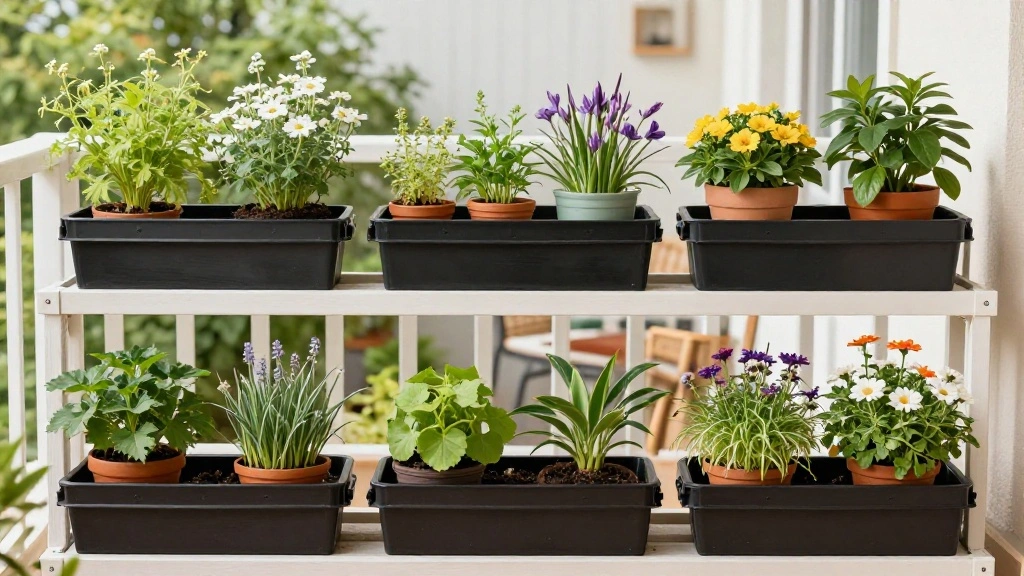
Building a vertical balcony garden is a straightforward process that anyone can undertake. Start by selecting a vertical structure, such as a trellis, wall-mounted planters, or even repurposed wooden pallets. Make sure it’s sturdy enough to hold the weight of your plants.
Next, choose the right plants for your garden. Consider herbs like basil and mint, which thrive in smaller spaces, or vibrant flowers that add color. Ensure you select plants that prefer similar sunlight and water conditions for easier maintenance.
Once you have your structure and plants, arrange them thoughtfully. Consider mixing different plant heights and colors to create visual interest. Remember to leave space for air circulation and access for watering and harvesting.
Key Takeaways
- Vertical gardens maximize limited space in apartments.
- They enhance the aesthetic appeal of your balcony.
- Choosing the right plants is crucial for a thriving vertical garden.
- Proper structure and arrangement can make maintenance easier.
Related Questions
What types of plants work best in vertical gardens?
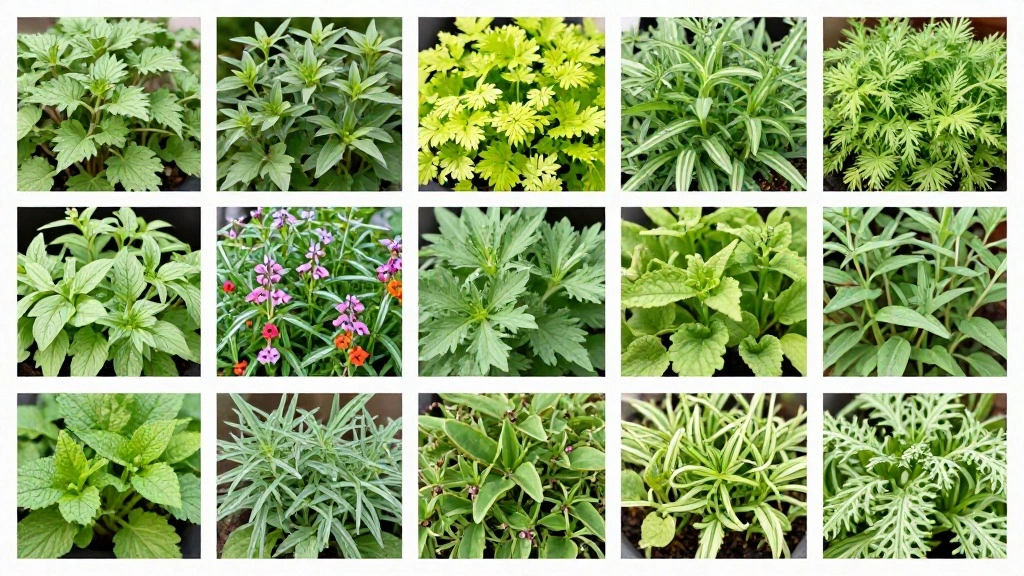
When choosing plants for your vertical garden, consider those that thrive in small spaces and can tolerate varying light conditions. Herbs like basil, parsley, and cilantro are excellent choices because they don’t require deep soil and can be harvested regularly. Additionally, flowers such as petunias and geraniums can add vibrant colors, while trailing plants like ivy can create a lovely cascading effect.
How much sunlight does a vertical garden need?
The amount of sunlight required depends on the plants you choose. Most vegetables and herbs thrive with at least six hours of sunlight daily. If your balcony receives limited sunlight, consider shade-tolerant plants or position your garden where it can catch morning light. Monitoring your plants’ growth will help you adjust their positioning as needed.
Can I use recycled materials for my vertical garden?
Absolutely! Using recycled materials not only saves money but also adds a unique touch to your garden. Items like old wooden pallets, plastic bottles, and even old shoes can be creatively repurposed into planters. This sustainable practice reduces waste and allows you to express your creativity.
How do I maintain a vertical balcony garden?
Maintenance is key to a thriving vertical garden. Regularly check your plants for pests and diseases, and ensure they receive adequate water and nutrients. A drip irrigation system can simplify watering if you’re busy. Additionally, pruning your plants helps promote healthy growth and prevents overcrowding.
What are the benefits of having a vertical garden?
Vertical gardens offer numerous benefits, especially for those living in urban settings. They improve air quality by filtering pollutants, create habitats for wildlife, and provide fresh produce right at your doorstep. Additionally, they enhance the visual appeal of your space and can even reduce noise pollution by acting as a sound barrier.
Is it expensive to start a vertical balcony garden?
The cost of starting a vertical garden can vary widely depending on your design and plant choices. You can create a budget-friendly garden using recycled materials and inexpensive plants. However, investing in quality soil and materials can lead to better long-term results. Planning ahead will help you manage costs effectively.
Can vertical gardens be installed indoors?
Yes, vertical gardens can be just as effective indoors! You can create an indoor vertical garden using wall-mounted planters or shelves. Just ensure that the selected plants receive adequate light, whether from natural sunlight or grow lights. Indoor vertical gardens can enhance air quality and add a touch of nature to your living space.
How do I choose the right location for my vertical garden?
Selecting the right location is crucial for your vertical garden’s success. Look for spots that receive sufficient sunlight and are sheltered from strong winds. Ensure that your chosen area is accessible for maintenance and harvesting. Taking these factors into account will help your plants thrive.
Can I grow vegetables in a vertical garden?
Yes, many vegetables can be grown in vertical gardens! Compact varieties of tomatoes, peppers, and cucumbers work well in this type of setup. Using vertical supports like cages or trellises can help these plants grow upwards, maximizing your space. Just make sure to provide them with adequate support as they grow.
Conclusion
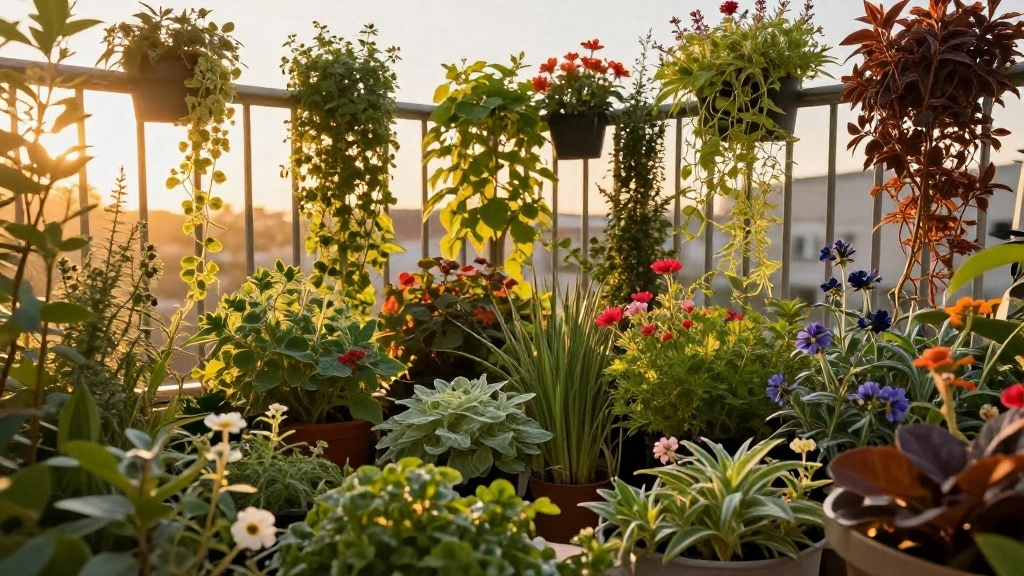
In summary, a vertical balcony garden is a fantastic way to bring greenery into your apartment while maximizing limited space. By selecting the right plants and utilizing creative structures, you can transform your balcony into a vibrant oasis that enhances both your living environment and your well-being.
Whether you’re looking to grow fresh herbs, colorful flowers, or even vegetables, starting a vertical garden is an achievable and rewarding project. Embrace the beauty of nature in your everyday life, and enjoy the countless benefits that come with cultivating your own garden, no matter how small your space may be.