
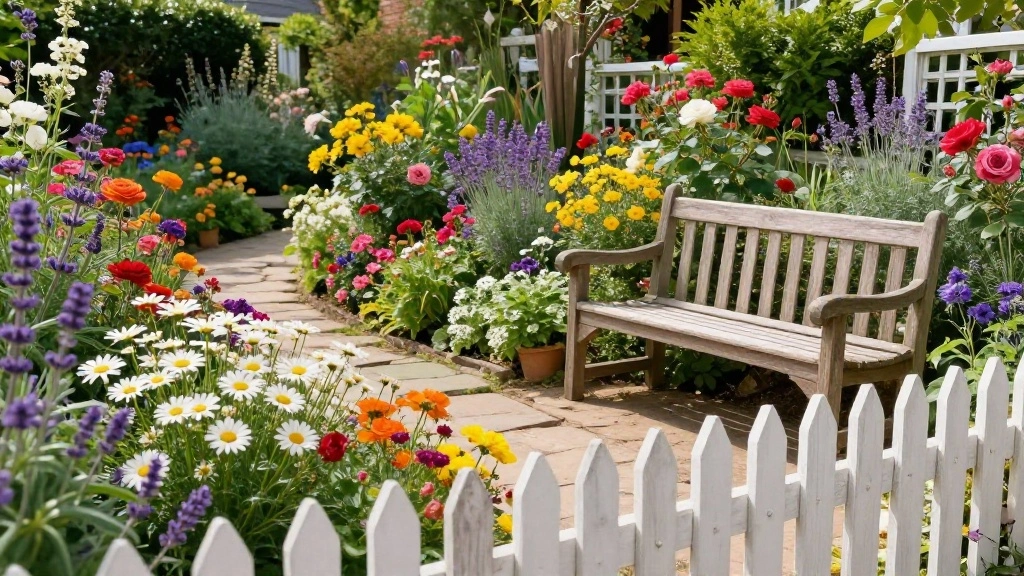


Cottage garden design is a charming and delightful way to create a lush, vibrant outdoor space that feels inviting and personal. This style is characterized by a mixture of colorful flowers, herbs, and vegetables, all growing together in a seemingly haphazard yet harmonious way. The essence of a cottage garden is its emphasis on natural beauty and the idea of a cozy, lived-in space that reflects its owner’s personality.
In this article, you will discover the key elements that make up a cottage garden, including the types of plants that thrive in this design, the importance of structure, and how to incorporate unique features like pathways and garden furniture. By understanding these must-have features, you can transform your outdoor area into a vibrant retreat that brings joy and tranquility to your everyday life.
Prepare to explore the enchanting world of cottage garden design and learn how to create your own slice of paradise!
Too Long; Didn’t Read
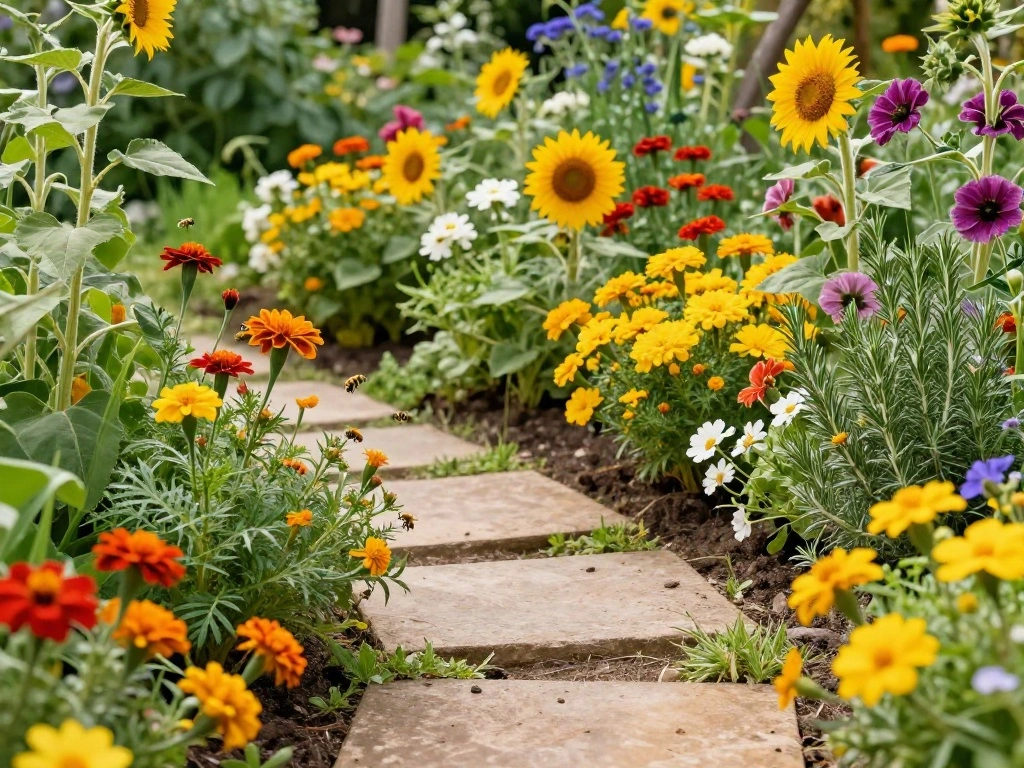
- Cottage garden design emphasizes a mix of flowers, herbs, and vegetables for a vibrant look.
- This style creates a cozy and inviting atmosphere in outdoor spaces.
- Key features include diverse plant types, charming pathways, and rustic furniture.
- A cottage garden thrives on a natural and organic feel, often appearing lush and abundant.
- By incorporating these elements, you can create a personal and tranquil retreat in your own backyard.
Key Features of Cottage Garden Design
1. Diverse Plant Selection
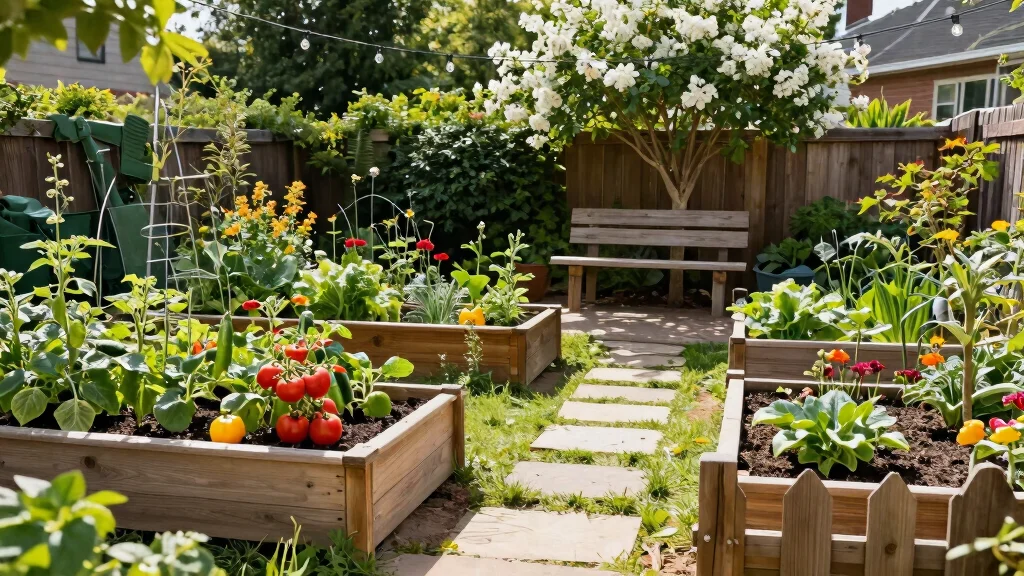
One of the hallmarks of cottage garden design is the diversity of plant life. You’ll often find a mix of annuals, perennials, herbs, and even vegetables all mingling together. This not only creates a visual feast but also contributes to the garden’s health by encouraging beneficial insects and pollinators. Popular choices include colorful blooms like roses, hollyhocks, and lavender that fill the garden with fragrance and beauty.
2. Informal Layout
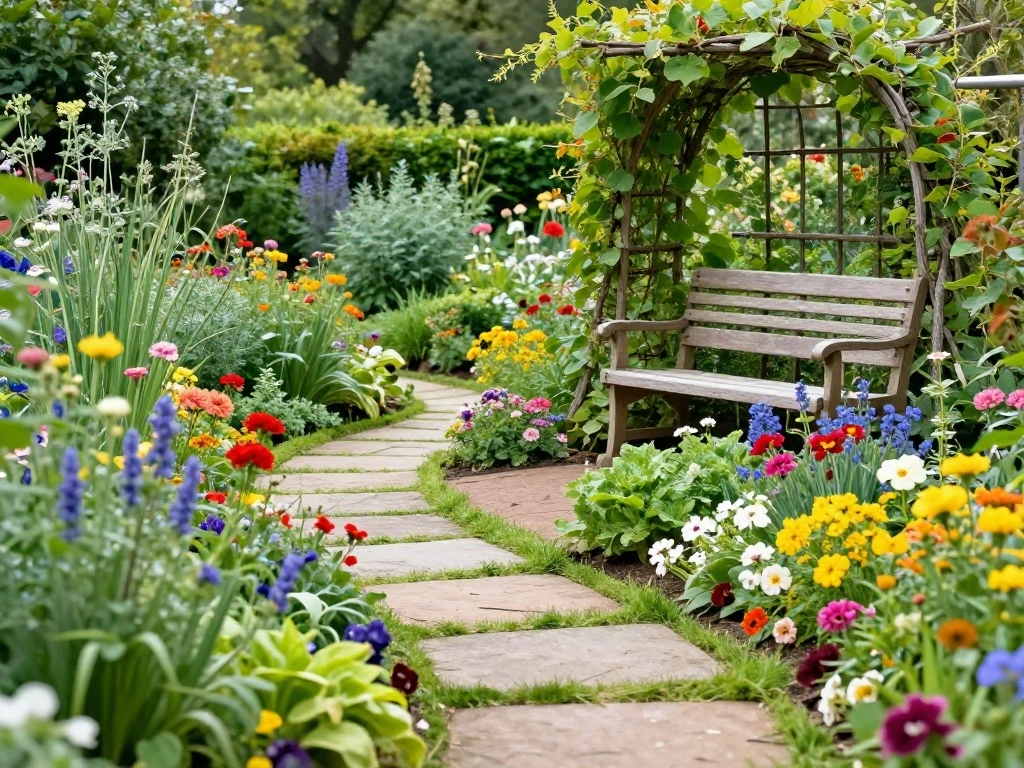
Cottage gardens typically have an informal, organic layout. Rather than rigid lines and symmetrical designs, these gardens embrace a more naturalistic approach, allowing plants to grow freely and intermingle. Curved pathways made of stone or mulch add to the charm, inviting exploration and discovery. This informal layout creates a cozy, welcoming space that feels lived-in and loved.
3. Charming Features
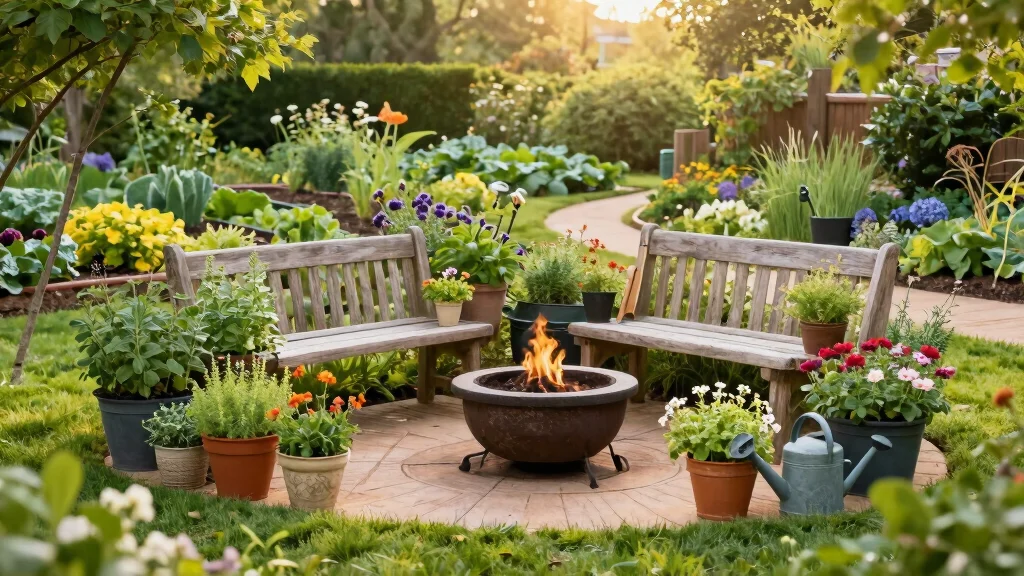
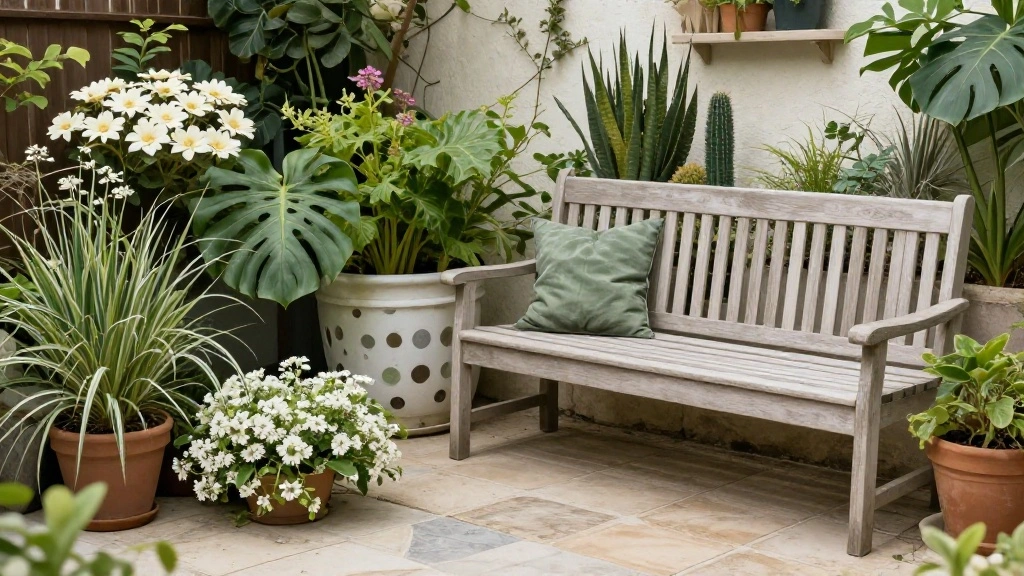
Incorporating unique features such as arbors, trellises, and rustic furniture can enhance the cottage garden aesthetic. These elements not only provide structure and support for climbing plants but also create spots for relaxation and enjoyment. A small bench nestled among the flowers or a trellis adorned with climbing vines adds character and encourages you to spend time in the garden.
Key takeaways:
- Diverse plants create visual appeal and attract wildlife.
- An informal layout fosters a cozy atmosphere.
- Charming features enhance the garden’s character and usability.
Related Questions
What types of plants work best in a cottage garden?When planning your cottage garden, consider incorporating a mix of perennials, annuals, and herbs. Some great options include roses, foxgloves, and lavender for flowers, along with herbs like thyme and basil. This diversity not only adds visual interest but also attracts beneficial insects to your garden, promoting a healthier ecosystem.
How do I create a pathway in my cottage garden?Creating a pathway can enhance the charm of your cottage garden. Use natural materials such as stones, gravel, or mulch to form winding paths that encourage exploration. Be sure to keep the pathways informal and organic, allowing them to curve and fit seamlessly into the garden’s layout.
What is the ideal location for a cottage garden?Choose a spot that receives at least six hours of sunlight a day to ensure your plants thrive. Ideally, the location should be easily accessible for maintenance and harvesting while also being visible from your home, allowing you to enjoy the beauty of your garden from indoors as well.
Do cottage gardens require a lot of maintenance?While cottage gardens may look wild and carefree, they do require some maintenance to keep them healthy and vibrant. Regular watering, weeding, and deadheading spent blooms are essential tasks. However, once established, many plants can thrive with minimal intervention, making them relatively easy to maintain.
Can I grow vegetables in a cottage garden?Absolutely! Incorporating vegetables into your cottage garden design adds both beauty and function. Choose compact varieties like cherry tomatoes, lettuce, or radishes that can blend seamlessly with your flowers and herbs. This not only maximizes your space but also enhances the garden’s productivity.
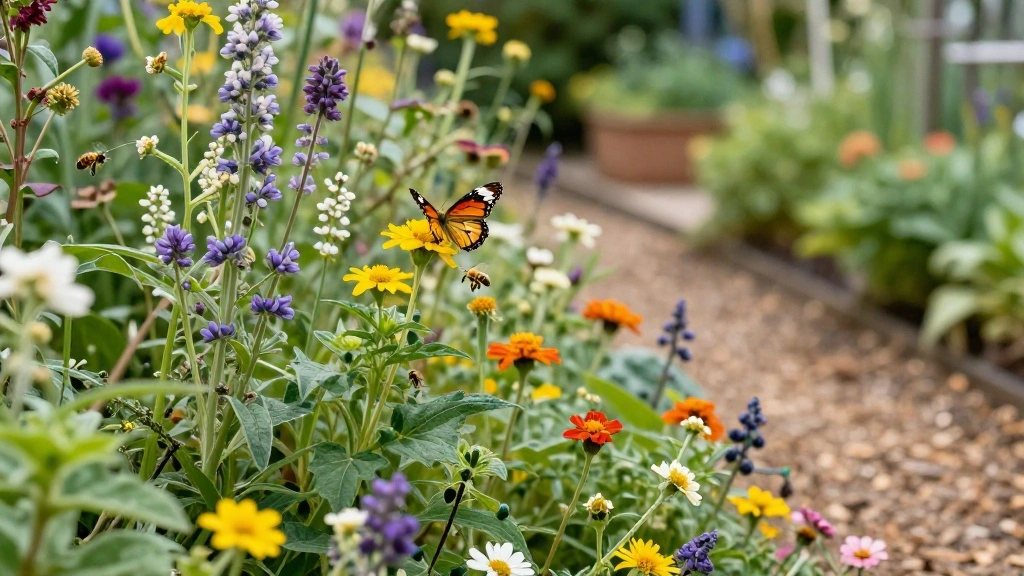
How can I attract pollinators to my cottage garden?To attract pollinators like bees and butterflies, include a variety of flowering plants that bloom at different times throughout the season. Choose native species whenever possible, as they tend to be more appealing to local pollinators. Avoid using pesticides to create a safe haven for these essential creatures.
Conclusion
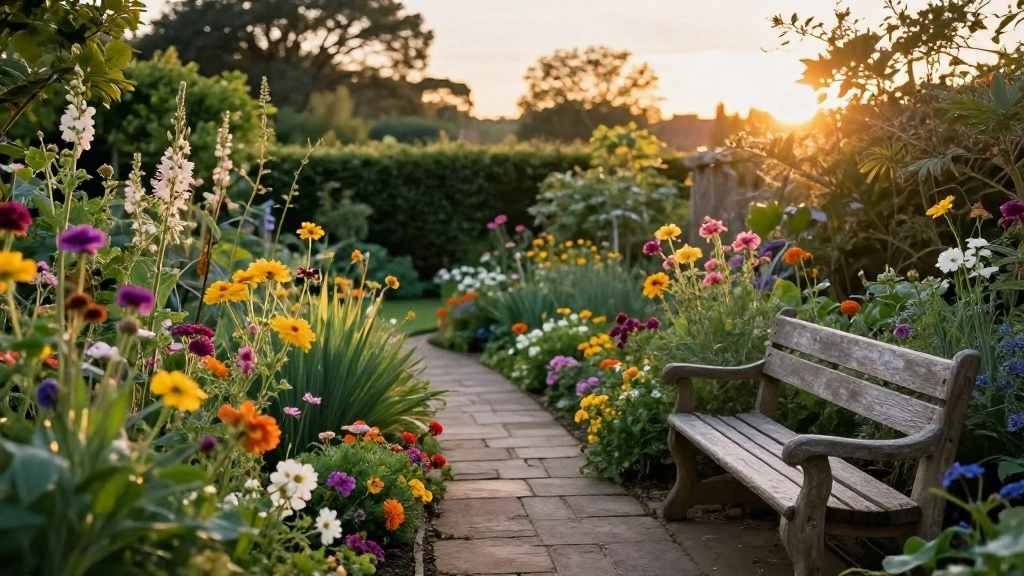
In conclusion, cottage garden design offers a unique and charming way to create a vibrant outdoor space that reflects your personality and love for nature. By incorporating diverse plants, an informal layout, and charming features, you can craft a garden that feels inviting and alive.
As you embark on your cottage garden journey, remember to embrace the beauty of imperfection and let your creativity shine. With a little patience and care, you can cultivate a stunning retreat that provides joy and tranquility for years to come.