
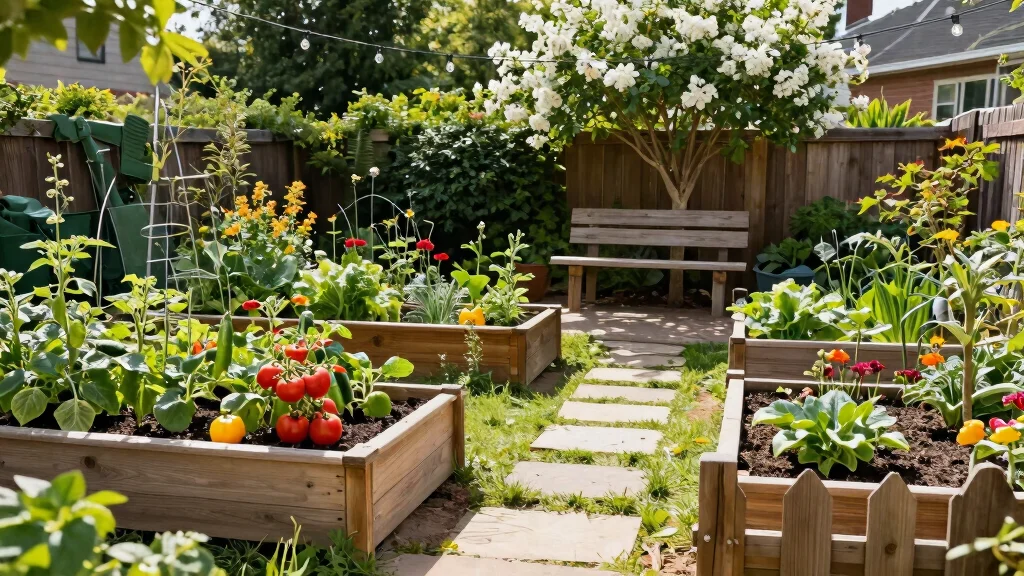


If you’ve ever stepped into your backyard and thought it could use a little love, you’re not alone. With the warmer months approaching, many of us are craving a personal retreat right outside our back doors. Whether you’re looking to grow your own veggies, create a cozy nook for relaxation, or just spruce things up, a DIY backyard makeover can transform your outdoor space into a cherished oasis. I created this post to show you how easy and rewarding it can be to undertake your own backyard project.
This guide is for anyone who dreams of a more inviting outdoor space, especially if you’re passionate about gardening, urban gardening, or just want to bring a little nature back into your life. Maybe you have a small yard or an urban space, and you’re unsure how to make the most of it. You’ll discover practical and fun ideas that are both easy to implement and perfect for any size yard. Whether you’re a seasoned gardener or a newbie, you’ll find 12 inspiring DIY backyard oasis ideas to get you started.
Get ready to dig deep into some creative solutions! From space-efficient gardening techniques to cozy seating arrangements, this post is packed with tips that will not only beautify your outdoor area but also enhance its utility. You’ll learn how to make the most of your space, enjoy fresh produce, and create a welcoming atmosphere for friends and family. Let’s embark on this journey to transform your backyard into a haven of personal joy and productivity.
Key Takeaways
– Raised Garden Beds: Learn how to create raised beds for gardening that maximize space and yield, making it easier to grow vegetables in any backyard.
– Vertical Gardening: Discover how growing plants upwards can save space and add visual interest to your garden, especially in tighter urban environments.
– Composting: Understand the basics of turning kitchen scraps into nutrient-rich soil, which can enhance your garden’s health and reduce waste.
– Cozy Seating Areas: Find tips on creating comfortable outdoor spaces where you can relax and enjoy your garden, making it a true retreat.
– Wildlife-Friendly Features: Explore ways to attract beneficial wildlife to your garden, enhancing its beauty and promoting a thriving ecosystem.
1. Raised Garden Beds for Space-Efficient Gardening
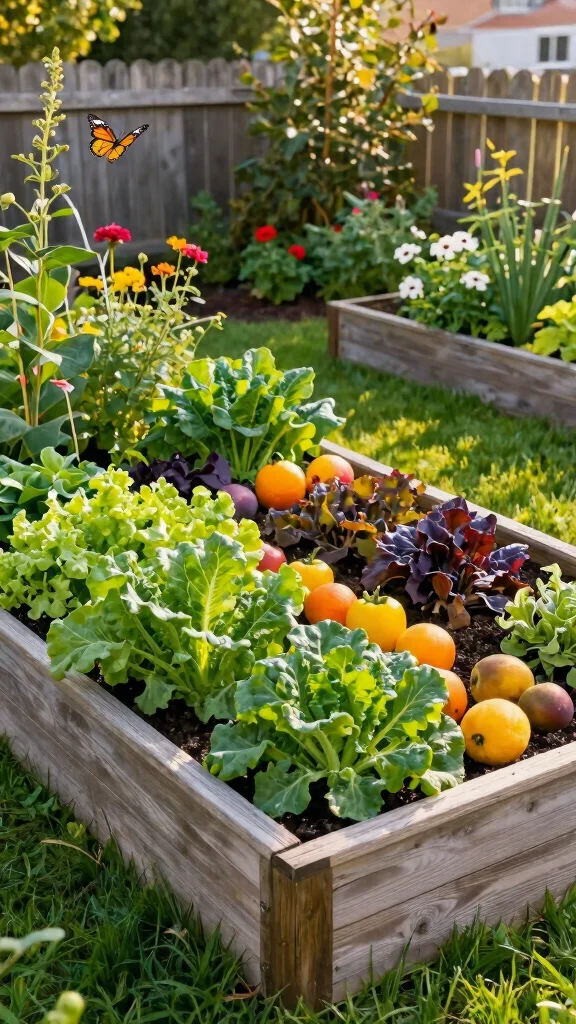
Are you looking to grow your own vegetables but short on space? Raised garden beds can transform your backyard into a productive oasis. Not only do they provide excellent drainage and soil quality, but they also add an organized and tidy look to your outdoor space.
Building raised beds is simple and rewarding. Decide on a location, often best in a sunny spot, and choose a size that fits your needs—4 by 8 feet is a popular choice. Use untreated wood, bricks, or stones to construct the sides, then fill them with a rich mix of compost, topsoil, and peat moss for the perfect growing medium.
Benefits of Raised Beds:
– Enhanced drainage and soil health.
– Easy access for planting and harvesting.
– Fewer weeds and less pest interference.
– Adds visual appeal to your garden.
You can even elevate your beds for easier gardening, especially if bending is a concern. Rotate your crops each year to maintain soil vitality and keep your garden flourishing! Let your creativity shine with unique designs, such as tiered beds or vertical gardening options.
Raised Garden Beds for Space-Efficient Gardening
Editor’s Choice

YITAHOME 96x48x24 in Galvanized Raised Garden Bed Kit, Large Metal Plant…
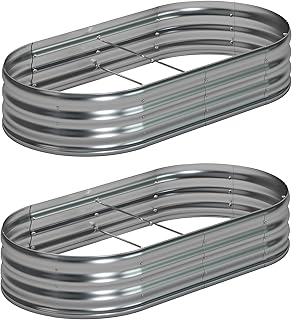
8x4x1ft(2 Pack) Galvanized Oval Raised Garden Bed,Outdoor Planter Box Me…

Yaheetech 8×4ft Wooden Horticulture Raised Garden Bed Divisible Elevated…

Best Choice Products Raised Garden Bed 48x24x32-inch Mobile Elevated Woo…

Backyard Expressions Wooden Raised Garden Bed | 48″ x 24″ x 30″ Elevated…
2. Vertical Gardening: Grow Upwards!
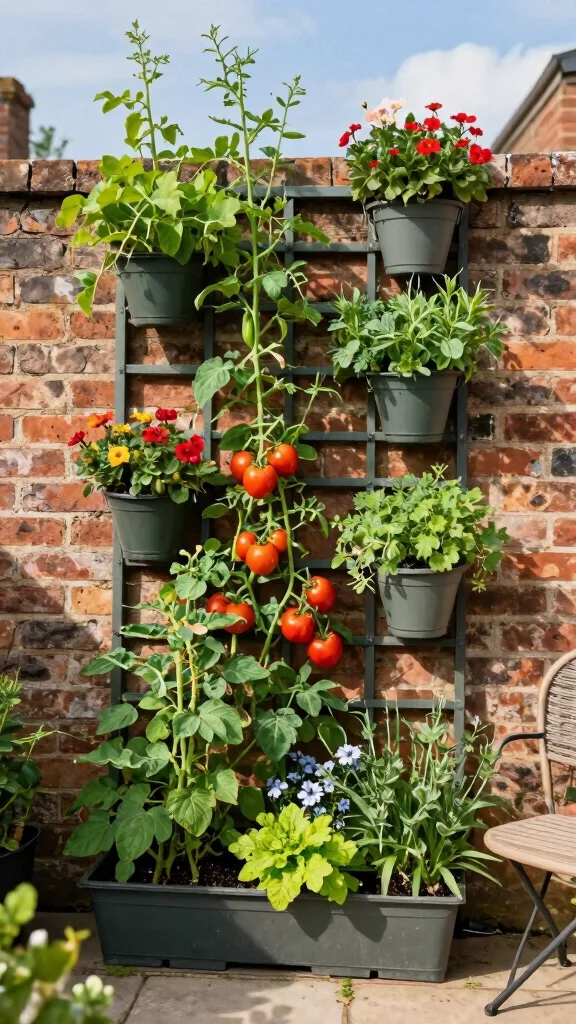
Are you facing a space crunch in your garden? Vertical gardening is the perfect solution! By using walls, trellises, or hanging pots, you can cultivate a wide array of plants without taking up much ground space.
Begin with a sturdy trellis or wall-mounted planters to support climbing plants like beans, peas, cucumbers, and tomatoes. Enhance your garden further by adding herb pots filled with aromatic basil, rosemary, and thyme—perfect for elevating your culinary creations!
Tips to Maximize Your Vertical Garden:
– Ensure your plants get enough sunlight.
– Use a lightweight potting mix to avoid excess weight.
– Check for pests regularly and provide support as your plants grow.
Vertical gardens not only save precious space but also create a stunning visual focal point, improving air circulation around your plants for healthier growth.
Vertical Gardening: Grow Upwards!
Editor’s Choice

LDAILY Moccha Garden Arch Arbor Trellis, 95″ Sturdy Metal Arbor with PE-…

7ft Garden Arch Trellis for Climbing Plants Outdoor-Heavy Duty Metal Cuc…

100% Metal Obelisk Garden Trellis 6.3 Feet Tall Sturdy Plant Support for…

Make Good PlantPod Luxe – Self-Watering Wall Planters (Set of 6) – Easy …
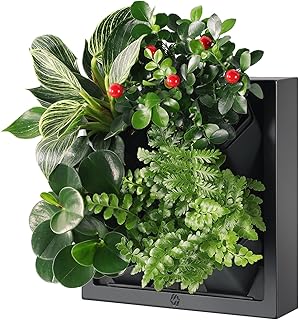
Wall-Mounted Vertical Garden Planter – Ready-to-Use Indoor Wall Planter …
3. Composting: Turn Waste into Gold
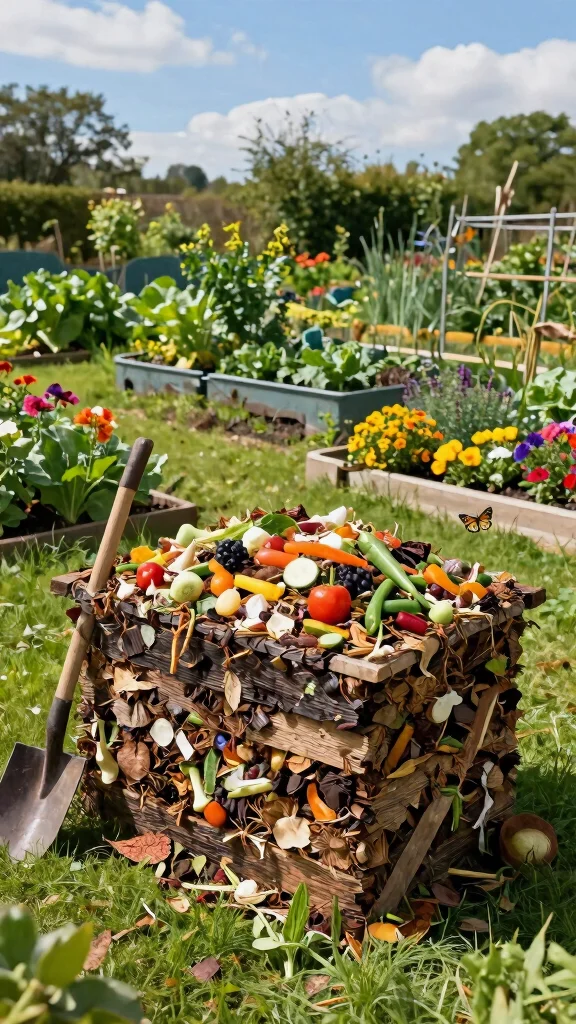
Want to reduce waste while nourishing your garden? Composting is a fantastic way to recycle kitchen scraps and yard waste into nutrient-rich compost. It’s an easy and effective method that benefits both your garden and the environment.
To start composting, select a bin that suits your space—options range from tumblers to simple piles. Combine ‘green’ materials like vegetable peels with ‘brown’ materials like dried leaves. Remember to turn the pile regularly to keep it aerated and speed up decomposition.
Composting Benefits:
– Cuts down on landfill waste.
– Acts as a natural fertilizer for your plants.
– Boosts microbial activity in the soil.
Over time, your kitchen scraps will transform into rich, dark compost, ready to enrich your garden beds. It’s a rewarding process that helps your plants thrive while being kind to the planet.
Composting: Turn Waste into Gold
Editor’s Choice

Updated 43 Gallon Dual-Chamber Compost Bin, Fast Assembly Outdoor Compos…
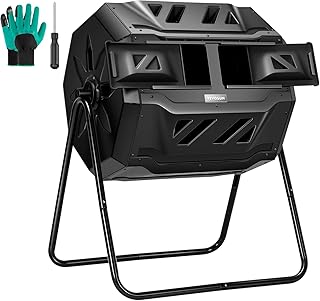
VIVOSUN Outdoor Tumbling Composter Dual Rotating Batch Compost Bin, 43 G…
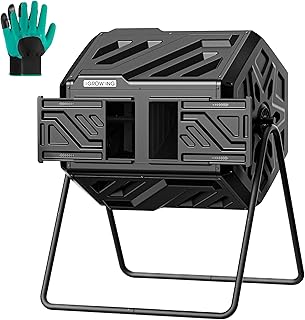
THEGROW’ING Updated 43 Gallon Compost Bin Outdoor, Fast Assemble Tumblin…

Outdoor Compost Bin 53 Gallon, Dual Chamber Large Compost Tumbler for Ga…

Compost Tumbler Bin Composter Dual Chamber 43 Gallon (Bundled with Pears…
How To Choose the Right Plants for Your DIY Backyard Oasis
When creating your backyard oasis, choosing the right plants is key. The right plants can enhance your outdoor space and make it a place where you want to spend time. Here are some important criteria to consider when selecting plants for your garden.
1. Plant Hardiness Zone
First, you need to know your plant hardiness zone. This zone indicates the plants that can thrive in your climate. Look at a hardiness zone map to find your area. Picking plants suited for your zone ensures they survive and flourish.
2. Sunlight Requirements
Different plants have different sunlight needs. Some love full sun, while others prefer shade. Observe your backyard throughout the day to see how much sunlight each area gets. Choose plants that match these conditions to keep your garden healthy and vibrant.
3. Space Considerations
Consider how much space you have available. If you have a small yard, opt for compact plants or those that grow vertically, like climbing vines. If you have more room, you can explore larger bushes and trees. Remember to check how tall and wide they will grow to avoid overcrowding.
4. Maintenance Level
Think about how much time you want to spend caring for your plants. Some plants require regular pruning, watering, and feeding, while others are more low-maintenance. If you prefer a garden that takes care of itself, choose hardy perennials and drought-resistant plants.
5. Seasonal Interest
Select plants that will provide beauty throughout the year. Look for varieties that bloom in different seasons or have interesting foliage. This adds color and texture to your garden, making it visually appealing all year long.
6. Compatibility with Your Goals
Finally, consider what you want from your garden. Are you looking to attract pollinators, grow vegetables, or create a tranquil retreat? Align your plant choices with your goals for the space. For instance, if you want to grow vegetables, consider companion planting to maximize your garden’s productivity.
Pro Tip: Start by selecting a few key plants that you love. Once you’ve seen how they grow, you can add more plants that complement them, creating a cohesive look for your DIY backyard oasis.
By keeping these criteria in mind, you can select plants that not only thrive in your garden but also create the backyard oasis you desire. Enjoy the process of planning and planting, and soon you’ll have a beautiful outdoor space to enjoy!
4. Container Gardening: Perfect for Small Spaces
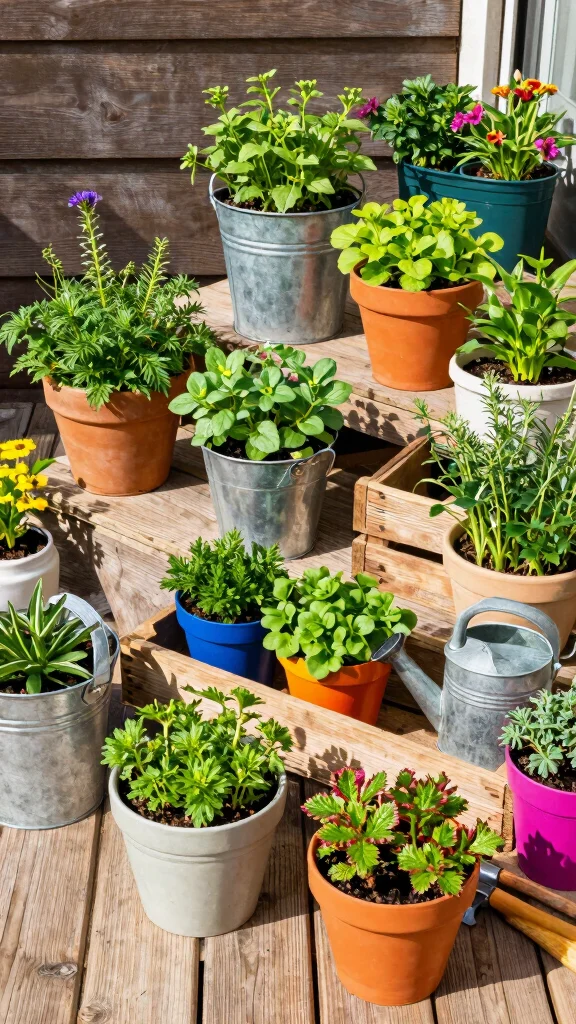
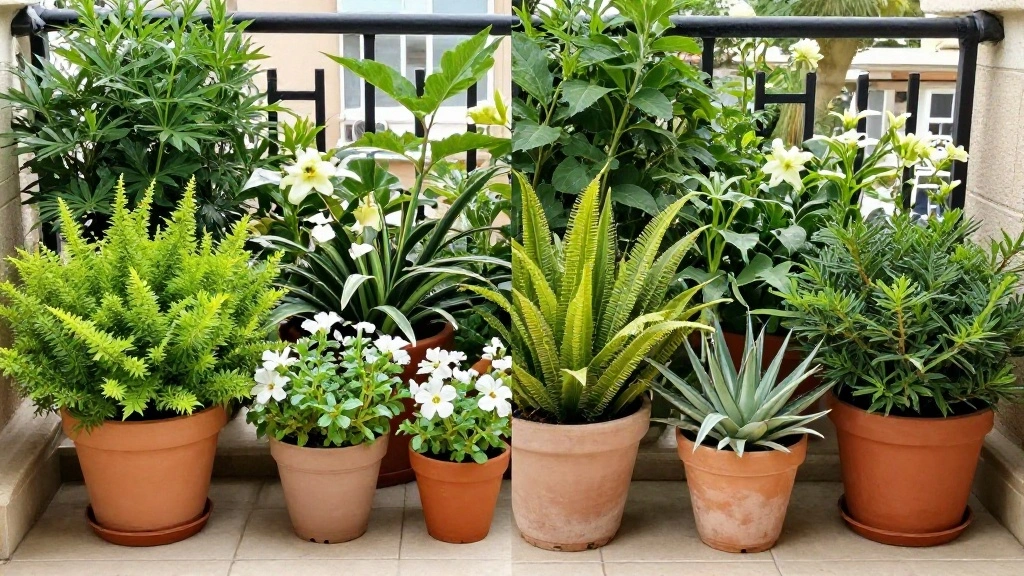
Living in a small space doesn’t mean you can’t have a garden! Container gardening allows you to grow everything from herbs to vegetables in pots, giving you the flexibility to design your outdoor area.
Select a variety of containers that reflect your style—ceramic, metal, or even upcycled items like old buckets can add charm. Ensure each container has drainage holes to keep your plants healthy.
Container Gardening Tips:
– Group containers together for easy access and aesthetic appeal.
– Choose the right size pot for each plant type.
– Use quality potting mix that retains moisture while draining well.
Don’t forget easy-access herbs like mint, basil, and parsley to enhance your meals. Container gardening lets you create a vibrant garden that showcases your personality!
Fun fact: a single 12-inch pot can grow a surprising mix of herbs for weekly meals. When you group 4–6 containers, your small space becomes thriving diy backyard oasis ideas you can actually maintain.
Container Gardening: Perfect for Small Spaces
Editor’s Choice

VIVOSUN Self-Watering Planters, 4-Pack 10.5 Inch Compact Rectangular Win…

GardenBasix Elongated Self Watering Planter Pots 2-Pack Window Box 5.5 x…

8/10/12 Inch Self Watering Pots for Indoor/Outdoor Plants – Large Plasti…

Bloem Ariana Self Watering Planter: 12″ – Chocolate – Durable Resin Pot,…

EarthBox® Container Gardening System – Sage
📹 Related Video: How to Grow Vegetables in Containers // Container Gardening // Self Sufficient Sunday!
5. Create a Cozy Seating Area
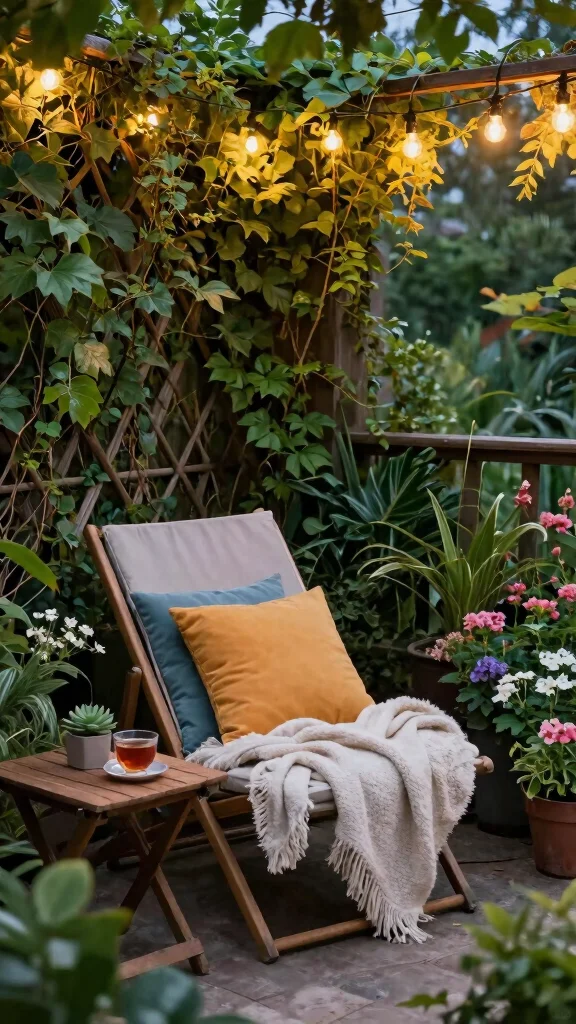
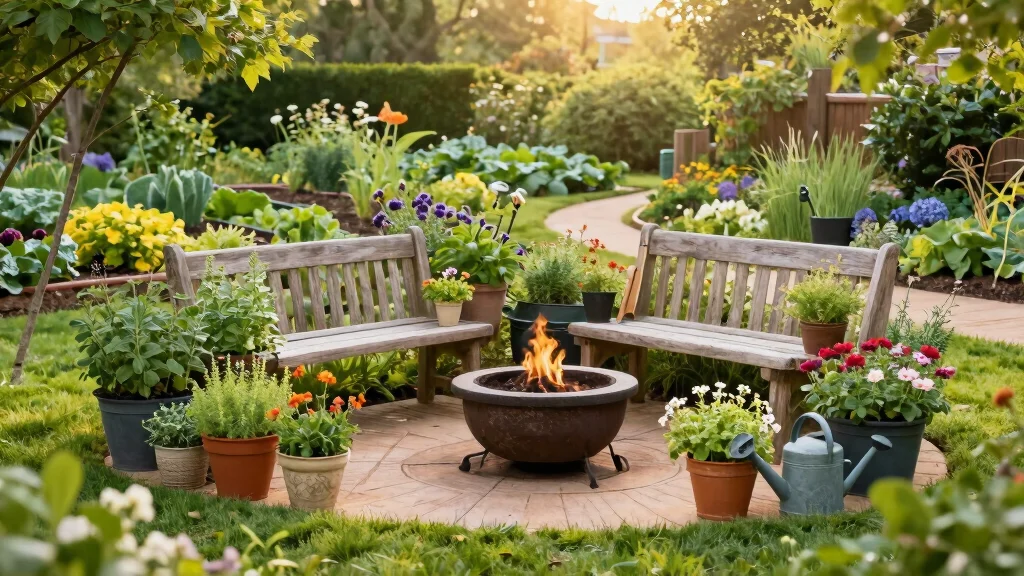
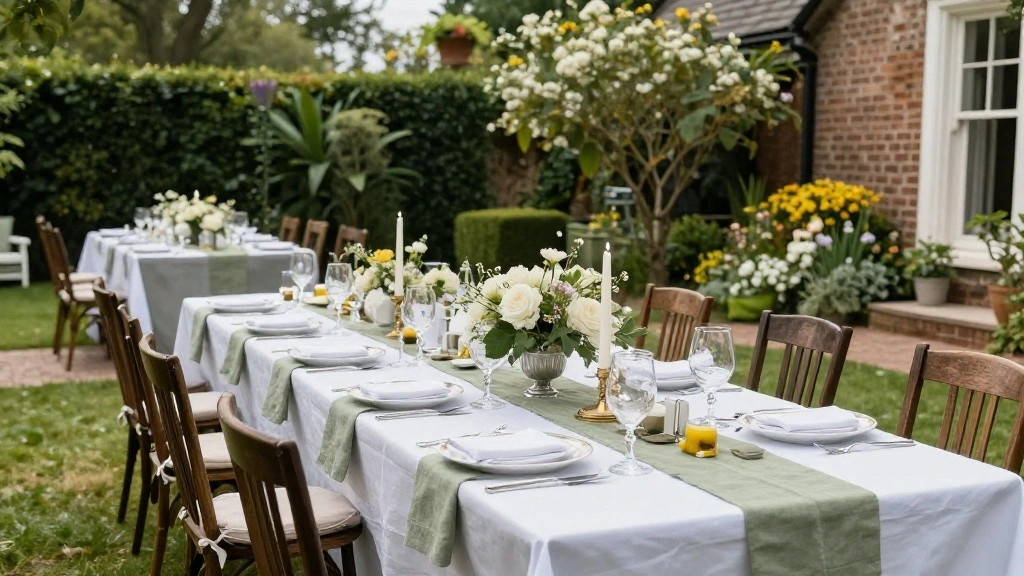
Have you considered how relaxing your backyard can be? A cozy seating area invites you to unwind, sip coffee, or simply enjoy the beauty of your garden. It’s a perfect way to enhance your outdoor experience.
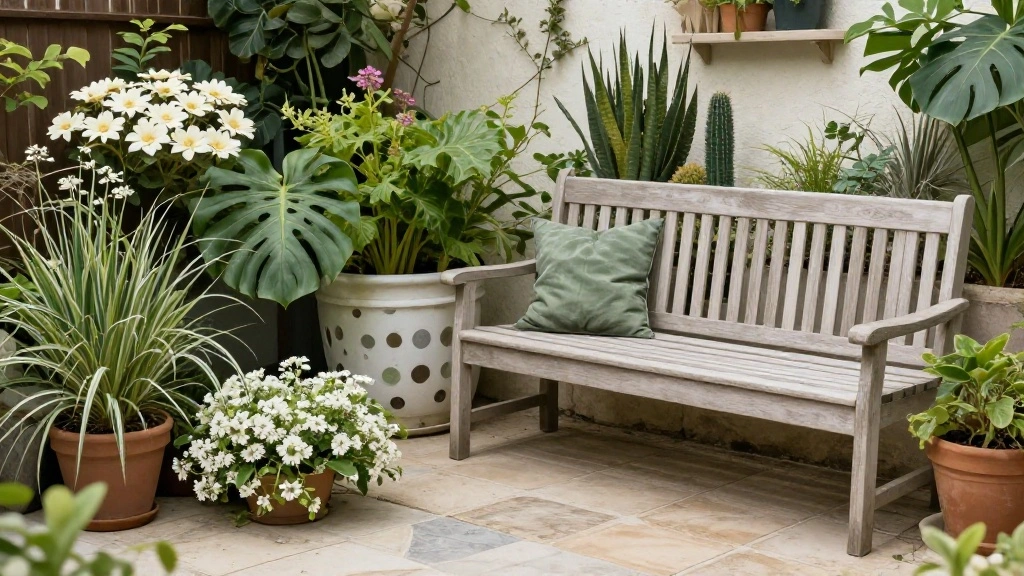
Select comfortable seating options like lounge chairs, hammocks, or even a sturdy wooden bench. Add plush cushions and throw blankets for extra comfort. Spruce it up with potted plants and a small table for drinks or books.
Design Ideas for Your Nook:
– Use outdoor rugs to create a defined space.
– Incorporate shade with umbrellas or pergolas.
– Hang string lights to create a magical evening atmosphere.
This area can become your personal retreat, allowing you to relax amidst the beauty of a thriving garden, combining both functionality and charm.
6. Herb Spiral: A Trendy Gardening Technique
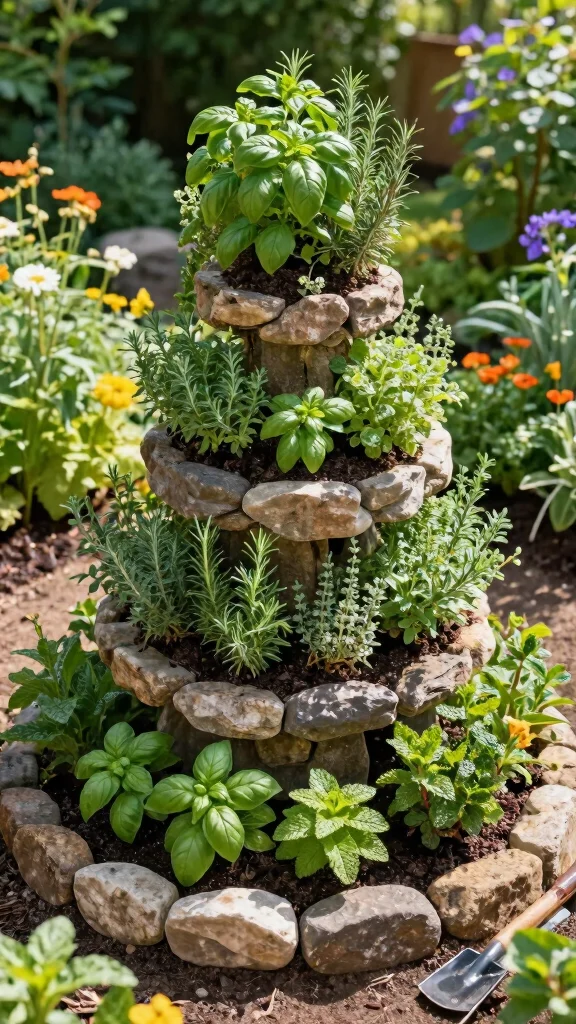
Looking for a unique garden feature? An herb spiral is an attractive and efficient way to grow a variety of herbs in a compact space. This design maximizes vertical space while providing optimal conditions for each type of herb.
To create your herb spiral, start by building a circular mound of soil and stones that rises at the center and spirals outward. Choose herbs based on their sunlight and water needs, placing sun-loving varieties at the top and moisture-loving herbs lower down.
Benefits of an Herb Spiral:
– Optimizes growing space.
– Supports a diverse range of herbs.
– Adds visual interest to your garden.
This innovative design not only beautifies your space but also provides easy access to fresh herbs for your cooking, making it a delightful addition to your backyard.
Fun fact: a compact herb spiral can double your usable herb space in just 4 square feet. It also cuts water use by up to 30% by stacking sun-loving herbs at the top and moisture-loving varieties lower down. Perfect for your diy backyard oasis ideas.
You might also like
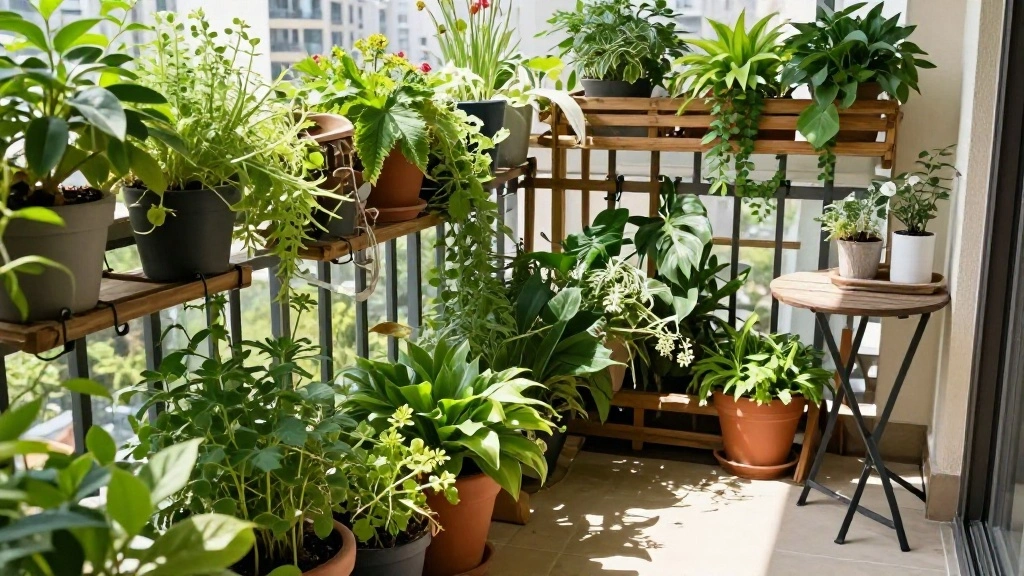
7. Rain Gardens: Sustainable and Beautiful
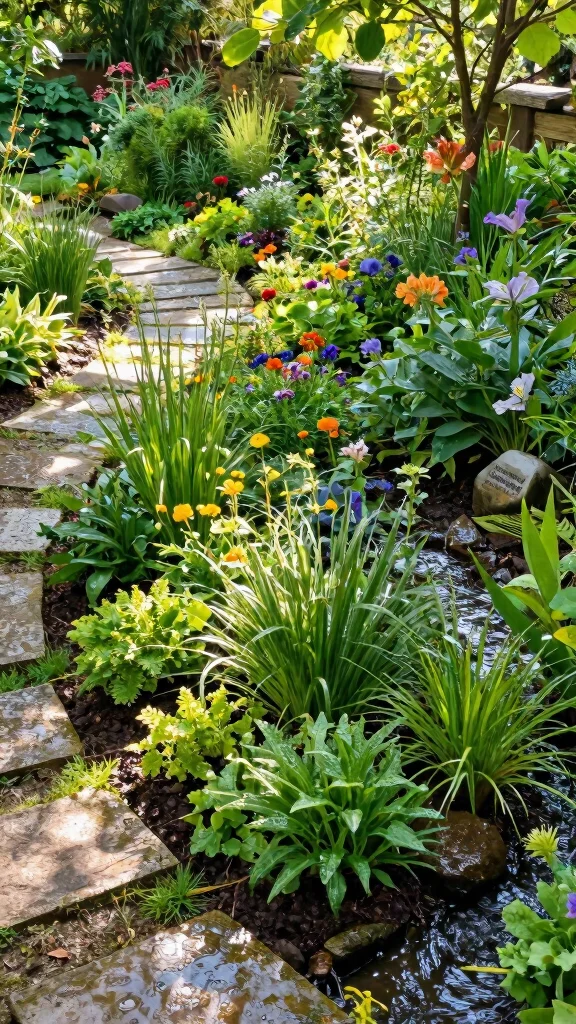
Are you looking for a way to manage stormwater while enhancing your backyard’s beauty? A rain garden absorbs rainwater runoff from hard surfaces, promoting groundwater recharge and creating a stunning feature.
To build a rain garden, select a low-lying area in your yard and dig a shallow basin. Plant native species that thrive in both wet and dry conditions, ensuring they will flourish with varying moisture levels.
Advantages of a Rain Garden:
– Minimizes flooding and erosion.
– Boosts biodiversity with native plants.
– Creates a unique and attractive landscape feature.
Rain gardens not only support environmental conservation but also offer a wonderful habitat for wildlife, turning a practical solution into a beautiful backyard enhancement!
Rain Gardens: Sustainable and Beautiful
Editor’s Choice

Hale Habitat & Seed Native Grass & Wildflower Refuge, Wildlife & Pollina…

Native Wildflower Seeds for Planting 24 Variety Pack – Perennial & Annua…

Outsidepride Western Native Grass Seed Mix – 1 lb. Perennial Blend of Wa…

HOME GROWN Premium Wildflower Seeds Bulk – 134,000+ Non-GMO USA Native S…

Earth Science Wildflower Butterfly & Hummingbird Mix—6 lb— 3-in-1 Premiu…
8. Garden Pathways: Define Your Space
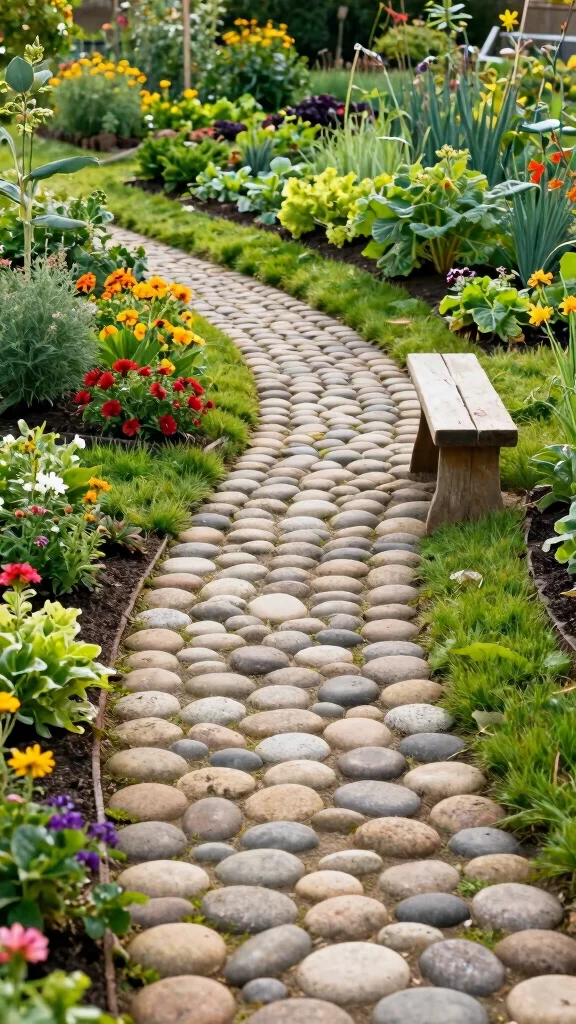
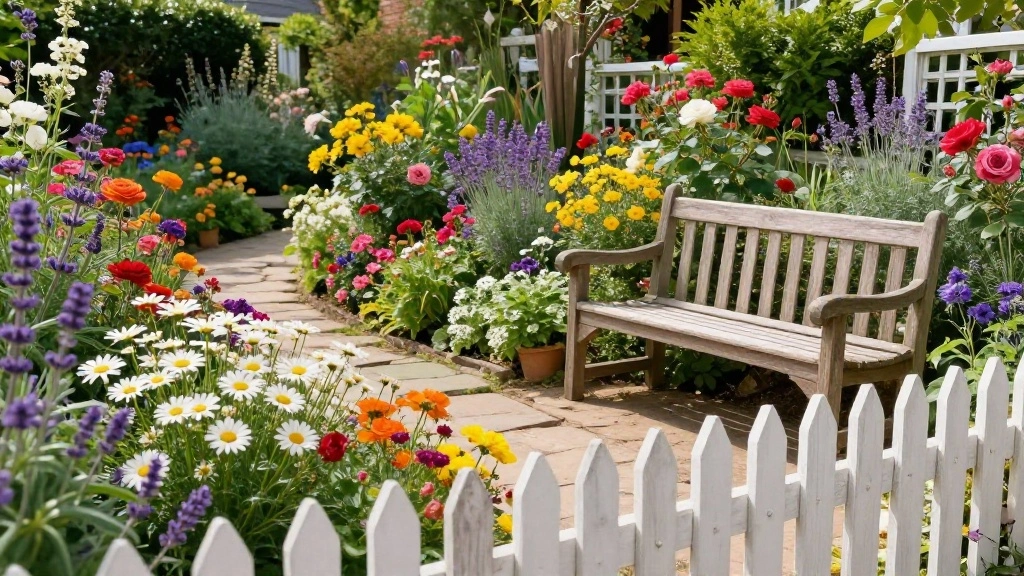
Want to add character to your garden while making navigation easier? Garden pathways can enhance your landscaping and provide clear routes through your space. Various materials, like gravel, bricks, or stones, can create a unique path.
Consider the layout of your garden to determine the best places for pathways. Natural materials that harmonize with your garden style work best. Curved pathways offer a relaxed feel, while straight paths can lend a modern touch.
Benefits of Garden Pathways:
– Clearly defines different garden areas.
– Reduces soil compaction.
– Adds visual interest to your landscape.
Adding decorative elements like edging or small lights can elevate the beauty of your pathways, making them a delightful part of your garden experience.
9. Companion Planting: A Natural Approach
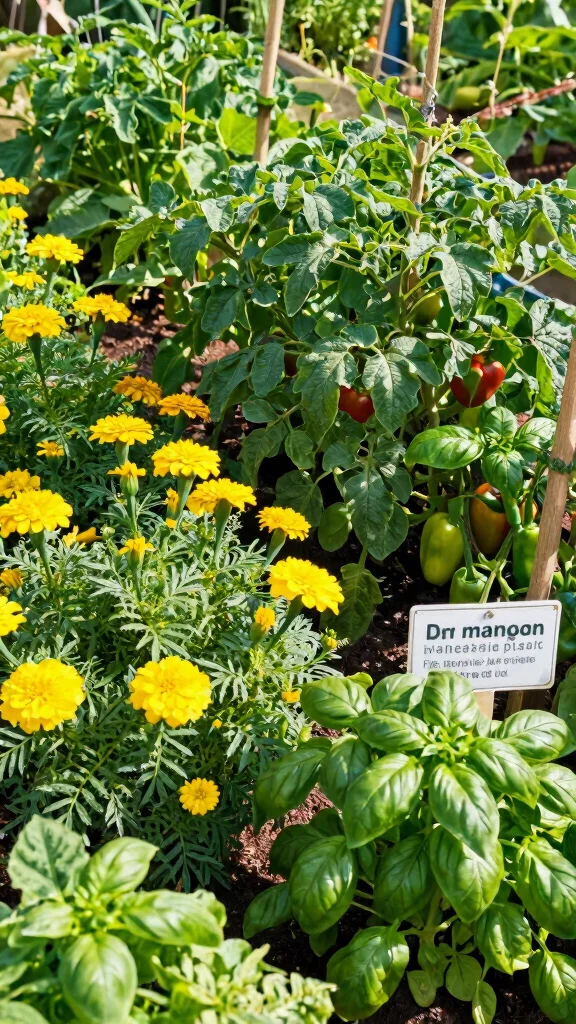
Are you looking for a natural way to enhance your garden’s health? Companion planting is a smart strategy that involves growing different plants close together for mutual benefits, like pest control and improved growth.
For example, planting marigolds near your vegetables can deter pests, while basil can boost the growth and flavor of tomatoes. Research which plants work best together and plan your garden beds accordingly.
Benefits of Companion Planting:
– Reduces reliance on pesticides.
– Enhances plant growth and yield.
– Fosters a balanced garden ecosystem.
This natural method promotes a thriving environment, ensuring your plants not only survive but also flourish together.
10. Garden Decor: Add Personality to Your Space
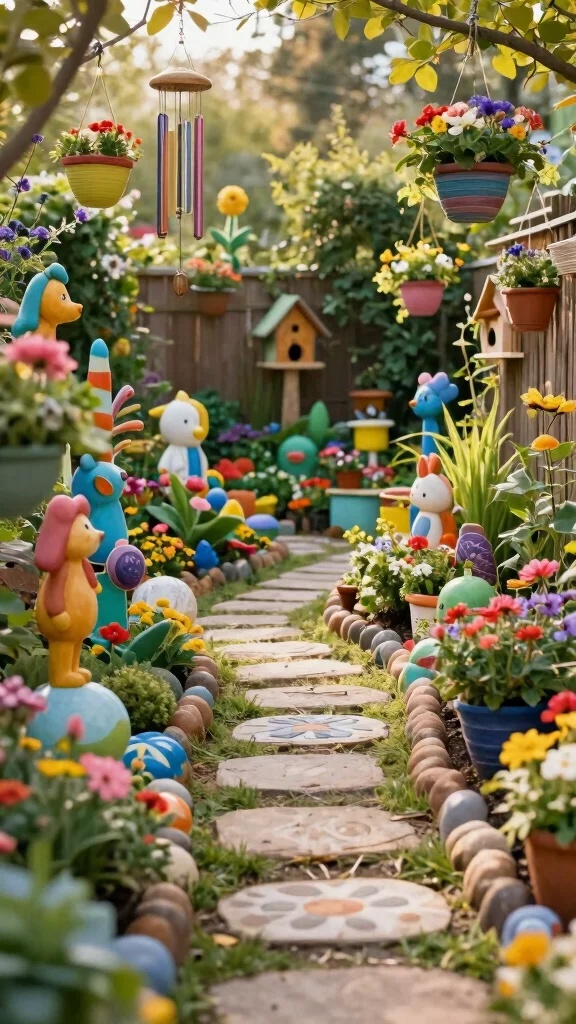
Ready to give your garden some personality? Unique decor can infuse charm and creativity into your outdoor space, making it a true reflection of who you are. From whimsical sculptures to colorful birdhouses, let your imagination run wild!
Incorporate elements like wind chimes, decorative garden stakes, or hand-painted pots for a personal touch. Adding fairy lights can create a magical atmosphere in the evenings, while comfy seating areas adorned with cushions enhance comfort and style.
Ideas for Garden Decor:
– Use reclaimed materials for one-of-a-kind art pieces.
– Create a small fountain or birdbath for wildlife attraction.
– Hang colorful flags or banners for a festive vibe.
These personal touches will transform your backyard into a delightful retreat, inviting exploration and enjoyment at every turn!
❝Turn your yard into a living, breathing gallery—your friends will come for the decor and stay for the garden. diy backyard oasis ideas prove personality matters: a fairy-light glow, hand-painted pots, and comfy seating turn every evening into a mini retreat.
You Might Also Like
11. Wildlife-Friendly Features: Attract Nature to Your Garden
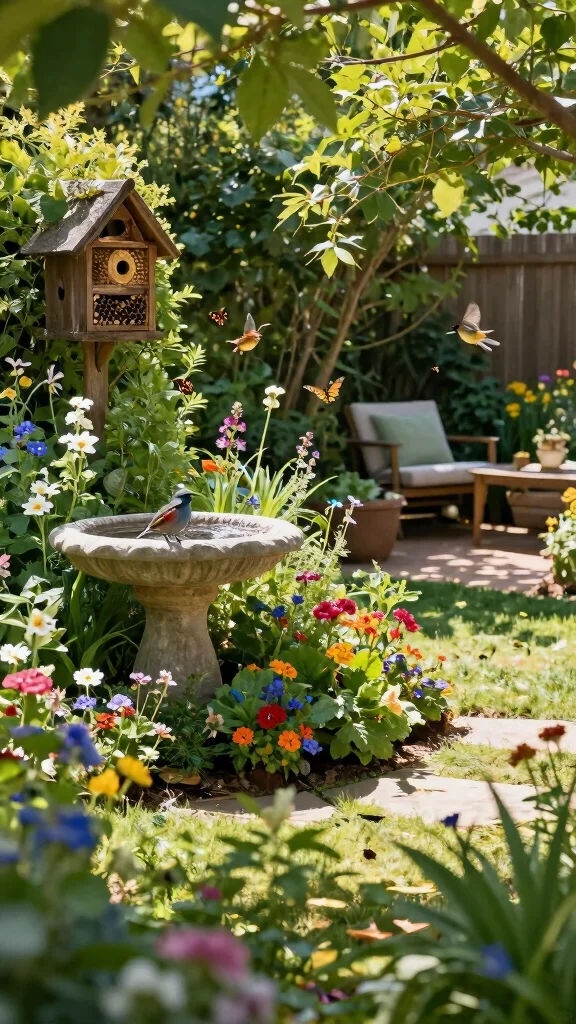
How about creating a garden that welcomes wildlife? A wildlife-friendly garden not only boosts biodiversity but also enhances the beauty and health of your outdoor space. Features like butterfly gardens, bird feeders, and bee hotels can attract various local species.
Select native plants that provide food and shelter for wildlife. Adding water features, like birdbaths or small ponds, can draw animals while adding tranquility to your garden.
Steps to Make Your Garden Wildlife-Friendly:
– Offer a variety of plants to cater to diverse species.
– Avoid pesticides to protect beneficial insects.
– Create nesting sites for birds and helpful insects.
By encouraging wildlife, your garden comes alive, offering a unique opportunity to observe nature closely, making your gardening experience even more fulfilling.
12. Seasonal Planting: Get the Most from Your Garden
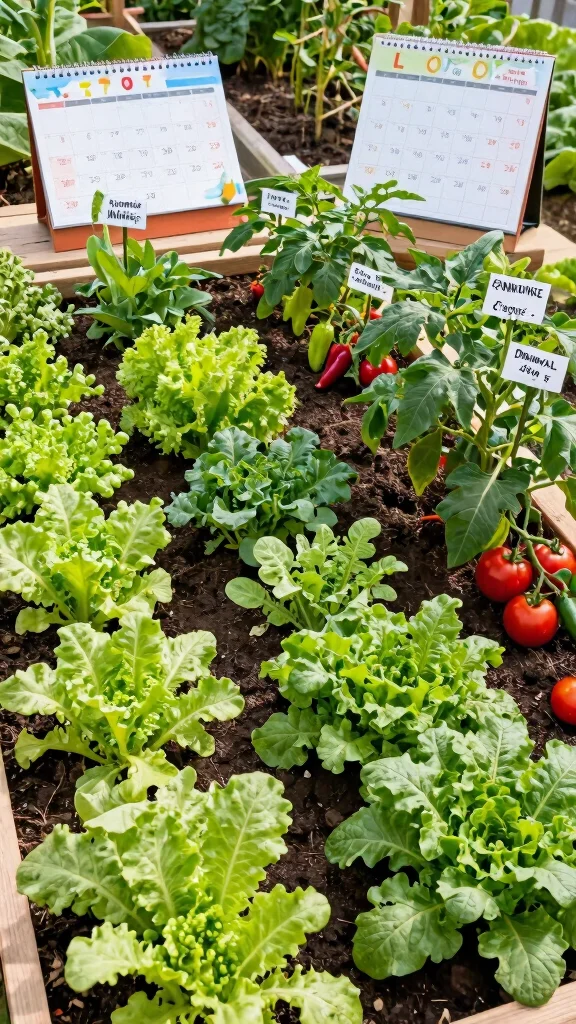
Want to maximize your garden’s potential? Consider seasonal planting! This involves planning your layout based on seasonal crops, ensuring you grow what’s best suited for each time of year.
For instance, leafy greens thrive in cooler months, while tomatoes flourish in warmer weather. By rotating your crops and planting seasonally, you can maximize your yield and keep your garden lively year-round. Succession planting ensures continuous harvests throughout the seasons.
Benefits of Seasonal Planting:
– Increases dietary variety.
– Improves pest management with crop rotation.
– Enhances overall productivity.
With thoughtful planning, your garden can provide fresh produce throughout the year, offering satisfaction and delicious meals straight from your backyard!
Conclusion
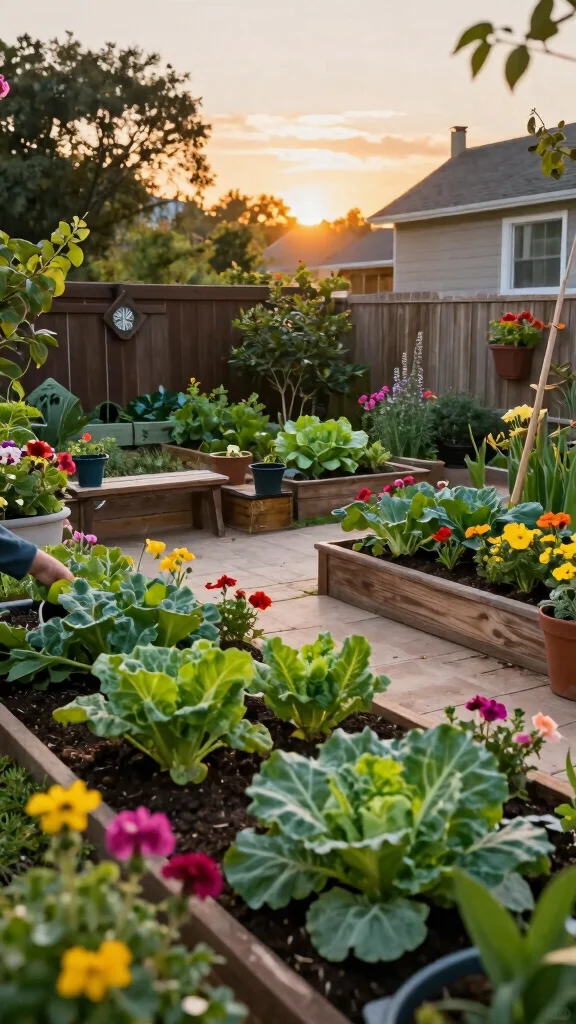
Transforming your backyard into a DIY oasis truly opens up a world of possibilities, from growing your own food to creating beautiful spaces for relaxation and enjoyment.
With these 12 ideas, you can cultivate a vibrant garden that suits your lifestyle, no matter the size of your space. Get started on your journey to a lush, productive garden today! Embrace the creativity and joy that come with nurturing your very own backyard paradise.
Note: We aim to provide accurate product links, but some may occasionally expire or become unavailable. If this happens, please search directly on Amazon for the product or a suitable alternative.
This post contains Amazon affiliate links, meaning we may earn a small commission if you purchase through our links, at no extra cost to you.
Frequently Asked Questions
What exactly is a diy backyard oasis and how can I start it in my vegetable garden?
A diy backyard oasis is your personal outdoor retreat that blends edible gardening with relaxing landscape features. It’s about growing vegetables while adding seating, shade, and ambience to enjoy your space. Start by mapping your sun exposure and selecting a few core features, such as raised beds, container gardens, or a small water feature, all tied together with diy backyard oasis ideas to keep the theme cohesive.
Keep the plan space-efficient and scalable so you can add more elements as you go, using space-efficient design principles.
How can I make my backyard space-efficient for vegetable gardening, especially in urban settings?
Urban gardening thrives on clever use of every square foot. Embrace vertical gardens, trellises, wall-mounted planters, and stackable containers to multiply growing space without expanding your footprint.
Choose compact or dwarf varieties that perform well in pots or small beds, and water with a simple drip system to minimize waste.
Plan a single, sunlit zone for a raised bed or large planter and add a few container herbs nearby for quick wins and urban gardening practicality.
What are a few quick, budget-friendly DIY ideas from the article that I can start this weekend?
Here’s a quick way to kick off your diy backyard oasis ideas this weekend: build a simple raised bed from reclaimed wood, line it with landscaping fabric, and fill with good soil for a ready-to-grow veggie zone.
Then create a container herb station by repurposing galvanized buckets or wood crates near the kitchen for easy access and less back-and-forth to the garden.
Finish with a basic drip irrigation line or soaker hose to cut watering time and water more efficiently for space-efficient urban gardening.
How can I balance aesthetics and harvest in a backyard makeover for a more enjoyable outdoor space?
Designing for both beauty and vegetables is totally doable with thoughtful planning. Choose a cohesive color palette and durable materials for seating, edging, and planters, then tuck edible beds like tomatoes and peppers into the backdrop with ornamental herbs for scent and texture.
Use mulch to suppress weeds, add windbreaks or shade sails for comfort, and deploy space-efficient containers to keep the harvest within arm’s reach.
With urban gardening sensibility and space-efficient planning, your DIY backyard oasis will feel calm, productive, and inviting.
What maintenance tips will help my DIY backyard oasis thrive with minimal effort?
Keep it thriving with simple, sustainable routines you can stick to. Mulch beds monthly to lock in moisture and tame weeds, and water early in the morning with a timer-driven drip system to save water and time.
Plan a low-cost composting setup to recycle kitchen scraps into nutrient-rich soil, and use companion planting to reduce pests without chemicals.
Schedule seasonal checks for plants, prune lightly, and rotate crops to maintain soil health—your diy backyard oasis ideas will keep paying off all season long.
Related Topics
DIY backyard oasis
urban gardening
vegetable gardening
space-efficient gardening
budget friendly
beginner friendly
outdoor makeover
seasonal gardening
sustainable practices
low maintenance
small space solutions
creative landscaping