


A single well-chosen perennial can yield fifty stems in one season, much like compound interest building your garden’s productivity year after year. You’ll want varieties that combine structural integrity, extended vase life, and reliable rebloom, which is why coneflower (Echinacea purpurea, Zones 3–9), ‘Goldsturm’ black-eyed Susan, and globe thistle anchor the 2026 list.
Each demands full sun, 12–16 inches of well-drained soil amended with compost, and staking before July storms. Deadhead spent blooms weekly, divide clumps every third spring, and you’ll harvest armfuls from July through October.
Burpee Wildflower Seeds Cutting Mix (25,000 Seeds)

Grow Wildflower Bouquets: Burpee's Cutting Wildflower Mix Includes A Gorgeous Variety Of Taller Blooming Wildflowers Ideal For Fresh Bouquet Or Vase Arrangements; Sow 15...
When you need a cutting garden that delivers maximum variety with minimal fuss, Burpee’s Wildflower Seeds Cutting Mix answers the call with 25,000 non-GMO seeds spanning 15 distinct flower varieties. You’ll find cornflower, malope, cosmos mix, zinnia, coreopsis, delphinium, baby’s breath, and nine additional species in one bulk bag, giving you everything required for professional-quality bouquets straight from your yard.
You should select a sunny area for planting outdoors once heavy frost danger passes. Seedlings emerge within 7–21 days, and you’ll keep soil evenly moist without oversaturating until plants establish themselves.
This perennial mix covers 1,000 square feet, attracting butterflies, hummingbirds, and bees through its diverse colors, shapes, and scents. Burpee, trusted since 1876, provides accurate growing guidance you can count on.
Best For: Gardeners seeking a low-maintenance cutting garden with maximum variety who want to grow professional-quality bouquets at home while supporting pollinators.
Pros:
- 25,000 non-GMO seeds across 15 distinct varieties provide exceptional diversity for vibrant, varied bouquets
- Perennial mix covers 1,000 square feet and attracts beneficial pollinators including butterflies, hummingbirds, and bees
- Trusted Burpee brand since 1876 includes clear planting guidance with seedlings emerging in 7–21 days
Cons:
- Requires a dedicated sunny area and waiting period until after heavy frost danger passes to plant
- Needs consistent soil moisture management during the 7–21 day germination and establishment period
- Annual and perennial mix means some varieties may not return, requiring potential reseeding for consistent yearly display
Recommended Products

High Germination Performance: Echinacea seeds for planting show strong, reliable sprouting in 3–4 weeks when soil stays moist. Ideal garden seeds for USDA zones 4–9 gardens and outdoor flower beds.

The purple coneflower seeds require cold stratification (approximately 4-6 weeks of refrigeration) for germination, with autumn sowing or early spring planting being more conducive to seedling emergence

Mix Double Coneflower is a perennial plant of the Aster family. Although the plant's birthplace is in the eastern part of the North American continent, tall grassy stems topped with inflorescences of various colors can be found in most of homes
The Well-Tended Perennial Garden: Planting and Pruning Guide

Which gardener needs a cutting garden that rewards effort with abundant blooms across multiple seasons? You’ll find your answer in *The Well-Tended Perennial Garden: The Essential Guide to Planting and Pruning Techniques*, Third Edition, Revised, a 417-page Timber Press Kindle eBook published February 22, 2017, now available as a digital purchase.
You access hands-on guidance covering planting techniques, pruning methods, and seasonal strategies tailored to long-term perennial bed health. The format lets you reference specific care instructions anywhere, whether you’re dividing peonies in USDA Zone 5 or cutting back sedum ‘Autumn Joy’ for structured winter interest.
You apply landscape planning principles immediately, balancing immediate floral production with sustainable garden architecture. The comprehensive scope addresses your maintenance calendar through compound-complex guidance: when you deadhead, how you rejuvenate, where you establish new crowns for succession blooming.
No hyperbole, just measured, authoritative instruction supporting your cutting garden’s evolution across growing seasons.
Best For: Gardeners seeking a comprehensive digital guide to cultivating abundant, multi-season cutting gardens through proven planting and pruning techniques.
Pros:
- Detailed, season-by-season maintenance guidance specifically tailored for perennial bed longevity and floral production
- Digital Kindle format enables instant access to care instructions while working in the garden across diverse climates and hardiness zones
- Third edition incorporates updated methods balancing immediate bloom yields with sustainable landscape architecture
Cons:
- 417-page scope may overwhelm beginners seeking quick-start cutting garden solutions rather than in-depth technical instruction
- Kindle-only digital format lacks physical durability for field use and depends on device battery and screen visibility outdoors
- Narrow focus on perennials excludes annual cutting garden staples and mixed border combinations some flower farmers prioritize
Recommended Products

High-Value Wildflower: 10,000 Black eyed susan seeds perennial (tender) deliver masses of yellow daisy blooms for pollinator gardens. Great wildflower seeds for beds, borders, containers, and meadows, USDA 1-12.

EXTRA LARGE PACKET contains over 1 full ounce of pure live seeds (100,000+ seeds!) - Enough to cover 600 square feet.

Abundant Blooms: Each packet contains a generous amount of Black Eyed Susan seeds, ensuring a vibrant and colorful garden display
The Cutting Garden: Growing and Arranging Garden Flowers

Used Book in Good Condition
This all-encompassing guide suits the hands-on gardener who values both sturdy plants and professional-grade blooms for the vase. You’ll find Frances Lincoln’s 168-page paperback, published in 2013, delivers illustrated, practical guidance you can apply directly to your perennial beds.
You’ll learn cultivation fundamentals, including soil preparation to 12 inches deep, and spacing standards for airflow between your delphiniums, echinops, and achillea. The book walks you through cutting stems at optimal maturity, conditioning cuts in lukewarm water for two hours, and arranging by stem geometry for structural balance.
You’ll reference USDA zone parameters alongside specific cultivars like ‘Blue Bird’ delphinium (Zones 3-7) and ‘Gold Plate’ achillea (Zones 4-8). Step-by-step instructions cover succession planting every two weeks, deadheading to extend your harvest window, and building arrangements from focal flowers through supporting textures. You’ll integrate these methods with your perennial rotation, cutting stems in early morning when carbohydrate levels peak, then transferring directly to your conditioning buckets before the day’s heat stresses your blooms.
Best For: Hands-on gardeners who want to grow professional-quality cut flowers in their perennial beds while learning both cultivation techniques and floral arrangement skills.
Pros:
- Provides specific, actionable guidance including soil preparation depth, spacing standards, and conditioning protocols rather than vague advice
- Includes detailed cultivar recommendations with USDA zone parameters for practical plant selection
- Covers the complete workflow from succession planting and deadheading through cutting timing and structural arrangement techniques
Cons:
- Published in 2013, so some cultivar availability and zone recommendations may be outdated
- Focuses heavily on perennial beds with limited coverage of annual cutting garden options
- 168-page length may feel insufficient for gardeners seeking comprehensive depth on either cultivation or floral design alone
Recommended Products

HEIRLOOM NON-GMO SEEDS: Each pack contains 40 Blue Globe Thistle (Echinops Ritro) seeds that are heirloom, non-GMO, and open-pollinated for true-to-type blooms season after season.

Unique Ornamental Blooms: Produces bold 1–2 inch spherical flower heads in brilliant sky-blue, creating a dramatic focal point in perennial borders, xeriscapes, and pollinator gardens from midsummer through early fall.
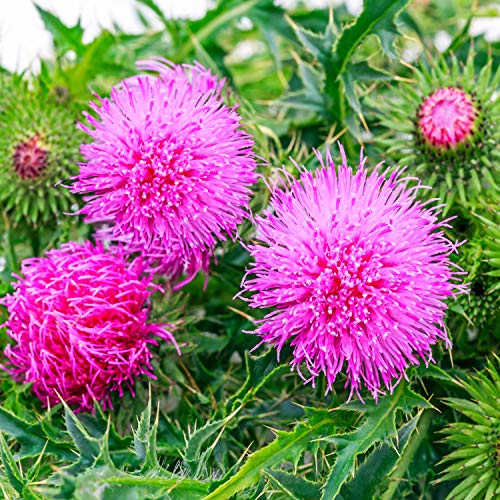
SELF-SEEDING BLOOMS: Add a touch to your garden with Milk Thistle (Silybum Marianum) Seeds. Our self sowing milk thistle seeds can grow up to 40-55 inches tall. Its mottled, spiny foliage and large, thistle-like heads of rose-pink blooms, blooming around late spring to mid summer, create a garden display for your outdoor space.
Mixed Dahlia Seeds for Planting (400+) Perennial Heirloom Flowers
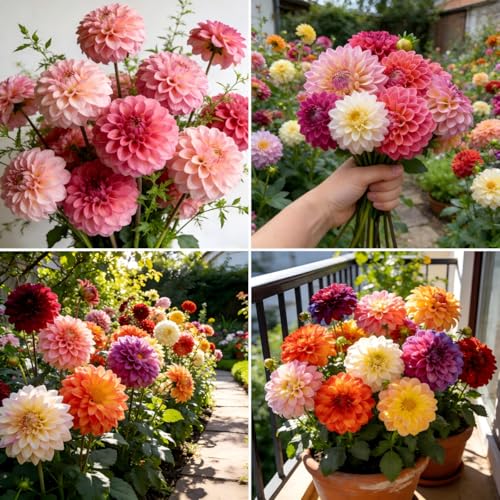
[Diverse Flower Forms] Produces blooms in a variety of shapes and sizes throughout the season. Flowers appear in a wide range of colors, offering endless diversity for garden...
Mixed Dahlia Seeds from Carpet Creeping offer 400+ perennial heirloom Dahlia pinnata seeds that transform your cutting garden into a productive, colorful workspace if you’re seeking reliable first-year blooms without the cost of tubers.
You’ll find these seeds deliver diverse flower forms across a wide color range, with continuous flowering from mid-summer through first frost. The 2-4 foot plants produce sturdy, upright stems ideal for cutting, and blooms prove long-lasting in arrangements. Carpet Creeping’s mix suits borders, backgrounds, containers, and bed fronts equally well.
Plant in full sun with fertile, well-drained soil, and water regularly during dry spells while avoiding overwater. Stake taller varieties for best results. Whether you’re beginning your cutting garden or expanding established beds, these rapid-growing seeds reward you with first-year color and perennial returns, making them a practical foundation for productive summer harvests.
Best For: Home gardeners and cut flower enthusiasts seeking affordable first-year blooms from seed rather than investing in dahlia tubers, particularly those wanting reliable perennial color with minimal experience required.
Pros:
- 400+ seeds providing abundant planting material
- First-year flowering from seed eliminates the typical wait time associated with dahlia establishment
- Versatile 2-4 foot height and sturdy stems suit multiple garden applications including cutting, borders, and containers
Cons:
- Genetic variability from seed means less predictability in flower forms and colors compared to named tuber varieties
- Some plants may require staking, adding maintenance effort not needed with all compact varieties
- Perennial performance in colder climates may require lifting and storage, similar to tuber-grown dahlias
Recommended Products

EXTRA-LARGE 1 OZ PACKET WITH 15,000+ SEEDS: Each SunHaven Seeds pouch contains over 15,000 fresh, Non-GMO seeds. This mix covers 100-150 square feet, which is enough to plant a generous cut-flower garden with long-lasting color throughout the season

Imagine the possibilities! This accessible and inviting resource introduces you to bulbs annuals biennials perennials shrubs and vines that will perk up your space and season. Browse the 32 plants profiled in vivid detail (from asters irises and coneflowers to hydrangeas roses and wisteria); for each you’ll find beautiful photos and essential information on planting care disease and pest problems cut-flower harvesting and recommended varieties. There are also helpful chapters on summer-flowering shrubs tiny bulbs flowers for constant color throughout the season and more! |Invite birds to your garden! Discover flowering annuals perennials and shrubs that offer food and shelter to make feathered friends feel right at home.|Go native! Native plants offer many advantages such as requiring little to no maintenance or water once established. They also provide nectar for native pollinators. Read about native flower options for various parts of North America and you’ll get a feel for which ones you might like to grow.|Want to bring the joy indoors? Find out the best ways to cut and preserve your garden’s floral bounty or to dry your blossoms for long-lasting enjoyment.|Don’t have the yard space to grow flowers or just want to keep things simple? Containers to the rescue! Learn the “pot-ticulars” about sizes types and growing mediums and then get ready to pot up your prized petunias!|Nurturing flowers from seeds can be an inexpensive way to fill up a flower bed and offers more options for variety and color than you’ll likely see in transplants available locally. Choose your favorites and then discover how to get your plant babies off to a great start.|Moving to a new location can take it out of us and the same goes for plants. Whether you grow your own or purchase just-the-right flowers at your local garden center find out when they can be safely transplanted to their permanent homes.|True success starts at ground level—or even deeper. Learn about soil structure texture pH nutrients and fertilizers as well as how to improve your existing soil so that your plants grow up healthy and happy.|Water is a precious resource. Gardeners just about everywhere can face periodic drought as well as high water bills and seasonal water restrictions so water-saving practices in the garden not only make good “green” sense but also save time energy and effort. Read about ways in which you can be water-wise!|Diseases and pests like flowers too. The Flower Gardener’s Handbook provides detailed easy-to-understand information on how to identify and control a host of troublemakers. |Write it down! Take advantage of occasional journal pages to jot down important notes such as your soil’s pH seed-starting details planting dates and pest problems and treatment. Record your observations about plant performance bloom times and more to help you keep track of which varieties work well and which you’d like to switch out in the following year.|What’s an Old Farmer’s Almanac guide without a little folklore and fun? Inside you’ll learn how to interpret Latin plant names (Did you know that mirabilis means “wonderful”?) the symbolism in the language of flowers (a peony can express “happy life”) and what your birth flower is (hint: some months have two!).|Plus much more!

Beautiful - Large premium packet of Pastel Mix Yarrow (Achillea millefolium) seeds. Lovely mix of delicate shades of pink, yellow, apricot, and white blooms. Low-maintenance, drought tolerant perennial once established. Perfect for a cottage garden or use as cut flowers for delightful indoor arrangements! AAS Flower winner. Minimum of 200mg per packet (about 1300 seeds).
Pollinator Garden Live Plant Collection (8 Perennials)

Plant Size Can Vary with Smaller Foliage Early in Season, but each plug is healthy and ready to plant. READY TO GROW, NOT SEEDS! – Skip the wait and plant 8 live perennial...
If you’re building a cutting garden that doubles as ecological habitat, the Pollinator Garden Live Plant Collection from Bellawood Horticulture gives you eight established perennials without the wait of seed starting. You receive large, well-rooted plugs updated in April 2025, including Swamp Milkweed (Asclepias incarnata), Butterfly Weed (Asclepias tuberosa), Purple Coneflower (Echinacea purpurea), and Black-Eyed Susan (Rudbeckia fulgida).
You plant these in full sun with well-drained soil, then watch them return annually with minimal intervention. They’re drought-tolerant, deer-resistant, and thrive across USDA zones 3-9.
The orange Butterfly Weed, purple coneflowers, and yellow Black-Eyed Susans create harvestable bouquets while sustaining monarchs, bees, and hummingbirds. You get instant biodiversity for meadows, borders, or dedicated cutting beds.
Best For: Gardeners who want an instant, low-maintenance pollinator habitat that doubles as a cutting garden without waiting for seeds to germinate.
Pros:
- Large, well-rooted plugs ready to plant immediately with no seed-starting required
- Drought-tolerant, deer-resistant, and perennial—returning yearly with minimal care
- Supports monarchs, bees, and hummingbirds while providing colorful, harvestable blooms
Cons:
- Plant size and foliage may be smaller early in the growing season
- Requires full sun and well-drained soil, limiting placement options for shady or wet areas
- Fixed plant selection offers no customization of species or colors
Recommended Products
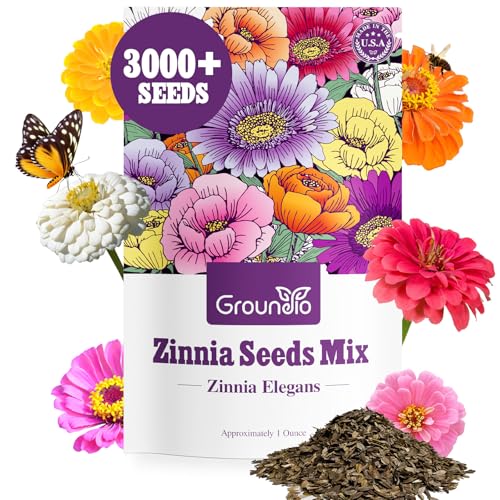
Freshest Zinnia Seeds: Groundio zinnia seeds are sown directly into the garden after the last frost and are easy to grow, they require little care. Not heading can promote more flowering, We offer the freshest seeds to enhance the quality of your garden, we ensure a high germination rate, 99% pure live seed, no filler


VIBRANT COSMOS SENSATION MIX FOR STUNNING GARDENS: (Cosmos bipinnatus) Add a burst of celestial color to your yard with this premium Cosmos Sensation Seed Mix, featuring a balanced blend of pink, white, crimson, and magenta blooms. These wildflower seeds are specially selected to deliver a whimsical, cottage-garden look with soft, airy petals that attract butterflies and pollinators. Perfect for creating dreamy borders, wildflower meadows, or decorative beds with minimal effort.
300+ Lisianthus Flower Seeds for Outdoor Planting

Varied Colors: Mixed Lisianthus Flower Seeds offer a vibrant array of colors, ranging from delicate pastels to bold, eye-catching hues. Long Blooming Period: These seeds...
You’re looking for a cutting garden workhorse that delivers professional results without demanding expert skills. You’ll find exactly that in Carpet Creeping’s 300+ Mixed Lisianthus Flower Seeds, a non-GMO collection that yields rose-like blooms in pastel and bold hues across an extended flowering period.
You’ll appreciate how these seeds adapt to varied climates and soil types, thriving equally in outdoor beds or indoor starts before transplanting. For best results, you’ll want to start seeds 10-12 weeks before your last frost date, maintaining temperatures between 70-75°F for germination, which typically occurs in 10-14 days.
Your patience rewards you with sturdy, graceful stems perfect for professional-quality bouquets. You’ll harvest blooms when one to three flowers have opened, cutting stems at a 45-degree angle for maximum vase life lasting 10-14 days. Whether you’re filling garden borders or designing floral arrangements, you’ll discover why lisianthus remains a florist favorite, combining lasting beauty with remarkable versatility.
Best For: Home gardeners and floral enthusiasts seeking professional-quality cut flowers with minimal maintenance requirements who want extended blooming periods and versatile growing options.
Pros:
- Yields rose-like, long-lasting blooms in a vibrant mixed color range suitable for professional floral arrangements and home bouquets
- Adapts to varied climates and soil types with flexibility for both outdoor direct planting and indoor starting
- Extended flowering period provides continuous garden color and multiple harvest opportunities for cut flowers
Cons:
- Requires 10-12 week lead time before last frost and specific 70-75°F germination conditions, demanding advance planning and temperature control
- Relatively slow 10-14 day germination period compared to many common annual flowers
- Needs patient cultivation before mature, harvestable stems develop, with delayed gratification for first-time growers
Recommended Products

NATIVE NORTH AMERICAN NARROW-LEAVED CONEFLOWER SEEDS: Heirloom non-GMO open-pollinated wildflower seeds with high germination rates, traditional medicinal herb, adapted to USDA zones 3-8

Easy Growing: Echinacea coneflower seeds thrive in various conditions, making them perfect for both novice and experienced gardeners with minimal maintenance requirements

PALE PURPLE BLOOMS - Pale Purple Coneflower (Echinacea pallida) grows graceful drooping petals around spiky centers, adding native beauty to medicinal herb gardens and wildflower beds
600 New England Aster Heirloom Flower Seeds, Aster Novae-Angliae

High Germination Rate: aster seeds and asters perennial seeds sprout after 8-week cold stratification, thrive heirloom seeds in USDA 2–8 gardens. These starry blossoms of...
Why choose New England Aster for your cutting garden? You’ll gain a reliable late-season bloomer that extends your harvest into early fall through late fall, when most perennials have finished flowering. This KVITER heirloom variety delivers 600 seeds of Aster novae-angliae, a native perennial that thrives across USDA zones 2 through 8.
You should cold stratify these seeds for eight weeks before sowing, or plant them directly in fall so winter provides natural chilling. Sow under one-eighth inch of moist soil in full sun or part sun, and you’ll watch dense colonies form through rhizome spread and reseeding. Water regularly during establishment.
Your reward comes in tall, vase-ready stems bearing purple, starry blossoms that symbolize elegance. You’ll attract bees and butterflies throughout autumn while cutting long stems for indoor arrangements. This low-maintenance perennial suits containers, wildflower borders, or dedicated cutting beds.
It makes an essential addition to any 2026 cutting garden focused on season extension and pollinator support.
Best For: Gardeners seeking a low-maintenance, native perennial that extends the cutting season into late fall while supporting pollinators in USDA zones 2–8.
Pros:
- Extends harvest season with reliable late-season blooms from early fall through late fall when most perennials have finished flowering
- High seed count (600 seeds) with strong germination potential after proper cold stratification, enabling large-scale planting
- Dual-purpose value as both a cut flower with long, vase-ready stems and a pollinator magnet attracting bees and butterflies
Cons:
- Requires 8-week cold stratification before spring sowing, adding preparation time and complexity for impatient gardeners
- Spreads aggressively by rhizomes and reseeding, which may require management to prevent overtaking neighboring plants
- Purple color only, limiting palette options for gardeners seeking varied hues in their cutting garden arrangements
Recommended Products

High-Value Wildflower: 10,000 Black eyed susan seeds perennial (tender) deliver masses of yellow daisy blooms for pollinator gardens. Great wildflower seeds for beds, borders, containers, and meadows, USDA 1-12.

High Germination Performance: Black eye susan seeds show reliable sprouting in 14–21 days after 4 weeks cold stratification. Suitable garden seeds for USDA zones 1–12, ideal wildflower seeds bulk for gardens, flower beds, and containers.

Bright & Vibrant Blooms: The striking yellow black eyed susan (Rudbeckia Hirta) boast strong visual appeal. Whether adorning gardens, enhancing landscapes, or decorating courtyard corners, they effortlessly add a cheerful splash of color, infusing both indoor and outdoor spaces with abundant vitality and warmth
Factors to Consider When Choosing Perennials for a Cutting Garden

You’ll want to evaluate bloom time and duration, stem strength and height, vase life longevity, climate and hardiness, and pollinator attraction value before committing any perennials to your cutting garden beds. Consider how these five factors interact: a cultivar like ‘Purple Dome’ New England Aster, which offers sturdy 24-inch stems, USDA zone 3-8 adaptability, and 7-10 day vase life, demonstrates the practical benchmarks you should demand from every selection.
Match each plant’s flowering calendar to your desired harvest schedule, ensuring you’ve mapped succession blooms from late spring through hard frost for uninterrupted cutting material.
Recommended Products

The Best Value - Organo Republic Echinacea Seeds Pack contains 1 oz or 9,300 of Non-GMO heirloom echinacea seeds. Echinacea (Echinacea purpurea) is known for its medicinal properties, is a popular ingredient in teas and natural remedies, adding both beauty and wellness to your garden.

100% Non-GMO Heirloom Milk Thistle Seeds (Silybum marianum) delivering pure natural quality for your gardening and medicinal needs

Milk Thistle Herb Seeds for Planting Annual Flowering Plant Beautiful Herb Plants Seeds - Non-GMO, Open Pollinated
Bloom Time and Duration
When you’re planning a cutting garden that’ll keep your vases full from June through October, bloom time and duration become your most critical selection criteria, since a perennial that flowers for two weeks simply can’t sustain the steady harvest you need.
You’ll want to prioritize perennials with extended bloom periods, ideally those flowering from mid-summer through first frost in USDA zones 4-9, such as ‘Autumn Joy’ sedum or ‘Rozanne’ geranium, which deliver twelve to sixteen weeks of continuous cutting potential. Seek varieties that rebloom or produce successive flushes, like ‘Endless Summer’ hydrangea, eliminating yearly replanting while maintaining your supply.
Check whether your selections bloom in year one or require establishment: many echinacea and rudbeckia cultivars flower within months of spring planting, while peonies demand two to three seasons. Match each plant’s sun and water requirements to your zone’s conditions, ensuring consistent flowering despite seasonal variability.
Stem Strength and Height
How do you guarantee your cut flowers stand tall in arrangements rather than drooping after a day in the vase? You prioritize stem strength and height when selecting perennials, recognizing that taller specimens demand sturdier, thicker vascular tissue to resist bending and breakage under frequent cutting pressure. Choose varieties with strong, woody bases or robust, hollow stems, which hold up reliably in vases without collapsing.
Target medium to tall stems, specifically those reaching 2–4 feet, as these provide the structural integrity essential for professional-quality arrangements. Implement supportive practices, including staking and proper spacing, to enhance stem structure and prevent lodging in taller perennials. During early-season harvests, select cultivars with firm, erect growth habits rather than floppy, sprawling alternatives, ensuring your cutting garden produces stems that maintain their posture from harvest through display.
Vase Life Longevity
Why settle for arrangements that fade within days when you can select perennials engineered for endurance? You’ll want to prioritize lisianthus and dahlias, which routinely deliver 7–14+ days of vase life when you keep them cool and refresh their water regularly. Look for stems with sturdy, upright habits and thick diameters. Zinnias and rudbeckias excel here, since they resist drooping far better than delicate, floppy alternatives.
Timing matters significantly: choose varieties with extended bloom windows, you’re maximizing the interval between harvest and peak display. Strip all foliage from the water line, bacterial growth drops precipitately when stems sit clean.
Hydrate your cuts immediately, recut stems at 45-degree angles, and add floral preservative to your water. With these steps you’ll extend longevity appreciably.
Climate and Hardiness
Where exactly does your garden sit on the hardiness map, and have you matched your perennial selections to that reality? You will waste time and money if you ignore your USDA zone, so verify your minimum winter temperatures and summer heat extremes before you buy a single plant.
Choose perennials rated for your specific zone to ensure they survive winter and return reliably each spring. You need varieties that tolerate your conditions without demanding excessive irrigation or protection. Check each species’ dormancy pattern: true cold-hardy plants emerge after frost and rebloom consistently.
Factor in your regional rainfall and humidity, too. You will select drought-tolerant cultivars for arid climates and moisture-loving species for wetter regions. This matching guarantees accurate blooming timelines, perennial longevity, and cutting-quality stems throughout your growing season.
Pollinator Attraction Value
When you’re selecting perennials for your cutting garden, you’re not just choosing plants for vase life, you’re also deciding whether your garden will hum with bees, flutter with butterflies, and flash with hummingbirds throughout the growing season.
You’ll want to prioritize species with vibrant colors, varied shapes, and pleasant scents, as these traits attract a broader spectrum of pollinators and encourage longer visit durations. Select long-blooming and repeat-flowering varieties, such as those blooming 12 to 16 weeks, to ensure nectar and pollen remain available throughout your cutting season.
Choose drought-tolerant perennials that thrive in full sun with well-drained soil, since robust flowering depends on these conditions. Incorporate native or well-adapted species known to attract monarchs and other key pollinators, strengthening local ecosystem interactions while you harvest stems for your arrangements.
Maintenance Requirements Level
How much time can you realistically devote to your cutting garden each week?
You will find perennial cut flowers vary widely in their demands, with some requiring regular deadheading, staking, and dividing, while others thrive with minimal intervention once their root systems establish. Drought-tolerant selections, including rudbeckia and echinacea, reduce your watering frequency significantly after their first season.
Plants boasting long blooming periods and sturdy stems, such as ‘Karl Foerster’ feather reed grass, minimize how often you must refresh your cutting stock. Disease-resistant cultivars lower your maintenance burden by eliminating frequent fertilizer applications and pest treatments.
Prioritize early-season establishment through consistent moisture and proper spacing, which builds the healthy root structure essential for dependable, year-to-year productivity. Invest effort initially, and you’ll reap streamlined care seasons ahead.