
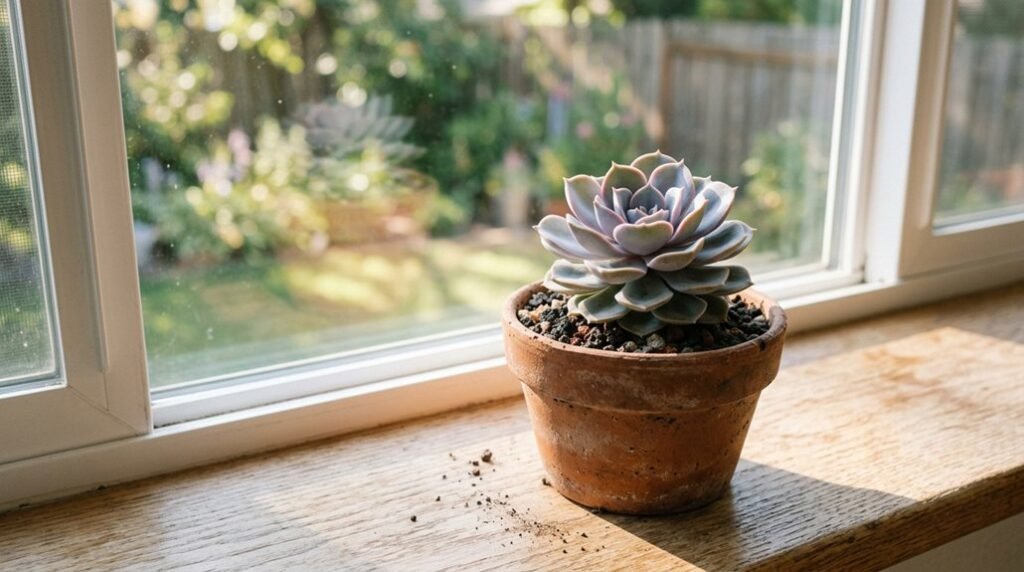


Thriving succulents and rotting roots stem from the same action: watering. You’ll master the balance once you grasp that your Echeveria or Jade Plant, perched on a windowsill in USDA zones 5 through 9, craves deep, infrequent drinks rather than timid sprinkles. The soak-and-dry method, saturating soil until water escapes drainage holes, then waiting one to four weeks depending on season, pot size, and humidity, separates thriving specimens from casualties. Yet your specific environment holds variables you haven’t measured. Start with weekly checks in summer, monthly in winter, and learn to read your plant’s signals before the next droplet falls.
How Often to Water Indoor Succulents: The Simple Rule
You will generally find that indoor succulents thrive when you water them about once a week during spring and summer, then scale back to every four to six weeks through fall and winter. This soak-and-dry approach means you’ll saturate the soil completely, then let it soil dry completely before repeating.
Your watering frequency depends heavily on pot size, since smaller containers dry faster and demand more attention, while larger ones hold moisture longer. You’ll want drainage holes in every pot, because standing water causes root rot quickly.
Always use room-temperature water, and aim directly at the soil rather than leaves or crowns. Let excess drain away freely. When you stick to this rhythm, adjusting for seasonal dormancy and container dimensions, you’ll maintain healthy, compact growth without the guesswork that overwhelms many beginners.
Recommended Products

Material: Made of plastic, wood, iron, rubber, stainless steel.

Perfect Size for Indoor Plants - This small and cute 2-pack watering set includes a 20 oz metal watering can (9.2" x 5.43" x 3.35") and a 13.5 oz glass plant mister spray bottle (3.07" x 7"). The tiny yet functional size is ideal for indoor house plants, garden flowers, bonsai, and succulents. Compact and portable, this regadera para plantas easily fits on windowsills, shelves, or tabletops — perfect for small spaces and everyday use.

[ PERFECT SIZE INDOOR WATERING CAN SET ] This small indoor metal watering can set is the ideal choice for caring for your indoor and outdoor plants. The metal watering can measures 9.25 x 4.41 x 3.74 inches with a 20oz/600ml capacity, and the plant mister spray bottle measures 3.07 x 7.68 inches with a 13.5oz/400ml capacity. When used together, this Indoor plants watering can and misting bottle easily meet your plants’ daily watering and hydration needs. With its compact, portable design, this indoor watering can is perfect for small spaces and easy to store.
How to Check Soil Moisture Before You Water
How can you tell whether your succulent truly needs water, or if patience will serve it better? Mastering soil moisture assessment prevents the root rot that kills more indoor succulents than underwatering ever will.
You will employ these diagnostic techniques:
- Perform the two-finger test by inserting your fingers 2–3 inches deep, waiting until topsoil dry conditions extend well below the surface
- Verify that the entire root zone has dried, since moisture often lingers in the lower pot half where roots concentrate
- Deploy a moisture meter for large containers where finger testing proves unreliable
- Confirm complete dryness throughout the soil profile before any rewatering interval begins
- Apply room-temperature water at the base, keeping leaves dry to prevent fungal infection
Your soak-and-dry success depends entirely on this patient verification.
Recommended Products

【Durable for Outdoor Use】The Tree watering bag is made of green polyethylene to help reduce sun damage, with reinforced straps that are less likely to tear or snap....
Use the Soak and Dry Method for Healthy Roots
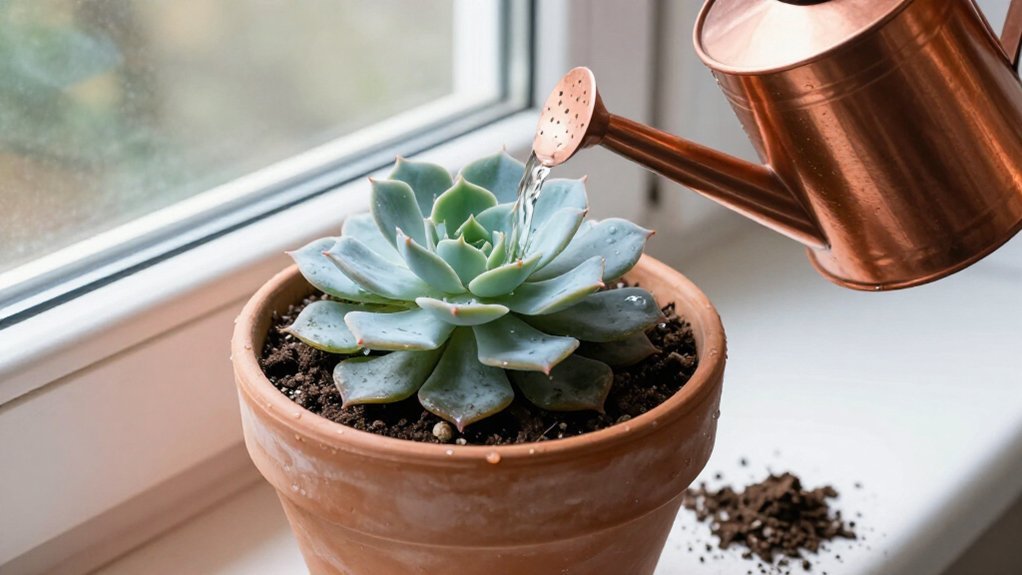
You’ll want to master the soak and dry method because it mimics the natural rainfall patterns your succulents evolved to thrive in, where deep, infrequent watering encourages roots to grow strong and downward rather than shallow and weak. Here’s how you’ll execute it: first, pour room-temperature water slowly onto the soil until you see it flowing freely from the drainage holes, then you’ll wait, checking the soil with your finger or a moisture meter until the top two inches feel completely dry before repeating. This approach prevents the dreaded root rot that kills more indoor succulents than any other cause, while simultaneously flushing away salt buildup that can accumulate in pots without drainage holes, leaving you with a resilient root system capable of sustaining your Echeveria or Haworthia through both the active growing season, when you might water weekly in USDA zones 9-11 conditions, and the winter dormancy period, when you’ll stretch that interval to four or even six weeks depending on your home’s humidity and light levels.
Recommended Products

Accurate Soil Moisture Detection: The XLUX Soil Moisture Meter can tell you if the soil deep inside your pot or garden is dry, moist or wet; whereas your eyes and fingers can only determine the moisture level of the soil surface. The probe is 5.5 inches (14 cm) longer than regular styles, allowing it to measure the soil moisture at the bottom of larger and deeper flower pots.
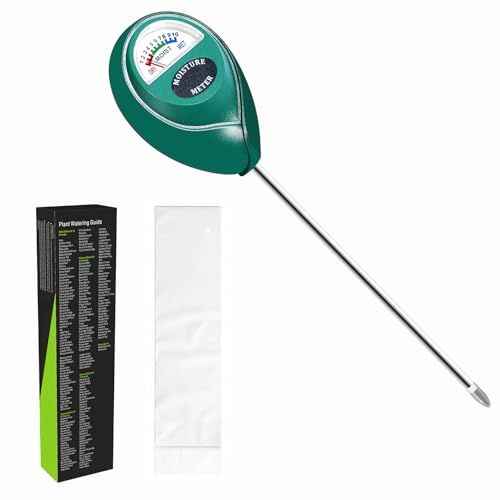
Trusted Since 2015: Become one of the many plant lovers who rely on the proven accuracy of XLUX. Established in 2015, our soil moisture meter has earned over 60,000+ verified ratings for its consistent performance. While many many newer brands come and go, we provide the long-term reliability and quality that American households have trusted for over a decade.
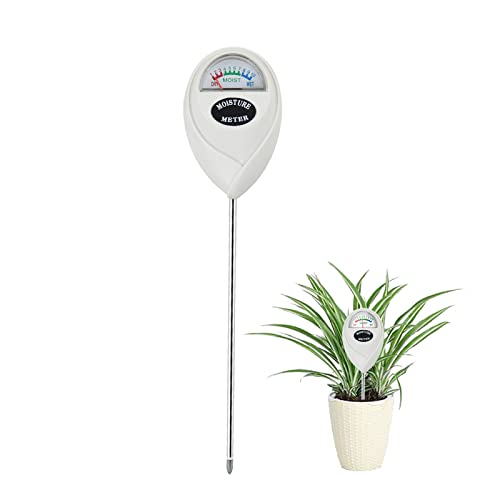
【SAVE YOUR PLANTS】: Over watering can cause problems with your plants or even kill them. This soil moisture meter helps you know the soil is dry, moist or wet.No more over watering!
Why It Works
Why does the soak and dry method produce such resilient, thriving succulents? You replicate the arid conditions these plants evolved to withstand, triggering robust root growth and preventing the fungal infections that plague chronically damp soil.
When you check soil moisture thoroughly and wait for complete dryness, you eliminate root rot before it starts. Your indoor succulents develop deeper, more extensive root systems because they must actively seek water. This physiological response strengthens their overall structure and drought tolerance.
- Deep watering mimics desert rainstorms, encouraging roots to grow downward
- Complete drying periods allow oxygen to penetrate the potting mix
- Variable watering schedule prevents dependency on constant moisture
- Dry cycles stress roots just enough to stimulate resilience without damage
- Room-temperature water at the base protects delicate leaf tissues
You create self-sufficient plants that forgive occasional lapses in attention.
Step-by-Step Process
Where exactly do you begin when your echeveria’s leaves start wrinkling or your jade plant’s soil feels bone-dry? You start with the soak and dry method, the gold standard for watering indoor succulents.
First, check that the topsoil dry extends 2–3 inches down, then grab room-temperature water and pour slowly at the base until it streams from the drainage holes. This ensures deep saturation without wetting leaves, which invites rot.
Next, you wait. The soil dries at different rates depending on pot size: small containers need attention weekly in growing season, while larger pots hold moisture for 4–6 weeks in dormancy. You adjust accordingly, never watering on a rigid schedule.
When the cycle completes and the topsoil dry returns, you repeat. Your succulents thrive on this rhythm.
Root Health Benefits
How exactly does the soak and dry method transform your succulent’s root system from fragile and shallow to robust and resilient? When you water deeply until drainage flows from the pot’s bottom, then allow the soil dries completely, you create conditions that mirror the arid cycles these plants evolved to thrive in, forcing roots to stretch downward in search of residual moisture rather than lingering near the surface.
Your moisture check becomes the gatekeeper of root health, preventing the stagnant conditions where pathogens flourish. With proper drainage and patience between waterings, you deliver root rot prevention without chemical intervention.
- Deep watering encourages vertical root architecture in compacted potting mixes
- Complete drying cycles stimulate drought-tolerance adaptations in indoor succulents
- Moisture verification tools eliminate guesswork from your care routine
- Aerated root zones support beneficial microbial colonization
- Seasonal adjustment maintains vigor through growth and dormancy phases
Watering Frequency: Summer vs. Winter Indoors
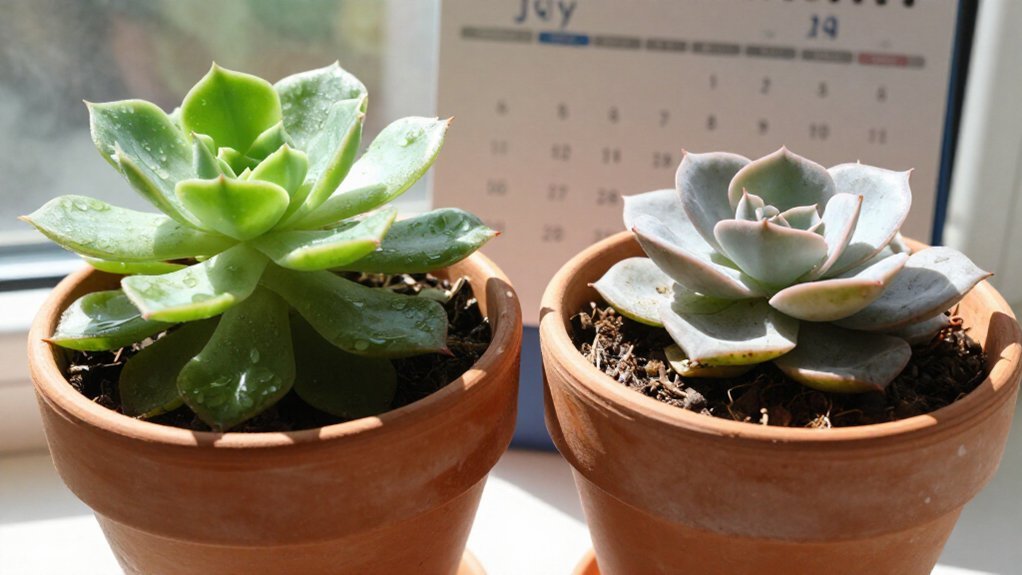
You’ll need to adjust your watering schedule considerably as seasons change indoors, since succulents actively grow in summer’s warmth and light but enter dormancy when winter’s shorter days arrive. During summer months, you should water approximately once weekly, checking that the soil has dried completely between sessions, while winter demands you scale back to roughly once monthly as your plant’s metabolic processes slow dramatically. This seasonal rhythm mirrors the arid climates many succulents originate from, where summer monsoons give way to extended dry periods, so you’ll want to observe your specific plant’s response and modify accordingly based on your home’s temperature, humidity levels, and whether you’re growing Echeveria, Haworthia, or other common indoor varieties.
Recommended Products

Ceramic Glazed Design: This succulent pots are fired at high temperatures with a refined glazed finish, offering durability and an elegant look that enhances your plants(ONLY CERAMIC PLANTER IS INCLUDED, NOT PLANTS INCLUDED)

Quality material: This succulent planter pot is made of ceramic which is durable and will not fade. The glazed ceramic planter pot is both beautiful and artist.

Small Succulent Planter With Drainage Holes and Mesh Pad: Large drain holes are good for draining, and with leak-proof mesh pads, it keeps soil from running away, suitable for orchids, succulents, cacti, other flowers and green plants, perfect for home decoration.
Summer Watering Cadence
When summer arrives and your indoor succulents enter their most active growth phase, you’ll want to adjust your watering rhythm to match their heightened metabolic demands.
You’ll typically water once a week indoors, though your specific cadence depends on several interconnected factors.
- Assess your soil composition, since fast-draining mixes demand more frequent soak-and-dry cycles than moisture-retentive blends.
- Monitor how quickly your pots dry, as smaller containers lose moisture rapidly while larger vessels prolong saturation.
- Embrace the soak-and-dry method, saturating thoroughly until drainage occurs, then permitting complete dryness before repeating.
- Account for pot size, which directly accelerates or extends your summer watering intervals.
- Evaluate your indoor conditions, recognizing that brighter, hotter summers increase evaporation rates considerably.
Winter Dormancy Adjustments
Why does your succulent’s thirst diminish just when the days grow shortest? During winter dormancy, your indoor succulents slow their growth dramatically as cooler temperatures and reduced light decrease evaporation rates, which means you’ll cut your watering frequency from roughly weekly in summer to approximately every four to six weeks depending on humidity, pot size, and soil composition.
For effective winter watering, you’ll rely on the soak-and-dry method: saturate the soil thoroughly until water drains from the bottom, then wait patiently. Before reaching for your watering can, you’ll perform a dryness test by inserting two fingers into the soil or using a moisture meter to confirm complete soil moisture depletion.
This disciplined approach ensures root rot prevention, protecting your plants through their resting season.
Why Pot Size and Drainage Change Your Schedule
How exactly do your pot choices reshape the watering calendar you’ve been trying to nail down? Your pot size and drainage fundamentally alter moisture retention, forcing you to recalibrate every time you repot.
Small potting containers dry rapidly, demanding weekly attention, while larger vessels extend intervals to 2–3 weeks, especially in winter. You must prioritize drainage: multiple holes enable the soak-and-dry method, preventing root rot in indoor succulents. Unglazed terra cotta accelerates evaporation, requiring slight schedule adjustments despite its breathability.
Small pots demand weekly watering, large pots stretch to weeks, and terra cotta breathes fast—drainage holes save roots every time.
- Match pot size to root mass; oversized containers trap moisture unnecessarily
- Verify drainage holes allow complete emptying after each soak
- Adjust watering schedule seasonally, as pot volume affects drying speed
- Select porous materials cautiously, balancing airflow against accelerated drying
- Implement bottom-up watering for even saturation without leaf contact
Your container choices aren’t decorative afterthoughts, they’re structural determinants of plant survival.
Recommended Products

PRECISE POURING FOR PLANTS: Long & slender spout reaches deep into dense foliage to deliver hydration directly to the roots without spilling on leaves or disturbing soil

Flexible watering options: This watering can features a detachable shower head that switches between a direct stream and a soft spray; it suits both indoor and outdoor plants, giving you flexible control over water flow

Chapin Watering Can: Designed for standard lawn and garden water tasks, the half gallon black poly water tank means it is lightweight to carry and the convenient large top opening ensures easy filling - making this watering can a versatile tool for all your watering needs
Signs You’re Overwatering Your Succulent
Your carefully chosen pot and drainage setup can only protect your succulent so much if you misread the signals it’s sending you, and overwatering remains the single most common killer of indoor succulents across all USDA hardiness zones. You must recognize the signs of overwatering before root rot sets in, because once fungal pathogens invade saturated tissue, recovery becomes uncertain.
Watch for leaves turning pale or translucent, then soft and mushy to the touch. You’ll notice yellowing starts at the base and spreads upward, while the stem may darken or collapse. Most tellingly, the soil stays damp for days after you water, refusing to dry as it should between soak-and-dry cycles. When soil dries too slowly, you’re watering too frequently for your drainage conditions. These symptoms demand immediate attention: stop watering, check root health, and adjust your schedule so the entire root zone dries completely before you add more water.
Recommended Products

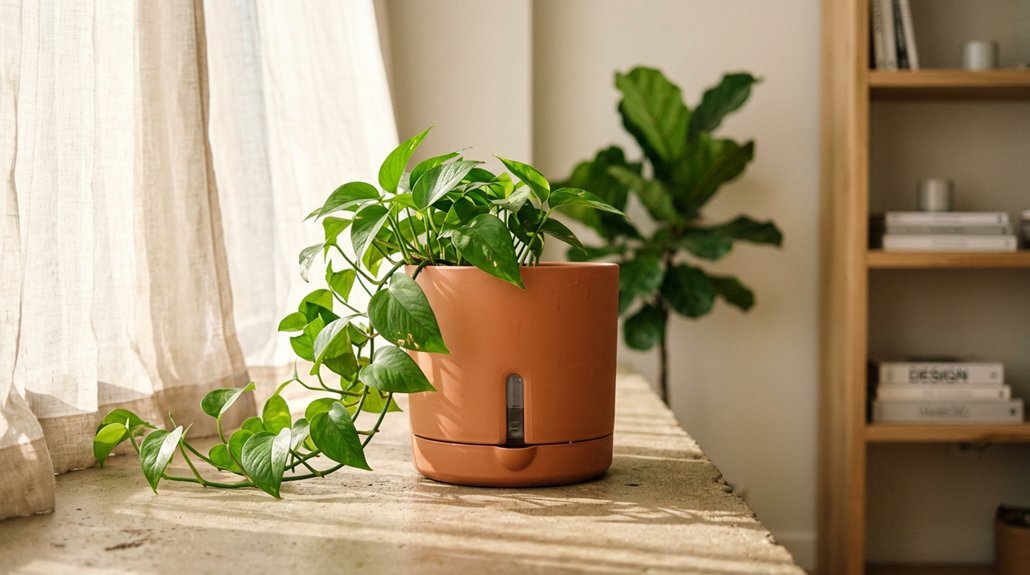
🌿【Self-Watering System with Water Level Indicator】Never overwater or underwater again! Our 6 inch self-watering pots feature an absorbent cotton wick system that draws water automatically from the detachable tray. The unique transparent water level window lets you monitor hydration at a glance—ideal for vacations or busy schedules, keeping soil evenly moist for up to5-7days. These indoor plant pots with drainage take the guesswork out of plant care.
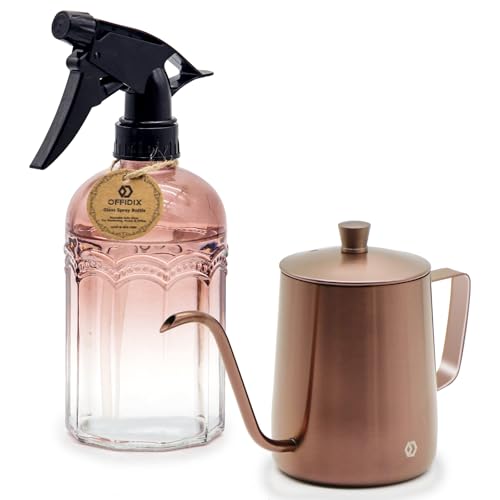
【Size and Capacity】The watering can is the ideal indoor plant watering can for plants around your home.Every package includes a 21oz/600ml stainless steel watering can and 14 oz /400ml plant mister spray bottle. The combination of the watering can and glass spray bottle can better meet your needs. The watering can and plant mister unique design is ideal as gift for house plant lovers.

Plant Pots / Flower Pots - Invest in a beautiful garden to harvest the seeds of love, with the set of pots for indoor or outdoor plants
How to Save an Overwatered Succulent
When you’ve caught the warning signs early enough, there’s still a narrow window to rescue your succulent from root rot‘s irreversible damage, though you’ll need to act decisively and accept that some specimens, particularly tender Echeveria hybrids in USDA zones 9–11, may not recover if fungal infection has spread through the crown.
Remove the plant from its pot and inspect the roots, trimming any black, mushy tissue with sterilized shears. Repot into fresh, fast-draining mix with perlite or pumice in a container with a drainage hole. Resume succulent care only after the soil dries completely, abandoning your previous indoor watering schedule entirely.
- Cease all watering immediately and relocate to bright, indirect light
- Sterilize pruning tools between cuts with 70% isopropyl alcohol
- Dust cut roots with cinnamon powder to inhibit fungal growth
- Wait one week before introducing minimal soak-and-dry cycles
- Monitor soil moisture with a meter, never guessing hydration levels
Signs Your Succulent Needs Water Now
Succulents rarely announce their thirst with fanfare, yet attentive growers learn to read the subtle vocabulary of plant stress before damage sets in. You’ll notice leaves losing their plump firmness, becoming soft or wrinkled like a deflated balloon, and the lower foliage may curl inward or drop prematurely. These signals intensify during active growth, though you’ll water far less frequently during dormancy.
Don’t rely on topsoil dryness alone, which can mislead you about deeper moisture levels. Instead, insert two fingers into the soil to confirm the top 2–3 inches feel completely dry. Smaller pot size accelerates this drying process, demanding more frequent attention within your schedule. When you’ve confirmed thirst, apply room-temperature water using the soak-and-dry method: saturate until drainage occurs, then withhold until dryness returns.
Recommended Products
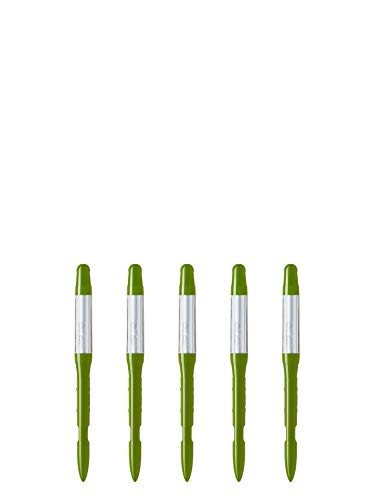
Dimensions: 0.4 x 0.3 x 4.7 inches (small) - Intended for pot sizes of 2, 2.5, and 3 - Ideal for small succulents

【4 in 1 function】This is a 4-in-1 multifunctional soil tester.Our soil tester fastly to measure soil moisture, pH, temperature and sunlight to help you take better care of flowers and plants.You can know when you need to water your soil by measuring moisture and pH & Temperature value of the soil and sunlight level of plants with it.

Accurate Soil Moisture Detection: The XLUX Soil Moisture Meter can tell you if the soil deep inside your pot or garden is dry, moist or wet; whereas your eyes and fingers can only determine the moisture level of the soil surface. The probe is 5.5 inches (14 cm) longer than regular styles, allowing it to measure the soil moisture at the bottom of larger and deeper flower pots.
How Humidity, Light, and Temperature Affect Watering
Environmental conditions reshape every assumption about timing you’ve gathered from calendar schedules or expert recommendations, because static rules fail when humidity climbs toward 60 percent, winter temperatures settle into the 50s, or a north-facing window delivers barely 200 foot-candles of illumination. You must adjust your watering frequency for indoor succulents based on these three interconnected variables, since high humidity slows soil moisture evaporation, cool temperatures reduce metabolic demand, and dim light suppresses growth.
Static watering schedules collapse when humidity, temperature, and light diverge from ideal conditions—adapt your approach to what your environment actually delivers.
- Monitor humidity with a hygrometer, reducing irrigation when readings exceed 50 percent.
- Track temperature drops below 65°F, extending dry periods accordingly.
- Supplement insufficient light with grow lights to maintain normal watering rhythms.
- Apply the soak-and-dry method only after verifying complete substrate desiccation.
- Water at the base with room-temperature water, avoiding leaf contact to prevent rot.
Recommended Products

Assortment Size: 100 pcs 2 3 4 inches assorted sizes grey plant pot hole mesh screen; 50 pcs for 2" mesh, 25 pcs for 3" mesh, 25 pcs for 4" mesh

Right Size - The 6-Pack 4-Inch Indoor Plant Pots are ideal for small indoor and outdoor Plants and flowers, such as Orchids, aloe, snake plants, peace lilies, ZZ plants, succulents, mint, cacti, and herbs.

【Standard Size】6 Pcs 4-inch plant pots designed for small indoor and outdoor plants and flowers, such as snake plants, pothos, monstera, basil, mint, cilantro, rosemary, and other small varieties.