


Your plant’s stalled growth rarely signals disaster, yet you need precise diagnostics to restart leaf production. Light intensity below 100–200 foot-candles for tropical species like Monstera deliciosa or Ficus lyrata halts cellular division, while root congestion in containers exceeding two years without repotting starves emerging buds. You’ll measure moisture with a wooden skewer before watering, maintain 65–75°F with 40–60% humidity, and inspect leaf axils for spider mites. The real question isn’t what’s wrong, it’s which factor you’ve overlooked.
Why Your Plant Looks Stalled (Even When It’s Not)
When you’re staring at your plant day after day, wondering why nothing seems to be happening, you’re often witnessing a process that’s invisible to the untrained eye rather than a true growth stall.
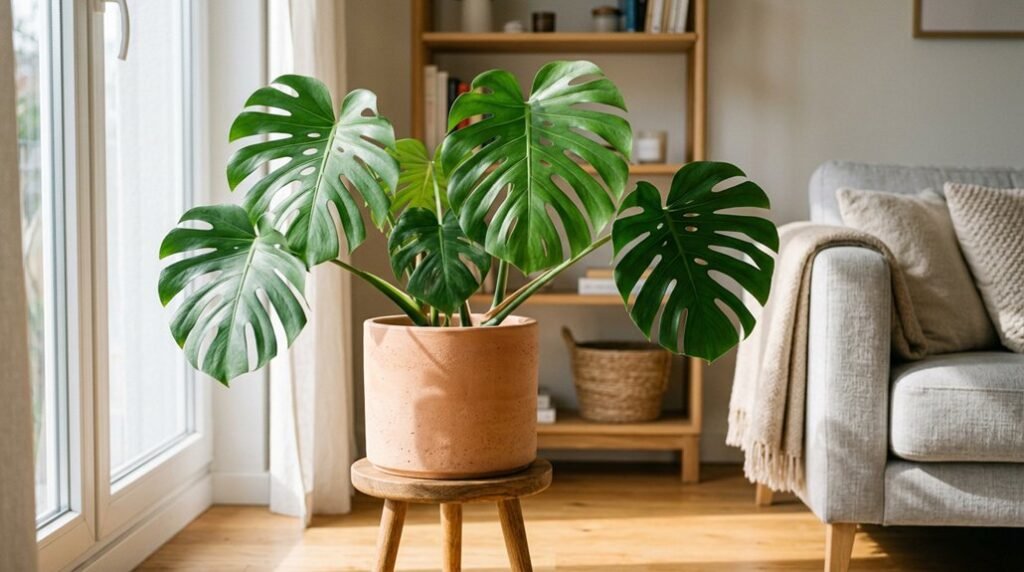
That tiny point you’re squinting at, the one barely pushing from the stem tip, it’s likely a leaf beginning its unfurling journey, so patience becomes your most valuable tool. Meanwhile, your plant might be pouring energy into roots, especially if you’ve recently moved it from water propagation to soil, because root establishment precedes visible top growth. Check whether your Monstera deliciosa or Ficus lyrata has become rootbound in its container, since cramped roots cannot access adequate nutrients or water. Overwatering or inconsistent moisture also damages roots, stalling above-ground progress despite hidden activity. You’ll help resume development by repotting into fresh, well-draining mix, selecting a container 1 to 2 inches larger, and ensuring proper drainage holes.
Recommended Products
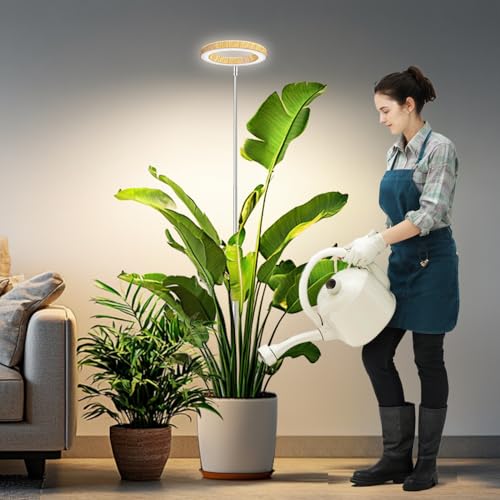
Elegant Faux Woodgrain Design: This halo grow light has a unique faux woodgrain design that complements any interior space. Compared with other plant lamps using bamboo materials, ours will not crack or fall off. Whether it’s used as a light for indoor plants or adding a stylish content to your home decor, this plant lamp is both practical and beautiful

NOTE: The product stand needs to be pressed down by the flower pot to be stable. Not wireless style. 2 Installation Methods: Specially designed plant light for indoor plants, which can be inserted in the soil or stand for lighting.Unique and easy to assemble and disassemble.
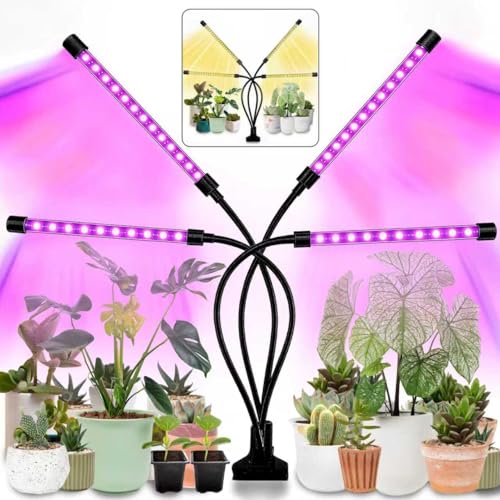
🌻Efficient LED Combination: This LED lamp has grow lights made up of 80 efficient growing LEDs ( 32 red lights, 12 blue lights,20 yellow lights and 16 white lights). It meets the conditions of plant growth without sunlight. 1--Full Spectrum(380nm-800nm): Suitable for all plants to root and sprout. 2--Red(660nm)+BLUE(460nm) Spectrum: for blooming and fruits. 3--Red+Blue+Full Spectrum: A mix of Red+Blue+Warm White is best to fuel the growth of your plants.
Check Light Levels First (The #1 Reason for No New Leaves)
Before you repot, adjust watering schedules, or second-guess your care routine, you need to step back and look at your light situation, because inadequate illumination is the single most common culprit behind stalled leaf production. Light levels directly control photosynthesis, and when they’re too low, your plant simply cannot generate enough energy to push out fresh foliage.
You’ll notice spindly, elongated stems and leaves that stay undersized or refuse to unfurl. In winter, shorter days naturally slow tropical houseplants, but if your specimen has languished in dim conditions for months, upgrading to brighter, filtered light, within 3-5 feet of an east or south-facing window, often triggers new growth. Pair improved light levels with consistent watering and balanced nutrition, and you’ll see recovery within 4-6 weeks as fresh leaves emerge.
Recommended Products
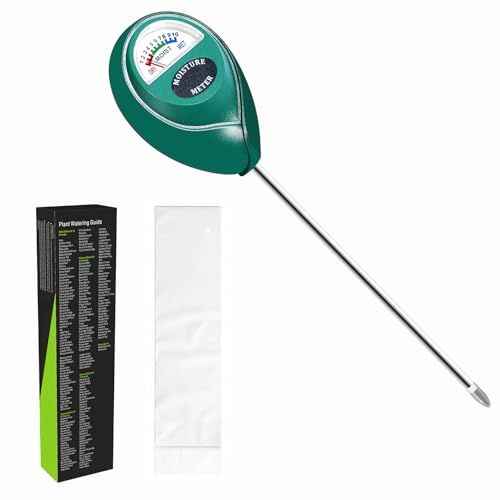
Trusted Since 2015: Become one of the many plant lovers who rely on the proven accuracy of XLUX. Established in 2015, our soil moisture meter has earned over 60,000+ verified ratings for its consistent performance. While many many newer brands come and go, we provide the long-term reliability and quality that American households have trusted for over a decade.

Accurate Soil Moisture Detection: The XLUX Soil Moisture Meter can tell you if the soil deep inside your pot or garden is dry, moist or wet; whereas your eyes and fingers can only determine the moisture level of the soil surface. The probe is 5.5 inches (14 cm) longer than regular styles, allowing it to measure the soil moisture at the bottom of larger and deeper flower pots.

WATER LEAK DETECTOR detects relative moisture content from leaks and flooding
When Root Crowding Blocks New Leaves
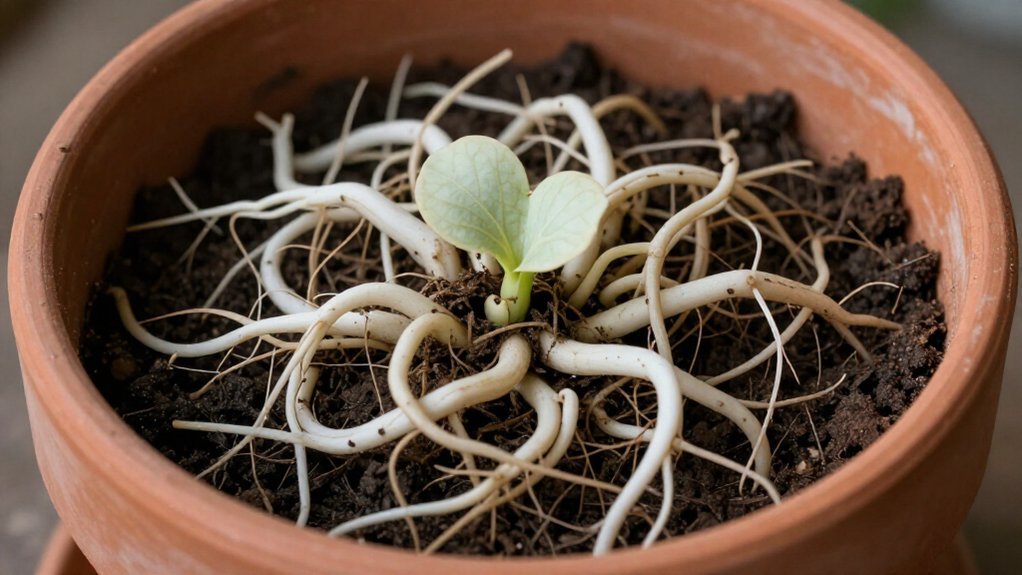
If your plant’s top growth has slowed to a crawl despite adequate light and water, you’ll need to roll up your sleeves and inspect what’s happening below the soil line, because root crowding frequently chokes off the very system your plant depends upon for fuel.
Root crowding occurs when roots completely fill their container, leaving no room for expansion. You’ll spot trouble when roots circle the pot’s interior or poke through drainage holes. This compression starves your plant of nutrients and water, stalling leaf production entirely.
Revive your plant by repotting into a container only 2–4 cm wider, using fresh, well-drained potting mix. This modest upgrade prevents waterlogging while granting roots immediate space to spread. Within weeks, you’ll notice renewed vigor as root expansion resumes and nutrient uptake restores.
Monitor root health annually, repotting before crowding recurs, so growth stagnation never takes hold again.
Recommended Products

[LARGE CAPACITY & LEAK-PROOF TOP FILLING] 2.1-gallon large room humidifier provides up to 48 hours of continuous use for all-night operation; leak-proof top-fill design allows easy water pouring without tilting or spills. 300mL/h mist output humidifies up to 500-800 sq.ft, making it the perfect humidifier large room, humidifiers for bedroom, air humidifier for home, living room and office.

𝙀𝙭𝙥𝙚𝙧𝙞𝙚𝙣𝙘𝙚 𝙎𝙢𝙖𝙧𝙩 𝙃𝙪𝙢𝙞𝙙𝙞𝙛𝙞𝙘𝙖𝙩𝙞𝙤𝙣: With Vesync APP, enjoy the convenience of adjusting humidity levels from anywhere, at any time. Enhance your lifestyle with the advanced auto mode, customizable scheduling, and timer. To learn more, please keep reading

Smart APP & Voice Control: With the powerful system, you can easily set your smart humidifier anytime, anywhere. Added convenience with cleaning reminders, schedules, and timer options. Connect to a third-party voice assistant and the smart humidifier will perform the corresponding actions immediately by your voice command. Compatible with Alexa, Google Assistant, and IFTTT. (Only Support 2.4G Wi-Fi.)
Root Rot From Overwatering: The Hidden Growth Killer
Why does your plant stubbornly refuse to push out fresh foliage despite your attentive care? You might be drowning it. Chronic overwatering triggers root rot, a condition where saturated soil suffocates roots, turning them brown and mushy instead of firm and white-tan.
When root rot sets in, your plant cannot absorb water or nutrients, forcing it into survival mode. Photosynthesis drops, and new leaf emergence stalls completely.
You need to inspect the root system immediately. Gently remove your plant from its pot, examine the roots, and identify any soft, discolored sections. Let the soil dry thoroughly between waterings, adjusting your schedule to match the plant’s actual needs, not a rigid calendar.
If you confirm root rot, trim damaged roots, repot into fresh, well-draining mix, and follow established treatment protocols. Recovery takes patience, but you’ll restore healthy growth.
Recommended Products

Grow beautiful blooming orchids with Miracle-Gro Indoor Potting Mix for Orchids, a coarse blend that grows stronger roots and vibrant blooms (vs unfed when used as directed)

ONE TRAY FOR EVERY GARDENING TASK – From mixing potting soil and repotting houseplants to transplanting seedlings, propagating cuttings, bottom watering, hydroponics, seed starting, pruning, transporting plants, and organizing gardening supplies, this versatile gardening tray simplifies every stage of plant care indoors or outdoors and reducing mess.

【Planting Bags Material】Made of thick non-woven fabric, sturdy and lightweight, it can be directly planted on the ground and in gardens.
Watering Mistakes That Stall Leaf Production
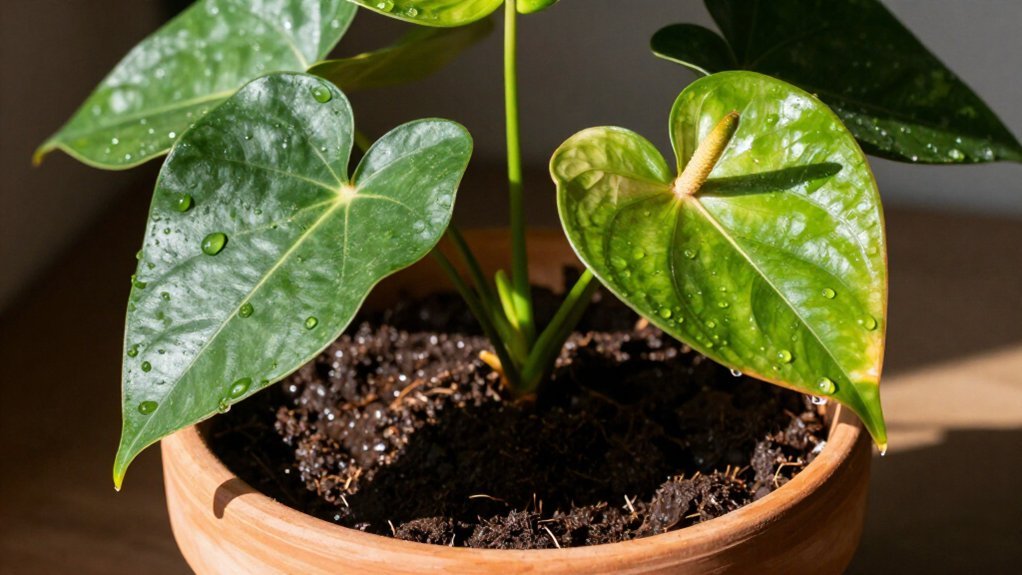
How often are you reaching for that watering can? If you’re watering too frequently, you’re drowning your plant’s roots, which triggers rot and chokes off the nutrient uptake that fuels new leaf production. You need to let the soil dry between waterings, and you must confirm your pot has drainage holes to prevent waterlogging.
Your watering habits also need consistency. When you deliver irregular moisture, you stress the plant and suppress the vigor required for fresh growth. Check the soil before each session, insert your finger two inches deep, and only water when it feels dry. This measured approach, combined with proper drainage, restores the conditions your plant needs to push out new leaves.
Recommended Products

Protect your oasis with 3 garden products in 1 from Captain Jack’s; Bonide Captain Jack’s Ready-to-Use Neem Oil spray for plants is a multi-purpose fungicide, insecticide and miticide for your lawn & garden
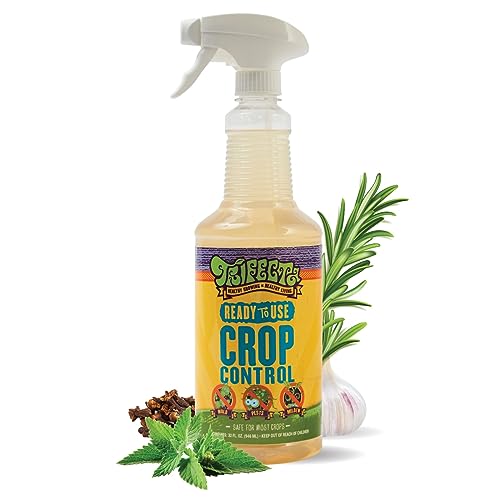
CROP, GARDEN & HOUSEPLANT INSECT CONTROL. Trifecta Crop Control all-natural, plant-based formula effectively combats destructive spider mites, aphids, whiteflies, fungus gnats, and other soft-bodied pests on indoor and outdoor plants. Our biodegradable, eco-friendly solution is safe for use on edible crops, without chemical residues. Our gentle yet potent plant spray suffocates and dehydrates pests without harming beneficial insects or the environment, making it ideal for organic gardening.

KILLS MULTIPLE MITE SPECIES — ALL LIFE STAGES: — Eliminates mites on contact with 95%+ proven efficacy. Kills dust mites, scabies, bird mites, red spiders, two-spotted spider mites, rodent mites, chiggers, and more—across all life stages: eggs, larvae, adults.
Nutrient Gaps That Starve New Growth
When did you last feed your plant? Nutrient depletion strikes after 12–18 months in the same pot without regular feeding, and you’ll notice stalled growth with pale, yellowing leaves. Even with perfect light, your plant cannot build new foliage from depleted soil.
You must restore what is missing. Apply balanced liquid fertilizer every 2–4 weeks through spring and summer, or use continuous-release fertilizer for six months of steady nutrition. This supports tropical foliage growth between applications.
If your soil exceeds three years old, replace it entirely. Fresh potting mix with built-in nutrients jumpstarts uptake and new leaf production. You have the tools to reverse this stagnation. Feed consistently, refresh when needed, and watch your plant resume the growth you have been waiting for.
Recommended Products
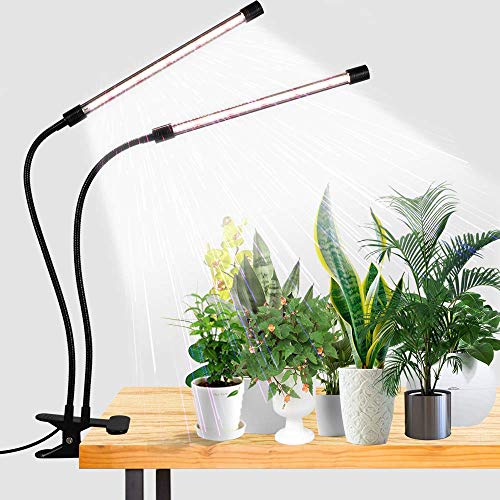
6000K White Light - equipped with 10 Red + 74 White LEDs, this growing Lamp is similar to the full-spectrum sunlight at noon,that is professionally designed for indoor garden plants.Moreover, its color rendering index is as high as 95, the light is soft and flicker-free, which is very suitable for reading lamp

Broad and Vertical Lighting: Illuminate your indoor plants with the Barrina Vertical Standing Grow Light. With its 4FT height and side lighting design, it provides broad coverage, making it perfect for tall or large potted plants. Experience the benefits of vertical lighting

FULL SPECTRUM & NATURAL LIGHT: A19 full spectrum grow light appears 4000K white to eyes but has a red/blue light spectrum. Same as natural sun shine, perfect for tomatoes, cucumbers, peppers, leafy greens and herbs at all growth stages.
Why Dry Air and Cold Drafts Stop New Leaves
You might not realize it, but your home’s dry air and sneaky cold drafts are quietly sabotaging your plant’s ability to push out new leaves, as low humidity causes stressed, browned edges and delayed unfurling while chilly currents slow metabolism to a crawl. When your indoor humidity drops below 40 percent, particularly in winter-heated spaces or air-conditioned rooms, tropical species like Calathea orbifolia or Monstera deliciosa, hardy only to USDA zones 10–12 outdoors, will stagger their growth cycles even with perfect watering and fertilizing routines. You’ll need to shield your plants from forced-air vents, drafty windows, and sudden temperature swings below 65°F (18°C) at night, while boosting ambient moisture through grouped plantings, humidity trays filled with pebbles and water, or targeted misting twice daily, so that new leaves emerge on schedule without the telltale brown tips or stuck sheaths that signal environmental distress.
Recommended Products

【4 in 1 function】This is a 4-in-1 multifunctional soil tester.Our soil tester fastly to measure soil moisture, pH, temperature and sunlight to help you take better care of flowers and plants.You can know when you need to water your soil by measuring moisture and pH & Temperature value of the soil and sunlight level of plants with it.

HUMIDITY SENSOR: Our handy meter tool can quickly determine what level of remediation is needed to keep your family safe from black mold. High levels of dampness that go untreated are the leading cause of harmful fungus growth in the home.
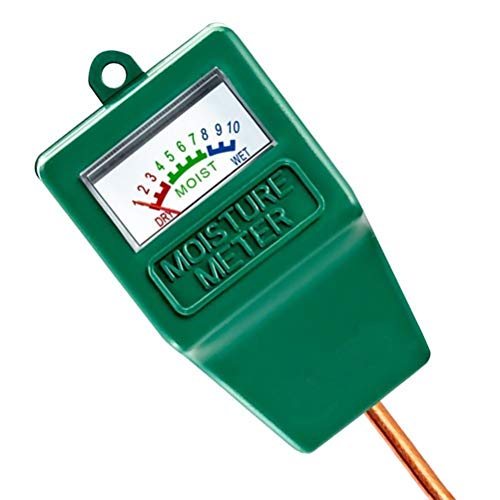
Soil Moisture Meter: This single probe soil moisture meter is specially designed for testing the moisture level in the soil, helps you decide whether the plants need water or not, helps to keep plants alive.
Humidity Deficit Effects
Where exactly does your tropical houseplant struggle when the air turns dry? Your plant’s stomata clamp shut, choking off the carbon dioxide exchange that fuels photosynthesis, and that deficit stalls the cellular division required for new leaf primordia to emerge.
When humidity drops below 40%, you’re forcing your tropical species, such as *Monstera deliciosa* or *Philodendron hederaceum*, to redirect metabolic energy toward stress responses rather than growth. You will notice delayed unfurling, crispy leaf margins, or complete cessation of new nodes. Maintaining ambient humidity between 40 and 60% keeps stomata operational, transpiration steady, and auxin flow directed toward shoot apical meristems. Pair this with gentle airflow and stable temperatures between 65 and 80°F, USDA zones 10 through 12 preferences, and you synchronize root vigor with the emergence of healthy, fully expanded foliage.
Draft Exposure Damage
How exactly does an unseen current of air sabotage your tropical houseplant’s next leaf? Draft exposure triggers stomatal closure, which slashes photosynthesis and stalls new leaf formation before cells ever begin dividing. You might place your Ficus lyrata near a vent or window, unaware that each temperature dip forces metabolic shutdown. Dry indoor air compounds this damage, dropping humidity below the 50-60% tropical species require and causing tip browning on delicate new growth. Lightweight curtains near draft sources worsen cold microclimates, trapping chill rather than blocking it. To prevent this, you must position plants at least 3 feet from HVAC vents and drafty glass, maintaining steady temperatures between 65-75°F. Stable conditions let your plant redirect energy toward emerging foliage, typically visible within 2-4 weeks under optimal care.
Pests and Diseases Hiding in Plain Sight
Sometimes the most obvious explanation for stalled growth hides in the smallest details, and when your plant refuses to push out new foliage despite proper light and water, the culprit may be colonizing your leaves in near-invisibility. Pests such as spider mites, scale, thrips, and aphids drain sap and halt development, so you must inspect both leaf surfaces, joints, and growing tips for telltale specks, webbing, sticky honeydew, or mottled patterns.
You’ll find these invaders concealed where stems meet leaves, often requiring magnification to detect early populations. Check weekly, especially on tropical specimens like Ficus lyrata (USDA zones 10-12) or Monstera deliciosa. At first sign, isolate the plant, remove visible pests manually, then apply insecticidal soap or horticultural oil at 2% concentration, repeating every 7-10 days until new growth resumes without damage.
Recommended Products

High-Quality Material & Design:Carefully selected material made of upgraded ABS with polymer foam and breathable mesh inside. The innovative triple windows ensure effective moisture release

【Brand New and High Quality】Carefully selected materials,made of upgraded ABS,inner with polymer sponge and stainless steel mesh, 100% brand new and high quality,good performance and great choice

𝙀𝙭𝙥𝙚𝙧𝙞𝙚𝙣𝙘𝙚 𝙎𝙢𝙖𝙧𝙩 𝙃𝙪𝙢𝙞𝙙𝙞𝙛𝙞𝙘𝙖𝙩𝙞𝙤𝙣: With Vesync APP, enjoy the convenience of adjusting humidity levels from anywhere, at any time. Enhance your lifestyle with the advanced auto mode, customizable scheduling, and timer. To learn more, please keep reading
Why Recently Rooted Cuttings Pause Before New Leaves
When you’ve finally coaxed roots from a cutting after weeks of anticipation, it can feel puzzling, even frustrating, to watch your new plant sit seemingly idle, refusing to push out the fresh foliage you expected.
Your cutting is likely prioritizing root growth beneath the surface, directing stored energy toward stabilizing its foundation before risking resources on new leaves. Water-rooted specimens, especially in Pothos or Philodendron, often display a pointed tip indicating imminent unfurling, yet true emergence stalls for weeks. You’ll notice faster results after shifting to soil, where a 6-inch pot with fresh, well-draining mix, such as a peat-perlite blend, encourages robust expansion.
Expect this pause to last 4-8 weeks post-rooting, sometimes longer for woody cultivars like Ficus elastica in USDA zones 9-11. Maintain consistent moisture, bright indirect light at 200-400 foot-candles, and resist fertilizing until active top-growth resumes. Your patience rewards fuller development.
Recommended Products

Better Materials: EVA is a harder and more stable material than PE, which maintains its shape even after prolonged use, unlike fabric products that always easily collapse. Raised particles on the Outer surface enhance anti-slip performance. Smooth inner surface that will not contain any dirt

【Planting Bags Material】Made of thick non-woven fabric, sturdy and lightweight, it can be directly planted on the ground and in gardens.

Higher Plant Quality: Develops a well-branched, non-tangled root system, reducing transplant shock and increasing survival rates by 30%-50% (critical for large saplings and rare species).
Advanced Fixes for Persistent Growth Stalls
You’ll want to start by pulling your plant from its pot to inspect the root system, checking for circling, compacted, or dark, mushy roots that signal it’s rootbound or suffering rot, since these conditions directly block the energy transfer needed for new leaf initiation. If you recently propagated this cutting, recognize that growth resources often reroute toward establishing roots or repairing transplant stress, meaning visible leaf emergence may lag 4–8 weeks behind root formation, especially in slower-rooting species like Ficus elastica or Hoya carnosa. Once you’ve assessed both factors, you can match your intervention, whether that means trimming damaged roots, repotting into a 6-inch terracotta container with a 2:1:1 mix of peat, perlite, and orchid bark, or simply waiting with adjusted watering for propagation energy to rebalance toward foliar growth.
Recommended Products

NATURAL & NON-TOXIC FORMULA: Plant-based ingredients provide a safe alternative to harsh chemical treatments. Designed for use in homes, farms, chicken coops, cages, and pens when used as directed
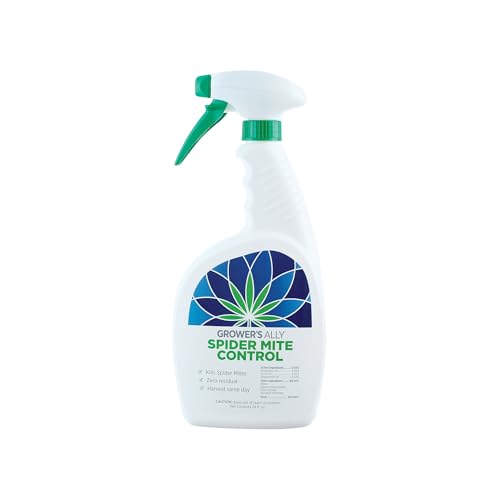
MAXIMIZE YIELDS – Grow healthier plants with Grower’s Ally Spider Mite Control. Our natural garden safe spray kills and repels common soft-bodied insects, including adult and nymph spider mites.

GARDEN PEST CONTROL AND FUNGICIDE: Ortho Insect, Mite and Disease 3-in-1 Ready-to-Use outdoor disease and bug spray is a garden disease and pest control product kills aphids, spider mites, Japanese beetles, whiteflies and other listed insect pests
Root System Assessment
Because persistent growth stalls often trace back to hidden problems beneath the soil surface, you’ll need to examine your plant’s root system with the same attention you’ve given its leaves and stems.
Gently remove your plant from its pot and inspect the root ball. If you see roots circling the container’s interior, growing through drainage holes, or causing soil to dry within 24–48 hours after watering, you’ve got a rootbound specimen. This congestion chokes nutrient uptake and halts new leaf production.
Select a container 2–4 cm wider, fill it with fresh, well-draining potting mix, and tease apart circling roots before replanting. Should you discover brown, mushy roots instead of firm, white-tan tissue, you’re dealing with rot from overwatering. Trim damaged sections, treat remaining healthy roots with fungicide, and adjust your watering schedule immediately.
Propagation Stage Check
Root system problems aren’t the only hidden cause of stalled growth, and if you’ve ruled out potbound conditions or rot, your plant’s propagation stage might be the overlooked factor. During propagation, your plant diverts energy to root development rather than pushing new foliage, which creates an invisible delay that frustrates many growers.
- Recognize that water-grown cuttings often show only a growing point or leaf tip for several weeks to months before true leaves emerge.
- Transition established water roots to soil, where improved nutrient uptake typically triggers faster overall growth.
- Inspect stem ends carefully, that small spot you notice often precedes full leaf unfurling.
- Expect two months of delayed top growth during rooting and acclimation, especially with philodendron cuttings in USDA zones 9 through 11.
Propagation stage check complete, you’re witnessing normal biological prioritization, not failure.