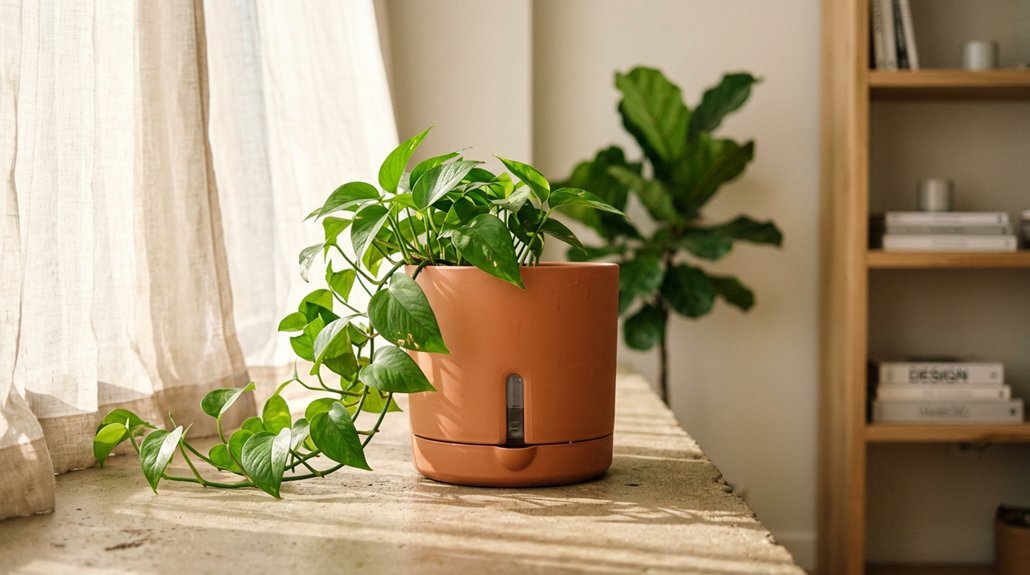



You might assume that beginner-friendly houseplants require constant attention, yet the 2026 market offers cultivars that thrive on neglect. Your success depends on matching specific conditions, measured in foot-candles and watering intervals, to proven performers like the ZZ Plant ‘Raven’ (Zamioculcas zamiifolia, USDA zones 9-11), which tolerates 50-150 foot-candles and monthly watering, or the Pothos ‘Neon’ (Epipremnum aureum, zones 10-12), surviving 100-250 foot-candles with biweekly hydration.
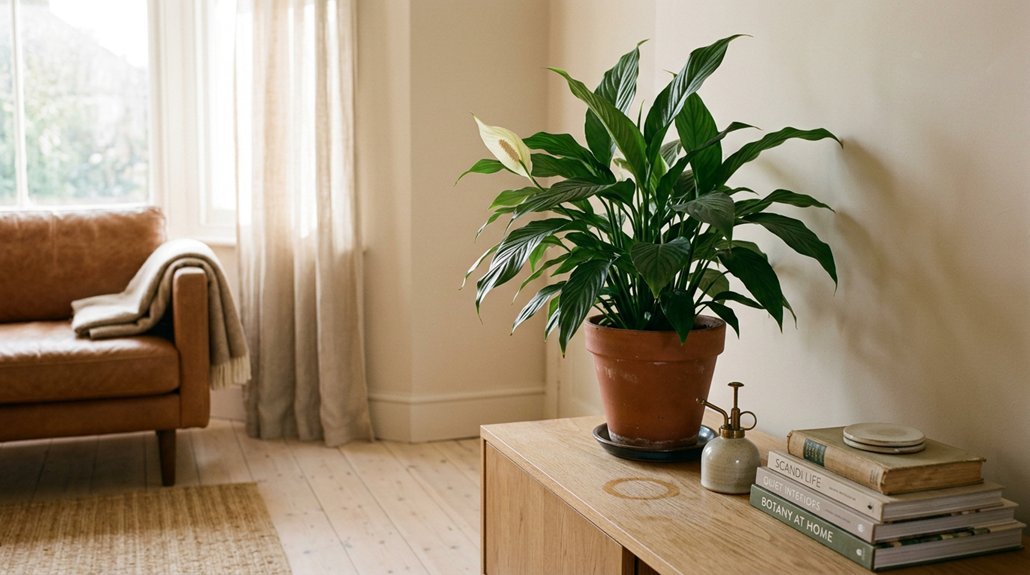
The Peace Lily ‘Sensation’ (Spathiphyllum, zones 10-11) droops visibly when thirsty, providing clear feedback, while the Snake Plant ‘Laurentii’ (Sansevieria trifasciata, zones 9-11) withstands 25-100 foot-candles and quarterly watering in winter. You will also encounter the Pilea peperomioides (zones 10-12), demanding bright indirect light at 200-400 foot-candles, and the Spider Plant ‘Bonnie’ (Chlorophytum comosum, zones 9-11), which produces plantlets for propagation at 150-300 foot-candles.
The Calathea ‘Orbifolia’ (Goeppertia orbifolia, zones 11-12) presents a steeper challenge, requiring 300-500 foot-candles, distilled water, and 60% humidity, yet rewards precise care with striking foliage. What remains unexamined is whether these seven selections truly eliminate the failure rate for novices, or if hidden variables in your specific environment, from water chemistry to seasonal light shifts, determine outcomes more than plant choice alone.
Indoor Plants: Ultimate DIY Guide to Growing House Plants

If you’ve ever wondered whether your dim apartment or busy schedule disqualifies you from cultivating thriving greenery, this guide meets you exactly where you are. It transforms uncertainty into rooted confidence through precise, actionable instruction.
You’ll master plant selection across USDA zones 10-11, including Pilea peperomioides, Zamioculcas zamiifolia, and Epipremnum aureum ‘Golden Pothos’, each tolerating 50-150 foot-candles of indirect light. Your care routine integrates measured watering, 40-60% humidity maintenance, and well-draining potting mix amended with perlite at 20% volume.
Propagation techniques, pest management for spider mites and fungus gnats, and troubleshooting yellowing leaves become second nature through step-by-step audio instruction. You’ll establish maintenance schedules, optimize placement near east-facing windows, and execute DIY projects including self-watering reservoirs.
Best For: Apartment dwellers and busy beginners seeking to cultivate thriving indoor plants through precise, actionable audio instruction without prior gardening experience.
Pros:
- Covers low-light tolerant species (50-150 foot-candles) suitable for dim apartments and challenging indoor spaces
- Includes specific, measurable parameters for care routines including humidity ranges (40-60%) and soil amendments (20% perlite)
- Integrates practical DIY projects like self-watering reservoirs with propagation and pest management techniques
Cons:
- Limited to USDA zones 10-11 plant selection, excluding guidance for colder climate species
- Audio-only format may hinder visual learners needing to see plant symptoms or propagation demonstrations
- Publication date indicates June 2025 release, making it unavailable for immediate access
Recommended Products

SLEEK, STYLISH ROOM DÉCOR: The architectural upright leaves of a real ZZ Plant provide a modern, sleek look that defines minimalist home decor. An excellent, stylish live plant choice for an office desk, plant shelf, or tabletop

STRIKING LIVE HOUSEPLANT: The Everlasting ZZ features bold, upright architectural foliage that transitions in color as it matures, making it a dynamic, eye-catching addition to any modern home or office decor
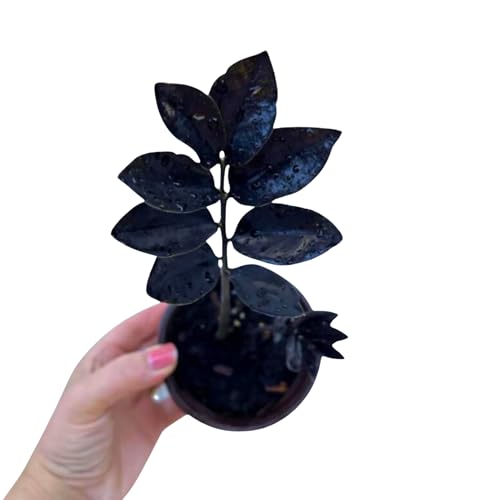
Eye-Catching Black Leaves – Glossy dark foliage brings modern flair to any room. Comes in Nursery Pot – Arrives ready to display with minimal setup required. Low Maintenance Beauty – Thrives in low light and dry conditions, great for busy lifestyles. Natural Air Purifier – Helps improve indoor air quality while looking stylish. Ideal for Contemporary Decor – Makes a bold, sculptural statement in homes and offices.
Costa Farms Live Indoor House Plants, Live Indoor Plant, Easy Care
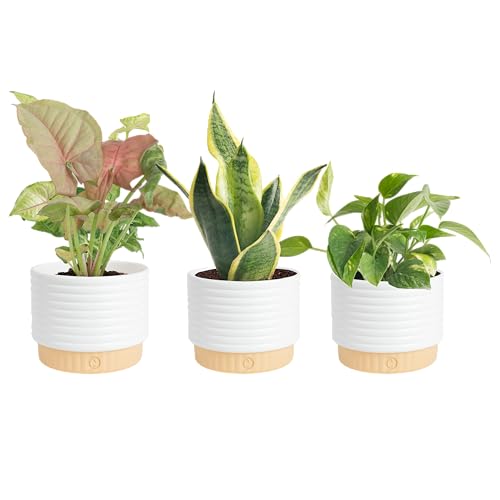
DECOR-READY LIVE INDOOR PLANTS: This 3-pack of houseplants offers incredible value to gift or instantly upgrade any space. Perfect for shelf, tabletop, or office desk....
Your plants arrive farm-fresh in specialized packaging designed to prevent soil spillage and leaf damage during transit. You’ll want to monitor weather forecasts closely, bringing the box indoors immediately upon delivery if temperatures threaten to drop below 50°F, as cold shock can manifest within hours of exposure.
This 3-pack delivers Peace Lily, Snake Plant, Fern, or Pothos specimens standing 8–10 inches tall. Each is selected for resilience across USDA zones 9–11 and adaptable to typical indoor conditions. You’ll find these varieties tolerate lower light and inconsistent watering, requiring only weekly moisture checks and monthly balanced fertilizer applications at half strength.
Grouping the trio amplifies visual impact while boosting humidity microclimates, supporting stomatal function and foliar health. They’re ideal for shelves, desktops, or office corners, transforming sterile spaces into vitality-rich environments without demanding horticultural expertise. Consider this collection for housewarmings, birthdays, or colleague appreciation, as living gifts outlast cut arrangements and demonstrate sustained thoughtfulness through ongoing growth.
Best For: Beginners seeking low-maintenance indoor plants or anyone wanting an easy, thoughtful living gift for housewarmings, birthdays, or office spaces.
Pros:
- Requires minimal care with weekly watering checks and monthly half-strength fertilizer, tolerating lower light and inconsistent watering
- Arrives in specialized packaging preventing soil spillage and leaf damage, ensuring farm-fresh quality upon delivery
- Grouping three plants amplifies visual impact while naturally boosting humidity for healthier foliage
Cons:
- Cold weather vulnerability requires immediate indoor retrieval if temperatures drop below 50°F to prevent cold shock
- Specific plant varieties (Peace Lily, Snake Plant, Fern, or Pothos) not guaranteed, so exact selection is unpredictable
- Limited to USDA zones 9–11 for optimal resilience, potentially restricting outdoor placement in cooler climates
Recommended Products

BEAUTIFUL POTHOS: California Tropicals' Pothos Neon is a stunning 4" houseplant with bright leaves in shades of green and yellow. It is an excellent choice for adding a cheerful and vibrant vibe to any room.

Vibrant Foliage: Pothos Neon Queen boasts striking neon green and white variegated leaves, creating a lively and eye-catching display that brings a burst of color and energy to any indoor space.

All of our listings have very representative pictures of what you would receive.
Houseplants for Beginners: Growing and Thriving Guide

You’ll master propagation basics, troubleshoot pests and diseases, and build confidence through step-by-step instructions, visual aids, and checklists designed for real homes. Callisto’s 204-page guide, published March 2021, emphasizes consistency and gradual skill-building to improve survival rates and reduce plant loss.
Your routine cultivates mindful habits, transforming tentative beginners into assured caretakers who enjoy lasting aesthetic rewards.
Best For: Aspiring plant owners seeking a structured, beginner-friendly guide to successfully select, grow, and maintain houseplants with confidence and long-term success.
Pros:
- Practical step-by-step instructions with visual aids and checklists tailored for real home environments
- Comprehensive coverage of fundamentals including propagation, troubleshooting, and seasonal care in an accessible 204-page format
- Emphasis on gradual skill-building and consistency that transforms beginners into confident caretakers with improved plant survival rates
Cons:
- Published in 2021, potentially lacking the most recent plant care trends or updated pest management recommendations
- Paperback binding may be less durable for frequent reference in humid gardening environments
- Fixed content cannot adapt to specific regional climates or unique home conditions not covered in the general guidance
Recommended Products
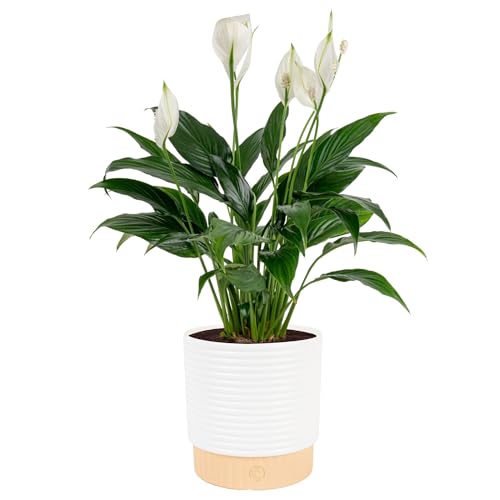
ELEGANT LIVE PLANT DECOR: The pure white blooms of the Peace Lily bring timeless sophistication to any space. Ideal as a tabletop centerpiece, living room accent, or serene office décor, this plant makes a thoughtful year-round or thoughtful gift for plant lovers and home décor enthusiasts

About the Plant: Peace Lily, scientific name: Spathiphyllum, is a low-maintenance and popular houseplant. It displays vibrant green leaves and bright white blooms that give off a sweet scent. Peace Lilies make perfect home decor and look beautiful sitting on a windowsill, end table, or bookshelf.
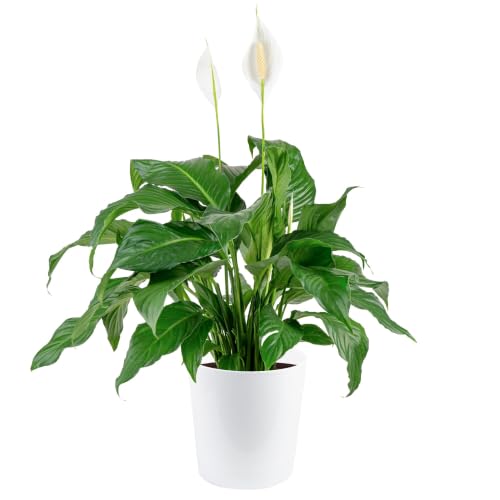
ELEGANT FLOWERING ROOM DÉCOR: The pure white flowering spathes of the large Peace Lily add a touch of timeless, sophisticated elegance. A gorgeous floor decor piece for a home room or quiet office setting
Easy to Grow Live Houseplants (6 Pack)

LIVE INDOOR HOUSEPLANTS: Includes a rotating assortment of 6 popular indoor plants in 2 in. grower pots, ranging in height by variety - approximately 4 - 6 in. tall WHAT'S IN...
Starting your indoor garden doesn’t require guesswork when you choose the right collection. The Easy to Grow Live Houseplants (6 Pack) delivers six popular varieties in compact 2 in. grower pots, each standing 4–6 in. tall, so you receive instant visual impact without overwhelming your space.
You will find Pothos, Peperomia, Spider Plants, Croton, Ficus, Syngonium, or Begonia inside, with varieties rotating monthly to keep your collection dynamic. These plants arrive fresh from the farm, hand-selected by horticulturists who grow and ship them with deliberate care.
Place your six-pack in grouped planters for event decor, or distribute them across small apartments for air-purifying benefits. Each specimen tolerates typical indoor conditions, requiring moderate light and weekly watering.
You can transplant them into DIY projects when roots outgrow their containers. With this curated assortment, you build confidence through low-maintenance success, mastering foundational skills before advancing to demanding cultivars.
Best For: Beginners seeking low-maintenance indoor plants, event planners needing compact decor, and DIY enthusiasts wanting versatile specimens for small-space projects.
Pros:
- Rotating monthly varieties create a dynamic, surprise assortment of popular air-purifying plants
- Compact 2-inch pot size allows flexible placement in grouped displays or distributed small-space arrangements
- Farm-fresh, hand-selected plants ship directly from horticulturists with established care protocols
Cons:
- Specific plant varieties not guaranteed due to monthly rotation, limiting predictability for collectors
- Small 2-inch grower pots require relatively quick transplanting as roots develop
- 4–6 inch height provides limited immediate visual presence for larger decor needs
Recommended Products

HARDY INDOOR PLANT: Sansevieria Laurentii is a drought tolerant, durable, and adaptable houseplant for beginners

Live Snake Plant for Home & Office – The Sansevieria Laurentii features bold, upright green leaves with striking yellow edges, making it a stylish, air-purifying houseplant for any indoor space

HARDY INDOOR PLANT: Sansevieria Zeylanica is a low-maintenance houseplant for beginners
How Not to Kill Your Houseplant: Survival Tips

You will master five core variables: light intensity (measure 10,000–20,000 lux for bright indirect conditions), watering frequency (allow top 1–2 inches of soil to dry between irrigations), potting medium composition (incorporate 30% perlite for drainage in containers), ambient temperature (maintain 65–75°F for tropical cultivars like *Pilea peperomioides*), and fertilization schedules (dilute balanced 20-20-20 NPK to half strength monthly during growing season).
When plants stress, you troubleshoot systematically: isolate affected specimens, examine root systems for rot, adjust placement relative to south-facing windows, and document changes weekly.
This hardcover reference fits in your palm, so you consult it at watering time, building observational habits that transform failure into sustained cultivation success across USDA zones 10a–11b environments.
Best For: Beginners and plant enthusiasts seeking a portable, practical reference to prevent common houseplant failures and develop confident care routines.
Pros:
- Pocket-sized hardcover format enables quick consultation during daily plant maintenance
- Provides precise, measurable care parameters (lux levels, soil depth, NPK ratios) rather than vague advice
- Includes systematic diagnostic framework for troubleshooting stressed plants
Cons:
- Limited to tropical houseplants in USDA zones 10a–11b, excluding temperate or outdoor gardening contexts
- 144-page scope may lack depth for advanced horticulturists seeking comprehensive botanical science
- Fixed publication date of 2023 means emerging cultivars or updated research may not be included
Recommended Products

Great for cleaning indoor air
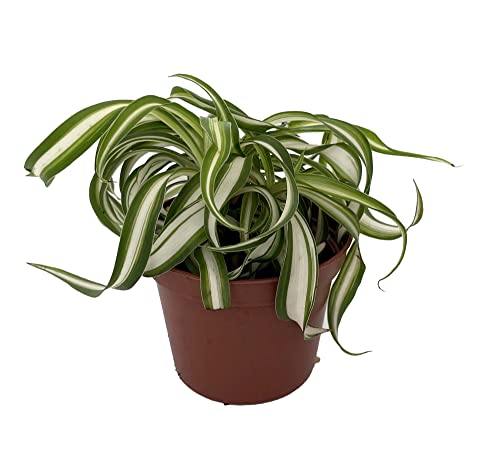
Proper name: Chlorophytum comosum ‘Bonnie’

Proper name: Chlorophytum comosum ‘Bonnie’
The Houseplants Guide for Beginners and Plant Lovers

The guide organizes its instruction around three pillars: choosing appropriate specimens, executing proper care protocols, and integrating plants into your daily environment.
You will find Majosta’s 126-page paperback, published independently in April 2021, delivers exactly this framework. The book targets you whether you are a novice or an established enthusiast, offering step-by-step guidance through selection fundamentals, growth maintenance, and lifestyle incorporation. You navigate concise, illustrated chapters that emphasize actionable home applications over theoretical botany.
The format suits your practical needs: portable binding, clear structural organization, and reference-friendly page count. You apply its care instructions to specific cultivars across varied USDA hardiness zones, translating expert knowledge into daily routines. This resource bridges your initial uncertainty with confident, measurable plant stewardship.
Best For: Beginners and established plant enthusiasts seeking a concise, practical guide to selecting, growing, and integrating houseplants into their home environment.
Pros:
- Delivers actionable, step-by-step guidance focused on real-world home applications rather than theoretical botany
- Portable 126-page paperback format with clear organization makes it easy to reference and use daily
- Covers complete plant care journey from initial selection through lifestyle integration in one resource
Cons:
- Limited to 126 pages, which may lack depth for advanced horticultural topics or rare cultivars
- Independently published status may mean less rigorous editorial review than established botanical publishers
- Published in 2021, so may not reflect recent developments in plant care techniques or trending species
Recommended Products
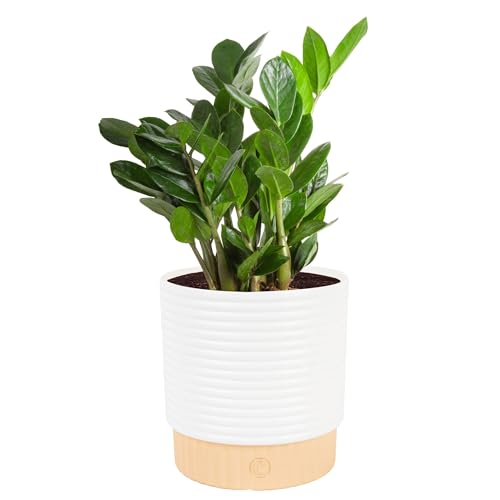
STYLISH ROOM DECOR: The architectural upright leaves of the live ZZ Plant provide a modern, sleek look that defines minimalist home decor. An excellent, stylish real plant choice for an office desk, plant shelf, or tabletop

LIVE PLANT – READY TO GROW: Receive 1 healthy ZZ Plant (Zamioculcas zamiifolia) in a 4” grower’s pot, approximately 6-12” tall. Grown in the USA, shipped live with roots wrapped for safe transport. Includes a ragnaroc Care Card. A perfect low-maintenance plant for home or office décor!

Zamioculcas zamiifolia
Houseplants: Complete Guide to Indoor Plant Care

Wondering which resource truly serves beginners seeking structured, reliable guidance? “Houseplants: The Complete Guide to Choosing, Growing, and Caring for Indoor Plants” stands as your foundational reference, particularly if you’re drawn to methodical, illustrated instruction over fragmented online advice.
This 272-page hardcover from Cool Springs Press, published October 23, 2017, organizes everything you need into practical, illustrated sections. You’ll find step-by-step methodologies for selecting suitable specimens, establishing growing conditions, and maintaining long-term health. The visual guidance breaks down complex care routines into manageable actions.
You can reference troubleshooting protocols when leaves yellow, roots rot, or growth stalls. The comprehensive scope addresses lighting requirements, watering schedules, humidity optimization, and pest management for diverse indoor environments. Every section builds your confidence through concrete, actionable instruction.
Whether you’re nurturing your first pothos or expanding a modest collection, this manual delivers expert horticultural knowledge at a tenth-grade comprehension level. This ensures you cultivate thriving plants without overwhelming technicality.
Best For: Beginners seeking structured, reliable guidance on houseplant care who prefer methodical, illustrated instruction over fragmented online advice.
Pros:
- Comprehensive 272-page hardcover format with practical, illustrated sections that break down complex care routines into manageable actions
- Step-by-step methodologies covering selection, growing conditions, and long-term maintenance with concrete, actionable instruction
- Accessible troubleshooting protocols for common problems like yellowing leaves, root rot, and stalled growth at a tenth-grade comprehension level
Cons:
- Published in 2017, so some information may not reflect the latest horticultural research or plant care trends
- Hardcover format lacks the portability and searchability of digital resources for quick reference
- General audience focus may not satisfy advanced enthusiasts seeking specialized or in-depth botanical knowledge
Recommended Products
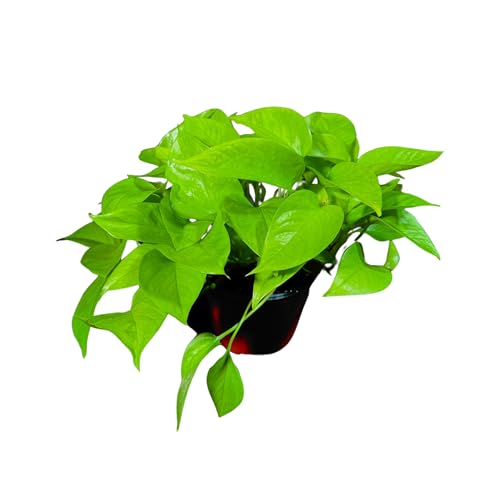
LIGHT REQUIREMENTS: Thrives in low light conditions, making it an ideal choice for indoor spaces with minimal natural light exposure

"Neon" characterized by its vining growth habit, neon green color, and heart-shaped leaves.

We CANNOT ship this item to California, Arizona, Hawaii and Alaska
Factors to Consider When Choosing Indoor Plants for Beginners
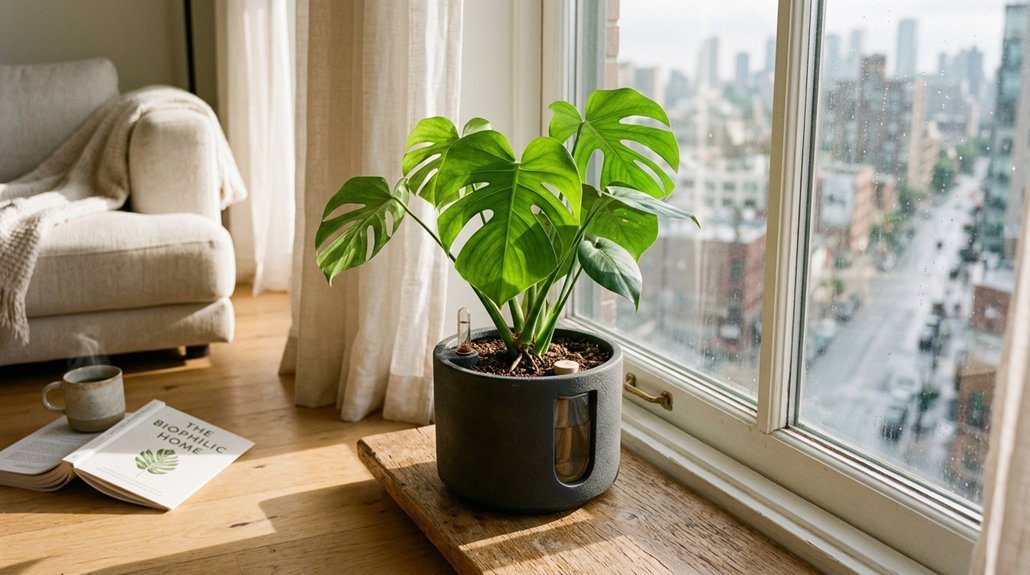
Before you bring any plant into your home, you’ll need to evaluate your space’s light conditions, measured in foot-candles or hours of direct sun, alongside your willingness to maintain consistent watering schedules, typically ranging from weekly to biweekly depending on species. Consider your available square footage, since a mature Monstera deliciosa can span three feet wide while compact Peperomia cultivars remain under eight inches.
Factor in whether pets or children share your environment, as plants like Dieffenbachia pose serious toxicity risks. By matching these practical constraints, USDA hardiness zones 10-11 for tropical specimens, and your desired maintenance level, measured in minutes per week, against specific plant requirements, you’ll establish conditions for long-term success rather than repeated replacement.
Recommended Products
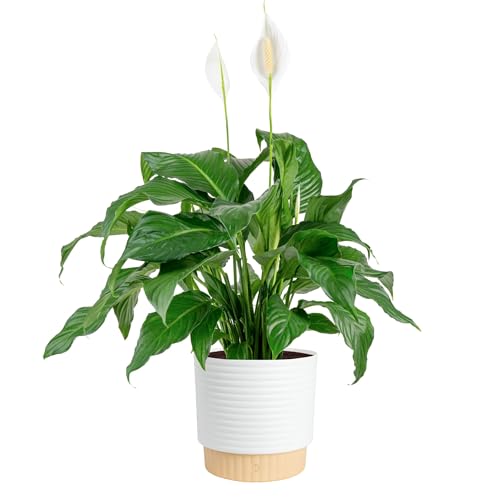
LIVE PEACE LILY PLANT: Bring home a beautiful Peace Lily to add a relaxing, calm feel to any space. These houseplants are natural air purifiers that help keep your indoor air fresh and clean, making them a great addition to any room, home, or office décor

Designed for Indoor Houseplants Our indoor plant food is formulated to provide the balanced nutrition houseplants need to thrive indoors.

🌸 PERFECT BLEND FOR PEACE LILY PLANTS: Give your indoor plants the nutrients they need with this professional peace lily fertilizer featuring a balanced 3-1-2 formula. Designed as an effective fertilizer for peace lily plants, it promotes strong roots, lush green foliage, and vibrant blooms. This premium peace lily plant food supports healthy, thriving indoor plants.
Light Requirements
Where exactly does sunlight fall in your home, and for how many hours each day? You’ll need to answer this before selecting any plant, because light requirements directly determine photosynthesis efficiency, and most beginner-friendly indoor plants thrive in bright, indirect light for 4–6 hours daily. East- or north-facing windows provide gentler morning or ambient light, while south- or west-facing exposures deliver stronger, harsher light that may require shading with sheer curtains.
Low-light tolerant plants can survive in shaded corners with only a few hours of light, though you’ll notice slower growth and potential etiolation, which is stretching toward the light. Consistency matters: transition, abrupt changes in light exposure stress plants, so you’ll want to make gradual transitions when moving them. Observe your space throughout the day, noting intensity and duration, then match specific plants to these conditions for optimal leaf color and growth rate.
Watering Frequency
How often should you actually water your plants, and what signs tell you it’s time? Most beginner-friendly indoor plants prefer a consistent watering routine, and you’ll want to let the top inch of soil dry before watering again to prevent overwatering.
Frequency varies by plant type and environment. You’ll find tropical varieties need water every 5 to 7 days, while succulents and air plants tolerate longer intervals between waterings.
Watch your plants closely for distress signals. Wrinkled or soft leaves indicate underwatering, whereas yellowing leaves, root rot, or a sour soil scent warn of overwatering.
You’ll need well-draining potting mix and pots with drainage holes to prevent waterlogging. Use a moisture meter or the simple finger test to reduce guesswork, ensuring you provide appropriate moisture levels without constant uncertainty about timing.
Space Constraints
You’ve mastered the basics of watering, and now you’ll want to turn your attention to where your plants will actually live, since even the hardiest specimen struggles when crammed into the wrong corner. You’ll start by evaluating your available storage and display areas, considering surface space for tables or shelves alongside vertical height for wall-mounted or hanging setups.
You’ll prioritize compact varieties that stay within 6 to 12 inches tall for desks or windowsills, leaving room for growth and airflow. You’ll plan for traffic flow, ensuring plants aren’t placed in high-traffic pathways where accidental bumps or knocked-over pots become likely.
You’ll match pot placement to light-access zones on each shelf or table, avoiding the temptation to crowd plants in unsuitable spots. Finally, you’ll use small, easy-to-care-for plants in clusters, maximizing visual impact without overwhelming your limited spaces.
Maintenance Level
Why let maintenance anxiety overshadow your growing ambitions when the right plant selection transforms routine care into manageable, even rewarding, habits? You will find that beginner-friendly plants, such as ZZ plants (Zamioculcas zamiifolia, USDA zones 9-11) and snake plants (Sansevieria trifasciata, zones 10-12), tolerate irregular watering, variable light, and occasional neglect without protest.
Look for species requiring simple weekly watering, biannual fertilization at half-strength, and minimal pruning. Compact growers like pothos (Epipremnum aureum) and spider plants (Chlorophytum comosum) stay contained, reducing repotting to once every 2-3 years.
Prioritize hardy traits: pest resistance, humidity tolerance between 40-60%, and adaptability to indoor temperatures of 65-75°F. These resilient characteristics let you build confidence through consistent, low-stakes routines rather than demanding perfection.
Toxicity Concerns
Where should you look first when a trailing pothos catches your eye, but you’re sharing your space with a curious cat or a toddler who explores with their mouth?
You must verify toxicity databases, such as those maintained by the ASPCA or Poison Control, before bringing any plant indoors. Common species, including pothos (Epipremnum aureum), contain calcium oxalate crystals that trigger oral irritation, vomiting, or respiratory distress when chewed by children or pets.
Toxicity varies by species and plant part: leaves, stems, and berries pose distinct hazards. Always classify candidates as non-toxic, mildly toxic, or highly toxic. You can handle toxic plants safely with gloves and thorough hand-washing, though ingestion remains your primary concern.
If exposure occurs, seek veterinary or medical guidance immediately, documenting symptoms and plant identity for faster treatment.