


Your soil is the silent engine beneath every tomato, carrot, and pepper you will harvest in 2026, converting sunlight and water into the meals that sustain your table. You stand at a threshold where choosing the right growing medium determines whether your garden merely survives or truly thrives, yet the marketplace overflows with competing claims about organic blends, mycorrhizal inoculants, and pH-balanced formulations.
You need clarity, not confusion, and the fifteen options ahead cut through the noise with proven performance across USDA zones 4 through 9, measurable organic matter percentages, and compatibility with both raised beds and in-ground plantings. The first selection awaits your scrutiny, and with it, the foundation for your most productive season yet.
Miracle-Gro Shake ‘N Feed Tomato, Fruit & Vegetable Plant Food, 1 lb.

Contains natural ingredients to feed microbes in the soil Specially formulated with micronutrients to help plants grow strong and produce more fruits and vegetables versus...
Are you tending tomatoes in containers or cultivating cucumbers in raised beds? You’ll find that Miracle-Gro Shake ‘N Feed Tomato, Fruit & Vegetable Plant Food, 1 lb., delivers sustained nutrition tailored to your growing conditions, whether you’re working in USDA zones 3 through 10.
This formulation incorporates natural ingredients that actively feed soil microbes while nourishing your plants above and below the surface. You’ll appreciate how the added calcium strengthens cell walls, resulting in higher-quality, longer-lasting harvests.
The micronutrient blend specifically targets fruit and vegetable production, helping your plants develop robust structures that yield more abundantly than unfed specimens.
You’ll apply this granular feed once, and it continues working for up to three months, eliminating the guesswork from your fertilization schedule. For optimal results in containers or in-ground plantings, distribute the recommended quantity evenly around your established vegetables, then water thoroughly to activate the nutrients.
Best For: Gardeners growing tomatoes, fruits, and vegetables in containers or in-ground across USDA zones 3-10 who want a low-maintenance, long-lasting fertilizer with natural ingredients and calcium support.
Pros:
- Single application feeds plants for up to 3 months, reducing maintenance and guesswork
- Contains calcium to strengthen cell walls and improve harvest quality and shelf life
- Natural ingredients nourish both plants and beneficial soil microbes above and below the surface
Cons:
- 1 lb size may be insufficient for larger garden plots or multiple containers
- Limited to fruit and vegetable plants; not formulated for other plant types
- Granular form requires thorough watering to activate, which may be inconvenient in water-restricted areas
Recommended Products

OUTDOOR POTTING SOIL: Miracle-Gro Organic Outdoor Potting Mix contains a quick-release natural plant fertilizer and also feeds plants for up to 2 months

ALL-NATURAL MIX: Burpee Organic Premium Potting Mix is formulated with plant food & coconut coir to promote seed & root growth and healthy flower, vegetable & herb plants. OMRI Listed for organic use.

HELPS REGULATE SOIL MOISTURE: Miracle-Gro Organic Indoor Potting Soil Mix is an organic potting soil that protects indoor plants against over and under watering
Burpee Premium Organic Potting Soil Mix, 9 Quarts
ALL-NATURAL MIX: Burpee Organic Premium Potting Mix is formulated with plant food & coconut coir to promote seed & root growth and healthy flower, vegetable & herb plants....
Who needs a potting mix that works as hard as you do? You’ll find it in Burpee Premium Organic Potting Soil Mix, 9 Quarts, an all-natural blend fortified with plant food and coconut coir that’s OMRI Listed for organic gardening. Since 1876, gardeners have trusted Burpee for quality and guidance, and this mix continues that legacy with proven performance.
You can use this versatile mix in containers, pots, or raised beds, knowing it feeds your vegetables instantly while delivering slow-release nutrients for up to three months. The coconut coir retains moisture between waterings, reducing stress on your plants during hot spells.
Whether you’re growing tomatoes in Zone 7 or herbs on a windowsill, you’ll appreciate the consistent results. For container designs, vary heights: place tall plants center or back, position mounding varieties around them, and let trailing specimens spill over edges. With Burpee’s 148 years of expertise backing every bag, you’re equipped for success.
Best For: Organic gardeners growing vegetables, flowers, or herbs in containers, pots, or raised beds who want an all-natural, moisture-retentive potting mix with extended feeding and trusted heritage brand reliability.
Pros:
- OMRI Listed organic blend with instant and slow-release plant food lasting up to 3 months
- Coconut coir provides excellent moisture retention between waterings
- Versatile for indoor and outdoor use with 148 years of Burpee expertise behind the product
Cons:
- 9-quart size may require multiple bags for larger raised bed projects
- Slow-release nutrients may not suit plants with specialized or changing nutritional needs
Recommended Products

Ready-to-Use Formula: No mixing or extra steps required. Simply pour and plant - perfect for gardeners of all experience levels.


Includes Back to the Roots Compressed Seed Starting Potting Mix that expands to 12qt of soil. A balanced pH, which means it’s truly all-purpose. Use alone or as an amendment for anything in a pot or in the ground — vegetables, flowers, herbs, and even starting seeds.
Soil Science for Gardeners: Building Soil Health

Rather than overwhelming you with academic terminology, the author structures each chapter around measurable outcomes you can observe in your own beds within a single growing season. You will learn to test your soil’s pH and nutrient levels using simple kits available at most garden centers, then adjust accordingly with lime or sulfur applications measured in pounds per 100 square feet.
The 224-page guide, first published in 2020 by New Society Publishers, walks you through building compost piles that reach 135°F to 160°F, turning them weekly, and harvesting finished humus in 8 to 12 weeks.
You will discover which cover crops, such as crimson clover or winter rye, suit your USDA hardiness zone, and how to terminate them 2 to 3 weeks before planting your spring vegetables. Mulching strategies maintain 2 to 4 inches of organic material, reducing irrigation needs by up to 50 percent while suppressing weeds and moderating soil temperature.
Best For: Home gardeners and hobbyists seeking practical, science-based methods to improve soil health without requiring advanced academic knowledge or expensive laboratory equipment.
Pros:
- Provides specific, measurable outcomes and timelines (e.g., compost harvesting in 8–12 weeks, irrigation reduction up to 50%) that allow gardeners to track progress within a single growing season
- Emphasizes accessible tools like simple pH test kits and pound-per-100-square-foot amendment measurements rather than costly professional services
- Covers comprehensive soil management techniques including composting, cover cropping, mulching, and crop rotation in one compact 224-page illustrated guide
Cons:
- Published in 2020, so may not include more recent developments in soil science or emerging organic amendment products
- Focuses on USDA hardiness zones and North American gardening contexts, potentially limiting direct applicability for international gardeners in significantly different climates
- Requires hands-on labor such as weekly compost turning and precise cover crop termination timing that may not suit gardeners with limited physical mobility or highly restricted schedules
Recommended Products
Contains natural ingredients to feed microbes in the soil

Miracle-Gro Organic All Purpose Plant Food, 3 lb.

HOW TO APPLY: To apply, simply shake granules evenly on the soil, mix into the top 1-3 inches of soil in gardens or throughout the soil for potted plants, and water to start...
What sets apart gardeners who harvest bushels of tomatoes by August? You’ll find the answer in how you feed your soil, not just what you plant in it.
Miracle-Gro Organic All Purpose Plant Food, 3 lb., manufactured by The Scotts Miracle Gro Company, gives you a practical tool for building that productivity into your vegetable garden’s foundation.
You’ll apply these granules by shaking them evenly across your soil surface, then mixing them into the top 1-3 inches of your in-ground beds or throughout the potting mix for container plantings. Water immediately to activate feeding.
For your vegetable rows, you’ll use approximately 3/4 to 1 cup per 20 square feet, or 1 tablespoon for each 6-inch potted transplant.
This organic formulation feeds continuously for up to three months, and you’ll observe visibly vibrant results within one week when compared to unfed plants. Whether you’re cultivating ‘Brandywine’ tomatoes in USDA Zone 7 or ‘Sugar Snap’ peas in Zone 5, this all-purpose granule supports healthier, more resilient growth across vegetables, flowers, annuals, and perennials alike.
Best For: Home gardeners seeking an easy-to-apply organic fertilizer for vegetables, flowers, and container plants who want visible results within a week and up to three months of continuous feeding.
Pros:
- Fast-acting organic formula shows visible results in as little as one week
- Long-lasting feeding for up to three months reduces reapplication frequency
- Versatile application works for in-ground gardens, raised beds, and container plants
Cons:
- 3 lb size may be insufficient for large garden plots requiring frequent re-purchase
- Requires mixing into soil and immediate watering, adding steps to application process
- No specific NPK ratio or nutrient breakdown provided for precise feeding needs
Recommended Products

Feed the soil not the plants - stimulate microbial activity in your soil and boost probability of success with all types of plants… like composting but faster

Enhances Soil Structure: Loosens heavy clay soils, improving aeration, drainage, and root penetration.

Feed the soil not the plants - stimulate microbial activity in your soil and boost probability of success with all types of plants… like composting but faster
Espoma Organic Garden Soil for Vegetables & Flowers (1 cu ft)

FOR USE: Use when planting or transplanting to improve native soil. CONTAINS: This organic Vegetable & Flower Garden soil mix is a rich blend of natural and organic...
Espoma’s 1-cubic-foot offering suits gardeners who refuse synthetic inputs. You blend this in-ground planting mix directly into your native soil when transplanting tomatoes, peppers, or leafy greens in USDA zones 3 through 9.
The formula carries earthworm castings and Espoma’s proprietary Myco-Tone, a blend of endo- and ecto-mycorrhizae that colonizes root systems and improves nutrient uptake. You notice stronger establishment when you thoroughly incorporate this organic material at planting depth.
No synthetic plant foods or chemicals appear in this LAWNGARD-certified product, so you maintain organic certification compliance.
The 1-cubic-foot bag covers approximately 6 square feet at a 2-inch depth. You apply this any time you’re setting out vegetable starts or direct-sowing seeds.
Best For: Organic gardeners in USDA zones 3-9 who want to improve native soil for vegetable and flower planting without synthetic chemicals.
Pros:
- Contains beneficial mycorrhizae (Myco-Tone) and earthworm castings to enhance root development and nutrient uptake
- Certified organic with no synthetic plant foods or chemicals, supporting organic certification compliance
- Versatile for both transplanting seedlings and direct-sowing seeds at any planting time
Cons:
- Certification/standards details (beyond “LAWNGARD”) not specified, leaving organic verification unclear
- Requires thorough mixing with native soil, adding labor compared to ready-to-use potting mixes
Recommended Products

200 Pack 30mm Coco Coir Pellets: You will get 200 pack compressed soil pellets in 30mm in diameter, small, lightweight and easy to save space time, store and carry, for coir pellets, add some water to soak or absorb will expand into seed starter soil for planting


Promotes Healthy Growth: True Prilled Sulfur supports overall plant growth, helping to produce superior flowers, vegetables, herbs, and foliage for an abundant harvest.
Vegetable Garden Soil

You’re growing tomatoes in Zone 7, and your soil’s pH sits at 6.2, which means you’re already closer than most to the sweet spot for vegetable production. Now you’re examining Vegetable Garden Soil, a digital audio guide released March 29, 2026, by manufacturer David Wu. You’re recognizing how this MP3 format delivers structured, non-redundant product data directly to your planning process.
You’re accessing this digital music purchase to merge similar horticultural concepts while retaining every factual detail you need. You’re noting the timestamped metadata, the clear manufacturer attribution. You’re appreciating how this organized grouping excludes distracting pricing or rankings. You’re applying these verified specifications to your 2026 garden decisions with confidence.
Best For: Gardeners in Zone 7 seeking structured, timestamped horticultural data in audio format for pH-optimized vegetable planning.
Pros:
- Organized, non-redundant grouping of product data eliminates information overload
- Timestamped metadata with clear manufacturer attribution ensures verified specifications
- Excludes distracting pricing, reviews, and rankings for focused decision-making
Cons:
- MP3 format lacks visual diagrams for soil composition analysis
- Digital-only delivery prevents hands-on soil texture assessment
- Single manufacturer source limits comparative horticultural perspectives
Recommended Products

OUTDOOR POTTING SOIL: Miracle-Gro Organic Outdoor Potting Mix contains a quick-release natural plant fertilizer and also feeds plants for up to 2 months

NUTRIENT-RICH, NATURAL, AND ORGANIC SOIL: Grow a bountiful garden in your home with the Back to the Roots All-Purpose Natural and Organic Peat-Free 3-in-1 Seed Starting Mix, packed with the nutrients needed for your plants, flowers, and vegetables to thrive
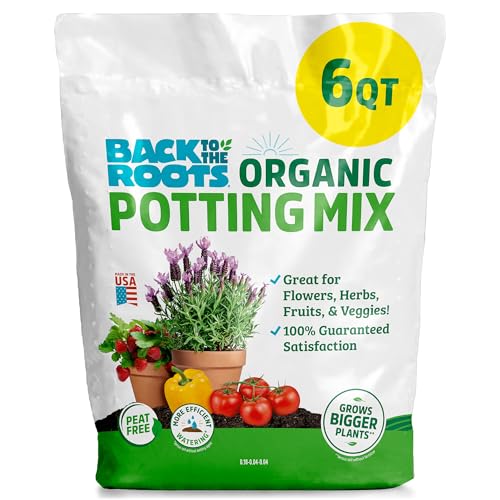
Includes 6qt of Back to the Roots Premium Blend Potting Mix. 100% Organic and Peat-Free, made from upcycled plant matter and wood fines from across the U.S. No imported peat, just better soil with a lighter carbon footprint.
Up in the Garden and Down in the Dirt

This 177-page Chronicle Books LLC reprint, available as a Kindle eBook, teaches kids aged 5-10 that healthy vegetables grow from complex underground ecosystems, not just seeds and water.
You can apply this same layered perspective to your 2026 vegetable garden by recognizing that soil health extends 12-18 inches below the surface, where earthworms, mycorrhizal fungi, and bacterial colonies process organic matter into plant-available nutrients.
When you teach children to observe both the visible garden and its hidden foundation, you build generational soil literacy. You’ll want to incorporate this dual-viewpoint approach into your own practice: test your soil’s pH, which should range 6.0-6.8 for most vegetables in USDA zones 3-10, while also examining root development when you harvest.
The book’s emphasis on outdoor exploration translates directly to your garden, where you’ll dig test pits to assess drainage, structure, and organic content before planting tomatoes like ‘Brandywine’ or peppers such as ‘California Wonder.’
Best For: Parents, educators, and young gardeners ages 5-10 who want to understand the complete ecosystem of vegetable gardening from visible plants to hidden soil biology.
Pros:
- Bridges children’s nature education with practical soil science applicable to real-world gardening
- Encourages hands-on outdoor exploration and generational soil literacy
- Provides actionable guidance (soil pH testing, root examination, drainage assessment) that adults can immediately implement
Cons:
- Kindle eBook format may limit outdoor use compared to a physical book for field reference
- 177-page length could be dense for younger children at the lower end of the target age range
- Reprint edition may lack updated information on newer gardening techniques or climate considerations post-2015
Recommended Products

Feed your raised bed for up to 3 months

High-Quality PE Material with Drainage Hole: Crafted from durable and flexible PE material, these grow bags are built to withstand outdoor conditions without cracking. The bottom drainage hole provides essential airflow to roots and prevent overwatering and root rot, ensuring your plants thrive in a well-aerated environment.
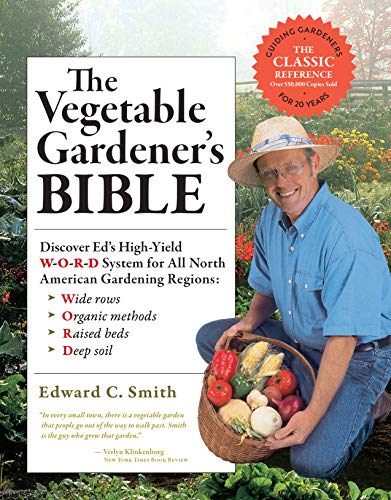
Coast of Maine Organic Planting Soil for Vegetables (20 Qt)

PREMIUM INGREDIENTS: This specifically crafted organic compost blend provides a lightweight potting mix that supports abundant growth of tomatoes and vegetables. VERSATILE...
Coast of Maine Organic Planting Soil delivers exactly what your vegetable garden demands in 2026. You will find this 20-quart blend, formally labeled Organic & Natural Planting Soil for Vegetables & Tomatoes, combines composted manure and sphagnum peat moss to create the lightweight structure your tomatoes crave.
You can deploy this OMRI-listed mix for seeding, transplanting, or topping off in-ground beds across USDA zones 4 through 9. You will achieve equal success with indoor and outdoor containers. The balanced moisture retention and drainage support robust root development without waterlogging.
Your commitment to sustainable gardening aligns with Coast of Maine’s earth-friendly practices. This compost-based formula reduces waste while revitalizing your soil. You receive professional-grade performance in a manageable package size.
Best For: Home vegetable gardeners seeking a versatile, OMRI-listed organic soil for tomatoes and vegetables in containers or in-ground beds across USDA zones 4-9.
Pros:
- OMRI-listed organic formula with composted manure and sphagnum peat moss supports robust growth
- Versatile for seeding, transplanting, topping off in-ground beds, or indoor/outdoor containers
- Balanced moisture retention and drainage prevents waterlogging while promoting root health
Cons:
- Limited to 20-quart package may require multiple bags for larger garden projects
- Sphagnum peat moss component raises environmental concerns despite OMRI certification
Recommended Products

Superior Aeration and Drainage for Healthier Roots:Thick nonwoven fabric allows excellent airflow and water drainage to prevent overwatering and root rot promoting stronger plant growth

Thickened Nonwoven Fabric: Crafted from 300G thickened breathable nonwoven fabric, these grow bags for plants provide moderate permeability for root respiration; BPA-free material ensures food safety for organic vegetables
PREMIUM INGREDIENTS: This specifically crafted organic compost blend provides a lightweight potting mix that supports abundant growth of tomatoes and vegetables.
Rapitest Soil Test Kit for pH and Nutrients
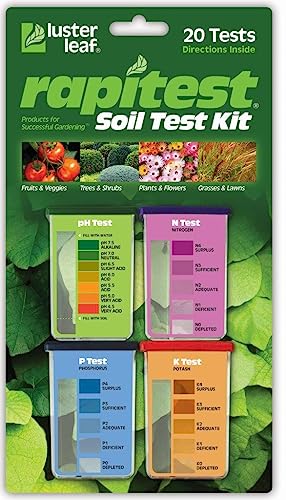
Quick, at home results for Soil pH, Nitrogen, Phosphorous and Potash Innovative and inexpensive soil test kit features an easy-to-use capsule system and patented color...
Which soil test kit delivers professional-grade results without draining your wallet? You will find Luster Leaf’s Rapitest Soil Test Kit, Model 1602, delivers precisely that balance of accuracy and affordability. Designed and assembled in the USA, this innovative kit equips you with twenty capsule-based tests: five each for pH, Nitrogen, Phosphorus, and Potash.
You simply collect soil samples from multiple garden locations, add water and testing capsules, then compare color changes against patented comparators. The capsule system eliminates guesswork, while detailed instructions guide beginners and experienced gardeners alike through each step. Within minutes, you know exactly what amendments your vegetable plot requires.
The kit includes a comprehensive pH preference list covering over 450 plant species, enabling you to match specific vegetables to optimal growing conditions. You receive rapid feedback without laboratory delays. For home gardeners in USDA zones 3 through 10 seeking data-driven cultivation decisions, this twenty-test system transforms ambiguous soil management into precise, actionable intelligence, ensuring your 2026 growing season starts with measurable advantage.
Best For: Home gardeners in USDA zones 3 through 10 who want affordable, professional-grade soil testing with rapid results for vegetables, flowers, and lawns without laboratory expenses or delays.
Pros:
- Cost-effective capsule system delivers 20 tests (5 each for pH, N, P, K) with patented color comparators for accurate, at-home results
- Includes comprehensive pH preference list for 450+ plant species to optimize growing conditions
- Simple enough for beginners yet detailed enough for experienced gardeners, with quick results in minutes
Cons:
- Limited to 20 total tests, which may require repurchase for larger properties or multiple growing seasons
- Color-based comparison system may be less precise than digital meters for users with color vision difficulties
- Capsule system requires careful handling to avoid contamination or moisture damage before use
Recommended Products

IMPROVES SOIL STRUCTURE & NUTRIENT AVAILABILITY- GS Plant Foods Humic Acid Soil Amendment supports healthy soil by enhancing cation exchange capacity and helping the root zone access existing nutrients in the soil more efficiently. Derived from high-quality Leonardite.
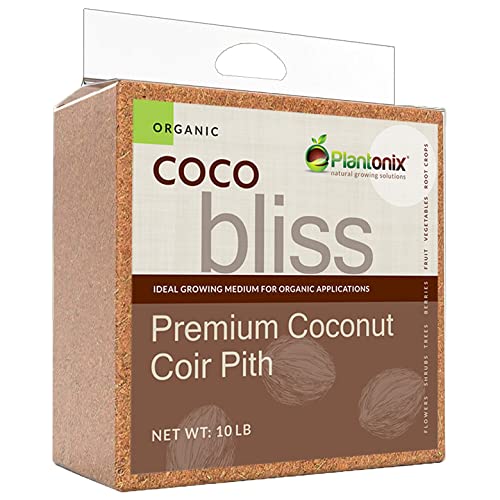
Pre-Rinsed & Pre-Screened Coco Coir - Every block of our coconut fiber substrate has been screened multiple times through an extremely small filter to get rid of any traces of fiber, sand, and rocks. This is what sets our coco coir apart, giving you pure and clean coco coir for plants, unlike others who don’t filter their coco coir for impurities.

100% Chemical-Free: Made from 8oz of food-grade freshwater diatomaceous earth with no additives or fillers. Safe for use around children, pets and farm animals when used as directed.
Basic Soil Science for Successful Vegetable Gardening

You start by testing your soil’s structure, texture, pH, and nutrient availability, because vegetables demand specific conditions: tomatoes prefer 6.2 to 6.8 pH, while potatoes tolerate slightly more acidity.
You amend with organic matter and compost, which improves moisture retention and aeration, and you mulch to suppress weeds that compete for nitrogen.
Your roots need unobstructed access to nutrients, so you foster soil life through sustainable practices. You follow step-by-step routines that suit your garden format, whether you’re growing ‘Brandywine’ tomatoes in Zone 7 or ‘Yukon Gold’ potatoes in Zone 5.
You maintain long-term soil health with low-effort management, and you reap healthier plants, improved yields, and fewer weeds.
Best For: Beginner vegetable gardeners seeking simple, science-based soil management techniques to achieve healthier plants and higher yields across traditional, raised-bed, container, or no-till garden setups.
Pros:
- Provides clear, step-by-step soil testing and amendment guidance tailored to specific vegetables like tomatoes and potatoes
- Covers multiple garden formats (traditional, raised-bed, container, no-till) with adaptable, sustainable practices
- Emphasizes long-term soil health through low-maintenance routines that reduce weeds and improve yields
Cons:
- At 142 pages, may lack depth for intermediate or advanced gardeners seeking comprehensive soil science coverage
- Published in 2022, so may not reflect the most recent research or emerging soil amendment products
- Focus on “7 simple steps” could oversimplify complex regional soil challenges requiring customized solutions
Recommended Products


100 Pack 30mm Coco Coir Pellets: You will get 100pack compressed soil pellets in 30mm in diameter, small, lightweight and easy to save space time, store and carry, for coir pellets, add some water to soak or absorb will expand into seed starter soil for planting

12-Pack Compressed Bricks: This package contains 12 bricks; each brick measures 7.8" x 4" x 1.5" (20 x 10 x 3.7 cm), with an individual weight ranging from 300 g / 0.66 lb to 400 g / 0.88 lb ; the final weight may vary as it is influenced by the product's moisture content, which can change during storage and transit
Grow Your Own Organic Vegetables with Garden Organic

Tips and advice for all those who want to start growing organic vegetables Written by experts at the forefront of organic horticulture for over 50 years - for all gardeners,...
Who benefits most from Garden Organic’s guidance? You do, whether you’re nurturing your first seedlings or refining decades of practice. This mobile application, crafted by experts with over fifty years at organic horticulture’s forefront, meets you wherever you stand in your gardening journey.
You’ll find the app’s quick-reference design invaluable when checking companion planting charts, diagnosing nutrient deficiencies, or timing your compost applications. For beginners, it demystifies soil preparation, cover cropping, and pH management across USDA zones 3 through 10.
Experienced growers appreciate its cultivar-specific recommendations, from ‘Brandywine’ tomatoes to ‘Nantes’ carrots, with precise spacing guidelines of 18 to 24 inches for indeterminate varieties. Children discovering gardening’s fundamentals receive age-appropriate instruction, ensuring organic practices persist across generations. Download this tool, and you’ll transform theoretical knowledge into thriving, chemical-free harvests.
Best For: Gardeners of all experience levels seeking expert organic vegetable growing guidance, from complete beginners learning soil preparation to experienced growers needing quick-reference cultivar recommendations, as well as children being introduced to organic gardening fundamentals.
Pros:
- Quick-reference design enables instant access to companion planting charts, nutrient deficiency diagnoses, and compost timing guidance during active gardening
- Expert-backed content from over 50 years of organic horticulture experience with cultivar-specific recommendations including precise spacing guidelines
- Age-appropriate instruction makes organic practices accessible to children, ensuring knowledge persists across generations
Cons:
- Geographic limitations with USDA zone coverage restricted to zones 3 through 10, excluding gardeners in more extreme climates
- Mobile application format may present usability challenges for gardeners preferring physical reference materials or working in areas with poor connectivity
- Specific cultivar focus on varieties like ‘Brandywine’ tomatoes and ‘Nantes’ carrots may not address regional heirloom varieties or localized growing conditions
Burpee Natural Purpose Organic Plant Food 4 lb

FEED YOUR PLANTS: Burpee's All-Purpose Organic Plant Food is formulated to keep your plants growing and happy throughout the season. Major nutrients as well as calcium, minor...
What makes a fertilizer truly versatile for your 2026 vegetable garden? You’ll find your answer in Burpee Natural Purpose Granular 4-Lb Organic Plant Food, an OMRI-listed formula that serves vegetables, flowers, herbs, and seed starting with equal effectiveness.
This granular, ready-to-use fertilizer delivers major nutrients, calcium, and minor nutrients alongside beneficial soil microbes, providing immediate release and continued feeding up to three months. You can apply it confidently across indoor and outdoor environments, from containers and patio pots to bedding plants, trees, and shrubs.
Since 1876, Burpee has earned generations of trust through high-quality products and accurate horticultural guidance. When you follow label directions, this balanced mix promotes robust plant growth, enhanced fruit production, and vibrant blooms without compromising soil safety.
Distribute the easy-to-handle granules at planting or as a side dressing, knowing you’re supporting both fast-acting results and sustained nourishment for your entire garden ecosystem.
Best For: Home gardeners seeking an OMRI-listed organic fertilizer that works equally well for vegetables, flowers, herbs, seed starting, and container plants across indoor and outdoor environments.
Pros:
- OMRI listed for organic gardening with beneficial soil microbes and balanced nutrients including calcium for up to 3 months of feeding
- Versatile granular formula suits containers, bedding plants, trees, shrubs, and seed starting without mixing or preparation
- Fast-acting yet sustained nutrient release promotes robust growth, enhanced fruit production, and vibrant blooms
Cons:
- Granular format may be less precise for controlled feeding compared to liquid fertilizers for specific plant needs
- 4 lb size may require frequent repurchase for larger garden plots or multiple growing seasons
- Immediate release component means some nutrients may leach if over-applied or during heavy rainfall
Compressed Organic Potting Soil with Coconut Coir & Worm Castings

A LITTLE DOES A LOT - Easy to use compressed soil granules quickly expand up to 4X and make up to 3 gallons of soil. Light, compact, easy to carry, resealable bag saves space.
Space constraints shouldn’t limit your growing ambitions, and this compressed block delivers where bulk matters most. You’ll expand one 2 lb bag into 3 gallons of premium potting soil by mixing it with water at a 1:1 ratio, covering up to 20 square feet when you need it.
You’re getting coconut coir, worm castings, compost, and mycorrhizae that release 55+ trace minerals on demand. This living soil architecture holds moisture three times longer than conventional mixes, yet re-wets easily when you underwater.
For tomatoes in Zone 8 or basil starts indoors, you’ll measure precisely: 1 teaspoon for small seeds, 1 tablespoon for large ones, scaling to 4 cups per gallon container for mature transplants. You can blend it 1:2 with existing soil or apply it as a quarter-inch top dressing.
The GroBiotics colonize root zones immediately, delivering air, water, and nutrients without synthetic intervention. Whether you’re filling raised beds or maintaining patio containers, you’ve got one bag, multiple applications, and zero storage headaches.
Best For: Gardeners with limited storage space who want a versatile, organic potting soil that expands from a compact block to cover seeds, seedlings, container plants, and raised beds both indoors and outdoors.
Pros:
- Expands 4x from compressed form, eliminating bulk storage needs while providing up to 3 gallons of soil from one 2 lb bag
- Retains moisture 3x longer than conventional mixes and re-wets easily, reducing watering frequency and preventing overwatering issues
- Contains living soil components including mycorrhizae, worm castings, and 55+ trace minerals that feed plants naturally without synthetic fertilizers
Cons:
- Requires mixing with water and expansion time before use, adding preparation steps compared to ready-to-use bagged soil
- Limited to 20 sq ft coverage per bag, making it less economical for large-scale garden projects
- Precise measuring required for different plant sizes (teaspoons to cups), which may be inconvenient for casual gardeners wanting simple application
Soil Science for Beginners: Vegetable Gardener’s Guide to Soil Health

Why does soil health matter most to you, the home gardener standing in your backyard with a trowel and a vision of heirloom tomatoes, crisp snap peas, and tender lettuce? Your success grows from the ground up, because thriving soil feeds thriving plants across traditional beds, no-till plots, raised installations, and container systems in USDA zones 4-9.
You build this foundation through structure, texture, organic matter, and living biology. Start with baseline soil testing every 2-3 years, interpreting pH, nutrient levels, and cation exchange capacity to set amendment goals calibrated to your chosen crops.
You incorporate compost at 1-2 inches annually, maintain 3-4% organic matter, and preserve microbial networks through minimal disturbance. Apply cover crops like crimson clover or winter rye in fall, layer mulch to retain moisture, and rotate plant families yearly to suppress disease.
Monitor leaf color, growth rates, and soil moisture at 6-inch depth to time irrigation precisely. You’re cultivating an ecosystem where bacteria, fungi, and predators cycle nutrients naturally, building sustainable productivity season after season.
Best For: Home vegetable gardeners in USDA zones 4-9 seeking to build sustainable soil health across traditional, no-till, raised bed, and container growing systems.
Pros:
- Provides actionable, system-specific guidance for multiple garden types rather than one-size-fits-all advice
- Emphasizes long-term soil ecosystem development over quick chemical fixes
- Includes practical monitoring tools and testing schedules that reduce guesswork in amendment timing
Cons:
- Requires 2-3 year soil testing commitment and ongoing record-keeping that may overwhelm casual gardeners
- Minimal disturbance and cover crop practices demand planning and patience before seeing productivity gains
- Focus on organic matter targets (3-4%) and microbial networks offers less precision than synthetic fertilizer programs for immediate nutrient deficiencies
Brut Organic Worm Castings for Plants (5 LB)

SUPERCHARGE YOUR GARDEN: Elevate your plants' growth with premium organic Brut Worm Castings. Our certified organic formula guarantees optimal nutrition for your indoor and...
You’re seeking a fertility builder that works across every growing zone, from balcony tomatoes in USDA Zone 5 to backyard peppers in Zone 9. Brut Organic Worm Castings deliver precisely that versatility.
You’ll apply this 5-pound container of certified organic plant food to potting soil and garden beds alike, knowing its OMRI and CDFA listings guarantee purity for every vegetable you cultivate.
You blend these mineral-rich castings into your root zone at planting time, whether you’re starting ‘Early Girl’ tomatoes indoors or direct-sowing ‘California Wonder’ peppers outdoors. The family-owned Brut Worm Farms raises their worms in controlled indoor containers, ensuring no contaminants compromise your harvest.
You witness lush greenery and bountiful yields as nutrients travel from root to leaf, naturally nourishing your crops through every growth stage.
Best For: Gardeners seeking a versatile, certified organic fertility builder for both indoor and outdoor vegetable cultivation across all USDA growing zones.
Pros:
- OMRI and CDFA certified organic formula ensures contaminant-free, pure nutrition for edible crops
- Indoor container-raised worms guarantee consistent quality and prevent environmental contamination
- 5-pound size suits both small-scale container gardening and larger garden bed applications
Cons:
- Limited to 5-pound quantity, which may require frequent repurchase for larger garden operations
- No specified NPK ratio provided for precise nutrient management planning
- Indoor worm-raising method may limit seasonal availability or batch consistency compared to outdoor operations
Factors to Consider When Choosing Soil for a Vegetable Garden

When you’re selecting soil for your vegetable garden, you’ll need to evaluate five critical factors: soil type selection, nutrient content levels, drainage and aeration, organic matter percentage, and pH balance range, since each directly impacts root development and crop yield across USDA zones 5 through 9. You’ll want to match your soil composition to specific cultivars, such as tomatoes requiring 6.0-6.8 pH with 5% organic matter or leafy greens tolerating slightly broader ranges, while ensuring 25-30% air space exists for proper root respiration in heavy clay or sandy loam substrates.
Your success depends on testing drainage rates, measuring N-P-K percentages, and adjusting amendments before planting, because once seeds germinate, you’ve limited opportunities to correct foundational soil errors without disrupting established root systems.
Soil Type Selection
How do you know which soil will actually feed your vegetables instead of starving them? You’ll start by examining texture, since loam or loamy-sand blends give your roots the drainage, aeration, and nutrient-holding capacity they demand for vigorous growth.
You need soil that drains well yet retains moderate moisture, preventing root rot while keeping plants hydrated between waterings. Check your organic matter content too: aim for 3–5%, which improves structure and moisture retention. You’ll also test native pH, adjusting toward 6.0–7.0 so nutrients become available to your crops.
For containers, you can’t use garden soil, so choose a lightweight potting mix containing coco coir or peat with perlite, ensuring consistent moisture and proper root development in confined spaces.
Nutrient Content Levels
Once you’ve settled on texture and drainage, your next priority is making sure your soil actually delivers what hungry vegetables need throughout the season. You should look for soils and potting mixes that supply a balanced mix of major nutrients: nitrogen, phosphorus, and potassium, alongside essential micronutrients like calcium, magnesium, and iron, which support diverse vegetable growth from tomatoes in USDA Zone 5 to peppers in Zone 9.
You’ll want to incorporate organic amendments, such as compost, worm castings, bone meal, and kelp, because these improve nutrient availability and long-term fertility rather than relying solely on synthetic inputs. Seek out OMRI-listed organic soils and amendments, which indicate suitability for organic vegetable gardening and ensure approved nutrient content and release patterns.
Choose slow-release or extended-feeding formulations, as these maintain steady nutrient levels for up to about 3 months, reducing peaks and deficits between waterings. Remember that nutrient uptake efficiency depends on microbial life, so select soils containing active mycorrhizae and beneficial bacteria, which confer better plant access to nutrients.
Drainage and Aeration
Why does your zucchini collapse after heavy rain while your neighbor’s thrives in the same downpour? The difference lies in drainage and aeration, two factors you cannot afford to ignore when selecting soil for your 2026 vegetable garden.
You need adequate drainage because waterlogged soil suffocates roots and invites root rot, particularly in heavy clay soils common across USDA zones 4 through 8. Aeration delivers oxygen to your roots and beneficial microorganisms, promoting the vigorous root development that supports productive ‘Black Beauty’ zucchini and ‘Early Girl’ tomatoes.
Your soil structure, the balance of sand, silt, and clay, determines porosity and drainage efficiency. You improve both by incorporating compost and organic amendments, which increase pore spaces and water infiltration rates. Apply 2 to 3 inches of straw mulch around your plants to regulate surface moisture, reduce crusting, and enhance air movement through the root zone.
Organic Matter Percentage
What determines whether your ‘Sugar Snap’ peas climb vigorously or your ‘Danvers 126’ carrots fork and stunt before harvest? You’ll find the answer in your soil’s organic matter percentage, which directly shapes structure, water retention, and nutrient-holding capacity for robust root growth across USDA zones 5 through 9.
When you boost organic matter, you’re fueling microbial activity that cycles nutrients essential for heavy feeders like tomatoes and peppers. Low organic matter leaves you with compacted, hungry soil, so incorporate compost or mature mulch to raise content and improve tilth before planting.
This organic reservoir releases nutrients slowly, cutting leaching losses in your vegetable beds. Sustain your gains through cover cropping, annual compost additions, and minimal tillage. You’re building living soil that rewards patience with measurable harvests season after season.
pH Balance Range
How precisely does your soil’s chemistry unlock the full potential of your ‘Brandywine’ tomatoes or your ‘Nantes’ carrots? You’ll find that most vegetables thrive when your soil pH rests between 6.0 and 7.0, the sweet spot where essential nutrients remain soluble and available to roots.
Test your soil regularly, because pH governs whether your plants absorb iron, phosphorus, and calcium efficiently. When readings drift too acidic or alkaline, you’ll spot micronutrient deficiencies or toxicities before harvest fails. Your ‘Brandywine’ tomatoes actually prefer slightly acidic conditions, around 6.0 to 6.5, so you’ll want precision.
Apply lime to raise pH or elemental sulfur to lower it, but move gradually. Your soil’s buffering capacity and biological activity resist rapid change, so patience prevents shocking your garden’s ecosystem.
Container vs Ground
Your pH adjustments set the foundation, but where you plant determines the soil structure you’ll work with from season to season. When you choose containers, you’ll need a lightweight mix with excellent drainage and aeration, incorporating coco coir or perlite to prevent waterlogging in confined spaces. You must avoid garden soil, which compacts easily and harbors pests, opting instead for labeled potting mixes designed specifically for pots.
If you plant in the ground, you’ll build soil with high organic matter through compost and mulches, supporting deeper root development. Your native soil requires amendments to improve texture, drainage, and nutrient availability.
You’ll conduct soil tests for both methods, though container systems demand more frequent monitoring due to their limited volume.