


You are about to build a terrarium that thrives for years, but you need to know exactly how often to water it, because too much moisture kills more plants than drought ever will. Your watering schedule depends on whether you have chosen a closed glass ecosystem, which recycles its own humidity and needs misting only once every two to four months during USDA zones 4-9 winters, or an open desert scape with Lithops and Echeveria elegans that demands attention every ten to fourteen days when temperatures exceed 75°F. You will learn to decode condensation patterns on glass walls, test soil moisture with your fingertip to the second knuckle, and recognize the subtle wilt that distinguishes thirsty Fittonias from overwatered ferns beginning to rot at the crown. The rules shift dramatically when October dormancy arrives, so you cannot apply June’s vigorous schedule to December’s slowed metabolism. What follows will calibrate your instincts with precise measurements.
Why There’s No Magic Number for Watering Terrariums
How often should you water your terrarium? There isn’t a universal answer you’ll find printed on any label, because your watering cadence depends on multiple interconnected variables that shift constantly. You’re managing a living system where open vs closed terrarium design fundamentally alters moisture retention, with sealed environments recycling water through condensation cycles and open vessels losing humidity to surrounding air. You’ll need to abandon preset calendars entirely. Instead, you’re monitoring moisture through direct observation: testing soil dryness with your finger, reading condensation patterns on glass, and interpreting plant stress signals like wilting or leaf-edge browning. Experts, including horticulturists at university extension programs, confirm that effective care requires adjusting to seasonal light changes, temperature fluctuations, and your specific container’s ventilation. You’re learning to read moisture cues rather than follow rigid schedules, and that responsiveness keeps your ecosystem thriving.
Recommended Products

【Newest MYGIIKAKA SMART Reptile Mister】Hydration is necessary for reptile habitats. It's vital for helping them shed, incubate eggs, and stay healthy. reptile humidifiers automates the process of adding moisture to a terrarium. Then your pet can enjoy a consistent environment.Compared to the traditional reptile fogger, ours reptile humidifier don't have a reservoir, you can use your home a large bucket or other tank as the reservoir. Greatly save time and space.

DUAL FUNCTION WATERING TOOL: Seamlessly switch between a fine mist for humidity-loving foliage & a steady stream for root soaking to provide complete care for all indoor plants

The WiFi connectivity feature allows you to remotely control and monitor the device using your smartphone. You can use a Smartlife app to adjust the settings, turn the mister on or off, and receive notifications about the reptile misting device's status.
Is Your Terrarium Closed or Open? (Start Here)
Whether you’re tending a miniature fern garden or a succulent arrangement, your first step is always the same: determine what kind of system you’re actually managing.
Knowing your containers water cycle changes everything about how you hydrate your plants.
- Assess condensation levels on the glass; visible droplets signal adequate moisture in sealed environments.
- Identify your container type: closed terrarium habitats recycle vapor internally, while open terrarium setups allow humidity to escape freely.
- Monitor substrate dryness with your fingertip, adjusting frequency based on moisture retention, not calendar dates.
- Watch plant responses; wilting or yellowing reveals when youve misjudged the watering cadence for your specific system.
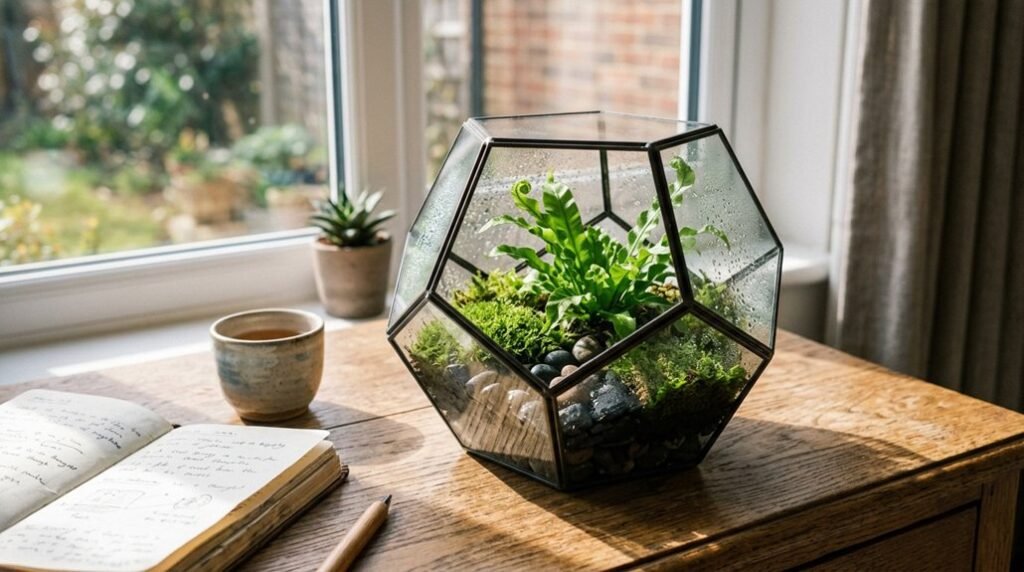
Fully sealed closed terrarium specimens minimize loss through recycling, demanding intervention every few months with gentle misting. Your open terrarium counterparts require morevariable attention since humidity evaporates rapidly, compelling you to respond to substrate cues rather than fixed intervals.
Recommended Products

Accurate Soil Moisture Detection: The XLUX Soil Moisture Meter can tell you if the soil deep inside your pot or garden is dry, moist or wet; whereas your eyes and fingers can only determine the moisture level of the soil surface. The probe is 5.5 inches (14 cm) longer than regular styles, allowing it to measure the soil moisture at the bottom of larger and deeper flower pots.

Kindly NOTE: This soil tester can not be applied to test pH value of any other liquid. If the soil is too dry the indicator will not move, and water it before testing.

【4 in 1 function】This is a 4-in-1 multifunctional soil tester.Our soil tester fastly to measure soil moisture, pH, temperature and sunlight to help you take better care of flowers and plants.You can know when you need to water your soil by measuring moisture and pH & Temperature value of the soil and sunlight level of plants with it.
How to Water Closed Terrariums: Months, Not Weeks
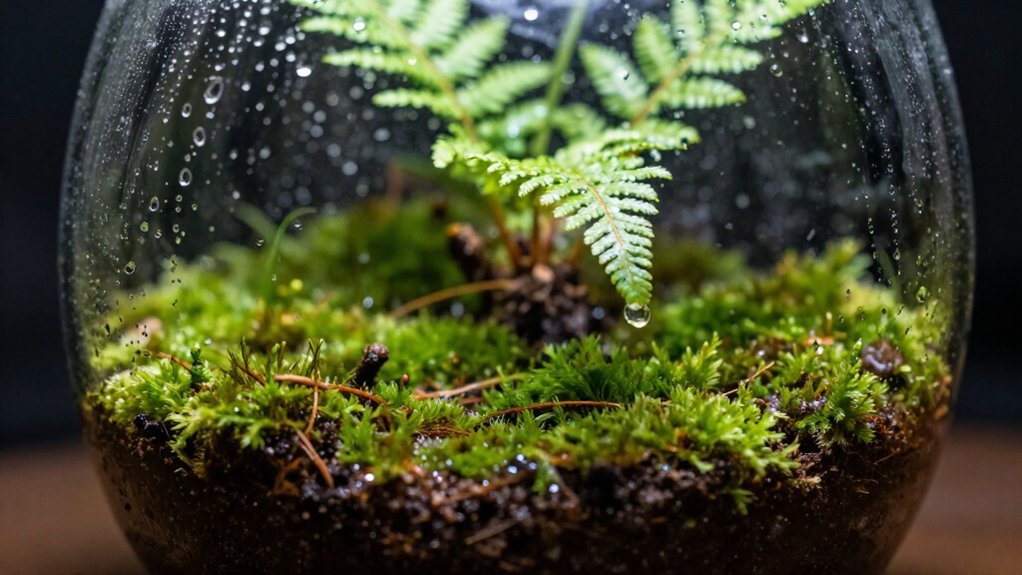
Why do so many gardeners panic at the first sign of dry soil in their sealed glass worlds? In closed terrariums, you’re managing a self-sustaining water cycle, not a potted plant demanding weekly attention. Your ecosystem recycles moisture through condensation and evaporation, creating humidity that sustains ferns, mosses, and Fittonias without constant intervention.
Watch the glass. Condensation signals an active water cycle; its absence means humidity has dropped and topping up becomes necessary. You’ll likely water every few months, not weeks, though seasonal warmth or slight ventilation may accelerate drying. When you do water, mist lightly rather than pouring directly, preventing soggy substrate zones that rot delicate roots. Trust your plants’ cues, not a calendar, for thriving closed systems.
Recommended Products


Promoting Moisture Circulation: Made of premium colorful lava rocks these rocks for plants and plant rocks mix well with succulent soil mix succulent soil potting mix bonsai rocks and cactus soil. It improves air flow drains extra water to avoid root rot and balances water retention for succulents and bonsai
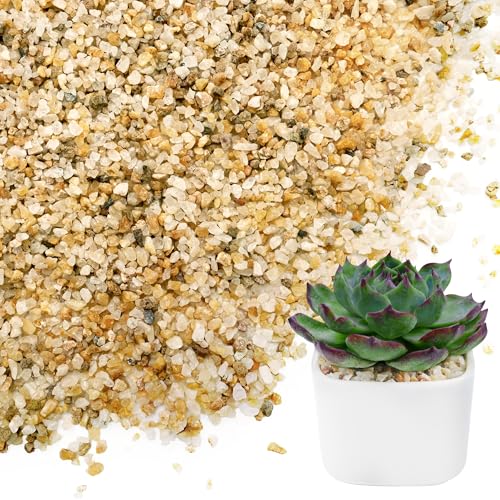
Natural & Reusable Coarse Sand: Our river sand in 1-2mm sizes, made of durable natural silica with no dyes or artificial additives. Washes clean without fading, perfect for long-term use in potting, crafts, and decor.
How to Water Open Terrariums: Every 2–6 Weeks
You’ll typically water your open terrarium every 5–6 weeks, though you should adjust this to every 2–3 weeks during active growing seasons or if you’re cultivating moisture-loving specimens like baby tears (Soleirolia soleirolii) or fittonias in USDA zones 9–11. You must recognize when your plants actually need hydration by checking for dry, curling leaves, soil that feels dry to your first knuckle, and a complete lack of morning condensation on the glass, since these cues matter far more than any calendar date. You should also reduce watering by 30–50% in winter months when evaporation slows and succulents like echeverias or haworthias enter dormancy, ensuring you never leave standing water at the container’s base.
Recommended Products

Atomizing nozzle: reptiles achieve the effect of humidification; plants are no longer short of water and spray a fine mist to create a comfortable rainforest environment.

✅Premium 8 oz Clear Glass Plant Mister with Durable Pump – This refillable and reusable glass spray bottle is built for long-term daily use, ideal for indoor plants, houseplants, and all-around home care. The transparent design lets you easily monitor water levels while adding a stylish touch to your space.

Portable pressure sprayer; Adds moisture to reptile environments
Watering Frequency Guidelines
How frequently should you water an open terrarium? You’ll find that watering frequency depends more on observation than calendar dates, with most open setups thriving on intervals of roughly 2–6 weeks. Your specific conditions, humidity levels, and plant selections determine where you fall within this range.
Watch for these moisture cues to guide your schedule:
- Check if the soil surface feels dry to your touch
- Look for slight wilting in leaves or stems
- Notice any yellowing that suggests thirst
- Monitor condensation patterns on glass walls
When you do water, use spray watering techniques rather than pouring. You’ll direct a fine mist evenly across the substrate, preventing soggy pockets that rot roots. Regular monitoring of soil texture, condensation, and plant vigor lets you adjust timing confidently, extending or shortening intervals as your open terrarium’s ecosystem demands.
Signs Plants Need Water
When should you actually reach for your spray bottle? You’ll know your open terrarium needs attention when you spot wilted leaves or crispy leaf edges, clear signals that moisture has evaporated faster than your plants can absorb it. Check the soil with your fingertip; it should feel lightly moist, never bone-dry or soggy.
Since your open terrarium doesn’t trap humidity like sealed glass, you’ll adjust timing based on what you observe. Grab your spray bottle when condensation disappears from the glass, or when the substrate looks dusty and parched. Mist evenly across the surface, avoiding direct streams that create waterlogged pockets.
Watch your plants closely, as sun exposure and room temperature shift their needs. You’re building a responsive routine, not following a rigid calendar, and that’s exactly how healthy terrariums thrive.
Seasonal Adjustments Required
Why settle for a rigid watering schedule when your open terrarium‘s needs shift with the seasons? Your watering interval must flex with temperature and light exposure, not remain fixed year-round.
You’ll make these seasonal adjustments by following four key practices:
- Shorten your watering interval to every 2–3 weeks during warm, sunny periods when evaporation accelerates.
- Extend toward 6 weeks in cooler, drier seasons when soil retains moisture longer.
- Monitor moisture cues daily: press your finger into the soil to verify dampness before adding water.
- Apply misting rather than direct pouring to distribute moisture evenly without saturation.
Trust your observations over the calendar. Your open terrarium thrives when you respond to its changing environment with measured, attentive care.
Desert vs. Tropical: Adjusting Water for Plant Type
You must recognize that desert succulents, including Echeveria ‘Lola’ and Mammillaria cacti, demand sharply different care than tropical species, requiring you to extend watering intervals to roughly four weeks with soil allowed to dry completely between applications, while tropical terrariums housing ferns like Nephrolepis exaltata or Pilea i need consistent moisture that you’ll maintain through weekly misting and closed-lid environments mimicking USDA zones 10–11 humidity levels. When you’re cultivating arid microclimates, you will install a drainage layer of at least ¼ inch gravel, monitor leaf turgidity as your primary indicator, dormancy periods in winter months often eliminate watering needs entirely, whereas tropical setups require you to prevent even brief drying episodes that trigger browning in sensitive foliage. Your success hinges on this fundamental distinction: succulents store water in thickened tissues that rot rapidly with excess moisture, but tropical epiphytes and ground covers evolved for constant substrate hydration, so you’ll adjust every technique, from spray bottle application at the base of cacti versus canopy-level misting for Staghorn ferns, to your seasonal calendar of intervention.
Recommended Products
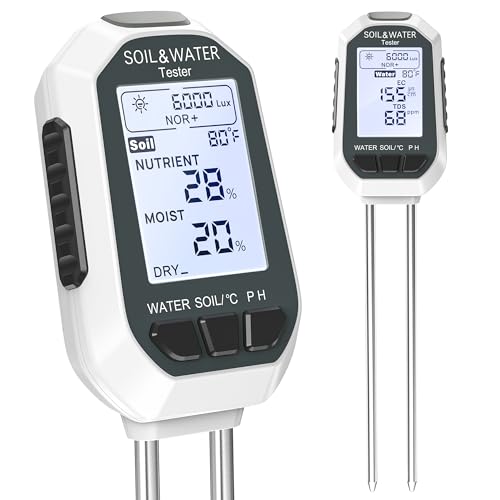
【7-in-1 Features】This is a 7-in-1 multi-function soil tester. Our soil tester quickly measures soil moisture, pH, temperature and light intensity, and its fertility function helps you take better care of your plants. With this device you can measure the soil moisture, pH, temperature and light intensity for your plants and with the EC and TDS functions you will know when it is time to water the soil.

✅ 1Dial & 1 LCD Screen - Replace/install all 3 batteries each time. Put button to %RH/°F to - Turn On, and put to LIGHT to - Turn Off. Read the LCD results in 3-5 mins. (Not Water Moisture Meter, so, please don't test liquid)
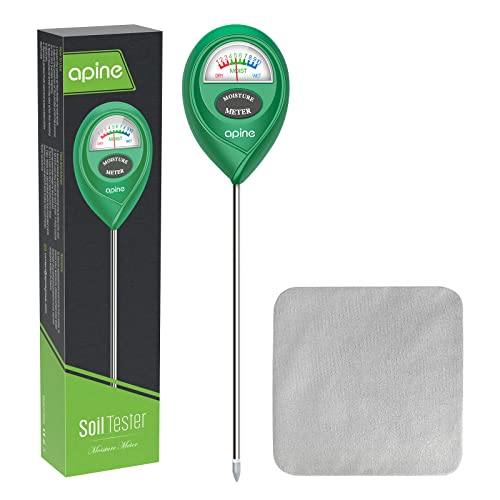
Quick Measurement:Just insert the probe of the plant water meter into the soil about two to four inches,wait a few seconds,you can get the soil moisture immediately.The color division of the dial is simple and clear,and the elderly can easily use it
Desert Succulent Requirements
How do desert terrariums differ from their tropical counterparts when it comes to hydration? You will water your desert terrarium far less frequently, as succulents store moisture in their leaves and roots, making them highly susceptible to rot in damp conditions.
When you water succulents in your terrarium, follow these essential practices:
- Water every 3–4 weeks, extending to 4–6 weeks in covered containers with limited evaporation
- Saturate soil at each plant’s base using a spray bottle, never misting foliage
- Verify soil dries completely between waterings, checking that leaves appear firm and full
- Install a drainage layer to prevent standing water and root rot in your arid microclimate
You should monitor leaf puckering as your rehydration signal, and you’ll adjust frequency based on seasonal light intensity, reducing water in winter when growth slows.
Tropical Moisture Needs
Where tropical terrariums diverge sharply from their desert counterparts is in their unrelenting demand for consistent moisture, a shift that’ll require you to abandon the sparse, cyclical watering patterns you’ve established for succulents. You’ll need to monitor soil moisture regularly, watering new tropical setups weekly with small amounts, then extending to every ten days once roots establish, always ensuring conditions stay moist but never soggy.
Grab your spray bottle and saturate the substrate directly at plant bases, achieving 360-degree interior glass coverage in closed systems rather than pouring water onto soil. Watch for leaf turgidity changes, yellowing, or browning as your signals to adjust. Healthy tropical terrariums display light fogging and steady moisture, indicators you’ve struck the proper balance for these humidity-loving ecosystems.
4 Signs Your Terrarium Needs Water (and 3 That Mean Stop)
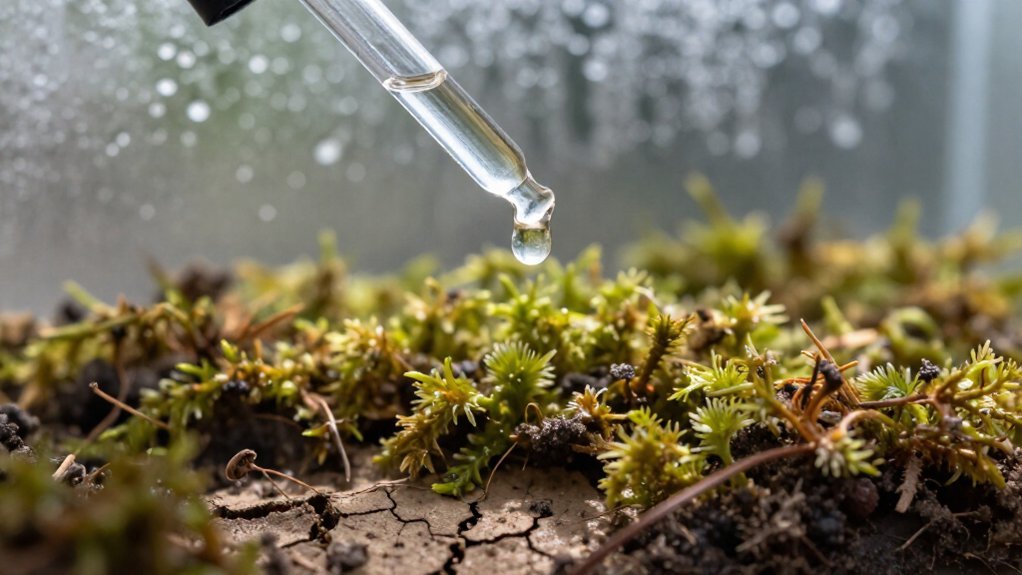
Reading your terrarium’s signals becomes second nature once you learn which clues demand attention and which warn you to step back. You must watch for these four signs that your terrarium needs water:
- Dry soil or moss that crumbles between your fingers indicates insufficient moisture.
- Wilting plants with drooping stems signal dehydration requiring immediate water.
- Brown, crispy leaf edges reveal chronic under-watering demanding moisture restoration.
- Absent condensation on sealed glass suggests humidity has dropped below optimal levels.
Stop watering when you spot these warning signs: yellowing leaves indicate excess moisture, pulpy foliage signals rot risk, and brown mushy roots demand drainage improvement. Master these indicators, and you’ll maintain perfect balance without guesswork.
Recommended Products

【Versatile Decoration】Widely used in aquarium, fish tank, succulents, etc, these stones enhance the beauty of your space.

【Well Drainage】This succulent gritty mix is super well in water drainage, best for drought tolerant succulents and cactus, help your plants grow beautiful colors and also effective prevent rover water

Small Ceramic Plant Pots - Perfect for Holding baby succulent plants and cactus.
Seasonal Shifts: Summer Growth and Winter Dormancy
Your terrarium’s watering rhythm shifts dramatically as daylight hours stretch and contract across the year, and recognizing these patterns prevents the two most common killers of containerized plants: drought stress during active growth and rot during forced rest.
During summer growth, you’ll increase watering frequency for desert and succulent terrariums from every four weeks to every 2–3 weeks when strong sun drives evaporation. Monitor leaf condition closely: puckered or dry leaves signal thirst, while overly turgid or darkened foliage demands you reduce frequency immediately.
Winter dormancy brings a complete reversal. Most succulents and cacti enter rest periods requiring little to no water until spring, so you’ll pause or drastically adjust your schedule. Always ensure soil dries completely between applications, and remember that seasonal shifts affect each terrarium differently based on temperature, humidity, and light exposure. Treat every setup individually.
Recommended Products

Small Size with Large Capacity: Only 6.3" Tall 3" Diameter with 200ml,enough for indoor plants like succulents.It is the best present for plants lover
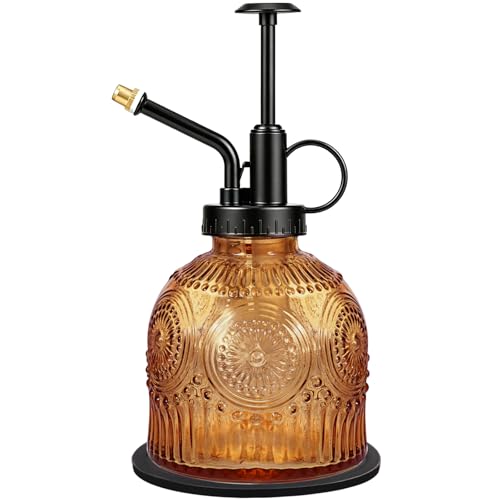
✅Premium 8 oz Glass Plant Mister with Durable Pump – This refillable and reusable glass spray bottle is built for long-term daily use, ideal for indoor plants, houseplants, and all-around home care. The transparent design lets you easily monitor water levels while adding a stylish touch to your space.

Nanny reptile misting system. Tired of traditional hand misting methods? Get this, Ogioxam reptile mister automatic with timer will automate your watering schedule. After simple setup, this automatic reptile mister will add humidity to your terrarium at regular intervals. Not only does it provide rainforest living environment for exotic pets, but it makes caring for them very easy, allowing you to spend more time with your family
Best Water Types and Spray Techniques for Terrariums
How you deliver water to your terrarium matters nearly as much as how often you apply it, and mastering both the chemistry of your water source and the mechanics of distribution separates thriving ecosystems from struggling glass boxes.
Mastering water chemistry and distribution mechanics separates thriving ecosystems from struggling glass boxes.
You will want to follow these practical guidelines for optimal results:
- Select your spray bottle with a stream setting to distribute water evenly, aiming to mist interior glass and base of each plant rather than pouring directly on soil.
- Choose distilled water or rain/RO water for spraying, with distilled water recommended for certain air-plant setups and rainwater serving as a solid option for closed terrariums.
- Monitor moisture cues in your open terrarium by feeling the substrate and observing condensation patterns before deciding when to apply more water.
- In closed humid systems, mist lightly to maintain healthy water cycles and prevent excessive condensation build-up from developing.
Recommended Products

3-in-1 Soil Tester: This meter can test soil moisture, light and pH value; You can switch modes with one button; It makes gardening and plantng more efficient

Scientific maintenance: The 7 in one soil testing kit is more suitable for beginners, and can help you comprehensively understand the soil conditions of gardens and lawns, solving your confusion. You can adjust soil moisture and pH according to the values, and you can also clearly see the air temperature and humidity as well as soil temperature through the LCD display to improve plant growing conditions in time and scientifically nurture seedlings to help you make your plants flourish
Catch Overwatering Before Root Rot Starts
Even with proper spray technique and water selection, you’re still working against the fundamental challenge every terrarium presents: a closed system without drainage holes means moisture has nowhere to escape, and root rot can establish itself faster than most beginners anticipate.
You’ll recognize overwatering before irreversible damage occurs by monitoring three critical indicators. First, observe your condensation patterns; persistent, heavy droplets coating interior walls signal excessive substrate moisture requiring immediate intervention. Second, press your finger into the growing medium; it should feel moist but never waterlogged. Third, inspect leaf texture; firm, turgid foliage indicates health, while yellowing or browning edges demand reduced watering frequency. When you spot these warning signs, withhold water for 48 to 72 hours, then resume misting sparingly. Your vigilance prevents root rot from claiming sensitive specimens.
Recommended Products

Natural & Reusable Coarse Sand: Our river sand in 3-5mm sizes, made of durable natural silica with no dyes or artificial additives. Washes clean without fading, perfect for long-term use in potting, crafts, and decor.

NATURAL TERRARIUM SOIL & INDOOR POTTING MIX Crafted from untreated pine bark, Canadian peat, and coarse sand to create a well-draining potting soil ideal for terrariums, succulents, and cactus. Perfect for everyday planting and decorative arrangements, including 4th of July decorations.
Natural & Reusable Coarse Sand: Our river sand in 1-2mm sizes, made of durable natural silica with no dyes or artificial additives. Washes clean without fading, perfect for long-term use in potting, crafts, and decor.