


The path to plant parenthood isn’t always paved with green thumbs, but you’re about to discover that timing your watering isn’t the mystery you’ve been led to believe. Your Monstera deliciosa and ZZ plant (Zamioculcas zamiifolia) will thrive when you check soil moisture at 1–2 inches depth, not your calendar. You’ll adjust for terracotta’s quick drying versus plastic’s retention, factor in that south-facing window’s intensity, and recognize seasonal shifts that demand less frequent irrigation. The real question isn’t how often, but how well you’ll learn to read your plants’ silent signals before it’s too late.
How to Check If Your Indoor Plant Actually Needs Water
How do you know when your indoor plant truly needs a drink? You check the soil moisture, because surface dryness alone deceives you. For nearly all common houseplants, you should wait until the top inch feels dry to your fingertip, though some prefer you to let two inches go dry before you water again.
You can also try the weight test: lift your pot after watering, feel its heft, then lift it days later. When it feels noticeably lighter, the soil has dried sufficiently.
Watch for wilt, but do not panic. Wilt signals both overwatering and underwatering, so you must assess soil moisture first to distinguish between them. You avoid root rot and dehydration alike by responding to actual conditions, not a rigid calendar schedule your plant never follows.
Recommended Products

Accurate Soil Moisture Detection: The XLUX Soil Moisture Meter can tell you if the soil deep inside your pot or garden is dry, moist or wet; whereas your eyes and fingers can only determine the moisture level of the soil surface. The probe is 5.5 inches (14 cm) longer than regular styles, allowing it to measure the soil moisture at the bottom of larger and deeper flower pots.

Accurate Soil Moisture Detection: The XLUX Soil Moisture Meter can tell you if the soil deep inside your pot or garden is dry, moist or wet; whereas your eyes and fingers can only determine the moisture level of the soil surface. The probe is 5.5 inches (14 cm) longer than regular styles, allowing it to measure the soil moisture at the bottom of larger and deeper flower pots.

【4 in 1 function】This is a 4-in-1 multifunctional soil tester.Our soil tester fastly to measure soil moisture, pH, temperature and sunlight to help you take better care of flowers and plants.You can know when you need to water your soil by measuring moisture and pH & Temperature value of the soil and sunlight level of plants with it.
Why Pot Type, Soil Mix, and Light Control Drying Speed
You will notice that your watering schedule shifts dramatically based on three interconnected factors: the material your pot is made from, the composition of your soil mix, and the intensity of light your plant receives. Terracotta and other unglazed porous containers pull moisture from the root zone through evaporation, often requiring you to water 30-50% more frequently than identical plants in plastic or glazed ceramic pots, while a well-aerated mix containing 30-40% perlite or coarse sand will dry within 5-7 days versus 10-14 days for dense, peat-heavy formulations. Bright, direct southern exposure, particularly in USDA zones 9-11 where ambient temperatures exceed 75°F, accelerates transpiration so significantly that you may need to check moisture levels twice weekly, whereas the same cultivar positioned in low northern light might tolerate 10-day intervals without stress.
Recommended Products
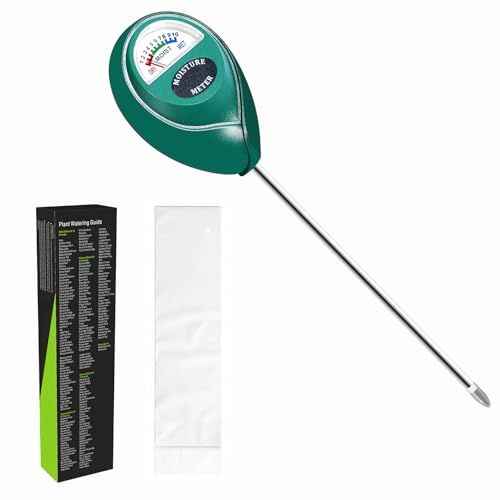
Trusted Since 2015: Become one of the many plant lovers who rely on the proven accuracy of XLUX. Established in 2015, our soil moisture meter has earned over 60,000+ verified ratings for its consistent performance. While many many newer brands come and go, we provide the long-term reliability and quality that American households have trusted for over a decade.

✔️Accurate - A helpful tool of water meter for indoor plants which senses the moisture in the soil around plants. No more guess if the plant needs more or less water
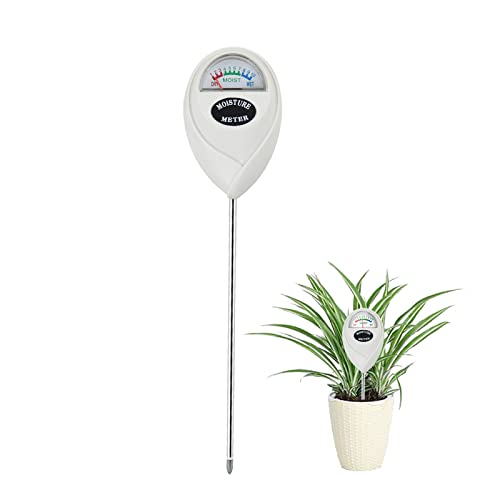
【SAVE YOUR PLANTS】: Over watering can cause problems with your plants or even kill them. This soil moisture meter helps you know the soil is dry, moist or wet.No more over watering!
Pot Material Effects
Because pot material fundamentally alters how quickly moisture leaves your container, choosing between terracotta, plastic, or glazed ceramic becomes one of the most impactful decisions you’ll make for your watering routine. Porous pots, such as unglazed terracotta, wick moisture through their walls, accelerating drying time and demanding more frequent watering than non-porous alternatives. Plastic or glazed ceramic containers trap humidity, extending intervals between waterings significantly.
You’ll need drainage holes regardless of pot material, as even porous pots can waterlog roots without proper exit points for excess fluid. Your soil mix compounds these effects: well-aerated blends in terracotta dry fastest, while dense mixes in plastic retain moisture longest. Large root systems cramped in small pots exhaust water rapidly, forcing you to monitor conditions closely and adjust your schedule accordingly.
Soil Composition Impact
Soil composition routinely determines how long moisture persists around your roots, often mattering more than the container itself once you’ve selected your pot. You control drainage and evaporation through your mix choices, directly affecting how often you’ll reach for your watering can.
Your soil composition dictates watering frequency through three key levers:
- Dense, compost-heavy mixes lock in soil moisture, letting you water less often
- Sandy, well-draining blends in porous pots require more frequent attention
- Top-dressing with bark or moss slows evaporation from bare soil
Your root mass also accelerates drying; established plants in the same container deplete moisture faster than young specimens. Match your soil’s water retention to your plant’s preferences, and you’ll maintain consistent hydration without constant guesswork, keeping your indoor garden thriving through deliberate, informed adjustments rather than rigid schedules.
Light Exposure Dynamics
How does light reshape your watering calendar even when you’ve settled on the perfect pot and soil blend? Your light exposure fundamentally alters soil drying rate, and you’ll adjust accordingly.
Consider your pot material and pot size carefully. Terracotta wicks moisture faster than plastic, and smaller pots dry quicker than larger ones. When you pair porous containers with intense southern exposure, you’ll water every 5 days instead of 10.
Room temperature compounds these effects. Your warmer rooms accelerate evaporation, so you monitor more closely in heated spaces. Lower light slows everything down, letting you extend intervals confidently.
You’ll balance these variables: medium light in glazed ceramic demands less attention than bright conditions in unglazed terracotta. Trust your finger test, adjust weekly, and you’ll maintain optimal hydration regardless of your specific combination.
How Often to Water Indoor Plants by Type (Succulents to Tropicals)
You’ll find that your watering routine shifts dramatically once you start grouping plants by type, since succulents like Echeveria elegans or Schlumbergera truncata demand patience, with their thick, water-storing leaves allowing you to wait until the soil is bone-dry several inches down, often stretching to fourteen days or longer in winter months, while your tropical specimens, such as Spathiphyllum ‘Mauna Loa’ or Philodendron hederaceum, rooted in the humid understories of USDA zones 10 through 11, will crisp and yellow if you let them thirst beyond five to seven days, particularly when summer sun or forced-air heating accelerates evaporation from their finer, fibrous root systems. You should always check the top half-inch of soil before reaching for your watering can, recognizing that a compact root ball in a four-inch terracotta pot will desiccate faster than the same plant established in an eight-inch glazed ceramic vessel, and you’ll want to soak thoroughly until water escapes the drainage holes, rather than sprinkling lightly, which only wets the surface and encourages shallow, vulnerable roots. With succulents, you can safely underwater and wait for slight leaf wrinkling as your cue, whereas tropicals prefer you to maintain even moisture, never sodden but never fully desiccated, so you might set a calendar reminder for weekly checks that flex to twice-weekly in July or stretch to ten-day intervals in December, trusting your finger or a simple wooden skewer more than any fixed schedule.
Recommended Products
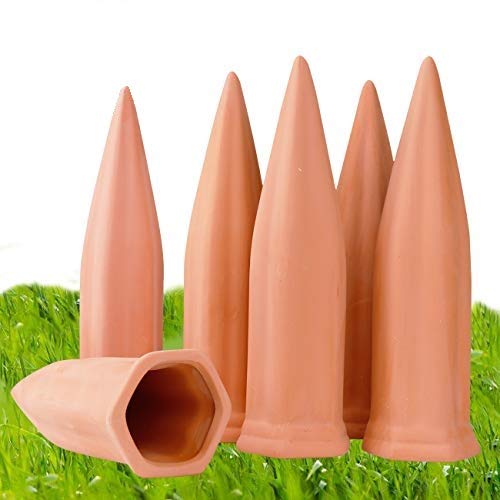
Made of Terracotta - Slow Release Water Automatically: The plant watering device is made from terracotta clay, which is a little fragile due to its property. The terracotta watering spikes will release water automatically. Thinner the spikes, faster the draining speed. Therefore, you may still find the spikes broken when you receive it. Do not worry. Remiawy will take full responsibility for that

Innovative Self-Watering Design: Terracotta material is porous in nature, even without the drainage hole, the water will slowly be absorbed by the terracotta pot and then by potting soil, which then provide proper moisture for the plants’ root and water supply. Just fill the glass container with water to cover half of the pot, and it will absorb proper amount of water whenever needed.

Elevate Your Plant Care: Suitable for plant lovers of all skill levels, transform your plant care routine with our high-quality, hand-slipcast terracotta watering spikes. Made from premium clay, these spikes are durable, effective, and beautifully designed with timeless charm. Each spike comes with a simple, eco-friendly terracotta lid that reduces evaporation, and adds a touch of class to any garden or indoor plant setup.
Watering Succulents Correctly
Where exactly do succulents stand among houseplants that demand your attention? These resilient specimens rank among the lowest-maintenance choices, thriving with infrequent watering that lets soil moisture evaporate completely. You’ll wait 2–4 weeks between sessions, adjusting for pot dimensions, light exposure, and ambient humidity.
Mastering succulent care requires attention to fundamentals:
- Select porous, well-draining soil and containers with drainage holes to protect roots from rot
- Water thoroughly until liquid exits the bottom, then promptly empty standing water from saucers
- Reduce irrigation to monthly intervals during winter dormancy or low-light periods
Terracotta vessels accelerate drying compared to plastic or ceramic alternatives. When you position succulents in bright, direct sun, you’ll increase watering slightly; shade conditions demand greater restraint. Your vigilance prevents the most common cultivation error: excessive affection through overwatering.
Tropical Plant Hydration
Tropical houseplants generally demand your attention more frequently than their succulent counterparts, particularly when you place them in bright, warm conditions where transpiration accelerates. Your watering frequency for tropical plants depends heavily on soil moisture levels, indoor humidity, and pot size, so you’ll need to monitor these factors closely.
In moderate indoor humidity, you’ll typically water monstera, philodendron, and pothos every 7–14 days. Larger specimens with substantial root mass in porous containers need deeper, less frequent soakings. You should allow the top half-inch of soil to dry between sessions.
In brighter or warmer rooms, expect to water every 4–7 days. Cooler, more humid spaces let you stretch to 14 days. Always water thoroughly until drainage, then empty excess water. Check soil moisture by feel to tailor your approach.
When to Water Indoor Plants Less (and When to Water More)
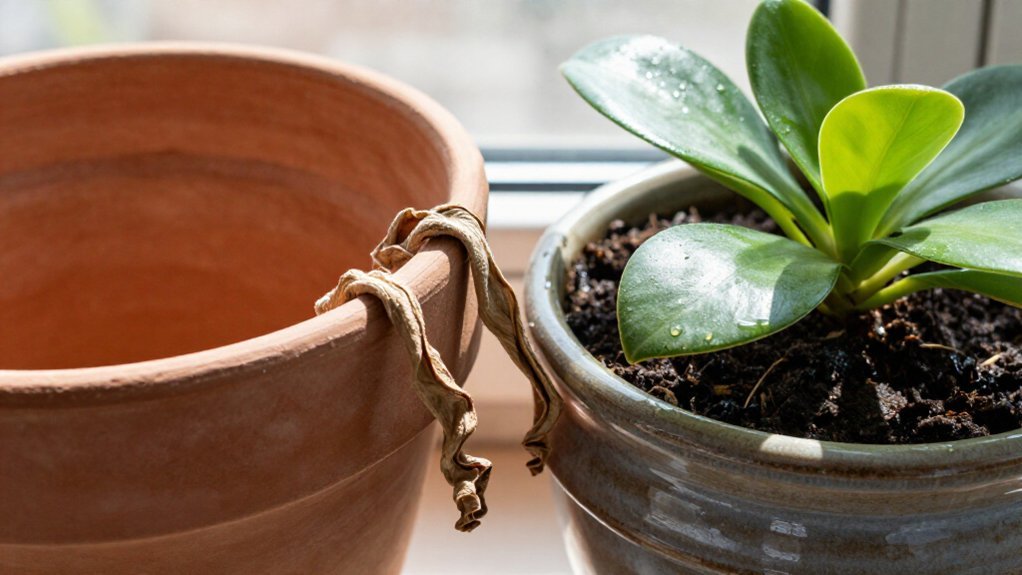
Watch for these adjustments:
Watch for seasonal adjustments, moisture-loving exceptions, and root-bound specimens when fine-tuning your watering schedule.
- Scale back when winter dormancy slows growth and light levels drop, reducing transpiration and water uptake substantially
- Increase frequency for the 5% of plants, including ferns and calatheas, requiring consistently moist conditions and elevated humidity
- Extend intervals for large, pot-bound specimens whose extensive root systems retain moisture longer between drinks
If wilting persists despite proper scheduling, examine whether compacted roots or poor drainage demand re-potting with amended substrate to restore healthy function.
Recommended Products

【Practical Size Combo】-These plastic planters indoor combines with 6 different sizes, 8 inch 7inch 6.5 inch 6 inch 5.5 inch 5 inch which are suitable for planting most small and medium-sized home office plants.Ideal gift,Carbonfree Certified.

Indoor plants are beneficial to mental health and our well-being, not to mention a great way to enhance the overall look and feel of your home. every time you look at these plants they add a smile to your face.

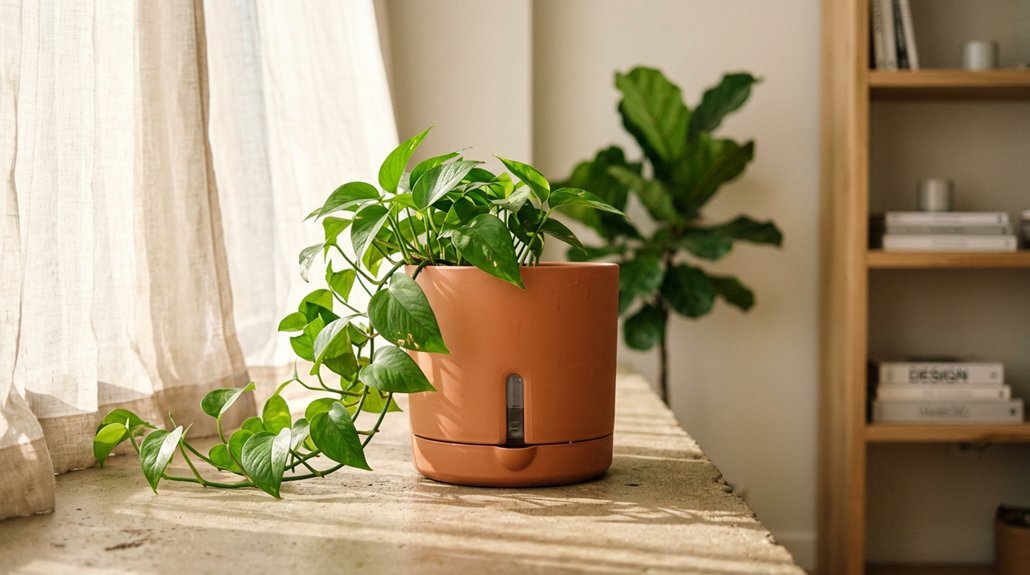
🌿 【Self-Watering Pots with Water Level Indicator】 Designed for busy plant lovers, our 8/10/12 self-watering pots feature a built-in ABSORBENT COTTON WICK SYSTEM that automatically draws water from the detachable bottom tray. The TRANSPARENT WATER LEVEL WINDOW WITH MEASUREMENT MARKINGS lets you monitor hydration at a glance, ensuring no overwatering or underwatering. Perfect for indoor/outdoor plants, this system keeps soil evenly moist for up to 7-10 days—ideal for vacations or hectic schedules.
How to Water Indoor Plants Correctly: Technique and Tools
You’ll rarely succeed with indoor plants unless you master the proper watering technique, since overwatering kills more specimens than any other mistake in home horticulture. Check soil moisture before you water anything by pressing your finger into the top half-inch of soil or inserting a moisture meter, resisting the urge to pour on a rigid schedule regardless of conditions.
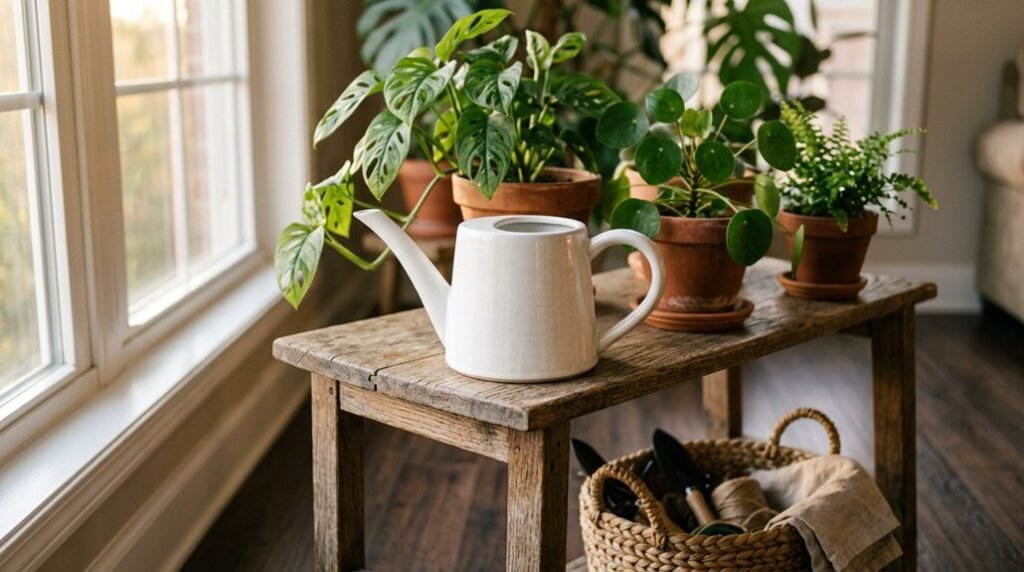
Water thoroughly each session, applying room-temperature tap water evenly across the soil surface until excess streams freely from pot drainage holes. For hanging specimens or deep containers, use a long-spouted watering can to target the root zone precisely without splashing foliage. Never let pots sit in standing water or full saucers. Tailor every watering to your specific plant, pot size, and seasonal light levels rather than following arbitrary calendars.
Recommended Products

Plant Pots / Flower Pots - Invest in a beautiful garden to harvest the seeds of love, with the set of pots for indoor or outdoor plants

【Effortless Self-Watering for Busy Plant Lovers】 Designed for modern life, our self-watering planter uses a high-efficiency capillary wick to draw water steadily from the hidden reservoir into the soil. The visible water window with precise level markings lets you check moisture at a glance—say goodbye to overwatering or underwatering. Keep plants consistently hydrated for up to 10–14 days, perfect for travel or daily simplicity.

Ceramic Plant Pot: The ceramic pot is high temperature fired stoneware which are durable and lightweight that convenient for you to use
Fix Overwatering and Underwatering Before Root Rot Sets In
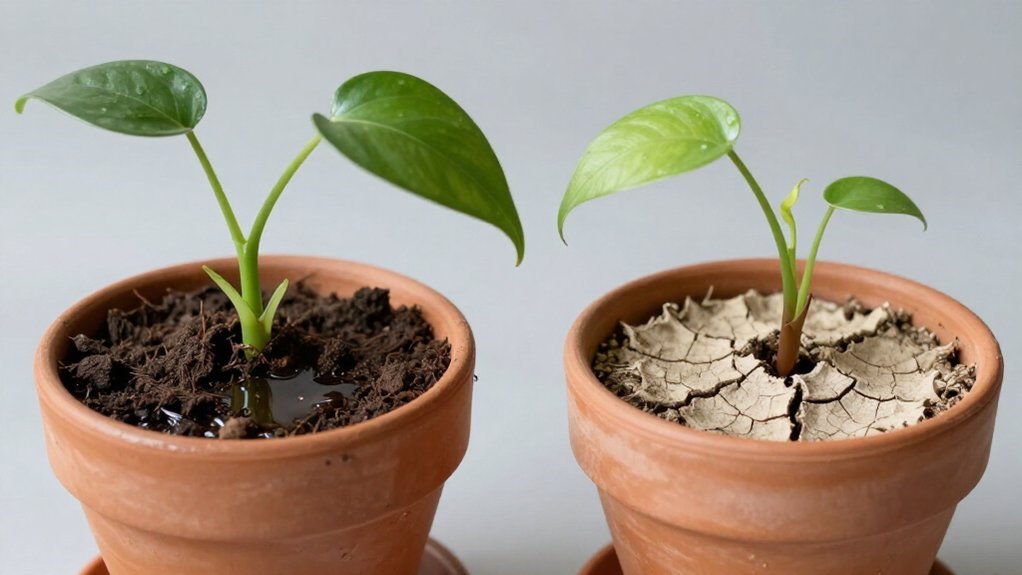
How can you tell when your watering routine has gone wrong before it’s too late? You’ll spot overwatering through mushy leaves, brown spots, and soggy soil, while underwatering reveals pale, wrinkled leaves with soil pulling away from your pot. Both extremes threaten root rot, so you’ll need to act fast when you notice these warning signs.
To protect your plants, follow these recovery steps:
- Check soil moisture by inserting your finger or a moisture meter, then water only after the top ½ inch dries for most houseplants
- Ensure drainage holes stay unobstructed, and empty excess water from saucers immediately, especially with hanging setups
- Repot into fresh dry soil and trim damaged roots if root rot symptoms appear, adjusting your approach based on plant type, pot size, and environment rather than fixed schedules
Recommended Products

Accurate Soil Moisture Detection: The XLUX Soil Moisture Meter detects deep soil moisture in pots or gardens (dry/moist/wet), unlike eyes or fingers that only sense surface soil.

3-in-1 Soil Tester: This meter can test soil moisture, light and pH value; You can switch modes with one button; It makes gardening and plantng more efficient

✅ 1Dial & 1 LCD Screen - Replace/install all 3 batteries each time. Put button to %RH/°F to - Turn On, and put to LIGHT to - Turn Off. Read the LCD results in 3-5 mins. (Not Water Moisture Meter, so, please don't test liquid)