


Like the ancient gardeners of Babylon who first coaxed greenery into enclosed courts, you now stand at the threshold of a new growing era where fertilizer technology has evolved far beyond simple N-P-K blends. Your indoor jungle in 2026 demands more than guesswork; it requires precision formulations that respond to your specific microclimate, plant palette, and care habits.
You will soon discover how smart-release granules, self-dissolving tablets, and liquid concentrates each solve distinct cultivation challenges, but the real question isn’t which product ranks highest, it’s which one aligns with your plants’ hidden needs and your own daily rhythm. The answer changes everything.
Miracle-Gro Indoor Plant Food for All Plants, 8 fl. oz. (2-Pack)

INDOOR HOUSEPLANT FOOD: Miracle-Gro Indoor Plant Food All Plants contains nutrients for healthier, stronger plants (vs unfed when used as directed) NUTRIENTS FOR HEALTHY...
When you’re standing in the garden center wondering which fertilizer will actually deliver results for your ficus, pothos, or that stubborn fiddle-leaf fig, Miracle-Gro Indoor Plant Food for All Plants offers a straightforward solution that doesn’t demand a degree in botany.
You’ll receive an 8 fl. oz. bottle, doubled in this two-pack bundle manufactured by The Scotts Company LLC, model 3422802.
This liquid formula feeds instantly, delivering nutrients that promote healthier, stronger growth compared to unfed specimens. You’re free to apply it directly to soil followed by watering, or mix it into one quart of water for simultaneous feeding. Reapplication occurs every fourteen days.
The product accommodates all indoor container categories: houseplants, flowering species, vegetables, and herbs across applicable USDA hardiness zones when grown indoors.
For optimized performance, you’ll want to pair this fertilizer with Miracle-Gro Indoor Potting Mix for All Plants, as manufacturer recommendations suggest this combination yields more spectacular results.
Best For: Indoor gardeners seeking an easy-to-use liquid fertilizer for all types of houseplants, flowers, vegetables, and herbs grown in containers.
Pros:
- Instant-feeding liquid formula provides immediate nutrient delivery for healthier, stronger plant growth
- Flexible application methods allow direct soil application or mixing with water for simultaneous feeding
- Versatile enough for all indoor container plants including houseplants, flowers, vegetables, and herbs
Cons:
- Requires reapplication every 14 days, demanding consistent maintenance schedule
- Two 8 fl. oz. bottles may not last long for gardeners with large plant collections
- Best results require supplementary purchase of Miracle-Gro Indoor Potting Mix
Recommended Products

🌱 COMPREHENSIVE PLANT NUTRITION: The 10-10-10 in our liquid plant fertilizer signifies a balanced blend of Nitrogen (N), Phosphorus (P), and Potassium (K), each contributing 10% to the total composition. Nitrogen is essential for promoting lush, vibrant foliage and overall growth, while Phosphorus is integral to root development and crucial for blooming and fruiting. Potassium, responsible for overall plant health.
INDOOR HOUSEPLANT FOOD: Miracle-Gro Indoor Plant Food All Plants contains nutrients for healthier, stronger plants (vs unfed when used as directed)

Designed for Indoor Houseplants Our indoor plant food is formulated to provide the balanced nutrition houseplants need to thrive indoors.
Houseplant Fertilizer Self-Dissolving Tablets (4 Tablets)

EASY USE: No Measuring. No Mixing. No Mess. Instant Plant Food self-dissolving fertilizer tablets make feeding your indoor plants a breeze. CONVENIENT, pre-proportioned...
Which indoor gardener needs precision without the fuss of measuring spoons, mixing ratios, and spilled powder? You do, and these self-dissolving tablets deliver exactly that convenience.
Each package contains four pre-proportioned tablets from INSTANT BIOLOGICS, a USA-based manufacturer committed to vegan, cruelty-free production. You simply drop one tablet into a glass of water or your watering can, watch it dissolve, and feed instantly. No measuring, no mixing, no mess.
The 4-3-6 N-P-K formula provides essential nutrients plus trace micronutrients through live fermentation of naturally occurring minerals. One tablet nourishes a large houseplant or several small specimens for up to three months.
This makes it ideal for tropical foliage, desert succulents, air plants, and everything between in standard pots or self-watering containers.
You’ll appreciate knowing that 1% of sales supports environmental organizations, aligning your plant care with planetary stewardship. For gardeners in USDA zones 3 through 11 maintaining indoor collections, this simplifies nutrition without sacrificing results.
Best For: Indoor gardeners in USDA zones 3-11 seeking hassle-free plant nutrition without measuring, mixing, or mess.
Pros:
- Pre-proportioned self-dissolving tablets eliminate measuring spoons and spilled powder
- Single tablet feeds large houseplants or multiple small plants for up to 3 months
- Vegan, cruelty-free formula supports environmental organizations through 1% of sales
Cons:
- Limited to 4 tablets per package, requiring more frequent repurchases for larger collections
- 4-3-6 N-P-K ratio may not suit plants with specialized nutrient requirements
- Three-month feeding duration provides less flexibility for adjusting fertilization schedules
Recommended Products
EASY USE: No Measuring. No Mixing. No Mess. Instant Plant Food self-dissolving fertilizer tablets make feeding your indoor plants a breeze. CONVENIENT, pre-proportioned tablets. Just drop a tablet in a glass of water or watering can and feed your plants with the solution.

Easy-to-use fertilizer for all indoor plants including ferns, spider plants, pothos, and croton

Easy-to-Use Indoor Plant Food: No mess or measuring required. Simply drop a self-dissolving fertilizer tablet in water, effortlessly nourishing your houseplants.
Burpee Natural Purpose Organic Plant Food 4lb Bag

FEED YOUR PLANTS: Burpee's All-Purpose Organic Plant Food is formulated to keep your plants growing and happy throughout the season. Major nutrients as well as calcium, minor...
Burpee Natural Purpose Granular Organic Plant Food is a 4-pound bag of OMRI-listed granules that transitions seamlessly from indoor containers to vegetable gardens. Since 1876, Burpee has earned your trust through generations of horticultural expertise, and this formula continues that legacy with beneficial soil microbes and a balanced nutrient profile including calcium and minor nutrients.
You’ll appreciate the dual-release system: immediate feeding combined with sustained nutrition for up to three months. Apply these ready-to-use granules to your seed starting mix, patio pots, or established beds of flowers, vegetables, and shrubs. The formulation promotes vigorous growth, enhanced fruit production, and vibrant blooms without risking your plants when you follow label directions.
Whether you’re nurturing basil in a windowsill container or establishing tomatoes in Zone 7, you’re getting professional-grade organic nutrition backed by Burpee’s commitment to your gardening success.
Best For: Organic gardeners seeking a versatile, OMRI-listed fertilizer for vegetables, flowers, herbs, and seed starting in both indoor containers and outdoor gardens.
Pros:
- Dual-release formula provides immediate feeding plus sustained nutrition for up to 3 months, reducing reapplication frequency
- OMRI-listed organic certification with beneficial soil microbes and balanced nutrients including calcium for comprehensive plant health
- Ready-to-use granular format works seamlessly across diverse applications: seed starting, patio pots, containers, and established garden beds
Cons:
- 4-pound bag may require frequent repurchase for larger garden spaces or heavy-feeding crops
- Immediate release component may leach nutrients if over-applied or used before heavy rainfall without soil incorporation
- Granular format requires careful measurement and even distribution compared to liquid alternatives for precise feeding control
Recommended Products

CONTINUOUS RELEASE NUTRITION: Osmocote Smart-Release Plant Food Plus Outdoor & Indoor1 granular fertilizer contains 11 essential nutrients and feeds live plants up to 6 full months

CONTINUOUS RELEASE NUTRITION: Osmocote Smart-Release Plant Food Plus Outdoor & Indoor1 granular fertilizer contains 11 essential nutrients and feeds live plants up to 6 full months

CONTINUOUS RELEASE NUTRITION: Osmocote Smart-Release Plant Food Plus Outdoor & Indoor1 granular fertilizer contains 11 essential nutrients and feeds live plants up to 6 full months
Osmocote Smart-Release Plant Food Plus Outdoor & Indoor1, 2 lb.
CONTINUOUS RELEASE NUTRITION: Osmocote Smart-Release Plant Food Plus Outdoor & Indoor1 granular fertilizer contains 11 essential nutrients and feeds live plants up to 6 full...
Osmocote Smart-Release Plant Food Plus Outdoor & Indoor, 2 lb., suits the busy cultivator who demands precision without daily intervention. You sprinkle these resin-coated granules once, and they release eleven essential nutrients over six full months, responding to soil temperature and moisture so your plants feed exactly when growth accelerates. The Scotts Company LLC engineers each pellet with calibrated coatings, eliminating guesswork across houseplants, vegetables, shrubs, and container specimens in USDA zones 3 through 10.
You cover seventy-five square feet per two-pound container, whether tending raised beds or windowsill ferns. The no-burn pledge protects root systems when you follow package directions, making this formulation forgiving for beginners yet precise enough for experienced growers managing mixed indoor collections. You apply at planting or top-dress established specimens, then water normally to activate release.
Versatility distinguishes this fertilizer: you transition seamlessly between indoor peace lilies and outdoor tomatoes without switching products. For maximum efficiency, you incorporate granules into potting mix at one tablespoon per gallon, or broadcast across soil surfaces at recommended rates. Your plants receive steady, balanced nutrition without the salt buildup that plagues liquid alternatives, and you reclaim hours previously spent measuring and mixing weekly solutions.
Best For: Busy growers of all skill levels who want precise, long-lasting nutrition for a wide variety of indoor and outdoor plants without daily maintenance or frequent reapplication.
Pros:
- Six-month continuous release eliminates frequent fertilizing and responds to plant growth cycles via temperature- and moisture-sensitive resin coating
- Versatile formula works across virtually all plant types—houseplants, vegetables, shrubs, trees, roses, and more—in containers, raised beds, or in-ground settings
- No-burn pledge protects root systems when used as directed, making it forgiving for beginners while still precise enough for experienced cultivators
Cons:
- Requires upfront incorporation or top-dressing at specific rates rather than adjustable liquid feeding for customized plant needs
- Resin-coated granules may release nutrients too slowly for plants with immediate deficiencies or rapid seasonal growth spikes
- Limited coverage of 75 square feet per 2 lb container may necessitate multiple purchases for larger garden spaces
Recommended Products
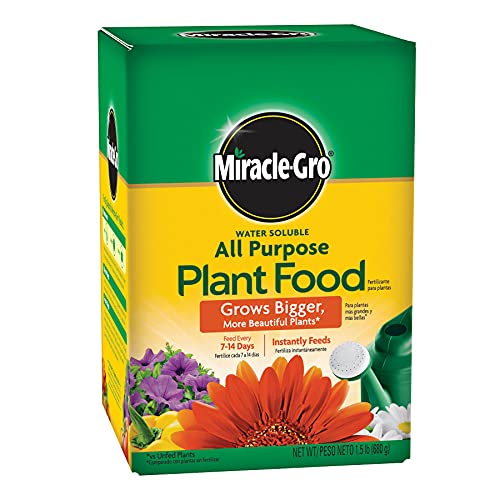
FEEDS ALL PLANTS: Miracle-Gro Water Soluble All Purpose Plant Food is a plant fertilizer that feeds all outdoor, in-ground and indoor plants, including roses, flowers, houseplants, vegetables, and trees

Indoor plant care: Miracle-Gro Indoor Plant Food Spikes provide low-maintenance feeding for healthier plants (vs unfed when used as directed)
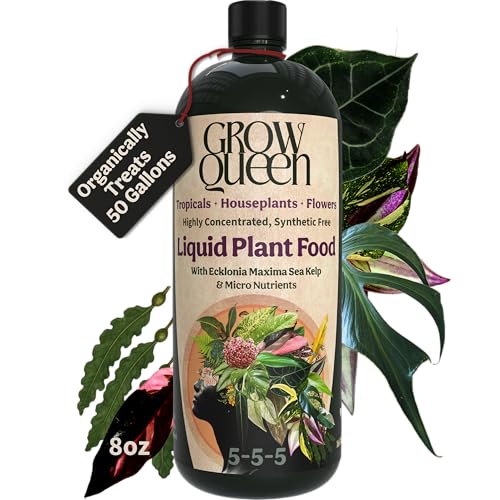
STRONGEST 5-5-5 ORGANIC LIQUID FERTILIZER – The only true 5-5-5 organic indoor plant fertilizer and plant food. Professional-grade yet gentle; feeds instantly without burn for fast growth, greener leaves, and strong roots in houseplants, tropicals, and potted plants; ideal daily indoor use. Boosts nutrients and vigor with balanced NPK.
Indoor Plant Food, Complete Liquid Fertilizer for Houseplants, 8oz
Designed for Indoor Houseplants Our indoor plant food is formulated to provide the balanced nutrition houseplants need to thrive indoors. Supports Lush Growth & Strong Roots...
Are you tending a windowsill pothos in USDA Zone 6 or nurturing a towering fiddle leaf fig in a sun-drenched Florida living room? You will appreciate how TPS Nutrients’ Indoor Plant Food adapts to your specific environment, delivering balanced nutrition that supports lush growth, strong roots, and vibrant green foliage.
You simply mix this liquid formula with water during your regular watering routine. This convenient 8-ounce size provides ample feedings for your monstera, philodendron, snake plants, peace lilies, and tropical collections. You administer it easily, encouraging fuller leaves and healthy new growth without complicated schedules.
This USA-made product fits seamlessly into your everyday plant care, giving your indoor garden the consistent nourishment it requires for year-round thriving.
Best For: Indoor plant owners seeking an easy-to-use liquid fertilizer that supports lush growth and vibrant foliage across a variety of houseplants including pothos, monstera, fiddle leaf figs, and tropical plants in any environment or climate zone.
Pros:
- Simple liquid formula mixes easily with water during regular watering routines, eliminating complicated feeding schedules
- Versatile formula suitable for diverse indoor plants from common varieties like snake plants and peace lilies to tropical collections
- Compact 8-ounce size provides ample feedings while being easy to store and handle
Cons:
- Limited to indoor use only, not suitable for outdoor garden applications
- 8-ounce quantity may require frequent repurchasing for owners of large plant collections
- Liquid format requires proper mixing and measurement, offering less convenience than slow-release granular alternatives
Recommended Products

MADE FROM PLANTS: Miracle-Gro Organic Plant Food is an outdoor and indoor plant fertilizer made from plants for all plants for Successful Organic Gardening Made Attainable

For more nutritious and tasty vegetables

Factors to Consider When Choosing Fertilizer for Indoor Plants

You’ll need to evaluate your specific plant’s requirements, from the nitrogen-hungry foliage of Ficus lyrata (USDA zones 10-12) to the phosphorus-sensitive roots of epiphytic orchids, before selecting any product with an N-P-K ratio exceeding 10-10-10.
Consider whether you prefer measuring liquid concentrates in milliliters, sprinkling slow-release granules at 1 teaspoon per 6-inch pot, or pressing fertilizer spikes 2 inches below the soil surface, as each method demands different scheduling: weekly feedings for tropical specimens under grow lights, monthly applications for dormant winter succulents.
Your choice between organic formulations, like fish emulsion diluted to 1 tablespoon per gallon, and synthetic crystalline mixes also determines nutrient availability speed, with organic options requiring warmer soil temperatures above 65°F for microbial breakdown to release nitrogen, phosphorus, and potassium to your Monstera deliciosa or Zamioculcas zamiifolia.
Recommended Products

Designed for Indoor Houseplants Our indoor plant food is formulated to provide the balanced nutrition houseplants need to thrive indoors.

Miracle-Gro Liquid All Purpose Plant Food feeds all types of plants instantly!

Indoor plant food specifically formulated for indoor potted plants. High concentrate plant fertilizer only take 1/2 teaspoon while watering your houseplants.
Plant Type Needs
How do you know which fertilizer your indoor plants actually need? You start by identifying what you’re growing. Leafy greens like pothos or philodendron crave higher nitrogen for lush foliage, while flowering varieties such as African violets or orchids demand elevated phosphorus to trigger abundant blooms.
Most houseplants thrive with balanced formulations, typically 4-3-6 N-P-K ratios or reliable all-purpose blends applied every 4-6 weeks during active growth. Your cacti and succulents present different requirements: you’ll need low-nitrogen or specialized formulas to prevent etiolated, leggy growth in these drought-adapted specimens.
Feeding frequency varies by product type. You’ll apply liquid fertilizers weekly, slow-release granules quarterly, or convenient tablets monthly. For edible herbs or sensitive indoor ecosystems, you’ll prioritize OMRI-listed organic options, ensuring safe harvests without synthetic residues contaminating your home environment.
Nutrient Ratio Balance
What makes a fertilizer “balanced” isn’t just marketing, it’s the precise ratio of nitrogen, phosphorus, and potassium working together to feed your plants through every stage of growth. You’ll find N-P-K values like 4-3-6 or 3-1-2 on quality products, where nitrogen fuels leafy growth, phosphorus strengthens roots and blooms, and potassium builds stress tolerance.
Match these ratios to your specific plants: foliage favorites such as Monstera deliciosa (USDA zones 10-12) need higher nitrogen, while flowering specimens like African violets demand more phosphorus. Consider your water quality and pot size, as hard water alters nutrient availability in confined containers.
Select formulas with added micronutrients for complete nutrition, and prefer controlled-release options that dissolve steadily, preventing root burn while maintaining consistent feeding schedules throughout the growing season.
Application Method Preference
Once you’ve matched the right nutrient ratios to your plants’ needs, you’re ready to think about how you’ll actually get that food to their roots. The method you choose shapes your daily routine and your plants’ long-term health just as much as the formula itself.
You’ll find fertilizers that go straight into soil followed by watering, and others demanding you dissolve tablets or pre-mix with water before feeding. Liquid feeds give you rapid nutrient availability and slip seamlessly into regular watering routines. Slow-release granules, such as Osmocote 14-14-14, feed your Monstera deliciosa or Ficus lyrata gradually across 3-4 months. Self-dissolving tablets remove measuring guesswork with pre-portioned doses.
Check that your choice suits indoor containers and self-watering systems, ensuring compatibility with your specific setup.
Feeding Frequency Required
Because you’re already weighing application methods against your schedule and plant collection, feeding frequency becomes the deciding factor that shapes whether your routine feels manageable or overwhelming. Most liquid fertilizers demand your attention every 1, 2 weeks during active growth, which suits dedicated caretakers who enjoy hands-on plant interaction. Slow-release granular formulas, by contrast, free you for 2, 3 months between applications, fitting busier lifestyles or extensive collections spanning multiple rooms.
Self-dissolving tablet systems bridge this gap, supplying several weeks of nutrition per tablet without mixing. Continuous-release formulations extend this convenience further, feeding your plants for 3, 6 months when applied correctly.
Regardless of your choice, you must follow label guidance precisely, overfeeding risks root burn and declining vigor in sensitive species like Calathea or Maranta. Match frequency to your availability, and your indoor garden thrives.
Organic vs Synthetic
Your feeding frequency decision naturally leads you toward a deeper question about what you’re actually pouring into your pots, because the origin of your fertilizer shapes everything from soil biology to how forgiving your routine can be.
You choose organic fertilizers when you want naturally derived nutrients, beneficial microbes, and soil structure improvement over time, though you’ll sacrifice precise dosing and accept slower nutrient release.
You select synthetic formulations when immediate availability, exact N-P-K ratios like 4-3-6, and controlled-release resin coatings match your need for predictable, rapid feeding.
Organic options carry OMRI certification signaling adherence to organic standards, while synthetics offer no such guarantee but deliver easier measurement through tablets or liquid concentrates. You risk quicker nutrient burn with synthetics if you overapply, whereas organics prove more forgiving.
Your values determine the choice: environmental sustainability and microbial health, or precision growth management and dosing convenience.
Indoor Safety Concerns
When you’re tending to a Fiddle Leaf Fig in your living room or a Pothos trailing from a bookshelf, how safe is the fertilizer you’re pouring into those containers? You need to choose products labeled specifically for indoor use, formulated to minimize leaf burn and root damage when you follow directions precisely.
Look for fertilizers with a no-burn pledge or explicit guidance confirming compatibility with containerized environments. You’ll reduce risk by selecting slow or continuous-release options, which cut application frequency and prevent oversaturation in confined pots.
Verify that your fertilizer includes micronutrients beyond N-P-K, ensuring balanced nutrition for foliage-heavy houseplants like your Monstera deliciosa or ZZ plant. Check packaging for clear dilution rates, usage instructions, and containment measures, because over-fertilization damages roots quickly in indoor settings where drainage remains limited.
Growth Stage Timing
Indoor safety considerations shape how you handle fertilizers, yet matching nutrients to your plant’s current growth stage matters just as much for thriving specimens.
Adjust your feeding approach as your plant develops. Seedlings, such as young Ficus lyrata in USDA zones 10-11, need diluted formulas, typically half-strength or quarter-strength solutions, to prevent root burn while establishing delicate systems. During vegetative growth, increase nitrogen to fuel leaf production.
When flowering begins, switch to higher phosphorus ratios, around 5-10-5 N-P-K, to support bloom development in specimens like Phalaenopsis orchids. For fruiting tropicals, maintain this phosphorus emphasis through harvest.
During dormancy, typically October through February for most houseplants, reduce feeding frequency to once monthly or suspend entirely. For slow-release products, verify label durations align with your plant’s active growth calendar to prevent accumulation.