


When Margaret in zone 5b replaced her annual petunias with ‘May Night’ Salvia and ‘Goldsturm’ Rudbeckia, she cut her replanting costs by 60% within three seasons. You can achieve similar results by matching your selections to proven performers, yet most gardeners overlook the critical first step that determines whether those plants survive their first winter.
Check Your Hardiness Zone Before You Buy
Where exactly does your garden sit on the USDA Hardiness Zone map, and why does that single number determine whether your perennials thrive or vanish after one season? You’ll want to verify your USDA hardiness zone on an official map before purchasing any plants, since this rating indicates the coldest temperatures your region typically experiences. Once you’ve identified your hardiness zone, cross-check zone information through regional extension databases, which offer localized data on proven performers in your area.
Matching your plant’s zone rating to your local climate ensures your perennials establish properly and come back every year. Don’t forget to account for microclimates in your yard, such as sunny walls or wind corridors, which can effectively shift your growing conditions by half a zone. Finally, align your fall planting or spring planting with your zone’s frost dates to maximize root establishment before temperature extremes arrive.
Recommended Products

Hardy in USDA zones 4-9. Due to varying agricultural regulations, we do not ship to the following states: AK, AZ, CA, CO, ID, MT, NV, OR, UT, WA and HI.

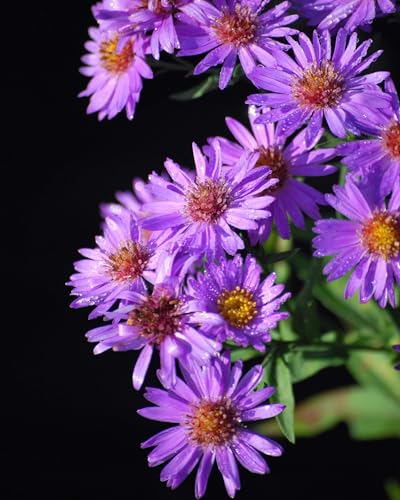
When received, the plant will be in seasonal condition with appropriate foliage. If shipped between November 1st and March 1st, the plant may be dormant and trimmed. Plant is fully rooted in the pot ready for immediate planting
Match Perennials to Your Light, Soil, and Drainage
How do you guarantee your chosen perennials won’t languish in conditions they can’t tolerate? You match your perennial varieties precisely to your site’s light exposure, soil drainage, and USDA hardiness zone, ensuring each plant receives exactly what it needs to persist year after year.
Start by assessing your sun requirements honestly, noting whether each area receives full sun for six or more hours or remains in partial shade. Then evaluate your soil drainage by digging a 12-inch hole, filling it with water, and observing how quickly it empties, since many drought-tolerant plants like Yarrow and Echinacea demand well-drained soil and will rot where water lingers. If drainage proves poor, you’ll need to install raised beds or amend heavily with organic matter.
Select perennial varieties suited to your specific soil type, whether clay, loam, or sandy, and consider lean-soil specialists such as Coreopsis and Tickseed that thrive in rocky, low-fertility conditions. Cross-reference your choices against official USDA hardiness zone maps and regional extension data to confirm winter survival. By aligning each plant’s needs with your actual growing conditions, you create the foundation for reliable, returning color.
Recommended Products
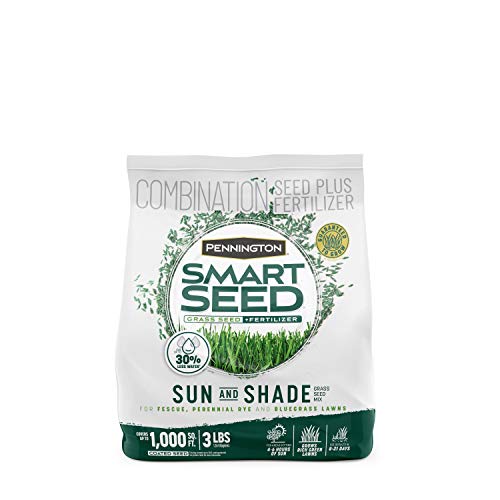
This lawn seed is great for areas getting 4 to 6 hours of sun
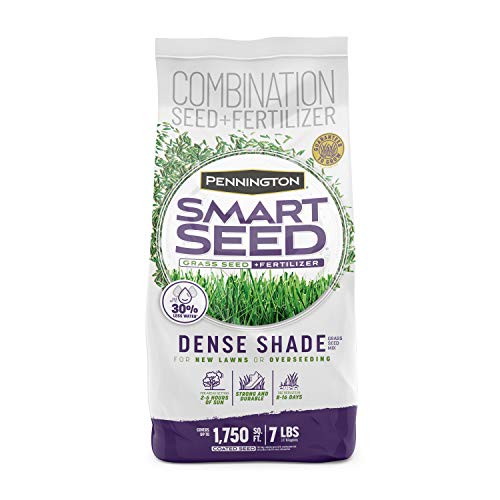
This shade grass seed is the perfect mix of Perennial Ryegrass, Kentucky Bluegrass, and Tall Fescue grass seed to thrive in shady conditions
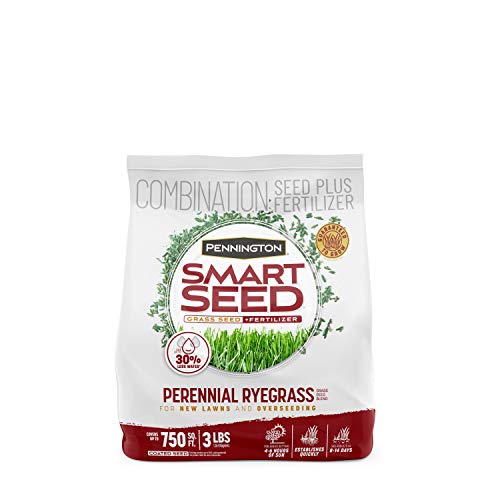
This grass seed and fertilizer all in one pack is for areas getting 4 to 6 hours of sunlight
Pick Perennials Proven to Come Back in Real Gardens
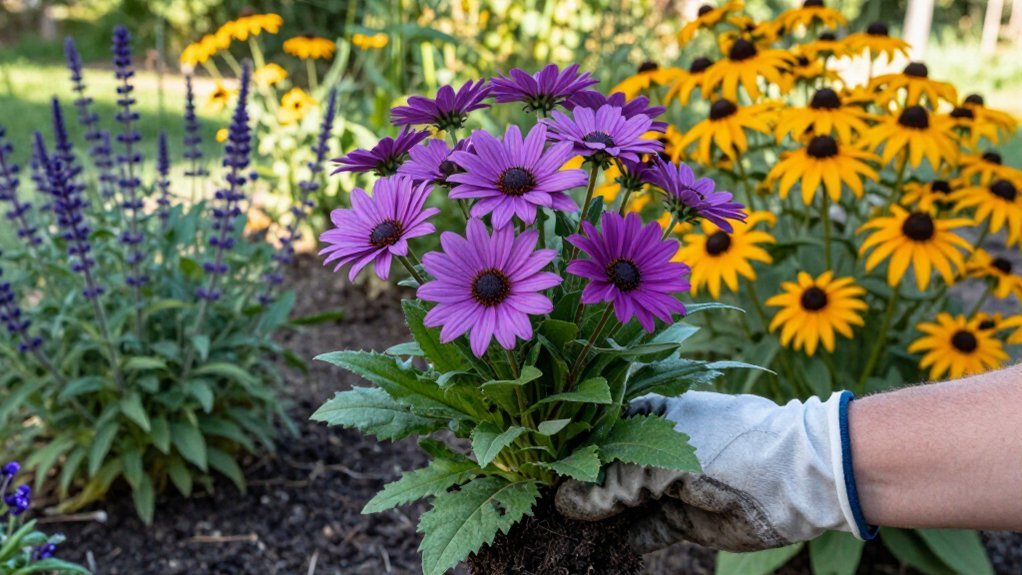
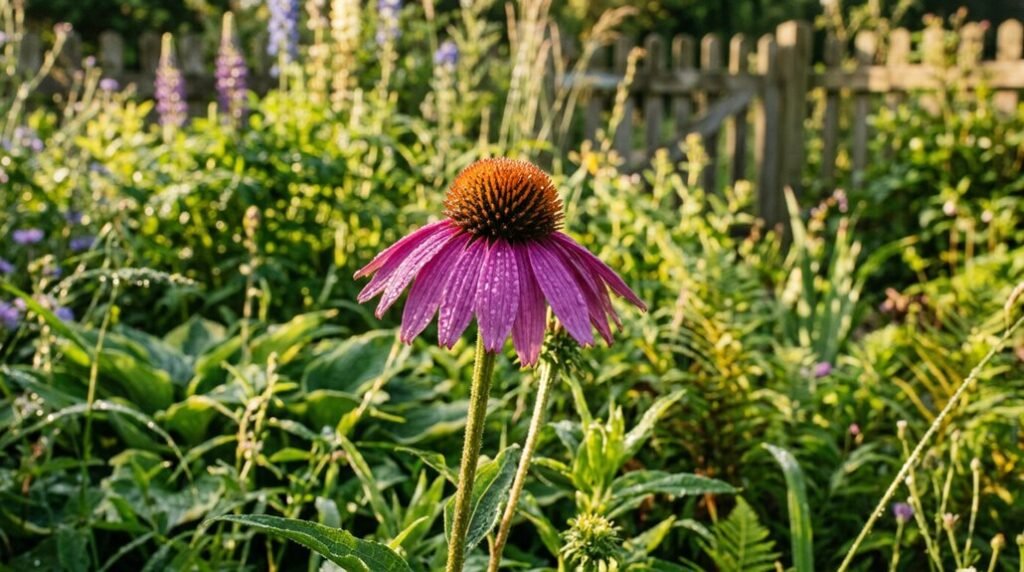
Why gamble on unproven varieties when you can select perennials that gardeners already count on for reliable returns? You’ll want to prioritize perennials that come back year after year in real gardens, such as Salvia ‘Vista Red’ and Echinacea, both celebrated for reliable re-seeding and persistence in challenging heat zones. These hardy varieties demonstrate documented performance, with Salvia, Pentas, and Gaura thriving even in Texas zone 9a conditions.
Favor plants that self-seed and return for several years without replanting. Daylilies, Black-Eyed Susans, and Coneflowers spread naturally, establishing long-lived presences in your borders. Check care notes before purchasing, confirming requirements for full sun and well-drained soil suit your site. Select heat-tolerant, reseeding types, and you’ll build a garden that maintains itself through seasons of blooming abundance.
Recommended Products
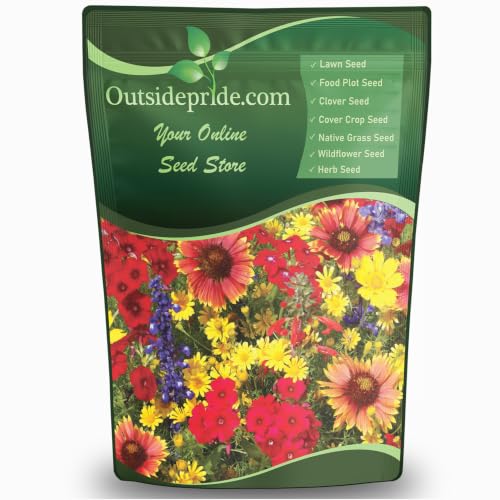
TAILORED FOR LOCAL CONDITIONS: Specifically formulated for the unique growing needs of Texas and Oklahoma, our wildflower seeds includes a diverse blend of annuals and perennials, such as Baby's Breath, Candytuft, and Purple Coneflower, ensuring vibrant blooms that thrive in USDA zones 6-10, including popular Texas wildflowers.
TAILORED FOR LOCAL CONDITIONS: Specifically formulated for the unique growing needs of Texas and Oklahoma, our wildflower seeds includes a diverse blend of annuals and perennials, such as Baby's Breath, Candytuft, and Purple Coneflower, ensuring vibrant blooms that thrive in USDA zones 6-10, including popular Texas wildflowers.

VIBRANT SUMMER & FALL BLOOMS: Our Gazania flower seeds produce large daisy-like, vibrant blooms in bright yellow to orange, red, pink and white color, blooming from early summer through fall. These hardy perennial flowering plants grow in USDA Zones 8-11 up to 8 - 10 inches tall and spreads up to 10 inches wide providing long-lasting ground cover flowers that return yearly.
Plant at the Right Time for Root Establishment
Once you’ve selected proven performers that return reliably in your region, you’ll need to give them their best start by planting when conditions favor root establishment. Fall planting offers warm soil that encourages perennials to develop robust root systems before winter dormancy, setting the stage for vigorous spring growth. You’ll want to prioritize this window for hardy varieties that come back every year, though tender perennials need spring planting with a full growing season ahead.
Spring remains viable if you commit to consistent watering and drought avoidance while roots establish before summer heat. When planting, dig holes slightly larger than root masses, remove containers completely, and position roots to spread naturally at proper planting depth for quick integration into surrounding soil. This attention to timing and technique in perennial care rewards you with resilient plants that return reliably.
Recommended Products

Feed your raised bed for up to 3 months

● HARVEST: Miracle-Gro Organic Raised Bed & Garden Soil is guaranteed to grow more vegetables for a bigger harvest versus unfed plants (satisfaction guaranteed or your

A LITTLE DOES A LOT - Easy to use compressed soil granules quickly expand up to 4X and make up to 3 gallons of soil. Light, compact, easy to carry, resealable bag saves space.
Prune and Divide to Keep Perennials Returning
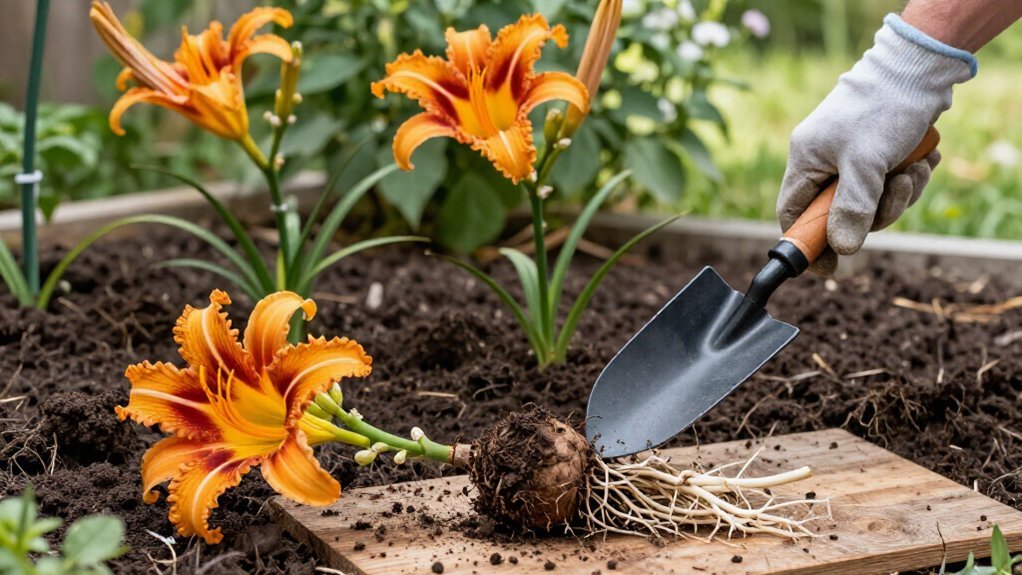
You’ll need to roll up your sleeves and cut back your perennials regularly if you want them to keep coming back with full, vigorous displays year after year. When you prune overgrown specimens in early spring or after flowering, you rejuvenate dormant buds and redirect energy toward strong root development, which ensures your plants grow back year after year with denser habit and improved bloom.
Every two to three years, you should transplant/divide congested clumps to prevent center die-out, a common problem where older sections decline and hollow out. Division stimulates fresh, vigorous growth from the periphery, improving overall plant architecture and overwinter survival.
Consistent removal of spent flowers and damaged foliage maintains health, so your perennials come back reliably each season, rewarding your efforts with resilient, long-lived garden performance.
Recommended Products

Imagine the possibilities! This accessible and inviting resource introduces you to bulbs annuals biennials perennials shrubs and vines that will perk up your space and season. Browse the 32 plants profiled in vivid detail (from asters irises and coneflowers to hydrangeas roses and wisteria); for each you’ll find beautiful photos and essential information on planting care disease and pest problems cut-flower harvesting and recommended varieties. There are also helpful chapters on summer-flowering shrubs tiny bulbs flowers for constant color throughout the season and more! |Invite birds to your garden! Discover flowering annuals perennials and shrubs that offer food and shelter to make feathered friends feel right at home.|Go native! Native plants offer many advantages such as requiring little to no maintenance or water once established. They also provide nectar for native pollinators. Read about native flower options for various parts of North America and you’ll get a feel for which ones you might like to grow.|Want to bring the joy indoors? Find out the best ways to cut and preserve your garden’s floral bounty or to dry your blossoms for long-lasting enjoyment.|Don’t have the yard space to grow flowers or just want to keep things simple? Containers to the rescue! Learn the “pot-ticulars” about sizes types and growing mediums and then get ready to pot up your prized petunias!|Nurturing flowers from seeds can be an inexpensive way to fill up a flower bed and offers more options for variety and color than you’ll likely see in transplants available locally. Choose your favorites and then discover how to get your plant babies off to a great start.|Moving to a new location can take it out of us and the same goes for plants. Whether you grow your own or purchase just-the-right flowers at your local garden center find out when they can be safely transplanted to their permanent homes.|True success starts at ground level—or even deeper. Learn about soil structure texture pH nutrients and fertilizers as well as how to improve your existing soil so that your plants grow up healthy and happy.|Water is a precious resource. Gardeners just about everywhere can face periodic drought as well as high water bills and seasonal water restrictions so water-saving practices in the garden not only make good “green” sense but also save time energy and effort. Read about ways in which you can be water-wise!|Diseases and pests like flowers too. The Flower Gardener’s Handbook provides detailed easy-to-understand information on how to identify and control a host of troublemakers. |Write it down! Take advantage of occasional journal pages to jot down important notes such as your soil’s pH seed-starting details planting dates and pest problems and treatment. Record your observations about plant performance bloom times and more to help you keep track of which varieties work well and which you’d like to switch out in the following year.|What’s an Old Farmer’s Almanac guide without a little folklore and fun? Inside you’ll learn how to interpret Latin plant names (Did you know that mirabilis means “wonderful”?) the symbolism in the language of flowers (a peony can express “happy life”) and what your birth flower is (hint: some months have two!).|Plus much more!