
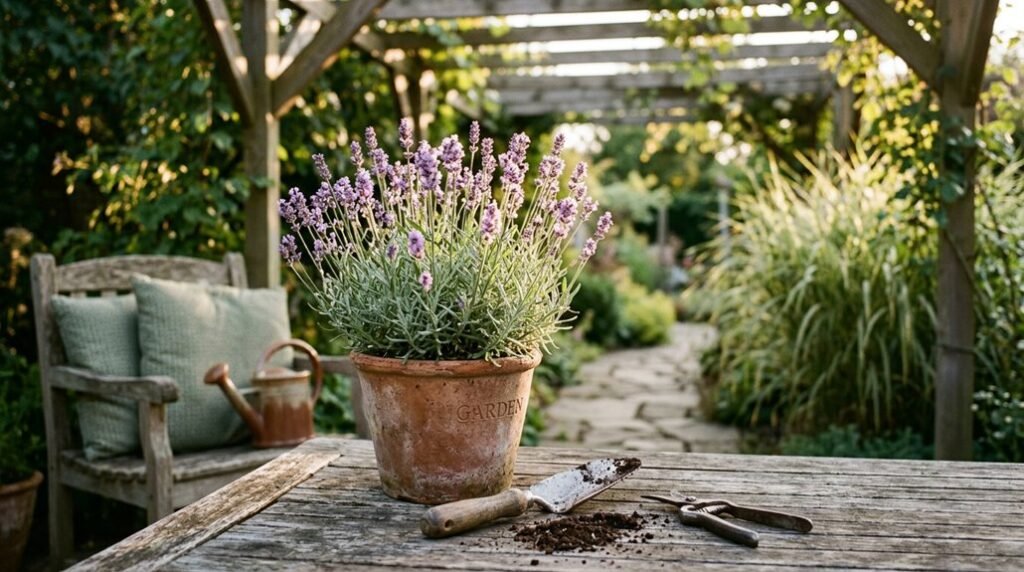


You’re standing in your garden, eyeing that stubborn clay patch where water pools and roots struggle, but 2026 brings proven solutions you can implement today. Start with Ice Ballet milkweed, Asclepias incarnata, which thrives in USDA zones 3-9 and handles moisture fluctuations that would rot lesser perennials.
Add Purple Sensation allium for vertical structure, or choose Penstemon digitalis, a native that penetrates dense soil with deep, fibrous roots reaching 18 inches.
You’ll want to amend your beds with 2-3 inches of compost worked into the top 8 inches of soil, then incorporate Leca clay pebbles at 10-15% volume for critical drainage channels.
Echinacea purpurea, hardy in zones 4-9, establishes quickly when you plant in spring, spacing specimens 18-24 inches apart, while Hellebores offer winter blooms in partial shade with minimal intervention.
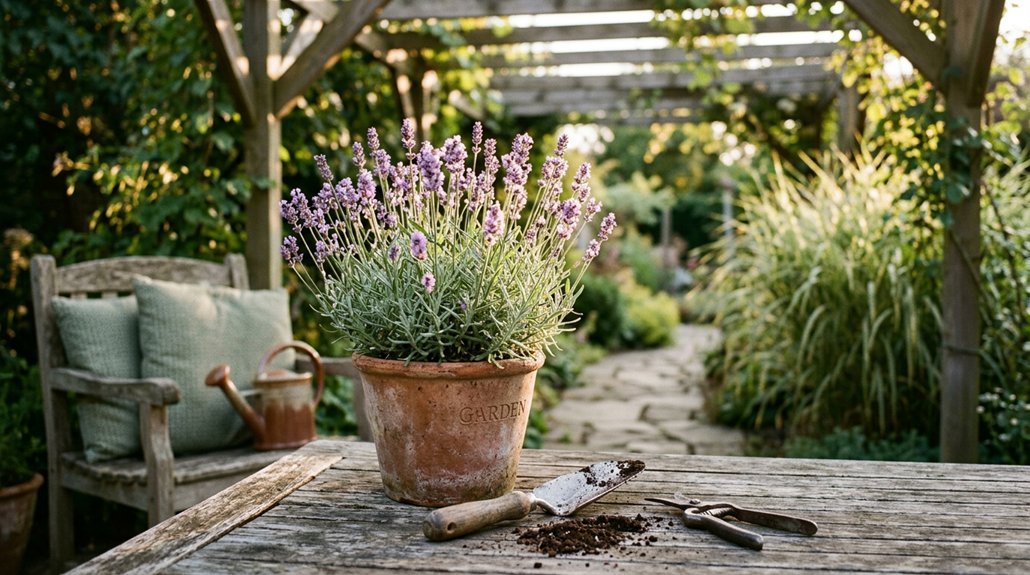
Sedum ‘Autumn Joy’ and Gaillardia ‘Arizona Sun’ tolerate drought once established, though you’ll water deeply, 1 inch weekly, through their first growing season. Coreopsis verticillata spreads reliably, Lavandula angustifolia demands that improved drainage you’ve installed, and Heuchera ‘Plum Pudding’ delivers foliage color where flowers fail.
The real question isn’t whether clay can become productive ground, but which of these ten will anchor your design before the season shifts.
Halatool 2LB Leca Clay Pebbles for Plants, 4-16mm Hydro Balls for Drainage

Premium Material: Our expanded clay pebbles are inert, pH-neutral, porous and lightweight. They are baked at high temperature, less chalking in water. Therefore, leca is a...
If you’re managing heavy clay soil that refuses to drain, Halatool’s 2LB Leca Clay Pebbles give you a straightforward path to healthier root zones. These expanded clay pellets, measuring 4mm–16mm, create air pockets that break up compaction while channeling excess moisture away from vulnerable roots.
You’ll find these lightweight, pH-neutral balls remarkably versatile across growing conditions. Mix them into heavy clay at a 1:3 ratio for container plantings, or layer them at the bottom of pots housing moisture-sensitive perennials like lavender (Lavandula angustifolia, zones 5–9) and yarrow (Achillea millefolium, zones 3–9).
For hydroponic setups, these inert pebbles support root development without altering nutrient solutions. Rinse thoroughly before first use to remove residual dust, then clean between growing cycles for reuse.
The porous structure prevents the anaerobic conditions that foster root rot in poorly drained soils.
Best For: Gardeners struggling with heavy, poorly draining soil or hydroponic growers seeking reusable, inert growing media that promotes root aeration and prevents rot.
Pros:
- Superior drainage and aeration with porous 4-16mm pebbles that create air pockets and channel excess water away from roots
- Versatile application across multiple uses including clay soil amendment, pot drainage layers, hydroponic systems, and terrariums
- Reusable and eco-friendly material that can be cleaned between growing cycles for long-term cost effectiveness
Cons:
- Requires thorough rinsing before first use to remove residual dust from manufacturing and shipping
- Limited 2LB quantity may be insufficient for larger garden beds or extensive soil amendment projects
- Lightweight pellets may shift or float in certain hydroponic setups before root systems fully anchor them
Recommended Products

16lb Value Pack: Includes 16 lb of lightweight leca clay pebbles for plants in mixed sizes ranging from approximately 4 mm to 16 mm. The varied particle sizes fit small and medium pots, hydroponic net pots, orchid containers, and propagation jars. A resealable bag keeps unused pebbles clean, dry, and organized between uses.

What You Will Receive: You will get 10 lb of premium LECA clay pebbles, sized between 4-16 mm. This mixed-grade sizing is intentional-it allows the pebbles to nestle perfectly into the nooks and crannies of complex root systems, making it suitable for orchids, succulents, bonsai, and aquarium drainage layers

2lb Value Pack: Includes 2 lb of lightweight leca clay pebbles for plants in mixed sizes ranging from approximately 4 mm to 16 mm. The varied particle sizes fit small and medium pots, hydroponic net pots, orchid containers, and propagation jars. A resealable bag keeps unused pebbles clean, dry, and organized between uses.
Aquatic Plant Soil for Water Lily & Lotus – Clay-Based, Nutrient-Rich

【Natural Perlite Floating Particles】 White floating particles may appear after soaking—this is pure natural perlite, a lightweight mineral material commonly used in...
You’re a pond keeper weighing clay-based substrates for your water lilies, and this specialized aquatic soil delivers exactly what rooted aquatic plants demand. BobbleT’s 2LB aquatic plant soil combines clay-based natural minerals with perlite, creating stable root support and moisture retention for water lilies, lotus, and container pond specimens in USDA zones 4-11.
You’ll notice natural perlite floating after soaking; these white particles are inert, not contamination. To plant, fill a mesh bag or container with soil, position your water lily, cover roots completely, then top with pebbles before submerging. Expect light cloudiness initially; clay particles settle within 24 hours if you leave the container undisturbed.
This formulation contains no harsh chemicals, remaining safe for koi, snails, and beneficial bacteria when used as directed. For bowl lotus in decorative features or small ponds, you’ll achieve long-term planting stability that supports vigorous blooming across indoor and outdoor installations.
Best For: Pond keepers and water gardeners seeking a specialized clay-based substrate for water lilies, lotus, and other rooted aquatic plants in container ponds, small ponds, or decorative water features across USDA zones 4-11.
Pros:
- Provides stable root support and long-term planting stability with natural mineral-rich clay composition
- Safe for fish, snails, beneficial bacteria, and other aquatic life when used as directed
- Suitable for both indoor and outdoor installations with easy planting process using mesh bags or containers
Cons:
- Initial light cloudiness occurs after planting due to natural clay content, requiring 24-hour settling period
- Natural perlite particles may float and require time to settle or disperse
- Limited to 2LB size, which may require multiple purchases for larger pond installations
Recommended Products

Feed the soil not the plants - stimulate microbial activity in your soil and boost probability of success with all types of plants… like composting but faster
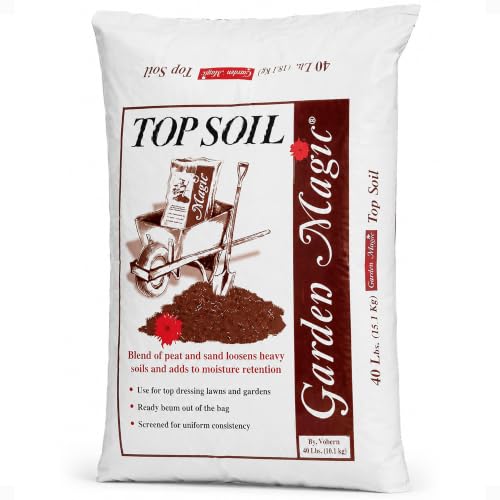
Ready-to-Use for All Planting Needs: This general-purpose potting soil is ready to use out of the bag, perfect for both indoor and outdoor planting without any extra prep

Enhances Soil Structure: Loosens heavy clay soils, improving aeration, drainage, and root penetration.
Doter Aquatic Soil for Plants 4.4LBS

【Optimal Nutrient Balance】Our aquatic plant soil is enriched with a precise blend of nutrients essential for vibrant growth, ensuring your water plants thrive and...
Doter Aquatic Soil suits water gardeners seeking stable, nutrient-rich substrate for pond plants. You’ll appreciate Doter Aquatic Soil for Plants 4.4LBS, a 4.4-pound yellow clay aquarium soil engineered specifically for lotus, water lilies, and marginals in small ponds or aquariums.
The precise nutrient balance promotes vibrant growth, while its superior water retention maintains moisture without drowning roots.
You’ll find superior anchorage here, even in flowing conditions. The clay-based composition keeps plants secure during wind or circulation, which matters when establishing young specimens in USDA zones 4-10 water features.
Beneficial microbes support nutrient cycling and water quality, creating self-sustaining biological filtration. The eco-friendly formulation proves safe for fish and all aquatic life, eliminating concerns about chemical leaching.
You can plant directly into this substrate or use it as a bottom layer beneath pea gravel, following standard aquatic potting protocols: fill containers two-thirds full, position rhizomes horizontally, and cover with additional soil to prevent floating.
Best For: Water gardeners seeking stable, nutrient-rich clay substrate for establishing lotus, water lilies, and marginal plants in small ponds or aquariums across USDA zones 4-10.
Pros:
- Precise nutrient balance promotes vibrant plant growth while superior water retention prevents root rot
- Clay-based composition provides excellent anchorage even in flowing water or windy conditions
- Eco-friendly formulation with beneficial microbes supports nutrient cycling and is safe for fish and all aquatic life
Cons:
- Limited to 4.4-pound size which may require multiple bags for larger water features
- Yellow color may be visually noticeable in clear water setups without top layer of pea gravel
- Requires specific potting protocols (two-thirds fill, horizontal rhizome positioning) for optimal results
Recommended Products
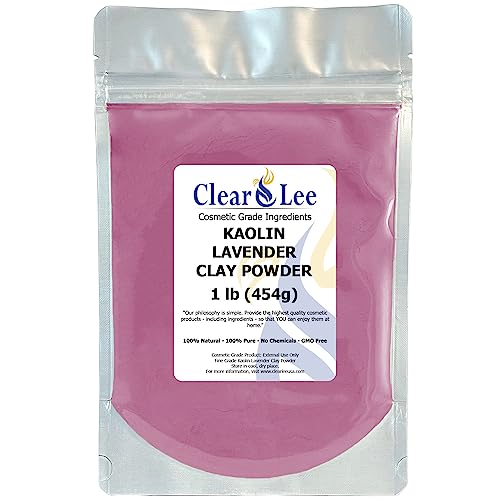
COSMETIC GRADE: Extra Fine Grade High Quality Clay, 100% Pure Kaolin Lavender Clay Powder

COSMETIC GRADE: Extra Fine Grade High Quality Clay, 100% Pure Kaolin Lavender Clay Powder
Legigo 2LB Leca Clay Pebbles for Plants, 4mm-16mm Clay Balls for Hydroponic

Clay Pebbles for Plants: You will receive 2 lbs leca balls for indoor plants, 4-16 mm in diameter, the clay balls are the perfect size for small to medium pots and garden...
Legigo’s 2LB Leca Clay Pebbles offer a precise solution for gardeners managing heavy clay soil drainage issues. You’ll find these 4–16 mm baked clay balls transform your growing conditions, whether you’re cultivating moisture-sensitive perennials like Baptisia australis (Zones 3–9) or establishing raised beds for clay-tolerant shrubs.
You can deploy these neutral-pH pebbles multiple ways: layer them at pot bases for instant drainage improvement, blend them 30–70 with native clay to aerate root zones, or transition entirely to soilless culture for hydroponic lettuce and herbs. Their porous structure stores water and nutrients, releasing them gradually. This prevents the saturation that damages roots in compacted soils.
You’ll appreciate the practical details: 2 lbs fills approximately six 6-inch pots, the resealable pouch keeps unused pebbles dry, and you can rinse and reuse them indefinitely. For indoor gardeners battling heavy potting mixes, these lightweight balls reduce container weight. They also stabilize soil temperature through improved airflow.
Best For: Gardeners dealing with heavy clay soil or poor drainage who need versatile, reusable growing media for containers, raised beds, or hydroponic systems.
Pros:
- Excellent drainage and aeration prevents root rot in moisture-sensitive plants
- Lightweight, reusable, and easy to clean for long-term cost savings
- Neutral pH and porous structure supports multiple growing methods from soil amendment to full hydroponics
Cons:
- Requires rinsing and drying between uses to maintain performance
- Limited quantity (2 lbs) fills only about six 6-inch pots
- No organic matter or nutrients, so requires supplemental fertilization for plant nutrition
Recommended Products

ESSENTIAL MONARCH HOST PLANT - Swamp Milkweed (also known as Rose Milkweed, Marsh Milkweed, or Asclepias incarnata) supports monarch caterpillars while attracting butterflies, bees, and hummingbirds

Habitat and Appearance: Pink Swamp Milkweed, scientifically known as Asclepias incarnata, thrives in wetland areas like swamps, marshes, and along riverbanks. It features striking pink to mauve flowers that bloom in clusters, attracting a variety of pollinators.

ESSENTIAL MONARCH HOST PLANT - Swamp Milkweed (also known as Rose Milkweed, Marsh Milkweed, or Asclepias incarnata) supports monarch caterpillars while attracting butterflies, bees, and hummingbirds
Sukh Clay Pebbles for Plants – Clay Balls, Drainage Rocks for Potted Plants

Lecca for Plants:The size of the small leca is between 8-10mm. Please note that due to the small size and high density of our heavyweight ceramsite balls, the quantity of...
The Sukh Clay Pebbles suit gardeners who need reliable moisture management in dense, poorly draining substrates. You’ll find these 8-10 mm fired clay pellets, manufactured by ClayPebbles Vine, particularly valuable when working with heavy clay soils that threaten root health through waterlogging.
The honeycomb micro-pores absorb and retain moisture, slowing surface evaporation when you spread them across soil tops. You can moderate moisture levels effectively, giving roots consistent access without saturation.
The loose internal structure promotes permeability and airflow, preventing the acidity buildup that damages tender roots. Place them as a bottom drainage layer in containers, or mix into hydroponic media to increase substrate breathability.
The uniform orange pebbles resist fading and aging, serving both functional and ornamental purposes across varied plant sizes.
Best For: Gardeners working with dense, poorly draining soils or heavy clay substrates who need reliable moisture management and enhanced drainage to protect root health from waterlogging.
Pros:
- Honeycomb micro-pores absorb and retain moisture while slowing surface evaporation, providing roots with consistent water access without saturation
- Loose internal structure and voids improve soil permeability, airflow, and drainage while preventing harmful acidity buildup around roots
- Fired clay construction resists fading, aging, and peeling for durable functional and ornamental use across varied plant sizes
Cons:
- May be less suitable for plants requiring lightweight growing media given the denser material composition
- Optimal effectiveness requires assessing specific plant needs beforehand, limiting universal applicability without planning
Recommended Products

Clay Pebbles for Plants: You will receive 15 lbs leca balls for indoor plants, 4-16 mm in diameter, the clay balls are the perfect size for small to medium pots and garden plants; The leca balls come in a resealable foil pouch, keeping them clean and dry for long-term storage. Just open, pour, and grow!

【Versatile Planting Medium】Clay pebbles are commonly utilized for hydroponic orchids, aquaponics, aquaculture gardening, soilless culture and more.

Clay Pebbles for Plants: You will receive 10 lbs leca balls for indoor plants, 4-16 mm in diameter, the clay balls are the perfect size for small to medium pots and garden plants; The leca balls come in a resealable foil pouch, keeping them clean and dry for long-term storage. Just open, pour, and grow!
Gardening in Clay Soil (Storey’s Country Wisdom Bulletin)

Are you struggling with heavy, compacted clay soil that drains poorly and cracks in summer droughts? You’ll find practical solutions in *Gardening in Clay Soil: Storey’s Country Wisdom Bulletin A-140*, a 31-page Kindle guide from Storey Publishing, released January 8, 1995, that delivers concentrated expertise for transforming your challenging ground.
This compact digital resource, part of Storey’s respected Country Wisdom Bulletin series, equips you with actionable techniques for soil amendments, drainage improvement, and structural enhancement across varied climates. You learn to select appropriate plants while implementing step-by-step management strategies tailored to dense clay conditions.
The bulletin’s accessible format lets you consult specific guidance quickly, whether you’re addressing waterlogged roots in USDA Zone 5 or preparing planting beds in Zone 8.
Though brief, this 1995 reference remains relevant, offering foundational principles you adapt with contemporary cultivars and current best practices for healthier, more productive clay soil gardens.
Best For: Gardeners struggling with heavy, compacted clay soil who need quick, practical, and affordable guidance for improving drainage, soil structure, and plant selection in any climate zone.
Pros:
- Compact 31-page format enables rapid access to specific solutions without wading through excessive content
- Provides actionable, step-by-step techniques for soil amendments and drainage improvement across varied climates
- Part of Storey’s established Country Wisdom Bulletin series, indicating editorial reliability and practical field-testing
Cons:
- Published in 1995, requiring users to independently update plant cultivar recommendations and verify current best practices
- Limited to digital Kindle format, restricting access for those preferring print reference materials
- Brief scope may leave advanced gardeners seeking more comprehensive, in-depth scientific treatment of soil chemistry and microbiology
Recommended Products

Feed the soil not the plants - stimulate microbial activity in your soil and boost probability of success with all types of plants… like composting but faster

Loosen Clay: Earth Science Fast Acting Gypsum granules start immediately to loosen clay and other compact soils for improved water penetration, more workable soil, and better root development.

100% Organic & Peat-Free: Our compost mix is 100% organic & peat-free. Peat is one of Mother Nature’s most important stores of carbon. Instead of imported peat, the base of our soils is made from upcycled plant matter or wood fines from the United States!
Gardening in Clay and Unfertile Soil Guide

Struggling with heavy, waterlogged ground that stifles root growth and leaves your plants yellowing? You’re facing one of gardening’s most common challenges, but clay and unfertile soil needn’t defeat your landscape ambitions.
This comprehensive 209-page paperback guide, published April 2024, delivers area-specific strategies for transforming stubborn earth into productive growing space. You’ll master soil improvement through proven techniques: incorporating gravel for drainage, building raised beds with quality topsoil, and selecting plants adapted to your conditions.
The manual covers garden planning, landscape design, and year-round management across USDA zones 4-9, with specific cultivars like ‘Ice Ballet’ milkweed and ‘Purple Sensation’ allium that thrive where others fail. Whether you’re designing a botanical display or managing a nursery operation, you’ll find step-by-step instructions for amending mud-heavy substrates, establishing proper pH levels, and maintaining soil health through seasonal cycles. Your clay garden can flourish with these evidence-based approaches.
Best For: Home gardeners and landscape professionals working with clay-heavy or nutrient-poor soil in USDA zones 4-9 who need practical, evidence-based techniques for soil improvement and plant selection.
Pros:
- Provides specific, actionable techniques for drainage improvement including gravel incorporation and raised bed construction
- Includes detailed plant recommendations with named cultivars proven to thrive in challenging soil conditions
- Covers complete seasonal management cycle with year-round guidance for maintaining soil health
Cons:
- Limited geographic relevance outside USDA zones 4-9
- 209-page paperback format may lack visual aids or color photography for plant identification
- Focus on clay and unfertile soil excludes gardeners with other soil challenges such as sand or silt dominance
Aquatic Plant Soil for Water Lily & Lotus – Clay-Based, Nutrient-Rich
【Natural Perlite Floating Particles】 White floating particles may appear after soaking—this is pure natural perlite, a lightweight mineral material commonly used in...
Looking for a soil that transforms your water garden into a thriving aquatic ecosystem? You’ll find exactly that in BobbleT’s Aquatic Plant Soil for Water Lily & Lotus, a 4LB clay-based, nutrient-rich medium designed for ponds, water gardens, and container setups across USDA zones 4-10.
This mineral-rich formula retains moisture, anchors roots securely, and maintains long-term stability for Nymphaea and Nelumbo species. You can plant with confidence knowing it’s safe for fish, snails, and other aquatic life when used as directed. White perlite particles may float initially, but these harmless, inert components settle naturally.
You add soil to your planting container or mesh bag, position your water lily or lotus, cover roots with additional pond soil, press pebbles on top, and gently submerge the container. Expect temporary cloudiness from natural clay content. This clears within 24 hours as sediment settles, leaving you with crystal-clear water and thriving plants.
Best For: Water garden enthusiasts and pond owners in USDA zones 4-10 seeking a clay-based, nutrient-rich soil specifically formulated for water lilies, lotus, and other aquatic plants in container ponds, small ponds, and decorative water features.
Pros:
- Mineral-rich clay formula provides excellent moisture retention, secure root anchoring, and long-term stability for aquatic plants
- Safe for fish, snails, and other aquatic life when used as directed
- Easy application process with clear instructions for container planting and submersion
Cons:
- Natural clay content causes temporary water cloudiness for approximately 24 hours after planting
- White perlite particles may float on water surface initially after soaking
- Limited to 4LB size, which may require multiple bags for larger planting projects
Recommended Products

ESSENTIAL MONARCH HOST PLANT - Swamp Milkweed (also known as Rose Milkweed, Marsh Milkweed, or Asclepias incarnata) supports monarch caterpillars while attracting butterflies, bees, and hummingbirds

Milkweed seeds for monarch butterflies: Grow four U.S. native milkweed species for outdoor planting and pollinator habitat: narrow-leaved (Asclepias fascicularis), common (A. syriaca), showy (A. speciosa), and rose or swamp milkweed (A. incarnata).

Plant Swamp Milkweed Seeds to Help Save The Monarch Butterflies - Incarnata Milkweed. This Monarch Attracting Milkweed is sutable for growing in All Zones of the United States.An important nectar source for Monarchs and a wide variety of other butterfly species, pollinators and hummingbirds. Prefers full sun to partial shade and is not extremely temperamental about soil types. Blooms all season, transplants well, deer and rabbit resistant!
CLAY SOIL BREAKTHROUGH: Build Rich Garden Beds (The Garden Center Book 4)

What separates thriving clay soil gardens from compacted failures? You will find your answer in “CLAY SOIL BREAKTHROUGH. Proven Steps to Build Rich, Nutrient-Dense Garden Beds” (The Garden Center Book 4), a 202-page Kindle eBook published July 5, 2026, by The Garden Center.
This digital guide delivers exactly what its subtitle promises: proven steps, an actionable plan, and your 12-month soil transformation timeline. It targets gardeners who are seeking to optimize clay soils for healthier produce. You will discover practical steps for bed building and maintenance woven throughout its logically organized chapters.
The author retains factual information and statistics while removing redundant concepts, so you receive streamlined, expert instruction without unnecessary filler. You will work through a bonus action plan that transforms compacted, poorly draining clay into nutrient-dense garden beds across four distinct seasons.
The approach emphasizes measurable progress: specific amendments, precise timing for soil work in your USDA zone, and maintenance protocols that prevent regression. Whether you are tackling heavy clay in Zones 4 through 9, this guide offers the authoritative, encouraging framework you need to succeed without hyperbole or overwhelming technical jargon. It keeps your comprehension accessible while delivering the concrete detail density that produces lasting results.
Best For: Gardeners in USDA Zones 4-9 struggling with compacted, poorly draining clay soil who want a structured, year-long plan to build nutrient-dense garden beds without overwhelming technical complexity.
Pros:
- Provides a concrete 12-month action plan with season-specific amendments and timing tailored to your USDA zone
- Delivers high information density with factual statistics while eliminating redundant filler for efficient learning
- Includes practical maintenance protocols that prevent soil regression and ensure lasting transformation results
Cons:
- Digital-only Kindle format limits accessibility for gardeners preferring physical reference materials
- 202-page length may feel condensed for those wanting extensive deep-dives into soil science mechanisms
- Publication date of July 2026 means content reflects emerging rather than long-field-tested methodologies
Recommended Products
Premium Material: Our expanded clay pebbles are inert, pH-neutral, porous and lightweight. They are baked at high temperature, less chalking in water. Therefore, leca is a good growth medium for hydroponic plants and soilless plants. Essential for hydroponics and semi-hydroponic setups

What You Will Receive: You will get 14 lb of premium LECA clay pebbles, sized between 4-16 mm. This mixed-grade sizing is intentional—it allows the pebbles to nestle perfectly into the nooks and crannies of complex root systems, making it ideal for orchids, succulents, bonsai, and aquarium drainage layers
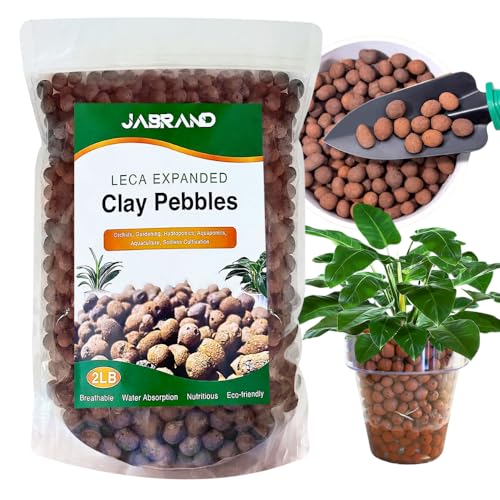
Premium Material: This pack contains 2 lbs of LECA clay pebbles for plants. They are made of 100% natural expanded clay, which is lightweight and pH-neutral. The LECA is 4-16mm in diameter and is the perfect size for small and medium pots and plants.
Aquatic Plant Soil for Water Lily & Lotus (2LB)

【Natural Perlite, Not Dirt】 White floating particles after soaking are pure natural perlite, a lightweight mineral material used in planting media. It is plant- and...
You’re cultivating water lilies or lotus in a container pond, and you need a growing medium that anchors roots without floating away. PJT’s Aquatic Plant Soil for Water Lily & Lotus, model WZD-2LB-Aqua-Soil, delivers exactly that stability through its dense, clay-based composition enriched with natural mineral components.
You’ll appreciate how this 2LB medium retains moisture while holding roots firmly in place, reducing problematic soil shifting in small ponds, water gardens, or patio installations. The included perlite, those white floating particles you’ll notice after soaking, remains lightweight yet plant- and fish-friendly when you follow directions.
Expect gradual settling as particles break down, which is completely normal for pond soil. After planting, you’ll see temporary cloudiness from natural clay content, so keep your container undisturbed for approximately 24 hours while particles settle.
You’re working with natural materials free from harsh chemicals, making this reliable water lily soil safe for fish, snails, and other aquatic life throughout USDA zones 4 through 11.
Best For: Water gardeners cultivating water lilies, lotus, and other aquatic plants in container ponds, small ponds, or patio water gardens who need a dense, root-anchoring clay soil that won’t harm fish or other aquatic life.
Pros:
- Dense clay-based texture anchors roots securely and reduces soil shifting in ponds
- Made from natural mineral materials without harsh chemicals, safe for fish and snails
- Contains perlite for improved aeration while remaining plant- and fish-friendly
Cons:
- Initial cloudiness after planting requires 24 hours of undisturbed settling time
- Natural perlite particles may float visibly after soaking
- Particles gradually break down and settle over time, requiring eventual replenishment
Recommended Products

Nutrient-Rich Organic Compost for Healthy Soil: Support stronger plant growth with this premium organic compost made from dairy cow manure. This all purpose soil amendment helps replenish essential nutrients often depleted after harvests, making it ideal for vegetable gardens, fruit trees, flowers, lawns and container plants.
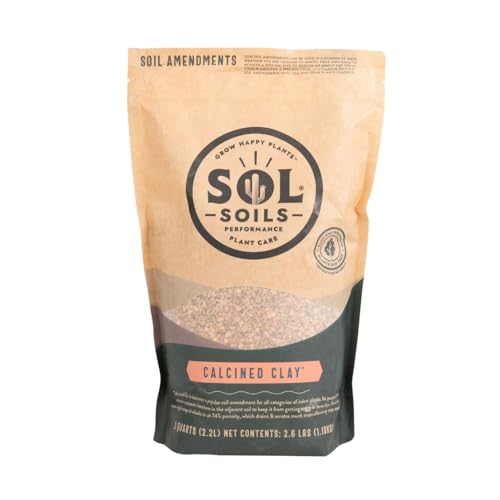
SUPERIOR DRAINAGE & AERATION: Fired at super-high temperatures, it achieves 74% porosity with rough edges that enhance airflow by creating air pockets, and preventing compaction, retaining moisture, and promoting root growth and nutrient absorption
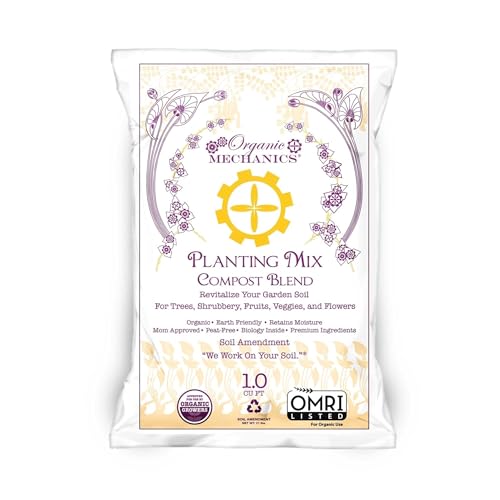
Large 1 Cu Ft Bag – Convenient single bag size for amending planting holes, raised beds, containers, and more
Factors to Consider When Choosing Plants for Clay Soil

Before you select any cultivars for your clay-heavy garden, you’ll need to evaluate five critical factors that determine whether your plants thrive or struggle: water drainage solutions that prevent root rot, root penetration depth that accounts for dense subsoil barriers, soil amendment needs including specific quantities of compost or grit, pH level balance typically ranging from 6.0 to 7.5 for most ornamental species, and plant hardiness zones that match your USDA designation.
You can’t simply transplant a ‘Royal Purple’ smoke bush or a ‘Karl Foerster’ feather reed grass without first testing your soil’s drainage rate, which should absorb at least one inch of water per hour, and calculating amendment ratios of one part organic matter to two parts native clay. Once you’ve documented these baseline conditions, you’re ready to match specific plants to your site’s unique profile, ensuring every selection aligns with your measurable constraints rather than wishful thinking.
Water Drainage Solutions
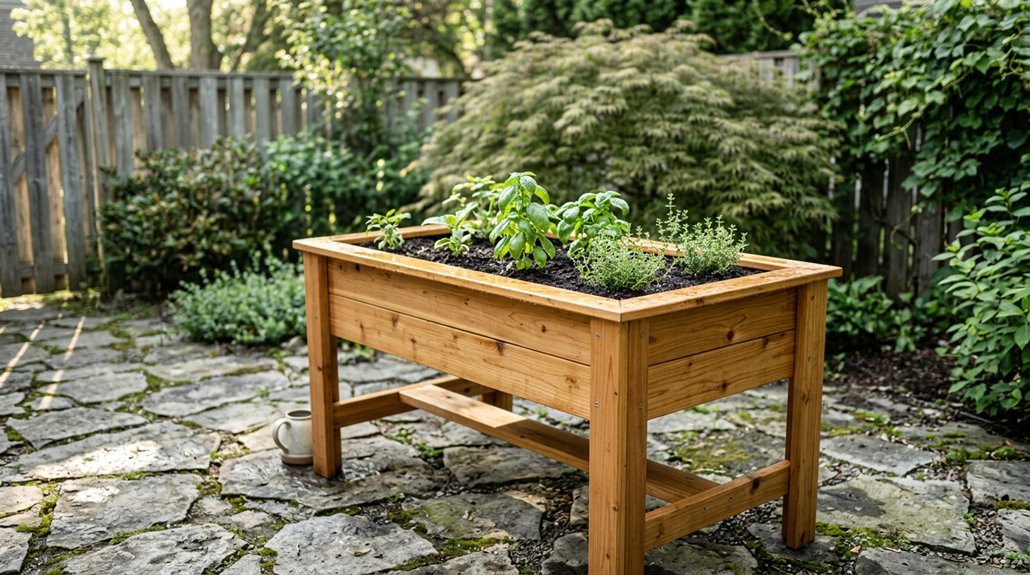
How can you transform heavy clay into hospitable ground for thriving plants? You start by amending with coarse materials, such as LECA, coarse sand, or organic matter, which creates larger pore spaces where excess moisture escapes rather than pooling around roots. Incorporating porous drainage media, including clay pebbles or perlite, significantly reduces root rot risk by improving aeration in containers and beds.
You should mulch with coarse materials and avoid overwatering, since clay’s fine texture naturally holds moisture longer than looser soils. Layering well-draining subsoil or applying gypsum improves structure and long-term drainage capacity. After heavy rainfall, evaluate how quickly water dissipates, then select water-tolerant species suited to your site’s specific drainage patterns for sustainable gardening success.
Root Penetration Depth
Why does root penetration depth matter so much when you’re gardening in clay? Clay’s dense, fine particles create a barrier that can stop roots in their tracks, limiting your plants’ access to water and nutrients stored deeper in the profile. You’ll want to select species capable of penetrating this compacted horizon, then give them every advantage to succeed.
Start by loosening your soil physically, creating pathways for roots to extend beyond that stubborn upper layer. Work coarse organic mulch into the top 8 to 12 inches, improving friability so roots slide through more easily.
Watch your moisture carefully: clay holds water so tenaciously that oversaturation slows root progress, so you’ll need drainage that keeps soil workable without drying completely. Check penetration depth during establishment by gently excavating around young plants, assessing whether you’re seeing vertical growth or if further aeration is required. This promotes the deep, resilient root systems that sustain plants through drought and stress.
Soil Amendment Needs
Once you’ve encouraged roots to push deeper, you’ll need to give them soil worth penetrating, and that means understanding exactly what your clay requires before you select any plant.
You’ll start by incorporating organic matter, such as compost or well-rotted manure, which increases microbial activity and pore space, improving both nutrient availability and aeration. Add coarse inorganic materials like sand or aggregate blends gradually, mixing carefully to avoid creating a cement-like texture that worsens drainage.
Gypsum helps loosen heavy clay and improves structure without significantly altering chemistry, aiding root penetration where compaction limits growth. Regular soil testing guides your amendment rates, ensuring you balance nutrient supply and avoid renewed compaction.
This preparation determines which plants, from ‘Annabelle’ hydrangeas to native switchgrass, will thrive in your improved clay.
pH Level Balance
Where precisely does your clay soil sit on the pH scale, and why should you care before sinking a single root into the ground? Most clay soils run pH-neutral to slightly acidic, but you cannot assume; you must test. Grab a reliable soil test kit or send samples to your county extension, because heavy clay locks up iron and manganese when pH drifts, starving roots of essentials you cannot see missing.
You will want to retest every 6 to 12 months, since weathering, irrigation water, and compost additions nudge pH gradually. If results show imbalance, apply agricultural lime to raise pH or elemental sulfur to lower it, working amendments into the top 6 to 8 inches. Stable pH keeps microbes thriving, cycling nutrients your plants crave.
You are building foundation, not guessing.
Plant Hardiness Zones
You have stabilized your pH, and now you must match your plant choices to the cold hardiness your winters will actually deliver. Plant hardiness zones indicate the minimum winter temperatures a plant can withstand, so you’ll use this system to guide your selections for clay soils based on regional cold tolerance.
In clay soils, choosing hardy perennials suited to your zone helps ensure survival through freeze-thaw cycles common in colder zones. Some plants in temperate zones require zones with at least a 0°F to 20°F winter minimum; verify your species’ zone rating before planting in heavy clay.
For hot, arid zones, select heat-tolerant varieties within your hardiness zone to prevent heat stress in clay soils with poor drainage. If a plant’s recommended zone is higher than your location, consider soil amendments or containers to adapt the plant to clay soil within its safe zone range.
Seasonal Moisture Variations
How will your plants survive when clay soil swings between waterlogged winters and cracked summer earth? You’ll need to understand that clay’s seasonal moisture extremes demand careful plant selection and management.
In wet seasons, you’ll watch water pool on the surface as drainage slows, compacting soil and starving roots of oxygen. This waterlogging stresses most plants, so you’ll choose species tolerant of saturated conditions during these periods.
When dry seasons arrive, you’ll see the same clay crack and desiccate, becoming nearly impenetrable. The soil rewets slowly, leaving roots stranded in harsh conditions.
You’ll moderate these swings through consistent mulching, which you’ll apply 2-3 inches deep, and gentle, deep irrigation that penetrates without causing runoff. These practices buffer your plants against clay’s dramatic seasonal shifts, creating more stable root environments throughout the year.
Nutrient Retention Capacity
Because clay particles carry a negative electrical charge, they’ll attract and hold positively charged nutrients, calcium, potassium, and magnesium among them, far more effectively than sandy soils ever could. You’ll benefit from this high cation exchange capacity, which keeps essential ions accessible to plant roots rather than washing away.
Your clay’s small pore spaces slow drainage considerably, keeping soluble nutrients suspended in the root zone where roots can absorb them. Add organic matter annually, 2 to 3 inches of compost worked into the top 6 to 8 inches, and you’ll boost microbial activity while creating additional binding sites that reduce leaching further.
Watch for phosphorus immobilization in heavy clay, particularly with seedlings, until soil bacteria mineralize it into available forms. Test your pH every two to three years, incorporate gypsum or agricultural lime when results indicate, and you’ll optimize nutrient availability across USDA zones 4 through 9.