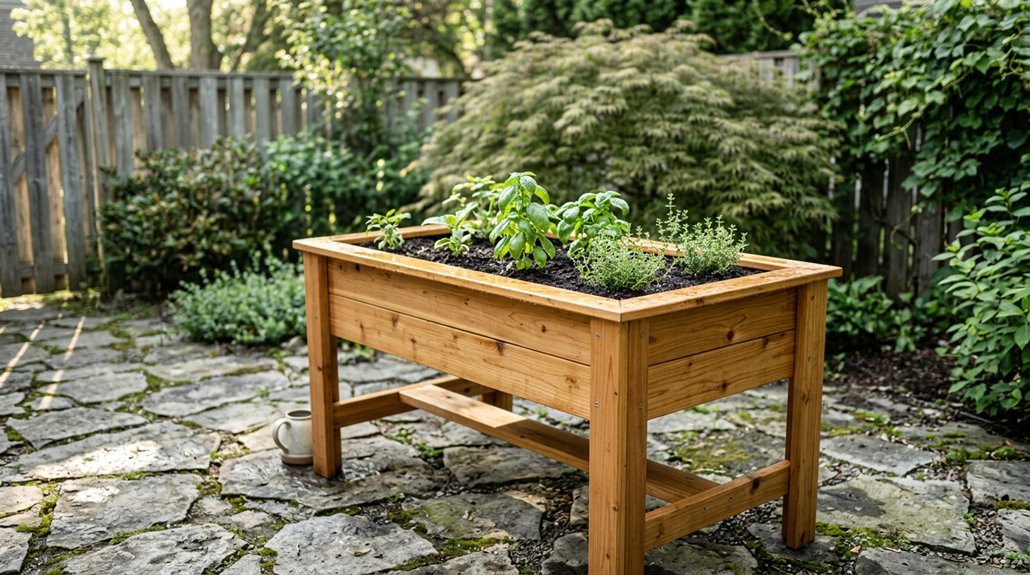

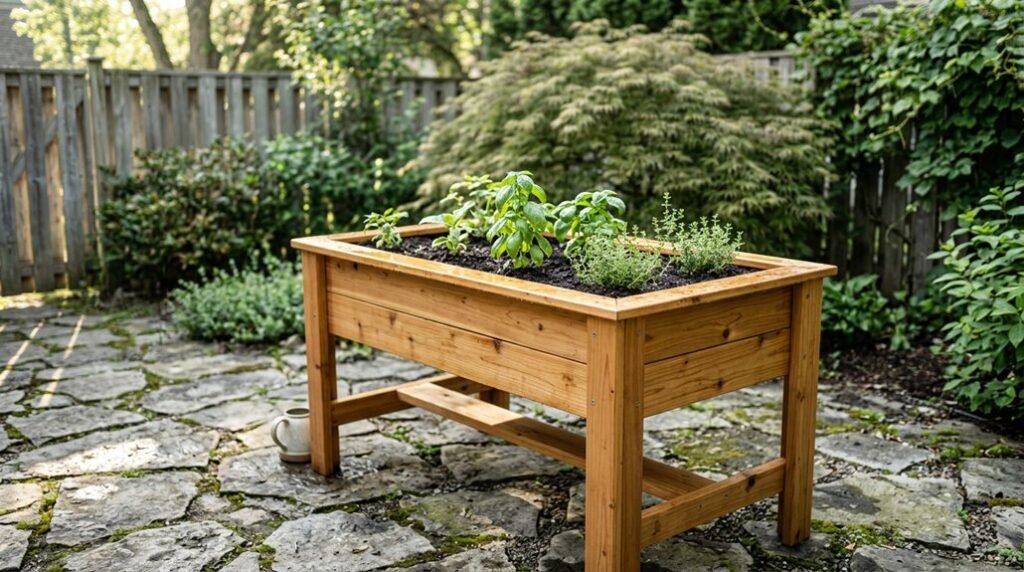


Like the foundation of a house determines its longevity, your raised bed’s depth dictates what you can grow. You’ll want 12 inches as your baseline for most vegetables in USDA zones 5–9, though shallow-rooted lettuce and herbs thrive in 6 inches, while tomatoes and peppers demand 18 inches or more. Consider your native soil quality, drainage needs, and whether you’re building over concrete or open ground, since these factors shape whether you need deeper beds or additional reinforcement. The right depth isn’t just about roots; it’s about your back, your budget, and your growing ambitions for seasons to come.
The Minimum Raised Bed Depth for Most Vegetables
How deep must you build your raised bed before you can reliably harvest dinner from your own backyard? You’ll want to understand how raised bed depth directly shapes what you can grow, and for most vegetables, you’re looking at a 12-inch standard that serves as a practical baseline across USDA zones 5-9. This root depth accommodates leafy greens, bush beans, and compact peppers without crowding their underground development.
You can start with a minimum depth of just six inches if you’re focused solely on shallow-rooted crops like lettuce, spinach, or culinary herbs, though you’ll limit your seasonal rotation options considerably. When you plan for deeper beds, you gain flexibility; an 18-inch depth, for instance, lets you tuck in determinate tomatoes or succession-plant root vegetables without soil compaction concerns.
Recommended Products

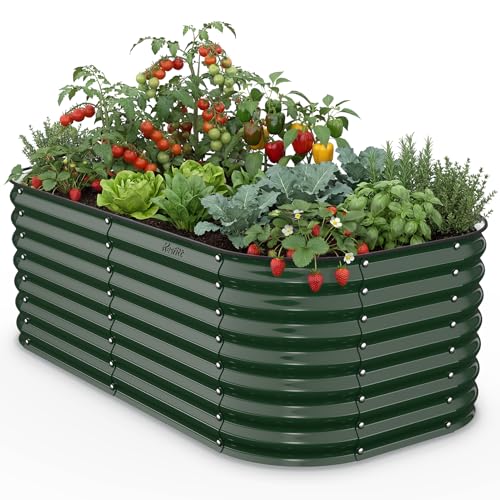
4x2x1 FT Raised Garden Bed: Oval galvanized steel raised garden bed with a 12-inch internal growing depth, ideal for outdoor ground-level vegetable and herb gardening

OUTDOOR PLANTER BED: Raised garden bed planter for growing plants in outdoor areas where healthy ground soil is not viable or available

LARGE PLANTING SPACE: 48x24x32in galvanized raised garden bed with 12" depth and 48 gallons soil capacity. Ample room for vegetables, herbs, flowers, and fruits. Root growth friendly
Match Your Raised Bed Depth to These Specific Crops
Which crops deserve your attention when you’re sizing beds against their underground ambitions? You’ll match your raised bed depth to what you’re actually growing, not some arbitrary standard.
- Shallow feeders like lettuce, spinach, herbs, and strawberries thrive in 6–8 inches of soil depth, making them perfect for compact spaces or tabletop designs.
- Mid-range vegetables including peppers, carrots, and the standard 12-inch bed crops handle moderate profiles, though you’ll prefer 18 inches when anticipating deeper rooting or poor native conditions.
- Deep-rooted crops such as corn, winter squash, and asparagus demand 24 inches or more, requiring substantial soil depth for anchorage and nutrient access.
For maximum versatility across tomatoes, cucumbers, squash, and kale, you’ll build 18–22 inches, securing future flexibility without reconstruction.
Recommended Products

20+ Years Durability: Built from 0.85mm corrugated Zn-Al-Mg steel with a magnesium-infused coating that protects scratched areas from rust over time. Reinforced with internal support rods to keep the bed straight and stable. No bulging, bending, or warping season after season.

LARGE 8×4×1.5 FT RAISED BED – 359 GAL CAPACITY – Spacious 96" L × 48" W × 18" H bed holds around 359 gallons of soil, giving vegetables, herbs and flowers plenty of room to thrive in one organized kitchen garden

【18’’ Growing Depth】Measuring 48"(L) x 24"(W) x 18"(H), the metal raised garden bed holds 89 gallons of soil and provides extra large growing space for vegetables, fruits, flowers and other plants.
Why Soil Beneath Determines Your Raised Bed Depth
Where does your raised bed actually end? You need to look past the boards, because your beneath-soil directly shapes how deep you should build.
If you’re blessed with 12 inches of loose, fertile soil below your frame, you can get away with shallower beds. Your crops will push roots downward, finding moisture and nutrients in that reservoir. But when soil quality is poor, compacted, or shallow, you’re building on a handicap. You’ll need 18 inches or more of imported soil to compensate, ensuring adequate rooting depth for tomatoes, carrots, or asparagus.
Double-dig down to 24 inches before assembly, and you’ll discover exactly what you’re working with. This step loosens subsoil, improves drainage, and reveals hidden problems. You’re planning for years of growth, so match your bed depth to both your crops and the ground beneath them.
Recommended Products
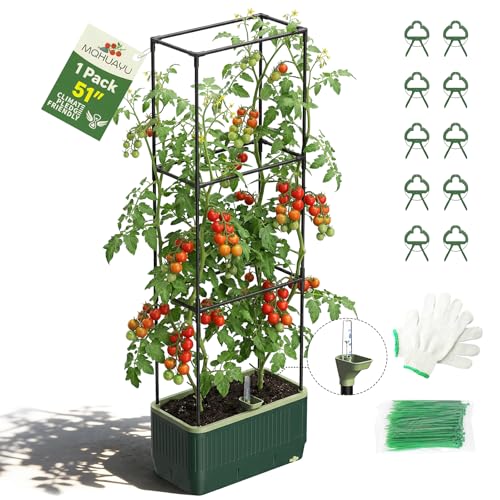
SMART SELF-WATERING & VISUAL GAUGE: Take the guesswork out of watering! Our innovative self-watering system features a deep water reservoir, cotton ropes, and a clear visual water level indicator. You can instantly see when to refill and when it's full, preventing overwatering or root rot. Perfect for busy schedules or weekend getaways, ensuring your plants thrive with minimal effort.

SELF-WATERING SYSTEM: Self watering tomato planter with trellis has a built-in reservoir that ensures the plants receive consistent hydration. The bottom grid design utilizes the siphon effect, allowing the roots to pump water efficiently, minimizing the risk of under-draining or over-draining. There is a water injection port on the side, and the right amount of water is poured into the sowing box, without daily watering.

Solid Fir Wood: The raised garden bed is made of non-painted fir wood, known for its strength and stability. The thick solid boards are polished with smooth surfaces and no burrs or wood splinters
Drainage Fixes for Raised Beds on Hard Surfaces
When you’re building over concrete, asphalt, or compacted subsoil, you’ll need engineered water layer systems and strategic drainage hole techniques to keep your raised beds healthy and productive. You can create effective water layer systems by installing 4–6 inches of coarse gravel beneath your soil mix, topped with geotextile fabric that you’ve punctured with drainage holes every 12–18 inches across the entire surface. For your drainage hole techniques, you’ll want to bore ½-inch weep holes through the base boards every 2 feet, angling them slightly downward so water escapes rather than pooling, or elevate the entire bed frame on 2×4 runners to maintain that critical 1–2 inch air gap for continuous outflow.
Recommended Products
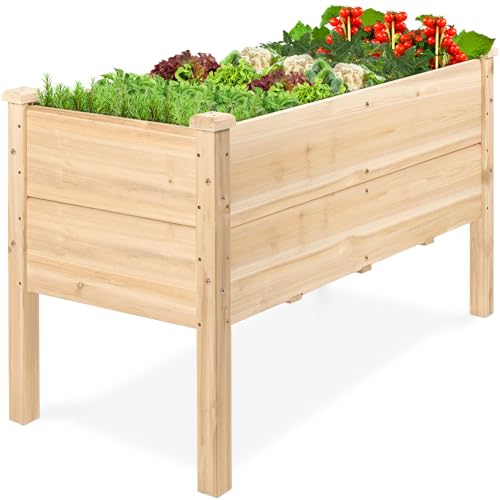
DEEP PLANTER FOR MAXIMUM YIELD: With 16" of soil depth and a spacious planting area, this elevated bed supports healthy root vegetables like carrots, beets, and radishes while allowing more crops per bed, boosting overall harvest and garden productivity
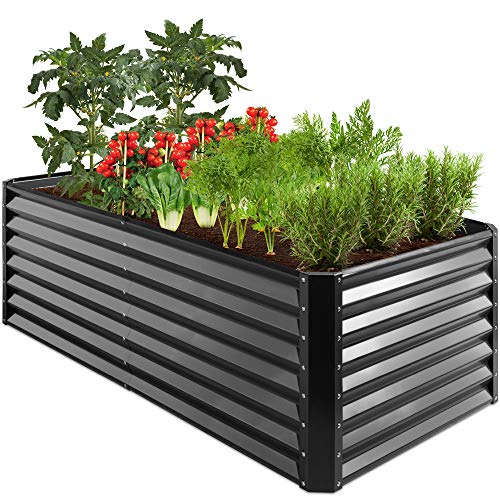
2FT GROWING DEPTH: 24 inches of depth holds up to 269 gallons of soil-great for medium to deep rooting plants and vegetables like broccoli, beans, and more; Note: This product does not include a bottom panel

DEEP PLANTER FOR MAXIMUM YIELD: With 16" of soil depth and a spacious planting area, this elevated bed supports healthy root vegetables like carrots, beets, and radishes while allowing more crops per bed, boosting overall harvest and garden productivity
Water Layer Systems
How do you keep your raised bed from becoming a waterlogged mess when you’re gardening on concrete, asphalt, or another hard surface? You address drainage, soil depth, and permeable barrier selection to create functional water layer systems that mimic natural ground percolation.
You’ll want to incorporate these essential components:
- Add a 4-6 inch base layer of coarse gravel or washed stone beneath your growing medium to create a reservoir for excess water.
- Install landscape fabric or hardware cloth as your permeable barrier between drainage media and soil, preventing erosion while permitting flow.
- Slope the bed base 1-2 degrees toward drainage outlets, or insert perforated PVC tubing to channel water away from plant roots.
For beds exceeding 24 inches in depth on hard surfaces, consider elevating the structure on a cedar frame to introduce air circulation beneath. You’ll check periodically for standing water after heavy rains, adjusting your slope or adding drainage channels as your regional precipitation patterns demand.
Drainage Hole Techniques
Your water layer system creates the foundation, but you’ll need exit points for that excess moisture to actually leave the bed. You’ll maximize drainage by drilling multiple drainage holes along your bed’s lowest points, spacing them every 12 to 18 inches across the base for hard-surface installations. Your raised bed depth directly impacts hole placement: beds 12 inches deep need holes within the bottom 2 inches, while deeper beds at 18 to 24 inches tolerate slightly higher placement.
You’ll improve vertical flow by adding a bottom drainage layer of 2 to 3 inches of gravel or coarse stones beneath your soil mix. You’ll elevate the structure with feet or slats to create an air gap. You’ll consider lining with permeable landscape fabric to direct moisture out while retaining your growing medium.
Pick Bed Height for Easier Gardening
Why struggle with backaches and cramped reach when you’re tending tomatoes or harvesting lettuce? Your Raised Bed Depth and Bed Height directly determine how comfortably you’ll garden, so you’ll want to match dimensions to your crops and physical needs.
Consider these guidelines when planning your build:
- Select 6–11 inches for shallow-rooted crops like lettuce, radishes, and strawberries, which thrive in modest soil volumes.
- Choose 16–22 inches for tomatoes, peppers, and cucumbers, ensuring adequate Root Growth space and improved drainage.
- Opt for 18–36 inches if you have back issues or poor underlying soil, though you’ll need to plan your reach carefully and build sturdier frames.
If your native soil is decent, 12 inches suffices with amendments, but deeper beds reward you with healthier plants and less bending.
Recommended Products

ORGANIZED 10 GRID PLANTING: Modular raised garden bed planter with 10 individual growing compartments keeps herbs vegetables flowers separated for easier crop rotation gardening includes plant markers liners ideal for patio balcony backyard herb garden
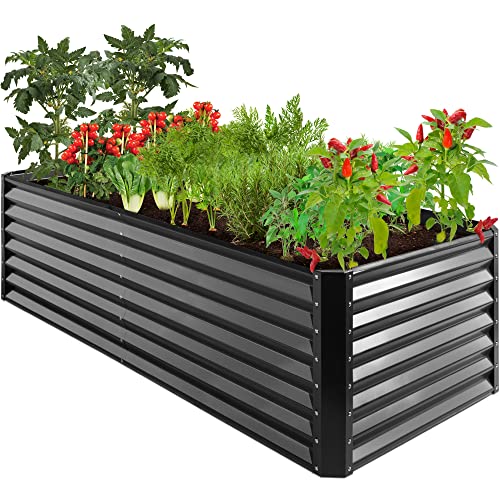
2FT GROWING DEPTH: 24-in. depth holds up to 478 gallons of soil, ideal for medium to deep-rooting plants and vegetables such as broccoli and beans; bottom panel not included

【Garden Bed with Greenhouse Kit】3 in 1 Galvanized raised garden bed kit, 1 kit equals 3 products: garden bed, dismountable mini greenhouse, combination of garden bed with greenhouse. Perfect for you to customize your garden!
What Goes at the Bottom of Deep Raised Beds
When you build deep raised beds, you’ll want to install drainage layer materials like hardware cloth or mesh barriers that stop burrowing critters while letting water escape, and you can layer organic fill options such as partially decomposed leaves, small branches, or hugelkultur components to improve drainage and provide gradual insulation as they break down over three to five growing seasons. You should avoid solid, impermeable bottoms that trap water and cause root rot in your crops, since deep-rooted vegetables like carrots, parsnips, and tomatoes in Zones 5 through 8 particularly depend on unrestricted downward water movement and aeration for healthy development. Consider adding cardboard or newspaper layers if you’re building over persistent weeds, though you’ll ensure these materials are thoroughly moistened and overlapped by six inches so they decompose properly without blocking drainage channels your plants need.
Recommended Products

Size: 60×29×11 in, 68 gallons of soil required.

Spacious planting space: Raised garden bed with legs, 48×18×32 inches, this planter box provide ample growing space to raise vegetables, flowers and plants. 44 gallons, 300 capacity

6x3x1 FT Raised Garden Bed: Oval galvanized steel raised garden bed with a 12-inch internal growing depth, designed as an outdoor raised garden bed for vegetables and herbs in larger backyards and home gardens
Drainage Layer Materials
How deep should your drainage layer go when you’re building a raised bed that’ll keep roots happy through heavy spring rains and summer droughts alike? You’ll want your drainage layer to extend 8-12 inches for beds exceeding 24 inches in total depth, with a coarse base that guarantees proper aeration throughout the growing season.
Consider these essential components for effective water management:
- Begin with 4-6 inches of coarse gravel, broken pottery, or coarse sand to establish upward drainage away from sensitive root zones.
- Install landscape fabric or hardware cloth above this layer to exclude burrowing pests while permitting unrestricted water passage.
- For beds deeper than 30 inches, incorporate perforated drainage pipe at the coarse base to actively channel excess moisture away from developing roots.
Your layering strategy directly impacts plant survivability during saturated spring conditions and extended summer dry spells. You’ll maintain optimal aeration by avoiding compacted organic materials at this level, ensuring oxygen reaches feeder roots even when moisture levels fluctuate dramatically.
Organic Fill Options
What exactly should fill the lower reaches of your deepest raised beds, where roots will eventually seek moisture and nutrients through seasons of growth? You’ll want to layer coarse organic matter like shredded leaves, straw, wood chips, and compostable kitchen scraps at the bottom, which improves drainage while slowly decomposing to feed upper soil layers. Avoid fresh manure down there, as it’ll create nutrient imbalances that rise through your soil depth over time.
For beds deeper than 18 inches, consider hugelkultur principles. Bury logs and woody debris to build moisture-retentive foundations, though you’ll need to account for settling as decomposition progresses. Top this base with cardboard or thick weed barrier to suppress weeds while letting water percolate upward. Finish with 60 to 70 percent organic matter blended into your topsoil for deep-rooted crops.
Calculate Soil Volume for Your Raised Bed Depth
Precisely how much soil will your raised bed require, and why does that calculation matter before you haul a single wheelbarrow?
You’ll calculate soil volume by multiplying your bed’s area by its raised bed depth, yielding cubic feet. A standard 4 foot by 8 foot bed at 12 inches deep holds about 32 cubic feet, while 6 inches yields 16 cubic feet and 18 inches yields 48 cubic feet. Convert to gallons by multiplying cubic feet by 7.48, so that 32 cubic foot bed holds roughly 239 gallons.
Consider these depth-to-volume relationships:
- 6 inches = 0.5 feet depth multiplier
- 12 inches = 1 foot depth multiplier
- 18 inches = 1.5 feet depth multiplier
Recommended Products

Feed your raised bed for up to 3 months
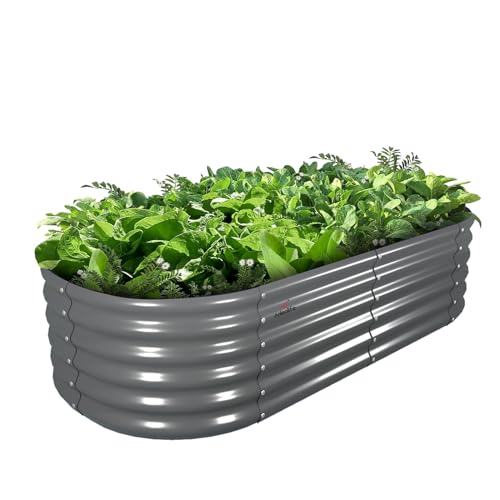
💎 Longer Lifespan: Made of 22-gauge 0.8mm thickness corrugated galvanized steel with multi-layer eco-friendly powder coatings. The oval round heavy-duty planter box is strong enough to hold soil for decades.

Ready-to-Use Formula: No mixing or extra steps required. Simply pour and plant - perfect for gardeners of all experience levels.
Structural Reinforcement for Tall Raised Beds
When you’re building raised beds that exceed 12 inches in depth and stretch beyond 6 feet in length, you’ll need to install cross-supports along the span to prevent the walls from bowing outward under the pressure of saturated soil, which can weigh 100 pounds or more per cubic foot depending on your mix of compost, topsoil, and coarse vermiculite suited to vegetables like ‘Brandywine’ tomatoes or ‘Provider’ bush beans in USDA zones 5 through 8. You should also anchor corner posts at least 2 feet into the ground and consider diagonal bracing, because once your bed reaches 18 to 24 inches tall, the lateral forces from freeze-thaw cycles and wind loads across open garden spaces will test even rot-resistant cedar or black locust framing that’s been joined with galvanized carriage bolts rather than simple screws. By planning these reinforcements before you fill your bed, you’re ensuring that your investment in quality soil and structural materials will support productive growing seasons for 10 to 15 years without the distortion or collapse that plagues poorly braced installations.
Recommended Products

Size: The garden bed measure is 23.6"L x 23.6"W x 17"H. Made of galvanized steel sheet metal with a rust-resistant coating features long-lasting use during kinds of weather.

Durable & Strong: Built with extra internal support rods to stay straight and stable, no bulging or warping. A magnesium-infused coating protects scratched areas from rust over time, paired with 0.85mm corrugated Zn-Al-Mg steel for long-term strength

Create Your Dream Garden:Our 8x2x1.5 ft modular raised garden bed With different configuration options gives you ample space to grow your favorite flowers, vegetables, and herbs.You can design a layout that fits your unique outdoor space and style. It's the perfect personalized foundation for a thriving garden
Cross-Support Requirements
Why should you worry about cross-supports when building taller raised beds? As your raised bed depth increases beyond 12 inches, soil weight creates substantial outward pressure that compromises structural integrity without proper reinforcement.
Cross-supports directly address this challenge by maintaining bed rigidity against deformation. You will want to implement three key strategies:
- Install horizontal braces at regular intervals along the length, spacing them every 3–4 feet for beds exceeding 6 feet long
- Position tall vertical supports at each corner to anchor the frame and resist lateral spreading
- Select treated lumber or steel brackets that align precisely with your bed frames for seamless integration
For beds reaching 18–22 inches in height, plan on at least two cross-braces minimum. These reinforcements improve load distribution, reduce warping from seasonal moisture fluctuations, and significantly extend your bed’s service life in heavy-soil conditions.
Bowing Prevention Methods
How do you keep a tall raised bed from warping outward under the weight of wet soil and dense root systems? You prevent raised bed bowing by installing internal bracing, cross-supports, or rigid framing with corner posts and diagonal braces, especially for beds taller than 12 inches and longer than 6 feet.
You boost structural stiffness by pairing cedar or treated lumber with metal corner brackets, and you add undersill blocks or a bottom panel to resist lateral stress. You design spacing and tension so the bed does not bow inward when filled with soil, compost, and water, particularly on exposed, windy sites.
You inspect regularly for joint loosening, and you re-tighten braces or add supports as the bed settles or crops add vertical weight.
Height Threshold Guidelines
Once you’ve secured your raised bed against bowing with internal bracing and cross-supports, you’ll want to map out exactly when those reinforcements become non-negotiable rather than optional. The height threshold for mandatory structural support typically kicks in at 12 inches of raised bed depth, especially when your bed stretches beyond 6 feet in length, because soil pressure increases exponentially with volume.
Consider these reinforcement benchmarks:
- At 18–24 inches tall, you’ll need thicker lumber or steel angles to prevent warping.
- When building to 3 feet high, choose rot-resistant cedar or composite materials with sturdy framing.
- On sloped terrain, install rigid bottom footings to distribute weight and stabilize your structure.
Skipping these guidelines risks catastrophic failure, so measure twice and reinforce accordingly.
One Depth That Works for Any Vegetable Garden
What depth should you choose when you want one raised bed to handle every vegetable you might grow? You will find that 18 inches offers the most versatile raised bed depth, accommodating the full spectrum of root depth requirements across vegetable varieties. This measurement gives shallow-rooted lettuce and herbs room to spread while providing tomatoes, cucumbers, squash, and kale the vertical space they need for robust development.
You gain significant long-term flexibility with this depth, especially when your native soil proves poor or compacted. An 18-inch bed improves drainage dramatically and supports nearly every crop you might rotate through in coming seasons. You will invest more in soil and materials upfront, but you eliminate the need to rebuild or modify beds as your gardening ambitions expand, making this the single most practical choice for committed growers.
Recommended Products

DEEP PLANTER FOR MAXIMUM YIELD: With 16" of soil depth and a spacious planting area, this elevated bed supports healthy root vegetables like carrots, beets, and radishes while allowing more crops per bed, boosting overall harvest and garden productivity
Metal Raised Garden Bed for Vegetables: 6×3×2 ft galvanized raised garden bed designed as an outdoor vegetable garden bed or herb garden planter. Suitable for backyard planting, small yard layouts, and everyday home food growing instead of decorative planter boxes

2FT GROWING DEPTH: 24 inches of depth holds up to 269 gallons of soil-great for medium to deep rooting plants and vegetables like broccoli, beans, and more; Note: This product does not include a bottom panel
First Crops to Plant in Your New Raised Bed
Where should you begin when your raised bed is freshly built and ready for planting? You start with shallow-rooted crops, since these resilient vegetables establish quickly and help you assess your soil depth before committing to deeper-rooted varieties.
- Plant lettuce and spinach, which thrive in just 6 to 8 inches of soil depth, allowing you to test drainage and fertility without demanding extensive root space.
- Sow radishes and leafy herbs, including basil and cilantro, which mature rapidly and reveal how your raised beds perform through an entire growing season.
- Add tender greens like arugula, which tolerate variable conditions while you observe moisture retention and warmth in your new setup.
Once you’ve evaluated performance, you’ll confidently expand into deeper-rooted crops, knowing your raised beds deliver consistent results.
Recommended Products

SIZE: 70''(L) x 47.2''(W) x 23.6''(H), with extra large growing space to raise a variety of plants, including food crops, vegetables, herbs and flowers.

【Solid Stability Triangular Frame】 Engineered with a heavy-duty triangular metal frame and dual-column construction, this vertical gardening system outperforms flimsy single-pole stands. The reinforced joints and crossbar supports prevent swaying - even when fully loaded with soil and climbing plants like tomatoes or ivy. Perfect for outdoor vegetable planters or vertical indoor gardens.

Heavy-Duty Galvanized Steel: The 5x5x1 ft Galvanized Raised Garden Bed Kit is made with three-in-one layering consists of a durable steel core, followed by a protective galvanized layer, and topped with a robust colored coating, enabling it to withstand prolonged exposure to elements like sunlight, rain, and snow.