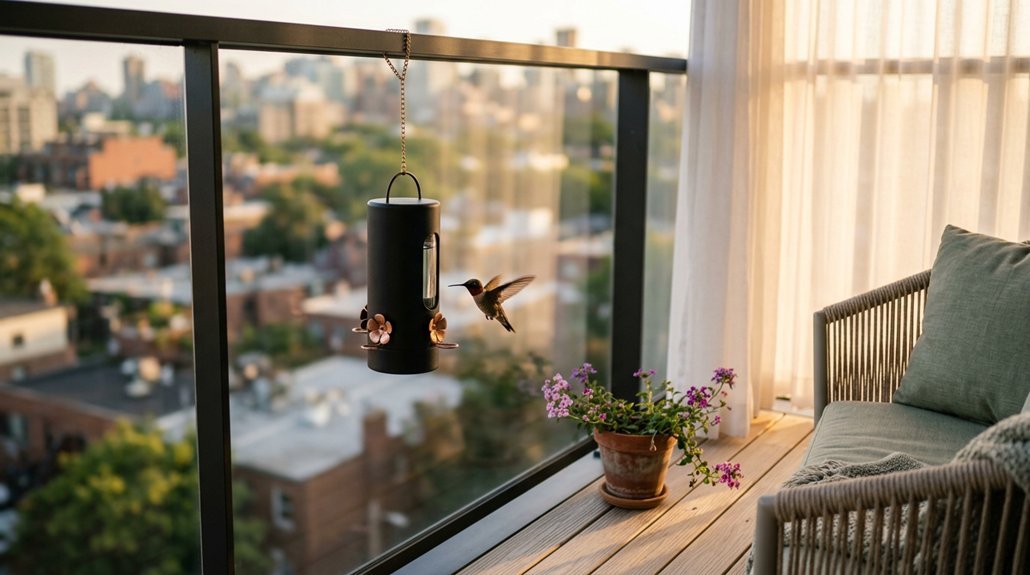

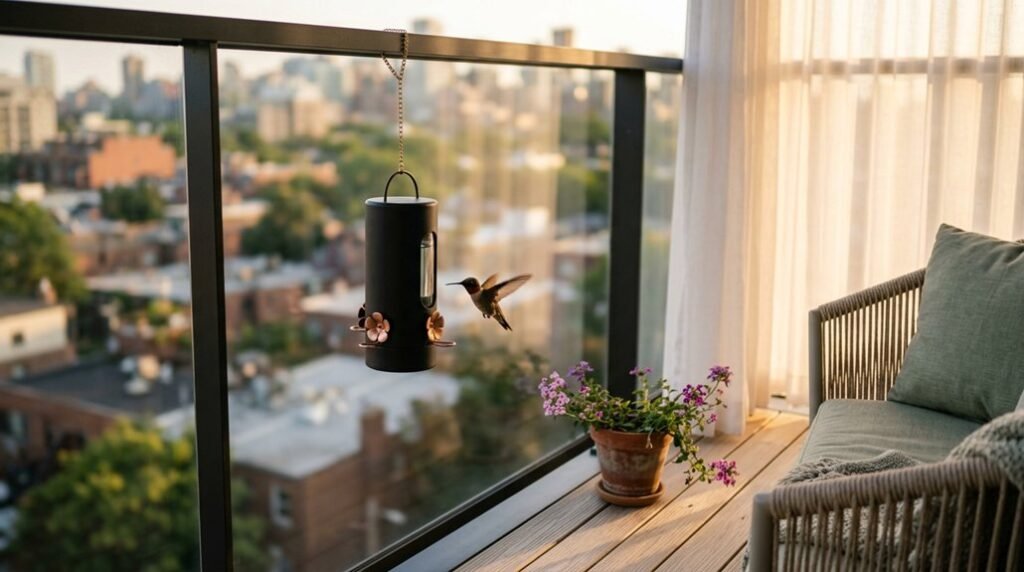


When Maria planted Salvia ‘Hot Lips’ along her Denver fence line in spring 2026, she counted seven hummingbirds by July. You can replicate her results across USDA zones 5 through 9 by selecting tubular, red-to-orange blooms with staggered flowering periods from early spring to fall.
Prioritize native options like Lobelia cardinalis and Monarda didyma, which offer higher nectar sugar concentrations than non-native alternatives. You will need full sun exposure, six to eight hours daily, and well-drained soil amended with organic compost to a depth of twelve inches.
Space plants eighteen to twenty-four inches apart to allow air circulation and root expansion. Your reward: sustained feeding activity through migration seasons. The specific cultivars and care steps that maximize success await.
Burpee Wildflower Seeds for Hummingbirds and Butterflies

Pollinator Seed Mix: This Blend Of Wildflower Seeds Will Attract Beautiful Hummingbirds And Butterflies To Your Outdoor Garden And Feed Them All Season Long; Blooms In...
When you’re planning a hummingbird garden for 2026, Burpee Wildflower Seeds for Hummingbirds and Butterflies offers a practical starting point that balances ambition with manageability, particularly if you’re working with limited time or uncertain growing conditions.
You’ll receive 25,000 non-GMO seeds covering 1,000 square feet, packaged as one bag containing 18 varieties of sun-loving annuals and perennials. Scatter these outdoors after your last heavy frost passes; select a sunny site with most soil types, since Burpee’s germination rates run 35% higher than industry standards.
Your mix includes Butterfly Milkweed, Calendula, Cornflower, Plains Coreopsis, Cosmos, and Foxglove, blooming spring through fall until frost arrives. Established in 1876, Burpee delivers generations of horticultural expertise directly to your planning process, ensuring you feed hummingbirds and butterflies continuously across three full seasons.
Best For: Gardeners seeking an easy-to-sow, large-scale wildflower mix to attract hummingbirds and butterflies across three seasons with minimal soil requirements and high germination success.
Pros:
- High seed quantity covers 1,000 square feet with 25,000 non-GMO seeds across 18 annual and perennial varieties
- Blooms continuously from spring through fall, providing season-long pollinator support
- 35% higher germination rates than industry standards reduce planting risk
Cons:
- Requires full sun location, limiting placement options for shaded gardens
- Must wait until after danger of heavy frost to sow, delaying planting in cooler climates
- Specific flower mix not customizable, despite 18 included varieties
Recommended Products

ATTRACTS WILDLIFE: Bright tubular flowers attract hummingbirds, butterflies, bees, and other birds to your garden.

Salvia Coccinea Coral Nymph Annual Seeds

ASSORTED FLOWER MIX - Contains Annual Phlox, Eastern Columbine, Elegant Lupine, Four O'Clocks, Gayfeather, Giant Columbine, Lemon Mint, Perennial Lupine, Rocket Larkspur, Rocky Mountain Penstemon, Scarlet Sage, Spurred Snapdragon, Sweet William Pinks, Tussock Bellflower, Wild Petunia
Hummingbird Butterfly Wildflower Mix – 7,500 Seeds

LARGE 1 OUNCE PACKET: Embark on a wildflower journey with our generous 1 ounce packet, bursting with over 7,500 pure live seeds! Transform 100 square feet into a vibrant...
Who needs a single plant when you can establish an entire hummingbird habitat from one packet? Family Sown’s Hummingbird Butterfly Mix delivers 7,500 pure live seeds in a large one-ounce pouch, enough to transform roughly 100 square feet into a thriving pollinator sanctuary. You’ll attract hummingbirds and butterflies simultaneously through nectar-rich blooms that persist throughout the growing season.
Scatter these premium seeds across borders or dedicated wildflower areas, where high germination rates guarantee vibrant, colorful displays. The mix supports local pollinators while creating an eco-friendly garden space requiring minimal expertise. Family Sown packages these seeds beautifully with freshness-focused design, simple planting instructions, and a reusable zipper for storage.
If you’re seeking confidence in your purchase, the company offers a 30-day refund guarantee with personalized assistance should any germination issues arise. This practical, one-packet solution lets you establish habitat quickly without selecting individual species.
Best For: Gardeners seeking an easy, one-packet solution to create a vibrant 100-square-foot pollinator habitat that attracts hummingbirds and butterflies without needing expertise in selecting individual species.
Pros:
- Contains 7,500 pure live seeds with high germination rates, transforming ~100 sq ft into colorful, nectar-rich blooms that persist throughout the growing season
- Beautiful, giftable packaging includes simple planting instructions and reusable zipper for convenient storage
- Backed by 30-day refund guarantee with personalized assistance for germination issues, providing purchase confidence
Cons:
- Limited to approximately 100 square feet of coverage, which may be insufficient for larger garden spaces
- Pre-mixed seed blend offers no customization of specific flower species or colors
- Results depend on proper growing conditions; refund guarantee expires after 30 days, which may not cover full growing cycle challenges
Recommended Products

1. Freshest Seeds, Zero Fillers: Our butterfly & hummingbird mix includes 23 beautiful perennial varieties — no cheap annuals. We pack the freshest flower seeds to maximize your garden's success. 99% pure live seed, absolutely no filler. Whether you buy wildflower seeds bulk or small packs, quality stays the same. Just pure, sprout-ready seeds for planting.

MONARCH BUTTERFLY HABITAT: Common milkweed (Asclepias syriaca) is a host plant for monarch butterfly larvae. Planting this native wildflower helps support monarch populations by providing a food source for caterpillars. Suitable for USDA Zones 3–9.

100% Pure, Non-GMO Seeds - No fillers, favorites only! Includes 20 easy-to-grow species: Cornflower Tall Blue, Godetia/Farewell to Spring, Cosmos, Chinese Forget Me Not, Scarlet Flax, Four O'Clock, Catchfly, Sulphur Cosmos, Indian Blanket, Baby Blue Eyes, Rose Mallow, Rocket Larkspur, Wild Annual Sunflower, Plains Coreopsis, Clarkia, Toadflax/Spurred Snapdragon
Perfect Plants Nanho Blue Butterfly Bush Live Plant, 1 Gallon

ENHANCE YOUR GARDEN — Increase Property Value & Add Visual Interest in Your Garden BUSHES ARE HARDY IN ZONE 5-9 — Loves the Warm Heat of the Southern United States...
Where in your garden will hummingbirds find the sanctuary they need? You’ll create that haven when you plant the Perfect Plants Nanho Blue Butterfly Bush, a 1-gallon specimen that thrives in USDA hardiness zones 5 through 9.
This drought-tolerant shrub loves the warm heat of the Southern United States, though you’ll succeed with it anywhere within its range.
You should position it where its fragrant, pollinator-magnet blooms receive ample sunlight, and you’ll watch hummingbirds flock to your landscape throughout the flowering season.
You’re supporting a family nursery when you order this Florida-grown plant, shipped nationwide to your door.
Note: you cannot receive this item if you reside in California, Arizona, or Washington, due to state restrictions.
Best For: Gardeners in USDA zones 5-9 seeking a drought-tolerant, fragrant shrub that attracts hummingbirds and other pollinators while adding ornamental value to sunny landscapes.
Pros:
- Drought-tolerant and thrives in warm Southern heat, making it low-maintenance for busy gardeners
- Fragrant blooms attract essential pollinators like hummingbirds, enhancing garden biodiversity
- Supports a family nursery with Florida-grown plants shipped nationwide (where permitted)
Cons:
- Cannot be shipped to California, Arizona, or Washington due to state restrictions
- Requires ample sunlight placement, limiting shady garden locations
- 1-gallon size may need time to mature and reach full visual impact in landscape
Recommended Products

TASTY HUMMINGBIRD NECTAR: This humming bird food liquid is made to mimic flower nectar with added electrolytes to help nourish and hydrate

Hummingbirds are attracted to the color of your feeder, not the color of the food

100% SUCROSE: This nectar powder concentrate is made of 100% Sucrose
Pollinator Garden Live Plant Collection (8 Perennials)

Plant Size Can Vary with Smaller Foliage Early in Season, but each plug is healthy and ready to plant. READY TO GROW, NOT SEEDS! – Skip the wait and plant 8 live perennial...
Why bother starting from seed when you can plant established perennials that hummingbirds visit within weeks? The Pollinator Garden Live Plant Collection from Bellawood Horticulture gives you eight robust, well-rooted plugs, recently updated in April 2025 for maximum size, including Swamp Milkweed, Butterfly Weed, Purple Coneflower, and Black-Eyed Susan.
You will plant these native perennials in full sun with well-drained soil, where they thrive with minimal intervention. They’re drought-tolerant, deer-resistant, and return reliably year after year, making them ideal for home gardens or wildflower meadows.
The orange Butterfly Weed, purple coneflowers, and yellow Black-Eyed Susan create visual harmony while supporting biodiversity. These plants attract not only hummingbirds but also monarchs and bees, building a resilient pollinator-friendly landscape you can establish immediately.
Best For: Gardeners who want an instant, low-maintenance pollinator garden with established native perennials that attract hummingbirds, monarchs, and bees without the wait of starting from seed.
Pros:
- Eight large, well-rooted live plugs (updated April 2025) provide immediate garden establishment with no germination time required
- Drought-tolerant, deer-resistant, and perennial nature ensures reliable, year-after-year returns with minimal maintenance
- Native plant selection specifically attracts diverse pollinators while creating visual harmony through complementary orange, purple, and yellow blooms
Cons:
- Requires full sun and well-drained soil conditions, limiting placement options for shady or poorly drained garden areas
- Plant size varies seasonally with smaller foliage early in the growing season
- Fixed plant composition offers no customization of species mix for gardeners wanting different native varieties
Recommended Products

Scarlet Beebalm Herbal Tea, Mountain Balm Herb with Flowers
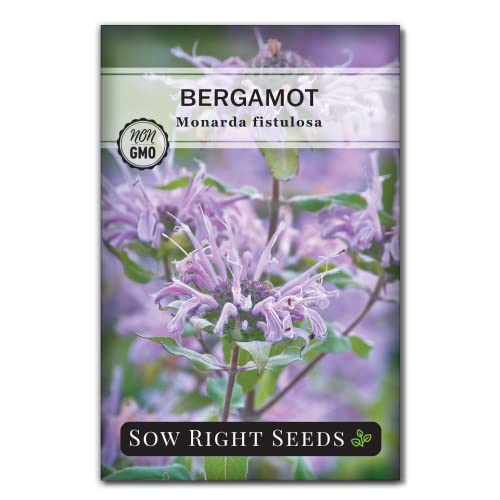
Beautiful - Large premium packets of Bee Balm Bergamot (Monarda Didyma) flower seeds. A lovely native perennial with delicate and fragrant purple flowers that will thrive all summer long. Minimum of 250 mg per packet (about 800 seeds).

SPOTTED BEE BALM SEEDS FOR PLANTING - Grow Spotted Bee Balm (Monarda punctata), a native Eastern US perennial wildflower also known as horsemint or dotted mint, valued for its unusual blooms
100 Plants to Feed the Bees
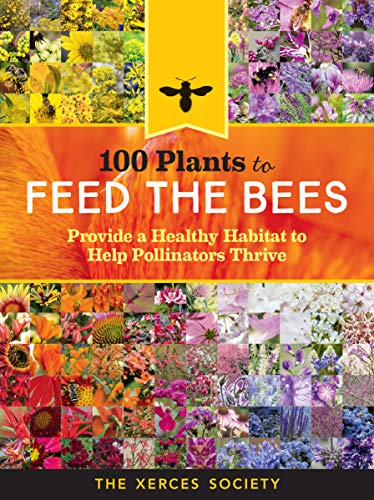
What gardener wouldn’t want a single resource covering 100 proven plants? “100 Plants to Feed the Bees” delivers exactly that, offering you a thorough field guide published by Workman Publishing in 2016 that remains indispensable for cultivating pollinator-friendly landscapes.
You’ll find 240 pages of actionable guidance, Storey Publishing’s practical approach woven throughout. The book presents 100 plant selections specifically chosen to sustain bee populations, each entry including cultivation tips you can implement immediately.
This paperback reference suits your needs whether you’re planning a modest border or redesigning your entire property. Published November 29, 2016, it remains relevant for 2026 gardening. You won’t need prior expertise: the detail density supports tenth-grade comprehension while delivering specific USDA zone recommendations and named cultivars you can locate at nurseries.
Apply this resource as you expand beyond hummingbird-focused plantings, creating integrated pollinator habitat that serves multiple species.
Best For: Gardeners of all experience levels seeking a comprehensive, practical guide to cultivating bee-supporting habitats with specific plant recommendations and actionable cultivation advice.
Pros:
- Provides 100 vetted plant selections with specific cultivation details including USDA zones and named cultivars readily available at nurseries
- Accessible 240-page paperback format written at tenth-grade comprehension level requires no prior expertise to implement immediately
- Published by established garden publisher Storey Publishing with enduring relevance for contemporary pollinator conservation efforts
Cons:
- Published in 2016, so newer plant cultivars and updated pollinator research may not be included
- Focuses specifically on bees rather than addressing broader pollinator groups like butterflies, moths, and native bees equally
- Paperback binding may show wear with frequent field reference use compared to hardcover or spiral-bound garden guides
Recommended Products
Pollinator Seed Mix: This Blend Of Wildflower Seeds Will Attract Beautiful Hummingbirds And Butterflies To Your Outdoor Garden And Feed Them All Season Long; Blooms In Spring, Summer, And Fall Until Frost

21 Premium Perennial Varieties: 10000+ Premium bulk package of 21 varieties perennial wildflower seeds to establish a colorful garden filled with red, orange, yellow, blue, pink, purple and more rainbow color flowers! Perfect for indoor outdoor planting across all USDA zones.

Freshest Wildflower Seeds: Our hummingbird and butterfly wildflower mix includes 24 beautiful annual, perennial and biennial plants. We offer the freshest seeds to enhance the quality of your garden, we ensure a high germination rate, 99% pure live seed, no filler
Earth Science Wildflower Seed Blend for Pollinators (4oz)
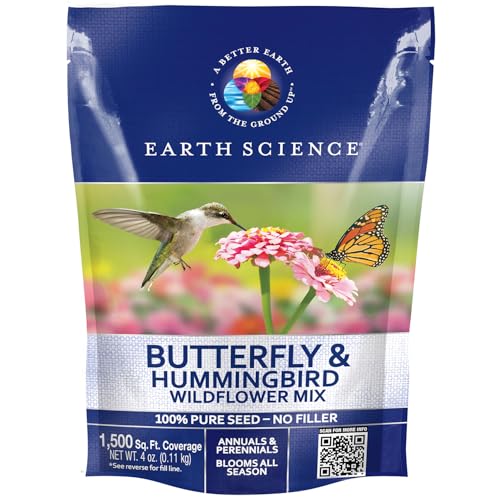
Garden Flowers: Earth Science Butterfly & Hummingbird Wildflower Seed Blend contains a diverse selection of flowers for amazing biodiversity and abundant blooms to light up...
You’re seeking a straightforward way to transform your outdoor space into a hummingbird haven without mastering complex horticulture, and Earth Science’s Butterfly & Hummingbird Wildflower Seed Blend delivers exactly that.
This 4-ounce packet contains over 40,000 non-GMO seeds, enough to cover approximately 1,500 square feet with a diverse mix including Purple Cone Flowers, Cosmos, Shasta Daisies, Sweet Williams, and Black-Eyed Susans.
You’ll plant in spring or fall, water daily for the first two weeks, then shift to as-needed watering once established. Deadhead spent blooms to encourage continued flowering from summer through fall.
The blend attracts not only hummingbirds but also bees, butterflies, and native pollinators, creating sustainable habitat in small gardens or expansive meadows. Free from harmful chemicals and safe around people and pets, this seed blend offers seasons of enjoyment without complexity.
Best For: Gardeners of any skill level who want an easy, low-maintenance solution for attracting hummingbirds, butterflies, and bees to their outdoor space.
Pros:
- Simple planting and care with minimal horticultural knowledge required—just water daily for two weeks, then as needed
- Covers large areas (1,500 sq ft) with over 40,000 premium non-GMO seeds at an economical 4oz size
- Safe for families and pets with no harmful chemicals or pesticides
Cons:
- Requires consistent daily watering for the first two weeks, which may be challenging during busy periods or drought conditions
- Deadheading spent blooms is necessary to encourage continued flowering, adding ongoing maintenance
- No guarantee of first-season blooms if planted outside optimal spring timing
Recommended Products

Callestemon or Bottlebrush Trees are a species of a few hundred different species and selected cultivars that produce unusual flowers, mostly red, that are shaped like a full, fluffy bottlebrush.
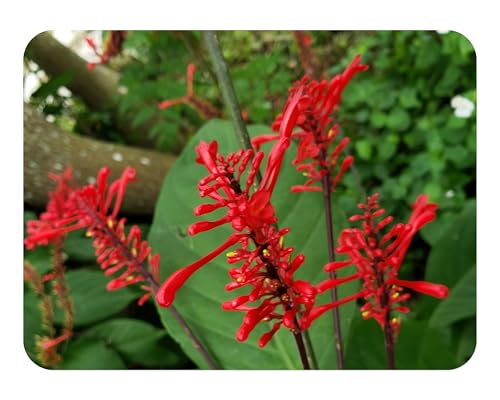
Odontonema tubaeforme, or Red Firespike, is a versatile and easy-to-grow semi-tropical flowering shrub that is confirmed as native to semi-forested areas of Central America and possibly Mexico. The species was once thought to be native to Florida also, but current expert opinion has shifted to naturalized in Florida vs native. Its status as a non-invasive, ecosystem-friendly, nectar-rich, fall and winter bloomer for habitats and shade gardens remains unchanged.

Follow directions and plant when instructions say to plant them then they will grow for you. If you do not follow instructions then do not complain when nothing grows. Learn to follow instructions.
The Hummingbird Handbook: Everything You Need to Know

Seeking a definitive guide to understand your garden visitors on a deeper level? You’ll find comprehensive answers in *The Hummingbird Handbook: Everything You Need to Know about These Fascinating Birds*, a 240-page Kindle eBook published by Timber Press in April 2021.
The handbook delivers expert coverage of hummingbird biology, behavior, habitats, feeding patterns, migration routes, and garden care strategies. You can access this digital resource instantly through Kindle, making it immediately available as you plan your 2026 planting season.
The handbook explains how hummingbirds locate nectar sources, why they prefer specific flower shapes, and how you can extend their seasonal visits through strategic plant selection. You will learn to identify species by sight and sound, understand their metabolic needs, and create sustainable habitats across USDA hardiness zones.
Whether you are selecting native cultivars or establishing feeding stations, this reference grounds your decisions in ornithological science while remaining accessible to dedicated gardeners at any experience level.
Best For: Gardeners and bird enthusiasts seeking a science-based yet accessible guide to understanding hummingbird behavior, habitat creation, and species identification for year-round garden planning.
Pros:
- Comprehensive coverage spanning biology, migration, feeding patterns, and practical garden care strategies
- Accessible scientific foundation suitable for all experience levels, from beginners to dedicated ornithologists
- Digital Kindle format enables instant access and portability for field reference and seasonal planning
Cons:
- Limited to digital format only, with no print edition available for those preferring physical reference books
- Published in 2021, potentially lacking more recent research or climate-adapted recommendations for 2026 planting
- Focused exclusively on hummingbirds, requiring supplemental resources for broader backyard bird ecosystem planning
Recommended Products

100% Pure, Non-GMO Seeds – No fillers, just the real deal! This variety of Zinnia should be planted 1/4" deep and 6" apart during spring with expected germination in 7-10 days.

100% Pure, Non-GMO Seeds – No fillers, just the real deal! This variety of Zinnia should be planted 1/4" deep and 6" apart during spring with expected germination in 7-10 days.

100% Pure, Non-GMO Seeds – No fillers, just the real deal! This variety of Zinnia should be planted 1/4" deep and 6" apart during spring with expected germination in 7-10 days.
SunHaven Butterfly & Hummingbird Wildflower Seeds (30,000+)
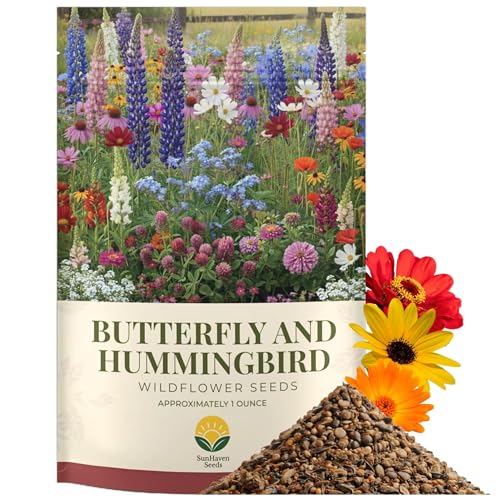
HIGH-NECTAR FLOWERS FOR BUTTERFLIES AND HUMMINGBIRDS: A focused Wildflower Blend crafted to attract butterflies, hummingbirds, and beneficial pollinators. Each variety is...
Want a single packet that transforms your yard into a hummingbird haven? You’ll find exactly that in SunHaven’s Butterfly & Hummingbird Wildflower Mix, which delivers over 30,000 non-GMO, open-pollinated seeds in one resealable, foil-lined pouch. This 1-ounce bulk packet covers approximately 100 square feet, making it ideal for garden beds, borders, pathways, containers, or full wildflower meadows.
You simply scatter the seeds, lightly rake them into the soil, and water consistently. The mix thrives in full sun with average soils. You’ll see waves of red, purple, pink, blue, orange, and yellow blooms from summer through frost. These high-nectar flowers provide continuous food sources for hummingbirds and butterflies across multiple USDA zones.
Whether you’re a novice gardener or experienced grower, you’ll appreciate the clear planting instructions printed on every durable pouch. The resealable design preserves seed freshness, so you can plant now and save some for later. Expect reliable garden performance with minimal maintenance, plus months of vibrant color that keeps pollinators returning to your landscape.
Best For: Gardeners of all experience levels who want to attract hummingbirds and butterflies to their outdoor spaces with minimal effort.
Pros:
- Over 30,000 non-GMO, open-pollinated seeds in one resealable foil-lined pouch ensure excellent value and seed freshness for multiple plantings
- Extremely easy to grow—simply scatter, rake lightly, and water—making it accessible for beginners while delivering reliable results
- Long blooming season from summer through frost provides months of vibrant, multi-colored flowers and continuous nectar for pollinators across various USDA zones
Cons:
- Requires full sun exposure, limiting planting options for shady or partially shaded garden areas
- Coverage of only 100 square feet may be insufficient for larger landscaping projects without purchasing multiple packets
- Performance depends on “average soils,” which may produce inconsistent results in extremely poor, compacted, or overly sandy soil conditions without amendment
Recommended Products

STAYS FRESH LONGER: Nectar Defender maintains nectar in hummingbird feeders for up to 2 weeks

MIMICS REAL FLOWER NECTAR: Bird-friendly recipe mimics real flower nectar
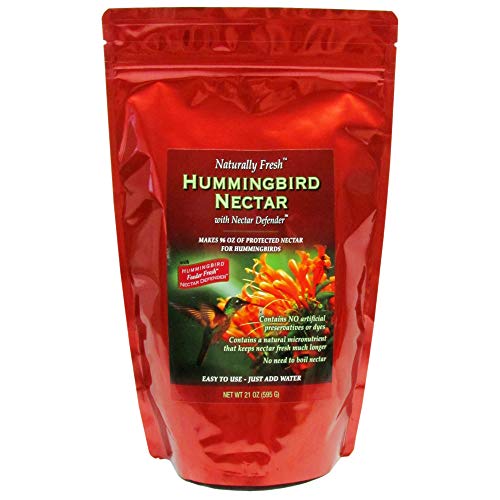
PROTECT HUMMINGBIRDS: Added micronutrient prevents nectar spoilage with zero artificial ingredients
Groundio Wildflower Seeds Mix for Hummingbirds and Butterflies (25,000+)
Freshest Wildflower Seeds: Our hummingbird and butterfly wildflower mix includes 24 beautiful annual, perennial and biennial plants. We offer the freshest seeds to enhance...
Groundio’s 25,000+ Wildflower Seeds Mix offers exceptional value when you’re aiming to establish expansive pollinator habitat without breaking your budget. A single ounce covers approximately 194 square feet with 24 distinct varieties including annuals, perennials, and biennials. You’ll receive 99% pure live seed with no filler, ensuring every handful you scatter contributes directly to your garden’s success.
Expect germination within 5–10 days, with blooms emerging 35–75 days after sowing, and mature plants reaching 12–48 inches in height. The resealable aluminum foil packaging protects your investment from moisture, keeping seeds viable until you’re ready to plant.
This mix draws butterflies, bumblebees, bees, and ladybugs while supporting overall garden vitality. Planting instructions appear on the package, and Groundio provides supplemental online guidance for first-time wildflower growers. Consider this educational option for children building their first hummingbird gardens, or present it as a thoughtful gift for holidays, birthdays, and seasonal celebrations.
Best For: Budget-conscious gardeners, families with children, and gift-givers seeking to create expansive pollinator habitats with an easy-to-grow, educational wildflower mix.
Pros:
- Exceptional coverage value with 25,000+ seeds (99% pure live seed, no filler) covering ~194 sq ft
- Rapid results with germination in 5–10 days and blooms in 35–75 days
- Resealable moisture-resistant packaging preserves seed viability for flexible planting
Cons:
- No specific flower colors or bloom seasons listed for planning coordinated garden designs
- Limited growing zone or climate guidance provided beyond general online resources
- No information on deer resistance or common pest vulnerabilities for the 24 varieties
Recommended Products
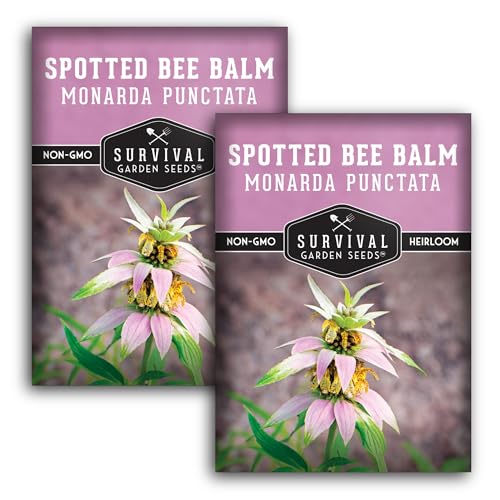
SPOTTED BEE BALM SEEDS FOR PLANTING - Grow Spotted Bee Balm (Monarda punctata), a native Eastern US perennial wildflower also known as horsemint or dotted mint, valued for its unusual blooms

Dual-Purpose Beauty: Enjoy the best of both worlds! Bee Balm delivers stunning ornamental value with its shaggy, crown-like flowers while belonging to the mint family with aromatic leaves perfect for herbal uses. Grow it in flower beds, herb gardens, or containers for double the gardening pleasure

Pollinator Paradise: Attracts bees, butterflies, hummingbirds, and beneficial insects with nectar-rich blooms that support a thriving garden ecosystem.
The Backyard Hummingbirds Handbook: Transform Your Yard into Their Second Home

Who exactly needs a roadmap for turning their outdoor space into hummingbird habitat? You do, especially if you’re seeking practical, authoritative guidance that transforms uncertainty into confident action. *The Backyard Hummingbirds Handbook: Transform Your Yard into Their Second Home*, published by Steady Publishing in July 2026, delivers exactly that foundation.
You’ll master trust-building techniques that encourage hummingbirds to return daily, not merely visit once. The handbook shares an ancient nectar recipe, refined through generations, with precise usage notes and safety precautions you cannot afford to overlook.
Regional plant lists, organized by flowering times and USDA zones, let you select magnet species suited to your specific location, whether you’re gardening in Zone 5 or Zone 10. Bird-safe feeder rules form another critical pillar. You’ll learn placement strategies, hygiene protocols, and inspection routines that protect your tiny visitors from mold, fermentation, and territorial aggression.
The 122-page paperback, written for novice to intermediate enthusiasts, balances expert horticultural knowledge with accessible, step-by-step instructions. By mid-2026, you’ll have everything required to earn hummingbird trust and maintain their second home.
Best For: Backyard enthusiasts seeking practical, step-by-step guidance to transform their outdoor space into a thriving hummingbird habitat with trust-building techniques, proven nectar recipes, and region-specific planting strategies.
Pros:
- Provides a time-tested ancient nectar recipe with detailed safety precautions to protect hummingbird health
- Includes comprehensive regional plant lists organized by USDA zones and flowering times for targeted habitat creation
- Offers complete bird-safe feeder protocols covering placement, hygiene, and inspection routines to prevent common hazards
Cons:
- At 122 pages, the paperback format may lack the depth advanced ornithologists or experienced hummingbird specialists desire
- Regional plant recommendations may require additional research or adaptation for microclimates not fully covered by standard USDA zone classifications
- Mid-2026 publication date means availability is limited for readers seeking immediate implementation guidance
Recommended Products
LARGE 1 OUNCE PACKET: Embark on a wildflower journey with our generous 1 ounce packet, bursting with over 7,500 pure live seeds! Transform 100 square feet into a vibrant haven for nature.

EXTRA LARGE PACKET: Embark on a wildflower journey with our generous 1-ounce packet, bursting with over 7,500 pure live seeds! Transform 100 square feet into a vibrant haven for nature.

BULK 1 POUND BAG (16 Ounces): Embark on a wildflower journey with our generous one pound bag, bursting with over 120,000 pure live seeds! Transform 1,600 square feet into a vibrant haven for nature.
Factors to Consider When Choosing Plants to Attract Hummingbirds

You’ll want to evaluate blooming season timing, flower color selection, nectar richness level, native plant preference, and sunlight requirements before you select any cultivars for your hummingbird garden, since these five factors determine whether you’ll create a sustainable food source or a disappointing patch of greenery.
When you prioritize tubular red and orange blooms, such as Salvia ‘Hot Lips’ or Lobelia cardinalis, you’re matching the precise visual spectrum these birds detect most readily, while ensuring continuous bloom from early spring through frost requires you to stagger plantings across USDA zones 4-9 with at least three successive flowering species.
You can’t overlook nectar concentration either: aim for 20-25% sugar content in tubular corollas between 0.75 and 1.5 inches deep, plant at least 75% native species adapted to your regional precipitation patterns, and position your selections where they’ll receive six hours of direct morning sun with afternoon protection in zones 7 and above.
Blooming Season Timing
How do you ensure hummingbirds find sustenance from their first spring arrival through their late, season departure? You select plants with staggered bloom times, creating an unbroken nectar pipeline from March through September across USDA zones 5 through 9.
Combine early, spring bloomers like columbine (Aquilegia canadensis), mid, summer performers including ‘Black and Blue’ salvia, and late, season anchors such as ‘Autumn Joy’ sedum. This sequencing matches migration patterns, ensuring food when birds need it most.
Prioritize tubular, abundant blossoms with easily accessible nectar, positioning them in sunny, open areas where competing foliage won’t obstruct visibility. Include perennials with extended bloom windows and reliable annuals like nicotiana to stretch nectar availability beyond peak weeks. You’re building a seasonal buffet that transforms your garden into essential habitat.
Flower Color Selection
What draws hummingbirds to your garden before they even taste the nectar? You know it’s color, specifically the bright, saturated hues that signal a welcome feast from afar.
You’ll want to prioritize red, tubular blooms, though orange, pink, and purple will also bring these tiny visitors rushing in. Deep, rich colors often indicate higher nectar production, so you should select varieties with intense pigmentation rather than washed-out shades.
Your garden design benefits from contrasting combinations, red flowers against green foliage, which hummingbirds spot from surprising distances. You need bright, long-lasting colors visible across mixed plantings.
You must plan for color diversity across bloom times, ensuring successive waves of flowers keep hummingbirds returning throughout spring, summer, and fall.
Nectar Richness Level
Why does one flower draw hummingbirds instantly while another sits ignored? You’ll find the answer in nectar richness level, the concentration of sugars that determines how much energy a bird gains per visit. Higher sugar content, typically 20-25% in optimal blooms, attracts hummingbirds more strongly, especially during migration when they’re burning thousands of calories daily.
You should prioritize tubular flowers in red and orange hues, as these shapes often signal abundant nectar reserves. Look for varieties like ‘Major Wheeler’ trumpet vine or ‘Black and Blue’ salvia, which deliver consistent nectar flow across multiple weeks.
Select plants with extended bloom periods and staggered flowering times. This ensures your garden provides reliable fuel from spring through fall, supporting both resident birds and long-distance travelers passing through your region.
Native Plant Preference
Where should you begin when building a hummingbird sanctuary that truly thrives? You should start with native plants, which are typically better adapted to your local climate and soil, reducing maintenance while providing reliable nectar sources for hummingbirds. Native species often align with local pollinator networks, supporting hummingbird diets with seasonally available nectar.
You’ll find that planting natives attracts a broader pollinator community, creating a balanced ecosystem that benefits hummingbird foraging behavior. Bloom times of native plants are often synchronized with regional hummingbird migration and residency patterns, maximizing feeding opportunities throughout the season.
Sunlight Requirements
How much sunlight should you plan for when selecting plants that will truly draw hummingbirds to your garden? You will find that hummingbirds prefer plants delivering nectar in bright, sunny locations, where full sun promotes vigorous blooming and higher nectar production. Most hummingbird-attracting flowers bloom best in sun to part shade, with the strongest nectar displays occurring in areas that receive at least 6 hours of direct sunlight daily.
Sunlight influences plant height, bloom abundance, and blooming duration, so you should choose sun-loving varieties, which typically offer longer flowering periods that support consistent hummingbird visitation. In sunny spots, select nectar-rich species with tubular, red-to-orange flowers to maximize visual appeal and nectar accessibility.
Remember that sun exposure interacts with soil drainage and heat tolerance, so you must select sun-tolerant plants suited to your specific climate, reducing stress and maintaining steady nectar sources throughout the season.
Growth Habit Types
Once you’ve mapped out your sunniest spots, you’ll want to match those conditions with growth habits that put nectar within easy reach of hovering wings. You’ll find that compact, mounded, or upright perennials and annuals with multiple flowering stems deliver continuous nectar supplies throughout the growing season, keeping flowers accessible at various heights along each plant’s vertical profile.
Consider adding shrubs and small trees, like ‘Hot Lips’ salvia or trumpet vine (Campsis radicans, USDA zones 4-9), which offer extended bloom periods and higher nectar volumes than single-stem varieties. You’ll sustain hummingbirds more effectively by selecting plants with tubular, brightly colored flowers in red, orange, and pink that bloom repeatedly.
Mix evergreen foliage for shelter with flowering plants featuring staggered bloom times. This combination maintains hummingbird presence across spring, summer, and fall.