
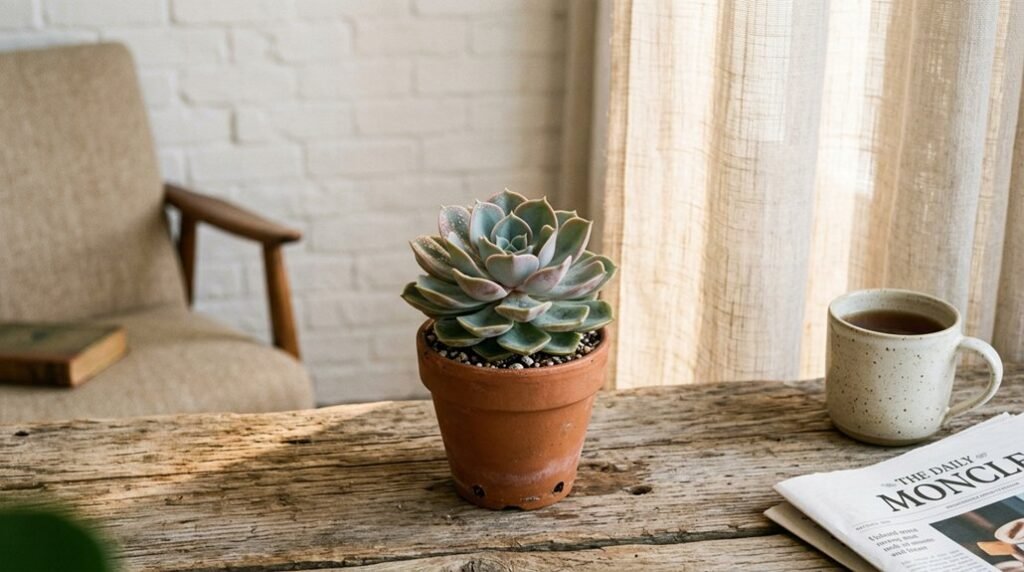


Your living space deserves something that thrives despite your busy schedule, and the fifteen succulents selected for 2026 deliver exactly that resilience.
You’ll find Echeveria ‘Lola’, Haworthia fasciata ‘Zebra Plant’, and Sedum morganianum ‘Burro’s Tail’ among cultivars proven for USDA zones 9–11 as houseplants, each requiring 4–6 hours of indirect light, grit-based soil with 50% perlite, and watering only when the top inch dries completely.
These selections accommodate standard household humidity of 30–50%, demand temperatures between 60–80°F, and tolerate the occasional forgotten watering with grace.
What separates a surviving succulent from one that truly flourishes lies in understanding which varieties match your specific conditions, a distinction that determines whether your windowsill becomes a showcase or a casualty collection.
Juhefa Full Spectrum Grow Light for Indoor Plants

6000K Daylight Full Spectrum- Packed with 40 white and 8 red LEDs, this growth light throws a crisp 6000K beam that reads like real sunshine indoors. Built for flowers,...
If you are cultivating succulents indoors in 2026, whether you are tending a compact echeveria on a windowsill or nurturing a sprawling string of pearls in a hanging planter, you will quickly discover that adequate lighting remains your most critical variable. The Juhefa Full Spectrum Grow Light for Indoor Plants offers a precise, adaptable solution that bridges the gap between limited natural exposure and the rigorous demands of photosynthesis.
You will appreciate how this 6000K full-spectrum lamp, equipped with 40 white LEDs and 8 red LEDs at 660nm, mimics natural daylight with a color rendering index of 95%. This ensures your echeveria, sedum, or haworthia receive wavelengths that drive robust photosynthesis. The flexible 360° gooseneck lets you position light exactly where your plants need it, whether illuminating a hanging trellis or a potted bonsai arrangement.
You can adjust brightness across five dimming levels to match your succulents’ growth stages, from seed starting to mature vegetative development. The built-in auto timer cycles 4, 8, or 12 hours on, then 20, 16, or 12 hours off, so you never worry about inconsistent photoperiods that stress your plants. With its 77-inch USB cable, you will find placement effortless in any home or office setting.
Best For: Indoor gardeners growing succulents, herbs, flowers, and seedlings who need a flexible, full-spectrum lighting solution with automated timing for spaces with limited natural light.
Pros:
- 6000K full-spectrum light with 660nm red LEDs and 95% color rendering index closely mimics natural daylight to support robust photosynthesis across multiple plant types
- Flexible 360° gooseneck and five dimming levels allow precise positioning and brightness adjustment for various growth stages and plant arrangements
- Built-in auto timer with 4/8/12-hour cycles ensures consistent photoperiods without manual intervention, reducing plant stress from inconsistent lighting
Cons:
- 77-inch USB cable may require proximity to a USB power source or adapter, potentially limiting placement options in larger spaces
- 48 total LEDs (40 white + 8 red) may provide insufficient coverage intensity for larger plant collections or light-hungry species in deeper shade
- Single gooseneck design limits multi-directional lighting without purchasing additional units for plants spread across different areas
Recommended Products

6000K White Circle Lights---Equipped with super bright 6 Red+6 Blue+36 White LED beads, this indoor seedling light provides a full spectrum like sunlight to promote plant growth, that is professionally designed for indoor garden potted plants.
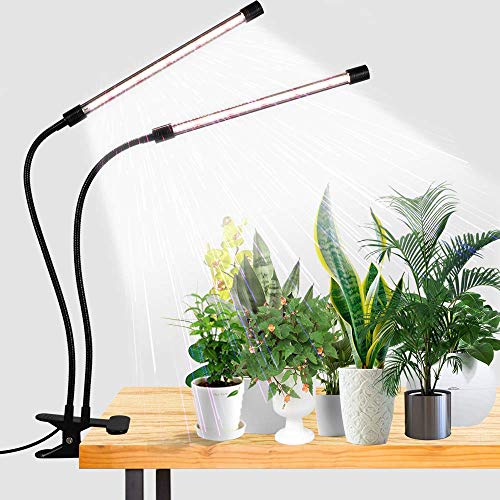
6000K White Light - equipped with 10 Red + 74 White LEDs, this growing Lamp is similar to the full-spectrum sunlight at noon,that is professionally designed for indoor garden plants.Moreover, its color rendering index is as high as 95, the light is soft and flicker-free, which is very suitable for reading lamp

6000K White Low Light for Plants - the pot succulent light is equipped with super bright 96pcs LED beads(16 Red+80 White), Red light contributes to seed starting, flowering and result, 6000K White light is suitable for all variety small house plants.
Growing Succulents: A Pictorial Guide (Over 1,500 photos and 700 plants)

You’ll find the paperback format practical for benchtop consultation during repotting sessions, and the 2023 publication date ensures contemporary naming conventions reflect current taxonomic revisions. Tuttle Publishing’s 176-page guide delivers over 1,500 photographs documenting 700 distinct succulent species and cultivars, giving you immediate visual confirmation when identifying unfamiliar specimens.
You can cross-reference leaf morphology, growth habits, and flowering characteristics against the high-resolution images, which reduces misidentification risks that plague online sources. The softcover binding lies flat when opened, freeing both hands for simultaneous plant examination and note-taking.
You should consult this resource when selecting specimens compatible with your indoor conditions, as the pictorial format accelerates recognition of suitable genera: Echeveria, Haworthia, Gasteria, and compact Sedum varieties. Each entry provides cultivation parameters including light intensity requirements, dormancy periods, and watering frequencies calibrated for container culture.
You will appreciate the standardized presentation, which lists hardiness zones, mature dimensions, and propagation methods in predictable sequences. This consistency lets you compare multiple candidates efficiently before acquiring new plants.
The English-language text avoids overly technical jargon while preserving botanical accuracy, making it accessible for hobbyists advancing beyond beginner status.
Best For: Intermediate succulent hobbyists seeking a portable, visually comprehensive reference for accurate plant identification and cultivation guidance during hands-on gardening sessions.
Pros:
- Over 1,500 high-resolution photographs enable rapid visual confirmation and reduce misidentification risks common with online sources
- Softcover binding lies flat for practical benchtop use during repotting, plant examination, and note-taking
- Standardized entry format with predictable sequences for hardiness zones, mature dimensions, and propagation methods allows efficient comparison of multiple plant candidates
Cons:
- 176-page format may limit depth of information per species compared to more extensive specialist volumes
- Paperback construction may show wear faster than hardcover alternatives under frequent greenhouse or garden use
- 2023 publication date means emerging taxonomic revisions post-dating release will not be reflected in current naming conventions
Recommended Products

FULL SPECTRUM: This grow Light can imitate the spectrum of sunlight giving your plants the perfect quality of light. Our 660nm Red-Light enhancement is catered towards sprouting, flowering, and fruit yielding plants and can give them the capability to grow to their full potential
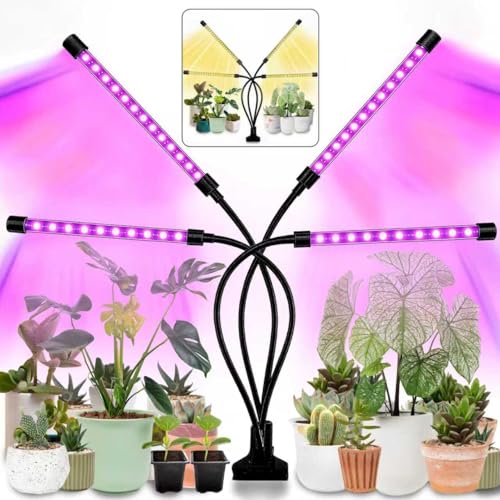
🌻Efficient LED Combination: This LED lamp has grow lights made up of 80 efficient growing LEDs ( 32 red lights, 12 blue lights,20 yellow lights and 16 white lights). It meets the conditions of plant growth without sunlight. 1--Full Spectrum(380nm-800nm): Suitable for all plants to root and sprout. 2--Red(660nm)+BLUE(460nm) Spectrum: for blooming and fruits. 3--Red+Blue+Full Spectrum: A mix of Red+Blue+Warm White is best to fuel the growth of your plants.
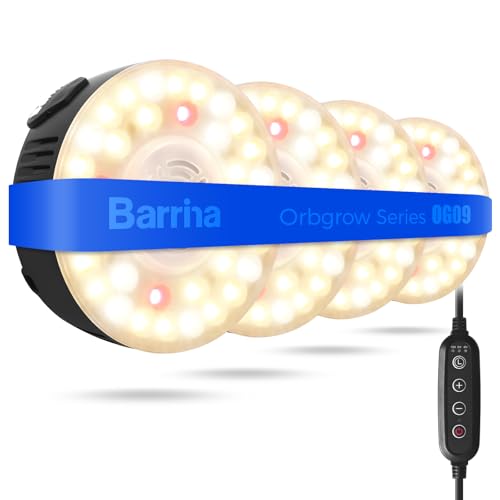
3 Timer Settings & 5 Brightness Levels: The Barrina grow light for indoor plants offer 3 convenient settings (4H/8H/12H) and 5 dimming levels. This functionality allows you to create the perfect lighting schedule and promote good development and maximizing yield
GYTF Halo Plant Grow Light with Timer & Dimmer
6000K White Circle Lights---Equipped with super bright 6 Red+6 Blue+36 White LED beads, this indoor seedling light provides a full spectrum like sunlight to promote plant...
Need a grow light that won’t overcomplicate your succulent care routine? The GYTF Halo Plant Grow Light, 6000K White LED Full Spectrum Growing Lamp, delivers exactly what you need for thriving indoor specimens.
You’ll set this up in ten seconds. Simply place the aluminum pole into your soil, adjust the height between 7 and 18 inches, and rotate the lamp 180 degrees to target your Echeveria, Haworthia, or Sedum. The 6000K white circle combines 6 red, 6 blue, and 36 white LED beads, mimicking sunlight to promote compact growth and prevent etiolation.
Choose from 4, 8, 12, or 18-hour auto-timer cycles. Plug it in, and your light manages itself. Dimmable brightness lets you acclimate sensitive cultivars gradually. This fixture supports your office desk collection or greenhouse shelf equally well.
Best For: Indoor plant enthusiasts seeking a low-maintenance, full-spectrum grow light for small plants like succulents, herbs, and seedlings in home or office settings.
Pros:
- Quick 10-second setup with adjustable height (7-18 inches) and 180° rotation for precise positioning
- Full-spectrum 6000K white light with 48 LED beads mimics natural sunlight to prevent etiolation and promote compact growth
- Convenient auto-timer with 4/8/12/18-hour cycles and dimmable brightness for gradual acclimation of sensitive plants
Cons:
- Limited to small plants due to compact halo design and narrow height range
- Requires soil insertion for stability, making it unsuitable for hydroponic or non-soil setups
- No mention of waterproofing or humidity resistance for greenhouse environments
Recommended Products
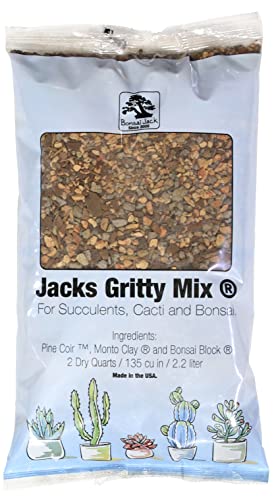
Fast draining and nurturing: Our succulent potting soil helps prevent root rot and overwatering. Bonsai Jack succulent soil mix is used to enhance bonsai and succulent plants, including Echeveria, Haworthia, Crassula, Lithops, Jade, Aloe and Crassula.
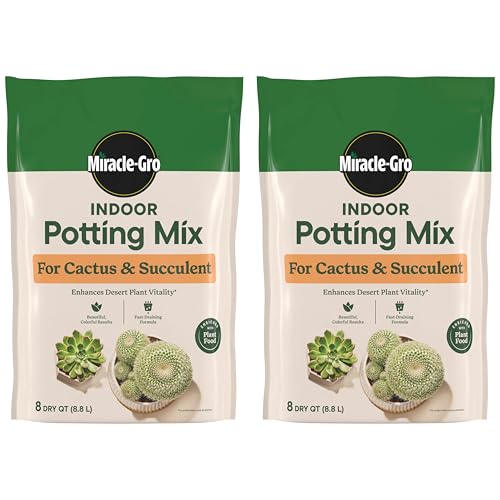
Miracle-Gro Indoor Potting Mix for Cactus and Succulent is enriched with Miracle-Gro Plant Food and enhances desert plant vitality (vs unfed plants when used as directed)

Fast‑Draining Formula for Thriving Succulents - Engineered to shed excess water quickly to prevent root rot and compaction; ideal for cacti, succulents, and other drought‑loving plants.
Succulents: Indoor Plant Care and Gardening Guide

This guide suits anyone ready to transform windowsills and shelves into thriving, low-maintenance gardens. You will master propagation, watering schedules, and light placement through 136 pages of structured guidance, published in 2023 by a comprehensive Kindle resource.
You need bright, indirect light for 6-8 hours daily, paired with well-draining soil mixes containing perlite or coarse sand. Water thoroughly only when soil dries completely, typically every 7-14 days depending on humidity and season.
Repot every 12-18 months using containers with drainage holes. Group your plants by water needs, creating focal points through height variation and texture contrast.
Rotate displays seasonally, dust leaves monthly, and inspect for pests like mealybugs. Watch for etiolation, signaling insufficient light, and adjust placement immediately.
Best For: Home gardeners and indoor plant enthusiasts seeking structured, comprehensive guidance on cultivating healthy succulents through propagation, watering, lighting, and aesthetic arrangement techniques.
Pros:
- Covers complete care cycle including propagation, watering schedules, light placement, soil composition, fertilization, and pest management in 136 structured pages
- Emphasizes critical drainage practices and well-draining soil mixes with perlite or coarse sand to prevent root rot
- Includes practical design guidance for seasonal displays with focal points, height variation, texture contrast, and routine maintenance routines
Cons:
- Limited to indoor succulent care without coverage of outdoor gardening or hardiness zone considerations
- Published as Kindle eBook only, with no print or audio format alternatives available
- Troubleshooting section focuses on common issues but may lack depth for advanced disease diagnosis or rare pest infestations
Recommended Products

NEARLY NATURAL GREEN LEAVES - This artificial meat pearl string is made of PE plastic material, Does not fade, Durable, Reusable, uv resistant and looks real.

LIVE SUCCULENTS: Easy popular succulent to grow indoors

Package includes: 4 pieces artificial hanging string of pearls plant.
Miracle-Gro Indoor Plant Food for Cactus & Succulent, 8 fl. oz. (3-Pack)

SUCCULENT FERTILIZER: Miracle-Gro Indoor Plant Food for Cactus & Succulent contains nutrients to promote resiliency by increasing your plants' ability to withstand...
Which succulent enthusiast hasn’t struggled to find the right fertilizer that won’t harm these delicate, water-storing plants? You’ll find your answer in Miracle-Gro Indoor Plant Food for Cactus & Succulent, an 8 fl. oz. formula from The Scotts Company LLC, model VB21515, now bundled in a convenient three-pack for sustained growing seasons.
This phosphorus- and potassium-focused formulation feeds your jade plants, prickly pear, aloe vera, kalanchoe, and sedum instantly, building resiliency against environmental stressors that challenge indoor specimens. You apply it directly to soil before watering, or mix eight pumps per quart of water, repeating every two weeks for consistent nourishment.
Pair this regimen with Miracle-Gro Indoor Potting Mix for Cactus & Succulent, and you’ll create optimal conditions for thriving, structurally sound plants throughout 2026.
Best For: Indoor gardeners seeking a convenient, targeted fertilizer to nourish and strengthen cactus and succulent collections including jade, aloe vera, and prickly pear.
Pros:
- Instant-feed phosphorus and potassium formulation specifically designed to build resiliency against environmental stressors in delicate, water-storing plants
- Flexible application options with direct soil application or easy mixing ratio of eight pumps per quart of water
- Three-pack bundle provides extended supply for consistent biweekly feeding across multiple growing seasons
Cons:
- Limited to indoor use, restricting versatility for outdoor succulent and cactus gardeners
- Requires companion purchase of specialized potting mix for optimal results
- Biweekly reapplication schedule demands ongoing commitment and may be forgotten by less attentive plant owners
Recommended Products

High-Efficiency Full Spectrum Lighting:Foldable strips features 148 premium chips (120 White + 20 Red + 8 Blue). The blue light enhances photosynthesis for lush foliage, while the red light promotes blooming, fruiting, and seed germination. The white light provides a balanced, sun-mimicking full spectrum that is ideal for all growth stages of various plants.

Super Bright Plant Light with High Power Output: Compared with other 10W desktop succulents light, our 36W (with 12V/3A Plug) and is equivalent to a 100W halogen bulb, more brighter, more stable and more efficient. It is a great option for your indoor plants.
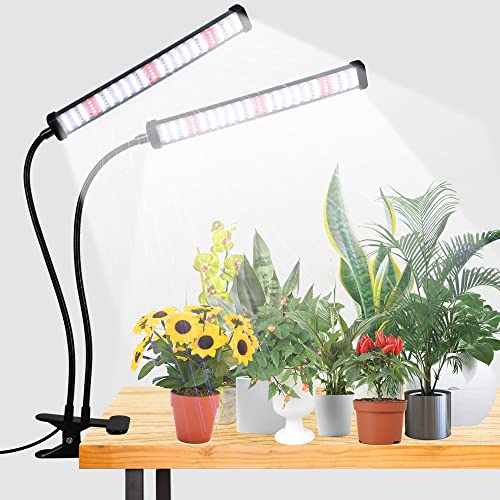
【Super Bright with More Heat Production】built-in 144 white + 10 red LED beads, the grow lamp is similar to the full spectrum sunlight at noon,that is professionally designed for indoor garden plants.Also,this growing light connect with an high output plug,which illumination will be more stable, brighter,and more efficient.
bodkar Plant Grow Light, Plant Lamp for Indoor Plants Growing

6000K Full-Spectrum Plant Lights: Similar to full-spectrum sunlight at noon, these LED grow lamps are professionally designed for indoor garden plants and herbs. Equipped...
Why struggle with dim windowsills when you’re nurturing light-hungry Echeveria or Haworthia through winter’s short days? You can solve this with the bodkar Plant Grow Light, model BK-PL1007-v1, which delivers 6000K full-spectrum illumination spanning 380nm to 800nm to mimic noon sunlight for year-round growth.
Each dual head combines twenty-one white LEDs and three red LEDs, and you’ll rotate them 360 degrees to bathe your succulents in targeted light. The height adjusts from 11.8 to 23.6 inches, so you position it precisely as your plants mature. You stick the slim pole directly into soil, and the built-in cable groove keeps your setup tidy with its 68-inch cord.
Since it’s USB-powered, you plug into any phone charger, power bank, or laptop, though you’ll supply your own adapter. There’s no timer built in, but you can pair it with a smart outlet for automated cycles. Your succulents, herbs, or orchids receive accelerated photosynthesis through every growth stage, whether you’re gardening on a balcony, in your office, or greenhouse.
Best For: Indoor gardeners growing succulents, herbs, or orchids in low-light environments like offices, balconies, or dim windowsills who need adjustable, full-spectrum supplemental lighting without complex setup.
Pros:
- 6000K full-spectrum light (380nm–800nm) mimics noon sunlight to support all plant growth stages year-round
- Flexible positioning with 360-degree rotating dual heads and height adjustment from 11.8 to 23.6 inches
- Simple soil-insertion mounting with tidy cable management via built-in groove and USB power compatibility
Cons:
- No built-in timer included, requiring separate smart outlet purchase for automated light cycles
- Power adapter not included, so you must provide your own USB power source
- Limited to potted plant use due to soil-stake design, not suitable for hydroponic or shelf-mounted setups
Recommended Products
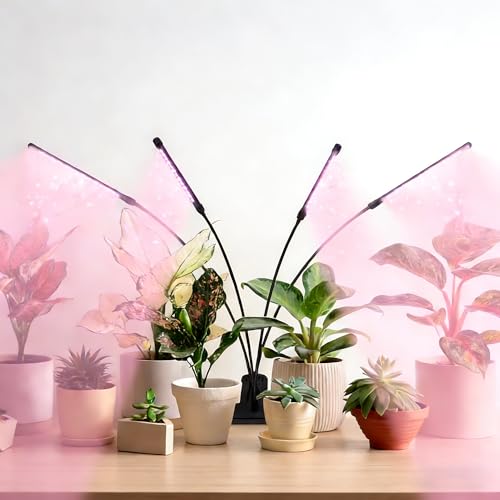
Full Spectrum LED Technology: Equipped with 80 red and blue LED beads across 4 heads, delivering full-spectrum illumination that simulates natural midday sunlight, covering the entire 460-660nm visible spectrum essential for plant photosynthesis. Enhanced 660nm red light promotes flowering, fruiting, and extended bloom periods, while blue light boosts chlorophyll synthesis to support robust vegetative growth

4000K DAYLIGHT: Imitate the solar spectrum, customize a more ideal full life cycle full spectrum supplementary light program, covering the entire visible spectrum of 400nm-780nm; Color rendering index Ra is close to 100, infinitely close to natural light, suitable for every cycle of plant growth, effectively promotes plant growth, and improves crop yield and quality

NOTE: The product stand needs to be pressed down by the flower pot to be stable. Not wireless style. 2 Installation Methods: Specially designed plant light for indoor plants, which can be inserted in the soil or stand for lighting.Unique and easy to assemble and disassemble.
Aokrean Grow Light, Full Spectrum Plant Lights for Indoor Growing with Base

New Wood Grain Design: Made with unique craftsmanship, this imitation wood grain color plant light can either illuminate plants or be used as an indoor decorative light,...
Looking for a grow light that won’t clash with your living room decor? You’ll appreciate the Aokrean Grow Light’s imitation wood grain design, which illuminates your succulents while doubling as stylish ambient lighting for rooms, offices, or indoor gardens.
You can install this fixture two ways: insert it directly into soil or use the included stand, which stabilizes when you press a flower pot onto its base. The telescoping pole extends to 26 inches, and you’ll rotate the 90-degree pipe to adjust both height and angle, ensuring appropriate light intensity across broader plant coverage.
You’re getting full spectrum illumination with five brightness levels and three spectrum options: white light, warm white, or red mixed. Set the timer for 6, 12, or 16 hours; the 16-hour cycle provides extended lighting, and the unit remembers your settings, automatically powering on and off daily while connected to power.
Best For: Indoor plant enthusiasts seeking a decorative, full-spectrum grow light that blends into home or office environments while providing customizable lighting for succulents and other plants.
Pros:
- Versatile installation with soil insertion or stabilizing stand options, plus telescoping height up to 26 inches and 90-degree rotation for adjustable coverage
- Five brightness levels and three spectrum modes (white, warm white, red mixed) with convenient 6/12/16-hour timer including auto on/off scheduling
- Imitation wood grain design serves dual purpose as stylish ambient lighting for rooms, living rooms, offices, and indoor gardens
Cons:
- Stand requires a flower pot pressing down to achieve full stability
- Auto on/off memory function only works while power remains continuously connected
- 3.4-inch base size may limit compatibility with larger plant containers or extensive growing setups
Recommended Products

【Well Drainage】This succulent gritty mix is super well in water drainage, best for drought tolerant succulents and cactus, help your plants grow beautiful colors and also effective prevent rover water

1 Million Pots of Succulents' Choice: Since 2017, we have used this professional potting soil to plant millions of succulents and cactus in our nursery

FAST-DRAINING GRITTY MIX: Specially formulated succulent potting mix with perlite and pumice for optimal drainage. Helps prevent root rot in succulents and indoor potted plants.
The Complete Illustrated Guide to Growing Cacti & Succulents

Your indoor succulent collection deserves a reference you’ll actually use, and this guide delivers exactly that. Southwater’s 2012 paperback, now in its new illustrated edition, packs 264 pages of definitive practical guidance into your hands, covering identification, care, and cultivation with the thoroughness you’ll need when diagnosing etiolated echeverias or planning your next repotting session.
You’ll find 400 varieties catalogued across 700 photographs, each image clarifying the subtle distinctions between similar cultivars that trip up even attentive growers. The directory structure lets you cross-reference growth habits, watering requirements, and propagation methods without flipping endlessly between sections, which matters when you’re standing at your potting bench with a parched lithops in one hand and a watering can in the other.
For your indoor growing specifically, you’ll appreciate how the guide addresses controlled-environment challenges, low-light adaptations, and humidity management that field-growing manuals often ignore. Keep this within arm’s reach of your grow light setup, and you’ll reference it weekly.
Best For: Indoor succulent enthusiasts who need a comprehensive visual reference for identifying varieties, diagnosing problems, and managing controlled-environment cultivation challenges.
Pros:
- 700 photographs across 400 varieties enable precise visual identification of similar cultivars and growth stages
- Directory structure allows efficient cross-referencing of care requirements without disruptive page-flipping during hands-on tasks
- Addresses indoor-specific challenges including low-light adaptations and humidity management that outdoor-focused manuals typically omit
Cons:
- Paperback format may be vulnerable to water and soil damage when used at the potting bench as recommended
- 2012 publication date means newer cultivars and updated taxonomy may not be represented
- 264-page scope may overwhelm beginners seeking a more streamlined, entry-level introduction
Recommended Products

Material: high quality plastic with soft rubber touch; Each branch holds 13.8 Inch; Color: Lifelike green.
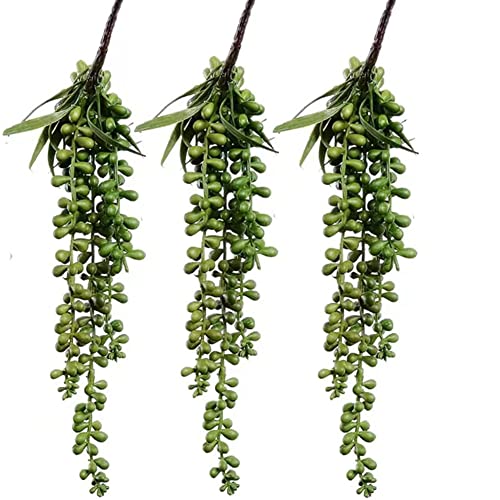
MATERIAL-Material: high-quality harmless PVC&Plastic

Self Watering Pot: Cotton rope in the tall self watering planter for indoor plants absorb water from bottom and keep the soil moist. Plant wick pots store water can feed plants for two weeks or more. It makes your travel or business trip an big ease! Plants Not Included!
SANSI Grow Lights for Indoor Plants, Pot Clip-On Plant Light, 1-Pack

SMALLER & STRONGER: SANSI LED pot clip plant light equipped with SANSI unique ceramic technology, provides more efficient power conversion. The indoor plant light provides 5W...
Compact spaces demand smart solutions, and the SANSI Pot Clip-On Plant Light delivers precisely that for your indoor succulent collection. You clip this 5W unit directly onto your pot, eliminating clutter while delivering 35.78 μmol/s/㎡ at six inches, a measurement that fuels robust growth for echeveria, jade plants, and zebra haworthia alike.
You’ll appreciate the 4000K natural spectrum, which mimics daylight without creating visual disruption in your living space. The 360° gooseneck lets you position light exactly where your plants need it, whether you’re tending compact arrangements on desktops or cascading specimens on plant stands.
Power this fixture via laptop, power bank, or computer using its 5V input, and program your preferred cycle using the built-in timer—3, 6, or 12 hours—paired with four dimming levels from 25% to full brightness. ETL listing ensures safety, while SANSI’s patented technology promises stable, efficient performance backed by two years of service support.
Best For: Indoor gardeners with limited space who want a compact, energy-efficient lighting solution for small potted plants like succulents, African violets, and devil’s ivy.
Pros:
- Space-saving clip-on design with 360° gooseneck allows precise, flexible positioning without additional hardware
- Built-in timer (3/6/12-hour cycles) and 4-level dimming provide customizable automation for various plant needs
- 5V USB compatibility enables portable powering via laptop, power bank, or computer for versatile placement anywhere
Cons:
- Limited 5W output may not sufficiently support larger plants or those requiring higher light intensity
- 35.78 μmol/s/㎡ @ 6 inches growing power requires close positioning, restricting plant growth height
- Single-unit packaging lacks expandability for growers with multiple plants needing simultaneous coverage
Recommended Products

【Artificial Sun Light for Indoor Plants Growing】the desk lamp is similar to the full spectrum sunlight, professionally designed for inside garden plants, with total built-in 74 LED Chips that provide high output. Its color rendering index is as high as 95, the light is soft and flicker-free, which illumination will be more stable, brighter, and more efficient

9-Level Brightness Adjustment: The indoor grow light offers 9 levels of dimming to cater to your plants' varying growth stages. The LED plant light is equipped with 3/9/12-hour automatic timer settings so you can set it once and enjoy daily on/off cycles without hassle. Note: AC Adapter is NOT included in the package (The end USB port of the power cord works with an AC adapter, phone charger, power bank, USB charger, or outlets with a USB port)

Upgraded Timer Design---This free standing low light offers 4 timing options, enables you to keep the lamp on 4/8/12/18 hours, when kept plugging in, it will Auto On/Off, and no more manually operation everyday. Moreover, you can also adjust the brightness according to your needs.
Succulent & Cactus Seed Starter Kit for Beginners

🍀HAND‑PICKED : A favorite among gardening lovers. Discover our carefully curated succulent seeds Kit, ideal for both seasoned gardening enthusiasts and new hobbyists....
Why settle for mature plants when you can cultivate your own collection from seed? The Fruivity Succulent & Cactus Seed Starter Kit for Beginners equips you with four growing pots, four plant labels, four compressed soil pellets, and an assorted mix of cactus and succulent seeds. It also includes step-by-step planting guides that walk you through light requirements, watering schedules, and soil preparation.
You’ll appreciate how this all-in-one kit removes guesswork from propagation. The low-maintenance varieties suit windowsills, desks, balconies, or terrariums, thriving at typical indoor temperatures without demanding specialized equipment. Follow the included instructions for moistening soil pellets, sowing seeds at shallow depths, and providing bright, indirect light until germination occurs.
Fruivity packages these kits for long-term storage, using no harmful additives while maintaining daily household gardening standards. Whether you’re starting a new hobby, engaging children in educational plant projects, or selecting a Father’s Day or birthday gift, this kit serves as your reliable entry point into home gardening.
Best For: Beginners, hobby gardeners, and gift-givers looking for an easy entry point into growing cacti and succulents from seed indoors.
Pros:
- All-in-one kit includes everything needed to start growing (pots, labels, soil pellets, seeds, and guides)
- Low-maintenance varieties suitable for typical indoor conditions without specialized equipment
- Packaged for long-term storage with no harmful additives and clear step-by-step instructions
Cons:
- Limited to four growing pots, which may not satisfy those wanting larger collections
- Germination success depends on proper light and watering conditions that beginners must carefully follow
- Assorted seed mix means specific plant varieties cannot be chosen in advance
Recommended Products

[Full Spectrum + 660NM Supplementary Light] Customized red and white full spectrum, realizes a more ideal full life cycle full spectrum supplementary light program, covering the entire visible spectrum of 380nm-780nm. And extra 660nm red supplementary light helps to flower and fruit and prolong flowering, increases production.

[Full Spectrum LED Grow Light Bulb] PPFD: 122.29 umol/m²/s @ 1ft. The light-spectrum coverage 380nm-780nm, 660nm, 730nm, 3000K, 5000K, offering more power for your blooms and maximum PAR output at various distances. The cool 5000K white light promotes germination rates. The warm white 3000K light peeds up blooming time. The red 660nm light promotes plants flowering and the infrared 730nm promotes the flowring and boosts the plant production. The lights can get through the surface of plants and deep into them to increase yields.

3 Timer Settings & 5 Brightness Levels: The Barrina grow light for indoor plants offer 3 convenient settings (4H/8H/12H) and 5 dimming levels. This functionality allows you to create the perfect lighting schedule and promote good development and maximizing yield
GooingTop Grow Light,6000K Full Spectrum Indoor Plant Growing Lamp
6000K White Light - equipped with 10 Red + 74 White LEDs, this growing Lamp is similar to the full-spectrum sunlight at noon,that is professionally designed for indoor garden...
The GooingTop HY-021 earns its place among these fifteen selections if you’re cultivating compact echeveria collections or Haworthia fasciata on desk corners, where natural south-facing light remains scarce through winter months. This 49-watt fixture draws merely 10 watts, yet delivers 6000K full-spectrum illumination matching noon sunlight, so your rosettes maintain compact form without etiolation stretching toward dim windows.
You’ll appreciate the 95 Color Rendering Index, which reveals true leaf pigments for early stress detection. The 10 red plus 74 white LEDs produce soft, flicker-free output gentle enough for reading lamps. Position the 360-degree gooseneck via strong clamp at 6-12 inches above Graptopetalum paraguayense or USDA Zone 9-11 specimens, then select 4, 8, or 12-hour cycles on the 24-hour timer. USB or AC power options accommodate any setup, and the 365-day warranty covers consistent tabletop use through multiple growing seasons.
Best For: Desktop succulent enthusiasts growing compact collections like echeveria and Haworthia in low-light winter conditions who need precise, energy-efficient supplemental lighting with flexible positioning options.
Pros:
- Exceptional energy efficiency with only 10W power draw yet 6000K full-spectrum output equivalent to 50W halogen
- 360-degree adjustable gooseneck with strong clamp enables precise 6-12 inch positioning above small plants for optimal light delivery
- Built-in 24-hour timer with 4/8/12-hour cycles automates consistent lighting schedules for healthy rosette maintenance
Cons:
- 49-watt fixture size limits coverage to small, compact plant collections rather than larger arrangements or multiple specimens
- Requires close 6-12 inch placement distance, restricting use to tabletop setups and preventing floor plant illumination
- 10 red LEDs among 84 total may provide insufficient red spectrum intensity for flowering succulents or plants needing enhanced bloom stimulation
Planting Lithops : Growing Lithops From Seed Indoors (Succulents)

Who seeks a methodical, seed-to-mature-plant pathway for cultivating living stones? You will find this 65-page Kindle guide, published March 7, 2024, delivers precisely that roadmap. The resource walks you through seed selection, proper sterilization techniques, and exact sowing depths.
You will establish germination conditions requiring consistent light exposure, controlled moisture, and adequate airflow across 65 meticulously organized pages. Post-germination, you will master thinning seedlings, timing transplant operations, and adjusting potting media to accommodate developing root systems.
Your Lithops demand specific environmental parameters: bright indirect light, temperatures between 65-80°F, and sharply draining soil comprising 80% mineral components. You will navigate common obstacles including seed viability concerns, drainage failures, and seasonal dormancy transitions. The guide emphasizes patience, as you will wait 2-3 weeks for germination and 3-5 years for flowering maturity. Seasonal planning cycles, casualty management protocols, and repotting schedules complete your thorough indoor cultivation system.
Best For: Indoor gardeners seeking a methodical, step-by-step guide to successfully cultivate Lithops from seed through maturity, including beginners needing structured guidance on germination conditions, environmental parameters, and long-term care protocols.
Pros:
- Comprehensive coverage spanning complete cultivation lifecycle from seed selection and sterilization through 3-5 year maturation and flowering
- Precise technical specifications including exact temperature ranges (65-80°F), soil composition ratios (80% mineral), and timeline expectations (2-3 week germination)
- Structured problem-solving approach addressing common failure points: seed viability testing, drainage optimization, and seasonal dormancy management
Cons:
- Narrow scope excludes established plant care, focusing exclusively on seed propagation rather than full Lithops lifecycle
- Digital-only Kindle format limits accessibility for readers preferring physical reference materials during hands-on gardening tasks
- Extended 3-5 year maturity timeline requires sustained commitment without intermediate milestone guidance for maintaining motivation
Succulents: Choosing, Growing, and Caring for Cactuses and other Succulents

Need a reliable guide that’ll turn your windowsill into a thriving succulent collection? “Succulents: Choosing, Growing, and Caring for Cactuses and other Succulents” delivers exactly what you’re looking for, pairing 208 pages of hardcover expertise with the practical, illustrated instruction that makes plant care feel achievable rather than overwhelming.
Published in late 2019 by Cool Springs Press, this hardcover reference targets hobbyists who crave structured, step-by-step methods for home cultivation. You’ll find comprehensive coverage of plant selection, environmental requirements, watering protocols, lighting specifications, soil composition, propagation techniques, and pest management strategies.
The book balances expert horticultural knowledge with accessible reassurance, guiding you through choosing appropriate varieties, establishing optimal growing conditions, and maintaining consistent care routines. Its illustrated format transforms complex botanical concepts into immediately actionable guidance, empowering you to nurture healthy succulents and cacti with confidence and precision.
Best For: Hobbyist gardeners and home cultivators seeking a comprehensive, illustrated hardcover reference that transforms complex succulent and cactus care into achievable, step-by-step guidance for building and maintaining a thriving indoor plant collection.
Pros:
- Comprehensive 208-page coverage spanning plant selection, environmental setup, watering, lighting, soil, propagation, and pest management in one structured resource
- Illustrated, step-by-step format makes expert horticultural knowledge accessible and immediately actionable for beginners
- Hardcover binding by established publisher Cool Springs Press ensures durability as a long-term reference guide
Cons:
- Published in 2019, so may not include the most recent succulent varieties or updated cultivation techniques
- Hardcover format lacks the portability of digital or spiral-bound alternatives for quick field reference
- 208-page scope may feel overwhelming for gardeners seeking only basic, quick-start guidance rather than in-depth botanical detail
Aokrean Plant Grow Light for Indoor Plants, 3.5in Full Spectrum with Base

NOTE: The product stand needs to be pressed down by the flower pot to be stable. 2 Installation Methods: Specially designed plant light for indoor plants, which can be...
Compact yet powerful, this 3.5-inch grow light suits succulent enthusiasts managing limited windowsill space or challenging light conditions.
You can install the Aokrean through two methods: insert it directly into soil or use the included stand, which you’ll secure by placing your flower pot on top for stability. The telescoping pole extends to 26 inches, while the 90-degree rotating head lets you direct full-spectrum illumination across multiple plants.
You control three lighting modes, white, warm white, and red, with ten brightness levels and a mix option for customized care. Set the timer for 3, 9, or 12 hours, and the unit automatically repeats your schedule daily.
This flexibility accommodates everything from compact Echeveria to trailing Senecio rowleyanus, ensuring your collection thrives regardless of window exposure.
Best For: Succulent enthusiasts and indoor plant lovers with limited windowsill space or challenging light conditions who need a compact, adjustable grow light for small to medium plant collections.
Pros:
- Flexible installation with two setup methods (soil insertion or weighted stand) and 90-degree rotating head for directional lighting
- Customizable 3-mode full spectrum lighting (white, warm white, red) with 10 brightness levels and mix option
- Automated daily scheduling with 3/9/12 hour timer cycles and telescoping pole extending to 26 inches
Cons:
- Stand requires flower pot weight to maintain stability, limiting placement options
- 3.5-inch light head may provide insufficient coverage for larger plant collections
- No mention of water resistance or durability ratings for humid growing environments
A Beginner’s Guide to Succulent Gardening

You’re starting your succulent journey, and the right guide makes all the difference between thriving plants and disappointing failures. A Beginner’s Guide to Succulent Gardening, published by Tuttle Publishing in 2019, gives you exactly what you need: 96 illustrated pages of step-by-step methods that transform complete novices into confident growers.
You’ll master foundational skills through practical, hands-on instructions designed specifically for beginners. The book walks you through propagation techniques, watering schedules, and soil composition with accessible clarity.
Each chapter builds your competence systematically, ensuring your Echeveria, Sedum, and Haworthia specimens develop robust root systems and vibrant coloration. Whether you’re cultivating in USDA zones 9 through 11 or managing indoor environments, this paperback reference equips you with structured approaches to long-lasting plant health.
You won’t waste time on trial and error. Instead, you’ll apply proven techniques immediately, watching your collection flourish through deliberate, knowledgeable care that established growers recognize and respect.
Best For: Complete beginners seeking a structured, illustrated introduction to growing healthy, long-lasting succulents without trial and error.
Pros:
- Step-by-step illustrated instructions make techniques immediately actionable for novices
- Compact 96-page format delivers essential information without overwhelming new gardeners
- Systematic chapter progression builds confidence through foundational skill development
Cons:
- Limited to 96 pages, which may not satisfy intermediate growers seeking advanced techniques
- Published in 2019, so very recent cultivar developments or methods may not be included
- Focus on USDA zones 9-11 and indoor environments leaves colder climate outdoor growers with less specific guidance
Factors to Consider When Choosing Succulents for Indoor Growing

You’ll need to evaluate light requirements, watering frequency, soil composition, temperature range, and humidity levels before selecting any succulent for your indoor space, since these factors determine whether a given species, such as Echeveria ‘Lola’ or Haworthia fasciata, will maintain compact growth or etiolate into leggy decline under your specific conditions.
Most indoor environments provide 8 to 12 hours of indirect light, temperatures between 60°F and 75°F, and humidity levels of 30% to 50%, which suits certain cacti and succulents like Schlumbergera truncata but proves fatal for cold-hardy Opuntia polyacantha, rated to USDA Zone 4, unless you supplement with grow lights or adjust your watering schedule to compensate for reduced evaporation.
Match your chosen plant’s native habitat, whether that’s the arid slopes of Mexican Crassula or the misty cloud forests of Rhipsalis baccifera, to your available conditions, and you’ll establish the foundation for resilient, long-term cultivation without the trial-and-error losses that discourage many beginners.
Light Requirements
Where exactly should you place your succulents so they’ll flourish rather than fade? You’ll want to position them near south- or west-facing windows, where they’ll receive bright, indirect light or several hours of direct sun that mimics natural midday intensity.
Watch your plants closely, since they’ll tell you when conditions aren’t right. Compact growth, crisp edges, and even coloration mean you’ve hit the sweet spot. If you notice stretching, pale stems, or reduced pigmentation, you’re dealing with etiolation from insufficient light. Conversely, sunburn or bleaching signals overexposure.
When natural light falls short, especially during winter months or in north-facing rooms, supplement with grow lights to maintain adequate photosynthetic exposure. Monitor leaf firmness and color regularly, adjusting placement as seasons change, and you’ll keep your indoor succulents thriving year-round.
Watering Frequency
How often should you water your indoor succulents without drowning their delicate root systems? Generally, you’ll need to water every 1–2 weeks for most species, though you’ll adjust this timing based on your specific indoor conditions.
You’ll find that warmer, brighter environments speed up evaporation, which means you’ll water more frequently in those spaces. Conversely, you’ll reduce watering in low-light areas or cooler indoor temperatures, since your plants’ growth slows and their water needs decline accordingly. Watch for overwatering signs, including softened or blackened leaves and persistently damp soil, particularly in pots lacking drainage holes.
You’ll prevent root rot by allowing the soil to dry completely between sessions. Always choose containers with drainage holes, so excess water escapes rather than saturating your succulent’s delicate root system.
Soil Composition
Your watering schedule means little if your soil holds moisture like a sponge, so selecting the right growing medium becomes your next priority when cultivating healthy indoor succulents. You will want to use a well-draining mix, such as a commercial cactus and succulent blend, or create your own by combining two parts coarse sand or perlite with one part standard potting soil. This ratio prevents the root rot that destroys countless container-grown specimens.
You should also incorporate inorganic components like pumice or akadama, which improve drainage and aeration throughout the root zone. After watering, observe whether water flows freely through the container, and allow the surface to dry completely between sessions.
Avoid high-organic mixes, particularly peat-based soils that trap moisture against sensitive roots. Finally, repot every one to two years, or when roots circle the container, using fresh mix to maintain structure.
Temperature Range
Why does temperature matter so much when you’re growing succulents indoors? You’re managing a closed environment where you control every variable, and temperature directly dictates metabolic rates, water uptake, and seasonal dormancy cues that these plants evolved to follow.
Most succulents thrive when you maintain daytime temperatures between 60°F and 80°F, which mirrors their native subtropical and semi-arid habitats. You’ll notice enhanced coloration and healthier dormancy cycles if you drop nighttime temperatures into the 50s°F, particularly with Echeveria and Graptopetalum cultivars hardy to USDA zones 9 through 11.
You must protect your collection from prolonged exposure above 90°F, as this triggers stress responses including sunburn and stunted growth. Equally important, you’ll want to eliminate any risk of frost, since sudden sub-freezing temperatures rupture cell walls irreparably. Aim for consistent diurnal variation rather than erratic swings, and you’ll support robust root development year-round.
Humidity Levels
Humidity Levels
Temperature sets the stage for your plants’ metabolic rhythms, yet humidity quietly governs how they actually process and retain moisture, making it an equally significant factor when you’re selecting succulents for indoor cultivation. You’ll want to maintain levels between 40% and 60% for most species, though arid-region varieties, such as Echeveria elegans and Sedum morganianum, prefer drier air and demand less frequent watering.
High humidity increases fungal disease and rot risk, so you must ensure good airflow and avoid consistently damp pots. Tropical succulents tolerate slightly higher humidity but still require quick-draining soil.
Consistent fluctuations, especially repeated damp cycles, stress your plants and cause etiolation. When humidity drops very low, skip misting: instead, adjust your watering intervals and verify that every pot has adequate drainage to prevent moisture buildup.
Container Size
How much room do your succulents actually need beneath the soil? You’ll want to match container dimensions to root depth and plant spread, ensuring adequate space without encouraging water retention that indoor conditions amplify.
For compact specimens, select small to medium pots measuring 2 to 6 inches in diameter, which maintains visual proportion while preventing the root rot that excess soil volume invites.
Shallow-rooted species, including many Echeveria and Haworthia cultivars, thrive in low-profile containers that promote compact, top-heavy architecture rather than leggy elongation.
Always verify drainage holes exist, as standing water destroys succulent root systems faster than underwatering. When you repot, choose a container only marginally larger than the existing root ball, approximately one inch wider, which stimulates healthy expansion without creating moisture pockets where pathogens proliferate.
Growth Habit
Your selection of any succulent ultimately hinges on its growth habit, that distinctive architecture determining whether you’ll soon face a cramped windowsill or enjoy decades of proportional, manageable beauty.
You’ll encounter trailing, compact rosette, upright, and clumping patterns, each demanding different spatial commitments. Slow-growing specimens, such as certain Haworthia cultivars, maintain modest dimensions for years, while fast-expanding Sedum morganianum can overflow its container within a single growing season.
Rosette-forming Echeveria hybrids stay low and tight, suiting confined apartments, yet columnar Cereus peruvianus or sprawling Senecio rowleyanus require vertical clearance or horizontal spread. Clumping varieties, including many Aloe species, continuously produce offsets, necessitating larger pots and periodic division.
Remember that light intensity, watering frequency, and root space directly shape habit: insufficient illumination causes etiolation, producing leggy, weakened stems you’ll want to avoid.