


You might be surprised to learn that a tomato in Tucson and a tomato in Portland can both thrive on roughly the same weekly water volume, even though their delivery schedules look nothing alike. Your vegetable garden generally requires about one inch of water per week, measured with a straight-sided container placed among your plants, though sandy soils in USDA zones 9–11 may need split applications while clay-loam beds in zones 5–7 often tolerate deeper, less frequent soaking. The real challenge isn’t hitting that one-inch target; it’s knowing whether your specific soil, mulch layer, or raised bed construction is silently stealing or hoarding moisture beneath the surface. What you discover about your own garden’s hidden water dynamics could change how you grow everything from ‘Brandywine’ tomatoes to ‘Provider’ bush beans.
How Much Water Your Vegetable Garden Needs Each Week
You must track precipitation carefully, measuring with a rain gauge placed among your vegetables, then supplement any deficit through targeted irrigation to reach that full inch target. A modest 10-by-10-foot garden requires roughly 66 gallons weekly, while larger plots scale accordingly, your 20-by-30-foot space needing approximately 372 gallons without rain. You are managing a simple equation, matching your delivery to your plants’ consistent weekly requirement.
Recommended Products

Effortless Watering Automation: The Orbit Mechanical Water Timer helps manage lawn and garden irrigation with a reliable mechanical water timer design and hose faucet timer...
What One Inch of Water Means and How to Measure It
What exactly does one inch of water look like when spread across your vegetable beds? One inch of water equates to roughly two-thirds of a gallon per square foot, so your 10×10 plot demands approximately 66 gallons weekly to hit that target, rainfall included.
For accurate measurement, you’ll want a straight-sided container, a simple tuna can or proper rain gauge, placed among your vegetables while you irrigate. You water until the vessel collects precisely one inch, giving you a reliable benchmark for your weekly total.
Don’t ignore what’s falling from the sky. You’ll track precipitation with your rain gauge, then supplement only what nature hasn’t provided. When you’re uncertain, check soil moisture several inches deep. Dryness below the surface means you’ll increase your water per week, ensuring roots access the hydration they require for vigorous growth.
Recommended Products
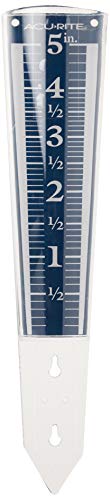
AcuRite rain gauge measures up to 5 inches of rainwater

【Accurate Measure and Save Water】: 10 pieces rain gauges, the size is 5.12 x 1.89 x 1.57 in, abundant quantity can measure more accurate average precipitation, help to monitor the automatic sprinkler system, and adjust watering effectively and save water
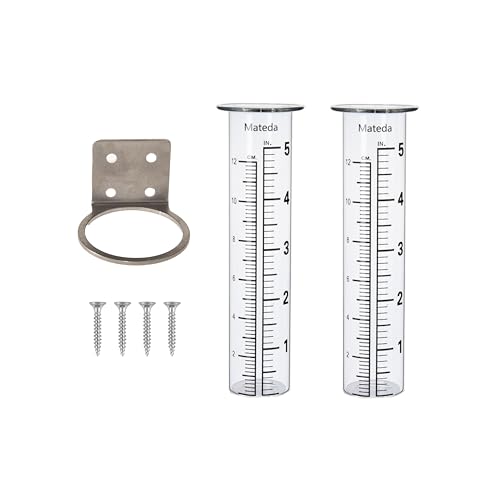
Dimensions - 5.9 x 1.79 in/150 x 45.5mm (lip included), Weight: 2.9oz/82g, Capacity:5 inch
How Often to Water for Deep, Healthy Roots
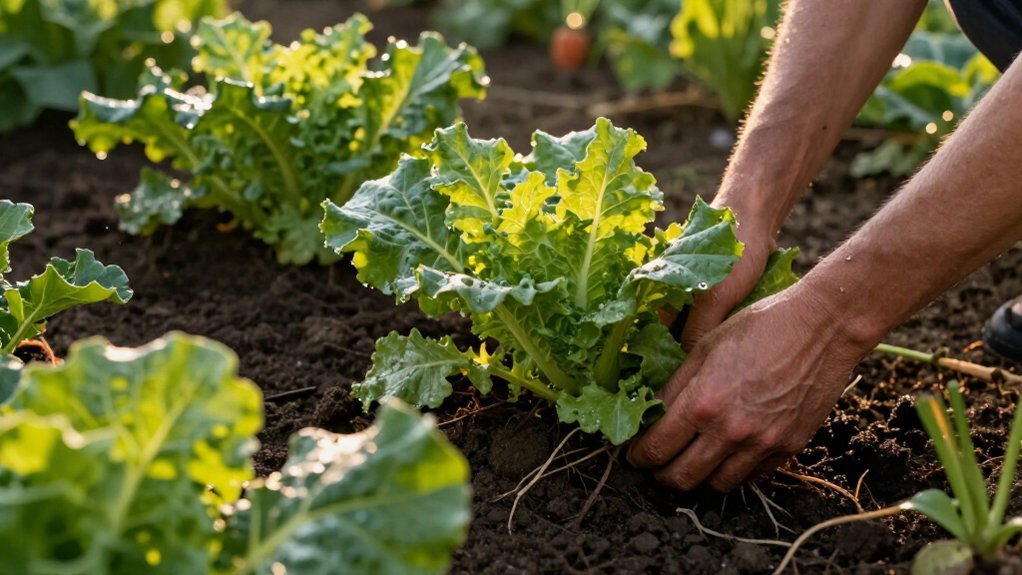
How frequently should you irrigate to cultivate the resilient, far-reaching root systems that sustain vegetables through summer stress? Your watering frequency directly determines whether you’ll develop deep roots or shallow, vulnerable ones. Aim for one inch per week as your baseline, adjusting for soil type and weather conditions. Sandy soils demand twice-weekly applications, while clay or loam with organic matter often suffices with weekly moisture management.
Deep, infrequent watering, one to three times weekly, trains roots to seek lower soil moisture, building drought tolerance you’ll appreciate during heat waves. Drip irrigation excels here, delivering consistent moisture without waste. In hot, dry, or windy periods, increase beyond that inch per week to prevent wilting. You’re not just watering plants; you’re engineering underground infrastructure that sustains your garden through summer’s toughest challenges.
Recommended Products

HELPS REGULATE SOIL MOISTURE: Miracle-Gro Organic Indoor Potting Soil Mix is an organic potting soil that protects indoor plants against over and under watering

HELPS REGULATE SOIL MOISTURE: Miracle-Gro Organic Indoor Potting Soil Mix is an organic potting soil that protects indoor plants against over and under watering

This Sale Includes 1 Package of Plant Mats. Each Package Contains 6pc of 7" (Inch) x 7" (Inch) Mats
Why Deep Watering Beats Shallow Watering Every Day
You’ll transform your garden’s resilience when you prioritize deep watering over daily sprinkling, because saturating soil to a depth of 6–8 inches forces tomatoes, squash, and eggplant to develop extensive, anchoring root systems that access stored moisture unavailable to shallow-rooted plants. This approach, delivering your 1 inch weekly allotment through 2–3 thorough applications rather than superficial daily misting, builds natural drought tolerance that carries crops through unexpected dry spells, arid gusts, or skipped watering days without the wilting stress that plagues shallow-watered specimens. For measurable results across USDA zones 5–9, place a rain gauge or straight-sided tuna can among your rows, water until it captures one full inch, and probe with a spade to confirm moisture penetration, you’re investing in self-sufficient plants that reward your effort with steadier growth and heavier yields.
Recommended Products

Ergonomic Elevated Design: 31” tall raised planter box with legs reduces bending and back strain, making gardening more comfortable and accessible.

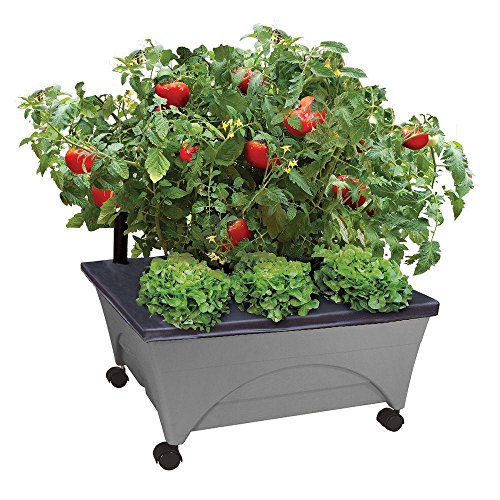
CONVENIENT MOBILE RAISED BED GROW BOX – The city picker is the ultimate raised bed gardening system. The unit is mobile and features four swivel casters for easy transport and sun tracking that works great in areas with limited space. The unit is perfect for patios, apartments, or even fire escapes
Root Growth Benefits
Although shallow sprinkling might seem kinder to your seedlings, you’re actually doing your vegetables a disservice when you water lightly every day. Deep watering transforms how your plants develop below ground, forcing roots to chase moisture downward rather than lounging near the surface. You’ll notice this when you shift to watering twice weekly instead of daily, saturating soil to 6–8 inches rather than merely dampening the crust.
This practice builds robust root growth that explores greater soil depth, securing your vegetables when summer heat strikes. As you maintain consistent deep watering, soil moisture remains stable longer, reducing your watering frequency while supporting vigorous crops like tomatoes (Solanum lycopersicum, USDA zones 5–9) or peppers. Your garden rewards this approach with stronger establishment, healthier microbial partnerships, and visibly thriving plants.
Drought Tolerance Advantage
Why settle for plants that wilt at the first sign of summer stress when you can cultivate vegetables that stand firm through dry spells? You build true drought tolerance through deep watering, not daily sprinkling. When you water deeply, you push roots downward, expanding root depth and creating resilient plants that access stored reserves.
Shallow watering traps you in a cycle of high irrigation frequency and weak, surface-dependent growth. Deep watering transforms your soil’s moisture retention capacity, maintaining stable soil moisture several inches below the surface where evaporation cannot steal it. You’ll reduce surface loss and support beneficial biology that sustains plants through extended dry periods. Water until soil is moist well below the surface, not merely dampened on top. This single weekly investment outperforms multiple light applications, giving you vegetables that endure.
How Heat Changes Your Garden’s Water Needs
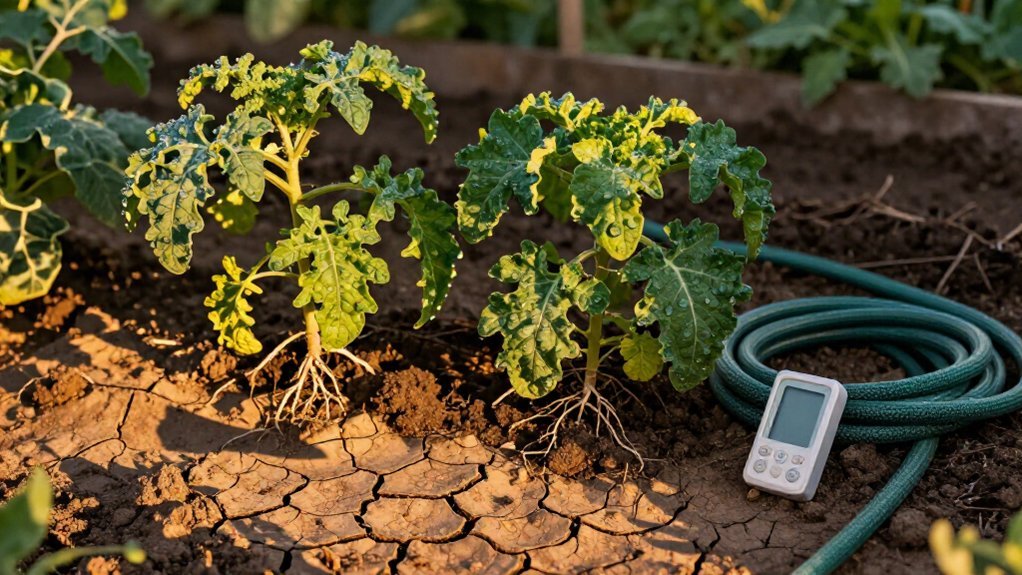
When summer temperatures climb, your vegetable garden’s thirst increases right alongside your own, and understanding exactly how much more water your crops require becomes essential for maintaining healthy yields through the hottest months. Your baseline of 1 inch of water per week, including rainfall, demands climate adjustments when thermometers rise.
In hot weather, your water needs jump by up to ½ inch per week for every 10°F above 60°F. At 82.5°F average conditions, you should add at least 1 inch beyond rainfall. Very hot climates may render the 1 inch guideline inadequate for large-leaved crops like squash, eggplant, and tomatoes.
- Track temperature trends daily to calculate your adjusted requirements
- Combine rainfall totals with irrigation and measurement using a rain gauge or shallow container
- Prioritize deep, infrequent watering over frequent shallow applications
Recommended Products

Accurate Soil Moisture Detection: The XLUX Soil Moisture Meter can tell you if the soil deep inside your pot or garden is dry, moist or wet; whereas your eyes and fingers can only determine the moisture level of the soil surface. The probe is 5.5 inches (14 cm) longer than regular styles, allowing it to measure the soil moisture at the bottom of larger and deeper flower pots.
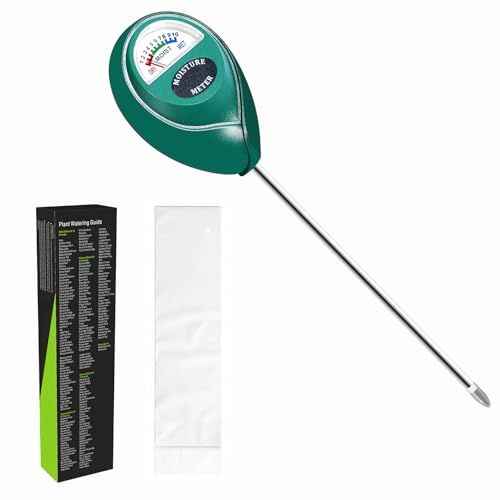
Trusted Since 2015: Become one of the many plant lovers who rely on the proven accuracy of XLUX. Established in 2015, our soil moisture meter has earned over 60,000+ verified ratings for its consistent performance. While many many newer brands come and go, we provide the long-term reliability and quality that American households have trusted for over a decade.
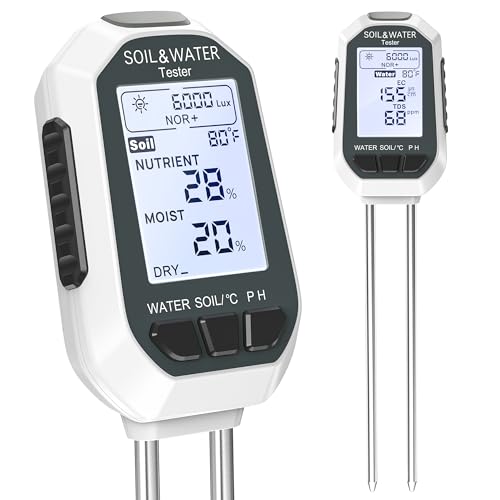
【7-in-1 Features】This is a 7-in-1 multi-function soil tester. Our soil tester quickly measures soil moisture, pH, temperature and light intensity, and its fertility function helps you take better care of your plants. With this device you can measure the soil moisture, pH, temperature and light intensity for your plants and with the EC and TDS functions you will know when it is time to water the soil.
When Soil, Mulch, or Containers Change Your Schedule
Your garden’s weekly water target of 1 inch, roughly 62 gallons per 100 square feet, shifts dramatically depending on what lies beneath your plants and what covers the ground above them.
You’ll adjust your watering schedule based on soil type, since sandy soils demand twice-weekly applications while clay or loam retains soil moisture longer. The mulch effects prove significant: a 2- to 3-inch organic layer reduces evaporation, extending intervals between applications without sacrificing your weekly inch target.
Containers complicate calculations entirely. Potted vegetables dry faster than ground soil, often needing daily checks regardless of rainfall impact. You’ll monitor container moisture by inserting your finger two inches deep; dryness at that depth signals immediate irrigation. These variables require flexible timing, but consistent measurement ensures you meet plant needs efficiently.
Recommended Products

[1/2" High-Flow Mainline for Stable Pressure] Featuring a professional-grade 1/2" (12mm) mainline hose, this kit solves the common issue of water pressure drop-off found in thin 1/4" tubes. The heavy-duty 12mm pipe ensures consistent and balanced water delivery to every plant, making it an ideal automatic watering system for expansive gardens and backyard landscaping.


Widely Applicable -- Automatic drip irrigation system keeps your garden plants lush and thriving while you are on vacation! Widely used in Garden Planter Box, Lawn, Plantation, Greenhouse, Balcony, Patio, Flower Bed, Farm, etc.
Signs Your Plants Need More or Less Water
You’ll recognize when your vegetables are thirsty by checking for dry soil several inches below the surface, persistent wilting that doesn’t recover by evening, or noticeably slow growth during peak summer months, while overwatering reveals itself through soggy soil, yellowing lower leaves, and the telltale smell of root rot in heavy clay soils. To avoid guessing, you should perform a simple finger test: insert your index finger two to three inches into the soil near the plant’s base, feeling for moisture, or use a soil moisture meter for more precise readings in larger plots exceeding 500 square feet. Mastering these observation skills, which experienced growers in USDA zones 5 through 9 rely upon weekly, ensures you’re responding to your plants’ actual needs rather than sticking to an arbitrary schedule that ignores rainfall variability and soil composition.
Recommended Products

❀【Unique Design】 This rain gauge with two small flowers is not only cute and fun, but also combines garden design. From a distance, it looks like blooming flowers in a garden; up close, it is a professional measuring tool. upgrading practical tools into decorative artworks.
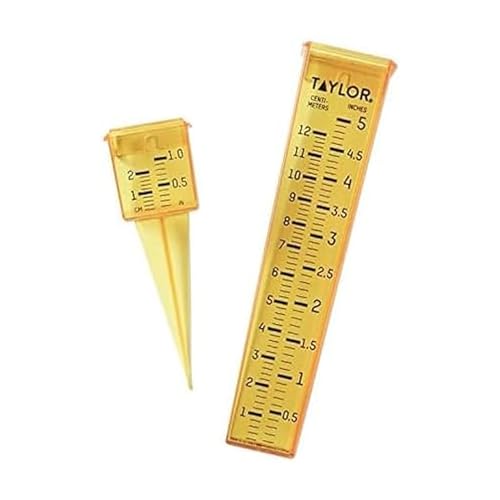
2-IN-1 VERSATILE DESIGN: Use as a single rain gauge by nesting the sprinkler gauge inside the rain gauge tube, or separate them to monitor precipitation in two locations simultaneously; ideal for comprehensive yard coverage

Elegant Black Bird on Branch Garden Sculpture – Features a beautifully crafted black metal bird perched on a leafy branch, combining functional weather tracking with elegant garden art. The 36-inch height makes it a striking focal point that adds personality to gardens, patios, or flower beds. Perfect for bird lovers, gardeners, or nature-inspired decor.
Underwatering Warning Signs
How can you tell when your vegetables are thirsty before they wither? You spot the signs of underwatering early by checking soil moisture regularly, since dry topsoil often masks deeper problems that threaten your harvest.
Watch for these warning signals in your garden:
- Leaves droop or curl during afternoon heat, even when temperatures moderate by evening
- Soil pulls away from container edges or forms cracks along raised bed perimeters
- Growth slows dramatically, with smaller new leaves and bitter, tough produce
When you notice these indicators, adjust your weekly irrigation immediately. Deep watering restores what a moisture deficit steals, penetrating several inches to rebuild reserves. You prevent lasting damage by responding promptly, ensuring your vegetables receive consistent, adequate hydration throughout the growing season.
Overwatering Indicators
What distinguishes drowning roots from drought stress when both can turn leaves yellow and limp? You can identify overwatering by checking your soil moisture and drainage conditions carefully.
When you’re overwatering, you’ll notice soggy soil that stays wet for hours after irrigation, often accompanied by a musty smell indicating fungal problems. These signs point to root rot developing underground, where excess water deprives roots of oxygen and causes them to decay. Your plants develop weak, shallow root systems and show reduced vigor even when soil appears damp.
In humid climates, you must prioritize drainage to prevent waterlogged conditions. Unlike underwatering, which leaves soil dry several inches deep, overwatering creates persistently wet conditions that suffocate roots. You can distinguish these problems by timing: drooping from drought often recovers by evening, while overwatered plants remain limp with wet soil.
Soil Moisture Testing
Where exactly does your garden stand between parched and saturated? You’ll find your answer through soil moisture testing, the most reliable method for calibrating your garden watering schedule to actual conditions rather than assumptions.
Start by probing the top inch soil with your finger or a trowel, then dig 2–3 inches deeper to assess subsurface moisture. If the surface is dry but deeper layers remain damp, you’re likely meeting your target of one inch of water per week. Consider your soil texture carefully: sandy compositions drain rapidly and often demand twice-weekly irrigation, while clay or loamy varieties retain moisture efficiently, frequently needing only single weekly applications.
- Apply 2–3 inches of organic mulch to reduce evaporation and extend intervals between watering sessions
- Water deeply when several inches below the surface register completely dry, encouraging robust root penetration
- Monitor multiple garden locations weekly, as microclimates create variable moisture patterns across your plot