


Your tomato vines hang heavy with green fruit, their leaves pale at the edges, and you wonder if you’ve fed them too much or too little. The rhythm of fertilizing your vegetable garden isn’t fixed by calendar dates alone, but by the interplay of your soil’s texture, your garden’s structure, and the quiet signals your plants send you. Whether you’re tending raised beds in USDA Zone 7, containers on a patio, or in-ground rows of ‘Brandywine’ heirlooms, you’ll need to match your schedule to conditions that shift with each season. The answer lies ahead.
How Often to Fertilize Raised Beds, Containers, and In-Ground Gardens
You’ll find that fertilization frequency varies considerably depending on whether you’re tending raised beds, containers, or in-ground plantings, with each environment presenting distinct nutrient demands you’ll need to accommodate. For raised beds with porous, well-drained soil, you’ll typically apply fertilizer every 3 to 4 weeks, while clay-heavy in-ground beds often stretch to 4 to 6 weeks between feedings. Container gardening demands your most frequent attention, usually requiring replenishment every two weeks as nutrients wash through drainage holes with each irrigation.
After transplanting, wait approximately two weeks before beginning your feeding regimen, using gentle options like fish emulsion applied biweekly during establishment. You’ll benefit most from observing your plants closely, adjusting your fertilizer frequency based on foliage color and vigor rather than rigid calendars. Soil tests provide reliable baselines, though you’ll notice some experienced growers maintain healthy harvests across multiple seasons without amendments, proving that environment and observation ultimately guide your decisions.
Recommended Products

FOR USE ON: Use Tomato-tone organic fertilizer for all types of tomatoes; both heirloom and hybrid. It Produces plump, abundant tomatoes, not unwanted foliage. Can also be used on all vegetables.

Burpee Organic All Purpose Granular Plant Food is formulated for long-lasting results

Contains natural ingredients to feed microbes in the soil
Quick-Release vs. Slow-Release: How Often Each Needs Reapplication
Why does it matter which type of fertilizer you choose? Your fertilizer frequency depends entirely on whether you select quick-release vs slow-release formulations, as each demands a distinct reapplication interval to sustain vigorous vegetable growth.
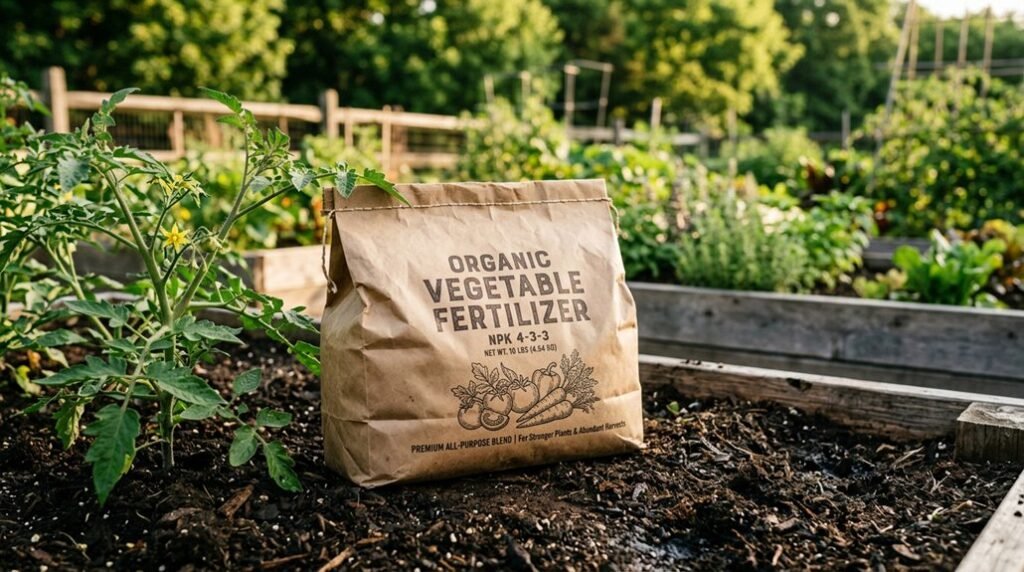
Quick-release fertilizers deliver nutrients rapidly, so you’ll need to reapply every 1–3 weeks, sometimes biweekly in containers or high-demand setups where leaching accelerates. Sandy soils compound this need, draining nutrients faster than clay, which retains them longer.
Slow-release fertilizers extend your reapplication interval considerably, typically feeding plants for 4–6 weeks, or monthly in intensive systems. You can integrate both approaches effectively: establish a slow-release baseline, then side-dress quick-release nutrients 2–3 inches from plant stems every 2–3 weeks during peak growth. This strategy ensures continuous availability without overwhelming your crops.
Recommended Products

For more nutritious and tasty vegetables

Package contains 4 pounds organic vegetable and tomato fertilizer grains and is produced to avoid wasteful runoff, mess, hazards and smells

When to Feed and When to Pause: Reading Your Plants’ Signals
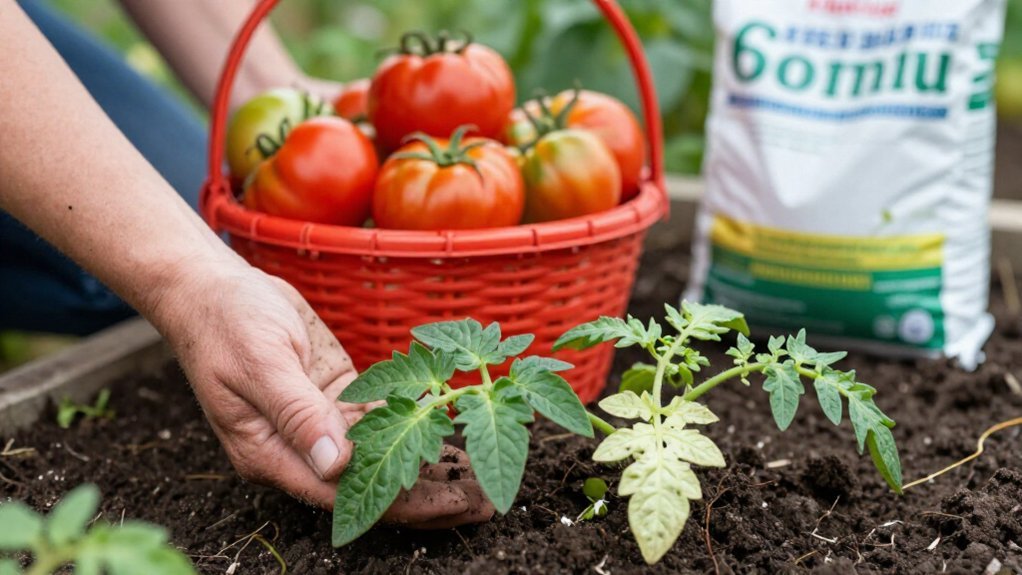
How do you know whether your tomatoes in Zone 7 or your bush beans need nourishment or restraint? You watch your plant signals closely, letting foliage color and growth vigor guide your decisions. Yellowing leaves or sluggish development tell you it’s time to apply fertilizer, while lush, vigorous green growth suggests you should pause.
In porous, well-drained soils, you’ll apply balanced fertilizer every 3–4 weeks; sandy soils demand more frequent or lighter applications, and clay soils typically need feeding only every 4–6 weeks. After transplanting, wait a couple weeks, then begin with fish emulsion or similar liquid feed every two weeks to support recovery.
Avoid over-fertilizing, since excessive nutrients burn roots and reduce fruit set, causing tomatoes and beans to produce abundant foliage but few fruits with too much nitrogen. You’ll tailor your schedule through ongoing observation, trusting soil health and organic matter alongside visual cues to determine when your vegetables truly need support.
Recommended Products

INDOOR HOUSEPLANT FOOD: Miracle-Gro Indoor Plant Food All Plants contains nutrients for healthier, stronger plants (vs unfed when used as directed)

HOW TO APPLY: To apply, simply shake granules evenly on the soil, mix into the top 1-3 inches of soil in gardens or throughout the soil for potted plants, and water to start feeding
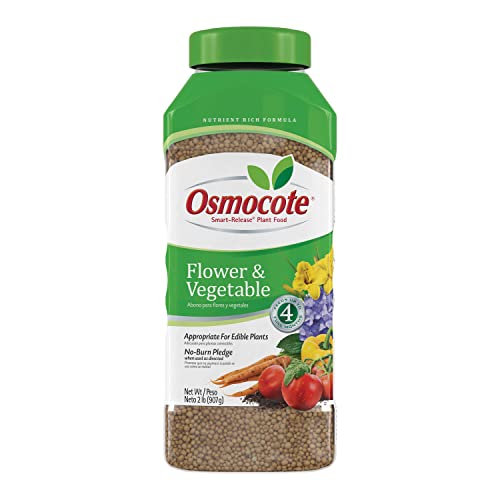
OSMOCOTE’S HIGHEST TOTAL NUTRIENT FORMULA: NPK = 14-14-14. Favored for seasonal vegetables and perennials. Use this plant food outdoors to promote strong roots as well as vigorous and bountiful above-ground growth.
Build Rich Soil First to Reduce How Often You Fertilize
What if you could cut your fertilizing schedule in half while growing healthier, more productive vegetables? You can, by building rich soil before you plant. Start with generous additions of organic matter, particularly compost and composted manures, which release nutrients steadily and improve water retention. This foundation lets you feed less often while plants thrive.
Soil testing guides your pre-plant amendments, revealing exactly what your ground lacks so you avoid wasteful, unnecessary applications. High organic matter retains nutrients longer, stretching the intervals between feedings across your growing season.
A robust, well-structured soil ecosystem supports stronger root uptake, diminishing your need for frequent supplemental feeding. Invest effort now in compost incorporation and testing, and you’ll reduce both labor and fertilizer costs for seasons to come.
Recommended Products

Scotts All Purpose Flower & Vegetable Continuous Release Plant Food promotes beautiful flowers and abundant harvests

🌿 Balanced 10-10-10 Granular Fertilizer for Outdoor & Indoor Plants: All-purpose plant food with 10% Nitrogen, 10% Phosphorus, and 10% Potassium. Perfect for outdoor vegetable gardens, fruit trees, evergreens, shrubs, lawns, and flowers. Also great for potted plants and indoor gardening. One solution for all your plant needs!

NURTURE EVERY PLANT TYPE: Our all purpose plant food is designed for a wide range of plants, from productive vegetables to ornamentals. Whether you’re growing in any setup, this blend provides the essential nutrients for thriving plants