


Aphids are the uninvited guests that never seem to take the hint, yet you hold more power than you know. You’ll start by blasting colonies from leaf undersides with a strong hose, then prune infested shoots into soapy water. Next, you’ll mix one tablespoon Dr. Bronner’s Peppermint Castile Soap per quart of water, spraying at dusk to avoid leaf burn. For stubborn outbreaks, emulsify neem oil with unscented castile soap, adding peppermint or clove essential oils. Finally, you’ll order lady beetles and green lacewings, releasing them at dusk near aphid hotspots in USDA zones 5 through 9. The real secret lies in what you plant next.
Blast Aphids Off With Water and Hand Removal
A strong jet of water from your garden hose offers one of the simplest, most immediate ways to dislodge aphids from stems and the undersides of leaves, particularly when you catch the infestation early in the season before colonies establish dense, overlapping generations. This water spray method works best on established plants with sturdy stems, as younger specimens may suffer damage from the pressure.
After blasting these soft-bodied insects, you’ll want to follow up with hand removal for complete control. Slip on your garden gloves and knock remaining aphids into a bucket of soapy water, where they’ll quickly perish. For localized infestations, pruning affected stems directly into your bucket provides efficient elimination. Combine these mechanical approaches, and you’ll manage early season populations without reaching for stronger interventions.
Recommended Products

PEST DEFENSE - Insecticidal Super Soap controls species of adelgid, ant, aphid, borer, caterpillar, spider mite, cricket, chinch bug, weevil, fly, thrip, & more.
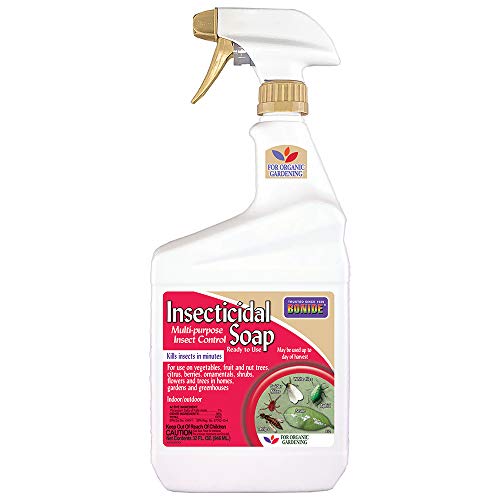
Captain Jack's Insecticidal Super Soap controls species of adelgid, ant, aphid, borer, caterpillar, spider mite, cricket, chinch bug, weevil, fly, thrip, and more

READY-TO-USE CONTACT SPRAY: No mixing required. Thoroughly spray insecticide on all plant parts, including the underside of leaves. Pests must be sprayed directly to achieve control
Kill Aphids With Soap Sprays, Neem Oil, or Essential Oils
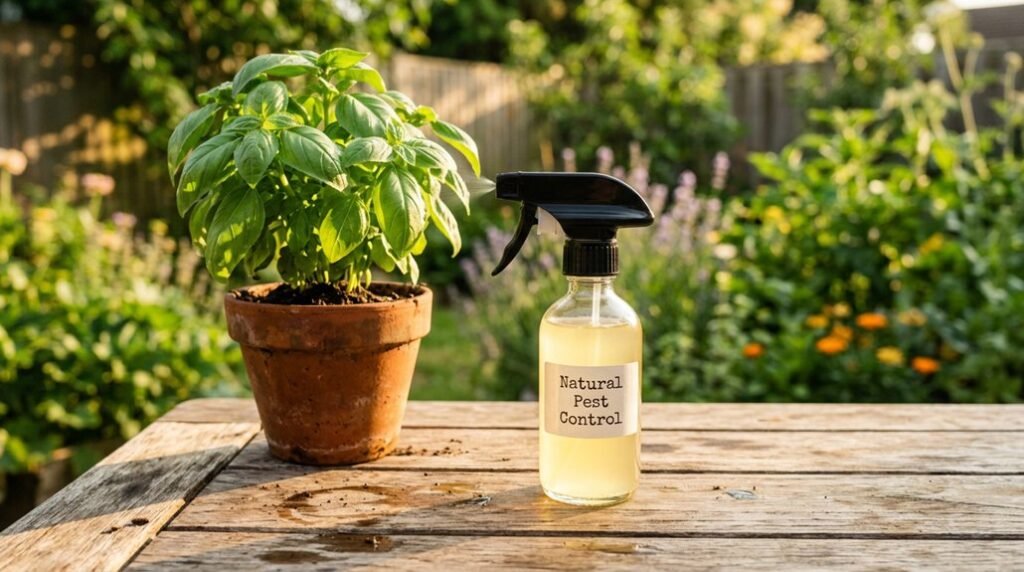
Why settle for mechanical removal when you’re ready to escalate your defense against persistent aphid colonies? Soap sprays offer you a powerful first line of natural pest control, combining 1 tablespoon Dr. Bronner’s Peppermint Castile Soap with 1 quart water to coat and dehydrate aphids by stripping their protective outer layer. You’ll apply this insecticidal soap as a foliar spray, targeting the undersides of leaves where garden insects cluster, steering clear of full sun to prevent plant stress.
For broader spectrum plant protection, you’ll mix neem oil at 1/4 ounce per quart of water, adding a few drops of unscented castile soap to emulsify. This natural pest control disrupts aphid feeding, molting, and egg laying. Essential oils, 4–5 drops each of peppermint, clove, rosemary, and thyme, complete your arsenal against these persistent pests.
Recommended Products

#1 BEST PURE NEEM OIL FOR PLANTS: Zuprime Neem Oil concentrate is your go-to neem oil spray for indoor ornamental plants as well as neem oil spray for outdoor ornamental plants. It's made with 100% cold pressed high quality organic neem oil your plants need for a shiny glow.


Protect your oasis with Captain Jack’s Neem Max Concentrate; this multipurpose product acts as a 4-in-1 insecticide, fungicide, miticide and nematicide
Release Ladybugs and Lacewings for Natural Aphid Control
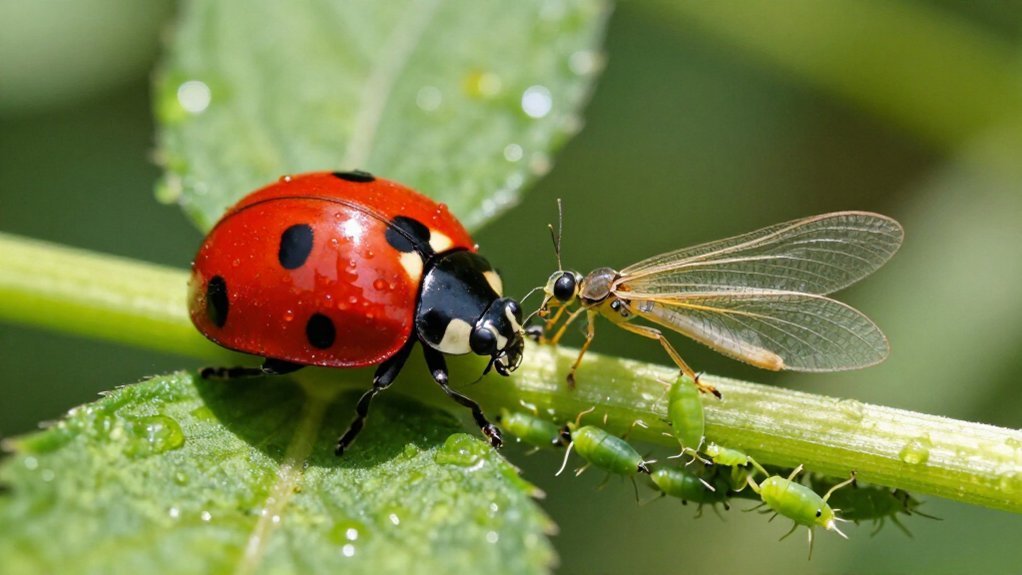
Your garden’s most reliable allies against aphid infestations arrive in the form of lady beetles, commonly called ladybugs, and the voracious larvae of green lacewings, both of which you can introduce as living, self-replicating pest control that works around the clock. You purchase these beneficial insects from reputable suppliers, then plan your release for early morning or evening when cooler temperatures encourage them to settle. A soft release works best: lightly mist your plants beforehand, then repeat the process if many predators fly away initially. You identify lady beetle larvae, which resemble tiny alligators rather than spotted adults, to monitor your natural aphid control progress. Create lasting habitat with flowering plants like alyssum or yarrow, and eliminate broad-spectrum insecticides that kill the predators you’ve introduced.
To visualize your release strategy:
- You open the container at dusk, watching lacewings emerge to hunt immediately while lady beetles crawl toward aphid clusters on tender new growth.
- You inspect leaves the following week, spotting elongated larvae consuming dozens of aphids daily.
- You establish permanent habitat borders with dill and fennel, ensuring your beneficial insects remain to reproduce and protect future plantings.
Recommended Products

PEPPERMINT SPRAY FOR BUGS: This natural bug repellent for home is made with peppermint and cedarwood oil for pest control; it works indoor and outdoor by repelling bug, spiders, stink bugs, earwigs, flies, cats and rodents from crawling in your house, basement, attics, and yard; this is why Kate's Home & Garden insect repellent is a great indoor insect & natural pest control spray for insects to keep in your household supply

100% PURE & NATURAL PEPPERMINT OIL - Majestic Pure Blends oils are exactly that! Many oils being sold make that claim but are in fact made of natural isolates and mixtures. Each essential oil is tested by an independent lab which is why every bottle comes with a Quality Guaranty.
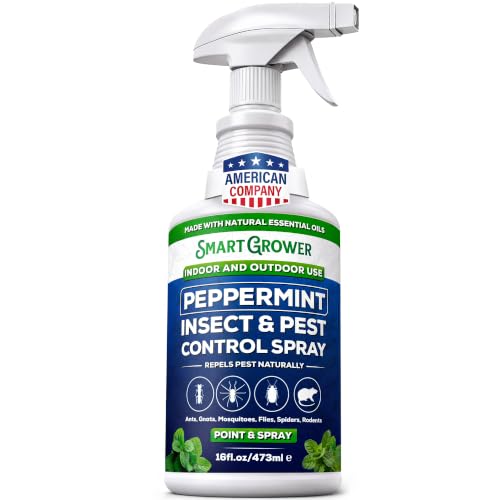
REPELS MICE, RATS & RODENTS WITHOUT TRAPS OR TOXINS – Our peppermint oil spray for rodents is a powerful, all-natural rodent repellent that drives away mice, rats, and other pests on contact. Use indoors and outdoors to protect your home, garage, attic, basement, and vehicle.
Prevent Future Aphids With Companion Planting and Trap Crops
By weaving strategic plant relationships throughout your garden, you’ll establish self-sustaining defenses that outlast any single growing season. Companion planting with the allium family, including onions, garlic, leeks, and chives, repels aphids from susceptible vegetables through natural sulfur compounds. Plant predator supports such as clover, mint, dill, fennel, and yarrow to attract beneficial insects that sustain natural aphid control.
Position trap crops like sunflowers, nasturtiums, and zinnias at least 10 feet from protected vegetables to draw aphids away from your harvest. Practice consistent pest monitoring and rotate trap crops seasonally to maintain their effectiveness. Combine these strategies with diligent garden hygiene, reducing humidity around plantings to discourage aphid buildup. Through integrated pest prevention and strategic crop rotation, you’ll build resilient, self-regulating garden ecosystems.
Recommended Products

Includes a Ladybug educational sheet with Release Tips, Release Rates, Ladybug Fun Facts and FAQ's

Includes a Ladybug educational sheet with Release Tips, Release Rates, Ladybug Fun Facts and FAQ's

Ladybugs are general predators that feed on a variety of slow-moving insects including Aphids, Moth eggs, Mites, Scales, Thrips, Leaf Hoppers, Mealybugs, Chinch Bugs, Asparagus Beetle larvae, Whitefly and others