


Picture yourself walking into a dim corner of your living room where a sleek snake plant stands upright like a living sculpture, its ‘Laurentii’ cultivar glowing with gold-edged leaves that ask nothing but quarterly watering and USDA zones 9 through 11 warmth, while mere feet away a ZZ plant, specifically ‘Raven’ with its deep purple-black foliage, stores moisture in potato-like rhizomes that forgive weeks of neglect, and trailing from a shelf above, a pothos—perhaps the neon-bright ‘Neon’ or classic ‘Golden’—sends heart-shaped leaves cascading downward, roots emerging from nodes within days when you snip a six-inch cutting and place it in water, all three thriving in 50 to 85 degree Fahrenheit conditions with 40 to 60 percent humidity, demanding only well-draining potting mix, monthly fertilization at half strength during growing season, and the patience to let soil dry two inches deep before watering again, yet what most beginners discover too late is that the secret to keeping these so-called unkillable plants alive isn’t just their inherent toughness.
Snake Plant: Easiest Upright Choice for Low Light and Tight Spaces
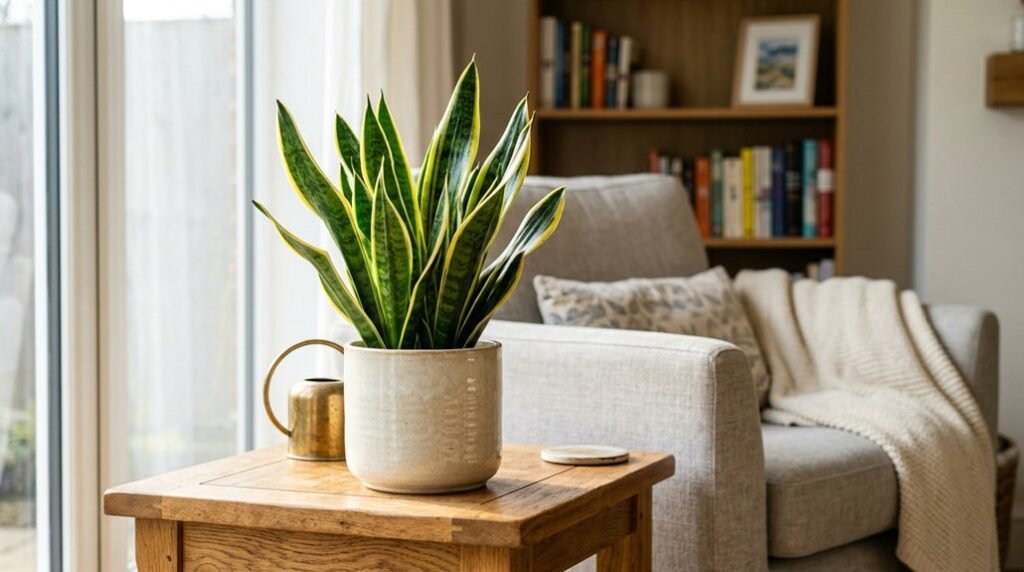
Watering demands remain minimal: you should allow the soil to dry completely between waterings, typically every two to six weeks depending on your home’s humidity and light levels, which eliminates the root rot that kills most beginner plants. This drought tolerant Snake plant thrives as an indoor plant in low light or bright conditions, though you’ll see faster upright growth in medium to bright indirect light. Its compact spaces adaptation comes from narrow, architectural leaves that rarely need repotting. For propagating stalks, you simply cut a healthy leaf and place it in water, waiting patiently for roots to emerge. This easy care species demands overwatering avoidance above all else; repetitive watering causes rapid decline. You receive rare blooms with proper neglect, making it ideal for busy households.
Recommended Products

HARDY INDOOR PLANT: Sansevieria Laurentii is a drought tolerant, durable, and adaptable houseplant for beginners
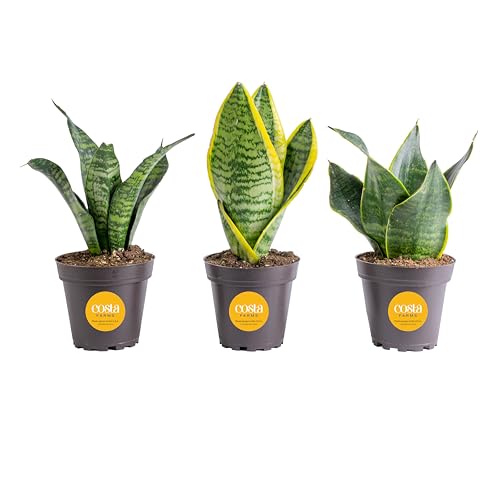
INSTANT HOME STYLING TRIO: Multi pack of three live snake plants takes the guesswork out of interior design by creating an effortless cohesive look across your living room shelves, bedroom nightstands, or home office desks

SLEEK, STYLISH ROOM DÉCOR : The Live Snake Plant (Sansevieria) is a versatile, beginner-friendly houseplant that adds texture to any space. Its architectural leaves deliver a classic look for tabletops, desks, and windowsills in any home or office
ZZ Plant: Monthly Watering, Dramatic Foliage, and Forgotten-Plant Forgiveness
How does a plant survive when you forget it exists for weeks at a time? You discover the answer when you meet the ZZ Plant, Zamioculcas zamiifolia, a forgiving plant that thrives on neglect.
You place this easy care beauty in low light corners where other plants falter. You practice infrequent watering, typically every 2–3 weeks, and you always let the soil dries out completely between sessions. This root rot avoidance strategy keeps your Zamioculcas zamiifolia healthy for years.
You admire its dramatic foliage: glossy, paired leaflets that create lush, architectural presence without demanding attention. You appreciate the forgotten-plant forgiveness when work trips extend or life overwhelms.
You propagate slowly if you choose, knowing patience aligns with this plant’s nature. You enjoy one of the most resilient houseplants available.
Recommended Products

LIVE PLANT – READY TO GROW: Receive 1 healthy ZZ Plant (Zamioculcas zamiifolia) in a 4” grower’s pot, approximately 6-12” tall. Grown in the USA, shipped live with roots wrapped for safe transport. Includes a ragnaroc Care Card. A perfect low-maintenance plant for home or office décor!

Zamioculcas is genus of flowering plants in the family Araceae, containing the single species Zamioculcas zamiifolia.

SLEEK, STYLISH ROOM DÉCOR: The architectural upright leaves of a real ZZ Plant provide a modern, sleek look that defines minimalist home decor. An excellent, stylish live plant choice for an office desk, plant shelf, or tabletop
Pothos: Fast-Growing Trailing Plant for Beginners Who Want Fullness Fast
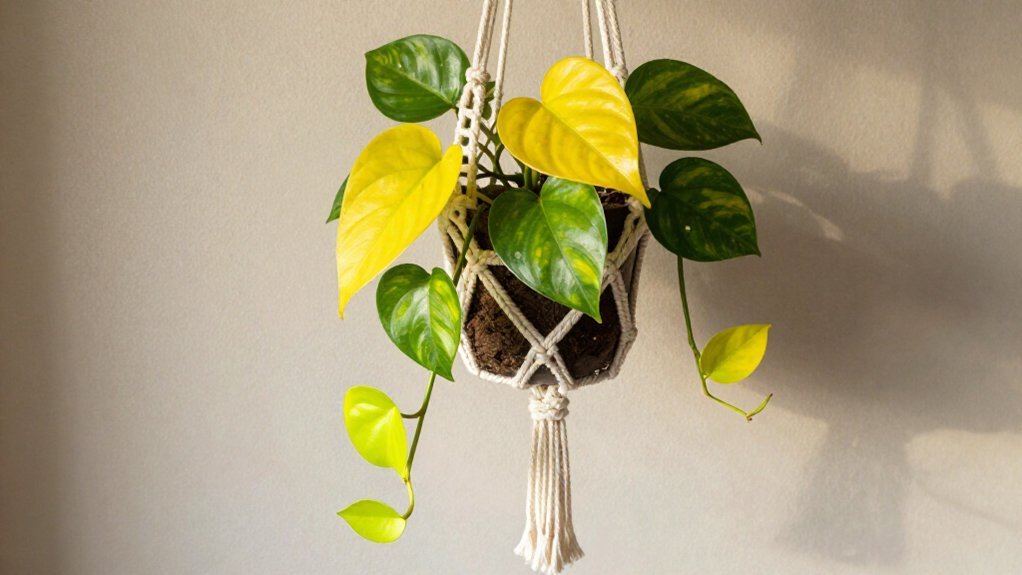
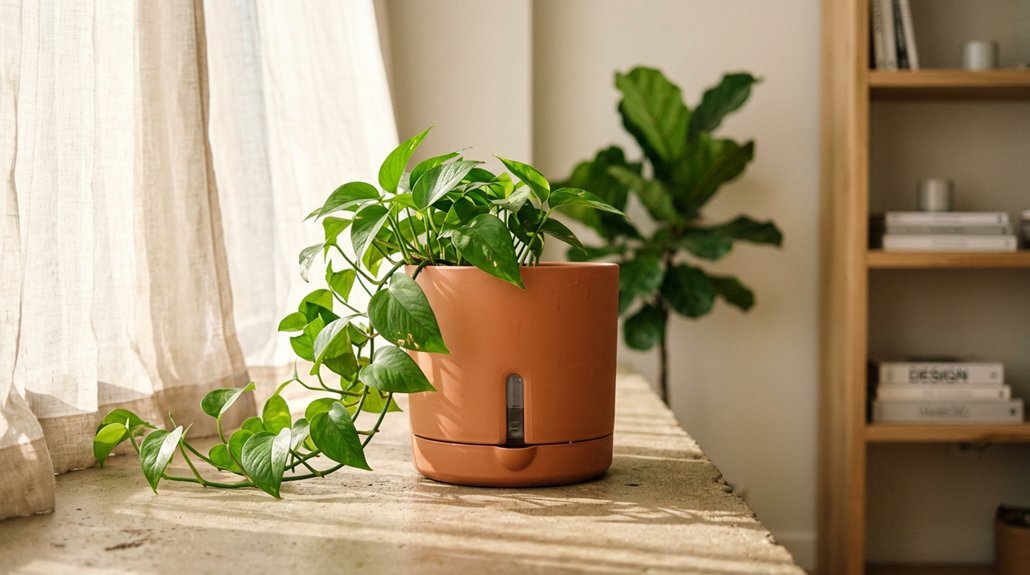
The Pothos, Epipremnum aureum, delivers exactly what impatient beginners crave: visible growth you can measure in weeks, not months. You watch this fast-growing trailing plant cascade from shelves or climb moss poles, gaining fullness so rapidly you’ll need monthly trims to maintain shape.
This easy to care species thrives in indirect light, though you’ll find it adapts to lower corners without complaint. It’s neglect-tolerant enough to bounce back from droopy leaves after you forget watering, and propagations root so effortlessly in water that you’ll gift cuttings to friends within months.
Three reasons you’ll love growing Pothos:
- Leaf growth accelerates when you trim stems, forcing bushier, denser foliage
- Cuttings root in 7-14 days, letting you multiply plants for free
- It survives missed waterings, low humidity, and imperfect light without permanent damage
Recommended Products

THE ULTIMATE ROOTING BOOSTER: Specially formulated with all-natural rooting hormone and vitamins, our propagation drops dramatically speed up root development and strengthen plants at every stage, from delicate cuttings to mature houseplants.

FAST ROOTING SUPPORT FOR CUTTINGS – Formulated with IBA rooting support and plant nutrients to encourage faster, stronger root development for cuttings. Ideal for Pothos, Monstera, Philodendron, and other indoor houseplants.

Professional Rooting Hormone Formula – A proprietary blend of Indole-3-Butyric Acid (IBA), vitamins, and supportive nutrients designed to accelerate early-stage root growth in plant cuttings and props. These liquid propagation drops help reduce propagation time, promote root vigor, and minimize transplant shock