


You’re planning your 2026 raised bed, and you want crops that reward your effort with reliable harvests. Bush beans like ‘Provider’ deliver pole-bean yields in half the footprint, maturing in 50 days across USDA zones 3–9.
Determinate tomatoes such as ‘Roma VF’ stop at 4 feet, letting you space them 24 inches apart without pruning chaos.
Cut-and-come-again lettuces, including ‘Salad Bowl’, surrender leaves for eight weeks when you harvest above the crown.
Meanwhile, ‘Nelson’ carrots penetrate 12 inches of loose, stone-free soil, and vining cucumbers, trained on a 6-foot trellis, triple your square footage.
Each demands specific timing: beans after soil reaches 60°F, lettuce in shade above 75°F, tomatoes with nighttime lows above 55°F.
But cultivar selection means nothing if your soil structure fails. The real question?
Veg in One Bed: How to Grow Food Month by Month
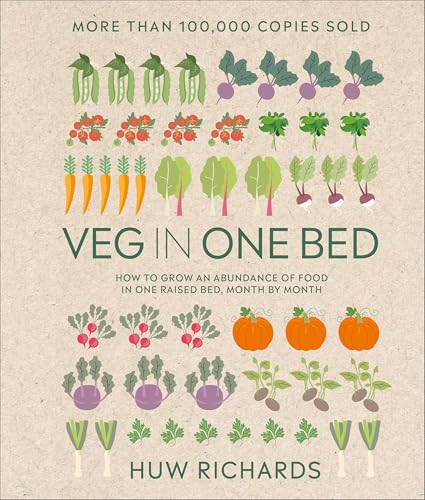
You’ll follow month-by-month instructions for planning, sowing, maintenance, and harvesting within a single raised bed. The practical techniques accommodate tenth-grade comprehension while incorporating concrete measurements and care instructions you can implement immediately.
Whether you’re managing cool-season brassicas in USDA zones 5-7 or succession-planting heat-tolerant cultivars like ‘Provider’ bush beans, the book’s measured approach builds your confidence without overwhelming detail.
The multicolor format and reader-friendly references ensure you locate specific guidance quickly. You won’t find hyperbole here, just authoritative horticultural instruction that transforms one bed into sustained productivity. For 2026 planning, this resource anchors your vegetable selection in proven, bed-specific methodology.
Best For: Home gardeners seeking a structured, month-by-month approach to maximizing food production from a single raised bed without overwhelming complexity.
Pros:
- Clear month-by-month guidance simplifies planning, sowing, maintenance, and harvesting into manageable steps
- Illustrated, reader-friendly format with concrete measurements enables immediate implementation
- Bed-specific methodology proven across multiple USDA zones builds confidence for sustained productivity
Cons:
- Single raised bed focus may not suit gardeners with larger growing spaces or multiple beds
- Hardcover format at 240 pages may be less portable than digital or spiral-bound alternatives for in-garden reference
- Published in 2023, some cultivar recommendations or climate-specific advice may become dated for long-term planning beyond 2026
Recommended Products

OUTDOOR POTTING SOIL: Miracle-Gro Organic Outdoor Potting Mix contains a quick-release natural plant fertilizer and also feeds plants for up to 2 months

OUTDOOR POTTING SOIL: Miracle-Gro Organic Outdoor Potting Mix contains a quick-release natural plant fertilizer and also feeds plants for up to 2 months

Ready-to-Use Formula: No mixing or extra steps required. Simply pour and plant - perfect for gardeners of all experience levels.
Espoma Organic Raised Bed Mix for Vegetables and Herbs (1.5 cu ft)

FOR USE: Ideal for raised garden beds and outdoor containers. CONTAINS: This organic soil mix for plants & vegetables is a rich blend of natural and organic ingredients...
Why choose Espoma Organic Raised Bed Mix for your 2026 vegetable garden? You get a ready-to-use foundation engineered specifically for intensive vegetable production in confined growing spaces.
This 1.5 cubic foot blend incorporates earthworm castings, alfalfa meal, kelp meal, and feather meal into a biologically active matrix. The proprietary Myco-Tone additive, combining endo and ecto mycorrhizae, colonizes root systems to extend nutrient and water uptake capacity beyond the physical root zone. You plant directly into this medium without amendment, saving critical early-season preparation time.
Espoma’s organic certification guarantees zero synthetic inputs, aligning with USDA Organic standards for edibles. You maintain food safety confidence while building soil biology that persists through successive plantings of determinate tomatoes, compact bush beans, or cut-and-come-again lettuce varieties.
Best For: Organic gardeners growing vegetables and herbs in raised beds or containers who want a ready-to-use soil mix without synthetic additives.
Pros:
- Ready to use with no amendments needed, saving early-season preparation time
- Contains Myco-Tone mycorrhizae blend to enhance root nutrient and water uptake
- USDA Organic certified with zero synthetic inputs for food-safe edible growing
Cons:
- 1.5 cubic foot bag may require multiple bags for larger raised bed projects
- Fixed formulation offers no customization for specific crop pH or nutrient needs
Recommended Products
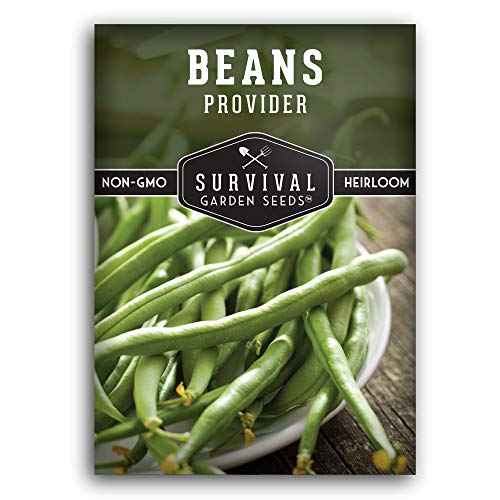
HEAVY PRODUCING PLANTS - Provider bush bean seeds (Phaseolus vulgaris) grow vigorous bushes loaded with tender green pods, delivering large, reliable harvests for home gardens, raised beds, and rows

FAST HARVEST PERFORMANCE - Contender bush beans (Phaseolus vulgaris) are known for early maturity, producing tender green beans quickly so you can harvest sooner, ideal for short growing seasons and quick turnaround gardens

High-Yield Harvest: Royal Burgundy Bush Bean seeds produce compact bush bean plants 12–24" tall with abundant 5" stringless purple pods in 50–65 days. Ideal vegetable seeds for planting outdoors for raised beds, containers, and home garden.
Raised-Bed Gardening for Beginners: Complete Guide

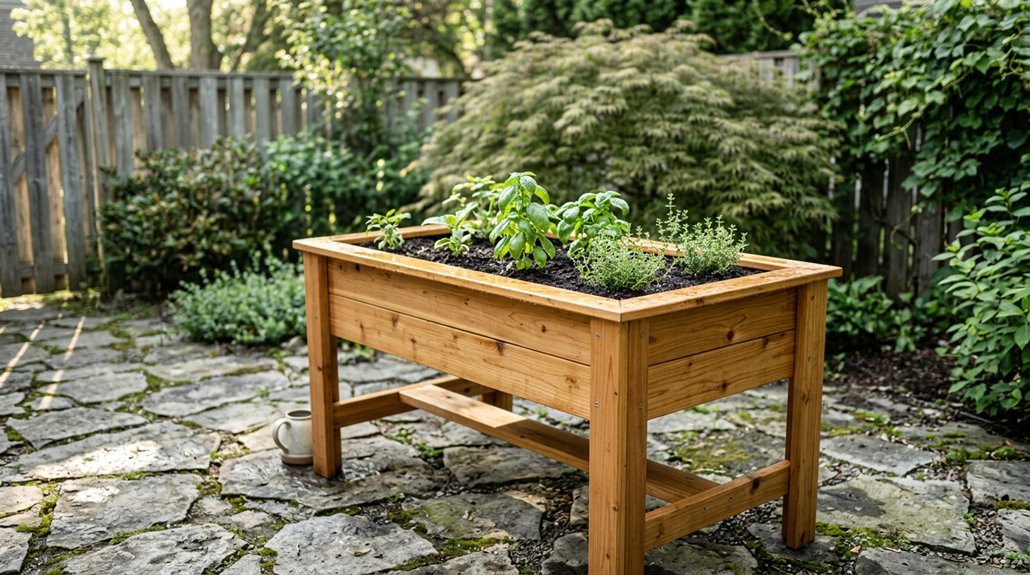
Raised-bed gardening transforms limited spaces into productive growing zones, and you’re holding the right guide if compact efficiency matters more than expansive acreage. You’ll build elevated frames, typically 6 to 12 inches high, 4 feet wide, and 8 feet long, which warm faster in spring, drain excess moisture, and suppress weeds more effectively than ground-level plots.
Select a site receiving 6 to 8 hours of direct sun, within reach of your hose, and construct beds using cedar, composite lumber, or stone. Layer your soil mix: one-third compost, one-third topsoil, and one-third coarse amendments like perlite or vermiculite for structure.
Plant intensively using square-foot spacing: 16 carrots per square foot, 9 bush beans, or 1 tomato with cage support. Water deeply twice weekly, monitoring soil moisture 2 inches down. Apply 2 inches of straw mulch to regulate temperature and reduce evaporation.
Rotate crops annually, moving tomatoes to where legumes grew, and add compost between seasons. You’ll harvest earlier, maintain healthier soil, and extend your growing window with row covers in USDA zones 5 through 8.
Best For: Urban and suburban beginners with limited space who want a low-maintenance, high-yield vegetable garden without the labor of traditional in-ground cultivation.
Pros:
- Faster soil warming and improved drainage extend the growing season and reduce root rot risk
- Intensive square-foot planting maximizes harvest from minimal square footage
- Elevated design reduces bending and suppresses weeds more effectively than ground-level beds
Cons:
- Limited root depth in standard 6-12 inch beds restricts deep-rooted crops without additional height
- Soil dries out faster than in-ground gardens, demanding more consistent watering attention
Recommended Products

High Yield Tomatoe Seeds : Roma VF tomato seeds for planting outdoors produce dense clusters of classic plum tomatoes with thick flesh and low moisture. Ideal tomato seed for tomato paste, sauces, and canning in home vegetable garden and raised beds.

Beautiful - Large premium packet of Roma Tomato (Solanum lycopersicum) seeds. Growing on compact vines, this determinate variety guarantees prolific growth. These rich, juicy tomatoes are great for canning or eating fresh. Whether you're cultivating a bustling outdoor vegetable patch or a cozy kitchen garden space, this popular tomato is easy and fun to grow! Minimum of 100 mg per packet (about 45 seeds).

Italian Roma Tomato Seeds, Heirloom NON-GMO, Determinate, Open-Pollinated, Old-Fashioned Taste, Smooth, Sweet, Delicious, 70 Days, Plant Height: 30-36 inches.
BIJOKETTEN 3 Pack Plastic Raised Garden Bed with Drainage Holes

High-Quality PE Material with Drainage Hole: Crafted from durable and flexible PE material, these grow bags are built to withstand outdoor conditions without cracking. The...
For gardeners seeking modular flexibility without permanent installation, the BIJOKETTEN 3 Pack Plastic Raised Garden Bed delivers practical versatility across compact spaces. You’ll appreciate the durable, flexible PE construction, which withstands outdoor conditions without cracking across USDA zones 4 through 10. Each 23.7-gallon unit measures 2 by 2 by 0.82 feet, providing ample depth for root vegetables like ‘Danvers’ carrots, ‘Detroit Dark Red’ beets, and ‘French Breakfast’ radishes.
The integrated bottom drainage hole promotes airflow to roots, preventing overwatering and root rot during heavy spring rains. The innovative 4-grid design separates plant varieties while encouraging downward root growth, eliminating circling that stunts vegetable development.
You can deploy these green containers for a uniform vegetable garden, patio flower display, or multi-plant repotting station. The collapsible design enables efficient off-season storage, preserving your investment year after year.
Best For: Gardeners seeking modular, portable raised beds for growing vegetables, herbs, and flowers in compact spaces without permanent installation.
Pros:
- Durable, flexible PE material withstands outdoor conditions without cracking across USDA zones 4-10
- 4-grid design separates plant varieties while promoting healthy downward root growth and preventing circling
- Collapsible design enables efficient off-season storage to preserve the product year after year
Cons:
- Limited depth at 0.82 feet may restrict growth of deeper-rooted vegetables
- Bottom drainage hole only may limit drainage efficiency in extremely wet conditions
- Green color may not suit all aesthetic preferences for patio or visible garden spaces
Recommended Products

USDA Certified Organic by Oregon Tilth

Exceptional Germination Rates - Achieve a lush garden effortlessly with our Butter Crunch Lettuce seeds, boasting high germination rate. Ideal for both beginners and experienced gardeners, ensuring a successful harvest every time.

COMPLETE VARIETY PACK: Eight popular lettuce seeds including Buttercrunch, Romaine, Iceberg, Bibb, Red Oakleaf, Prizehead, plus Kale and Spinach; Perfect lettuce seeds for planting outdoors or in hydroponic systems
How to Start a Vegetable Garden for Small Spaces (The Urban Veggie Gardener)

The book’s strength lies in its measured, step-by-step approach, balancing expert horticultural instruction with accessible reassurance for beginners. You will learn to assess your available space, measuring sun exposure, wind patterns, and drainage before selecting containers, raised beds, or vertical solutions like trellises and wall-mounted planters.
Tigress Publishing’s 139-page Kindle eBook, released June 8, 2024, targets urban gardeners and frequent movers seeking practical, scalable methods. You will master container selection, potting mix composition, and irrigation strategies tailored to drought-prone conditions.
The guide details raised bed construction, specifying materials, depth requirements, and soil amendments for optimal root development. You will discover compact varieties suited to succession planting and intercropping, extending your harvest window in limited square footage.
Monthly maintenance routines cover pruning, trellising, and organic pest prevention. A quick-start checklist streamlines your timeline from setup to first harvest, ensuring you build sustainable habits through soil health monitoring, crop rotation, and resource-conscious practices.
Best For: Urban gardeners, apartment dwellers, and frequent movers with limited outdoor space who want a structured, beginner-friendly guide to growing vegetables in containers, raised beds, and vertical setups.
Pros:
- Step-by-step methodology reduces overwhelm for complete beginners while covering advanced techniques like succession planting and intercropping
- Comprehensive coverage of space assessment including sun exposure, wind patterns, and drainage before any planting decisions
- Practical focus on drought-prone conditions and sustainable practices including soil health monitoring and crop rotation
Cons:
- Kindle-only format limits accessibility for readers who prefer physical reference books while gardening
- 139-page length may lack depth on specific regional climate challenges or rare plant varieties
- Published in 2024, so long-term durability of recommendations and emerging small-space techniques remain unproven
Recommended Products

【Package included】: This Trellis for Climbing Plants Outdoor comes complete with everything you need to get started: 17pcs metal stakes, 8pcs stainless wire connect pipe, 2 A-shaped connectors, and a 0.9x1.8meter Bird net.

Vegetable Trellis that Assembles in Minutes, No Tools or Frustration – Say goodbye to complicated setups. Our U-shape trellis includes easy-connect joints and step-by-step instructions for fast, hassle-free assembly

【HIGH COST PERFORMANCE】Besides the frame trellis, we also provide multiple accessories for your need.Includes 8 x panel trellis, 12 x screw, 6 x ground stakes,20Pcs cable zip ties,a pair of gloves.You may assemble the unit according to the picture.It can also be combined into your favorite or suitable shape.
Factors to Consider When Choosing Vegetables to Grow in a Raised Bed
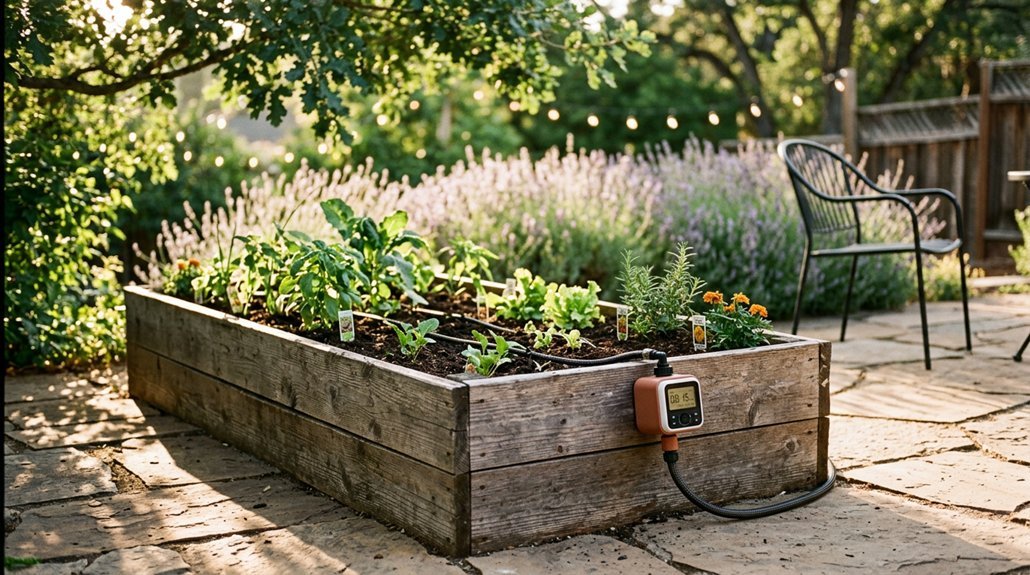
Before you select seeds for your 2026 raised bed, you’ll want to weigh five critical variables that determine your harvest success: your bed’s physical dimensions restrict what you can accommodate, daily sunlight hours dictate which crops will thrive, and root depth requirements, growth habit classification, and your specific USDA hardiness zone collectively filter your viable options.
You’re balancing spatial constraints against biological needs, recognizing that a compact 4×4-foot cedar bed won’t host sprawling indeterminate tomatoes like ‘Brandywine’ alongside deep-rooted parsnips, while a south-facing zone 7 installation receives sufficient June radiation for heat-loving peppers but demands you choose cold-hardy ‘Arctic King’ lettuce for March succession plantings. You’ll map these intersecting factors methodically, because overlooking any single element risks stunted growth, bolting, or complete crop failure that wastes your compost, irrigation, and twelve weeks of careful tending.
Recommended Products

ALL-NATURAL MIX: Burpee Organic Premium Potting Mix is formulated with plant food & coconut coir to promote seed & root growth and healthy flower, vegetable & herb plants. OMRI Listed for organic use.


Bed Size Limits
How much harvest can you realistically expect from your raised bed? Your bed’s dimensions directly determine your yield potential, so you’ll need to calculate total area, length multiplied by width, before selecting vegetables.
Deeper beds, at least 12 to 18 inches, accommodate root-heavy crops like carrots, beets, and potatoes far better than shallow alternatives. You’ll want to keep bed width within 3 to 4 feet, ensuring you can reach the center from either side without stepping on soil, which prevents harmful compaction.
Long, narrow beds maximize edge effects and accessibility, though very lengthy beds demand careful irrigation planning for even moisture distribution. When calculating spacing, remember that each species requires specific square footage, transplants or seeds positioned according to mature plant size.
Measure carefully, plan accordingly, and your raised bed will deliver consistent, manageable harvests throughout the growing season.
Sunlight Requirements
Where exactly does sunlight fall across your growing space from dawn until dusk? Track this movement before placing your raised bed, because most vegetables demand at least 6 hours of direct sunlight daily, with tomatoes, peppers, and cucumbers requiring 8 to 10 hours for peak yields.
Position your bed facing south to maximize light exposure, though east or west orientations still work when you select appropriate crops and adjust planting schedules. Avoid afternoon shade from buildings or trees, since reduced light directly limits photosynthesis and fruit production.
Remember that sun angles shift seasonally, so verify your beds capture sufficient light during early spring and late autumn, widening or relocating them if necessary. Longer daily exposure expands leaf area and improves harvests, particularly for leafy greens and fruiting vegetables that thrive under intense, sustained illumination.
Root Depth Needs
Why should root depth matter when you’re filling your raised bed? You’re building soil volume for specific crops, not guessing. Lettuce and herbs demand just 6–12 inches, but carrots, parsnips, and potatoes plunge 12–18 inches or deeper. Fill your bed to match your deepest crop, then add extra for settling and amendment layering.
Well-draining, loamy soil prevents the root rot that stunts development even in raised beds. Deep-rooted vegetables need taller sides, or you can stagger them with shallow companions to maximize vertical space.
Mulch consistently to stop surface crusting and maintain even moisture, which encourages roots to explore downward. You’re creating conditions where roots thrive, not merely survive.
Growth Habit Type
Once you’ve matched your soil depth to your crops, you’ll want to look at how those plants actually grow above ground, since their architecture determines how efficiently you can pack them into your raised bed’s footprint.
You’ll find that upright or tall vegetables, such as indeterminate tomatoes and corn, demand sturdy staking or trellising to prevent lodging, while bush or compact varieties, like determinate tomatoes and bush beans, stay within a narrow footprint that suits small beds and simplifies maintenance access.
Vining or climbing types, including cucumbers and pole beans, let you maximize vertical space when you install trellises or grid structures along bed edges. Determinate cultivars reach a predictable final size, enabling precise spacing and efficient succession planting.
Finally, you’ll need to manage sprawling habits, such as zucchini or winter squash, through wider spacing or containment to prevent root competition and crowding.
Climate Zone Suitability
How do you know which vegetables will actually thrive in your raised bed rather than merely survive? You match species to your USDA hardiness zone’s temperature patterns, selecting cool-season crops like kale and spinach for zones with lower summer highs, while reserving tomatoes and peppers for zones 7 and above where soil stays warm longer.
Your raised bed heats faster than in-ground soil because its exposed sides absorb solar radiation, accelerating early spring growth for lettuce and radishes but risking heat stress in zones 9 and 10 during July and August. In extreme winter zones 3 through 5, you’ll select hardy, frost-tolerant varieties such as ‘Winterbor’ kale or employ row covers to protect root systems from penetrating freezes.
You must also weigh drainage and soil composition against your regional humidity. Well-drained, sandy loams in arid southwestern zones warm rapidly and demand frequent irrigation. Meanwhile, clay-heavy mixes in humid southeastern zones retain moisture and delay spring planting by two to three weeks.
Finally, you exploit microclimates within your bed itself, positioning heat-loving eggplants along south-facing edges with wind protection from adjacent walls, thereby expanding your viable crop range beyond your zone’s apparent limitations.
Companion Planting Potential
Although you might be tempted to fill every inch of your raised bed with your favorite vegetables, you’ll get far better results when you strategically pair plants that actively support each other’s growth, pest resistance, and flavor development.
You’ll maximize your 4-by-8-foot raised bed by adopting the Three Sisters method, planting pole beans with corn and squash so the beans fix nitrogen, the corn provides support, and the squash shades weeds. You’ll deter aphids and carrot flies by interplanting alliums like garlic and onions among your carrots and other root crops. You’ll improve tomato flavor and repel hornworms by tucking basil or thyme into bed corners, positioning herbs where they won’t shade fruiting plants.
You’ll avoid disease buildup and nutrient depletion by rotating crops and never planting tomatoes beside peppers or other nightshades.
Harvest Frequency Goals
Strategic companion planting sets the foundation for a productive raised bed, yet your harvest calendar ultimately determines how much food you’ll actually bring to your table throughout the season. You’ll maximize your output by selecting crops with staggered maturity dates and continuous-reharvest potential, such as leaf lettuce, radishes, and green onions, which maintain frequent yields from a single space.
Choose fast-maturing or baby varieties that reach harvest size quickly, enabling multiple small harvests per crop. Space your plantings for successive sowing and quick-turnover crops, allowing several harvests within one growing season. Incorporate crops with varying harvest sizes, like frequent-cut herbs alongside quick greens, to extend overall frequency.
Track your harvest intervals and adjust plantings so new crops arrive as others finish, ensuring a steady supply throughout 2026.